• Home
  • About Us
  • Toolkit
  • Getting Finances Done
    • Hiring Advisors
    • Debt Management
    • Spending Plan
  • Insurance
    • Life Insurance
    • Health Insurance
    • Disability Insurance
    • Homeowners/Renters Insurance
  • Contact Us
  • Privacy Policy
  • Risk Tolerance Quiz

The Free Financial Advisor

You are here: Home / Archives for insurance market

State Farm Files for 10% Rate Reduction in Florida After Years of Increases

February 10, 2026 by Brandon Marcus Leave a Comment

State Farm Files for 10% Rate Reduction in Florida After Years of Increases

Image source: shutterstock.com

Florida’s insurance market has spent years feeling like one of those rides that climbs slowly, drops suddenly, and leaves you wondering why you ever got on in the first place. But for once, the latest twist is actually good news.

State Farm, one of the largest insurers in the country, has filed for a 10% rate reduction for Florida homeowners. Yes, you read that correctly: a reduction, not another increase. After years of rising premiums, shrinking options, and policyholders bracing for the next round of bad news, this filing feels like someone finally cracked open a window in a very stuffy room.

Why a Rate Reduction Is Even on the Table

For years, Florida’s insurance market has been defined by rising costs, insurer exits, and a steady stream of premium hikes. So why would State Farm suddenly decide it’s time to lower rates? The answer lies in a combination of improving financial conditions and recent legislative reforms aimed at stabilizing the market.

Over the past few years, Florida has implemented changes designed to reduce litigation, curb fraudulent claims, and create a more predictable environment for insurers. These reforms are starting to show results, and some companies—State Farm included—are seeing fewer losses and more stability. When an insurer’s financial outlook improves, rate reductions become possible. It’s a sign that the market may finally be inching toward balance after a long stretch of turbulence.

What a 10% Reduction Really Means for Homeowners

A 10% reduction may not sound dramatic at first glance, but in a state where premiums have climbed faster than almost anywhere else, even a modest decrease can feel like a breath of fresh air. For many homeowners, insurance costs have become one of the most unpredictable parts of their budget.

A reduction signals not just lower bills, but a potential shift in momentum. State Farm’s change could encourage other insurers to reevaluate their own rates, especially if they’re experiencing similar improvements in their financial performance. While no one should expect a sudden wave of dramatic cuts, even incremental relief can help homeowners regain a sense of control.

State Farm Files for 10% Rate Reduction in Florida After Years of Increases

Image source: shutterstock.com

The Role of Legislative Reforms in Shaping the Market

Florida’s insurance challenges didn’t appear overnight, and neither did the solutions. Over the past several years, lawmakers have passed reforms aimed at reducing excessive litigation, limiting assignment‑of‑benefits abuses, and encouraging insurers to remain in the state. These changes were designed to address long‑standing issues that contributed to rising premiums and insurer instability.

While the full impact of these reforms will take time to unfold, early indicators suggest they’re helping reduce losses and create a more sustainable environment. State Farm’s rate filing is one of the first major signs that the reforms may be working. For homeowners, this is a reminder that policy changes can have real, tangible effects on their monthly expenses.

Why State Farm’s Move Matters Beyond Its Own Customers

Even if you’re not insured with State Farm, this filing could still affect you. When a major insurer signals confidence in the market by lowering rates, it sends a message to competitors and regulators alike. Other companies may feel pressure to reassess their pricing, especially if they’ve been holding onto higher rates as a precaution.

A healthier market also attracts new insurers, which increases competition and gives homeowners more options. While no one should expect an overnight transformation, State Farm’s decision could be the first domino in a slow but meaningful shift toward a more stable and affordable insurance landscape.

What Homeowners Should Do While Waiting for Approval

Rate filings don’t take effect immediately. While the process unfolds, homeowners can take steps to position themselves for potential savings. Start by reviewing your current policy and checking whether you’re receiving all available discounts, such as wind mitigation credits or home safety upgrades.

It’s also a good time to compare quotes from multiple insurers, especially if you haven’t shopped around in a while. Even if State Farm’s reduction is approved, the best deal for your home may come from another company. Staying proactive ensures you’re ready to take advantage of any positive changes in the market.

A Glimpse of Relief in a Long Journey

A 10% rate reduction won’t solve every problem, but it represents something Florida homeowners haven’t seen in a long time: movement in the right direction. It’s a reminder that markets can recover, reforms can work, and insurers can shift from survival mode to stability. Whether you’re a State Farm customer or simply watching the market from the sidelines, this filing is worth keeping on your radar. It may be the first sign of a more balanced future—one where homeowners can breathe a little easier when renewal season rolls around.

What do you think this rate reduction signals for Florida’s insurance future? How are you feeling about your home insurance options in the Sunshine State?

You May Also Like…

Florida Homeowners Are Seeing Insurance Rates Decreasing In 2026

The Roof Age That Automatically Disqualifies Florida Homes From Coverage

Florida Homeowners See First Rate Decrease in 10 Years — Citizens Property Insurance Dropping Premiums 2.6%

The Home Insurance Review Clause That’s Triggering Surprise Policy Cancellations in 2026

Home Insurance: The Smart Way to Protect Your Home and Finances

Insurance Just Stopped Paying for These Routine Health Supplies — Check Your Plan Immediately

Brandon Marcus
Brandon Marcus

Brandon Marcus is a writer who has been sharing the written word since a very young age. His interests include sports, history, pop culture, and so much more. When he isn’t writing, he spends his time jogging, drinking coffee, or attempting to read a long book he may never complete.

Filed Under: Insurance Industry Tagged With: consumer finance, financial relief, Florida insurance, homeowners insurance, insurance market, insurance trends, property coverage, rate reduction, Real estate, State Farm, storm risk

Florida’s 3.35% Non-Renewal Rate: Why Hundreds of Thousands Lost Home Insurance Last Year

February 10, 2026 by Brandon Marcus Leave a Comment

Florida's 3.35% Non-Renewal Rate: Why Hundreds of Thousands Lost Home Insurance Last Year

Image source: shutterstock.com

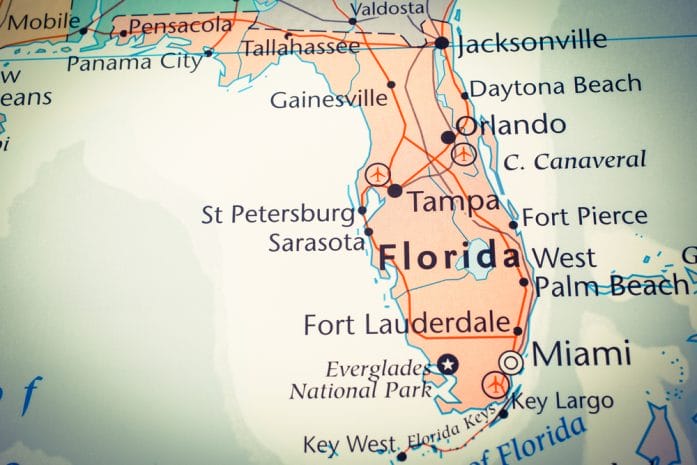
Florida has never been a quiet place when it comes to insurance, but last year’s numbers felt like a jolt even by Florida standards. A 3.35% non-renewal rate may look small on paper, but in a state with millions of policies, that percentage translates into hundreds of thousands of homeowners suddenly left without coverage. It’s the kind of statistic that makes you stop mid-scroll and wonder how a market can change so dramatically in such a short time.

The reality is that Florida’s insurance landscape has been under pressure for years, and this latest wave of non-renewals is the clearest sign yet that the system is straining under the weight of rising risks and rising costs.

When Storm Damage Becomes a Financial Breaking Point

Florida’s weather has always been a character in its own story, but recent years have brought storms that leave insurers with staggering claim totals. According to an analysis of official NAIC data, Florida had the highest non-renewal rate in the nation, with 3.35% of homeowners dropped by their carriers, often after suffering severe storm damage.

Insurers don’t make these decisions lightly, but repeated large-scale losses can push companies to reassess their risk exposure. When storms become more frequent or more destructive, insurers face higher payouts, and some respond by tightening their underwriting standards. That means homeowners in high-risk areas may find themselves without coverage even if they’ve never filed a claim. For residents, this creates a frustrating cycle: the very storms that make insurance essential are the same storms making it harder to keep.

The Rising Cost of Rebuilding and Repairing

Insurance isn’t just about weather—it’s also about the cost of putting things back together. Construction prices have climbed sharply in recent years, driven by labor shortages, supply chain issues, and higher material costs. When the price of rebuilding a home rises, insurers must adjust their risk calculations to match the new reality. A claim that once cost tens of thousands can now cost significantly more, and that financial pressure trickles down into premiums, underwriting decisions, and ultimately non-renewals.

Homeowners may not see the behind-the-scenes math, but they feel the impact when their insurer decides the risk is no longer worth taking. If you’re a homeowner, reviewing your home’s replacement cost estimate each year can help you stay ahead of potential coverage gaps.

Florida's 3.35% Non-Renewal Rate: Why Hundreds of Thousands Lost Home Insurance Last Year

Image source: shutterstock.com

Fraud, Litigation, and the Legal Landscape

Florida’s insurance market has long been shaped by legal challenges, including high rates of litigation and fraud. While not every claim is problematic, the volume of lawsuits in the state has historically been far higher than the national average. This legal environment increases costs for insurers, who must account for the possibility of lengthy disputes even when claims are legitimate.

Over time, these added expenses contribute to higher premiums and more aggressive non-renewal strategies. Recent legislative reforms aim to reduce frivolous lawsuits and stabilize the market, but the effects will take time to fully materialize. Homeowners can help protect themselves by keeping detailed records of repairs, inspections, and communications with contractors.

Insurers Leaving or Shrinking Their Footprint

Another major factor behind the non-renewal wave is the number of insurers reducing their presence in Florida or exiting the state entirely. When companies decide the market is too risky, they stop writing new policies or decline to renew existing ones. This creates a domino effect: fewer insurers mean less competition, which leads to higher prices and fewer options for homeowners.

Some residents end up turning to Citizens Property Insurance Corporation, the state-backed insurer of last resort, which has seen its policy count grow significantly. While Citizens provides essential coverage, it’s not designed to be the primary insurer for such a large portion of the state. If you’re shopping for coverage, comparing quotes early and exploring multiple carriers can help you avoid last-minute scrambles.

The Impact on Everyday Homeowners

For the average homeowner, losing insurance isn’t just an inconvenience—it can jeopardize mortgages, delay repairs, and create financial uncertainty. Lenders require continuous coverage, so a non-renewal notice often triggers a frantic search for a new policy.

In some cases, homeowners may face premiums that are dramatically higher than what they previously paid, stretching budgets already under pressure. Others may struggle to find any insurer willing to take on their property, especially if it’s older or located in a high-risk zone. Staying proactive—by maintaining your home, updating your roof, and documenting improvements—can make you more appealing to insurers and reduce the likelihood of being dropped.

What Homeowners Can Do Moving Forward

While homeowners can’t control the weather or the broader insurance market, they can take steps to strengthen their position. Regular home maintenance, wind mitigation upgrades, and roof inspections can make a meaningful difference in how insurers view your property. Shopping around well before your renewal date gives you time to compare options and avoid rushed decisions.

Staying informed about legislative changes and market trends can also help you anticipate shifts before they hit your mailbox. And if you do receive a non-renewal notice, don’t panic—start gathering quotes immediately and consider speaking with an insurance agent who understands the nuances of Florida’s market.

A Market in Motion, and Homeowners Caught in the Middle

Florida’s 3.35% non-renewal rate is more than a statistic—it’s a snapshot of a market undergoing rapid transformation. Homeowners are navigating a landscape shaped by storms, rising costs, legal complexities, and shifting insurer strategies. While the challenges are real, understanding the forces at play can help you make smarter decisions and stay ahead of potential disruptions. The insurance market may continue to evolve, but informed homeowners can adapt right along with it.

What changes have you noticed in your home insurance situation over the past year? Give us your thoughts below.

You May Also Like…

Florida Homeowners Are Seeing Insurance Rates Decreasing In 2026

The Roof Age That Automatically Disqualifies Florida Homes From Coverage

Insurance Just Stopped Paying for These Routine Health Supplies — Check Your Plan Immediately

The Credit Score That Adds $2,000/Year to Florida Homeowner’s Insurance Premiums

Why South Carolina is Beating Florida in Retirement Relocation


Brandon Marcus
Brandon Marcus

Brandon Marcus is a writer who has been sharing the written word since a very young age. His interests include sports, history, pop culture, and so much more. When he isn’t writing, he spends his time jogging, drinking coffee, or attempting to read a long book he may never complete.

Filed Under: Insurance Tagged With: climate risk, Consumer Protection, Florida insurance crisis, Home insurance, homeowners, insurance market, insurance non-renewal, Planning, property coverage, Real estate, storm damage

Citizens Property Insurance Sees Sharp Drop in Policies — What It Means for Homeowners in 2026

February 6, 2026 by Brandon Marcus Leave a Comment

Citizens Property Insurance Sees Sharp Drop in Policies — What It Means for Homeowners in 2026

Image source: shutterstock.com

If you’ve lived in Florida long enough, you know Citizens Property Insurance is like that friend you only call when things get really messy. It’s the state‑run insurer of last resort—the safety net for homeowners who can’t find coverage anywhere else. But in 2026, something unusual is happening: Citizens is shrinking. Fast.

The company’s policy count has dropped sharply as more homeowners are being shifted—or “taken out”—by private insurers returning to the market. For years, Citizens ballooned as private companies pulled back, but now the tide is turning. And whether you’re insured with Citizens or not, this shift affects the entire Florida insurance landscape.

Why Citizens Is Shrinking After Years of Rapid Growth

For most of the past decade, Citizens grew because private insurers struggled with rising claim costs, reinsurance challenges, and unpredictable weather patterns. When private companies pulled back, homeowners had nowhere else to go, so Citizens became the default option.

But in 2026, the trend is reversing. Several private insurers have re‑entered the market or expanded their offerings, and they’re taking policies out of Citizens through state‑approved programs. These “takeouts” aren’t random—they’re part of a long‑standing effort to keep Citizens from becoming too large, since a massive state‑run insurer creates financial risk for everyone. The result is a noticeable drop in Citizens’ policy count, signaling a shift toward a more balanced insurance market.

What’s Driving Private Insurers Back Into the Market

Private insurers don’t return to a market unless they see stability, opportunity, or both. In Florida, several factors are encouraging companies to expand again. Legislative changes in recent years have aimed to reduce litigation costs and curb fraudulent claims, two major issues that previously drove insurers away. Reinsurance markets have also shown signs of stabilization, giving companies more confidence in their ability to manage risk.

Additionally, some insurers are targeting specific regions or home types where they believe they can operate sustainably. This doesn’t mean the market is suddenly easy or inexpensive—it simply means conditions have improved enough for companies to cautiously re‑engage.

How Takeouts Work—and Why Homeowners Are Getting Letters

If you’re insured with Citizens, you may have received a letter from a private insurer offering to take over your policy. This is part of the state’s depopulation program, which encourages private companies to assume Citizens policies when they believe they can insure them sustainably.

Homeowners typically have the option to accept or decline, but declining may affect eligibility for Citizens renewal depending on the offer. These letters can feel confusing or even alarming, but they’re a normal part of Florida’s insurance system. The goal is to reduce Citizens’ size so it remains a true insurer of last resort—not the largest insurer in the state.

Citizens Property Insurance Sees Sharp Drop in Policies — What It Means for Homeowners in 2026

Image source: shutterstock.com

Why a Smaller Citizens Isn’t Automatically Good or Bad

A shrinking Citizens policy count can be interpreted in different ways. On one hand, it suggests the private market is strengthening, which can be a positive sign for long‑term stability. A healthier private market means more competition, more options, and potentially more innovation.

On the other hand, takeouts don’t always mean lower premiums. Some homeowners may find that private insurers offer higher rates or different coverage terms. Others may welcome the switch if it means more comprehensive options or better customer service. The impact varies widely depending on location, home age, construction type, and risk factors.

What Homeowners Should Watch Closely During This Transition

If you’re affected by a takeout, it’s important to read the offer carefully. Private insurers may have different deductibles, coverage limits, or exclusions compared to Citizens. Homeowners should compare the proposed policy with their current one to understand what’s changing.

It’s also wise to check the financial strength rating of the private insurer, since stability matters when choosing coverage. Even homeowners who aren’t being taken out should pay attention to market shifts, as changes in Citizens’ size can influence overall insurance trends, availability, and pricing across the state.

Why Citizens’ Shrinking Size Matters for the Entire State

Citizens plays a unique role in Florida’s insurance ecosystem. When it grows too large, the financial risk spreads to all policyholders statewide through potential assessments if the company faces major losses. A smaller Citizens reduces that risk, which is one reason state leaders encourage depopulation. However, Citizens also provides a safety net for homeowners who truly can’t find coverage elsewhere.

If the private market becomes too selective, some homeowners may struggle to secure affordable insurance. The challenge is finding a balance where Citizens remains available but not oversized—a balance Florida has been trying to achieve for years.

What This Means for the Future of Florida’s Insurance Market

The drop in Citizens’ policy count is a sign of shifting momentum, but it doesn’t mean Florida’s insurance challenges are solved. Premiums remain high in many areas, and weather‑related risks continue to influence the market. Still, the return of private insurers suggests cautious optimism.

If the trend continues, homeowners may see more options and a more stable insurance environment over time. The key will be whether insurers can maintain profitability while offering coverage that homeowners can reasonably afford. For now, the shrinking size of Citizens is a noteworthy milestone in a state where insurance has been a major concern for years.

A Changing Market, but Homeowners Still Hold the Power

Even as Citizens shrinks and private insurers expand, homeowners remain central to the equation. Staying informed, reviewing policies carefully, and understanding your options can make a meaningful difference in navigating Florida’s evolving insurance landscape. The market may shift, but your ability to make smart, proactive decisions remains constant. Whether you stay with Citizens or move to a private insurer, the most important thing is choosing coverage that fits your needs and protects your home.

What’s your experience with Citizens or private insurance takeouts this year? Share your story in the comments.

You May Also Like…

Florida Homeowners See First Rate Decrease in 10 Years — Citizens Property Insurance Dropping Premiums 2.6%

Senior Citizens Alert: 8 Pieces of Information You Should Never Give Out Over The Phone

The Roof Age That Automatically Disqualifies Florida Homes From Coverage

The Sunshine State Squeeze: Why Florida Retirees are Seeing Smaller Social Security Checks This Week

The Florida Premium Spike: Why Your “Affordable” Health Plan Just Quadrupled in Cost Overnight

Brandon Marcus
Brandon Marcus

Brandon Marcus is a writer who has been sharing the written word since a very young age. His interests include sports, history, pop culture, and so much more. When he isn’t writing, he spends his time jogging, drinking coffee, or attempting to read a long book he may never complete.

Filed Under: Insurance Tagged With: Citizens Property Insurance, depopulation program, Florida insurance, Home insurance, homeowners, insurance costs, insurance market, Planning, private insurers, property insurance, real estate trends

Louisiana Insurance Crisis: Non-Renewal Rates Jump Since 2018

February 5, 2026 by Brandon Marcus Leave a Comment

Louisiana Insurance Crisis: Non-Renewal Rates Jump Since 2018

Image source: shutterstock.com

Imagine opening a letter that instantly changes your financial reality. Not a storm warning, not a tax notice, but a simple sentence that hits harder than a hurricane: “Your policy will not be renewed.” For thousands of Louisiana homeowners, that sentence has become painfully familiar.

Since 2018, insurance non-renewal rates across the state have reportedly surged, transforming what used to be a background concern into a full-blown household crisis. This isn’t just about insurance paperwork—it’s about mortgages, housing security, community stability, and whether people can realistically afford to stay in the homes they love. And the ripple effects? They’re reshaping Louisiana’s housing and economic future in ways that go far beyond storm season.

Why Louisiana’s Insurance Market Is Under Pressure Like Never Before

Louisiana has always lived with risk, but the scale of today’s insurance disruption is new territory. A growing pattern of stronger hurricanes, heavier rainfall, and more frequent flooding has dramatically increased losses for insurers, making long-term risk models far less predictable than they used to be.

At the same time, reinsurance costs—the insurance that insurance companies buy to protect themselves—have surged, forcing companies to either raise prices, reduce coverage, or exit high-risk markets entirely. When insurers pull back, the result isn’t just higher premiums; it’s fewer available policies and more homeowners left scrambling for coverage.

What a Jump in Non-Renewals Really Means for Homeowners

An increase in non-renewals isn’t just a scary statistic—it’s a daily reality for families trying to protect their biggest investment. Non-renewal means homeowners aren’t being dropped for missing payments or filing fraudulent claims; they’re being told the company simply no longer wants to insure their property or area.

That forces people into a stressful hunt for replacement coverage, often at significantly higher costs and with less protection. In many cases, the only option becomes last-resort insurers, which typically come with higher premiums and more limited coverage.

How This Crisis Is Reshaping Housing, Communities, and Affordability

The insurance crisis doesn’t stay confined to policy documents—it spills directly into the housing market. Rising premiums and shrinking coverage options make homes harder to sell, harder to insure, and harder to finance. Buyers hesitate, lenders get cautious, and entire neighborhoods can see declining demand simply because insurance has become too expensive or too hard to secure.

This creates a quiet but powerful shift in where people choose to live, often pushing families away from high-risk areas even if those places have been home for generations. Communities that rely on stable property values and long-term residents feel the pressure in subtle but serious ways.

What Homeowners Can Do Right Now to Protect Themselves

While the system-level problems are massive, there are practical steps homeowners can take. Shopping policies early—well before renewal deadlines—can expand options and reduce panic-driven decisions. Investing in mitigation measures like fortified roofing, flood-resistant construction features, and updated drainage systems can improve insurability and sometimes reduce premiums.

Working with experienced local insurance agents who understand regional risk patterns can make a huge difference in navigating limited markets. It’s also smart to stay informed about state-level programs, building codes, and resilience initiatives that may create future insurance incentives.

Louisiana Insurance Crisis: Non-Renewal Rates Jump Since 2018

Image source: shutterstock.com

Why This Isn’t Just an Insurance Story

At its core, Louisiana’s insurance crisis is about resilience—financial, environmental, and social. Insurance is the invisible infrastructure that allows people to rebuild after disasters, secure mortgages, and invest in communities with confidence. When that system destabilizes, everything built on top of it starts to wobble.

This isn’t just about hurricanes or premiums; it’s about whether communities can sustainably exist in high-risk areas without pricing out the people who already live there. It’s about how climate risk, financial systems, and housing markets intersect in ways that everyday families feel first and hardest.

What Louisiana’s Insurance Future Really Depends On

The path forward will depend on smarter risk planning, stronger building standards, better disaster mitigation, and insurance systems that reward resilience instead of simply retreating from risk. Long-term solutions won’t come from one policy change or one company’s decision; they’ll come from coordinated efforts between homeowners, insurers, regulators, and communities.

This moment could redefine how the state approaches housing, development, and disaster preparedness for decades to come. The challenge is massive, but so is the opportunity to build something more stable, fair, and sustainable.

What changes do you think Louisiana needs most to stabilize its insurance market—and protect homeowners for the long run? Tell us your thoughts in the comments section below.

You May Also Like…

California’s Insurance Cancellation Crisis: 3.18% of Homeowners Lost Coverage in 2024

The Credit Score That Adds $2,000/Year to Florida Homeowner’s Insurance Premiums

The One Household Appliance That Will Spike Your Insurance Premiums if Discovered During Inspection

The Florida Insurance Trap: Why “Safe” Neighborhoods Are Facing a $500 Monthly Payment Hike This Week

6 Reasons Your Car Insurance Company Can Legally Drop You After One Claim

Brandon Marcus
Brandon Marcus

Brandon Marcus is a writer who has been sharing the written word since a very young age. His interests include sports, history, pop culture, and so much more. When he isn’t writing, he spends his time jogging, drinking coffee, or attempting to read a long book he may never complete.

Filed Under: Insurance Tagged With: climate risk, coastal risk, disaster recovery, Financial Stability, home insurance crisis, housing affordability, hurricanes, insurance market, Louisiana insurance, non-renewal rates, property insurance, reinsurance costs

Why Certain Zip Codes Are No Longer Being Serviced by Major Insurers

July 16, 2025 by Travis Campbell Leave a Comment

insurance

Image Source: pexels.com

Some people wake up to find their home insurance policy canceled. Others try to buy coverage and get denied. It’s not just bad luck. More and more, major insurers are pulling out of certain zip codes. This isn’t just happening in wildfire-prone California or hurricane-hit Florida. It’s spreading to places that never used to worry about insurance at all. If you own a home, rent, or just want to understand what’s going on, this matters. Here’s why some zip codes are now off-limits for big insurance companies—and what you can do about it.

1. Climate Risks Are Changing Fast

The weather is getting more extreme. Wildfires, floods, hurricanes, and hailstorms are hitting harder and more often. Insurers use data to predict risk, but the old models don’t work as well anymore. When a single storm wipes out hundreds of homes, the losses add up fast. Some companies decide it’s just not worth the risk. They stop offering new policies or even cancel existing ones in high-risk zip codes. If you live in an area with more wildfires, floods, or storms than before, you might find it harder to get coverage. This isn’t just a problem for people in obvious danger zones. Even places that never used to flood are now seeing more claims.

2. Reinsurance Costs Are Skyrocketing

Insurance companies don’t carry all the risk themselves. They buy “reinsurance” to protect against big disasters. But reinsurance is getting more expensive. When reinsurers raise their prices, insurers have to pay more to cover the same homes. Sometimes, the cost is so high that it doesn’t make sense to keep offering policies in certain zip codes. This is especially true in places hit by repeated disasters. If your area has seen several big claims in a few years, your insurer might decide to leave. This isn’t just about one company’s decision. It’s a chain reaction that affects everyone in the area.

3. State Regulations Can Limit Flexibility

Some states have strict rules about how much insurers can charge. That sounds good for consumers, but it can backfire. If insurers can’t raise rates to match the real risk, they might lose money. Instead of taking a loss, they sometimes pull out of entire zip codes or states. This leaves homeowners scrambling for coverage. In some cases, state-run insurance pools step in, but these policies can be expensive and offer less protection. If you live in a state with tight insurance rules, you might see fewer options in your zip code.

4. High Claim Payouts in Certain Areas

Some zip codes have a history of big insurance claims. Maybe it’s because of weather, crime, or even lawsuits. When insurers pay out more than they collect in premiums, they have to make a choice. They can raise rates, limit coverage, or leave the area. In many cases, they choose to stop writing new policies or renewals in those zip codes. This isn’t always about natural disasters. Sometimes, it’s about theft, vandalism, or even water damage from old pipes. If your neighborhood has a lot of claims, you could be at risk of losing your coverage.

5. Building Costs and Supply Chain Issues

It costs more to rebuild a home now than it did a few years ago. Lumber, labor, and materials are all more expensive. When a disaster hits, insurers have to pay these higher costs. If they can’t raise premiums to match, they might decide to stop offering coverage in areas where rebuilding is especially pricey. Supply chain problems make it even harder. If it takes longer and costs more to fix homes, insurers face bigger losses. Some zip codes, especially in fast-growing or remote areas, are seeing insurers pull out for this reason.

6. Fraud and Litigation Hotspots

Some areas see more insurance fraud or lawsuits than others. This can drive up costs for everyone. If a zip code becomes known for fraudulent claims or frequent legal battles, insurers may decide it’s not worth the trouble. They might stop offering coverage or add strict requirements. This can leave honest homeowners stuck with higher bills or no coverage at all. If you live in a place with a reputation for lawsuits or scams, your options may shrink.

7. Shifting Demographics and Urban Development

As cities grow and change, so do the risks. New construction, denser housing, and changing populations can all affect insurance decisions. Sometimes, a zip code that was once low-risk becomes more expensive to insure. Maybe there’s more traffic, more crime, or just more people. Insurers monitor these trends and adjust their coverage accordingly. If your area is experiencing rapid growth or undergoing other changes, you may also notice adjustments to your insurance options.

8. What You Can Do If Your Zip Code Is Affected

If you find yourself in a zip code that insurers are leaving, don’t panic. Start by shopping around. Some smaller or regional insurers may still offer coverage. Check if your state has a “last resort” insurance pool. These policies can be expensive, but they’re better than nothing. You can also take steps to lower your risk. Install fire alarms, upgrade your roof, or add security systems. Sometimes, these changes can help you qualify for coverage or lower your premiums. Stay informed about changes in your area, and don’t be afraid to ask questions when shopping for insurance.

Facing the New Insurance Reality

Insurance isn’t a guarantee anymore, especially in certain zip codes. The world is changing, and insurers are changing with it. If you live in an area that’s losing coverage, you’re not alone. Stay proactive, keep your home as safe as possible, and look for every option. The insurance landscape will keep shifting, but you can still protect yourself by staying informed and prepared.

Have you lost insurance coverage in your zip code? What steps did you take? Share your story in the comments.

Read More

DIY Projects That Can Void Your Homeowner’s Insurance

10 Types of Insurance You Didnt Know You Needed

Travis Campbell
Travis Campbell

Travis Campbell is a digital marketer/developer with over 10 years of experience and a writer for over 6 years. He holds a degree in E-commerce and likes to share life advice he’s learned over the years. Travis loves spending time on the golf course or at the gym when he’s not working.

Filed Under: Insurance Tagged With: climate risk, Home insurance, Insurance, insurance market, property insurance, reinsurance, state regulations, zip codes

FOLLOW US

Search this site:

Recent Posts

  • Can My Savings Account Affect My Financial Aid? by Tamila McDonald
  • 12 Ways Gen X’s Views Clash with Millennials… by Tamila McDonald
  • What Advantages and Disadvantages Are There To… by Jacob Sensiba
  • Call 911: Go To the Emergency Room Immediately If… by Stephen Kanaval
  • 10 Tactics for Building an Emergency Fund from Scratch by Vanessa Bermudez
  • 7 Weird Things You Can Sell Online by Tamila McDonald
  • 10 Scary Facts About DriveTime by Tamila McDonald

Copyright © 2026 · News Pro Theme on Genesis Framework