• Home
  • About Us
  • Toolkit
  • Getting Finances Done
    • Hiring Advisors
    • Debt Management
    • Spending Plan
  • Insurance
    • Life Insurance
    • Health Insurance
    • Disability Insurance
    • Homeowners/Renters Insurance
  • Contact Us
  • Privacy Policy
  • Risk Tolerance Quiz

The Free Financial Advisor

You are here: Home / Archives for climate risk

Insurance Costs Are Quietly Reshaping Where Americans Can Live — And Some Are Being Priced Out

March 29, 2026 by Brandon Marcus Leave a Comment

Insurance Costs Are Quietly Reshaping Where Americans Can Live — And Some Are Being Priced Out

Image Source: Pexels.com

The price of living somewhere no longer stops at rent or a mortgage. Insurance has stepped into the spotlight, and it refuses to stay quiet. Premiums have surged across the country, and in some places, they have exploded so dramatically that entire communities now sit on the edge of affordability. Homeowners who once felt secure now scan renewal notices with a mix of disbelief and dread, wondering how a bill tied to “protection” turned into a dealbreaker. The map of where people can live comfortably has started to shift, and insurance companies now hold more influence over that map than many ever expected.

Coastal dream homes, wildfire-adjacent retreats, and even suburban neighborhoods that once felt like safe bets now carry price tags that extend far beyond the purchase price. Insurance costs don’t just reflect risk anymore; they actively shape decisions about where families settle, where retirees relocate, and where younger buyers even dare to look.

When “Affordable” Stops Meaning What It Used To

For decades, affordability centered on a simple equation: income, mortgage, and maybe property taxes. That formula now looks outdated. Insurance premiums have surged in many regions, especially in areas prone to hurricanes, wildfires, flooding, and severe storms. States like Florida and California have become headline examples, where some homeowners have seen premiums double or even triple in a short period. That kind of increase doesn’t just sting; it completely reshapes budgets and forces tough decisions about staying put or moving on.

Insurance companies have tightened their grip on risk, and they no longer hesitate to pull back from areas they consider too volatile. Some insurers have stopped writing new policies in high-risk regions altogether, leaving homeowners scrambling for limited and often expensive alternatives. This shrinking pool of options drives prices even higher, creating a cycle that feels impossible to escape. Homebuyers now factor insurance quotes into their decision-making process before they even make an offer, because ignoring it could mean walking into a financial trap.

That reality forces a mindset shift. Buyers who once chased ocean views or wooded privacy now look for “insurability” as a key feature. A home that looks perfect on paper can quickly lose its shine when the insurance estimate arrives. People have started asking different questions: How close is the nearest fire station? Has this area seen recent claims? What do insurers say about future risk? Those questions now shape the housing search just as much as square footage or school districts.

The Climate Factor Nobody Can Ignore Anymore

Climate risk has moved from an abstract concept to a daily reality, and insurance companies have responded with sharp adjustments. Wildfires in the West, hurricanes along the Gulf and East Coasts, and floods in unexpected regions have driven massive payouts for insurers. Those losses don’t disappear; companies pass them along through higher premiums or stricter coverage terms. The result lands squarely on homeowners’ shoulders, and it often arrives faster than expected.

Insurers rely on advanced data models that predict future risk, not just past events. That forward-looking approach means areas that haven’t yet faced a major disaster can still see rising premiums if models suggest trouble ahead. Homeowners sometimes feel blindsided when their rates jump without a recent claim, but insurers have already factored in shifting weather patterns and increasing disaster frequency. This disconnect between personal experience and projected risk creates frustration, especially when costs climb without a clear, visible cause.

Insurance Costs Are Quietly Reshaping Where Americans Can Live — And Some Are Being Priced Out

Image Source: Pexels.com

The Ripple Effect on Housing Markets

Rising insurance costs don’t stay confined to monthly bills; they ripple through entire housing markets. When insurance becomes too expensive, demand in certain areas begins to cool, and that shift can slow price growth or even push values downward. Sellers in high-risk regions now face an additional challenge, because buyers factor insurance costs into their overall budget and often walk away from deals that no longer make financial sense. What once looked like a hot market can lose momentum quickly when insurance enters the equation.

Lenders have also taken notice. Mortgage approvals often depend on proof of adequate insurance coverage, and when policies become difficult to obtain or prohibitively expensive, financing can fall through. That reality adds another layer of complexity for buyers, who must navigate not just interest rates and home prices but also insurance availability. A home that qualifies for a loan one year might become harder to finance the next, simply because insurance conditions changed.

This dynamic has started to influence migration patterns in subtle but significant ways. Some people leave high-cost, high-risk areas for regions with more stable insurance markets, even if it means sacrificing certain lifestyle perks. Others stay put but adjust expectations, opting for smaller homes or different neighborhoods to offset rising premiums. The housing market doesn’t just reflect personal preferences anymore; it reflects a growing awareness of long-term risk and financial sustainability.

Strategies for Staying Ahead of the Insurance Squeeze

Navigating this new landscape requires a proactive approach, because waiting for renewal notices can lead to unpleasant surprises. Homeowners benefit from shopping around for insurance regularly, even if they feel satisfied with their current provider. Different companies assess risk differently, and comparing quotes can reveal opportunities to save or find better coverage. Loyalty doesn’t always pay in this market, so staying informed matters more than ever.

Bundling policies, increasing deductibles, and asking about discounts for safety upgrades can also help manage costs. Insurers often reward homeowners who take steps to reduce risk, and those incentives can add up over time. Installing security systems, reinforcing roofs, or upgrading electrical systems can make a property more appealing from an insurance perspective. These improvements require upfront investment, but they can lead to long-term savings and greater peace of mind.

Location research has become a critical step for anyone considering a move. Checking local insurance trends, understanding regional risks, and reviewing state-backed insurance options can provide valuable insight before making a decision. Some states offer last-resort insurance programs for high-risk areas, but those policies often come with higher costs and limited coverage. Knowing these details ahead of time helps avoid surprises and allows for smarter planning. A little homework now can prevent major financial headaches later.

The New Geography of Affordability

A new map has started to emerge, and it doesn’t look like the one people grew up with. Insurance costs have quietly redrawn the boundaries of affordability, turning some once-desirable locations into financial challenges while elevating others as safer bets. This shift doesn’t mean people will abandon entire regions overnight, but it does mean decisions about where to live now carry more weight and complexity than ever before. Housing choices have become deeply intertwined with risk, resilience, and long-term cost planning.

What changes feel most realistic right now—adjusting expectations, relocating, or investing in upgrades to stay put? Drop your thoughts, strategies, or even frustrations in the comments and keep the conversation going.

You May Also Like…

7 Reasons Your Home Insurance Premium Just Went Up Again

8 Super Simple Ways to Reduce Your Car Insurance Premiums

Your House Is Holding You Back: Why So Many People Are Re‑Thinking Homeownership

Colorado Escrow Payments Continue Climbing — Homeowners Face Higher Monthly Costs

Avoid These Pitfalls: First-Time Homeownership Mistakes That Can Cost You

Brandon Marcus
Brandon Marcus

Brandon Marcus is a writer who has been sharing the written word since a very young age. His interests include sports, history, pop culture, and so much more. When he isn’t writing, he spends his time jogging, drinking coffee, or attempting to read a long book he may never complete.

Filed Under: Insurance Tagged With: climate risk, Cost of living, disaster zones, homeowners insurance, housing affordability, Housing Market, Inflation, insurance crisis, migration trends, Planning, property insurance, real estate trends

7 Reasons Your Home Insurance Premium Just Went Up Again

March 24, 2026 by Brandon Marcus Leave a Comment

7 Reasons Your Home Insurance Premium Just Went Up Again

Image Source: Pexels.com

The number on that insurance renewal demands attention, raises eyebrows, and leaves many people staring at the page like it just delivered a personal insult. It seems that premiums keep climbing, and they don’t ask for permission. Instead, they arrive with confidence, backed by a list of reasons that actually make sense once everything gets laid out clearly. Still, that understanding doesn’t soften the sting when the bill lands.

Insurance companies don’t pull numbers out of thin air. They react to risk, data, and trends that shape the world outside the front door. Fires burn hotter, storms hit harder, and repair costs climb faster than anyone likes to admit. Those forces combine into one unavoidable outcome: higher premiums. The good news? Each increase tells a story, and once that story becomes clear, it opens the door to smarter decisions and a little more control over the situation.

1. Climate Chaos Isn’t Just Headlines Anymore

Weather doesn’t behave the way it used to, and insurance companies track every shift with laser focus. Stronger storms, heavier rainfall, and longer wildfire seasons push risk levels higher across entire regions. When insurers see more claims tied to weather damage, they adjust premiums quickly to match that reality. That adjustment doesn’t target one unlucky homeowner; it spreads across entire neighborhoods and cities.

Rising climate risks don’t just increase the number of claims—they also increase the severity of each one. A single storm can now cause widespread flooding, roof damage, and structural issues all at once. That kind of impact leads to bigger payouts, which forces insurers to recalculate how much coverage actually costs. Premiums rise as a direct response to those larger financial risks. No mystery exists there, just math.

Smart homeowners stay ahead by focusing on prevention. Upgrading roofing materials, improving drainage, and installing sump pumps can reduce risk in meaningful ways. Insurance providers often reward those upgrades with discounts, which helps offset rising premiums. Preparation doesn’t stop storms, but it absolutely softens the financial blow when they arrive.

2. The Price of Fixing Things Keeps Climbing

Repair costs don’t sit still, and neither do insurance premiums. Lumber, steel, and other building materials have jumped in price over the past few years. Contractors charge more for labor, and skilled workers don’t come cheap anymore. That combination drives up the cost of every single claim. Insurance companies base premiums on what it would cost to rebuild or repair a home today, not five years ago. When those costs rise, premiums follow without hesitation. A roof replacement that once cost a manageable amount now comes with a much higher price tag, and insurers adjust their pricing to reflect that reality. Every nail, beam, and hour of labor adds up.

Homeowners can take control by reviewing their coverage limits regularly. Underinsuring a home creates serious risk, while overinsuring wastes money. A quick conversation with an insurance provider ensures that coverage matches current rebuilding costs. That balance keeps protection strong without paying more than necessary.

3. Claims History Leaves a Long Shadow

Insurance companies never forget a claim. They track every incident, from water damage to theft, and they use that history to predict future risk. Multiple claims in a short period signal a higher likelihood of future payouts, which leads to increased premiums. Even small claims can have a big impact over time. Filing for minor repairs might feel like a win in the moment, but those claims stack up and influence pricing later. Insurers view frequent claims as a pattern, not isolated events. That pattern pushes premiums upward.

A smarter approach involves using insurance for major losses while handling smaller repairs out of pocket when possible. That strategy keeps the claims history cleaner and helps maintain lower premiums over time. Prevention also plays a huge role here—regular maintenance reduces the chances of needing to file a claim at all.

4. Neighborhood Risk Matters More Than Ever

Location shapes insurance costs in powerful ways. Crime rates, fire protection services, and proximity to water all influence how insurers calculate risk. A home in a high-risk area will almost always carry a higher premium, even if nothing has ever gone wrong at that specific property. Insurance companies rely on detailed data when they evaluate neighborhoods. They look at theft rates, response times for emergency services, and even the distance to the nearest fire hydrant. Those factors paint a clear picture of potential risk, and premiums reflect that picture with precision.

Homeowners don’t control every aspect of location, but they can still take action. Installing security systems, smoke detectors, and smart home monitoring devices can lower perceived risk. Many insurers offer discounts for those upgrades, which helps bring premiums back down to a more manageable level.

5. Policy Add-Ons Can Quietly Stack Up

Extra coverage sounds appealing, and it often makes sense, but it also increases premiums. Riders for jewelry, electronics, or specialty items add protection while also adding cost. Over time, those additions can push a policy far beyond its original price. Insurance policies evolve as needs change. A homeowner might add coverage for valuable items, upgrade liability protection, or include additional living expenses coverage. Each change brings value, but it also raises the overall premium. Without regular reviews, those costs can grow unnoticed.

A yearly policy check keeps everything in balance. Removing unnecessary add-ons and adjusting coverage based on current needs can trim costs without sacrificing protection. That kind of review takes very little time but delivers meaningful savings.

6. Credit Scores Play a Bigger Role Than Expected

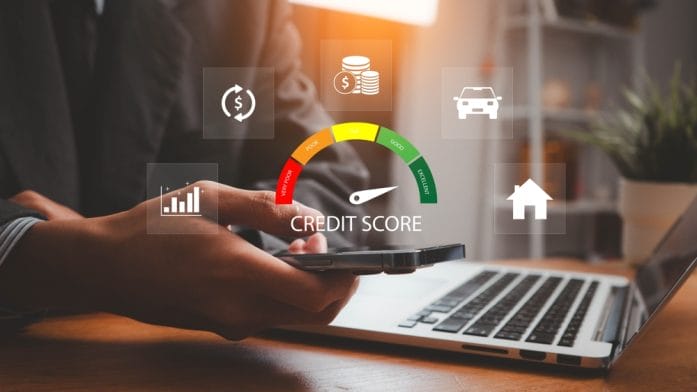
Many insurance companies use credit-based insurance scores to help determine premiums. A lower score often signals higher risk in the eyes of insurers, which leads to higher costs. That connection might feel surprising, but it plays a significant role in pricing. Improving a credit score can lead to noticeable savings on insurance premiums. Paying bills on time, reducing debt, and monitoring credit reports all contribute to a stronger financial profile. Insurers reward that stability with better rates.

Homeowners who haven’t checked their credit recently might find an opportunity here. A small improvement can translate into real savings over time. That connection makes financial habits even more important when it comes to managing overall housing costs.

7 Reasons Your Home Insurance Premium Just Went Up Again

Image Source: Shutterstock.com

7. Insurance Industry Losses Ripple Outward

Insurance companies operate as businesses, and large-scale losses affect their bottom line. When natural disasters or widespread events lead to massive payouts, insurers adjust premiums across the board to recover those costs. That ripple effect touches even those who never filed a claim.

Global events can influence local premiums in surprising ways. A series of major disasters in different regions can strain the entire industry, leading to higher costs everywhere. Insurers spread risk across large pools, which means losses in one area can impact pricing in another.

Staying informed helps homeowners understand these shifts. Shopping around for quotes, comparing providers, and exploring bundle options can uncover better deals. Loyalty doesn’t always guarantee the best rate, so a little research can go a long way.

Control What You Can, Understand the Rest

Insurance premiums don’t rise without reason, even if those reasons feel frustrating in the moment. Climate risks, repair costs, claims history, and financial factors all play a role in shaping that final number. Each piece of the puzzle adds clarity, and that clarity creates opportunities to act.

Small changes can make a big difference. Regular maintenance, smart upgrades, and careful policy reviews all help keep costs under control. Paying attention to credit health and exploring different providers can unlock additional savings. Those steps don’t eliminate rising premiums entirely, but they do shift the balance back in a more favorable direction.

What strategies have worked best for lowering your insurance costs, and what surprises have shown up along the way? Share those insights and ideas in the comments—someone else might need exactly that tip next.

You May Also Like…

8 Super Simple Ways to Reduce Your Car Insurance Premiums

Is Quality Furniture Officially a Scam? Why Filling a New Home in 2026 is Destroying Senior Nest Eggs

Your House Is Holding You Back: Why So Many People Are Re‑Thinking Homeownership

Avoid These Pitfalls: First-Time Homeownership Mistakes That Can Cost You

The 60-Day Window to Contest Homeowner Cancellation Based on Satellite Images

Brandon Marcus
Brandon Marcus

Brandon Marcus is a writer who has been sharing the written word since a very young age. His interests include sports, history, pop culture, and so much more. When he isn’t writing, he spends his time jogging, drinking coffee, or attempting to read a long book he may never complete.
Filed Under: Insurance Tagged With: climate risk, Home insurance, homeowners, homeownership, Housing Costs, Inflation, insurance premiums, insurance tips, Personal Finance, property insurance, rising costs, Risk management

Florida’s 3.35% Non-Renewal Rate: Why Hundreds of Thousands Lost Home Insurance Last Year

February 10, 2026 by Brandon Marcus Leave a Comment

Florida's 3.35% Non-Renewal Rate: Why Hundreds of Thousands Lost Home Insurance Last Year

Image source: shutterstock.com

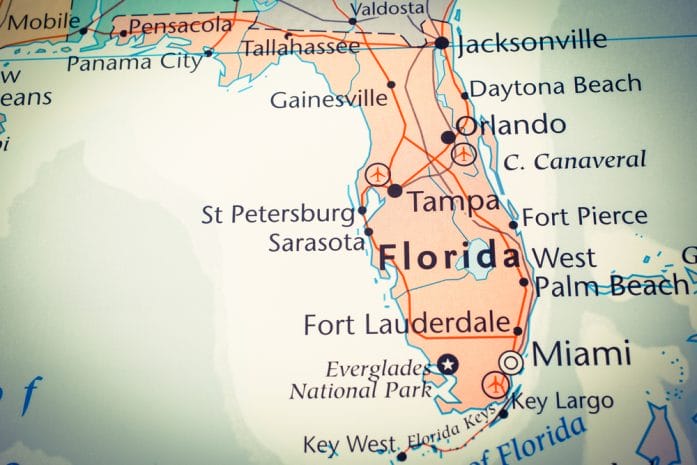
Florida has never been a quiet place when it comes to insurance, but last year’s numbers felt like a jolt even by Florida standards. A 3.35% non-renewal rate may look small on paper, but in a state with millions of policies, that percentage translates into hundreds of thousands of homeowners suddenly left without coverage. It’s the kind of statistic that makes you stop mid-scroll and wonder how a market can change so dramatically in such a short time.

The reality is that Florida’s insurance landscape has been under pressure for years, and this latest wave of non-renewals is the clearest sign yet that the system is straining under the weight of rising risks and rising costs.

When Storm Damage Becomes a Financial Breaking Point

Florida’s weather has always been a character in its own story, but recent years have brought storms that leave insurers with staggering claim totals. According to an analysis of official NAIC data, Florida had the highest non-renewal rate in the nation, with 3.35% of homeowners dropped by their carriers, often after suffering severe storm damage.

Insurers don’t make these decisions lightly, but repeated large-scale losses can push companies to reassess their risk exposure. When storms become more frequent or more destructive, insurers face higher payouts, and some respond by tightening their underwriting standards. That means homeowners in high-risk areas may find themselves without coverage even if they’ve never filed a claim. For residents, this creates a frustrating cycle: the very storms that make insurance essential are the same storms making it harder to keep.

The Rising Cost of Rebuilding and Repairing

Insurance isn’t just about weather—it’s also about the cost of putting things back together. Construction prices have climbed sharply in recent years, driven by labor shortages, supply chain issues, and higher material costs. When the price of rebuilding a home rises, insurers must adjust their risk calculations to match the new reality. A claim that once cost tens of thousands can now cost significantly more, and that financial pressure trickles down into premiums, underwriting decisions, and ultimately non-renewals.

Homeowners may not see the behind-the-scenes math, but they feel the impact when their insurer decides the risk is no longer worth taking. If you’re a homeowner, reviewing your home’s replacement cost estimate each year can help you stay ahead of potential coverage gaps.

Florida's 3.35% Non-Renewal Rate: Why Hundreds of Thousands Lost Home Insurance Last Year

Image source: shutterstock.com

Fraud, Litigation, and the Legal Landscape

Florida’s insurance market has long been shaped by legal challenges, including high rates of litigation and fraud. While not every claim is problematic, the volume of lawsuits in the state has historically been far higher than the national average. This legal environment increases costs for insurers, who must account for the possibility of lengthy disputes even when claims are legitimate.

Over time, these added expenses contribute to higher premiums and more aggressive non-renewal strategies. Recent legislative reforms aim to reduce frivolous lawsuits and stabilize the market, but the effects will take time to fully materialize. Homeowners can help protect themselves by keeping detailed records of repairs, inspections, and communications with contractors.

Insurers Leaving or Shrinking Their Footprint

Another major factor behind the non-renewal wave is the number of insurers reducing their presence in Florida or exiting the state entirely. When companies decide the market is too risky, they stop writing new policies or decline to renew existing ones. This creates a domino effect: fewer insurers mean less competition, which leads to higher prices and fewer options for homeowners.

Some residents end up turning to Citizens Property Insurance Corporation, the state-backed insurer of last resort, which has seen its policy count grow significantly. While Citizens provides essential coverage, it’s not designed to be the primary insurer for such a large portion of the state. If you’re shopping for coverage, comparing quotes early and exploring multiple carriers can help you avoid last-minute scrambles.

The Impact on Everyday Homeowners

For the average homeowner, losing insurance isn’t just an inconvenience—it can jeopardize mortgages, delay repairs, and create financial uncertainty. Lenders require continuous coverage, so a non-renewal notice often triggers a frantic search for a new policy.

In some cases, homeowners may face premiums that are dramatically higher than what they previously paid, stretching budgets already under pressure. Others may struggle to find any insurer willing to take on their property, especially if it’s older or located in a high-risk zone. Staying proactive—by maintaining your home, updating your roof, and documenting improvements—can make you more appealing to insurers and reduce the likelihood of being dropped.

What Homeowners Can Do Moving Forward

While homeowners can’t control the weather or the broader insurance market, they can take steps to strengthen their position. Regular home maintenance, wind mitigation upgrades, and roof inspections can make a meaningful difference in how insurers view your property. Shopping around well before your renewal date gives you time to compare options and avoid rushed decisions.

Staying informed about legislative changes and market trends can also help you anticipate shifts before they hit your mailbox. And if you do receive a non-renewal notice, don’t panic—start gathering quotes immediately and consider speaking with an insurance agent who understands the nuances of Florida’s market.

A Market in Motion, and Homeowners Caught in the Middle

Florida’s 3.35% non-renewal rate is more than a statistic—it’s a snapshot of a market undergoing rapid transformation. Homeowners are navigating a landscape shaped by storms, rising costs, legal complexities, and shifting insurer strategies. While the challenges are real, understanding the forces at play can help you make smarter decisions and stay ahead of potential disruptions. The insurance market may continue to evolve, but informed homeowners can adapt right along with it.

What changes have you noticed in your home insurance situation over the past year? Give us your thoughts below.

You May Also Like…

Florida Homeowners Are Seeing Insurance Rates Decreasing In 2026

The Roof Age That Automatically Disqualifies Florida Homes From Coverage

Insurance Just Stopped Paying for These Routine Health Supplies — Check Your Plan Immediately

The Credit Score That Adds $2,000/Year to Florida Homeowner’s Insurance Premiums

Why South Carolina is Beating Florida in Retirement Relocation


Brandon Marcus
Brandon Marcus

Brandon Marcus is a writer who has been sharing the written word since a very young age. His interests include sports, history, pop culture, and so much more. When he isn’t writing, he spends his time jogging, drinking coffee, or attempting to read a long book he may never complete.

Filed Under: Insurance Tagged With: climate risk, Consumer Protection, Florida insurance crisis, Home insurance, homeowners, insurance market, insurance non-renewal, Planning, property coverage, Real estate, storm damage

The Property Tax Increases Hitting 13 Disaster-Prone States in 2026

February 8, 2026 by Brandon Marcus Leave a Comment

The Property Tax Increases Hitting 15 Disaster-Prone States in 2026

Image source: shutterstock.com

If you live in a state where hurricanes, wildfires, floods, tornadoes, or earthquakes are part of the seasonal forecast, 2026 may bring more than just another storm season—it may also bring a bigger property tax bill. Across the U.S., disaster-prone states are quietly setting the stage for higher property taxes, driven by rebuilding costs, rising property values, infrastructure repairs, and the long-term price of climate risk.

This isn’t just a budget issue for governments—it’s a personal finance reality for homeowners, renters, and buyers trying to plan their future. And while the changes won’t hit every neighborhood equally, the trend is becoming hard to ignore.

Why Disaster Recovery Is Reshaping Property Taxes

When disasters hit, the damage doesn’t stop at roofs and roads—it ripples straight into city budgets, county assessments, and long-term tax planning. Rebuilding infrastructure like bridges, utilities, drainage systems, and emergency services costs billions, and local governments often rely on property tax revenue to help fund those projects.

Rebuilding is becoming increasingly more expensive, and property values frequently rise due to new construction, stricter building codes, and modernized homes, which naturally increase assessed values over time. Higher assessments don’t always mean higher tax rates, but they often lead to larger tax bills anyway.

Another factor is resilience spending. Flood barriers, wildfire mitigation zones, hurricane-resistant infrastructure, and stormwater systems are becoming permanent budget items in disaster-prone regions. These aren’t one-time projects—they’re long-term investments, and they require consistent funding. That funding usually comes from a mix of bonds, state aid, and local taxes, with property taxes playing a central role.

The 13 Disaster-Prone States Feeling the Pressure

While disaster risk exists nationwide, some states face repeated, compounding events that strain local budgets year after year. Coastal hurricane states like Florida, Louisiana, North Carolina, South Carolina, and Texas regularly deal with storm damage and flooding. Western states such as California, Colorado, Arizona, and New Mexico face wildfires, drought, and infrastructure stress tied to extreme heat.

Central states like Oklahoma, Kansas, Missouri, and Tennessee deal with tornadoes, flooding, and storm-related infrastructure damage.

The Property Tax Increases Hitting 15 Disaster-Prone States in 2026

Image source: shutterstock.com

What links these states isn’t just geography—it’s frequency. Repeated disasters mean repeated rebuilding, repeated emergency spending, and repeated strain on public services. This creates upward pressure on property tax systems, especially in fast-growing areas where demand for housing stays strong even as risk increases.

Insurance Costs, Home Values, and the Hidden Tax Effect

Property taxes don’t rise in isolation. Insurance premiums in disaster-prone states are already climbing, which affects home prices, buyer demand, and rebuilding decisions. When homes are rebuilt to stronger standards, they often appraise higher. Higher appraisals lead to higher assessments, which then translate into higher property taxes.

There’s also a migration effect. Some high-risk areas are still attracting new residents, pushing demand and prices upward. Others are losing residents, which forces local governments to spread infrastructure costs across a smaller tax base. In both cases, the math can push taxes higher for remaining homeowners.

What Homeowners and Buyers Can Do Right Now

Preparation beats panic every time. If you own a home in a disaster-prone state, it’s smart to track your local assessment schedule, understand how reassessments work, and review how your property is classified. Many homeowners overpay simply because they never challenge incorrect assessments. Knowing your rights and appeal processes matters.

Buyers should factor long-term tax risk into affordability calculations. That dream home near the coast or in the mountains might look affordable today, but future taxes and insurance costs could change that math fast. Talking to local real estate professionals and tax offices can give clearer insight into long-term trends.

How Local Governments Are Framing These Increases

Most cities and counties aren’t calling these changes “tax hikes.” They’re framing them as resilience funding, infrastructure investment, and disaster preparedness. And in many ways, that’s accurate. The reality is that stronger communities cost more to build and maintain, especially in high-risk environments.

Public officials are increasingly focused on long-term sustainability rather than short-term fixes. That means smarter building codes, better emergency systems, and more resilient infrastructure—but it also means stable revenue streams to support them. Property taxes are one of the most reliable tools local governments have, which is why they’re central to this conversation.

Resilience Has a Price Tag

Living in a disaster-prone state in 2026 will increasingly mean paying for safety, stability, and long-term resilience through everyday costs like property taxes. These increases aren’t random, and they aren’t short-term—they’re part of a broader transition toward communities that are built to survive repeated shocks. For homeowners, buyers, renters, and investors alike, understanding this shift is no longer optional—it’s essential for smart financial planning.

What’s your take—are higher property taxes worth stronger, safer communities, or do you think the financial burden is getting too heavy for everyday homeowners? Share your thoughts in the comments.

You May Also Like…

9 Georgia Counties Where Property Taxes Are Set to Rise the Fastest

Texas Property Alert: The New 2026 Law That Allows Police to Remove Squatters in 24 Hours

14 Costly Disasters That Happen When You Renovate Without a Permit

5 Reasons To Talk To Your Kids About Taxes

5 Reasons Why Homeowners Should Increase Their Property’s ROI

Brandon Marcus
Brandon Marcus

Brandon Marcus is a writer who has been sharing the written word since a very young age. His interests include sports, history, pop culture, and so much more. When he isn’t writing, he spends his time jogging, drinking coffee, or attempting to read a long book he may never complete.

Filed Under: tax tips Tagged With: 2026 Outlook, climate risk, Cost of living, disaster recovery, homeownership, Housing Market, housing policy, local government, natural disasters, property taxes, real estate trends

Louisiana Insurance Crisis: Non-Renewal Rates Jump Since 2018

February 5, 2026 by Brandon Marcus Leave a Comment

Louisiana Insurance Crisis: Non-Renewal Rates Jump Since 2018

Image source: shutterstock.com

Imagine opening a letter that instantly changes your financial reality. Not a storm warning, not a tax notice, but a simple sentence that hits harder than a hurricane: “Your policy will not be renewed.” For thousands of Louisiana homeowners, that sentence has become painfully familiar.

Since 2018, insurance non-renewal rates across the state have reportedly surged, transforming what used to be a background concern into a full-blown household crisis. This isn’t just about insurance paperwork—it’s about mortgages, housing security, community stability, and whether people can realistically afford to stay in the homes they love. And the ripple effects? They’re reshaping Louisiana’s housing and economic future in ways that go far beyond storm season.

Why Louisiana’s Insurance Market Is Under Pressure Like Never Before

Louisiana has always lived with risk, but the scale of today’s insurance disruption is new territory. A growing pattern of stronger hurricanes, heavier rainfall, and more frequent flooding has dramatically increased losses for insurers, making long-term risk models far less predictable than they used to be.

At the same time, reinsurance costs—the insurance that insurance companies buy to protect themselves—have surged, forcing companies to either raise prices, reduce coverage, or exit high-risk markets entirely. When insurers pull back, the result isn’t just higher premiums; it’s fewer available policies and more homeowners left scrambling for coverage.

What a Jump in Non-Renewals Really Means for Homeowners

An increase in non-renewals isn’t just a scary statistic—it’s a daily reality for families trying to protect their biggest investment. Non-renewal means homeowners aren’t being dropped for missing payments or filing fraudulent claims; they’re being told the company simply no longer wants to insure their property or area.

That forces people into a stressful hunt for replacement coverage, often at significantly higher costs and with less protection. In many cases, the only option becomes last-resort insurers, which typically come with higher premiums and more limited coverage.

How This Crisis Is Reshaping Housing, Communities, and Affordability

The insurance crisis doesn’t stay confined to policy documents—it spills directly into the housing market. Rising premiums and shrinking coverage options make homes harder to sell, harder to insure, and harder to finance. Buyers hesitate, lenders get cautious, and entire neighborhoods can see declining demand simply because insurance has become too expensive or too hard to secure.

This creates a quiet but powerful shift in where people choose to live, often pushing families away from high-risk areas even if those places have been home for generations. Communities that rely on stable property values and long-term residents feel the pressure in subtle but serious ways.

What Homeowners Can Do Right Now to Protect Themselves

While the system-level problems are massive, there are practical steps homeowners can take. Shopping policies early—well before renewal deadlines—can expand options and reduce panic-driven decisions. Investing in mitigation measures like fortified roofing, flood-resistant construction features, and updated drainage systems can improve insurability and sometimes reduce premiums.

Working with experienced local insurance agents who understand regional risk patterns can make a huge difference in navigating limited markets. It’s also smart to stay informed about state-level programs, building codes, and resilience initiatives that may create future insurance incentives.

Louisiana Insurance Crisis: Non-Renewal Rates Jump Since 2018

Image source: shutterstock.com

Why This Isn’t Just an Insurance Story

At its core, Louisiana’s insurance crisis is about resilience—financial, environmental, and social. Insurance is the invisible infrastructure that allows people to rebuild after disasters, secure mortgages, and invest in communities with confidence. When that system destabilizes, everything built on top of it starts to wobble.

This isn’t just about hurricanes or premiums; it’s about whether communities can sustainably exist in high-risk areas without pricing out the people who already live there. It’s about how climate risk, financial systems, and housing markets intersect in ways that everyday families feel first and hardest.

What Louisiana’s Insurance Future Really Depends On

The path forward will depend on smarter risk planning, stronger building standards, better disaster mitigation, and insurance systems that reward resilience instead of simply retreating from risk. Long-term solutions won’t come from one policy change or one company’s decision; they’ll come from coordinated efforts between homeowners, insurers, regulators, and communities.

This moment could redefine how the state approaches housing, development, and disaster preparedness for decades to come. The challenge is massive, but so is the opportunity to build something more stable, fair, and sustainable.

What changes do you think Louisiana needs most to stabilize its insurance market—and protect homeowners for the long run? Tell us your thoughts in the comments section below.

You May Also Like…

California’s Insurance Cancellation Crisis: 3.18% of Homeowners Lost Coverage in 2024

The Credit Score That Adds $2,000/Year to Florida Homeowner’s Insurance Premiums

The One Household Appliance That Will Spike Your Insurance Premiums if Discovered During Inspection

The Florida Insurance Trap: Why “Safe” Neighborhoods Are Facing a $500 Monthly Payment Hike This Week

6 Reasons Your Car Insurance Company Can Legally Drop You After One Claim

Brandon Marcus
Brandon Marcus

Brandon Marcus is a writer who has been sharing the written word since a very young age. His interests include sports, history, pop culture, and so much more. When he isn’t writing, he spends his time jogging, drinking coffee, or attempting to read a long book he may never complete.

Filed Under: Insurance Tagged With: climate risk, coastal risk, disaster recovery, Financial Stability, home insurance crisis, housing affordability, hurricanes, insurance market, Louisiana insurance, non-renewal rates, property insurance, reinsurance costs

California FAIR Plan Exposure Doubles to $650 Billion — 35.8% Rate Hike Requested

February 1, 2026 by Brandon Marcus Leave a Comment

California FAIR Plan Exposure Doubles to $650 Billion — 35.8% Rate Hike Requested

Image source: shutterstock.com

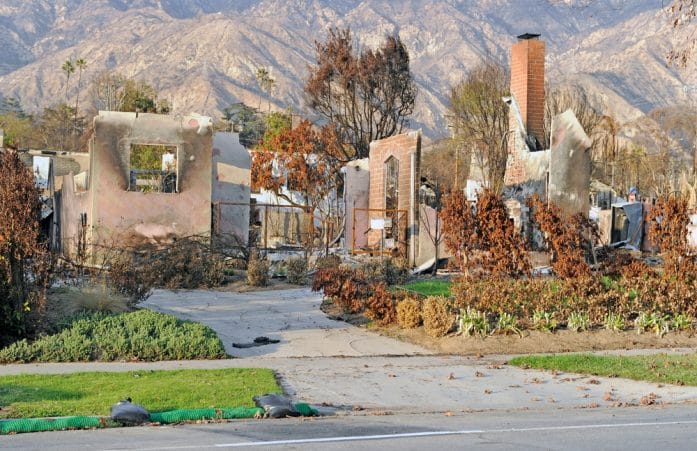
California’s wildfire crisis just hit a new financial flashpoint, and it’s not happening in the forests — it’s happening in the insurance system. The California FAIR Plan, the state’s insurer of last resort, has seen its exposure explode to a staggering $650 billion, more than double what it carried just a few years ago. At the same time, the plan is requesting a 35.8% rate hike, setting off alarm bells for homeowners, regulators, and anyone who cares about housing stability in wildfire-prone areas.

This isn’t just an insurance industry story — it’s a housing story, a climate story, and a cost-of-living story all rolled into one. If you live in California, know someone who does, or care about the future of insurability in high-risk regions, this matters more than you might think.

How the FAIR Plan Went From Safety Net to Financial Giant

The FAIR Plan was never designed to be a massive insurer. It was meant to be a backup option—a last resort for homeowners who couldn’t get coverage in the private market. But as wildfire risks intensified and major insurers pulled back from high-risk areas, the FAIR Plan became less of a safety net and more of a primary provider for hundreds of thousands of Californians.

That shift is exactly why exposure has ballooned to $650 billion. Exposure doesn’t mean cash in the bank—it means the total value of properties the FAIR Plan is on the hook to cover if disaster strikes. In plain English: if a catastrophic wildfire season hits hard, the financial responsibility would be massive, fast, and incredibly complex to manage.

The 35.8% Rate Hike Request: What It Really Means for Homeowners

A 35.8% rate hike sounds like a headline number, but for real people, it translates into painful monthly reality. That’s not a minor adjustment — that’s a major cost shift for families who already struggle with housing affordability, taxes, utilities, and maintenance costs.

For many homeowners using the FAIR Plan, this isn’t optional insurance. It’s not a “shop around and find a better deal” situation. It’s literally the only option available, which means price sensitivity becomes almost irrelevant. People pay because they have to, not because they want to.

This creates a tough emotional and financial bind. People are already living in areas that carry wildfire risk, and now they’re facing rising premiums that feel less like a service and more like a survival tax.

A System Under Pressure: Why This Isn’t Just an Insurance Problem

What’s happening with the FAIR Plan isn’t isolated. It’s a symptom of a system under stress. Climate risk is colliding with financial risk, regulatory structures, and housing demand in ways that traditional insurance models weren’t built to handle.

Insurance depends on predictability. Wildfires, however, are becoming less predictable, more intense, and more destructive. When risk becomes harder to model, insurers become more cautious. Insurers become more cautious, coverage shrinks. When coverage shrinks, public or semi-public systems like the FAIR Plan absorb the overflow.

California FAIR Plan Exposure Doubles to $650 Billion — 35.8% Rate Hike Requested

Image source: shutterstock.com

What Comes Next for California’s Housing and Insurance Future

The doubling of exposure and the rate hike request signal something deeper than a temporary spike. California is entering an era where insurance availability and affordability will shape where people can realistically live, not just where they want to live.

This doesn’t mean the end of high-risk communities. But it does mean adaptation becomes essential. Fire-resistant construction, smarter land use planning, better evacuation infrastructure, and large-scale mitigation strategies are no longer optional extras — they’re economic necessities.

When Insurance Becomes Infrastructure: The Real Wake-Up Call

The FAIR Plan’s $650 billion exposure isn’t just a number — it’s a warning signal. It tells us that insurance is no longer just a financial product. It’s becoming a form of critical infrastructure in climate-risk regions. When that infrastructure strains, everything connected to it feels the pressure.

What do you think? Should California rethink how insurance, housing, and climate risk are connected, or are we just watching a broken system stretch itself to the breaking point? Drop your thoughts in the comments and join the conversation.

You May Also Like…

The Hidden Cost of Rent Control in California

FireAid Concert Raises a Staggering $100 Million for LA Wildfire Relief—Here’s How It Happened

Regulation Watch: 8 Compliance Changes That May Affect Advisory Fees

The Home Insurance Review Clause That’s Triggering Surprise Policy Cancellations in 2026

14 Costly Disasters That Happen When You Renovate Without a Permit

Brandon Marcus
Brandon Marcus

Brandon Marcus is a writer who has been sharing the written word since a very young age. His interests include sports, history, pop culture, and so much more. When he isn’t writing, he spends his time jogging, drinking coffee, or attempting to read a long book he may never complete.

Filed Under: Lifestyle Tagged With: California FAIR Plan, California homeowners, climate risk, disaster resilience, housing affordability, Housing Market, insurance crisis, insurance rates, property insurance, wildfire exposure, wildfire insurance, wildfire zones

Why Certain Zip Codes Are No Longer Being Serviced by Major Insurers

July 16, 2025 by Travis Campbell Leave a Comment

insurance

Image Source: pexels.com

Some people wake up to find their home insurance policy canceled. Others try to buy coverage and get denied. It’s not just bad luck. More and more, major insurers are pulling out of certain zip codes. This isn’t just happening in wildfire-prone California or hurricane-hit Florida. It’s spreading to places that never used to worry about insurance at all. If you own a home, rent, or just want to understand what’s going on, this matters. Here’s why some zip codes are now off-limits for big insurance companies—and what you can do about it.

1. Climate Risks Are Changing Fast

The weather is getting more extreme. Wildfires, floods, hurricanes, and hailstorms are hitting harder and more often. Insurers use data to predict risk, but the old models don’t work as well anymore. When a single storm wipes out hundreds of homes, the losses add up fast. Some companies decide it’s just not worth the risk. They stop offering new policies or even cancel existing ones in high-risk zip codes. If you live in an area with more wildfires, floods, or storms than before, you might find it harder to get coverage. This isn’t just a problem for people in obvious danger zones. Even places that never used to flood are now seeing more claims.

2. Reinsurance Costs Are Skyrocketing

Insurance companies don’t carry all the risk themselves. They buy “reinsurance” to protect against big disasters. But reinsurance is getting more expensive. When reinsurers raise their prices, insurers have to pay more to cover the same homes. Sometimes, the cost is so high that it doesn’t make sense to keep offering policies in certain zip codes. This is especially true in places hit by repeated disasters. If your area has seen several big claims in a few years, your insurer might decide to leave. This isn’t just about one company’s decision. It’s a chain reaction that affects everyone in the area.

3. State Regulations Can Limit Flexibility

Some states have strict rules about how much insurers can charge. That sounds good for consumers, but it can backfire. If insurers can’t raise rates to match the real risk, they might lose money. Instead of taking a loss, they sometimes pull out of entire zip codes or states. This leaves homeowners scrambling for coverage. In some cases, state-run insurance pools step in, but these policies can be expensive and offer less protection. If you live in a state with tight insurance rules, you might see fewer options in your zip code.

4. High Claim Payouts in Certain Areas

Some zip codes have a history of big insurance claims. Maybe it’s because of weather, crime, or even lawsuits. When insurers pay out more than they collect in premiums, they have to make a choice. They can raise rates, limit coverage, or leave the area. In many cases, they choose to stop writing new policies or renewals in those zip codes. This isn’t always about natural disasters. Sometimes, it’s about theft, vandalism, or even water damage from old pipes. If your neighborhood has a lot of claims, you could be at risk of losing your coverage.

5. Building Costs and Supply Chain Issues

It costs more to rebuild a home now than it did a few years ago. Lumber, labor, and materials are all more expensive. When a disaster hits, insurers have to pay these higher costs. If they can’t raise premiums to match, they might decide to stop offering coverage in areas where rebuilding is especially pricey. Supply chain problems make it even harder. If it takes longer and costs more to fix homes, insurers face bigger losses. Some zip codes, especially in fast-growing or remote areas, are seeing insurers pull out for this reason.

6. Fraud and Litigation Hotspots

Some areas see more insurance fraud or lawsuits than others. This can drive up costs for everyone. If a zip code becomes known for fraudulent claims or frequent legal battles, insurers may decide it’s not worth the trouble. They might stop offering coverage or add strict requirements. This can leave honest homeowners stuck with higher bills or no coverage at all. If you live in a place with a reputation for lawsuits or scams, your options may shrink.

7. Shifting Demographics and Urban Development

As cities grow and change, so do the risks. New construction, denser housing, and changing populations can all affect insurance decisions. Sometimes, a zip code that was once low-risk becomes more expensive to insure. Maybe there’s more traffic, more crime, or just more people. Insurers monitor these trends and adjust their coverage accordingly. If your area is experiencing rapid growth or undergoing other changes, you may also notice adjustments to your insurance options.

8. What You Can Do If Your Zip Code Is Affected

If you find yourself in a zip code that insurers are leaving, don’t panic. Start by shopping around. Some smaller or regional insurers may still offer coverage. Check if your state has a “last resort” insurance pool. These policies can be expensive, but they’re better than nothing. You can also take steps to lower your risk. Install fire alarms, upgrade your roof, or add security systems. Sometimes, these changes can help you qualify for coverage or lower your premiums. Stay informed about changes in your area, and don’t be afraid to ask questions when shopping for insurance.

Facing the New Insurance Reality

Insurance isn’t a guarantee anymore, especially in certain zip codes. The world is changing, and insurers are changing with it. If you live in an area that’s losing coverage, you’re not alone. Stay proactive, keep your home as safe as possible, and look for every option. The insurance landscape will keep shifting, but you can still protect yourself by staying informed and prepared.

Have you lost insurance coverage in your zip code? What steps did you take? Share your story in the comments.

Read More

DIY Projects That Can Void Your Homeowner’s Insurance

10 Types of Insurance You Didnt Know You Needed

Travis Campbell
Travis Campbell

Travis Campbell is a digital marketer/developer with over 10 years of experience and a writer for over 6 years. He holds a degree in E-commerce and likes to share life advice he’s learned over the years. Travis loves spending time on the golf course or at the gym when he’s not working.

Filed Under: Insurance Tagged With: climate risk, Home insurance, Insurance, insurance market, property insurance, reinsurance, state regulations, zip codes

FOLLOW US

Search this site:

Recent Posts

  • Can My Savings Account Affect My Financial Aid? by Tamila McDonald
  • 12 Ways Gen X’s Views Clash with Millennials… by Tamila McDonald
  • What Advantages and Disadvantages Are There To… by Jacob Sensiba
  • Call 911: Go To the Emergency Room Immediately If… by Stephen Kanaval
  • 10 Tactics for Building an Emergency Fund from Scratch by Vanessa Bermudez
  • 7 Weird Things You Can Sell Online by Tamila McDonald
  • 10 Scary Facts About DriveTime by Tamila McDonald

Copyright © 2026 · News Pro Theme on Genesis Framework