• Home
  • About Us
  • Toolkit
  • Getting Finances Done
    • Hiring Advisors
    • Debt Management
    • Spending Plan
  • Insurance
    • Life Insurance
    • Health Insurance
    • Disability Insurance
    • Homeowners/Renters Insurance
  • Contact Us
  • Privacy Policy
  • Risk Tolerance Quiz

The Free Financial Advisor

You are here: Home / Archives for disaster recovery

The Property Tax Increases Hitting 13 Disaster-Prone States in 2026

February 8, 2026 by Brandon Marcus Leave a Comment

The Property Tax Increases Hitting 15 Disaster-Prone States in 2026

Image source: shutterstock.com

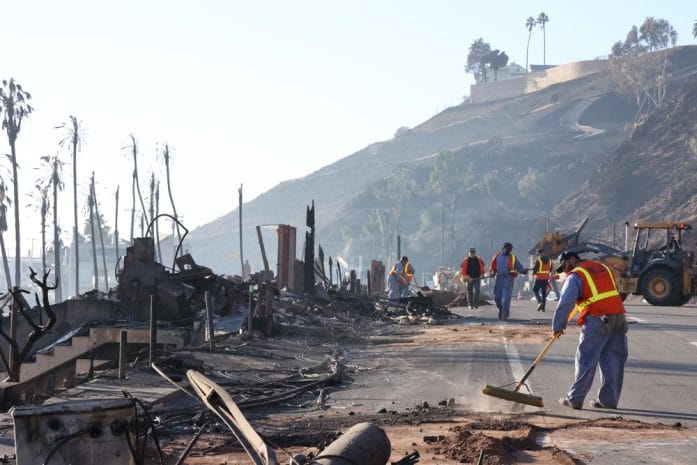
If you live in a state where hurricanes, wildfires, floods, tornadoes, or earthquakes are part of the seasonal forecast, 2026 may bring more than just another storm season—it may also bring a bigger property tax bill. Across the U.S., disaster-prone states are quietly setting the stage for higher property taxes, driven by rebuilding costs, rising property values, infrastructure repairs, and the long-term price of climate risk.

This isn’t just a budget issue for governments—it’s a personal finance reality for homeowners, renters, and buyers trying to plan their future. And while the changes won’t hit every neighborhood equally, the trend is becoming hard to ignore.

Why Disaster Recovery Is Reshaping Property Taxes

When disasters hit, the damage doesn’t stop at roofs and roads—it ripples straight into city budgets, county assessments, and long-term tax planning. Rebuilding infrastructure like bridges, utilities, drainage systems, and emergency services costs billions, and local governments often rely on property tax revenue to help fund those projects.

Rebuilding is becoming increasingly more expensive, and property values frequently rise due to new construction, stricter building codes, and modernized homes, which naturally increase assessed values over time. Higher assessments don’t always mean higher tax rates, but they often lead to larger tax bills anyway.

Another factor is resilience spending. Flood barriers, wildfire mitigation zones, hurricane-resistant infrastructure, and stormwater systems are becoming permanent budget items in disaster-prone regions. These aren’t one-time projects—they’re long-term investments, and they require consistent funding. That funding usually comes from a mix of bonds, state aid, and local taxes, with property taxes playing a central role.

The 13 Disaster-Prone States Feeling the Pressure

While disaster risk exists nationwide, some states face repeated, compounding events that strain local budgets year after year. Coastal hurricane states like Florida, Louisiana, North Carolina, South Carolina, and Texas regularly deal with storm damage and flooding. Western states such as California, Colorado, Arizona, and New Mexico face wildfires, drought, and infrastructure stress tied to extreme heat.

Central states like Oklahoma, Kansas, Missouri, and Tennessee deal with tornadoes, flooding, and storm-related infrastructure damage.

The Property Tax Increases Hitting 15 Disaster-Prone States in 2026

Image source: shutterstock.com

What links these states isn’t just geography—it’s frequency. Repeated disasters mean repeated rebuilding, repeated emergency spending, and repeated strain on public services. This creates upward pressure on property tax systems, especially in fast-growing areas where demand for housing stays strong even as risk increases.

Insurance Costs, Home Values, and the Hidden Tax Effect

Property taxes don’t rise in isolation. Insurance premiums in disaster-prone states are already climbing, which affects home prices, buyer demand, and rebuilding decisions. When homes are rebuilt to stronger standards, they often appraise higher. Higher appraisals lead to higher assessments, which then translate into higher property taxes.

There’s also a migration effect. Some high-risk areas are still attracting new residents, pushing demand and prices upward. Others are losing residents, which forces local governments to spread infrastructure costs across a smaller tax base. In both cases, the math can push taxes higher for remaining homeowners.

What Homeowners and Buyers Can Do Right Now

Preparation beats panic every time. If you own a home in a disaster-prone state, it’s smart to track your local assessment schedule, understand how reassessments work, and review how your property is classified. Many homeowners overpay simply because they never challenge incorrect assessments. Knowing your rights and appeal processes matters.

Buyers should factor long-term tax risk into affordability calculations. That dream home near the coast or in the mountains might look affordable today, but future taxes and insurance costs could change that math fast. Talking to local real estate professionals and tax offices can give clearer insight into long-term trends.

How Local Governments Are Framing These Increases

Most cities and counties aren’t calling these changes “tax hikes.” They’re framing them as resilience funding, infrastructure investment, and disaster preparedness. And in many ways, that’s accurate. The reality is that stronger communities cost more to build and maintain, especially in high-risk environments.

Public officials are increasingly focused on long-term sustainability rather than short-term fixes. That means smarter building codes, better emergency systems, and more resilient infrastructure—but it also means stable revenue streams to support them. Property taxes are one of the most reliable tools local governments have, which is why they’re central to this conversation.

Resilience Has a Price Tag

Living in a disaster-prone state in 2026 will increasingly mean paying for safety, stability, and long-term resilience through everyday costs like property taxes. These increases aren’t random, and they aren’t short-term—they’re part of a broader transition toward communities that are built to survive repeated shocks. For homeowners, buyers, renters, and investors alike, understanding this shift is no longer optional—it’s essential for smart financial planning.

What’s your take—are higher property taxes worth stronger, safer communities, or do you think the financial burden is getting too heavy for everyday homeowners? Share your thoughts in the comments.

You May Also Like…

9 Georgia Counties Where Property Taxes Are Set to Rise the Fastest

Texas Property Alert: The New 2026 Law That Allows Police to Remove Squatters in 24 Hours

14 Costly Disasters That Happen When You Renovate Without a Permit

5 Reasons To Talk To Your Kids About Taxes

5 Reasons Why Homeowners Should Increase Their Property’s ROI

Brandon Marcus
Brandon Marcus

Brandon Marcus is a writer who has been sharing the written word since a very young age. His interests include sports, history, pop culture, and so much more. When he isn’t writing, he spends his time jogging, drinking coffee, or attempting to read a long book he may never complete.


Filed Under: tax tips Tagged With: 2026 Outlook, climate risk, Cost of living, disaster recovery, homeownership, Housing Market, housing policy, local government, natural disasters, property taxes, real estate trends

Louisiana Insurance Crisis: Non-Renewal Rates Jump Since 2018

February 5, 2026 by Brandon Marcus Leave a Comment

Louisiana Insurance Crisis: Non-Renewal Rates Jump Since 2018

Image source: shutterstock.com

Imagine opening a letter that instantly changes your financial reality. Not a storm warning, not a tax notice, but a simple sentence that hits harder than a hurricane: “Your policy will not be renewed.” For thousands of Louisiana homeowners, that sentence has become painfully familiar.

Since 2018, insurance non-renewal rates across the state have reportedly surged, transforming what used to be a background concern into a full-blown household crisis. This isn’t just about insurance paperwork—it’s about mortgages, housing security, community stability, and whether people can realistically afford to stay in the homes they love. And the ripple effects? They’re reshaping Louisiana’s housing and economic future in ways that go far beyond storm season.

Why Louisiana’s Insurance Market Is Under Pressure Like Never Before

Louisiana has always lived with risk, but the scale of today’s insurance disruption is new territory. A growing pattern of stronger hurricanes, heavier rainfall, and more frequent flooding has dramatically increased losses for insurers, making long-term risk models far less predictable than they used to be.

At the same time, reinsurance costs—the insurance that insurance companies buy to protect themselves—have surged, forcing companies to either raise prices, reduce coverage, or exit high-risk markets entirely. When insurers pull back, the result isn’t just higher premiums; it’s fewer available policies and more homeowners left scrambling for coverage.

What a Jump in Non-Renewals Really Means for Homeowners

An increase in non-renewals isn’t just a scary statistic—it’s a daily reality for families trying to protect their biggest investment. Non-renewal means homeowners aren’t being dropped for missing payments or filing fraudulent claims; they’re being told the company simply no longer wants to insure their property or area.

That forces people into a stressful hunt for replacement coverage, often at significantly higher costs and with less protection. In many cases, the only option becomes last-resort insurers, which typically come with higher premiums and more limited coverage.

How This Crisis Is Reshaping Housing, Communities, and Affordability

The insurance crisis doesn’t stay confined to policy documents—it spills directly into the housing market. Rising premiums and shrinking coverage options make homes harder to sell, harder to insure, and harder to finance. Buyers hesitate, lenders get cautious, and entire neighborhoods can see declining demand simply because insurance has become too expensive or too hard to secure.

This creates a quiet but powerful shift in where people choose to live, often pushing families away from high-risk areas even if those places have been home for generations. Communities that rely on stable property values and long-term residents feel the pressure in subtle but serious ways.

What Homeowners Can Do Right Now to Protect Themselves

While the system-level problems are massive, there are practical steps homeowners can take. Shopping policies early—well before renewal deadlines—can expand options and reduce panic-driven decisions. Investing in mitigation measures like fortified roofing, flood-resistant construction features, and updated drainage systems can improve insurability and sometimes reduce premiums.

Working with experienced local insurance agents who understand regional risk patterns can make a huge difference in navigating limited markets. It’s also smart to stay informed about state-level programs, building codes, and resilience initiatives that may create future insurance incentives.

Louisiana Insurance Crisis: Non-Renewal Rates Jump Since 2018

Image source: shutterstock.com

Why This Isn’t Just an Insurance Story

At its core, Louisiana’s insurance crisis is about resilience—financial, environmental, and social. Insurance is the invisible infrastructure that allows people to rebuild after disasters, secure mortgages, and invest in communities with confidence. When that system destabilizes, everything built on top of it starts to wobble.

This isn’t just about hurricanes or premiums; it’s about whether communities can sustainably exist in high-risk areas without pricing out the people who already live there. It’s about how climate risk, financial systems, and housing markets intersect in ways that everyday families feel first and hardest.

What Louisiana’s Insurance Future Really Depends On

The path forward will depend on smarter risk planning, stronger building standards, better disaster mitigation, and insurance systems that reward resilience instead of simply retreating from risk. Long-term solutions won’t come from one policy change or one company’s decision; they’ll come from coordinated efforts between homeowners, insurers, regulators, and communities.

This moment could redefine how the state approaches housing, development, and disaster preparedness for decades to come. The challenge is massive, but so is the opportunity to build something more stable, fair, and sustainable.

What changes do you think Louisiana needs most to stabilize its insurance market—and protect homeowners for the long run? Tell us your thoughts in the comments section below.

You May Also Like…

California’s Insurance Cancellation Crisis: 3.18% of Homeowners Lost Coverage in 2024

The Credit Score That Adds $2,000/Year to Florida Homeowner’s Insurance Premiums

The One Household Appliance That Will Spike Your Insurance Premiums if Discovered During Inspection

The Florida Insurance Trap: Why “Safe” Neighborhoods Are Facing a $500 Monthly Payment Hike This Week

6 Reasons Your Car Insurance Company Can Legally Drop You After One Claim

Brandon Marcus
Brandon Marcus

Brandon Marcus is a writer who has been sharing the written word since a very young age. His interests include sports, history, pop culture, and so much more. When he isn’t writing, he spends his time jogging, drinking coffee, or attempting to read a long book he may never complete.

Filed Under: Insurance Tagged With: climate risk, coastal risk, disaster recovery, Financial Stability, home insurance crisis, housing affordability, hurricanes, insurance market, Louisiana insurance, non-renewal rates, property insurance, reinsurance costs

9 Key Questions to Ask About Disaster Recovery Planning Now

October 1, 2025 by Travis Campbell Leave a Comment

disaster

Image source: pexels.com

Disaster recovery planning is not just for big companies or IT departments—it’s essential for any organization that relies on data, technology, or daily operations. Natural disasters, cyberattacks, or even simple human error can disrupt business and cause serious financial loss. Without a solid disaster recovery plan, you risk losing critical information, productivity, and customer trust. Asking the right questions now can help you prepare for the unexpected and recover faster when disaster strikes. Here are nine key questions to help you assess and improve your disaster recovery planning today.

1. What Are Our Most Critical Assets?

Start your disaster recovery planning by identifying what matters most. Which data, systems, or processes are essential for your business to operate? This could include customer databases, financial records, or proprietary software. Prioritize these assets to ensure they are protected and recoverable. Understanding what’s critical helps you allocate resources efficiently and avoid overlooking important elements.

2. Who Is Responsible for Disaster Recovery?

Assign clear roles and responsibilities for disaster recovery planning. Who leads the process, and who executes specific tasks during an emergency? Make sure you document these roles and communicate them to your team. Regular training and drills can help everyone understand their part, reducing confusion when a real incident occurs.

3. How Often Do We Back Up Data?

Regular data backups are a cornerstone of disaster recovery planning. Ask how frequently your data is backed up and where those backups are stored. Are backups automated or manual? Are they kept offsite or in the cloud? Testing your backups regularly ensures they work when you need them most.

4. What Is Our Recovery Time Objective (RTO)?

How quickly do you need to restore operations after a disaster? Your recovery time objective (RTO) defines the acceptable amount of downtime. Setting a realistic RTO helps you design a disaster recovery plan that matches your business needs and customer expectations. Review your RTO regularly as your operations and technology evolve.

5. Have We Tested Our Disaster Recovery Plan Recently?

Even the best disaster recovery planning can fall short if not tested. Conduct regular drills and simulations to uncover weaknesses and ensure everyone knows what to do. Testing helps you validate your plan and make improvements before a real crisis happens. Document lessons learned and update your plan accordingly.

6. Are Our Vendors and Partners Prepared?

Many organizations depend on third-party vendors for critical services. Ask your partners about their disaster recovery planning and how they will support you during a crisis. Include vendor responsibilities in your agreements and review their plans periodically. This reduces the risk of supply chain disruptions and ensures a coordinated response.

7. How Will We Communicate During a Disaster?

Effective communication is vital when disaster strikes. Outline how you will notify employees, customers, and stakeholders. Establish backup communication channels in case primary systems fail. This helps everyone stay informed and coordinated during recovery efforts.

8. What Are Our Cybersecurity Measures?

Cyber threats are a leading cause of business disruption. Integrate cybersecurity into your disaster recovery planning by assessing your defenses and response strategies. Are your systems protected against ransomware, phishing, or data breaches? Ensure your plan includes steps to contain threats, recover data, and notify affected parties if necessary.

9. How Will We Learn from Past Incidents?

Every incident is an opportunity to improve your disaster recovery planning. After an event, conduct a thorough review to identify what went well and what needs improvement. Engage your team in open discussions and document changes to your plan. This continuous improvement cycle strengthens your resilience against future disasters.

Taking Action on Disaster Recovery Planning

Disaster recovery planning is not a one-time project. It’s an ongoing process that protects your business from unexpected setbacks and ensures smooth operations. By asking these nine key questions, you can identify gaps, assign responsibilities, and ensure your plan is up to date. Invest the time now to review and strengthen your disaster recovery planning so you can face the future with confidence.

What steps has your organization taken to improve disaster recovery planning? Share your experiences or tips in the comments below!

What to Read Next…

  • 5 Emergency Repairs That Could Force You Into Debt Overnight
  • How Recurring Charges Keep Running After Death Without Intervention
  • 8 Common Home Security Features That Aren’t As Safe As You Think
  • What Happens When a Medical Emergency Outpaces Your Emergency Fund
  • 7 Ways a Family Member Can Accidentally Trigger Probate
Travis Campbell
Travis Campbell

Travis Campbell is a digital marketer/developer with over 10 years of experience and a writer for over 6 years. He holds a degree in E-commerce and likes to share life advice he’s learned over the years. Travis loves spending time on the golf course or at the gym when he’s not working.

Filed Under: Planning Tagged With: backup, business continuity, cybersecurity, disaster recovery, IT security, Planning, Risk management

6 Surprising Costs That Hit Families After Natural Disasters

September 5, 2025 by Catherine Reed Leave a Comment

6 Surprising Costs That Hit Families After Natural Disasters

Image source: 123rf.com

Natural disasters leave more behind than damaged property and emotional stress. Even with insurance, families often discover a series of unexpected expenses that pile up quickly. These hidden costs can throw budgets off balance and create long-term financial challenges. Understanding the surprising costs that hit families after natural disasters helps households prepare smarter and recover faster.

1. Temporary Housing Expenses

When homes are unlivable, families often need hotels, rentals, or even extended stays with relatives. Insurance may cover some housing costs, but policies often come with limits or delays in payment. Rent in disaster-affected areas can skyrocket due to demand, leaving families paying far more than expected. Even small extras, like daily meals out while living in a hotel, add up quickly. Temporary housing is one of the most common surprising costs that hit families after natural disasters.

2. Lost Income from Work Disruptions

Storms, floods, or wildfires don’t just damage homes—they also interrupt livelihoods. Businesses may close for weeks, and workers can lose wages if they don’t have paid leave or remote options. Self-employed individuals often face even bigger setbacks, as clients cancel projects and income dries up. Rebuilding personal income takes longer than expected, straining family budgets. Lost wages are among the surprising costs that hit families after natural disasters that few think about until it happens.

3. Rising Insurance Deductibles and Gaps

Many families assume insurance will cover everything, but policies often have high deductibles or exclusions. Floods, earthquakes, and wind damage may require separate coverage, leaving gaps in protection. Even when coverage applies, the deductible amount can be thousands of dollars. Additional out-of-pocket expenses can overwhelm families already dealing with stress. Insurance shortfalls are one of the key surprising costs that hit families after natural disasters.

4. Transportation and Relocation Costs

Disasters often damage vehicles, forcing families to pay for repairs, rentals, or replacements. Gas and travel expenses rise if families must commute longer distances while living in temporary housing. Relocation costs, such as hiring movers or paying storage fees, can sneak up quickly. These added expenses pile on top of already strained budgets. Transportation disruptions are another example of surprising costs that hit families after natural disasters.

5. Replacing Essentials Beyond the Home

Even when homes are repairable, everyday essentials are often lost. Clothing, furniture, electronics, school supplies, and kitchen items may all need replacing. Insurance coverage for personal belongings is often capped, meaning families receive only a fraction of replacement value. These smaller items add up to thousands of dollars in unexpected spending. Replacing basics is one of the overlooked surprising costs that hit families after natural disasters.

6. Emotional and Health-Related Expenses

The toll of disasters isn’t just financial—it’s physical and emotional as well. Families may need counseling services, prescription refills, or medical treatment for stress-related conditions. Relocating can disrupt healthcare access, forcing families to pay out-of-pocket for immediate care. Even children may require extra support to cope with the trauma of losing stability. Health-related needs highlight another of the surprising costs that hit families after natural disasters.

Preparing for the Unexpected Before It Strikes

While no one can control when disaster will hit, families can take steps to reduce the financial shock. Emergency savings, updated insurance policies, and disaster plans provide a crucial safety net. Recognizing the surprising costs that hit families after natural disasters ensures households don’t underestimate the true price of recovery. With foresight and preparation, families can focus on rebuilding their lives instead of struggling to cover hidden bills. Protecting finances ahead of time makes all the difference when the unexpected happens.

Have you or someone you know faced hidden costs after a natural disaster? Share your experiences and advice in the comments below.

What to Read Next…

7 Times Living Paycheck to Paycheck Comes With Hidden Costs

8 Hidden Costs of Raising Children That Are Rarely Discussed

7 Financial Surprises That Hit Families After Relocation

9 Hidden Costs of Early Retirement Nobody Plans For

7 Big Purchases That Advisors Say People Regret More Than Anything Else

Catherine Reed
Catherine Reed

Catherine is a tech-savvy writer who has focused on the personal finance space for more than eight years. She has a Bachelor’s in Information Technology and enjoys showcasing how tech can simplify everyday personal finance tasks like budgeting, spending tracking, and planning for the future. Additionally, she’s explored the ins and outs of the world of side hustles and loves to share what she’s learned along the way. When she’s not working, you can find her relaxing at home in the Pacific Northwest with her two cats or enjoying a cup of coffee at her neighborhood cafe.

Filed Under: Personal Finance Tagged With: disaster recovery, emergency planning, family finances, financial preparedness, hidden costs, Insurance, natural disasters, Personal Finance

FOLLOW US

Search this site:

Recent Posts

  • Can My Savings Account Affect My Financial Aid? by Tamila McDonald
  • 12 Ways Gen X’s Views Clash with Millennials… by Tamila McDonald
  • What Advantages and Disadvantages Are There To… by Jacob Sensiba
  • Call 911: Go To the Emergency Room Immediately If… by Stephen Kanaval
  • 10 Tactics for Building an Emergency Fund from Scratch by Vanessa Bermudez
  • 7 Weird Things You Can Sell Online by Tamila McDonald
  • 10 Scary Facts About DriveTime by Tamila McDonald

Copyright © 2026 · News Pro Theme on Genesis Framework