
• Home
  • About Us
  • Toolkit
  • Getting Finances Done
    • Hiring Advisors
    • Debt Management
    • Spending Plan
  • Insurance
    • Life Insurance
    • Health Insurance
    • Disability Insurance
    • Homeowners/Renters Insurance
  • Contact Us
  • Risk Tolerance Quiz
  • Our Editorial Commitment

The Free Financial Advisor

You are here: Home / Archives for Debt

Year-End Push: 10 Checklist Items That Could Save Thousands If You Act Fast

December 13, 2025 by Brandon Marcus Leave a Comment

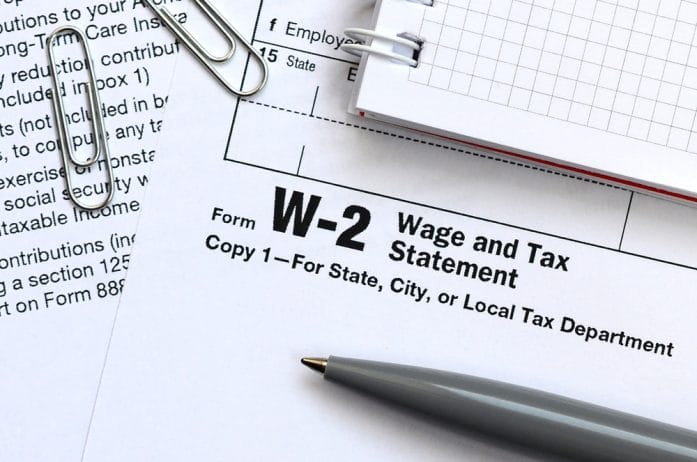
Here Are The Items That Could Save Thousands If You Act Fast
Image Source: Shutterstock.com

The end of the year is a wild sprint. Between holiday shopping, tax planning, and trying to wrap up lingering projects, it’s easy to forget that a few smart financial moves could save you thousands before the calendar flips. The clock is ticking, but the right actions now can make a huge difference in your bank account—and your stress levels.

Think of it as a strategic game: every box you check on this list is a power-up that keeps more money in your pocket. Let’s dive into ten urgent, high-impact items that can pay off big if you move quickly.

1. Maximize Your Retirement Contributions

Retirement accounts like 401(k)s and IRAs often have annual contribution limits, and year-end is the perfect time to make sure you’ve maxed them out. Contributing the full amount can reduce your taxable income while boosting your long-term savings—a double win. If you haven’t been diligent all year, even a last-minute deposit can have a meaningful impact on your tax bill. Many employers allow catch-up contributions or last-minute deposits in December, so it’s worth checking. Taking action now sets you up for financial freedom decades down the line.

Here Are The Items That Could Save Thousands If You Act Fast
Image Source: Shutterstock.com

2. Harvest Investment Losses

If your portfolio includes underperforming stocks or funds, you may be able to offset gains by selling them—a strategy called tax-loss harvesting. This can reduce your taxable income, potentially saving you thousands on your tax bill. Don’t worry; you can reinvest in similar assets without losing your market position, as long as you avoid wash sale rules. Reviewing your investments before year-end ensures you’re not leaving money on the table. Even small losses strategically harvested can compound into significant savings over time.

3. Review Flexible Spending Accounts

If you have a flexible spending account (FSA), now is the time to use any remaining balance. FSAs often have a “use it or lose it” policy, meaning money not spent by the end of the year disappears. Stock up on medical supplies, schedule appointments, or pay for eligible services before the deadline. These accounts are pre-tax dollars, so spending them is essentially getting a discount on healthcare costs. Checking your FSA now ensures you’re not accidentally forfeiting free money.

4. Make Charitable Donations

Charitable giving is not just good for the soul—it can also be good for your taxes. Donations made before December 31 can be deducted from your taxable income, potentially lowering your year-end tax liability. Keep records and receipts, and consider donating appreciated assets like stocks, which can also help you avoid capital gains taxes. Donating strategically allows you to support causes you care about while maximizing financial benefits. Planning your contributions now ensures your giving counts for the current tax year.

5. Reevaluate Your Withholding

Many people overpay taxes throughout the year without realizing it, leaving their money sitting with the IRS instead of in their pockets. Reviewing your withholding now allows you to adjust your paycheck before year-end, giving you more cash flow immediately. It’s a small change with immediate impact, especially if your income has shifted or you’ve had life changes like marriage or a new child. Accurate withholding ensures you’re not giving an interest-free loan to the government. Even minor tweaks can save hundreds or thousands, depending on your income level.

6. Pay Down High-Interest Debt

High-interest debt is a silent killer of personal finances, and December is a great time to knock it down before interest compounds further. Every dollar you pay off now reduces future interest charges, freeing up money in the coming year. Consider targeting credit cards or personal loans with the highest rates first for maximum impact. Reducing debt also improves your financial flexibility and credit score. Acting now gives your future self a lighter financial load and more breathing room in your budget.

7. Reassess Your Insurance Coverage

Year-end is a natural checkpoint for reviewing your insurance policies, from health to auto to homeowners. Are your coverage limits still appropriate? Have you accumulated assets that need protection or removed items that don’t? Adjusting your policies can reduce premiums and ensure you’re not overpaying—or underprotected. A quick review now could prevent costly surprises later. Staying proactive on insurance protects both your finances and peace of mind.

8. Take Advantage Of Employer Benefits

Many employer benefits reset at year-end, including wellness programs, tuition reimbursement, or dependent care accounts. If you have unused funds or eligible benefits, it’s smart to take action before they vanish. Scheduling a last-minute dental procedure, enrolling in a course, or submitting claims can make a meaningful difference. These benefits are essentially free money that supports health, education, or family needs. Checking in now ensures you’re fully leveraging everything your employer provides.

9. Plan For Next Year’s Major Expenses

Even though the new year is days away, planning for major expenses like vacations, home repairs, or big purchases can save money in the long run. Knowing what’s coming lets you adjust spending, open dedicated savings accounts, and take advantage of seasonal deals. Pre-planning also reduces financial stress and prevents last-minute debt. Setting aside funds now puts you ahead of the game instead of scrambling in January. It’s a simple strategy that builds momentum and keeps your finances on track.

10. Evaluate Tax Credits And Deductions

Tax credits and deductions are among the most overlooked opportunities for year-end savings. Childcare credits, energy-efficient home improvements, and education credits can all impact your bottom line. Reviewing eligibility before December 31 ensures you don’t miss out on valuable reductions. Even smaller credits, when combined, can add up to substantial savings. A quick consultation with a tax professional or thorough self-review can make the difference between paying extra and keeping more of your hard-earned money.

Take Action Now And Reap The Rewards

The last month of the year is hectic, but it’s also a golden opportunity to make smart financial moves that pay off big. From contributions and deductions to debt reduction and benefit maximization, these ten checklist items are your fast-track to saving thousands. The key is urgency—waiting until January can mean missed deadlines, lost opportunities, and unnecessary stress.

Which of these tips will you tackle first? Share your thoughts, strategies, or year-end wins in the comments section below; your story could inspire someone else to act fast and save big.

You May Also Like…

Is It Too Late to Start Saving Aggressively for a Comfortable Retirement?

Did You Know Turning Off Your Wi-Fi Router at Night Can Save You Money?

Are There Tax-Saving Strategies My Current Advisor Completely Missed?

Could Ignoring Inflation Erase Decades of Savings

7 Stock Market Myths That Cost Beginner Investors Their Life Savings


Brandon Marcus
Brandon Marcus

Brandon Marcus is a writer who has been sharing the written word since a very young age. His interests include sports, history, pop culture, and so much more. When he isn’t writing, he spends his time jogging, drinking coffee, or attempting to read a long book he may never complete.


Filed Under: Finance Tagged With: 401(k), automate savings, bad investing advice, Charitable Donations, charity, Debt, everyday items, flexible spending accounts, high-interest debt, investing, Investment, investment losses, retire, Retirement, retirement contributions, Roth IRA, Saving, saving money, savings, spending accounts

Deadline Countdown: 11 Smart Moves Every Wealth-Seeker Should Do in December

December 10, 2025 by Brandon Marcus Leave a Comment

Here Are 11 Smart Moves Every Wealth-Seeker Should Do in December
Image Source: Shutterstock.com

December’s calendar is flipping fast and whether you’re checking off holiday gift lists or eyeing your next big financial move, this is prime time to ramp up your wealth strategy. With year-end approaching, there’s a kind of electric urgency in the air. Account balances, tax brackets, bonus potentials — it’s all shifting under your feet.

Taking a few smart, targeted actions this month can set you up for a stronger financial footing in the new year. The next few weeks could be the difference between starting 2026 scrambling or cruising — so let’s press fast forward and jump into 11 savvy moves for wealth-seekers this December.

1. Take Stock Of All Assets And Liabilities

Before you sprint into new financial decisions, make sure you know exactly where you stand today. List out everything you own — savings, investments, retirement accounts, property, even collectibles — and everything you owe, from credit-card balances to pending bills. This inventory gives you a real snapshot so that your future moves aren’t based on wishful thinking. It’s like cleaning out your backpack before packing for a new trip; you need clarity to move forward smartly. Once you’ve got that full ledger, you’ll spot where you’re strong, where you’re vulnerable, and where you can afford to take a bold step.

2. Secure Year-End Tax Saving Opportunities

December is often the last chance in the calendar year to lock in tax-efficient strategies. If you have deductible expenses — say charitable donations or medical costs — you might still legally reduce your taxable income before year-end. For retirement savers, contributing to tax-advantaged accounts now can carry savings well into next April.

Even for freelancers or gig workers, sorting out quarterly tax estimates or writing off eligible expenses can prevent surprise bills later. Smart tax moves now don’t just reduce pain when bills arrive — they free up cash flow and give you breathing room for investments.

3. Reassess Your Investment Mix For The Coming Year

Markets shift, economies wobble, and what worked last year might not serve you going forward. December is a great time to review your investment portfolio: stocks, bonds, index funds, real estate, or alternative assets. Consider whether your risk tolerance, timeline, and goals have changed. Maybe you need to rebalance — sell some winners, shore up underweighted areas, or even shift into more stable holdings. A healthy mix means you’re not just chasing gains — you’re building resilience, and that’s a long-term win.

4. Plan For Big Expenses Before Quarter One Hits

Emergencies, travel, home repairs — the new year tends to come loaded with costs you don’t always foresee. Sit down and think ahead: Do you expect major bills in January or February? Perhaps property taxes, insurance renewals, vehicle maintenance, or even a planned vacation are on the horizon.

By anticipating these expenses now, you can set aside cash or adjust your budget to avoid panic or debt. Preparation means you’re not reacting — you’re controlling the financial story.

Here Are 11 Smart Moves Every Wealth-Seeker Should Do in December
Image Source: Shutterstock.com

5. Set Clear Goals For Savings, Debt, And Earnings

Without a target, money often drifts away unnoticed. Use December’s quiet momentum to define what you want for next year: maybe you aim to shave off a certain amount of debt, build a six-month emergency fund, or boost side income. Write those goals down, assign numbers, and tie them to time frames. This clarity turns vague hopes into concrete plans — and you’re far more likely to follow through when you see exactly what you’re aiming for. Defined goals give power to your actions instead of letting your finances run on autopilot.

6. Automate What You Can Before January Hits

When the new year arrives, your best self sometimes hits a snooze alarm — don’t let that sabotage your financial intentions. Use December to set up automatic systems: auto-deposit portion of your paycheck into savings or investment accounts, auto-pay bills, auto-invest monthly if applicable. Automations reduce friction and keep your financial commitments alive even during busy, chaotic months. By February, you won’t need to remind yourself — your financial plan will run quietly on autopilot. It’s the easiest way to stay consistent without thinking twice.

7. Review Your Insurance And Protection Policies

Wealth isn’t just money — it’s protection, peace of mind, and safety nets too. Use December to check your insurance coverage: health, auto, homeowners or renters, and even life or disability policies if you carry them. Are your coverage levels still appropriate for your lifestyle and dependents? If you’ve had major changes — added a roommate, bought a new car, started freelancing — now’s the time to update or upgrade those policies. A well-adjusted insurance plan acts as a safeguard against financial storms, and missing that step can leave you exposed when you least expect it.

8. Reevaluate Recurring Subscriptions And Hidden Drains

Between streaming services, apps, software, memberships, and other subscriptions, it’s easy to lose track of small monthly drains. December is the perfect month to comb through your bank statements for any recurring charges you don’t really use or need. Canceling unnecessary subscriptions frees up cash that could be redirected toward savings, investments, or debt repayment. It’s often the little leaks that sink the biggest budgets — patching them quickly can make a bigger difference than you might expect. That renewed clarity and extra cash flow will feel empowering going into 2026.

9. Build A Tiny Holiday Bonus Or Gift-Fund Buffer

Holidays often bring extra expenses — gifts, travel, outings, celebrations — and without forethought, that can derail post-holiday budgeting. Instead of treating holiday spending as spontaneous, plan ahead: set aside a small fund dedicated to Christmas or seasonal celebrations. This prevents you from dipping into your emergency savings or piling up credit-card balances. When the holidays swing through, you’ll enjoy the season without financial hangover. Plus that buffer reminds you that wealth planning includes living, celebrating, and having fun responsibly.

10. Educate Yourself On Emerging Investment Or Income Opportunities

Every year, new tools, platforms, and opportunities emerge, from digital investments to side hustles and learning platforms. December is a great time to read up on new investment trends — whether micro-investing, peer-to-peer platforms, dividend strategies, or income streams tied to skills or hobbies. Explore options conservatively: research, evaluate risk, perhaps try on a small scale. Diversifying how you earn and invest keeps your financial growth dynamic instead of stagnant. A sharp, well-timed move now could turn into a meaningful income stream by mid-year.

11. Reflect On What Money Means To You And Your Values For Next Year

Money isn’t just numbers — it represents your priorities, values, and what you care about. Spend a few minutes asking yourself: What freedoms do you want money to provide? Do you want stability, travel, security, or flexibility? Maybe you aim to support a cause, invest in relationships, or build a cushion for creative freedom. By aligning your financial decisions with your deeper values, you turn money into a tool, not a goal. That clarity makes it easier to stay disciplined because you’re not just chasing dollars — you’re chasing meaning.

Your December Can Define Your Year

December isn’t just the end of a calendar — it’s the starting line for whatever you want 2026 to be. These eleven moves aren’t about impulsive hustle or frantic last-minute pushes. They’re about smart decisions, forward thinking, and giving your future self a leg up. Try a few this month; even one or two can shift how you approach money in the new year.

Have you tried any of these moves before? Or maybe you’ve got your own December money rituals that changed the game for you? Let’s hear about it!

You May Also Like…

7 Stock Market Myths That Cost Beginner Investors Their Life Savings

Is It Too Late to Start Saving Aggressively for a Comfortable Retirement?

12 Unique Ways to Reward Yourself Without Destroying Savings

Alert Phase: 5 Tax Tricks You’ll Regret Ignoring Before Year-End

9 Money Questions People Are Embarrassed to Ask (But Should)


Brandon Marcus
Brandon Marcus

Brandon Marcus is a writer who has been sharing the written word since a very young age. His interests include sports, history, pop culture, and so much more. When he isn’t writing, he spends his time jogging, drinking coffee, or attempting to read a long book he may never complete.

Filed Under: Wealth Building Tagged With: assets, Debt, December, earnings, expenses, invest, investing, investments, investors, liabilities, Money, money issues, money moves, Saving, seasonal, smart money moves, Smart Spending, spending, taxes, Wealth, Wealth Building, wealthy

5 Mistakes Young People Make About Their Financial Futures

December 9, 2025 by Brandon Marcus Leave a Comment

Here Are The Mistakes Young People Make About Their Financial Futures
Image Source: Shutterstock.com

The moment you start earning your own money, the world seems wide open—full of possibilities, adventures, upgrades, and “I’ll figure it out later” energy. It’s exciting, empowering, and a little dangerous in that sneaky, invisible way financial mistakes tend to be. Most young people feel like they have all the time in the world to get their money right, and that’s exactly what makes the early years so risky.

The habits you build now have long shadows, and the misconceptions you carry can quietly shape your financial future for decades. But the good news? Once you spot these mistakes, you can stop making them—and start building something strong, smart, and sustainable.

1. Believing Retirement Is A Problem For Future-You

So many young people assume retirement is some faraway milestone reserved for older adults who suddenly develop a love for yard tools and early dinners. The truth is that retirement planning hits hardest when you start early, because time—not income—is the real power player. When you put off contributing to retirement accounts, you’re not just delaying savings; you’re losing out on years of compound growth that could multiply your money effortlessly.

Even small contributions now can become huge cushions later, but you only get that advantage if you begin early. Future-you will thank you for thinking ahead instead of hoping everything magically works out.

2. Thinking Debt Doesn’t Matter As Long As You Keep Up With Payments

At first, having a credit card or a few small loans feels manageable—almost invisible—as long as you’re making your minimum payments. But high-interest debt is like a slow leak in your financial boat: you don’t always notice the damage until you’re sinking. Young people often underestimate how quickly interest snowballs, quietly eating away at money that could have gone toward savings, goals, or experiences that actually matter. The earlier you tackle debt, the easier it is to stay ahead of it, and the more flexibility you’ll have later in life. Treating debt lightly now can lock you into obligations you never expected.

3. Assuming A Higher Income Guarantees Financial Freedom

It’s easy to believe that once you land the right job or earn a higher salary, everything will finally fall into place. But lifestyle creep—the tendency to spend more as you earn more—creeps up faster than most people expect. Without good habits, a bigger income simply becomes a bigger opportunity to overspend, overextend, and under-save. Financial freedom comes from control, awareness, and choices, not just a big paycheck. If you learn to manage what you have well now, you’ll be unstoppable when you eventually level up.

4. Underestimating Emergency Expenses And Assuming “It Won’t Happen To Me”

Young people often have a sense of invincibility that pairs poorly with unpredictable expenses. Car repairs, medical bills, job changes, and surprise costs don’t ask permission before happening—they just show up. Without an emergency fund, even small mishaps can trigger financial spirals that take months or years to recover from.

Saving for emergencies isn’t pessimism; it’s financial armor that protects your future goals. If you build even a small safety net now, you’ll move through life with confidence instead of crossing your fingers and hoping for the best.

Here Are The Mistakes Young People Make About Their Financial Futures
Image Source: Shutterstock.com

5. Believing You Don’t Need A Budget If You “Feel Responsible Enough”

Many young people think budgeting is unnecessary, too restrictive, or only for people who struggle with money. But in reality, budgeting is the opposite: it’s the thing that gives you freedom to make better choices without guilt or confusion. Relying on your gut or memory can trick you into thinking you’re spending less than you are, and by the time you realize the truth, the damage is already done. A budget doesn’t limit you—it guides you, supports you, and helps you stay aligned with your actual goals instead of your impulses. When you know exactly where your money is going, you take control instead of drifting.

Your Future Starts Earlier Than You Think

Your financial future doesn’t begin “one day” when you feel older, wiser, or more prepared—it’s already happening right now. The choices you make today will shape your opportunities, freedom, and peace of mind in the years ahead. By recognizing these common mistakes, you can start making smarter decisions long before they become major setbacks. Your future self will appreciate every smart move you make today.

Have you spotted any of these mistakes in your own life? Give us all of your thoughts, experiences, or hard-earned lessons in the comments for others to learn from.

You May Also Like…

13 Things Young People Won’t Stop Doing That Elderly People Don’t Understand

What Is “Cash Stuffing” — And Why Everyone’s Doing It Again

7 Bold Assertions to Make About Your Financial Future Today

9 Important Questions to Ask Before Trading Options or Futures

Could Too Much Cash in the Bank Actually Hurt Your Financial Future


Brandon Marcus
Brandon Marcus

Brandon Marcus is a writer who has been sharing the written word since a very young age. His interests include sports, history, pop culture, and so much more. When he isn’t writing, he spends his time jogging, drinking coffee, or attempting to read a long book he may never complete.
Filed Under: Finance Tagged With: Budget, budgeting, Debt, emergency expenses, emergency funds, financial choices, financial freedom, financial future, financial mistakes, Income, mistakes, Money, money choices, money issues, money matters, Retirement, teens, young adults, young people

How to Teach Kids About Debt

December 8, 2025 by Brandon Marcus Leave a Comment

How to Teach Kids About Debt
Image Source: Pixabay.com

Kids are naturally curious, and they ask a million questions about everything—including money. While many parents focus on allowances, saving, and spending, debt often gets overlooked. It’s a tricky topic, but teaching children about it early can set them up for a lifetime of smart financial choices. Understanding debt isn’t just about numbers; it’s about making decisions, understanding consequences, and learning how to balance wants and needs. Let’s explore fun and practical ways to introduce kids to this essential money concept without overwhelming them.

Start With Simple Concepts First

Before you dive into credit cards and loans, kids need to grasp the basics of borrowing and repayment. Explain debt as borrowing something with the promise to return it later, whether it’s money, a toy, or even a favor. Use everyday examples like lending a sibling a toy or borrowing a pencil, then discuss what happens if it isn’t returned. This simple approach builds a foundation for understanding interest, repayment schedules, and responsible borrowing later on. Kids learn faster when they can see the principles applied in familiar situations.

Use Games And Activities To Make Debt Tangible

Interactive games can turn abstract financial ideas into something kids can experience. Create a pretend store where kids can “borrow” play money to buy items, then track what they owe and pay it back with interest. Board games or online simulations that mimic borrowing and paying off loans can make debt less intimidating. These activities help children visualize cause and effect, showing them that borrowing comes with responsibilities. Learning through play also keeps the experience fun rather than stressful.

Teach The Difference Between Good And Bad Debt

Not all debt is created equal, and it’s important for kids to understand that. Explain that borrowing money for things that help build future opportunities, like education or starting a small project, is often beneficial. On the other hand, borrowing for instant gratification, like toys or treats, can lead to problems if not managed carefully. Using stories or relatable examples makes this easier for children to grasp. Understanding this distinction early helps kids develop smart money habits as they grow.

Introduce The Concept Of Interest

Interest can seem like a confusing idea, but kids can understand it if you break it down simply. Explain that when you borrow money, you often have to pay back a little extra, which is the cost of borrowing. Use examples with small numbers, like lending $10 and asking for $11 back, to demonstrate how interest works. Visual aids, like charts or jars with coins, can help illustrate how debt grows over time if not managed carefully. This knowledge helps kids see why borrowing without planning can become tricky.

How to Teach Kids About Debt
Image Source: Pixabay.com

Set A Good Example With Your Own Money

Kids absorb lessons more from watching than from listening, so your actions matter. Share age-appropriate stories about how you manage bills, loans, or credit responsibly. Talk about mistakes you’ve made and how you corrected them, emphasizing learning rather than guilt. Demonstrating responsible borrowing, budgeting, and timely repayment creates a living example for children. They’re more likely to adopt good habits if they see them modeled consistently.

Encourage Saving Alongside Borrowing

Debt discussions work best when balanced with lessons about saving. Explain that saving money can reduce the need to borrow, making it easier to make choices without accumulating debt. Use visual tools like piggy banks or savings jars to make the concept tangible. You can also tie savings goals to small rewards, helping kids experience delayed gratification firsthand. Learning to save while understanding borrowing creates a strong financial foundation for the future.

Discuss The Consequences Of Unmanaged Debt

Understanding consequences is crucial to learning responsibility. Explain in simple terms what can happen if debt isn’t repaid, such as losing privileges or facing limits on future borrowing. Use hypothetical scenarios or stories to show how financial stress affects real people. Emphasize that while mistakes can happen, proactive planning and responsibility prevent long-term problems. Kids benefit from learning that debt is manageable when approached thoughtfully.

Make It Part Of Everyday Conversations

Debt doesn’t need to be a formal lecture—it can be woven into daily life. Talk about money choices during grocery shopping, family budgeting, or planning special purchases. Highlight decisions where borrowing might be tempting and discuss better alternatives together. Regular, natural conversations reduce fear and mystery around debt. Children who hear about money as a normal topic become more confident managing it.

Use Age-Appropriate Language And Concepts

Tailoring the complexity of your explanations is key. Younger children might need basic examples, while older kids can handle discussions about credit cards, loans, and interest rates. Avoid jargon and use relatable language, like comparing loans to borrowing toys or snacks. Reinforce concepts gradually, revisiting them over time as children mature. This scaffolding approach ensures understanding without overwhelming them.

Encourage Questions And Critical Thinking

Kids will inevitably have questions about debt, and encouraging them strengthens their learning. Ask open-ended questions like, “What would you do if you needed to borrow money?” or “How could saving first help you avoid debt?” Respond thoughtfully, even if their ideas seem off track, and guide them toward smart conclusions. Fostering curiosity helps children think critically about financial decisions. The ability to analyze options early leads to better money habits as they grow.

Building Financial Confidence Early

Teaching kids about debt isn’t about scaring them or overloading them with rules. It’s about giving them tools to understand borrowing, repayment, and financial consequences in a fun, engaging way. By using stories, games, examples, and real-life modeling, you can create a foundation of financial confidence that lasts a lifetime.

Have you tried teaching your kids about debt, or do you have creative ways to introduce money lessons?

You May Also Like…

10 Gen X Parenting Styles That Millennials Are Rejecting

7 Clever Ways Grandparents Save on Family Vacations

7 Ways to Finally Get Your Adult Kids Out of Your House

Here’s When It’s Okay To Let Kids Move Back Home To Pay Off Bills

11 Difficult Conversations to Have With Adult Children Who Need Cash


Brandon Marcus
Brandon Marcus

Brandon Marcus is a writer who has been sharing the written word since a very young age. His interests include sports, history, pop culture, and so much more. When he isn’t writing, he spends his time jogging, drinking coffee, or attempting to read a long book he may never complete.

Filed Under: Parenting & Family Tagged With: children., Debt, Family, family issues, financial choices, Money, money issues, parenting, parenting and children, parenting choices, teaching children, teaching kids

9 Outdated Pieces of Financial Advice That Are Now Dangerous

December 4, 2025 by Brandon Marcus Leave a Comment

Here Are Outdated Pieces Of Financial Advice That Are Now Dangerous
Image Source: Shutterstock.com

Financial advice is everywhere—family, friends, blogs, and random people at parties who swear they know the “secret” to wealth. The problem? Some of that advice hasn’t just aged poorly—it’s actually risky in today’s economy. What worked in the 1980s or even the early 2000s can now set you up for stress, missed opportunities, or serious money mistakes.

If you’re still clinging to old rules without questioning them, it’s time to hit the brakes. Let’s go through nine pieces of financial guidance that sound innocent but can be downright dangerous in 2025 and beyond.

1. Always Pay Off Your Credit Cards In Full Every Month

This used to be gospel advice, but it’s not as simple as it sounds. While paying off debt is generally smart, obsessively trying to clear every card balance can sometimes backfire. Some credit cards offer rewards, points, or cash-back bonuses that make strategic borrowing worthwhile—if you know what you’re doing. Ignoring these perks in a rigid attempt to pay off every dollar immediately can cost you potential benefits. Today, financial savvy is about balance: pay down high-interest debt first but don’t fear leveraging low-interest opportunities.

2. Rent Is Throwing Money Away

The old adage “renting is wasting money” has lost credibility in many markets. Real estate is no longer a guaranteed wealth-builder; in fact, home ownership comes with hefty maintenance costs, property taxes, and fluctuating markets. People who buy too soon, purely because they’re told to, often end up financially strained. Renting can offer flexibility, liquidity, and the ability to invest elsewhere. Wealth today isn’t about owning property at all costs—it’s about making smart, personalized choices.

3. Buy A Brand-New Car As Soon As You Can Afford It

New car fever is tempting, but it’s a financial trap most people underestimate. Cars depreciate fast—sometimes losing 20% of their value the moment you drive off the lot. Older, certified pre-owned vehicles often offer reliability with far less financial stress. Following the “buy new as soon as possible” mantra can set you back tens of thousands over a lifetime. Smart drivers today think about total cost of ownership, not just monthly payments.

4. Avoid All Debt Like The Plague

Debt used to be villainized, and for good reason when interest rates were sky-high. But today, certain types of debt are strategic tools, not automatic disasters. Student loans, mortgages with low-interest rates, and small business loans can be leveraged to build long-term wealth. Avoiding all debt can sometimes prevent you from making investments that grow faster than inflation. Modern financial thinking focuses on smart debt, not zero debt.

5. Keep All Your Money In Savings Accounts

The advice to hoard cash in a savings account sounds safe but is increasingly dangerous. Inflation eats away at your purchasing power, meaning the money you “save” loses value over time. While having an emergency fund is crucial, parking excess cash in low-yield accounts can stunt your financial growth. Investments, index funds, and diversified portfolios offer opportunities to stay ahead of inflation. Being “safe” financially doesn’t mean freezing your money—it means making it work smarter.

Here Are Outdated Pieces Of Financial Advice That Are Now Dangerous
Image Source: Shutterstock.com

6. Only Buy Things On Sale

Waiting for discounts may have made sense before, but now it can backfire in subtle ways. Obsessing over sales can make you impulsively buy things you don’t need simply because they’re discounted. Meanwhile, inflation and fluctuating supply chains can make stockpiling impractical or even expensive. The real strategy is thoughtful, planned spending rather than chasing deals blindly. Financial health is about intention, not a bargain-hunting frenzy.

7. Ignore Technology When Managing Finances

The old mindset was “don’t trust computers with money.” Today, ignoring financial technology is a huge missed opportunity. Apps, automated savings, and investment platforms can streamline your finances, reduce mistakes, and provide insights that were impossible decades ago. People who cling to pen-and-paper budgeting often spend more time and make more errors. The best advice now? Embrace tools that help you track, analyze, and grow your money efficiently.

8. Investing Is Too Risky For Regular People

Once upon a time, investing was framed as a game for the wealthy or Wall Street insiders. That’s no longer true. With modern platforms, low-fee index funds, and educational resources, almost anyone can invest wisely. The real risk lies in not investing, because inflation and opportunity costs silently erode your wealth. Avoiding all investments out of fear may actually be the riskiest move of all. Smart investing is about strategy, not luck.

9. You Need To Do Everything Yourself Financially

The myth of the self-sufficient money expert has done serious harm. Managing finances is complex, and pretending you can handle every decision without guidance can cost time, energy, and even money. Today, working with advisors, using apps, or learning from credible sources is a sign of strength, not weakness. Delegating smartly allows you to focus on your career, relationships, and personal growth while staying financially secure. Financial independence is achieved through strategic support, not solitary struggle.

Time To Update Your Money Mindset

Outdated financial advice can feel harmless—or even wise—but in today’s fast-moving economy, it can be dangerous. The key takeaway is that context matters: what worked decades ago might leave you behind today. Modern money management requires flexibility, strategy, and awareness of new tools, markets, and investment opportunities.

Are you still following any advice from decades past? Share your stories, insights, or moments when old rules tripped you up in the comments section below.

You May Also Like…

The Financial Advice That Works—But Almost No One Follows

Could Your Advisor’s Advice Change If They Knew More About Your Personality

8 Budget Fixes That Instantly Turn Finances Around

8 Times “0% Interest” Credit Cards Turn Into Financial Traps

5 Debt Strategies Redditors Recommend When You’re Drowning But Financial Advisors Say Are Stupid


Brandon Marcus
Brandon Marcus

Brandon Marcus is a writer who has been sharing the written word since a very young age. His interests include sports, history, pop culture, and so much more. When he isn’t writing, he spends his time jogging, drinking coffee, or attempting to read a long book he may never complete.

Filed Under: Finance Tagged With: automobiles, buying a car, car, cars, credit card, Credit card debt, Debt, finance, finance advice, finances, financial advice, financial advisor, general finances, outdated advice, outdated financial advice, Paying Rent, Rent, rental properties, savings account

The Military Money Mistake That Costs Young Service Members Dearly

December 2, 2025 by Travis Campbell Leave a Comment

military money
Image source: shutterstock.com

New military personnel enter an environment that demands strict adherence to rules while working under intense time constraints. Financial security is given lower priority than other matters, yet financial expenses continue to increase rapidly. The first financial mistake made by service members will continue to affect them throughout their careers. The practice of saving money leads to financial depletion because people must take on unwanted obligations that dictate their life path before they understand their true worth. The problem requires recognition because it inflicts its most damaging effects through ordinary daily routines, harming people who have no protection against it.

1. Enlisting in High‑Interest Debt Within Months of Arrival

The most common military money mistake begins early. A new recruit arrives with a steady income for the first time, limited experience handling it, and a barrage of offers. Car lots sit right outside the gates. Retail lenders cluster nearby. Every advertisement promises low payments and instant approval. None mentions the real price. Service members sign contracts that stack interest on top of inflated purchase prices. The payments consume a huge portion of take‑home pay, leaving little margin for emergencies or long‑term goals.

The pattern feels almost engineered. A soldier or sailor with no credit history gets approved because the lender knows the paycheck arrives on time. That reliability becomes bait. And once the debt sits on the books, the service member carries it through moves, deployments, and training cycles while falling further behind. This single choice erodes financial stability before it even forms.

2. Overestimating Future Pay and Underestimating Real Expenses

Income looks larger on paper. Basic pay, housing allowances, and special duty pay suggest comfort, even abundance. Then reality hits. Food, transportation, uniforms, gear upgrades, and constant moves add up quickly. The military money mistake here is the belief that future raises or promotions will solve the strain. They often don’t. Promotions slow. Allowances fluctuate. Costs do not wait.

Young service members build budgets around optimistic numbers rather than current ones. They commit to housing or car payments that only make sense in a best‑case scenario. When life shifts, the budget crumbles. This isn’t carelessness. It is a misunderstanding of how military pay actually behaves across an unpredictable career.

3. Ignoring the Power of the Thrift Savings Plan

The Thrift Savings Plan is one of the simplest paths to long‑term security. It requires no expertise. Just contribution and patience. Yet many avoid it during their first years of service. They assume retirement planning can wait. It feels distant. Urgent needs win.

This military money mistake hurts more than it seems. The early years offer unmatched compounding power. A small contribution sets up decades of growth. Skipping those years creates a gap that is almost impossible to close. For service members who do not plan to make the military a career, this missed opportunity can shape their entire financial trajectory.

4. Trusting Informal Financial Advice From Peers

Barracks culture builds fast friendships, but it also spreads shaky financial guidance. Someone hears about a “can’t‑miss investment.” Someone else swears a new credit card helps build credit quickly. Another insists that a private loan is harmless if the payments stay small. These ideas travel quickly through units and shops.

This is another military money mistake with a lasting impact. Young troops often lack the experience to fact‑check what they hear, and the confidence of peers makes the advice sound reliable. The result can be credit damage, wasted income, or entanglement in risky schemes. The pressure to fit in magnifies the danger. Bad advice becomes a shared burden.

5. Believing Stability Equals Financial Safety

Military life appears stable. The paycheck lands every two weeks, no exceptions. Housing allowances continue. Health care remains covered. That reassurance leads many service members to assume they’re on solid financial ground even when their habits say otherwise.

This quiet military money mistake hides in plain sight. Predictable income creates a false sense of security that masks overspending and poor planning. A move, a deployment, a family emergency, or a transition out of the service exposes the gap instantly. What once felt safe suddenly looks precarious. The comfort of routine becomes a trap when it blinds people to financial risk.

The Path Out of the Pattern

The different problems exist as interconnected elements that create a cycle, starting with a lack of experience, escalating into pressure, and becoming permanent through repetition. The military money mistake is a recurring pattern of decisions made by service members because they lack dependable information and proper guidance. Service members need to start early assessments, which demand truthful answers to prevent this behavioral pattern from developing.

People achieve financial stability through their dedication to essential objectives, while ignoring every possible diversion. Clarity leads to better decision-making abilities. Better choices create momentum. A person maintains the momentum they developed in military service after taking off their uniform.

Young service members face which financial mistakes, according to your observations, and how these errors affected their financial development?

What to Read Next…

  • 5 Things That Instantly Decrease Your Credit Score By 50 Points
  • The Benefits Of Taking Personal Loans And Their Impact On Credit Scores
  • 10 Money Mistakes People Make After Losing A Spouse
  • 7 Retirement Perks That Come With Shocking Hidden Costs
  • Why Some Fire Departments Are No Longer Responding To Burglar Alarms
Travis Campbell
Travis Campbell

Travis Campbell is a digital marketer/developer with over 10 years of experience and a writer for over 6 years. He holds a degree in E-commerce and likes to share life advice he’s learned over the years. Travis loves spending time on the golf course or at the gym when he’s not working.

Filed Under: Military & Service Tagged With: Debt, military finance, money management, Personal Finance, service members

9 Money Questions People Are Embarrassed to Ask (But Should)

December 1, 2025 by Travis Campbell Leave a Comment

money questions
Image source: shutterstock.com

People avoid asking certain money-related questions before they do. People avoid asking money questions because they fear others will judge them, doubt others should already understand their situation, and believe their financial situation is unique in its complexity. Financial problems exist in all monetary circumstances. People who fail to communicate with each other will see their small financial issues develop into major problems. People achieve clarity and direction through early questioning, which simultaneously solves their current problems. Speaking money questions out loud makes them easier to handle.

1. How much should I actually have in savings?

This question hides behind pride. Many feel they should already know the answer, yet the target depends on income stability, debt, and personal risk tolerance. A simple goal helps: maintain a cushion that covers several months of expenses. It doesn’t need to be perfect or impressive. It needs to be accessible when life turns. People often avoid this topic because it exposes financial gaps, but facing it brings control that silence never does.

This ties directly to money questions that demand hard numbers. It’s uncomfortable, but it’s also where stability begins.

2. Is it normal to live paycheck to paycheck?

Many people assume everyone else has their financial life sorted. Some do. Many don’t. Living paycheck to paycheck becomes common when costs climb faster than income. It feels isolating, but the conditions behind it are widespread. Asking this question opens the door to strategies that break the cycle, including spending reviews, income adjustments, and automatic savings shifts. Normal doesn’t mean unchangeable. It means you’re not alone.

3. Should I pay off debt or invest first?

This question triggers anxiety because it forces a confrontation with debt. Some fear the answer reveals a past mistake. Others worry about falling behind on investing. The truth sits in the middle. High-interest debt drains progress, so eliminating it often delivers the biggest return. But building even a small investment habit early creates long-term strength. Both can happen at once. The balance depends on priorities, interest rates, and the need for momentum.

4. What if I don’t understand my own credit score?

Credit scores feel like secret codes. People pretend to understand them while quietly avoiding the details. The system measures debt usage, payment behavior, account age, and credit mix. Nothing mystical. A strong score makes borrowing cheaper and housing easier. A weak one creates friction. You don’t have to know every formula. You only need to know what improves movement upward: on‑time payments, lower balances, and patience.

5. How much should I actually spend on housing?

Housing consumes the largest chunk of most budgets. People often guess at the “right” number, then hope it works. A guideline helps: keep housing costs at a manageable share of take‑home pay. But guidelines bend under local markets, family needs, and job security. Asking this question pushes past guesswork. It highlights whether housing supports your goals or constrains them. And it creates space to adjust before stress sets in.

6. Am I supposed to negotiate salary?

Many avoid this question because it exposes discomfort with asking for more. Negotiating feels risky. But not negotiating carries its own cost, often compounding over the years. Employers expect negotiation more often than people realize. Research, preparation, and calm communication can shift outcomes. The fear usually comes from imagining worst-case scenarios that rarely occur. Asking about salary negotiation starts a conversation that leads to a stronger financial foundation.

7. How do I know if I’m saving enough for retirement?

Retirement planning feels distant until suddenly it doesn’t. People hesitate to ask because they fear the answer. But the math rewards early action. Small, regular contributions build power over time. The real question isn’t whether you hit a perfect number—it’s whether your current pace matches your future needs. And that requires clarity, not perfection.

8. What should I do if I make more money than my friends or family?

This question rarely gets voiced, but shapes many financial decisions. Higher earnings can strain relationships when expectations shift. You may feel pressured to pay more often, say yes to plans outside your comfort zone, or hide your progress. Clear boundaries help. Sharing financial details isn’t required. Respecting your budget and handling this quietly often leads to resentment. Addressing it out loud leads to balance.

9. What if I’m embarrassed by my financial past?

Money mistakes carry shame, sometimes for years. Overspending, ignored bills, risky loans—these become stories people hide. But past choices don’t define future options. Acknowledging them breaks the cycle. Every financial reset starts with honesty. The real danger lies in silence, not history. And many of the toughest money questions begin with accepting what already happened.

The Power of Asking the Hard Questions

People who ask money questions do not demonstrate their failure. People who ask questions show their interest in learning and their readiness to change their behavior. The practice of pretending to have all the answers brings no benefits to anyone. The process of asking questions leads to direction, which, in turn, creates stability. People tend to avoid sharing their hidden questions, but expressing them aloud helps them progress. The feeling of embarrassment about a subject indicates that you should focus on addressing it.

Which money questions do you struggle to bring yourself to ask?

What to Read Next…

  • 10 Financial Questions That Could Undo Your Entire Retirement Plan
  • 10 Questions Bad Financial Advisors Are Afraid You May Ask Them
  • 7 Hidden Fees That Aren’t Labeled As Fees At All
  • 5 Things That Instantly Decrease Your Credit Score By 50 Points
  • Are These 7 Little Expenses Quietly Costing You Thousands A Year?
Travis Campbell
Travis Campbell

Travis Campbell is a digital marketer/developer with over 10 years of experience and a writer for over 6 years. He holds a degree in E-commerce and likes to share life advice he’s learned over the years. Travis loves spending time on the golf course or at the gym when he’s not working.

Filed Under: Personal Finance Tagged With: budgeting, Debt, Personal Finance, Retirement, Saving

8 Times a HELOC Is the Worst Financial Decision You Can Make

November 27, 2025 by Travis Campbell Leave a Comment

heloc
Image source: shutterstock.com

Home equity functions as a stable financial resource that builds value through time. Homeowners can access their home equity through a Home Equity Line of Credit (HELOC), which enables them to tap into their property’s value for funding needs. The financial instrument creates adverse effects when homeowners fail to use it properly. Homeowners who fail to manage their HELOC properly will face unexpected financial dangers. The initial signs of these risks will develop slowly before triggering major debt problems and increased stress, which threaten to destroy the homeowner’s property.

1. Using a HELOC to Cover Daily Living Expenses

Rising costs tempt people into using a HELOC to float groceries, gas, or utility bills. It feels harmless at first. The credit line is large, the payments small, and the lender rarely objects. But a HELOC used as income becomes a trap. Debt replaces earnings. The balance grows while the budget stays broken. When the draw period ends or rates rise, the bill hits with real force.

This is the moment many realize the HELOC made things worse, not better. What looked like flexibility becomes a debt spiral tied directly to the home.

2. Taking Out a HELOC to Pay Off Credit Cards

Rolling high-interest debt into a HELOC looks efficient. The rate is lower. The payment is smaller. But the risk is enormous. Credit cards are unsecured. A HELOC is not. Converting consumer debt into debt backed by your house raises the stakes instantly.

Many people run their cards back up after the transfer, ending with both debts. The HELOC that seemed like a solution turns into the worst financial decision of the year.

3. Relying on a HELOC for Home Repairs You Can’t Afford

Some repairs can’t wait. Roof leaks, failing HVAC systems, and electrical problems demand action. A HELOC becomes the easy answer. But using one because there’s no emergency fund signals deeper strain. If the budget can’t absorb maintenance costs now, it likely can’t handle higher HELOC payments later.

And when interest rates adjust, payment shocks often follow. A repair financed by a HELOC can become a financial burden that lingers long after the work is done.

4. Borrowing Through a HELOC Right Before Selling

Homeowners sometimes tap a HELOC before listing their property, assuming the sale will wipe out the balance. But deals fall apart. Market conditions shift. Appraisals disappoint. A house that should sell quickly sits on the market for months.

Meanwhile, the HELOC balance remains. That debt reduces net proceeds and may delay closing if buyers’ lenders raise concerns. A last-minute withdrawal meant to provide breathing room often complicates the sale instead.

5. Using a HELOC to Fund a Business

Entrepreneurs lean on home equity when startup costs rise and lenders grow cautious. It feels resourceful. But businesses fail often. Revenue stalls. Expenses exceed projections. And a HELOC tied to the house becomes the silent partner in every setback.

If the business can’t support the payments, the risk shifts to personal finances. One bad quarter can threaten homeownership. The idea may seem bold, but the consequences land hard.

6. Treating a HELOC as a Backup Emergency Fund

Some people skip saving because they assume a HELOC will be there when a crisis hits. That assumption doesn’t always hold. Lenders freeze lines during economic downturns. Job loss, declining home values, or late payments can trigger sudden restrictions.

An emergency fund works because it’s yours. A HELOC works only when the lender decides it does. Betting on their approval during a crisis sets up a dangerous surprise.

7. Borrowing Through a HELOC on a Variable Income

Contract workers, seasonal employees, and commission-based earners constantly juggle fluctuations. Adding a HELOC payment—especially one tied to adjustable rates—turns irregular income into a liability. When revenue dips, the payment remains. And when interest rates rise, the payment climbs.

This combination squeezes cash flow and raises the possibility of missed payments. A HELOC under these conditions becomes unpredictable at the worst possible time.

8. Assuming a HELOC Will Stay Cheap Forever

Low introductory rates lull borrowers into comfort. The payment feels manageable. The terms look fair. But HELOCs often shift to higher, variable rates after the draw period. That shift can double a payment in a single statement cycle.

Homeowners who plan around the low rate get blindsided when the real numbers arrive. Budget pressure builds. And when money gets tight, cutting back isn’t always enough to keep up.

Navigating Home Equity Without Losing Control

A HELOC is a useful tool, but users need to establish clear boundaries while understanding all potential risks. Homeowners use their property value to secure loans, creating an extremely thin line between strategic and risky borrowing. Homeowners need to practice self-control when using HELOCs because they must understand how quickly their financial situation can become worse.

Home equity protection enhances homeowners’ financial stability. Home equity serves as an economic lifeline for problems that require fundamental solutions, which can worsen financial issues. How do you decide when to use your home equity for financial needs?

What to Read Next…

  • The Benefits of Taking Personal Loans and Their Impact on Credit Scores
  • 8 Things Rich People Never Finance and You Shouldn’t Either
  • 6 Mortgage Clauses That Get Enforced When You Least Expect It
  • How a Reverse Mortgage Can Derail a Family’s Entire Financial Plan
  • 7 Financial Loopholes That Lenders Exploit Behind the Scenes
Travis Campbell
Travis Campbell

Travis Campbell is a digital marketer/developer with over 10 years of experience and a writer for over 6 years. He holds a degree in E-commerce and likes to share life advice he’s learned over the years. Travis loves spending time on the golf course or at the gym when he’s not working.

Filed Under: Finance Tagged With: Debt, HELOC, home equity, mortgages, Personal Finance

8 Real Reasons Millennials Can’t Save Money (and How to Fix It)

November 26, 2025 by Travis Campbell Leave a Comment

saving money
Image source: shutterstock.com

Most budgeting guides fail to reflect the financial difficulties millennials face. The financial calculations always produce negative results. The cost of living continues to rise rapidly, while people’s salaries do not keep pace, and their old ways of building emergency savings have become ineffective. People try to reduce their financial gaps by working more and improving their self-control, but their money problems persist. The actual problem is that millennials face difficulties saving their money. The daily financial problems millennials encounter stem from specific elements that we can use to develop successful solutions.

1. Stagnant Paychecks Against Rising Costs

Paychecks lag behind the price of housing, food, insurance, and almost everything else. That gap forces people to spend more of their income on basics, leaving little space for savings. Even strong budgeting can’t stretch dollars far enough when essentials keep climbing. For millennials saving money, this mismatch creates constant tension.

To counter that strain, focus on raising income rather than relying solely on cutting costs. A targeted career move or a specific certification can shift earning power more than hours spent shaving small expenses. Savings grow faster when the income side changes.

2. High Rent and Limited Housing Stability

Housing consumes a disproportionate share of millennial budgets. Rent jumps without warning. Leases offer little security. And buying a home often sits out of reach because down payments rise faster than savings accounts. Each move drains money through deposits, fees, and lost time.

One fix: choose longer leases when they lock in reasonable rates. Another: consider shared housing for a set period to free up cash for an emergency fund. Stability lowers financial volatility, giving millennials saving money a better shot at consistency.

3. Debt That Never Seems to Shrink

Student loans, medical bills, and credit card balances form a heavy baseline. Many pay month after month without watching the principal fall much. That slow grind erodes motivation and blocks opportunities to redirect money toward savings.

Accelerating payoff requires a focused attack. Pick one balance, shift all extra money toward it, and keep the others on minimum payments. When the first debt falls, momentum increases. The structure matters more than the speed.

4. Healthcare Costs That Hit Hard

Unexpected medical expenses can wreck a budget. Even small issues turn into large bills, and high deductibles create uncertainty. Many millennials delay care because they fear the cost. When they finally seek treatment, the bill arrives at the worst possible moment.

Preventive care, price-transparency tools, and urgent-care alternatives can reduce those shocks. Building a modest health-specific fund helps too, even if it’s only a few hundred dollars at first.

5. Gig Work Without Safety Nets

Many millennials rely on gig work to piece together income or maintain flexibility. The upside: independence. The downside: no paid time off, no employer retirement plan, and irregular pay that disrupts monthly planning. That volatility makes saving feel optional instead of necessary.

The fix starts with treating gig income like business income. Set aside a percentage for taxes and another for savings before touching the rest. Structure creates stability, even when paychecks don’t arrive on a predictable schedule.

6. Lifestyle Pressure and Social Normalization

Social expectations shape spending more than most people admit. Friends upgrade apartments or take trips, and the pressure to keep pace grows quietly. Social media increases that tension. It shows curated lives, filtered homes, and experiences that look normal—even if they cost far more than they seem.

Pushing back requires clarity. A defined savings goal creates a counterweight that reduces impulsive choices. When spending aligns with personal priorities, the pressure loses power.

7. Financial Information Overload

Millennials face a wall of conflicting advice. Some emphasize frugality, others preach the benefits of investing early, and many promote side hustles. The mix overwhelms. With too much noise, people freeze or jump between strategies without consistency.

Pick one simple plan: build a small emergency fund, automate a monthly savings transfer, and review expenses once a month. Quiet structure outperforms constant tweaks.

8. Burnout That Leads to Emotional Spending

Burnout pushes people toward quick relief. That relief often costs money. A treat, a trip, a delivery meal—each feels earned after long days. But repeated choices add up fast, especially when stress stays high.

Addressing burnout directly reduces that impulse. Setting boundaries at work, taking regular breaks, and cutting unnecessary commitments protect both mental health and finances. Savings improve when spending stops filling emotional gaps.

A Path That Actually Works

The existing obstacles do not prevent progress from happening. Stability emerges from the implementation of small, regular changes. Millennials need financial management systems that understand their savings management needs. The combination of rising income, debt repayment planning, stable housing decisions, and automated savings will establish enduring financial stability.

What specific actions have you used to handle these difficulties while making progress toward your objectives?

What to Read Next…

  • Are Budgeting Apps Designed To Push You Into Debt?
  • Are These 6 Helpful Budget Tips Actually Ruining Your Finances?
  • 7 Tactics Grocery Stores Use To Keep You From Thinking About Price
  • Why Some People Feel Rich But Can’t Afford A $400 Emergency
  • Are These 8 Money Saving Tricks Actually Keeping You Broke?
Travis Campbell
Travis Campbell

Travis Campbell is a digital marketer/developer with over 10 years of experience and a writer for over 6 years. He holds a degree in E-commerce and likes to share life advice he’s learned over the years. Travis loves spending time on the golf course or at the gym when he’s not working.

Filed Under: Personal Finance Tagged With: budgeting, Debt, Millennials, Personal Finance, saving money

5 Personal-Finance Problems You Should Never Ignore

November 23, 2025 by Travis Campbell Leave a Comment

personal finance
Image source: shutterstock.com

Personal-finance problems develop gradually over time before reaching a point of no return. The problems progress through various stages until they reach a point where recovery becomes impossible. People usually discover the original source of their problems after they start feeling their effects. These problems require immediate action to resolve. The problems continue to grow, creating more stress and reducing available choices. People who solve their personal finance problems early can maintain stability while retaining the ability to make sound decisions in difficult situations.

1. Mounting High-Interest Debt

High-interest debt drains income quietly at first, then aggressively. Payments rise, balances barely move, and the cost of not acting becomes obvious. The pattern repeats for anyone juggling credit cards, personal loans, or store accounts. Interest compounds fast, wiping out progress even when payments feel large.

This is one of the most common personal-finance problems because it grows under everyday pressure. People rely on credit to bridge shortfalls, and those shortfalls keep widening. That cycle can break only when spending slows, repayment plans shift, or balances are consolidated into something manageable. Ignoring it allows the lender to set the pace. Addressing it resets control.

2. Irregular Income With No Buffer

Income that changes month to month exposes every weakness in a budget. Some months run smoothly. Others create a scramble. Anyone paid by commission, shifts, or project work feels this. The risk rises when there’s no cushion to handle dry periods.

This becomes one of the most dangerous personal-finance problems because it turns minor surprises into emergencies. A single late invoice can hold everything hostage. A small medical bill becomes a crisis. Building a buffer is slow, especially when income swings widely, but the alternative is living at the mercy of each cycle. A steady reserve—no matter how modest—creates breathing room and breaks that dependence.

3. Ignoring Insurance Gaps

Insurance gaps feel harmless until the moment they’re not. Health plans with high deductibles, auto policies with minimal coverage, or homeowners insurance that doesn’t reflect current replacement costs can leave families exposed. The problem takes shape only when a claim hits and the bill dwarfs what anyone expected.

Many people assume coverage is fine because nothing has gone wrong yet. But policies evolve, and life shifts faster than paperwork. A new job changes benefits. A move changes risk. A renovation changes value. Failing to adjust coverage lets vulnerability harden into a permanent threat, one that can turn an accident into a long-term financial setback.

4. Withdrawing From Retirement Savings Early

Early withdrawals solve a problem in the moment but cause a larger one later. Taxes and penalties strip away a chunk immediately, and the long-term growth that money would have earned disappears. The hit might not feel urgent now, but it leaves a hole that gets harder to fill with each passing year.

This is another of the personal-finance problems that hides behind short-term logic. A crisis demands cash. Retirement savings hold cash. The transaction feels simple. But what looks like a temporary fix becomes permanent. Lost compounding doesn’t return, and later-life stability shrinks. Protecting long-term savings takes discipline, but it also takes planning so emergencies don’t push people toward the fastest, most costly option.

5. Avoiding Conversations About Money

Money turns quite fast. People dodge the subject with partners, parents, and even themselves. Silence feels easier. The tension it creates grows quietly until it finally surfaces as conflict, confusion, or resentment.

This is one of the least visible personal-finance problems because it rarely shows up on bank statements. But it shapes every financial decision. A couple is planning a move. An adult child supporting aging parents. Someone carrying debt alone because they don’t want to explain how it formed. These situations intensify when no one talks. Clear communication exposes the real numbers, the real limits, and the real goals. Without it, choices happen by default—and defaults rarely favor long-term stability.

Building Stability Before Pressure Builds

People create major financial problems when they choose to avoid their personal finance issues rather than deal with them directly. The resolution of many problems becomes possible through initial small actions that cost less and require less self-denial. The problem will expand into a larger issue when you choose to delay taking action. Early intervention stops the problem from developing into a permanent condition.

A person needs to face their uncomfortable financial realities directly to build a solid financial base. Your work today will create daily benefits that will lead to positive outcomes in your future. Which personal finance matter do you believe most people fail to notice?

What to Read Next…

  • 5 Things That Instantly Decrease Your Credit Score By 50 Points
  • The Benefits Of Taking Personal Loans And Their Impact On Credit Scores
  • Are These 6 Helpful Budget Tips Actually Ruining Your Finances
  • 5 Emergency Repairs That Could Force You Into Debt Overnight
  • Are These 8 Money Saving Tricks Actually Keeping You Broke
Travis Campbell
Travis Campbell

Travis Campbell is a digital marketer/developer with over 10 years of experience and a writer for over 6 years. He holds a degree in E-commerce and likes to share life advice he’s learned over the years. Travis loves spending time on the golf course or at the gym when he’s not working.

Filed Under: Personal Finance Tagged With: budgeting, Debt, Insurance, money management, Personal Finance, Retirement

  • « Previous Page
  • 1
  • …
  • 3
  • 4
  • 5
  • 6
  • 7
  • …
  • 19
  • Next Page »

FOLLOW US

Search this site:

Recent Posts

  • Can My Savings Account Affect My Financial Aid? by Tamila McDonald
  • 12 Ways Gen X’s Views Clash with Millennials… by Tamila McDonald
  • What Advantages and Disadvantages Are There To… by Jacob Sensiba
  • 10 Tactics for Building an Emergency Fund from Scratch by Vanessa Bermudez
  • Call 911: Go To the Emergency Room Immediately If… by Stephen Kanaval
  • 7 Weird Things You Can Sell Online by Tamila McDonald
  • 10 Scary Facts About DriveTime by Tamila McDonald

Copyright © 2026 · News Pro Theme on Genesis Framework