
• Home
  • About Us
  • Toolkit
  • Getting Finances Done
    • Hiring Advisors
    • Debt Management
    • Spending Plan
  • Insurance
    • Life Insurance
    • Health Insurance
    • Disability Insurance
    • Homeowners/Renters Insurance
  • Contact Us
  • Risk Tolerance Quiz
  • Our Editorial Commitment

The Free Financial Advisor

You are here: Home / Archives for debt collections

Debt Alert: 6 Ways Holiday Spending Could Trigger a January Credit Score Crisis

December 14, 2025 by Brandon Marcus Leave a Comment

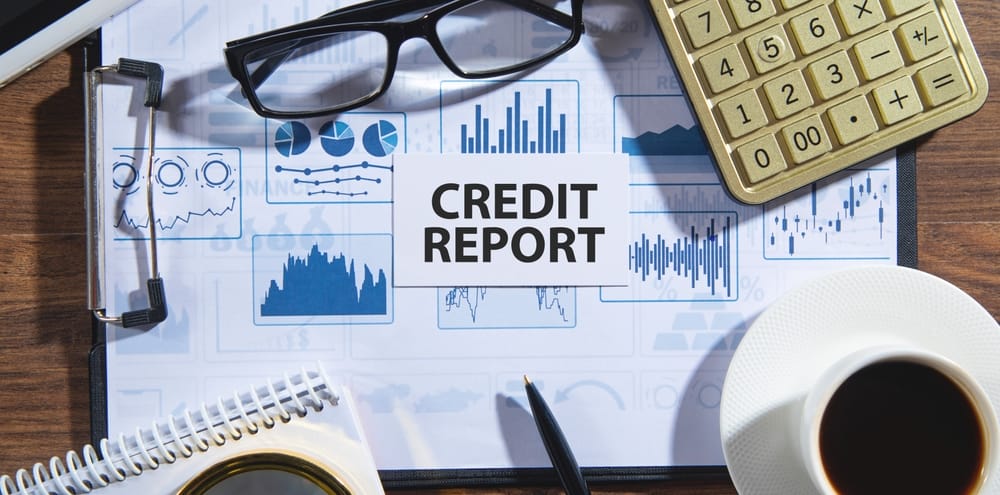
Here Are The Ways Holiday Spending Could Trigger a January Credit Score Crisis
Image Source: Shutterstock.com

The holidays are supposed to be magical—a time for twinkling lights, festive music, and, of course, gift-giving. But after the last present is unwrapped and the New Year’s confetti settles, reality often hits like a snowball to the face. Credit card statements arrive, debt balances loom, and suddenly, that cozy holiday cheer feels a lot more like financial panic. Even responsible spenders can fall into traps that quietly tank their credit score before January is over.

The problem is that holiday spending isn’t just about overspending—it’s about how small decisions compound in ways most people never anticipate.

1. Maxing Out Credit Cards Without A Repayment Plan

It’s tempting to swipe without thinking when stores are decked out in lights and promotions are everywhere. Unfortunately, maxing out your credit cards over the holidays can dramatically affect your credit utilization ratio, one of the most important factors in your score. High balances relative to your credit limit send a signal to lenders that you might be overextended. Even if you pay the balance off quickly, the timing of reporting can mean your January statement still shows a maxed-out card. Without a clear repayment plan, what felt like a festive splurge can quickly turn into a credit score nightmare.

2. Racking Up Multiple Store Credit Cards

Those “instant approval” offers at checkout might seem harmless—or even smart if they come with a discount. The reality is that opening multiple store credit cards in a short period can ding your credit score in multiple ways. Each application triggers a hard inquiry, which can shave points off your score temporarily. The added new accounts also reduce the average age of your credit history, another factor lenders evaluate. While one or two cards might be manageable, a stack of plastic can make January feel more stressful than celebratory.

3. Missing Minimum Payments During Holiday Chaos

Holiday schedules are hectic, and bills can slip through the cracks. Missing a minimum payment—even by a few days—can have a surprisingly large impact on your credit score. Late payments are reported to credit bureaus and can linger on your report for years. The stress of managing gifts, parties, and travel often means people forget to prioritize monthly bills. Staying organized and setting reminders is critical; otherwise, that cheerful December spending spree can echo as a January credit disaster.

4. Overreliance On Buy Now, Pay Later Options

Buy Now, Pay Later (BNPL) services are everywhere, making it tempting to spread out payments over weeks or months. But while the idea feels harmless, these services can quietly affect your creditworthiness. Missing a payment or delaying your repayment can trigger late fees and potential credit reporting consequences. Even when you pay on time, juggling multiple BNPL plans can lead to a confusing financial picture that increases stress and risk. It’s easy to underestimate the impact until the first statement arrives in January—then panic sets in.

5. Ignoring Existing Debt When Holiday Shopping

It’s easy to get caught up in gift lists and holiday deals, but ignoring pre-existing debt can be dangerous. Adding new balances on top of old ones increases your total debt load and raises your credit utilization across all cards. Lenders see this as a higher risk, and your credit score can drop as a result. Even if your spending seems reasonable, failing to account for ongoing obligations can create a compounding effect. Keeping track of both old and new debt is essential to avoid a post-holiday financial hangover.

6. Not Monitoring Credit Reports Until It’s Too Late

After the holiday rush, many people don’t check their credit reports until something goes wrong. The problem is that errors, overlooked balances, or unexpected charges can silently damage your score if you’re not paying attention. Monitoring your credit allows you to catch issues early, dispute errors, and plan repayment strategies before they spiral. Waiting until January to see your credit score can be a rude awakening. Staying proactive during and after the holidays is key to preventing a financial headache you could have avoided.
Here Are The Ways Holiday Spending Could Trigger a January Credit Score Crisis
Image Source: Shutterstock.com

Stay Ahead Of The Holiday Hangover

The holidays are meant to be joyful, but without careful planning, they can also trigger a credit score crisis that lasts well into the new year. From maxed-out cards to missed payments and Buy Now, Pay Later traps, even well-intentioned spending can have long-term consequences.

Awareness is the first step—recognizing how decisions made in December can affect January and beyond allows you to act before the damage is done. By planning, tracking, and staying organized, it’s possible to enjoy the season without financial regrets.

Have you ever experienced a post-holiday credit surprise? Share your stories, tips, or cautionary tales in the comments section below—we want to hear your experiences.

You May Also Like…

6 Credit Mistakes That Redditors Confess Cost Them Thousands

8 “Harmless” Daily Habits That Are Secretly Wrecking Your Credit Score

The Medical Bill Mistake That Can Cripple Your Credit for a Decade

Accelerate Your Debt Repayment Using Our Powerful Snowball Method.

6 Sneaky Financial Risks Hiding in Holiday Spending


Brandon Marcus
Brandon Marcus

Brandon Marcus is a writer who has been sharing the written word since a very young age. His interests include sports, history, pop culture, and so much more. When he isn’t writing, he spends his time jogging, drinking coffee, or attempting to read a long book he may never complete.

Filed Under: Debt Management Tagged With: average joe debt, avoiding debt, avoiding overspending, buy now pay later, credit, Credit card debt, credit cards, credit repair, credit report, credit score, Debt, debt advice, debt alerts, debt collections, Debt Collectors, debt consolidation, Debt Management, gift-giving, Holiday, holiday spending, Holidays, repayment plans, Smart Spending, spending

5 Sneaky Signs That Debt Is Adding Up

December 14, 2025 by Brandon Marcus Leave a Comment

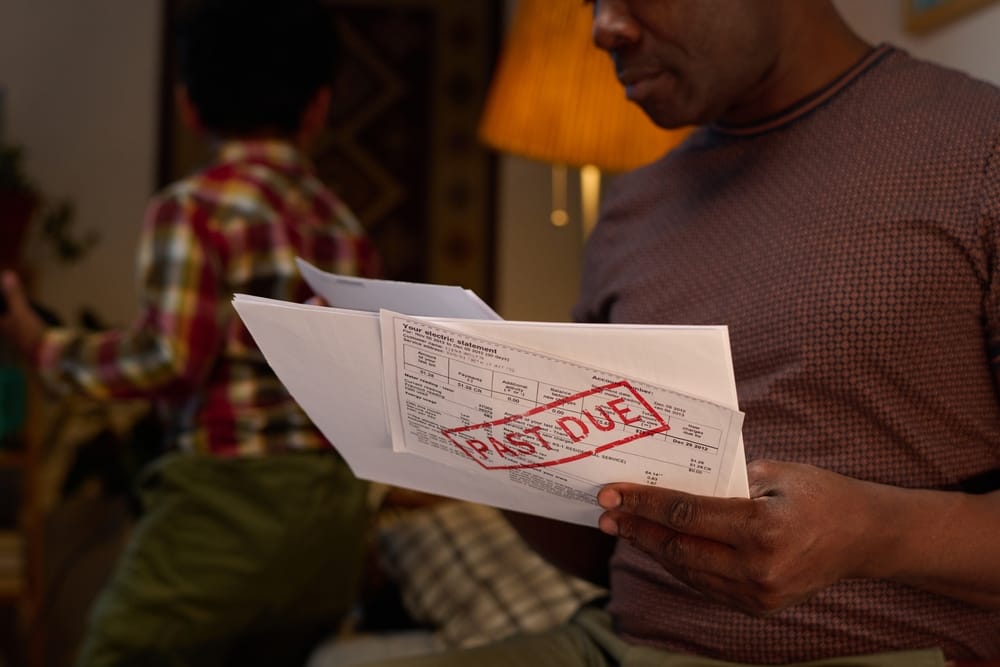
Here Are 5 Sneaky Signs That Debt Is Adding Up
Image Source: Shutterstock.com

Debt is one of those things that can sneak up on you without warning, almost like a financial ninja in the night. One day, you’re sipping your latte and paying your bills on time, and the next, you’re juggling multiple due dates and wondering where all your money went. It doesn’t always show itself with obvious red flags like missed payments or overdraft fees. Often, it starts small, with tiny habits and unnoticed patterns that quietly multiply over time. Recognizing these sneaky signs early is the key to staying in control before debt turns into a full-blown money crisis.

1. You Constantly Transfer Balances Or Borrow To Pay Bills

One of the clearest signs debt is creeping up is when you start using one debt to pay another. Credit card balance transfers, short-term loans, or borrowing from friends might seem like temporary fixes, but they often hide a bigger problem. It creates a cycle where you’re not actually reducing your debt—you’re just moving it around. The more you do this, the harder it becomes to see the full picture of your financial health. If you find yourself constantly hopping from one payment solution to another, it’s a red flag that debt is quietly stacking up.

2. Your Minimum Payments Are Becoming The Norm

Paying only the minimum on credit cards or loans might feel manageable, but it’s a classic sign that debt is starting to dominate your finances. Minimum payments are designed to keep you in the game for the long haul, not to help you get ahead. When you start defaulting to minimums month after month, interest accumulates, and balances can balloon without you noticing. Over time, this habit drains your financial flexibility and leaves less room for essentials or savings. If you’re seeing your payments linger at the minimum line more than your budget allows, it’s time to pay attention.

3. You Avoid Checking Your Accounts

Ignoring account statements, bank apps, or credit card notifications may feel like a stress-free strategy, but it’s one of the most dangerous signs that debt is piling up. Avoidance doesn’t make debt disappear—it makes it grow silently, often faster than you realize. Missing updates on balances, due dates, or interest charges can lead to late fees, penalties, and more stress. The anxiety of knowing you’ve ignored your finances can spiral into a vicious cycle of avoidance and accumulating debt. Regularly checking your accounts, even when it’s uncomfortable, is essential to staying on top of things.

4. Everyday Purchases Require Credit

If you find yourself reaching for a credit card for things you used to pay with cash, it might be a sneaky indicator that debt is increasing. Small, routine purchases—like groceries, gas, or coffee—add up quickly when you rely on credit instead of money you actually have. This behavior often reflects a gap between income and expenses, which can spiral into bigger financial problems if left unchecked. While it may not feel urgent now, repeated reliance on borrowing for everyday spending is a clear warning. Tracking where your money goes and catching these habits early can prevent small purchases from turning into a mountain of debt.

Here Are 5 Sneaky Signs That Debt Is Adding Up
Image Source: Shutterstock.com

5. You Feel Constant Stress About Money

Debt doesn’t just affect your finances—it affects your mental and emotional state, too. If you’re constantly worrying about bills, budgeting, or what to pay first, it’s a strong sign that debt may be quietly accumulating. Chronic financial stress can influence decisions, leading to impulsive spending or avoiding the problem entirely. It’s often subtle at first, like a background noise you barely notice, until it starts dictating daily decisions and your overall mood. Paying attention to how you feel about money can give you an early warning that debt is creeping higher, even if balances look manageable on paper.

Catch Debt Early Before It Takes Over

Debt doesn’t always announce itself with alarms or flashing lights. Sometimes it sneaks in through small habits, quiet patterns, and unnoticed behaviors that slowly tighten their grip. Recognizing signs like relying on credit for everyday purchases, avoiding statements, and feeling constant financial stress can save you from bigger trouble down the line. Awareness is the first step to regaining control and planning a path out of debt.

Have you noticed any of these sneaky signs in your own finances? Share your experiences, insights, or tips in the comments section below.

You May Also Like…

How to Teach Kids About Debt

Accelerate Your Debt Repayment Using Our Powerful Snowball Method.

5 Debt Strategies Redditors Recommend When You’re Drowning But Financial Advisors Say Are Stupid

What Really Happens If You Ignore a Debt Collector’s Voicemail

7 Things You Should Never Say to a Debt Collector on the Phone


Brandon Marcus
Brandon Marcus

Brandon Marcus is a writer who has been sharing the written word since a very young age. His interests include sports, history, pop culture, and so much more. When he isn’t writing, he spends his time jogging, drinking coffee, or attempting to read a long book he may never complete.

Filed Under: Debt Management Tagged With: avoiding debt, borrowing money, Debt, debt advice, debt avalanche, debt collection, debt collections, Debt Collectors, debt consolidation, Debt Management, debt payoff, eliminating debt, Money, money issues, Saving, saving money, savings account, sneaking debt

What Happens When Small Debts Spiral Out of Control

September 28, 2025 by Catherine Reed Leave a Comment

What Happens When Small Debts Spiral Out of Control
Image source: 123rf.com

It’s easy to brush off small debts as harmless. A $50 credit card balance, a forgotten medical bill, or a store card payment might not feel like a big deal. The problem is that these small debts often snowball into major financial problems if left unaddressed. Late fees, interest charges, and collection activity can quickly turn manageable balances into overwhelming burdens. Here’s what really happens when small debts spiral out of control and why it’s so important to take them seriously.

1. Interest Charges Grow Faster Than Expected

One of the first things that happens when small debts spiral out of control is the buildup of interest. What starts as a tiny balance grows quickly as interest compounds month after month. Credit cards, in particular, often carry rates above 20 percent, making it nearly impossible to catch up with minimum payments. Even a small purchase can double in cost if left unpaid long enough. This snowball effect turns something minor into a major stressor.

2. Late Fees Add to the Problem

Another hidden danger of small debts is the addition of late fees. Missing even a single payment can trigger penalties that increase the debt’s cost. For example, a $25 late fee on a $50 balance immediately increases the total amount owed by half. Repeated late payments keep stacking fees on top of the balance, creating a vicious cycle. Suddenly, the original debt looks insignificant compared to the added charges.

3. Credit Scores Start to Drop

When small debts spiral out of control, your credit score is one of the first casualties. Even a minor account reported as late can drag down your score for years. This can impact your ability to secure approval for larger loans, such as mortgages or auto financing. A lower score also means higher interest rates on future borrowing. Ignoring small debts can have long-term consequences that extend far beyond the original balance.

4. Collection Agencies Step In

If small debts remain unpaid for a long enough period, creditors often turn them over to collection agencies. This step exacerbates the situation, making it more stressful and damaging. Collection agencies are persistent, frequently contacting you and sometimes employing aggressive tactics. Once in collections, debts can also appear as separate negative marks on your credit report. What once seemed like a minor nuisance now becomes a constant source of financial anxiety.

5. Legal Action Becomes a Risk

In some cases, creditors or collection agencies may pursue legal action for unpaid small debts. Court judgments can lead to wage garnishment or bank account levies, further complicating your financial situation. While this may seem extreme for a small balance, it occurs more frequently than people expect. Once a judgment is issued, the debt becomes even harder to escape. Taking early action can prevent it from ever reaching this stage.

6. Stress and Anxiety Increase

Beyond the financial consequences, small debts that spiral out of control create significant emotional strain. Constant reminders, collection calls, and fear of legal action can weigh heavily on your mental health. Stress about money often spills into other areas of life, including relationships and work performance. The psychological toll is one of the most overlooked costs of ignoring small debts. Addressing them quickly helps restore peace of mind.

7. Opportunities Get Limited

When small debts spiral out of control, they don’t just affect your current finances—they limit future opportunities too. Poor credit may prevent you from renting certain apartments, landing specific jobs, or securing affordable insurance rates. What began as a $100 bill can ultimately block you from major life milestones. The opportunity cost of ignoring small debts is far greater than the debt itself. Thinking long-term highlights why these balances deserve attention.

Taking Small Debts Seriously Protects Your Future

Small debts may not seem urgent, but letting them spiral out of control can lead to financial and emotional challenges that persist for years. Interest, late fees, and credit damage all exacerbate the problem, while stress and lost opportunities exacerbate it further. Treating every debt seriously, regardless of its size, is crucial to maintaining financial stability. By tackling them early, you protect not only your wallet but also your future freedom.

Have you ever seen small debts spiral out of control in your own life? Share your experiences and lessons learned in the comments below!

What to Read Next…

  • 7 Strange Truths About Middle-Class Spending Habits
  • 6 Silent Money Leaks in the Average Household
  • 9 Financial Mistakes People Make in Their 30s That Haunt Them in Their 60s
  • Why Do People Get Trapped by “Buy Now Pay Later” Schemes
  • 5 Unsettling Truths About Payday Loan Companies
Catherine Reed
Catherine Reed

Catherine is a tech-savvy writer who has focused on the personal finance space for more than eight years. She has a Bachelor’s in Information Technology and enjoys showcasing how tech can simplify everyday personal finance tasks like budgeting, spending tracking, and planning for the future. Additionally, she’s explored the ins and outs of the world of side hustles and loves to share what she’s learned along the way. When she’s not working, you can find her relaxing at home in the Pacific Northwest with her two cats or enjoying a cup of coffee at her neighborhood cafe.

Filed Under: Debt Management Tagged With: credit score, debt collections, Debt Management, financial stress, late fees, Personal Finance, small debts

FOLLOW US

Search this site:

Recent Posts

  • Can My Savings Account Affect My Financial Aid? by Tamila McDonald
  • 12 Ways Gen X’s Views Clash with Millennials… by Tamila McDonald
  • What Advantages and Disadvantages Are There To… by Jacob Sensiba
  • 10 Tactics for Building an Emergency Fund from Scratch by Vanessa Bermudez
  • Call 911: Go To the Emergency Room Immediately If… by Stephen Kanaval
  • 7 Weird Things You Can Sell Online by Tamila McDonald
  • 10 Scary Facts About DriveTime by Tamila McDonald

Copyright © 2026 · News Pro Theme on Genesis Framework