
• Home
  • About Us
  • Toolkit
  • Getting Finances Done
    • Hiring Advisors
    • Debt Management
    • Spending Plan
  • Insurance
    • Life Insurance
    • Health Insurance
    • Disability Insurance
    • Homeowners/Renters Insurance
  • Contact Us
  • Risk Tolerance Quiz
  • Our Editorial Commitment

The Free Financial Advisor

You are here: Home / Archives for avoiding debt

Debt Alert: 6 Ways Holiday Spending Could Trigger a January Credit Score Crisis

December 14, 2025 by Brandon Marcus Leave a Comment

Here Are The Ways Holiday Spending Could Trigger a January Credit Score Crisis
Image Source: Shutterstock.com

The holidays are supposed to be magical—a time for twinkling lights, festive music, and, of course, gift-giving. But after the last present is unwrapped and the New Year’s confetti settles, reality often hits like a snowball to the face. Credit card statements arrive, debt balances loom, and suddenly, that cozy holiday cheer feels a lot more like financial panic. Even responsible spenders can fall into traps that quietly tank their credit score before January is over.

The problem is that holiday spending isn’t just about overspending—it’s about how small decisions compound in ways most people never anticipate.

1. Maxing Out Credit Cards Without A Repayment Plan

It’s tempting to swipe without thinking when stores are decked out in lights and promotions are everywhere. Unfortunately, maxing out your credit cards over the holidays can dramatically affect your credit utilization ratio, one of the most important factors in your score. High balances relative to your credit limit send a signal to lenders that you might be overextended. Even if you pay the balance off quickly, the timing of reporting can mean your January statement still shows a maxed-out card. Without a clear repayment plan, what felt like a festive splurge can quickly turn into a credit score nightmare.

2. Racking Up Multiple Store Credit Cards

Those “instant approval” offers at checkout might seem harmless—or even smart if they come with a discount. The reality is that opening multiple store credit cards in a short period can ding your credit score in multiple ways. Each application triggers a hard inquiry, which can shave points off your score temporarily. The added new accounts also reduce the average age of your credit history, another factor lenders evaluate. While one or two cards might be manageable, a stack of plastic can make January feel more stressful than celebratory.

3. Missing Minimum Payments During Holiday Chaos

Holiday schedules are hectic, and bills can slip through the cracks. Missing a minimum payment—even by a few days—can have a surprisingly large impact on your credit score. Late payments are reported to credit bureaus and can linger on your report for years. The stress of managing gifts, parties, and travel often means people forget to prioritize monthly bills. Staying organized and setting reminders is critical; otherwise, that cheerful December spending spree can echo as a January credit disaster.

4. Overreliance On Buy Now, Pay Later Options

Buy Now, Pay Later (BNPL) services are everywhere, making it tempting to spread out payments over weeks or months. But while the idea feels harmless, these services can quietly affect your creditworthiness. Missing a payment or delaying your repayment can trigger late fees and potential credit reporting consequences. Even when you pay on time, juggling multiple BNPL plans can lead to a confusing financial picture that increases stress and risk. It’s easy to underestimate the impact until the first statement arrives in January—then panic sets in.

5. Ignoring Existing Debt When Holiday Shopping

It’s easy to get caught up in gift lists and holiday deals, but ignoring pre-existing debt can be dangerous. Adding new balances on top of old ones increases your total debt load and raises your credit utilization across all cards. Lenders see this as a higher risk, and your credit score can drop as a result. Even if your spending seems reasonable, failing to account for ongoing obligations can create a compounding effect. Keeping track of both old and new debt is essential to avoid a post-holiday financial hangover.

6. Not Monitoring Credit Reports Until It’s Too Late

After the holiday rush, many people don’t check their credit reports until something goes wrong. The problem is that errors, overlooked balances, or unexpected charges can silently damage your score if you’re not paying attention. Monitoring your credit allows you to catch issues early, dispute errors, and plan repayment strategies before they spiral. Waiting until January to see your credit score can be a rude awakening. Staying proactive during and after the holidays is key to preventing a financial headache you could have avoided.
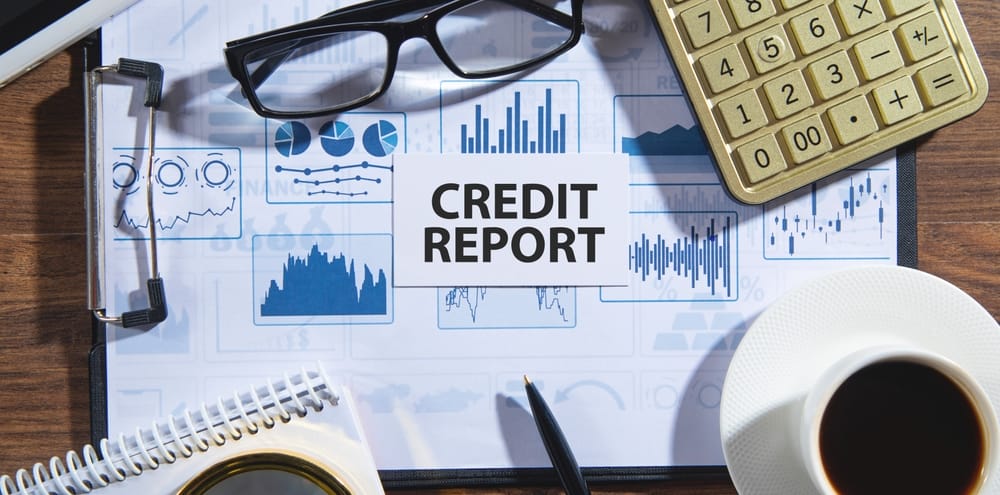
Here Are The Ways Holiday Spending Could Trigger a January Credit Score Crisis
Image Source: Shutterstock.com

Stay Ahead Of The Holiday Hangover

The holidays are meant to be joyful, but without careful planning, they can also trigger a credit score crisis that lasts well into the new year. From maxed-out cards to missed payments and Buy Now, Pay Later traps, even well-intentioned spending can have long-term consequences.

Awareness is the first step—recognizing how decisions made in December can affect January and beyond allows you to act before the damage is done. By planning, tracking, and staying organized, it’s possible to enjoy the season without financial regrets.

Have you ever experienced a post-holiday credit surprise? Share your stories, tips, or cautionary tales in the comments section below—we want to hear your experiences.

You May Also Like…

6 Credit Mistakes That Redditors Confess Cost Them Thousands

8 “Harmless” Daily Habits That Are Secretly Wrecking Your Credit Score

The Medical Bill Mistake That Can Cripple Your Credit for a Decade

Accelerate Your Debt Repayment Using Our Powerful Snowball Method.

6 Sneaky Financial Risks Hiding in Holiday Spending


Brandon Marcus
Brandon Marcus

Brandon Marcus is a writer who has been sharing the written word since a very young age. His interests include sports, history, pop culture, and so much more. When he isn’t writing, he spends his time jogging, drinking coffee, or attempting to read a long book he may never complete.

Filed Under: Debt Management Tagged With: average joe debt, avoiding debt, avoiding overspending, buy now pay later, credit, Credit card debt, credit cards, credit repair, credit report, credit score, Debt, debt advice, debt alerts, debt collections, Debt Collectors, debt consolidation, Debt Management, gift-giving, Holiday, holiday spending, Holidays, repayment plans, Smart Spending, spending

5 Sneaky Signs That Debt Is Adding Up

December 14, 2025 by Brandon Marcus Leave a Comment

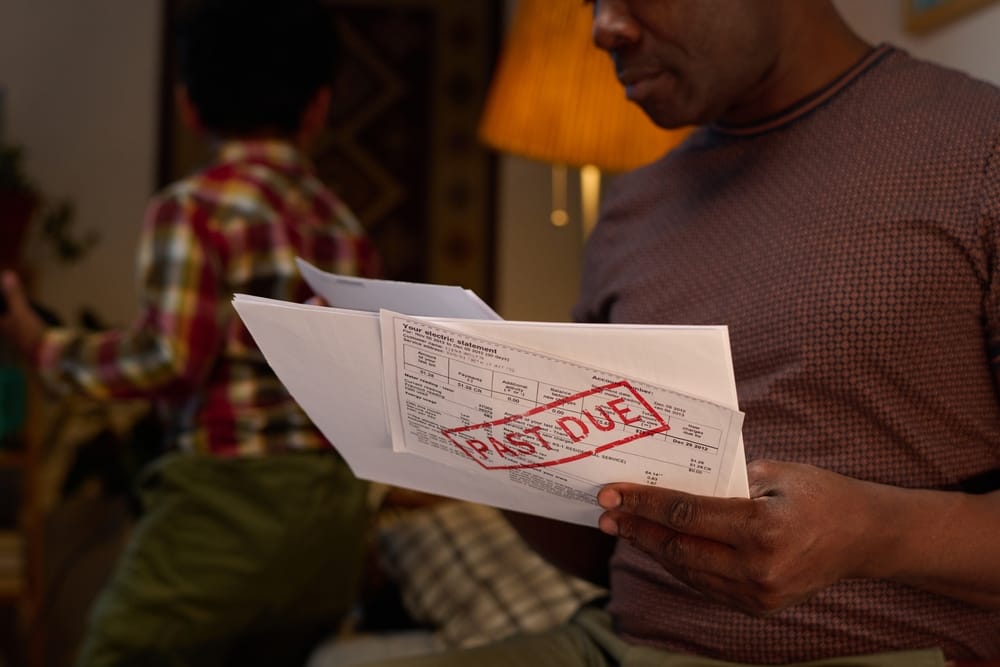
Here Are 5 Sneaky Signs That Debt Is Adding Up
Image Source: Shutterstock.com

Debt is one of those things that can sneak up on you without warning, almost like a financial ninja in the night. One day, you’re sipping your latte and paying your bills on time, and the next, you’re juggling multiple due dates and wondering where all your money went. It doesn’t always show itself with obvious red flags like missed payments or overdraft fees. Often, it starts small, with tiny habits and unnoticed patterns that quietly multiply over time. Recognizing these sneaky signs early is the key to staying in control before debt turns into a full-blown money crisis.

1. You Constantly Transfer Balances Or Borrow To Pay Bills

One of the clearest signs debt is creeping up is when you start using one debt to pay another. Credit card balance transfers, short-term loans, or borrowing from friends might seem like temporary fixes, but they often hide a bigger problem. It creates a cycle where you’re not actually reducing your debt—you’re just moving it around. The more you do this, the harder it becomes to see the full picture of your financial health. If you find yourself constantly hopping from one payment solution to another, it’s a red flag that debt is quietly stacking up.

2. Your Minimum Payments Are Becoming The Norm

Paying only the minimum on credit cards or loans might feel manageable, but it’s a classic sign that debt is starting to dominate your finances. Minimum payments are designed to keep you in the game for the long haul, not to help you get ahead. When you start defaulting to minimums month after month, interest accumulates, and balances can balloon without you noticing. Over time, this habit drains your financial flexibility and leaves less room for essentials or savings. If you’re seeing your payments linger at the minimum line more than your budget allows, it’s time to pay attention.

3. You Avoid Checking Your Accounts

Ignoring account statements, bank apps, or credit card notifications may feel like a stress-free strategy, but it’s one of the most dangerous signs that debt is piling up. Avoidance doesn’t make debt disappear—it makes it grow silently, often faster than you realize. Missing updates on balances, due dates, or interest charges can lead to late fees, penalties, and more stress. The anxiety of knowing you’ve ignored your finances can spiral into a vicious cycle of avoidance and accumulating debt. Regularly checking your accounts, even when it’s uncomfortable, is essential to staying on top of things.

4. Everyday Purchases Require Credit

If you find yourself reaching for a credit card for things you used to pay with cash, it might be a sneaky indicator that debt is increasing. Small, routine purchases—like groceries, gas, or coffee—add up quickly when you rely on credit instead of money you actually have. This behavior often reflects a gap between income and expenses, which can spiral into bigger financial problems if left unchecked. While it may not feel urgent now, repeated reliance on borrowing for everyday spending is a clear warning. Tracking where your money goes and catching these habits early can prevent small purchases from turning into a mountain of debt.

Here Are 5 Sneaky Signs That Debt Is Adding Up
Image Source: Shutterstock.com

5. You Feel Constant Stress About Money

Debt doesn’t just affect your finances—it affects your mental and emotional state, too. If you’re constantly worrying about bills, budgeting, or what to pay first, it’s a strong sign that debt may be quietly accumulating. Chronic financial stress can influence decisions, leading to impulsive spending or avoiding the problem entirely. It’s often subtle at first, like a background noise you barely notice, until it starts dictating daily decisions and your overall mood. Paying attention to how you feel about money can give you an early warning that debt is creeping higher, even if balances look manageable on paper.

Catch Debt Early Before It Takes Over

Debt doesn’t always announce itself with alarms or flashing lights. Sometimes it sneaks in through small habits, quiet patterns, and unnoticed behaviors that slowly tighten their grip. Recognizing signs like relying on credit for everyday purchases, avoiding statements, and feeling constant financial stress can save you from bigger trouble down the line. Awareness is the first step to regaining control and planning a path out of debt.

Have you noticed any of these sneaky signs in your own finances? Share your experiences, insights, or tips in the comments section below.

You May Also Like…

How to Teach Kids About Debt

Accelerate Your Debt Repayment Using Our Powerful Snowball Method.

5 Debt Strategies Redditors Recommend When You’re Drowning But Financial Advisors Say Are Stupid

What Really Happens If You Ignore a Debt Collector’s Voicemail

7 Things You Should Never Say to a Debt Collector on the Phone


Brandon Marcus
Brandon Marcus

Brandon Marcus is a writer who has been sharing the written word since a very young age. His interests include sports, history, pop culture, and so much more. When he isn’t writing, he spends his time jogging, drinking coffee, or attempting to read a long book he may never complete.

Filed Under: Debt Management Tagged With: avoiding debt, borrowing money, Debt, debt advice, debt avalanche, debt collection, debt collections, Debt Collectors, debt consolidation, Debt Management, debt payoff, eliminating debt, Money, money issues, Saving, saving money, savings account, sneaking debt

Champagne Dreams on a Beer Budget: The Pricey Purchases That Still Say “You’re Broke”

March 18, 2025 by Latrice Perez Leave a Comment

Champagne on table
Image Source: 123rf.com

Many people believe that spending big means they have made it financially. Flashy cars, high-end gadgets, and designer brands create the illusion of success, but sometimes those same purchases signal financial instability. Looking rich and being financially secure are two very different things, and spending beyond your means can keep you stuck in a cycle of debt.

Some costly purchases do not indicate financial success at all. Instead, they may reveal poor money management, unnecessary financial strain, and the need to impress others at the cost of true wealth. Here are some of the most expensive purchases that might be keeping you broke.

Luxury Cars with Sky-High Payments

Driving an expensive car may feel like a symbol of success, but if the payments, maintenance, and insurance are eating up a large portion of your income, it could be a sign of financial trouble. Many people stretch their budgets to afford a luxury vehicle, taking on high monthly payments that leave little room for saving or investing.

A car’s value starts to depreciate the moment it leaves the dealership, making it one of the worst financial investments for someone trying to build wealth. Financing a vehicle for several years just to keep up appearances can be a financial trap. Owning a car that fits within your means, even if it is not the flashiest model, allows for greater financial freedom in the long run.

Designer Clothing and Accessories Bought on Credit

Owning a closet full of luxury handbags, high-end sneakers, or designer clothing might look impressive, but if those purchases were made using credit or borrowed money, they are not a sign of wealth. Many people buy expensive fashion items in an attempt to fit in with a wealthier crowd, but these purchases often lead to unnecessary debt.

True financial security comes from having savings, investments, and an emergency fund. Buying designer items with money that could have been used for more important financial goals is a common mistake. Wealthy individuals can afford to buy high-end clothing without it impacting their financial health, while those living paycheck to paycheck often stretch their budgets for the illusion of status.

Costly Dining and Daily Takeout

Dining at expensive restaurants, ordering daily takeout, or constantly grabbing coffee from high-end cafes can seem harmless, but over time, these habits add up. Many people do not realize how much they are spending on food and drinks until they look at their bank statements.

Spending a large portion of your income on food outside the home is one of the easiest ways to drain your finances without realizing it. While enjoying occasional meals out is fine, consistently overspending on dining instead of managing a grocery budget can be a sign of financial instability. Cooking at home and setting limits on dining expenses can help create better spending habits without sacrificing enjoyment.

Tech Upgrades That Are Unnecessary

The latest smartphones, tablets, and smartwatches are tempting, but upgrading to every new model is rarely necessary. Many people justify buying expensive tech by saying they need the latest features, but in reality, most devices work just fine for years.

Financing new gadgets or putting them on credit just to keep up with trends is a habit that keeps people stuck in a cycle of unnecessary spending. Wealthy individuals do not waste money on constant upgrades unless there is a real need. Keeping a device for as long as it functions well instead of chasing the newest model is a financially smart decision.

Lavish Vacations Without the Budget to Back Them

Lavish Vacations
Image Source: 123rf.com

Traveling the world and taking luxurious vacations can be exciting, but if the trip is paid for with credit cards or loans, it is a sign of financial mismanagement. Many people book high-end vacations to escape their daily financial stress, but they return home to even more debt.

A vacation should be an enjoyable experience, not a financial setback. People who are financially stable plan their trips within their means, ensuring that they do not return to financial hardship. Setting aside money for travel in advance rather than charging everything to a credit card is a smarter way to enjoy a trip without regrets.

Renovating a Home for Status, Not Necessity

Home renovations can be a great investment, but making changes just to impress others rather than to improve functionality can be a financial mistake. Many homeowners take on large renovation projects without fully considering the long-term costs, including ongoing maintenance and loan repayments.

Updating a kitchen or bathroom may seem like a way to add value, but if the project is being financed with debt and there is no immediate return, it can be a financial burden. Prioritizing necessary repairs over cosmetic changes can help keep financial stability in check.

Throwing Money into Trendy Hobbies

Expensive hobbies like golfing at exclusive clubs, collecting rare items, or joining high-end fitness studios may make life more exciting, but if they come at the expense of financial security, they are not worth it. Many people spend money on hobbies they cannot afford just to fit into a certain social group.

Hobbies should be enjoyable, but they should also fit within a reasonable budget. Finding activities that provide fulfillment without excessive spending allows for financial stability while still maintaining a fun lifestyle.

Keeping Up with Appearances at Any Cost

Many people fall into the habit of spending beyond their means simply to maintain a certain image. Whether it is hosting extravagant parties, buying expensive gifts, or dressing in designer brands, keeping up appearances can be financially damaging.

Wealth is not about looking rich. Many truly wealthy people live modestly, prioritize investments, and focus on long-term financial growth rather than short-term status symbols. The need to impress others often results in financial stress rather than financial success.

Real Wealth Is Built on Smart Financial Decisions

Owning expensive items does not mean financial security. Many people who appear wealthy are actually living paycheck to paycheck, struggling to maintain an unsustainable lifestyle. Real wealth is built through saving, investing, and making smart spending choices.

Reevaluating spending habits and focusing on financial stability rather than appearances can help build long-term success.

Have you ever regretted an expensive purchase that set you back financially? Share your experiences in the comments below.

Read More:

10 Genius Wealth Transfer Hacks That’ll Make Your Heirs Thank You Forever

“The ‘Spending Freeze’ Challenge: Could You Survive a Month Without Shopping?

Latrice Perez

Latrice is a dedicated professional with a rich background in social work, complemented by an Associate Degree in the field. Her journey has been uniquely shaped by the rewarding experience of being a stay-at-home mom to her two children, aged 13 and 5. This role has not only been a testament to her commitment to family but has also provided her with invaluable life lessons and insights.

As a mother, Latrice has embraced the opportunity to educate her children on essential life skills, with a special focus on financial literacy, the nuances of life, and the importance of inner peace.

Filed Under: Lifestyle Tagged With: avoiding debt, Budgeting Tips, expensive habits, financial freedom, financial mistakes, Financial Security, luxury spending, money management, smart money moves, Spending Habits

9 Stupid Tricks People Have Tried To Get Out of Paying Off Their Debt

March 15, 2025 by Latrice Perez Leave a Comment

Credit cards and the word debt
Image Source: 123rf.com

Debt is a financial burden that most people try to manage responsibly, but some will go to extreme—and often ridiculous—lengths to avoid paying what they owe. Whether it’s credit card balances, student loans, or even mortgages, people have attempted bizarre schemes to escape their financial obligations. While some of these tricks are laughably absurd, others have landed people in legal trouble, making their debt situation even worse. Here are ten of the stupidest tricks people have tried to get out of paying off their debt.

1. Claiming They’re No Longer Alive

One of the most desperate—and dumbest—attempts to avoid debt is faking one’s own death. Some people have gone as far as forging death certificates, staging fake obituaries, or even convincing friends and family to lie on their behalf. The problem? Lenders and government agencies aren’t easily fooled. Banks and creditors often verify death claims, and faking your death is a federal crime in many countries. Instead of wiping out debt, this scam usually ends with fraud charges and even jail time.

2. Mailing a Literal Envelope Full of Pennies

Some people think they can “technically” pay their debt in a way that frustrates creditors so much that they’ll just give up. One infamous trick is mailing an envelope filled with pennies or an entire truckload of loose change to a lender. While it’s true that legal tender laws mean companies must accept legitimate currency, banks and lenders aren’t required to process payments in an unreasonable format. Many institutions simply return the payment and continue charging late fees.

3. Arguing That Debt is “Illegal” Based on Conspiracy Theories

A group of so-called “sovereign citizens” believe that debt is illegal and that they are not obligated to repay loans or credit cards. Their argument is that the U.S. government and banks operate under a secret financial system that doesn’t apply to them. They send bizarre legal documents filled with nonsensical legal jargon, claiming that their debts must be erased. Unsurprisingly, courts do not recognize made-up financial loopholes, and these people usually end up in deeper legal trouble.

4. Sending a Cease-and-Desist Letter to the Bank

Some debt dodgers think that sending a cease-and-desist letter to their bank will somehow erase their financial obligations. While you can send a letter to stop aggressive debt collection calls, it does not eliminate the debt itself. Lenders don’t just forget about unpaid loans because someone sent them a strongly worded letter. Instead, they often escalate the case, take legal action, or send the debt to collections—leading to even worse financial consequences.

5. Changing Their Name to Escape Debt Collectors

A surprisingly large number of people have tried legally changing their name, assuming that their debt will disappear with their old identity. However, debt isn’t tied to just a name—it’s connected to Social Security numbers, addresses, and financial history. Banks and credit agencies still track debt under previous names, so this trick accomplishes absolutely nothing—except the hassle of filing legal name-change documents for no reason.

6. Marrying Someone and Transferring the Debt to Them


Marrying Someone
Image Source: 123rf.com

Some people think they can escape debt by getting married and somehow dumping their financial burdens onto their spouse. While marriage does merge certain financial responsibilities, debts incurred before marriage typically remain the original person’s responsibility. Some debt dodgers have even tried divorcing right after transferring assets and loans to their spouse, hoping to walk away debt-free. Courts aren’t fooled by this trick, and most lenders still hold the original borrower accountable.

7. Moving to a Remote Country to “Disappear”

Some debtors believe that moving abroad means their debt will magically vanish. While it’s true that some lenders won’t pursue small debts internationally, large unpaid loans, unpaid taxes, and government-related debts (like student loans) don’t go away just because you leave the country. In some cases, lenders can still work with international collection agencies, freeze accounts, or prevent a debtor from returning home without financial consequences. Running away rarely works—unless you plan to completely cut ties with modern banking systems forever.

8. Suing the Bank for “Emotional Distress” (Continued)

In a bizarre attempt to erase debt, some people have actually sued their lenders, claiming that having to pay their bills caused them emotional distress. While debt can absolutely be stressful, this argument doesn’t hold up in court. Debt is a legal obligation, and just because someone finds it inconvenient doesn’t mean they’re entitled to a free pass. In most cases, the lawsuit is dismissed, and the debtor ends up owing even more due to legal fees.

Even worse, if the lender decides to countersue for unpaid debt and legal costs, the debtor may be in an even deeper financial hole. The court system isn’t sympathetic to people who file frivolous lawsuits in an attempt to avoid financial responsibility. Instead of erasing their debt, they usually end up adding to it.

9. Pretending to Have Amnesia or “Forgetting” About the Debt

Some debt-dodgers think that playing dumb will get them off the hook. They claim they don’t remember taking out the loan or opening the credit card, hoping the lender will just drop it. Unfortunately for them, banks and creditors keep records of every transaction, and conveniently “forgetting” doesn’t make the debt disappear.

Some scammers have even tried to fake amnesia or insist that someone else fraudulently opened the account in their name. While identity theft is a real issue, falsely claiming fraud is a serious crime. If the lender investigates and finds out the claim is false, they may pursue legal action for fraud, making the situation far worse than just having unpaid bills.

What Happens When These Tricks Backfire?

Trying to game the system to avoid paying debt rarely works—and often makes things much worse. People who attempt these ridiculous tricks often find themselves facing:

  • Lawsuits – Lenders can take legal action, leading to court judgments that make the debt even harder to escape.
  • Wage Garnishment – Courts can order a portion of the debtor’s paycheck to be automatically deducted to repay the debt.
  • Ruined Credit – Unpaid debts and failed scams can destroy credit scores, making it difficult to buy a home, get a job, or even rent an apartment.
  • Bank Account Freezes – Some lenders can get court approval to freeze accounts, meaning debtors can’t access their own money.
  • Criminal Charges – Fraudulent attempts to avoid debt, such as faking a death or filing false lawsuits, can lead to fines or even jail time.

The Smarter Alternative: Facing Debt Head-On

Instead of trying stupid tricks to get out of debt, people should focus on real solutions that actually work. Options like negotiating with lenders, setting up payment plans, consolidating debt, or working with a credit counselor can help people get back on track without resorting to shady tactics. In some cases, filing for bankruptcy may even be a legitimate last resort that wipes out certain debts legally.

Debt can feel overwhelming, but avoiding it—or trying ridiculous schemes—will only make things worse. The smartest move is to take responsibility, make a plan, and tackle the debt head-on before it spirals out of control.

Have you ever heard of someone trying a crazy trick to dodge debt? Share your thoughts in the comments!

Read More:

Would Jesus Use a Credit Card? The Ethics of Debt in a Modern World

7 Unexpected Ways Hospitals Can Help You Slash Your Medical Debt

Latrice Perez

Latrice is a dedicated professional with a rich background in social work, complemented by an Associate Degree in the field. Her journey has been uniquely shaped by the rewarding experience of being a stay-at-home mom to her two children, aged 13 and 5. This role has not only been a testament to her commitment to family but has also provided her with invaluable life lessons and insights.

As a mother, Latrice has embraced the opportunity to educate her children on essential life skills, with a special focus on financial literacy, the nuances of life, and the importance of inner peace.

Filed Under: Personal Finance Tagged With: avoiding debt, bad financial advice, credit repair, debt relief, debt scams, financial fraud, financial responsibility, money management, money mistakes, Personal Finance

6 Things Your Parents Wish They’d Taught You About Money So You’d Stay Out of Their Pockets

March 13, 2025 by Latrice Perez Leave a Comment

Talking to kids about money
Image Source: 123rf.com

Most parents want their kids to be financially independent, but not all of them succeed in teaching the skills needed to make that happen. Many young adults find themselves relying on their parents for money well into their 20s, 30s, or even beyond. While some financial help is understandable in emergencies, constantly needing assistance can strain relationships and create long-term dependence. The reality is that many parents wish they had instilled better money habits early on so their adult children wouldn’t keep coming back for financial support. Here are six key lessons they wish they had taught you before it was too late.

1. How to Live Below Your Means

One of the biggest financial mistakes people make is spending more than they earn. Many parents regret not teaching their children how to budget properly and prioritize needs over wants. When young adults develop expensive habits early on—whether it’s dining out regularly, upgrading their phone every year, or financing a car they can’t afford—it often leads to financial struggles later.

Living below your means isn’t about depriving yourself, but about making smart choices. If you spend less than you earn, you create room for savings, investments, and financial stability. Parents who see their adult children struggling to cover basic expenses often wish they had reinforced the importance of disciplined spending habits much earlier.

2. Why Credit Cards Aren’t Free Money

Many young adults get their first credit card with little understanding of how it actually works. They swipe now and worry about the balance later, only to find themselves buried in debt with high-interest rates they can’t afford to pay off. Parents who have had to step in and bail their kids out of credit card debt often wish they had explained the dangers of using credit irresponsibly.

Credit cards can be useful financial tools if managed correctly, but they can also become a major burden if misused. Knowing when and how to use credit is key to avoiding financial dependence on parents or anyone else. Parents who have watched their children rack up debt and struggle with payments often wish they had made this lesson a priority.

3. Unexpected Expenses Require Savings

Unexpected expenses happen to everyone, whether it’s a car repair, medical bill, or job loss. Many parents regret not teaching their children to build an emergency fund early in life. Without savings set aside for emergencies, young adults often turn to their parents when financial trouble hits.

An emergency fund provides a safety net so that when life throws unexpected expenses your way, you don’t have to borrow money or rely on family to bail you out. Parents who see their children constantly in financial distress often wish they had emphasized the importance of setting aside money for the unexpected.

4. Why Keeping Up with Others is a Losing Game

The Word Vacation
Image Source: 123rf.com

One of the fastest ways to go broke is trying to match the lifestyle of friends, coworkers, or influencers on social media. Parents who watch their kids overspend to keep up with trends, vacations, or luxury purchases often wish they had taught them the value of financial independence over appearances.

Comparing yourself to others financially is a trap. The reality is that many people living flashy lifestyles are drowning in debt. Learning to focus on personal financial goals rather than competing with others can prevent unnecessary financial stress. Parents who see their children making purchases they can’t afford often regret not reinforcing this lesson sooner.

5. How to Make Money Work for You

Many parents wish they had taught their children more about investing, saving, and growing wealth instead of just working for a paycheck. A job alone doesn’t create financial security—knowing how to manage and grow money does. Unfortunately, many young adults are never taught about investing, compounding interest, or passive income, leaving them to figure it out on their own later in life.

Understanding how to build wealth early can prevent the cycle of living paycheck to paycheck and needing financial help from family. Parents who have had to support their adult children financially often wish they had instilled the mindset of making money work for them rather than just working for money.

6. That Financial Independence is the Goal

Many parents regret not teaching their children that the ultimate goal is financial independence. Some young adults grow up assuming that if they ever run into financial trouble, their parents will always be there to help. While it’s natural for parents to want to provide support, constantly relying on them well into adulthood can create an unhealthy financial relationship.

True financial independence means being able to support yourself without depending on family for money. Parents who have had to repeatedly step in to cover rent, pay off debts, or fund vacations often wish they had set clearer expectations about financial self-sufficiency. Those who teach their children financial responsibility early are more likely to see them succeed on their own.

It’s Not Too Late to Change Your Habits

If you’ve had to rely on your parents financially more than you’d like, it’s not too late to change your habits. Learning how to live below your means, use credit wisely, and build financial security can help you break the cycle of dependence. While parents want to support their children, they also want to see them succeed on their own. The best way to honor their hard work is by taking control of your financial future.

What financial lessons do you wish you had learned earlier? Share your thoughts in the comments below.

Read More:

Is It Ever a Good Idea To Move Back In With Your Parents To Pay Off Debt?

9 Tough Decisions You’ll Have to Make When Your Parents Can’t Afford to Retire

Latrice Perez

Latrice is a dedicated professional with a rich background in social work, complemented by an Associate Degree in the field. Her journey has been uniquely shaped by the rewarding experience of being a stay-at-home mom to her two children, aged 13 and 5. This role has not only been a testament to her commitment to family but has also provided her with invaluable life lessons and insights.

As a mother, Latrice has embraced the opportunity to educate her children on essential life skills, with a special focus on financial literacy, the nuances of life, and the importance of inner peace.

Filed Under: Personal Finance Tagged With: avoiding debt, Budgeting Tips, building wealth, Credit card debt, emergency fund, financial education, financial independence, money management, Personal Finance, Smart Spending

FOLLOW US

Search this site:

Recent Posts

  • Can My Savings Account Affect My Financial Aid? by Tamila McDonald
  • 12 Ways Gen X’s Views Clash with Millennials… by Tamila McDonald
  • What Advantages and Disadvantages Are There To… by Jacob Sensiba
  • 10 Tactics for Building an Emergency Fund from Scratch by Vanessa Bermudez
  • Call 911: Go To the Emergency Room Immediately If… by Stephen Kanaval
  • 7 Weird Things You Can Sell Online by Tamila McDonald
  • 10 Scary Facts About DriveTime by Tamila McDonald

Copyright © 2026 · News Pro Theme on Genesis Framework