• Home
  • About Us
  • Toolkit
  • Getting Finances Done
    • Hiring Advisors
    • Debt Management
    • Spending Plan
  • Insurance
    • Life Insurance
    • Health Insurance
    • Disability Insurance
    • Homeowners/Renters Insurance
  • Contact Us
  • Privacy Policy
  • Risk Tolerance Quiz

The Free Financial Advisor

You are here: Home / Archives for debt collection

Old Debts Are Reappearing on Credit Reports Due to Collection Resales

April 21, 2026 by Brandon Marcus Leave a Comment

Old Debts Are Reappearing on Credit Reports Due to Collection Resales

Image Source: Shutterstock.com

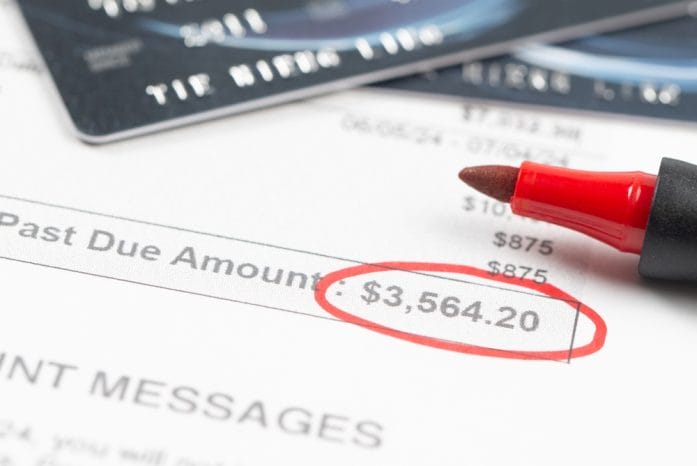
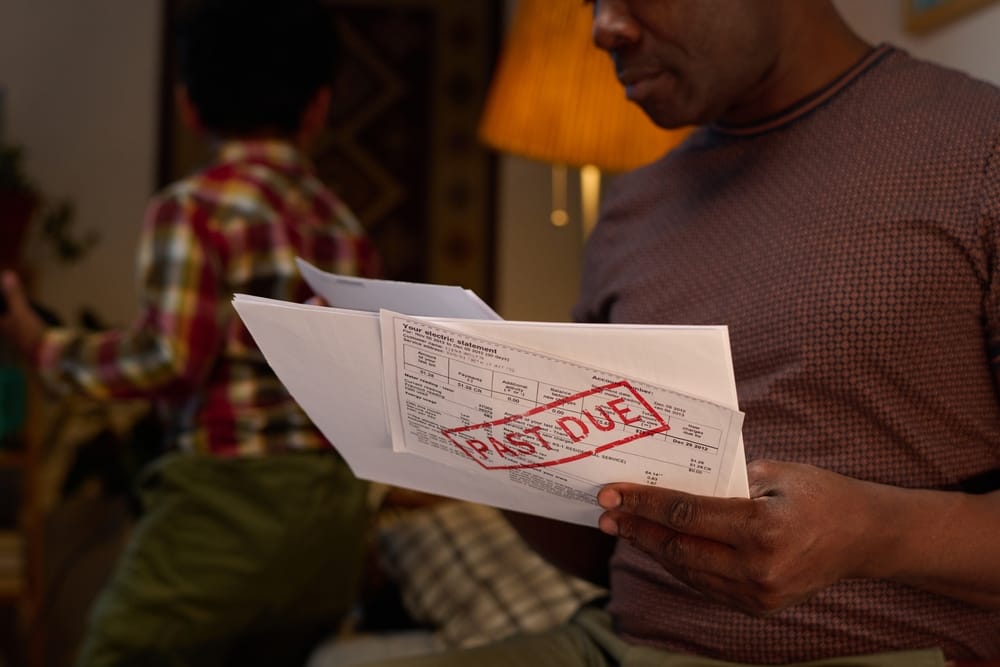
A frustrating trend has started creeping back into the financial lives of many consumers: old debts that seemed long gone are suddenly popping up on credit reports again. This isn’t a glitch or a random error—it’s often the result of collection agencies buying and reselling old debt accounts. That means a bill from years ago, possibly even one already resolved, can reappear and drag down a credit score without warning.

For anyone trying to build or repair credit, this can feel like taking two steps forward and three steps back. Really understanding why this happens and how to respond can make all the difference between lasting damage and a quick fix.

Why Old Debts Are Showing Up Again

Debt doesn’t just disappear when it gets sold—it changes hands, sometimes multiple times, and each new owner may attempt to collect. Collection agencies frequently bundle and sell unpaid accounts to other agencies, often for pennies on the dollar, which creates a cycle of repeated reporting. Each time a new agency takes over, they may re-report the debt to credit bureaus, even if the account is years old.

This practice can create confusion because the same debt might appear as a “new” collection entry. While laws like the Fair Credit Reporting Act limit how long debts stay on reports, resales can muddy the timeline and make it harder for consumers to track.

How This Impacts Your Credit Score

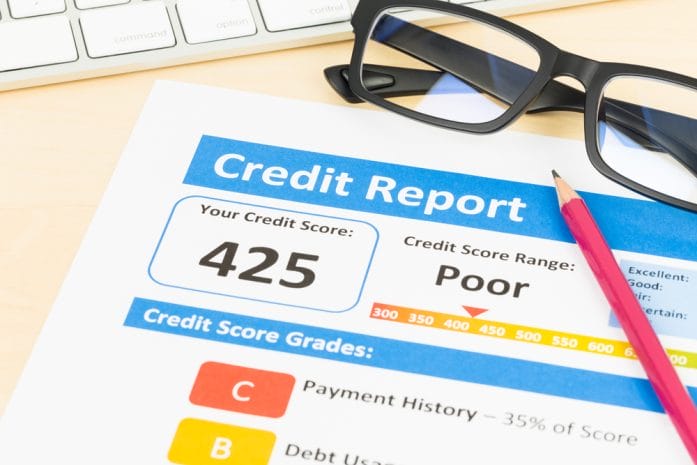
A reappearing debt can hit a credit score hard, especially if it shows up as a fresh collection account. Payment history makes up a significant portion of a credit score, so any negative mark can cause a noticeable drop. Even if the original debt aged close to its reporting limit, a newly reported collection can reset how lenders perceive risk. This can affect everything from loan approvals to interest rates, making borrowing more expensive or even impossible. For someone actively improving their credit, this kind of surprise can undo months of careful financial behavior.

The Legal Limits You Should Know

Credit reporting laws set clear boundaries, but those boundaries don’t always feel obvious in practice. Most negative items, including collections, can remain on a credit report for up to seven years from the original delinquency date. Debt collectors cannot legally reset that clock simply by reselling the account or re-reporting it.

However, they can update the account status, which may make the debt look newer than it actually is. Consumers who understand this distinction gain a major advantage when disputing inaccurate or misleading entries. Keeping records of original account dates becomes essential when dealing with these situations.

Steps to Take If an Old Debt Reappears

Quick action can prevent long-term damage when an old debt resurfaces on a credit report. Start by pulling a full credit report from all three major bureaus and identifying the exact entry in question. Next, verify the debt details, including the original delinquency date and the current collector’s information. If anything looks incorrect or outdated, file a dispute with the credit bureau and provide supporting documentation.

In some cases, contacting the collection agency directly can clarify whether the debt is valid or already resolved. Staying organized and persistent often leads to removal or correction of inaccurate entries.

Old Debts Are Reappearing on Credit Reports Due to Collection Resales

Image Source: Shutterstock.com

How to Protect Yourself Going Forward

Preventing future surprises requires a proactive approach to credit monitoring and recordkeeping. Regularly checking credit reports helps catch suspicious or outdated entries before they cause major harm. Keeping copies of payment confirmations, settlement agreements, and correspondence with creditors provides valuable proof if disputes arise later.

Setting up alerts through credit monitoring services can also offer early warnings about changes. Consumers who stay informed and organized reduce the chances of being blindsided by old debts. A little vigilance now can save significant stress and money down the road.

Don’t Let Old Debts Rewrite Your Financial Story

Old debts may try to make a comeback, but they don’t have to define a financial future. Understanding how collection resales work gives consumers the power to challenge inaccurate reporting and protect their credit standing. Taking swift, informed action can stop errors from snowballing into bigger financial setbacks. Credit reports should reflect accurate, timely information—not recycled accounts that confuse lenders and borrowers alike. Staying alert and informed turns a frustrating situation into a manageable one with a clear path forward.

What steps have you taken to monitor or protect your credit report from outdated or incorrect debts? Share your experience in the comments below.

You May Also Like…

Maryland Seniors: Filing Errors on Local Tax Credits Are Causing Residents to Lose Key Savings

What Happens When You Ignore Your Credit Report for Years

10 Credit Report Errors That Saddled Retirees With Denied Loans

Why Some Credit Reports Are Withholding Important Data

Check Your Credit Report NOW—5 Signs of Identity Theft

Brandon Marcus
Brandon Marcus

Brandon Marcus is a writer who has been sharing the written word since a very young age. His interests include sports, history, pop culture, and so much more. When he isn’t writing, he spends his time jogging, drinking coffee, or attempting to read a long book he may never complete.

Filed Under: Debt Management Tagged With: credit repair, credit report, credit score, debt buyers, debt collection, Financial Tips, old debt, Personal Finance

How Overlooking a Simple Bank Error Can Lead To Government Garnishments

April 10, 2026 by Brandon Marcus Leave a Comment

How Overlooking a Simple Bank Error Can Lead To Government Garnishments

Image Source: Unsplash.com

A single wrong number can start a chain reaction that no one sees coming. One misplaced payment, one misapplied deposit, or one unnoticed fee can quietly shift an account off course and keep drifting until it crashes into something far bigger. That “something” often carries official letterhead, strict deadlines, and consequences that feel wildly out of proportion to the original mistake. Government garnishments don’t begin with drama. They begin with something small, overlooked, and easy to dismiss.

The real shock comes from how fast things escalate once that small error slips through the cracks. Banks move money automatically, systems flag irregularities instantly, and government agencies act on unpaid obligations with very little patience. A missed tax payment or unresolved balance can trigger a series of notices that demand attention long before anyone realizes what started the problem. By the time garnishment enters the picture, the situation already traveled through multiple checkpoints.

When One Tiny Error Starts Acting Like a Wrecking Ball

Bank errors rarely announce themselves with flashing lights and loud alarms. They show up as small discrepancies, like a payment posted to the wrong account, a duplicate charge, or a deposit that never fully clears. Those issues might seem minor at first glance, especially during a busy week filled with bigger priorities. But financial systems depend on precision, and even a slight mismatch can throw off an entire chain of transactions. That chain often includes bills, taxes, and other obligations that carry serious consequences if left unpaid.

A missed or misapplied payment can lead to an unpaid balance that continues to grow. Interest and penalties start stacking up, especially when the issue involves taxes or government-related debts. Agencies like the IRS or state tax authorities don’t rely on guesswork; they track balances with strict timelines and automated systems. When those systems detect unpaid amounts, they send notices that escalate in urgency. Ignoring those notices, or never seeing them due to outdated contact information, pushes the situation further down a dangerous path.

That path eventually leads to enforced collection actions, including garnishments. Wage garnishment allows a portion of income to go directly toward the debt before it ever reaches the bank account. In some cases, bank levies can freeze or withdraw funds directly from an account. None of that happens instantly, but it does happen predictably when unresolved issues linger. Catching that original error early can stop the entire sequence before it gains momentum.

The Government Doesn’t Wait Around Forever

Government agencies operate on clear timelines, and they don’t pause those timelines for confusion or oversight. Once a balance becomes overdue, the clock starts ticking on a structured collection process. That process usually begins with notices that outline the amount owed and provide a window to respond or resolve the issue. Each notice increases in urgency, and each one brings the situation closer to enforcement actions.

Failing to respond to those notices doesn’t make the problem disappear. Instead, it signals to the agency that stronger measures may be necessary. After multiple attempts to collect voluntarily, agencies can move toward garnishment or levies without needing additional approval in many cases. For example, the IRS can issue a levy after sending a final notice and giving a specific period to respond. That timeline often spans weeks, not months, which means delays can close the window for easy fixes quickly.

Staying proactive makes a huge difference here. Opening every piece of mail related to finances, checking online accounts regularly, and updating contact information with both banks and tax agencies can prevent critical notices from slipping through unnoticed. Taking action during the early stages keeps options open, including payment plans or dispute resolutions. Waiting too long narrows those options and increases the likelihood of forced collection.

How a Bank Mix-Up Turns Into a Tax Problem

Bank errors don’t stay contained within the bank. They ripple outward, affecting any payment tied to that account, including taxes. A payment intended for a tax bill might bounce due to insufficient funds caused by an unrelated error. Alternatively, a payment could process incorrectly, leaving a balance that the taxpayer assumes has already been handled. That disconnect creates a gap between what actually happened and what the system records.

Tax agencies rely on confirmed payments, not intentions. If the system doesn’t register a payment, it treats the balance as unpaid, regardless of what caused the issue. That’s where penalties and interest begin to accumulate, often without immediate awareness. Over time, that growing balance can trigger collection notices that seem confusing or even incorrect at first glance. Tracing the problem back to a bank error requires careful review of statements, payment confirmations, and transaction histories.

Fixing the issue requires quick and clear action. Contacting the bank to identify and correct the error should happen immediately. At the same time, reaching out to the tax agency to explain the situation and provide documentation can help prevent escalation. Many agencies will work with taxpayers who show effort and provide proof, but they need that communication early. Letting the issue sit without explanation almost guarantees that it will move forward into more serious territory.

How Overlooking a Simple Bank Error Can Lead To Government Garnishments

Image Source: Unsplash.com

Garnishment Hits Hard—and It Doesn’t Ask for Permission

Garnishment changes everything about how money flows. Instead of receiving a full paycheck and deciding how to allocate it, a portion gets redirected before it even arrives. That shift can disrupt budgeting, savings plans, and everyday expenses in a big way. It doesn’t feel like a small correction; it feels like a sudden loss of control over income.

Wage garnishment often follows specific legal limits, but those limits still allow a noticeable portion of earnings to go toward the debt. In some cases, bank levies can freeze entire account balances, leaving little room to cover immediate expenses. That kind of disruption can create a domino effect, leading to missed payments on other obligations and adding even more financial strain. It becomes a cycle that feels difficult to break once it starts.

Avoiding that scenario requires early intervention. Reviewing bank statements regularly, setting up alerts for unusual activity, and double-checking large or important payments can catch issues before they grow. Keeping records of payments and confirmations adds another layer of protection, making it easier to prove what happened if something goes wrong. Taking those steps doesn’t eliminate every risk, but it dramatically reduces the chances of a small error turning into a major problem.

Smart Moves That Keep Small Problems From Exploding

Staying ahead of financial issues doesn’t require perfection, but it does require attention. Regularly reviewing account activity can reveal discrepancies quickly, giving time to act before they escalate. Setting up automatic alerts for low balances, large transactions, or failed payments creates an early warning system that works around the clock. Those tools turn a reactive approach into a proactive one.

Keeping organized records also plays a huge role. Saving payment confirmations, downloading statements, and tracking major transactions can make a big difference when something doesn’t add up. That documentation provides clarity and leverage when dealing with banks or government agencies. It shows exactly what happened and when, which can speed up resolutions and prevent misunderstandings.

Reaching out for help when something feels off can stop problems in their tracks. Banks have processes for correcting errors, and tax agencies often provide options for resolving issues before they escalate. Ignoring a problem rarely leads to a better outcome, while addressing it early almost always does. Taking action quickly turns a potential crisis into a manageable situation.

Catch It Early or Pay for It Later

Small financial errors don’t stay small for long, especially when they involve systems that track every dollar with precision. A simple oversight can travel through banks, tax agencies, and collection processes until it transforms into something far more serious. Garnishment doesn’t appear out of nowhere; it arrives after a series of missed opportunities to correct the course. That reality makes early attention one of the most powerful tools available.

What systems or habits help keep finances on track, and what strategies could make catching these issues even easier before they grow into something bigger? We want to hear your input in our comments section below.

You May Also Like…

Why Direct Deposit Fails: Banking Errors That Cost You Benefits

Direct Deposit Refunds Are Being Returned by Banks When Names Don’t Match the Account

6 Data-Scraping Features in Online Banking

10 Warning Signs Your Banking App Was Compromised

What Happens if Adult Children Control Your Online Banking Credentials

Brandon Marcus
Brandon Marcus

Brandon Marcus is a writer who has been sharing the written word since a very young age. His interests include sports, history, pop culture, and so much more. When he isn’t writing, he spends his time jogging, drinking coffee, or attempting to read a long book he may never complete.
Filed Under: Banking Tagged With: bank errors, banking issues, debt collection, financial mistakes, garnishment, government collections, IRS debt, money management, personal finance tips, Planning, tax debt, wage garnishment

The 48-Hour Debt Collection Rule: How New Laws Let Lenders Freeze Accounts Faster in 2026

January 15, 2026 by Brandon Marcus Leave a Comment

The 48-Hour Debt Collection Rule: How New Laws Let Lenders Freeze Accounts Faster in 2026

Image Source: Shutterstock.com

Imagine waking up one morning, sipping your coffee, and checking your bank account—only to find your funds frozen. No warning, no gradual process, just an instant freeze. It sounds like a plot twist from a thriller, but in 2026, this scenario has become a real-life possibility for borrowers under the new 48-hour debt collection rule.

This law allows lenders to act faster than ever before, and both consumers and financial institutions are adjusting to a new normal where speed and immediacy reign supreme. Understanding this rule is critical if you want to stay ahead of potential account freezes and manage your finances wisely.

What The 48-Hour Debt Collection Rule Means For Consumers

The 48-hour debt collection rule allows lenders to freeze a borrower’s account within just two days of identifying a default or overdue payment. This is a significant acceleration from previous regulations, where collections often took weeks or months to initiate. For consumers, this means that awareness and vigilance are more important than ever. Checking account balances regularly, setting up alerts, and maintaining clear communication with lenders can make a huge difference. It also emphasizes the importance of understanding the terms of any loan or credit agreement before signing.

Not all debts are subject to the same rules, so knowing which accounts could be frozen in 48 hours is key. While it may feel alarming, this rule is designed to streamline debt recovery and reduce the lag time that historically caused losses for lenders.

How Lenders Are Preparing For Rapid Account Freezes

Banks and lending institutions are revamping their internal processes to comply with the 48-hour rule. Advanced software and automated monitoring systems are being implemented to identify overdue accounts instantly. These systems track payment histories, detect missed deadlines, and flag accounts for immediate action. Lenders argue that this technology helps prevent bad debt from escalating and ensures that they can protect their financial stability. Staff training is also essential, as employees need to navigate the legal requirements of freezing accounts without violating consumer rights. Transparency is a growing focus—lenders must provide clear notices and proper documentation before executing account freezes, even with the compressed timeline. The 48-hour rule isn’t just a tool for speed; it’s a catalyst for modernization in debt collection practices.

Legal Protections And Obligations For Borrowers

Even with rapid action allowed by the 48-hour rule, borrowers still have legal protections. The law mandates that lenders provide detailed notices explaining why an account is being frozen and how the borrower can respond. Borrowers typically have the right to contest the freeze if there is evidence of an error or dispute regarding the debt. Understanding these rights is crucial to avoiding unnecessary financial disruption. Legal experts advise keeping all loan agreements, billing statements, and communication records organized. This documentation can be invaluable if you need to challenge a freeze or negotiate a payment plan. Additionally, certain types of accounts, like retirement funds or government benefits, may be exempt from immediate freezes, offering some financial safety nets. The balance between lender efficiency and borrower protection is central to the law’s design.

The 48-Hour Debt Collection Rule: How New Laws Let Lenders Freeze Accounts Faster in 2026

Image Source: Shutterstock.com

Tips For Avoiding A 48-Hour Account Freeze

The fastest way to avoid a 48-hour account freeze is proactive financial management. Paying bills on time, setting automatic payments, and monitoring account activity can help you stay ahead of potential issues. Communication with your lender is key; if you anticipate a late payment, reaching out early can often prevent an immediate freeze. Keeping emergency funds in a separate account can also provide a buffer if one account becomes temporarily inaccessible. Financial advisors recommend regularly reviewing credit reports and staying informed about changes in debt collection laws, which can vary by state or type of loan.

Awareness, preparation, and organization can turn what feels like a threat into manageable financial strategy. This approach ensures you’re not caught off guard by sudden freezes and maintain control over your money.

The Impact On Businesses And The Economy

Businesses are feeling the ripple effects of the 48-hour rule as well. Companies that extend credit to clients or manage large accounts receivable are adjusting to faster collections timelines. Small businesses in particular may face immediate cash flow challenges if client accounts are frozen without warning. On the flip side, lenders see this rule as a tool to reduce risk and improve overall financial efficiency.

Economists note that faster debt recovery could streamline economic activity, reducing prolonged disputes and unpaid debts that can drag down markets. However, the rule also raises concerns about potential overreach or errors that could impact consumer trust. Both business owners and individuals are learning that rapid debt enforcement requires heightened diligence and financial discipline.

Looking Ahead: The Future Of Debt Collection

The 48-hour debt collection rule represents a broader trend toward automation and speed in financial services. As technology continues to evolve, we may see even faster methods for detecting defaults and enforcing payments, including AI-driven monitoring and real-time account analytics. Policymakers are balancing these technological advancements with consumer protections to prevent abuses.

For borrowers, staying informed and maintaining healthy financial habits will remain critical. The rule also encourages lenders to prioritize clear communication, transparency, and fairness. The landscape of debt collection is changing quickly, but understanding these laws allows consumers and businesses alike to navigate it with confidence.

What Do You Think About The 48-Hour Rule?

The 48-hour debt collection rule is shaking up the financial world, speeding up account freezes, and demanding new levels of awareness from consumers and businesses alike. Whether it feels empowering or alarming, one thing is clear: staying informed, organized, and proactive is the best strategy.

Have you or someone you know experienced an account freeze under these new laws? How did you handle it? Drop your thoughts or experiences in the comments below—we’d love to hear from you.

You May Also Like…

7 Ways Credit Card Debt Builds Faster Than Expected

Holiday Debt: 9 Warning Signs Your Spending Is Already Off Track

7 Tricks Collection Agencies Use To Get You To Pay Off Old Debt

8 Cruel Truths About Debt That Nobody Wants to Hear Loudly

Debt Alert: 6 Ways Holiday Spending Could Trigger a January Credit Score Crisis

Brandon Marcus
Brandon Marcus

Brandon Marcus is a writer who has been sharing the written word since a very young age. His interests include sports, history, pop culture, and so much more. When he isn’t writing, he spends his time jogging, drinking coffee, or attempting to read a long book he may never complete.
Filed Under: Debt Management Tagged With: 2026 laws, collection agencies, collections, Credit card debt, Debt, debt advice, debt collection, eliminating debt, lenders, lending money, loaning money, money lenders, new law, Pay Off Debt

5 Sneaky Signs That Debt Is Adding Up

December 14, 2025 by Brandon Marcus Leave a Comment

Here Are 5 Sneaky Signs That Debt Is Adding Up

Image Source: Shutterstock.com

Debt is one of those things that can sneak up on you without warning, almost like a financial ninja in the night. One day, you’re sipping your latte and paying your bills on time, and the next, you’re juggling multiple due dates and wondering where all your money went. It doesn’t always show itself with obvious red flags like missed payments or overdraft fees. Often, it starts small, with tiny habits and unnoticed patterns that quietly multiply over time. Recognizing these sneaky signs early is the key to staying in control before debt turns into a full-blown money crisis.

1. You Constantly Transfer Balances Or Borrow To Pay Bills

One of the clearest signs debt is creeping up is when you start using one debt to pay another. Credit card balance transfers, short-term loans, or borrowing from friends might seem like temporary fixes, but they often hide a bigger problem. It creates a cycle where you’re not actually reducing your debt—you’re just moving it around. The more you do this, the harder it becomes to see the full picture of your financial health. If you find yourself constantly hopping from one payment solution to another, it’s a red flag that debt is quietly stacking up.

2. Your Minimum Payments Are Becoming The Norm

Paying only the minimum on credit cards or loans might feel manageable, but it’s a classic sign that debt is starting to dominate your finances. Minimum payments are designed to keep you in the game for the long haul, not to help you get ahead. When you start defaulting to minimums month after month, interest accumulates, and balances can balloon without you noticing. Over time, this habit drains your financial flexibility and leaves less room for essentials or savings. If you’re seeing your payments linger at the minimum line more than your budget allows, it’s time to pay attention.

3. You Avoid Checking Your Accounts

Ignoring account statements, bank apps, or credit card notifications may feel like a stress-free strategy, but it’s one of the most dangerous signs that debt is piling up. Avoidance doesn’t make debt disappear—it makes it grow silently, often faster than you realize. Missing updates on balances, due dates, or interest charges can lead to late fees, penalties, and more stress. The anxiety of knowing you’ve ignored your finances can spiral into a vicious cycle of avoidance and accumulating debt. Regularly checking your accounts, even when it’s uncomfortable, is essential to staying on top of things.

4. Everyday Purchases Require Credit

If you find yourself reaching for a credit card for things you used to pay with cash, it might be a sneaky indicator that debt is increasing. Small, routine purchases—like groceries, gas, or coffee—add up quickly when you rely on credit instead of money you actually have. This behavior often reflects a gap between income and expenses, which can spiral into bigger financial problems if left unchecked. While it may not feel urgent now, repeated reliance on borrowing for everyday spending is a clear warning. Tracking where your money goes and catching these habits early can prevent small purchases from turning into a mountain of debt.

Here Are 5 Sneaky Signs That Debt Is Adding Up

Image Source: Shutterstock.com

5. You Feel Constant Stress About Money

Debt doesn’t just affect your finances—it affects your mental and emotional state, too. If you’re constantly worrying about bills, budgeting, or what to pay first, it’s a strong sign that debt may be quietly accumulating. Chronic financial stress can influence decisions, leading to impulsive spending or avoiding the problem entirely. It’s often subtle at first, like a background noise you barely notice, until it starts dictating daily decisions and your overall mood. Paying attention to how you feel about money can give you an early warning that debt is creeping higher, even if balances look manageable on paper.

Catch Debt Early Before It Takes Over

Debt doesn’t always announce itself with alarms or flashing lights. Sometimes it sneaks in through small habits, quiet patterns, and unnoticed behaviors that slowly tighten their grip. Recognizing signs like relying on credit for everyday purchases, avoiding statements, and feeling constant financial stress can save you from bigger trouble down the line. Awareness is the first step to regaining control and planning a path out of debt.

Have you noticed any of these sneaky signs in your own finances? Share your experiences, insights, or tips in the comments section below.

You May Also Like…

How to Teach Kids About Debt

Accelerate Your Debt Repayment Using Our Powerful Snowball Method.

5 Debt Strategies Redditors Recommend When You’re Drowning But Financial Advisors Say Are Stupid

What Really Happens If You Ignore a Debt Collector’s Voicemail

7 Things You Should Never Say to a Debt Collector on the Phone


Brandon Marcus
Brandon Marcus

Brandon Marcus is a writer who has been sharing the written word since a very young age. His interests include sports, history, pop culture, and so much more. When he isn’t writing, he spends his time jogging, drinking coffee, or attempting to read a long book he may never complete.

Filed Under: Debt Management Tagged With: avoiding debt, borrowing money, Debt, debt advice, debt avalanche, debt collection, debt collections, Debt Collectors, debt consolidation, Debt Management, debt payoff, eliminating debt, Money, money issues, Saving, saving money, savings account, sneaking debt

The Medical Bill Mistake That Can Cripple Your Credit for a Decade

December 8, 2025 by Brandon Marcus Leave a Comment

One Medical Bill Mistake That Can Cripple Your Credit for a Decade

Image Source: Pixabay.com

Medical bills have a sneaky way of turning ordinary people into financial thrill-seekers. One minute you’re walking out of the hospital with a prescription and a smile, the next you’re staring at a statement that reads like a foreign language and wondering if you accidentally adopted a small country. It’s not just the outrageous amounts that get people—it’s the subtle mistakes, overlooked paperwork, and billing snafus that can quietly snowball into years of credit damage.

Many people assume that paying something late or disputing a charge is minor, but when medical billing errors hit the credit bureaus, they can haunt you for a decade. Understanding how this happens, and how to fight back, is essential for anyone who wants to keep their financial life intact while navigating the complex world of healthcare.

Why Medical Bills Are Unlike Other Debts

Medical bills are unique because they often come unexpectedly, leaving little time for preparation or negotiation. Unlike a mortgage or car payment, which you plan for in advance, a surprise ER visit or sudden procedure can arrive with costs that rival a small down payment. Mistakes in coding, double-billing, or misapplied insurance payments make it easy to assume you owe more than you actually do. When these errors go unnoticed, they can be reported to credit agencies as delinquent debt, even if you intended to pay the correct amount on time. This is why medical bills require more attention and follow-up than almost any other type of expense.

How A Simple Billing Error Becomes A Credit Nightmare

Even minor errors on a medical bill can escalate quickly if left unchecked. A wrong date, an incorrect patient code, or a missed insurance adjustment can result in the bill being sent to collections. Once in collections, your credit report will show a negative mark, which can linger for up to ten years. Many people only discover this issue when they try to apply for a mortgage, car loan, or even a new credit card. What starts as a small oversight can turn into a decade-long headache that affects almost every area of financial life.

Insurance Confusion Makes Mistakes More Likely

Even when you have insurance, understanding what is covered and what isn’t can be like decoding a secret language. Policies are filled with deductibles, co-pays, out-of-network charges, and confusing terminology that even the most diligent patient can misinterpret. Hospitals and clinics sometimes submit claims incorrectly, leaving patients responsible for balances they should never have owed. Waiting for insurance adjustments without checking the statements can allow incorrect amounts to be reported to collections. Staying on top of every line item and communicating directly with both your insurer and provider is essential to prevent these errors from damaging your credit.

The Collections Trap Is Fast And Relentless

Once a medical bill enters collections, the damage can escalate faster than most people realize. Collection agencies report delinquent accounts to credit bureaus regularly, meaning even a small mistake can have an outsized impact. Unlike other types of debt, you often don’t receive multiple reminders before your account is reported. Many people are caught off guard, believing that “a few weeks late” won’t matter. By the time you discover the issue, the collections mark can already be reflected on your credit report, triggering higher interest rates, loan denials, and stress that lasts for years.

How To Spot And Fix Billing Mistakes Quickly

The key to preventing a decade of credit trouble is vigilance. Review every statement carefully, compare it to your insurance Explanation of Benefits, and verify that each charge is legitimate. If something looks wrong, contact the billing department immediately and request a corrected invoice. Keep meticulous records of every call, email, and response from the provider and insurance company. Prompt action can prevent a billing error from snowballing into a collection account and protect your credit score from unnecessary damage.

Negotiating And Disputing With Confidence

Even when a medical bill is accurate, there’s room for negotiation or dispute. Hospitals and collection agencies often have policies that allow for payment plans, financial assistance, or even reduced balances for prompt resolution. Disputing incorrect charges formally with your insurance or provider can halt collections and remove negative entries from your credit report. Being organized, polite, and persistent can yield better outcomes than you might expect. Taking control early transforms what could be a financial disaster into a manageable situation.

One Medical Bill Mistake That Can Cripple Your Credit for a Decade

Image Source: Pixabay.com

Why Regular Credit Checks Are Critical

Checking your credit report regularly is one of the smartest defenses against long-term damage from medical bills. Errors can appear on your report without your knowledge, sometimes months after the initial mistake. Regular monitoring allows you to spot discrepancies quickly and take action before they affect loan applications or interest rates. Many people delay checking their credit until they need a large loan, by which point errors can be entrenched. Staying proactive helps you correct mistakes before they spiral into decade-long issues.

Protecting Yourself From Future Mistakes

Education and organization are your best allies in preventing medical billing mistakes from ruining your credit. Keep a folder of all bills, insurance statements, and correspondence. Know the key dates for claims, payments, and insurance responses. Develop a habit of reviewing every charge, even small ones, and never assume an error will correct itself. By creating a system for vigilance, you reduce the risk of surprises that can linger for years. Financial peace of mind comes from consistent attention, not hope that everything is fine.

Take Action Before It’s Too Late

Medical bills may seem like just another part of adult life, but one small mistake can ripple through your financial world for a decade. Vigilance, record-keeping, and proactive communication are the keys to keeping your credit safe. Don’t wait until a loan denial or mortgage application shocks you into action—review, dispute, and negotiate before the damage is done. Have you or someone you know experienced a medical billing error that impacted credit? Share your thoughts, stories, or tips in the comments section below—we’d love to hear from you.

You May Also Like…

8 Shocking Costs of Ignoring Small Medical Bills

How Can Medical Bills Wipe Out Savings Faster Than a Market Crash

7 Outrageous Truths About Medical Debt

Could Ignoring Medical Debt Destroy Your Financial Future

Are Your Medical Wishes Legally Enforceable Across State Lines?


Brandon Marcus
Brandon Marcus

Brandon Marcus is a writer who has been sharing the written word since a very young age. His interests include sports, history, pop culture, and so much more. When he isn’t writing, he spends his time jogging, drinking coffee, or attempting to read a long book he may never complete.

Filed Under: Health & Wellness Tagged With: bill mistakes, bills, credit, credit repair, credit report, credit score, debt collection, doctor, doctors, health insurance, hospitals, medical bills, medical debt, medical expenses, spending mistakes

What Really Happens If You Ignore a Debt Collector’s Voicemail

October 21, 2025 by Travis Campbell Leave a Comment

debt

Image source: shutterstock.com

Getting a call from a debt collector can make anyone anxious. Often, people choose to let these calls go to voicemail, hoping the problem will just go away if they ignore it. But what really happens if you ignore a debt collector’s voicemail? Understanding the consequences is important for your financial health and peace of mind. Ignoring these messages might seem harmless, but it can lead to more complicated issues down the line. If you’re tempted to just delete that message and move on, it’s worth knowing what to expect. Let’s break down the real impact of ignoring a debt collector’s voicemail.

1. The Calls Don’t Stop—They Multiply

If you ignore a debt collector’s voicemail, the most immediate thing you’ll notice is that the calls keep coming. Debt collectors are persistent because their job is to recover money owed. They will likely continue to call, sometimes even increasing the frequency. You might start getting calls at different times of the day or from different phone numbers. Ignoring one voicemail rarely means the collector gives up. In fact, it often signals to them that they need to try harder to reach you.

Debt collectors may also use other forms of contact, like sending letters or emails. The longer you go without responding, the more creative they might get in their attempts to reach you.

2. Your Credit Score Could Take a Hit

One of the biggest consequences of ignoring a debt collector’s voicemail is the potential impact on your credit score. If the debt is legitimate and remains unpaid, the collection agency can report it to the credit bureaus. This can drag down your credit score significantly, making it harder to get approved for loans, credit cards, or even some jobs. The longer the debt sits in collections, the worse the impact can be.

Even if you’re not planning to borrow money soon, a bad credit score can affect your financial options. Some landlords, insurance companies, and employers check credit as part of their screening process. Simply ignoring a voicemail won’t stop the consequences from showing up on your credit report.

3. You Might Miss Out on Important Information

Debt collectors are required by law to provide certain information about your debt, such as the amount owed and your rights under the Fair Debt Collection Practices Act (FDCPA). If you ignore their voicemails, you could miss out on details that might actually help you. For example, the collector might offer a payment plan or a settlement amount that’s lower than what you owe. Or, the debt might not even be yours—mistakes happen, and ignoring the call means missing your chance to dispute it.

By not listening to or responding to the voicemail, you also forfeit your opportunity to request written verification of the debt. This is a key step in protecting yourself from scams or errors.

4. Legal Action Becomes More Likely

Another risk of ignoring a debt collector’s voicemail is the possibility of legal action. While not every unpaid debt results in a lawsuit, the odds increase the longer you ignore the collector. If the debt is significant, the agency might decide to sue you in civil court. If you don’t respond to the court summons, you could end up with a default judgment against you. This can lead to wage garnishment, bank account levies, or liens on your property.

Even smaller debts can sometimes lead to lawsuits, depending on the collector and state laws. Ignoring the voicemail doesn’t prevent legal action—it can actually make it more likely, since the collector hasn’t heard from you and assumes you’re not willing to work things out.

5. The Debt Collector Might Contact Others

When you ignore a debt collector’s voicemail, they may try to reach you through other means. This can include contacting people close to you, like family members or employers, in an attempt to locate you. While collectors are limited in what they can say, their calls can still be embarrassing or stressful. Ignoring the calls increases the chances they’ll try to track you down through your contacts, which can create awkward situations.

If you’re worried about privacy, responding directly to the collector can help keep the matter more contained.

How to Handle a Debt Collector’s Voicemail the Smart Way

Now that you know what really happens if you ignore a debt collector’s voicemail, it’s clear that silence can make things worse. It’s almost always better to address the issue head-on, even if you can’t pay the debt right away. Start by listening to the voicemail and taking note of the details. Verify that the debt is legitimate before making any payments. You have the right to ask for written verification, and you can negotiate payment terms if needed.

Remember, you don’t have to deal with collectors alone. There are reputable organizations, like the National Foundation for Credit Counseling, that offer free or low-cost advice. Taking action may feel uncomfortable, but it’s the best way to protect your finances and peace of mind. Ignoring a debt collector’s voicemail doesn’t erase the problem—it usually makes it bigger and harder to solve.

Have you ever ignored a debt collector’s voicemail? What happened as a result? Share your experience or tips in the comments below!

What to Read Next…

  • 5 Things That Instantly Decrease Your Credit Score By 50 Points
  • The Benefits Of Taking Personal Loans And Their Impact On Credit Scores
  • What Happens To Your Credit Score If Your Cell Provider Changes Ownership
  • Why Are So Many Seniors Being Sued Over Student Loans They Didn’t Take Out
  • Can An Unpaid Medical Bill Really Lead To Property Seizure
Travis Campbell
Travis Campbell

Travis Campbell is a digital marketer/developer with over 10 years of experience and a writer for over 6 years. He holds a degree in E-commerce and likes to share life advice he’s learned over the years. Travis loves spending time on the golf course or at the gym when he’s not working.

Filed Under: Debt Management Tagged With: consumer rights, credit score, debt collection, Debt Management, Personal Finance

7 Things You Should Never Say to a Debt Collector on the Phone

October 17, 2025 by Travis Campbell Leave a Comment

debt

Image source: shutterstock.com

Getting a call from a debt collector can be stressful. You may feel pressured to say anything just to end the conversation. But what you say on the phone can have real consequences for your finances and your legal rights. Debt collectors are trained to use your words against you, and even a simple slip could affect your credit or lead to unnecessary payments. Knowing what not to say empowers you to handle these calls with confidence and protect yourself. Here are seven things you should never say to a debt collector on the phone.

1. “Yes, That’s My Debt” (Without Verification)

Never admit the debt is yours without asking for proper verification. Debt collectors sometimes pursue debts that have already been paid, discharged, or even belong to someone else. By admitting the debt, you could reset the statute of limitations, which gives them more time to sue you. Always ask for written proof before saying anything about ownership of the debt. This protects your rights and gives you time to review the details.

2. “I’ll Pay Whatever You Want”

Promising to pay whatever the collector asks is risky. Debt collectors may inflate amounts with fees or interest not legally owed. If you agree to pay an arbitrary sum, you might end up overpaying. Instead, request a breakdown of the debt in writing. Take time to review it and negotiate if possible. Only agree to pay what you truly owe and can afford.

3. “Here’s My Bank Account Information”

Never give out your bank account or credit card information over the phone to a debt collector. Sharing these details can result in unauthorized withdrawals or even identity theft. Insist on paying through more secure methods, like a money order or a secure online portal provided after you’ve verified the collector’s legitimacy. Protecting your financial information is key when dealing with debt collectors on the phone.

4. “You Can Call Me at Work”

Allowing debt collectors to contact you at work can cause embarrassment and disrupt your professional life. You have the right to ask them not to contact you at your workplace. If you tell them it’s inconvenient or not allowed, they must stop under the Fair Debt Collection Practices Act. Set clear boundaries about when and where they can reach you to keep your work and personal life separate.

5. “I Don’t Know Anything About This Debt”

While it’s important not to admit to the debt without proof, pretending you know nothing at all can backfire. Debt collectors may see this as an opportunity to pressure you with aggressive tactics. Instead, calmly request written validation of the debt. This shows you know your rights and won’t be intimidated, but also that you aren’t admitting responsibility until you have the facts.

6. “Go Ahead and Sue Me”

Challenging a debt collector to sue you is almost never wise. It might sound brave, but it can push collectors to take legal action faster. Lawsuits can lead to wage garnishment, liens, or judgments on your credit report.

7. “I Can’t Pay Anything At All”

Telling a debt collector you can’t pay anything may sound honest, but it can close off negotiation options. Collectors might push harder or refer your account for legal action. Instead, if you’re struggling, express willingness to discuss your situation and ask about possible payment plans or hardship programs. This keeps the lines of communication open without making promises you can’t keep.

Protect Yourself When Dealing with Debt Collectors on the Phone

When it comes to dealing with debt collectors on the phone, your words matter. Even under pressure, avoid making admissions, sharing sensitive information, or agreeing to unreasonable terms. Always ask for written validation and take time to consider your options. Protecting your rights and your finances should be your top priority.

If you’re unsure of your rights or need more guidance, the Consumer Financial Protection Bureau’s debt collection guide offers practical advice on how to handle these situations safely.

What’s the most challenging call you’ve had with a debt collector on the phone? Share your experience or tips in the comments below!

What to Read Next…

  • Senior Citizens Alert: 8 Pieces of Information You Should Never Give Out Over the Phone
  • 5 Things That Instantly Decrease Your Credit Score by 50 Points
  • What Happens If Your Spouse Has Secret Debt You Didn’t Know About?
  • Why Some Credit Reports Are Withholding Important Data
  • 7 Bank Terms That Let Institutions Freeze Funds Without Warning
Travis Campbell
Travis Campbell

Travis Campbell is a digital marketer/developer with over 10 years of experience and a writer for over 6 years. He holds a degree in E-commerce and likes to share life advice he’s learned over the years. Travis loves spending time on the golf course or at the gym when he’s not working.

Filed Under: Debt Management Tagged With: consumer rights, credit, debt advice, debt collection, money management, Personal Finance, phone calls

6 Aggressive (But Legal) Tactics Hospitals Use to Collect on Medical Debt

October 17, 2025 by Travis Campbell Leave a Comment

medical debt

Image source: shutterstock.com

Medical debt is a growing concern for millions of Americans. Even with insurance, high deductibles and surprise bills can leave patients struggling to pay. Hospitals, faced with their own financial pressures, have developed aggressive—but legal—tactics to collect on these debts. Understanding these methods can help you protect your finances and know your rights. If you or someone you love has ever received an unexpected hospital bill, it’s important to see how far hospitals will go to collect what they’re owed. Here are six common hospital debt collection tactics you should know about.

1. Sending Unpaid Bills to Collections Quickly

One of the most common hospital debt collection tactics is fast-tracking unpaid bills to outside collection agencies. Hospitals may send your bill to collections in as little as 90 days after the service date. Collection agencies are persistent. They call, send letters, and may even report the debt to credit bureaus. This can hurt your credit score for years, making it harder to get loans or even rent an apartment. If you receive a bill, don’t ignore it. Contact the hospital’s billing department as soon as possible to discuss payment options or to dispute errors.

2. Suing Patients in Court

Some hospitals take legal action against patients who haven’t paid their medical debt. Lawsuits can result in court judgments, which may allow hospitals to garnish your wages or put liens on your property. While not every hospital sues, it’s a tactic that’s been used more frequently in recent years, especially by larger health systems. These lawsuits often catch patients off guard, especially if they never received clear billing statements. If you’re served with court papers for hospital debt, consult a legal aid organization or attorney right away.

3. Wage Garnishment and Bank Account Seizure

After winning a lawsuit, hospitals can use the court’s authority to garnish your wages or seize funds from your bank account to collect on medical debt. Garnishment means a portion of your paycheck is taken before you even see it. Bank account seizures can drain your savings with little warning. State laws vary, but most allow some level of protection for basic income and assets. Still, these aggressive tactics can disrupt your financial stability and make it even harder to pay off other bills.

4. Placing Liens on Property

Some hospitals will place a lien on your home or other assets if you owe significant medical debt. A lien is a legal claim that gives the hospital the right to a portion of the proceeds if you sell your property. This tactic can make it difficult to refinance or sell your home until the debt is paid. Property liens are more common in states with fewer consumer protections, and they can linger on your record for years. It’s crucial to respond to any legal notices or warnings about liens to avoid long-term consequences.

5. Denying Non-Emergency Care

While hospitals are required to provide emergency care regardless of ability to pay, some may deny non-emergency services if you have outstanding medical debt. This can include routine checkups, elective procedures, or follow-up visits. Hospitals may also require you to pay a portion of your debt before scheduling new appointments. This tactic puts patients in a tough position: get the care they need, or pay down debt first. If you’re facing this situation, ask about financial assistance programs or payment plans.

6. Aggressive Billing and Communication Tactics

Hospitals and their collectors often use persistent, and sometimes intimidating, communication strategies to collect on medical debt. You might receive multiple calls a day, frequent letters, or even threats of legal action. While federal law prohibits harassment, collectors can still be relentless. Some hospitals even outsource collections to agencies with a reputation for being tough. If you feel overwhelmed, know that you have rights under the Fair Debt Collection Practices Act. You can ask collectors to stop calling or request all communication in writing.

Protecting Yourself from Hospital Debt Collection Tactics

Medical debt can feel overwhelming, but you’re not powerless. Start by reading all hospital bills carefully and checking for errors. Mistakes happen, and billing errors can add hundreds or thousands to your total. If you can’t pay in full, negotiate a payment plan or ask about charity care. Many hospitals have financial assistance programs, but you often need to apply and provide documentation. Don’t assume you’re out of options if you get a collection notice or lawsuit. Seek help from a nonprofit credit counselor or legal aid group.

Staying informed about hospital debt collection tactics helps you make better decisions and protects your credit and assets.

Have you ever faced aggressive hospital debt collection tactics? Share your experience or questions in the comments below.

What to Read Next…

  • Can An Unpaid Medical Bill Really Lead To Property Seizure?
  • 5 Emergency Repairs That Could Force You Into Debt Overnight
  • 7 Financial Assumptions That Collapse After One Health Emergency
  • 10 Money Mistakes People Make After Losing A Spouse
  • Why Are So Many Seniors Being Sued Over Student Loans They Didn’t Take Out?
Travis Campbell
Travis Campbell

Travis Campbell is a digital marketer/developer with over 10 years of experience and a writer for over 6 years. He holds a degree in E-commerce and likes to share life advice he’s learned over the years. Travis loves spending time on the golf course or at the gym when he’s not working.

Filed Under: Debt Management Tagged With: consumer rights, credit score, debt collection, financial assistance, hospital bills, lawsuits, medical debt

Why Paying Off a Collection Account Can Actually Lower Your Credit Score

October 14, 2025 by Travis Campbell Leave a Comment

collections

Image source: shutterstock.com

Paying off a collection account might seem like a smart move for your finances. After all, taking care of debt usually feels like a step in the right direction. But when it comes to your credit score, the reality can be more complicated. Many people are surprised to learn that paying off a collection account can actually lower your credit score—at least temporarily. Understanding why this happens is important if you’re trying to improve your credit profile or planning a big purchase. Let’s break down the reasons behind this counterintuitive outcome and how you can navigate the process more wisely.

1. Credit Scoring Models Treat Paid and Unpaid Collections Differently

The way your credit score is calculated depends on the scoring model being used. Some newer models, like FICO 9 and VantageScore 3.0 and above, ignore paid collection accounts. But many lenders still use older models, such as FICO 8, which don’t make a distinction between paid and unpaid collections. In these cases, paying off a collection account won’t immediately improve your score—and it might even cause a temporary drop if the account’s status is updated.

This means that even if you pay off your debt, your credit score might not reflect your responsible action right away. If you’re applying for a loan or mortgage and the lender uses an older credit scoring model, your efforts could go unnoticed in your credit report.

2. Recent Activity Can Reactivate Negative Items

When you pay off a collection account, the collection agency usually updates the account status on your credit report. Scoring models can interpret this update as “recent activity.” Since recent negative activity has a stronger impact on your credit score than older negative items, this status change can cause your score to dip, even though the debt is now paid.

It’s frustrating, but this is how the system currently works. The simple act of updating the collection account can make it appear more relevant in the eyes of the scoring algorithm, at least in the short term.

3. The Collection Account Remains on Your Credit Report

Paying off a collection account doesn’t erase it from your credit history. The account will typically stay on your credit report for up to seven years from the original date of delinquency, whether it’s paid or not. This lingering negative mark continues to affect your credit score until it naturally drops off your report.

Many people assume that paying off a collection will remove it from their records, but that’s not the case. While the account status will change to “paid collection,” the fact that you had a collection account at all is what matters most to credit scoring models.

4. Settling for Less Than the Full Amount May Still Hurt Your Score

Sometimes, collection agencies will accept a settlement for less than the full amount owed. While this can save you money, it doesn’t always help your credit as much as paying in full. The account may be marked as “settled” rather than “paid in full,” which can signal to future lenders that you didn’t satisfy the original debt agreement.

This distinction can still impact your credit score negatively, especially if a lender is reviewing your full credit report. They may see the “settled” status as a sign of past financial trouble, even if the account is no longer outstanding.

5. Multiple Collections and Payment Timing Complicate Things

If you have more than one collection account, the impact of paying off a single account can be diluted. Multiple collections signal ongoing financial distress, regardless of whether one or two are paid off. Timing also plays a role—if you pay off a collection right before applying for new credit, the recent update could lower your score just when you need it to be higher.

Planning when and how to pay off collection accounts is important. Waiting until just before a major loan application might not be the best move. Instead, consider paying them off well in advance to allow your credit score time to recover from any short-term dip.

How to Approach Paying Off Collection Accounts

The reality that paying off a collection account can actually lower your credit score is frustrating, but it shouldn’t stop you from tackling your debt. Over time, paid collections have less impact on your credit than unpaid ones, especially as they age. If your goal is to improve your credit, focus on building a positive payment history on your current accounts and keeping your credit utilization low.

Before you pay, ask the collection agency if they’ll agree to a “pay for delete” arrangement, where they remove the account from your credit report once it’s settled. Not all agencies will do this, but it’s worth a try. Also, check which credit scoring model your potential lender uses, so you know what to expect.

Have you ever seen your credit score drop after paying off a collection account? Share your experience and tips in the comments below!

What to Read Next…

  • 5 Things That Instantly Decrease Your Credit Score By 50 Points
  • The Benefits Of Taking Personal Loans And Their Impact On Credit Scores
  • Why Some Credit Reports Are Withholding Important Data
  • Why Are More Seniors Ditching Their Credit Cards Completely
  • Why Credit Limits Are Being Lowered Without Consent
Travis Campbell
Travis Campbell

Travis Campbell is a digital marketer/developer with over 10 years of experience and a writer for over 6 years. He holds a degree in E-commerce and likes to share life advice he’s learned over the years. Travis loves spending time on the golf course or at the gym when he’s not working.

Filed Under: credit score Tagged With: credit report, credit score, credit tips, debt collection, debt payoff, Personal Finance

6 Shocking Things Debt Collectors Are Legally Allowed to Do

October 11, 2025 by Travis Campbell Leave a Comment

debt collectors

Image source: shutterstock.com

If you’ve ever fallen behind on a bill, you might have experienced the stress of hearing from a debt collector. These calls and letters can feel intimidating, but knowing your rights is crucial. Many people are surprised to learn just how much power debt collectors actually have under the law. Understanding what debt collectors are legally allowed to do can help you protect yourself and make informed decisions. This knowledge may even help you avoid unnecessary anxiety or costly mistakes. Let’s break down six shocking things debt collectors are permitted to do—and what you can do about it.

1. Contact You Repeatedly—Within Limits

One of the most surprising things about debt collectors is how persistent they can be. The Fair Debt Collection Practices Act (FDCPA) allows debt collectors to contact you by phone, mail, email, or even text message. As long as they follow certain rules, they can reach out multiple times a week. However, they are not allowed to harass you or call at unreasonable hours (typically before 8 a.m. or after 9 p.m.).

While it might feel overwhelming, these repeated contacts are legal as long as collectors avoid threats or abusive language. If you want the calls to stop, you can request in writing that the debt collector only communicate in certain ways, or not at all. Keep a record of your communications to protect yourself if the situation escalates.

2. Discuss Your Debt With Your Spouse or Attorney

Many people assume that debt collectors must keep your information completely private. In reality, collectors are allowed to discuss your debt with your spouse or your attorney. This is especially true if you live in a community property state, where spouses may share responsibility for certain debts.

However, debt collectors cannot share information about your debt with unauthorized third parties, such as your employer or neighbors. If they do, that could violate your rights under the FDCPA. If you have legal representation, direct the collector to speak with your attorney to avoid further direct contact.

3. Seek Payment for Old Debts

Another shocking thing debt collectors are legally allowed to do is try to collect on debts that are many years old. These are often called “zombie debts.” Even if the statute of limitations has expired, a collector can still ask you to pay. The catch? They can’t sue you to collect the debt if it’s past the statute of limitations, but they can keep contacting you and requesting payment.

Be very careful before making any payments or promises on old debts. In some states, making a payment or acknowledging the debt can restart the statute of limitations, making you legally responsible for it again. If you’re unsure about your rights, consult a consumer protection attorney or reach out to a reputable resource like the Consumer Financial Protection Bureau.

4. Report Your Debt to Credit Bureaus

Debt collectors can report your unpaid debts to the major credit bureaus, which can damage your credit score. This is one of the most powerful tools they have. Negative information can stay on your credit report for up to seven years, even if the debt is eventually paid off or settled.

This legal power is a major reason why it’s important to address debt collection issues quickly. Ignoring a debt collector doesn’t make the problem go away—it can make things worse by hurting your ability to borrow money, rent an apartment, or even get a job in some cases. Regularly check your credit report to see what information is being reported, and dispute any errors you find.

5. Sue You for Unpaid Debts

Yes, debt collectors are legally allowed to take you to court to try to collect what you owe. If you ignore their attempts to contact you, they may file a lawsuit. If you fail to respond to the court summons, the collector can win the case by default, which could lead to wage garnishment or liens on your property.

It’s vital to respond to any legal notices you receive, even if you think the debt isn’t valid. Show up in court with any evidence you have. Sometimes collectors don’t have the proper paperwork, which may allow you to get the case dismissed. If you’re sued, consider seeking help from a legal aid organization or a consumer attorney familiar with debt collection laws.

6. Negotiate Settlement Offers

It may surprise you to learn that debt collectors are legally allowed to negotiate and settle debts for less than the full amount owed. This means you can often work out a payment plan or a lump-sum settlement that resolves the debt for a lower amount.

This flexibility gives you some leverage. If you’re struggling to pay, don’t be afraid to negotiate. Get any settlement agreement in writing before sending money. Keep all records of your communication and payments. Remember, settling a debt for less than you owe may still impact your credit, but it can help you move forward financially.

Know Your Rights With Debt Collectors

Understanding what debt collectors are legally allowed to do can help you take control of your financial situation. The primary keyword here is “debt collectors,” and knowing their limits is essential for protecting your rights. While some of their powers may seem extreme, there are clear boundaries in place to prevent abuse.

Stay proactive: keep records, respond promptly, and never ignore legal notices. If you ever feel a collector is crossing the line, don’t hesitate to seek help or file a complaint. Being informed puts you in a stronger position to resolve debts and rebuild your financial future.

Have you had a surprising experience with debt collectors? Share your story or questions in the comments below!

What to Read Next…

  • 5 Emergency Repairs That Could Force You Into Debt Overnight
  • 5 Things That Instantly Decrease Your Credit Score By 50 Points
  • Why Are So Many Seniors Being Sued Over Student Loans They Didn’t Take Out?
  • What Happens If Your Spouse Has Secret Debt You Didn’t Know About?
  • 7 Legal Loopholes That Let Authorities Freeze Assets Without Warning
Travis Campbell
Travis Campbell

Travis Campbell is a digital marketer/developer with over 10 years of experience and a writer for over 6 years. He holds a degree in E-commerce and likes to share life advice he’s learned over the years. Travis loves spending time on the golf course or at the gym when he’s not working.

Filed Under: Debt Management Tagged With: consumer rights, credit report, debt collection, Debt Collectors, Personal Finance, statute of limitations

  • 1
  • 2
  • Next Page »

FOLLOW US

Search this site:

Recent Posts

  • Can My Savings Account Affect My Financial Aid? by Tamila McDonald
  • 12 Ways Gen X’s Views Clash with Millennials… by Tamila McDonald
  • What Advantages and Disadvantages Are There To… by Jacob Sensiba
  • 10 Tactics for Building an Emergency Fund from Scratch by Vanessa Bermudez
  • Call 911: Go To the Emergency Room Immediately If… by Stephen Kanaval
  • 7 Weird Things You Can Sell Online by Tamila McDonald
  • 10 Scary Facts About DriveTime by Tamila McDonald

Copyright © 2026 · News Pro Theme on Genesis Framework