• Home
  • About Us
  • Toolkit
  • Getting Finances Done
    • Hiring Advisors
    • Debt Management
    • Spending Plan
  • Insurance
    • Life Insurance
    • Health Insurance
    • Disability Insurance
    • Homeowners/Renters Insurance
  • Contact Us
  • Privacy Policy
  • Risk Tolerance Quiz

The Free Financial Advisor

You are here: Home / Archives for budgeting

10 Budget Adjustments People Make Without Talking About Them

January 19, 2026 by Brandon Marcus Leave a Comment

These Are 10 Budget Adjustments People Make Without Talking About Them

Image source: shutterstock.com

Money habits rarely arrive with drumrolls or group texts. They slip into daily routines, hide inside receipts, and quietly rewrite priorities while everyone pretends nothing changed. This article dives into the hush-hush tweaks people make when life gets expensive, goals get serious, or reality taps them on the shoulder. Expect honesty, recognition, and more than a few “wow, I do that too” moments.

These adjustments feel deeply personal, yet almost everyone makes them at some point. Let’s pull back the curtain and talk about the budget shifts nobody announces at dinner.

1. Downgrading Grocery Brands Without Saying A Word

People often start by swapping name brands for store labels while acting like nothing changed. They tell themselves the taste stays the same, even when the packaging looks suspiciously plain. This choice saves real money every month, especially on basics like cereal, pasta, and cleaning supplies.

Many shoppers frame it as a one-time experiment, but the habit sticks fast. Over time, carts fill with quiet compromises that add up to serious savings. Nobody brags about generic ketchup, yet it pays rent just the same.

2. Cutting Back On Social Plans With Creative Excuses

Happy hours, brunches, and concert nights drain wallets faster than expected. Instead of admitting budget stress, people suddenly feel “tired,” “busy,” or “trying to reset.” They suggest coffee instead of cocktails or host game nights at home. These choices protect finances while preserving friendships, even if explanations feel a little flimsy. Friends often follow suit, grateful for cheaper plans. Nobody calls it budgeting, but everyone benefits.

3. Letting Subscriptions Quietly Expire

At some point, someone stares at a bank statement and does a double take. Streaming services, apps, and memberships pile up quietly month after month. People cancel one or two without making a speech about it. They tell themselves they can always rejoin later, which almost never happens. This move trims expenses without affecting daily happiness much. Silence accompanies the savings, and nobody mourns the loss.

4. Delaying Big Purchases Longer Than Planned

That couch, phone upgrade, or weekend getaway waits just a bit longer than expected. People stretch timelines and lower urgency without announcing the change. They research more, compare prices harder, and suddenly feel patient. This delay creates breathing room in a tight budget. It also builds discipline that spills into other spending decisions. Nobody celebrates waiting, yet waiting works.

5. Cooking At Home More Than Ever Before

Restaurant visits drop off quietly when grocery bags show up more often. People experiment with recipes, rediscover leftovers, and pack lunches like pros. They might frame it as a health kick or a new hobby. In reality, cooking at home slashes spending fast. Confidence grows with every successful meal. The savings simmer in the background while nobody makes a fuss.

Plus, it is a great way to spend time with family, grow closer, and do something together as a unit. It’s a win-win in many ways.

These Are 10 Budget Adjustments People Make Without Talking About Them

Image source: shutterstock.com

6. Choosing Practical Clothes Over Trendy Ones

Closets start favoring durability over drama. People buy fewer pieces and wear them longer. They skip impulse buys and wait for sales without announcing a style shift.

This change reduces clutter and protects wallets at the same time. Fashion loses some sparkle, but financial calm replaces it. Compliments still happen, even without trends involved.

7. Driving Cars Longer Than They Intended

That car payment-free life looks more attractive every year. People delay upgrades and invest in maintenance instead. They learn to ignore shiny ads and new features. This choice frees up hundreds of dollars each month. Pride grows quietly as mileage climbs. Nobody throws a party for an aging vehicle, yet it earns respect.

8. Reworking Travel Expectations

Vacations shrink, shift, or disappear for a while. People choose road trips, off-season travel, or staycations without fanfare. They focus on rest instead of luxury. These adjustments keep memories alive without crushing budgets. Travel still happens, just differently. Nobody needs postcards to prove it.

9. Saying No To Convenience Spending

Delivery fees, ride shares, and last-minute purchases face more resistance. People plan ahead and tolerate minor inconvenience. They walk, cook, or wait instead of paying extra. This habit saves surprising amounts over time. Discipline strengthens with every small win. Nobody posts about skipping delivery, but the bank account notices.

10. Rethinking Gifts And Celebrations

People set spending limits and get creative with presents. They suggest experiences, handmade items, or shared meals instead of pricey gifts. This shift reduces pressure during holidays and birthdays. Meaning replaces money without much announcement. Gratitude often grows on both sides. Quietly, celebrations feel more human again.

The Quiet Art Of Adjusting

These budget adjustments rarely come with announcements, spreadsheets waved in the air, or dramatic speeches. They happen gradually, guided by instinct, necessity, and self-awareness. Most people make them at different times and for different reasons, yet the patterns look strikingly similar. Talking about money still feels awkward, which explains the silence. Still, these small choices shape financial health more than flashy strategies ever could.

Drop your own experiences or reflections in the comments below and let the conversation continue.

You May Also Like…

Family Homes Done Right: Kid-Friendly Interior Design on a Budget

8 Budget Line Items That Keep Growing Without Notice

10 Common Budgeting Mistakes That Create Constant Money Stress

5 Budgeting Tools That Trick You Into Higher Spending

9 Everyday Expenses People Forget to Include in Their Budget

Brandon Marcus
Brandon Marcus

Brandon Marcus is a writer who has been sharing the written word since a very young age. His interests include sports, history, pop culture, and so much more. When he isn’t writing, he spends his time jogging, drinking coffee, or attempting to read a long book he may never complete.


Filed Under: Budgeting Tagged With: brand names, Budget, budgeting, budgeting adjustments, Budgeting Tips, family issues, family money, family spending, financial choices, financial decisions, grocery stores, Money, money adjustments, money issues, overspending, Smart Spending, spending

Why January 20th Is the ‘Red Line’ for Your 2026 Financial Stability

January 18, 2026 by Brandon Marcus Leave a Comment

Why January 20th Is the 'Red Line' for Your 2026 Financial Stability

Image source: shutterstock.com

If your bank account could talk, it would probably be whispering warnings about January 20th. This isn’t some arbitrary date plucked from the void—it’s a critical turning point for financial decision-making that can either set you up for a smooth year or trap you in a web of preventable setbacks.

Think of it as a checkpoint where procrastination and poor planning can turn into real consequences faster than you can say “credit freeze.” The stakes are higher than most realize, and the clock is ticking. Understanding why this date matters and acting accordingly might just be the smartest move you make all year.

The End Of Post-Holiday Cushioning

By January 20th, most people have exhausted the financial buffer built during the holiday season. Credit card bills from gifts, travel, and festive splurges start landing in mailboxes and inboxes, and many don’t realize how quickly these balances can compound with interest. The post-holiday financial lull can disguise looming trouble, especially for those who used short-term loans or credit cards as temporary relief.

Being proactive before this date means assessing what’s really owed versus what’s manageable, setting a plan to avoid carrying high-interest balances, and resisting the temptation to “catch up” with more debt. If left unchecked, January 20th can feel like stepping off a cliff, except the ground is made of interest rates, fees, and late charges. Preparing now gives you breathing room, instead of a scramble to make ends meet in late January.

Tax Deadlines And The Early-Year Crunch

January 20th also falls at a critical point in the tax cycle. Many taxpayers begin seeing forms like W-2s, 1099s, and preliminary interest statements arrive right around this time. Missing the opportunity to organize documents, check deductions, or even estimate tax liabilities can create a domino effect of stress and financial strain. For self-employed individuals, freelancers, or those with variable income, this date signals the moment when financial projections for 2026 become urgent.

Why January 20th Is the 'Red Line' for Your 2026 Financial Stability

Image source: shutterstock.com

The earlier you review your tax situation, the better positioned you are to adjust withholding, make quarterly payments, or capitalize on deductions that can ease the burden later. Ignoring this timing doesn’t make the numbers go away—it only makes January 20th the day you realize you could have avoided an unnecessary headache.

Investment Decisions Need An Early-Year Lens

Financial advisors often stress the importance of early-year planning for investments, and January 20th serves as a key benchmark for decision-making. Markets react to policy announcements, interest rate changes, and corporate earnings projections, all of which can shift rapidly in the first few weeks of the year. By this date, patterns start emerging that inform your investment strategy for the months ahead. Delaying action until February or March could mean missed opportunities or entering positions when market conditions are less favorable. Whether it’s rebalancing a portfolio, adjusting retirement contributions, or reconsidering risk tolerance, January 20th is when the first real course corrections should happen to avoid costly missteps.

Personal Budgets Face Their First Real Test

The start of the year brings optimism, resolutions, and ambitious budgeting plans—but by January 20th, reality often hits. Bills, subscriptions, mortgage payments, and everyday expenses begin to accumulate, revealing whether your budget was aspirational or actually achievable. This is the moment to confront overspending, revisit discretionary categories, and make adjustments before habits become entrenched. Those who procrastinate might find themselves dipping into emergency savings or falling behind on bills, turning a minor inconvenience into a long-term financial challenge.

Approaching January 20th with a clear, realistic view of your cash flow can prevent small missteps from snowballing into full-blown crises.

Debt Management Must Take Priority

If debt management isn’t already a focus, January 20th is a wake-up call. Credit cards, personal loans, and other financial obligations can accumulate silently, with interest quietly chipping away at your available funds. Ignoring this date can result in missed minimum payments, higher interest accrual, and even damage to your credit score. A proactive approach includes reviewing all outstanding debts, prioritizing high-interest accounts, and considering strategies like consolidation or refinancing if necessary. By taking action before the red line of January 20th, you can transform a reactive, stressful financial situation into a structured, controlled plan that sets the stage for a more stable year.

Emergency Funds Should Be Evaluated Now

Finally, January 20th is the perfect checkpoint for your emergency fund. Unexpected expenses—a car repair, medical bill, or home maintenance—can derail financial stability if you’re unprepared. Assessing your savings, ensuring accessibility, and replenishing any shortfalls should be non-negotiable tasks before this date passes. An underfunded emergency cushion can turn minor inconveniences into significant disruptions. Planning for emergencies ahead of the curve isn’t just wise—it’s essential for maintaining momentum in your broader financial goals.

Take Action Before The Red Line

January 20th is more than a date—it’s a marker for proactive financial behavior. It signals the point where post-holiday recovery, tax considerations, budget testing, debt management, and investment strategy all intersect. Ignoring this date can magnify small missteps into larger financial problems. Meanwhile, acting beforehand sets you up for a smoother, more controlled year. Use it as a milestone to assess your overall financial health, make adjustments, and ensure your 2026 goals stay on track.

Have a personal experience or strategy that helped you navigate this crucial day? Leave your thoughts and stories in the comments below, because your insights might help someone else steer clear of pitfalls.

You May Also Like…

10 Financial Wake-Up Calls People Experience After Age 55

Income Stability: 6 Retirement Income Moves That Aren’t as Safe as They Seem

Savings Base: 6 Foundational Moves That Keep Retirement Plans Stable

Why Does Financial Anxiety Show Up Even When Bills Are Paid

8 Budget Fixes That Instantly Turn Finances Around

Brandon Marcus
Brandon Marcus

Brandon Marcus is a writer who has been sharing the written word since a very young age. His interests include sports, history, pop culture, and so much more. When he isn’t writing, he spends his time jogging, drinking coffee, or attempting to read a long book he may never complete.

Filed Under: Finance Tagged With: bank account, banking, Budget, budgeting, Debt, Debt Management, eliminating debt, end of year spending, finance, finances, Financial Stability, general finances, investing choices, investing decisions, investments, January, overspending, Pay Off Debt, personal budget, savings account, Smart Spending, spending, tax deadlines

8 Budget Line Items That Keep Growing Without Notice

January 13, 2026 by Brandon Marcus Leave a Comment

Here Are 8 Budget Line Items That Keep Growing Without Notice

Image Source: Shutterstock.com

Money has a sneaky way of slipping through your fingers. One month, your budget looks manageable, and the next, you’re staring at numbers that make your jaw drop. Some expenses aren’t obvious—they don’t scream “I’m draining your bank account!” but quietly expand in ways that would make a magician jealous.

If you’ve ever wondered why your paycheck disappears faster than coffee on a Monday morning, you might be surprised at which line items are silently multiplying.

1. Subscription Services That Multiply Like Rabbits

Subscriptions start innocently—a streaming service here, a monthly app there—and suddenly, your bank account reads like a subscription buffet. Each one might seem harmless alone, but add them up, and they can devour hundreds of dollars a month. Many people forget about old trials that auto-renew or secondary services they barely use. What’s worse, some subscriptions increase prices yearly, quietly inflating without any alert.

Reviewing them regularly isn’t just smart; it’s practically a survival tactic for your finances. Take a close look at your statements and cancel the ones you genuinely don’t need—you might be shocked at how much you reclaim.

2. Utilities That Inch Up Silently

Electricity, water, gas—these bills rarely feel dramatic until they aren’t what you expect. Seasonal changes, rate hikes, and inefficient appliances can quietly push costs higher. Leaving lights on, overusing heating or cooling, or even letting phantom electronics draw power overnight can add to the stealthy climb. Tracking your usage and switching to energy-efficient solutions may feel tedious, but it saves more than just money; it saves stress.

Watching your utility bills like a hawk reveals patterns you can control instead of letting them control you. Small tweaks now prevent a shocking total later.

3. Grocery Costs That Spiral Out Of Control

Groceries are the classic example of creeping inflation that slips under the radar. Price increases, new food trends, and impulse buys can turn a reasonable shopping trip into a wallet workout. Shopping without a list, buying on convenience, or ignoring bulk opportunities leads to more than you planned. Even small daily snacks or specialty coffees can accumulate into a shocking sum over a month. Meal planning, comparing prices, and sticking to essentials can curb the rise. Once you see the numbers in black and white, it’s amazing how much control you regain.

4. Dining Out That Feels Small But Isn’t

Dinner out with friends or takeout after a long day often feels like a treat, not a threat. Yet these expenses stack faster than most realize. Ordering consistently, adding drinks, or tipping generously can turn “just once in a while” into a recurring drain. The allure of convenience masks the cumulative effect on your budget. Tracking dining expenses for a month often reveals jaw-dropping totals. Cooking at home even a few times per week can dramatically reduce your monthly outflow without cramping your lifestyle. And hey, experimenting in your own kitchen can be a delicious adventure.

Here Are 8 Budget Line Items That Keep Growing Without Notice

Image Source: Shutterstock.com

5. Transportation Costs That Balloon

Car payments, fuel, insurance, maintenance, and parking—transportation isn’t just a one-line expense. Fuel prices fluctuate, insurance premiums rise, and unexpected repairs sneak up at the worst times. Even public transportation costs add up, especially when factoring in occasional rideshare trips or taxis. Neglecting to maintain vehicles can lead to expensive emergencies, silently adding hundreds to your monthly tab. Comparing insurance, planning routes, and maintaining your vehicle are underrated strategies for stopping this creeping growth. Awareness is the first step toward taming these travel-related giants.

6. Impulse Purchases That Add Up Slowly

It’s not always the big buys that hurt—it’s the tiny impulse purchases that slowly nibble away at your finances. A gadget here, a trendy accessory there, a spontaneous online purchase at midnight—these “small” purchases can snowball. When added over weeks, they often total more than planned. People often underestimate the emotional triggers behind these splurges, which makes them harder to control. Setting limits, pausing before purchases, or even tracking all spending can curb this invisible inflation. Watching these micro-expenses gives you a sense of power over your wallet that’s surprisingly satisfying.

7. Healthcare Expenses That Aren’t Obvious

Insurance premiums, co-pays, prescriptions, and unexpected medical visits can quietly inflate your budget. Preventative care, routine check-ups, and regular prescriptions often feel minor, but the cumulative cost can be substantial. Lifestyle factors, aging, or changing coverage plans contribute to rising expenses. People rarely anticipate the “hidden” costs like over-the-counter medications or specialty treatments. Planning ahead with a health savings account or budgeting for medical needs reduces anxiety and keeps surprises in check. Staying proactive turns these creeping costs from budget-breaking to manageable.

8. Home Maintenance That Sneaks Up

Owning a home is a joy, but it comes with ongoing, often unexpected maintenance costs. Roof repairs, plumbing issues, painting, seasonal upkeep—all can surprise you when least expected. Ignoring minor problems often escalates them into expensive emergencies. Even simple upgrades like new appliances or energy-efficient renovations can temporarily spike expenses. Regular maintenance schedules and setting aside a home emergency fund keeps your home running smoothly without shocking your budget. Consider it the investment that protects both your house and your sanity.

Keep An Eye On Your Budget Growth

Budgets are living things—they change, evolve, and sometimes quietly expand without warning. By paying attention to subscriptions, utilities, groceries, dining, transportation, impulse purchases, healthcare, and home maintenance, you regain control over where your money goes. Catching these creeping expenses early transforms your financial life from reactive to proactive.

Which of these line items has caught you by surprise lately? Let us know your stories or strategies in the comments section below—we’d love to hear how you keep your budget in check.

You May Also Like…

10 Costs That Make Retirement Budgets Feel Unstable

9 Budget Categories That Blow Up After One Emergency

Why Do So Many People Believe Budgeting Apps Solve Everything

9 Everyday Expenses People Forget to Include in Their Budget

Are Budgeting Apps Designed to Push You Into Debt?

Brandon Marcus
Brandon Marcus

Brandon Marcus is a writer who has been sharing the written word since a very young age. His interests include sports, history, pop culture, and so much more. When he isn’t writing, he spends his time jogging, drinking coffee, or attempting to read a long book he may never complete.

Filed Under: Budgeting Tagged With: Budget, budget items, budget tips, budgeting, Budgeting Tips, Emotional Spending, grocery budget, grocery costs, grocery prices, grocery store, impulsing spending, subscriptions, transportation costs, utilities, utility bills

7 Common Money Habits That Increase Stress Instead of Reducing It

January 12, 2026 by Brandon Marcus Leave a Comment

These Are 7 Common Money Habits That Increase Stress Instead of Reducing It

Image Source: Shutterstock.com

Money advice is everywhere, shouted from podcasts, splashed across social feeds, and whispered by well-meaning relatives at family dinners. Yet for all that guidance, many people still feel a tight knot in their stomach every time they open a banking app. The twist is that some habits praised as “responsible” are actually fueling anxiety instead of calming it. These behaviors often look smart on the surface, but underneath, they quietly crank up pressure, guilt, and overwhelm.

If your finances feel more exhausting than empowering, you’re not broken. You might just be practicing a few stress-boosting money habits without realizing it.

1. Treating A Budget Like A Punishment

A budget is supposed to be a tool, not a disciplinary hearing, yet many people approach it like a scolding authority figure. Every coffee, snack, or small indulgence becomes evidence in a case against yourself. This mindset turns budgeting into a constant emotional battle rather than a helpful roadmap. When a budget feels restrictive and joyless, it often leads to rebellion spending, followed by guilt and self-criticism.

Stress grows because the budget is framed as something to survive rather than something that supports your life. A healthier approach allows room for enjoyment, flexibility, and adjustments as life changes.

2. Obsessively Checking Accounts And Balances

Keeping an eye on your money is wise, but refreshing your banking app ten times a day is a fast track to anxiety. Each glance becomes a mini emotional roller coaster, especially if balances fluctuate or expenses hit unexpectedly. This habit keeps your nervous system on high alert, as if a financial emergency is always seconds away. Instead of feeling informed, you feel monitored by your own numbers. Constant checking can also distort reality, making normal spending feel dangerous. Trust grows when you set intentional check-in times rather than living inside your balance screen.

3. Saving Every Extra Dollar Without Purpose

Saving money is often treated like an unquestionable virtue, but saving without clarity can be surprisingly stressful. When every spare dollar disappears into an unnamed savings account, it can feel like money is vanishing instead of working for you. This creates a vague sense of deprivation without a satisfying payoff. Goals give savings emotional meaning, whether it’s security, freedom, or future experiences. Without that meaning, saving feels endless and heavy. Stress eases when you know exactly what your money is preparing you for.

4. Avoiding Money Conversations Completely

Silence around money can feel safer than awkward conversations, but avoidance tends to magnify fear. When finances are never discussed, misunderstandings grow, assumptions take over, and anxiety fills in the blanks. This is especially true in relationships where unspoken expectations quietly build pressure. Avoidance can also prevent problem-solving, allowing small issues to snowball into major stressors.

Talking about money doesn’t have to be confrontational or uncomfortable. Honest, calm conversations often replace dread with relief and clarity.

5. Comparing Your Finances To Everyone Else’s

Financial comparison is a stress factory disguised as motivation. Social media highlights vacations, new cars, and dream homes without showing debt, trade-offs, or family support behind the scenes. Measuring your progress against someone else’s highlight reel can make even solid finances feel inadequate. This habit breeds impatience and dissatisfaction, pushing people to make choices that don’t align with their reality. Comparison also ignores personal values, priorities, and timelines. Peace grows when success is defined on your own terms, not someone else’s feed.

6. Using Credit As Emotional Relief

Swiping a card can feel like instant relief after a hard day, a rough week, or an emotional blow. That temporary comfort, however, often carries a delayed stress bill. Purchases made to soothe feelings can quickly turn into regret when statements arrive. The cycle repeats as stress leads to spending, which then creates more stress. Credit itself isn’t the villain, but using it as emotional support can quietly erode financial confidence. Awareness and alternative coping strategies can break this exhausting loop.

These Are 7 Common Money Habits That Increase Stress Instead of Reducing It

Image Source: Shutterstock.com

7. Believing You Should Already Know Everything About Money

Many adults secretly believe they missed a class where everyone else learned how money works. This belief creates shame, hesitation, and fear of asking questions. When you think you should already understand investing, taxes, or debt, learning feels intimidating instead of empowering. Stress thrives in that silence, convincing you to avoid decisions altogether. The truth is that money skills are learned, not inherited through some mysterious adulthood rite. Giving yourself permission to learn at your own pace can dramatically reduce financial tension.

Turning Stress Into Financial Confidence

Money stress often isn’t about numbers alone; it’s about habits, beliefs, and emotional patterns woven into daily life. When these common behaviors go unchecked, they can quietly drain energy and confidence. The encouraging part is that awareness opens the door to change, and even small shifts can bring noticeable relief. By reframing how you budget, save, spend, and think about money, finances can start to feel supportive instead of suffocating. Everyone’s journey with money is different, shaped by experiences, values, and goals.

Feel free to tell us what habits have caused you the most stress or what changes have made the biggest difference for you in the comments below.

You May Also Like…

6 Bad Money Habits Families Show During The Holidays

Behaviour Check: 8 Money Habits That Sabotage Boomers’ Financial Futures

The Impact Of Mortgage Choices On Your Financial Health

Risk Proaction: 5 Steps to Stress-Test Your Finances for Worst-Case Scenarios

9 Money Assumptions That No Longer Work in Today’s Economy


Brandon Marcus
Brandon Marcus

Brandon Marcus is a writer who has been sharing the written word since a very young age. His interests include sports, history, pop culture, and so much more. When he isn’t writing, he spends his time jogging, drinking coffee, or attempting to read a long book he may never complete.

Filed Under: Lifestyle Tagged With: bank account, Budget, budgeting, checking account, comparing finances, conversations about money, financial choices, financial decisions, Life, Lifestyle, Money, money choices, money habits, overspending, saving money, savings account, smart saving

10 Costs That Make Retirement Budgets Feel Unstable

January 12, 2026 by Brandon Marcus Leave a Comment

Here Are 10 Costs That Make Retirement Budgets Feel Unstable

Image Source: Shutterstock.com

Retirement is supposed to feel like a victory lap, not a financial obstacle course. You clock out for the last time, imagine slow mornings and flexible days, and expect your money to finally relax along with you. Then reality taps you on the shoulder with a stack of bills you didn’t see coming.

Some costs arrive loudly, others creep in quietly, but all of them have the power to make a perfectly reasonable retirement budget feel wobbly. Understanding these expenses doesn’t ruin the dream—it actually gives you control over it.

1. Healthcare And Medical Expenses

Healthcare is often the heavyweight champion of retirement costs. Even with Medicare, premiums, deductibles, copays, and uncovered services can pile up faster than expected. Prescription drugs alone can fluctuate wildly from year to year, especially if your health changes. Dental, vision, and hearing care frequently fall outside standard coverage, yet they become more important with age.

A single unexpected diagnosis can reroute thousands of dollars without warning. The uncertainty, not just the size of the bills, is what makes retirees feel uneasy.

2. Housing Repairs And Maintenance

Homes age just like people do, and they tend to demand more attention over time. Roofs wear out, appliances fail, and plumbing issues love to announce themselves at the worst possible moment. Even paid-off homes aren’t “free” when you factor in maintenance, property taxes, and insurance.

Many retirees underestimate how often small fixes turn into big projects. When several repairs hit in the same year, budgets can feel suddenly fragile. Housing costs don’t politely stay put once you retire.

3. Rising Utility Costs

Utilities rarely get the spotlight, but they quietly chip away at monthly cash flow. Energy prices fluctuate, and extreme weather can push heating or cooling costs into uncomfortable territory. Retirees often spend more time at home, which naturally increases electricity, water, and internet usage. Small monthly increases don’t seem scary at first. Over a year, though, those increases can reshape an entire budget. Utilities are predictable enough to forget about, yet unpredictable enough to cause stress.

4. Long-Term Care Needs

Long-term care is one of the most emotionally charged expenses in retirement planning. Assisted living, in-home care, or nursing facilities can cost more per month than many people earned while working. These services often aren’t fully covered by Medicare, leaving families scrambling. The hardest part is timing, since no one knows if or when care will be needed. Planning too little feels risky, but planning too much feels expensive. This uncertainty alone can make even confident retirees uneasy.

Here Are 10 Costs That Make Retirement Budgets Feel Unstable

Image Source: Shutterstock.com

5. Taxes That Don’t Disappear

Retirement doesn’t mean waving goodbye to taxes forever. Withdrawals from traditional retirement accounts are often taxable, sometimes pushing retirees into higher brackets than expected. Property taxes can rise, even on homes that haven’t changed. Social Security benefits may also be taxed depending on total income. Many people assume taxes will shrink dramatically after work ends. When they don’t, it can feel like a budgeting ambush.

6. Inflation’s Slow And Steady Pressure

Inflation doesn’t shout, but it never stops talking. Over time, groceries, insurance, transportation, and everyday services gradually cost more. A budget that felt generous at 65 can feel tight by 75. Fixed incomes struggle to keep pace with rising prices, especially during inflationary spikes. Even modest annual increases add up over a decade or two. Inflation turns time itself into a financial expense.

7. Helping Family Members

Many retirees happily help adult children, grandchildren, or aging parents. Unfortunately, generosity doesn’t always fit neatly into a budget. Covering emergencies, contributing to education, or offering housing support can become ongoing commitments. These expenses are often emotional decisions, not financial ones. They tend to appear suddenly and resist easy limits. Over time, family assistance can quietly destabilize retirement plans.

8. Transportation And Vehicle Costs

Cars don’t retire when you do. Maintenance, insurance, fuel, and eventual replacement still apply, even if you drive less. Older vehicles may require more frequent repairs, which can be unpredictable. Public transportation or ride services can add their own recurring costs. Travel plans, road trips, or visits to family also increase transportation spending. Mobility is freedom, but that freedom has a price tag.

9. Lifestyle And Leisure Spending

Retirement finally opens the door to hobbies, travel, and experiences long postponed. Classes, clubs, trips, and dining out can quickly become regular expenses. Many retirees underestimate how active they’ll want to be. Leisure spending often grows instead of shrinking. While these costs bring joy, they still test financial boundaries. Fun is wonderful, but it isn’t free.

10. Insurance Premium Increases

Insurance rarely stays the same price year after year. Health, home, auto, and supplemental policies often increase with age or market shifts. Even small premium hikes across multiple policies can sting. Retirees may add coverage for peace of mind, further raising costs. Dropping coverage feels risky, yet keeping it strains the budget. Insurance becomes a balancing act between protection and affordability.

Steady Ground Starts With Awareness

Retirement budgets don’t unravel because of one dramatic mistake. They wobble because of many moving parts working together over time. Knowing where instability comes from makes it easier to prepare, adjust, and breathe a little easier. Awareness turns surprise costs into manageable challenges.

If retirement has thrown you a financial curveball, or if you’ve found smart ways to stay steady, we’d love to hear your thoughts or stories in the comments below.

You May Also Like…

Why Does Retirement Feel More Expensive Than People Planned For

Savings Repair: 4 Moves to Catch Up if You’re Within 10 Years of Retirement

Income Stability: 6 Retirement Income Moves That Aren’t as Safe as They Seem

Risk Scenario: 8 What-Ifs Every Pre-Retiree Should Consider

Expense Overflow: 4 Retirement Bills That Catch People Off Guard


Brandon Marcus
Brandon Marcus

Brandon Marcus is a writer who has been sharing the written word since a very young age. His interests include sports, history, pop culture, and so much more. When he isn’t writing, he spends his time jogging, drinking coffee, or attempting to read a long book he may never complete.

Filed Under: Retirement Tagged With: Budget, budgeting, healthcare, healthcare costs, housing, housing maintenance, housing repairs, liefstyle, Life, Lifestyle creep, medical expenses, retire, retiree, retirees, Retirement, Retirement activities, retirement budget, retirement budgeting, retirement planning, utility costs

9 Budget Categories That Blow Up After One Emergency

January 11, 2026 by Brandon Marcus Leave a Comment

Here Are 9 Budget Categories That Blow Up After One Emergency

Image Source: Shutterstock.com

Emergencies have a scary habit of crashing into our lives like an uninvited guest who eats all your snacks and then rearranges your furniture. One moment, your budget is humming along nicely, and the next, it’s a wildfire that refuses to be contained. A sudden car breakdown, a medical surprise, or a home repair disaster can throw everything into chaos, leaving you staring at your bank account like it betrayed you.

But before you panic, it helps to know which budget categories are most likely to explode after an emergency. Once you spot them, you can strategize, plan, and maybe even laugh at the absurdity of it all.

1. Medical And Health Expenses

Medical costs are notorious for creeping up when you least expect it. A single emergency room visit, prescription, or specialist appointment can blow through your savings faster than you can say “co-pay.” Even if you have insurance, deductibles, out-of-pocket costs, and unexpected follow-up treatments can pile on like bricks. Sometimes, what seems minor—like a sprained ankle—can turn into a cascade of physical therapy, imaging, and specialist visits. Mental health services are another hidden expense that can spike in emergencies, especially if the situation triggers stress or anxiety that needs professional care. Keeping a buffer for health-related surprises isn’t just smart—it’s practically a financial survival tool.

2. Auto Repairs And Transportation

Car trouble seems to love emergencies almost as much as emergencies love car trouble. A blown tire, a transmission failure, or a minor accident can instantly turn your monthly transport budget into a black hole. Suddenly, you’re juggling towing fees, rental cars, and replacement parts, while also trying not to miss work or important appointments. Even public transportation or ride-sharing can add up if your primary vehicle is out of commission.

For those who rely on their vehicle daily, the cost isn’t just financial—it’s logistical. Keeping some funds in a separate account for transportation emergencies can prevent a minor car hiccup from derailing your entire month.

3. Housing And Utilities

Your rent or mortgage might seem stable until an emergency decides to make it a moving target. Water leaks, electrical issues, or sudden furnace breakdowns can turn utility bills and repair costs into a shocking spike. Sometimes, the emergency is bigger, like flood damage or a roof collapse, which sends insurance claims and repair estimates into a frenzy. Even small fixes, like broken appliances, can quietly gnaw away at your budget if you’re not prepared. Utilities themselves might jump too—extra heating or cooling to compensate for a broken system is a sneaky culprit. Housing-related emergencies demand both quick cash and patience, making them a top contender on this list.

4. Food And Groceries

A surprising category that often bloats after emergencies is food. Whether you’re forced to eat out while your kitchen is unusable or stock up on special dietary items due to illness, groceries can suddenly spike. Ordering delivery for convenience or feeding a household while juggling chaos is expensive, fast. Stress-eating or buying comfort foods is another subtle way emergencies inflate this category.

Even replacing spoiled food after power outages or water issues can quietly drain your funds. Keeping a small emergency food stash or a grocery buffer can help soften the blow without sacrificing meals.

5. Childcare And Dependent Costs

Parents know that emergencies don’t pause for little humans. When a child or dependent is involved, sudden childcare needs can blow a budget wide open. A daycare closure, nanny shortage, or unexpected school fee can create a financial ripple effect. Extra activities, tutoring, or medical appointments may also crop up unexpectedly. If your child is sick, costs can multiply quickly between doctor visits, medications, and special care at home. Even pets count in this category, as veterinary emergencies often mirror those of children in both urgency and expense. Anticipating these costs can transform a panic-inducing situation into a manageable one.

Here Are 9 Budget Categories That Blow Up After One Emergency

Image Source: Shutterstock.com

6. Transportation For Work Or School

Emergencies often force changes to your routine, especially when work or school is involved. A car breakdown might require taxis, ride shares, or last-minute public transit passes. If your schedule depends on commuting, these costs can climb steadily, sometimes unnoticed until you review your monthly statements. Fuel prices, parking, tolls, and extra trips compound the problem. Even the simplest detours to appointments or errands during a crisis can inflate your transportation budget. It’s not just about convenience; it’s about staying on top of responsibilities while juggling a chaotic financial aftermath.

7. Insurance Premiums And Deductibles

Emergencies often reveal the hidden costs of your insurance coverage. Deductibles for health, auto, home, or renters insurance can be a hefty surprise. If claims are filed, premiums may spike in the following months. The process itself may involve paying upfront for repairs or replacements before reimbursement. Unexpected incidents can also uncover coverage gaps, pushing you to add additional policies or riders. Even minor emergencies highlight the importance of understanding what your insurance actually covers. Being proactive can turn what seems like a financial trap into a strategic safety net.

8. Home Maintenance And Repairs

Home emergencies are a top-tier budget buster. A leaking roof, broken HVAC system, or burst pipe can instantly require thousands of dollars in repairs. Labor costs, materials, and emergency service fees multiply quickly, leaving you wondering how a single incident could wreak such havoc. Preventive maintenance is essential, but even the most diligent homeowners can’t always avoid emergencies. Temporary fixes, such as patching a wall or hiring a handyman, may be necessary and costly. For many, having a home repair fund is the difference between stress and a true financial crisis.

9. Entertainment And Lifestyle Spending

When life throws an emergency, entertainment and lifestyle budgets often get hit indirectly. Dining out, streaming subscriptions, or weekend trips may get cut or replaced with more expensive alternatives due to constraints or sudden needs. Stress-driven indulgences—like a night out after a rough week—can make things worse. Fitness classes, hobbies, or personal indulgences might also see sudden spending if routines are disrupted. Emergencies turn otherwise manageable discretionary spending into a tricky balancing act. Keeping a mental note of lifestyle flexibility can help prevent guilt when funds are redirected to essential needs.

Reflecting On Your Budget Battles

Emergencies are financial wake-up calls, and recognizing the categories that balloon in response can save both your sanity and your savings. From health care to home repairs, understanding these pressure points allows you to plan smarter and cushion your finances. Maybe you’ve experienced a sudden spike in one of these areas—or perhaps multiple at once. Either way, these stories and strategies are invaluable for learning and preparation.

Let us know your experiences or insights in the comments below—how have emergencies tested your budget, and how did you bounce back?

You May Also Like…

9 Everyday Expenses People Forget to Include in Their Budget

10 Common Budgeting Mistakes That Create Constant Money Stress

5 Budgeting Tools That Trick You Into Higher Spending

Are Budgeting Apps Designed to Push You Into Debt?

10 Realistic Budgeting Tips for People With Irregular Income


Brandon Marcus
Brandon Marcus

Brandon Marcus is a writer who has been sharing the written word since a very young age. His interests include sports, history, pop culture, and so much more. When he isn’t writing, he spends his time jogging, drinking coffee, or attempting to read a long book he may never complete.

Filed Under: Budgeting Tagged With: auto repairs, Budget, budgeting, budgeting categories, Budgeting Tips, childcare, food prices, grocery prices, grocery store, healthcare, healthcare costs, Housing Costs, overspending, Smart Spending, spending, transportation costs, utilities, utility bills

7 Costs That Sneak Up on Fixed-Income Households

January 8, 2026 by Brandon Marcus Leave a Comment

Here Are 7 Costs That Sneak Up on Fixed-Income Households

Image Source: Shutterstock.com

A steady paycheck may stop, but life never takes a coffee break. For millions of households living on pensions, Social Security, annuities, or other fixed incomes, the budget can feel like a carefully stacked tower of blocks—stable, precise, and always one unexpected nudge away from wobbling. Expenses don’t announce themselves with confetti cannons. They arrive quietly, disguised as small increases, new fees, or “just this once” purchases that somehow keep happening.

Today, we are going to shine a bright light on seven costs that tend to creep into the picture, drain energy from monthly budgets, and leave people wondering where their money went. Knowing what to watch for can turn surprise into strategy and stress into confidence.

1. Rising Utility Bills And Seasonal Spikes

Utility costs are famous for refusing to sit still. Electricity, natural gas, water, and trash service often inch upward year after year, even when usage stays the same. Seasonal changes make things trickier, as heat waves and cold snaps push bills into uncomfortable territory. Many fixed-income households feel pressure to keep homes at safe temperatures, especially for health reasons, which limits flexibility.

Rate adjustments approved by local regulators can land without much warning. Even small monthly increases add up over time, quietly eating into grocery or medication budgets. Over a year, utilities alone can turn into one of the most underestimated expenses around.

2. Healthcare Costs Beyond Insurance

Insurance provides a safety net, but it rarely catches everything. Copays, deductibles, uncovered services, and prescription tiers can surprise even the most organized planner. Routine appointments can multiply when new health concerns pop up or chronic conditions need closer monitoring. Dental care, vision exams, hearing aids, and mobility equipment often live outside standard coverage. Transportation to medical appointments adds another layer, especially when specialized care isn’t nearby. For fixed-income households, these ongoing out-of-pocket expenses can feel relentless and hard to predict.

3. Home Maintenance And Repair Surprises

Homes age just like people, and they occasionally demand attention at inconvenient times. A leaky roof, failing water heater, or aging HVAC system can turn into a major expense overnight. Even smaller repairs, like plumbing fixes or appliance replacements, carry price tags that sting. Labor and materials costs have risen, making do-it-yourself less practical for many homeowners. Renters aren’t immune either, as landlords often pass along maintenance-related increases through higher rent. Home-related expenses tend to arrive without warning and rarely wait for the budget to catch up.

4. Food Prices And Subtle Shrinkflation

Grocery shopping used to be predictable, but those days are long gone. Prices rise, packages shrink, and favorite staples quietly cost more for less. Fixed-income households often notice that the same cart of groceries somehow totals more each month. Fresh produce, meat, and pantry basics fluctuate based on supply chains and seasonal factors. Eating healthier can feel especially expensive, even though it saves on healthcare later. Over time, food inflation becomes one of the most emotionally frustrating costs because it touches daily life so directly.

Here Are 7 Costs That Sneak Up on Fixed-Income Households

Image Source: Shutterstock.com

5. Transportation And Mobility Expenses

Transportation costs don’t stop just because commuting does. Gas prices swing wildly, and routine vehicle maintenance keeps marching on. Insurance premiums can rise even without accidents or claims. Public transportation fares increase, and ride services add fees that weren’t there before. For those with limited mobility, specialized transportation services may be necessary and costly. Staying independent often means paying more than expected just to get where life happens.

6. Technology And Communication Costs

Modern life runs on technology, and opting out isn’t always realistic. Internet access, mobile phones, and streaming services have become everyday necessities for staying connected and informed. Service providers frequently adjust pricing, introduce new fees, or phase out older plans. Devices eventually need replacing, whether it’s a phone battery that won’t hold a charge or a laptop that can’t handle updates. Even basic tech support can come with a cost. These expenses tend to feel small individually but add up quickly over a year.

7. Gifts, Events, And Social Obligations

Life doesn’t pause its celebrations for anyone’s budget. Birthdays, weddings, graduations, and holidays bring joy—and expenses. Fixed-income households often feel pressure to participate fully, even when funds are tight. Travel, lodging, attire, and gifts can pile up around certain seasons. Charitable giving, community events, and family support requests also play a role. These costs are deeply emotional, making them some of the hardest to manage or limit.

Staying Ahead Of The Quiet Drains

Fixed incomes demand creativity, awareness, and a little humor when the unexpected pops up. Recognizing these common costs makes it easier to plan, adjust, and breathe easier month to month. No two households experience them the same way, and strategies vary widely depending on lifestyle and priorities. Awareness turns surprise expenses into manageable challenges rather than budget-breaking shocks.

If you’ve encountered any of these costs—or found clever ways to handle them—add your thoughts or stories in the comments below. Your experience could help someone else feel a little more prepared.

You May Also Like…

Expense Spike: 8 Healthcare Costs That Hit Harder in Later Life

Debt Alert: 6 Ways Holiday Spending Could Trigger a January Credit Score Crisis

6 Silent Money Leaks in the Average Household

Why Do Some Households Keep Paying for Empty Storage Units

12 Ways to Beat Back the Guilt of Spending on Yourself Finally


Brandon Marcus
Brandon Marcus

Brandon Marcus is a writer who has been sharing the written word since a very young age. His interests include sports, history, pop culture, and so much more. When he isn’t writing, he spends his time jogging, drinking coffee, or attempting to read a long book he may never complete.
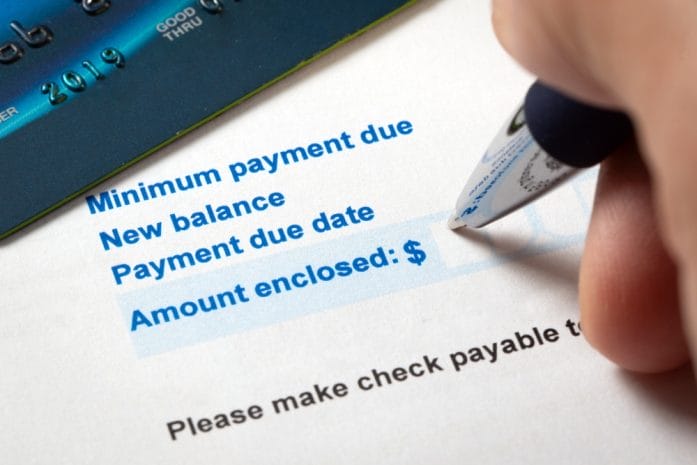
Filed Under: Lifestyle Tagged With: Budget, budgeting, costs, daily spending, expenses, health insurance, healthcare, household budget, household items, household responsibilities, household spending, Insurance, Life, Lifestyle, seasonal spending, spending, unexpected costs, utility bills

Why Do Unexpected Expenses Always Seem to Hit at the Worst Time

January 8, 2026 by Brandon Marcus Leave a Comment

Why Do Unexpected Expenses Always Seem to Hit at the Worst Time

Image Source: Shutterstock.com

The timing is almost comical, if it weren’t so painful. Your bank account is finally behaving, your stress level is manageable, and your plans are locked in—then boom. A tire gives up on life. The water heater stages a dramatic exit. Your laptop chooses that exact morning to freeze forever. It feels personal, like the universe is watching your calendar and waiting for peak inconvenience before pressing the chaos button.

This strange pattern sparks frustration, laughter, disbelief, and a deep sigh all at once, and you are definitely not alone in wondering why it always unfolds this way.

Our Brains Are Wired To Notice Bad Timing

Human brains are incredible pattern-detecting machines, and sometimes they work a little too well. When an expense lands during a calm month, it barely registers as a blip. When it arrives right before rent, a vacation, or the holidays, it lights up every emotional alarm. Psychologists call this negativity bias, which means stressful events stick in memory far longer than neutral ones.

Over time, your mind builds a highlight reel of badly timed expenses while quietly deleting the boring, manageable ones. That mental editing makes it feel like misfortune always arrives at the worst possible moment. In reality, your brain is just very selective about what it remembers.

Life Loves Clusters, Not Even Spacing

Bills and breakdowns rarely line up politely with your budget spreadsheet. Real life tends to group events together, creating financial pileups that feel brutal. Your car doesn’t check your savings before needing repairs, and your dog doesn’t consult your credit card balance before an emergency vet visit. These clusters are often pure coincidence, but coincidence can feel cruel when it strikes repeatedly. Add normal monthly expenses into the mix, and suddenly everything collides at once. The result is a sense that expenses are ganging up on you, even though they are simply operating on their own unpredictable schedules.

Timing Feels Worse When Money Is Tight

Unexpected costs hurt more when there’s little breathing room, and that amplifies the emotional punch. If your budget already feels stretched, any surprise expense can tip it from manageable to overwhelming. Financial stress also shortens patience and raises anxiety, making problems feel larger than they actually are. A $300 repair during a comfortable month feels annoying, while the same repair during a tight month feels catastrophic.

The expense itself hasn’t changed, but your capacity to absorb it has. That contrast makes timing feel especially cruel, even though the number on the bill stays the same.

Modern Life Is Built On Fragile Systems

Daily life depends on an impressive number of things not breaking. Cars, phones, appliances, subscriptions, software, medical systems, and housing infrastructure all require constant maintenance. Many of these systems wear down gradually, then fail suddenly, creating surprise costs instead of predictable ones. Planned maintenance is easy to postpone when life is busy, which raises the odds of sudden breakdowns later.

When several fragile systems fail close together, it feels like a conspiracy. In truth, it is the price of relying on complex tools that are doing a lot of work behind the scenes every day.

Why Do Unexpected Expenses Always Seem to Hit at the Worst Time

Image Source: Shutterstock.com

Why It Feels Personal Even When It Isn’t

When bad timing strikes, it can trigger a strange sense of being targeted. People start asking what they did to deserve it or why things always fall apart at the same moment. Stress has a way of turning coincidence into meaning, especially when emotions are running high. Financial surprises also arrive without warning, which removes the feeling of control and replaces it with shock.

That emotional whiplash makes the experience feel louder and more dramatic. Even though it is impersonal math and mechanics at work, it still feels deeply personal when you are the one paying the bill.

Making Peace With Bad Timing

Unexpected expenses may never politely schedule themselves, but understanding why they feel so cruel can soften the blow. Your brain remembers stress more vividly than calm, life loves inconvenient clusters, and modern systems fail on their own timelines. None of this means you are unlucky or doing something wrong. It simply means you are human, living in a world full of moving parts. Awareness can help turn panic into preparation, even when surprises still sting.

If you have a memorable expense story or a clever way you handled one, drop your thoughts in the comments below and let others know they are not alone.

You May Also Like…

Holiday Debt: 9 Warning Signs Your Spending Is Already Off Track

Debt Alert: 6 Ways Holiday Spending Could Trigger a January Credit Score Crisis

Holiday Trap: 6 Gift-Spending Mistakes That Could Wreck Your Budget

ADHD and Credit Cards: Why Impulse Spending Feels Inevitable

9 Everyday Expenses People Forget to Include in Their Budget


Brandon Marcus
Brandon Marcus

Brandon Marcus is a writer who has been sharing the written word since a very young age. His interests include sports, history, pop culture, and so much more. When he isn’t writing, he spends his time jogging, drinking coffee, or attempting to read a long book he may never complete.

Filed Under: Lifestyle Tagged With: Budget, budgeting, expenses, financial choices, financial decisions, Life, Lifestyle, Money, money issues, overspending, Smart Spending, spending, unexpected expenses

10 Common Budgeting Mistakes That Create Constant Money Stress

January 8, 2026 by Brandon Marcus Leave a Comment

10 Common Budgeting Mistakes That Create Constant Money Stress

Image Source: Shutterstock.com

Money stress doesn’t usually arrive with flashing lights and dramatic music. It creeps into your life through overdraft alerts, awkward moments at the checkout line, and that tight feeling in your chest when you open your banking app. Most people don’t struggle with money because they’re bad at math or irresponsible adults. They struggle because they’ve picked up a few budgeting habits that quietly turn every paycheck into a source of anxiety.

The wild part is that many of these mistakes feel normal, even smart, until you realize they’re the very reason your finances feel exhausting. Let’s talk about the most common budgeting traps and why they keep your stress levels on high.

1. Treating A Budget Like A Set Of Handcuffs

A budget isn’t supposed to feel like a financial punishment, but many people build one that sucks the joy out of life. When every dollar is tightly controlled with zero room for fun, resentment builds fast. That resentment often leads to binge spending, followed by guilt and panic. A budget should guide your money, not lock it in a cage.

Flexibility is what makes a budget sustainable over the long term. Without it, stress becomes the main emotion attached to every purchase.

2. Forgetting About Irregular Expenses

Monthly bills are easy to remember, but irregular expenses love to cause chaos. Car repairs, annual subscriptions, medical copays, and holiday spending don’t vanish just because they aren’t monthly. When these costs pop up unexpectedly, they can wreck even a decent budget. Many people blame themselves instead of the missing category in their plan. Planning ahead for these expenses reduces financial whiplash. Ignoring them guarantees stress will show up right on schedule.

3. Relying On Your Memory Instead Of Tracking

Mental math feels efficient until it quietly fails you. Trying to remember what you spent last week or guessing how much is left in your account creates constant uncertainty. That uncertainty feeds anxiety and second-guessing. Tracking doesn’t mean obsessing; it means clarity. When you know where your money goes, fear loses its grip. A simple tracking habit can feel surprisingly calming.

4. Setting Unrealistically Perfect Goals

Many budgets collapse because they aim for perfection instead of progress. Cutting all dining out, entertainment, or convenience spending overnight sounds impressive but rarely lasts. Life happens, cravings happen, and stress builds when the plan breaks. When goals are too strict, slipping up feels like failure. Realistic goals allow room for being human. Progress happens faster when guilt is taken out of the equation.

5. Ignoring Small Purchases Because They Feel Harmless

Five dollars here and ten dollars there don’t feel dangerous in the moment. Over time, those small purchases quietly drain your budget. The stress comes later when money feels tight and the cause seems mysterious. Small expenses are powerful because they’re easy to overlook. Awareness turns them from silent leaks into conscious choices. That shift alone can relieve a surprising amount of pressure.

6. Not Adjusting Your Budget As Life Changes

A budget that never evolves becomes outdated fast. Raises, new jobs, moves, relationships, and inflation all change how money flows. Sticking to an old plan can make you feel constantly behind. Adjusting your budget isn’t failure; it’s maintenance. Life changes deserve financial updates. Stress often fades when your budget finally matches reality.

10 Common Budgeting Mistakes That Create Constant Money Stress

Image Source: Shutterstock.com

7. Using Credit Cards Without A Clear Plan

Credit cards can be useful tools or stress-generating machines. Without a repayment strategy, balances grow and anxiety follows. Many people budget their monthly spending but forget to budget debt payoff. Interest then adds pressure month after month. A clear plan turns credit from scary to manageable. Unclear plans keep stress lingering in the background.

8. Comparing Your Budget To Someone Else’s Life

Comparison is brutal on finances. Seeing others travel, shop, or upgrade makes your budget feel restrictive, even if it works. Social media highlights spending, not savings or debt. That distorted view fuels dissatisfaction and impulsive choices. Your budget should reflect your priorities, not someone else’s highlight reel. Stress shrinks when comparison leaves the room.

9. Forgetting To Build An Emergency Fund

Emergencies aren’t rare events; they’re part of life. Without a cushion, every surprise expense becomes a crisis. That constant vulnerability creates ongoing financial tension. Even a small emergency fund provides psychological relief. It turns panic into inconvenience. Peace of mind often costs less than people expect.

10. Treating Budgeting As A One-Time Task

Creating a budget once and never revisiting it sets unrealistic expectations. Budgeting is a process, not a checkbox. Regular check-ins keep things aligned and manageable. When you ignore your budget, stress grows quietly until it explodes. Consistency builds confidence over time. Confidence is the opposite of money stress.

Turning Budget Stress Into Financial Confidence

Budgeting doesn’t have to feel heavy, restrictive, or intimidating. Most money stress comes from a few common missteps that can be fixed with awareness and small changes. When your budget works with your life instead of against it, money becomes less emotional and more practical. Financial calm isn’t about perfection; it’s about clarity and flexibility.

Everyone has learned budgeting lessons the hard way at some point. Feel free to drop your experiences or insights in the comments section below and join the conversation.

You May Also Like…

9 Everyday Expenses People Forget to Include in Their Budget

Why Do So Many People Believe Budgeting Apps Solve Everything

Holiday Budget: 6 Moves That Protect Your Financial New Year

What Your First Budget Of The Year Should Include

9 Budgeting Fears That Keep You Stuck


Brandon Marcus
Brandon Marcus

Brandon Marcus is a writer who has been sharing the written word since a very young age. His interests include sports, history, pop culture, and so much more. When he isn’t writing, he spends his time jogging, drinking coffee, or attempting to read a long book he may never complete.
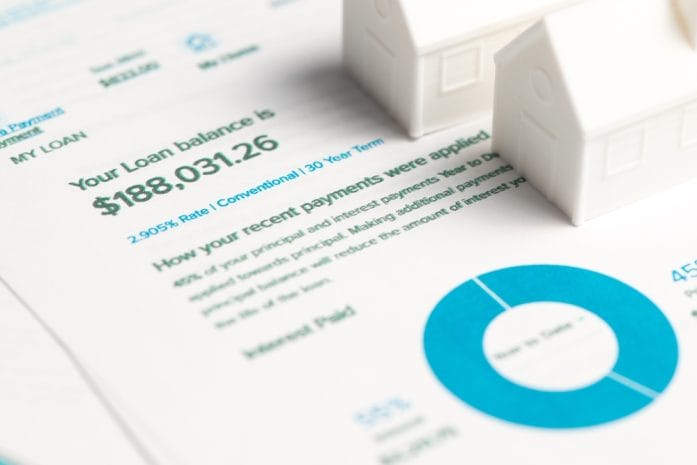
Filed Under: Budgeting Tagged With: Budget, budgeting, budgeting mistakes, Budgeting Tips, expensese, finance, finances, general finance, Money, money issues, money mistakes

9 Everyday Expenses People Forget to Include in Their Budget

January 7, 2026 by Brandon Marcus Leave a Comment

9 Everyday Expenses People Forget to Include in Their Budget

Image Source: Shutterstock.com

Money plans love optimism. They thrive on best intentions, color-coded spreadsheets, and the promise that this month will be different. Then reality shows up with a latte, a random fee, and a blinking “low balance” alert, and suddenly the plan feels like a suggestion. That’s because budgets often focus on the big stuff while quietly ignoring the everyday costs that keep life running.

These overlooked expenses aren’t dramatic, but they add up fast and turn smart budgets into leaky boats. Once you spot these nine budget busters, you’ll never look at your monthly spending the same way again.

1. Subscription Services You Barely Use

We all have some streaming platforms, music apps, and productivity tools that love recurring billing. Individually, each charge looks harmless, often less than the cost of lunch. Together, they can rival a car payment by the end of the year. Many people forget to list subscriptions in their budget because the payments are automatic and invisible. Reviewing them once a quarter can instantly free up cash without changing your lifestyle much at all.

2. Bank Fees And Financial Charges

ATM fees, overdraft charges, wire fees, and account maintenance costs appear sporadically, so they don’t feel like a regular expense worth planning for. Over time, though, these small penalties can drain hundreds of dollars. Budgeting for them forces awareness and often motivates smarter banking choices. Sometimes, simply switching accounts or adjusting habits can make these fees disappear entirely.

3. Irregular Medical And Health Costs

Copays, prescriptions, dental visits, glasses, and over-the-counter medications rarely show up neatly every month. Because they feel occasional, they’re easy to forget when building a budget. The problem is that health expenses almost always show up eventually. Planning a monthly average smooths out the financial shock when an appointment pops up. Your wallet will thank you for treating healthcare like a routine necessity instead of a surprise.

4. Home Maintenance And Repairs

Home maintenance isn’t optional, yet it’s frequently missing from budgets. Even renters face costs like minor repairs, cleaning supplies, and replacement items. Setting aside money for upkeep turns chaos into calm. It also prevents dipping into savings every time something breaks.

It seems that there is always something to work on in your home, which is why it’s vital that you have some cash stored away to handle it.

9 Everyday Expenses People Forget to Include in Their Budget

Image Source: Shutterstock.com

5. Personal Care And Grooming

Haircuts, skincare, cosmetics, shaving supplies, and salon visits feel like background noise in daily life. Because many of these purchases are spread out, they’re easy to underestimate. Over a year, personal care can quietly consume a surprising chunk of income. Budgeting for it removes guilt and guesswork. You get to enjoy looking and feeling good without wondering where the money went.

6. Gifts And Social Obligations

Many budgets are shocked every time birthdays, weddings, baby showers, holidays, and last-minute celebrations seem to suddenly appear. Gifts, cards, wrapping, and travel can add up quickly, especially during busy seasons and that is why they should always be considered in your budget. Planning ahead turns generosity into a joy instead of a stressor. A small monthly buffer makes being thoughtful financially painless.

7. Convenience Spending

Grabbing coffee, ordering takeout, paying for delivery, or choosing the faster option often feels justified in the moment. These expenses are scattered and impulsive, which makes them hard to track mentally. Over time, convenience spending becomes a silent heavyweight in your finances. Including it in your budget doesn’t mean cutting it out entirely. It simply puts you back in control of how often and how much you indulge.

8. Technology Upkeep And Upgrades

Phones crack, chargers vanish, apps charge renewal fees, and devices eventually slow to a crawl. Technology expenses aren’t just about buying the gadget; they include accessories, repairs, and replacements. Many people only budget for the big purchase and forget everything that follows. Planning for tech upkeep prevents panic when something stops working. It also helps you upgrade on your terms instead of out of desperation.

9. Annual And Semiannual Bills

Because insurance premiums, subscriptions, and memberships are infrequent, they’re easy to ignore until the due date looms. But then, when they hit, they can feel massive and disruptive. Losing track of them can really throw a wrench into your plans.

Breaking these irregular payments into monthly chunks makes them manageable and predictable. Your future self will be incredibly grateful for the foresight.

Turning Forgotten Costs Into Financial Wins

Budgets don’t fail because people are careless; they fail because life is detailed. The everyday expenses listed above are normal, predictable, and totally manageable once they’re acknowledged. By giving these costs a proper place in your budget, you turn financial surprises into routine line items. That shift alone can reduce stress and increase confidence around money decisions.

If any of these expenses hit close to home, drop your experiences or clever budgeting tricks in the comments below and keep the conversation going.

You May Also Like…

Expense Mindset: 5 Budgeting Habits High-Net Individuals Use

Expense Block: 8 Budget Leaks High Earners Often Miss

9 Monthly Expenses That Will Cost More Starting in January

9 Everyday Items You’re Wildly Overpaying For at the Grocery Store

Expense Mindset: 5 Budgeting Habits High-Net Individuals Use


Brandon Marcus
Brandon Marcus

Brandon Marcus is a writer who has been sharing the written word since a very young age. His interests include sports, history, pop culture, and so much more. When he isn’t writing, he spends his time jogging, drinking coffee, or attempting to read a long book he may never complete.

Filed Under: Budgeting Tagged With: bank fees, bills, Budget, budget tips, budgeting, Budgeting Tips, financial changes, financial choices, grooming, healthcare costs, main maintenance, medical costs, overspending, personal care, Smart Spending, spending, streaming subscriptions, subscription bundles, subscription services

  • « Previous Page
  • 1
  • …
  • 7
  • 8
  • 9
  • 10
  • 11
  • …
  • 45
  • Next Page »

FOLLOW US

Search this site:

Recent Posts

  • Can My Savings Account Affect My Financial Aid? by Tamila McDonald
  • 12 Ways Gen X’s Views Clash with Millennials… by Tamila McDonald
  • What Advantages and Disadvantages Are There To… by Jacob Sensiba
  • 10 Tactics for Building an Emergency Fund from Scratch by Vanessa Bermudez
  • Call 911: Go To the Emergency Room Immediately If… by Stephen Kanaval
  • 7 Weird Things You Can Sell Online by Tamila McDonald
  • 10 Scary Facts About DriveTime by Tamila McDonald

Copyright © 2026 · News Pro Theme on Genesis Framework