• Home
  • About Us
  • Toolkit
  • Getting Finances Done
    • Hiring Advisors
    • Debt Management
    • Spending Plan
  • Insurance
    • Life Insurance
    • Health Insurance
    • Disability Insurance
    • Homeowners/Renters Insurance
  • Contact Us
  • Privacy Policy
  • Risk Tolerance Quiz

The Free Financial Advisor

You are here: Home / Archives for tax debt

Joint Tax Liability Rules Mean Spouses Can Still Owe Shared Tax Debts

April 19, 2026 by Brandon Marcus Leave a Comment

Joint Tax Liability Rules Mean Spouses Can Still Owe Shared Tax Debts

Image Source: Shutterstock.com

Taxes and marriage—two things that can get complicated fast. Many couples assume that once they file jointly, everything is shared neatly and fairly, but the reality can be a bit more surprising. Joint tax liability rules can leave one spouse responsible for debts they didn’t even know existed.

That’s a stressful situation, especially if finances weren’t fully transparent in the relationship. Knowing how joint tax liability works can save you from costly surprises and help you make smarter decisions moving forward. An informed couple is a happy and healthy one.

What Joint Tax Liability Really Means for Married Couples

When you file a joint tax return, the IRS treats both spouses as equally responsible for everything on that return. That includes income, deductions, credits, and—most importantly—any taxes owed. Even if only one spouse earned the income or made a mistake, both are legally on the hook under joint tax liability rules.

This shared responsibility doesn’t disappear after a divorce, which is where many people get caught off guard. In practical terms, the IRS can pursue either spouse for the full amount owed, regardless of who caused the issue.

Why Joint Filing Can Still Be Risky

Filing jointly often comes with benefits like lower tax rates and bigger deductions, which is why most couples choose it. However, those perks come with the trade-off of joint tax liability, which can become a financial headache if something goes wrong. For example, if your spouse underreports income or claims questionable deductions, you could both face penalties.

The IRS doesn’t divide the responsibility—it can collect the full debt from either of you. That means even if you were completely unaware of the mistake, you might still end up paying for it.

When The Problems Arise

Imagine a situation where one spouse runs a small business and handles all the finances. The other spouse signs the joint return without reviewing it carefully, trusting everything is accurate. Years later, the IRS audits that return and finds underreported income, triggering back taxes and penalties under joint tax liability rules. Suddenly, both spouses are responsible for a debt that has grown with interest over time. These situations happen more often than people realize, especially when one partner manages finances alone.

Joint Tax Liability Rules Mean Spouses Can Still Owe Shared Tax Debts

Image Source: Shutterstock.com

Options for Relief From Joint Tax Liability

The good news is that the IRS does offer relief options in certain situations. Innocent spouse relief is one of the most common, allowing a spouse to avoid liability if they can prove they didn’t know about the error. There’s also a separation of liability relief and equitable relief, each designed for different circumstances involving joint tax liability. However, qualifying isn’t automatic—you’ll need to provide documentation and meet strict criteria. Filing for relief can take time, but it can make a significant difference if you’re facing an unfair tax burden.

Smart Steps to Protect Yourself Before Filing Jointly

The best defense against joint tax liability problems is being proactive before you file. Always review your tax return thoroughly, even if your spouse or a professional prepares it. Ask questions about anything that doesn’t make sense, especially income sources or large deductions. Keeping copies of financial records and maintaining open communication about money can go a long way. If you have concerns, consider filing separately, even if it means losing some tax benefits.

What To Know About Shared Tax Responsibility

Joint tax liability can be a powerful benefit—or a serious risk—depending on your situation. While filing jointly often saves money upfront, it also creates a legal tie that can follow you for years. Understanding how joint tax liability works helps you avoid unpleasant surprises and make informed decisions as a couple. Whether you’re newly married or have been filing jointly for decades, it’s worth taking a closer look at your tax strategy. A little awareness now can prevent a lot of financial stress later.

Have you ever reviewed a joint tax return and spotted something questionable, or do you fully trust your partner with finances? We want your thoughts, stories, and concerns listed below in our comments.

You May Also Like…

Maryland Seniors: Filing Errors on Local Tax Credits Are Causing Residents to Lose Key Savings

Texas Has No Income Tax — But Property Taxes Can Get Close To 2% in Some Areas

Do Couples Really Know Each Other’s Credit Scores? What Surveys Reveal

Property Taxes Are Catching Homeowners Off Guard — Especially After Buying or Renovating

5 Reasons To Talk To Your Kids About Taxes

Brandon Marcus
Brandon Marcus

Brandon Marcus is a writer who has been sharing the written word since a very young age. His interests include sports, history, pop culture, and so much more. When he isn’t writing, he spends his time jogging, drinking coffee, or attempting to read a long book he may never complete.

Filed Under: Relationships & Money Tagged With: filing jointly, innocent spouse relief, IRS rules, joint tax liability, married taxes, Personal Finance, tax debt, tax tips

How Overlooking a Simple Bank Error Can Lead To Government Garnishments

April 10, 2026 by Brandon Marcus Leave a Comment

How Overlooking a Simple Bank Error Can Lead To Government Garnishments

Image Source: Unsplash.com

A single wrong number can start a chain reaction that no one sees coming. One misplaced payment, one misapplied deposit, or one unnoticed fee can quietly shift an account off course and keep drifting until it crashes into something far bigger. That “something” often carries official letterhead, strict deadlines, and consequences that feel wildly out of proportion to the original mistake. Government garnishments don’t begin with drama. They begin with something small, overlooked, and easy to dismiss.

The real shock comes from how fast things escalate once that small error slips through the cracks. Banks move money automatically, systems flag irregularities instantly, and government agencies act on unpaid obligations with very little patience. A missed tax payment or unresolved balance can trigger a series of notices that demand attention long before anyone realizes what started the problem. By the time garnishment enters the picture, the situation already traveled through multiple checkpoints.

When One Tiny Error Starts Acting Like a Wrecking Ball

Bank errors rarely announce themselves with flashing lights and loud alarms. They show up as small discrepancies, like a payment posted to the wrong account, a duplicate charge, or a deposit that never fully clears. Those issues might seem minor at first glance, especially during a busy week filled with bigger priorities. But financial systems depend on precision, and even a slight mismatch can throw off an entire chain of transactions. That chain often includes bills, taxes, and other obligations that carry serious consequences if left unpaid.

A missed or misapplied payment can lead to an unpaid balance that continues to grow. Interest and penalties start stacking up, especially when the issue involves taxes or government-related debts. Agencies like the IRS or state tax authorities don’t rely on guesswork; they track balances with strict timelines and automated systems. When those systems detect unpaid amounts, they send notices that escalate in urgency. Ignoring those notices, or never seeing them due to outdated contact information, pushes the situation further down a dangerous path.

That path eventually leads to enforced collection actions, including garnishments. Wage garnishment allows a portion of income to go directly toward the debt before it ever reaches the bank account. In some cases, bank levies can freeze or withdraw funds directly from an account. None of that happens instantly, but it does happen predictably when unresolved issues linger. Catching that original error early can stop the entire sequence before it gains momentum.

The Government Doesn’t Wait Around Forever

Government agencies operate on clear timelines, and they don’t pause those timelines for confusion or oversight. Once a balance becomes overdue, the clock starts ticking on a structured collection process. That process usually begins with notices that outline the amount owed and provide a window to respond or resolve the issue. Each notice increases in urgency, and each one brings the situation closer to enforcement actions.

Failing to respond to those notices doesn’t make the problem disappear. Instead, it signals to the agency that stronger measures may be necessary. After multiple attempts to collect voluntarily, agencies can move toward garnishment or levies without needing additional approval in many cases. For example, the IRS can issue a levy after sending a final notice and giving a specific period to respond. That timeline often spans weeks, not months, which means delays can close the window for easy fixes quickly.

Staying proactive makes a huge difference here. Opening every piece of mail related to finances, checking online accounts regularly, and updating contact information with both banks and tax agencies can prevent critical notices from slipping through unnoticed. Taking action during the early stages keeps options open, including payment plans or dispute resolutions. Waiting too long narrows those options and increases the likelihood of forced collection.

How a Bank Mix-Up Turns Into a Tax Problem

Bank errors don’t stay contained within the bank. They ripple outward, affecting any payment tied to that account, including taxes. A payment intended for a tax bill might bounce due to insufficient funds caused by an unrelated error. Alternatively, a payment could process incorrectly, leaving a balance that the taxpayer assumes has already been handled. That disconnect creates a gap between what actually happened and what the system records.

Tax agencies rely on confirmed payments, not intentions. If the system doesn’t register a payment, it treats the balance as unpaid, regardless of what caused the issue. That’s where penalties and interest begin to accumulate, often without immediate awareness. Over time, that growing balance can trigger collection notices that seem confusing or even incorrect at first glance. Tracing the problem back to a bank error requires careful review of statements, payment confirmations, and transaction histories.

Fixing the issue requires quick and clear action. Contacting the bank to identify and correct the error should happen immediately. At the same time, reaching out to the tax agency to explain the situation and provide documentation can help prevent escalation. Many agencies will work with taxpayers who show effort and provide proof, but they need that communication early. Letting the issue sit without explanation almost guarantees that it will move forward into more serious territory.

How Overlooking a Simple Bank Error Can Lead To Government Garnishments

Image Source: Unsplash.com

Garnishment Hits Hard—and It Doesn’t Ask for Permission

Garnishment changes everything about how money flows. Instead of receiving a full paycheck and deciding how to allocate it, a portion gets redirected before it even arrives. That shift can disrupt budgeting, savings plans, and everyday expenses in a big way. It doesn’t feel like a small correction; it feels like a sudden loss of control over income.

Wage garnishment often follows specific legal limits, but those limits still allow a noticeable portion of earnings to go toward the debt. In some cases, bank levies can freeze entire account balances, leaving little room to cover immediate expenses. That kind of disruption can create a domino effect, leading to missed payments on other obligations and adding even more financial strain. It becomes a cycle that feels difficult to break once it starts.

Avoiding that scenario requires early intervention. Reviewing bank statements regularly, setting up alerts for unusual activity, and double-checking large or important payments can catch issues before they grow. Keeping records of payments and confirmations adds another layer of protection, making it easier to prove what happened if something goes wrong. Taking those steps doesn’t eliminate every risk, but it dramatically reduces the chances of a small error turning into a major problem.

Smart Moves That Keep Small Problems From Exploding

Staying ahead of financial issues doesn’t require perfection, but it does require attention. Regularly reviewing account activity can reveal discrepancies quickly, giving time to act before they escalate. Setting up automatic alerts for low balances, large transactions, or failed payments creates an early warning system that works around the clock. Those tools turn a reactive approach into a proactive one.

Keeping organized records also plays a huge role. Saving payment confirmations, downloading statements, and tracking major transactions can make a big difference when something doesn’t add up. That documentation provides clarity and leverage when dealing with banks or government agencies. It shows exactly what happened and when, which can speed up resolutions and prevent misunderstandings.

Reaching out for help when something feels off can stop problems in their tracks. Banks have processes for correcting errors, and tax agencies often provide options for resolving issues before they escalate. Ignoring a problem rarely leads to a better outcome, while addressing it early almost always does. Taking action quickly turns a potential crisis into a manageable situation.

Catch It Early or Pay for It Later

Small financial errors don’t stay small for long, especially when they involve systems that track every dollar with precision. A simple oversight can travel through banks, tax agencies, and collection processes until it transforms into something far more serious. Garnishment doesn’t appear out of nowhere; it arrives after a series of missed opportunities to correct the course. That reality makes early attention one of the most powerful tools available.

What systems or habits help keep finances on track, and what strategies could make catching these issues even easier before they grow into something bigger? We want to hear your input in our comments section below.

You May Also Like…

Why Direct Deposit Fails: Banking Errors That Cost You Benefits

Direct Deposit Refunds Are Being Returned by Banks When Names Don’t Match the Account

6 Data-Scraping Features in Online Banking

10 Warning Signs Your Banking App Was Compromised

What Happens if Adult Children Control Your Online Banking Credentials

Brandon Marcus
Brandon Marcus

Brandon Marcus is a writer who has been sharing the written word since a very young age. His interests include sports, history, pop culture, and so much more. When he isn’t writing, he spends his time jogging, drinking coffee, or attempting to read a long book he may never complete.

Filed Under: Banking Tagged With: bank errors, banking issues, debt collection, financial mistakes, garnishment, government collections, IRS debt, money management, personal finance tips, Planning, tax debt, wage garnishment

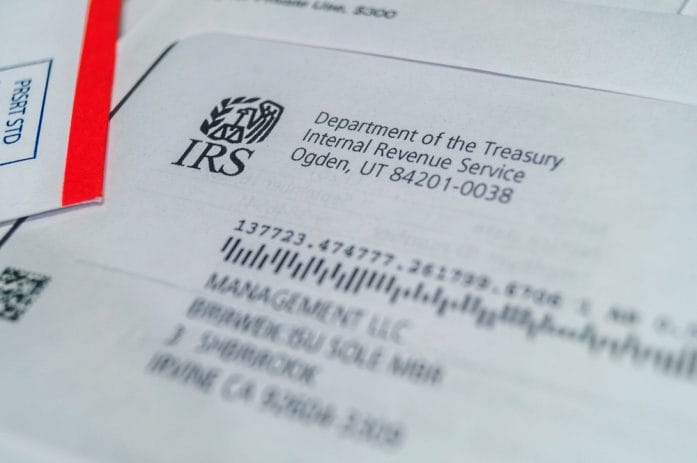
The IRS Is Sending More “Math Error” Notices — Why You Could Owe Without Realizing It

March 26, 2026 by Brandon Marcus Leave a Comment

The IRS Is Sending More “Math Error” Notices — Why You Could Owe Without Realizing It

Image Source: Shutterstock.com

A letter from the IRS doesn’t need flashing red lights to feel urgent, and lately, more of those letters arrive stamped with a deceptively simple phrase: “math error.” That label sounds harmless, almost like a quick fix, but it often carries a financial sting that catches people off guard. The number of these notices has climbed in recent years, and they don’t just target complicated returns or high earners. They hit everyday tax filers who thought they checked every box correctly and walked away confident.

These notices don’t wait for a full audit, and that’s exactly what makes them so disruptive. The IRS uses automated systems to flag discrepancies, adjust returns, and send out corrections before anyone has time to react. One small mismatch can turn into a reduced refund or even a balance due, and the clock starts ticking the moment that notice lands.

When “Math Error” Doesn’t Mean What You Think It Means

The phrase “math error” sounds like someone added numbers wrong, but the IRS uses it far more broadly than that. The agency applies this label to a wide range of issues, including missing information, mismatched Social Security numbers, and incorrect claims for credits like the Earned Income Tax Credit or Child Tax Credit. That means a notice could arrive even when every calculation on the return adds up perfectly. The system flags inconsistencies between what someone reported and what the IRS has on file, often pulling data from employers, financial institutions, and prior filings.

This automated approach speeds things up, but it also removes the human layer that might otherwise catch context. For example, a slight typo in a dependent’s Social Security number can trigger a rejection of a credit, which then leads to a reduced refund or a sudden balance due. The IRS doesn’t ask for clarification before making the change, and it sends the notice after the adjustment already happens. That creates a jarring moment where expectations collide with reality, especially when someone counted on a refund for bills or savings.

The rules behind these notices come from the IRS’s authority to correct certain “obvious” errors without launching a full audit. That sounds efficient, but it leaves little room for nuance. Many people don’t realize that they have only a limited window, usually 60 days, to respond if they disagree with the change. Ignoring the notice can lock in the adjustment and open the door to penalties and interest. Taking it seriously right away gives the best chance to fix the issue before it snowballs.

Why These Notices Are Showing Up More Often

The rise in math error notices doesn’t come out of nowhere, and a few key factors drive the trend. The IRS has leaned more heavily on automation, especially as it processes large volumes of returns quickly. Technology allows the agency to cross-check data at scale, which increases the chances of catching discrepancies, even minor ones. At the same time, tax laws have shifted in recent years, especially around credits and stimulus-related provisions, and those changes have added layers of complexity to otherwise simple returns.

More complexity creates more room for error, and not all of those errors come from carelessness. Some stem from confusion about eligibility rules, especially for credits tied to income thresholds, filing status, or dependent qualifications. A slight misunderstanding can lead to a claim that doesn’t match IRS records, and the system flags it immediately. The IRS then adjusts the return without waiting for clarification, which leads to a notice that feels sudden and unexpected.

Another factor comes from timing. Employers and financial institutions submit forms like W-2s and 1099s directly to the IRS, and any mismatch between those records and what appears on a return triggers a red flag. Even something as simple as entering the wrong income figure by a small amount can set off the system. The combination of real-time data matching and automated corrections means fewer discrepancies slip through unnoticed, but it also means more notices land in mailboxes.

Smaller Refunds or Surprise Bills

A math error notice doesn’t just point out a problem; it changes the outcome of a tax return. The IRS can reduce a refund, delay it, or convert it into a balance due, depending on the situation. That shift can disrupt plans in a big way, especially when someone expects a certain amount and suddenly sees a different number. The notice explains the adjustment, but it doesn’t always feel clear at first glance, which adds to the confusion.

When the IRS reduces or eliminates a credit, the financial impact can feel immediate. Credits like the Earned Income Tax Credit or Child Tax Credit can significantly boost a refund, so losing them changes the bottom line quickly. If the adjustment creates a balance due, interest and penalties can start accruing if the amount isn’t paid on time. That turns a simple correction into a growing obligation that demands attention.

The emotional impact matters too, even if it doesn’t show up on a balance sheet. A notice from the IRS can create stress and uncertainty, especially when it arrives without warning. The key lies in shifting from reaction to action, because these notices often come with clear next steps. Reading the notice carefully, comparing it to the original return, and gathering any supporting documents can bring clarity and control back into the situation.

The IRS Is Sending More “Math Error” Notices — Why You Could Owe Without Realizing It

Image Source: Shutterstock.com

What To Do If That Letter Shows Up

Opening the notice and setting it aside might feel tempting, but that approach can make things worse. The IRS includes a specific explanation of what changed and why, and understanding that explanation should come first. Comparing the notice to the original return helps identify whether the IRS made a valid correction or missed something important. That step alone can reveal simple issues like a typo or a missing form.

If the correction looks accurate, paying the balance or accepting the reduced refund resolves the issue quickly. If something doesn’t add up, responding within the allowed timeframe becomes critical. The IRS usually provides instructions for disputing the change, and that process often involves sending documentation that supports the original filing. Acting within the deadline preserves the right to challenge the adjustment and prevents it from becoming final.

Getting help can make a big difference, especially when the notice involves credits or eligibility rules. A tax professional can review the situation, spot errors, and guide the response. Keeping organized records, including W-2s, 1099s, and receipts, strengthens any case and speeds up the resolution. Taking these steps turns a stressful moment into a manageable task, and it prevents the issue from escalating.

Don’t Let a “Math Error” Catch You Off Guard

A math error notice might sound minor, but it carries real financial weight and demands quick attention. The IRS uses that label to cover a wide range of issues, and the rise in these notices reflects a system that moves faster and checks more data than ever before. Taking the time to understand how these notices work can prevent confusion and protect against unexpected bills or reduced refunds. Staying organized, double-checking details, and responding quickly to any notice can turn a frustrating situation into a manageable one.

What steps feel most helpful when it comes to avoiding surprises at tax time, and what strategies have worked best for keeping everything accurate and stress-free? Share all of your thoughts, tips, or experiences in the comments and keep the conversation going.

You May Also Like…

Refunds Are Being Delayed Over New IRS Identity Flags — Why More Returns Are Getting Pulled

7 Common Deductions That Are Getting More Scrutiny From the IRS

IRS Changes for Seniors: What’s Actually New on the 1040‑SR for 2026

6 Advanced Techniques to Lower Your Capital Gains Taxes Legally

9 Financial Dangers of Ignoring Property Taxes

Brandon Marcus
Brandon Marcus

Brandon Marcus is a writer who has been sharing the written word since a very young age. His interests include sports, history, pop culture, and so much more. When he isn’t writing, he spends his time jogging, drinking coffee, or attempting to read a long book he may never complete.

Filed Under: tax tips Tagged With: audit risk, credits, IRS, IRS letters, math error notice, Personal Finance, tax debt, tax filing mistakes, tax refund, tax season, tax tips, taxes

Why IRS Payment Plans Still Default After Missed Online Notices

February 21, 2026 by Brandon Marcus Leave a Comment

Why IRS Payment Plans Still Default After Missed Online Notices

Image Source: Unsplash.com

Ever get slapped with the unpleasant news that your IRS payment plan went into default—even though you swear you didn’t miss a notice? If that sentence makes your stomach flip, you’re not alone.

The Internal Revenue Service doesn’t take kindly to broken promises, unfiled returns, or surprise new tax obligations. Yet millions of Americans hit this wall every year, scratching their heads over how a simple online missed notice could trigger a cascade of penalties and enforcement actions.

When Communication Fails: How the IRS Handles Notices

The IRS operates like a massive procedural machine. When something goes off the rails—say you fail to make a monthly payment—the system kicks out a notice like Notice CP523, which essentially tells you, “Hey, you’re in default and we’re about to terminate your agreement unless you fix this.”

Here’s the core issue: the IRS largely assumes that electronic notices and mailed letters reach taxpayers. If you miss one, the IRS does not automatically assume you didn’t see it—they assume you did. That means your legal obligation under the payment plan doesn’t magically reset because you didn’t log into your online account on that particular day.

This doesn’t mean the IRS is trying to trap you. The agency follows strict internal rules that require them to notify taxpayers of defaults, but the method of communication doesn’t change your responsibility. Whether a notice appears online, arrives by standard mail, or even gets buried in a stack of bills, the IRS considers the notice delivered and your duties unchanged.

The Reality of Default: Missed Payments and Missed Opportunities

Most defaults happen for one painfully simple reason: a payment didn’t hit when it was supposed to. Even a single missed monthly payment can trigger a CP523 notice in certain types of agreements, and the window to correct it is usually just about 30 days.

Some people think that because their bank shows an automatic debit failed due to a technical glitch, the IRS should forgive the miss. That’s not how the system works. The IRS relies on its records, and those records don’t always update instantly. If the scheduled payment doesn’t show up on their side by the due date—in other words, if the system doesn’t confirm receipt—that’s effectively a breach of terms.

The IRS isn’t required to send multiple notices for the same default. They issue the CP523, and from there it’s on you to respond. Don’t sit around waiting for another alert. The clock starts ticking when that notice is generated, not when you first notice it in your inbox.

Why Online Notices Don’t Stop the Default Clock

A big misunderstanding is thinking the IRS must warn you again before enforcing default. Legally, they don’t have to over-communicate. Once a payment plan is in place, your responsibilities are ongoing and must be met regardless of notice method. The IRS doesn’t pause the clock just because you missed an online alert.

Online notices in the IRS portal are supplemental. They’re convenient, but they’re not the exclusive source of official communication. The IRS still considers mailing notices their primary delivery method for legal correspondence. That’s why updating your address and communication preferences is crucial. If they can’t reach you by mail, that’s still on you.

What Happens After Default

When a default happens, the IRS typically gives you one final window to fix it. That CP523 notice outlines the overdue amounts you must pay within the deadline—often 30 days—or else the agreement is terminated. After termination, the protections that kept the IRS from levying your wages, bank accounts, or other assets evaporate.

Interest and penalties don’t stop when a plan defaults. In fact, those costs often grow faster once the safeguards of a payment plan are gone.

Why IRS Payment Plans Still Default After Missed Online Notices

Image Source: Unsplash.com

Don’t Let a Missed Notice Ruin Your Plan

No one likes getting a default notice from the IRS. It feels like the financial equivalent of being told you missed a plane by a few minutes—even though you swear you were there on time. The key takeaway here is this: a missed online notice doesn’t magically wipe out your obligations or reset your plan. The IRS relies on its rules, its processes, and its records. Those systems don’t care whether you saw the notice online or not. They care about results—payments, filings, and compliance.

So here’s the question that matters now: What steps are you going to take today to protect your IRS payment plan and your financial peace of mind? Let’s talk about it below.

You May Also Like…

Millions of Gig Workers May Be Missing This Key IRS Requirement

5 Years Without Filing: 8 Hidden Consequences That Make People Avoid the IRS

Can You Trust AI With Your Taxes and Investments? 8 Risks No One Explains

Income Threshold: 4 Hidden Taxes That Hit Once You Cross Certain Limits

Florida Homeowners See First Rate Decrease in 10 Years — Citizens Property Insurance Dropping Premiums 2.6%

Brandon Marcus
Brandon Marcus

Brandon Marcus is a writer who has been sharing the written word since a very young age. His interests include sports, history, pop culture, and so much more. When he isn’t writing, he spends his time jogging, drinking coffee, or attempting to read a long book he may never complete.

Filed Under: tax tips Tagged With: CP523 notice, installment agreement, IRS collection, IRS communication, IRS default, IRS payment plan, IRS penalties, tax compliance, tax debt

5 Years Without Filing: 8 Hidden Consequences That Make People Avoid the IRS

February 17, 2026 by Brandon Marcus Leave a Comment

5 Years Without Filing: 8 Hidden Consequences That Make People Avoid the IRS

Image source: shutterstock.com

You can ignore a lot of problems and still sleep at night. Five years without filing a tax return does not belong on that list.

When someone skips one year, they usually call it a rough patch. When five years pile up, the situation turns into something much heavier. The balance grows, the consequences multiply, and the fear of opening mail can start to feel worse than the actual numbers on the page.

People avoid the IRS for all kinds of reasons, but the hidden consequences of not filing often create bigger headaches than the original tax bill ever could.

1. The Clock Never Stops: Penalties That Grow Faster Than You Think

When you fail to file a federal income tax return, the IRS immediately adds a failure-to-file penalty. Under current law, that penalty usually equals 5% of the unpaid tax for each month or part of a month that the return remains unfiled, up to a maximum of 25%. That number alone can sting, but it does not stop there.

If you also fail to pay what you owe, the IRS adds a separate failure-to-pay penalty. Interest compounds daily on both the unpaid tax and the penalties. Over five years, that combination can turn a manageable bill into a figure that feels overwhelming.

People often delay filing because they assume they cannot afford to pay. Filing on time, even without payment, limits the damage. You can request an installment agreement later, but you cannot undo years of accumulated penalties and interest. Filing stops the failure-to-file penalty clock, and that single action can save thousands of dollars.

2. Substitute for Return: When the IRS Files for You

If you skip filing for long enough, the IRS does not simply shrug and move on. It can prepare what it calls a Substitute for Return, or SFR, based on income information from W-2s, 1099s, and other reports it receives from employers and financial institutions.

An SFR almost never works in your favor. The IRS calculates tax without considering deductions, credits, or filing statuses that might lower your bill. It typically treats you as single with no dependents, even if you qualify for more favorable treatment.

That IRS-created return becomes a legal assessment. Once assessed, the agency can begin collection actions. Filing your own accurate return can replace the SFR, but until you do, the IRS treats that higher bill as real and collectible. Waiting five years increases the chance that the IRS has already taken this step.

3. Refunds Expire, and They Do Not Wait Around

Some people skip filing because they assume they would owe money. Others skip filing because they expect a refund and feel no urgency. That approach carries its own risk.

Federal law gives you three years from the original due date of a return to claim a refund. After that window closes, you lose the money. The IRS does not hold it indefinitely, and it does not apply it to future years unless you file in time.

If you missed filing for five years and one or more of those years involved over-withholding, you may have already forfeited refunds from the earliest year. That loss surprises many taxpayers who thought ignoring taxes only affected those who owed. Filing protects not only against penalties but also against losing money that belongs to you.

4. Federal Tax Liens: When Debt Becomes Public

If you owe back taxes and ignore IRS notices, the agency can file a lien. That filing serves as a public claim against your property. It attaches to real estate, personal property, and financial assets.

A federal tax lien can damage your credit profile and complicate efforts to sell or refinance a home. Lenders may hesitate to extend credit when they see a government claim ahead of them in line. Business owners can also find themselves locked out of financing or contracts that require proof of tax compliance.

You can avoid this escalation by setting up a payment plan or resolving the debt before the IRS files the lien. Once it appears in public records, removing it requires full payment or meeting specific criteria for withdrawal. Five years without filing raises the odds that collection actions have already moved in this direction.

5. Levies and Garnishments: When the IRS Takes Action

A lien claims your property. A levy takes it.

If you continue to ignore the debt after assessment and notice, the IRS can levy bank accounts, garnish wages, and even seize certain assets. Before it does so, it must send a Final Notice of Intent to Levy and give you an opportunity to request a hearing. Many people miss that critical deadline because they stopped opening mail years earlier.

Wage garnishment can continue until you pay the debt or reach another resolution. The IRS calculates an exempt amount based on filing status and dependents, but it can still claim a significant portion of each paycheck. A bank levy can freeze funds in your account, often without warning beyond the mailed notice.

5 Years Without Filing: 8 Hidden Consequences That Make People Avoid the IRS

Image source: shutterstock.com

6. Passport Problems: A Consequence Few Expect

Tax debt can travel with you, even when you try to leave the country.

Under federal law, the IRS can certify “seriously delinquent tax debt” to the U.S. Department of State. Once certified, the State Department can deny a new passport application or even revoke an existing passport. As of recent thresholds, seriously delinquent tax debt generally means unpaid, legally enforceable federal tax debt above a specific inflation-adjusted amount, excluding certain arrangements like installment agreements.

If you rely on international travel for work or family reasons, this consequence can disrupt plans in a dramatic way. The IRS removes the certification once you resolve the debt or enter into an approved payment arrangement, but that process takes time

7. Lost Access to Payment Plans and Relief Options

The IRS offers several relief programs, including installment agreements and, in limited circumstances, an Offer in Compromise. These programs require compliance. That means you must file all required returns before the IRS will consider your request.

If you have not filed for five years, you cannot negotiate from a position of strength. The IRS expects current compliance before it discusses reduced payments or settlements. Filing those missing returns often serves as the first step toward any resolution.

8. Criminal Risk: Rare, But Real

Most tax cases remain civil matters, and the IRS focuses heavily on collection rather than prosecution. Still, willful failure to file can carry criminal consequences under federal law. The government must prove intent, which raises the bar, but long-term, deliberate non-filing can attract scrutiny.

The IRS generally prioritizes cases involving large amounts of unpaid tax, repeated noncompliance, or additional misconduct such as fraud. Even so, five consecutive years without filing creates a pattern that could raise red flags.

You reduce that risk significantly by filing voluntarily before the IRS initiates contact. Voluntary compliance sends a clear signal that you want to correct the problem rather than evade it. Waiting for enforcement invites more serious attention.

Facing the Numbers Beats Fearing the Envelope

Five years without filing can feel like standing at the bottom of a mountain and refusing to look up. The longer you wait, the taller it seems.

Start by gathering income documents for each missing year. Request transcripts from the IRS if you lack records. File the returns, even if you cannot pay in full. Then explore payment options such as an installment agreement that fits your budget.

Ignoring the IRS does not protect your wallet or your peace of mind. Taking control, even in small steps, changes the trajectory of the entire situation.

If five unfiled years sit in your past, what step could you take this week to finally clear the air? Share about it in our comments below.

You May Also Like…

5 Reasons To Talk To Your Kids About Taxes

The IRS Timing Rule That Can Push Income Into a Different Tax Year

IRS 1099-K Rules in 2026: Who Must Report Payments This Year

Florida Homeowners See First Rate Decrease in 10 Years — Citizens Property Insurance Dropping Premiums 2.6%

9 Financial Dangers of Ignoring Property Taxes

Brandon Marcus
Brandon Marcus

Brandon Marcus is a writer who has been sharing the written word since a very young age. His interests include sports, history, pop culture, and so much more. When he isn’t writing, he spends his time jogging, drinking coffee, or attempting to read a long book he may never complete.

Filed Under: tax tips Tagged With: back taxes, installment agreement, IRS, IRS enforcement, passport denial, Planning, tax compliance, tax debt, tax levies, tax liens, tax penalties, wage garnishment

8 Tax Moves That Save You When You Can’t Pay the IRS on Time

November 17, 2025 by Travis Campbell Leave a Comment

tax

Image source: shutterstock.com

The start of tax season can create panic because your financial records do not align with your expected results. The feeling of being unable to pay your IRS debt becomes overwhelming, but you can prevent it from getting out of hand. You can reduce expenses through various financial strategies that help you stay penalty-free while gaining control over your money. The combination of IRS payment plans with strategic actions helps you to manage your financial situation effectively, rather than letting it deteriorate into a dire state. The correct strategy allows you to defend your money while maintaining your mental serenity.

1. Set Up an IRS Payment Plan

An IRS payment plan is often the fastest way to steady the situation. It reduces stress because you know the debt won’t go into harsher collection methods. Many people qualify without much hassle, and the application can be completed online.

The monthly payments stay flexible, which helps if your income shifts. Even if interest continues, slowing down penalties is still a win. The IRS payment plan also signals a good-faith effort, which matters if issues come up later.

2. Ask for a Short-Term Extension

Sometimes you don’t need a long repayment window. A short-term extension gives you up to 180 days to pay the full amount. This option works well if cash is coming soon, like a bonus, sale, or expected payout.

You avoid the setup fees tied to longer arrangements. Penalties don’t disappear, but they stay limited. It’s a simple move that keeps you out of deeper trouble while you pull money together.

3. Request Penalty Abatement

Penalty abatement can significantly reduce the impact. If you have a clean tax record for the past few years, you might qualify for a first-time abatement. The IRS removes certain penalties while still charging interest on the debt.

This is worth exploring when an IRS payment plan is already in place, but the added charges feel punishing. If you had a serious illness or another hardship, reasonable cause abatement might also apply. Every dollar that drops off makes repayment easier.

4. Adjust Your Withholding for Next Year

It’s easy to fall behind again if nothing changes. Adjusting your withholding helps prevent a repeat. A small shift in each paycheck spreads the tax burden over the year instead of all at once.

You can use a calculator or the guidance offered on the official IRS website to fine-tune your numbers. Once adjusted, your next season feels more predictable. It’s not exciting, but it steadies the long-term picture.

5. Reduce the Bill With Available Credits

Before settling on what you owe, double-check if you missed any credits. People often overlook energy improvements, education credits, or income-based reductions. Claiming even one of these can lower the balance and shrink the pressure.

If you work with a tax professional, ask them to scan for missed credits. If you prepare your own return, review updated rules since they change often. Even small credits have a noticeable impact when cash is tight.

6. File Even If You Can’t Pay

Filing late triggers harsh penalties. Filing on time avoids that, even when the money isn’t ready. The IRS separates the act of filing from the act of paying, which surprises many people.

You might still be nervous about the balance, but filing first limits damage. After that step, you can explore an IRS payment plan or extension. Staying current with your returns also prevents the IRS from estimating your tax for you, which usually turns out worse.

7. Use a Partial Payment Agreement

A partial payment agreement works like a long-term installment plan, but the final payoff may be less than the full balance. The IRS reviews your income and expenses closely before approving it. It’s not a quick fix, but it can help when your budget leaves almost no room.

Because finances change, the IRS checks in every couple of years to reassess. If things improve, payments may increase. Still, for someone truly struggling, this structure provides breathing room.

8. Explore an Offer in Compromise

Some taxpayers qualify for an Offer in Compromise, which settles the debt for less than the total amount. It’s strict and only applies when full payment is unrealistic. You must show that paying in full would create long-term financial strain.

The process requires good documentation and patience. While not fast, it can be life-changing if approved. You can review guidelines through the Taxpayer Advocate Service before deciding if it fits your situation.

Staying Steady After the First Shock

Your primary objective following the initial period of financial stress should focus on identifying upcoming financial problems. The IRS payment plan helps you handle your current year tax debts, but you need to build solid financial practices to safeguard your long-term financial security. You should track your income fluctuations while keeping a minimal tax fund and update your tax withholdings based on any changes in your personal situation.

The tax system may appear unyielding, but you have various options. Your knowledge of available tools helps you move from being trapped to developing self-assurance. What particular step did you perform after getting a tax bill that exceeded your current financial resources?

What to Read Next…

  • 5 Account Transfers That Unexpectedly Trigger IRS Penalties
  • 9 Mistakes That Turned Wealth Transfers Into IRS Nightmares
  • 7 Ill Advised Advisor Tips That Trigger IRS Audits
  • 6 Tax Breaks That Vanished Before Anyone Noticed
  • Are You Reading The Right Fine Print On Your Tax Refund?
Travis Campbell
Travis Campbell

Travis Campbell is a digital marketer/developer with over 10 years of experience and a writer for over 6 years. He holds a degree in E-commerce and likes to share life advice he’s learned over the years. Travis loves spending time on the golf course or at the gym when he’s not working.

Filed Under: tax tips Tagged With: IRS, money management, Personal Finance, tax debt, taxes

These Debts First: 5 Debts You Should Always Pay Off First

September 23, 2025 by Catherine Reed Leave a Comment

These Debts First: 5 Debts You Should Always Pay Off First

Image source: 123rf.com

Not all debt is created equal, and knowing which bills to tackle first can make the difference between financial freedom and years of stress. While it may feel overwhelming when multiple balances pile up, the truth is that some obligations are far more urgent than others. Prioritizing the right debts not only saves you money but also protects your credit and peace of mind. By understanding the debts you should always pay off first, you can create a clear strategy and avoid costly mistakes. Here are five types of debt that should go straight to the top of your list.

1. High-Interest Credit Card Debt

One of the debts you should always pay off first is high-interest credit card debt. With rates often exceeding 20 percent, this type of debt grows faster than most people realize. Carrying a balance month after month leads to spiraling payments that eat away at your income. Tackling these balances early frees up cash for savings and investments. The faster you clear high-interest cards, the sooner you stop bleeding money into interest charges.

2. Payday Loans and Predatory Lending

Payday loans are another category of debts you should always pay off first. Known for sky-high interest rates and unfair repayment terms, these loans trap borrowers in cycles of debt. Missing a payment can trigger additional fees that double or triple what you owe. If you’re stuck with one of these loans, prioritize repayment before focusing on lower-cost obligations. Eliminating payday loans quickly removes one of the most dangerous financial burdens.

3. Tax Debt Owed to the IRS

Owing money to the IRS is one of the debts you should always pay off first because the government has powerful collection tools. Ignoring tax debt can lead to wage garnishments, frozen bank accounts, or even property liens. Interest and penalties also increase the longer the balance sits unpaid. Addressing tax obligations head-on avoids legal troubles and escalating costs. If you can’t pay in full, arranging a payment plan with the IRS is a smarter move than ignoring the debt.

4. Mortgage or Rent Obligations

Housing-related payments are also debts you should always pay off first. Falling behind on rent can result in eviction, while missed mortgage payments may lead to foreclosure. Keeping a roof over your head is more important than paying off other, less urgent debts. Without stable housing, managing the rest of your finances becomes nearly impossible. Protecting your home should always be a top priority.

5. Auto Loans Needed for Transportation

If your car is essential for work, your auto loan should be considered one of the debts you should always pay off first. Falling behind can lead to repossession, which not only damages your credit but also makes it harder to earn income. Without reliable transportation, everything from job security to family responsibilities becomes more difficult. Even if the loan carries a lower interest rate, the importance of your vehicle makes it critical. Protecting access to transportation supports financial stability in the long run.

Building a Smarter Repayment Plan

While all debts eventually need to be addressed, focusing on the debts you should always pay off first keeps you financially secure. Tackling high-interest balances, predatory loans, and essential obligations like housing and transportation ensures that you protect your foundation while reducing unnecessary costs. Once the urgent debts are handled, you can move on to lower-interest loans and long-term repayment strategies. The goal is not just to eliminate debt but to create a healthier financial future.

Which debts do you think should be tackled first, and why? Share your thoughts in the comments below.

What to Read Next…

6 Financial Risks That Appear After Moving in With Someone

9 Hidden Costs of Switching Banks Nobody Warns You About

5 Sneaky Financial Costs of Cosigning a Loan

5 Silent Costs of Ignoring Credit Monitoring

Could Owning Too Many Credit Cards Destroy Your Score

Catherine Reed
Catherine Reed

Catherine is a tech-savvy writer who has focused on the personal finance space for more than eight years. She has a Bachelor’s in Information Technology and enjoys showcasing how tech can simplify everyday personal finance tasks like budgeting, spending tracking, and planning for the future. Additionally, she’s explored the ins and outs of the world of side hustles and loves to share what she’s learned along the way. When she’s not working, you can find her relaxing at home in the Pacific Northwest with her two cats or enjoying a cup of coffee at her neighborhood cafe.

Filed Under: Debt Management Tagged With: Credit card debt, debt repayment, debts you should always pay off first, mortgage payments, payday loans, Planning, tax debt

What the IRS Can Still Seize Even After Death

August 6, 2025 by Catherine Reed Leave a Comment

What the IRS Can Still Seize Even After Death

Image source: 123rf.com

It’s a common misconception that once someone passes away, their tax troubles die with them. But in reality, if a person owed back taxes or had unresolved issues with the IRS, those problems don’t just disappear. The federal government can and often will go after the deceased person’s estate to collect what’s owed—and it may surprise families what the IRS can still seize. Whether it’s property, money, or pending assets, heirs might find themselves tangled in financial and legal complications they never saw coming. Here’s a breakdown of what the IRS can still seize after someone passes away and how to protect your loved ones from an unexpected tax nightmare.

1. Bank Accounts Held Solely by the Deceased

If a person dies with money in a checking or savings account titled in their name only, that money becomes part of their estate. Before heirs or beneficiaries can claim it, debts and taxes owed by the deceased—including federal taxes—must be addressed. The IRS can step in and claim those funds to satisfy back taxes, penalties, and interest. Executors are legally obligated to use estate assets to pay tax debt before making any distributions to heirs. This is often one of the first assets the IRS targets because of its liquidity and accessibility.

2. Real Estate and Primary Residences

Many families assume a home automatically passes to heirs, but it’s not that simple if taxes are owed. The IRS can place a lien on the property or force its sale to recover the balance due. Even if the property was intended to stay in the family or be passed on through a will, the tax debt takes priority. In some cases, surviving spouses or children are forced to sell the home to cover the liability. When planning an estate, it’s crucial to understand what the IRS can still seize to avoid losing property that’s been in the family for generations.

3. Life Insurance Proceeds Payable to the Estate

If a life insurance policy names the estate as the beneficiary (instead of a person), the proceeds are subject to creditors, including the IRS. That money becomes part of the overall estate assets, which means it’s vulnerable to claims for unpaid taxes. This can be a devastating surprise to heirs who expected the payout to cover funeral costs or provide financial support. Choosing individual beneficiaries on insurance policies is one way to shield these funds from seizure. Understanding this detail can prevent life insurance money from being used to settle old IRS debts.

4. Retirement Accounts Without Proper Beneficiaries

Just like life insurance, retirement accounts such as IRAs or 401(k)s are more protected when individual beneficiaries are named. If there’s no named beneficiary or if the estate is the default, the IRS can step in to claim these funds. The account balance becomes part of the estate and is treated like any other asset when paying debts. It’s especially risky when an estate goes through probate, as the IRS often monitors these proceedings closely. Naming a direct beneficiary ensures the money bypasses the estate and limits what the IRS can still seize.

5. Vehicles and Other Titled Property

Cars, motorcycles, boats, and RVs can all be seized if they are considered part of the estate. If taxes are owed, these items may be repossessed or sold to help cover the debt. This is particularly upsetting for heirs who planned to keep the family car or use the vehicle for practical purposes. Personal property that isn’t directly passed through joint ownership or a trust is always at risk. It’s another example of what the IRS can still seize if proper estate planning isn’t in place.

6. Pending Tax Refunds Owed to the Deceased

Believe it or not, if someone dies and is owed a tax refund, the IRS can still apply that refund to past due balances. The refund won’t be issued to the estate until outstanding debts are settled. Families waiting on that check may be disappointed to learn it never arrives or is significantly reduced. Even in death, the IRS can redirect money owed to the deceased to cover money they owed. It’s a frustrating but important part of the process to be aware of.

7. Inherited Property Without Proper Protections

If property is inherited without the protection of a trust or legal structure, it could still be subject to IRS claims. This includes things like family heirlooms, investment properties, or valuable collectibles. The IRS may force the estate to liquidate these items or sell them at auction to satisfy debts. If heirs want to keep specific assets, they may be forced to buy them back from the estate or pay the taxes out-of-pocket. Understanding what the IRS can still seize helps families make smarter inheritance and estate planning decisions.

Estate Planning Isn’t Just About Who Gets What

Many people spend years thinking about who will inherit their assets but forget to plan for what happens if debts come first. The IRS doesn’t pause for grief or sentiment—it follows the law, and that often means claiming assets from the estate before anyone else can. What the IRS can still seize after death might surprise you, but with the right planning, many of these risks can be avoided. From naming beneficiaries to establishing trusts and avoiding probate, families can take steps now to protect future generations from financial shock.

Have you dealt with estate issues involving the IRS? What steps have you taken to protect your family’s assets? Share your thoughts in the comments!

Read More:

8 Minor Asset Transfers That Can Cause Major Tax Trouble

How One Missed Tax Deadline Cost a Widow Her Retirement Home

Catherine Reed
Catherine Reed

Catherine is a tech-savvy writer who has focused on the personal finance space for more than eight years. She has a Bachelor’s in Information Technology and enjoys showcasing how tech can simplify everyday personal finance tasks like budgeting, spending tracking, and planning for the future. Additionally, she’s explored the ins and outs of the world of side hustles and loves to share what she’s learned along the way. When she’s not working, you can find her relaxing at home in the Pacific Northwest with her two cats or enjoying a cup of coffee at her neighborhood cafe.

Filed Under: Tax Planning Tagged With: Estate planning, family finances, financial literacy for parents, inheritance risks, IRS after death, tax debt, what the IRS can still seize, wills and trusts

10 Times the IRS Was the Least Scary Option

June 17, 2025 by Travis Campbell Leave a Comment

worst then irs

Image Source: pexels.com

When most people hear “IRS,” their first reaction is a shiver down the spine. The Internal Revenue Service has a reputation for being intimidating, and for good reason—no one wants to get on the wrong side of a tax audit. But what if the IRS isn’t always the villain in your financial story? Sometimes, dealing with the IRS is actually the least scary option compared to the alternatives. Whether you’re facing mounting debt, legal trouble, or even family drama, the IRS can sometimes be the calm in the financial storm. Understanding when the IRS is the lesser evil can help you make smarter, less stressful decisions about your money and your future.

If you’ve ever felt trapped between a rock and a hard place, you’re not alone. Many people find themselves in situations where the IRS, with its clear rules and structured processes, is actually preferable to other options. Here are ten real-life scenarios where the IRS was the least scary option—and why you might want to keep this in mind the next time you’re facing a tough financial choice.

1. Negotiating With Creditors vs. Setting Up an IRS Payment Plan

Negotiations can get ugly fast when you owe money to credit card companies or private lenders. Creditors may call you at all hours, threaten legal action, or even garnish your wages. In contrast, the IRS offers structured payment plans with clear terms and no harassing phone calls. Setting up an IRS payment plan can give you breathing room and a predictable path to paying off your tax debt, making it a far less stressful option than dealing with aggressive creditors.

2. Facing a Tax Audit vs. Criminal Tax Charges

A tax audit is never fun, but a routine process often ends with a manageable outcome. The real nightmare begins if you ignore the IRS or try to hide income, which can lead to criminal tax charges. Compared to the possibility of jail time or hefty fines, cooperating with an IRS audit is the least scary option. The IRS allows you to explain and correct mistakes, which is far better than facing criminal prosecution.

3. Dealing With the IRS vs. Loan Sharks

Turning to loan sharks or payday lenders can seem tempting if you’re desperate for cash. But these lenders often charge astronomical interest rates and use intimidation tactics to collect. Conversely, the IRS operates within the law and offers hardship programs if you’re struggling. The IRS is the safer, more predictable choice when the alternative is a dangerous lender.

4. IRS Installment Agreements vs. Bankruptcy

Bankruptcy can have long-lasting effects on your credit and financial future. While it may wipe out some debts, it’s a drastic step that should be a last resort. The IRS offers installment agreements that let you pay off your tax debt over time without the stigma or consequences of bankruptcy. For many, working with the IRS is a far less scary option than declaring bankruptcy.

5. IRS Collections vs. State Tax Agencies

State tax agencies can be even more aggressive than the IRS when collecting unpaid taxes. Some states move quickly to garnish wages, seize assets, or suspend licenses. The IRS, while persistent, usually follows a more standardized process and offers more options for repayment. If you have to choose, dealing with the IRS is often less intimidating than facing your state’s tax collectors.

6. IRS Penalties vs. Private Debt Collection

Private debt collectors can be relentless, using scare tactics and constant calls to pressure you into paying. The IRS, by law, must follow strict guidelines and cannot harass you. IRS penalties are clearly defined, and you can appeal or request relief. Compared to the unpredictability of private collectors, the IRS is the least scary option.

7. IRS Tax Liens vs. Foreclosure

If you fall behind on your mortgage, foreclosure can mean losing your home and uprooting your family. An IRS tax lien, while serious, doesn’t immediately force you out of your house. The IRS gives you time to resolve your debt and even offers options to remove the lien once you pay. When the alternative is foreclosure, the IRS process is less traumatic.

8. IRS Wage Garnishment vs. Employer Lawsuits

If you owe money to a former employer or business partner, they may sue you directly, leading to court battles and public records. IRS wage garnishment, while inconvenient, is a straightforward process with limits on how much can be taken from your paycheck. The IRS also offers ways to reduce or stop garnishment if you’re in financial hardship, making it a less scary option than a messy lawsuit.

9. IRS Offers in Compromise vs. Ignoring Tax Debt

Ignoring your tax debt can escalate penalties, interest, and even criminal charges. The IRS offers an “Offer in Compromise” program that lets you settle your tax debt for less than you owe if you qualify. This program provides a structured, legal way out of overwhelming tax debt, far better than hoping your problems will disappear.

10. IRS Rules vs. Family Financial Drama

Sometimes, borrowing from family or friends to pay off tax debt can lead to strained relationships and long-term resentment. The IRS, for all its bureaucracy, doesn’t take things personally. Following IRS rules and payment plans can help you avoid awkward family conversations and preserve your relationships, making the IRS the least scary option in these situations.

When the IRS Is the Calm in the Storm

It’s easy to see the IRS as the ultimate financial boogeyman, but sometimes, it’s actually the most reasonable player in the room. The IRS has clear rules, structured programs, and legal protections that can make it the least scary option when compared to aggressive creditors, legal battles, or personal drama. Knowing when to work with the IRS instead of running from it can save you stress, money, and even relationships. The next time you’re facing a tough financial decision, remember that the IRS might just be the calm in your financial storm.

Have you ever found yourself relieved to deal with the IRS instead of another option? Share your story or thoughts in the comments below!

Read More

Tax Season is Here

Stop Reading About Last Year’s Top Ten Mutual Funds

Travis Campbell
Travis Campbell

Travis Campbell is a digital marketer/developer with over 10 years of experience and a writer for over 6 years. He holds a degree in E-commerce and likes to share life advice he’s learned over the years. Travis loves spending time on the golf course or at the gym when he’s not working.

Filed Under: Finance Tagged With: Debt Management, financial advice, IRS, payment plans, Personal Finance, tax debt, tax relief, tax tips

His Tax Debt-His Problem: 5 Legal Protections That Keep You Safe from Your Spouse’s Tax Debt

March 17, 2025 by Latrice Perez Leave a Comment

Pay Tax

Image Source: 123rf.com

Marrying someone means sharing a life, but it doesn’t mean you have to share their financial mistakes. If your spouse owes taxes, you might worry about whether the IRS can come after you, even if you had nothing to do with the debt. Many people assume that once you’re married, all financial obligations become joint, but that isn’t always the case. The law provides certain protections that can help shield you from tax debt that isn’t yours. Knowing your rights can prevent unnecessary stress and keep you from being held accountable for something that should not be your responsibility.

Here are five legal protections that can keep you safe from your spouse’s tax debt.

Innocent Spouse Relief

The IRS recognizes that not everyone is responsible for their spouse’s tax mistakes. Innocent spouse relief is designed to protect someone from being held liable for tax debt caused by their spouse’s improper filings or underreporting of income. This relief applies when a spouse files a joint tax return but was unaware of the errors that led to additional taxes, penalties, or interest.

To qualify, you must prove that you had no knowledge of the incorrect tax reporting and that holding you responsible would be unfair. The IRS reviews various factors, including your level of financial involvement, access to tax documents, and whether you benefited from the unreported income. If approved, innocent spouse relief can remove your liability for taxes your spouse failed to pay.

Separation of Liability Relief

If you and your spouse filed a joint tax return but later separated or divorced, separation of liability relief allows you to divide the tax debt between you and your spouse instead of being responsible for the entire amount. This is particularly helpful if your spouse underreported income or made errors that led to additional tax liability without your knowledge.

To qualify, you must be divorced, legally separated, or living apart for at least 12 months before applying. The IRS will determine how much of the tax debt each person is responsible for, rather than automatically assuming both spouses share the full burden. This relief can be a crucial legal tool for protecting yourself from a spouse’s tax issues, especially if your relationship has ended.

Equitable Relief

Sometimes, a spouse may not qualify for innocent spouse relief or separation of liability relief but still needs protection from tax debt they did not create. In these cases, the IRS offers equitable relief, which is granted based on fairness and individual circumstances.

This relief applies when a spouse can show that it would be unfair to hold them responsible for tax debt caused by their spouse’s actions. The IRS considers factors such as financial hardship, whether the spouse had any benefit from the unpaid taxes, and whether they had access to financial records. Equitable relief is often used in cases of financial abuse, where one spouse controlled the finances and left the other unaware of tax obligations.

Married Filing Separately Status

Married Filing Seperately

Image Source: 123rf.com

One of the best ways to avoid liability for a spouse’s tax debt is to file taxes separately. When you file a joint tax return, both spouses are equally responsible for any taxes owed, even if one spouse was the sole earner or made financial mistakes. By filing separately, each spouse is responsible only for their own income and tax liability.

Filing separately may result in higher taxes in some situations, but it can be a strategic move if you are concerned about your spouse’s financial habits. If your spouse has a history of tax issues, legal troubles, or unreported income, filing separately can provide a layer of protection from future IRS problems.

State Community Property Laws

If you live in a community property state, your liability for a spouse’s tax debt may be affected by state laws. In community property states, both spouses are considered equally responsible for income earned during the marriage, which means tax debts could potentially be shared. However, there are exceptions and legal provisions that may allow you to avoid responsibility for your spouse’s tax obligations.

Some states allow a spouse to prove that certain income was earned separately or that they had no knowledge of the unpaid tax debt. Understanding your state’s laws and consulting with a tax attorney can help you navigate these complex rules and determine the best way to protect yourself.

Taking Action to Protect Yourself

If your spouse has tax debt, it is essential to take proactive steps to protect yourself. Reviewing tax filings, keeping your finances separate where possible, and considering legal relief options can help prevent the IRS from holding you responsible for a debt you didn’t create.

Marriage does not mean you have to take on someone else’s financial mistakes. Understanding your rights and using legal protections can help you maintain financial security and avoid unnecessary tax burdens.

Have you or someone you know faced tax debt issues in a marriage? Share your experience in the comments below.

Read More:

6 Tax Breaks People Don’t Know They Can Claim

Are There Taxes That Have to Be Paid On Yearly Bonuses?

Latrice Perez

Latrice is a dedicated professional with a rich background in social work, complemented by an Associate Degree in the field. Her journey has been uniquely shaped by the rewarding experience of being a stay-at-home mom to her two children, aged 13 and 5. This role has not only been a testament to her commitment to family but has also provided her with invaluable life lessons and insights.

As a mother, Latrice has embraced the opportunity to educate her children on essential life skills, with a special focus on financial literacy, the nuances of life, and the importance of inner peace.

Filed Under: tax tips Tagged With: community property laws, filing separately, financial independence, innocent spouse relief, IRS protections, IRS tax help, legal tax relief, marriage and money, tax debt, tax liability

FOLLOW US

Search this site:

Recent Posts

  • Can My Savings Account Affect My Financial Aid? by Tamila McDonald
  • 12 Ways Gen X’s Views Clash with Millennials… by Tamila McDonald
  • What Advantages and Disadvantages Are There To… by Jacob Sensiba
  • 10 Tactics for Building an Emergency Fund from Scratch by Vanessa Bermudez
  • Call 911: Go To the Emergency Room Immediately If… by Stephen Kanaval
  • 7 Weird Things You Can Sell Online by Tamila McDonald
  • 10 Scary Facts About DriveTime by Tamila McDonald

Copyright © 2026 · News Pro Theme on Genesis Framework