• Home
  • About Us
  • Toolkit
  • Getting Finances Done
    • Hiring Advisors
    • Debt Management
    • Spending Plan
  • Insurance
    • Life Insurance
    • Health Insurance
    • Disability Insurance
    • Homeowners/Renters Insurance
  • Contact Us
  • Risk Tolerance Quiz
  • Our Editorial Commitment

The Free Financial Advisor

You are here: Home / Archives for credits

The IRS Is Sending More “Math Error” Notices — Why You Could Owe Without Realizing It

March 26, 2026 by Brandon Marcus Leave a Comment

The IRS Is Sending More “Math Error” Notices — Why You Could Owe Without Realizing It
Image Source: Shutterstock.com

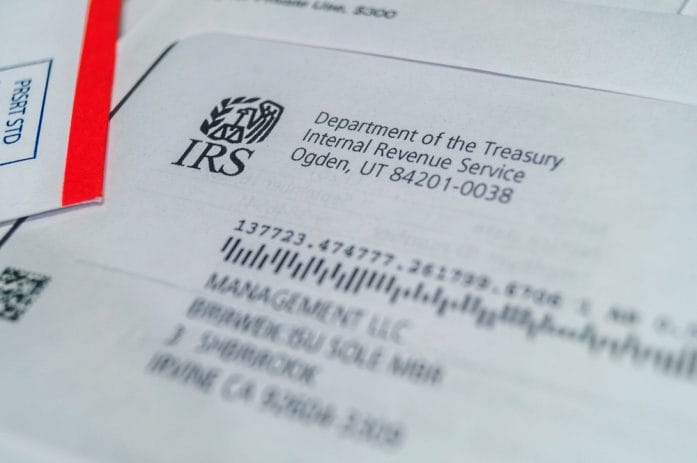
A letter from the IRS doesn’t need flashing red lights to feel urgent, and lately, more of those letters arrive stamped with a deceptively simple phrase: “math error.” That label sounds harmless, almost like a quick fix, but it often carries a financial sting that catches people off guard. The number of these notices has climbed in recent years, and they don’t just target complicated returns or high earners. They hit everyday tax filers who thought they checked every box correctly and walked away confident.

These notices don’t wait for a full audit, and that’s exactly what makes them so disruptive. The IRS uses automated systems to flag discrepancies, adjust returns, and send out corrections before anyone has time to react. One small mismatch can turn into a reduced refund or even a balance due, and the clock starts ticking the moment that notice lands.

When “Math Error” Doesn’t Mean What You Think It Means

The phrase “math error” sounds like someone added numbers wrong, but the IRS uses it far more broadly than that. The agency applies this label to a wide range of issues, including missing information, mismatched Social Security numbers, and incorrect claims for credits like the Earned Income Tax Credit or Child Tax Credit. That means a notice could arrive even when every calculation on the return adds up perfectly. The system flags inconsistencies between what someone reported and what the IRS has on file, often pulling data from employers, financial institutions, and prior filings.

This automated approach speeds things up, but it also removes the human layer that might otherwise catch context. For example, a slight typo in a dependent’s Social Security number can trigger a rejection of a credit, which then leads to a reduced refund or a sudden balance due. The IRS doesn’t ask for clarification before making the change, and it sends the notice after the adjustment already happens. That creates a jarring moment where expectations collide with reality, especially when someone counted on a refund for bills or savings.

The rules behind these notices come from the IRS’s authority to correct certain “obvious” errors without launching a full audit. That sounds efficient, but it leaves little room for nuance. Many people don’t realize that they have only a limited window, usually 60 days, to respond if they disagree with the change. Ignoring the notice can lock in the adjustment and open the door to penalties and interest. Taking it seriously right away gives the best chance to fix the issue before it snowballs.

Why These Notices Are Showing Up More Often

The rise in math error notices doesn’t come out of nowhere, and a few key factors drive the trend. The IRS has leaned more heavily on automation, especially as it processes large volumes of returns quickly. Technology allows the agency to cross-check data at scale, which increases the chances of catching discrepancies, even minor ones. At the same time, tax laws have shifted in recent years, especially around credits and stimulus-related provisions, and those changes have added layers of complexity to otherwise simple returns.

More complexity creates more room for error, and not all of those errors come from carelessness. Some stem from confusion about eligibility rules, especially for credits tied to income thresholds, filing status, or dependent qualifications. A slight misunderstanding can lead to a claim that doesn’t match IRS records, and the system flags it immediately. The IRS then adjusts the return without waiting for clarification, which leads to a notice that feels sudden and unexpected.

Another factor comes from timing. Employers and financial institutions submit forms like W-2s and 1099s directly to the IRS, and any mismatch between those records and what appears on a return triggers a red flag. Even something as simple as entering the wrong income figure by a small amount can set off the system. The combination of real-time data matching and automated corrections means fewer discrepancies slip through unnoticed, but it also means more notices land in mailboxes.

Smaller Refunds or Surprise Bills

A math error notice doesn’t just point out a problem; it changes the outcome of a tax return. The IRS can reduce a refund, delay it, or convert it into a balance due, depending on the situation. That shift can disrupt plans in a big way, especially when someone expects a certain amount and suddenly sees a different number. The notice explains the adjustment, but it doesn’t always feel clear at first glance, which adds to the confusion.

When the IRS reduces or eliminates a credit, the financial impact can feel immediate. Credits like the Earned Income Tax Credit or Child Tax Credit can significantly boost a refund, so losing them changes the bottom line quickly. If the adjustment creates a balance due, interest and penalties can start accruing if the amount isn’t paid on time. That turns a simple correction into a growing obligation that demands attention.

The emotional impact matters too, even if it doesn’t show up on a balance sheet. A notice from the IRS can create stress and uncertainty, especially when it arrives without warning. The key lies in shifting from reaction to action, because these notices often come with clear next steps. Reading the notice carefully, comparing it to the original return, and gathering any supporting documents can bring clarity and control back into the situation.

The IRS Is Sending More “Math Error” Notices — Why You Could Owe Without Realizing It
Image Source: Shutterstock.com

What To Do If That Letter Shows Up

Opening the notice and setting it aside might feel tempting, but that approach can make things worse. The IRS includes a specific explanation of what changed and why, and understanding that explanation should come first. Comparing the notice to the original return helps identify whether the IRS made a valid correction or missed something important. That step alone can reveal simple issues like a typo or a missing form.

If the correction looks accurate, paying the balance or accepting the reduced refund resolves the issue quickly. If something doesn’t add up, responding within the allowed timeframe becomes critical. The IRS usually provides instructions for disputing the change, and that process often involves sending documentation that supports the original filing. Acting within the deadline preserves the right to challenge the adjustment and prevents it from becoming final.

Getting help can make a big difference, especially when the notice involves credits or eligibility rules. A tax professional can review the situation, spot errors, and guide the response. Keeping organized records, including W-2s, 1099s, and receipts, strengthens any case and speeds up the resolution. Taking these steps turns a stressful moment into a manageable task, and it prevents the issue from escalating.

Don’t Let a “Math Error” Catch You Off Guard

A math error notice might sound minor, but it carries real financial weight and demands quick attention. The IRS uses that label to cover a wide range of issues, and the rise in these notices reflects a system that moves faster and checks more data than ever before. Taking the time to understand how these notices work can prevent confusion and protect against unexpected bills or reduced refunds. Staying organized, double-checking details, and responding quickly to any notice can turn a frustrating situation into a manageable one.

What steps feel most helpful when it comes to avoiding surprises at tax time, and what strategies have worked best for keeping everything accurate and stress-free? Share all of your thoughts, tips, or experiences in the comments and keep the conversation going.

You May Also Like…

Refunds Are Being Delayed Over New IRS Identity Flags — Why More Returns Are Getting Pulled

7 Common Deductions That Are Getting More Scrutiny From the IRS

IRS Changes for Seniors: What’s Actually New on the 1040‑SR for 2026

6 Advanced Techniques to Lower Your Capital Gains Taxes Legally

9 Financial Dangers of Ignoring Property Taxes

Brandon Marcus
Brandon Marcus

Brandon Marcus is a writer who has been sharing the written word since a very young age. His interests include sports, history, pop culture, and so much more. When he isn’t writing, he spends his time jogging, drinking coffee, or attempting to read a long book he may never complete.


Filed Under: tax tips Tagged With: audit risk, credits, IRS, IRS letters, math error notice, Personal Finance, tax debt, tax filing mistakes, tax refund, tax season, tax tips, taxes

Are You Prepared For The Tax-Law Changes Arriving Sooner Than Most Americans Expect?

December 11, 2025 by Brandon Marcus Leave a Comment

You Need To Be Prepared For The Tax-Law Changes Arriving Sooner Than Most Americans Expect
Image Source: Shutterstock.com

Tax season has always had a way of sneaking up on us, but this year, the game is changing faster than most Americans realize. New rules are rolling out that could reshape deductions, credits, and even how your paycheck is taxed—sometimes without any warning. It’s not just a matter of filing differently; these changes could impact everything from your retirement planning to your side hustle.

Staying ahead means understanding what’s coming, how it affects you, and what moves you can make now to avoid surprises. Let’s dig into the tax shifts that are making accountants and everyday taxpayers alike rethink their strategy.

1. Understanding The Key Deductions That Are Shifting

Tax deductions are no longer what they used to be, and some familiar write-offs are getting trimmed or redefined. For instance, certain business expenses, home office deductions, and education credits are facing updates that could limit eligibility. Many Americans rely on these deductions to reduce taxable income, so missing a change could mean paying more than necessary. Staying informed now gives you the chance to adjust spending, receipts, or timing before the law takes effect. Ignoring the shifts could turn a routine tax return into an unpleasant shock when you realize a deduction you counted on is no longer available.

2. How Credits Are Being Rewritten And Expanded

While some deductions are shrinking, certain tax credits are getting a boost—especially those aimed at energy-efficient home upgrades, childcare, and education. The government is incentivizing behaviors they want to see more of, which means you could qualify for credits you didn’t know existed. On the flip side, older credits are being phased out or adjusted for income thresholds. Missing out on a new credit could cost you hundreds or even thousands of dollars, so now is the time to review eligibility criteria. Proper planning and documentation can make the difference between claiming every available credit and leaving money on the table.

You Need To Be Prepared For The Tax-Law Changes Arriving Sooner Than Most Americans Expect
Image Source: Shutterstock.com

3. Retirement Accounts And Contributions Face New Limits

One of the sneakiest changes involves retirement contributions, which may affect 401(k), IRA, and other retirement accounts. Contribution limits are being updated, and the rules surrounding deductions for traditional IRAs are shifting based on income levels. These updates can have ripple effects, altering how much you can shelter from taxes each year. Regular taxpayers might find themselves unexpectedly over or under-contributing if they don’t pay attention. Staying proactive ensures your retirement planning stays on track without creating accidental penalties or missed opportunities.

4. The Side-Hustle Impact Is Bigger Than You Think

Side hustles and gig work are booming, and the tax code is adjusting to catch up. Many self-employed individuals may see changes in how expenses, income reporting, and deductions are calculated. What once felt like an easy home office deduction or vehicle write-off might now require extra documentation or meet new criteria. Ignoring these changes could mean underpaying taxes one year and facing a hefty bill later. The key is understanding how your extra income fits into the updated rules so that you stay compliant and avoid surprise penalties.

5. State And Local Taxes Are Joining The Shuffle

Federal changes aren’t the only thing shaking up tax season—state and local governments are also adjusting rules to align with new federal updates. These changes could affect itemized deductions, credits, and how local income or property taxes are reported. Some states are even creating new incentives for renewable energy or education spending, adding another layer of complexity. Taxpayers who only focus on federal law could miss key opportunities—or face unexpected liabilities. Keeping track of both federal and state changes ensures your tax plan is holistic, not just piecemeal.

6. Timing Could Make Or Break Your Savings

Many of the new rules have effective dates that arrive sooner than most Americans anticipate. Planning for these changes now can help you shift income, accelerate deductions, or restructure investments to maximize savings. Procrastinating, even by a few months, could mean missing deadlines for key deductions or credits. Tax planning isn’t just about filing correctly—it’s about using timing to your advantage. Understanding when rules take effect gives you a window to make strategic moves that could save significant money.

7. Digital Records And Documentation Are More Important Than Ever

With new rules comes increased scrutiny, and proper documentation has never been more critical. Receipts, invoices, and digital records can prove eligibility for deductions, credits, and business expenses. Losing or misfiling a document could mean losing the tax benefit entirely. The updated laws may also favor taxpayers who can provide clear, organized evidence of expenses and income. Staying meticulous now prevents headaches, audits, or denied deductions later.

8. Professional Advice Is Not Optional

Given the complexity and speed of these changes, relying solely on DIY tax software might not be enough. Professional accountants and tax advisors are adapting quickly and can provide guidance tailored to your specific financial situation. They can identify opportunities or pitfalls that you might overlook, saving you both money and stress. While self-education is important, expert insight ensures you’re not leaving money on the table or inadvertently violating new rules. Investing in professional advice now could pay off exponentially when tax season arrives.

Take Action Before The Clock Runs Out

The tax-law changes coming sooner than expected aren’t just bureaucratic reshuffles—they’re potential financial game-changers. Understanding deductions, credits, retirement rules, side-hustle implications, and state-level updates gives you a competitive edge. Planning now allows you to make informed decisions and adjust your financial habits before deadlines hit. Ignoring the updates could lead to missed opportunities, higher taxes, and unnecessary stress.

How are you preparing for the changes? Share your strategies, questions, or stories.

You May Also Like…

9 Georgia Counties Where Property Taxes Are Set to Rise the Fastest

Side Hustles That Look Legit—Until They Break Tax Laws

5 Tax Laws That Could Save You Thousands of Dollars Each Year If You Knew About Them

What Happens When Small Business Owners Skip Taxes

Why Do Middle-Class Families End Up Paying the Most Taxes


Brandon Marcus
Brandon Marcus

Brandon Marcus is a writer who has been sharing the written word since a very young age. His interests include sports, history, pop culture, and so much more. When he isn’t writing, he spends his time jogging, drinking coffee, or attempting to read a long book he may never complete.

Filed Under: tax tips Tagged With: 2025 tax changes, 2025 taxes, 2026 tax law, credits, deductions, local taxes, retirement accounts, savings account, side hustle, side hustles, state taxes, Tax, tax contributions, tax credits, tax laws, tax tips, taxes

FOLLOW US

Search this site:

Recent Posts

  • Can My Savings Account Affect My Financial Aid? by Tamila McDonald
  • 12 Ways Gen X’s Views Clash with Millennials… by Tamila McDonald
  • What Advantages and Disadvantages Are There To… by Jacob Sensiba
  • 10 Tactics for Building an Emergency Fund from Scratch by Vanessa Bermudez
  • Call 911: Go To the Emergency Room Immediately If… by Stephen Kanaval
  • 7 Weird Things You Can Sell Online by Tamila McDonald
  • 10 Scary Facts About DriveTime by Tamila McDonald

Copyright © 2026 · News Pro Theme on Genesis Framework