• Home
  • About Us
  • Toolkit
  • Getting Finances Done
    • Hiring Advisors
    • Debt Management
    • Spending Plan
  • Insurance
    • Life Insurance
    • Health Insurance
    • Disability Insurance
    • Homeowners/Renters Insurance
  • Contact Us
  • Privacy Policy
  • Risk Tolerance Quiz

The Free Financial Advisor

You are here: Home / Archives for property tax

Nevada’s Low Median Property Tax — Weighing Investment Appeal

March 21, 2026 by Brandon Marcus Leave a Comment

Nevada’s Low Median Property Tax — Weighing Investment Appeal

Image Source: Unsplash.com

Nevada has earned a reputation that makes wallets perk up and calculators sweat with excitement. The Silver State isn’t just about bright lights in Las Vegas and desert landscapes stretching for miles—it also offers one of the lowest median property tax rates in the nation. That fact alone draws a wave of attention from investors, first-time homebuyers, and anyone who secretly dreams of owning property without being buried in taxes. Low property taxes can turn a purchase from a financial headache into a strategic advantage, but the full story deserves a closer look.

This tax environment doesn’t just whisper promises—it shouts potential savings that accumulate year after year. For people considering rental properties or vacation homes, those small percentages compound into meaningful returns. But before diving in, it’s worth examining what low property taxes actually mean for communities, services, and the long-term value of a property. It’s a delicate dance between affordability, growth, and the perks of living or investing in a state where money stretches further than it does in many neighboring markets.

Nevada’s Tax Advantage: A Magnet for Investors

Nevada’s median property tax rate hovers well below the national average, often landing around 0.60% of assessed home value. That’s remarkably low compared to states like New Jersey or Illinois, where rates climb well above 2%. For investors, the math becomes clear: a lower tax bill translates directly into higher net returns on rental properties and less overhead for long-term ownership. That kind of financial breathing room can make property investments in Nevada feel like a smarter bet from day one.

Lower property taxes also attract buyers from states with heavier tax burdens. Individuals relocating for work or lifestyle often consider the cumulative cost of owning a home, and Nevada’s numbers shine in those comparisons. That influx of buyers supports local housing markets while keeping property values competitive without eroding affordability. Yet the low taxes don’t automatically guarantee instant riches—other costs, like homeowners insurance or maintenance, remain part of the equation. Evaluating all these factors helps balance optimism with a realistic outlook.

The Flip Side: What Low Taxes Mean for Services

A property tax rate that feels like a gift often has tradeoffs. Lower revenue streams for local governments can influence public services, from schools to infrastructure. While Nevada has found creative ways to fund these essentials, potential investors should consider the long-term impact. Lower taxes might attract buyers today, but how does that environment affect community amenities, emergency services, or road maintenance over the next decade?

Investors with rental properties may also feel these indirect effects. Communities with robust infrastructure and appealing public services often support higher rental demand and long-term property appreciation. Evaluating neighborhoods beyond tax rates alone ensures a clearer picture of sustainable investment potential. Low taxes are enticing, but combining them with strategic location choices maximizes both current cash flow and long-term property value growth.

Hot Markets vs. Hidden Gems: Where Taxes Make the Difference

Nevada’s urban centers, like Las Vegas and Reno, offer vibrant markets with strong demand, while smaller towns provide opportunities at a different scale. In either case, low property taxes amplify the potential for positive cash flow, especially in rental-heavy markets. Investors can calculate projected rental income and subtract property taxes, insurance, and maintenance to see where true profits lie. The numbers often favor areas where growth is steady, taxes remain low, and the housing market is resilient.

Hidden gem towns may offer lower purchase prices and the same favorable tax rates, creating potential for significant gains if the area experiences development or population growth. These markets can reward patience, strategic insight, and careful selection of properties that combine affordability with growth potential. Understanding the tax advantage in context allows investors to weigh immediate savings against the bigger picture of community, infrastructure, and long-term market trends.

Nevada’s Low Median Property Tax — Weighing Investment Appeal

Image Source: Unsplash.com

Financing Benefits: Stretching Every Dollar

Low property taxes don’t just boost investment returns—they also impact financing calculations for homeowners. Lower monthly obligations can reduce debt-to-income ratios, making it easier to secure competitive mortgage rates. That factor alone can influence affordability, allowing buyers to target higher-quality properties or diversify investments across multiple units. By keeping recurring costs manageable, low taxes help balance budgets without sacrificing opportunity.

Financial planners often emphasize that every percentage point saved in property taxes compounds over time. Consider a property purchased for $400,000 with a 0.60% tax rate versus a property at 1.50% elsewhere. The difference adds up to thousands of dollars annually, which could be reinvested into additional properties, renovations, or other financial goals. This kind of compounding advantage is part of what makes Nevada particularly attractive for long-term wealth building.

Balancing Risk and Reward

Low property taxes make Nevada a tempting playground for investors, but no strategy should rely on a single metric. Evaluating location, market trends, local services, and long-term appreciation potential remains essential. The tax advantage can tip the scales, but it works best when combined with a holistic view of real estate dynamics. Smart buyers assess property potential not only for immediate savings but also for sustainable growth and community value.

Ultimately, Nevada’s low median property tax acts like a magnet for financial strategy. It opens doors to higher returns, improved cash flow, and potentially stronger long-term wealth accumulation. The key lies in pairing this advantage with careful research, thoughtful property selection, and a clear plan for both short-term gains and future growth. That combination transforms a simple tax benefit into a real competitive edge in the real estate landscape.

Are low property taxes enough to make Nevada the ideal investment spot for you, or do other factors carry equal weight in decision-making? Share insights, experiences, or strategies in the comments and explore how different approaches play out across the Silver State’s unique market.

You May Also Like…

Why Nevada’s Tax Laws Are Great for Retirees—but Terrible for Young Families

How Utilities Affect Colorado’s Low Property Tax Rate

The $3,000 Property Tax Reality Facing the Average U.S. Household

Why Nashville Property Tax Bills Keep Rising Even With Tennessee’s Rate Cap Proposal

How Are Property Taxes Determined Each Year?

Brandon Marcus
Brandon Marcus

Brandon Marcus is a writer who has been sharing the written word since a very young age. His interests include sports, history, pop culture, and so much more. When he isn’t writing, he spends his time jogging, drinking coffee, or attempting to read a long book he may never complete.


Filed Under: Real Estate Tagged With: home buying, Housing Market, investment strategy, low taxes, Nevada housing, Nevada real estate, Personal Finance, Planning, property tax, Real Estate Investment, rental properties, tax incentives, Wealth Building

How Utilities Affect Colorado’s Low Property Tax Rate

March 19, 2026 by Brandon Marcus Leave a Comment

How Utilities Affect Colorado's Low Property Tax Rate

Image Source: Shutterstock.com

Low property taxes sound like a dream, right? Colorado proudly sits near the bottom when it comes to property tax rates, and that fact grabs attention fast. It promises lighter annual bills, more breathing room, and a sense that homeownership might feel just a little more manageable compared to other states.

But nothing in the world of housing comes without a trade-off. Behind those lower tax bills sits a less obvious reality, and it shows up quietly in monthly utility statements. Electricity, water, natural gas, and service fees all play a bigger role than expected, and they help shape how Colorado balances its books without leaning heavily on property taxes.

The Low Tax Charm That Hooks Homebuyers Instantly

Colorado’s property tax rate consistently ranks among the lowest in the United States, and that reputation pulls in attention from buyers who want to stretch their dollar further. Lower rates mean smaller annual tax bills, which can make monthly housing costs feel far more manageable at first glance. This appeal becomes especially strong when compared to states where property taxes climb quickly alongside home values. It creates a sense of financial relief right at the starting line.

That initial excitement, however, often overshadows the broader financial picture. Property taxes fund local services like schools, infrastructure, and emergency response, and every state needs to generate that revenue somehow. Colorado simply leans less on property taxes and more on other sources. That shift doesn’t eliminate costs—it redistributes them. Anyone stepping into the market benefits from the lower tax rate, but that benefit comes paired with higher reliance on alternative funding streams, including utilities and service fees.

Utilities Step Into The Spotlight And Pick Up The Slack

When property taxes stay low, other systems step up to support the same public needs. Utilities in Colorado often carry a larger share of infrastructure costs, especially when it comes to water systems, energy delivery, and maintenance. Municipal utilities and service providers frequently build fees into monthly bills to cover long-term investments that property taxes might handle elsewhere.

Water, in particular, plays a major role in this equation. Colorado’s semi-arid climate demands careful water management, and that requires infrastructure, conservation programs, and ongoing upgrades. Those costs don’t disappear—they show up in tiered pricing systems and usage-based billing. Higher consumption leads directly to higher costs, and that structure encourages conservation while also generating necessary revenue.

Energy adds another layer to the story. Heating during cold winters and cooling during warm summers drives electricity and natural gas usage upward. Utility companies invest heavily in maintaining reliable service across varied terrain, from dense urban areas to remote mountain communities. Those investments translate into rates that can feel noticeably higher than expected, especially for newcomers who focused mainly on property tax savings.

The Real Cost Of Living Doesn’t Stay Hidden For Long

Low property taxes can create a strong first impression, but utility bills quickly round out the full cost of living picture. Monthly expenses for electricity, water, sewer, and trash collection often climb higher than anticipated, especially in areas with older infrastructure or growing populations. That shift doesn’t mean Colorado becomes unaffordable—it simply means the cost structure looks different.

Homeowners who prepare for this balance tend to feel more in control. Budgeting beyond the mortgage and tax payment becomes essential, and a detailed look at utility history before buying can prevent surprises later. Real estate listings rarely highlight utility averages, but asking for that information provides a clearer understanding of true monthly costs. A home with slightly higher property taxes but lower utility expenses can sometimes offer better overall value.

Seasonal changes also influence utility costs in a big way. Winter heating bills can spike quickly, especially in areas with colder temperatures or older insulation. Summer cooling costs add another layer, particularly in regions that experience heat waves. These fluctuations make it important to plan for both peak and off-peak months instead of relying on a flat monthly estimate.

How Utilities Affect Colorado's Low Property Tax Rate

Image Source: Shutterstock.com

Growth, Infrastructure, And The Pressure On Utilities

Colorado continues to grow, and that growth places pressure on infrastructure systems that utilities manage directly. Expanding communities require new pipelines, upgraded electrical grids, and improved water treatment facilities. Funding those projects often comes through utility rates and connection fees rather than property tax increases.

This approach allows local governments to maintain lower property tax rates while still supporting development. However, it also means new residents and existing homeowners contribute through their utility bills. Rapid growth can lead to rising costs as demand increases and systems expand to keep up. That dynamic creates a direct link between population growth and utility pricing.

Local policies also influence how utilities operate and charge for services. Conservation efforts, renewable energy initiatives, and environmental protections all shape pricing structures. These programs serve important long-term goals, but they can also increase short-term costs for households. Understanding these factors helps explain why utility bills sometimes rise even when property taxes remain stable.

Smart Moves To Keep Utility Costs Under Control

Managing utility expenses doesn’t require drastic changes, but it does reward consistent, thoughtful action. Energy-efficient upgrades like better insulation, modern windows, and high-efficiency appliances can significantly reduce monthly bills. Even small adjustments, such as sealing drafts or using programmable thermostats, add up over time.

Water usage offers another opportunity for savings. Xeriscaping, low-flow fixtures, and mindful irrigation practices can lower bills while aligning with local conservation efforts. Many municipalities offer rebates or incentives for these upgrades, which makes them even more appealing from a financial perspective. Taking advantage of those programs creates immediate and long-term benefits.

Shopping for energy providers or plans, where options exist, can also lead to savings. Some areas offer choices between providers or rate structures, and comparing those options can reveal better deals. Staying informed about rate changes and seasonal pricing helps avoid unnecessary costs. A proactive approach keeps utility expenses from quietly climbing higher each year.

The Balancing Act That Defines Colorado Living

Colorado’s approach to property taxes and utilities creates a unique financial landscape that rewards awareness and preparation. Lower property taxes offer clear advantages, especially for homeowners who prioritize predictable annual costs. At the same time, higher utility expenses ensure that essential services and infrastructure remain funded and functional.

This balance doesn’t favor one side over the other—it simply shifts how costs appear and how households manage them. Those who understand the relationship between taxes and utilities can make smarter decisions when buying a home, planning a budget, or evaluating long-term affordability. Knowledge turns what could feel like a hidden trade-off into a manageable and even strategic advantage.

How does that balance look in your own experience, and what strategies have made the biggest difference in keeping monthly costs under control? Give us your thoughts, tips, or insights in the comments and keep the conversation going.

You May Also Like…

Colorado Escrow Payments Continue Climbing — Homeowners Face Higher Monthly Costs

The $3,000 Property Tax Reality Facing the Average U.S. Household

Why Every Year You Save, Homes Get Further Out of Reach

Why Do Renters Pay More Than Homeowners for the Same Utilities

5 Signs You’re Ready to Buy a Home — And 3 Signs to Wait

Brandon Marcus
Brandon Marcus

Brandon Marcus is a writer who has been sharing the written word since a very young age. His interests include sports, history, pop culture, and so much more. When he isn’t writing, he spends his time jogging, drinking coffee, or attempting to read a long book he may never complete.

Filed Under: tax tips Tagged With: budgeting, Colorado real estate, Cost of living, energy bills, home expenses, homeownership, Housing Costs, Personal Finance, Planning, property tax, real estate tips, utility costs

Massachusetts Salaries Average Just Over $67,700— But How Heavy Is the Tax Load?

March 14, 2026 by Brandon Marcus Leave a Comment

Massachusetts Salaries Average $62k–$74k— But How Heavy Is the Tax Load?

Image Source: Unsplash.com

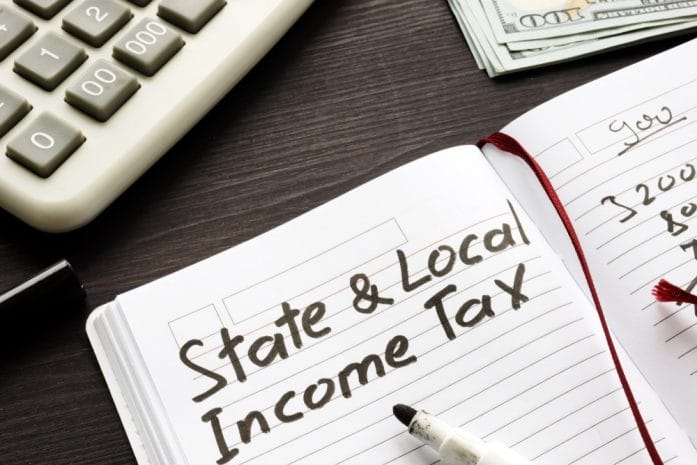
A paycheck can look impressive on paper. The real story begins once taxes start carving out their share. Massachusetts workers often earn salaries that land comfortably at $67,706, which sounds strong and competitive in many industries. Yet that headline number does not represent the amount that actually lands in a bank account.

Income tax, sales tax, property taxes, and payroll deductions all step forward to claim a piece. Each layer reshapes the financial reality of daily life. Some residents feel the squeeze more than others, depending on housing costs, location, and spending habits. The result creates a fascinating financial puzzle that deserves a closer look.

The Paycheck Looks Good on Paper

Massachusetts boasts one of the strongest job markets in the country, thanks to powerhouse industries like healthcare, technology, finance, and education. Workers in these fields push average earnings close to the $70,000 range, depending on occupation, experience, and location within the state. Cities such as Boston drive many of those numbers upward due to dense concentrations of high-paying industries. Skilled professionals, especially in technology and research, often earn far above the statewide average. Even outside the big metro areas, wages remain competitive compared with national averages.

Those salary figures sound encouraging at first glance, and they do reflect a strong economy. Major universities, medical centers, and research companies fuel a constant demand for skilled workers. New graduates flock to the region for opportunities that promise upward mobility and career growth. Employers often compete fiercely for talent, which helps push wages higher across multiple sectors. Economic growth creates a dynamic job market that keeps unemployment relatively low. A healthy paycheck begins the financial journey, but the tax system quickly steps into the spotlight.

The moment that paycheck appears, federal taxes enter the scene alongside state deductions. Massachusetts applies a flat income tax rate of 5 percent on most income. That flat structure simplifies tax calculations, yet it still removes a noticeable slice of income. Workers also contribute to Social Security and Medicare through payroll taxes, which add another 7.65 percent deduction for most employees. Each deduction gradually transforms a headline salary into a much smaller take-home figure. The process feels less dramatic when it unfolds paycheck by paycheck, but the yearly totals reveal the full picture.

The Flat Tax That Packs a Punch

Massachusetts relies on a straightforward income tax system that many economists praise for its simplicity. A single flat rate applies to most income, which means a teacher earning $65,000 and a software engineer earning $150,000 both pay the same base percentage on ordinary earnings. Voters approved an additional tax on very high earners in 2022, which added a 4 percent surtax on annual income above $1 million. That change targeted the state’s wealthiest residents while leaving typical salary earners under the flat-rate structure.

For someone earning close to $70,000, the state income tax portion usually reaches several thousand, before credits and deductions. That amount may not feel crushing on its own, yet it forms just one layer of the broader tax structure. Federal taxes typically take the largest share, depending on filing status and deductions. Payroll taxes for Social Security and Medicare add another significant deduction. When these layers combine, the gap between gross salary and take-home pay grows wider than many expect.

Some residents reduce their tax exposure through available credits and deductions. Massachusetts offers deductions for items like rent payments, certain commuter expenses, and dependent care costs. Strategic tax planning can soften the blow slightly, although it rarely transforms the overall burden dramatically. Financial advisors often encourage workers to review available credits carefully each year. Small adjustments can add up over time, especially for households managing tight budgets.

Sales Tax and Daily Spending

Income taxes rarely tell the entire story of a state’s tax burden. Massachusetts also collects a statewide sales tax of 6.25 percent on most goods. That percentage applies whenever someone buys electronics, furniture, appliances, and many other everyday items. The tax quietly adds extra cost to purchases throughout the year. A $1,000 television suddenly becomes a $1,062.50 purchase before it leaves the store.

Some items escape the sales tax entirely. Groceries and most clothing purchases under $175 avoid the tax, which provides meaningful relief for daily essentials. Those exemptions reflect an effort to keep basic living costs manageable. Even so, large purchases still bring noticeable tax bills. Renovating a home, buying new furniture, or upgrading electronics quickly adds hundreds of dollars in taxes.

Massachusetts Salaries Average $62k–$74k— But How Heavy Is the Tax Load?

Image Source: Unsplash.com

Frequent shoppers often overlook how quickly sales tax accumulates across an entire year. A few dollars here and there might feel trivial during individual transactions. Add those amounts together across dozens of purchases, however, and the total climbs rapidly. Budget-conscious households sometimes track spending categories closely to keep those extra costs under control. Awareness alone can encourage smarter purchasing decisions.

Property Taxes: The Hidden Heavyweight

Property taxes often carry the biggest long-term impact on household finances. Massachusetts municipalities rely heavily on property tax revenue to fund schools, local services, and infrastructure. Each town sets its own property tax rate, which means residents encounter dramatically different bills depending on location. Suburban communities with strong school systems often command higher property values and tax rates.

Homeowners must account for costs long before purchasing property. Mortgage lenders include property tax estimates when calculating monthly payments, which directly affects affordability. Renters also feel the impact indirectly since landlords factor property taxes into rental prices. Housing costs across the state reflect this reality, especially in areas near major job centers.

Savvy homebuyers often compare property tax rates between neighboring towns before making a decision. A slightly longer commute could lead to significantly lower yearly taxes. Small geographic differences can translate into thousands of dollars in long-term savings.

The Cost of Living Factor

Taxes rarely operate in isolation. Massachusetts also ranks among the more expensive states for housing, healthcare, and transportation. Strong wages help offset those costs, yet they do not eliminate the pressure entirely. A salary that looks generous on paper can feel far less comfortable once housing expenses enter the equation.

Boston and the surrounding areas command particularly high housing prices due to limited supply and strong demand. Rent for a modest apartment can consume a large portion of monthly income. Property prices also remain high compared with national averages, which pushes mortgage payments upward. These costs amplify the impact of taxes because less disposable income remains after essential bills.

Workers often balance these realities by seeking housing outside major metro areas. Communities farther from Boston frequently offer lower housing costs and property taxes. Commuting may require more time, yet the financial trade-off can make sense for many households. Financial planning becomes essential in a state where strong salaries coexist with high living expenses.

Budgeting tools and financial planning apps help many residents track spending and prepare for tax obligations. Careful planning prevents unpleasant surprises during tax season. A proactive approach allows households to keep more control over their finances while navigating the state’s tax landscape.

Behind the Paycheck

Massachusetts delivers strong salaries, especially in industries that thrive on education, technology, and innovation. Average earnings of around $67,000 provide a solid financial starting point for many workers. Yet taxes shape the real value of those earnings through income taxes, sales taxes, and property taxes. Each layer reduces take-home income while funding public services that residents rely on every day.

A clear understanding of the tax landscape allows workers to make smarter decisions about budgeting, housing, and long-term financial planning. Careful research into property taxes, thoughtful use of available deductions, and disciplined spending habits can make a noticeable difference. A strong salary still offers meaningful opportunities for financial stability and growth with the right planning strategy.

How heavy does the tax load feel in everyday life, and what strategies help stretch those hard-earned dollars further? Share all of your thoughts and experiences in the comments section.

You May Also Like…

How The SALT Deduction Caps Squeezed Many Middle-Income Taxpayers

The $3,000 Property Tax Reality Facing the Average U.S. Household

Why Nashville Property Tax Bills Keep Rising Even With Tennessee’s Rate Cap Proposal

Can You Trust AI With Your Taxes and Investments? 8 Risks No One Explains

Florida Homeowners Are Seeing Insurance Rates Decreasing In 2026

Brandon Marcus
Brandon Marcus

Brandon Marcus is a writer who has been sharing the written word since a very young age. His interests include sports, history, pop culture, and so much more. When he isn’t writing, he spends his time jogging, drinking coffee, or attempting to read a long book he may never complete.
Filed Under: Lifestyle Tagged With: Cost of living, income tax Massachusetts, Massachusetts economy, Massachusetts jobs, Massachusetts salaries, Personal Finance, Planning, property tax, salary statistics, state economy, state taxes, tax burden

Property Tax Exemptions Expiring Automatically in Multiple States

February 21, 2026 by Brandon Marcus Leave a Comment

Property Tax Exemptions Expiring Automatically in Multiple States

Image Source: Unsplash.com

Are you sitting on a tax benefit right now that could evaporate if you’re not paying attention? That shockingly common scenario isn’t just about dodging a growing tax bill; it’s about understanding the quirks in how states treat property tax exemptions after they’re first granted.

Whether you’re a seasoned homeowner, a first‑time buyer, or somewhere in between, you should know this: some states make exemptions automatic year after year, while others demand annual paperwork or risk losing your break entirely.

Why States Play Favorites: Automatic Renewals vs Annual Filings

Right now across the country, some property tax exemptions renew each year automatically once they’re approved, while other exemptions will quietly vanish if you don’t reapply by a state‑set deadline. In some places, once you’ve qualified for the basic homeowner or senior homestead exemption, the local tax authority rolls them over onto your tax bill every year without you hiking back to the assessor’s office. That’s a sweet deal, especially since these exemptions shave thousands off your tax bill by reducing your property’s taxable value. But here’s the catch: many other exemptions, like senior freeze or veteran disability breaks, still require annual applications even in places where other exemptions auto‑renew. Fail to reapply and your savings disappear on next year’s bill.

In other states, the rules flip. In states like Florida, homestead exemptions cast a wide safety net, but you still need to file an initial application by a fixed deadline (often early in the calendar year) to claim the benefit at all. After that initial grant, the law generally allows your exemption to continue year to year unless something about your eligibility changes — like converting your home to a rental or selling the property. But don’t treat that as a free pass: you’ll still see mail from the property appraiser asking you to confirm or renew your status, and if you ignore that notice, you can lose the benefit you’ve counted on.

This difference creates a fascinating patchwork across the U.S.: in some places, you’ll barely lift a finger each year and your tax break silently keeps ticking; in others, skip one form or miss one deadline and the exemption evaporates as quickly as a summer thunderstorm.

How Automatic Renewals Can Save You Stress (and Money)

Automatic renewals feel like magic — you fill out one application, qualify once, and the system takes care of you year after year. This frees up brainpower and keeps your property taxes predictable. In counties that support this system, the annual hassle of qualifying disappears for most homeowners. That means fewer surprises at tax time and more certainty that you’ll keep the benefits you earned.

But automatic doesn’t mean guaranteed. Even in jurisdictions where exemptions carry over, the authorities still check eligibility. If your property changes hands, you sell a portion of it, or local rules shift, the exemption can be removed — and you might never get direct notification. The lesson here is simple: mark your calendar to check your property tax notice each year, not just assume savings will continue forever.

When Exemptions Expire If You Don’t Act

Now let’s hit the parts that can really zap your wallet if you’re not careful. In states where homestead or other exemptions don’t auto‑renew, skipping an annual filing means the exemption simply lapses. That can lead to a tax bill that’s dramatically higher the next year because your savings fall off the books. Think of it like losing a discount card. You used to get thousands knocked off, and now you’re suddenly paying full price with no warning.

Rules vary wildly. In some locations, property tax exemptions and additional benefits — including homestead relief — have strict filing windows. Ignore that window and you may have to wait a full year to apply again. Even if you applied once and received the homestead exemption, your county appraiser still sends renewal notices and requires you to confirm your continued eligibility. Skip that step and you risk forfeiting your benefit.

If that feels like a trap, that’s because it can be. It pays to jot these deadlines down and check in with your assessor’s office early every year. Often they’ll send reminders, but local governments sometimes assume you’re watching your mail as closely as they are.

Deadlines Looming: What You Should Know Now

Across multiple states, deadlines to secure exemptions or renew them come early in the year — January through March in many counties — because property tax rolls are assessed based on ownership and residency on January 1. To make sure your exemption applies to the next cycle, you need to get documentation in before that new tax year kicks off. In some districts, if you miss that window entirely you’re locked out for the year, forcing you to pay higher taxes without the cushion of exemptions. That’s tough news that usually hits in late summer or fall when tax bills arrive.

Because local practices shape these deadlines, here’s a quick mental checklist you can use wherever you own property: first, find your county property appraiser’s website; second, look for the exemption or homestead section; third, note the last day to apply or renew; and fourth, set a recurring annual reminder to check your status well before that date. You can even allow yourself a small reward once you’ve done it for the year — because remembering this once can save you hundreds, even thousands.

Savvy Moves to Keep the Breaks Coming

Don’t assume automatic renewal means “never think about it again.” Always look at your yearly tax statement to confirm that all the exemptions you qualified for are listed. A missing line item could mean you lost a valuable break without realizing it. Additionally, if your life changes, check how that affects your exemptions. Sometimes a small change triggers the need to reapply or submit new documentation.

Another tip: build a simple spreadsheet with deadlines for your local exemptions. Even if you own just one home, having your own dashboard of deadlines takes the pressure off email reminders that often go to spam or get lost in other mail.

Property Tax Exemptions Expiring Automatically in Multiple States

Image Source: Pexels.com

Locked In or Losing Out — What’s the Big Picture

Every state’s property tax game has different rules. Knowing them is like having insider knowledge that pays off every year you own property. Some places keep your benefits rolling like clockwork once you start receiving them; others make you jump through annual hoops that can trip you up if you’re distracted even for one season.

That might surprise you, but it’s just the nature of decentralized tax systems in the U.S. There is no national rule forcing consistency across states — so your best defense is information and vigilance.

Don’t Let Deadlines Steal Your Savings

You’re in a race against paperwork and calendars, and the stakes are real. Missing a renewal or application deadline can cost you, quite literally, hundreds or even thousands of dollars in extra property taxes over the years. Take a moment once a year to confirm your exemptions, note deadlines, and reach out to your tax assessor if anything looks off. Your future self — and your wallet — will thank you for it.

Are you planning to check your property tax exemptions this year and beat your next deadline? Let us know what’s up with your local rules in the comments.

You May Also Like…

The Property Tax Appeal That Can Cut $100–$500 From Monthly Payments

The Property Tax Increases Hitting 13 Disaster-Prone States in 2026

5 Reasons To Talk To Your Kids About Taxes

9 Georgia Counties Where Property Taxes Are Set to Rise the Fastest

Can You Trust AI With Your Taxes and Investments? 8 Risks No One Explains

Brandon Marcus
Brandon Marcus

Brandon Marcus is a writer who has been sharing the written word since a very young age. His interests include sports, history, pop culture, and so much more. When he isn’t writing, he spends his time jogging, drinking coffee, or attempting to read a long book he may never complete.

Filed Under: tax tips Tagged With: Cook County, exemption deadlines, Florida property tax, homeowners, homestead exemption, property tax, property tax renewal, state tax policy, tax exemptions expiration, tax planning, veteran property tax breaks

9 Georgia Counties Where Property Taxes Are Set to Rise the Fastest

December 9, 2025 by Brandon Marcus 2 Comments

Here Are The Georgia Counties Where Property Taxes Are Set to Rise the Fastest

Image Source: Shutterstock.com

Let’s dive right in — if you own property in Georgia (or you’re house-hunting), buckle up. Home values are shooting up across parts of the state, and that means for many homeowners, the property tax bill that lands in your mailbox this year could hit a lot harder than last year. Between rapidly rising assessments, shifting millage rates, and local governments scrambling to keep up with growth (or budget shortfalls), there are several counties where taxes are on track to climb faster than you might expect.

Here are nine Georgia counties to watch if you care about what your home will cost you — and what you might start paying soon.

1. DeKalb County

DeKalb County is practically waving a red flag when it comes to rising tax burdens in 2025. The county’s governing authority has approved a tentative millage rate of 12.427 mills — that’s 2.690 mills over the computed “rollback” rate, representing a 27.6 percent increase from what the rollback formula would dictate. Even though the combined rate for all levies has been held flat at 20.81 mills since 2015, the reassessment of property values means many homeowners are still looking at significantly larger tax bills.

For those living in parts of metro Atlanta where housing demand has exploded — and with schools, public services, and infrastructure under pressure — the jump in tax obligations feels like the price tag for growth. If your property was reassessed upward even a little, that 27% swing could hit harder than it looks on paper.

2. Cobb County

Cobb County remains one of Georgia’s fastest-growing suburban hubs, and with growth comes rising home values — and rising taxes. According to the 2025 residential property value report, the market value of single-family homes rose about 3.1 percent compared to 2024. That’s not the kind of jump that knocks you off your feet overnight — but consistent annual increases add up over time, especially when many homeowners already operate on tight margins or fixed incomes.

The ripple effect? Expect next year’s tax digest (and likely your bill) to reflect the new valuations. As properties change hands or get upgraded, it’s a reminder that suburban expansion often comes with a hidden cost.

3. Fulton County

In the heart of metro Atlanta, Fulton County continues to see some of the steepest home-value gains statewide — and that typically translates directly into steeper taxes. A recent report showed residential property values increased by 5.9 percent overall, with even bigger upswing among higher-valued homes. It’s not just luxury mansions driving the spike either; mid-range properties saw solid upward movement, pushing more “average” homeowners into new tax brackets.

The truth is, when demand is high and inventory is tight, tax assessments follow market prices — and that upward pressure tends to stick. For many long-time residents, this can feel like being priced out of your own neighborhood without ever moving.

Here Are The Georgia Counties Where Property Taxes Are Set to Rise the Fastest

Image Source: Shutterstock.com

4. Gwinnett County

Though not always in the headlines, Gwinnett County in recent years has seen rapid population growth and mounting development. As demand pushes property values upward, tax bills are likely to follow. In recent statewide property-tax data, Gwinnett had among the highest effective tax burdens for homeowners. This county is part of the broader metro-Atlanta growth wave — new homes, families moving in, and expanding services. With schools, roads, and infrastructure needing funding, officials often lean on property tax increases to keep pace. If you own in Gwinnett and haven’t looked at your latest assessment closely — now might be a good time.

5. Chatham County

Way out on the coast, things are heating up in Chatham County too. As home to the city of Savannah and its surrounding suburbs, Chatham is seeing rising demand for housing — which tends to push up property valuations. According to the latest county-by-county data, Chatham’s effective property tax rate and median tax bills are among the higher ones in Georgia. For coastal homeowners, rising property taxes can clash with other cost pressures like insurance, maintenance, and flood-related expenses. If you own a home in this region, prepare for what could be a steeper climb than many inland counties are facing.

6. Fayette County

Fayette County is often overlooked in discussions about tax spikes, but it’s a place where property value increases and tax burdens have quietly climbed. According to recent data, many mid-sized Georgia counties like Fayette are seeing rising effective tax rates and increased tax bills, even as statewide attention focuses on the major metros. For long-term homeowners, that can mean incremental increases over successive years — enough to shift what was once a manageable payment into a financial burden. Communities that had affordable charm a few years back may now feel the squeeze as valuations edge upward and local government costs rise.

7. Henry County

Henry County, which sits on the growing periphery of metro Atlanta, is another spot where homeowners should keep a close eye. As development expands outward and more people move in, property values tend to follow — and with that, tax bills often climb too. Tax data show that Henry County’s effective property tax burden is already above the statewide median. For families moving into what once felt like affordable suburbs, this means the dream of lower-cost living might be under threat from rising assessments and incremental tax pressure. New growth brings new amenities — but also new expenses.

8. Coweta County

Few counties outside the big metro centers get much attention, but Coweta County is quietly part of the broader shift. As people look for more space and affordability outside major urban zones, places like Coweta become magnets — which can trigger property value hikes. According to recent property-tax data sets, Coweta shows a relatively high effective rate, suggesting that as home values rise, tax bills are likely to follow. This dynamic often sneaks up on homeowners: the neighborhood feels peaceful, the home feels like your refuge, but the tax bill creeping up in your mailbox tells a different story. If you call Coweta home — or are thinking about buying there — it’s worth budgeting for steeper taxes down the line.

9. Butts County

Last but not least, Butts County stands out among Georgia’s smaller and more rural counties, yet it shows signs of rising tax burden that many might not expect. According to county-by-county effective property tax data, Butts is among the counties where rates — relative to property values — are trending upward. As urban sprawl pushes outward, even rural zones can feel the ripple effect of increased demand, leading to reassessments and higher bills. For homeowners who moved here for peace, space, or affordability, that tax increase can sting: what once felt affordable might suddenly feel like a stretch.

What This Means For Georgia Homeowners

If you own — or are thinking of buying — a home in Georgia, these counties show that the property-tax landscape is shifting quickly. Rising home values, population growth, and local budget pressures are colliding to make increases more common than exceptions. It’s a reminder that homeownership isn’t just about your mortgage and that property taxes can sneak up and add real impact to your bottom line.

Have you seen a jump in your latest tax bill? Are you feeling the squeeze — or moving because of it? We want to hear your story. Drop your experience, tips, or frustrations in the comments below.

You May Also Like…

6 Advanced Techniques to Lower Your Capital Gains Taxes Legally

Can Your Taxes Be Cut In Half By You Simply Incorporating Your Name?

5 Reasons Why Homeowners Should Increase Their Property’s ROI

9 Financial Dangers of Ignoring Property Taxes

7 Lesser-Known Costs of Selling Inherited Property


Brandon Marcus
Brandon Marcus

Brandon Marcus is a writer who has been sharing the written word since a very young age. His interests include sports, history, pop culture, and so much more. When he isn’t writing, he spends his time jogging, drinking coffee, or attempting to read a long book he may never complete.

Filed Under: tax tips Tagged With: Butts County, Chatham County, Cobb County, Coweta County, DeKalb County, Fayette County, Fulton County, Georgia, Gwinnett County, Henry County, property tax, property taxes, tax rules, taxes

10 Financial Penalties Triggered Late in the Year

August 15, 2025 by Travis Campbell Leave a Comment

financial penalties

Image source: pexels.com

Staying on top of your finances is tough, especially as the year winds down. The holidays, travel, and last-minute expenses can distract anyone. But missing key deadlines or forgetting about certain rules can cost you. Some financial penalties only show up late in the year, and they can hit your wallet hard. Knowing what to watch for can help you avoid these costly mistakes. Here are ten financial penalties that often sneak up on people as the year ends—and what you can do to steer clear of them.

1. Required Minimum Distribution (RMD) Misses

If you’re 73 or older, you must take a required minimum distribution (RMD) from your retirement accounts by December 31. Miss this, and the IRS can hit you with a penalty of 25% of the amount you should have withdrawn. That’s a big chunk of your savings gone. Even if you fix the mistake quickly, you might still owe 10%. Mark your calendar and double-check with your account provider.

2. Flexible Spending Account (FSA) Forfeitures

FSAs are “use it or lose it.” If you don’t spend your FSA funds by the end of the plan year (often December 31), you could lose the money. Some employers offer a short grace period or let you roll over a small amount, but not all do. Check your plan’s rules. Schedule medical appointments or buy eligible items before the deadline. Don’t let your hard-earned money disappear.

3. Missed Charitable Contribution Deadlines

Charitable donations can lower your tax bill, but only if you make them by December 31. If you wait until January, you’ll have to wait another year to claim the deduction. This can be a problem if you’re counting on the deduction to offset other income. Make sure your donations are processed before the year ends. Keep receipts and records for tax time.

4. Late Estimated Tax Payments

If you’re self-employed or have other income not subject to withholding, you need to make estimated tax payments. The final payment for the year is due in January, but missing earlier deadlines can trigger penalties. The IRS charges interest and penalties for underpayment. Review your income and make sure you’re on track. Use the IRS payment calculator if you’re unsure.

5. Health Insurance Open Enrollment Misses

Open enrollment for health insurance usually ends in December. Miss it, and you might be stuck without coverage or face higher premiums. Some states have different deadlines, but most plans lock you out until the next year unless you have a qualifying event. Set reminders and review your options early. Don’t wait until the last minute.

6. Missed 401(k) Contribution Deadlines

You can only contribute to your 401(k) for the current year until December 31. If you want to max out your contributions, act before the year ends. Missing this deadline means you lose out on tax benefits and employer matches for the year. Check your pay schedule and talk to HR if you need to adjust your contributions.

7. Overdrawing Investment Accounts

Some people try to time the market or make last-minute trades before the year ends. If you overdraw your investment account or violate margin rules, you could face penalties or forced sales. These mistakes can be costly and may trigger tax consequences. Know your account limits and avoid risky moves when you’re rushing to meet year-end goals.

8. Missing Student Loan Payments During the Holidays

The holidays can be distracting, and it’s easy to forget about student loan payments. Late payments can lead to fees, higher interest, and even damage your credit score. Some servicers offer forbearance or deferment, but you need to ask. Set up automatic payments or reminders to avoid missing a due date.

9. Late Property Tax Payments

Many local governments set property tax deadlines in November or December. Miss the deadline, and you could face late fees, interest, or even a lien on your property. These penalties add up fast. Check your local tax office’s website for due dates and payment options. Pay early if you can.

10. Overcontributing to IRAs

If you contribute more than the annual limit to your IRA, you’ll face a 6% penalty on the excess amount for each year it remains in the account. This mistake often happens when people try to “catch up” at the end of the year. Double-check your contributions and withdraw any excess before the deadline to avoid penalties.

Staying Ahead of Year-End Financial Pitfalls

Year-end can be stressful, but a little planning goes a long way. These financial penalties often catch people off guard because they’re tied to the calendar. Mark important dates, set reminders, and review your accounts before the year wraps up. Small steps now can save you a lot of money and stress later. Staying organized is the best way to avoid these late-year financial penalties.

Have you ever been hit with a year-end financial penalty? Share your story or tips in the comments below.

Read More

8 Cringeworthy Promotions That Foreshadow Fraudulent Financial Advice

6 Phone App Permissions That Spy on Your Financial Life

Travis Campbell
Travis Campbell

Travis Campbell is a digital marketer/developer with over 10 years of experience and a writer for over 6 years. He holds a degree in E-commerce and likes to share life advice he’s learned over the years. Travis loves spending time on the golf course or at the gym when he’s not working.

Filed Under: Finance Tagged With: 401(k), financial penalties, FSA, health insurance, Personal Finance, property tax, Retirement, student loans, taxes, year-end deadlines

7 IRS-Style Threat Scams Still Confusing Homeowners This Year

August 10, 2025 by Travis Campbell Leave a Comment

scams

Image source: pexels.com

Every year, scammers find new ways to trick homeowners. IRS-style threat scams are some of the most common. These scams use fear, urgency, and official-sounding language to get people to hand over money or personal information. Many homeowners think they can spot a scam, but these tactics keep getting more convincing. If you own a home, you need to know what to watch for. Here are seven IRS-style threat scams that are still confusing homeowners this year.

1. Fake IRS Phone Calls

Scammers often call homeowners pretending to be IRS agents. They say you owe back taxes and threaten arrest if you don’t pay right away. These calls can sound real. The caller may know your name, address, or even the last four digits of your Social Security number. They might use a fake caller ID to look like the IRS. The scammer will demand payment by wire transfer, prepaid debit card, or gift card. The real IRS will never call and threaten you or demand payment over the phone. If you get a call like this, hang up. Don’t give out any information.

2. Phony Tax Lien Letters

Some scammers send letters that look like official IRS notices. These letters claim you have a tax lien on your home. They use IRS logos, legal language, and even fake case numbers. The letter will say you must pay immediately to avoid losing your home. Sometimes, the letter includes a phone number or website. If you call or visit the site, you’ll be pressured to pay. The IRS does send letters, but they never threaten to seize your home without due process. If you get a letter like this, check the IRS’s official website for contact information. Don’t use the phone number or website in the letter.

3. Threatening Emails

Email scams are getting more common. Scammers send emails that look like they’re from the IRS. The message says you owe taxes or there’s a problem with your return. It may threaten legal action or property seizure. The email will ask you to click a link or download an attachment. If you do, you could end up with malware on your computer or give away your personal information. The IRS does not use email to contact taxpayers about bills or refunds. If you get an email like this, don’t click any links. Delete the message right away.

4. Fake Property Tax Collectors

Some scammers pretend to be from your local tax office. They call or send letters saying you owe property taxes. They threaten foreclosure if you don’t pay now. These scammers may use public records to make their threats sound real. They might even show up at your door. Real tax offices will send official notices and give you time to respond. They won’t demand payment by phone or ask for gift cards. If you get a suspicious call or letter, contact your local tax office directly using the number on their official website.

5. Bogus “Tax Settlement” Offers

You might get a call or letter offering to “settle” your tax debt for a fee. The scammer claims to work with the IRS or a tax relief company. They promise to reduce your debt if you pay them first. These offers often use urgent language and threaten legal action. Some even use fake IRS forms. The IRS does have programs for settling tax debt, but you must apply directly. No one can guarantee to settle your debt for a fee upfront.

6. Social Security Number Threats

Some scammers say your Social Security number is “suspended” because of unpaid taxes. They threaten to freeze your bank accounts or seize your home. The caller may sound official and use scare tactics. They’ll ask you to confirm your Social Security number or other personal details. The IRS and Social Security Administration do not suspend numbers or threaten to freeze accounts over the phone. If you get a call like this, hang up. Never give out your Social Security number to someone who calls you.

7. Fake IRS Lawsuit Notices

A newer scam involves calls or letters saying the IRS is suing you. The message says you must pay now to avoid court or losing your home. The scammer may use legal terms and claim to have filed a lawsuit in your county. They’ll pressure you to pay by wire transfer or gift card. The IRS does not call or email to threaten lawsuits. Legal action always starts with official letters and gives you a chance to respond. If you get a notice like this, check with the IRS or your local court before taking any action.

Staying Safe: What Homeowners Need to Know

IRS-style threat scams are not going away. Scammers use fear and confusion to get what they want. The best way to protect yourself is to know how the IRS really works. The IRS will never call, email, or text to demand payment or threaten arrest. They always send official letters first and give you a chance to respond. If you’re not sure if a message is real, contact the IRS or your local tax office using information from their official websites. Don’t use phone numbers or links from suspicious messages. Stay alert, and talk to friends or family if you’re unsure. Scammers count on people acting fast out of fear. Take your time and check before you act.

Have you or someone you know been targeted by an IRS-style threat scam? Share your story or tips in the comments below.

Reed More

5 Account Transfers That Unexpectedly Trigger IRS Penalties

Why More Heirs Are Suing Over “Surprise” Trusts in 2025

Travis Campbell
Travis Campbell

Travis Campbell is a digital marketer/developer with over 10 years of experience and a writer for over 6 years. He holds a degree in E-commerce and likes to share life advice he’s learned over the years. Travis loves spending time on the golf course or at the gym when he’s not working.

Filed Under: safety Tagged With: homeowner scams, IRS, IRS scams, Personal Finance, property tax, scam prevention, tax fraud, tax scams

5 States Quietly Taxing Retirees to Death

May 13, 2025 by Travis Campbell Leave a Comment

Senior couple sitting on rock at beach

Image Source: 123rf.com

Retirement is supposed to be the golden chapter of life—a time to relax, travel, and enjoy the fruits of decades of hard work. But for many retirees, the dream can quickly become a financial nightmare, thanks to state tax policies that quietly chip away at their savings. While some states are famous for being tax-friendly havens, others are less obvious culprits, quietly imposing taxes that can make a big dent in your retirement income. If you’re planning your retirement or considering a move, understanding which states are quietly taxing retirees to death is crucial. After all, where you live can impact your nest egg more than you might think. Let’s dive into the five states that could be draining your retirement savings—and what you can do about it.

1. California: The Golden State’s Not-So-Golden Tax Bite

California is often celebrated for its beautiful weather and vibrant lifestyle, but it’s also notorious for its high taxes, especially for retirees. While Social Security benefits are exempt from state income tax, most other forms of retirement income, including pensions and withdrawals from 401(k)s and IRAs, are fully taxable. California’s top income tax rate is among the highest in the nation, reaching up to 13.3% for high earners. Even middle-income retirees can find themselves paying more than they expected.

On top of income taxes, California’s high cost of living and property taxes can further erode retirement savings. These expenses can add up quickly for retirees who rely on a fixed income. If you’re considering retiring in California, it’s essential to factor in these hidden costs and explore strategies to minimize your tax burden, such as relocating to a more tax-friendly state or adjusting your withdrawal strategies. Check out Kiplinger’s state-by-state tax guide for more details on California’s tax policies.

2. Connecticut: Small State, Big Tax Surprises

Connecticut may be small in size, but it packs a punch when taxing retirees. The state taxes most retirement income, including pensions and annuities, although some exemptions exist for lower-income seniors. Social Security benefits are also taxed for higher-income individuals, making Connecticut one of the few states that don’t entirely exempt these benefits.

Connecticut’s Property taxes are among the country’s highest, which can shock retirees who own their homes. Even with some relief programs for seniors, the overall tax burden can be significant. If you plan to retire in Connecticut, it’s wise to consult with a financial advisor to explore ways to reduce your taxable income and take advantage of any available exemptions.

3. Nebraska: The Cornhusker State’s Costly Retirement

Nebraska might not be the first state that comes to mind when you think of high taxes, but it’s quietly one of the least friendly states for retirees. The state taxes Social Security benefits for many residents and most other forms of retirement income. While there have been recent efforts to phase out the tax on Social Security, the process is gradual, and many retirees still feel the pinch.

Property taxes in Nebraska are also among the highest in the nation, which can be a double whammy for retirees living on a fixed income. Even with some homestead exemptions for seniors, the overall tax burden remains steep. If you’re considering Nebraska for retirement, consider these costs and look for ways to maximize your exemptions and deductions.

4. Vermont: Green Mountains, Red Flags for Retirees

Vermont’s picturesque landscapes and charming small towns make it an attractive destination, but retirees should beware of the state’s tax policies. Vermont taxes most retirement income, including Social Security benefits for those above certain income thresholds. Pensions and other retirement accounts are also subject to state income tax.

In addition to income taxes, Vermont’s property taxes can be substantial, especially in popular retirement areas. While there are some property tax relief programs for seniors, they may not be enough to offset the overall tax burden. Retirees in Vermont should work closely with a tax professional to ensure they’re strategically taking advantage of all available credits and planning withdrawals.

5. Rhode Island: The Ocean State’s Hidden Retirement Costs

Rhode Island may be known for its beautiful coastline, but it’s also known for taxing retirees more than expected. The state taxes most retirement income, including pensions and withdrawals from retirement accounts, although some exemptions exist for lower-income seniors. Social Security benefits are partially exempt, but many retirees still pay state income tax on a significant portion of their income.

Property taxes in Rhode Island can also be high, particularly in desirable coastal communities. These costs can add up quickly for retirees hoping to enjoy the ocean views. If you’re considering Rhode Island for your retirement years, consider investing in income and property taxes when planning your budget.

Protecting Your Nest Egg: Smart Moves for Tax-Savvy Retirees

Choosing where to retire isn’t just about the scenery or the weather—it’s about protecting your hard-earned savings from unnecessary taxes. If you’re living in or considering moving to one of these five states that quietly tax retirees to death, planning is essential. Work with a financial advisor to explore tax-efficient withdrawal strategies, take advantage of available exemptions, and consider whether relocating to a more tax-friendly state could make sense for your situation. Remember, a little planning now can help ensure your retirement years are as comfortable and stress-free as possible. For more tips on tax-friendly retirement planning, check out AARP’s guide to state taxes on retirees.

Have you experienced a surprising tax bill in retirement, or are you planning your move with taxes in mind? Share your story or tips in the comments below!

Read More

Why Women Over 45 Struggle Financially and 7 Fixes to Get Back on Track

7 Ways Retirement Can Be Cheaper Than You Can Imagine

Travis Campbell
Travis Campbell

Travis Campbell is a digital marketer/developer with over 10 years of experience and a writer for over 6 years. He holds a degree in E-commerce and likes to share life advice he’s learned over the years. Travis loves spending time on the golf course or at the gym when he’s not working.

Filed Under: Retirement Tagged With: Planning, property tax, retirees, Retirement, retirement income, Social Security, state taxes, tax-friendly states, taxes

FOLLOW US

Search this site:

Recent Posts

  • Can My Savings Account Affect My Financial Aid? by Tamila McDonald
  • 12 Ways Gen X’s Views Clash with Millennials… by Tamila McDonald
  • What Advantages and Disadvantages Are There To… by Jacob Sensiba
  • 10 Tactics for Building an Emergency Fund from Scratch by Vanessa Bermudez
  • Call 911: Go To the Emergency Room Immediately If… by Stephen Kanaval
  • 7 Weird Things You Can Sell Online by Tamila McDonald
  • 10 Scary Facts About DriveTime by Tamila McDonald

Copyright © 2026 · News Pro Theme on Genesis Framework