• Home
  • About Us
  • Toolkit
  • Getting Finances Done
    • Hiring Advisors
    • Debt Management
    • Spending Plan
  • Insurance
    • Life Insurance
    • Health Insurance
    • Disability Insurance
    • Homeowners/Renters Insurance
  • Contact Us
  • Risk Tolerance Quiz
  • Our Editorial Commitment

The Free Financial Advisor

You are here: Home / Archives for tax returns

IRS Audit Rates Are Increasing for Middle-Income Earners—Here’s Why

May 15, 2026 by Brandon Marcus Leave a Comment

IRS Audit Rates Are Increasing for Middle-Income Earners—Here’s Why
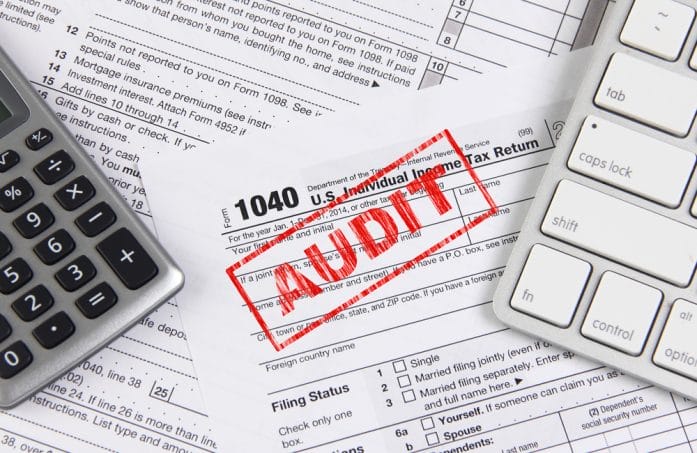
An IRS audit stamp pressed on tax forms – Shutterstock

For years, many middle-income Americans treated IRS audits like lightning strikes—rare, random, and mostly aimed at millionaires with offshore accounts and yachts parked somewhere in Monaco. That assumption no longer matches reality. The IRS has quietly shifted its attention toward taxpayers earning ordinary incomes, and plenty of filers now face extra scrutiny over deductions, side hustle income, and digital payment activity.

That change has rattled households across the country because nobody wants an unexpected letter from the IRS sitting in the mailbox beside grocery coupons and utility bills. A growing number of workers now juggle freelance gigs, online sales, investment apps, and multiple income streams, which creates more opportunities for reporting mistakes. At the same time, the IRS finally gained funding and upgraded technology after years of operating with outdated systems and limited staffing.

The IRS Finally Has More Money and Better Technology

The IRS spent years operating like an old flip phone in a smartphone world. Ancient computer systems forced agents to process mountains of paperwork manually, which slowed enforcement efforts and allowed countless questionable returns to slip through the cracks. New federal funding changed that equation dramatically, and the agency now uses upgraded data analysis tools that identify suspicious tax patterns much faster than before.

That technology especially affects middle-income earners because modern financial life leaves digital breadcrumbs everywhere. Payment apps, online marketplaces, brokerage accounts, and freelance platforms all generate electronic records that the IRS can compare against tax returns in seconds. A taxpayer who forgets to report a few thousand dollars from contract work might assume the omission stays hidden, but automated systems now catch many discrepancies automatically.

The agency also focuses on efficiency because auditing ultra-wealthy taxpayers often requires years of legal battles and specialized investigators. Middle-income audits usually move faster and cost less to complete, which makes them attractive targets when the IRS wants measurable enforcement results. That strategy does not mean the average worker suddenly faces daily audit threats, but it does mean sloppy reporting creates bigger risks than it did five years ago.

Side Hustles and Gig Work Trigger More Red Flags

The rise of gig work completely changed the tax landscape for millions of Americans. Drivers, delivery workers, Etsy sellers, online resellers, influencers, and freelancers often earn money from several sources at once, and many taxpayers struggle to track every payment correctly. The IRS noticed that problem quickly because independent contractor income historically carries higher error rates than traditional W-2 wages.

A middle-income household might include a teacher who tutors online, a mechanic who flips car parts on weekends, or an office worker earning extra cash through food delivery apps. Those income streams often feel informal, especially when payments arrive through apps or direct transfers. Unfortunately, the IRS treats that money exactly like any other taxable income, and missing forms or inaccurate reporting frequently attract attention.

New reporting requirements also increased visibility into these transactions. Third-party payment platforms now send more tax documentation to both taxpayers and the IRS, which creates a clear paper trail. When someone reports less income than the IRS expects based on submitted forms, automated systems can flag the discrepancy almost immediately. That mismatch often triggers notices, requests for clarification, or full audits depending on the size of the difference.

Certain Deductions Raise Audit Odds Fast

Some deductions practically wave giant red flags in front of IRS systems when taxpayers claim amounts that look unusually large compared to their income. Home office deductions, charitable donations, business meal write-offs, and vehicle expenses frequently land in that category. Many middle-income taxpayers accidentally increase audit risk because they rely on rough estimates instead of detailed documentation.

A freelancer earning $65,000 annually who suddenly claims $25,000 in business expenses creates obvious questions for the IRS. The same thing happens when someone reports charitable donations that seem disproportionately high compared to total income. Those situations do not automatically mean fraud occurred, but they often encourage the IRS to take a closer look.

Poor recordkeeping makes everything worse. Taxpayers frequently scramble for receipts months after filing, only to discover incomplete records and missing documentation. The IRS expects organized proof for deductions, especially business-related expenses, and vague explanations rarely satisfy auditors. Strong documentation dramatically lowers stress levels during an audit because taxpayers can quickly verify legitimate claims instead of guessing their way through financial history.

IRS Audit Rates Are Increasing for Middle-Income Earners—Here’s Why
A folder filled with tax deductions – Shutterstock

Crypto and Investment Activity Add More Complexity

Stock trading apps and cryptocurrency platforms introduced millions of Americans to investing, but they also created major tax confusion. Many middle-income earners now buy and sell digital assets without fully realizing how complicated the reporting rules can become. Every sale, exchange, or gain potentially carries tax consequences, and inaccurate reporting often attracts IRS attention.

Cryptocurrency especially frustrates taxpayers because transactions may seem anonymous or disconnected from traditional banking systems. The IRS strongly disagrees with that assumption. Federal agencies increasingly cooperate with crypto exchanges and financial platforms to identify unreported gains and missing income. Tax forms tied to investment accounts now provide the IRS with far more visibility than many traders realize.

Short-term trading creates additional complications because frequent transactions generate complex tax records. Someone who casually trades stocks or crypto throughout the year might accidentally overlook taxable events or miscalculate gains. Those reporting errors can trigger notices even when taxpayers acted honestly. Middle-income investors who once considered themselves too financially ordinary for IRS scrutiny now face the same reporting expectations as seasoned traders.

Small Mistakes Can Snowball Into Bigger Problems

Many taxpayers picture audits as dramatic investigations involving hidden money and criminal activity, but plenty of audits begin with simple mistakes. Math errors, missing forms, inconsistent reporting, and incorrect filing statuses often start the process. Once the IRS identifies discrepancies, agents may expand the review into additional parts of the return.

Middle-income earners sometimes make the situation worse by ignoring IRS letters out of fear or confusion. That approach rarely helps because unresolved issues often grow larger over time through penalties and interest charges. Responding quickly and providing accurate documentation usually leads to smoother outcomes than delaying communication for months.

Tax professionals continue urging taxpayers to slow down during filing season instead of rushing returns at the last minute. Careful review, organized records, and accurate reporting dramatically reduce audit risk. Americans do not need to panic about the IRS hunting every middle-class household, but the days of casual tax reporting and guesswork have clearly started fading away.

Why Smart Tax Preparation Matters More Than Ever

The IRS now operates with sharper tools, broader reporting access, and a growing focus on middle-income compliance. That combination means ordinary taxpayers face greater pressure to file accurate returns, especially when side hustles, investments, and deductions enter the picture. A clean, organized tax return no longer feels optional in today’s environment because even small inconsistencies can trigger unwanted attention.

Could rising IRS audit activity change the way you approach taxes and side hustle income moving forward? Let’s hear your opinions below in the comments.

You May Also Like…

Budgeting For Irregular Income: Freelancers And Gig Workers

The Gig Economy Tax Nightmare: Why So Many Freelancers End Up Owing the IRS

New York’s Rent-Audit Increase: Why More Seniors Are Getting Verification Letters

Tennessee Residents Still Pay Federal Taxes on Investment Income Despite State Changes

Texas Has No Income Tax — But Property Taxes Can Get Close To 2% in Some Areas

Brandon Marcus
Brandon Marcus

Brandon Marcus is a writer who has been sharing the written word since a very young age. His interests include sports, history, pop culture, and so much more. When he isn’t writing, he spends his time jogging, drinking coffee, or attempting to read a long book he may never complete.

Filed Under: Lifestyle Tagged With: income taxes, IRS audits, IRS changes, IRS enforcement, middle-income earners, Personal Finance, Planning, saving money, tax audits, Tax Deductions, tax filing mistakes, tax returns, tax season

Still Haven’t Received Your Refund? Why Some Filers Are Waiting Longer Than Ever

March 30, 2026 by Brandon Marcus Leave a Comment

Still Haven't Received Your Refund? Why Some Filers Are Waiting Longer Than Ever
Image Source: Shutterstock.com

The waiting game has officially become the most frustrating sport of the year. Tax season always promises quick turnarounds and smooth deposits, yet a growing number of filers keep refreshing their bank apps with zero results. The expectation feels simple: file taxes, get refund, move on. Reality, though, looks far messier, and the gap between expectation and outcome has never felt wider.

That delay doesn’t come from thin air. A mix of policy changes, staffing issues, and good old-fashioned human error continues to slow things down behind the scenes. The system hasn’t collapsed, but it definitely feels like it’s limping at times. Knowing what’s actually going on can turn that frustration into something far more useful—control. Because while no one can force a refund to arrive faster overnight, a few smart moves can make a noticeable difference.

Why the “21-Day Refund” Promise Doesn’t Always Hold Up

The well-known 21-day timeline still exists, but it only applies to a specific group of returns that meet strict criteria. Anyone who files electronically, avoids errors, and chooses direct deposit typically lands in that faster lane. The moment anything complicates the return, that timeline starts to stretch. A missing form, a mismatched number, or even a simple typo can push a return out of the automated system and into manual review.

Manual review changes everything. Once a return leaves the automated pipeline, an actual person needs to step in and verify the details. That process takes time, especially when agencies deal with high volumes. Staffing shortages continue to create bottlenecks, which means even minor issues can sit in a queue longer than expected. The system prioritizes accuracy over speed, so delays often reflect caution rather than dysfunction.

Certain tax credits also slow things down by design. Returns that claim credits like the Earned Income Tax Credit or the Additional Child Tax Credit go through extra verification steps. These safeguards aim to prevent fraud, but they also extend processing times for legitimate claims. Filing early doesn’t always guarantee faster results when those credits enter the picture, which catches many people off guard.

Timing matters more than most expect. Submitting a return during peak filing weeks can increase the chance of delays simply due to volume. Early February and late March tend to create heavy traffic, and that surge can overwhelm even a well-functioning system. Choosing a quieter filing window sometimes makes a noticeable difference, especially for those who want to avoid unnecessary slowdowns.

Small Mistakes, Big Delays: What Trips Up Your Return

Tiny errors carry surprisingly large consequences during tax season. A misspelled name or an incorrect Social Security number can trigger an automatic rejection or force manual intervention. These issues sound simple, but they often require verification steps that slow everything down. Double-checking every detail before submitting a return saves more time than any shortcut ever could.

Banking information causes another common headache. Entering the wrong account or routing number doesn’t just delay a refund—it can send it to the wrong place or cause it to bounce back entirely. That mistake creates a chain reaction of corrections that can take weeks to resolve. Accuracy in this section matters just as much as accuracy in income reporting, even though it often gets less attention.

Incomplete forms create another major hurdle. Missing schedules or failing to include required documentation can flag a return for further review. That doesn’t mean the return gets rejected outright, but it does mean the process slows down significantly. Filing software helps catch many of these issues, but it doesn’t catch everything, especially when users skip prompts or rush through sections. Name mismatches between tax returns and official records also create delays that frustrate many filers. A recent name change that hasn’t been updated with the Social Security Administration can trigger a hold. That situation often surprises people who assume their records stay consistent across systems. Taking a moment to confirm that all official documents match can prevent that headache entirely.

What’s Slowing the System Down

The tax system doesn’t operate in a vacuum, and recent years have placed serious pressure on its infrastructure. Staffing shortages continue to impact processing times, especially during peak filing season. Fewer workers handling more returns creates an unavoidable backlog. That reality affects even perfectly filed returns, which explains why some delays feel unpredictable.

Technology also plays its part. While modernization efforts continue, parts of the system still rely on older processes that can’t keep up with today’s volume. Updating those systems takes time, funding, and coordination, so improvements don’t happen overnight. Until those upgrades fully roll out, occasional slowdowns remain part of the landscape.

Fraud prevention measures have also intensified, and that creates a trade-off between speed and security. The system now flags more returns for verification to prevent identity theft and fraudulent claims. That added scrutiny protects taxpayers in the long run, but it also means more returns undergo additional checks. Those checks take time, even when everything looks legitimate. Policy changes and new credits can complicate things further. Whenever new rules enter the mix, the system needs to adapt, and that adjustment period can slow processing. Tax agencies often update procedures mid-season to reflect new legislation, which can create temporary confusion or delays. That doesn’t mean the system breaks—it just means it needs time to catch up.

High filing volumes always create pressure, but recent years have pushed that pressure to new levels. More people file electronically than ever before, which sounds efficient but still requires robust systems to handle the demand. When millions of returns hit the system at once, even small inefficiencies can create noticeable delays.

Smart Moves That Can Actually Speed Things Up

Speeding up a refund starts with preparation, not luck. Gathering all necessary documents before filing reduces the risk of missing information. That includes income forms, deduction records, and any documents tied to tax credits. A complete return moves through the system more smoothly than one that needs follow-up.

E-filing remains the single most effective way to avoid delays. Electronic submissions move faster, face fewer errors, and integrate directly into processing systems. Pairing e-filing with direct deposit creates the fastest possible route from submission to payment. Paper filing, while still available, almost guarantees a longer wait.

Tracking tools also help manage expectations. The IRS “Where’s My Refund?” tool provides updates on processing status, which can reduce uncertainty. Checking that tool once a day offers enough insight without adding unnecessary stress. Constantly refreshing it won’t speed things up, but it can definitely raise frustration levels. Filing early can help, but timing matters. Submitting a return before peak season reduces competition within the system. Late-season filings often face heavier traffic, which increases the chance of delays. Planning ahead and filing during quieter periods can improve turnaround times.

Finally, responding quickly to any IRS notices can keep things moving. If the agency requests additional information, providing it as soon as possible prevents further delays. Ignoring those requests or waiting too long can stall the process even more. Staying proactive turns a potential setback into a manageable step.

Still Haven't Received Your Refund? Why Some Filers Are Waiting Longer Than Ever
Image Source: Shutterstock.com

The Waiting Game Isn’t Random—It’s Fixable

Waiting for a tax refund feels personal, but the reasons behind delays follow clear patterns. Errors, verification checks, and system pressures all play a role, and none of them operate randomly. Understanding those factors makes the process feel less mysterious and far more manageable. A few careful steps can reduce delays, even if they can’t eliminate them entirely.

Control starts with awareness. Filing accurately, choosing electronic options, and staying alert to potential issues can shift the experience in a better direction. That doesn’t guarantee instant results, but it does stack the odds in favor of a smoother process. And when delays do happen, knowing the cause can take some of the edge off that frustration.

So what’s been your experience this year? Still waiting, or did everything arrive right on time? Share what worked, what didn’t, and any strategies that helped speed things up.

You May Also Like…

Retirement Accounts Are Triggering Unexpected Taxes — What Some Investors Overlook

Refunds Are Being Frozen Over Missing Bank Details — And Some Filers Won’t Get Paid for Weeks

Stop Celebrating Your Tax Refund: You Just Gave the Government a Interest-Free Loan

The Verizon $20 Trap: Why That “Outage Refund” Text Message Could Wipe Out Your Bank Account

Are We Allowed to Ask for a Full Refund If Their Performance Sucks?

Brandon Marcus
Brandon Marcus

Brandon Marcus is a writer who has been sharing the written word since a very young age. His interests include sports, history, pop culture, and so much more. When he isn’t writing, he spends his time jogging, drinking coffee, or attempting to read a long book he may never complete.

Filed Under: tax tips Tagged With: filing errors, IRS delays, IRS processing, Personal Finance, refund delays, refund status, refund tracking, tax filing tips, tax refunds, tax returns, tax season 2026, taxes

FOLLOW US

Search this site:

Recent Posts

  • Can My Savings Account Affect My Financial Aid? by Tamila McDonald
  • 12 Ways Gen X’s Views Clash with Millennials… by Tamila McDonald
  • What Advantages and Disadvantages Are There To… by Jacob Sensiba
  • 10 Tactics for Building an Emergency Fund from Scratch by Vanessa Bermudez
  • Call 911: Go To the Emergency Room Immediately If… by Stephen Kanaval
  • 7 Weird Things You Can Sell Online by Tamila McDonald
  • 10 Scary Facts About DriveTime by Tamila McDonald

Copyright © 2026 · News Pro Theme on Genesis Framework