• Home
  • About Us
  • Toolkit
  • Getting Finances Done
    • Hiring Advisors
    • Debt Management
    • Spending Plan
  • Insurance
    • Life Insurance
    • Health Insurance
    • Disability Insurance
    • Homeowners/Renters Insurance
  • Contact Us
  • Privacy Policy
  • Risk Tolerance Quiz

The Free Financial Advisor

You are here: Home / Archives for unemployment benefits

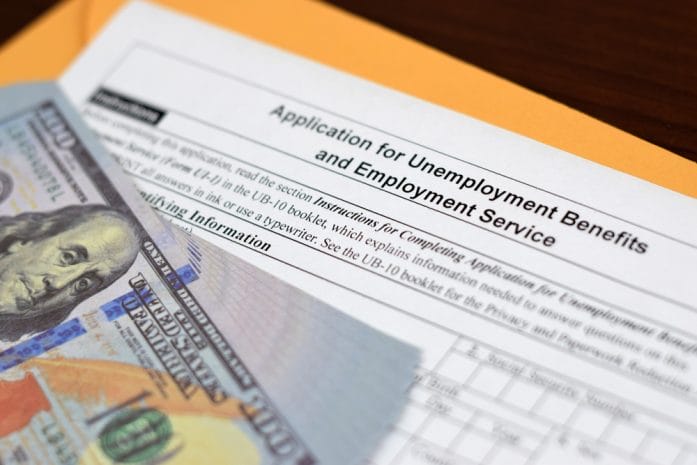
Staffing Cuts Are Slowing Benefit Processing — And Delays Are Growing

April 12, 2026 by Brandon Marcus Leave a Comment

Staffing Cuts Are Slowing Benefit Processing — And Delays Are Growing

Image Source: Shutterstock.com

A system designed to deliver help quickly starts to buckle the moment people disappear from behind the desks. That’s exactly what’s happening right now, and the effects don’t stay hidden for long. Applications stall, phone lines stretch into endless hold music, and decisions that once took weeks now crawl forward at a pace that feels almost frozen. This isn’t a minor hiccup or a one-off glitch. Staffing cuts have carved deep gaps into the very structure that keeps benefit programs running, and those gaps keep widening.

The impact hits harder than most expect because benefit systems rely on people at every step. Someone reviews documents, someone verifies information, someone signs off on decisions, and someone answers questions when things go sideways. Remove enough of those roles, and the entire process slows down like traffic after lanes suddenly close. The frustration builds fast, especially when the need for benefits doesn’t slow down at all.

Fewer Hands, Longer Lines: The Backlog Problem Gets Real

Staffing cuts don’t just trim a workforce—they stretch timelines in ways that ripple through the entire system. Every application that lands on a desk requires attention, and fewer employees mean each person handles a heavier load. That workload doesn’t shrink overnight, and it certainly doesn’t organize itself into neat, manageable piles. Instead, cases stack up, deadlines slide, and the backlog grows into something that feels almost impossible to catch up with. Agencies try to prioritize urgent cases, but that effort often pushes other applications even further back in line.

The backlog problem also feeds on itself, creating a cycle that becomes harder to break over time. Delays cause more follow-ups, more calls, and more confusion, which then demands even more staff time. That extra demand lands on an already stretched workforce, which slows everything down even further. It turns into a loop where every delay creates new delays, and the system struggles to regain its footing. Even well-organized agencies find it difficult to maintain speed when the volume of work simply outpaces the number of people available to handle it.

People waiting on benefits feel the impact immediately, especially when those benefits cover essential needs like housing, food, or medical care. A delay of a few weeks can throw an entire budget off balance, and longer delays can create serious financial strain. That pressure adds urgency to every application, yet the system can’t always respond at the same pace. Understanding this backlog helps explain why timelines stretch far beyond what anyone originally expected. It doesn’t make the wait easier, but it does shine a light on what’s happening behind the scenes.

The Domino Effect: One Delay Triggers Another

A slowdown in one part of the process rarely stays contained. Benefit systems operate like a chain, where each step depends on the one before it. When staffing cuts hit, that chain starts to wobble, and even a small delay at the beginning can throw off everything that follows. Document verification takes longer, eligibility reviews pile up, and final approvals get pushed further down the calendar. Each stage waits on the previous one, and that waiting game stretches timelines across the board.

This domino effect also creates confusion for anyone trying to track the status of an application. A file might sit in one stage longer than expected, then move quickly through another, only to stall again later. That inconsistency makes it difficult to predict when a decision will finally arrive. It also leads to repeated check-ins, which add more pressure to already busy staff. Every call, email, or in-person visit requires attention, and that attention pulls time away from processing applications.

The ripple effect doesn’t stop with individual cases. Entire departments can feel the strain when one area falls behind. For example, a delay in processing initial claims can overwhelm teams responsible for appeals or follow-ups. That spillover spreads the slowdown across multiple parts of the system, making it even harder to catch up. It becomes clear that staffing cuts don’t just reduce capacity—they reshape how the entire process functions, often in ways that create more friction than efficiency.

Why Hiring Isn’t a Quick Fix (Even When It Sounds Like One)

It sounds simple enough: hire more people and solve the problem. But benefit processing doesn’t work like flipping a switch. New employees need training, and that training takes time, especially when programs involve complex rules, detailed documentation, and strict compliance standards. Agencies can’t rush that process without risking errors, and errors can create even bigger delays down the line. Accuracy matters just as much as speed, and balancing the two requires careful planning.

Budget constraints also play a major role in staffing decisions. Agencies often face limits on how many people they can hire, even when the need clearly exists. Those limits can come from funding decisions, policy priorities, or broader economic pressures. As a result, hiring doesn’t always keep pace with demand, and staffing gaps can persist longer than expected. That reality keeps the pressure on existing employees, who continue to manage high workloads without immediate relief.

Retention adds another layer of complexity to the situation. High workloads and constant pressure can lead to burnout, and burnout can push experienced employees to leave. When that happens, agencies lose valuable knowledge and efficiency, which slows things down even more. New hires then step into roles that require time to master, and the cycle continues. Fixing staffing shortages requires more than just adding numbers—it requires stability, support, and a long-term approach that keeps the system running smoothly.

Staffing Cuts Are Slowing Benefit Processing — And Delays Are Growing

Image Source: Shutterstock.com

What Can Actually Help While Delays Keep Growing

While the system works through these challenges, a few smart moves can make a noticeable difference. Staying organized becomes a powerful advantage, especially when dealing with applications that involve multiple documents and deadlines. Keeping copies of everything, tracking submission dates, and noting any communication with agencies can help avoid unnecessary setbacks. That level of preparation can also make follow-ups more effective, since clear records allow for quicker responses.

Submitting complete and accurate information from the start can also reduce the risk of delays. Missing documents or errors often send applications back for corrections, which adds more time to an already slow process. Taking a few extra minutes to double-check everything before submission can prevent that detour. It might not speed up the entire system, but it can keep an application moving without avoidable interruptions.

Exploring alternative support options can also provide some breathing room during long waits. Community programs, local assistance organizations, and temporary resources can help bridge the gap while the benefits process. These options don’t replace official benefits, but they can ease some of the pressure in the meantime. Staying proactive, even in a slow system, can create a sense of control in a situation that often feels out of reach.

A System Under Pressure

Staffing cuts reveal something bigger than just delays—they highlight how much these systems depend on people to function effectively. Automation can help in certain areas, but human oversight remains essential for accuracy, fairness, and decision-making. When that human element shrinks, the system doesn’t just slow down—it struggles to keep up with its core mission. That pressure shows up in longer timelines, increased frustration, and a growing gap between demand and delivery.

At the same time, demand for benefits doesn’t stay static. Economic shifts, job changes, and unexpected events can all increase the number of people seeking assistance. When demand rises while staffing falls, the imbalance becomes impossible to ignore. Agencies work to adapt, but those adjustments take time, and the effects don’t disappear overnight. The situation becomes a balancing act between limited resources and growing needs.

Understanding this bigger picture helps explain why delays persist and why quick fixes rarely solve the problem. It also highlights the importance of long-term planning, investment in staffing, and support for the people who keep these systems running. Without that foundation, the cycle of delays can continue, creating ongoing challenges for everyone involved.

The Waiting Game Isn’t Going Anywhere—So What’s Next?

Benefit processing delays don’t just test patience—they demand strategy, awareness, and a willingness to stay engaged even when the system slows down. Staffing cuts have reshaped timelines in ways that won’t reverse overnight, and that reality calls for a different approach. Staying informed, organized, and proactive can make a meaningful difference, even when the bigger system feels stuck in place. Small actions can create momentum, and that momentum can help navigate a process that often feels frustratingly slow.

Will agencies find ways to rebuild staffing and streamline processes, or will delays continue to stretch even further? And more importantly, what strategies have made a difference in navigating these delays? Drop thoughts, experiences, or insights in the comments.

You May Also Like…

‘I’d Rather Work Until 80’ — Why So Many Los Angeles Employers Say Their Senior Staff Can No Longer Afford to Retire

Why Employers Should Stop Calling Their Staff a ‘Family’

Analyzing The Cares Act And Employee Retention Credit

5 Overlooked Tax Deductions That Could Save You Thousands

Get Peace of Mind: Benefits of Workers’ Compensation Insurance

Brandon Marcus
Brandon Marcus

Brandon Marcus is a writer who has been sharing the written word since a very young age. His interests include sports, history, pop culture, and so much more. When he isn’t writing, he spends his time jogging, drinking coffee, or attempting to read a long book he may never complete.


Filed Under: Lifestyle Tagged With: benefits processing, bureaucracy, claims processing, delays, disability benefits, government services, Planning, public assistance, Social Security, staffing shortages, unemployment benefits, workforce issues

Why Direct Deposit Fails: Banking Errors That Cost You Benefits

April 8, 2026 by Brandon Marcus Leave a Comment

Why Direct Deposit Fails: Banking Errors That Cost You Benefits

Image Source: Shutterstock.com

A deposit that never lands can wreck a perfectly planned week in seconds. Bills stack up, stress spikes, and suddenly a system built for convenience feels anything but reliable. Direct deposit promises speed and simplicity, yet one tiny mismatch or overlooked detail can send that payment spinning into limbo instead of your account. That disconnect leaves people scrambling, confused, and sometimes facing real financial consequences that could have been avoided.

Money systems rely on precision, and direct deposit depends on everything lining up exactly right, from account numbers to timing windows. When something breaks in that chain, the result hits hard and fast.

When Numbers Don’t Match, Money Doesn’t Move

Banks and payment systems do not guess, and they do not improvise when information looks off. A single incorrect digit in an account number or routing number can stop a deposit before it even begins processing. That mistake often sends funds back to the sender, which creates delays that stretch from days into weeks, depending on the institution involved. Many people assume the system will “figure it out,” but automation relies on exact matches, not best guesses. Even something as small as switching two numbers can derail the entire transfer.

Typos do not stand alone as the only issue here, because outdated information causes just as much damage. Switching banks or opening a new account without updating payment details guarantees problems down the line. Employers and government agencies continue sending money to the last known account until someone actively changes it. That gap creates a frustrating cycle where funds bounce back, and reprocessing takes time. Staying proactive with updates prevents that chain reaction and keeps deposits moving exactly where they belong.

Closed Accounts and Frozen Funds: A Silent Disaster

Nothing stops a deposit faster than an account that no longer exists or cannot accept funds. Banks close accounts for many reasons, including inactivity, overdrafts, or customer requests. When that happens, incoming deposits do not just disappear, but they do hit a dead end before returning to the sender. That process rarely happens instantly, which means delays build quickly and create confusion about where the money actually sits.

Frozen accounts create a different kind of headache, especially when banks restrict access due to suspected fraud or verification issues. A deposit might technically arrive, but account holders cannot touch it until the bank lifts the restriction. That situation feels even worse because the money shows up but remains completely unusable. Keeping accounts active, resolving bank notices quickly, and avoiding unresolved overdrafts can prevent these situations from spiraling into full-blown financial disruptions.

Timing Isn’t Everything… But It’s Close

Direct deposit does not operate on a magical instant-transfer system, even though it often feels that way. Payment schedules depend on processing windows, banking hours, and federal holidays. Missing a cutoff time can push a deposit into the next processing cycle, which adds unexpected delays. That timing issue becomes especially important for benefits like Social Security or unemployment payments, where schedules follow strict calendars.

Holidays can quietly shift expectations and catch people off guard. Banks close, processing pauses, and deposits scheduled for those days often move to the next business day. That shift may sound minor, but it can throw off bill payments or automatic withdrawals. Planning around known holidays and understanding deposit timing helps avoid unnecessary panic when funds do not appear exactly when expected.

Name Games: Why Identity Details Matter More Than You Think

Names carry more weight in banking systems than most people realize. A mismatch between the name on a bank account and the name on a payment record can cause a deposit to fail or trigger additional verification steps. This issue often pops up after major life changes like marriage, divorce, or legal name updates. Even small differences, such as missing middle initials or suffixes, can create complications.

Financial institutions use identity matching to prevent fraud, and they take that responsibility seriously. When systems flag inconsistencies, they pause transactions rather than risk sending money to the wrong person. Updating records across all platforms—banks, employers, and benefit agencies—keeps everything aligned and reduces the chance of delays. Consistency acts as the glue that holds direct deposit systems together.

Government Benefits and Extra Layers of Verification

Government payments add another layer of complexity to direct deposit systems. Programs like Social Security, disability benefits, and unemployment insurance follow strict verification rules to ensure funds reach the correct recipient. That extra scrutiny protects against fraud but also increases the chance of delays when information does not match perfectly. A small discrepancy can trigger reviews that slow everything down.

Changes in eligibility or account status can also interrupt payments. If a benefits agency needs additional documentation or detects a potential issue, it may pause deposits until the situation clears up. Staying on top of notifications and responding quickly to requests can prevent long delays. Keeping documentation organized and up to date makes it easier to handle any verification checks that come up.

Simple Habits That Keep Deposits Flowing Smoothly

Avoiding direct deposit problems does not require expert-level financial knowledge, but it does demand attention to detail. Double-checking account and routing numbers before submitting them eliminates one of the most common causes of failure. Setting reminders to update banking information after any change ensures that payments do not head toward outdated accounts. These small steps create a strong foundation for reliable deposits.

Monitoring bank accounts regularly helps catch issues early, before they grow into bigger problems. Many banks offer alerts for incoming deposits, account changes, and unusual activity, which provide an extra layer of awareness. Acting quickly when something looks off can speed up resolution and reduce stress. Building these habits turns direct deposit from a gamble into a dependable system that works exactly as intended.

Why Direct Deposit Fails: Banking Errors That Cost You Benefits

Image Source: Shutterstock.com

Control the Details, Protect the Money

Direct deposit failures do not come out of nowhere, even though they often feel sudden and unfair. Most problems trace back to details that slipped through the cracks, whether that involves incorrect numbers, outdated accounts, or mismatched information. Taking control of those details shifts the odds dramatically in favor of smooth, reliable payments. Staying organized, checking information carefully, and responding quickly to any issues creates a system that works instead of one that surprises.

What strategies have worked best for keeping payments on track, and what lessons came from past deposit headaches? Share those insights and experiences in the comments, because real-world tips often make the biggest difference.

You May Also Like…

Direct Deposit Refunds Are Being Returned by Banks When Names Don’t Match the Account

10 Documents That Should Be Locked Away in a Safety Deposit Box

Biometric Banking and the Rise of Fraud Concerns in 2026

Banks Are Reversing Certain Deposits — Why Some Customers Are Losing Access to Funds

Understanding the Concept of Minimum Deposit Across Various Industries

Brandon Marcus
Brandon Marcus

Brandon Marcus is a writer who has been sharing the written word since a very young age. His interests include sports, history, pop culture, and so much more. When he isn’t writing, he spends his time jogging, drinking coffee, or attempting to read a long book he may never complete.

Filed Under: Banking Tagged With: ACH transfers, bank account issues, banking errors, direct deposit, Financial Tips, government benefits, money management, payment delays, payment troubleshooting, Social Security, SSI, unemployment benefits

6 Government Benefit Checks That Could Be Delayed Under New Fraud Reviews

March 30, 2026 by Brandon Marcus Leave a Comment

6 Government Benefit Checks That Could Be Delayed Under New Fraud Reviews

Image Source: Shutterstock.com

The words “payment delay” hit differently when bills sit on the kitchen counter and due dates refuse to move. New fraud review systems promise tighter security, but they also bring a wave of uncertainty for millions who rely on steady government support. The goal sounds simple enough—stop fraud before it drains public funds—but the ripple effects could reach far beyond the people trying to game the system.

This shift does not creep in quietly. Agencies across the board now lean harder into verification checks, identity confirmations, and cross-referenced data systems that slow down processing times. That means some benefit payments could take longer to arrive, even for those who follow every rule and file everything correctly.

1. Social Security Payments Could Hit Unexpected Speed Bumps

Social Security payments anchor the financial stability of millions, which makes any hint of delay feel like a major disruption rather than a minor inconvenience. Fraud reviews now require additional identity verification checks, especially when accounts show recent updates or changes in banking details. Even small edits, like updating an address or switching direct deposit accounts, can trigger extra scrutiny that slows down payment processing. These reviews aim to catch suspicious activity early, but they also place legitimate claims under a microscope.

That extra layer of verification may stretch processing times beyond the usual schedule, particularly during peak periods or after policy updates. People who rely on these payments for essentials like rent, groceries, and medication could feel the pressure quickly if delays pop up. Staying proactive helps reduce risk, so keeping account details accurate and avoiding last-minute changes can make a difference. Setting up alerts and checking account status regularly adds another layer of control. When systems move more slowly, preparation becomes the strongest tool available.

2. Unemployment Benefits Face More Intensive Screening

Unemployment benefits already come with layers of paperwork, but new fraud prevention measures raise the bar even higher. Agencies now cross-check employment records, wage data, and identity details more aggressively, which can stretch approval timelines. Claims that once moved quickly may now sit in review longer, especially if discrepancies show up in reported income or job separation details. Even minor mismatches can send a claim into a deeper review cycle.

These changes aim to reduce fraudulent claims that surged in recent years, but they also increase friction for legitimate applicants. Filing claims accurately and providing complete documentation from the start can help avoid unnecessary delays. Keeping records of past employment, pay stubs, and termination details ready to upload can speed things along. Consistency matters more than ever, so double-checking every entry before submission becomes essential. When reviews tighten, accuracy becomes the fastest path forward.

3. Disability Payments Could See Longer Verification Times

Disability benefits depend heavily on documentation, and fraud reviews now demand even more thorough validation of medical and personal records. Agencies may request additional proof or re-evaluate existing files more frequently, especially if something appears inconsistent or outdated. That added scrutiny can slow down both new applications and ongoing payments. Reviews that once occurred periodically may now happen more often, adding another layer of uncertainty.

People receiving disability payments often rely on predictable timelines, so any disruption can create immediate challenges. Staying ahead of documentation requirements can help reduce delays, particularly when medical records remain current and complete. Regularly updating information and responding quickly to requests can keep the process moving. Communication plays a key role here, since missed notices or incomplete responses can extend review times significantly. When the system asks for more proof, quick action keeps things from stalling.

6 Government Benefit Checks That Could Be Delayed Under New Fraud Reviews

Image Source: Shutterstock.com

4. Tax Credits and Refunds May Take Longer to Arrive

Tax season already tests patience, but fraud checks now stretch that waiting game even further. Credits like the Earned Income Tax Credit and Child Tax Credit often trigger additional reviews because they involve larger payouts and higher fraud risk. The system may flag returns for identity verification or income confirmation, especially if something changes from previous filings. Even accurate returns can land in review simply due to updated fraud detection algorithms.

That means refunds may take weeks longer than expected, which can disrupt plans that depend on that money. Filing early, using consistent information, and avoiding errors can reduce the chance of a delay. Electronic filing and direct deposit still offer the fastest routes, even with added checks in place. Keeping documentation handy in case verification becomes necessary can also prevent further setbacks. When timing matters, preparation turns into a powerful advantage.

5. SNAP and Food Assistance Programs Under Closer Watch

Food assistance programs like SNAP now face increased oversight as agencies work to prevent misuse. Verification processes may include stricter income checks, household composition reviews, and periodic eligibility confirmations. These steps can delay approvals for new applicants and slow down benefit renewals for existing participants. Even routine updates can trigger additional reviews that extend processing timelines.

For households that rely on these benefits for daily meals, delays can create immediate stress. Keeping records updated and reporting changes promptly can help minimize interruptions. Submitting renewal applications early provides extra time for any unexpected reviews. Staying organized with documentation like pay stubs and household details can also speed up the process if verification requests appear. When systems tighten, staying one step ahead becomes essential for maintaining consistent support.

6. Stimulus-Style Payments Could Get Extra Scrutiny

Whenever governments issue large-scale payments, fraud prevention moves front and center, and that focus brings added review layers. Stimulus-style payments, rebates, or emergency financial assistance programs often attract strict verification processes to ensure funds reach the right people. That can slow down distribution, especially when agencies cross-check eligibility against multiple data sources. Even small discrepancies in records can trigger delays that push payments further down the timeline.

These programs usually aim to deliver quick relief, but fraud checks can stretch that timeline unexpectedly. Ensuring tax filings, income records, and personal information stay consistent across systems can help reduce complications. Responding quickly to any verification requests can also prevent further delays. While the goal remains to protect funds, the process often demands patience from those waiting for assistance. Planning ahead for possible delays can ease some of that uncertainty.

Stay Ready, Stay Informed, & Stay One Step Ahead

Fraud prevention efforts bring a clear goal—protect public funds—but they also introduce real-world challenges for anyone relying on government benefits. Delays may not hit every payment, but the possibility now sits firmly on the table across multiple programs. That reality makes preparation more important than ever, especially when timing affects daily life. Keeping records updated, filing accurately, and responding quickly to requests can make a noticeable difference when reviews tighten.

What strategies have worked to keep payments on track, or what concerns stand out most about these new reviews? Let’s hear your thoughts, tips, or experiences in the comments.

You May Also Like…

Charity Strategy: 9 Giving Moves That Bring Tax Benefits Many People Ignore

6 Smart Strategies for Maximizing HSA Benefits Exponentially

Insurance Costs Are Quietly Reshaping Where Americans Can Live — And Some Are Being Priced Out

5 Subtle Estate-Tax Traps the Government Quietly Introduced

9 Benefits You Lose As An Independent Contractor

Brandon Marcus
Brandon Marcus

Brandon Marcus is a writer who has been sharing the written word since a very young age. His interests include sports, history, pop culture, and so much more. When he isn’t writing, he spends his time jogging, drinking coffee, or attempting to read a long book he may never complete.

Filed Under: Lifestyle Tagged With: benefits delays, delayed payments, disability payments, fraud checks, government benefits, income support, Planning, public assistance, Social Security, stimulus checks, tax credits, unemployment benefits

FOLLOW US

Search this site:

Recent Posts

  • Can My Savings Account Affect My Financial Aid? by Tamila McDonald
  • 12 Ways Gen X’s Views Clash with Millennials… by Tamila McDonald
  • What Advantages and Disadvantages Are There To… by Jacob Sensiba
  • Call 911: Go To the Emergency Room Immediately If… by Stephen Kanaval
  • 10 Tactics for Building an Emergency Fund from Scratch by Vanessa Bermudez
  • 7 Weird Things You Can Sell Online by Tamila McDonald
  • 10 Scary Facts About DriveTime by Tamila McDonald

Copyright © 2026 · News Pro Theme on Genesis Framework