
The waiting game has officially become the most frustrating sport of the year. Tax season always promises quick turnarounds and smooth deposits, yet a growing number of filers keep refreshing their bank apps with zero results. The expectation feels simple: file taxes, get refund, move on. Reality, though, looks far messier, and the gap between expectation and outcome has never felt wider.
That delay doesn’t come from thin air. A mix of policy changes, staffing issues, and good old-fashioned human error continues to slow things down behind the scenes. The system hasn’t collapsed, but it definitely feels like it’s limping at times. Knowing what’s actually going on can turn that frustration into something far more useful—control. Because while no one can force a refund to arrive faster overnight, a few smart moves can make a noticeable difference.
Why the “21-Day Refund” Promise Doesn’t Always Hold Up
The well-known 21-day timeline still exists, but it only applies to a specific group of returns that meet strict criteria. Anyone who files electronically, avoids errors, and chooses direct deposit typically lands in that faster lane. The moment anything complicates the return, that timeline starts to stretch. A missing form, a mismatched number, or even a simple typo can push a return out of the automated system and into manual review.
Manual review changes everything. Once a return leaves the automated pipeline, an actual person needs to step in and verify the details. That process takes time, especially when agencies deal with high volumes. Staffing shortages continue to create bottlenecks, which means even minor issues can sit in a queue longer than expected. The system prioritizes accuracy over speed, so delays often reflect caution rather than dysfunction.
Certain tax credits also slow things down by design. Returns that claim credits like the Earned Income Tax Credit or the Additional Child Tax Credit go through extra verification steps. These safeguards aim to prevent fraud, but they also extend processing times for legitimate claims. Filing early doesn’t always guarantee faster results when those credits enter the picture, which catches many people off guard.
Timing matters more than most expect. Submitting a return during peak filing weeks can increase the chance of delays simply due to volume. Early February and late March tend to create heavy traffic, and that surge can overwhelm even a well-functioning system. Choosing a quieter filing window sometimes makes a noticeable difference, especially for those who want to avoid unnecessary slowdowns.
Small Mistakes, Big Delays: What Trips Up Your Return
Tiny errors carry surprisingly large consequences during tax season. A misspelled name or an incorrect Social Security number can trigger an automatic rejection or force manual intervention. These issues sound simple, but they often require verification steps that slow everything down. Double-checking every detail before submitting a return saves more time than any shortcut ever could.
Banking information causes another common headache. Entering the wrong account or routing number doesn’t just delay a refund—it can send it to the wrong place or cause it to bounce back entirely. That mistake creates a chain reaction of corrections that can take weeks to resolve. Accuracy in this section matters just as much as accuracy in income reporting, even though it often gets less attention.
Incomplete forms create another major hurdle. Missing schedules or failing to include required documentation can flag a return for further review. That doesn’t mean the return gets rejected outright, but it does mean the process slows down significantly. Filing software helps catch many of these issues, but it doesn’t catch everything, especially when users skip prompts or rush through sections. Name mismatches between tax returns and official records also create delays that frustrate many filers. A recent name change that hasn’t been updated with the Social Security Administration can trigger a hold. That situation often surprises people who assume their records stay consistent across systems. Taking a moment to confirm that all official documents match can prevent that headache entirely.
What’s Slowing the System Down
The tax system doesn’t operate in a vacuum, and recent years have placed serious pressure on its infrastructure. Staffing shortages continue to impact processing times, especially during peak filing season. Fewer workers handling more returns creates an unavoidable backlog. That reality affects even perfectly filed returns, which explains why some delays feel unpredictable.
Technology also plays its part. While modernization efforts continue, parts of the system still rely on older processes that can’t keep up with today’s volume. Updating those systems takes time, funding, and coordination, so improvements don’t happen overnight. Until those upgrades fully roll out, occasional slowdowns remain part of the landscape.
Fraud prevention measures have also intensified, and that creates a trade-off between speed and security. The system now flags more returns for verification to prevent identity theft and fraudulent claims. That added scrutiny protects taxpayers in the long run, but it also means more returns undergo additional checks. Those checks take time, even when everything looks legitimate. Policy changes and new credits can complicate things further. Whenever new rules enter the mix, the system needs to adapt, and that adjustment period can slow processing. Tax agencies often update procedures mid-season to reflect new legislation, which can create temporary confusion or delays. That doesn’t mean the system breaks—it just means it needs time to catch up.
High filing volumes always create pressure, but recent years have pushed that pressure to new levels. More people file electronically than ever before, which sounds efficient but still requires robust systems to handle the demand. When millions of returns hit the system at once, even small inefficiencies can create noticeable delays.
Smart Moves That Can Actually Speed Things Up
Speeding up a refund starts with preparation, not luck. Gathering all necessary documents before filing reduces the risk of missing information. That includes income forms, deduction records, and any documents tied to tax credits. A complete return moves through the system more smoothly than one that needs follow-up.
E-filing remains the single most effective way to avoid delays. Electronic submissions move faster, face fewer errors, and integrate directly into processing systems. Pairing e-filing with direct deposit creates the fastest possible route from submission to payment. Paper filing, while still available, almost guarantees a longer wait.
Tracking tools also help manage expectations. The IRS “Where’s My Refund?” tool provides updates on processing status, which can reduce uncertainty. Checking that tool once a day offers enough insight without adding unnecessary stress. Constantly refreshing it won’t speed things up, but it can definitely raise frustration levels. Filing early can help, but timing matters. Submitting a return before peak season reduces competition within the system. Late-season filings often face heavier traffic, which increases the chance of delays. Planning ahead and filing during quieter periods can improve turnaround times.
Finally, responding quickly to any IRS notices can keep things moving. If the agency requests additional information, providing it as soon as possible prevents further delays. Ignoring those requests or waiting too long can stall the process even more. Staying proactive turns a potential setback into a manageable step.
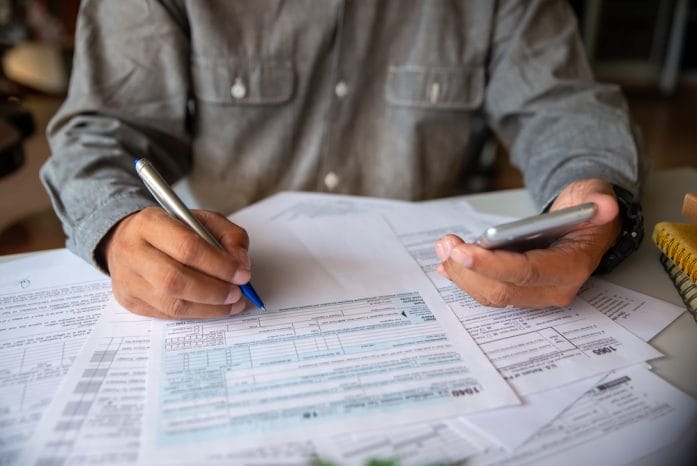
The Waiting Game Isn’t Random—It’s Fixable
Waiting for a tax refund feels personal, but the reasons behind delays follow clear patterns. Errors, verification checks, and system pressures all play a role, and none of them operate randomly. Understanding those factors makes the process feel less mysterious and far more manageable. A few careful steps can reduce delays, even if they can’t eliminate them entirely.
Control starts with awareness. Filing accurately, choosing electronic options, and staying alert to potential issues can shift the experience in a better direction. That doesn’t guarantee instant results, but it does stack the odds in favor of a smoother process. And when delays do happen, knowing the cause can take some of the edge off that frustration.
So what’s been your experience this year? Still waiting, or did everything arrive right on time? Share what worked, what didn’t, and any strategies that helped speed things up.
You May Also Like…
Retirement Accounts Are Triggering Unexpected Taxes — What Some Investors Overlook
Refunds Are Being Frozen Over Missing Bank Details — And Some Filers Won’t Get Paid for Weeks
Stop Celebrating Your Tax Refund: You Just Gave the Government a Interest-Free Loan
The Verizon $20 Trap: Why That “Outage Refund” Text Message Could Wipe Out Your Bank Account
Are We Allowed to Ask for a Full Refund If Their Performance Sucks?

Brandon Marcus is a writer who has been sharing the written word since a very young age. His interests include sports, history, pop culture, and so much more. When he isn’t writing, he spends his time jogging, drinking coffee, or attempting to read a long book he may never complete.

