
• Home
  • About Us
  • Toolkit
  • Getting Finances Done
    • Hiring Advisors
    • Debt Management
    • Spending Plan
  • Insurance
    • Life Insurance
    • Health Insurance
    • Disability Insurance
    • Homeowners/Renters Insurance
  • Contact Us
  • Risk Tolerance Quiz
  • Our Editorial Commitment

The Free Financial Advisor

You are here: Home / Archives for housing crisis

California Seniors Face Insurance Renewal Shock as Housing and Utility Costs Continue Climbing

May 21, 2026 by Brandon Marcus Leave a Comment

California Seniors Face Insurance Renewal Shock as Housing and Utility Costs Continue Climbing
California is a great place for seniors to retire but insuanrce prices are eye-popping – Shutterstock

Retirement in California continues to feel less like a fixed chapter and more like a moving target. Seniors across the state now open insurance renewal notices and immediately notice steep jumps that disrupt carefully planned budgets. Many households that once felt stable now face sudden monthly increases that force tough financial choices. Housing expenses continue to climb at the same time, leaving less breathing room for essentials like food, transportation, and medical care. Utility companies also keep adjusting rates upward, adding even more pressure to already stretched incomes.

This combination creates a financial squeeze that does not ease up with time. Seniors who rely on Social Security or fixed pensions often struggle to match income with rapidly rising expenses. Insurance renewals, in particular, have become a major shock point because increases often arrive without much warning. Families and caregivers now step in more frequently to help cover gaps or reorganize budgets. The situation reflects a broader affordability challenge that continues reshaping retirement life in the state.

Insurance Renewal Shock Hits California Seniors Hard

Insurance renewal notices across California now deliver some of the most stressful financial moments for seniors. Homeowners and renters alike report sharp premium increases that sometimes climb by double-digit percentages within a single year. Many insurance carriers point to rising wildfire risks, higher construction costs, and inflation-driven claim expenses as key reasons behind the adjustments. Seniors on fixed incomes feel these changes immediately because they rarely have room to absorb unexpected increases. A once-manageable monthly premium now competes directly with groceries, prescriptions, and transportation costs.

Some seniors respond by reducing coverage or increasing deductibles, but those choices introduce new risks. Others shop aggressively for alternative providers, yet find fewer affordable options available in high-risk regions. Insurance brokers across California note that older homeowners often feel stuck between rising premiums and limited market availability. Budget planning becomes more complicated as renewal dates approach, especially when multiple policies increase at the same time. The result creates ongoing financial uncertainty that disrupts long-term retirement stability.

Housing Costs Continue to Drain Fixed Retirement Incomes

Housing expenses in California continue to climb, placing steady pressure on seniors who remain in long-term homes or rental units. Property taxes, maintenance costs, and rent increases often rise faster than retirement income adjustments. Many seniors who expected lower expenses after retirement now face the reality of staying in high-cost housing markets. Even homeowners without mortgages still deal with rising insurance, repairs, and utility-linked housing costs. The overall cost of keeping a roof overhead continues to grow year after year.

Downsizing sounds like a logical solution, but the housing market complicates that option. Smaller homes or senior-friendly units often carry price tags that surprise retirees expecting relief. Relocation also brings emotional and financial challenges, including moving expenses and higher rental rates in some smaller communities. Seniors who stay put frequently redirect funds from other essential categories just to maintain housing stability. This ongoing pressure makes housing one of the biggest drivers of financial strain in retirement.

Utility Bills Add Another Layer of Financial Strain

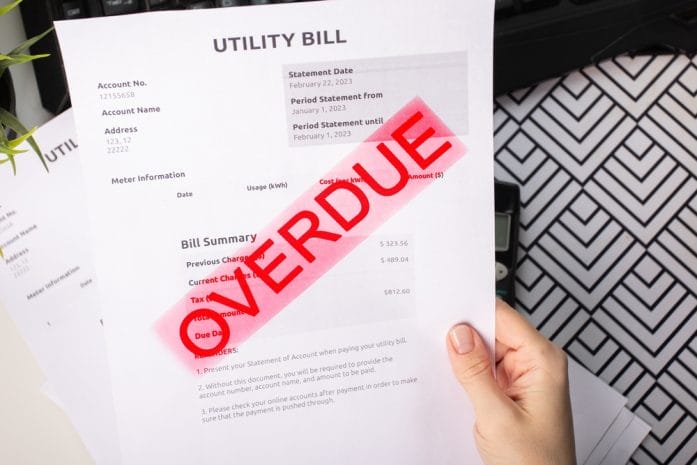
Utility costs in California continue to rise, and seniors feel the impact each month when electricity, water, and gas bills arrive. Energy providers cite infrastructure upgrades, climate-related demand, and supply costs as reasons behind higher rates. Air conditioning use during hotter months creates especially noticeable spikes in electricity bills. Seniors who spend more time at home often experience higher baseline usage compared to working-age households. That reality turns utilities into a consistent and unavoidable expense category that keeps expanding.

Some seniors attempt to reduce costs by adjusting thermostats, limiting appliance use, or installing energy-efficient upgrades. However, upfront costs for upgrades often feel out of reach for households already struggling with insurance and housing increases. Water bills also rise in many areas due to conservation pricing structures and local infrastructure investments. Even small increases across multiple utility categories combine into significant monthly budget changes. These compounding expenses leave fewer financial buffers for emergencies or unexpected medical costs.
California Seniors Face Insurance Renewal Shock as Housing and Utility Costs Continue Climbing
Utility bills are hurting California seniors in the pocketbook, along with insurance renewals – Shutterstock

Why Insurance Premiums Keep Rising Across the State

Insurance companies continue adjusting premiums upward due to a combination of environmental and economic pressures. Wildfire frequency and severity across California create higher risk exposure that insurers factor into pricing models. Inflation also raises the cost of rebuilding homes, replacing vehicles, and processing claims, which directly affects premium calculations. Reinsurance costs, which insurers pay to protect themselves from large-scale losses, continue climbing as well. All these factors work together to push renewal prices higher for consumers.

Regulatory changes and regional risk assessments also influence how insurers structure coverage in different counties. High-risk zones often see fewer providers, which reduces competition and contributes to higher pricing. Seniors who live in long-established homes sometimes feel particularly affected because their properties sit in areas now classified as higher risk than in previous decades. Insurance markets respond quickly to new data, but consumers often experience the financial impact immediately. This gap between risk modeling and household affordability creates ongoing tension for retirees.

Smart Cost Strategies Offer Relief Amid Rising Expenses

Seniors across California increasingly look for practical strategies to manage rising insurance, housing, and utility costs. Many review insurance policies annually to compare coverage levels and identify possible discounts tied to bundling or safety upgrades. Local assistance programs sometimes help offset utility bills, especially for low-income retirees who qualify for energy support. Budget restructuring also plays a key role as seniors prioritize essential expenses and reduce discretionary spending. Financial advisors often recommend building small emergency buffers even during tight income periods.

Community resources and senior advocacy organizations also provide guidance on cost-saving opportunities that many households overlook. Some retirees explore shared housing or cooperative living arrangements to reduce housing pressure without leaving familiar communities. Energy efficiency improvements, even small ones like LED lighting or improved insulation, help reduce long-term utility expenses. Careful planning around renewal dates for insurance policies helps prevent surprise budget disruptions. These combined strategies create more stability, even in an environment where costs continue to rise.

The Reality Behind California’s Retirement Cost Crunch

California seniors now navigate a financial landscape shaped by rising insurance renewals, housing pressure, and increasing utility costs. Each category alone presents challenges, but together they create a compounding effect that strains even well-planned retirement budgets. Many households now adjust spending monthly instead of yearly just to stay ahead of changes. Financial resilience depends more on flexibility and awareness than ever before. The situation continues evolving, but seniors who track costs closely and explore available support options gain more control over their financial stability.

What changes would make retirement more sustainable where cost pressures keep rising?

You May Also Like…

Florida Seniors Could See a 3.9% Social Security COLA in 2027 — But Energy Bills Are Rising Even Faster

Texas Retirees: Property Insurance Premiums Rose Over 20% in Some Counties Last Year — Here’s What Seniors Are Cutting to Keep Up

Common Meds That Could Knock You Off Balance: Dangerous Drugs Seniors Should Avoid or Use With Caution

Life Insurance Policies Can Lose Value Due to Rising Internal Costs

California Prop 19 Alert: Why Heirs Are Receiving Supplemental Property Tax Bills

Brandon Marcus
Brandon Marcus

Brandon Marcus is a writer who has been sharing the written word since a very young age. His interests include sports, history, pop culture, and so much more. When he isn’t writing, he spends his time jogging, drinking coffee, or attempting to read a long book he may never complete.


Filed Under: Lifestyle Tagged With: California seniors, Cost of living, housing crisis, inflation impact, insurance premiums, retirement budgeting, senior finances, utility bills

The Rent Cap Shift: Why Oregon and California Landlords Are Issuing New Notices

May 2, 2026 by Brandon Marcus Leave a Comment

The Rent Cap Shift: Why Oregon and California Landlords Are Issuing New Notices
Image Source: Pexels.com

Rent notices are landing in mailboxes with more urgency than usual, and tenants across Oregon and California feel the ripple effects. Landlords adjust their strategies as rent cap rules tighten, reset, or evolve under state housing laws.

These changes do not just tweak numbers on a lease; they reshape how rental markets operate month to month. Every new notice reflects a broader shift in how states try to balance affordability with property costs. That tension now shows up in very real ways for both renters and property owners.

Why Rent Cap Rules Are Suddenly Back in the Spotlight

Rent control laws rarely sit quietly in the background, but recent adjustments pushed them into everyday conversation again. Rising insurance costs, property taxes, and maintenance expenses pushed landlords to reassess pricing within legal limits. At the same time, tenants feel squeezed as wages struggle to match housing costs in many metro areas. That collision of pressures creates a wave of formal rent increase notices timed to stay compliant with state caps. Both Oregon and California now sit at the center of this recalibration.

Oregon’s rent stabilization framework limits annual increases based on inflation plus a set percentage, which resets every year. California’s AB 1482 also caps rent hikes for covered properties, forcing landlords to plan more strategically instead of reacting freely to market spikes. These laws do not eliminate increases, but they slow and structure them in ways that require precise timing. Landlords now send notices earlier and more frequently to avoid missing allowable windows. That shift explains why tenants suddenly see more paperwork even when changes feel predictable.

What Oregon’s Rent Stabilization Rules Mean for Notices

Oregon’s rent cap system ties increases to inflation, which means landlords must watch economic indicators closely before adjusting rent. The law typically allows annual increases up to a combined percentage cap, which changes based on CPI calculations. Property owners now issue notices well in advance because timing mistakes can invalidate an increase entirely. Tenants often receive structured letters explaining exact percentages, effective dates, and compliance references. That level of detail reflects how strictly Oregon enforces its rental framework.

Landlords in Oregon also adjust their portfolios differently than before the cap system matured. Many stagger rent increases across units to avoid hitting limits all at once and losing revenue flexibility. Others invest more in upgrades that justify legal increases without crossing regulatory thresholds. Tenants notice these shifts through more frequent communication and clearer documentation in their leases. The entire system now runs on predictability rather than sudden market-driven jumps.

The Rent Cap Shift: Why Oregon and California Landlords Are Issuing New Notices
Image Source: Shutterstock.com

How California Landlords Navigate AB 1482 Adjustments

California’s AB 1482 rent cap law continues to shape one of the most closely watched rental markets in the country. The law generally limits annual rent increases for covered properties, often tying them to inflation plus a fixed margin. Landlords respond by carefully timing increases and reviewing exemption categories that might apply to specific units. Every notice must follow strict formatting rules to remain enforceable under state law. That requirement turns simple rent adjustments into legally structured communications.

Many California landlords now plan increases years in advance instead of reacting annually. They evaluate tenant turnover risk, renovation schedules, and inflation forecasts before sending any notice. Tenants often see these increases arrive like clockwork rather than surprise jumps, even when the numbers feel steep. The predictability comes from compliance pressure, not market stability. That distinction explains why notices feel more frequent even when increases remain legally capped.

Why Tenants Are Seeing More Surprise Letters in the Mail

Mailboxes across both states now carry more official rent-related notices than in previous years. Landlords send these documents earlier to meet strict notification timelines required by law. Tenants often open them expecting small adjustments but sometimes encounter detailed breakdowns of allowable increases. The language feels formal because laws demand precision, not because landlords want to create confusion. That formality contributes to the perception of sudden changes.

Communication volume also increased because landlords now separate notices for different legal reasons. One letter may explain a CPI-based adjustment, while another outlines lease renewal terms or property cost changes. Tenants interpret this flow as instability, even when rules drive the structure behind it. Property managers rely on documentation to avoid disputes or legal challenges. That creates a paper trail that feels heavier than past rental cycles.

What This Rent Cap Shift Signals for the Months Ahead

The current wave of rent notices signals a housing market adjusting to tighter legal frameworks and persistent cost pressures. Oregon and California continue refining rules that aim to slow rent growth without freezing it completely. Landlords respond by becoming more proactive, more precise, and more documentation-heavy in every decision. Tenants feel the difference through more frequent communication and clearer but more complex notices. The entire rental ecosystem now operates with less surprise but more structure.

Rent cap laws keep changing how people experience housing stability, but do these new rules make renting feel more predictable or more complicated in the long run? Give us your opinion in our comments below.

You May Also Like…

The Rental Car Insurance Mistake That Can Cost You a Fortune

The 2026 Housing Shift: Why Renting May Make More Financial Sense Right Now

7 Outrageous Costs Hidden in Apartment Leases

Why Banks Are Quietly Reducing Cash Withdrawal Limits in California, New York, Texas, Florida, and Illinois

10 Retirement States That No Longer Cater to Retirees

Brandon Marcus
Brandon Marcus

Brandon Marcus is a writer who has been sharing the written word since a very young age. His interests include sports, history, pop culture, and so much more. When he isn’t writing, he spends his time jogging, drinking coffee, or attempting to read a long book he may never complete.

Filed Under: Lifestyle Tagged With: AB 1482, affordable housing, California housing, CPI rent limits, eviction laws, housing crisis, landlord news, Oregon housing, real estate trends, rent cap, rent control, rent increase notices, rental market, tenant rights

The “Forever Home” Problem — Why More Homeowners Are Getting Stuck in Houses That No Longer Fit

March 29, 2026 by Brandon Marcus Leave a Comment

The “Forever Home” Problem — Why More Homeowners Are Getting Stuck in Houses That No Longer Fit
Image Source: Pexels.com

The dream sold itself as simple and satisfying: find the perfect house, settle in, and stay forever. That idea still sounds comforting, like a warm blanket wrapped around stability and success. But the reality looks very different in 2026, and it’s getting messier by the month. A growing number of homeowners now sit in homes that no longer fit their lives, their families, or their finances, yet they feel completely unable to leave. The so-called “forever home” has quietly turned into something else entirely—a long-term trap with no easy exit.

This situation doesn’t come from one single cause, and it doesn’t affect just one type of household. It shows up in growing families squeezed into tight spaces, empty nesters rattling around in oversized houses, and remote workers stuck in layouts that suddenly feel all wrong. People don’t stay because they want to—they stay because moving feels like a financial and logistical nightmare.

The Mortgage Lock-In Effect Is Freezing People in Place

Interest rates have rewritten the rules of homeownership, and they’ve done it fast. Millions of homeowners locked in ultra-low mortgage rates during the early 2020s, and those rates now look like rare collector’s items. Today’s rates sit significantly higher, which means moving often comes with a painful trade-off. A homeowner might sell a perfectly good house, only to take on a much higher monthly payment for something similar—or even smaller. That reality alone stops people in their tracks before they even call a real estate agent.

This “lock-in effect” has created a strange kind of gridlock across the housing market. People who want to move simply don’t list their homes, which reduces inventory and drives prices even higher for everyone else. Buyers feel frustrated, sellers feel stuck, and the entire system slows down. Even homeowners who need more space or want to downsize hesitate because the math just doesn’t work in their favor. A decision that once felt exciting now feels like a financial gamble, and most people don’t feel eager to roll those dice.

Smart homeowners have started to look for creative ways around this problem instead of forcing a move that doesn’t make sense. Some choose to renovate instead of relocate, turning basements into living spaces or adding extensions to accommodate growing families. Others explore renting out part of their home to offset rising costs, which can ease financial pressure without requiring a full move. While these options don’t solve everything, they at least offer some flexibility in a market that doesn’t reward big transitions right now. The key lies in thinking beyond the traditional “sell and buy” approach and finding ways to make the current space work better.

Life Changes Faster Than Houses Do

People evolve quickly, but houses tend to stay exactly the same. That mismatch creates tension, especially when major life shifts come into play. A home that once felt perfect for a young couple can feel cramped and chaotic with two kids and a home office thrown into the mix. On the flip side, a large family home can feel overwhelming and inefficient once those kids move out. The idea of a “forever home” assumes life stays predictable, but reality rarely cooperates with that assumption.

Remote work has thrown gasoline on this already complicated situation. Suddenly, a dining room doubles as an office, and a spare bedroom transforms into a full-time office. Homes that once served as places to relax now need to function as productivity hubs, and not all layouts handle that shift well. People crave separation between work and life, but many houses simply don’t offer that flexibility. That frustration builds over time, turning small annoyances into daily obstacles that wear people down.

Homeowners can take small, intentional steps to adapt instead of waiting for the perfect opportunity to move. Rearranging layouts, investing in multifunctional furniture, and rethinking underused spaces can create surprising improvements. A garage can become an office, a corner can turn into a quiet work zone, and a backyard can evolve into a retreat. These changes won’t completely replace the feeling of a new home, but they can restore a sense of control. When moving feels impossible, adaptation becomes the next best strategy.

The Hidden Costs of Moving Are Scaring People Off

Buying a new home involves far more than just the purchase price, and those extra costs have climbed steadily. Closing fees, real estate commissions, moving expenses, and potential renovations add up quickly, turning a move into a massive financial event. Even people with solid equity hesitate when they calculate the full picture. That hesitation grows stronger when the new home doesn’t offer a dramatic upgrade in lifestyle.

Timing also complicates everything. Selling one home while buying another requires careful coordination, and mistakes can cost thousands. People worry about selling too low, buying too high, or getting stuck in temporary housing. That stress alone keeps many homeowners rooted where they are, even if the fit no longer makes sense. The process feels overwhelming, and many simply opt out altogether rather than navigate the chaos.

Preparation can make a huge difference for those considering a move despite the challenges. Building a detailed budget that includes every hidden cost helps eliminate unpleasant surprises. Working with experienced professionals can also streamline the process and reduce risk. Some homeowners even choose to rent before buying again, giving themselves time to explore options without pressure. While moving still carries risks, a well-planned approach can make it feel far more manageable.

The “Forever Home” Problem — Why More Homeowners Are Getting Stuck in Houses That No Longer Fit
Image Source: Pexels.com

Emotional Attachment Is Stronger Than Expected

Numbers don’t tell the whole story, and emotions play a powerful role in keeping people in place. A house holds memories, milestones, and a sense of identity that doesn’t easily transfer to a new space. Letting go of that connection can feel surprisingly difficult, even when the house no longer fits current needs. People don’t just leave walls and floors behind—they leave chapters of their lives.

That emotional pull often clouds decision-making. A homeowner might ignore practical concerns because the house “feels right,” even when it clearly no longer works. Nostalgia can make a space seem more functional than it actually is, which delays necessary changes. Over time, that delay can create frustration as daily inconveniences pile up. The longer someone stays in a mismatched home, the harder it becomes to imagine leaving.

Taking a step back and evaluating the home through a practical lens can help break that emotional loop. Creating a clear list of needs versus wants brings clarity to the situation. If the house consistently fails to meet essential needs, it might be time to seriously consider alternatives. Talking through options with family members or trusted advisors can also provide valuable perspective. Emotions matter, but they shouldn’t make the final call on such a major decision.

The “Forever Home” Idea Might Need a Rewrite

The concept of a forever home sounds appealing, but it doesn’t reflect how modern life actually works. Careers shift, families change, and priorities evolve in ways that no single house can perfectly accommodate forever. Clinging to that idea can create unrealistic expectations that lead to frustration. Instead of searching for permanence, homeowners might benefit from embracing flexibility as the new goal.

This shift in mindset opens the door to smarter decisions. A home can serve a purpose for a specific stage of life without needing to check every box for the future. Viewing housing as a dynamic choice rather than a permanent one allows people to adapt more easily when circumstances change. That perspective reduces pressure and makes transitions feel less like failures and more like natural progressions.

Practical strategies can support this more flexible approach. Choosing homes with adaptable layouts, considering resale potential, and planning for future changes can all make a difference. Even small decisions, like selecting neutral designs or maintaining the property well, can keep options open down the line. A house doesn’t need to last forever to be the right choice right now, and that realization can feel surprisingly freeing.

When “Stuck” Turns Into a Strategy

Feeling stuck doesn’t mean staying stuck forever, and that distinction matters more than it seems. Homeowners can turn a frustrating situation into an opportunity by focusing on what they can control instead of what they can’t. Small improvements, smart financial planning, and a flexible mindset can transform a limiting situation into a manageable one. The goal doesn’t need to be perfection—it just needs to be progress.

What does a “forever home” look like now, and how should it change to actually keep up with real life? Give us your thoughts, strategies, or experiences in the comments.

You May Also Like…

9 Money Conversations to Have Before Moving In Together

The $124 Trillion Hand-Off: How the Great Wealth Transfer is Quietly Saving the Real Estate Market

Why Wealthy Families Are Moving Cash Out of Traditional Banks Before Jan 31st

8 Home Upgrades Seniors Are Choosing Over Moving Into Facilities

Heritage Insurance Approved: 9.6% Premium Drop for Seminole County Homeowners

Brandon Marcus
Brandon Marcus

Brandon Marcus is a writer who has been sharing the written word since a very young age. His interests include sports, history, pop culture, and so much more. When he isn’t writing, he spends his time jogging, drinking coffee, or attempting to read a long book he may never complete.

Filed Under: Lifestyle Tagged With: downsizing, homeownership, housing affordability, housing crisis, Housing Market, interest rates, lifestyle changes, mortgages, moving tips, Planning, real estate trends, upsizing

9 Reasons Boomers Are Now Facing Eviction at Record Levels

July 27, 2025 by Travis Campbell Leave a Comment

piggy bank
Image Source: pexels.com

The eviction crisis is hitting baby boomers hard. More older adults are losing their homes than ever before. This isn’t just a story about numbers—it’s about real people, many of whom worked for decades and now find themselves at risk of losing the roof over their heads. Rising rents, shrinking savings, and a changing job market are all part of the problem. If you’re a boomer, or you care about someone who is, understanding why this is happening matters. It’s not just about money. It’s about security, dignity, and the ability to age with peace of mind.

1. Rising Rents Outpacing Fixed Incomes

Many boomers live on fixed incomes from Social Security or pensions. But rents keep going up. In many cities, rent increases have far outpaced cost-of-living adjustments. This means that each year, a bigger chunk of a boomer’s income goes to housing. When rent takes up too much of the budget, there’s less left for food, medicine, or emergencies. If a landlord raises the rent even a little, it can push someone over the edge. For many, there’s no cushion to fall back on.

2. Shrinking Retirement Savings

A lot of boomers don’t have enough saved for retirement. Some lost savings during the 2008 financial crisis. Others had to dip into their nest eggs to cover medical bills or help family members. The result? Not enough money to cover basic living expenses, let alone rising rents. When savings run out, eviction becomes a real threat. And once you’re evicted, it’s even harder to find a new place to live, especially with limited funds.

3. Medical Debt and Health Costs

Healthcare costs keep climbing. Even with Medicare, out-of-pocket expenses can be high. Many boomers face big medical bills from chronic illnesses or unexpected emergencies. Sometimes, paying for medicine or treatment means skipping rent. Medical debt can also hurt credit scores, making it harder to rent a new place if eviction happens. Health problems can also make it tough to work, which means less income to cover housing.

4. Lack of Affordable Housing

There just aren’t enough affordable apartments for older adults. Waiting lists for subsidized housing can be years long. New construction often focuses on luxury units, not affordable ones. This leaves many boomers stuck in places they can’t afford, with few options to move. When affordable housing is scarce, landlords can raise rents without worrying about losing tenants. This puts even more pressure on those living paycheck to paycheck.

5. Job Loss and Age Discrimination

It’s tough for older adults to find new work if they lose a job. Age discrimination is real. Employers may prefer younger, cheaper workers. If a boomer loses a job, it can take months or even years to find another. Unemployment benefits don’t last forever. Without a steady income, paying rent becomes impossible. Some boomers end up taking part-time or gig jobs that don’t pay enough to cover basic expenses.

6. Family Changes and Divorce

Divorce rates among boomers have risen. When couples split, both may struggle to afford separate homes. Some may have relied on a spouse’s income or health insurance. After a divorce, one or both partners may face eviction if they can’t keep up with rent or mortgage payments. Family changes, like adult children moving out or a spouse passing away, can also leave someone with more housing costs than they can handle.

7. Rising Property Taxes and Utility Costs

Even if a boomer owns their home, rising property taxes and utility bills can be a problem. Local governments often raise taxes to cover budget gaps. Utility companies raise rates, too. For those on fixed incomes, these increases can make it hard to keep up. Some end up selling their homes and moving into rentals, only to find that the rents are too high. Others fall behind on bills and face foreclosure or eviction.

8. Limited Access to Support Services

Many older adults don’t know about or can’t access support services that could help. Programs for rental assistance, legal aid, or financial counseling exist, but they’re often underfunded or hard to navigate. Some boomers may feel embarrassed to ask for help. Others may not have internet access or transportation to reach these services. Without support, it’s easy to fall through the cracks.

9. Pandemic Fallout

The COVID-19 pandemic made things worse. Many boomers lost jobs or had to retire early. Some got sick and faced big medical bills. Eviction moratoriums helped for a while, but most have ended. Now, landlords are catching up on missed rent, and courts are processing a backlog of eviction cases. The pandemic also increased isolation, making it harder for older adults to get help or find new housing.

What Boomers Can Do Now

Facing eviction is scary, but there are steps to take. First, talk to your landlord if you’re struggling. Some may be willing to work out a payment plan. Look for local rental assistance programs—many cities and states offer help, even if funds are limited. Reach out to legal aid organizations if you get an eviction notice. They can explain your rights and may help you stay in your home. Consider downsizing or moving to a more affordable area if possible. And don’t be afraid to ask for help from family, friends, or community groups.

The Road Ahead: Staying Secure in Uncertain Times

Eviction rates among boomers are rising, but understanding the reasons can help you plan and protect yourself. The housing market is tough, but there are ways to get support and stay secure. Staying informed, asking for help, and making tough choices early can make a difference. No one should have to face eviction alone.

Have you or someone you know faced eviction as a boomer? What helped, or what do you wish you’d known sooner? Share your story in the comments.

Read More

Why More Boomers Are Declaring Bankruptcy—And It’s Not Medical Bills

Here’s Why Millennials Are Now Filing More Bankruptcy Cases Than Boomers

Travis Campbell
Travis Campbell

Travis Campbell is a digital marketer/developer with over 10 years of experience and a writer for over 6 years. He holds a degree in E-commerce and likes to share life advice he’s learned over the years. Travis loves spending time on the golf course or at the gym when he’s not working.

Filed Under: Personal Finance Tagged With: affordable housing, aging, Boomers, eviction, housing crisis, Planning, Rent, Retirement, senior living

8 Overcrowded Cities That Are Too Expensive For Most Middle Class Americans

April 27, 2025 by Travis Campbell Leave a Comment

new york city
Image Source: pexels.com

The American dream of homeownership is becoming increasingly elusive in many major metropolitan areas. As housing costs soar and wages struggle to keep pace, middle-class families find themselves priced out of cities they once called home. The financial strain isn’t just about housing—it extends to everyday expenses, commuting costs, and quality of life. Understanding which urban centers have become financially prohibitive can help families decide where to build their futures. Let’s explore eight cities where the cost of living has outpaced middle-class means.

1. San Francisco, California

San Francisco tops virtually every list of unaffordable American cities. With median home prices hovering around $1.3 million and average rent for a one-bedroom apartment exceeding $3,000, the city has become a Code Playground for tech elites while pushing out middle-class residents. The city’s cost of living is approximately 80% higher than the national average.

Teachers, firefighters, and other essential workers often commute two or more hours daily from outlying areas. Despite high salaries compared to national averages, a family earning $100,000 annually, well above the national median, would still qualify as “low income” by the Department of Housing and Urban Development’s standards for the San Francisco area.

2. New York City, New York

The Big Apple’s housing crisis continues to intensify, with Manhattan’s average apartment selling for over $1.9 million. Even in outer boroughs, prices remain prohibitive for middle-class families. According to recent data from StreetEasy, a family needs to earn approximately $165,000 annually to afford a typical two-bedroom apartment in Brooklyn.

The city’s aging infrastructure, high taxes, and expensive childcare (averaging $2,500 monthly per child) create additional financial pressure. Many middle-class professionals—including healthcare workers, educators, and civil servants—are relocating to more affordable regions despite the city’s cultural and professional opportunities.

3. Los Angeles, California

Los Angeles combines high housing costs with notorious traffic congestion, creating both financial and quality-of-life challenges. The median home price exceeds $950,000, while average rent for a modest two-bedroom apartment approaches $2,800 monthly.

Transportation costs compound the affordability crisis. The city’s sprawling layout and limited public transit options force many residents to own vehicles and endure lengthy commutes. According to MIT’s Living Wage Calculator, a family of four needs approximately $122,000 annually to maintain a modest but adequate standard of living in Los Angeles County, well beyond what many middle-class families earn.

4. Boston, Massachusetts

Boston’s historic charm and educational institutions come with a steep price tag. The city’s housing market has seen dramatic appreciation, with median home prices reaching approximately $800,000. Rental costs have similarly escalated, with average two-bedroom apartments commanding $3,000+ monthly.

The city’s harsh winters add to living expenses through high heating costs. Additionally, Massachusetts has relatively high state income taxes. Despite strong salaries in sectors like healthcare, education, and technology, middle-class families increasingly find themselves priced out of desirable neighborhoods and forced into lengthy commutes from more affordable suburbs.

5. Seattle, Washington

Once considered a more affordable alternative to California cities, Seattle has experienced dramatic cost increases driven by its booming tech sector. Median home prices have surpassed $850,000, while average rents for family-sized apartments exceed $2,500 monthly.

The city’s topography—surrounded by water and mountains—limits expansion and drives up land values. While Washington State has no income tax, its sales and property taxes rank among the nation’s highest. Middle-class families increasingly relocate to distant suburbs or neighboring cities like Tacoma, trading affordability for lengthy commutes.

6. Washington, D.C.

The nation’s capital combines high housing costs with expensive childcare and transportation. Median home prices approach $700,000, while family-sized rentals average $2,800 monthly. The metropolitan area’s extensive but aging public transportation system requires significant maintenance, resulting in high fares.

Government employees—once the backbone of D.C.’s middle class—increasingly struggle to afford living within a reasonable commuting distance of their workplaces. Many families relocate to Virginia or Maryland suburbs, though even these areas have experienced significant price appreciation in recent years.

7. Honolulu, Hawaii

Paradise comes at a premium in Honolulu, where geographic isolation drives up costs for virtually everything. Median home prices exceed $850,000, while the “paradise tax” affects everything from groceries (often 50% higher than mainland prices) to utilities (Hawaii has America’s highest electricity rates).

Middle-class families face unique challenges in Honolulu, including limited career options outside the tourism and government sectors. The “island fever” phenomenon—feeling trapped by geographic limitations—compounds financial stress for many residents who cannot afford regular trips to the mainland to visit family or experience different environments.

8. San Diego, California

San Diego’s perfect weather and coastal location have created a housing market that is increasingly inaccessible to middle-class families. Median home prices exceed $825,000, while average rents for family-sized apartments approach $2,700 monthly.

The city’s economy, heavily dependent on tourism, military, and healthcare, offers limited high-paying opportunities compared to tech-dominated markets. Many middle-class families find themselves house-poor or forced into lengthy commutes from inland communities where temperatures regularly exceed 100 degrees during summer months—a stark contrast to the moderate coastal climate that makes San Diego desirable.

The Hidden Costs of Urban Exodus

As middle-class families flee these expensive cities, they face unexpected challenges. Longer commutes reduce family time and increase transportation costs. Suburban and rural areas often have fewer amenities and cultural opportunities. Remote work options have provided flexibility for some, but many essential workers—healthcare providers, educators, service industry employees—don’t have this luxury.

The exodus also transforms the cities, creating economically homogeneous enclaves lacking the diversity and vibrancy that once defined American urban life. Without middle-class residents, cities lose essential workers, community leaders, and the economic diversity that creates resilient local economies.

Have you experienced being priced out of a city you once called home? What strategies have you used to maintain financial stability in an increasingly expensive urban environment?

Read More

10 Signs You’re Heading Towards a Financial Disaster

How Much Should You Be Paying for Rent?

Travis Campbell
Travis Campbell

Travis Campbell is a digital marketer/developer with over 10 years of experience and a writer for over 6 years. He holds a degree in E-commerce and likes to share life advice he’s learned over the years. Travis loves spending time on the golf course or at the gym when he’s not working.

Filed Under: Travel Tagged With: Cost of living, expensive cities, housing affordability, housing crisis, middle class, Planning, real estate trends, urban exodus

How Utah’s Boom Is Hiding a Debt Crisis

April 25, 2025 by Travis Campbell Leave a Comment

utah
Image Source: pexels.com

Utah is booming. From tech startups to new housing developments, the state looks like it’s thriving. But beneath the surface of prosperity lies a growing concern. Debt is quietly piling up—for households, cities, and even young professionals chasing the dream. This article unpacks how Utah’s rapid growth may be masking a financial crisis waiting to erupt.

1. The Mirage of Prosperity in the Beehive State

Utah’s economy has been the nation’s envy, with impressive growth metrics that paint a picture of unparalleled prosperity. According to the Kem C. Gardner Policy Institute, Utah’s real GDP growth rate led the nation at 4.6% through three quarters of 2024. The state’s unemployment rate of 3.1% remains well below the national average of 4.0%. Utah’s nominal GDP even surpassed $300 billion for the first time in history. These glowing statistics have created a narrative of economic invincibility that masks a troubling reality: beneath this veneer of success lies a growing debt crisis that threatens the financial stability of Utah households.

2. The Housing Affordability Trap Fueling Debt

The cornerstone of Utah’s debt crisis is its housing market, where prices have skyrocketed beyond the reach of many residents. Michael Jeanfreau, senior economist at the Utah Department of Workforce Services, notes that Utahns who manage to purchase homes are now spending six to seven times their household income, far exceeding the recommended ratio of 3.5 times income. This housing affordability crisis has created a “lockout effect” for first-time buyers and a “lock-in effect” for current homeowners who can’t afford to move due to higher mortgage rates.

According to a survey by Envision Utah and Utah Workforce Housing Advocacy, the state is projected to face a housing shortage of approximately 153,000 units by 2030. This supply-demand imbalance continues to drive prices upward, forcing many residents to take on unsustainable levels of debt just to secure housing.

3. Consumer Debt Reaching Alarming Levels

Utah households are accumulating debt at one of the fastest rates in the nation. Between the second and third quarters of 2024 alone, Utahns added more than $1 billion in household debt, with the average household taking on an additional $1,000, a rate higher than every state except Colorado, California, and Hawaii.

This debt accumulation isn’t limited to mortgages. As housing costs consume an ever-larger portion of household budgets, many Utahns are turning to credit cards and other high-interest loans to cover basic necessities. Delinquency rates have begun to creep higher, reflecting growing financial strain among consumers who once appeared resilient.

4. The Bifurcated Economy: Growth for Some, Struggle for Many

Utah’s economic success story masks a growing divide between high and low-income residents. A recent Deseret News/Hinckley Institute of Politics survey revealed stark differences in economic outlook based on income levels—67% of those earning over $100,000 per year deemed the state’s economy on the right track, while only 30% of those earning under $50,000 shared that optimism.

This bifurcation is also evident in consumer sentiment. While Utah’s consumer sentiment remains higher than the national average, it fell 3.5% in January 2025, indicating growing economic anxiety even among the state’s relatively confident population.

5. Commercial Real Estate: The Next Debt Bomb

While residential housing debt has captured most headlines, a potentially larger crisis looms in commercial real estate. According to economists at Stifel Financial, trillions in commercial loans will reset at much higher rates in the next one to three years, causing loan-to-value rates to increase between 30 and 90 percent.

This reset threatens to destabilize Utah’s commercial property market, potentially triggering defaults and foreclosures that could ripple through the state’s economy. The construction industry is already showing signs of strain, with the annual value of construction in Utah declining 1.5% in 2024.

6. Policy Responses: Building Out of Crisis?

Governor Spencer Cox has made addressing the housing crisis his “top priority” and a “moral imperative,” focusing on increasing supply through various policy initiatives. His administration aims to add 35,000 starter houses within five years to make homes more affordable for young families.

The Utah Legislature has passed several bills to ease the housing crunch, including measures to loosen parking requirements, incentivize condo construction, and allow denser development in exchange for affordability commitments. However, critics argue these incremental steps are insufficient to address the magnitude of the crisis.

7. The Debt Tipping Point: When Will It Break?

The question isn’t whether Utah’s debt bubble will burst, but when and how severely. Economic indicators suggest the state is approaching a tipping point where household debt becomes unsustainable. As interest rates remain elevated and housing costs continue to rise, more Utahns will find themselves unable to service their debt obligations.

Phil Dean, chief economist at the University of Utah’s Kem C. Gardner Policy Institute, acknowledges that while Utah’s economy remains strong, “we’re not an island” and national economic disruptions will inevitably impact the state.

The Reckoning Ahead: Beyond the Boom

Utah’s economic success story deserves celebration, but ignoring the growing debt crisis beneath the surface would be a grave mistake. The state’s continued prosperity depends on addressing the fundamental imbalances in housing affordability, wage growth, and household debt levels that threaten to undermine its economic foundation.

As Governor Cox aptly noted, “Everybody will know if we succeeded or not by how much they’re paying for a house. Does the median price of a house in Utah stay at $500,000 or more, or can we get it down to $375,000? That’s going to be the tell.”

What financial strategies have you adopted to manage debt in today’s challenging economic environment? Share your experiences in the comments below.

Read More

Debt is Sold to a Collection Agency

7 Unexpected Ways Hospitals Can Help You Slash Your Medical Debt

Travis Campbell
Travis Campbell

Travis Campbell is a digital marketer/developer with over 10 years of experience and a writer for over 6 years. He holds a degree in E-commerce and likes to share life advice he’s learned over the years. Travis loves spending time on the golf course or at the gym when he’s not working.

Filed Under: Debt Management Tagged With: consumer debt, economic boom, economic inequality, household debt, housing affordability, housing crisis, mortgage debt, Utah economy

Should Homeowners Be Required to Rent Rooms During Housing Crises?

April 24, 2025 by Travis Campbell Leave a Comment

house keys
Image Source: pexels.com

The nationwide housing crisis has sparked intense debate about potential solutions, including whether homeowners should be obligated to rent out spare rooms. As housing costs soar and inventory remains scarce, many communities are exploring unconventional approaches to increase affordable housing options. This controversial proposal raises fundamental questions about property rights versus social responsibility during times of crisis. For homeowners and renters alike, understanding the nuances of this debate is crucial as housing policies continue to evolve in response to persistent shortages.

1. The Constitutional and Legal Considerations

Mandating that homeowners rent rooms raises significant legal concerns. The Fifth Amendment protects private property rights, making any government requirement to share one’s home constitutionally questionable. While some municipalities have implemented voluntary incentive programs for homeowners renting spare rooms, mandatory programs would likely face legal challenges.

Several court cases have established precedents regarding property rights limitations. For example, in Cedar Point Nursery v. Hassid, the Supreme Court reinforced protections against government-mandated access to private property. Any policy requiring homeowners to rent rooms must navigate these established legal boundaries.

Instead of mandates, some communities have found success with incentive-based approaches. Tax breaks, reduced utility rates, and simplified permitting processes have encouraged voluntary participation without infringing on property rights.

2. Economic Impacts on Homeowners and Housing Markets

Requiring homeowners to rent rooms would create both opportunities and challenges in the housing market. For homeowners, rental income could help offset mortgage payments and property taxes, potentially reducing foreclosures during economic downturns. A study by the Joint Center for Housing Studies at Harvard University found that rental income from accessory dwelling units can provide up to 30% of a homeowner’s housing costs.

However, mandatory rental requirements could negatively impact property values and homeowner insurance rates. Many insurance policies aren’t structured to cover tenant-related liabilities, potentially creating additional financial burdens for homeowners.

From a market perspective, increasing rental inventory through spare rooms could help stabilize rental prices in high-demand areas. This approach provides immediate housing options without the delays associated with new construction projects.

3. Social and Community Implications

Housing crises often disproportionately affect vulnerable populations, including low-income families, seniors, and essential workers. Mandatory room rentals could create immediate housing opportunities for these groups, potentially reducing homelessness and displacement.

However, forced cohabitation arrangements raise legitimate safety and compatibility concerns. Without proper screening mechanisms, homeowners and renters could face uncomfortable or potentially dangerous living situations. This is particularly concerning for households with children or elderly residents.

Community cohesion might either benefit or suffer from such policies. While shared housing can foster connections between different demographic groups, resentment could grow if homeowners feel government mandates have compromised their autonomy.

4. Alternative Solutions to Address Housing Shortages

Rather than mandating room rentals, communities might consider expanding voluntary programs that have proven successful. The Affordable Housing Overlay zones implemented in cities like Cambridge, Massachusetts, have increased housing density without infringing on property rights.

Zoning reforms that allow accessory dwelling units (ADUs) and reduce minimum lot sizes can significantly increase housing supply. These approaches respect property rights while still addressing housing shortages.

Public-private partnerships for affordable housing development offer another promising alternative. By combining government incentives with private sector efficiency, these partnerships can create new housing units more quickly than traditional public housing projects.

5. Ethical Dimensions: Rights vs. Responsibilities

The housing crisis debate ultimately centers on balancing individual rights with collective responsibilities. Homeownership has traditionally been viewed as conferring complete autonomy over one’s living space. Mandatory room rentals would fundamentally challenge this understanding.

Some ethicists argue that community needs may temporarily outweigh individual preferences during crises. Historical precedents exist for limiting property rights during emergencies, such as wartime housing requisitions. However, housing crises typically develop gradually rather than suddenly, making emergency justifications less compelling.

A middle-ground approach might involve graduated responses based on crisis severity. Communities could establish objective metrics to determine when housing shortages have reached crisis levels, triggering increasingly interventionist policies only when absolutely necessary.

6. The Path Forward: Balancing Innovation and Freedom

The most sustainable solutions to housing crises will likely combine innovative housing policies with respect for homeowner autonomy. Rather than mandates, communities should create compelling incentives that make room rentals financially and socially attractive to homeowners.

Technology platforms that simplify the room rental process, including tenant screening and payment processing, could reduce barriers to participation. Local governments might partner with these platforms to provide additional security features and dispute resolution services.

Education campaigns highlighting successful homeowner-tenant relationships could help overcome resistance based on misconceptions or fears. By showcasing positive outcomes without resorting to mandates, these campaigns might increase voluntary participation rates.

The Housing Crisis Demands Creative But Respectful Solutions

The housing crisis requires bold thinking, but solutions must balance immediate needs with long-standing principles of property rights. Mandatory room rentals represent one extreme on a spectrum of possible approaches, with purely voluntary programs at the opposite end. The most effective policies will likely fall somewhere in between, using targeted incentives and removing barriers to increase housing supply without undermining homeowner autonomy.

Communities facing housing shortages should engage in transparent, inclusive conversations about potential solutions, ensuring that both homeowners and those seeking housing have meaningful input into policy decisions. By working together, communities can develop approaches that address housing needs while respecting individual rights.

Have you ever considered renting out a spare room in your home? What incentives would make you more likely to participate in a room rental program during a housing crisis?

Read More

The Impact of Location on Commercial Real Estate Insurance Rates

10 Signs You’re Heading Towards a Financial Disaster

Travis Campbell
Travis Campbell

Travis Campbell is a digital marketer/developer with over 10 years of experience and a writer for over 6 years. He holds a degree in E-commerce and likes to share life advice he’s learned over the years. Travis loves spending time on the golf course or at the gym when he’s not working.

Filed Under: Real Estate Tagged With: affordable housing, homeowner responsibilities, housing crisis, housing policy, property rights, rental market, room rentals

10 Reasons Most Millennials Will Never Become Millionaires

April 18, 2025 by Travis Campbell Leave a Comment

girl holding 100 dollars
Image Source: unsplash.com

The dream of achieving millionaire status has captivated generations, but this aspiration faces unprecedented challenges for millennials. Born between 1981 and 1996, millennials entered adulthood during economic turbulence, including the 2008 financial crisis and the recent pandemic. Despite being the most educated generation, financial success remains elusive for many. Understanding these wealth-building obstacles isn’t about discouragement—it’s about recognizing reality to develop more effective financial strategies in a changing economic landscape.

1. Crushing Student Loan Debt

The average millennial college graduate carries approximately $38,000 in student loan debt, creating a significant financial burden that delays wealth accumulation. This debt prevents many from investing early, a critical factor in building wealth through compound interest. According to studies, borrowers often postpone major financial milestones like homeownership and retirement savings by 7+ years compared to their debt-free peers, creating a wealth-building handicap that compounds over decades.

2. Stagnant Wages Despite Rising Productivity

Millennials haven’t seen proportional income growth despite being more productive than previous generations. When adjusted for inflation, wages have remained relatively flat since the 1970s, while living costs have skyrocketed. This productivity-pay gap means millennials must work longer hours for the same purchasing power their parents achieved, making wealth accumulation significantly more challenging despite career advancement.

3. The Housing Market Conundrum

Homeownership—traditionally a cornerstone of wealth building—remains out of reach for many millennials. With housing prices outpacing wage growth in most urban centers, the typical millennial must save for nearly 8 years for a down payment, compared to 5 years for previous generations. This delay prevents equity building and forces continued rent payments, creating a double financial penalty that compounds over time.

4. The Gig Economy Trap

While the gig economy offers flexibility, it comes with significant wealth-building disadvantages. Approximately 35% of millennials work freelance or contract, often lacking employer-sponsored retirement plans, health insurance, and paid time off. This absence of benefits creates both immediate financial strain and long-term wealth gaps that become increasingly difficult to overcome with age.

5. Delayed Life Milestones

Millennials are postponing traditional wealth-building milestones like marriage, homeownership, and career stability. The average millennial marries at 30 (compared to 23 for Boomers), delaying the financial advantages of combined incomes and shared expenses. These postponements create a compounding effect, with each delayed milestone further reducing the timeline available for significant wealth accumulation.

6. Inadequate Financial Literacy

Despite technological savvy, many millennials lack fundamental financial knowledge. Only 24% demonstrate basic financial literacy according to the TIAA Institute, with gaps in understanding compound interest, investment diversification, and tax optimization. This knowledge deficit leads to costly mistakes and missed opportunities that significantly impact long-term wealth potential.

7. The Retirement Planning Crisis

Retirement planning presents a particular challenge for millennials. With Social Security’s uncertain future and the shift from pension plans to self-directed 401(k)s, millennials must save substantially more than previous generations. Yet nearly 66% have nothing saved for retirement, creating a looming crisis that will become increasingly difficult to address as they age.

8. Lifestyle Inflation and Consumption Culture

Social media-driven consumption patterns create significant wealth-building obstacles. The pressure to maintain appearances through experiences, travel, and material goods leads many millennials to prioritize immediate consumption over long-term investment. This “experience economy” mindset, while culturally rich, often comes at the expense of wealth accumulation strategies that require delayed gratification.

9. Economic Volatility and Recessions

Millennials have experienced exceptional economic instability, entering adulthood during the 2008 financial crisis and facing the pandemic early in their careers. These economic shocks created employment gaps, depleted emergency savings, and forced many to liquidate investments at market lows. This volatility has repeatedly reset financial progress, creating a “two steps forward, one step back” wealth-building pattern.

10. The Vanishing Middle Class

The hollowing of middle-class opportunities presents perhaps the greatest millennial wealth-building challenge. With automation eliminating traditional pathways to financial stability, the economy increasingly rewards either high-skilled technical workers or low-wage service providers. This bifurcation leaves many millennials caught in a precarious middle, unable to achieve the income stability necessary for consistent wealth accumulation.

Breaking the Wealth Barrier: What Actually Works

Despite these formidable challenges, millionaire status remains achievable for determined millennials who recognize these obstacles and develop strategic countermeasures. The path requires embracing financial fundamentals—aggressive debt reduction, consistent investing despite market volatility, developing marketable skills, and cultivating multiple income streams. Most importantly, it demands rejecting comparison-driven consumption in favor of intentional financial choices aligned with personal values rather than external expectations.

Have you encountered any of these obstacles in your own financial journey? Which do you find most challenging to overcome, and what strategies have worked for you?

Read More

13 Reasons Why Millennials Will Never Be Able to Pay for Their Kids to Go to College

12 Crucial Money Lessons Baby Boomers Passed Down to Their Millennial Kids

Travis Campbell
Travis Campbell

Travis Campbell is a digital marketer/developer with over 10 years of experience and a writer for over 6 years. He holds a degree in E-commerce and likes to share life advice he’s learned over the years. Travis loves spending time on the golf course or at the gym when he’s not working.

Filed Under: Personal Finance Tagged With: financial independence, housing crisis, millennial finance, retirement planning, student debt, Wealth Building

FOLLOW US

Search this site:

Recent Posts

  • Can My Savings Account Affect My Financial Aid? by Tamila McDonald
  • 12 Ways Gen X’s Views Clash with Millennials… by Tamila McDonald
  • What Advantages and Disadvantages Are There To… by Jacob Sensiba
  • 10 Tactics for Building an Emergency Fund from Scratch by Vanessa Bermudez
  • Call 911: Go To the Emergency Room Immediately If… by Stephen Kanaval
  • 7 Weird Things You Can Sell Online by Tamila McDonald
  • 10 Scary Facts About DriveTime by Tamila McDonald

Copyright © 2026 · News Pro Theme on Genesis Framework