• Home
  • About Us
  • Toolkit
  • Getting Finances Done
    • Hiring Advisors
    • Debt Management
    • Spending Plan
  • Insurance
    • Life Insurance
    • Health Insurance
    • Disability Insurance
    • Homeowners/Renters Insurance
  • Contact Us
  • Privacy Policy
  • Risk Tolerance Quiz

The Free Financial Advisor

You are here: Home / Archives for insurance crisis

Insurance Costs Are Quietly Reshaping Where Americans Can Live — And Some Are Being Priced Out

March 29, 2026 by Brandon Marcus Leave a Comment

Insurance Costs Are Quietly Reshaping Where Americans Can Live — And Some Are Being Priced Out

Image Source: Pexels.com

The price of living somewhere no longer stops at rent or a mortgage. Insurance has stepped into the spotlight, and it refuses to stay quiet. Premiums have surged across the country, and in some places, they have exploded so dramatically that entire communities now sit on the edge of affordability. Homeowners who once felt secure now scan renewal notices with a mix of disbelief and dread, wondering how a bill tied to “protection” turned into a dealbreaker. The map of where people can live comfortably has started to shift, and insurance companies now hold more influence over that map than many ever expected.

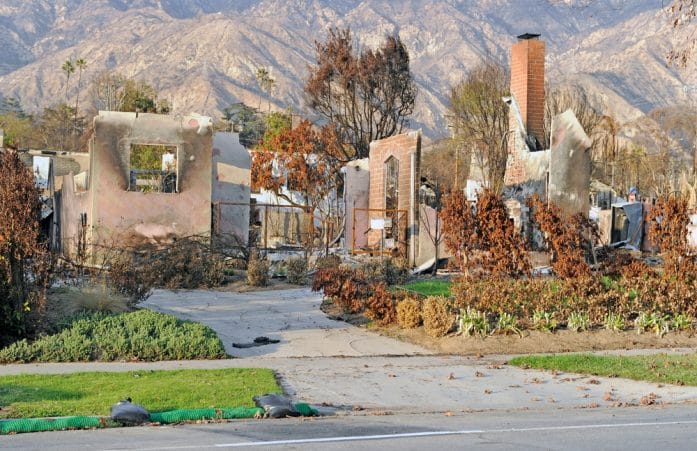
Coastal dream homes, wildfire-adjacent retreats, and even suburban neighborhoods that once felt like safe bets now carry price tags that extend far beyond the purchase price. Insurance costs don’t just reflect risk anymore; they actively shape decisions about where families settle, where retirees relocate, and where younger buyers even dare to look.

When “Affordable” Stops Meaning What It Used To

For decades, affordability centered on a simple equation: income, mortgage, and maybe property taxes. That formula now looks outdated. Insurance premiums have surged in many regions, especially in areas prone to hurricanes, wildfires, flooding, and severe storms. States like Florida and California have become headline examples, where some homeowners have seen premiums double or even triple in a short period. That kind of increase doesn’t just sting; it completely reshapes budgets and forces tough decisions about staying put or moving on.

Insurance companies have tightened their grip on risk, and they no longer hesitate to pull back from areas they consider too volatile. Some insurers have stopped writing new policies in high-risk regions altogether, leaving homeowners scrambling for limited and often expensive alternatives. This shrinking pool of options drives prices even higher, creating a cycle that feels impossible to escape. Homebuyers now factor insurance quotes into their decision-making process before they even make an offer, because ignoring it could mean walking into a financial trap.

That reality forces a mindset shift. Buyers who once chased ocean views or wooded privacy now look for “insurability” as a key feature. A home that looks perfect on paper can quickly lose its shine when the insurance estimate arrives. People have started asking different questions: How close is the nearest fire station? Has this area seen recent claims? What do insurers say about future risk? Those questions now shape the housing search just as much as square footage or school districts.

The Climate Factor Nobody Can Ignore Anymore

Climate risk has moved from an abstract concept to a daily reality, and insurance companies have responded with sharp adjustments. Wildfires in the West, hurricanes along the Gulf and East Coasts, and floods in unexpected regions have driven massive payouts for insurers. Those losses don’t disappear; companies pass them along through higher premiums or stricter coverage terms. The result lands squarely on homeowners’ shoulders, and it often arrives faster than expected.

Insurers rely on advanced data models that predict future risk, not just past events. That forward-looking approach means areas that haven’t yet faced a major disaster can still see rising premiums if models suggest trouble ahead. Homeowners sometimes feel blindsided when their rates jump without a recent claim, but insurers have already factored in shifting weather patterns and increasing disaster frequency. This disconnect between personal experience and projected risk creates frustration, especially when costs climb without a clear, visible cause.

Insurance Costs Are Quietly Reshaping Where Americans Can Live — And Some Are Being Priced Out

Image Source: Pexels.com

The Ripple Effect on Housing Markets

Rising insurance costs don’t stay confined to monthly bills; they ripple through entire housing markets. When insurance becomes too expensive, demand in certain areas begins to cool, and that shift can slow price growth or even push values downward. Sellers in high-risk regions now face an additional challenge, because buyers factor insurance costs into their overall budget and often walk away from deals that no longer make financial sense. What once looked like a hot market can lose momentum quickly when insurance enters the equation.

Lenders have also taken notice. Mortgage approvals often depend on proof of adequate insurance coverage, and when policies become difficult to obtain or prohibitively expensive, financing can fall through. That reality adds another layer of complexity for buyers, who must navigate not just interest rates and home prices but also insurance availability. A home that qualifies for a loan one year might become harder to finance the next, simply because insurance conditions changed.

This dynamic has started to influence migration patterns in subtle but significant ways. Some people leave high-cost, high-risk areas for regions with more stable insurance markets, even if it means sacrificing certain lifestyle perks. Others stay put but adjust expectations, opting for smaller homes or different neighborhoods to offset rising premiums. The housing market doesn’t just reflect personal preferences anymore; it reflects a growing awareness of long-term risk and financial sustainability.

Strategies for Staying Ahead of the Insurance Squeeze

Navigating this new landscape requires a proactive approach, because waiting for renewal notices can lead to unpleasant surprises. Homeowners benefit from shopping around for insurance regularly, even if they feel satisfied with their current provider. Different companies assess risk differently, and comparing quotes can reveal opportunities to save or find better coverage. Loyalty doesn’t always pay in this market, so staying informed matters more than ever.

Bundling policies, increasing deductibles, and asking about discounts for safety upgrades can also help manage costs. Insurers often reward homeowners who take steps to reduce risk, and those incentives can add up over time. Installing security systems, reinforcing roofs, or upgrading electrical systems can make a property more appealing from an insurance perspective. These improvements require upfront investment, but they can lead to long-term savings and greater peace of mind.

Location research has become a critical step for anyone considering a move. Checking local insurance trends, understanding regional risks, and reviewing state-backed insurance options can provide valuable insight before making a decision. Some states offer last-resort insurance programs for high-risk areas, but those policies often come with higher costs and limited coverage. Knowing these details ahead of time helps avoid surprises and allows for smarter planning. A little homework now can prevent major financial headaches later.

The New Geography of Affordability

A new map has started to emerge, and it doesn’t look like the one people grew up with. Insurance costs have quietly redrawn the boundaries of affordability, turning some once-desirable locations into financial challenges while elevating others as safer bets. This shift doesn’t mean people will abandon entire regions overnight, but it does mean decisions about where to live now carry more weight and complexity than ever before. Housing choices have become deeply intertwined with risk, resilience, and long-term cost planning.

What changes feel most realistic right now—adjusting expectations, relocating, or investing in upgrades to stay put? Drop your thoughts, strategies, or even frustrations in the comments and keep the conversation going.

You May Also Like…

7 Reasons Your Home Insurance Premium Just Went Up Again

8 Super Simple Ways to Reduce Your Car Insurance Premiums

Your House Is Holding You Back: Why So Many People Are Re‑Thinking Homeownership

Colorado Escrow Payments Continue Climbing — Homeowners Face Higher Monthly Costs

Avoid These Pitfalls: First-Time Homeownership Mistakes That Can Cost You

Brandon Marcus
Brandon Marcus

Brandon Marcus is a writer who has been sharing the written word since a very young age. His interests include sports, history, pop culture, and so much more. When he isn’t writing, he spends his time jogging, drinking coffee, or attempting to read a long book he may never complete.

Filed Under: Insurance Tagged With: climate risk, Cost of living, disaster zones, homeowners insurance, housing affordability, Housing Market, Inflation, insurance crisis, migration trends, Planning, property insurance, real estate trends

California Insurance Crisis: 13% of Home Sales Failed Due to No Coverage Available

February 9, 2026 by Brandon Marcus Leave a Comment

California Insurance Crisis: 13% of Home Sales Failed Due to No Coverage Available

Image source: shutterstock.com

California’s housing market has always been dramatic, but the newest twist isn’t coming from bidding wars, interest rates, or inventory shortages. It’s coming from something far more fundamental: the ability to insure a home at all.

In a state where wildfire seasons have grown longer and more destructive, and where insurers are reassessing risk at a scale never seen before, the simple act of securing homeowners insurance has become a make‑or‑break moment in the homebuying process. According to the California Association of Realtors, 13 percent of real estate agents reported a sale falling out of escrow because the buyer could not obtain insurance. That number is staggering, not only because it represents more than one in eight transactions, but because it signals a shift in how fragile the path to homeownership has become.

When Insurance Becomes the Dealbreaker

For decades, homeowners’ insurance was a predictable, almost routine part of buying a home. You found a carrier, got a quote, and checked the box. But in today’s California, that box has turned into a flashing warning sign. The 13 percent failure rate reported by the California Association of Realtors reflects a growing reality: buyers are discovering that insurers are declining applications outright, especially in areas with elevated wildfire risk.

This isn’t about high premiums or tough underwriting; it’s about the complete absence of available coverage from major carriers. When a buyer can’t secure insurance, lenders won’t finalize the mortgage, and the deal collapses, no matter how perfect the home may be. The fallout is immediate and costly, leaving buyers devastated, sellers scrambling, and agents navigating a landscape where insurance is now one of the biggest wildcards in a transaction.

Why Insurers Are Pulling Back So Dramatically

The roots of California’s insurance crisis run deep, shaped by a combination of climate‑driven disasters, financial pressures, and regulatory constraints. Wildfires have grown more destructive, fueled by hotter temperatures, drier landscapes, and longer fire seasons. Insurers have absorbed billions in losses, and many have concluded that the risk in certain regions is simply too high to sustain.

At the same time, California’s regulatory framework limits how quickly insurers can raise premiums, making it difficult for companies to adjust rates in line with rising risk and soaring reinsurance costs. Reinsurance—the insurance that insurance companies buy to protect themselves—has become significantly more expensive worldwide.

When insurers can’t price policies to match the risk or the cost of protecting themselves, they retreat. That retreat has taken the form of paused applications, reduced coverage areas, and non‑renewals that leave homeowners scrambling for alternatives.

The Ripple Effects Hitting Buyers, Sellers, and Entire Communities

A failed home sale is more than a disappointing phone call; it’s a disruption that reverberates through the entire housing ecosystem. Buyers who lose a deal due to insurance often face emotional and financial setbacks, especially if they’ve already invested in inspections, appraisals, or moving plans. Sellers may see their property return to the market with a stigma attached, as future buyers wonder whether they’ll face the same insurance roadblock.

In high‑risk areas, the pool of eligible buyers shrinks, potentially softening home values and slowing local market activity. Communities feel the strain as well. When insurance becomes scarce, it discourages new residents, complicates development, and creates a divide between areas that insurers still consider viable and those they no longer will touch.

California Insurance Crisis: 13% of Home Sales Failed Due to No Coverage Available

Image source: shutterstock.com

How Homebuyers Can Protect Themselves in This New Reality

In a market where insurance availability can make or break a deal, buyers need to approach the process with a new level of strategy. One of the smartest moves is to involve an independent insurance broker early—ideally before making an offer. Brokers have access to multiple carriers and can quickly assess whether a property is insurable and at what cost.

Buyers should also research a home’s wildfire risk score, defensible space requirements, and local mitigation efforts. Properties with fire‑resistant roofs, cleared vegetation, and hardened structures may be more appealing to insurers. For those already insured, maintaining a strong relationship with your current carrier is essential. Avoid lapses in coverage, keep your home well‑maintained, and document any mitigation work you complete.

A Market Redefined by Risk and Resilience

California’s insurance crisis is more than a temporary disruption; it’s a sign of how climate risk is reshaping the financial foundations of homeownership. The 13 percent failure rate reported by the California Association of Realtors is not an isolated statistic—it’s a warning about the fragility of a system that depends on insurability to function.

Addressing this challenge will require coordinated efforts from homeowners, insurers, regulators, and communities. Hardening homes, improving local infrastructure, modernizing risk models, and updating regulatory frameworks are all part of the long‑term solution. For now, buyers and homeowners must navigate a landscape where insurance is no longer a formality but a central factor in every real estate decision.

What challenges have you faced when trying to secure homeowners’ insurance in today’s market? Are you a California homeowner with stories to share? Make sure to do so in the comments below.

You May Also Like…

13% of California Realtors Report Sales Falling Through Due to Insurance Issues

Buddhism in California: 10 Interesting Facts About The City of Ten Thousand Buddhas

California’s Insurance Cancellation Crisis: 3.18% of Homeowners Lost Coverage in 2024

Florida Homeowners Are Seeing Insurance Rates Decreasing In 2026

The $2,000 Average National Homeowner Premium — Highest Share of Mortgage Payment Ever

Brandon Marcus
Brandon Marcus

Brandon Marcus is a writer who has been sharing the written word since a very young age. His interests include sports, history, pop culture, and so much more. When he isn’t writing, he spends his time jogging, drinking coffee, or attempting to read a long book he may never complete.

Filed Under: Insurance Tagged With: California Association of Realtors, California housing market, climate change, FAIR Plan, home buying, homeowners insurance, insurance crisis, market analysis, property insurance, real estate trends, wildfire risk

13% of California Realtors Report Sales Falling Through Due to Insurance Issues

February 5, 2026 by Brandon Marcus Leave a Comment

13% of California Realtors Report Sales Falling Through Due to Insurance Issues

Image source: shutterstock.com

Buying a home is supposed to be exciting—stressful, yes, but exciting. You find “the one,” you make an offer, you imagine where the couch will go, and you start mentally arguing with yourself about paint colors.

But in California, a growing number of buyers never make it to the moving‑in stage. Deals are falling apart not because of bad inspections, cold feet, or financing disasters, but because buyers simply can’t get homeowners insurance. And according to recent data from the California Association of Realtors, 13% of realtors in the state say a home sale fell out of escrow this year due to insurance problems. That’s nearly double last year’s number—and a sign of a crisis that’s reshaping the state’s housing market in real time.

When Insurance Becomes the Dealbreaker No One Saw Coming

For decades, homeowners’ insurance was the quiet, predictable part of buying a home. You called a company, answered a few questions, and got a policy without much drama. But in today’s California, insurance has become one of the biggest wild cards in the entire transaction. With major insurers scaling back coverage, pausing new policies, or raising rates dramatically, buyers are discovering that securing insurance can be harder than securing the mortgage itself.

Realtors report that even well‑qualified buyers are being blindsided when insurers decline coverage due to wildfire risk, location, or property age. When that happens, the deal often collapses—not because the buyer doesn’t want the home, but because they literally can’t insure it. And without insurance, lenders won’t fund the loan. It’s a domino effect that’s catching many buyers off guard.

Why Insurers Are Pulling Back—and How It’s Hitting Buyers

California’s insurance challenges didn’t appear overnight. Years of severe wildfire seasons, rising climate‑related risks, and increasing rebuilding costs have pushed several major insurers to pause or limit new policies. Companies have all scaled back new homeowner coverage in the state in recent years.

Insurers say the math simply doesn’t work anymore: the cost of covering high‑risk areas has outpaced what they can sustainably charge. For buyers, this means fewer options, higher premiums, and more hoops to jump through. Even homes outside high‑risk zones are feeling the ripple effects as insurers tighten underwriting standards across the board. The result is a market where insurance availability—not just price—is becoming a deciding factor in whether a sale moves forward.

13% of California Realtors Report Sales Falling Through Due to Insurance Issues

Image source: shutterstock.com

Escrow Chaos: How Deals Collapse at the Last Minute

One of the most stressful parts of this trend is how late in the process the problem often appears. Buyers may enter escrow feeling confident, only to discover during the insurance‑shopping phase that no company will write a policy for the home. Realtors say this is happening more frequently.

Sometimes buyers can secure coverage through the California FAIR Plan, the state’s insurer of last resort, but even that option comes with limitations and higher costs. When buyers can’t find affordable coverage—or any coverage—the deal stalls. Sellers are left scrambling, buyers are heartbroken, and realtors are stuck navigating a problem that didn’t exist at this scale just a few years ago.

The FAIR Plan: Lifeline or Last Resort?

The California FAIR Plan has become a critical fallback for buyers who can’t secure traditional insurance. According to recent surveys, roughly one in five realtors say their clients ended up using the FAIR Plan to close a deal. While it provides essential fire coverage, it doesn’t offer the full protection of a standard homeowners policy.

Buyers often need to purchase additional “wraparound” coverage to fill the gaps, which can significantly increase costs. For some, the FAIR Plan is a temporary solution until the insurance market stabilizes. For others, it’s the only option available. Either way, relying on the FAIR Plan adds complexity, cost, and uncertainty to the homebuying process—three things no buyer wants more of.

How Realtors Are Adapting to the New Insurance Reality

Realtors aren’t just watching this crisis unfold—they’re actively adjusting how they guide clients. Many now encourage buyers to start the insurance process early, sometimes even before making an offer. Others are working closely with insurance agents to identify which properties are insurable and which may pose challenges.

Some realtors are advising sellers to obtain an insurance quote upfront to reassure potential buyers. And in high‑risk areas, realtors are spending more time educating clients about wildfire mitigation, defensible space, and home‑hardening strategies that may improve insurability. The role of a realtor is expanding, not by choice, but by necessity.

What Buyers Can Do to Protect Themselves

If you’re thinking about buying a home in California, there are smart steps you can take to avoid insurance‑related surprises. Start by checking insurance availability early—don’t wait until you’re deep into escrow. Ask your realtor whether the property is in a high‑risk zone and whether other buyers have had trouble securing coverage in the area. Contact multiple insurers, not just one, because underwriting varies widely.

If the FAIR Plan is your only option, make sure you understand what it covers and what it doesn’t. And most importantly, build insurance costs into your budget. Premiums can be significantly higher than they were just a few years ago, and being prepared can prevent sticker shock later.

A Housing Market Shaped by Risk—and Resilience

California’s insurance crisis isn’t just a temporary inconvenience—it’s reshaping the housing market in ways that will likely continue for years. With 13% of realtors reporting canceled sales due to insurance issues, the problem is too big to ignore. Yet Californians are nothing if not resilient. Buyers, sellers, insurers, and policymakers are all adapting, innovating, and searching for solutions. Whether it’s new regulations, improved wildfire mitigation, or shifts in how insurers assess risk, the landscape is evolving.

What’s your take? Should insurance availability play a bigger role in how buyers choose homes, or is this just a temporary market shake‑up? Share your thoughts in the comments.

You May Also Like…

California’s Insurance Cancellation Crisis: 3.18% of Homeowners Lost Coverage in 2024

California FAIR Plan Exposure Doubles to $650 Billion — 35.8% Rate Hike Requested

Buddhism in California: 10 Interesting Facts About The City of Ten Thousand Buddhas

The Credit Score That Adds $2,000/Year to Florida Homeowner’s Insurance Premiums

The Florida Insurance Trap: Why “Safe” Neighborhoods Are Facing a $500 Monthly Payment Hike This Week


Brandon Marcus
Brandon Marcus

Brandon Marcus is a writer who has been sharing the written word since a very young age. His interests include sports, history, pop culture, and so much more. When he isn’t writing, he spends his time jogging, drinking coffee, or attempting to read a long book he may never complete.

Filed Under: Insurance Tagged With: California, California real estate, escrow issues, Home insurance, homebuyers, housing challenges, Housing Market, insurance crisis, property insurance, real estate agents, real estate trends, wildfire risk

California FAIR Plan Exposure Doubles to $650 Billion — 35.8% Rate Hike Requested

February 1, 2026 by Brandon Marcus Leave a Comment

California FAIR Plan Exposure Doubles to $650 Billion — 35.8% Rate Hike Requested

Image source: shutterstock.com

California’s wildfire crisis just hit a new financial flashpoint, and it’s not happening in the forests — it’s happening in the insurance system. The California FAIR Plan, the state’s insurer of last resort, has seen its exposure explode to a staggering $650 billion, more than double what it carried just a few years ago. At the same time, the plan is requesting a 35.8% rate hike, setting off alarm bells for homeowners, regulators, and anyone who cares about housing stability in wildfire-prone areas.

This isn’t just an insurance industry story — it’s a housing story, a climate story, and a cost-of-living story all rolled into one. If you live in California, know someone who does, or care about the future of insurability in high-risk regions, this matters more than you might think.

How the FAIR Plan Went From Safety Net to Financial Giant

The FAIR Plan was never designed to be a massive insurer. It was meant to be a backup option—a last resort for homeowners who couldn’t get coverage in the private market. But as wildfire risks intensified and major insurers pulled back from high-risk areas, the FAIR Plan became less of a safety net and more of a primary provider for hundreds of thousands of Californians.

That shift is exactly why exposure has ballooned to $650 billion. Exposure doesn’t mean cash in the bank—it means the total value of properties the FAIR Plan is on the hook to cover if disaster strikes. In plain English: if a catastrophic wildfire season hits hard, the financial responsibility would be massive, fast, and incredibly complex to manage.

The 35.8% Rate Hike Request: What It Really Means for Homeowners

A 35.8% rate hike sounds like a headline number, but for real people, it translates into painful monthly reality. That’s not a minor adjustment — that’s a major cost shift for families who already struggle with housing affordability, taxes, utilities, and maintenance costs.

For many homeowners using the FAIR Plan, this isn’t optional insurance. It’s not a “shop around and find a better deal” situation. It’s literally the only option available, which means price sensitivity becomes almost irrelevant. People pay because they have to, not because they want to.

This creates a tough emotional and financial bind. People are already living in areas that carry wildfire risk, and now they’re facing rising premiums that feel less like a service and more like a survival tax.

A System Under Pressure: Why This Isn’t Just an Insurance Problem

What’s happening with the FAIR Plan isn’t isolated. It’s a symptom of a system under stress. Climate risk is colliding with financial risk, regulatory structures, and housing demand in ways that traditional insurance models weren’t built to handle.

Insurance depends on predictability. Wildfires, however, are becoming less predictable, more intense, and more destructive. When risk becomes harder to model, insurers become more cautious. Insurers become more cautious, coverage shrinks. When coverage shrinks, public or semi-public systems like the FAIR Plan absorb the overflow.

California FAIR Plan Exposure Doubles to $650 Billion — 35.8% Rate Hike Requested

Image source: shutterstock.com

What Comes Next for California’s Housing and Insurance Future

The doubling of exposure and the rate hike request signal something deeper than a temporary spike. California is entering an era where insurance availability and affordability will shape where people can realistically live, not just where they want to live.

This doesn’t mean the end of high-risk communities. But it does mean adaptation becomes essential. Fire-resistant construction, smarter land use planning, better evacuation infrastructure, and large-scale mitigation strategies are no longer optional extras — they’re economic necessities.

When Insurance Becomes Infrastructure: The Real Wake-Up Call

The FAIR Plan’s $650 billion exposure isn’t just a number — it’s a warning signal. It tells us that insurance is no longer just a financial product. It’s becoming a form of critical infrastructure in climate-risk regions. When that infrastructure strains, everything connected to it feels the pressure.

What do you think? Should California rethink how insurance, housing, and climate risk are connected, or are we just watching a broken system stretch itself to the breaking point? Drop your thoughts in the comments and join the conversation.

You May Also Like…

The Hidden Cost of Rent Control in California

FireAid Concert Raises a Staggering $100 Million for LA Wildfire Relief—Here’s How It Happened

Regulation Watch: 8 Compliance Changes That May Affect Advisory Fees

The Home Insurance Review Clause That’s Triggering Surprise Policy Cancellations in 2026

14 Costly Disasters That Happen When You Renovate Without a Permit

Brandon Marcus
Brandon Marcus

Brandon Marcus is a writer who has been sharing the written word since a very young age. His interests include sports, history, pop culture, and so much more. When he isn’t writing, he spends his time jogging, drinking coffee, or attempting to read a long book he may never complete.

Filed Under: Lifestyle Tagged With: California FAIR Plan, California homeowners, climate risk, disaster resilience, housing affordability, Housing Market, insurance crisis, insurance rates, property insurance, wildfire exposure, wildfire insurance, wildfire zones

FOLLOW US

Search this site:

Recent Posts

  • Can My Savings Account Affect My Financial Aid? by Tamila McDonald
  • 12 Ways Gen X’s Views Clash with Millennials… by Tamila McDonald
  • What Advantages and Disadvantages Are There To… by Jacob Sensiba
  • Call 911: Go To the Emergency Room Immediately If… by Stephen Kanaval
  • 10 Tactics for Building an Emergency Fund from Scratch by Vanessa Bermudez
  • 7 Weird Things You Can Sell Online by Tamila McDonald
  • 10 Scary Facts About DriveTime by Tamila McDonald

Copyright © 2026 · News Pro Theme on Genesis Framework