• Home
  • About Us
  • Toolkit
  • Getting Finances Done
    • Hiring Advisors
    • Debt Management
    • Spending Plan
  • Insurance
    • Life Insurance
    • Health Insurance
    • Disability Insurance
    • Homeowners/Renters Insurance
  • Contact Us
  • Privacy Policy
  • Risk Tolerance Quiz

The Free Financial Advisor

You are here: Home / Archives for homeowner tips

Why Nashville Property Tax Bills Keep Rising Even With Tennessee’s Rate Cap Proposal

February 26, 2026 by Brandon Marcus Leave a Comment

Why Nashville Property Tax Bills Keep Rising Even With Tennessee’s Rate Cap Proposal

Image Source: Unsplash.com

Property taxes in Nashville continue to climb, and the frustration feels real. Tennessee promotes itself as a low-tax state, and it does not levy a state income tax. Lawmakers even proposed rate caps in place that require local governments to follow strict rules before increasing property tax rates. Yet homeowners across Davidson County still open their bills and wonder why the number keeps getting bigger.

The answer lives in a mix of rising property values, state law, and local budgeting decisions. Nashville’s rapid growth adds fuel to the fire. Understanding how these pieces connect gives homeowners clarity and, more importantly, options.

What Tennessee’s Rate Caps Actually Do

Tennessee’s proposed laws do not allow local governments to quietly raise property tax rates whenever they want. Under the state’s “certified tax rate” system, counties and cities must adjust their tax rate after a countywide property reappraisal so that they collect roughly the same total revenue as the year before, excluding new construction. Officials must hold public hearings and take formal votes if they want to adopt a rate higher than that certified amount.

That system sounds like a hard cap, but it would not freeze tax bills. It simply prevents local governments from automatically collecting a windfall from rising property values without a public vote. When Davidson County completes a reappraisal, the assessor calculates new market values for properties. Then the state formula sets a lower “certified” rate to offset the overall jump in values.

If the Metro Council in Nashville decides that city services need more funding, council members can still vote to raise the rate above the certified level. The law demands transparency, not permanent rate ceilings. That distinction matters because many homeowners assume the cap guarantees flat bills. It does not.

Growth Isn’t Free: Nashville’s Expanding Budget Needs

Nashville continues to grow, and growth brings opportunity along with costs. More residents mean more students in public schools, more traffic on local roads, more demand for police, fire protection, and public works. Metro Nashville funds those services largely through property taxes.

The Metro Nashville Government builds its annual budget around projected expenses for schools, infrastructure, employee salaries, and debt payments. When costs increase, council members face hard choices. They can cut services, shift money from other areas, or vote to increase the property tax rate.

In 2020, Metro Council approved a significant property tax rate increase to stabilize finances after years of tight budgets and the economic shock of the pandemic. That decision followed the public hearing process required by state law. The vote reflected local policy priorities, not a loophole in Tennessee’s rate cap system. When voters demand strong public services, property taxes often carry the load.

New Construction and Development Change the Equation

Tennessee’s certified tax rate calculation excludes new construction from its revenue-neutral formula. That detail matters in a city where cranes dot the skyline and subdivisions expand outward. When developers build new homes, apartments, and commercial spaces, those properties add fresh value to the tax base.

Local governments can collect new revenue from that growth even if they keep the certified rate. Officials often point to this mechanism as a way to fund services without raising rates on existing homeowners. However, rapid development can also push surrounding property values higher, especially in desirable neighborhoods.

As new projects reshape parts of Nashville, nearby homes often see rising appraisals. That ripple effect increases assessed values for longtime homeowners who never planned to cash in on their property’s appreciation. Development does not directly cause higher tax rates, but it influences the value side of the equation in a powerful way.

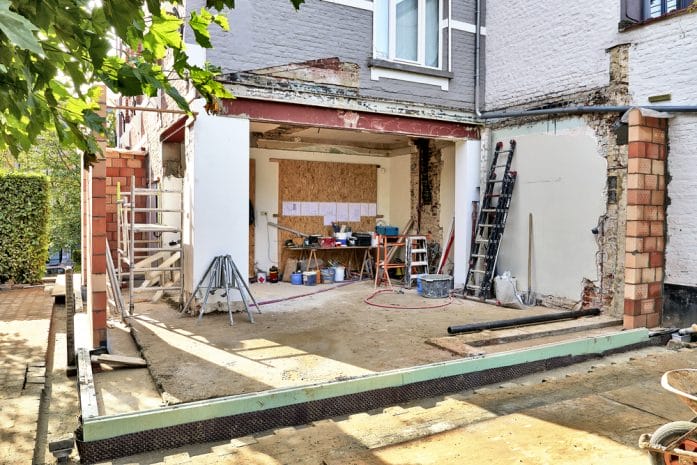
Why Nashville Property Tax Bills Keep Rising Even With Tennessee’s Rate Cap Proposal

Image Source: Unsplash.com

State Policy, Local Control, and Political Reality

Tennessee prides itself on limited taxation, and state leaders regularly emphasize fiscal discipline. At the same time, the state gives counties and cities substantial control over their own property tax decisions. That structure creates tension between statewide messaging and local reality.

Local officials answer to voters who care about schools, parks, transit, and public safety. When costs rise or revenue falls short, property taxes often stand as the most reliable funding tool. Sales tax revenue fluctuates with the economy. Federal grants come with strings attached. Property taxes offer stability.

That dynamic explains why rate caps do not eliminate higher bills. The law forces transparency and public debate, but it does not eliminate the political will to fund local priorities. In Nashville, rapid growth and rising service demands create pressure that often lands squarely on property owners.

What Homeowners Can Do Right Now

Homeowners do not have to sit quietly and accept every number on a tax bill. First, review the property appraisal carefully. The assessor’s office provides detailed information about how it determined a home’s value. If the appraisal looks inaccurate, homeowners can file an appeal during the designated appeal period. Evidence such as recent comparable sales or documented property issues can support a case.

Second, explore available relief programs. Tennessee offers property tax relief for qualifying elderly, disabled, and disabled veteran homeowners. The state also provides a property tax freeze program for certain low-income seniors, which locks in the tax amount at the time of qualification. Local governments may offer additional assistance.

Third, stay engaged in local budget discussions. Metro Council meetings, public hearings, and budget proposals remain open to the public. Voting in local elections and communicating with council members can influence how Nashville funds its priorities. Property taxes reflect policy choices, and policy choices respond to civic participation.

Growth, Value, and Accountability

Nashville’s rising property tax bills reflect a city that continues to grow, reassess property values, and fund expanding services through a structure that prioritizes transparency over automatic increases. Tennessee’s law would prevent quiet tax hikes, but it does not freeze bills in place when property values surge or budgets expand.

Home values in Nashville have climbed dramatically over the past decade, and that appreciation fuels higher assessments. Local officials then make deliberate decisions about rates in public view. The process may frustrate homeowners, but it unfolds in daylight rather than behind closed doors.

As Nashville continues to transform, what balance should local leaders strike between protecting homeowners and investing in the city’s future? Talk about it in our comments.

You May Also Like…

Property Tax Exemptions Expiring Automatically in Multiple States

The Property Tax Appeal That Can Cut $100–$500 From Monthly Payments

9 Georgia Counties Where Property Taxes Are Set to Rise the Fastest

9 Financial Dangers of Ignoring Property Taxes

9 Financial Risks of Buying Property Abroad

Brandon Marcus
Brandon Marcus

Brandon Marcus is a writer who has been sharing the written word since a very young age. His interests include sports, history, pop culture, and so much more. When he isn’t writing, he spends his time jogging, drinking coffee, or attempting to read a long book he may never complete.


Filed Under: Real Estate Tagged With: Davidson County taxes, homeowner tips, homeownership costs, housing market trends, local government finance, Metro Nashville budget, Nashville real estate, property reassessment, property values, Tennessee property taxes, Tennessee tax law

The $2,000 Average National Homeowner Premium — Highest Share of Mortgage Payment Ever

February 6, 2026 by Brandon Marcus Leave a Comment

The $2,000 Average National Homeowner Premium — Highest Share of Mortgage Payment Ever

Image source: shutterstock.com

Homeownership has always come with a few predictable expenses: the mortgage, the taxes, the insurance, and the occasional “why is the water heater making that noise?” moment.

But in 2026, one of those expenses is stealing the spotlight—and not in a good way. The average national homeowner insurance premium has climbed to around $2,000 a year, and it’s now taking up the largest share of the typical mortgage payment ever recorded. That means homeowners aren’t just paying more for their houses—they’re paying more to protect them, too. And while the number itself is attention‑grabbing, the story behind it is even more surprising.

Why Home Insurance Is Taking a Bigger Bite Out of Monthly Budgets

Home insurance premiums have been rising for years, but the pace has accelerated as insurers adjust to higher claim costs, more frequent severe weather, and increased rebuilding expenses. When the cost of repairing or replacing a home rises, insurance companies must raise premiums to keep up.

This isn’t about luxury homes or high‑risk properties—it’s happening across the board. As a result, the average homeowner is now paying more for insurance than ever before, and that cost is showing up directly in monthly mortgage payments. Because most homeowners pay insurance through escrow, the increase blends into the mortgage bill, making the jump feel even more dramatic.

The $2,000 Premium: What’s Behind the National Average

While the exact number varies depending on the source, national analyses consistently show homeowner premiums hovering around $2,000 to $2,500 annually for a standard policy. That figure reflects a combination of factors, including rising construction costs, inflation, and updated risk assessments.

Even homeowners who haven’t filed claims are seeing increases because insurers base premiums on the cost of future repairs—not past behavior. The $2,000 average isn’t a fluke; it’s the result of nationwide trends that have been building for years. And because premiums are rising faster than wages or home values, they’re taking up a larger share of household budgets than ever before.

How Rebuilding Costs Are Driving Premiums Higher

One of the biggest contributors to rising premiums is the cost of rebuilding. Construction materials, skilled labor, and supply‑chain challenges have all pushed replacement costs higher. Insurance companies calculate premiums based on what it would cost to rebuild a home today—not what the homeowner originally paid. When lumber, roofing materials, electrical components, and labor all cost more, premiums must rise to match those expenses.

This means even modest homes in stable areas are seeing higher premiums. It’s not about luxury upgrades or risky locations; it’s about the basic math of what it takes to repair or replace a home in the current market.

The $2,000 Average National Homeowner Premium — Highest Share of Mortgage Payment Ever

Image source: shutterstock.com

Why Location Still Matters—But Not Always the Way You Think

Location has always influenced insurance rates, but in recent years, the impact has become more pronounced. Areas experiencing more frequent storms, wildfires, or flooding often see higher premiums because insurers adjust rates based on risk. But even regions without dramatic weather events are feeling the effects of national trends. When insurers face higher claim costs in one part of the country, those expenses can influence premiums elsewhere.

This means homeowners in relatively calm areas may still see increases, even if their own risk hasn’t changed. The $2,000 national average reflects a blend of high‑risk and low‑risk regions, showing how widespread the trend has become.

Escrow Shock: The Moment Homeowners Realize Costs Have Jumped

For many homeowners, the biggest surprise comes when their lender recalculates escrow payments. Because insurance is often bundled with taxes and paid automatically, increases can go unnoticed until the annual escrow review. Suddenly, the monthly mortgage payment jumps—not because of the loan itself, but because insurance premiums have risen. This can feel especially frustrating for homeowners who haven’t changed coverage or filed claims.

The adjustment isn’t a penalty; it’s simply the lender ensuring there’s enough money in escrow to cover the new premium. Still, it’s a jarring moment that leaves many people wondering how insurance became such a significant part of their monthly housing cost.

What Homeowners Can Do to Keep Premiums Manageable

While homeowners can’t control national insurance trends, there are practical steps to help manage costs. Reviewing your policy annually is a smart starting point. Sometimes coverage levels creep higher than necessary, especially if your home’s replacement cost estimate has changed. Shopping around can also make a difference, as insurers vary in how they assess risk and price policies.

These strategies don’t eliminate rising costs, but they can help soften the impact and keep your mortgage payment more predictable.

Why Cutting Coverage Isn’t the Right Solution

When premiums rise, it’s tempting to reduce coverage to save money. But underinsuring your home can create bigger problems down the road. If a major repair or rebuild is needed, inadequate coverage can leave homeowners responsible for significant out‑of‑pocket expenses. Insurance is designed to protect your investment, and reducing coverage too aggressively can undermine that protection.

Instead of cutting essential coverage, homeowners can focus on adjusting deductibles, comparing policies, or exploring discounts. These approaches help manage costs without sacrificing the financial safety net that insurance provides.

A New Era of Homeownership—and What It Means for You

The rise of the $2,000 average premium marks a shift in the housing landscape. Homeownership now requires more awareness of how insurance costs evolve and how they affect long‑term budgeting. While rising premiums can feel discouraging, understanding the factors behind them helps homeowners make informed decisions.

What part of your homeowner insurance bill surprised you the most this year? Hop down into the comments and share your experiences with others.

You May Also Like…

The Drone Inspection Finding That’s Triggering Homeowner Policy Cancellations

California’s Insurance Cancellation Crisis: 3.18% of Homeowners Lost Coverage in 2024

The Credit Score That Adds $2,000/Year to Florida Homeowner’s Insurance Premiums

The Home Insurance Review Clause That’s Triggering Surprise Policy Cancellations in 2026

7 Fine-Print Exclusions in Your Homeowner’s Policy That Could Cost You Everything


Brandon Marcus
Brandon Marcus

Brandon Marcus is a writer who has been sharing the written word since a very young age. His interests include sports, history, pop culture, and so much more. When he isn’t writing, he spends his time jogging, drinking coffee, or attempting to read a long book he may never complete.

Filed Under: Insurance Tagged With: budgeting, Home insurance, homeowner tips, Housing Costs, Housing Market, insurance trends, mortgage payments, Planning, property insurance, Real estate, rising premiums

Insurance Now Accounts for 9% of Typical Monthly Mortgage Payment

February 6, 2026 by Brandon Marcus Leave a Comment

Insurance Now Accounts for 9% of Typical Monthly Mortgage Payment

Image source: shutterstock.com

Homeownership used to feel like a predictable equation: mortgage, taxes, insurance, repeat. But in 2026, that last piece of the puzzle—home insurance—has started acting like the unpredictable cousin who shows up unannounced and eats all your snacks. Homeowners across the country are discovering that insurance is taking up a bigger slice of their monthly mortgage payment than ever before, now averaging around 9% of the total bill.

That may not sound dramatic at first glance, but when you’re already juggling rising home prices, higher interest rates, and everyday expenses, that extra chunk hits hard. The surprising part? Many homeowners don’t even realize how much insurance is costing them until their escrow statement arrives like a plot twist they didn’t ask for.

Why Insurance Is Eating a Bigger Slice of Your Mortgage Than Ever Before

Insurance costs have been rising for years, but the pace has accelerated as companies adjust to higher rebuilding costs, more frequent claims, and increased risk in certain regions. When insurers face higher expenses, those costs eventually trickle down to homeowners. Because most people pay insurance through escrow, the increase gets folded into the monthly mortgage payment automatically. That’s how insurance quietly grows from a small line item to a noticeable percentage of your monthly bill.

Even homeowners who haven’t filed a claim are seeing higher premiums simply because the cost of materials, labor, and risk assessment has changed. The result is a mortgage payment that feels heavier, even if your loan terms haven’t changed at all.

How Rising Rebuilding Costs Are Driving Up Premiums

One of the biggest reasons insurance now accounts for a larger share of mortgage payments is the rising cost of rebuilding. Construction materials, skilled labor, and supply‑chain delays have all pushed replacement costs higher. Insurance companies base premiums on what it would cost to rebuild your home today—not what you originally paid for it. When those rebuilding estimates rise, premiums follow. This means even homeowners with modest properties are seeing increases because the cost of lumber, roofing, electrical work, and plumbing has climbed.

These changes aren’t tied to luxury upgrades or major renovations; they’re tied to the basic math of what it takes to repair or replace a home in the current market.

Why Location Matters More Than Ever

Insurance companies assess risk based on where you live, and in recent years, certain regions have seen higher claim activity. Whether it’s severe storms, flooding, wildfires, or other environmental factors, insurers adjust premiums to reflect the likelihood of future claims. Even if your home hasn’t been directly affected, living in a higher‑risk area can influence your rates. This doesn’t mean your home is unsafe—it simply means insurers are recalculating risk based on broader patterns.

As a result, homeowners in some regions are seeing insurance take up a larger portion of their mortgage payment than those in lower‑risk areas. It’s one of the reasons the 9% figure is an average—some homeowners pay more, some pay less, depending on where they live.

Escrow Surprises: The Moment Homeowners Realize Costs Have Jumped

For many homeowners, the biggest shock comes when their lender recalculates escrow payments. Because insurance is often bundled with taxes and paid automatically, increases can go unnoticed until the annual escrow review. Suddenly, the monthly mortgage payment jumps—not because of the loan itself, but because insurance premiums have risen. This can feel especially frustrating for homeowners who haven’t changed coverage or filed claims.

The adjustment isn’t a penalty; it’s simply the lender ensuring there’s enough money in escrow to cover the new premium. Still, it’s a jarring moment that leaves many people wondering how insurance became such a significant part of their monthly housing cost.

What Homeowners Can Do to Keep Costs Manageable

While homeowners can’t control market‑wide insurance trends, there are practical steps to help manage costs. Reviewing your policy annually is a smart starting point. Sometimes coverage levels creep higher than necessary, especially if your home’s value or replacement cost estimate has changed. Shopping around can also make a difference, as insurers vary in how they assess risk and price policies.

Bundling home and auto coverage may offer discounts, and improving home safety—like upgrading roofing materials or installing security systems—can sometimes reduce premiums. These strategies don’t eliminate rising costs, but they can help soften the impact and keep your mortgage payment more predictable.

Insurance Now Accounts for 9% of Typical Monthly Mortgage Payment

Image source: shutterstock.com

Why Cutting Coverage Isn’t the Answer

When insurance costs rise, it’s tempting to reduce coverage to save money. But underinsuring your home can create bigger problems down the road. If a major repair or rebuild is needed, inadequate coverage can leave homeowners responsible for significant out‑of‑pocket expenses. Insurance is designed to protect your investment, and reducing coverage too aggressively can undermine that protection.

Instead of cutting essential coverage, homeowners can focus on adjusting deductibles, comparing policies, or exploring discounts. These approaches help manage costs without sacrificing the financial safety net that insurance provides.

A New Reality for Homeowners—and How to Navigate It

Insurance taking up 9% of the typical monthly mortgage payment is a sign of how the housing landscape is shifting. Homeownership now requires more awareness of how insurance costs evolve and how they affect long‑term budgeting. While rising premiums can feel discouraging, understanding the factors behind them helps homeowners make informed decisions. With a little planning, regular policy reviews, and smart adjustments, it’s possible to stay ahead of changes and keep your mortgage manageable. The key is staying proactive rather than letting insurance increases catch you off guard.

What part of your mortgage payment surprised you the most this year? Share your experience in the comments.

You May Also Like…

The Texas Mortgage Shock: Why Your Monthly Payment Just Jumped $400 Without Warning

Why a Mortgage & Protection Network Matters in Today’s Advice Market

7 Hidden Signs You Should Refinance Your Mortgage Right Now

Should I Prioritize Paying Off My Mortgage or Investing Extra Cashflow?

13 Practical Lessons From People Who Paid Off Their Mortgages


Brandon Marcus
Brandon Marcus

Brandon Marcus is a writer who has been sharing the written word since a very young age. His interests include sports, history, pop culture, and so much more. When he isn’t writing, he spends his time jogging, drinking coffee, or attempting to read a long book he may never complete.

Filed Under: Insurance Tagged With: budgeting, Home insurance, homeowner tips, homeownership, Housing Market, mortgage payments, Planning, property insurance, real estate trends, rising costs

The Credit Score That Adds $2,000/Year to Florida Homeowner’s Insurance Premiums

February 2, 2026 by Brandon Marcus Leave a Comment

The Credit Score That Adds $2,000/Year to Florida Homeowner's Insurance Premiums

Image source: shutterstock.com

Most Florida homeowners expect their insurance premiums to rise because of hurricanes, floods, roof age, or rising construction costs. What many don’t expect is that a three-digit number they barely think about can quietly push their premiums higher every single year.

Your credit score doesn’t just affect loans and credit cards—it plays a major role in how insurers calculate risk, pricing, and policy costs. In a state where home insurance is already one of the biggest household expenses, this hidden factor can feel like a financial ambush. For some Florida homeowners, the wrong credit tier doesn’t just mean slightly higher premiums—it can mean paying anywhere from $500 to $2,000+ more per year for the exact same coverage.

The Credit Score Threshold That Triggers Premium Shock

Insurance companies don’t just look at your credit score as “good” or “bad”—they group it into risk tiers that directly affect pricing. While exact cutoffs vary by insurer, scores below the mid-600s often fall into higher-risk categories that trigger major premium increases.

That means a homeowner with a 640 score could pay dramatically more than a neighbor with a 720 score, even if their homes are identical. Insurers use credit-based insurance scores, which are derived from credit reports but weighted differently than traditional lending scores. These models focus on patterns like payment history, debt levels, and account stability because insurers believe they correlate with claim risk. In Florida’s already expensive insurance market, dropping into a lower credit tier can easily translate into four-figure annual increases without any change in your home, your neighborhood, or your coverage.

Why Insurers Care About Credit At All

This part feels unfair to many homeowners, and honestly, the frustration makes sense. Insurance companies argue that credit behavior statistically correlates with claims frequency and claim severity, which is why most states allow the use of credit-based insurance scoring.

In simple terms, they treat credit patterns as a risk signal, not a moral judgment. Someone who struggles with late payments, high balances, or frequent account changes may be seen as higher risk from an underwriting perspective. Florida allows insurers to use these models, and they do so aggressively because of the state’s high storm risk and litigation costs.

The Credit Score That Adds $2,000/Year to Florida Homeowner's Insurance Premiums

Image source: shutterstock.com

How Florida’s Insurance Market Amplifies The Impact

Florida already sits in one of the most volatile homeowner insurance markets in the country, with rising premiums driven by hurricanes, reinsurance costs, fraud, and litigation. That means insurers are constantly tightening risk models to protect profitability. When credit scoring gets layered on top of storm risk, location risk, and property risk, the price spikes get much bigger, much faster. A credit score drop that might mean a small increase in another state can trigger a massive jump in Florida.

Homeowners often blame insurers, weather, or the market, without realizing their credit tier is quietly driving part of the increase. In high-risk markets, every underwriting factor carries more weight, and credit is one of the few factors that insurers can easily quantify and automate.

The Financial Domino Effect Most Homeowners Miss

Here’s where things get dangerous for household budgets: insurance premiums don’t exist in isolation. Higher premiums mean higher escrow payments, which increase monthly mortgage costs even if your interest rate never changes. That tighter budget can lead to higher credit utilization, missed payments, and more financial strain—ironically pushing credit scores even lower.

This creates a feedback loop where insurance costs and credit scores worsen together. Many homeowners never connect the dots between their credit report and their rising mortgage payment. Over a few years, this cycle can cost tens of thousands of dollars without a single hurricane ever hitting your house.

What Homeowners Can Actually Do About It

The good news is that credit-based insurance scoring responds to improvement, sometimes faster than people expect. Paying down revolving balances, fixing errors on your credit report, and stabilizing payment history can shift you into a better insurance tier. Even small score improvements can produce meaningful premium reductions when insurers rerate policies.

Shopping insurance matters too, because companies weigh credit differently in their underwriting models. One insurer might punish a low score heavily, while another puts more weight on property features and claim history. Annual policy comparisons and working with independent agents can uncover savings that captive insurers may not offer.

How To Protect Yourself From Credit-Based Insurance Traps

Start treating your credit score as an insurance tool, not just a lending metric. Pull your credit reports regularly and dispute errors, because inaccuracies directly cost you money beyond interest rates. Keep credit utilization low, even if you pay balances in full each month, because reporting timing still affects scores.

Build emergency savings to avoid late payments during financial stress, which protects both your credit and your insurance pricing. Ask insurers directly whether and how they use credit-based scoring in underwriting so you understand what factors matter most. Financial protection today isn’t just about storms and roofs—it’s about data, algorithms, and risk models quietly shaping your costs.

Why Your Credit Score Is Now A Homeownership Tool

In modern Florida homeownership, your credit score functions like invisible infrastructure. Homeowners who understand this gain leverage, while those who ignore it get blindsided. Managing credit is no longer just about borrowing power; it’s about cost control. When you treat your credit score as part of your homeownership strategy, you turn a hidden liability into a financial asset.

Your credit score might be influencing your insurance bill more than your roof, your zip code, or your square footage—so here’s the hard question: If improving your credit could save you $2,000 a year, what’s stopping you from making it a financial priority right now? Tell us your tips, ideas, and insights for improving your credit score in the comments section below.

You May Also Like…

The Quiet Credit Score Rule Change That’s Raising Borrowing Costs for Older Americans

Why Major Banks Are Quietly Lowering Credit Limits for Customers With Holiday Debt

7 Ways Credit Card Debt Builds Faster Than Expected

The 6 Most Common Mistakes Young People Make About Credit

6 Credit Mistakes That Redditors Confess Cost Them Thousands


Brandon Marcus
Brandon Marcus

Brandon Marcus is a writer who has been sharing the written word since a very young age. His interests include sports, history, pop culture, and so much more. When he isn’t writing, he spends his time jogging, drinking coffee, or attempting to read a long book he may never complete.

Filed Under: credit score Tagged With: credit repair, credit score impact, Florida homeowners, Florida real estate, home insurance costs, homeowner tips, insurance premiums, insurance savings, money management, Personal Finance, Planning

Big Regrets: 7 Immediate Regrets Of Buying A New Home

October 9, 2025 by Travis Campbell Leave a Comment

new home

Image source: shutterstock.com

Buying a new home is a huge milestone, but it’s easy to overlook the emotional and financial pitfalls. Many first-time buyers go in with high hopes, only to face a few unpleasant surprises soon after closing. The excitement of owning a new place can quickly turn into the anxiety of homeownership regrets. Understanding the most common regrets of buying a new home can help you make smarter choices, avoid costly mistakes, and settle in with fewer worries.

Even careful buyers sometimes realize too late that their dream home isn’t quite what they expected. From hidden expenses to buyer’s remorse, it’s normal to feel overwhelmed. If you’re thinking about buying, or you already have, knowing what others wish they’d done differently could save you time, money, and stress. Let’s look at seven of the most common regrets of buying a new home—and how you can avoid them.

1. Underestimating the True Cost of Homeownership

Many buyers focus on the down payment and the monthly mortgage, but forget about the long list of ongoing expenses. Property taxes, homeowners’ insurance, utilities, maintenance, and unexpected repairs all add up quickly. The true cost of homeownership goes far beyond the sticker price. After moving in, new homeowners often regret not budgeting for these regular costs, which can strain finances and lead to tough choices.

Before you buy, make a detailed budget that includes all recurring expenses. Set aside an emergency fund for surprise repairs. This foresight can help you avoid one of the biggest regrets of buying a new home—feeling financially stretched from day one.

2. Skipping a Thorough Inspection

It’s tempting to rush through the buying process, especially in a hot market. Some buyers waive inspections to make their offer more attractive, but this can backfire on them. Serious issues like faulty wiring, foundation cracks, or hidden water damage may go unnoticed until you’re already living there. The regret of skipping an inspection can haunt you for years, especially if expensive repairs are required immediately.

Always insist on a professional home inspection, even if it means losing out on a bidding war. The peace of mind—and potential savings—are worth it.

3. Not Researching the Neighborhood

Falling in love with a house is easy, but you’ll spend just as much time in the surrounding community. Some buyers regret buying a new home in a neighborhood that doesn’t fit their lifestyle or needs. Maybe the schools aren’t great, traffic is terrible, or there’s a lack of nearby amenities. These regrets can make daily life less enjoyable.

Spend time in the area at different times of day. Talk to neighbors and check out local shops, parks, and services. This extra effort can help you feel confident that you’re choosing the right place—not just the right house.

4. Overextending Financially

It’s easy to get swept up in the excitement and stretch your budget to buy your dream home. But overextending yourself can lead to immediate regrets of buying a new home. High mortgage payments can leave you with little money for savings, emergencies, or even simple pleasures like dining out.

Lenders approve buyers for the maximum amount they can afford on paper, not necessarily what’s comfortable for your lifestyle. Choose a mortgage that fits your actual budget, not just the bank’s calculations. You’ll enjoy your new home much more if you aren’t stressed about every penny.

5. Ignoring Commute and Transportation Needs

Many buyers focus on the home itself and overlook the importance of daily commutes and transportation options. A longer-than-expected drive can quickly become a major regret. Even if you love your new house, spending hours in traffic or struggling with limited public transit can wear you down.

Map out your daily routes before making a purchase. Consider how your commute will impact your work-life balance and overall happiness. This step can prevent one of the most common regrets of buying a new home—realizing too late that the location doesn’t suit your daily needs.

6. Failing to Plan for Future Needs

It’s easy to buy a home that fits your current life, but what about the next five or ten years? Some buyers regret not thinking ahead. Maybe you plan to start a family, work from home, or need space for aging parents. Buying a new home that’s too small or lacks flexibility can lead to frustration and the need to move again sooner than planned.

Look for a home that can adapt to changes. Consider extra bedrooms, office space, or accessibility features. Planning for the future is crucial to avoiding regrets.

7. Overlooking Resale Value and Market Trends

When emotions run high, it’s easy to overlook how your new home will fare if you need to sell. Some buyers regret buying a new home without considering resale value. If the market shifts or the home has unique features that don’t appeal to most buyers, you could lose money or struggle to sell.

Research recent sales in the neighborhood and consult with a knowledgeable agent. Pay attention to features that boost value and avoid over-customizing.

How to Avoid the Biggest Regrets of Buying a New Home

Regrets of buying a new home are common, but you can sidestep most of them with careful planning and research. Take your time, ask questions, and don’t be afraid to walk away if something feels off. Remember, this is likely the biggest purchase of your life. Being honest about your needs and budget will help you feel good about your decision for years to come.

What’s the one thing you wish you’d known before buying your home? Share your regrets—or your best advice—in the comments below!

What to Read Next…

  • How Homeowners Associations Are Targeting Retirees With Fines
  • The Subtle Home Smells That Real Estate Agents Say Ruin Sales
  • 7 Places Criminals Watch Before Picking A Home To Rob
  • Can You Really Lose Your House Over One Missed HOA Payment
  • 8 Common Home Security Features That Aren’t As Safe As You Think
Travis Campbell
Travis Campbell

Travis Campbell is a digital marketer/developer with over 10 years of experience and a writer for over 6 years. He holds a degree in E-commerce and likes to share life advice he’s learned over the years. Travis loves spending time on the golf course or at the gym when he’s not working.

Filed Under: Real Estate Tagged With: budgeting, first-time buyers, home buying, homeowner tips, Planning, Real estate, regrets

7 Surprising Costs of Selling a Home Fast

September 11, 2025 by Travis Campbell Leave a Comment

house sold

Image source: pexels.com

Selling a home quickly might sound appealing, especially if you’re relocating, handling a stressful life change, or just want to move on. But the push to sell fast often comes with hidden costs that catch many homeowners off guard. Rushing the process can mean extra fees, lower offers, and unexpected expenses. If your goal is to get a quick sale, knowing the real costs of selling a home fast is key. Understanding these expenses will help you make better decisions and avoid surprises when you close the deal.

Let’s break down the most surprising costs that can pop up when you’re trying to sell your house quickly. These aren’t always obvious at first, but they can take a real bite out of your bottom line.

1. Lower Sale Price from Cash Buyers

One of the biggest costs of selling a home fast is accepting a lower sale price. Cash buyers and investors often target sellers who want to close quickly. They know you’re motivated, so they usually offer well below market value—sometimes 10% to 20% less. That discount is the trade-off for speed and convenience. While it can be tempting to accept a fast cash offer, the money you lose can be significant compared to a traditional sale.

Before you commit, run the numbers. Ask yourself if the convenience really outweighs the loss in value. Sometimes waiting just a little longer can net you thousands more.

2. High Agent Commissions and Incentives

Real estate agents work hard to sell homes, but when you want to sell fast, you might need to offer extra incentives. This could mean paying a higher commission rate—maybe 6% or more instead of the typical 5%—to encourage agents to prioritize your listing. Some sellers even offer bonuses for a sale within a certain timeframe. These extra costs add up quickly and eat into your proceeds.

Be sure to negotiate and understand exactly what you’re paying for. If you’re considering selling a home fast, weigh the value of these incentives against your other options.

3. Staging and Professional Photography

Speed sells, but so does presentation. When you’re aiming for a quick sale, staging your home and hiring a professional photographer can make a big difference. Good staging highlights your home’s best features, while high-quality photos attract more buyers online. But these services aren’t free. Staging can cost hundreds to thousands of dollars, and professional photography adds more to the bill.

Some sellers skip these steps to save money, but that often means fewer showings and less interest. If you want to maximize your price—even with a quick sale—investing here may be worthwhile.

4. Repairs and Pre-Inspection Costs

Buyers looking for a fast closing expect a move-in-ready home. That means you might need to handle repairs upfront, from fixing leaky faucets to patching drywall or replacing old appliances. Some sellers also pay for a pre-listing inspection to show buyers there are no surprises. All these expenses can stack up, especially if your home needs a lot of work.

While you could sell “as is,” most fast buyers will factor repair costs into their offers, often deducting more than the actual expense. Paying for repairs ahead of time might help you keep more of the sale price.

5. Seller Concessions and Closing Costs

When selling a home fast, buyers may ask for extra concessions—like help with closing costs or prepaid property taxes. Sometimes, sellers even pay for a portion of the buyer’s moving expenses to sweeten the deal. These incentives can total thousands of dollars, especially in competitive markets where buyers hold the upper hand.

It’s easy to overlook these costs when you’re focused on speed. Always factor them into your calculations so you’re not caught off guard at closing.

6. Holding Costs During the Sale Process

Even if you’re selling a home fast, there’s usually a gap between listing and closing. During this time, you’re still responsible for mortgage payments, property taxes, insurance, utilities, and maintenance. These holding costs can add up, especially if your home doesn’t sell as quickly as planned.

If your new home purchase overlaps with your sale, you might be paying double for a while. Plan your finances so you’re not stretched thin during this transition.

7. Title, Escrow, and Legal Fees

Every home sale comes with a stack of paperwork and legal requirements. Title insurance, escrow fees, and attorney costs can be higher when you’re selling a home fast—especially if you’re working with investors or need expedited services. Rushed transactions sometimes require extra legal review or overnight document delivery, which drives up the bill.

Shop around for these services if you can but be prepared for higher fees when speed is your top priority.

Planning Ahead for a Fast Home Sale

Selling a home fast can be the right move for many situations, but it’s important to go in with your eyes open. The costs of selling a home fast aren’t always obvious at first glance. From lower sale prices to extra fees and incentives, these expenses can add up and eat into your profits. By understanding these surprising costs, you can make smarter choices and avoid regret down the road.

Have you sold a house quickly? What unexpected costs did you run into? Share your experiences in the comments below!

What to Read Next…

  • The Subtle Home Smells That Real Estate Agents Say Ruin Sales
  • How Homeowners Associations Are Targeting Retirees With Fines
  • 7 Popular Cleaning Products That Can Destroy Your Plumbing
  • 7 Places Criminals Watch Before Picking a Home to Rob
  • 10 Items That Could Void Your Homeowners Insurance Instantly
Travis Campbell
Travis Campbell

Travis Campbell is a digital marketer/developer with over 10 years of experience and a writer for over 6 years. He holds a degree in E-commerce and likes to share life advice he’s learned over the years. Travis loves spending time on the golf course or at the gym when he’s not working.

Filed Under: Real Estate Tagged With: fast home sale, hidden costs, home selling, homeowner tips, Real estate, selling a house

Can You Really Be Fined for Not Shoveling Your Sidewalk Anymore?

July 31, 2025 by Travis Campbell Leave a Comment

shoveling

Image Source: pexels.com

Keeping sidewalks clear in winter isn’t just about being a good neighbor. In many places, it’s the law. But are fines for not shoveling your sidewalk still a thing? Or have cities relaxed these rules? This question matters if you own a home, rent, or just want to avoid a surprise ticket. Sidewalk safety affects everyone, from kids walking to school to delivery drivers. If you’re wondering whether you can really be fined for not shoveling your sidewalk anymore, here’s what you need to know.

1. Fines for Not Shoveling Your Sidewalk Still Exist

Yes, you can still be fined for not shoveling your sidewalk in many cities. Local governments set these rules to keep sidewalks safe for everyone. If you ignore them, you might get a warning first. But if you keep skipping the shovel, a fine can show up in your mailbox. Some cities charge as little as $25, while others can hit you with $100 or more for each day your sidewalk stays icy or blocked. The main reason for these fines is public safety. Slippery sidewalks can cause falls and injuries, especially for older adults and people with disabilities. If you want to check your city’s rules, look up your local code or visit your city’s website.

2. Not Every City Enforces the Rules the Same Way

Enforcement varies a lot. Some cities send out inspectors after every snowstorm. Others only respond if someone complains. In smaller towns, you might never see a ticket, but in bigger cities, enforcement can be strict. Some places even have apps or hotlines where neighbors can report unshoveled sidewalks. If you live in a city with a lot of foot traffic, expect more attention to sidewalk rules. But if you’re in a rural area, the rules might be on the books but rarely enforced. It’s smart to know how your city handles this. Ask neighbors or check your city’s website for details.

3. Who Is Responsible for Shoveling?

Responsibility usually falls on the property owner. If you own your home, it’s your job. If you rent, your lease might say you have to shovel, or it might be the landlord’s job. Some cities make it clear in their codes, but others leave it up to the lease agreement. If you’re not sure, check your lease or ask your landlord. For businesses, the owner or manager is usually responsible for keeping sidewalks clear. If you’re in a condo or HOA, the association might handle it, but don’t assume—ask first. Not knowing who’s responsible can lead to confusion and, sometimes, a fine.

4. How Much Time Do You Have to Shovel?

Most cities give you a set amount of time after the snow stops falling. This can be as short as four hours or as long as 24 hours. For example, in Denver, you have 24 hours after the snow ends to clear your sidewalk. In New York City, it’s just four hours during the day. If you’re at work or out of town, this can be tough. Some people hire a service or ask a neighbor for help. If you can’t shovel because of age or disability, some cities offer assistance programs. Check your city’s website for the exact rules and any help that’s available.

5. What Happens If You Don’t Shovel?

If you don’t shovel, you might get a warning first. Some cities send a notice or leave a tag on your door. If you still don’t clear the sidewalk, the city might send a crew to do it and bill you for the work. On top of that, you could get a fine. In some places, the fine increases each day the sidewalk isn’t cleared. And if someone slips and gets hurt, you could be liable for their injuries. That means you might have to pay medical bills or even face a lawsuit. Keeping your sidewalk clear isn’t just about avoiding a fine—it’s about protecting yourself and others.

6. Are There Any Exceptions to the Rules?

Some cities make exceptions for people who can’t physically shovel. If you’re elderly or have a disability, you might be able to apply for a waiver or get help from a city program. But you usually have to sign up in advance. Bad weather isn’t always an excuse. If the snow keeps falling, you might have to shovel more than once. And if you’re out of town, you’re still responsible. Some people ask a neighbor or hire a service to cover them when they’re away. Don’t assume you’re off the hook—check your city’s rules and plan ahead.

7. How to Avoid Fines and Stay Safe

The best way to avoid fines is to shovel early and often. Use a sturdy shovel and clear the full width of the sidewalk. Don’t just make a narrow path. Spread salt or sand to prevent ice from forming. If you have trouble shoveling, ask for help or hire someone. Some cities offer free salt or sand to residents. If you see a neighbor struggling, offer to help. Keeping sidewalks clear helps everyone get around safely.

Why Sidewalk Shoveling Rules Still Matter

Sidewalk shoveling rules aren’t just about avoiding a fine. They keep neighborhoods safe and walkable. Even if enforcement isn’t strict where you live, clearing your sidewalk helps everyone. It’s a small effort that makes a big difference, especially for people who rely on walking to get around. So, can you really be fined for not shoveling your sidewalk anymore? In most places, yes. But more importantly, it’s about being a good neighbor and keeping your community safe.

Have you ever been fined for not shoveling your sidewalk, or do you know someone who has? Share your story in the comments.

Read More

Property Manager or DIY: When to Pay for Rental Issues

Several Car Brands Are Quietly Cutting Safety Features for 2025 Models

Travis Campbell
Travis Campbell

Travis Campbell is a digital marketer/developer with over 10 years of experience and a writer for over 6 years. He holds a degree in E-commerce and likes to share life advice he’s learned over the years. Travis loves spending time on the golf course or at the gym when he’s not working.

Filed Under: safety Tagged With: city fines, homeowner tips, local laws, property maintenance, sidewalk shoveling, snow removal, winter safety

What Do Police Say About Those “Beware of Dog” Signs?

July 31, 2025 by Travis Campbell Leave a Comment

beware of dog

Image Source: pexels.com

If you’ve ever walked past a house with a “Beware of Dog” sign, you probably felt a little more alert. Maybe you wondered if there’s a big dog behind the fence, or if the sign is just there to scare people away. Homeowners put up these signs for all kinds of reasons. Some want to protect their property. Others want to warn visitors or keep out trespassers. But what do police actually think about these signs? And do they really help you, or could they cause problems? Here’s what you need to know about “Beware of Dog” signs and how police view them.

1. “Beware of Dog” Signs Can Deter Crime

Police often see “Beware of Dog” signs as a simple way to make a home less attractive to burglars. Most people don’t want to risk getting bitten by a dog. Even if there’s no dog, the sign alone can make someone think twice before hopping a fence or sneaking around your yard. Criminals usually look for easy targets. If they see a warning about a dog, they might just move on to the next house. This makes “Beware of Dog” signs a low-cost way to add a layer of security to your property. It’s not a guarantee, but it can help.

2. The Signs Serve as a Legal Warning

A “Beware of Dog” sign does more than just scare off intruders. It also acts as a warning to anyone who comes onto your property. Police say this can be important if there’s ever an incident. If someone ignores the sign and gets bitten, you can show that you tried to warn them. This can help in legal situations, especially if the person was trespassing. The sign shows you took steps to let people know about the risk. In some states, this can make a difference in court.

3. The Signs Don’t Replace Responsible Dog Ownership

Putting up a “Beware of Dog” sign doesn’t mean you can ignore other safety steps. Police stress that you still need to keep your dog secure. That means strong fences, locked gates, and making sure your dog can’t escape. If your dog bites someone, the sign alone won’t protect you from all responsibility. You need to show that you did everything you could to prevent an incident. The sign is just one part of a bigger picture. Responsible dog ownership is always the most important thing.

4. The Signs Can Affect Your Liability

Here’s where things get tricky. Some people worry that a “Beware of Dog” sign is like admitting your dog is dangerous. Police hear this question a lot. The truth is, the sign can be a double-edged sword. On one hand, it shows you tried to warn people. On the other, it could be used in court to argue that you knew your dog might bite. Laws vary by state, so it’s smart to check your local rules. In some places, the sign helps you. In others, it could hurt your case.

5. The Signs Don’t Stop All Lawsuits

Even with a “Beware of Dog” sign, you can still get sued if your dog bites someone. Police say the sign is not a magic shield. If your dog gets out and bites a neighbor, you could be held responsible. The sign might help your case, but it won’t stop a lawsuit. That’s why it’s important to have good insurance and to follow all local laws about dogs. Don’t rely on the sign alone to protect you from legal trouble.

6. The Signs Can Help Emergency Responders

Police and other emergency workers pay attention to “Beware of Dog” signs. If they need to enter your yard, the sign lets them know to be careful. This can help keep everyone safe. If you have a dog, it’s a good idea to let your local fire department and police know. That way, if there’s ever an emergency, they’ll be prepared. The sign is a simple way to communicate that there’s a dog on the property.

7. The Signs Don’t Excuse Aggressive Dogs

Some people believe that posting a “Beware of Dog” sign allows them to keep an aggressive dog without facing consequences. Police are clear: that’s not true. If your dog is known to be dangerous, you have extra responsibilities. You might need to use a muzzle, stronger fencing, or even keep your dog away from visitors. The sign is not a free pass. If your dog hurts someone, you can still face serious legal trouble.

8. The Signs Should Be Clear and Visible

Police recommend making sure your “Beware of Dog” sign is easy to see. Place it near gates, doors, or any entry point to your property. The sign should be big enough to read from a distance. If it’s hidden or too small, it won’t do much good. A clear sign helps protect you and warns others. It’s a simple step that can make a big difference.

9. The Signs Don’t Replace Good Communication

A sign is helpful, but it’s not enough on its own. Police say you should always tell guests, workers, or delivery people if you have a dog. Don’t assume they’ll see the sign. A quick heads-up can prevent accidents. Good communication is key to keeping everyone safe.

What Police Want You to Remember About “Beware of Dog” Signs

“Beware of Dog” signs can help protect your home and warn others, but they’re not a cure-all. Police see them as one tool among many. The most important thing is to be a responsible dog owner. Keep your dog secure, follow the law, and use the sign as part of a bigger safety plan. The sign can help, but it won’t solve every problem. Think of it as a warning, not a solution.

Have you ever used a “Beware of Dog” sign? Did it help, or cause any issues? Share your story in the comments.

Read More

These 5 Dog Breeds Have Been Linked to the Most Unprovoked Bites

Your Dog Needs Better Food: 10 Food Brands That Are Great At Any Price Point

Travis Campbell
Travis Campbell

Travis Campbell is a digital marketer/developer with over 10 years of experience and a writer for over 6 years. He holds a degree in E-commerce and likes to share life advice he’s learned over the years. Travis loves spending time on the golf course or at the gym when he’s not working.

Filed Under: safety Tagged With: beware of dog, dog bite prevention, dog ownership, home security, homeowner tips, legal liability, police advice

DIY Fixes That Could Be Violating Local Building Codes

July 9, 2025 by Travis Campbell Leave a Comment

DIY

Image Source: pexels.com

Tackling home repairs yourself can be empowering and cost-effective, but not every project is as simple as it seems. Many homeowners dive into DIY fixes without realizing that some repairs could actually violate local building codes. These codes exist to keep you, your family, and your neighbors safe, and ignoring them can lead to fines, failed inspections, or even insurance headaches. Whether you’re planning to sell your home or just want peace of mind, understanding the risks of DIY work is crucial. Before you pick up that hammer or paintbrush, let’s explore some common fixes that might land you in hot water with your local building department.

1. Electrical Work Without a Permit

It’s tempting to swap out a light fixture or add an outlet on your own, but electrical work is one of the most heavily regulated areas in local building codes. Even seemingly minor changes can create fire hazards or shock risks if not done correctly. Many municipalities require permits for any electrical modifications, and unpermitted work can void your homeowner’s insurance. If you’re not a licensed electrician, it’s best to check with your local building office before making any changes.

2. Removing or Modifying Load-Bearing Walls

Open concept living spaces are all the rage, but knocking down a wall isn’t as simple as swinging a sledgehammer. Load-bearing walls support the structure of your home, and removing or altering them without proper planning can compromise the entire building. Local building codes require permits and inspections for this type of work to ensure your home remains safe and stable. If you’re unsure whether a wall is load bearing, consult a structural engineer or your local building department before making any changes.

3. Plumbing Changes and Bathroom Remodels

Replacing a faucet or showerhead is usually safe, but rerouting pipes or installing new plumbing fixtures often requires a permit. Local building codes are strict about plumbing to prevent leaks, water damage, and contamination. DIY plumbing mistakes can lead to costly repairs and even health hazards if wastewater mixes with clean water. Always check your city’s requirements before starting a bathroom or kitchen remodel.

4. Installing New Windows or Doors

Upgrading your windows or doors can improve energy efficiency and curb appeal, but improper installation can violate local building codes. Codes often specify the type of glass, egress requirements for bedrooms, and even the placement of locks and latches. Failing to follow these rules can affect your home’s safety in emergencies and may cause problems during a home sale. Always research your area’s requirements or hire a professional for major window and door projects.

5. Building Decks or Outdoor Structures

A new deck or shed can transform your backyard, but these projects almost always require permits and must meet local building codes. Codes cover everything from the depth of footings to railing heights and stair construction. Failing to obtain permits or disregarding code requirements can result in fines or the forced removal of the structure. Before you begin building, contact your local building office to determine the requirements for your project.

6. Finishing Basements Without Egress

Converting your basement into a living space is a popular DIY project, but local building codes require proper egress—meaning a safe way to exit in the event of a fire. This usually means installing windows or doors that meet specific size and accessibility standards. Without proper egress, your finished basement may not be considered a legal living space, which can affect your home’s value and safety. Always include egress in your basement plans and get the necessary permits.

7. Adding or Modifying HVAC Systems

Installing a new furnace, air conditioner, or even a vent might seem straightforward, but HVAC work is closely regulated by local building codes. Improper installation can lead to carbon monoxide leaks, poor air quality, or fire hazards. Permits and inspections ensure that your system is safe and efficient. If you’re not a licensed HVAC technician, it’s wise to leave these projects to the pros or at least consult your local building department before starting.

8. Roofing Repairs and Replacements

Replacing a few shingles might not raise eyebrows, but full roof replacements or structural repairs often require permits. Local building codes dictate materials, installation methods, and even ventilation requirements. Unpermitted roofing work can lead to insurance issues and problems when selling your home. Always check with your city or county before starting major roofing projects.

Why Following Local Building Codes Protects Your Investment

DIY projects can be rewarding, but cutting corners or skipping permits can have serious consequences. Local building codes aren’t just bureaucratic red tape—they’re designed to protect your safety, your investment, and your community. Violating these codes can lead to fines, insurance problems, and even legal action. Before starting any major home improvement, take the time to research your local building codes, pull the necessary permits, and consider consulting a professional. It’s a small step that can save you big headaches down the road.

Have you ever run into trouble with a DIY project and local building codes? Share your story or tips in the comments below!

Read More

The Definition of Irony, or Why You Should Know What You’re Doing

Is Disability Insurance Optional? I Think Not – Our Boner of the Week

Travis Campbell
Travis Campbell

Travis Campbell is a digital marketer/developer with over 10 years of experience and a writer for over 6 years. He holds a degree in E-commerce and likes to share life advice he’s learned over the years. Travis loves spending time on the golf course or at the gym when he’s not working.

Filed Under: Home Improvement Tagged With: building codes, DIY, Home Improvement, home safety, homeowner tips, legal issues, property value, renovations

How Are Property Taxes Determined Each Year?

January 15, 2025 by Latrice Perez Leave a Comment

US tax form 1040 with pen and calculator

Image Source: 123rf.com 

Property taxes are a significant expense for homeowners, yet many people don’t fully understand how they are calculated. These taxes fund essential public services, such as schools, road maintenance, and emergency services, making them a vital part of local government budgets. Understanding how property taxes are determined can help you plan your finances better and even find opportunities for savings. Let’s break down the key factors that influence your annual property tax bill.

Assessing the Value of Your Property

The first step in determining property taxes is assessing the value of your home. Local tax assessors evaluate properties based on factors like market value, location, size, and condition. This assessment often involves comparing your property to similar homes in the area. Some jurisdictions reassess properties annually, while others do so every few years. It’s important to review your assessment and ensure it accurately reflects your home’s value, as this forms the basis for your tax bill.

Applying the Local Tax Rate

Once your property’s value is assessed, it is multiplied by the local tax rate, also known as the millage rate. This rate is set by local governments and varies depending on your location. The millage rate is typically expressed as a dollar amount per $1,000 of assessed property value. For example, if your home is valued at $200,000 and the local tax rate is $20 per $1,000, your property tax would be $4,000 annually. Local governments determine these rates based on budget needs for public services and infrastructure projects.

Factoring in Exemptions and Deductions

Many homeowners qualify for property tax exemptions or deductions that can lower their tax burden. Common exemptions include those for senior citizens, veterans, or primary residences under homestead exemptions. Some jurisdictions also offer relief for low-income households or properties used for agricultural purposes. These exemptions can significantly reduce the taxable value of your home, so it’s worth exploring the options available in your area. Be sure to apply for these exemptions, as they are not always automatically granted.

Adjusting for Market Trends

Mini house on stack of coins,Money and house, Real estate invest

Image Source: 123rf.com

Market trends can influence your property taxes, even if you haven’t made significant changes to your home. In a rising real estate market, property values tend to increase, leading to higher assessments and, consequently, higher taxes. Conversely, a declining market can result in lower taxes, although some areas have limits on how much taxes can decrease. Keeping an eye on local market trends can help you anticipate changes to your tax bill and prepare accordingly.

Challenging an Unfair Assessment

If you believe your property has been overvalued, you have the right to challenge the assessment. Start by reviewing the details of your assessment for errors or inaccuracies. You may need to gather evidence, such as recent appraisals or sales data for similar homes, to support your case. Most jurisdictions have an appeals process, allowing you to request a review or adjustment. Successfully challenging an assessment can lead to significant savings on your annual property taxes.

Stay Informed and Save

Property taxes are usually determined based on your home’s assessed value, local tax rates, and available exemptions. Understanding this process not only helps you plan your budget but also ensures you’re not overpaying. Take the time to review your assessment, apply for exemptions, and challenge unfair valuations when necessary. Being proactive can make a big difference in managing your property taxes. Share this article with friends and family to help them navigate the complexities of property taxes with confidence.

Latrice Perez

Latrice is a dedicated professional with a rich background in social work, complemented by an Associate Degree in the field. Her journey has been uniquely shaped by the rewarding experience of being a stay-at-home mom to her two children, aged 13 and 5. This role has not only been a testament to her commitment to family but has also provided her with invaluable life lessons and insights.

As a mother, Latrice has embraced the opportunity to educate her children on essential life skills, with a special focus on financial literacy, the nuances of life, and the importance of inner peace.

Filed Under: tax tips Tagged With: homeowner tips, local tax rates, property tax exemptions, property taxes, real estate taxes, saving money on taxes, tax assessments

FOLLOW US

Search this site:

Recent Posts

  • Can My Savings Account Affect My Financial Aid? by Tamila McDonald
  • 12 Ways Gen X’s Views Clash with Millennials… by Tamila McDonald
  • What Advantages and Disadvantages Are There To… by Jacob Sensiba
  • Call 911: Go To the Emergency Room Immediately If… by Stephen Kanaval
  • 10 Tactics for Building an Emergency Fund from Scratch by Vanessa Bermudez
  • 7 Weird Things You Can Sell Online by Tamila McDonald
  • 10 Scary Facts About DriveTime by Tamila McDonald

Copyright © 2026 · News Pro Theme on Genesis Framework