• Home
  • About Us
  • Toolkit
  • Getting Finances Done
    • Hiring Advisors
    • Debt Management
    • Spending Plan
  • Insurance
    • Life Insurance
    • Health Insurance
    • Disability Insurance
    • Homeowners/Renters Insurance
  • Contact Us
  • Privacy Policy
  • Risk Tolerance Quiz

The Free Financial Advisor

You are here: Home / Archives for rising costs

Why Are Emergency Funds Harder to Rebuild Than People Expect

January 11, 2026 by Brandon Marcus Leave a Comment

Why Are Emergency Funds Harder to Rebuild Than People Expect

Image Source: Shutterstock.com

Life has a sneaky habit of tossing unexpected bills, medical emergencies, and car repairs at the worst possible moments. One week you’re cruising through your budget with confidence, the next you’re staring at a drained bank account wondering, “How did this happen so fast?” Rebuilding an emergency fund often feels like trying to fill a leaky bucket—no matter how hard you try, the water just disappears. And yet, many people underestimate just how long it takes to recover after a financial setback.

It’s not about laziness, it’s about psychology, lifestyle pressures, and the subtle tricks our money habits play on us. Let’s dig into why replenishing your emergency fund can feel way harder than anyone expects.

The Psychology Of Loss And Why It Hurts More Than Expected

Humans are wired to feel losses more acutely than gains, a phenomenon economists call loss aversion. When money disappears from your emergency fund, the emotional impact is immediate and often exaggerated. Even a small setback can feel catastrophic, making the goal of rebuilding seem daunting. Our brains don’t treat money linearly; losing $500 feels like more than the happiness of earning $500. This mental weight can make it difficult to stay motivated, even if the numbers on paper aren’t dire.

On top of that, stress triggers a survival mode where long-term planning feels secondary to immediate needs. Understanding the psychology behind loss can help you cut yourself some slack while designing a realistic strategy to refill your safety net.

Lifestyle Inflation Sneaks In When You Least Expect It

As your income grows, it’s tempting to upgrade your lifestyle immediately—new gadgets, fancier dinners, or more travel. Lifestyle inflation is like a silent budget leak that drains money that could be rebuilding your emergency fund. Even small, consistent increases in monthly spending can derail your financial recovery plan without you noticing. People often assume that once the crisis is over, money will flow back in naturally—but reality doesn’t work that way. Every extra latte, subscription, or impulse purchase chips away at your ability to save. Being mindful of lifestyle inflation isn’t about restriction; it’s about protecting your long-term security while still enjoying life.

The Unseen Costs That Keep Piling Up

Unexpected expenses rarely come alone. A medical visit might lead to prescription costs, follow-up appointments, and transportation expenses. A car repair might reveal other maintenance needs. These hidden costs can make it feel like your emergency fund is a game of whack-a-mole. Each time you patch one hole, another seems to appear, making rebuilding a slow, sometimes discouraging process.

People often forget to account for these ripple effects when estimating how long it will take to recover. Anticipating potential hidden expenses and creating a buffer beyond your target fund can make a big difference in how achievable rebuilding feels.
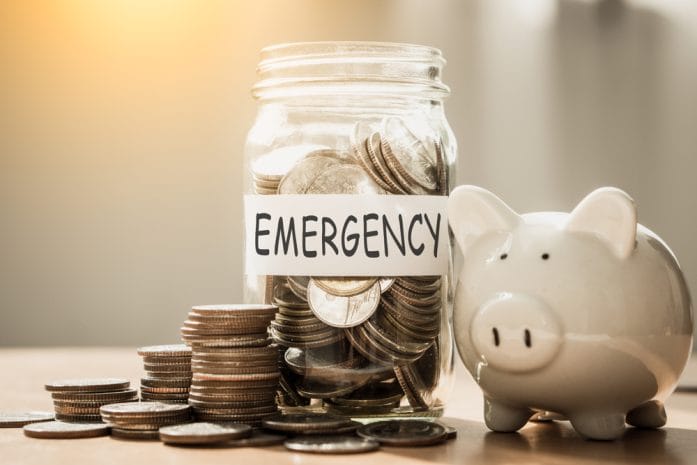
Why Are Emergency Funds Harder to Rebuild Than People Expect

Image Source: Shutterstock.com

The Trap Of Overestimating Income Flexibility

After a financial shock, it’s natural to assume that “extra” money can be redirected to the emergency fund immediately. But life is rarely that simple. Paychecks are often already spoken for—rent, utilities, groceries, and debts don’t pause just because your fund is low. Overestimating your ability to save can lead to frustration and, in some cases, abandoning the effort altogether. People sometimes think that a small monthly contribution is inconsequential, but even modest, consistent deposits can rebuild a fund over time. The key is realistic expectations: understanding what can truly be allocated each month without causing stress or sacrificing essential needs.

The Long-Term Habit Shift That’s Often Required

Rebuilding an emergency fund isn’t just about numbers; it’s about forming lasting habits. If your spending patterns contributed to the initial drain, those habits need to change for recovery to stick. This often involves creating stricter budgets, tracking spending meticulously, or even reassessing priorities. Habit change takes time—sometimes months—to feel natural, and during this period, patience is crucial.

It’s common to see progress, experience setbacks, and feel like the effort isn’t paying off. Recognizing that habit formation is part of the process can transform frustration into steady progress. Consistency beats speed every time when it comes to financial security.

Unexpected Emotional Triggers Can Set You Back

Rebuilding your fund isn’t just about math; emotions play a huge role. Stress, peer pressure, and social comparison can trigger impulsive spending or feelings of hopelessness. A night out with friends, seeing a colleague’s new purchase, or even seasonal advertising can tempt you to dip into the fund you’re trying to rebuild. Emotional spending is a natural human response, but it can make recovery feel painfully slow. By identifying emotional triggers and planning for them—like allocating a small fun budget—you can protect your fund while still enjoying life. Financial resilience isn’t about perfection; it’s about managing these challenges strategically.

Join The Conversation About Rebuilding Financial Safety

Rebuilding an emergency fund is rarely as quick or easy as people hope, but understanding the hurdles makes the process less intimidating. From loss aversion to lifestyle inflation, hidden costs, and emotional triggers, many factors contribute to the challenge. By creating realistic goals, practicing patience, and cultivating consistent saving habits, you can rebuild your financial safety net without sacrificing your sanity.

Have you ever had to rebuild your emergency fund, or are you in the process now? Tell us your experiences and lessons below—your insights might just help someone else navigate the tricky path to financial security.

You May Also Like…

Savings Game: 5 Ways to Boost Your Emergency Fund Before December Ends

Build an Ironclad Emergency Fund That Can Withstand Any Crisis

10 Financial Dangers of Skipping Emergency Funds

Why Your $1,000 Emergency Fund Is Not Nearly Enough for 2026

5 Ways The New Year Gets In The Way Of Saving Money


Brandon Marcus
Brandon Marcus

Brandon Marcus is a writer who has been sharing the written word since a very young age. His interests include sports, history, pop culture, and so much more. When he isn’t writing, he spends his time jogging, drinking coffee, or attempting to read a long book he may never complete.


Filed Under: Lifestyle Tagged With: Cost of living, costs, emergency fund, emergency funds, Income, income flexibility, Life, Lifestyle, Lifestyle Inflation, loss, rising costs, Saving, saving account, saving money, savings

Why Do So Many People Feel One Bill Away From Trouble

January 11, 2026 by Brandon Marcus Leave a Comment

Why Do So Many People Feel One Bill Away From Trouble

Image Source: Shutterstock.com

Life can feel like walking a tightrope over a pit of uncertainty, and for millions, one wrong step—or one unexpected bill—can send everything tumbling. You might think financial stability is about earning more or spending less, but the reality is far more complicated. People live paycheck to paycheck, sometimes not by choice, but because the system seems rigged against them. Even those with decent jobs often feel like they’re balancing on a knife’s edge, one car repair or medical bill away from chaos.

So, why does it feel like so many people are perpetually one bill away from disaster? The answer lies in a mix of modern lifestyle pressures, systemic challenges, and human psychology that creates a perfect storm of financial vulnerability.

The Rising Cost Of Everyday Life

Inflation isn’t just a buzzword economists throw around—it’s a daily reality for everyone reaching for a grocery cart or paying a rent check. Essentials like housing, healthcare, and food have been rising faster than wages for decades. Many people find themselves constantly adjusting, cutting corners, or delaying bills just to make it through the month. This creates a fragile financial ecosystem where a single unexpected expense—a broken fridge, a flat tire, or a sudden medical need—can tip the balance.

Even small setbacks feel monumental because there’s little cushion to absorb the shock. The rising cost of living isn’t just numbers on a page; it’s a pressure cooker that makes everyday life feel like walking on a financial tightrope.

Credit Cards And Debt Are A Double-Edged Sword

For decades, credit cards have promised convenience and freedom—but they often deliver stress instead. People lean on plastic to pay for essentials, emergencies, or the occasional treat, thinking they’ll pay it off later. Yet, high-interest rates and compounding debt mean those temporary solutions often become permanent burdens. The result? A cycle where bills get paid with borrowed money, interest piles up, and financial security feels like an impossible dream.

Debt can feel invisible until it isn’t, and suddenly, you’re one bill behind, scrambling to keep the lights on and the rent paid. While credit can be a useful tool, it often serves as a reminder that many are living on borrowed time—and borrowed money.

Job Instability And The Gig Economy

The old model of a steady nine-to-five job with benefits is vanishing, replaced by contract work, gig roles, and temporary positions. This shift offers flexibility, sure—but it also brings uncertainty. Paychecks fluctuate, hours disappear, and benefits are often nonexistent. Without predictable income, people can feel like they’re running on a treadmill with no finish line. One missed payment, one unexpected expense, and suddenly, the financial house of cards starts to wobble. Job instability isn’t just stressful—it creates a constant sense of being “one bill away” from trouble, no matter how careful someone is with their money. The modern economy may be dynamic, but it’s also unforgiving for anyone without a robust safety net.

Unexpected Emergencies Strike Hard

Life doesn’t send warnings before it hits you with the unexpected. A medical crisis, a car accident, or even a plumbing disaster can instantly drain savings that took years to build. Most people underestimate the likelihood and cost of emergencies, and even those with an emergency fund may find it insufficient when catastrophe strikes.

The shock of sudden expenses compounds anxiety, leaving people scrambling to find solutions and juggling bills in creative—and sometimes risky—ways. Emergencies are inevitable, but financial systems and personal circumstances often leave people vulnerable, perpetuating that nerve-racking feeling of being just one bill away from serious trouble.

Why Do So Many People Feel One Bill Away From Trouble

Image Source: Shutterstock.com

Human Psychology And Financial Stress

Our brains are wired to react strongly to scarcity and uncertainty, and money is a major trigger. Living paycheck to paycheck triggers stress responses similar to running from a predator: constant vigilance, anxiety, and a focus on immediate survival over long-term planning. This psychological load makes every decision feel higher stakes, every bill feel monumental, and every unexpected expense a potential disaster. Financial stress doesn’t just hurt bank accounts—it erodes mental health, relationships, and decision-making. The combination of external pressures and internal reactions explains why many people feel trapped, even when their numbers might seem manageable on paper.

Societal Pressures And Lifestyle Inflation

From social media to neighborhood norms, societal expectations push people to spend more than they earn. Vacations, electronics, cars, and even dining habits are often influenced by comparisons, creating subtle pressure to maintain a lifestyle that exceeds one’s means. Lifestyle inflation—where income rises but spending rises faster—traps many in a loop of appearing comfortable while actually living on the edge. The desire to keep up can outweigh financial prudence, leaving people one unexpected expense away from a financial emergency. Society constantly nudges us toward consumption, making the balancing act even trickier for anyone without a substantial buffer.

Building Resilience And Breaking The Cycle

Feeling like you’re one bill away from trouble isn’t inevitable. Awareness, planning, and small but consistent financial habits can provide a sense of control and security. Emergency funds, budgeting, and debt management are crucial tools, but so is shifting the mindset around money—thinking long-term, prioritizing essentials, and questioning societal pressures.

Policy solutions like affordable healthcare, fair wages, and accessible credit also play a huge role, highlighting that personal responsibility and systemic change must work hand in hand. Understanding why people feel perpetually vulnerable is the first step toward empowerment and, eventually, peace of mind.

Your Turn To Reflect

Money worries are universal, but every person’s story is unique. Whether it’s a car repair that nearly derailed the month, a medical bill that hit out of nowhere, or juggling debt that never seems to shrink, these experiences shape how we approach financial security.

How do you navigate being one step away from a financial emergency? What strategies, lessons, or surprises have you discovered along the way? Drop your thoughts and experiences in the comments below, and let’s explore together what it really means to feel secure in a world where one bill can change everything.

You May Also Like…

7 Monthly Bills That Keep Rising Even When You Use Less

When Your Parents Take Your Paycheck: 6 Signs You’re Being Emotionally Manipulated

Why You Should Never, Ever Skip Paying Your Bills

Tax Surge: 4 Income Types That Trigger Hidden Tax Bills

7 Silent Money Traps in Monthly Bills


Brandon Marcus
Brandon Marcus

Brandon Marcus is a writer who has been sharing the written word since a very young age. His interests include sports, history, pop culture, and so much more. When he isn’t writing, he spends his time jogging, drinking coffee, or attempting to read a long book he may never complete.

Filed Under: Lifestyle Tagged With: bills, Cost of living, everyday spending, family issues, family money, gig economy, job, job instability, Life, Lifestyle, living paycheck to paycheck, money issues, paycheck to paycheck, paying bills, rising costs, saving money, Smart Spending, spending

What Happens When Inflation Creeps Into Everyday Purchases

August 30, 2025 by Catherine Reed Leave a Comment

What Happens When Inflation Creeps Into Everyday Purchases

Image source: 123rf.com

Inflation often makes headlines when economists debate interest rates or government policies, but the reality hits hardest in everyday life. When inflation creeps into everyday purchases, it isn’t about abstract percentages—it’s about families feeling the pinch at the grocery store, the gas pump, and even during routine errands. The cost of living quietly rises, and small increases stack up faster than most realize. Understanding the effects helps families prepare, adapt, and make smarter financial decisions in challenging times.

1. Groceries Become a Weekly Shock

The grocery bill is one of the first places families notice inflation. A simple trip to pick up basics like milk, bread, and eggs can suddenly cost more than the week before. When inflation creeps into everyday purchases, even slight increases on essential items add up quickly over a month. Families may find themselves cutting back on healthier or name-brand options to stick to their budget. Over time, the choices around food shift, impacting both finances and lifestyle.

2. Gas Prices Strain the Commute

Commuting costs can quietly balloon when fuel prices rise. A few cents per gallon may not feel like much at first, but over weeks and months, the added expense strains budgets. When inflation creeps into everyday purchases, filling the gas tank turns into a bigger financial burden than expected. Longer commutes or frequent driving amplify the problem. Families may need to rethink transportation habits, from carpooling to using public transit, just to manage costs.

3. Utility Bills Slowly Climb

Electricity, water, and heating are non-negotiable expenses that rarely attract attention until the bill arrives. Inflation affects energy providers too, and the result is higher monthly charges for households. When inflation creeps into everyday purchases like utilities, there is little room to avoid the expense entirely. Families often respond by conserving energy, upgrading to efficient appliances, or adjusting thermostats. Even so, the added strain on the budget is difficult to escape completely.

4. Dining Out Loses Its Appeal

Restaurants are another sector hit hard by rising costs, and customers feel the impact on every menu. When inflation creeps into everyday purchases, dining out becomes noticeably more expensive, making it less of a treat and more of a budget decision. Families may swap a sit-down dinner for fast food, or skip restaurants entirely in favor of cooking at home. The result is less leisure and convenience for the same money. While small in isolation, these changes reshape lifestyle habits over time.

5. Subscriptions and Services Quietly Rise

Streaming platforms, gym memberships, and even online shopping services often increase prices in small increments. Consumers may not notice until they add up several charges across multiple services. When inflation creeps into everyday purchases like these, the monthly budget stretches thinner without warning. Many households reluctantly cut back on subscriptions, realizing that convenience is no longer affordable. The trade-off becomes choosing which luxuries to keep and which to cancel.

6. School and Child-Related Costs Expand

Families with children face rising costs in areas like school lunches, supplies, and extracurricular activities. Inflation doesn’t just touch adult expenses—it filters down to every aspect of raising kids. When inflation creeps into everyday purchases in education, parents feel the pinch in unexpected ways, such as higher sports fees or daycare rates. These increases add stress to already tight family budgets. Planning ahead and seeking discounts or secondhand options becomes essential.

Everyday Inflation Redefines Priorities

When inflation creeps into everyday purchases, it forces families to reevaluate how they spend, save, and plan. The impact may start small, but collectively, it reshapes budgets, routines, and priorities. Families find themselves making tough choices, whether it’s cutting back on dining out, limiting subscriptions, or stretching groceries further. The lesson isn’t just about surviving rising costs but about adapting with awareness and resilience. Ultimately, being proactive makes the difference between feeling overwhelmed and staying in control.

How has inflation changed the way you handle everyday purchases? Share your experiences and strategies in the comments below.

What to Read Next…

Are Retirement Income Calculators Overestimating Inflation Impact?

These Are The Top 10 Mistakes You’re Making With Your Money Right Now

10 Tactics for Building an Emergency Fund from Scratch

Could Too Much Cash in the Bank Actually Hurt Your Financial Future

Ways Adult Kids Quietly Drain Your Finances Without Guilt

Catherine Reed
Catherine Reed

Catherine is a tech-savvy writer who has focused on the personal finance space for more than eight years. She has a Bachelor’s in Information Technology and enjoys showcasing how tech can simplify everyday personal finance tasks like budgeting, spending tracking, and planning for the future. Additionally, she’s explored the ins and outs of the world of side hustles and loves to share what she’s learned along the way. When she’s not working, you can find her relaxing at home in the Pacific Northwest with her two cats or enjoying a cup of coffee at her neighborhood cafe.

Filed Under: Budgeting Tagged With: Cost of living, family budget, gas prices, groceries, household expenses, inflation creeps into everyday purchases, rising costs

What Happens When Inflation Eats Away Your Nest Egg Faster Than Expected

August 15, 2025 by Catherine Reed Leave a Comment

What Happens When Inflation Eats Away Your Nest Egg Faster Than Expected

Image source: 123rf.com

You spend decades saving for retirement, carefully building your nest egg so it will support you through your golden years. But what happens when inflation eats away your nest egg faster than expected? Prices for everything from groceries to healthcare start climbing, and suddenly your retirement budget feels tighter than ever. Even moderate inflation can erode the purchasing power of your savings over time, leaving you with fewer options and more financial stress. Understanding the risks and knowing how to adapt can help you protect your future.

1. Your Purchasing Power Drops Quickly

One of the most immediate effects of inflation is that the money you’ve saved simply doesn’t buy as much as it used to. If your monthly grocery bill was $400 last year and now it’s $480, that’s inflation at work. For retirees on fixed incomes, these increases can create serious challenges, forcing you to either cut back or dip into savings faster. Over time, these small increases add up and put pressure on your budget. This is one of the clearest examples of what happens when inflation eats away your nest egg faster than expected.

2. Fixed Income Sources Don’t Keep Up

Many retirement income sources, like pensions or annuities, are fixed and don’t adjust for inflation. Even Social Security, which includes cost-of-living adjustments (COLA), often doesn’t fully match rising expenses. This means that while your income stays the same, your costs continue to climb. The gap between the two can widen each year, leading to a faster depletion of your savings. This is a major reason why understanding what happens when inflation eats away your nest egg faster than expected is so important.

3. Investment Returns Lose Their Edge

Inflation affects not just your spending power but also the real value of your investment returns. For example, if your portfolio grows by 5% in a year but inflation is 6%, you’ve actually lost purchasing power. This erosion can be particularly damaging for conservative investors who prioritize safety over higher returns. Balancing growth and security becomes essential to protect your savings. Without careful management, you’ll see firsthand what happens when inflation eats away your nest egg faster than expected.

4. Healthcare Costs Climb Even Faster

While general inflation is concerning, healthcare costs often rise at an even faster rate. For retirees, this means a larger portion of their budget is consumed by medical expenses each year. Premiums, prescription drugs, and long-term care services are all subject to steep price increases. Without a plan to manage these costs, healthcare can become a major drain on your savings. This is one of the most critical aspects of what happens when inflation eats away your nest egg faster than expected.

5. You May Need to Adjust Your Withdrawal Rate

Many retirees follow the “4% rule” for withdrawals, but inflation can make this strategy less sustainable. If your expenses rise sharply, you may need to withdraw more than planned, accelerating the depletion of your funds. This puts you at greater risk of running out of money in later years. Adjusting your withdrawal strategy to reflect inflation trends is key to preserving your nest egg. This is a direct example of what happens when inflation eats away your nest egg faster than expected.

6. Lifestyle Changes Become Necessary

Inflation can force difficult choices about how you live in retirement. You may need to downsize your home, cut back on travel, or reduce discretionary spending to make your savings last. These changes can be emotionally challenging, especially if you envisioned a more carefree retirement. However, proactive adjustments can prevent deeper financial problems down the road. This reality often becomes clear when people experience what happens when inflation eats away your nest egg faster than expected.

7. Proactive Planning Can Make a Difference

While inflation is inevitable, you can take steps to protect your retirement savings. Investing in assets that historically outpace inflation, like certain stocks or real estate, can help maintain purchasing power. Building an emergency fund and regularly reviewing your budget are also important strategies. The earlier you adapt, the more control you’ll have over your financial future. Taking action now can help offset what happens when inflation eats away your nest egg faster than expected.

Protecting Your Retirement from Inflation’s Bite

Inflation may be unavoidable, but its impact on your retirement doesn’t have to be devastating. By recognizing the warning signs early and adjusting your income, investments, and spending habits, you can safeguard your nest egg against rising costs. The key is to stay informed, flexible, and proactive in your planning. That way, even if inflation eats away at your savings, you’ll be prepared to weather the storm and maintain your quality of life.

How are you adjusting your retirement plan to account for inflation? Share your strategies in the comments below!

Read More:

Why Some People Feel Rich—But Can’t Afford a $400 Emergency

The Dangerous Habit That’s Quietly Shrinking Your Retirement Fund

Catherine Reed
Catherine Reed

Catherine is a tech-savvy writer who has focused on the personal finance space for more than eight years. She has a Bachelor’s in Information Technology and enjoys showcasing how tech can simplify everyday personal finance tasks like budgeting, spending tracking, and planning for the future. Additionally, she’s explored the ins and outs of the world of side hustles and loves to share what she’s learned along the way. When she’s not working, you can find her relaxing at home in the Pacific Northwest with her two cats or enjoying a cup of coffee at her neighborhood cafe.

Filed Under: Retirement Tagged With: Financial Security, inflation and retirement, retirement planning, retirement savings, rising costs, what happens when inflation eats away your nest egg faster than expected

  • « Previous Page
  • 1
  • 2

FOLLOW US

Search this site:

Recent Posts

  • Can My Savings Account Affect My Financial Aid? by Tamila McDonald
  • 12 Ways Gen X’s Views Clash with Millennials… by Tamila McDonald
  • What Advantages and Disadvantages Are There To… by Jacob Sensiba
  • 10 Tactics for Building an Emergency Fund from Scratch by Vanessa Bermudez
  • Call 911: Go To the Emergency Room Immediately If… by Stephen Kanaval
  • 7 Weird Things You Can Sell Online by Tamila McDonald
  • 10 Scary Facts About DriveTime by Tamila McDonald

Copyright © 2026 · News Pro Theme on Genesis Framework