• Home
  • About Us
  • Toolkit
  • Getting Finances Done
    • Hiring Advisors
    • Debt Management
    • Spending Plan
  • Insurance
    • Life Insurance
    • Health Insurance
    • Disability Insurance
    • Homeowners/Renters Insurance
  • Contact Us
  • Privacy Policy
  • Risk Tolerance Quiz

The Free Financial Advisor

You are here: Home / Archives for Entertainment

7 Ways Rising Costs Affect Everyday Decisions

January 31, 2026 by Brandon Marcus Leave a Comment

These Are 7 Ways Rising Costs Affect Everyday Decisions

Image source: shutterstock.com

We’ve all felt it—the creeping pinch at checkout, the quiet shock of a higher gas bill, the subtle disappointment when your favorite latte suddenly costs a little more. Rising costs aren’t just numbers on a spreadsheet; they infiltrate the tiny, everyday choices we make, often without us even realizing it.

From deciding whether to dine out or cook at home, to reevaluating weekend adventures or luxury splurges, inflation quietly nudges our habits. Knowing how these shifts affect us can help us make smarter, sometimes even surprising decisions that protect our wallets—and maybe even our sanity.

1. Grocery Shopping Gets Strategic (and Sometimes Sneaky)

The humble grocery trip has transformed into a tactical mission. When prices climb, shoppers become sleuths, hunting for discounts, comparing unit prices, and sometimes even switching to store brands. The cost of staples like eggs, milk, or bread has been steadily rising in recent years due to supply chain issues and inflationary pressures. This often encourages people to plan meals more carefully, buy in bulk, or lean on coupons and loyalty programs.

But the ripple effect is bigger than just budgeting—it can change our diets. Some shoppers might swap fresh produce for frozen options, which are often cheaper and longer-lasting, or skip premium items entirely. On a brighter note, this frugal creativity can spark new culinary adventures, inspiring recipes that use pantry staples more inventively than ever before.

2. Dining Out or Staying In Becomes a Calculated Decision

Restaurants aren’t immune to rising costs either. Menu prices tend to climb when ingredient, labor, and utility expenses rise, and suddenly that Friday night takeout feels like a luxury splurge. Many people respond by becoming more selective, choosing restaurants strategically, hunting for deals, or opting for smaller portions. The result? Family nights might shift from dining out to hosting homemade pizza parties or experimenting with gourmet recipes at home.

Interestingly, some diners report rediscovering the joy of cooking because of it—transforming a necessity into an opportunity to bond and save. Even beverage choices get influenced: a fancy cocktail might get swapped for a simple homemade mocktail, proving that creativity often thrives when budgets tighten.

3. Transportation Choices Are Rewritten in Real Time

Gasoline prices are a classic example of how rising costs dictate daily decisions. Commuters may rethink their usual routines, opting for public transit, carpooling, biking, or even walking when possible. Beyond commuting, rising fuel costs can influence bigger life choices, like where to live or work, and whether weekend road trips are still feasible.

These pressures can spark environmentally friendly behaviors almost by accident. Choosing a bike over a car, or consolidating errands to save fuel, can reduce carbon footprints while easing financial strain.

These Are 7 Ways Rising Costs Affect Everyday Decisions

Image source: shutterstock.com

4. Entertainment Becomes About Value (Not Just Fun)

Rising costs have reshaped how we think about leisure and entertainment. Movie tickets, streaming subscriptions, and concert prices all factor into decisions about how to spend free time. People may weigh the value of experiences more carefully, seeking free or low-cost alternatives such as local events, hiking trips, or DIY movie nights at home.

The upside? Many people report getting more creative with entertainment, discovering hobbies and experiences they might have overlooked when money felt more abundant. This shift doesn’t just save cash; it often leads to richer, more personalized ways to spend downtime.

5. Home Energy Bills Spark Smart Adjustments

Heating, cooling, and electricity costs have been climbing steadily, encouraging households to rethink how they use energy. Simple habits like adjusting thermostats, switching to energy-efficient bulbs, or unplugging devices when not in use suddenly become more than just good ideas—they become smart money moves. Homeowners may even invest in bigger changes, such as improved insulation or smart home technology, which reduces long-term expenses.

These choices can feel like small sacrifices, but they often result in surprisingly significant savings over time. In essence, rising energy costs force us to become more conscious consumers, balancing comfort with efficiency in ways we might never have considered otherwise.

6. Travel Plans Are Reviewed (and Sometimes Postponed)

Vacations and getaways are often among the first luxuries to feel the impact of rising costs. Airline tickets, hotel rates, and even meals abroad can become prohibitive, prompting travelers to rethink when, where, and how they journey. Many people turn to alternatives like road trips, off-season travel, or “staycations” to keep the experience alive while reducing the financial hit. Some travelers find that exploring nearby attractions leads to hidden gems they would never have discovered otherwise.

The travel landscape is becoming more creative, with a focus on maximizing experience per dollar. This cost-conscious approach often leads to more meaningful, less hurried trips, because planning becomes intentional rather than spontaneous.

7. Savings and Spending Habits Shift Instantly

One of the most invisible—but powerful—ways rising costs affect everyday life is by reshaping how people save and spend. Faced with inflation, some individuals feel the urge to increase emergency funds or retirement contributions, even while cutting back on discretionary spending. Others may make small but frequent adjustments, like quitting coffee or postponing new clothing purchases.

The key is awareness: understanding the connection between rising costs and personal finances can empower smarter choices. While it can feel restrictive at first, this heightened awareness often cultivates long-term financial resilience, transforming reactive spending into proactive planning.

Living Smart in a World of Rising Prices

Rising costs don’t just influence the big purchases—they ripple through the tiny decisions we make every day, from the meals we eat to how we entertain ourselves. While inflation can feel frustrating, it also offers a chance to rethink habits, prioritize spending, and embrace creativity in unexpected ways. By paying attention to the subtle impacts, we can turn economic pressure into smarter, more intentional decision-making.

What about you? How have rising costs nudged the choices you make daily, and what creative solutions have you discovered to stretch your budget without sacrificing fun? Share your strategies in the comments

You May Also Like…

9 Surprising Costs That Appear With New Technology

5 Surprising Costs Older Parents Face When Raising Kids Later in Life

Expense Trap: 7 Inflation Surprises That Sneak Up on Middle-Aged Investors

8 Bold Strategies for Investing During Periods of High Inflation

Why Do People Underestimate the True Cost of Living Longer

Brandon Marcus
Brandon Marcus

Brandon Marcus is a writer who has been sharing the written word since a very young age. His interests include sports, history, pop culture, and so much more. When he isn’t writing, he spends his time jogging, drinking coffee, or attempting to read a long book he may never complete.

Filed Under: Lifestyle Tagged With: Budgeting Tips, consumer habits, Cost of living, dining out, energy savings, Entertainment, everyday items, grocery shopping, Inflation, Life, Lifestyle, Personal Finance, rising costs, transportation, travel tips

7 Little-Known Paths Into Atlanta’s Entertainment Scene

November 12, 2025 by Travis Campbell Leave a Comment

Atlanta

Image source: shutterstock.com

The United States has recognized Atlanta as a leading creative hub that is experiencing rapid development. From film to music, the city’s energy attracts newcomers who want to break into the entertainment industry. People tend to focus on the superficial aspects of the music industry, which include major studios, well-known rappers, and major concerts. Multiple career advancement opportunities exist through the various entry points that Glamour presents at first glance. The knowledge of these secret paths becomes important because the entertainment industry favors individuals who remain committed and have local ties over those who rely on chance. The Atlanta entertainment industry offers entry points through these underappreciated opportunities for anyone who wants to join.


1. Community Theater Collaborations

Atlanta’s community theaters aren’t just for hobbyists. They serve as training grounds where actors, set designers, and stage managers develop their skills and build relationships. Theaters like those in Decatur and East Point often welcome volunteers who want to learn production from the ground up. Working behind the curtain gives you a chance to meet directors who also work in film and television. Many casting calls for independent projects start with someone who saw a strong performance in a local play.

For anyone aiming to transition from stage to screen, community theater provides a low-cost, high-impact entry point into the Atlanta entertainment scene. The experience also helps you understand how storytelling works in front of a live audience, something that translates well to on-camera work.

2. Indie Film Meetups and Co-ops

Atlanta’s independent film community thrives on collaboration. Groups like film co-ops and weekend shoot meetups connect writers, cinematographers, and actors who want to build portfolios. These smaller gatherings often lead to paid gigs when a project gains momentum or wins local awards. You don’t need a massive budget to get noticed—just consistency and teamwork.

Joining a co-op can also teach you the logistics of production: securing permits, handling lighting, and editing footage. It’s an informal film school with immediate feedback. A great place to start is by searching for events on Meetup.com, where local filmmakers frequently post open calls for crew members.

3. Background Acting and Extras Work

Atlanta’s booming film industry constantly needs background actors. Extras work may sound minor, but it’s one of the most direct ways to get on set and observe professionals in action. You gain firsthand insight into how directors manage crews and how actors handle multiple takes. Some extras even move into speaking roles after building relationships with casting directors.

Signing up with reputable casting agencies that specialize in background work can lead to steady opportunities. It’s also a smart way to see what kinds of productions are filming across the city, from major streaming series to commercials. Many who start here end up pursuing other roles within the Atlanta entertainment scene, from production assistants to wardrobe stylists.

4. Music Production Internships

Atlanta’s music identity runs deep, but the gateway isn’t always through performing. Studios across the city often need interns who can assist with recording sessions, manage schedules, or handle digital promotion. These positions can evolve into full-time roles for those who show initiative. Even unpaid internships can be valuable if they place you near producers, engineers, and artists who shape the city’s sound.

Learning how a studio operates behind the scenes can spark new interests, such as sound mixing, publishing, or artist management. These skills also translate to other creative industries. Many people who start in small studios later move into film scoring or live event production.

5. Local Film Festivals and Volunteer Crews

Film festivals aren’t just for screening movies. They’re networking events where volunteers often meet independent filmmakers, talent agents, and sponsors. Working on a festival crew exposes you to logistics, marketing, and event management. It also gives you access to panels and workshops that can sharpen your understanding of the business side of entertainment.

Atlanta hosts several niche festivals that focus on specific genres or communities, creating opportunities to meet professionals who share your interests. Volunteering year after year builds credibility and helps you become part of the city’s creative fabric. Many festival organizers later recommend volunteers for paid production roles.

6. Creative Coworking Spaces

Unlike traditional offices, creative coworking spaces in Atlanta mix freelancers, digital artists, and small production teams under one roof. These environments encourage collaboration and spontaneous partnerships. You might meet a documentary filmmaker seeking a sound designer or a podcast host in need of editing assistance. The casual setting lowers barriers to entry.

Spaces like these often host workshops and mixers that foster local talent. They’re also ideal for testing new ideas without heavy overhead costs. By embedding yourself in a coworking hub, you can stay plugged into the pulse of the Atlanta entertainment scene while expanding your professional network.

7. Digital Storytelling and Social Media Production

Atlanta’s creative economy increasingly relies on digital platforms. Short-form video, branded content, and podcasts require the same storytelling instincts as traditional media. Learning to shoot, edit, and distribute your own content online can attract attention from agencies and producers. Many creative professionals now treat social media channels as their portfolio.

Platforms like YouTube or local streaming startups allow you to showcase work without waiting for permission. The more you publish, the more likely you’ll connect with collaborators who value initiative. The city rewards those who can blend creativity with consistency.

Building Momentum in a Creative City

Atlanta’s entertainment scene thrives on relationships and persistence. People who achieve success most often follow non-linear career paths by working on community projects, volunteering, and testing digital concepts until they find their ideal opportunity. Your professional reputation grows with each minor accomplishment, which simultaneously provides valuable work experience. Your first attempts will lead to significant improvement, which will become apparent over time.

The path to success requires people to become actively involved. The city’s creative network welcomes all participants who wish to share their skills and advance their professional development. Which of these paths seems most achievable for your initial attempt?

What to Read Next…

  • Why ChatGPT May Be Generating Fake Financial Advice And Getting Away With It
  • 7 Ways Your Neighbor Could Be Spying On You Without Breaking The Law
  • What Are Banks Really Doing With Your Personal Spending Data?
  • 7 Credit Card Features Disappearing Without Any Notice
  • 7 Hidden Fees That Aren’t Labeled As Fees At All
Travis Campbell
Travis Campbell

Travis Campbell is a digital marketer/developer with over 10 years of experience and a writer for over 6 years. He holds a degree in E-commerce and likes to share life advice he’s learned over the years. Travis loves spending time on the golf course or at the gym when he’s not working.

Filed Under: Entertainment Tagged With: Atlanta, career tips, creative jobs, Entertainment, film industry, music

9 Nostalgic Video Games That Are Still Dominating Decades Later

November 7, 2025 by Travis Campbell Leave a Comment

video games

Image source: shutterstock.com

Some games continue to remain popular throughout time. The games maintain player interest through basic gameplay systems, well-designed mechanics, and enjoyable gameplay. The titles in this list have become influential in gaming history while drawing in fresh audiences who play them today. The games have entered gaming history because they provided long-lasting gameplay to players who first played them at launch or through subsequent releases. The following analysis evaluates nine classic video games that have maintained their popularity across multiple decades, explaining their enduring appeal to different age groups.

1. Super Mario Bros.

When it comes to nostalgic video games, nothing tops Super Mario Bros. It defined platforming, introduced iconic characters, and set the tone for countless sequels. Released in 1985, it remains a timeless example of perfect level design and rewarding gameplay. The controls are tight, the challenge is fair, and the sense of discovery still feels fresh today.

Even with modern 3D entries, players continue to return to the original. Nintendo has re-released it on multiple systems, and speedrunners continue to break records. Mario’s simple quest to save the princess is proof that a great idea, executed well, never gets old.

2. The Legend of Zelda

The Legend of Zelda has been captivating players since its debut in 1986. Its blend of exploration, puzzles, and adventure set the foundation for countless games that followed. Every generation of consoles sees a new Zelda game, but the spirit of the original still guides the series. That sense of freedom and mystery remains unmatched.

From the first dungeon to the final boss, Zelda rewards curiosity. Fans who replay the early titles often find new secrets decades later. It’s no surprise that the franchise continues to influence open-world design across the industry.

3. Tetris

Tetris is the ultimate example of simplicity done right. Blocks fall, you rotate them, and you clear lines. Yet the challenge never gets old. Its clean design has made it one of the most enduring nostalgic video games of all time. It has been adapted to nearly every platform imaginable, from old handheld devices to smartphones.

Studies have even shown that playing Tetris can improve spatial reasoning and focus. It’s more than a game; it’s a mental workout that still feels satisfying decades after its release. The best part? Anyone can pick it up and play within seconds.

4. Street Fighter II

Street Fighter II didn’t just define the fighting genre—it created a culture. Released in the early 1990s, it brought competitive gaming to arcades everywhere. Players lined up with quarters, testing their skills against friends and strangers. The game’s balance and depth remain intact today.

Modern tournaments still feature Street Fighter II, demonstrating its enduring popularity. It’s a perfect mix of accessible gameplay and technical mastery. Even newer fighting games borrow their core mechanics and character archetypes. Few titles have left such a lasting mark.

5. Sonic the Hedgehog

Sega’s blue blur raced into the early ’90s with attitude and speed. Sonic the Hedgehog became a rival to Mario, giving Sega its identity. The original game’s fast-paced platforming and catchy music made it an instant hit. It remains one of the most beloved nostalgic video games for players who grew up during the console wars.

Recent remasters and fan projects, such as Sonic Mania, demonstrate the enduring affection for the character. Sonic’s world has expanded into TV, movies, and modern titles, but fans never forget where it started.

6. Pokémon Red and Blue

Pokémon Red and Blue launched a global phenomenon in 1996. Catching, training, and battling creatures became a shared experience that crossed generations. The original games might look simple today, but their core idea remains powerful. Building a team and exploring a new world still feels magical.

Players continue to revisit these nostalgic video games through re-releases and emulators. The formula hasn’t changed much because it doesn’t need to. Pokémon’s appeal lies in its sense of adventure and collection, and that’s as strong now as it was decades ago.

7. Final Fantasy VII

Few games have had the cultural impact of Final Fantasy VII. Released in 1997, it brought cinematic storytelling to the gaming world. Its mix of RPG mechanics, emotional depth, and memorable characters made it a classic. Even with modern remakes, the original still draws players who want to experience where it all began.

The story, music, and world design continue to influence role-playing games today. Fans often replay it for nostalgia, while new players seek to understand why it changed gaming forever. Its staying power is a testament to great storytelling and design.

8. Pac-Man

Pac-Man is one of the earliest examples of a game that never loses appeal. Its simple goal—eat dots, avoid ghosts, survive—still hooks players. Released in 1980, it helped define arcade culture and remains instantly recognizable. The bright visuals and catchy sounds give it lasting charm.

Even after decades, Pac-Man appears in mobile apps, crossovers, and tournaments. The game’s design is timeless, proving that fun doesn’t need complex graphics or long tutorials. It’s pure, instinctive entertainment that continues to connect generations.

9. Minecraft

While newer than some on this list, Minecraft has already reached nostalgic video game status for many. Released in 2011, it captures the same timeless quality as older classics. Its simple block-based world invites creativity, exploration, and community. Players of all ages build, survive, and share their creations endlessly.

It’s one of the best-selling games of all time and continues to evolve through updates and mods. The open-ended design ensures that no two experiences are the same. For younger players, it’s already a nostalgic part of their childhood gaming memories.

Why Nostalgia Still Wins

Nostalgic video games remain popular because they prioritize gameplay above all else. The graphics quality improves as hardware components advance, yet the core gaming experience remains unchanged. The titles in this collection unite people through their shared experiences and basic enjoyment. The designs demonstrate that minimalism is the most effective design approach.

The classics remain popular because players can play them through emulators or purchase updated versions from Nintendo’s digital store. Which of these classic games continues to occupy your screen today?

What to Read Next…

  • Why ChatGPT May Be Generating Fake Financial Advice And Getting Away With It
  • Are Budgeting Apps Designed To Push You Into Debt
  • What Are Banks Really Doing With Your Personal Spending Data
  • Whos Watching Your Financial Apps Without You Knowing It
  • 8 Financial Red Flags You Might Be Missing In Joint Accounts
Travis Campbell
Travis Campbell

Travis Campbell is a digital marketer/developer with over 10 years of experience and a writer for over 6 years. He holds a degree in E-commerce and likes to share life advice he’s learned over the years. Travis loves spending time on the golf course or at the gym when he’s not working.

Filed Under: Entertainment Tagged With: Entertainment, gaming, nostalgia, retro, video games

10 Shocking Facts About Beloved TV Shows You Thought You Knew

November 6, 2025 by Travis Campbell Leave a Comment

man in protective gear

Image source: shutterstock.com

Every person has their favorite TV show, which they share with others through quotes and watch repeatedly during weekend rainstorms, recalling it from their childhood days. The most devoted supporters would likely discover unexpected activities that take place in the background. The world of beloved TV shows contains multiple hidden elements, including unexpected plot twists and lesser-known details that transform your understanding of popular shows. Your understanding of these facts will enhance your television-watching experience, as they create additional discussion points and help you better comprehend how television shows are produced. The following list contains surprising facts about your favorite TV shows that you might not be aware of.

1. The “Friends” Couch Almost Didn’t Exist

Central Perk’s orange couch is iconic in the world of beloved TV shows. But did you know it was nearly left out of “Friends”? The now-famous couch was actually found in the basement of the Warner Bros. studio. The set designers were searching for something comfortable and unique, and stumbled upon it by accident. If they hadn’t, the group’s coffee shop hangouts might have looked very different—and we might not have had so many memorable scenes on that orange sofa.

2. The “Breaking Bad” Blue Meth Was Actually Candy

Walter White’s blue meth became a symbol of the show’s dark transformation. But for the actors, it was just a sweet treat. The blue crystals were actually made of blue-tinted rock candy. Aaron Paul, who played Jesse Pinkman, has said he consumed a significant amount of it during filming. Turns out, the meth empire was a lot sweeter than it looked!

3. “The Simpsons” Holds a Surprising Record

When it comes to beloved TV shows, “The Simpsons” is a giant. It’s not just the longest-running American sitcom—it’s also the longest-running scripted primetime series in U.S. history. That’s over 30 years of episodes, jokes, and yellow cartoon antics. Few shows have had such staying power, making “The Simpsons” a true TV legend.

4. “Game of Thrones” Had a Coffee Cup Blunder

Fans of “Game of Thrones” will remember the infamous coffee cup incident. During season 8, a modern-day coffee cup was left on a table in front of Daenerys Targaryen. The cup made it into the final cut and aired to millions of viewers. It quickly went viral, reminding everyone that even the biggest beloved TV shows can make simple mistakes.

5. “The Office” Cast Decorated Their Own Desks

Part of what made “The Office” feel so real was the personal touches at each desk. The actors were encouraged to decorate their spaces with photos, mugs, and knick-knacks from home. This made the set feel more authentic and gave each character’s workspace a unique vibe. It’s one of the little things that made this show stand out among beloved TV shows.

6. “Seinfeld” Almost Had a Different Name

Hard to imagine, but “Seinfeld” was originally pitched as “The Seinfeld Chronicles.” NBC execs thought the name was too long and confusing. After the pilot, they shortened it to just “Seinfeld,” and the rest is TV history. Sometimes, a small change makes all the difference in the world of beloved TV shows.

7. “Stranger Things” Was Inspired by Real Experiments

The spooky events in “Stranger Things” might seem far-fetched, but the show’s creators drew inspiration from real-life government projects like the rumored MKUltra experiments. These programs investigated mind control and psychic powers during the Cold War. While “Stranger Things” takes plenty of creative liberties, its roots in reality make it even more intriguing.

8. “Friends” Negotiated Equal Pay—A TV First

The main cast of “Friends” made TV history by negotiating as a group for equal pay. By the final seasons, each actor was earning $1 million per episode. Their solidarity paved the way for future ensemble casts to demand fair compensation. It’s a behind-the-scenes fact that changed the business side of beloved TV shows forever.

9. “Cheers” Was Almost Canceled After One Season

Today, “Cheers” is a classic. But after its first season, it ranked 74th out of 77 shows in ratings. NBC considered canceling it, but gave it another chance. The show eventually became a smash hit, helping to launch the careers of several stars. Sometimes, even beloved TV shows need a little luck to make it big.

10. “Lost” Hid Secret Messages in Its Music

Composer Michael Giacchino used more than just notes to build tension in “Lost.” He sometimes wove Morse code and hidden audio messages into the soundtrack. Attentive fans picked up on these clues, which hinted at future plot twists. It’s a detail that adds extra layers to one of the most mysterious, beloved TV shows ever made.

Why These TV Facts Matter for Fans

Our TV show viewing experience becomes completely different when we discover hidden information about our preferred shows. The process involves more than just gathering trivia, as it explores the detailed aspects of creative work, teamwork, and happy accidents that make these favorite shows special. The production process illustrates how writers, directors, and actors collaborate as a team to develop each episode. The unplanned creative moments between actors have led to numerous iconic television scenes, demonstrating how unexpected and innovative encounters can produce unforgettable television moments.

What’s the most astonishing fact you’ve come across regarding your cherished TV shows? Feel free to share your insights in the comments!

What to Read Next…

  • 8 Cringeworthy Promotions That Foreshadow Fraudulent Financial Advice
  • Why ChatGPT May Be Generating Fake Financial Advice And Getting Away With It
  • What Are Banks Really Doing With Your Personal Spending Data
  • 7 Ways Your Neighbor Could Be Spying On You Without Breaking The Law
  • Is It Legal For Companies To Listen To You Through Smart Speakers
Travis Campbell
Travis Campbell

Travis Campbell is a digital marketer/developer with over 10 years of experience and a writer for over 6 years. He holds a degree in E-commerce and likes to share life advice he’s learned over the years. Travis loves spending time on the golf course or at the gym when he’s not working.

Filed Under: Entertainment Tagged With: behind the scenes, Entertainment, fun facts, pop culture, television trivia, TV shows

Game Night: Try These 11 Throwback Games for a Great Family Game Night

June 5, 2024 by Stephen Kanaval Leave a Comment

Games

unsplash

In an era dominated by digital entertainment, there’s a nostalgic resurgence taking place in living rooms across the country: the return of classic board games. As families seek ways to disconnect from screens and reconnect with each other, game nights are making a triumphant comeback.

This trend isn’t just about fun; it’s about fostering communication, teaching strategic thinking, and creating lasting memories. Let’s explore 12 throwback games that promise to make your family game night an unforgettable experience.

1. Monopoly

Monopoly

unsplash

No list of classic games is complete without Monopoly. First published during the Great Depression, this real estate trading game has taught generations about negotiation and financial management. With its iconic tokens like the top hat and battleship, Monopoly offers a blend of luck and strategy that keeps players engaged for hours. In today’s gig economy, where entrepreneurship is celebrated, Monopoly’s lessons in property investment and cash flow are surprisingly relevant.

2. Scrabble

Scrabble

unsplash

In an age of text abbreviations and emojis, Scrabble stands as a bastion of vocabulary. Invented by an architect during the 1930s, this word game challenges players to construct words on a grid for points. It’s not just entertaining; research shows it can improve spelling skills and expand vocabulary. Scrabble is particularly great for intergenerational play, grandparents can share words from their era, while kids introduce contemporary slang, bridging linguistic gaps.

3. Clue

Clue

unsplash

Mystery lovers, rejoice! Clue, known as Cluedo outside North America, turns players into detectives solving a mansion murder. With its cast of colorful suspects like Miss Scarlet and Colonel Mustard, Clue blends deduction with a touch of theatrics. In today’s true-crime-obsessed culture, where podcasts and documentaries reign, Clue taps into our collective fascination with solving mysteries. It’s a game that encourages analytical thinking and attention to detail, skills valuable in any era.

4. Risk

Risk

unsplash

Originally designed by a French filmmaker, Risk is a game of global domination that resonates in our interconnected world. Players command armies, form alliances and strategize to conquer territories. More than just a game, Risk offers lessons in diplomacy, resource management, and long-term planning. In an age where geopolitics make daily headlines, Risk provides a tangible way for families to discuss and understand international relations.

5. Operation

Operation

unsplash

Before video games had us performing virtual surgeries, there was Operation. This quirky game tasks players with removing plastic ailments from “Cavity Sam” without touching the sides, which triggers a buzzer. It’s a test of fine motor skills and steady hands, making it particularly engaging for kids. In a time when medical dramas dominate TV and healthcare is a hot topic, Operation offers a playful introduction to anatomy and medical procedures.

6. Sorry!

Game

123rf

Originally a British game from the 1930s, Sorry!’s American version brought polite aggression into living rooms. Players navigate their pawns around the board, aiming to get all four “home” first. The twist? You can send opponents’ pieces back to “start” by landing on them, saying “Sorry!”

It’s a game of opportunism and calculated risks, deciding when to advance your pieces and when to hinder others. In our hyper-competitive age, Sorry! teaches the value of strategic setbacks and gracious competition, skills crucial in many professional environments.

7. The Game of Life

Life

unsplash

First created in 1860 and significantly redesigned in 1960, The Game of Life simulates a person’s journey from college through retirement. Players make life decisions (career, marriage, and children) with financial consequences. In today’s world, where traditional life paths are being redefined, this game sparks meaningful family discussions about choices and values. It’s a fantastic tool for parents to share wisdom about life’s twists and turns.

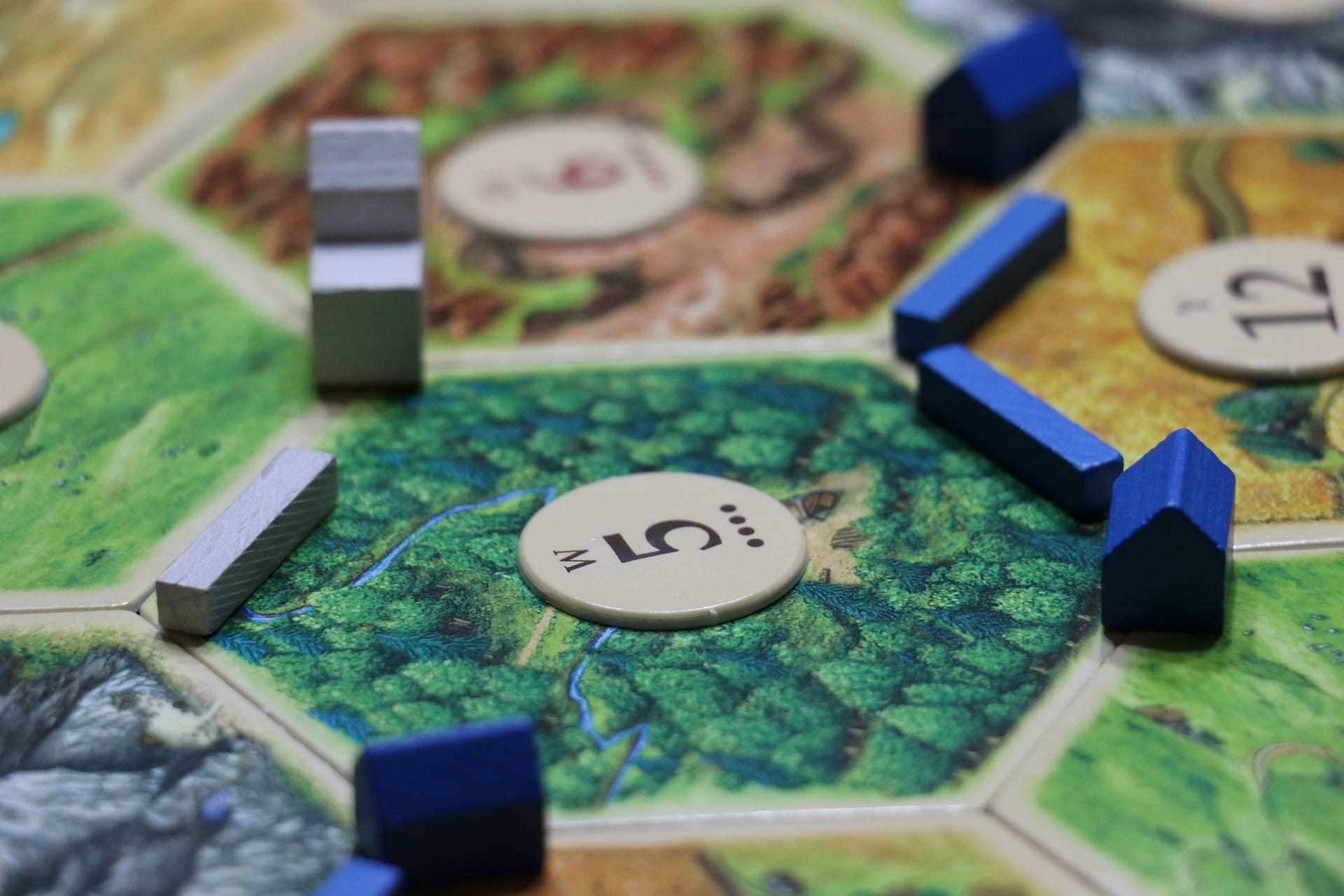
8. Katan

Katan

pixabay

In an age where “social distancing” entered our lexicon, Catan offers a refreshing, communal closeness. Created by a German dental technician, This board game, which turns players into resourceful settlers on a hexagonal island, was revolutionary in the 1990s for its collaborative yet competitive gameplay.

Today, in a world where much interaction is virtual, Catan brings back the joy of face-to-face strategic negotiations. It’s not just fun; it promotes negotiation skills, resource management, and long-term planning, a perfect counterpoint to instant gratification in the digital age.

9. Chess

Chess

unsplash

Chess, with roots stretching back over a thousand years, is enjoying a renaissance thanks to shows like “The Queen’s Gambit.” This game of kings and queens transcends generations, teaching foresight, patience, and the art of gracefully conceding defeat. In our fast-paced digital age, where instant gratification is the norm, chess encourages slow, deliberate thinking. Its resurgence reflects a growing desire for activities that cultivate mindfulness and strategic depth.

10. Trivial Pursuit

Trivial

wikimedia

Before there was Google, there was Trivial Pursuit. Launched in 1979, this game tests knowledge across six categories, from history to pop culture. It’s an evening-long tour through human achievement and folly. In our era of information overload and “fake news,” Trivial Pursuit encourages fact-checking and broadens general knowledge. It’s particularly fun when spanning generations. Where else can a teen’s movie trivia trump a parent’s historical facts?

12. Mahjong

Mahjong

unsplash

While many know it as a digital solitaire game, traditional Mahjong is a rich, social experience. Originating in China and gaining global popularity in the early 1900s, it involves skill, strategy, and a dash of chance. Players match and collect tiles to form sets, much like in poker.

As interest in global cultures grows, Mahjong offers a window into Eastern traditions. Its meditative clicking of tiles and emphasis on observation make it a calming yet mentally stimulating choice for family nights.

 Unplug, Play, and Reconnect

Cafe game

123rf

In our hyper-connected digital age, the irony is that many feel disconnected from those closest to them. The resurgence of classic board games is more than nostalgia; it’s a response to this modern dilemma. These 12 throwback games offer something screens can’t, tangible interaction, face-to-face communication, and shared experiences that don’t require Wi-Fi.

We’re living through challenging times, pandemics, political tensions, and technological upheavals. In such periods, the comfort of tradition and the joy of simple pleasures become invaluable. Board games offer both. They remind us that in a world of constant change, some delights remain timeless.

So, this weekend, why not skip the Netflix binge? Dust off that old Scrabble set or introduce your kids to the suspense of Clue. You’re not just playing games; you’re building memories, skills, and family ties that will last long after the pieces are packed away.

Stephen Kanaval
Stephen Kanaval

Stephen began his career as a Research Assistant at a reputable middle-market private equity firm, where he honed his skills in market research, financial analysis, and identifying investment opportunities. He then transitioned to full-time financial writing focusing on small-cap biotech innovation and digital payment solutions. Today, Stephen is a value-based retail investor and novice baseball statistician.

Filed Under: Entertainment Tagged With: board games, classic games, Entertainment, game night

13 Amusement Parks the Middle Class Can No Longer Afford

June 4, 2024 by Stephen Kanaval Leave a Comment

Disney

pixabay

Amusement parks have long been a favorite destination for families seeking fun and adventure. However, recent trends in pricing have made these attractions increasingly out of reach for many middle-class families. Let’s explore 13 amusement parks that have become prohibitively expensive for the average household.

1. Disneyland Resort

Disney CA

pixabay

Disneyland Resort in California has seen significant price hikes over the years. The cost of a single-day ticket now ranges from $104 to $194, depending on the time of year and the day of the week. For a family of four, this can easily exceed more $700 just for park entry.

Additionally, parking costs $30 per day, and the average cost of meals and snacks inside the park can be upwards of $100 per person per day. Special experiences like character dining or reserved seating for parades and fireworks add to the expense, visiting Disneyland a costly affair for many families.

2. Walt Disney World

Disney

pixabay

Walt Disney World in Florida is another beloved destination that has become increasingly expensive. Single-day tickets range from $109 to $189 depending on the date and park. A family of four can expect to pay between $436 and $756 just for park admission.

On-site hotels, especially those with direct park access, can cost anywhere from $200 to over $700 per night. The cost of meals, souvenirs, and additional services like the Genie+ system, which starts at $15 per person per day, quickly adds up, making it necessary for families to save extensively for a trip.

3. Universal Studios Hollywood

universal studios

pixabay

Universal Studios Hollywood offers thrilling rides and attractions, but it comes at a high cost. General admission tickets range from $109 to $144 depending on the season. For a family of four, tickets alone can cost between $436 and $576.

The park’s popular Universal Express pass, which allows for shorter wait times, can add another $179 to $279 per person. Dining and merchandise are also pricey, with average meal prices around $15-$20 per person. Located in Los Angeles, additional travel and lodging expenses make it an even more substantial financial commitment.

4. Universal Orlando Resort

Resort

pixabay

Universal Orlando Resort, home to popular attractions like The Wizarding World of Harry Potter, has also become less affordable. Single-day, single-park tickets start at $109 and can go up to $134. A family of four can expect to spend between $436 and $536 for just one day at the park, so you better hope it doesn’t rain.

If you want to visit both Universal Studios Florida and Universal’s Islands of Adventure in one day, the ticket prices jump to $164-$214 per person. On-site hotels range from $120 to over $500 per night, and dining and souvenir costs add to the expense, making it a hefty financial undertaking for families.

5. Six Flags Magic Mountain

six flags

pixabay

Six Flags Magic Mountain in California is known for its thrilling roller coasters, but the cost of entry has climbed. Single-day tickets are priced around $70, making it $280 for a family of four. However, adding a Flash Pass to reduce wait times can cost an additional $60 to $150 per person. Parking costs $30, and the high cost of food and beverages inside the park can add another $50-$100 per person. Season passes offer some savings but still represent a significant financial outlay for families.

6. Cedar Point

cedar point

unsplash

Cedar Point in Ohio is famous for its record-breaking roller coasters, but enjoying them has become more costly. General admission tickets are $85, totaling $340 for a family of four. Fast Lane passes, which reduce wait times, can range from $99 to $149 per person. On-site accommodations, such as the Cedar Point Hotel Breakers, start at $200 per night.

Dining and souvenir costs within the park can add another $100 per person per day. Travel and lodging expenses further increase the cost, making a trip to Cedar Point a substantial investment. If you do plan to go and spend that kind of money, we recommend being prepared and maximizing your time with some novel tips and tricks.

7. SeaWorld Orlando

Sea world

unsplash

SeaWorld Orlando offers marine life shows and thrilling rides, but the price of admission has risen. Single-day tickets start at $99.99, making it about $400 for a family of four. Parking costs an additional $25. The park offers various upcharges for experiences such as animal encounters and reserved show seating, which can range from $15 to $100 per person. Dining plans cost around $40 per person, adding significantly to the overall expense. These costs make it challenging for middle-class families to afford a visit, despite the park’s unique attractions.

8. Legoland California

legoland

pixabay

Legoland California is a dream destination for many children, but the cost of a visit has grown. Single-day tickets are priced around $95 for adults and $89 for children, totaling approximately $368 for a family of four. On-site accommodations, such as the Legoland Hotel, start at $200 per night. Dining and merchandise within the park are also costly, with meals averaging $15-$20 per person.

Special experiences, such as character meet-and-greets and themed events, come with additional charges. These expenses make it difficult for many families to afford a trip to Legoland.

9. Knott’s Berry Farm

Knott's

pixabay

Knott’s Berry Farm in California offers a mix of thrill rides and family-friendly attractions, but it has become more expensive over the years. Single-day tickets are priced at $89, making it $356 for a family of four. Fast Lane passes, which reduce wait times, cost an additional $70 per person.

Parking fees are $25, and food and beverages inside the park can add another $50 per person. Seasonal events and special attractions, while popular, come with extra fees, making it harder for middle-class families to enjoy a day at Knott’s Berry Farm.

10. Busch Gardens Tampa Bay

Busch

pixabay

Busch Gardens Tampa Bay combines thrilling rides with animal encounters, but the cost of visiting has increased. Single-day tickets are priced at $109.99, totaling around $440 for a family of four. Parking fees are $25, and premium experiences like animal encounters or behind-the-scenes tours can cost an additional $30 to $100 per person. Dining plans cost around $40 per person, adding to the overall expense. The high price of a visit makes it challenging for middle-income families to enjoy the unique attractions at Busch Gardens Tampa Bay.

11. Dollywood

Dollywood

123rf

Dollywood in Tennessee offers a unique blend of rides, shows, and Southern charm, but the cost of a visit has risen. Single-day tickets are priced at $89 for adults and $79 for children, totaling approximately $336 for a family of four (the park ranked eighth in the highest ticket price increases just a few years ago). TimeSaver passes, which reduce wait times, cost an additional $60 to $80 per person.

On-site accommodations, such as Dollywood’s DreamMore Resort, start at $200 per night. Dining and souvenir costs within the park can add another $50-$100 per person. For many middle-class families, the rising costs have made it harder to afford a visit to this beloved park.

12. Hersheypark

Hershey park

pixabay

Hersheypark in Pennsylvania is a sweet destination for many families, but the cost of visiting has grown. Single-day tickets are priced at $77, making it $308 for a family of four. Parking fees are $20, and Fast Track passes, which reduce wait times, cost an additional $60 per person. Dining and merchandise within the park are also expensive, with meals averaging $15-$20 per person. Special seasonal attractions, while enjoyable, come with extra fees, making it difficult for middle-income families to experience the chocolatey fun of Hersheypark without breaking the bank.

13. Kings Island

Rollercoaster

pixabay

Kings Island in Ohio is known for its thrilling rides and family-friendly attractions, but the cost of a visit has increased. Single-day tickets are priced at $85, making it $340 for a family of four. Fast Lane passes, which reduce wait times, cost an additional $65 to $99 per person. Parking fees are $25, and food and beverages inside the park can add another $50 per person. Seasonal events and special attractions, while popular, come with additional fees, making it harder for middle-class families to enjoy a day at Kings Island without financial strain.

Beware of Funflation

Epcot

pixabay

The rising costs of visiting amusement parks underscore the widening gap between accessible family entertainment and luxury experiences. Inflation exacerbates this issue, making it increasingly challenging for middle-class families to afford a day of fun at these popular destinations (also called “fun-flation”). As prices continue to soar, many families are left struggling to balance the desire for memorable experiences with the realities of their budgets.

Stephen Kanaval
Stephen Kanaval

Stephen began his career as a Research Assistant at a reputable middle-market private equity firm, where he honed his skills in market research, financial analysis, and identifying investment opportunities. He then transitioned to full-time financial writing focusing on small-cap biotech innovation and digital payment solutions. Today, Stephen is a value-based retail investor and novice baseball statistician.

Filed Under: Entertainment Tagged With: Entertainment, Rollercoasters, Theme Parks

12 Little Known Ways To Get Into The Entertainment Industry in Atlanta

May 29, 2024 by Teri Monroe Leave a Comment

Atlanta Entertainment Industry

123rf

With its booming film industry and vibrant cultural landscape, Atlanta has become a hotbed for aspiring creatives looking to make it big in the entertainment industry. But breaking into the scene isn’t always easy. Fear not! We’ve uncovered 12 little-known secrets to help you kick-start your journey to stardom in the ATL.

1. Network Like a Pro in the Atlanta Entertainment Industry

networking

123rf

Forget about schmoozing at stuffy industry events. In Atlanta, connections are made everywhere, from trendy coffee shops to art galleries. There are also several professional organizations, such as Georgia Entertainment, dedicated to the Atlanta Entertainment Industry. Get out there, mingle, and don’t be afraid to strike up a conversation with fellow creatives.

2. Embrace the Hustle

actor reading script

123rf

Atlanta’s entertainment industry thrives on passion and perseverance. Whether you’re an actor, filmmaker, or musician, be prepared to hustle hard and hustle often. Many times you have to start at the bottom and work your way up to your dream job. Success rarely comes overnight, but with grit and determination, you’ll get there.

3. Tap Into Local Resources in the Atlanta Entertainment Industry

acting class

123rf

From film festivals to acting workshops, Atlanta offers a wealth of resources for budding talent. Keep an eye out for local events and organizations like the Atlanta Film Society or the Atlanta Film Festival for networking opportunities and skill-building workshops. Atlanta is also in the running to host the Sundance Film Festival next year, another excellent opportunity to network.

4. Create Your Own Content

singer

123rf

In the digital age, you don’t need a big-budget studio to make waves in the entertainment industry. Grab your camera, rally your friends, and start creating. Whether it’s a web series, short film, or viral TikTok video, showcasing your creativity is key. This content can help you create a professional reel for potential employers.

5. Master Social Media

master social media

123rf

Platforms like Instagram, TikTok, and YouTube have become powerful tools for self-promotion. Build your brand, showcase your talent, and engage with your audience regularly. Who knows? Your next big break could come from a viral tweet or Instagram reel.

6. Collaborate, Collaborate, Collaborate

Entertainment Industry Atlanta

123rf

Atlanta’s entertainment scene thrives on collaboration. Don’t be afraid to reach out to fellow creatives and propose collaboration opportunities. Whether it’s a joint project or a shared gig, working together can lead to new connections and fresh opportunities.

7. Get Educated

film school

123rf

The ATL is home to top-notch educational institutions offering programs in film, theater, and music. Consider enrolling in classes or workshops to hone your craft and expand your skill set. Plus, you’ll have the chance to network with industry professionals and fellow students. Furthermore, you’ll build up your confidence.

8. Stay Informed

Atlanta Entertainment Industry

123rf

Keep your finger on the pulse of Atlanta’s entertainment scene by staying informed about industry news, trends, and upcoming projects. Follow local publications, blogs, and social media accounts to stay in the loop and seize opportunities as they arise. For example, there are many Facebook groups for Atlanta casting calls for background artists, which is a great way to gain experience.

9. Be Versatile

newscaster

123rf

In a city as diverse as Atlanta, versatility is key. Don’t pigeonhole yourself into one specific role or genre. Instead, embrace opportunities to explore different facets of the entertainment industry and showcase your range as a performer or creator. Sometimes, roles are unpaid but don’t let that discourage you. Think of each opportunity as a step forward in your career.

10. Seek Representation in the Atlanta Entertainment Industry

shaking agent's hand

123rf

As your career gains traction, consider seeking representation from a talent agent or manager. A reputable agent can open doors, negotiate contracts, and advocate for your best interests in a competitive industry. A talent manager in the entertainment industry provides crucial guidance and career development for artists, helping them navigate the complex landscape of opportunities and challenges. Additionally, managers handle the business aspects of an artist’s career, allowing the artist to focus on their creative pursuits. With their industry knowledge and network, talent managers play an essential role in ensuring long-term success and stability for their clients.

11. Be Patient and Persistent

don't give up

123rf

Rome wasn’t built in a day, and neither is a successful entertainment career. Be patient with yourself and the process, and don’t let setbacks derail your dreams. Stay persistent, stay positive, and keep pushing forward, even when the going gets tough. In the entertainment industry, you’ll often hear “no” more than “yes”. Don’t let this stop you from pursuing your dreams.

12. Believe in Yourself

believe in yourself

123rf

Above all, believe in yourself and your talent. Confidence is contagious, and a strong belief in your abilities will carry you far in the entertainment industry. Trust in your vision, stay true to your artistic voice and never underestimate the power of self-belief. By believing in yourself, you’ll go far in the entertainment industry in Atlanta.

Boundless Opportunities in the Atlanta Entertainment Industry

Atlanta Entertainment Industry

123rf

With its thriving entertainment scene and a plethora of opportunities, Atlanta is a city ripe for creative exploration and artistic innovation. Armed with these 12 insider tips, you’re ready to dive headfirst into the ATL’s vibrant entertainment landscape and carve out your own path to success. So, what are you waiting for? Lights, camera, Atlanta. It’s your time to shine!

Read More

The No-Spend Challenge: Myth or Magic? Unveiling 14 Reasons Why It’s Worth the Hype!

14 Things You Should Never Discuss in An Uber

Photograph of Teri Monroe
Teri Monroe
Teri Monroe started her career in communications working for local government and nonprofits. Today, she is a freelance finance and lifestyle writer and small business owner. Teri holds a B.A. From Elon University.  In her spare time, she loves golfing with her husband, taking her dog Milo on long walks, and playing pickleball with friends.

Filed Under: Career Tagged With: Atlanta, career, Entertainment, Film, networking

Behind-the-Scenes:17 Jobs You Didn’t Know Existed in Your Favorite Industries

May 27, 2024 by Teri Monroe Leave a Comment

jobs you didn't know existed

123rf

Ever wondered who’s behind the magic in your favorite industries? From entertainment to technology, there’s a whole world of fascinating jobs that you didn’t know existed. Get ready to be amazed as we uncover 17 incredible behind-the-scenes jobs that play a vital part in making your favorite products and experiences come to life.

1. Digital Archaeologist

jobs you didn't know existed digital archeologist

123rf

Ever heard of someone digging through digital archives to restore old websites or software? This may be one of the jobs you didn’t know existed, a digital archaeologist. Digital archaeologists are modern-day explorers delving into the depths of the internet’s past, uncovering forgotten websites, software, and digital artifacts. Armed with a keen eye for detail and a knack for digital sleuthing, they sift through virtual archives to piece together the digital history of our online world. Through their efforts, they preserve and resurrect valuable pieces of internet culture, ensuring that the digital footprints of the past are not lost to the sands of time.

2. Sensory Designer

sensory room

123rf

Want to evoke emotions through design? Enter the sensory designer, crafting experiences that appeal to all five senses. They meticulously consider every sensory detail, from the texture of a product to the aroma of a space, to evoke specific emotions and enhance user engagement. For example, many museums are using sensory designers to create interactive exhibits for guests. By harnessing the power of multisensory design, they create immersive experiences that leave a lasting impact on consumers and users alike.

3. Ethical Hacker

jobs you didn't know existed ethical hacker

123rf

Not all hackers are villains! Ethical hackers work to uncover vulnerabilities in systems and software, helping companies stay one step ahead of cyber threats. Ethical hackers are also helping drive innovation and come up with new ideas by using their skills. Ever heard of a Hack-a-thon? This is where hackers gather together to all help a collective cause.

4. Color Psychologist

color psychologist

123rf

Believe it or not, colors can have a profound impact on our emotions and behavior. Color psychologists study the psychological effects of different hues and advise businesses on color choices for branding and marketing. Color psychologists delve deep into the psychological effects of different hues, studying how colors influence human emotions, behaviors, and perceptions.  Their expertise helps create visually compelling experiences that resonate with audiences on a subconscious level, leaving a memorable impression and driving desired outcomes.

5. Space Junk Custodian

astronaut

123rf

Did you know, space agencies employ individuals to track and manage space junk? Today, thousands of tons of debris including old satellites and rocket capsules orbit the Earth. Using advanced tracking systems and predictive algorithms, space junk custodians monitor the movements of thousands of objects, from defunct satellites to discarded rocket stages, to mitigate the risk of collisions. Their efforts help safeguard valuable space infrastructure and ensure the continued exploration and utilization of outer space.

6. Voice User Interface Designer

voice user interface designer

123rf

Ever talked to Siri or Alexa? Behind these virtual assistants are voice user interface designers, responsible for creating intuitive and user-friendly voice interactions. They combine expertise in linguistics, psychology, and design to create intuitive and user-friendly voice interactions that mimic natural conversation. By understanding user needs and behaviors, they develop interfaces that seamlessly integrate speech recognition, natural language processing, and personalized responses, enhancing user experiences across a variety of platforms and devices. Their innovative designs empower users to interact with technology effortlessly, opening up new possibilities for hands-free communication and productivity.

7. Futurist

futurist

123rf

Want to predict the future? That’s the job of a futurist. Although one of the many jobs you didn’t know existed in tech, futurists are essential to progress. They analyze trends and emerging technologies to forecast how society, business, and technology will evolve in the years to come. By identifying opportunities and challenges on the horizon, they help organizations adapt and thrive in an ever-changing landscape, shaping strategies for innovation, growth, and sustainability. Futurists play a crucial role in driving forward-thinking decision-making and preparing for the future in an uncertain world.

8. Culinary Scientist

food scientist

123rf

Food meets science in the realm of culinary scientists, who experiment with ingredients, textures, and techniques to create innovative culinary experiences. Culinary scientists blend the art of cooking with the precision of science, exploring the chemical reactions and physical properties of food to create innovative culinary experiences. By understanding the science behind food, they can enhance flavors, improve nutritional value, and extend shelf life, shaping the future of gastronomy and food production. Their research and innovation contribute to advancements in food science, catering to evolving tastes and dietary preferences while pushing the boundaries of culinary creativity.

9. Professional Sleeper

professional sleeper

123rf

Yes, you read that right! Professional sleepers are hired by mattress companies to test the comfort and durability of their products through extensive sleep trials. For this behind-the-scenes job, individuals spend hours lying on various mattresses, assessing factors such as firmness, support, and pressure relief. Their feedback helps manufacturers refine their designs and develop mattresses that promote better sleep quality and comfort for consumers. It’s a dream job for those who love to snooze, but it also plays a crucial role in ensuring that people get a good night’s rest on the right mattress.

10. Remote Sensing Specialist

satellite orbiting Earth

123rf

Ever wondered how satellites capture images of Earth from space? Remote sensing specialists analyze and interpret satellite data to monitor environmental changes, map terrain, and more. They use advanced techniques to interpret images and measurements, providing valuable insights into environmental changes, natural disasters, and land use patterns. By monitoring everything from deforestation to urban sprawl, they contribute to our understanding of global phenomena and help inform decision-making in fields such as urban planning, agriculture, and environmental conservation. Their work is instrumental in addressing pressing issues like climate change and resource management on a global scale.

11. Chief Listening Officer

chief listening officer

123rf

In the age of social media, companies hire chief listening officers to monitor online conversation. Chief listening officers gather valuable insights into customer sentiment, preferences, and trends. By actively listening to what customers are saying on social media, forums, and review platforms, they provide valuable feedback to inform business strategies and decision-making processes. Their role is essential in maintaining a strong brand reputation, fostering customer loyalty, and staying ahead of competitors in today’s digital landscape.

12. Cryptocurrency Evangelist

cryptocurrency behind-the-scenes jobs

123rf

With the rise of cryptocurrencies like Bitcoin and Ethereum, there’s a growing need for behind-the-scene jobs. One such job is cryptocurrency evangelists who advocate for their adoption and educate the public about blockchain technology. They educate the public about blockchain technology and its potential to revolutionize finance, decentralize systems, and empower individuals. Through seminars, workshops, and online content, they spread awareness about the benefits of cryptocurrencies and promote their use in everyday transactions. Cryptocurrency evangelists play a key role in driving mainstream acceptance and adoption of digital assets, paving the way for a decentralized future.

13. Virtual Reality Experience Designer

virtual reality behind-the-scenes jobs

123rf

Step into a world of virtual reality. One of the jobs you probably didn’t know existed, virtual experience designers, create immersive virtual environments for gaming, training, therapy, and more. Virtual reality experience designers combine elements of storytelling, game design, and user interaction to craft compelling VR experiences. By leveraging cutting-edge technology and innovative design techniques, they transport users to virtual worlds where they can explore, learn, and interact in ways that were once unimaginable. Their work pushes the boundaries of creativity and technology, shaping the future of entertainment and human-computer interaction.

14. Bioacoustics Engineer

lion roaring

123rf

Ever wondered how scientists study animal communication? Bioacoustics engineers use sound analysis to study animal vocalizations and behavior, shedding light on the natural world’s mysteries. Using specialized equipment and software, they analyze acoustic data to identify species, monitor biodiversity, and track environmental changes. By studying the intricate soundscape of ecosystems, they contribute valuable insights into animal behavior, population dynamics, and habitat health. As far as jobs you didn’t know existed, bioacoustics engineers are crucial to our understanding of the natural world’s complexity and interconnectedness.

15. Digital Detox Specialist

turning off cell phone

123rf

In our hyperconnected world, digital detox specialists help individuals and organizations unplug and find balance by disconnecting from screens and technology. They design and implement programs and strategies to help people reduce screen time, manage digital distractions, and cultivate healthy tech habits. Through workshops, retreats, and coaching sessions, they encourage mindfulness, relaxation, and offline activities to improve mental well-being and productivity. Their job, that you probably didn’t know existed, addresses the growing concerns of digital overload and fosters a healthier relationship with technology in today’s digitally saturated society.

16. User Experience Architect

jobs you didn't know existed user experience architect

123rf

User experience architects design digital interfaces that are intuitive, seamless, and enjoyable to use, enhancing the overall user experience across websites, apps, and software. By considering factors such as information architecture, navigation design, and visual hierarchy, they ensure that interactions are efficient, enjoyable, and accessible to a diverse range of users. Their work aims to optimize the overall user experience, driving engagement, retention, and satisfaction with digital products and services.

17. Chief Happiness Officer

jobs you didn't know existed chief happiness officer

123rf

Last but not least on our jobs you didn’t know existed list, some companies appoint chief happiness officers to prioritize employee well-being. Their purpose is to develop and implement initiatives aimed at boosting morale, promoting work-life balance, and creating a supportive and inclusive environment. By conducting employee satisfaction surveys, organizing team-building activities, and providing resources for mental health and wellness, they strive to cultivate a happy and engaged workforce. Their role is crucial in attracting and retaining top talent, improving productivity, and ultimately, driving business success through a happy and motivated team.

Appreciating Jobs You Didn’t Know Existed

jobs you didn't know existed

123rf

From digital archaeologists to chief happiness officers, these jobs that you probably didn’t know existed highlight the diverse and dynamic nature of today’s industries. So, the next time you enjoy your favorite product or experience, take a moment to appreciate the incredible team of professionals working tirelessly behind the scenes to make it all possible. Who knows? You might just discover your dream job in the process.

Read More

Here’s The 10 Real Reasons Why Millennials Are Saving So Little

12 Personality Traits That Might Predict Divorce Later in Life

Photograph of Teri Monroe
Teri Monroe
Teri Monroe started her career in communications working for local government and nonprofits. Today, she is a freelance finance and lifestyle writer and small business owner. Teri holds a B.A. From Elon University.  In her spare time, she loves golfing with her husband, taking her dog Milo on long walks, and playing pickleball with friends.

Filed Under: Career Tagged With: careers, Entertainment, job, technology

FOLLOW US

Search this site:

Recent Posts

  • Can My Savings Account Affect My Financial Aid? by Tamila McDonald
  • 12 Ways Gen X’s Views Clash with Millennials… by Tamila McDonald
  • What Advantages and Disadvantages Are There To… by Jacob Sensiba
  • Call 911: Go To the Emergency Room Immediately If… by Stephen Kanaval
  • 10 Tactics for Building an Emergency Fund from Scratch by Vanessa Bermudez
  • 7 Weird Things You Can Sell Online by Tamila McDonald
  • 10 Scary Facts About DriveTime by Tamila McDonald

Copyright © 2026 · News Pro Theme on Genesis Framework