• Home
  • About Us
  • Toolkit
  • Getting Finances Done
    • Hiring Advisors
    • Debt Management
    • Spending Plan
  • Insurance
    • Life Insurance
    • Health Insurance
    • Disability Insurance
    • Homeowners/Renters Insurance
  • Contact Us
  • Privacy Policy
  • Risk Tolerance Quiz

The Free Financial Advisor

You are here: Home / Archives for everyday expenses

Why Are Everyday Essentials Taking Up More of the Budget

January 24, 2026 by Brandon Marcus Leave a Comment

Why Are Everyday Essentials Taking Up More of the Budget

Image source: shutterstock.com

Imagine walking into your local grocery store, planning to grab just a few items, and leaving with a cart full of goods that somehow cost way more than you expected. You’re not imagining it—this is the reality millions of people are facing today. From groceries to cleaning supplies, household staples that once felt affordable are now taking a larger bite out of our budgets. It’s not just about wanting more; it’s about paying more for the things we need to live comfortably.

Understanding why this is happening can feel like navigating a maze, but it’s actually a mix of global forces, production challenges, and everyday decisions that impact prices.

Rising Costs Are Driven By Supply Chain Challenges

Over the past few years, supply chain disruptions have become a household topic, and for good reason. When the production of raw materials slows down or shipping costs rise, those expenses inevitably pass on to consumers. This isn’t just about international shipping; it includes labor shortages, weather events affecting crops, and sudden spikes in demand. Even if a store seems fully stocked, the behind-the-scenes juggling act often means that each item carries a higher price tag than a few years ago.

The ripple effect extends beyond food. Household essentials like detergents, paper products, and toiletries are also subject to these supply chain dynamics. Companies try to absorb the shocks to keep loyal customers, but when disruptions are prolonged, cost-cutting measures often fall short, and shoppers notice the difference at the checkout counter.

Consumer Demand And Changing Preferences Impact Prices

We’re not just victims of global supply issues; we’re active participants in driving prices up. Consumer behavior has a bigger impact than many realize. Organic products, eco-friendly packaging, and specialty brands have grown in popularity, often carrying higher production costs. People are willing to pay more for items they perceive as healthier, safer, or better for the environment, which encourages companies to innovate—and charge more.

Additionally, lifestyle shifts during the pandemic have altered spending habits. Many households started cooking more at home, cleaning more frequently, and stocking up on staples to avoid frequent trips to the store. That surge in demand created temporary price spikes that, in some cases, became permanent.

Inflation And Economic Pressures Extend Beyond Essentials

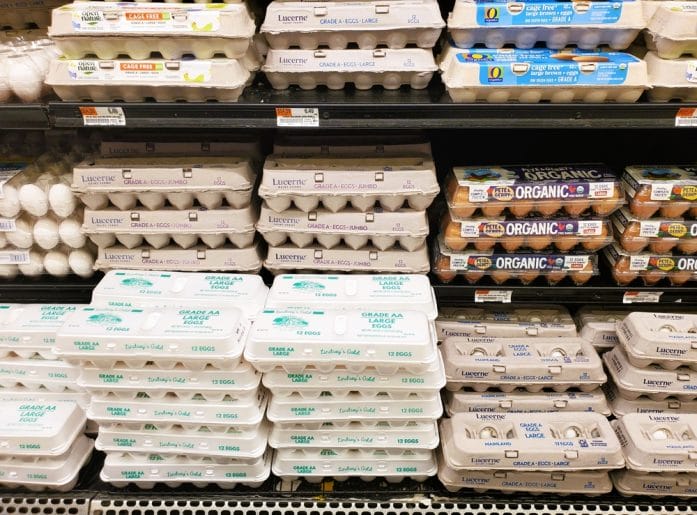
While supply and demand play obvious roles, broader economic pressures cannot be ignored. Inflation affects wages, energy costs, transportation, and production materials simultaneously. This creates a scenario where everything from eggs to cleaning wipes rises in price together, rather than in isolated instances. What makes this particularly challenging is that wage increases often lag behind these cost hikes, leaving households feeling the squeeze even more.

Energy costs, especially, are a hidden driver of higher prices. Everything from heating warehouses to powering machinery and transporting goods relies on fuel and electricity. When those costs rise, the effect trickles down to the grocery aisle.

How Households Can Navigate Rising Prices

Understanding the factors behind rising prices is only half the battle; managing them is the next step. Budgeting strategically, comparing prices, and being mindful of substitutions can help households stretch their dollars further. Buying in bulk for non-perishable items, taking advantage of loyalty programs, and considering store-brand alternatives are practical ways to combat inflation without sacrificing quality.

Being intentional about purchases also matters. While it’s tempting to chase trendy products or eco-friendly versions of every item, balancing desire with necessity helps avoid unnecessary strain on the budget. Tracking spending over time can reveal patterns and opportunities to reduce costs while still maintaining comfort and convenience.

Why Are Everyday Essentials Taking Up More of the Budget

Image source: shutterstock.com

What Are Your Thoughts On Budget Challenges?

The rising cost of everyday essentials is a reality that affects nearly everyone, yet the reasons behind it are surprisingly complex. Supply chain disruptions, consumer demand, inflation, and economic pressures all play a role in shaping the prices we see at the checkout counter. While it can feel frustrating, understanding these dynamics provides perspective and opens the door to practical strategies for managing household expenses.

Do you have tips, observations, or personal experiences with rising prices? Leave your thoughts and stories in the comments section below, and let’s continue the conversation about how to tackle everyday essentials without breaking the bank.

You May Also Like…

Why Does Budgeting Feel More Emotional Than Logical

Why Does Interest Rate Talk Suddenly Affect Everyday Spending

6 Silent Money Leaks in the Average Household

Why Do So Many Middle-Class Households Miss Out on Tax Credits

9 Budget Categories That Blow Up After One Emergency

Brandon Marcus
Brandon Marcus

Brandon Marcus is a writer who has been sharing the written word since a very young age. His interests include sports, history, pop culture, and so much more. When he isn’t writing, he spends his time jogging, drinking coffee, or attempting to read a long book he may never complete.

Filed Under: Budgeting Tagged With: Budget, budget mistakes, budget tips, budgeting, everyday essentials, everyday expenses, everyday items, fixed expenses, household items, rising costs, Smart Spending, spending, supply chain

10 Financial Risks Hiding in Everyday Life

September 25, 2025 by Catherine Reed Leave a Comment

10 Financial Risks Hiding in Everyday Life

Image source: 123rf.com

Most people think of financial risks as something tied to big decisions like investing in the stock market or buying a house. But the truth is, money hazards hide in everyday life, quietly draining your bank account or leaving you exposed to bigger problems down the road. These risks don’t always feel urgent, but their impact adds up over time. By recognizing where the hidden traps are, you can take steps to protect yourself and your family. Here are 10 financial risks you may be facing right now without even realizing it.

1. Ignoring Small Subscription Fees

One of the most overlooked financial risks is the pile of small recurring charges from streaming services, apps, and memberships. At first, each one feels affordable, but combined, they can consume hundreds of dollars each year. Many people forget to cancel free trials that automatically renew into paid services. Since the charges are small, they often go unnoticed until budgets feel tight. Regularly auditing your subscriptions can help eliminate unnecessary waste.

2. Skipping Routine Car Maintenance

Delaying oil changes, tire rotations, or inspections may seem like a money-saver, but it creates bigger bills down the line. Small maintenance tasks prevent major breakdowns that can cost thousands. This everyday oversight is one of the common financial risks that hides in plain sight. A neglected car not only hurts your wallet but can also reduce resale value. Spending a little on prevention saves a lot on repairs.

3. Relying Too Heavily on Credit Cards

Credit cards can be useful tools but overusing them creates hidden danger. Interest rates compound quickly, turning small balances into overwhelming debt. This is one of the everyday financial risks that sneaks up on families who rely on plastic for emergencies or daily expenses. Even minimum payments trap you in a cycle that limits future financial flexibility. Paying down balances aggressively is the best defense.

4. Overlooking Insurance Gaps

Many households assume their insurance policies cover everything, but hidden exclusions can lead to nasty surprises. Homeowners, renters, and auto insurance all come with limitations that leave you financially exposed. Not reviewing your coverage regularly is one of the financial risks that can wipe out savings after an accident or disaster. For example, flood or earthquake damage often requires separate policies. Staying informed helps you avoid unexpected losses.

5. Falling for Lifestyle Inflation

As income grows, it’s tempting to upgrade homes, cars, and spending habits. While it feels harmless, lifestyle inflation is one of the biggest everyday financial risks to long-term wealth. Without intentional saving, every raise gets absorbed by new expenses. Over time, this pattern leaves families with little cushion despite higher earnings. Living below your means creates financial freedom and stability.

6. Not Having an Emergency Fund

Life is unpredictable, and one of the most dangerous financial risks is failing to prepare for emergencies. Job loss, medical bills, or sudden repairs can derail families who don’t have savings. Without a safety net, people often turn to high-interest loans or credit cards, making recovery harder. Even a small emergency fund provides breathing room. Building one should be a top priority for financial security.

7. Ignoring Identity Theft Threats

Online shopping, public Wi-Fi, and weak passwords all increase your exposure to fraud. Identity theft is one of the growing financial risks hiding in daily life, costing victims thousands of dollars and years of stress. Many people underestimate how vulnerable their data is until it’s too late. Monitoring credit reports and using secure passwords are essential protections. The small effort now prevents big headaches later.

8. Neglecting Health and Wellness

Poor health choices may not seem like financial risks, but medical costs are one of the biggest drains on family budgets. Skipping check-ups, avoiding exercise, or ignoring symptoms can lead to expensive treatments later. Chronic conditions caused by neglect can devastate savings and retirement plans. Investing in preventive care reduces long-term expenses. Health is one of the most valuable assets you can protect.

9. Not Reading the Fine Print

Contracts for loans, leases, or even phone plans often hide fees and obligations. Failing to read the fine print is one of the easiest financial risks to avoid but also one of the most common. Overdraft fees, cancellation penalties, or automatic rate hikes can cost hundreds. Companies rely on people not paying attention. Carefully reviewing agreements saves money and stress.

10. Putting Off Retirement Savings

Finally, procrastinating on retirement planning is one of the most damaging financial risks families faces. It may not feel urgent when bills and daily expenses take priority. However, the cost of waiting grows exponentially as you miss out on compound interest. Even small contributions early on can create significant wealth over time. The longer you delay, the harder it becomes to catch up.

Protecting Yourself from Hidden Money Traps

Everyday life is filled with financial risks, but most can be managed with awareness and planning. From small subscriptions to neglected savings, the habits that feel harmless often create the biggest setbacks. By taking action now, you can minimize these risks and build a more secure future. The key is to pay attention, stay disciplined, and make money decisions that protect your long-term goals. Awareness is the first step toward financial resilience.

Which of these financial risks do you think is the most common in your own life? Share your thoughts in the comments below.

What to Read Next…

Why Do People Get Trapped by “Buy Now Pay Later” Schemes

What Happens When You Save Too Much in the Wrong Accounts

9 Financial Mistakes People Make in Their 30s That Haunt Them in Their 60s

6 Dangerous Myths About Credit Card Rewards

5 Unsettling Truths About Payday Loan Companies

Catherine Reed
Catherine Reed

Catherine is a tech-savvy writer who has focused on the personal finance space for more than eight years. She has a Bachelor’s in Information Technology and enjoys showcasing how tech can simplify everyday personal finance tasks like budgeting, spending tracking, and planning for the future. Additionally, she’s explored the ins and outs of the world of side hustles and loves to share what she’s learned along the way. When she’s not working, you can find her relaxing at home in the Pacific Northwest with her two cats or enjoying a cup of coffee at her neighborhood cafe.

Filed Under: Personal Finance Tagged With: everyday expenses, family budgeting, financial risks, Financial Security, Personal Finance, retirement planning

7 Silent Wealth Killers Hiding in Everyday Budgets

September 13, 2025 by Catherine Reed Leave a Comment

7 Silent Wealth Killers Hiding in Everyday Budgets

Hand of man crashing stone dollar sign with fist

Most people think of wealth as something built through big wins, like a raise or a smart investment. But the truth is, it’s often the small leaks that sink financial ships. Silent wealth killers sneak into everyday budgets, draining accounts slowly and quietly over time. Because they often feel normal or harmless, many families overlook them until the damage is significant. Learning to spot and stop these financial traps can make all the difference in achieving long-term security.

1. Subscription Overload

One of the most common silent wealth killers is the growing pile of subscriptions. From streaming services to monthly boxes, these recurring charges can add up fast. Many people forget they even signed up for some of them, meaning money slips away each month without providing value. Even small charges like $10 or $15 seem harmless, but multiplied across several services, they can eat hundreds of dollars annually. Regularly reviewing and canceling unused subscriptions can save more than you think.

2. Convenience Spending

Grabbing a coffee, ordering delivery, or paying for premium convenience can seem minor in the moment. However, these quick purchases become silent wealth killers when they’re part of a daily routine. A few \$8 lunches or coffees per week quickly total thousands in a year. Convenience is tempting because it saves time, but it comes at the expense of financial goals. Cooking at home or packing snacks can reduce these expenses while still offering comfort and enjoyment.

3. Unchecked Utility Costs

Many households underestimate how much money is wasted on inefficient energy use. Forgetting to adjust thermostats, leaving lights on, or using outdated appliances all contribute to high bills. Silent wealth killers like these often go unnoticed because they blend into regular monthly expenses. Yet a few simple changes, like upgrading insulation or using smart thermostats, can cut utility bills significantly. Monitoring usage closely ensures utilities don’t quietly eat away at your budget.

4. Credit Card Interest

Credit card interest is one of the most damaging, silent wealth killers in personal finance. Carrying a balance month to month means paying much more than the original purchase price. Even a moderate balance can accumulate hundreds in interest each year, stealing money that could be invested or saved. Many people focus on making minimum payments without realizing how long it will take to clear the debt. Paying off balances quickly or avoiding high-interest cards altogether protects your wealth.

5. Overlooked Bank Fees

Bank fees may feel small, but over time, they can become persistent, silent wealth killers.Monthly maintenance fees, overdraft charges, and ATM surcharges chip away at balances without providing value. Many banks offer free accounts or fee waivers if certain conditions are met, yet people stick with costly accounts out of habit. Reviewing your statements helps identify unnecessary fees that can be avoided. Taking time to switch to a more consumer-friendly bank can free up money for more important goals.

6. Lifestyle Inflation

As income rises, spending often grows to match it. This phenomenon, known as lifestyle inflation, is one of the hardest silent wealth killers to detect. Instead of saving raises or bonuses, many people expand their budgets to include nicer cars, bigger homes, or more expensive vacations. While these upgrades may feel rewarding, they prevent long-term wealth from building. Choosing to save a portion of every raise ensures progress toward financial independence instead of stalling it.

7. Ignoring Small Leaks in the Budget

Sometimes, silent wealth killers aren’t one big category but a series of small leaks. Things like late fees, forgotten gift cards, or unnecessary warranties may seem insignificant. However, these “nickel and dime” losses pile up into meaningful amounts over time. Families who ignore these leaks may wonder why saving feels impossible despite steady income. Tracking expenses carefully can reveal patterns that, once corrected, free up more money for future goals.

Taking Back Control From Silent Wealth Killers

Wealth is built not just by earning more but also by protecting what you already have. Silent wealth killers thrive when they go unnoticed, hiding in the habits and expenses of everyday life. The good news is that identifying them often requires nothing more than awareness and a little discipline. By reviewing your budget regularly, trimming waste, and prioritizing long-term goals, you can stop these hidden threats. Taking control of your money today means building the wealth you deserve tomorrow.

Which of these silent wealth killers have you caught in your own budget, and how did you tackle it? Share your strategies in the comments.

What to Read Next…

  • 10 Shocking Truths About How Wealth Is Really Built
  • Could Wealth Actually Shorten Your Life Expectancy
  • 9 Luxuries That Quietly Drain Wealth Faster Than Bad Investments
  • 10 Shocking Ways Wealth Disappears During a Market Crash
  • Could Everyday Technology Be Quietly Stealing Wealth
Catherine Reed
Catherine Reed

Catherine is a tech-savvy writer who has focused on the personal finance space for more than eight years. She has a Bachelor’s in Information Technology and enjoys showcasing how tech can simplify everyday personal finance tasks like budgeting, spending tracking, and planning for the future. Additionally, she’s explored the ins and outs of the world of side hustles and loves to share what she’s learned along the way. When she’s not working, you can find her relaxing at home in the Pacific Northwest with her two cats or enjoying a cup of coffee at her neighborhood cafe.

Filed Under: Wealth Building Tagged With: Budgeting Tips, everyday expenses, Lifestyle Inflation, Personal Finance, Planning, saving money, silent wealth killers

8 Silent Wealth Killers That Hide in Everyday Expenses

August 30, 2025 by Travis Campbell Leave a Comment

restaurant

Image source: pexels.com

Your paycheck arrives, and before you know it, the money seems to vanish. What’s going on? The answer is often hidden in plain sight: everyday expenses that quietly chip away at your financial health. These silent wealth killers can pass under the radar, but over months and years, they add up and slow your journey toward financial independence. If you’re trying to save, invest, or just get ahead, it’s time to pay attention. Knowing what to look for is the first step to stopping these leaks and protecting your wealth. Let’s break down eight common culprits that could be draining your bank account without you even noticing.

1. Subscription Overload

Streaming services, fitness apps, cloud storage, meal kits—the list goes on. Subscriptions are convenient, but they’re also designed to be forgettable. Once you sign up, monthly payments keep coming whether you use the service or not. That $10 here and $15 there can add up to hundreds each year. Regularly review your subscriptions and cancel those you’re not using. It’s a simple way to fight these silent wealth killers and reclaim your money.

2. Dining Out and Takeout

Grabbing coffee on the way to work or ordering dinner after a long day feels harmless, but the costs add up quickly. Eating out is almost always more expensive than cooking at home. Even small daily purchases can total thousands over a year. If convenience is a must, set a monthly limit for dining out and stick to it. Preparing more meals at home is a practical step to keep your wealth growing instead of leaking away.

3. Impulse Shopping

Online retailers make it easy to buy with a click, and in-store displays are designed to tempt you. These unplanned purchases can be a major silent wealth killer in your everyday expenses. Often, items bought on impulse are forgotten or barely used. Consider waiting 24 hours before making non-essential purchases. This pause can help you determine if you truly need the item or if it’s just a fleeting want.

4. Unused Gym Memberships

Signing up for a gym feels like a commitment to your health, but if you’re not going regularly, it’s just another monthly drain. Many people keep paying, hoping they’ll return “next week.” If your gym membership isn’t getting used, consider cheaper alternatives like home workouts or pay-per-class options. Redirecting those funds can make a noticeable difference in your budget, allowing you to curb one more silent wealth killer.

5. Bank Fees and Interest Charges

Overdraft fees, ATM charges, and credit card interest can quietly erode your wealth. These everyday expenses don’t feel like purchases, but they eat away at your savings all the same. Choose banks with no-fee accounts and use in-network ATMs. Pay credit card balances in full each month to avoid interest. Small changes can block these silent wealth killers from draining your finances.

6. Brand-Name Buying Habits

We all have our favorite brands, but paying extra for a logo can be a hidden wealth killer. Store brands and generics often offer the same quality at a lower price. Next time you shop, compare prices and try switching one or two items. Over time, these small savings add up, helping you keep more of your money without sacrificing quality.

7. Energy Waste at Home

Leaving lights on, running half-full dishwashers, or ignoring drafty windows can quietly increase your utility bills. These everyday expenses are easy to overlook, but they’re classic silent wealth killers. Simple habits—like turning off electronics, using LED bulbs, and sealing leaks—can lower your monthly costs. Investing in energy efficiency pays off in the long run, freeing up cash for more important goals.

8. Auto-Renewing Insurance and Service Plans

Insurance, streaming services, antivirus software, and other subscriptions often auto-renew at higher rates. Many people don’t notice the increases or shop around for better deals. Mark renewal dates on your calendar and compare options before they hit. Even shaving a few dollars off each bill can help you fight back against these silent wealth killers and keep your expenses in check.

Building Awareness for a Wealthier Future

It’s easy to underestimate the impact of everyday expenses, but these silent wealth killers can quietly sabotage your financial goals. Awareness is your best defense. Track your spending, question recurring costs, and look for small changes that add up. Over time, these efforts can help you keep more of what you earn and build real wealth.

What’s one everyday expense you’ve cut that made a big difference in your finances? Share your story in the comments below!

What to Read Next…

  • Are These 7 Little Expenses Quietly Costing You Thousands A Year?
  • 8 Everyday Services That Are Slowly Becoming Subscription Only
  • 7 Tactics Grocery Stores Use To Keep You From Thinking About Price
  • 6 Monthly Bills You Should Cancel Immediately Even If You Can Afford Them
  • 10 Ways You’re Wasting Money Just Trying To Keep Up Appearances
Travis Campbell
Travis Campbell

Travis Campbell is a digital marketer/developer with over 10 years of experience and a writer for over 6 years. He holds a degree in E-commerce and likes to share life advice he’s learned over the years. Travis loves spending time on the golf course or at the gym when he’s not working.

Filed Under: Personal Finance Tagged With: budgeting, everyday expenses, Financial Health, Personal Finance, saving money, Spending Habits

11 Everyday Items You’re Paying Too Much For

June 2, 2025 by Travis Campbell Leave a Comment

bottled water

Image Source: pexels.com

Are you tired of feeling like your paycheck disappears faster than you can say “budget”? You’re not alone. Many of us are spending more than we realize on everyday items, often without even noticing. The truth is, small overpayments add up quickly, quietly draining your bank account. You can make smarter choices and keep more money in your pocket by identifying where you’re overspending. Let’s break down 11 everyday items you’re probably paying too much for—and how you can start saving today.

1. Bottled Water

Bottled water is one of the most common culprits when it comes to overspending. While it might seem convenient, the cost per gallon is often higher than gasoline! Investing in a reusable water bottle and a home filtration system can save you hundreds each year. Plus, you’ll help reduce plastic waste, making it a win-win for your wallet and the environment.

2. Brand-Name Medications

When you’re at the pharmacy, it’s easy to reach for familiar brand names. However, generic medications contain the same active ingredients and are regulated for safety and effectiveness. You can save up to 85% on your prescriptions by choosing generics.

3. Cable TV Packages

Cable TV is notorious for hidden fees and expensive bundles. With the rise of streaming services, you can customize your entertainment for a fraction of the cost. Consider cutting the cord and subscribing only to the platforms you actually use. Many people find they don’t miss traditional cable at all, and their monthly bills drop significantly.

4. Pre-Packaged Produce

Pre-cut fruits and vegetables might save you a few minutes in the kitchen, but you’re paying a hefty premium for that convenience. Whole produce is almost always cheaper and stays fresher longer. Spend a little extra time prepping your own fruits and veggies, and you’ll notice the savings add up quickly.

5. Coffee Shop Drinks

Grabbing a latte on your way to work is a habit that can quietly drain your budget. Making coffee at home costs just a fraction of what you’d pay at a café. Invest in a quality coffee maker or French press, and treat yourself to gourmet beans. You’ll still get your caffeine fix—without the daily markup.

6. Extended Warranties

Retailers love to upsell extended warranties, but most products rarely break within the warranty period. In many cases, the manufacturer’s warranty is sufficient. Instead of paying extra, set aside a small emergency fund for unexpected repairs. You’ll likely come out ahead in the long run.

7. Cleaning Supplies

Brand-name cleaning products often cost double what generic or DIY alternatives do. Many household cleaning tasks can be handled with simple ingredients like vinegar, baking soda, and lemon juice. Not only are these options cheaper, but they’re also better for the environment and your health.

8. ATM Fees

Using out-of-network ATMs can cost you $3 to $5 per transaction. Over time, these fees add up. To avoid them, plan ahead and use your bank’s ATMs or get cash back at the grocery store. Some banks even offer fee-free ATM networks or reimbursements, so it’s worth shopping around for the best deal.

9. Greeting Cards

A single greeting card can cost $5 or more, especially at specialty stores. Instead, consider buying cards in bulk, making your own, or sending digital greetings. The sentiment is what matters most, and you’ll save a surprising amount over the course of a year.

10. Gym Memberships

Many people sign up for gym memberships with the best intentions, only to use them sporadically. If you’re not getting your money’s worth, explore free or low-cost alternatives like home workouts, community classes, or outdoor activities. There are countless free resources online, including workout videos from the CDC, to help you stay active without breaking the bank.

11. Name-Brand Groceries

Grocery stores are filled with name-brand products that often cost significantly more than store brands. In blind taste tests, many people can’t tell the difference. Give store brands a try—you might be pleasantly surprised by the quality and the savings.

Small Changes, Big Savings: Take Control of Your Everyday Spending

Paying too much for everyday items is a habit that can sneak up on anyone, but it’s never too late to make a change. By being mindful of where your money goes and making a few simple swaps, you can keep more cash in your wallet without sacrificing quality or convenience. Remember, the key to financial freedom isn’t just about earning more—it’s about spending smarter. Start with these everyday items, and watch your savings grow.

What everyday items have you found yourself overspending on? Share your tips and experiences in the comments below!

Read More

Vacation Without Breaking the Bank

5 Biggest Refinance Concerns

Travis Campbell
Travis Campbell

Travis Campbell is a digital marketer/developer with over 10 years of experience and a writer for over 6 years. He holds a degree in E-commerce and likes to share life advice he’s learned over the years. Travis loves spending time on the golf course or at the gym when he’s not working.

Filed Under: Spending Habits Tagged With: budgeting, everyday expenses, financial advice, frugal living, money tips, overspending, Personal Finance, saving money

FOLLOW US

Search this site:

Recent Posts

  • Can My Savings Account Affect My Financial Aid? by Tamila McDonald
  • 12 Ways Gen X’s Views Clash with Millennials… by Tamila McDonald
  • What Advantages and Disadvantages Are There To… by Jacob Sensiba
  • 10 Tactics for Building an Emergency Fund from Scratch by Vanessa Bermudez
  • Call 911: Go To the Emergency Room Immediately If… by Stephen Kanaval
  • 7 Weird Things You Can Sell Online by Tamila McDonald
  • 10 Scary Facts About DriveTime by Tamila McDonald

Copyright © 2026 · News Pro Theme on Genesis Framework