• Home
  • About Us
  • Toolkit
  • Getting Finances Done
    • Hiring Advisors
    • Debt Management
    • Spending Plan
  • Insurance
    • Life Insurance
    • Health Insurance
    • Disability Insurance
    • Homeowners/Renters Insurance
  • Contact Us
  • Privacy Policy
  • Risk Tolerance Quiz

The Free Financial Advisor

You are here: Home / Archives for energy savings

7 Ways Rising Costs Affect Everyday Decisions

January 31, 2026 by Brandon Marcus Leave a Comment

These Are 7 Ways Rising Costs Affect Everyday Decisions

Image source: shutterstock.com

We’ve all felt it—the creeping pinch at checkout, the quiet shock of a higher gas bill, the subtle disappointment when your favorite latte suddenly costs a little more. Rising costs aren’t just numbers on a spreadsheet; they infiltrate the tiny, everyday choices we make, often without us even realizing it.

From deciding whether to dine out or cook at home, to reevaluating weekend adventures or luxury splurges, inflation quietly nudges our habits. Knowing how these shifts affect us can help us make smarter, sometimes even surprising decisions that protect our wallets—and maybe even our sanity.

1. Grocery Shopping Gets Strategic (and Sometimes Sneaky)

The humble grocery trip has transformed into a tactical mission. When prices climb, shoppers become sleuths, hunting for discounts, comparing unit prices, and sometimes even switching to store brands. The cost of staples like eggs, milk, or bread has been steadily rising in recent years due to supply chain issues and inflationary pressures. This often encourages people to plan meals more carefully, buy in bulk, or lean on coupons and loyalty programs.

But the ripple effect is bigger than just budgeting—it can change our diets. Some shoppers might swap fresh produce for frozen options, which are often cheaper and longer-lasting, or skip premium items entirely. On a brighter note, this frugal creativity can spark new culinary adventures, inspiring recipes that use pantry staples more inventively than ever before.

2. Dining Out or Staying In Becomes a Calculated Decision

Restaurants aren’t immune to rising costs either. Menu prices tend to climb when ingredient, labor, and utility expenses rise, and suddenly that Friday night takeout feels like a luxury splurge. Many people respond by becoming more selective, choosing restaurants strategically, hunting for deals, or opting for smaller portions. The result? Family nights might shift from dining out to hosting homemade pizza parties or experimenting with gourmet recipes at home.

Interestingly, some diners report rediscovering the joy of cooking because of it—transforming a necessity into an opportunity to bond and save. Even beverage choices get influenced: a fancy cocktail might get swapped for a simple homemade mocktail, proving that creativity often thrives when budgets tighten.

3. Transportation Choices Are Rewritten in Real Time

Gasoline prices are a classic example of how rising costs dictate daily decisions. Commuters may rethink their usual routines, opting for public transit, carpooling, biking, or even walking when possible. Beyond commuting, rising fuel costs can influence bigger life choices, like where to live or work, and whether weekend road trips are still feasible.

These pressures can spark environmentally friendly behaviors almost by accident. Choosing a bike over a car, or consolidating errands to save fuel, can reduce carbon footprints while easing financial strain.

These Are 7 Ways Rising Costs Affect Everyday Decisions

Image source: shutterstock.com

4. Entertainment Becomes About Value (Not Just Fun)

Rising costs have reshaped how we think about leisure and entertainment. Movie tickets, streaming subscriptions, and concert prices all factor into decisions about how to spend free time. People may weigh the value of experiences more carefully, seeking free or low-cost alternatives such as local events, hiking trips, or DIY movie nights at home.

The upside? Many people report getting more creative with entertainment, discovering hobbies and experiences they might have overlooked when money felt more abundant. This shift doesn’t just save cash; it often leads to richer, more personalized ways to spend downtime.

5. Home Energy Bills Spark Smart Adjustments

Heating, cooling, and electricity costs have been climbing steadily, encouraging households to rethink how they use energy. Simple habits like adjusting thermostats, switching to energy-efficient bulbs, or unplugging devices when not in use suddenly become more than just good ideas—they become smart money moves. Homeowners may even invest in bigger changes, such as improved insulation or smart home technology, which reduces long-term expenses.

These choices can feel like small sacrifices, but they often result in surprisingly significant savings over time. In essence, rising energy costs force us to become more conscious consumers, balancing comfort with efficiency in ways we might never have considered otherwise.

6. Travel Plans Are Reviewed (and Sometimes Postponed)

Vacations and getaways are often among the first luxuries to feel the impact of rising costs. Airline tickets, hotel rates, and even meals abroad can become prohibitive, prompting travelers to rethink when, where, and how they journey. Many people turn to alternatives like road trips, off-season travel, or “staycations” to keep the experience alive while reducing the financial hit. Some travelers find that exploring nearby attractions leads to hidden gems they would never have discovered otherwise.

The travel landscape is becoming more creative, with a focus on maximizing experience per dollar. This cost-conscious approach often leads to more meaningful, less hurried trips, because planning becomes intentional rather than spontaneous.

7. Savings and Spending Habits Shift Instantly

One of the most invisible—but powerful—ways rising costs affect everyday life is by reshaping how people save and spend. Faced with inflation, some individuals feel the urge to increase emergency funds or retirement contributions, even while cutting back on discretionary spending. Others may make small but frequent adjustments, like quitting coffee or postponing new clothing purchases.

The key is awareness: understanding the connection between rising costs and personal finances can empower smarter choices. While it can feel restrictive at first, this heightened awareness often cultivates long-term financial resilience, transforming reactive spending into proactive planning.

Living Smart in a World of Rising Prices

Rising costs don’t just influence the big purchases—they ripple through the tiny decisions we make every day, from the meals we eat to how we entertain ourselves. While inflation can feel frustrating, it also offers a chance to rethink habits, prioritize spending, and embrace creativity in unexpected ways. By paying attention to the subtle impacts, we can turn economic pressure into smarter, more intentional decision-making.

What about you? How have rising costs nudged the choices you make daily, and what creative solutions have you discovered to stretch your budget without sacrificing fun? Share your strategies in the comments

You May Also Like…

9 Surprising Costs That Appear With New Technology

5 Surprising Costs Older Parents Face When Raising Kids Later in Life

Expense Trap: 7 Inflation Surprises That Sneak Up on Middle-Aged Investors

8 Bold Strategies for Investing During Periods of High Inflation

Why Do People Underestimate the True Cost of Living Longer

Brandon Marcus
Brandon Marcus

Brandon Marcus is a writer who has been sharing the written word since a very young age. His interests include sports, history, pop culture, and so much more. When he isn’t writing, he spends his time jogging, drinking coffee, or attempting to read a long book he may never complete.


Filed Under: Lifestyle Tagged With: Budgeting Tips, consumer habits, Cost of living, dining out, energy savings, Entertainment, everyday items, grocery shopping, Inflation, Life, Lifestyle, Personal Finance, rising costs, transportation, travel tips

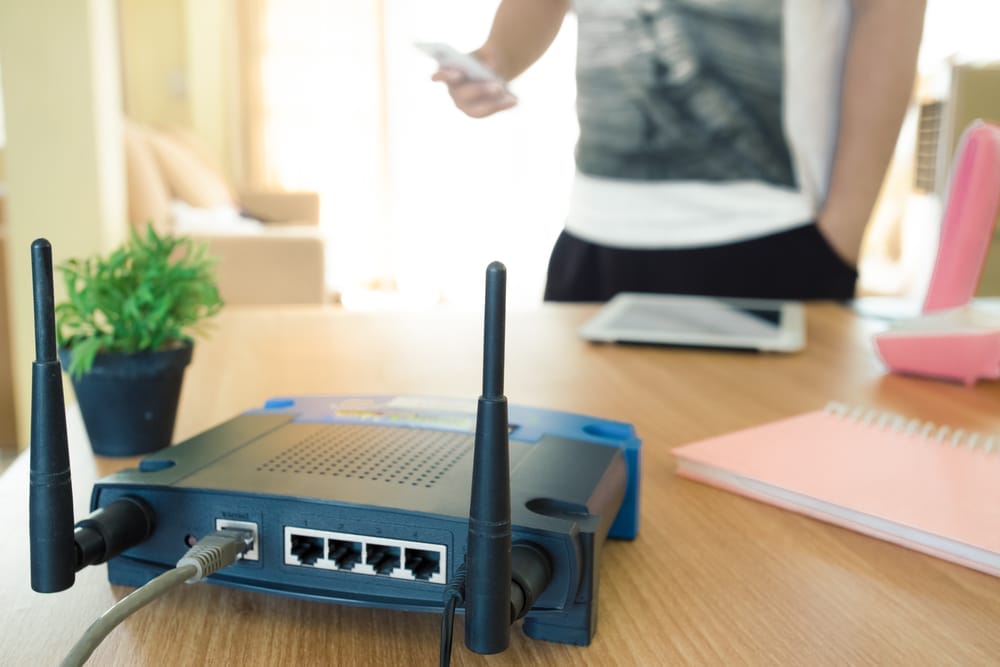
Did You Know Turning Off Your Wi-Fi Router at Night Can Save You Money?

November 30, 2025 by Travis Campbell Leave a Comment

router

Image source: shutterstock.com

The nightly process of turning off our Wi-Fi router demonstrates how small changes to our daily routines create significant effects. People can observe their energy usage through their daily activities. The router operates continuously during sleeping hours to provide service, even though no one uses it at that time, resulting in energy costs. The standard device operates without purpose when powered, leading people to seek budget-friendly solutions that maintain their comfort level. The basic process of shutting down your Wi-Fi router helps you save money while minimizing energy waste and improving your management of unyielding utility bills.

1. The Hidden Cost of an Always-On Device

Routers draw power quietly. They’re built for continuous operation, but most households don’t need them running 24 hours a day. Turning off your Wi-Fi router can trim energy use that would otherwise go unnoticed. Even modest reductions matter when repeated every night, week after week.

Some routers draw more power than expected because extra features remain active in the background. Lights, processors, and network functions run even when no devices are connected. That creates a steady energy drain. Shutting the router off during the hours you sleep interrupts that drain and returns control to the user.

2. Reducing Standby Waste

Standby power is a known expense in most homes. Devices inactive on the surface often remain busy underneath. A router is one of the most consistent contributors to that waste. Turning off your Wi-Fi router cuts this unnecessary consumption at the source.

Some homes accumulate several connected devices: smart speakers, cameras, and appliances that never fully power down. When the router is disabled at night, these devices lose their connection and enter a low-use state. That creates a multiplier effect. One action delivers several quiet reductions at once.

3. Easing Network Strain

Many households load their network with dozens of devices. These connections strain routers designed for lighter use. Shutting the system down at night resets internal processes, clears memory, and reinstates stable performance. Turning off your Wi-Fi router works like a nightly reset button.

Routers that run continuously tend to slow down over time. Heat buildup, minor glitches, and software hiccups accumulate. A nightly break interrupts that cycle. It can extend the life of the device and reduce the need for replacement hardware.

4. Enhanced Digital Boundaries

Constant connectivity encourages late-night scrolling and fragmented sleep patterns. A powered-down router becomes a boundary. It sets a natural stopping point at the end of the day, reinforcing habits that many people intend to build but struggle to maintain.

A router switched off at night also limits unauthorized access. Fewer active hours reduce exposure to attempted logins from outside networks. The device rests. The network rests. And the household gains a layer of security through absence rather than complexity.

5. Lowering Heat and Extending Equipment Life

Routers generate heat whether you notice it or not. Continuous operation raises internal temperatures for many hours, and heat wears down components. Turning off your Wi-Fi router helps cool the device during its longest periods of inactivity, slowing the wear that comes from constant operation.

Short nightly breaks can extend the router’s usable life. Electronic components that cycle between activity and rest typically last longer than those pushed at full throttle without pause. Each shutoff becomes an investment in future reliability.

6. Small Changes Add Up on the Utility Bill

Most homes see a pattern: small energy drains add up until the monthly bill becomes larger than expected. A router may not be the biggest contributor, but its constant draw makes it one of the most persistent. Turning off your Wi-Fi router shifts that pattern.

Electricity savings accumulate slowly but steadily. The act requires no subscription, no new equipment, and no renovation. Just a switch or a timer. The simplicity of it creates its own appeal. It’s an uncomplicated way to scale back on a bill that often feels fixed.

A Habit That Builds Awareness

The practice of turning off a router provides advantages that extend beyond financial cost savings. People become more aware of the number of devices that continue operating beyond their required time. The practice of shutting down your Wi-Fi router helps you detect hidden expenses that affect your daily life.

The transition to this new way of thinking results in additional minor changes in behavior. People start to use their energy resources with purposeful thinking. People gain a better understanding of their evening priorities. The system achieves its best performance when all system components execute their designated tasks. How do you handle your router at night?

What to Read Next…

  • How Your Wi-Fi Router Placement Might Be Sharing Personal Info
  • Is Your Internet Provider Charging You for Services You Don’t Use?
  • Are These 8 Money Saving Tricks Actually Keeping You Broke?
  • 6 Monthly Bills You Should Cancel Immediately Even If You Can Afford Them
  • 8 Everyday Services That Are Slowly Becoming Subscription Only
Travis Campbell
Travis Campbell

Travis Campbell is a digital marketer/developer with over 10 years of experience and a writer for over 6 years. He holds a degree in E-commerce and likes to share life advice he’s learned over the years. Travis loves spending time on the golf course or at the gym when he’s not working.

Filed Under: saving money Tagged With: budgeting, energy savings, home utilities, household costs, Wi-Fi

Tiny Kitchen Items That Add Hundreds to Your Electric Bill

July 11, 2025 by Travis Campbell Leave a Comment

kitchen

Image Source: pexels.com

Small kitchen gadgets make life easier. But some of these tiny helpers can quietly drive up your electric bill. You might not notice the impact at first. Over time, though, the costs add up. Many people focus on big appliances like fridges or ovens. But it’s the little things—used every day—that can really hurt your wallet. Here’s why you should pay attention to the small stuff in your kitchen.

1. Toaster Ovens

Toaster ovens seem harmless. They’re small, quick, and easy to use. But they use a lot of electricity for their size. Running a toaster oven for 15 minutes a day can add up to over 100 kilowatt-hours a year. That’s about $15 to $20, depending on your rates. If you use it more often, the cost climbs. Many people leave them plugged in all the time, which means they draw “phantom” power even when off. Unplugging when not in use helps. If you’re reheating leftovers, try the microwave instead. It’s usually more efficient for small portions.

2. Coffee Makers

Coffee makers are a morning staple. But they use more power than you think. Single-serve machines, in particular, heat water quickly and keep it hot. That means they’re always drawing power, even when you’re not brewing. Traditional drip machines with hot plates also use energy to keep coffee warm. If you leave the machine on for hours, you’re wasting electricity. Consider brewing only what you need. Turn off the hot plate or warming feature. If you want to save even more, use a French press or pour-over method. These don’t use any electricity at all.

3. Electric Kettles

Electric kettles are fast and convenient. But they can be energy hogs, especially if you boil more water than you need. Heating water takes a lot of power. If you fill the kettle to the top every time, you’re wasting energy. Only boil what you plan to use. Some kettles have a “keep warm” feature. This keeps water hot for hours, using even more electricity. Turn off this feature and unplug the kettle when you’re done. Over a year, these small changes can save you real money.

4. Plug-In Slow Cookers

Slow cookers are known for saving time and effort. But they use steady power for hours at a time. A typical slow cooker uses about 200 watts per hour. If you run it for eight hours, that’s 1.6 kilowatt-hours per meal. Do that a few times a week, and the cost adds up. Some people leave slow cookers plugged in all the time, which can draw standby power. Unplug when not in use. If you’re cooking small meals, consider using a pressure cooker or stovetop instead. These can be more efficient for quick cooking.

5. Countertop Ice Makers

Countertop ice makers are a luxury for some, a necessity for others. But they use a surprising amount of electricity. These machines run almost constantly to keep ice frozen and ready. Over a year, a countertop ice maker can use up to 350 kilowatt-hours. That’s about $50 or more, depending on your rates. If you don’t need ice all the time, turn the machine off when not in use. Use ice trays in your freezer for occasional needs.

6. Mini Fridges

Mini fridges are common in dorms, offices, and even kitchens. They seem efficient because they’re small. But many models are less efficient than full-size fridges. Older or cheaper mini fridges can use as much energy as a regular refrigerator. If you have more than one fridge running, your electric bill will reflect it. Consider whether you really need a mini fridge. If you do, look for an Energy Star model. Clean the coils and keep them full for best efficiency.

7. Electric Griddles

Electric griddles are great for pancakes and grilled cheese. But they use a lot of power, up to 1,500 watts when running. If you use one several times a week, the cost adds up. Many people leave them plugged in, which can draw standby power. Unplug after use. For small meals, use a stovetop pan instead. It’s often more efficient, especially if you have a gas stove.

8. Standby Chargers and Power Strips

Many kitchen gadgets use chargers or plug into power strips. Even when not in use, these can draw “phantom” or standby power. This is called “vampire energy.” Over a year, it can add up to $100 or more to your bill, depending on how many devices you have plugged in. Use smart power strips that cut off power when devices aren’t in use. Unplug chargers when you’re done.

9. Blenders and Food Processors

Blenders and food processors don’t run for long, but they use a lot of power when they do. High-powered models can draw up to 1,200 watts. If you use them daily, the energy use adds up. Clean and maintain your appliances so they run efficiently. Only blend what you need. If you’re making a smoothie, try using a smaller, personal blender.

10. Rice Cookers

Rice cookers are handy, but many have a “keep warm” feature that runs for hours. This uses more electricity than you might expect. If you leave rice warming all day, you’re paying for it. Turn off the cooker when your rice is done. Unplug it to avoid standby power use. For small portions, consider cooking rice on the stove.

Small Changes, Big Savings

Tiny kitchen items can have a big impact on your electric bill. It’s easy to overlook them, but the costs add up over time. Unplug devices when not in use. Use only what you need. Look for energy-efficient models when buying new gadgets. These small steps can save you hundreds each year. Paying attention to the little things in your kitchen can make a real difference in your budget.

What small kitchen gadgets have surprised you with their energy use? Share your stories or tips in the comments.

Read More

Stop Reading About Last Year’s Top Ten Mutual Funds

5 Biggest Refinance Concerns

Travis Campbell
Travis Campbell

Travis Campbell is a digital marketer/developer with over 10 years of experience and a writer for over 6 years. He holds a degree in E-commerce and likes to share life advice he’s learned over the years. Travis loves spending time on the golf course or at the gym when he’s not working.

Filed Under: Home Improvement Tagged With: electric bill, energy savings, home efficiency, household costs, kitchen appliances, kitchen tips, money-saving

6 Reason You Should Keep Your Blinds Closed When You’re Home

May 18, 2025 by Travis Campbell Leave a Comment

Closeup view of plastic window with blinds

Image Source: 123rf.com

Have you ever wondered if keeping your blinds closed while at home makes a difference? It might seem like a small detail, but the position of your blinds can have a surprisingly big impact on your finances, comfort, and even your safety. Many homeowners overlook this simple habit, but it’s one of the easiest ways to protect your privacy, save money, and create a more comfortable living space. Whether working from home, relaxing with family, or enjoying a quiet evening, the state of your blinds matters more than you think. Let’s dive into six compelling reasons why you should keep your blinds closed when you’re home—and how this small change can pay off in big ways.

1. Protect Your Privacy from Prying Eyes

Protecting your privacy is one of the most obvious reasons to keep your blinds closed. When your blinds are open, anyone passing by can see right into your home. This can make you feel exposed, especially if you live in a busy neighborhood or on the ground floor. Closed blinds act as a barrier, keeping your personal life out of public view. This is especially important in the evenings when interior lights make it even easier for outsiders to see inside. According to the National Crime Prevention Council, maintaining privacy is key to deterring unwanted attention and potential intruders. So, if you value your peace of mind, keeping your blinds closed is a simple but effective solution.

2. Lower Your Energy Bills

Did you know that the position of your blinds can directly affect your energy costs? During the hot summer, sunlight streaming through your windows can quickly heat up your home, forcing your air conditioner to work overtime. Blocking your blinds blocks the sun’s rays and helps maintain a cooler indoor temperature. This can lead to significant savings on your energy bills. The U.S. Department of Energy notes that about 30% of a home’s heating energy is lost through windows, and blinds can help reduce this loss. In winter, closed blinds add an extra layer of insulation, keeping warm air inside. It’s a win-win for your wallet and your comfort.

3. Prevent Fading and Damage to Furniture

Sunlight doesn’t just heat up your home—it can also cause serious damage to your belongings. Prolonged exposure to UV rays can fade your furniture, carpets, and even artwork. Over time, this can lead to costly replacements or repairs. By keeping your blinds closed during peak sunlight hours, you protect your investments and keep your home looking fresh. This is especially important for anyone who has spent time and money decorating their space. A little prevention goes a long way, and your future self (and your wallet) will thank you.

4. Enhance Home Security

Keeping your blinds closed isn’t just about privacy—it’s also a smart security move. Open blinds can give potential burglars a clear view of your valuables and your daily routines. If someone can see that you have expensive electronics or that you’re not home at certain times, your home becomes a more attractive target. The FBI’s Uniform Crime Reporting Program highlights that most burglaries are residential, and many occur during daylight hours when people are at work. Keeping your blinds closed makes it much harder for would-be thieves to “case” your home. It’s a simple step that can make a big difference in keeping your family and belongings safe.

5. Improve Sleep and Relaxation

Light pollution isn’t just a problem outside—it can also disrupt your sleep and relaxation inside your home. If you’re trying to take a nap, watch a movie, or simply unwind, sunlight streaming through the windows can be a real nuisance. Closed blinds create a darker, more peaceful environment, helping you relax and recharge. For those who work night shifts or have irregular schedules, blackout blinds can be a game-changer for getting quality rest during the day. Even in the evening, closed blinds help block out streetlights and passing car headlights, making your home a true sanctuary.

6. Reduce Noise and Distractions

Believe it or not, closed blinds can also help reduce noise and distractions from outside. While they won’t make your home completely soundproof, blinds add an extra layer that can muffle street noise, barking dogs, or loud neighbors. This is especially helpful if you work from home or have kids who need a quiet space for homework. Minimizing outside distractions allows you to focus better, feel calmer, and enjoy your home to the fullest.

Small Change, Big Impact: Why Closed Blinds Are a Smart Financial Move

It’s easy to overlook the simple things, but keeping your blinds closed when you’re home is a small habit that delivers big benefits. From saving money on energy bills to protecting your privacy and valuables, this one change can make your home safer, more comfortable, and more cost-effective. Plus, it helps preserve furniture, improves sleep, and even reduces noise. Next time you walk into a room, take a moment to check your blinds—you might be surprised at how much of a difference it makes.

What about you? Do you keep your blinds closed at home or prefer letting the sunshine in? Share your thoughts and experiences in the comments below!

Read More

The Art and Science of Underwriting Multifamily Properties

7 Financial Tips for First-Time Home Renovators

Travis Campbell
Travis Campbell

Travis Campbell is a digital marketer/developer with over 10 years of experience and a writer for over 6 years. He holds a degree in E-commerce and likes to share life advice he’s learned over the years. Travis loves spending time on the golf course or at the gym when he’s not working.

Filed Under: Home Improvement Tagged With: energy savings, financial advice, Home Improvement, home security, home tips, privacy, window blinds

5 Things that Can Happen If You Buy A Home WIth A Solar Lease

May 12, 2025 by Travis Campbell Leave a Comment

solar panels on home

Image Source: unsplash.com

Buying a home is one of the biggest financial decisions you’ll ever make, and every detail matters—including whether the house comes with a solar lease. As solar panels become more popular, more homes on the market have existing solar leases attached. While lower energy bills and a greener lifestyle are appealing, a solar lease can introduce unexpected twists to your home buying journey. If you’re not careful, you could end up with more complications than you bargained for. Understanding the ins and outs of a solar lease is essential before you sign on the dotted line.

So, what exactly can happen if you buy a home with a solar lease? Let’s break down the five most important things you need to know, so you can make a confident, informed decision.

1. You May Inherit the Solar Lease—And Its Terms

When you buy a home with a solar lease, you’re not just getting the house—you’re also taking on the existing solar lease agreement. This means you’ll be responsible for the monthly payments, maintenance obligations, and any other terms set by the solar company. Unlike owning solar panels outright, a solar lease is a long-term contract, often lasting 15 to 25 years. Before you fall in love with that sun-powered home, ask the seller for a copy of the solar lease and read it carefully. Look for details about payment amounts, annual escalator clauses (which can increase your payments each year), and what happens if you want to buy out the lease early.

It’s also wise to check if the solar lease is transferable and whether the solar company requires a credit check or approval process for new homeowners. Some buyers have been caught off guard by strict transfer requirements or hidden fees. Understanding the lease terms is crucial to avoid surprises down the road.

2. Selling the Home Later Can Get Complicated

A solar lease can make selling your home more challenging. Potential buyers may hesitate to take on a lease they didn’t negotiate, especially if the terms aren’t favorable or the payments are high. Some buyers may even walk away from the deal if they’re uncomfortable with the solar lease, limiting your pool of interested buyers and potentially lowering your home’s resale value.

If you plan to sell in the future, be prepared to explain the benefits and obligations of the solar lease to prospective buyers. You might need to offer incentives, such as covering a portion of the remaining lease payments or negotiating with the solar company to transfer the lease smoothly. According to Consumer Reports, homes with solar leases can take longer to sell compared to those with owned solar panels.

3. Your Mortgage Approval Could Be Affected

Did you know that a solar lease can impact your ability to get a mortgage? Some lenders view solar leases as additional debt, which can affect your debt-to-income ratio and, in some cases, your loan approval. The lease payments may be factored into your monthly obligations, potentially reducing the amount you can borrow or even disqualifying you from certain loan programs.

It’s important to talk to your lender early in the process and provide them with all the details about the solar lease. Some lenders are more familiar with solar leases than others, so working with a mortgage professional who understands these agreements can make a big difference. If you’re using a government-backed loan, such as an FHA or VA loan, be aware that there may be additional requirements for homes with solar leases. The Federal Housing Administration has specific guidelines for properties with leased solar panels, so ensure you comply before moving forward.

4. You Might Not Get All the Energy Savings You Expect

One of the main reasons people are drawn to homes with solar panels is the promise of lower energy bills. However, the savings aren’t always as significant as you might hope with a solar lease. Lease payments can sometimes offset much of the energy savings, especially if the lease includes annual payment increases. Additionally, if your household’s energy usage is lower than the system’s output, you may not fully benefit from the solar power generated.

Reviewing the home’s past utility bills and comparing them to the solar lease payments is a good idea. Ask the seller for at least a year’s worth of energy statements to get a clear picture of the actual savings. Remember, the solar lease company’s projections may be optimistic, so rely on real numbers whenever possible. If you’re hoping to maximize your energy savings, consider whether buying a home with a solar lease is the best option for your financial goals.

5. Maintenance and Repairs May Not Be Your Responsibility—But Read the Fine Print

One potential advantage of a solar lease is that the solar company typically handles maintenance and repairs. This can save you time, money, and hassle if something goes wrong with the system. However, reading the lease carefully is important to understand exactly what’s covered. Some leases include comprehensive maintenance, while others may have exclusions or require you to pay for certain repairs.

If a storm or other event damages the solar panels, find out whether your homeowner’s insurance or the solar company is responsible for repairs. Clarify who pays for removal and reinstallation if you need to replace your roof. Knowing these details upfront can help you avoid unexpected costs and keep your home running smoothly.

Making a Smart Move with a Solar Lease

Buying a home with a solar lease isn’t necessarily a bad idea, but it does require extra diligence and a clear understanding of what you’re signing up for. You can decide whether it fits your financial goals and lifestyle by carefully reviewing the lease terms, talking to your lender, and weighing the pros and cons. Remember, a solar lease can offer benefits like predictable energy costs and professional maintenance, but it can also introduce selling, financing, and actual savings complications. The key is to go in with your eyes wide open and ask plenty of questions.

Have you ever bought or sold a home with a solar lease? Share your experiences or questions in the comments below!

Read More

First Time Home Buyer? Here’s Your Guide to the Home Loan Process

8 Hidden Costs of Buying a Home

Travis Campbell
Travis Campbell

Travis Campbell is a digital marketer/developer with over 10 years of experience and a writer for over 6 years. He holds a degree in E-commerce and likes to share life advice he’s learned over the years. Travis loves spending time on the golf course or at the gym when he’s not working.

Filed Under: Real Estate Tagged With: energy savings, home buying, homeownership, mortgages, Personal Finance, Real estate, solar lease, solar panels

Solar Panels May Finally Be Worth It-Here’s Why

April 24, 2025 by Travis Campbell Leave a Comment

solar panels

Image Source: pexels.com

Are you still on the fence about installing solar panels? The high upfront costs and lengthy payback periods have made many homeowners hesitate for years. But today’s landscape has shifted dramatically. Solar energy has reached a financial tipping point between technological advancements, falling prices, generous incentives, and rising energy costs. The investment that once seemed questionable now offers compelling returns for many households. As energy independence becomes increasingly valuable, solar panels represent not just an environmental choice but a wise financial decision that could significantly impact your long-term wealth.

1. Installation Costs Have Plummeted

The price of solar panel installation has dropped dramatically over the past decade. According to the Solar Energy Industries Association, residential solar system costs have fallen by more than 60% since 2010. What once cost $40,000 for an average home system now typically ranges between $15,000 and $25,000 before incentives.

This price reduction stems from several factors. Manufacturing efficiencies have improved substantially, while increased competition among installers has driven down labor costs. Additionally, solar panels themselves have become more efficient, meaning you need fewer panels to generate the same amount of electricity.

This translates to a much shorter payback period for homeowners. Many systems now pay for themselves within 7-10 years, compared to the 15-20 years that were common just a decade ago.

2. Federal and State Incentives Create Immediate Savings

The financial situation for solar energy has improved dramatically thanks to government incentives. The federal solar Investment Tax Credit (ITC) currently allows homeowners to deduct 30% of their solar system costs from their federal taxes. On a $20,000 system, that’s a $6,000 reduction in your tax liability.

Beyond federal incentives, many states offer additional rebates, tax credits, and performance-based incentives. Some utility companies even provide cash rebates for solar installations. These combined incentives can cover 40-50% of your total system cost in states like California, New York, and Massachusetts.

Property tax exemptions in many states mean your home’s value can increase without raising your property taxes. These incentives transform the economics of solar from a long-term investment to one with immediate financial benefits.

3. Energy Costs Continue to Rise Nationwide

While solar costs decrease, traditional electricity prices continue their upward climb. According to the U.S. Energy Information Administration, residential electricity rates have increased by an average of 2-3% annually over the past decade, with some regions experiencing much steeper hikes.

By generating your own electricity, you effectively lock in your solar system’s energy costs for the 25+ year lifespan. This creates a hedge against future utility rate increases, which compounds your savings over time. In high-electricity-cost states like California, Hawaii, and Massachusetts, homeowners can save $50,000 to $100,000 over the lifetime of their solar system.

The stability of knowing exactly what your energy costs will be for decades provides financial security that traditional utility customers simply don’t have.

4. Solar Increases Home Value Substantially

Installing solar panels isn’t just about saving on monthly bills—it’s also an investment in your property value. Research by Zillow found that homes with solar panels sell for approximately 4.1% more than comparable homes without solar.

For a $400,000 home, that’s a $16,400 increase in value. Significantly, this premium often exceeds the net cost of the solar system after incentives, creating immediate equity.

Buyers increasingly recognize the value of a home that comes with dramatically reduced or eliminated energy bills. As energy costs continue to rise and environmental concerns grow, this premium will likely increase further.

5. New Financing Options Eliminate Upfront Costs

With today’s financing options, the financial barrier to entry for solar has virtually disappeared. Solar loans now often require zero money down and offer terms of 10-25 years with competitive interest rates. Many homeowners find that their monthly loan payment is less than what they save on their electric bill, creating positive cash flow from day one.

Power Purchase Agreements (PPAs) and solar leases allow homeowners to install solar with no upfront cost while paying only for the power produced, typically at rates lower than utility prices. While these arrangements don’t provide the same level of savings as ownership, they make solar accessible to nearly everyone.

Home equity loans and lines of credit offer another advantage: the interest may be tax-deductible, further improving the financial equation.

6. Battery Storage Makes Solar Even More Valuable

The addition of battery storage systems has transformed the solar value proposition. Batteries allow homeowners to store excess energy produced during sunny days for use during evenings or cloudy periods, dramatically increasing self-consumption of solar energy.

Batteries enable homeowners to avoid purchasing expensive peak-time electricity in areas with time-of-use billing or without net metering. During power outages, solar plus storage provides essential backup power, eliminating the need for generators and adding security value.

While batteries add to system costs, prices have fallen by over 80% in the past decade. Many incentive programs now include battery storage, making this technology increasingly affordable.

The Sun Is Shining on Your Financial Future

Solar energy has evolved from an expensive environmental statement to a sound financial investment. With installation costs at historic lows, generous incentives, protection against rising energy costs, and increased home values, solar panels now make financial sense for most homeowners. The question has shifted from “Can I afford solar?” to “Can I afford not to go solar?”

As electricity rates continue to climb and climate concerns intensify, early adopters will reap the greatest financial benefits. The numbers don’t lie—solar’s time has become a legitimate wealth-building strategy that is also good for the planet.

Have you calculated how much you could save with solar panels on your home? Share your experiences or questions in the comments below!

Read More

Ground Solar Mounting vs. Roof Solar Panels: Which Installation is More Cost-Effective?

Are There Any Cheap Ways to Get Started in Buying Real Estate?

Travis Campbell
Travis Campbell

Travis Campbell is a digital marketer/developer with over 10 years of experience and a writer for over 6 years. He holds a degree in E-commerce and likes to share life advice he’s learned over the years. Travis loves spending time on the golf course or at the gym when he’s not working.

Filed Under: Home Improvement Tagged With: energy savings, financial independence, home investment, property value, renewable energy, solar incentives, solar panels

FOLLOW US

Search this site:

Recent Posts

  • Can My Savings Account Affect My Financial Aid? by Tamila McDonald
  • 12 Ways Gen X’s Views Clash with Millennials… by Tamila McDonald
  • What Advantages and Disadvantages Are There To… by Jacob Sensiba
  • 10 Tactics for Building an Emergency Fund from Scratch by Vanessa Bermudez
  • Call 911: Go To the Emergency Room Immediately If… by Stephen Kanaval
  • 7 Weird Things You Can Sell Online by Tamila McDonald
  • 10 Scary Facts About DriveTime by Tamila McDonald

Copyright © 2026 · News Pro Theme on Genesis Framework