• Home
  • About Us
  • Toolkit
  • Getting Finances Done
    • Hiring Advisors
    • Debt Management
    • Spending Plan
  • Insurance
    • Life Insurance
    • Health Insurance
    • Disability Insurance
    • Homeowners/Renters Insurance
  • Contact Us
  • Risk Tolerance Quiz
  • Our Editorial Commitment

The Free Financial Advisor

You are here: Home / Archives for Florida insurance

Florida’s Insurance Spike: Why Retirees Are Seeing “Rebuild Fees” on May Statements

April 29, 2026 by Brandon Marcus Leave a Comment

Florida’s Insurance Spike: Why Retirees Are Seeing “Rebuild Fees” on May Statements
Image Source: Shutterstock.com

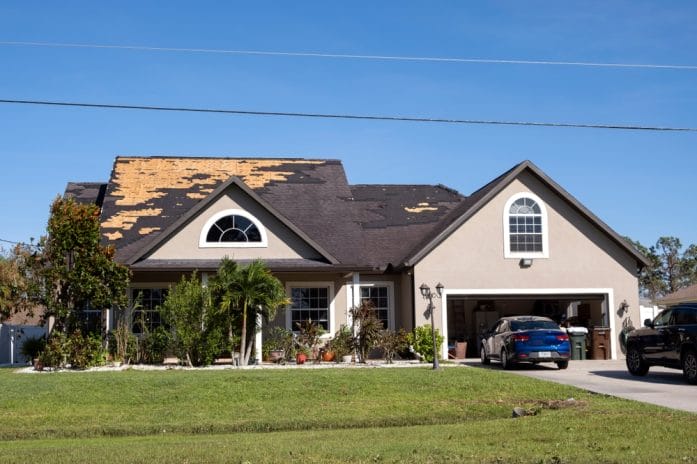
Florida’s sunny promise has always come with a price tag, but this year, that number jumped in a way many retirees didn’t see coming. May insurance statements started landing in mailboxes, and tucked between the usual line items sat something new and confusing: rebuild fees. These charges didn’t just nudge bills upward—they sent some premiums soaring by hundreds or even thousands of dollars annually.

For retirees living on fixed incomes, that kind of surprise hits hard and fast. The reality behind these fees reveals a complicated mix of risk, regulation, and rising construction costs that demand a closer look.

What Exactly Are “Rebuild Fees” and Why Are They Showing Up Now?

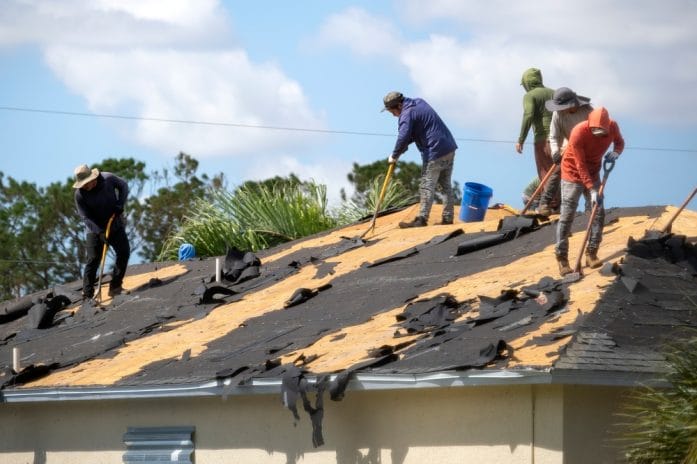
These fees represent a recalculation of what it would cost to completely rebuild a home after a disaster. Insurance companies rely on updated construction data, labor costs, and materials pricing to determine these figures. Florida’s recent storms and supply chain issues pushed rebuilding costs significantly higher than in previous years. Insurers now adjust policies to reflect those realities, often without much fanfare. That quiet adjustment explains why so many homeowners first noticed the change only when their May statements arrived.

The term “rebuild fee” might sound like a small administrative charge, but it carries serious financial weight. Insurance providers use it to bridge the gap between older coverage estimates and today’s actual rebuilding expenses. Lumber prices, contractor shortages, and stricter building codes all play a role in inflating those costs. When insurers detect that a home’s insured value falls short of what a rebuild would require, they increase coverage—and premiums—accordingly. That adjustment often appears as a rebuild-related fee or surcharge.

Retirees often feel the impact more sharply because many purchased their homes years ago under very different market conditions. Back then, rebuilding costs sat much lower, and policies reflected that reality. Now, insurers scramble to catch up with current prices, leaving homeowners to absorb the difference. The timing adds to the frustration, especially when increases arrive without clear, upfront explanations. That lack of transparency makes the charges feel sudden, even though the factors behind them have been building for years.

Why Florida’s Unique Risks Are Driving Costs Higher Than Anywhere Else

These risks include hurricanes, flooding, and a growing population concentrated in vulnerable coastal areas. Insurance companies factor in both the frequency and severity of potential disasters when calculating premiums. Florida’s recent history of powerful storms has forced insurers to rethink how much risk they can safely take on. Reinsurance costs, which insurers pay to protect themselves, have also skyrocketed. All of those pressures trickle down to homeowners in the form of higher premiums and new fees.

Florida doesn’t just face occasional storms—it sits in a high-risk zone where severe weather events happen regularly. Each hurricane season brings the possibility of widespread damage, and insurers must prepare for worst-case scenarios. That preparation costs money, and companies pass those expenses along to policyholders. The rebuild fee reflects not only current construction costs but also the probability that a rebuild will actually become necessary. In other words, it’s both a pricing adjustment and a risk signal.

Retirees often choose Florida for its tax benefits and warm climate, but those perks now come with increased financial exposure. Insurance companies have pulled out of certain markets or limited coverage, reducing competition and driving prices higher. Fewer options mean less bargaining power for homeowners. When insurers remain in the market, they tighten their calculations to avoid losses. That environment creates the perfect storm for sudden pricing changes like rebuild fees.

How Rising Construction Costs Are Quietly Reshaping Insurance Bills

Material costs have surged due to global supply disruptions and increased demand for rebuilding after storms. Labor shortages in the construction industry have further driven up prices. Florida’s updated building codes require stronger, more resilient structures, which cost more to build. Insurance companies must account for these factors when determining coverage levels. Those adjustments often show up as higher premiums or added fees like the rebuild charge.

A decade ago, rebuilding a modest home cost far less than it does today. Now, even basic materials like concrete, roofing supplies, and wiring come with elevated price tags. Contractors also charge more due to high demand and limited availability. When a storm hits, those costs spike even further as homeowners compete for repairs. Insurance companies track these trends closely and update their models to reflect real-world pricing.

Retirees may not actively follow construction markets, but those changes directly impact their insurance bills. A policy that once comfortably covered a home might now fall short by tens of thousands of dollars. Insurers step in to correct that gap, but the correction comes at a cost. The rebuild fee essentially acts as a catch-up mechanism. While it ensures adequate coverage, it also creates financial strain for those unprepared for the increase.

What Retirees Can Do Right Now to Manage the Financial Impact

Reviewing policy details, shopping for alternative insurers, and considering higher deductibles can all help Florida retirees. Homeowners should request a detailed breakdown of any new fees or charges from their insurance provider. Comparing quotes from multiple companies can reveal more competitive options. Some retirees may benefit from bundling policies or exploring state-backed insurance programs. Taking action early can prevent further financial surprises later in the year.

Knowledge serves as the first line of defense against unexpected costs. Retirees should carefully examine their insurance statements and look beyond the total premium. Line-by-line analysis often reveals where increases originate and whether they make sense. Calling an insurance agent for clarification can uncover opportunities to adjust coverage without sacrificing protection. Small tweaks sometimes lead to meaningful savings.

Florida’s Insurance Spike: Why Retirees Are Seeing “Rebuild Fees” on May Statements
Image Source: Shutterstock.com

Why This Trend Isn’t Going Away

These changes reflect long-term shifts in climate risk, population growth, and construction economics. Insurance companies will continue adjusting pricing models to stay financially viable. Florida’s regulatory environment may evolve, but it won’t eliminate underlying risk factors. Homeowners should expect ongoing fluctuations in premiums and coverage requirements. Preparing for that reality now helps reduce stress and financial strain in the future.

The rebuild fee represents more than a temporary spike—it signals a broader transformation in how insurers approach risk. Climate patterns continue to intensify, and rebuilding costs show no signs of declining. As more people move to Florida, demand for housing and construction services increases. That combination keeps upward pressure on both insurance premiums and rebuilding estimates. Retirees who recognize this trend early can adapt more effectively.

Staying Ahead of the Curve Without Losing Sleep Over It

Florida’s rebuild fees may feel like an unwelcome surprise, but they reveal a deeper shift in the cost of protecting a home in a high-risk environment. Retirees who take the time to dig into their policies, ask questions, and explore alternatives gain a clear advantage. Insurance companies will continue adjusting to changing risks, but homeowners don’t have to accept every increase without scrutiny. A proactive mindset turns confusion into control and helps prevent future financial shocks. Smart planning today keeps those sunny Florida years from getting clouded by rising costs.

What’s your take on these new rebuild fees—fair adjustment or financial overreach? State your opinion below and start a conversation in our comments.

You May Also Like…

Why Banks Are Quietly Reducing Cash Withdrawal Limits in California, New York, Texas, Florida, and Illinois

Florida Homeowners Are Seeing Major Premium Increases as Citizens Policies Adjust Rates

Texas vs. Florida: Which No-Income-Tax State Actually Leaves You With More Money?

Nevada Trust Rules Offer Less Asset Protection Than Many Homeowners Expect

What Are New Jersey’s ANCHOR Rebate Payments And How Can They Help Homeowners?

Brandon Marcus
Brandon Marcus

Brandon Marcus is a writer who has been sharing the written word since a very young age. His interests include sports, history, pop culture, and so much more. When he isn’t writing, he spends his time jogging, drinking coffee, or attempting to read a long book he may never complete.

Filed Under: Insurance Tagged With: cost of living Florida, Florida housing, Florida insurance, homeowners insurance, hurricane risk, insurance costs, insurance premiums, Planning, property insurance crisis, rebuild fees, retirees, senior finances

Florida Homeowners Are Seeing Major Premium Increases as Citizens Policies Adjust Rates

April 17, 2026 by Brandon Marcus Leave a Comment

Florida Homeowners Are Seeing Major Premium Increases as Citizens Policies Adjust Rates
Image Source: Shutterstock.com

If you own a home in Florida, you’ve probably already felt it—that creeping, uncomfortable rise in your insurance bill. For many homeowners, it’s not just a small bump either; it’s hundreds or even thousands more per year. The culprit? A mix of rising risks, insurance company exits, and major adjustments from Citizens Property Insurance Corporation.

What used to feel like a manageable expense is quickly becoming one of the biggest line items in household budgets. Knowing why these Florida insurance premium increases are happening—and what you can do about them—has never been more important.

Why Florida Insurance Premium Increases Are Happening Now

Florida’s insurance market has been under pressure for years, but things have reached a tipping point recently. A combination of stronger hurricanes, rising rebuilding costs, and increased litigation has made insurers rethink their risk exposure. As a result, many private insurers have either raised rates significantly or left the state entirely, pushing more homeowners toward Citizens. Citizens, originally designed as a last-resort option, is now insuring a massive number of properties—and that shift is forcing pricing changes. These Florida insurance premium increases are less about sudden policy changes and more about years of mounting financial strain finally catching up.

For homeowners, the impact feels immediate and personal. You might open your renewal notice and see a 20%, 30%, or even higher increase without making any changes to your property. That’s because insurance companies are adjusting to broader market realities, not just individual risk profiles. Even homes that haven’t filed claims are seeing higher costs simply due to their location. When an entire region becomes riskier to insure, everyone shares the burden.

How Citizens Is Changing the Game for Homeowners

Citizens Property Insurance Corporation has become a central player in Florida’s insurance landscape. As more private insurers exit, Citizens has stepped in to provide coverage, but it’s now under pressure to remain financially stable. To do that, it has been steadily increasing rates and implementing stricter eligibility requirements. These changes are directly contributing to Florida insurance premium increases across the board. What was once the “cheaper fallback option” is no longer guaranteed to save homeowners money.

At the same time, Citizens is trying to shift some policyholders back into the private market. If a private insurer offers coverage within a certain price range, homeowners may be required to leave Citizens. This can be frustrating, especially if the private option is still expensive or less comprehensive. The goal is to balance the system, but for homeowners, it often feels like being caught in the middle. Navigating these transitions requires careful comparison and a clear understanding of your coverage needs.

The Real Cost Impact on Everyday Budgets

Let’s talk about what this actually means for your wallet. A homeowner who was paying $2,500 annually might now be facing $3,500 or more, depending on location and property details. That extra $1,000 isn’t just a number—it can affect savings goals, emergency funds, and even monthly cash flow. Florida insurance premium increases are forcing many families to rethink their budgets and prioritize essential expenses. In some cases, homeowners are even considering selling because the long-term costs feel unsustainable.

There’s also a ripple effect beyond just insurance premiums. Higher insurance costs can influence mortgage approvals, as lenders factor in total monthly housing expenses. This can make it harder for new buyers to enter the market or for current homeowners to refinance. Property values in certain high-risk areas may also be impacted over time. When insurance becomes less affordable, it changes how people view the true cost of owning a home.

Florida Homeowners Are Seeing Major Premium Increases as Citizens Policies Adjust Rates
Image Source: Shutterstock.com

What You Can Do to Reduce Your Insurance Costs

While you can’t control the broader market, there are steps you can take to soften the blow. Start by reviewing your current policy in detail—many homeowners are paying for coverage they don’t fully understand. Increasing your deductible is one common way to lower your premium, though it does mean taking on more risk. You can also invest in home improvements like impact-resistant windows or a new roof, which may qualify you for discounts. These proactive moves won’t eliminate Florida insurance premium increases, but they can help you manage them more effectively.

Shopping around is another key strategy, even in a tight market. Different insurers evaluate risk differently, so quotes can vary more than you might expect. Working with an independent insurance agent can help you explore multiple options at once. It’s also worth asking about bundling policies or loyalty discounts. Small savings in multiple areas can add up to meaningful relief over time.

Staying Ahead of Future Insurance Challenges

Looking ahead, it’s clear that Florida’s insurance landscape isn’t going back to what it was anytime soon. Climate risks, construction costs, and regulatory changes will continue shaping the market. Staying informed is one of the best tools you have as a homeowner. Keep an eye on policy updates, rate changes, and new legislation that could affect your coverage. Being proactive now can help you avoid surprises later.

It’s also important to think long-term about how insurance fits into your overall financial plan. Emergency savings, home maintenance, and risk management all play a role in protecting your investment. Florida insurance premium increases may feel overwhelming, but they’re also a reminder to stay engaged with your finances. The more you understand your options, the better positioned you’ll be to make smart decisions.

Adapting to a New Insurance Reality

Florida homeowners are entering a new era where insurance is no longer a predictable, stable expense. These Florida insurance premium increases are reshaping budgets, influencing housing decisions, and forcing people to become more hands-on with their policies. While the situation is challenging, it’s not hopeless—there are still ways to adapt and stay financially secure. The key is to stay informed, take proactive steps, and avoid ignoring the issue until renewal time. A little effort now can save you significant stress (and money) later.

So, how are these rising insurance costs affecting your household budget—and what changes have you made to keep up? We want to hear your thoughts below.

You May Also Like…

Florida Has 0% Income Tax — But Seniors Still Spend Thousands a Year on Essentials

Insurance Costs Are Quietly Reshaping Where Americans Can Live — And Some Are Being Priced Out

Florida Escrow Payments Continue Rising as Insurance Costs Climb

8 Super Simple Ways to Reduce Your Car Insurance Premiums

Missed Insurance Payment? Your Auto Lender May Raise Your Costs Overnight

Brandon Marcus
Brandon Marcus

Brandon Marcus is a writer who has been sharing the written word since a very young age. His interests include sports, history, pop culture, and so much more. When he isn’t writing, he spends his time jogging, drinking coffee, or attempting to read a long book he may never complete.

Filed Under: Insurance Tagged With: Budgeting Tips, Citizens Insurance, Florida insurance, homeowners insurance, homeownership, insurance premiums, Personal Finance, rising costs

State Farm Files for 10% Rate Reduction in Florida After Years of Increases

February 10, 2026 by Brandon Marcus Leave a Comment

State Farm Files for 10% Rate Reduction in Florida After Years of Increases
Image source: shutterstock.com

Florida’s insurance market has spent years feeling like one of those rides that climbs slowly, drops suddenly, and leaves you wondering why you ever got on in the first place. But for once, the latest twist is actually good news.

State Farm, one of the largest insurers in the country, has filed for a 10% rate reduction for Florida homeowners. Yes, you read that correctly: a reduction, not another increase. After years of rising premiums, shrinking options, and policyholders bracing for the next round of bad news, this filing feels like someone finally cracked open a window in a very stuffy room.

Why a Rate Reduction Is Even on the Table

For years, Florida’s insurance market has been defined by rising costs, insurer exits, and a steady stream of premium hikes. So why would State Farm suddenly decide it’s time to lower rates? The answer lies in a combination of improving financial conditions and recent legislative reforms aimed at stabilizing the market.

Over the past few years, Florida has implemented changes designed to reduce litigation, curb fraudulent claims, and create a more predictable environment for insurers. These reforms are starting to show results, and some companies—State Farm included—are seeing fewer losses and more stability. When an insurer’s financial outlook improves, rate reductions become possible. It’s a sign that the market may finally be inching toward balance after a long stretch of turbulence.

What a 10% Reduction Really Means for Homeowners

A 10% reduction may not sound dramatic at first glance, but in a state where premiums have climbed faster than almost anywhere else, even a modest decrease can feel like a breath of fresh air. For many homeowners, insurance costs have become one of the most unpredictable parts of their budget.

A reduction signals not just lower bills, but a potential shift in momentum. State Farm’s change could encourage other insurers to reevaluate their own rates, especially if they’re experiencing similar improvements in their financial performance. While no one should expect a sudden wave of dramatic cuts, even incremental relief can help homeowners regain a sense of control.

State Farm Files for 10% Rate Reduction in Florida After Years of Increases
Image source: shutterstock.com

The Role of Legislative Reforms in Shaping the Market

Florida’s insurance challenges didn’t appear overnight, and neither did the solutions. Over the past several years, lawmakers have passed reforms aimed at reducing excessive litigation, limiting assignment‑of‑benefits abuses, and encouraging insurers to remain in the state. These changes were designed to address long‑standing issues that contributed to rising premiums and insurer instability.

While the full impact of these reforms will take time to unfold, early indicators suggest they’re helping reduce losses and create a more sustainable environment. State Farm’s rate filing is one of the first major signs that the reforms may be working. For homeowners, this is a reminder that policy changes can have real, tangible effects on their monthly expenses.

Why State Farm’s Move Matters Beyond Its Own Customers

Even if you’re not insured with State Farm, this filing could still affect you. When a major insurer signals confidence in the market by lowering rates, it sends a message to competitors and regulators alike. Other companies may feel pressure to reassess their pricing, especially if they’ve been holding onto higher rates as a precaution.

A healthier market also attracts new insurers, which increases competition and gives homeowners more options. While no one should expect an overnight transformation, State Farm’s decision could be the first domino in a slow but meaningful shift toward a more stable and affordable insurance landscape.

What Homeowners Should Do While Waiting for Approval

Rate filings don’t take effect immediately. While the process unfolds, homeowners can take steps to position themselves for potential savings. Start by reviewing your current policy and checking whether you’re receiving all available discounts, such as wind mitigation credits or home safety upgrades.

It’s also a good time to compare quotes from multiple insurers, especially if you haven’t shopped around in a while. Even if State Farm’s reduction is approved, the best deal for your home may come from another company. Staying proactive ensures you’re ready to take advantage of any positive changes in the market.

A Glimpse of Relief in a Long Journey

A 10% rate reduction won’t solve every problem, but it represents something Florida homeowners haven’t seen in a long time: movement in the right direction. It’s a reminder that markets can recover, reforms can work, and insurers can shift from survival mode to stability. Whether you’re a State Farm customer or simply watching the market from the sidelines, this filing is worth keeping on your radar. It may be the first sign of a more balanced future—one where homeowners can breathe a little easier when renewal season rolls around.

What do you think this rate reduction signals for Florida’s insurance future? How are you feeling about your home insurance options in the Sunshine State?

You May Also Like…

Florida Homeowners Are Seeing Insurance Rates Decreasing In 2026

The Roof Age That Automatically Disqualifies Florida Homes From Coverage

Florida Homeowners See First Rate Decrease in 10 Years — Citizens Property Insurance Dropping Premiums 2.6%

The Home Insurance Review Clause That’s Triggering Surprise Policy Cancellations in 2026

Home Insurance: The Smart Way to Protect Your Home and Finances

Insurance Just Stopped Paying for These Routine Health Supplies — Check Your Plan Immediately

Brandon Marcus
Brandon Marcus

Brandon Marcus is a writer who has been sharing the written word since a very young age. His interests include sports, history, pop culture, and so much more. When he isn’t writing, he spends his time jogging, drinking coffee, or attempting to read a long book he may never complete.

Filed Under: Insurance Industry Tagged With: consumer finance, financial relief, Florida insurance, homeowners insurance, insurance market, insurance trends, property coverage, rate reduction, Real estate, State Farm, storm risk

Florida Homeowners Are Seeing Insurance Rates Decreasing In 2026

February 7, 2026 by Brandon Marcus Leave a Comment

Florida Homeowners Are Seeing Insurance Rates Decreasing In 2026
Image source: shutterstock.com

If you’re a Florida homeowner, you’ve probably spent the last few years opening your insurance renewal notices with the same energy you’d reserve for a horror movie. Premium hikes became so routine that many people stopped asking “if” rates would rise and started asking “by how much.”

But as 2026 begins, something genuinely surprising is happening: multiple insurers have filed for rate decreases with the Florida Office of Insurance Regulation (OIR). After years of market instability, litigation costs, and reinsurance spikes, the tide is finally shifting — and homeowners are more than ready for the relief. These filings aren’t rumors or wishful thinking; they’re part of a real, documented trend showing that Florida’s insurance market is stabilizing in ways many thought impossible just a few years ago.

Several Private Insurers Have Filed for Rate Decreases With the Florida OIR

Florida’s OIR has confirmed that multiple private insurers have submitted filings requesting rate decreases for 2026. These filings reflect improved financial performance, better loss ratios, and a more predictable claims environment.

While each company’s filing varies, the overall direction is unmistakable. Insurers are confident enough in the market to reduce rates rather than raise them, something that hasn’t been common in Florida for quite some time. For homeowners, this means 2026 is shaping up to be one of the most promising years in recent memory for potential savings.

Some Insurers Are Lowering Rates in Counties With Improved Loss Histories

Not all rate decreases apply statewide. Several insurers have filed for reductions in counties where claims have been lower or where storm activity has been less severe in recent years. This targeted approach allows insurers to pass savings on to homeowners in areas where risk has genuinely declined. It also reflects a more nuanced understanding of Florida’s diverse risk landscape, where one county may experience repeated storm losses while another remains relatively stable.

If you live in a region that hasn’t seen major storm damage recently, you may be among the homeowners who benefit the most from these filings.

Legislative Reforms Are Finally Producing Measurable Results

Florida’s insurance reforms are beginning to show tangible effects. Insurers have publicly stated that these reforms have reduced legal expenses and improved predictability in the claims process. Lower operating costs mean some companies can now justify rate decreases, something that would have been nearly impossible just a few years ago.

For homeowners, this is proof that policy changes can eventually translate into real‑world financial relief, even if the improvements take time to materialize.

Reinsurance Stabilization Is Helping Insurers Lower Premiums

Reinsurance — the insurance that insurance companies buy — has been one of the biggest drivers of Florida’s premium increases. When reinsurance prices spike, insurers have little choice but to pass those costs on to policyholders. But as the reinsurance market stabilizes and pricing becomes more predictable, insurers are gaining breathing room. Several companies have cited improved reinsurance conditions as a key reason they can file for rate decreases heading into 2026.

This is a promising sign for long‑term market health and a major factor behind the shift toward lower premiums.

Some Insurers Are Offering Decreases for Homes With Strong Mitigation Features

Homes with hurricane‑resistant features are becoming increasingly attractive to insurers. As a result, some companies have filed for rate decreases specifically for homeowners who meet certain mitigation standards. These reductions reward homeowners who invest in strengthening their properties and help reduce overall risk in the market.

If you’ve made improvements to your home, it’s worth checking whether you qualify for additional savings in 2026.

Florida Homeowners Are Seeing Insurance Rates Decreasing In 2026
Image source: shutterstock.com

Competitive Pressure Is Encouraging More Insurers to Adjust Rates

As more insurers file for decreases, others may follow suit to remain competitive. Florida’s insurance market has been gradually attracting new companies and encouraging existing ones to expand their offerings.

When one insurer lowers rates, others often respond to avoid losing customers — especially in regions where homeowners finally have multiple options again. This competitive environment is one of the reasons 2026 is shaping up to be a turning point for Florida homeowners.

Citizens’ Market Changes Are Influencing Private Insurer Pricing

Citizens Property Insurance, the state‑backed insurer, plays a major role in Florida’s insurance landscape. As Citizens adjusts its own rates and continues efforts to shift homeowners back into the private market, private insurers are responding with more competitive pricing.

While Citizens’ rates are regulated differently, its market influence is significant — and its actions often encourage private insurers to adjust their filings accordingly. For homeowners, this means more opportunities to compare quotes and potentially save money.

Florida Homeowners Finally Have a Reason to Feel Hopeful

After years of skyrocketing premiums and shrinking options, Florida’s homeowners insurance market is showing real signs of recovery. Rate decrease filings from multiple insurers — combined with legislative reforms, improved reinsurance conditions, and increased competition — are creating a more stable environment for 2026.

While not every homeowner will see a decrease, the overall trend is undeniably positive. This year, take the time to review your policy, compare quotes, and ask your insurer whether you qualify for any new reductions. Even a small decrease can make a meaningful difference.

Are you a Florida homeowner? Has your insurer mentioned any rate changes for 2026? Give us your stories in the comments section.

You May Also Like…

The Roof Age That Automatically Disqualifies Florida Homes From Coverage

Florida Homeowners See First Rate Decrease in 10 Years — Citizens Property Insurance Dropping Premiums 2.6%

6 States Where Homeownership Is Getting More Expensive in 2026 — Here’s Why

The Credit Score That Adds $2,000/Year to Florida Homeowner’s Insurance Premiums

The Sunshine State Squeeze: Why Florida Retirees are Seeing Smaller Social Security Checks This Week


Brandon Marcus
Brandon Marcus

Brandon Marcus is a writer who has been sharing the written word since a very young age. His interests include sports, history, pop culture, and so much more. When he isn’t writing, he spends his time jogging, drinking coffee, or attempting to read a long book he may never complete.
Filed Under: Insurance Tagged With: 2026 trends, Citizens Property Insurance, Consumer Protection, financial news, Florida homeowners, Florida insurance, homeowners insurance, insurance rates, insurance reforms, property insurance, State Farm

Citizens Property Insurance Sees Sharp Drop in Policies — What It Means for Homeowners in 2026

February 6, 2026 by Brandon Marcus Leave a Comment

Citizens Property Insurance Sees Sharp Drop in Policies — What It Means for Homeowners in 2026
Image source: shutterstock.com

If you’ve lived in Florida long enough, you know Citizens Property Insurance is like that friend you only call when things get really messy. It’s the state‑run insurer of last resort—the safety net for homeowners who can’t find coverage anywhere else. But in 2026, something unusual is happening: Citizens is shrinking. Fast.

The company’s policy count has dropped sharply as more homeowners are being shifted—or “taken out”—by private insurers returning to the market. For years, Citizens ballooned as private companies pulled back, but now the tide is turning. And whether you’re insured with Citizens or not, this shift affects the entire Florida insurance landscape.

Why Citizens Is Shrinking After Years of Rapid Growth

For most of the past decade, Citizens grew because private insurers struggled with rising claim costs, reinsurance challenges, and unpredictable weather patterns. When private companies pulled back, homeowners had nowhere else to go, so Citizens became the default option.

But in 2026, the trend is reversing. Several private insurers have re‑entered the market or expanded their offerings, and they’re taking policies out of Citizens through state‑approved programs. These “takeouts” aren’t random—they’re part of a long‑standing effort to keep Citizens from becoming too large, since a massive state‑run insurer creates financial risk for everyone. The result is a noticeable drop in Citizens’ policy count, signaling a shift toward a more balanced insurance market.

What’s Driving Private Insurers Back Into the Market

Private insurers don’t return to a market unless they see stability, opportunity, or both. In Florida, several factors are encouraging companies to expand again. Legislative changes in recent years have aimed to reduce litigation costs and curb fraudulent claims, two major issues that previously drove insurers away. Reinsurance markets have also shown signs of stabilization, giving companies more confidence in their ability to manage risk.

Additionally, some insurers are targeting specific regions or home types where they believe they can operate sustainably. This doesn’t mean the market is suddenly easy or inexpensive—it simply means conditions have improved enough for companies to cautiously re‑engage.

How Takeouts Work—and Why Homeowners Are Getting Letters

If you’re insured with Citizens, you may have received a letter from a private insurer offering to take over your policy. This is part of the state’s depopulation program, which encourages private companies to assume Citizens policies when they believe they can insure them sustainably.

Homeowners typically have the option to accept or decline, but declining may affect eligibility for Citizens renewal depending on the offer. These letters can feel confusing or even alarming, but they’re a normal part of Florida’s insurance system. The goal is to reduce Citizens’ size so it remains a true insurer of last resort—not the largest insurer in the state.

Citizens Property Insurance Sees Sharp Drop in Policies — What It Means for Homeowners in 2026
Image source: shutterstock.com

Why a Smaller Citizens Isn’t Automatically Good or Bad

A shrinking Citizens policy count can be interpreted in different ways. On one hand, it suggests the private market is strengthening, which can be a positive sign for long‑term stability. A healthier private market means more competition, more options, and potentially more innovation.

On the other hand, takeouts don’t always mean lower premiums. Some homeowners may find that private insurers offer higher rates or different coverage terms. Others may welcome the switch if it means more comprehensive options or better customer service. The impact varies widely depending on location, home age, construction type, and risk factors.

What Homeowners Should Watch Closely During This Transition

If you’re affected by a takeout, it’s important to read the offer carefully. Private insurers may have different deductibles, coverage limits, or exclusions compared to Citizens. Homeowners should compare the proposed policy with their current one to understand what’s changing.

It’s also wise to check the financial strength rating of the private insurer, since stability matters when choosing coverage. Even homeowners who aren’t being taken out should pay attention to market shifts, as changes in Citizens’ size can influence overall insurance trends, availability, and pricing across the state.

Why Citizens’ Shrinking Size Matters for the Entire State

Citizens plays a unique role in Florida’s insurance ecosystem. When it grows too large, the financial risk spreads to all policyholders statewide through potential assessments if the company faces major losses. A smaller Citizens reduces that risk, which is one reason state leaders encourage depopulation. However, Citizens also provides a safety net for homeowners who truly can’t find coverage elsewhere.

If the private market becomes too selective, some homeowners may struggle to secure affordable insurance. The challenge is finding a balance where Citizens remains available but not oversized—a balance Florida has been trying to achieve for years.

What This Means for the Future of Florida’s Insurance Market

The drop in Citizens’ policy count is a sign of shifting momentum, but it doesn’t mean Florida’s insurance challenges are solved. Premiums remain high in many areas, and weather‑related risks continue to influence the market. Still, the return of private insurers suggests cautious optimism.

If the trend continues, homeowners may see more options and a more stable insurance environment over time. The key will be whether insurers can maintain profitability while offering coverage that homeowners can reasonably afford. For now, the shrinking size of Citizens is a noteworthy milestone in a state where insurance has been a major concern for years.

A Changing Market, but Homeowners Still Hold the Power

Even as Citizens shrinks and private insurers expand, homeowners remain central to the equation. Staying informed, reviewing policies carefully, and understanding your options can make a meaningful difference in navigating Florida’s evolving insurance landscape. The market may shift, but your ability to make smart, proactive decisions remains constant. Whether you stay with Citizens or move to a private insurer, the most important thing is choosing coverage that fits your needs and protects your home.

What’s your experience with Citizens or private insurance takeouts this year? Share your story in the comments.

You May Also Like…

Florida Homeowners See First Rate Decrease in 10 Years — Citizens Property Insurance Dropping Premiums 2.6%

Senior Citizens Alert: 8 Pieces of Information You Should Never Give Out Over The Phone

The Roof Age That Automatically Disqualifies Florida Homes From Coverage

The Sunshine State Squeeze: Why Florida Retirees are Seeing Smaller Social Security Checks This Week

The Florida Premium Spike: Why Your “Affordable” Health Plan Just Quadrupled in Cost Overnight

Brandon Marcus
Brandon Marcus

Brandon Marcus is a writer who has been sharing the written word since a very young age. His interests include sports, history, pop culture, and so much more. When he isn’t writing, he spends his time jogging, drinking coffee, or attempting to read a long book he may never complete.

Filed Under: Insurance Tagged With: Citizens Property Insurance, depopulation program, Florida insurance, Home insurance, homeowners, insurance costs, insurance market, Planning, private insurers, property insurance, real estate trends

The Roof Age That Automatically Disqualifies Florida Homes From Coverage

February 3, 2026 by Brandon Marcus Leave a Comment

The Roof Age That Automatically Disqualifies Florida Homes From Coverage
Image source: shutterstock.com

In Florida, your roof isn’t just a roof—it’s basically your insurance passport. You can have the perfect paint job, a gorgeous kitchen remodel, and the best landscaping on the block, but if your roof is “too old,” insurance companies may shut the door on coverage faster than a thunderstorm rolls in off the Gulf.

For thousands of homeowners, this isn’t theoretical—it’s happening in real time, often with shocking denial letters and non-renewal notices that seem to come out of nowhere. Roof age has quietly become one of the most powerful gatekeepers in Florida’s insurance market, and many homeowners don’t realize it until they’re already in trouble.

Why Florida Insurers Obsess Over Roof Age More Than Almost Anything Else

Florida’s insurance market isn’t just strict—it’s uniquely high-risk. Hurricanes, tropical storms, heavy rains, high humidity, and intense sun exposure all shorten the life expectancy of roofing materials compared to other parts of the country. Insurers look at roofs not as cosmetic features, but as frontline defense systems against catastrophic losses.

When a roof fails in a storm, the damage isn’t limited to shingles—it means water intrusion, mold, electrical damage, ruined interiors, and massive claims. That’s why roof age has become one of the easiest risk indicators for insurers to assess. From their perspective, an older roof isn’t just old—it’s statistically more likely to fail when Florida weather shows up uninvited and unannounced.

The “Magic Number” That Gets Homes Disqualified From Coverage

Here’s the truth most homeowners don’t hear clearly enough: many Florida insurance companies will not insure homes with roofs older than 15 years, regardless of visible condition. Some carriers allow up to 20 years, but that’s increasingly rare in today’s market. For tile, metal, and other specialty roofs, the acceptable age range is often longer—sometimes 25 to 40 years—but even those materials can face restrictions depending on inspection reports and underwriting guidelines.

This isn’t a statewide law, and it’s not a government rule—it’s underwriting policy, meaning private insurers set their own limits. But functionally, it acts like a hard stop for many homeowners. Once your roof crosses that age threshold, your options shrink fast, your premiums spike, and in many cases, you’re left scrambling for last-resort coverage or taking the first steps to replacing your roof.

Citizens Insurance and the “Last Resort” Reality

When private insurers say no, many Florida homeowners turn to Citizens Property Insurance Corporation, the state-backed insurer of last resort. But even Citizens has roof-age rules. For asphalt shingle roofs, Citizens generally requires the roof to be 15 years old or newer, unless a certified roof inspection proves it has at least five years of useful life remaining.

That means homeowners often have to pay for professional inspections just to stay insured—and even then, approval isn’t guaranteed. This creates a brutal cycle where homeowners are forced into either replacing a roof earlier than financially planned or risking being uninsured. It’s not about whether your roof looks fine—it’s about whether it fits the insurer’s risk model.

Why “It Looks Fine” Doesn’t Matter to Insurance Companies

A roof can look perfectly functional and still be rejected. Insurance underwriting isn’t based on visual appeal—it’s based on probability. Insurers use actuarial data, storm loss models, and historical claims trends to predict risk, not homeowner opinions or surface-level inspections. A 17-year-old asphalt shingle roof might look decent, but statistically, it’s far more likely to fail under hurricane-force winds than a newer one.

That’s why age becomes the deciding factor instead of condition alone. The system isn’t emotional—it’s mathematical, and Florida’s storm history has made those math models brutally conservative.

What Florida Homeowners Can Do Before Insurance Becomes a Crisis

The smartest move is planning ahead instead of reacting in panic. If your roof is approaching 15 years old, start budgeting and exploring options now—not when your renewal notice arrives. A professional roof inspection can sometimes buy you time, especially if the roof is in strong condition and properly maintained.

Keeping documentation, maintenance records, and inspection reports can also help when negotiating with insurers. If replacement is inevitable, choosing hurricane-rated materials and impact-resistant shingles can improve insurability and sometimes reduce premiums. Most importantly, talk to an independent insurance agent who understands Florida’s market—they often know which carriers are stricter and which ones still allow flexibility.

The Roof Age That Automatically Disqualifies Florida Homes From Coverage
Image source: shutterstock.com

Why This Problem Isn’t Going Away

Florida’s roof-age insurance issue isn’t a temporary trend—it’s part of a larger structural shift in the state’s insurance market. Rising reinsurance costs, climate risk modeling, litigation expenses, and repeated storm losses have reshaped how insurers operate.

Roof age is one of the easiest risk filters they can enforce without complex inspections or long underwriting processes. That means homeowners will likely see these age limits become more rigid, not more relaxed. For Florida homeowners, roof replacement is no longer just a maintenance decision—it’s an insurance survival strategy. The roof has become the gatekeeper to affordability, coverage access, and long-term financial stability.

The Real Wake-Up Call Florida Homeowners Can’t Ignore

Your roof is protecting your ability to stay insured in Florida’s increasingly unforgiving insurance market. Once it hits certain age thresholds, especially with asphalt shingles, it can quietly disqualify your home from coverage options you didn’t even realize were fragile. This isn’t fear-based hype—it’s the reality thousands of Florida homeowners are navigating every year. The earlier you understand it, the more control you have over your choices, your budget, and your future coverage options. In Florida, roof age isn’t just a number—it’s leverage, power, and access to insurance itself.

What’s the age of your roof right now, and have you had any surprises from your insurance company because of it? Drop your thoughts in the comments—we’d love to hear your story.

You May Also Like…

Florida Homeowners See First Rate Decrease in 10 Years — Citizens Property Insurance Dropping Premiums 2.6%

The Home Insurance Review Clause That’s Triggering Surprise Policy Cancellations in 2026

The Credit Score That Adds $2,000/Year to Florida Homeowner’s Insurance Premiums

The Sunshine State Squeeze: Why Florida Retirees are Seeing Smaller Social Security Checks This Week

The One Household Appliance That Will Spike Your Insurance Premiums if Discovered During Inspection

Brandon Marcus
Brandon Marcus

Brandon Marcus is a writer who has been sharing the written word since a very young age. His interests include sports, history, pop culture, and so much more. When he isn’t writing, he spends his time jogging, drinking coffee, or attempting to read a long book he may never complete.

Filed Under: Insurance Tagged With: Citizens Insurance, Florida homes, Florida housing, Florida insurance, homeowners insurance, homeownership tips, hurricane risk, insurance coverage, property insurance crisis, roof age, roof replacement

Florida Homeowners See First Rate Decrease in 10 Years — Citizens Property Insurance Dropping Premiums 2.6%

February 2, 2026 by Brandon Marcus Leave a Comment

Florida Homeowners See First Rate Decrease in 10 Years — Citizens Property Insurance Dropping Premiums 2.6%
Image source: shutterstock.com

If you’ve owned a home in Florida for more than a minute, you’ve probably felt like property insurance was a sneaky, ever-climbing cost that showed up on your bills just when you thought you could breathe. For years, homeowners across the Sunshine State watched premiums rise — sometimes dramatically — and wondered whether relief would ever come. Now, in a twist that feels almost unbelievable after a decade of increases, Florida homeowners who carry coverage through Citizens Property Insurance are poised to see premiums drop.

This marks the first rate decrease from the state’s insurer of last resort in roughly 10 years, and it’s a significant development that homeowners and potential buyers alike need to understand. As insurance markets stabilize and reforms bite, this isn’t just good news — it’s reshaping how families budget for housing costs heading into 2026 and beyond.

What Exactly Is Happening With Citizens Property Insurance

Citizens Property Insurance Corporation isn’t your average insurer — it’s Florida’s insurer of last resort, covering homes that private companies won’t touch because of risk or location. After years of skyrocketing premiums driven by litigation, extreme weather risk, and market volatility, Citizens has recommended a rate decrease of about 2.6% statewide.

This news is historic because it’s the first rate drop from Citizens since roughly 2015, a period that saw relentless increases for many policyholders. What makes this shift possible isn’t magic — it’s a combination of Florida’s insurance reforms, declining litigation costs, and a shrinking policy base as more homeowners move back into the private market.

How Florida Insurance Reform Helped Make This Rate Drop Possible

If it feels like Florida has been talking about insurance reform forever, that’s because it has and you’re now starting to see the results. Major legislative changes tackled some of the biggest cost drivers in the state market, especially frivolous litigation and abusive claims practices that clogged courts and drove up insurer losses.

Those reforms made it less expensive and less risky for companies to write policies again, which brought competition back into the market. When there’s real competition, prices tend to soften, and that’s exactly what’s happening as private insurers file their own alongside Citizens’ move.

Homeowners in many parts of the state may now see meaningful savings as insurers recalibrate their costs and compete for business. So yes, policy changes in Tallahassee are now doing more than just talk — they’re showing up in your insurance bill.

What This Means For Homeowners Across The State

If you live anywhere from the Gulf Coast to Miami, a rate decrease — even a modest one like 2.6% — can free up real money in your monthly budget. The exact savings differ by county and by carrier, but officials say a large chunk of Citizens customers could see even bigger cuts in some areas.

Homeowners could see reductions when private market adjustments are factored in. Those aren’t just nice round numbers on paper — they add up to hundreds of dollars per household every year, dollars you could redirect toward roofing improvements, emergency savings, or family outings. But remember: not everyone will see the same decrease, and some may see their coverage shift entirely to private insurers with different rate structures.

Why You Should Still Shop for Your Insurance Policy

Even with a Citizens rate drop on the table, now is a strategic moment to go shopping for insurance rather than automatically sticking with whatever company you have. Competition is returning, and that means options. Agents recommend comparing quotes and policies from multiple carriers, because in a shifting market you might find a private insurer willing to offer broader coverage and a lower price. And if your home is currently insured through Citizens, you may be eligible for what’s known as a “take-out offer” from private companies willing to cover you for less, depending on your location and home profile.

Before you assume dropping is going to be simpler or cheaper, make sure you fully understand the coverages, deductibles, and rules — especially hurricane coverage, which is a big deal in Florida.

What Homeowners Can Do Right Now To Maximize Savings

First, read your renewal notice carefully. If Citizens or your current carrier offers a rate decrease, make sure you understand exactly how much you’ll save and whether coverage limits change. Second, get at least two or three competing quotes from private insurers to see if you can beat that price.

Third, consider home improvements that insurers reward — such as fortified roofing, impact-resistant windows, and updated electrical systems — because many companies offer discounts when you reduce known risks.

Finally, don’t ignore your agent’s advice; a good agent can help you navigate not just price but coverage quality, exclusions, and storm season readiness. When insurance costs are finally bending downward, being proactive can help you turn that change into real savings in your pocket.

What This Really Means For Florida Homeowners

This isn’t just a temporary blip or a minor adjustment — Florida’s first homeowners insurance rate decrease from Citizens in over a decade signals a deeper shift in a market that for years left families frustrated and financially squeezed. It reflects improved industry health, better regulatory balance, and expanding competition that puts money back into people’s budgets at a time when the cost-of-living pressures are everywhere. Homeowners should welcome the relief but treat it as a starting point to take control of their insurance strategy, not as a finish line they’ve crossed forever.

How much has your homeowners’ insurance cost changed over the last five years — and would a rate decrease like this make a real difference in your household budget? Tell your tales in the comments below.

You May Also Like…

The Home Insurance Review Clause That’s Triggering Surprise Policy Cancellations in 2026

The Sunshine State Squeeze: Why Florida Retirees are Seeing Smaller Social Security Checks This Week

Top 3 Water Damage Claims Home Insurance Actually Covers

Top 10 Reasons Boomers Were Right About Homeownership: Is It Too Late for Millennials?

The Tax Document Most Homeowners Fail to Update That Triggers Surprise Liens

Brandon Marcus
Brandon Marcus

Brandon Marcus is a writer who has been sharing the written word since a very young age. His interests include sports, history, pop culture, and so much more. When he isn’t writing, he spends his time jogging, drinking coffee, or attempting to read a long book he may never complete.

Filed Under: Insurance Tagged With: Citizens Property Insurance, Cost of living, Florida insurance, Florida reforms, homeowners insurance, homeownership, insurance rates 2026, insurance savings, property insurance tips

FOLLOW US

Search this site:

Recent Posts

  • Can My Savings Account Affect My Financial Aid? by Tamila McDonald
  • 12 Ways Gen X’s Views Clash with Millennials… by Tamila McDonald
  • What Advantages and Disadvantages Are There To… by Jacob Sensiba
  • 10 Tactics for Building an Emergency Fund from Scratch by Vanessa Bermudez
  • Call 911: Go To the Emergency Room Immediately If… by Stephen Kanaval
  • 7 Weird Things You Can Sell Online by Tamila McDonald
  • 10 Scary Facts About DriveTime by Tamila McDonald

Copyright © 2026 · News Pro Theme on Genesis Framework