• Home
  • About Us
  • Toolkit
  • Getting Finances Done
    • Hiring Advisors
    • Debt Management
    • Spending Plan
  • Insurance
    • Life Insurance
    • Health Insurance
    • Disability Insurance
    • Homeowners/Renters Insurance
  • Contact Us
  • Privacy Policy
  • Risk Tolerance Quiz

The Free Financial Advisor

You are here: Home / Archives for economy

18 Weird Ways Countries Are Tackling Economic Challenges

April 10, 2024 by Teri Monroe Leave a Comment

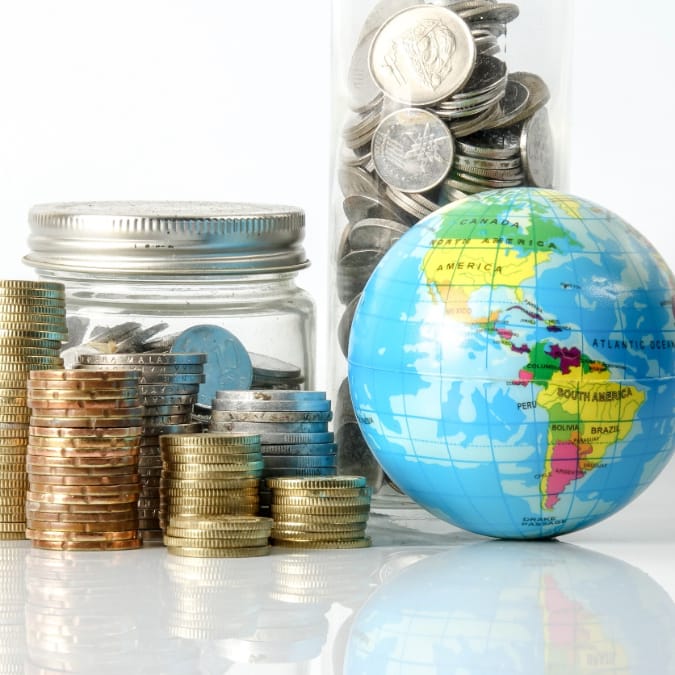
solving global economic problems

In a world where economic crises are a recurring theme, countries are often pushed to think outside the box to address their financial woes. From implementing quirky policies to embracing innovative solutions, nations around the globe are constantly exploring new avenues to navigate through economic turbulence. Here are 18 weird and wonderful ways countries are tackling their economic challenges.

1. Iceland’s Pirate Party and Direct Democracy

weird ways countries are solving economic problems

One example of countries tackling economic challenges in creative ways is Iceland’s Pirate Party. Iceland’s Pirate Party proposed using crowdsourcing to draft a new constitution, harnessing the power of direct democracy to involve citizens in shaping economic policies.

The party was created to combat perceived corruption within the country after the country faced a banking industry collapse in 2008.

2. Kenya’s Mobile Money Revolution

Kenya M-Pesa Program

Kenya’s adoption of mobile money platforms like M-Pesa has transformed its economy, providing millions with access to financial services and boosting economic activity in rural areas.

Too often, people in impoverished areas don’t live near banks and, therefore, can’t establish bank accounts. Now, 72% of Kenyans use mobile money accounts. When Kenya’s mobile money platform succeeded, it lifted nearly a million people out of poverty.

3. Bhutan’s Gross National Happiness Index

Bhutan National Happiness Index

Bhutan famously prioritizes Gross National Happiness over Gross Domestic Product (GDP), focusing on holistic well-being rather than purely economic metrics. From 2015 to 2022, Bhutan’s GNH grew 3.3% despite the effects of the pandemic.

4. Germany’s Dual Education System

Germany's Dual Education System

Germany’s dual education system combines traditional schooling with apprenticeships, ensuring a skilled workforce tailored to the needs of the economy.

Usually, learners will spend 70% of their time in the workforce and 30% of their time at college. Apprenticeships almost always lead to secure employment at their conclusion.

5. Singapore’s Smart Nation Initiative

Singapore Smart Nation

Singapore’s Smart Nation initiative leverages technology and data to drive economic growth and improve the quality of life for its citizens. Today, 99% of government services are digital.

6. Barcelona’s Time Bank

Barcelona Time Bank

Barcelona introduced a time bank system where residents exchange services instead of money, fostering community cohesion and addressing economic inequalities.

7. Uruguay’s Legalized Marijuana Market

legalized marijuana

Uruguay became the first country to legalize the production and sale of marijuana, creating a new industry that contributes to economic growth and tax revenue.

Pharmacies in Uruguay have sold 10,693,210 grams of marijuana between July 19, 2017 and July 19, 2023, according to the IRCCA, the agency responsible for monitoring both medical and adult-use marijuana in the South American country.

8. Rwanda’s Gender Quota in Politics

Gender quota in politics

Rwanda implemented a gender quota requiring women to hold at least 30% of parliamentary seats, promoting gender equality and enhancing economic decision-making.

9. Japan’s Robot Revolution

Japan's Robot Revolution

Japan is embracing robotics to offset labor shortages and drive productivity, with robots increasingly employed in industries ranging from healthcare to manufacturing.

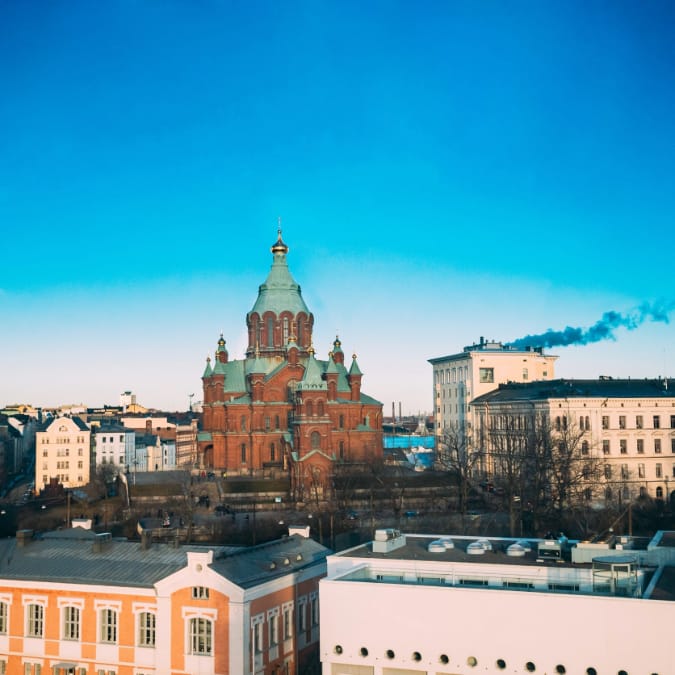
10. Finland’s Universal Basic Income Experiment

Finland

Finland conducted a trial of universal basic income, which provides citizens with a fixed income regardless of employment status. The aim is to alleviate poverty and stimulate entrepreneurship.

Over the two-year study, the basic income in Finland led to a slight increase in employment, significantly boosted the recipients’ well-being, and reinforced positive individual and societal feedback loops.

11. New Zealand’s Well-being Budget

New Zealand Well-Being Budget

New Zealand’s government introduced a well-being budget that prioritizes social and environmental outcomes alongside economic goals, reflecting a holistic approach to governance.

12. Sweden’s Cashless Society

Sweden cashless economy

Sweden is rapidly moving towards a cashless society. Digital payments are replacing cash transactions, offering convenience and efficiency while posing challenges for traditional banking systems.

13. India’s Aadhaar Identification System

India

India’s Aadhaar system assigns each citizen a unique identification number, streamlining access to government services and reducing bureaucracy, thereby stimulating economic activity.

14. Netherlands’ Bicycle Economy

Netherland Bicycle

The Netherlands promotes cycling as a sustainable mode of transportation, reducing congestion, pollution, and healthcare costs while fostering economic vitality in urban areas.

Cycling increases the life expectancy of Dutch people by half a year. These health benefits correspond to more than 3% of the Dutch gross domestic product.

15. Brazil’s Bolsa Família Program

Brazil

Brazil’s Bolsa Família program provides cash transfers to low-income families, reducing poverty and stimulating local economies by increasing purchasing power.

16. South Korea’s Hallyu Wave

South Korea

South Korea is tackling its economic challenges by capitalizing on its global popularity. The country’s cultural exports, including K-pop music and Korean dramas, have become a significant economic driver, attracting tourists and boosting international trade.

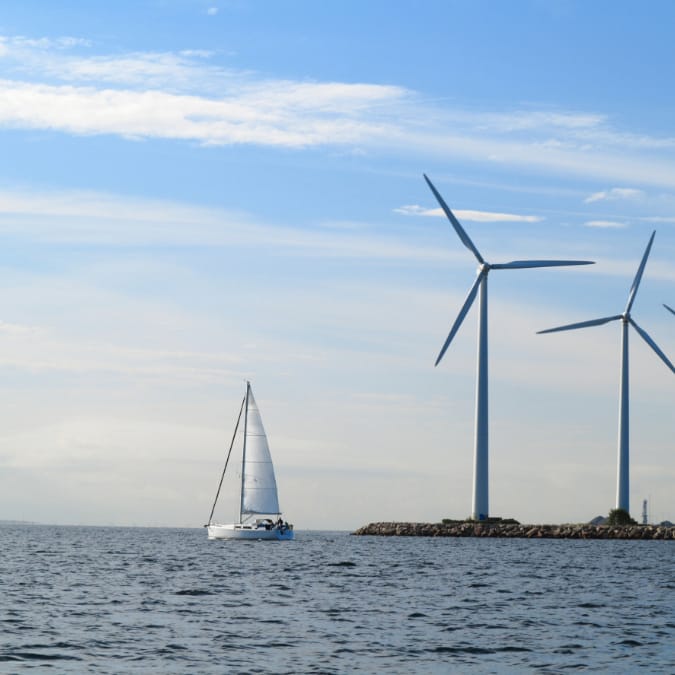
17. Denmark’s Energy Efficiency

Denmark Energy Efficiency

Denmark prioritizes energy efficiency measures, reducing reliance on fossil fuels, lowering carbon emissions, and positioning itself as a leader in renewable energy technologies.

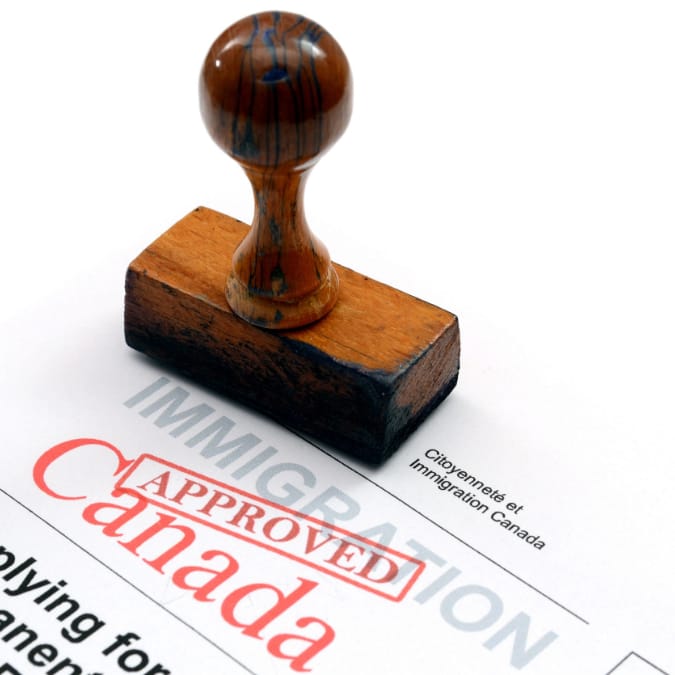
18. Canada’s Immigration Strategy

Canada Immigration

Canada’s immigration policies focus on attracting skilled workers and entrepreneurs, replenishing the labor force, driving innovation, and contributing to economic growth and diversity.

Economic Lessons We All Can Learn

weird ways countries are solving economic problems

These examples demonstrate the diversity of approaches countries are taking to address economic challenges. Whether through embracing technology, rethinking traditional policies, or prioritizing well-being, nations are finding creative solutions to navigate an ever-changing economic landscape.

By learning from each other’s successes and failures, countries can continue to innovate and adapt in the face of economic uncertainty.

Read More

15 English Tongue-Twisters: Words That Will Test Your Speaking Skills

When are Manufactured Homes a Good Investment?

Photograph of Teri Monroe
Teri Monroe
Teri Monroe started her career in communications working for local government and nonprofits. Today, she is a freelance finance and lifestyle writer and small business owner. Teri holds a B.A. From Elon University.  In her spare time, she loves golfing with her husband, taking her dog Milo on long walks, and playing pickleball with friends.

Filed Under: International News, Personal Finance Tagged With: creative solutions, economic crisis, economic problems, economy, global economy

What’s The Federal Reserve Going To Do?

June 23, 2021 by Jacob Sensiba Leave a Comment

There’s a lot going on in the world right now. Supply disruptions, stimulus payments, excess savings, labor shortages, and infrastructure are all playing a role in economic policy. In today’s post, I want to try and explain how they all play a factor with regard to how the FED determines policy.

Supply disruptions

Inherently, supply disruptions don’t have much to do with how the federal reserve coordinates monetary policy. The biggest supply disruption we have at the moment involves semiconductors.

The wide applicability of semiconductors makes them very important in product development and deployment. What’s more, the number of semiconductors needed just keeps growing.

The bad news is…there’s a supply shortage. That creates upward pressure on price. Not only for the semiconductors themselves but also for the products that use them.

Stimulus payments and excess savings

When Covid hit, the world shut down. People were out of work, so they didn’t spend money. People didn’t spend money, so businesses started losing revenue. In order to prevent total economic collapse, the government sent stimulus checks to qualifying individuals and boosted unemployment.

A lot of people saved this “extra” money and recently started to spend it. Jobs are starting to come back and the global economy is starting to look healthy. Confidence inspires spending. Increased consumer spending is good for the economy.

Labor shortages

Labor has become a big topic of conversation. Not only do we have more jobs available than we have people to take those jobs, but workers are quitting in large numbers. Both of those factors can have a large impact on wages.

Employers are having trouble filling roles. How can they attract applicants? Better wages and benefits? For those that can afford bigger payroll, that’s the avenue they’re using. That puts upward pressure on wages.

I also mentioned workers are quitting in droves. Employees are demanding to be fairly compensated and enough of them are banding together now. Improved benefits and increased wages are becoming more likely.

Wage inflation helps feed the price inflation narrative. The prices for products and services go up because of supply and demand factors. Wage inflation increases due to supply and demand dynamics.

These two inflationary pressures feed on each other. Wages go up so workers can afford more. Prices go up because workers can buy more, and so on.

Infrastructure

News broke about a new infrastructure bill (Source). On top of, already, record-breaking government spending, that’ll juice our GDP numbers for 2021.

I don’t have much else to say about this other than the spending involved will create inflationary pressures AND I’m proud there was bipartisan support for this bill. Not something we see very often anymore, so I’m happy it turned out this way.

The Federal Reserve

With all of that said, what’s the federal reserve going to do? If inflationary pressures are as hot as they seem, I fear the FED will have no option, but to end their accommodating stance on monetary policy.

They’ve already indicated that a rise in interest rates in Q3 or Q4 of 2023 is likely. They claim that they will let inflation run past their 2% target but by how much? At one point do they say enough is enough?

That’s a tough question to answer. I think in this situation, they’re talking bigger than what they’ll actually deliver. It’s all well and good if they say they’re going to let inflation run, but we’ll see what actually happens when that gets here.

Related reading:

Economic Pressures

Employment, Stimulus, Rising Prices

Disclaimer

**Securities offered through Securities America, Inc., Member FINRA/SIPC. Advisory services offered through Securities America Advisors, Inc. Securities America and its representatives do not provide tax or legal advice; therefore, it is important to coordinate with your tax or legal advisor regarding your specific situation. Please see the website for full disclosures: www.crgfinancialservices.com

Jacob Sensiba
Jacob Sensiba

Jacob Sensible is a financial advisor with decades of experience in the financial planning industry.  His journey into finance began out of necessity, stepping up to support his grandfather during a health crisis. This period not only grounded him in the essentials of stock analysis, investment strategies, and the critical roles of insurance and trusts in asset preservation but also instilled a comprehensive understanding of financial markets and wealth management.  Jacob can be reached at: jake.sensiba@mygfpartner.com.

mygfpartner.com/jacob-sensiba-wisconsin-financial-advisor/

Filed Under: Investing, investing news, Personal Finance, risk management Tagged With: covid, economics, economy, labor, markets, savings, supply and demand

Employment, Stimulus, and Rising Prices

May 26, 2021 by Jacob Sensiba Leave a Comment

The dynamic of employment changed dramatically because of the pandemic and the stimulus provided to consumers as a result.ww

People were let go from their jobs, especially jobs that didn’t have a way to “work from home”. Factory jobs and jobs in the service industry, for example.

Government Intervention

To combat a declining economy and unemployed workers struggling to make ends meet, the government decided to inject liquidity into the market. They did this through increased unemployment benefits and stimulus payments to those that qualified.

This aid sent to consumers helped out a lot of people, but it didn’t entirely go according to plan. One of the intentions of the stimulus payment was to incentivize people to spend – that’s why a large number of the second payment came via a Visa gift card.

When people spend, the economy does better.

Unfortunately, people saved their stimulus payments, but thankfully the market and the economy didn’t suffer as a result.

Rising Prices

That leads to the predicament we could soon find ourselves in. The economy is doing better. The majority of the United States population has been vaccinated (just a reminder that a majority is anything over 50%). Daily life is starting to return to normal; it’s happening slowly, but we are trending in the right direction.

As people grow more confident in their ability to go out into the world, and they get more confident in the economy and the market, they’re likely to spend some of that savings.

Low rates, decreasing unemployment, and more spending are three legs to likely inflation pressures.

Inflation

Now, I know I wrote about inflation pretty recently (here), but I feel it’s necessary to beat that drum again.

The FED already said that they will be more liberal when it comes to monetary policy. That means they will be more likely to let inflation run hot (relative to their 2% inflation target) for an extended period of time.

What they are doing with that stance, is they don’t want to kill a recovery when it’s just getting started. That’s what happened in 2018 when they raised rates throughout the year, but that increase in interest killed the economic growth and popped a bubble.

Okay, so the recipe for inflation is set, but what does that mean for me?

Honestly, that’s hard to say. We already said that inflation is likely, and in some cases, it’s already here. The question is, how much inflation is too much? This question will be answered by the FED.

And the answer will show itself when they relax their easy monetary policy. Interest rates could go up and the FED’s balance sheet could reduce in size.

At that point, I believe it’s only a matter of time (my hunch is not a lot of time) until the bubble we’ve created pops.

If you’re invested for the long haul, hunker down and hold steadfast. Avoid panic selling. If your time horizon is shorter, soon may be a good time to take some profits and de-risk your portfolio.

Disclaimer

**Securities offered through Securities America, Inc., Member FINRA/SIPC. Advisory services offered through Securities America Advisors, Inc. Securities America and its representatives do not provide tax or legal advice; therefore, it is important to coordinate with your tax or legal advisor regarding your specific situation. Please see the website for full disclosures: www.crgfinancialservices.com

Jacob Sensiba
Jacob Sensiba

Jacob Sensible is a financial advisor with decades of experience in the financial planning industry.  His journey into finance began out of necessity, stepping up to support his grandfather during a health crisis. This period not only grounded him in the essentials of stock analysis, investment strategies, and the critical roles of insurance and trusts in asset preservation but also instilled a comprehensive understanding of financial markets and wealth management.  Jacob can be reached at: jake.sensiba@mygfpartner.com.

mygfpartner.com/jacob-sensiba-wisconsin-financial-advisor/

Filed Under: Investing, money management, Personal Finance, risk management Tagged With: economy, Inflation, labor, markets, spending, stimulus

How My Finances Have Changed with Covid

May 20, 2020 by Jacob Sensiba Leave a Comment

Aside from the death and illness, it has caused, Covid-19 has done a number on the financial system and the economy.

I’m writing this on May 19th, and up to this point, over 30 million people have filed for unemployment benefits.

In my previous post, which can be found here, I detailed how you can plan in the event of job loss.

Even if you haven’t lost your job, more than likely, your finances have changed. In this article, I want to pull back the curtain on how my finances have changed during this environment.

My Job

Thankfully, I’m still working. I work for my family’s business. Technically speaking, we have four family businesses and I work three out of the four in various capacities.

Two out of those three businesses are very resilient during recessions, so I’m not terribly worried about my income from those two sources.

The last, however, will be influenced by movements in the market. If I do my job well, it shouldn’t vary a ton, but if I don’t, my clients will feel the pain, as will I.

The reason being is I, typically, charge a percentage of the assets under management (AUM). If account values go down, so does the fee I receive. The two go hand in hand, as they should. If I do a poor job, I should make less. It just makes sense.

With that said, my income hasn’t moved too much from the financial advising gig. It dropped a little bit last month, but I imagine it’ll come back up by the end of May, as the market has recovered.

Opinion: The Economy

I don’t know if I’ve mentioned it yet here, but my opinion of the economy is darker than some. I think there will be a cascade of bankruptcies in the public and private sectors.

With regard to the public sector, the companies that are rated BBB are already at record highs. When revenues stop coming in or significantly reduce, it’s hard for companies to make interest payments to lenders (holders of debt).

Companies will start defaulting on their debts, and the ability to pay, as well as other factors, help determine the credit rating. This will cause a slew of BBB rated companies to get downgraded.

Funds

With regard to fixed income mutual funds and ETFs, the vast majority of them have rules they need to abide by. One of those rules could be only investing in investment-grade companies.

Investment grade is anything from AAA to BBB. My fear is that when companies get downgraded from BBB to BB, it’ll cause funds to dump those companies; exasperating the sell-off.

My Finances

With that said, here’s how I’ve adapted.

My finances really haven’t changed much. I’m spending more on groceries, especially right now as I am stocking up on certain goods. The added benefit of that is I’m spending less on food from restaurants, which saves me money and I’m eating healthier too.

So you’re spending more on groceries and less on take-out…what else? Well, given the nature of Covid and the uncertainty that surrounds it, my priorities have shifted a little.

More Cash

I’ve planned my clients’ portfolios with the above scenario in mind. The majority of clients aged 60 and up are positioned more conservatively than normal. With that in mind, all of the portfolios I manage will take a little hit, and my income will drop as a result.

I’ve suspended my retirement contributions, via payroll deduction, until I feel comfortable again. This may seem counterintuitive because of the stress I put on leaving things alone and dollar-cost-averaging as prices go lower.

Due to the fact that my income has some variability, not to mention my rental property and the uncertainty of my renters’ making rent payments (because of talks about forgiving rent payments for those affected by Covid), I have to keep more cash available than normal.

Retirement Contributions

As I mentioned, I stopped my automatic retirement contributions, but I am making voluntary contributions to my Roth IRA when I feel my cash available is adequate.

Other than that, nothing else has changed. Debt payments will continue as planned and saving for a down payment on a house will also continue.

Be advised: Any opinion expressed about the market/economy is strictly an opinion and should not be viewed as a certainty. Additionally, my preparations for said opinions are specific to me. Consult your financial professional about your particular situation.

Related Reading:

Why Asset Allocation Matters

What You Can Learn From Different Market Environments

Job Loss: What To Do

Dealing With Market Fluctuations

Jacob Sensiba
Jacob Sensiba

Jacob Sensible is a financial advisor with decades of experience in the financial planning industry.  His journey into finance began out of necessity, stepping up to support his grandfather during a health crisis. This period not only grounded him in the essentials of stock analysis, investment strategies, and the critical roles of insurance and trusts in asset preservation but also instilled a comprehensive understanding of financial markets and wealth management.  Jacob can be reached at: jake.sensiba@mygfpartner.com.

mygfpartner.com/jacob-sensiba-wisconsin-financial-advisor/

Filed Under: Debt Management, Featured, Investing, money management, Personal Finance, Retirement Tagged With: Budget, cash, coronavirus, covid-19, economy, emergency fund, fixed income, markets, Retirement

  • « Previous Page
  • 1
  • 2

FOLLOW US

Search this site:

Recent Posts

  • Can My Savings Account Affect My Financial Aid? by Tamila McDonald
  • 12 Ways Gen X’s Views Clash with Millennials… by Tamila McDonald
  • What Advantages and Disadvantages Are There To… by Jacob Sensiba
  • 10 Tactics for Building an Emergency Fund from Scratch by Vanessa Bermudez
  • Call 911: Go To the Emergency Room Immediately If… by Stephen Kanaval
  • 7 Weird Things You Can Sell Online by Tamila McDonald
  • 10 Scary Facts About DriveTime by Tamila McDonald

Copyright © 2026 · News Pro Theme on Genesis Framework