• Home
  • About Us
  • Toolkit
  • Getting Finances Done
    • Hiring Advisors
    • Debt Management
    • Spending Plan
  • Insurance
    • Life Insurance
    • Health Insurance
    • Disability Insurance
    • Homeowners/Renters Insurance
  • Contact Us
  • Privacy Policy
  • Risk Tolerance Quiz

The Free Financial Advisor

You are here: Home / Archives for economic trends

The 2027 COLA May Radically Change American Households

April 27, 2026 by Brandon Marcus Leave a Comment

The 2027 COLA May Radically Change American Households

Image Source: Shutterstock.com

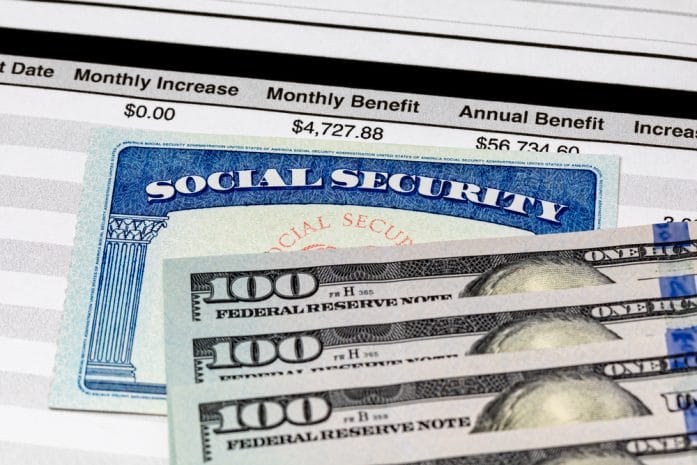
The upcoming 2027 COLA (cost-of-living adjustment) increase has started drawing serious attention because it could reshape how millions of households manage rising expenses, fixed incomes, and long-term financial planning. Social Security adjustments rarely spark excitement at first glance, but this one carries the potential to influence grocery budgets, rent decisions, and even retirement timelines in ways many families do not expect. Analysts already track inflation patterns, wage pressures, and economic slowdowns to estimate how the adjustment might land, and those projections suggest significant changes ahead.

Financial planners now highlight how even a small percentage shift in the 2027 COLA increase can ripple through household spending power. Seniors living on fixed incomes often feel these changes first, but working families also feel pressure when wages fail to keep pace with inflation-driven adjustments.

Why the 2027 COLA Increase Could Feel Different Than Recent Years

Some estimates predict the COLA change to be around 2 to 4 percent in 2027. One of the reasons why this increase in particular stands out is that inflation patterns no longer follow predictable cycles like they did in earlier decades. Energy prices, healthcare costs, and housing expenses now shift at different speeds, which creates uneven pressure on household budgets. Social Security adjustments rely on inflation data, but those numbers do not always reflect the true cost of daily living for retirees or fixed-income households. This mismatch means the 2027 COLA increase could feel either too small or temporarily helpful depending on which expenses dominate a household’s budget.

Analysts also point out that wage growth in certain sectors may outpace inflation while others lag behind, which further complicates how the 2027 COLA increase impacts real purchasing power. A retiree paying higher rent in an urban area may feel squeezed even with a larger adjustment, while someone in a lower-cost region may stretch benefits further. The 2027 COLA increase also interacts with policy decisions, tax brackets, and Medicare premiums, which can quietly reduce the net benefit. Even a strong adjustment can lose impact if healthcare costs absorb much of the gain. That combination makes this COLA cycle one of the most closely watched in recent memory.

How Inflation Trends Shape Household Budgets Before 2027 Arrives

Inflation trends play a direct role in shaping expectations around the 2027 COLA increase, especially since Social Security calculations depend heavily on consumer price data. When grocery prices rise steadily over multiple years, households start adjusting spending habits long before the official COLA announcement arrives. That behavior creates a lag where budgets already feel strained even before adjustments take effect. The 2027 COLA increase will likely reflect those inflation patterns, but timing always creates friction between rising costs and benefit updates.

Energy costs and housing remain two of the strongest drivers influencing the 2027 COLA increase, and both categories tend to move unpredictably. A spike in heating bills or rent increases can wipe out the perceived benefit of a stronger adjustment in a matter of months. Families that track monthly expenses closely often notice that inflation does not rise evenly, which complicates how far the 2027 COLA increase actually goes. Some months feel manageable while others create sudden financial pressure. That inconsistency forces households to rethink budgeting strategies rather than rely on annual adjustments alone.

Which Households Feel the Biggest Shock From the 2027 COLA Increase

Lower-income retirees often feel the strongest impact from the 2027 COLA increase, since a larger portion of their income goes toward essentials like food, housing, and healthcare. Even small inflation shifts can disrupt their financial stability because they have less flexibility in discretionary spending. The 2027 COLA increase may provide relief on paper, but real-world expenses often consume that relief quickly. That creates a situation where nominal gains do not always translate into improved financial comfort.

Middle-income households also feel pressure, especially when they support both retirees and working-age dependents. These households often juggle rising insurance premiums, mortgage costs, and education expenses at the same time. The 2027 COLA increase may help offset some costs, but competing financial obligations reduce its overall impact. Unexpected expenses like medical bills or home repairs can erase the benefit entirely within a single month. That financial balancing act makes planning ahead more important than reacting after the fact.

The 2027 COLA May Radically Change American Households

Image Source: Shutterstock.com

Here Are The Right Moves to Prepare Before the 2027 COLA

Households that prepare early for the 2027 COLA increase often gain more financial stability than those who wait for official announcements. Tracking monthly spending patterns helps identify which expenses rise fastest and which remain stable over time. That awareness allows families to adjust budgets proactively rather than react under pressure. The 2027 COLA increase becomes more effective when households already operate with flexible financial habits instead of rigid spending plans.

Building even a small emergency buffer can reduce stress when inflation spikes or when the 2027 COLA increase fails to match expectations. Financial advisors often recommend prioritizing high-impact expenses like housing and healthcare when planning ahead for uncertain adjustments. The 2027 COLA increase will likely bring relief in some areas, but strategic budgeting ensures that relief actually improves quality of life. Households that review subscriptions, insurance plans, and recurring costs often find hidden savings that matter more than annual adjustments. That proactive approach turns uncertainty into control rather than financial strain.

What the 2027 COLA Increase Really Signals for Household Stability

The 2027 COLA increase signals more than just a yearly adjustment; it reflects broader economic pressures that shape how households survive rising costs. Inflation, policy decisions, and shifting consumer behavior all influence how meaningful that adjustment feels in everyday life. Some families will experience noticeable relief, while others may see only a brief financial cushion before expenses rise again. The 2027 COLA increase highlights how important it becomes to plan beyond annual adjustments and focus on long-term financial resilience.

What do you think the 2027 COLA increase will mean for everyday budgets and retirement planning? Share your thoughts in the comments below.

You May Also Like…

Social Security COLA Gains Are Being Offset by Rising Medicare Costs

Georgia Seniors Are Paying More Due to Ad Valorem Rules on Vehicle Purchases

Social Security 2026 COLA: Why Your 2.8% Raise Disappeared After Medicare Deductions

How Seniors Jeopardize Their Social Security Right After Retirement

Arizona’s Rising Cost of Living — What $100K Buys in Phoenix Today

Brandon Marcus
Brandon Marcus

Brandon Marcus is a writer who has been sharing the written word since a very young age. His interests include sports, history, pop culture, and so much more. When he isn’t writing, he spends his time jogging, drinking coffee, or attempting to read a long book he may never complete.

Filed Under: social security Tagged With: 2027 COLA, COLA increase, cost-of-living adjustment, economic trends, household budgets, Inflation, inflation impact, retirement income, retirement planning, savings strategy, senior finances, Social Security, Social Security benefits

More Americans Are “Unretiring” — And It’s Not Always by Choice

March 28, 2026 by Brandon Marcus Leave a Comment

More Americans Are “Unretiring” — And It’s Not Always by Choice

Image Source: Unsplash.com

Retirement used to be a well-deserved and earned achievement. Work hard, save money, clock out for good, and finally enjoy the freedom that decades of effort earned. That idea still sounds great, but reality has started to rewrite the script in a big way. A growing number of Americans now find themselves dusting off résumés, relearning workplace software, and stepping back into jobs they thought they left behind for good. That shift isn’t a quirky trend or a niche lifestyle choice—it’s a major economic signal that deserves attention.

This rise in “unretiring” doesn’t come from one single cause. It pulls together inflation, longer lifespans, shifting job markets, and sometimes plain old boredom. Some people choose to go back because they want structure and purpose, while others feel forced into it by rising costs and shrinking savings. The result creates a complicated, deeply human story about money, identity, and survival in a changing world.

The Retirement Dream Is Getting Expensive—Fast

Retirement plans built even ten years ago didn’t account for the kind of price increases people see today. Groceries cost more, healthcare expenses climb steadily, and housing refuses to stay predictable. A fixed income struggles to stretch far enough when everyday essentials start eating up larger portions of the budget. That pressure pushes many retirees to reconsider what “living comfortably” actually means in the current economy.

Social Security helps, but it rarely covers everything on its own. Many retirees depend on savings, pensions, or investments to fill the gaps, and those sources don’t always perform as expected. Market downturns can shrink portfolios quickly, and once withdrawals begin, rebuilding those funds becomes much harder. That financial squeeze doesn’t always hit immediately after retirement, which makes it even trickier. Someone might feel secure for a few years, then suddenly realize the numbers no longer add up.

That moment often sparks the decision to return to work. Not everyone jumps back into a full-time job, but even part-time work can help stabilize finances. Some retirees pick up consulting roles, while others move into retail, customer service, or gig-based work. The goal usually stays simple: bring in enough income to reduce stress and protect long-term savings. That shift turns retirement from a permanent state into something more flexible—and sometimes more fragile than expected.

Work Isn’t Just About Money Anymore

Money plays a huge role, but it doesn’t tell the whole story. Retirement removes structure from daily life, and that change can feel unsettling. A career often provides routine, social interaction, and a sense of purpose that doesn’t automatically replace itself. Without those elements, days can start to blur together in ways that feel less relaxing and more disorienting.

Many retirees discover that they miss the rhythm of working. They miss conversations with coworkers, the satisfaction of completing tasks, and the feeling of contributing to something larger than themselves. That emotional pull can drive people back into the workforce even when finances remain stable. In those cases, “unretirement” becomes less about survival and more about rediscovery.

That doesn’t mean jumping back into the exact same career path. Plenty of retirees choose roles that offer flexibility, lower stress, or entirely new experiences. Someone who spent decades in a corporate office might take on a part-time role at a local shop or explore freelance opportunities online. That shift allows people to reshape their relationship with work instead of simply returning to old habits. It also opens the door to finding enjoyment in ways that traditional careers didn’t always allow.

More Americans Are “Unretiring” — And It’s Not Always by Choice

Image Source: Unsplash.com

Employers Are Suddenly Paying Attention

This wave of returning retirees hasn’t gone unnoticed by employers. Companies across various industries face labor shortages, and experienced workers bring immediate value. Older employees often show strong reliability, communication skills, and problem-solving abilities that take years to develop. That combination makes them incredibly appealing in a tight job market.

Some businesses now actively recruit retirees, offering flexible schedules, part-time positions, and remote work options. These adjustments make it easier for older workers to re-enter the workforce without sacrificing the balance they hoped retirement would provide. In many cases, employers benefit from lower training costs and higher retention rates among these workers. That dynamic creates a win-win situation when handled thoughtfully.

Still, challenges remain. Not every workplace adapts well to older employees, and age bias continues to exist in hiring practices. Technology also presents a hurdle for some, especially in roles that require constant adaptation to new tools and platforms. Those obstacles don’t stop the trend, but they do shape how easily individuals can transition back into work. Anyone considering unretirement benefits from brushing up on digital skills and exploring industries that value experience as much as speed.

The Emotional Side of “Starting Over”

Returning to work after retirement doesn’t always feel smooth or exciting. It can stir up complicated emotions, especially for people who expected retirement to last permanently. Pride can take a hit when financial pressures drive the decision, and adjusting to a new routine can feel overwhelming at first. That emotional layer deserves just as much attention as the financial one.

Confidence plays a big role too. Someone who hasn’t worked in years might question their abilities or worry about fitting into a modern workplace. Those concerns make sense, but they don’t reflect reality for many returning workers. Experience carries weight, and the ability to adapt often matters more than knowing every new tool right away. Building confidence again takes time, but it happens through action rather than waiting for perfect readiness.

Support systems help tremendously during this transition. Family members, friends, and professional networks can provide encouragement and practical guidance. Job search platforms, local community programs, and training courses also offer valuable resources for re-entering the workforce. Anyone considering this step benefits from treating it as a new chapter instead of a setback. That mindset shift makes the process feel less like going backward and more like moving forward in a different direction.

Smart Moves for Anyone Thinking About Unretiring

Jumping back into work works best with a clear plan. Start by identifying what kind of role actually fits current needs and energy levels. A high-stress, full-time position might not make sense, but a flexible, part-time job could provide both income and enjoyment. Setting realistic expectations helps avoid burnout and keeps the experience positive.

Updating skills can make a huge difference. Even basic familiarity with modern tools like email platforms, scheduling software, or online communication apps can boost confidence and open more opportunities. Free or low-cost courses online offer an easy way to refresh those skills without a major time commitment. That preparation turns the job search into a more empowering process.

Networking also plays a powerful role. Reconnecting with former colleagues, joining community groups, or exploring industry events can uncover opportunities that don’t always appear in job listings. Many positions get filled through connections rather than formal applications. Staying open to different types of work increases the chances of finding something that fits both financial and personal goals. Flexibility becomes a major advantage in this stage of life.

Retirement Isn’t What It Used to Be

The idea of retirement as a permanent escape from work continues to evolve, and “unretiring” sits right at the center of that shift. Some people embrace the chance to stay active and engaged, while others feel pushed into it by circumstances they didn’t anticipate. Both experiences reflect a broader reality: financial planning, health, and personal fulfillment all shape what retirement actually looks like.

What do you think? Should retirement focus on freedom, financial stability, or personal growth—or a mix of all three? Share your thoughts, experiences, or strategies in the comments.

You May Also Like…

Retirement Healthcare Costs Are Climbing Again — What the Average Couple Now Needs

8 Mistakes That Can Trigger a Social Security Overpayment Notice

Is it Too Late at 45? How to Use the Mega Backdoor Roth to Dump Tens of Thousands into Retirement in One Year

Why Retirees Are Running Out of Money Faster Than Expected

Why More Retirees Are Being Flagged for “Excess Assets” by Benefit Programs

Brandon Marcus
Brandon Marcus

Brandon Marcus is a writer who has been sharing the written word since a very young age. His interests include sports, history, pop culture, and so much more. When he isn’t writing, he spends his time jogging, drinking coffee, or attempting to read a long book he may never complete.

Filed Under: Retirement Tagged With: aging workforce, economic trends, financial stress, inflation impact, job market, older workers, Personal Finance, retirement planning, retirement trends, Social Security, unretirement, workforce shifts

2.4% Inflation Rate and Its Quiet Impact on Everyday Costs

March 21, 2026 by Brandon Marcus Leave a Comment

2.4% Inflation Rate and Its Quiet Impact on Everyday Costs

Image Source: Shutterstock.com

Inflation creeps into bills, groceries, and fuel costs quietly, like a guest who overstays their welcome but doesn’t make much noise. At 2.4%, the current rate seems tame on paper, almost reassuring. Yet that small percentage masks a slow, persistent pressure that nudges everyday expenses upward in ways people often overlook. Suddenly, a latte costs a few cents more, delivery fees inch higher, and that weekly grocery run starts to feel less like a routine and more like a subtle drain on the wallet.

The curious thing about inflation is how it reshapes choices without shouting. It influences where people shop, what they buy, and even how they save. A 2.4% shift might not spark panic, but over months, it can quietly shape household budgets. Understanding this invisible force isn’t just about tracking numbers—it’s about spotting the ripple effects in daily life and adjusting smartly. From groceries to utilities, every cent matters when inflation lingers in the background.

1. Grocery Bills That Slowly Stretch the Budget

Groceries are the frontline in the quiet war against inflation. Even a 2.4% increase transforms routine shopping trips into moments of subtle sticker shock. A gallon of milk, a loaf of bread, and a bag of apples may not break the bank individually, but collectively, small increases accumulate quickly. Families and individuals notice this more sharply in recurring purchases because these costs hit constantly and predictably, leaving little room to ignore changes.

Beyond prices on the shelves, inflation influences consumer behavior at grocery stores. People shift toward generic brands, alter meal plans, or cut back on occasional treats. Retailers respond in kind by adjusting promotions or offering new package sizes, which can feel like more choice but often hides incremental cost increases. Being aware of these shifts allows shoppers to plan smarter, comparing unit prices, stockpiling essentials when possible, and taking advantage of loyalty programs. Even minor tweaks in shopping habits can offset the gradual squeeze that inflation creates.

Groceries aren’t the only area affected. Small items, such as snacks, condiments, and staples, gradually rise in price. Over the span of a year, that 2.4% inflation rate can translate into hundreds of extra dollars spent across multiple households. Tracking these changes and anticipating the effect on monthly budgets allows families to maintain spending balance while still enjoying the foods and essentials they value most.

2. Gas and Energy Costs That Whisper Increase

Fuel and energy often behave like stealth inflation agents. While prices fluctuate daily, a 2.4% rise subtly increases monthly expenditures for commuting, deliveries, and home energy usage. This isn’t the kind of surge that causes immediate alarm, but its ongoing effect slowly reshapes financial priorities. People might notice slightly higher gas bills, small increases in electricity or heating costs, and an invisible pull on disposable income over time.

Transportation habits adjust subtly under this pressure. Some may choose carpooling or public transit more frequently, while others reconsider road trips or non-essential driving. Energy efficiency suddenly becomes more attractive: LED lighting, programmable thermostats, and energy-conscious appliances offer tangible ways to soften the gradual bite of inflation. These adaptations are often overlooked until cumulative costs create noticeable pressure on budgets, highlighting the importance of monitoring usage and staying proactive.

Small increases in monthly energy bills ripple across the household. Even at just a couple of percentage points, the effect grows over time, especially for larger families or homes with high energy consumption. Being proactive with budgeting and exploring energy-saving options can prevent the quiet but persistent impact of inflation from compounding into significant strain over the course of the year.

3. Services and Subscriptions: Tiny Changes, Big Perception

Inflation affects not only tangible goods but also recurring services and subscriptions. Streaming platforms, cloud storage, fitness memberships, and phone plans often increase prices annually, sometimes aligning subtly with inflation rates like the current 2.4%. These incremental rises rarely feel dramatic in isolation, but over multiple subscriptions, the effect becomes noticeable. The habit of automatic renewal can mask inflation’s impact, quietly increasing monthly expenses without triggering conscious decision-making.

Smart management of services helps combat these quiet increases. Periodic review of subscriptions, canceling unused features, or negotiating better rates can offset the slow creep of inflation. Bundling services, exploring alternative providers, or leveraging promotional offers can reclaim a surprising amount of money over time. Even small actions applied consistently create meaningful financial breathing room and preserve overall household budgets.

Perception also matters: slight increases feel larger when individuals compare them against stagnant income or fixed budgets. Awareness paired with strategic adjustments ensures that subtle price hikes don’t sneak past unnoticed. Tracking subscription costs closely, anticipating renewals, and taking preemptive steps to control expenses keeps inflation from quietly eroding financial comfort.

4. Eating Out and Daily Spending: Tiny Adjustments Add Up

Dining out, coffee runs, and other daily discretionary expenses respond to inflation in quiet, cumulative ways. A 2.4% increase on menu items, tips, or service fees may seem negligible, but over weeks and months, these small amounts accumulate. This inflation-driven nudge subtly changes behavior, pushing individuals to reconsider frequency, portion sizes, or the choice of venue. The impact on weekly spending can become significant before anyone fully realizes it.

People often underestimate the ripple effects of minor cost increases in discretionary spending. A few cents more per latte multiplied across multiple visits translates into tangible differences in monthly budgets. Strategic adjustments, such as brewing coffee at home, preparing meals in advance, or enjoying occasional treats rather than daily indulgences, provide practical solutions. Each choice adds up, offsetting inflation’s quiet influence while still maintaining lifestyle enjoyment.

Beyond individual expenses, inflation subtly alters community spending patterns. Restaurants, delivery services, and local vendors may respond with promotions or adjusted menu items, creating both opportunities and challenges for consumers. Awareness, combined with smart decision-making, allows households to navigate these minor cost shifts without letting them silently accumulate into larger financial pressure.

2.4% Inflation Rate and Its Quiet Impact on Everyday Costs

Image Source: Shutterstock.com

Inflation as a Gentle but Persistent Force

The 2.4% inflation rate illustrates how slow, persistent changes in the economy affect everyday life. It doesn’t hit suddenly or violently, but it reshapes daily choices, spending habits, and long-term planning. Grocery bills, fuel costs, subscriptions, and dining decisions all reflect this quiet influence, showing that even modest inflation impacts real households in noticeable ways.

Being proactive provides the best defense. Tracking expenses, adjusting spending habits, exploring alternatives, and negotiating rates wherever possible transforms a subtle economic pressure into a manageable component of household finance. Understanding inflation as a gentle but consistent force allows individuals to make informed choices and maintain financial balance even as prices creep upward steadily.

Which areas of spending feel the most affected by this quiet inflation, and what strategies seem most effective to counteract it? Share insights, tips, or experiences in the comments.

You May Also Like…

6 Alternative Assets to Hedge Against Inflation

The Hidden Cost of Keeping Money in Savings at 2.4% Inflation

9 Everyday Costs Rising Faster Than Seniors’ Income

7 Steps to Run a Financial Autopsy on Your 2025 Spending

Why Do People Feel Guilty Spending Money Even on Necessitiesd

Brandon Marcus
Brandon Marcus

Brandon Marcus is a writer who has been sharing the written word since a very young age. His interests include sports, history, pop culture, and so much more. When he isn’t writing, he spends his time jogging, drinking coffee, or attempting to read a long book he may never complete.

Filed Under: Lifestyle Tagged With: budget tips, consumer tips, Cost of living, economic trends, everyday costs, gas prices, grocery prices, household expenses, inflation 2026, money management, Personal Finance, Planning

3 Money Lessons Every Market Correction Teaches

March 10, 2026 by Brandon Marcus Leave a Comment

3 Money Lessons Every Market Correction Teaches

Image Source: Unsplash.com

Markets can rise for years, then shift direction in what feels like an instant. When stocks start sliding, even the most confident strategies face a real-world stress test. Portfolios that looked unstoppable during long bull runs suddenly reveal weaknesses, emotions begin to influence decisions, and investors are reminded of an uncomfortable truth: growth always travels alongside volatility.

Corrections don’t just reduce numbers on a brokerage statement. They expose habits, challenge assumptions, and force investors to reconsider how they manage risk. Some people panic and sell, others freeze, and a smaller group quietly adjusts their approach and positions themselves for the next cycle.

Every correction, no matter when it happens, delivers lessons that outlast the downturn itself. Those lessons strengthen discipline, sharpen strategy, and help investors build resilience for whatever comes next.

Lesson One: Bull Markets Build Confidence, Sometimes Too Much

Long stretches of rising markets create a powerful illusion. Portfolios climb, headlines celebrate new highs, and investing starts to feel easy. When gains arrive month after month, it becomes tempting to believe that skill alone produced those results. Corrections interrupt that narrative. They reveal how much risk may have accumulated quietly during the good years, especially in portfolios heavily concentrated in a single sector or investment theme. Concentration works beautifully during rallies but becomes painful when the market shifts.

Diversification remains one of the most reliable ways to reduce damage during downturns. Spreading investments across industries, asset classes, and global markets helps cushion the impact when one area stumbles. Corrections offer a natural moment to review allocations, trim oversized positions, and restore balance before the next cycle begins.

Lesson Two: Volatility Rewards Patience, Not Panic

Market downturns test emotional discipline more than financial knowledge. Falling prices create urgency, and that urgency pushes many investors toward decisions that harm long-term results. History shows that markets recover from corrections, yet panic selling often locks in losses and removes the chance to benefit from rebounds. Investors who continue contributing to retirement accounts or brokerage portfolios during downturns often come out ahead because lower prices allow each contribution to buy more shares.

Dollar-cost averaging helps maintain consistency when emotions run high. Investing the same amount at regular intervals smooths out volatility and builds discipline over time. The lesson is simple but powerful: long-term wealth grows from patience, not perfect timing.

3 Money Lessons Every Market Correction Teaches

Image Source: Unsplash.com

Lesson Three: Emergency Funds Protect Investments From Bad Timing

One of the most painful situations during a downturn occurs when someone needs cash and has no savings to draw from. Without an emergency fund, investors may be forced to sell assets at the worst possible moment. Emergency savings act as a buffer between life’s surprises and long-term investments. Financial planners often recommend three to six months of living expenses in an accessible account. That cushion allows investors to leave their portfolios untouched during market turbulence and gives them the freedom to wait for recovery rather than react out of necessity.

Corrections consistently highlight how essential this buffer can be. Investors with strong emergency funds stay calmer, make fewer emotional decisions, and give their portfolios time to rebound.

Opportunity Favors the Prepared

Although corrections feel uncomfortable, they often create opportunities for disciplined investors. Falling prices allow long-term investors to buy quality companies or diversified funds at more attractive valuations. Those who maintain steady contributions or keep some cash available for strategic purchases often emerge from downturns in stronger positions.

This doesn’t mean rushing into speculative bets. It means recognizing that lower prices can benefit those who stay focused on fundamentals and long-term goals.

The Market’s Toughest Moments Often Teach the Most Valuable Lessons

Corrections are not failures of the financial system. They are normal phases in economic cycles. They reset valuations, test discipline, and prepare the ground for future growth.

Investors who absorb the lessons from these periods gain something more durable than short-term profits. They gain perspective. Diversification reduces risk, patience outperforms panic, and emergency savings protect long-term plans from short-term disruptions.

Markets will experience future corrections. That is guaranteed. The investors who navigate them successfully will rely on preparation, balance, and steady discipline rather than luck or fear.

What do you think? What advice do you have for investors, especially new ones, as they learn lessons that only the stock market can provide? Tell us all of your thoughts in the comments below.

You May Also Like…

7 Alternative Investments That Outperformed the S&P 500 in 2025

Can You Trust AI With Your Taxes and Investments? 8 Risks No One Explains

Here’s What Your Financial Advisor Isn’t Telling You About Investing in 2026

9 Investing Assumptions That Fail When Markets Stay Flat for Years

7 Questions Investors Wish They’d Asked Before Hiring an Advisor

Brandon Marcus
Brandon Marcus

Brandon Marcus is a writer who has been sharing the written word since a very young age. His interests include sports, history, pop culture, and so much more. When he isn’t writing, he spends his time jogging, drinking coffee, or attempting to read a long book he may never complete.

Filed Under: Personal Finance Tagged With: economic trends, investing strategy, investment strategy, long-term investing, market correction, market downturns, money lessons, Personal Finance, Planning, portfolio management, stock market, Stock Market Volatility

Millions Of Americans Report High Stress And Loneliness Despite Market Gains

March 5, 2026 by Brandon Marcus Leave a Comment

Millions Of Americans Report High Stress And Loneliness Despite Market Gains

Image Source: Shutterstock.com

The stock market keeps pushing higher, but the country doesn’t feel any lighter. A recent national survey found that 54% of adults say they feel isolated, 50% lack companionship, and 50% feel left out. The numbers paint a startling and sad picture of America.

This is happening even as major indexes like the S&P 500 delivered another stretch of strong performance. That contrast reveals something important about the way people experience the economy. Wall Street celebrates momentum, but citizens still wrestle with grocery bills, rent spikes, loneliness, and the constant pressure of society. Market gains don’t erase the emotional weight of daily life, and the gap between economic headlines and lived reality keeps widening.

Market Momentum Doesn’t Always Reach Household Budgets

The S&P 500 climbed on the back of strong earnings, steady consumer spending, and a wave of optimism about long‑term growth. Retirement accounts tied to equities likely saw healthy gains, and financial commentators spent months pointing to rising charts as proof that the economy stands on solid ground. Yet many Americans don’t feel any richer. Stock ownership remains concentrated among higher‑income households, and millions of people hold only modest balances in retirement accounts. When the market rises, the benefits reach some families far more than others.

At the same time, the cost of everyday life still sits well above pre‑pandemic levels. Even though inflation cooled from its peak, prices didn’t fall back to where they once were. Groceries, rent, insurance, and utilities continue to strain budgets. A strong market doesn’t help someone who feels squeezed every time they check out at the store. People can’t pay for dinner with a chart showing the Dow hitting another milestone. And as budgets continue to strain, the stress adds up, leading to people retreating from friends, family, and society as a whole.

Inflation Leaves a Long Shadow

Inflation may no longer dominate headlines, but its impact lingers in every aisle and every bill. The rapid price increases of 2021 and 2022 reshaped household budgets, and those higher costs didn’t disappear just because inflation slowed. Wages rose in many industries, but not always enough to restore the breathing room families lost. That mismatch fuels stress, because people feel like they work harder just to stay in place.

Even with unemployment near historic lows, stories about layoffs in tech, media, and retail create a sense of instability and fear that eats into every part of daily life. The human brain reacts more strongly to uncertainty than to progress, and that instinct keeps people on edge even when economic indicators look healthy.

The Emotional Gap Between Headlines and Reality

Financial markets move on expectations and forecasts, but people live in the present. Corporate profits can soar while a family struggles to cover rising insurance premiums. Investors celebrate long‑term growth while workers worry about unpredictable hours or shrinking savings. That disconnect shapes how people interpret the economy. Surveys consistently show that individuals judge economic health through their own finances, not through national statistics.

Social media and nonstop news coverage amplify the tension. Every headline about market volatility, political conflict, or economic uncertainty adds another layer of stress. Even positive news arrives with speculation about what could go wrong next. The constant noise keeps people on edge, even when their own finances remain stable.

Practical Ways to Reduce Stress When Markets Rise but Anxiety Follows

A strong market doesn’t automatically create peace of mind, but individuals can take steps to regain control and live a fulfilling life with friends and family. Building an emergency fund offers a buffer against unexpected expenses and reduces the fear of sudden income changes. Tracking monthly spending helps identify areas where small adjustments can free up meaningful cash flow. Reducing high‑interest debt delivers immediate relief because every dollar saved on interest strengthens long‑term stability.

Diversifying investments and sticking to long‑term goals also helps. Market gains can tempt people to chase trends or take unnecessary risks, but a balanced portfolio supports steadier progress. Limiting exposure to constant financial news can also make a noticeable difference. Staying informed matters, but checking updates all day long often increases anxiety without improving decision‑making.

Millions Of Americans Report High Stress And Loneliness Despite Market Gains

Image Source: Shutterstock.com

Stress Extends Beyond Finances

Money plays a major role in stress, but it rarely acts alone. Work demands, family responsibilities, health concerns, and social pressures all contribute to rising anxiety levels. When finances feel uncertain, all of those other stressors intensify. Employers increasingly recognize the connection between financial wellness and overall well‑being, and many now offer tools and programs to help employees build confidence around money. Individuals can also seek guidance from nonprofit organizations or certified financial planners to strengthen their financial foundation.

Healthy habits support emotional resilience, too. Regular exercise, consistent sleep, and strong social connections help people manage stress more effectively. These habits don’t change market conditions, but they improve the ability to respond calmly and make thoughtful decisions.

What True Economic Confidence Looks Like

A rising stock market signals strength, but it doesn’t guarantee that people feel happy, connected, and secure. Real confidence grows when households trust their income, feel comfortable with their expenses, and believe they can handle the unexpected. That sense of stability takes time to rebuild after years of rapid price increases and shifting economic conditions.

Market gains don’t automatically translate into emotional relief. More than half of the country reporting stress, loneliness, and worry shows that financial headlines don’t tell the full story. People measure economic health through their own experiences, not through index performance.

If the market keeps climbing while stress keeps rising, what changes would make the economy feel strong in everyday life rather than just on paper? If you have been battling to stay happy and healthy despite the economy’s state, talk about it in the comments below.

You May Also Like…

Why Do Couples Keep Financial Secrets Even in Happy Marriages

9 Money Assumptions That No Longer Work in Today’s Economy

The Gig Economy Tax Nightmare: Why So Many Freelancers End Up Owing the IRS

The Credit Card Balance Growth Slowdown That Signals Financial Stress in 2026

What Does Financial Stress Do To Your Body?

Brandon Marcus
Brandon Marcus

Brandon Marcus is a writer who has been sharing the written word since a very young age. His interests include sports, history, pop culture, and so much more. When he isn’t writing, he spends his time jogging, drinking coffee, or attempting to read a long book he may never complete.

Filed Under: Investing Tagged With: economic trends, economy, household budgets, Inflation, investing, mental health, money management, Personal Finance, Planning, Retirement, stock market, stress

The $1,000 Crisis: Why Most Families Can’t Handle a Simple Emergency Anymore

February 19, 2026 by Brandon Marcus Leave a Comment

The $1,000 Crisis: Why Most Families Can’t Handle a Simple Emergency Anymore

Image Source: Pixabay.com

A thousand dollars should not feel like a financial earthquake. Yet for millions of households across the United States, it does. Recent surveys from sources such as the Federal Reserve and Bankrate consistently show that a large share of adults would struggle to cover a $400 or $1,000 unexpected expense with cash or savings. Many say they would rely on credit cards, loans, or help from friends and family. That reality reveals something deeper than poor planning. It exposes a fragile system where everyday life leaves almost no margin for error.

The $1,000 crisis does not start with irresponsibility. It starts with math that simply does not work anymore.

The Shrinking Cushion in the American Household

Families once relied on modest buffers—small savings accounts, manageable housing costs, stable job benefits. Over time, those cushions thinned out. Housing prices and rents have climbed sharply over the past decade, especially after 2020, while wage growth has struggled to keep pace with inflation in many sectors.

When fixed costs take up most of a paycheck, flexibility disappears. A car repair or medical bill does not arrive as an inconvenience; it arrives as a threat. Even families with steady employment find themselves one surprise away from high-interest debt.

Credit cards often step in to fill the gap. Credit card balances in the United States have reached record highs in recent years, and average interest rates on those cards hover above 20 percent. That means a $1,000 emergency can quietly turn into $1,200 or $1,300 if someone cannot pay it off quickly. Debt compounds stress, and stress fuels more financial mistakes. The cycle tightens.

Inflation Changed the Game—and It Hasn’t Fully Let Up

Inflation surged to levels not seen in four decades during 2022, and while the rate has slowed since then, prices have not returned to their previous levels. Groceries still cost more than they did before the pandemic. Car insurance premiums have jumped in many states. Childcare costs strain families across income brackets.

When prices rise quickly, savings lose ground. A family that built a small emergency fund before 2020 might have felt confident with $2,000 set aside. Today, that same amount covers fewer months of expenses. Inflation does not just shrink purchasing power; it shrinks peace of mind, especially for low-income households.

Wages have increased in many industries, but they often lag behind rapid cost spikes. Lower-income households feel that gap most sharply because essentials consume a larger share of their income. When every dollar already has a job, no spare cash exists for a rainy day.

The Disappearing Middle-Class Margin

For decades, the middle class relied on stable employment, employer-sponsored health insurance, and predictable career paths. That stability has eroded. Gig work, contract roles, and unpredictable schedules now define large parts of the labor market. While flexibility appeals to some workers, inconsistent income complicates financial planning.

Healthcare costs also create enormous uncertainty. Even insured families face high deductibles and surprise bills. A single emergency room visit can cost thousands of dollars before insurance covers the rest. Medical debt remains one of the leading causes of financial hardship in the United States.

Education expenses add another layer. Student loan balances still burden millions of borrowers, even after temporary payment pauses ended. Those monthly payments compete directly with savings goals. When families juggle rent, groceries, insurance, childcare, and loan payments, an emergency fund often falls to the bottom of the list.

The $1,000 Crisis: Why Most Families Can’t Handle a Simple Emergency Anymore

Image Source: Unsplash.com

Why Financial Literacy Alone Won’t Fix It

People often frame the $1,000 crisis as a knowledge problem. They argue that better budgeting apps or more financial education would solve everything. Education helps, but it does not override structural pressures like stagnant wages or rising housing costs.

Many families already budget carefully. They compare grocery prices, cook at home, delay vacations, and skip luxuries. Yet fixed expenses consume so much income that little remains to save. Blaming individuals ignores the economic context.

At the same time, agency still matters. Households can renegotiate bills, shop insurance rates annually, and challenge unnecessary fees. Many companies quietly reduce rates when customers ask. Negotiating rent, refinancing loans when rates drop, and consolidating high-interest debt can free up cash flow.

The Emotional Toll of Living One Bill Away from Trouble

Financial fragility affects more than bank accounts. It impacts mental health, relationships, and physical well-being. Constant worry about money increases stress levels, disrupts sleep, and strains marriages. The American Psychological Association frequently reports that money ranks as a top source of stress for adults.

Stress clouds judgment. When someone feels cornered, short-term relief often wins over long-term strategy. A high-interest loan promises quick cash, even if it creates deeper problems later. Breaking that pattern requires both financial tools and emotional support.

Families can reduce anxiety by setting clear, achievable milestones. Instead of aiming for six months of expenses immediately, target the first $500. Celebrate that win, and then push toward $1,000. Progress builds confidence, and confidence encourages consistency.

Practical Steps to Build a Real Buffer

A realistic plan beats vague intentions every time. Start by calculating essential monthly expenses: housing, utilities, food, insurance, transportation, minimum debt payments. Multiply that number by one. That figure becomes the first emergency fund goal.

Next, examine income streams. Could a side skill generate extra cash for a few months? Freelance projects, tutoring, pet sitting, or weekend shifts can accelerate savings. Short-term hustle for long-term security often makes sense.

Cutting expenses does not require extreme deprivation. Swapping brand-name groceries for store brands, preparing meals at home, and reviewing subscription services can produce meaningful savings without crushing morale. Direct every dollar saved into the emergency fund immediately, rather than letting it blend into general spending.

The Real Cost of Ignoring the $1,000 Problem

When families cannot handle small emergencies, the broader economy feels the impact. High consumer debt limits spending power. Financial stress reduces productivity and increases healthcare costs. Instability spreads outward.

Policymakers debate solutions such as higher minimum wages, expanded tax credits, affordable childcare programs, and healthcare reforms. Those discussions matter because structural change can strengthen household balance sheets. Yet individuals cannot wait for sweeping reform before taking action.

The $1,000 crisis reveals a fragile financial foundation. It shows how thin the line between stability and chaos has become for many families. But it also highlights an opportunity. Small, disciplined steps compound over time, and modest buffers grow into meaningful security.

A Thousand Dollars Should Not Decide Your Future

A $1,000 emergency should inconvenience a family, not destabilize it. Yet current economic realities have turned that sum into a breaking point for too many households. Rising costs, high-interest debt, unpredictable income, and limited savings create a perfect storm.

Financial resilience does not require perfection. It requires consistency and a refusal to accept permanent fragility as normal. The first $100 matters. The first $500 matters. Momentum matters.

What would it take for your household to feel truly secure against a $1,000 emergency? If you have any budgeting or financial ideas that could help others, feel free to share them below.

You May Also Like…

Why Your Emergency Fund Isn’t Protecting You the Way It Did Five Years Ago

The “Safe” Budget Rules That Quietly Stop Working After Age 60

Why Are Emergency Funds Harder to Rebuild Than People Expect

Why Does Budgeting Feel More Emotional Than Logical

7 Budget Foods Americans Rely On That Doctors Say Create Bigger Problems Later


Brandon Marcus
Brandon Marcus

Brandon Marcus is a writer who has been sharing the written word since a very young age. His interests include sports, history, pop culture, and so much more. When he isn’t writing, he spends his time jogging, drinking coffee, or attempting to read a long book he may never complete.

Filed Under: Personal Finance Tagged With: Cost of living, Debt, economic trends, emergency fund, family finances, financial stress, household budgeting, Inflation, middle class, money advice, Personal Finance, savings tips

Insurance Premium Increases Continue Outpacing Inflation

February 16, 2026 by Brandon Marcus Leave a Comment

Insurance Premium Increases Continue Outpacing Inflation

Image source: shutterstock.com

The cost of protection now climbs faster than the cost of living, and that reality reshapes household budgets across the country. Inflation has cooled from its recent peak, yet insurance premiums keep marching upward with stubborn determination.

Auto policies jump by double digits in many states, home coverage grows more expensive even outside disaster zones, and health insurance deductibles rarely move in the direction anyone hopes for. This pattern raises a blunt question: why does coverage cost so much more than the overall inflation rate, and what can anyone realistically do about it?

Insurance Premiums and Inflation: A Widening Gap

Inflation measures broad price changes across the economy, but insurance responds to a specific set of pressures that often move faster and hit harder than the general consumer basket. One does not care about the other.

The Consumer Price Index tracks categories like food, energy, housing, and transportation, yet insurance companies calculate risk based on claims costs, litigation trends, repair expenses, and catastrophic losses. When those factors spike, premiums follow.

Auto insurance offers one of the clearest examples. Car prices climbed sharply during the supply chain crunch, and repair costs soared as vehicles added advanced technology, sensors, and cameras that demand specialized parts and labor. When a minor fender-bender requires recalibrating multiple systems, insurers face much larger claim payouts than they did a decade ago.

Home insurance tells a similar story. Severe weather events have grown more frequent and more expensive, especially in states prone to hurricanes, wildfires, and hailstorms. Insurers paid out record sums for natural disasters in recent years, and companies responded by raising rates, tightening underwriting standards, or pulling out of high-risk markets altogether. Inflation alone does not explain these increases; escalating risk and rebuilding costs drive them.

Health insurance operates under its own set of forces. Hospital services, prescription drugs, and specialist care continue to rise in cost, and insurers adjust premiums to keep up with those trends. Even when headline inflation slows, medical inflation often moves on a different track.

Why Insurers Keep Raising Rates

Insurance companies do not raise rates for sport. They answer to regulators, shareholders, and solvency requirements that demand adequate reserves to cover future claims. When claims severity rises, premiums must rise as well or companies risk financial instability.

Vehicle repair costs have grown steadily because modern cars function as rolling computers. Advanced driver-assistance systems improve safety, yet they increase repair complexity. A simple bumper replacement can require replacing embedded sensors and recalibrating systems that control lane-keeping or adaptive cruise control. Labor shortages in auto repair shops add another layer of expense, as skilled technicians command higher wages.

Property insurance faces even more dramatic cost pressures. Construction materials experienced significant price increases during and after the pandemic. Lumber, roofing materials, and skilled labor all became more expensive. When a hurricane damages thousands of homes at once, insurers confront enormous claims in a compressed timeframe, and reinsurance costs also increase.

At the same time, insurers must comply with state regulations that often limit how quickly they can adjust rates. When regulators delay approval for necessary increases, companies may accumulate losses for several quarters and then implement sharper adjustments once approval arrives. That pattern can make premium hikes feel sudden and severe.

How Different Types of Insurance Compare

Auto insurance often captures headlines because drivers see the monthly bill and feel the sting immediately. Some drivers face increases of 15 percent or more year over year, especially in states with high accident rates or costly repair markets.

Home insurance varies dramatically by region. Coastal states and wildfire-prone areas see the steepest jumps, and some insurers have restricted new policies in places like Florida and California. Even homeowners outside those high-risk zones have encountered higher premiums because national catastrophe losses affect the broader insurance market. Insurers spread risk across their portfolios, and large losses in one region can influence pricing in others.

Insurance Premium Increases Continue Outpacing Inflation

Image source: shutterstock.com

Health insurance premiums depend heavily on employer contributions and plan design, yet many employees have seen higher deductibles and out-of-pocket costs over time. Employers often shift more of the cost burden to workers in response to rising medical expenses.

Renters insurance and umbrella policies also experience upward pressure, although their absolute costs remain lower than auto or homeowners coverage. As underlying risks and claim costs rise, these smaller policies rarely remain untouched.

What You Can Actually Do About It

No one controls the weather, global supply chains, or medical inflation, yet individuals do control how they approach insurance decisions. Shopping around remains one of the most effective tools available. Different insurers evaluate risk differently, and a clean driving record or improved credit score can yield very different quotes across companies. Set a calendar reminder to compare rates at least once a year, especially before renewal.

Consider adjusting deductibles carefully. A higher deductible lowers the premium, but only choose that route if you can comfortably cover the out-of-pocket cost in an emergency. An emergency fund acts as a buffer and gives you flexibility to structure coverage in a cost-effective way.

Control What You Can

Insurance premiums continue to outpace inflation because claim costs, catastrophe losses, and repair expenses rise faster than the broader economy. That trend creates real pressure on household budgets, and it will not reverse overnight. Complaining about it will not change the math, but strategic action can soften the blow.

Review policies annually, compare quotes across multiple carriers, adjust deductibles thoughtfully, and pursue every legitimate discount available. Build an emergency fund so you can tolerate higher deductibles and avoid filing small claims. Treat insurance as an active financial decision, not a set-it-and-forget-it bill.

The cost of protection may keep climbing, but informed choices can keep it from climbing unchecked. How have rising insurance premiums changed the way you approach your budget and coverage decisions? Share your thoughts and advice in the comments section below.

You May Also Like…

Florida Escrow Payments Continue Rising as Insurance Costs Climb

Expense Trap: 7 Inflation Surprises That Sneak Up on Middle-Aged Investors

Florida’s 3.35% Non-Renewal Rate: Why Hundreds of Thousands Lost Home Insurance Last Year

8 Bold Strategies for Investing During Periods of High Inflation

8 Homeowner Insurance Denials Based on Aerial Photos

Brandon Marcus
Brandon Marcus

Brandon Marcus is a writer who has been sharing the written word since a very young age. His interests include sports, history, pop culture, and so much more. When he isn’t writing, he spends his time jogging, drinking coffee, or attempting to read a long book he may never complete.

Filed Under: Insurance Tagged With: auto insurance, consumer advice, Cost of living, economic trends, health insurance, Home insurance, household budgets, Inflation, Insurance, insurance premiums, Personal Finance, Risk management

How Can Rich vs. Poor Shopping Habits Predict Local Economies

September 2, 2025 by Catherine Reed Leave a Comment

How Can Rich vs. Poor Shopping Habits Predict Local Economies

Image source: 123rf.com

When economists study communities, they often look at employment data, housing prices, and business growth. Yet, one of the most revealing indicators comes from something people do every day: shopping. The way individuals spend money, from luxury items to discount essentials, provides insight into the financial health of entire neighborhoods. Shopping habits don’t just reflect personal income levels; they also shape and predict the strength of local economies. By comparing how the rich and poor shop, we can better understand where communities are headed financially.

1. Where People Shop Tells a Bigger Story

One of the clearest signals comes from where people choose to shop. Affluent households often spend money at specialty stores, boutiques, and higher-end grocery chains, which attract further business investment. Lower-income households, on the other hand, tend to rely on discount retailers, dollar stores, and bulk shopping clubs. These patterns of shopping habits determine which businesses thrive in a given area. Over time, the mix of stores in a community becomes a direct reflection of its overall economic strength.

2. Spending on Experiences vs. Essentials

Another key difference in shopping habits is whether households spend more on experiences or essentials. Wealthier families are more likely to purchase dining, travel, and entertainment, injecting money into service-oriented businesses. Poorer families often allocate a greater share of income to necessities like food, clothing, and utilities. While both forms of spending support local economies, experience-based spending usually generates more tax revenue and job diversity. The balance between essentials and experiences reveals the financial flexibility of a community.

3. Credit Use and Debt Impact Local Economies

How people pay for their purchases is another economic clue. Wealthier shoppers are more likely to use credit strategically, paying balances in full to earn rewards. Lower-income shoppers often rely on credit out of necessity, which can lead to revolving debt and higher interest payments. These shopping habits influence the local economy by affecting consumer confidence and long-term spending power. Communities with high debt reliance often face slower economic growth compared to those with healthier financial practices.

4. The Role of Big-Box vs. Small Businesses

The choice between shopping at big-box retailers or supporting local businesses highlights broader economic patterns. Wealthier shoppers often split their spending, using large retailers for convenience but also supporting niche local stores. Lower-income households may lean heavily on big-box or chain stores for affordability. These shopping habits impact the survival of small businesses, which are often critical for local job creation and tax revenue. The strength of small businesses within a community is a powerful predictor of local economic resilience.

5. The Effect of Online Shopping Growth

The rise of e-commerce has widened the gap between rich and poor shopping habits. Affluent shoppers often use online platforms for both luxury goods and everyday purchases, supporting national and global brands. Lower-income shoppers may stick to in-store purchases for essentials, partly due to lack of access to credit or delivery services. This difference in habits shapes whether local economies lose money to outside corporations or keep it circulating within the community. The level of online vs. local spending offers a forecast of future economic development.

6. How Savings and Bulk Purchases Shape Spending

Wealthier families often buy in bulk, not just for savings but also for convenience. This strategy reduces per-unit costs and helps stretch long-term budgets. Lower-income households, however, frequently purchase smaller quantities, even though it costs more per unit, simply because cash flow is tighter. These shopping habits create a cycle where wealthier households save more while poorer households spend more on the same items. Over time, this imbalance contributes to widening economic divides within local communities.

7. Indicators from Luxury vs. Discount Growth

The presence and growth of luxury stores versus discount retailers can predict where an economy is headed. When luxury shops and upscale grocery chains open in a neighborhood, it signals rising incomes and investment potential. Conversely, a surge in discount retailers often points to economic stress in the community. These shifts in retail presence stem directly from consumer shopping habits. For policymakers and investors, they serve as an early warning system of local financial health.

8. Shopping Habits and Community Stability

Beyond economics, shopping patterns also influence community stability. Wealthier households, with more discretionary spending, often support arts, culture, and charitable donations tied to their shopping behaviors. Lower-income households, focused on survival spending, may not have the same opportunities to invest in community enrichment. This creates visible differences in how neighborhoods develop socially and economically. Shopping habits, therefore, act as both a reflection and a driver of community well-being.

The Economic Story Hidden in Every Purchase

Every purchase tells a story, not just about personal budgets but about the health of entire communities. The contrast between rich and poor shopping habits highlights which areas are growing, which are struggling, and where the future may be headed. By paying attention to where people shop, what they buy, and how they pay, we can better predict local economic shifts. These insights remind us that small daily choices can have large collective impacts on community prosperity.

Do you think shopping habits reveal more about a local economy than official statistics? Share your thoughts in the comments.

What to Read Next…

Can You Really Build a Future With Someone Who’s Terrible With Money?

10 Unusual Spending Habits That Reveal Someone Is Quietly Rich

What Happens When Inflation Creeps Into Everyday Purchases

8 Silent Wealth Killers That Hide in Everyday Expenses

20 Valuable Items In Your Home Hiding in Plain Sight

Catherine Reed
Catherine Reed

Catherine is a tech-savvy writer who has focused on the personal finance space for more than eight years. She has a Bachelor’s in Information Technology and enjoys showcasing how tech can simplify everyday personal finance tasks like budgeting, spending tracking, and planning for the future. Additionally, she’s explored the ins and outs of the world of side hustles and loves to share what she’s learned along the way. When she’s not working, you can find her relaxing at home in the Pacific Northwest with her two cats or enjoying a cup of coffee at her neighborhood cafe.

Filed Under: Spending Habits Tagged With: community development, consumer spending, economic trends, financial behavior, local economies, Personal Finance, shopping habits

10 Places Where Middle-Class Americans Are Quietly Disappearing

July 28, 2025 by Travis Campbell Leave a Comment

middle class

Image Source: pexels.com

The disappearing middle class is not just a headline. It’s a reality that’s changing the face of many American communities. You might notice it in your own neighborhood—fewer families at the park, more “for sale” signs, or local businesses closing. The middle class once formed the backbone of the country, but now, in some places, it’s shrinking fast. This shift matters because it affects schools, jobs, and even your home’s value. If you want to know where and why the middle class is fading, here’s what you need to watch.

1. San Francisco, California

San Francisco used to be a city where middle-class families could thrive. Now, the cost of living is sky-high. Housing prices have pushed many out. Even people with good jobs struggle to afford rent or buy a home. The tech boom brought wealth, but it also made the city less accessible for average earners. Many middle-class families have moved to nearby cities or left the state altogether. If you’re thinking about moving here, be ready for tough competition and high prices.

2. New York City, New York

The disappearing middle class is easy to spot in New York City. Rent keeps rising, and groceries cost more every year. Many middle-class families have left for the suburbs or other states. The city’s job market is strong, but wages haven’t kept up with living costs. This means fewer teachers, nurses, and small business owners can afford to stay. If you live here, you might feel squeezed by bills and shrinking options.

3. Chicago, Illinois

Chicago’s middle class is shrinking, especially in neighborhoods hit by job losses and rising taxes. Property taxes have gone up, and public services have been cut in some areas. Many families are moving to the suburbs or out of Illinois. The city’s population has dropped, and some schools have closed. If you’re in Chicago, you may notice fewer stable, middle-income jobs and more economic uncertainty.

4. Los Angeles, California

Los Angeles is another city where the disappearing middle class is clear. Housing costs are a big reason. Even with two incomes, many families can’t afford to buy a home. Renters face steep increases, and commutes are getting longer as people move farther out. The city’s economy is strong, but the benefits don’t reach everyone. If you’re in LA, you might feel like you’re working harder just to keep up.

5. Miami, Florida

Miami’s middle class is shrinking as housing prices soar, and wages stay flat. The city attracts wealthy buyers from around the world, which drives up costs for everyone else. Many middle-class families are moving north or to smaller towns. The gap between rich and poor is growing, and it’s harder for average earners to find affordable homes. If you’re in Miami, you may need to look outside the city for better options.

6. Seattle, Washington

Seattle’s tech industry has brought big changes. The city is wealthier, but the disappearing middle class is a real problem. Home prices have doubled in the last decade, and rent is high. Many middle-class workers have moved to the suburbs or left the state. The city’s character is changing, with fewer family-owned shops and more luxury condos. If you’re in Seattle, you might feel like the city is leaving you behind.

7. Boston, Massachusetts

Boston’s strong job market hasn’t stopped the middle class from shrinking. Housing is expensive, and student debt is a big burden for many. Young families often move to the suburbs for better schools and lower costs. The city’s population is growing, but it’s mostly high earners and students. If you’re in Boston, you may find it hard to save or buy a home.

8. Austin, Texas

Austin was once known for its affordable living and creative spirit. Now, the disappearing middle class is a growing concern. Tech companies have moved in, and housing prices have jumped. Many locals can’t keep up with the rising costs. Some are moving to smaller Texas towns. If you’re in Austin, you might feel like the city is changing too fast.

9. Denver, Colorado

Denver’s population has grown but so have housing costs. The middle class is shrinking as more people struggle to afford homes. Wages haven’t kept up, and many families are moving to the suburbs. The city’s growth has brought new jobs, but not enough affordable housing. If you’re in Denver, you may need to look farther out for a place you can afford.

10. Washington, D.C.

Washington, D.C., has seen a big shift in its population. The middle class is disappearing as housing costs rise and government jobs become less stable. Many families have moved to Maryland or Virginia for better schools and lower prices. The city’s economy is strong, but it’s not enough to keep middle-class families from leaving. If you’re in D.C., you might notice more luxury apartments and fewer family homes.

What This Means for Your Community

The disappearing middle class isn’t just a problem for big cities. It affects everyone. When middle-class families leave, schools lose students, local businesses close, and neighborhoods change. This trend can lead to more inequality and fewer opportunities for everyone. Paying attention to these changes can help you make better decisions about where to live, work, and invest.

Have you noticed the disappearing middle class in your city or town? Share your thoughts in the comments below.

Read More

How Many of These 8 Middle-Class Habits Are Keeping You Poor?

What Does It Really Mean to Be “Middle Class” in 2025?

Travis Campbell
Travis Campbell

Travis Campbell is a digital marketer/developer with over 10 years of experience and a writer for over 6 years. He holds a degree in E-commerce and likes to share life advice he’s learned over the years. Travis loves spending time on the golf course or at the gym when he’s not working.

Filed Under: Finance Tagged With: American cities, Cost of living, disappearing middle class, economic trends, middle class, Personal Finance, Planning, US economy

These 6 Middle-Class Cities Are Now Considered Financially Unsustainable

July 22, 2025 by Travis Campbell Leave a Comment

Detroit

Image Source: pexels.com

Middle-class families have long relied on certain cities for stability, good schools, and a sense of community. But things are changing. Some cities that once felt like safe bets are now struggling to keep up with rising costs, shrinking tax bases, and growing debt. If you live in one of these places, or you’re thinking about moving, you need to know what’s happening. Financially unsustainable cities can mean higher taxes, fewer services, and a tougher time building wealth. Here’s what’s going on, and what you can do about it.

1. Stockton, California

Stockton has a history of financial trouble. It was the largest U.S. city to file for bankruptcy in 2012. Since then, the city has tried to recover, but the problems haven’t gone away. Housing costs are high, and wages haven’t kept up. Many middle-class families spend more than 30% of their income on housing, which is a warning sign. The city’s pension obligations are also a big problem. When a city is financially unsustainable, it often means cuts to public services like police, fire, and schools. If you live in Stockton, keep an eye on your local government’s budget. Consider building an emergency fund in case taxes go up or services get cut.

2. Hartford, Connecticut

Hartford is the capital of Connecticut, but it’s been struggling for years. The city has lost population, and its tax base is shrinking. At the same time, costs for schools, roads, and public safety keep rising. Hartford has already needed state bailouts to avoid bankruptcy. For middle-class residents, this means higher property taxes and fewer city services. If you’re in Hartford, look for ways to lower your living costs. You might consider refinancing your mortgage or moving to a nearby suburb with a stronger financial outlook.

3. Detroit, Michigan

Detroit’s story is well known. Once a symbol of American industry, the city filed for bankruptcy in 2013. While there’s been some recovery, Detroit still faces big challenges. Many neighborhoods have high vacancy rates, and the city’s tax revenue isn’t enough to cover basic services. Middle-class families often pay more for things like water and property taxes, even as services decline. If you’re in Detroit, focus on keeping your debt low and your savings high. Watch for changes in city services and be ready to adjust your budget if costs go up.

4. Trenton, New Jersey

Trenton is another city where the numbers just don’t add up. The city’s expenses keep rising, but its income from taxes and fees isn’t keeping pace. Trenton has struggled to attract new businesses, and many middle-class families have left for better opportunities. This leaves fewer people to pay for schools, roads, and public safety. If you live in Trenton, get involved in local government. Attend city council meetings and ask questions about the budget. The more you know, the better you can plan for changes.

5. Gary, Indiana

Gary was once a thriving steel town, but those days are gone. The city’s population has dropped by more than half since 1960. With fewer people, there’s less money for schools, police, and other services. Gary’s tax base is so small that it can’t keep up with basic needs. This makes the city financially unsustainable for many middle-class families. If you’re in Gary, look for ways to increase your income or reduce your expenses. Consider remote work or side gigs that aren’t tied to the local economy.

6. Birmingham, Alabama

Birmingham has a strong history, but it’s facing new problems. The city’s pension obligations are growing, and its infrastructure needs major repairs. At the same time, many middle-class families are moving to the suburbs, which means less tax revenue for the city. Birmingham has tried to attract new businesses, but progress is slow. If you live here, pay attention to the city council’s decisions about taxes and spending. Think about how changes could affect your family’s budget. It might be time to review your financial plan and make sure you’re ready for surprises.

What This Means for Middle-Class Families

Living in a financially unsustainable city can make it harder to get ahead. You might see higher taxes, fewer services, and more uncertainty about the future. But you’re not powerless. Start by tracking your expenses and building up your savings. Stay informed about your city’s finances. If things look shaky, consider your options. Sometimes moving to a nearby town with a stronger financial outlook can make a big difference. And if you stay, get involved. Your voice matters when it comes to local decisions.

Have you noticed changes in your city’s finances? How are you handling it? Share your thoughts in the comments.

Read More

Why Women Over 45 Struggle Financially—And 7 Fixes to Get Back on Track

10 Valentine’s Day No-No’s That Scream “I’m Financially Irresponsible”

Travis Campbell
Travis Campbell

Travis Campbell is a digital marketer/developer with over 10 years of experience and a writer for over 6 years. He holds a degree in E-commerce and likes to share life advice he’s learned over the years. Travis loves spending time on the golf course or at the gym when he’s not working.

Filed Under: Finance Tagged With: city finances, Cost of living, economic trends, middle class, Personal Finance, Planning, unsustainable cities

  • 1
  • 2
  • Next Page »

FOLLOW US

Search this site:

Recent Posts

  • Can My Savings Account Affect My Financial Aid? by Tamila McDonald
  • 12 Ways Gen X’s Views Clash with Millennials… by Tamila McDonald
  • What Advantages and Disadvantages Are There To… by Jacob Sensiba
  • 10 Tactics for Building an Emergency Fund from Scratch by Vanessa Bermudez
  • Call 911: Go To the Emergency Room Immediately If… by Stephen Kanaval
  • 7 Weird Things You Can Sell Online by Tamila McDonald
  • 10 Scary Facts About DriveTime by Tamila McDonald

Copyright © 2026 · News Pro Theme on Genesis Framework