
• Home
  • About Us
  • Toolkit
  • Getting Finances Done
    • Hiring Advisors
    • Debt Management
    • Spending Plan
  • Insurance
    • Life Insurance
    • Health Insurance
    • Disability Insurance
    • Homeowners/Renters Insurance
  • Contact Us
  • Risk Tolerance Quiz
  • Our Editorial Commitment

The Free Financial Advisor

You are here: Home / Archives for aging population

Why More Americans Are Delaying Retirement as Medicare Premiums Approach $200 Per Month

May 21, 2026 by Brandon Marcus Leave a Comment

Why More Americans Are Delaying Retirement as Medicare Premiums Approach $200 Per Month
Medicare premiums are going up, up, up and some Americans are delaying their retirement planes – Shutterstock

Retirement once felt like a clean break after decades of work, but rising healthcare costs now rewrite that story for millions of Americans. Medicare premiums continue climbing toward the $200-per-month mark for many enrollees, especially higher-income beneficiaries, and that shift changes how people plan their exit from the workforce. Every monthly dollar matters more when income becomes fixed and savings must stretch further than ever before. Workers across industries now revisit retirement timelines because healthcare costs no longer sit in the background of financial planning. Instead, they sit front and center, shaping decisions with long-term consequences.

The pressure doesn’t stop with premiums alone, because everyday expenses continue to climb alongside medical costs. Inflation hits groceries, housing, and utilities at the same time, and Medicare takes a larger bite from retirement income. That combination creates a financial squeeze that forces many households to rethink earlier retirement goals. For a growing number of people, retirement no longer feels like a date on a calendar but a moving target tied to economic reality.

Rising Medicare Costs Are Reshaping Retirement Timelines

Medicare Part B premiums have climbed steadily over the years, and projections show them edging close to $200 per month for many beneficiaries, depending on income levels. That steady rise reshapes retirement math because healthcare now claims a larger share of fixed monthly income. Many workers run the numbers and discover that stopping work too early creates a gap they cannot comfortably fill. Retirement savings that once looked sufficient start shrinking faster when paired with rising medical expenses.

This shift forces many people to reconsider when they can realistically afford to stop working full-time. Financial plans that once assumed stable healthcare costs now require constant updates and adjustments. As a result, retirement planning feels less predictable and far more sensitive to policy changes and inflation trends.

Why More Americans Choose to Delay Retirement Instead of Absorbing Costs

Many Americans delay retirement because healthcare expenses can quickly overwhelm early retirement budgets without employer coverage. Medicare eligibility typically begins at 65, which creates a costly gap for anyone retiring earlier and relying on private insurance. That gap often pushes workers to remain in their jobs longer simply to retain affordable coverage. Employers offering health benefits effectively become a financial anchor that keeps many people in the workforce.

Social Security timing also plays a major role in this decision-making process. Delaying benefits increases monthly payouts, which can significantly improve long-term financial stability. When combined with rising Medicare costs, this incentive encourages many households to extend their working years rather than risk early withdrawal from the labor force.

The Hidden Financial Pressures Behind Retirement Hesitation

Longer life expectancy adds another layer of pressure because retirement savings must last more years than previous generations expected. Medical inflation rises faster than general inflation, especially in areas like prescription drugs, specialist visits, and ongoing treatments. These costs accumulate quickly, and many retirees underestimate how often they will need care once employer coverage ends. Unexpected medical bills can disrupt even carefully built retirement plans.

Housing expenses also intensify the strain, especially for retirees still paying mortgages or facing rising rent. Property taxes and maintenance costs continue regardless of employment status, which reduces flexibility in retirement budgets. Together, these financial pressures make retirement income feel tighter and less predictable than many workers anticipate.
Why More Americans Are Delaying Retirement as Medicare Premiums Approach $200 Per Month
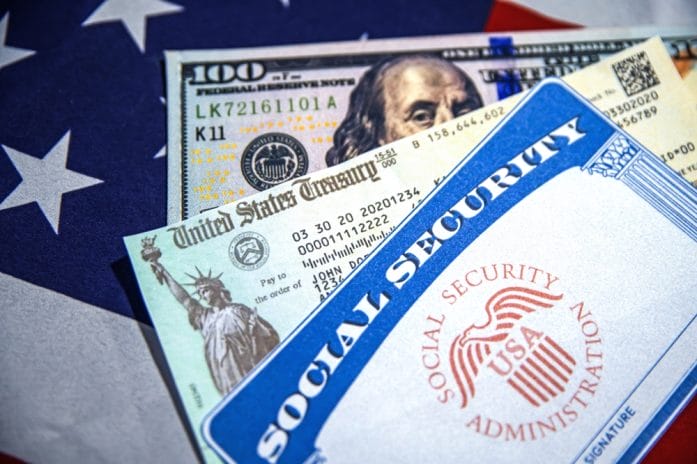
Medicare premiums can ruin the household of an American retiree – Shutterstock

Strategies Workers Use to Manage Rising Healthcare and Retirement Costs

Some workers extend their careers through part-time roles that preserve income while reducing workload stress. This approach allows them to maintain financial stability without committing to full-time employment. Others rely heavily on Health Savings Accounts to prepare for future medical expenses and reduce tax burdens. These accounts give workers a structured way to set aside funds specifically for healthcare needs.

Financial planners often recommend delaying Social Security benefits to maximize lifetime income potential. That strategy pairs well with careful plan selection when comparing Medicare Advantage and Medigap options. Many households also build diversified income streams to reduce reliance on a single source of retirement funding. These combined strategies help people regain control over long-term financial planning despite rising healthcare costs.

Retirement Today Depends on Strategy, Not Just Savings

Rising Medicare premiums highlight how healthcare now plays a central role in shaping retirement decisions across the country. Workers balance longevity, inflation, and benefit timing more carefully than ever before when planning their exit from the workforce. Even small monthly premium increases can shift retirement timelines by several years when budgets run tight. Financial flexibility becomes just as important as total savings in determining retirement readiness.

How should rising healthcare costs shape retirement planning in today’s economy? We want to get your advice and thoughts and experience in our comments section.

You May Also Like…

The 5 Most Expensive Retirement Mistakes Americans Over 60 Are Making During This Inflation Spike

Medicare’s Fast-Track Review Standard: Why Some Requests Must Be Approved or Denied Within 72 Hours

7 Ways Retirees Accidentally Trigger Higher Medicare Premiums

The Next Medicare Premium Shock Could Hit Retirees Harder Than Expected

5 Ways to Review Your Retirement Plan 5 Years Before Leaving Work

Brandon Marcus
Brandon Marcus

Brandon Marcus is a writer who has been sharing the written word since a very young age. His interests include sports, history, pop culture, and so much more. When he isn’t writing, he spends his time jogging, drinking coffee, or attempting to read a long book he may never complete.

Filed Under: Retirement Tagged With: aging population, Cost of living, healthcare costs, Inflation, Medicare, Personal Finance, Retirement, retirement planning, savings, Social Security

Why Social Security Is Updating Payment Information for Older Beneficiaries This Year

May 1, 2026 by Brandon Marcus Leave a Comment

Why Social Security Is Updating Payment Information for Older Beneficiaries This Year
Image Source: Shutterstock.com

Social Security rarely makes headlines unless something big is brewing—and right now, something important is happening behind the scenes. The agency continues modernizing its systems and reviewing individual cases when discrepancies surface, and while that may sound like routine maintenance, the ripple effects can still matter for older beneficiaries.

These updates aren’t part of a sweeping new program, but they do reflect ongoing efforts to keep records accurate as technology improves. For retirees who rely on Social Security as a primary income source, even a small correction can feel significant. Staying informed helps avoid confusion and ensures that benefits reflect the most accurate information available.

Why Social Security Is Reviewing and Correcting Some Records Now

The Social Security Administration periodically updates records when new information becomes available or when its systems flag inconsistencies. Older files, especially those created decades ago, may contain gaps or manual-entry errors that only come to light when beneficiaries report changes, request reviews, or when automated systems detect something unusual. As SSA continues shifting from older paper-based processes to more modern digital tools, it becomes easier to identify mismatches in earnings histories, marital status updates, or benefit calculations.

These updates are not driven by a new law or a special initiative, but by the agency’s ongoing responsibility to maintain accurate records. When beneficiaries report life changes—such as a marriage, divorce, or updated work history—SSA may revisit earlier calculations to ensure benefits remain correct. In some cases, the agency also conducts routine quality reviews that can uncover discrepancies. These efforts reflect a broader push toward modernization and accuracy rather than a targeted overhaul of older beneficiaries’ payments.

Who Is Most Likely to See Their Records Updated

Beneficiaries with long or complex work histories are the most likely to see updates. People who worked multiple jobs, had periods of self-employment, or earned income that was not properly reported at the time may see adjustments when SSA reconciles those records. Widows, widowers, and divorced spouses may also experience updates because their benefits depend on another person’s earnings record, which can change if new information is added or corrected.

Individuals who delayed retirement past full retirement age sometimes discover that their delayed retirement credits were not fully reflected in earlier calculations. When SSA identifies these gaps, it can adjust the benefit amount accordingly. These updates are not tied to age alone; they occur when new information surfaces or when the agency identifies a discrepancy that needs correction.

What These Updates Could Mean for Monthly Benefits

For some beneficiaries, updates may result in a modest increase in monthly payments. If SSA determines that someone was underpaid due to an outdated record or missing earnings information, the agency can issue retroactive payments to make up the difference. These adjustments can improve financial stability for retirees living on fixed incomes, even if the increase is small.

A smaller number of beneficiaries may see reductions if SSA finds that they were overpaid in the past. While this possibility can feel unsettling, the agency typically works with individuals to create manageable repayment plans and avoids sudden, steep cuts. Beneficiaries receive official notices explaining any changes, along with information about appeal rights. The goal is accuracy, not disruption, and SSA generally prioritizes minimizing hardship for older Americans.

Why Social Security Is Updating Payment Information for Older Beneficiaries This Year
Image Source: Shutterstock.com

How Beneficiaries Can Stay Prepared and Informed

Beneficiaries can make this process smoother by reviewing their Social Security statements regularly and ensuring that their personal information is up to date. Checking earnings records, marital status, and benefit details can help identify issues early. Keeping documents such as tax records, W‑2s, marriage certificates, or divorce decrees in an accessible place can also be helpful if questions arise.

Staying alert to official communication from SSA is equally important. Scammers often take advantage of confusion around benefit updates, so verifying the source of any message is essential. Legitimate notices will come through official channels and will not demand immediate payment or sensitive information. Beneficiaries who feel uncertain can contact SSA directly or consult a trusted benefits counselor for clarity. A little awareness goes a long way in preventing misunderstandings.

Behind These Ongoing Adjustments

These updates reflect how Social Security continues adapting to a changing population and a more digital world. Americans live longer, work in more varied ways, and often have more complex financial histories than previous generations. That reality requires a system capable of correcting itself when new information becomes available. By updating records as needed, SSA strengthens the long-term reliability of the program and helps ensure that benefits remain accurate.

Modernization also plays a central role. As SSA improves its technology, it becomes easier to identify discrepancies that once went unnoticed. While no system is perfect, these updates demonstrate an ongoing effort to improve accuracy and maintain trust. For beneficiaries, that means a more dependable source of income and fewer long-term errors that could affect retirement security.

What This Means for Retirement Confidence Going Forward

These updates serve as a reminder that retirement income benefits are not static—they evolve as records are corrected and information is updated. Beneficiaries who stay engaged with their Social Security information tend to catch issues earlier and feel more confident about their long-term financial outlook. Awareness helps retirees ask questions, understand changes, and ensure that their benefits reflect what they have earned.

Looking ahead, continued modernization may lead to more consistent reviews, though not necessarily large-scale recalculations. A system that regularly checks its own data reduces the risk of long-term inaccuracies and strengthens trust for future retirees. These quiet adjustments may not make headlines, but they play an important role in maintaining the integrity of a program millions depend on.

A Quiet Process With Real Financial Impact

Social Security’s ongoing record updates may not come with major announcements, but they still carry real consequences for everyday finances. Whether the outcome brings a small increase, a correction, or simply reassurance, the process highlights the importance of accuracy in retirement income. Paying attention now can prevent surprises later and ensure that benefits align with what beneficiaries have earned. For millions of retirees, that stability matters just as much as the monthly check itself.

What do you think about these Social Security updates—helpful correction or unnecessary hassle? Give us your thoughts below in our comments section.

You May Also Like…

The Overlooked Spousal Benefit Guideline That Quietly Cuts Monthly Social Security Payments

The 4 Social Security Rules Experts Say Everyone Should Know Before Age 62

Social Security COLA Gains Are Being Offset by Rising Medicare Costs

Social Security Is Under Pressure — The Worker-to-Retiree Ratio Is Falling

Florida’s Insurance Spike: Why Retirees Are Seeing “Rebuild Fees” on May Statements

Brandon Marcus
Brandon Marcus

Brandon Marcus is a writer who has been sharing the written word since a very young age. His interests include sports, history, pop culture, and so much more. When he isn’t writing, he spends his time jogging, drinking coffee, or attempting to read a long book he may never complete.
Filed Under: social security Tagged With: aging population, benefits update, COLA, cost-of-living adjustment, Financial Security, government benefits, retirement income, retirement planning, seniors, Social Security, social security payments, SSA changes

Social Security Is Under Pressure — The Worker-to-Retiree Ratio Is Falling

April 13, 2026 by Brandon Marcus Leave a Comment

Social Security Is Under Pressure — The Worker-to-Retiree Ratio Is Falling
Image Source: Shutterstock.com

The numbers do not whisper anymore—they shout. Social Security, one of the most relied-upon programs in the United States, faces a growing imbalance that feels impossible to ignore. Fewer workers now support more retirees, and that shift sends ripples through everything from taxes to retirement plans. This is not a distant problem sitting quietly on a spreadsheet. It’s a real-world issue shaping how millions of people will live in the years ahead.

The worker-to-retiree ratio once offered a comfortable cushion, but that cushion has thinned out dramatically over time. Back in the 1960s, more than five workers supported each retiree, creating a strong foundation for the system. Today, that number hovers closer to about 2.7 workers per retiree, and projections suggest it could drop even further in the coming decades. That steady decline creates pressure, sparks debate, and forces a big question into the spotlight: what happens when fewer people carry a heavier load?

The Math That’s Changing Everything

The worker-to-retiree ratio might sound like dry economics, but it drives one of the most important financial systems in the country. Social Security works on a pay-as-you-go structure, which means current workers fund the benefits for current retirees. When more workers contribute, the system breathes easily and delivers benefits without much strain. When that balance shifts, the system starts to feel the squeeze.

That squeeze comes from a simple but powerful trend: people live longer, and birth rates have declined. Longer life expectancy means retirees collect benefits for more years than previous generations ever did. At the same time, fewer babies born today means fewer workers entering the workforce tomorrow. This double shift stretches the system from both ends, and it does not give much room to recover quickly.

The numbers tell a clear story without any dramatic exaggeration. In 1940, life expectancy in the United States sat around 63 years, while today it pushes closer to the late 70s. Meanwhile, fertility rates have dropped below the replacement level of 2.1 births per woman, which means the population does not replenish itself at the same pace. That combination creates a steady decline in the number of workers available to support each retiree, and it does not look like it will reverse anytime soon.

This situation does not mean Social Security disappears overnight, but it does mean changes will likely come. Policymakers continue to debate solutions like raising the retirement age, increasing payroll taxes, or adjusting benefits. Each option brings trade-offs, and none of them offer a perfect fix. The reality sits somewhere in the middle, where gradual changes try to keep the system stable without shocking those who depend on it.

Understanding this math gives a clear advantage. It allows people to see the direction things are heading and start preparing instead of reacting at the last minute. Waiting for certainty rarely works when it comes to long-term financial planning, especially when the system itself faces ongoing adjustments.

Why Fewer Workers Carry More Weight

The shrinking workforce does not happen by accident—it reflects deeper societal shifts that have unfolded over decades. One major factor comes from changing family dynamics. People choose to have fewer children, often due to rising costs of living, career priorities, and lifestyle preferences. That decision shapes the future workforce in a very real way.

Another key factor lies in the aging baby boomer generation. Millions of people born between 1946 and 1964 have already started retiring or will retire soon. This massive wave of retirees increases demand for Social Security benefits at the exact moment when fewer workers enter the system to support it. The timing creates a perfect storm that puts added strain on the program.

Immigration also plays a role, and it often sparks strong opinions. A steady flow of working-age immigrants can help boost the worker population and ease some pressure on Social Security. However, policy decisions around immigration continue to shift, and that uncertainty makes it difficult to rely on it as a long-term solution. The system needs consistency, and right now, it faces too many moving parts.

Technology and automation add another layer to the story. While innovation drives productivity and economic growth, it also changes the nature of work. Some jobs disappear, others evolve, and new roles emerge that may not contribute to Social Security in the same way traditional employment does. Gig work, freelance careers, and nontraditional income streams complicate how people pay into the system.

All of these factors combine into one clear reality: fewer traditional workers support a growing number of retirees. That imbalance does not fix itself without deliberate action. It requires awareness, planning, and a willingness to adapt to a system that looks very different from what previous generations experienced.

What This Means for Retirement Dreams

The shifting ratio forces a rethink of what retirement looks like. Social Security still plays a crucial role, but it no longer guarantees the same level of support it once did. For many, it serves as a foundation rather than a complete solution. That distinction matters more than ever as the system faces increasing pressure.

Future retirees may need to rely more heavily on personal savings, investments, and employer-sponsored retirement plans. That shift places greater responsibility on individuals to plan ahead and build financial security over time. It also means starting earlier makes a noticeable difference, even if contributions begin small and grow gradually.

Timing also plays a critical role in maximizing benefits. Delaying Social Security claims can increase monthly payments, which helps offset some of the system’s long-term challenges. While not everyone can afford to wait, understanding this option allows for more strategic decisions. Every extra year of delay adds value that compounds over a lifetime.

Diversification becomes more important in this environment. Relying solely on Social Security creates unnecessary risk when the system itself faces uncertainty. Combining different income sources, such as retirement accounts, investments, and part-time work, builds a more resilient financial plan. That approach creates flexibility, which matters when economic conditions shift unexpectedly. Planning does not require perfection, but it does demand attention. Ignoring these trends does not make them disappear, and hoping for the best rarely produces the best outcome. Taking control early, even in small steps, helps create a buffer against the changes already unfolding.

Social Security Is Under Pressure — The Worker-to-Retiree Ratio Is Falling
Image Source: Shutterstock.com

What Comes Next

The worker-to-retiree ratio tells a story that continues to evolve, and it does not wrap up neatly. Social Security will likely remain a cornerstone of retirement, but it will not look exactly the same in the future. Adjustments will come, and those changes will shape how benefits get distributed and funded.

This moment calls for awareness, not panic. The system still functions, and it still provides essential support to millions. However, it demands a more active role from those who depend on it in the future. Staying informed, tracking policy changes, and making thoughtful financial decisions all contribute to a stronger position over time.

What steps feel realistic right now to strengthen a retirement plan in a system that keeps changing? Share thoughts, strategies, or even concerns in the comments—there’s a lot to learn from different perspectives on this one.

You May Also Like…

How Seniors Jeopardize Their Social Security Right After Retirement

Why Your Social Security Payment Was Delayed: Common Oversights and Fast Fixes

Why More Seniors Are Getting Surprise Social Security Overpayment Notices

The Medicare Part B Increase That’s Reducing Social Security Checks By About $185/Month in 2026

The Hidden Tax Rules Shrinking Social Security Checks — What Seniors Need to Know

Brandon Marcus
Brandon Marcus

Brandon Marcus is a writer who has been sharing the written word since a very young age. His interests include sports, history, pop culture, and so much more. When he isn’t writing, he spends his time jogging, drinking coffee, or attempting to read a long book he may never complete.

Filed Under: social security Tagged With: aging population, benefits, Demographics, economy, Financial Security, future planning, government policy, Personal Finance, retirement planning, Social Security, taxes, workforce trends

Baby Boomers Aren’t the Enemy: 10 Myths We Need to Stop Spreading

March 17, 2025 by Latrice Perez Leave a Comment

Group of Elderly Couples
Image Source: 123rf.com

Every generation has its stereotypes, but Baby Boomers seem to get more than their fair share of criticism. From rising housing costs to environmental issues, many people place the blame squarely on Boomers, painting them as out-of-touch, selfish, or resistant to change. But how much of this is actually true?

While no generation is perfect, much of the resentment toward Boomers is based on myths rather than facts. It’s time to take a step back and separate reality from fiction. Here are ten common myths about Baby Boomers that need to be put to rest.

1. Baby Boomers Had Everything Handed to Them

Many people believe Boomers had an easy road to success—cheap housing, stable jobs, and a thriving economy. While it’s true that some aspects of life were more affordable decades ago, it doesn’t mean Boomers didn’t work hard for what they have.

Many Boomers grew up during uncertain times, including the Cold War, economic recessions, and oil crises. They built their careers without the safety net of modern technology, navigated inflation, and worked in a time when workplace protections were minimal. The idea that everything was handed to them ignores the challenges they faced along the way.

2. They Destroyed the Economy

A popular belief is that Boomers hoarded wealth, crashed the economy, and left younger generations struggling. While some Boomers have accumulated wealth, the idea that they alone are responsible for economic downturns is misleading.

Economic trends are shaped by complex factors, including government policies, globalization, and technological advances. Every generation influences the economy, and blaming one group ignores the larger forces at play.

3. They All Own Homes and Are Hoarding Real Estate

One of the biggest criticisms against Baby Boomers is that they bought homes at low prices and are now refusing to downsize, making it harder for younger generations to buy property. While housing was more affordable in the past, not every Boomer owns a home.

Many Boomers struggle with housing costs, either because they never purchased a home or because rising property taxes and maintenance expenses make homeownership difficult. Some even rent or live with family due to financial hardships. Assuming that all Boomers are wealthy homeowners is an oversimplification.

4. They Don’t Understand Technology

Boomers are often portrayed as clueless when it comes to technology, struggling with smartphones, social media, and online platforms. While some older adults may not be digital natives, many Boomers have adapted and thrive in the digital world.

Plenty of Boomers use social media, run businesses online, and work in tech-related fields. They were the first generation to use computers in the workplace and played a role in the development of modern technology. Painting all Boomers as tech-illiterate ignores their contributions and adaptability.

5. They Don’t Care About Social Issues

Social Issues
Image Source: 123rf.com

Another common misconception is that Baby Boomers are resistant to change and out of touch with social justice movements. However, many of today’s biggest social changes were driven by Boomers when they were younger.

Boomers were at the forefront of the civil rights movement, women’s rights, LGBTQ+ rights, and environmental activism. While individuals within any generation may have different views, saying that Boomers don’t care about progress ignores their history of activism.

6. They Don’t Work Hard Anymore

There’s a perception that Boomers are all retired and living comfortably while younger generations struggle. In reality, many Boomers are still working—some by choice, others out of necessity.

Due to financial instability, healthcare costs, and inadequate retirement savings, many Boomers remain in the workforce longer than expected. Some run businesses, others freelance, and many still hold traditional jobs. The idea that they’ve all checked out and are coasting through life is far from accurate.

7. They’re the Reason Younger Generations Can’t Get Ahead

Many Millennials and Gen Z workers feel that Boomers are clogging up the job market and refusing to retire, leaving younger people with fewer opportunities. While it’s true that some older workers stay in their positions longer, it’s often because they can’t afford to retire.

Blaming Boomers for the challenges younger workers face ignores broader issues like wage stagnation, automation, and corporate hiring practices. The workforce is evolving, and while generational dynamics play a role, they’re not the sole cause of economic struggles.

8. They Ruined the Environment

Boomers are often blamed for pollution, climate change, and unsustainable practices, but environmental damage has been happening for centuries. In fact, many of the first environmental activists were Baby Boomers who pushed for cleaner air, water regulations, and conservation efforts.

While earlier generations may not have had the same awareness about climate change, many Boomers support environmental initiatives today. They recycle, advocate for sustainability, and invest in green energy. Blaming an entire generation for environmental damage ignores the fact that industries and governments hold the most power in shaping environmental policy.

9. They Don’t Support Younger Generations

A common criticism is that Boomers don’t care about the struggles of Millennials and Gen Z. While generational differences exist, many Boomers actively support younger family members through financial help, childcare, and mentorship.

Many young adults move back in with Boomer parents due to rising living costs, and Boomers often help pay for education or assist with career advice. The idea that they’re unwilling to support younger generations isn’t supported by reality.

10. They All Have It Easy in Retirement

While some Boomers enjoy comfortable retirements, many struggle financially. Rising healthcare costs, inflation, and inadequate savings have left millions of Boomers facing economic uncertainty.

Not every Boomer has a pension or a fully funded retirement account. Many rely on Social Security, part-time work, or family support to get by. Assuming that all Boomers are living stress-free in retirement ignores the financial difficulties many still face.

Stop Pointing Fingers

It’s easy to point fingers at older generations, but stereotypes rarely tell the full story. Every generation has faced its own set of challenges and contributed to society in different ways. Instead of blaming Boomers for all of today’s problems, it’s more productive to focus on solutions and mutual understanding.

What’s the biggest misconception you’ve heard about Baby Boomers? Share your thoughts in the comments below.

Read More:

Why Baby Boomers Had the Best Childhood—And Gen Z Will Never Understand

9 Reasons Why Baby Boomers Aren’t Leaving Much Wealth Behind

Latrice Perez

Latrice is a dedicated professional with a rich background in social work, complemented by an Associate Degree in the field. Her journey has been uniquely shaped by the rewarding experience of being a stay-at-home mom to her two children, aged 13 and 5. This role has not only been a testament to her commitment to family but has also provided her with invaluable life lessons and insights.

As a mother, Latrice has embraced the opportunity to educate her children on essential life skills, with a special focus on financial literacy, the nuances of life, and the importance of inner peace.

Filed Under: Lists Tagged With: aging population, baby boomers, common misconceptions, economy and boomers, generational divide, generational stereotypes, millennial vs boomer, myths about boomers, social issues, workplace dynamics

FOLLOW US

Search this site:

Recent Posts

  • Can My Savings Account Affect My Financial Aid? by Tamila McDonald
  • 12 Ways Gen X’s Views Clash with Millennials… by Tamila McDonald
  • What Advantages and Disadvantages Are There To… by Jacob Sensiba
  • 10 Tactics for Building an Emergency Fund from Scratch by Vanessa Bermudez
  • Call 911: Go To the Emergency Room Immediately If… by Stephen Kanaval
  • 7 Weird Things You Can Sell Online by Tamila McDonald
  • 10 Scary Facts About DriveTime by Tamila McDonald

Copyright © 2026 · News Pro Theme on Genesis Framework