• Home
  • About Us
  • Getting Finances Done
    • Hiring Advisors
    • Debt Management
    • Spending Plan
  • Insurance
    • Life Insurance
    • Health Insurance
    • Disability Insurance
    • Homeowners/Renters Insurance
  • Contact Us
  • Our Editorial Commitment

The Free Financial Advisor

You are here: Home / Archives for money management

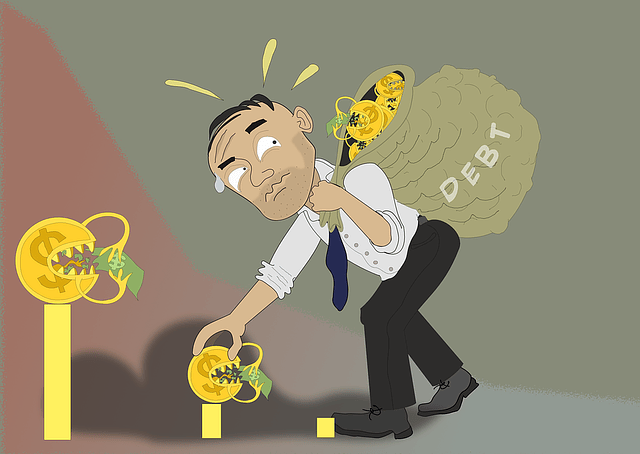
Here Is What To Do If You Have Debt In Arrears

October 25, 2021 by Jacob Sensiba Leave a Comment

debt-in-arrears

This article is a response to a reader’s question about paying off debt on an irregular income. They write:

Can you advise me how to manage to settle my absa loan & credit card because they are in arrears

At my work I earn with commission , sometimes I didn’t earn.

Here is my answer:

Being in debt is a challenge. It takes away money you could use for more productive things. It’s even more difficult when you’ve missed payments and your debt is now in collections. If that’s you, here are some tips to help you settle your debt that’s in arrears.

Pay down debt

Utilize some debt repayment strategies.

Debt snowball – pay your smallest balance first while making minimum payments to your other debts. When you pay off your smallest balance, move on to the next smallest balance. As you get rid of debts, you’ll be able to make larger payments to the following debt.

Debt avalanche – pay your highest interest rate first. Similar strategy as the “snowball”. Once your highest interest rate debt is eliminated, pay as much as you can towards the debt with the next highest interest rate.

Use retirement funds to pay off your debt. You’ll likely, depending on your age, pay a 10% tax penalty, however (if you’re under 59 1/2). Do you have any cash accumulated in a whole life insurance policy? Use that cash value to pay off your debts

Negotiate

How much, in terms of dollars, can you pay to your creditors as a settlement? Figure out what that number is before you start contacting creditors.

It may take a couple of phone calls, so don’t get discouraged. If you don’t like what you’re hearing from the representative you’re talking to, try and get a hold of a different one. Remember the dollar amount you can pay and don’t go over that amount. If you can pay 50% of what you owe, start with an offer to pay 30%. The creditor will counteroffer and hopefully, the agreed amount is 50% or lower.

Make sure you’re clearly communicating the financial hardship you’re experiencing that put you behind on your debts. Getting sympathy from a representative could help you! Get any settlement or repayment plan in writing as soon as possible.

Make sure you’re speaking to your creditors, not collections agencies. Collections agencies will take a settlement amount and sell whatever is left to another agency. Before you’ll know it, they’ll be after you again. Speak to the creditor you initially owed. Also, be prepared to pay taxes on the forgiven amount.

Bankruptcy

Nobody likes to think about it and it would be a very difficult decision, but it might be one to strongly consider if you want to settle your debt.

If you don’t have luck with negotiations, you might have to consider bankruptcy. There are generally two options – Chapter 7 and Chapter 13. Chapter 7 clears all of your debts. Chapter 13 is more of a reorganization.

Check credit reports

Clarify with the credit reporting agencies how things were settled. Clean up the report and it could help your score a little. Late payments and charge-offs stay on your credit report for 7 years. Debts in collections stay on your credit report for 180 days.

Debt settlement is about commitment. There are penalties if you miss ONE payment of your agreed-upon settlement, so don’t miss!

One more thing. Know your rights. There are several things collectors can’t do:

  • They can’t threaten you
  • They can’t shame you
  • They can’t force you to repay your debt
  • They can’t falsify their identity to trick you
  • They can’t harass you

It’s a tough road, but getting out of debt is paramount for your psyche and your financial success. Utilize strategies to pay down debt. Speak with your creditors about negotiating. If negotiation doesn’t work, consider bankruptcy. Once you settle your debt, review your credit report and dispute errors.

Related reading:

What you need to know about bankruptcy

Diving deep into debt

How to improve your finances on a low income

What to do about debt collectors

Disclaimer:

**Securities offered through Securities America, Inc., Member FINRA/SIPC. Advisory services offered through Securities America Advisors, Inc. Securities America and its representatives do not provide tax or legal advice; therefore, it is important to coordinate with your tax or legal advisor regarding your specific situation. Please see the website for full disclosures: www.crgfinancialservices.com

Jacob Sensiba
Jacob Sensiba

Jacob Sensible is a financial advisor with decades of experience in the financial planning industry.  His journey into finance began out of necessity, stepping up to support his grandfather during a health crisis. This period not only grounded him in the essentials of stock analysis, investment strategies, and the critical roles of insurance and trusts in asset preservation but also instilled a comprehensive understanding of financial markets and wealth management.  Jacob can be reached at: jake.sensiba@mygfpartner.com.
mygfpartner.com/jacob-sensiba-wisconsin-financial-advisor/

Filed Under: credit cards, credit score, Debt Management, money management, Personal Finance, Psychology Tagged With: bankruptcy, collections, credit, credit card, Credit card debt, credit report, Debt, debt consolidation, debt relief, debt strategy

What Are the Best Bill Payment Reminder Apps?

October 4, 2021 by Tamila McDonald Leave a Comment

bill payment reminder apps

For most people, paying bills is an inescapable part of life. Luckily, by using the right bill payment reminder app, you can keep your financial life on target with greater ease. If you’re wondering why you should use a bill payment reminder app and would like to find out apps are the best, here’s what you need to know.

Why Use a Bill Payment Reminder App

Usually, as long as you stay on track with your bill obligations, your financial life runs reasonably smoothly. However, if you miss even one payment, things can get hectic.

After you miss a debt payment, you might end up with late fees, and your credit score might take a hit. In some cases, it could even cause an account to go to collections, an event that can have a massive impact on your life.

For other bills – like utilities and vehicle insurance – a missed payment can also come with late fees. For utilities, falling behind might lead to shutoffs. With insurance, policy cancelations could occur.

With housing-related bills, including mortgages and rent, missing too many payments can cost you your home. Defaulting on a mortgage or breaking the terms of your lease with non-payment can lead to eviction.

With a bill payment reminder app, you can decrease your chances of falling behind on payments. Not only will you avoid late fees and preserve your credit score, but you can also ensure that your utilities stay on and your insurance remains intact. Plus, you can make sure that you’ll always have a roof over your head, giving you more peace of mind.

The Best Bill Payment Reminder Apps

Mint

In the world of personal finance and budgeting, Mint is a leading app. It lets you track your spending, set budgets, and schedule bill payment reminders, ensuring you’ll know what you need to pay and when.

With Mint, you do have the option of connecting a variety of accounts directly. That centralizes and automates at least part of your tracking, simplifying your financial life significantly. Plus, it’s simple to use and attractive, making it a pleasure to work with over time.

Mint is available for Android and iOS.

YNAB

Another option for getting solid insights into your financial life and taking control of your bills and budget, YNAB is a strong option for anyone who wants to get (and stay) on target. It has a user-friendly design and a robust feature set, including bill payment reminders, bank account syncing, debt paydown tools, and more.

You can find YNAB for both Android and iOS. While YNAB does come with a cost, you can try it for free to see if it meets your needs.

Wallet

With budget-tracking and financial account syncing features, Wallet is a solid choice for anyone who wants to get more control over their finances. It’s a great option for keeping an eye on your bills from a single location, making it easier to maintain a good payment history. Plus, you can set reminders, ensuring you’re alerted to make the payment before the bill is due.

Overall, the interface is clean and attractive. Plus, the app is user-friendly, making even more advanced features simple for those who aren’t as tech-savvy.

Wallet is available for both Android and iOS.

Prism

Another standout option for tracking bills and setting reminders is Prism. Plus, it has other personal finance tools and features, allowing you to get a grip on your budget with greater ease.

The interface is clean and streamlined, and the app is easy to use overall. Plus, you can connect directly to your bank and bill accounts, allowing you to use the integrated bill pay feature to tackle your paying your bills all from a single app.

Prism is available for both Android and iOS.

Fudget

If you’re looking for a simple way to track your budget and expenses, Fudget could be your answer. It’s incredibly user-friendly, mainly because it’s very streamlined and focused on its main purpose. You can create lists of upcoming expenses, use a drag-and-drop approach to reorder items, and set reminders.

When it comes to the look, there are eight built-in themes, allowing you to choose one that feels right to you. There is also a calendar inside the app, allowing you to do simple calculations without having to access a separate calendar.

Fudget is available for both Android and iOS.

Money Lover

With Money Lover, managing your finances can get easier. It’s a simple solution for tracking expenses and creating budgets, allowing you to make sure that you don’t miss bill payments.

The interface is incredibly clean, and the app is simple to use. While it doesn’t have some of the advanced features you might find in alternatives, if your main goal is to set up bill payment reminders, it could be the right choice for you.

Money lover is available for both Android and iOS.

Monefy

A clean but colorful app for tracking expenses, Monefy is another straightforward option for anyone who wants to get a grip on their spending and track their recurring payments. Plus, the app has a hint of whimsy, making it a joy to open up.

It doesn’t offer bank account or bill syncing, so you do have to enter information in manually. However, that process is incredibly simple, and you get plenty of customization options to make tracking your expenses at a glance even easier.

Monefy is available for both Android and iOS.

Pocket Expense 6

If you’re looking for an option that’s closer to full-feature finance software, Pocket Expense 6 is worth considering. It lets you centralize information from a wide range of accounts, making it easier to track income, expenses, and bill due dates.

For bills, you can set up recurring ones, set up notification reminders, and initiate payments. Beyond that, you can create budgets and explore spending patterns, giving you more insight into your habits.

With this app, there are subscription-related costs. Pocket Expense 6 is available for iOS.

Have you tried any of the bill payment reminder apps above and want to tell others about your experience? Do you use a different bill payment reminder app that people should consider? Share your thoughts in the comments below.

Read More:

  • Do Stock Trading Apps Really Work?
  • 5 Apps to Simplify Your Finances
  • Finance Alternative Apps and Iban Wallet – What You Need to Know?


Tamila McDonald
Tamila McDonald

Tamila McDonald is a U.S. Army veteran with 20 years of service, including five years as a military financial advisor. After retiring from the Army, she spent eight years as an AFCPE-certified personal financial advisor for wounded warriors and their families. Now she writes about personal finance and benefits programs for numerous financial websites.

Filed Under: money management Tagged With: bill pay, bill pay reminder apps

Investment Concerns and Opportunities

July 7, 2021 by Jacob Sensiba Leave a Comment

There are investment concerns and opportunities pretty much any way you turn. Healthcare looks great, but what about the costs associated with treatment? Technology is improving every day, but what’s going to happen with possible regulations? Is the FED going to pop our bubble?

Plenty can happen so let’s explore it together.

The FED

The FED doesn’t appear like it’ll stop its asset-buying program and accommodative monetary policy anytime soon, and it said just that in its most recent meeting.

That’s a good sign for the economy and for certain sectors. The industries that find the most favor are those that use heavy borrowing to facilitate growth efforts. These include construction, retail, information technology, transportation, and healthcare.

Commodity Prices

We continue to see a rise in commodity prices. Copper, oil, and lumber are all near record highs. I believe we’ll continue to see a steady increase in the price of copper. Copper is used in electronics, and with the further development of new technology, electric and autonomous vehicles, and green energy…the demand for the metal is just getting started.

Big Tech

Silicon Valley is bracing for possible regulatory troubles. There’s a new head of the FTC and she has her gloves on. Big tech has come under increased scrutiny in a few areas, including content, privacy, and antitrust. This causes investment concerns.

The federal government has a problem with social platforms and some of the content users post on their sites. There’s a thin line these companies walk because they can’t censor speech and they can’t promote speech. But some people post very harmful and hurtful things.

Also, antitrust cases are likely to come in full force because some of these companies are so gosh darn huge. They have so much pull, so much money, and too much market share (in a lot of cases).

What’s more, they no longer hide that they harness user data to make money. How much they sell to other parties and what they sell isn’t entirely known, but their privacy issues are also coming to head.

With all of that said, compliance costs are going to increase. What those companies look like and what they’re allowed to do will likely look different than what it is now. Only time will tell what happens to these companies.

Healthcare

I’m reading and hearing more and more excitement about the healthcare space and the investment opportunities that lie within. The speed at which the globe was able to produce three or four viable and useful vaccines for Covid is incredible. I heard today that it’s the first vaccine to be created in less than 5 years.

The global population is getting older by the day. Not only that, but the baby boomer generation is around retirement age, so they’re going to require more medical attention.

Prescriptions, medical devices, new and improved medical technologies are going to treat and possibly cure more and more illnesses.

Telemedicine looks to be a great investment opportunity. Last year, medical attention was quite high but 90% of that was done in person. Virtual visits, remote monitoring, and in-home testing will grow in popularity.

Investment concerns and opportunities abound, I’m excited for what’s to come in the tech and healthcare spaces.

Disclaimer:

**Securities offered through Securities America, Inc., Member FINRA/SIPC. Advisory services offered through Securities America Advisors, Inc. Securities America and its representatives do not provide tax or legal advice; therefore, it is important to coordinate with your tax or legal advisor regarding your specific situation. Please see the website for full disclosures: www.crgfinancialservices.com

Jacob Sensiba
Jacob Sensiba

Jacob Sensible is a financial advisor with decades of experience in the financial planning industry.  His journey into finance began out of necessity, stepping up to support his grandfather during a health crisis. This period not only grounded him in the essentials of stock analysis, investment strategies, and the critical roles of insurance and trusts in asset preservation but also instilled a comprehensive understanding of financial markets and wealth management.  Jacob can be reached at: jake.sensiba@mygfpartner.com.

mygfpartner.com/jacob-sensiba-wisconsin-financial-advisor/

Filed Under: Investing, investing news, money management, Personal Finance Tagged With: economics, investing, Investment, stock market

Employment, Stimulus, and Rising Prices

May 26, 2021 by Jacob Sensiba Leave a Comment

The dynamic of employment changed dramatically because of the pandemic and the stimulus provided to consumers as a result.ww

People were let go from their jobs, especially jobs that didn’t have a way to “work from home”. Factory jobs and jobs in the service industry, for example.

Government Intervention

To combat a declining economy and unemployed workers struggling to make ends meet, the government decided to inject liquidity into the market. They did this through increased unemployment benefits and stimulus payments to those that qualified.

This aid sent to consumers helped out a lot of people, but it didn’t entirely go according to plan. One of the intentions of the stimulus payment was to incentivize people to spend – that’s why a large number of the second payment came via a Visa gift card.

When people spend, the economy does better.

Unfortunately, people saved their stimulus payments, but thankfully the market and the economy didn’t suffer as a result.

Rising Prices

That leads to the predicament we could soon find ourselves in. The economy is doing better. The majority of the United States population has been vaccinated (just a reminder that a majority is anything over 50%). Daily life is starting to return to normal; it’s happening slowly, but we are trending in the right direction.

As people grow more confident in their ability to go out into the world, and they get more confident in the economy and the market, they’re likely to spend some of that savings.

Low rates, decreasing unemployment, and more spending are three legs to likely inflation pressures.

Inflation

Now, I know I wrote about inflation pretty recently (here), but I feel it’s necessary to beat that drum again.

The FED already said that they will be more liberal when it comes to monetary policy. That means they will be more likely to let inflation run hot (relative to their 2% inflation target) for an extended period of time.

What they are doing with that stance, is they don’t want to kill a recovery when it’s just getting started. That’s what happened in 2018 when they raised rates throughout the year, but that increase in interest killed the economic growth and popped a bubble.

Okay, so the recipe for inflation is set, but what does that mean for me?

Honestly, that’s hard to say. We already said that inflation is likely, and in some cases, it’s already here. The question is, how much inflation is too much? This question will be answered by the FED.

And the answer will show itself when they relax their easy monetary policy. Interest rates could go up and the FED’s balance sheet could reduce in size.

At that point, I believe it’s only a matter of time (my hunch is not a lot of time) until the bubble we’ve created pops.

If you’re invested for the long haul, hunker down and hold steadfast. Avoid panic selling. If your time horizon is shorter, soon may be a good time to take some profits and de-risk your portfolio.

Disclaimer

**Securities offered through Securities America, Inc., Member FINRA/SIPC. Advisory services offered through Securities America Advisors, Inc. Securities America and its representatives do not provide tax or legal advice; therefore, it is important to coordinate with your tax or legal advisor regarding your specific situation. Please see the website for full disclosures: www.crgfinancialservices.com

Jacob Sensiba
Jacob Sensiba

Jacob Sensible is a financial advisor with decades of experience in the financial planning industry.  His journey into finance began out of necessity, stepping up to support his grandfather during a health crisis. This period not only grounded him in the essentials of stock analysis, investment strategies, and the critical roles of insurance and trusts in asset preservation but also instilled a comprehensive understanding of financial markets and wealth management.  Jacob can be reached at: jake.sensiba@mygfpartner.com.

mygfpartner.com/jacob-sensiba-wisconsin-financial-advisor/

Filed Under: Investing, money management, Personal Finance, risk management Tagged With: economy, Inflation, labor, markets, spending, stimulus

Inflation, Gold, Semiconductors

April 28, 2021 by Jacob Sensiba Leave a Comment


There are a lot of moving parts in the economy right now. Inflation has become a concern, people are looking at gold more as a hedge, and there’s a shortage in semiconductors. In this piece, we’ll explore some of those dynamics and what some of the investment implications are.

Inflation

Inflation will most likely increase. Many projections estimate the FED will meet/beat their target of 2%.

I do believe that an increase in goods and services will not affect demand as it would have in the past. Stimulus payments to consumers created enough excess cash that people didn’t mind, or even notice, an increase in prices.

I do realize I’m painting with a broad brush here, and undoubtedly there will be some that will notice the difference. I’m simply stating that demand will not suffer from price creep as it used to, at least while the government continues writing checks.

Gold

We could see another uptrend in gold. There’s a certain recipe that makes the case for a bullish perspective on gold – inflation pressures, increased money supply, and low-interest rates.

The FED continues to supply the market with liquidity with its asset-buying program. An increase in the money supply dilutes the value of the dollar (USD). When the USD decreases in value, typically gold does well.

There is a caveat to that, however. Demand for US Treasury securities is weakening, specifically from foreign investors. To double down on that, foreign investors are net sellers of Treasuries. There have to be enough buyers to meet Treasury issuance, otherwise, the FED won’t have enough “reserves” to inject liquidity into the system.

With regard to low rates, that is a good sign for gold, but it’s also a good sign for equities (companies) with a high tendency to borrow. I’m mainly looking at the technology sector. Especially these unicorns that have high valuations, but low (or negative) profits.

Semiconductors

There’s also a current market disruption at play here…semiconductor shortage. Demand across many applications are at multi-year, sometimes multi-decade, highs. Personal computers, electric vehicles, autonomous vehicles, AI, and the like all use semiconductors.

A semiconductor shortage has many implications:

  • Decrease in production
  • Price increase
  • Nationalist mentality
  • R&D disruption

A decrease in production can hurt the bottom line. It all depends on when the shortage ends. If production reduces enough for a sustained period, adjustments will have to be made by corporations.

A price increase is likely because of supply and demand dynamics. The price of semiconductors will go up, so the price of the products they’re used in will also go up. This could hurt demand for those products and could hurt consumers.

There are a select few companies that supply the majority of the world’s semiconductors. This could have a similar effect as Covid had with regard to supply chain management. Companies relied on global trade and cooperation to sustain their supply chain operations. When countries shut down due to the pandemic, global trade suffered as a result. Countries might shift to manufacturing their own semiconductors instead of relying on supply from trading partners.

Semiconductors are only getting less expensive and more efficient. With a shortage, and possibly less money coming into the manufacturers, it’s possible that this dynamic of cheaper and better plateaus…at least temporarily. It’s also possible that the shortage improves operations and makes the manufacturers more agile. Some countries have a very unique ability to progress, strengthen, and adapt when a roadblock presents itself.

With that said, I believe semiconductors will be a great investment opportunity. Their demand is only going to increase because of the push to provide the world with electric vehicles and clean energy. I would, however, pay attention to the shortage and I might wait until that shortage ends and prices stabilize.

Related reading:

Does Economic Inflation Favor Borrowers or Lenders?

Is Gold a Good Investment?

What You Can Learn from Different Market Environments


**Securities offered through Securities America, Inc., Member FINRA/SIPC. Advisory services offered through Securities America Advisors, Inc. Securities America and its representatives do not provide tax or legal advice; therefore, it is important to coordinate with your tax or legal advisor regarding your specific situation. Please see the website for full disclosures: www.crgfinancialservices.com

Jacob Sensiba
Jacob Sensiba

Jacob Sensible is a financial advisor with decades of experience in the financial planning industry.  His journey into finance began out of necessity, stepping up to support his grandfather during a health crisis. This period not only grounded him in the essentials of stock analysis, investment strategies, and the critical roles of insurance and trusts in asset preservation but also instilled a comprehensive understanding of financial markets and wealth management.  Jacob can be reached at: jake.sensiba@mygfpartner.com.

mygfpartner.com/jacob-sensiba-wisconsin-financial-advisor/

Filed Under: Investing, investing news, money management, Personal Finance, risk management Tagged With: gold, Inflation, interest rates, investment opportunities, semiconductors

What to Know Before Filing for Bankruptcy

February 11, 2021 by Justin Weinger Leave a Comment

Filing for bankruptcy is nothing to be taken lightly. In doing so, you’re asking the court to get involved in your finances, something most people would rather avoid. What’s more, once you’ve filed, there’s no going back. Given the consequences of bankruptcy – some good, some bad, but all significant – those considering this option have an obligation to themselves and others to weigh all factors before making a final decision.

While the decision to declare bankruptcy is ultimately yours to make, the following are some useful things to know before making a choice one way or another:

The choice of a lawyer is important

It’s possible to file for bankruptcy and succeed without the help of a bankruptcy lawyer. However, it’s not easy and it’s likely to lead to a less desirable outcome. With that said, picking an attorney to handle your bankruptcy filing takes more than hiring the first name you see in a Google search.

For one thing, it’s imperative to read between the lines. Most of their advertising and outreach will focus on potential clients’ financial problems while skipping over their experience and qualifications. If the bankruptcy lawyer marketing you see includes several indicators regarding skills and insights, put that name in the “maybe” pile. Follow up with research and careful reading of online reviews.

Once you’ve amassed a short list of contenders, call and arrange for a meet and greet. Most bankruptcy lawyers will agree to a free first-time consultation. This lets them get a sense of your situation while you get a sense for the cost of their services.

It’s harder than it used to be

Article 1, Section 8, Clause 4 of the United States Constitution explicitly defines the federal government’s all-encompassing role regarding bankruptcy law. In other words, the federal government gets the final say on how bankruptcies work across the entire country.

As a result, Congress occasionally updates and overhauls the bankruptcy code. The most recent changes occurred 16 years ago with the passage of the Bankruptcy Abuse Prevention and Consumer Protection Act of 2005.

Simply put, if your existing understanding of bankruptcy court is based on events experienced prior to 2005, you’ll be in for a surprise if filing in 2021. As the name suggests, the law was passed to prevent abuse of the bankruptcy system. Filing has become harder and more strenuous.

Not everything gets discharged

One of the first things a lawyer will tell you is that certain debts are resistant to the bankruptcy process. That means it’s possible you won’t walk away from bankruptcy completely free from debt.

For example, student loan debt will linger after filing for bankruptcy. The same goes for unpaid taxes, alimony, child support, and monies owed based on civil court rulings.

You can keep your house

Homeowners who choose to file for bankruptcy can rest assured they probably won’t be forced to leave their house. The current bankruptcy code is designed to let people keep their homes.

With that said, some folks may be subject to eviction due to bankruptcy filings. Those behind on their mortgage payments, or those occupying a secondary dwelling in addition to their primary place of residence, will run the risk of their properties being seized to satisfy the demands of creditors.

The decision to declare bankruptcy is a significant one. Nobody should ever go forward with filing for bankruptcy without first considering the implications and consequences.

Justin Weinger
Justin Weinger

A married father of three, Justin Weinger works in private equity as a Corporate Finance Manager, he is also an avid blogger and personal finance enthusiast with a strong history of working in the automotive and publishing industry.

Filed Under: money management

Crypto, Reddit, Stock Market Thoughts

February 10, 2021 by Jacob Sensiba Leave a Comment

The last couple of weeks have been crazy in the stock market. With Reddit putting a short squeeze on Wall Street, crypto assets going gangbusters, and speculation about what inflation will do in the near future, there’s a lot to talk about.

Reddit vs Wall Street

Gamestop and AMC Entertainment are the two biggest names when we talk about Reddit investors.

A large number of shorts were put in by hedge funds and other big players on Wall Street. A specific Reddit account “recruited” its following to pile into the two companies named above. This group of “retail” investors drove the stock price up (as well as other investors that caught wind of their efforts).

Those hedge funds were forced to cover their shorts so they didn’t lose more money. The stock price for those two companies plummeted in the following days, but that doesn’t negate what Reddit did – they beat the big guys.

What’s a short?

A short is a type of trade. What you do is you borrow shares of a stock at a specific price in hopes that the stock price will drop. If it does, you buy back those shares at a lower price and collect the difference.

For example, if you bought shares of XYZ company at $20 and the share price of XYZ drops to $10, you would cover your short and earn $10 per share as a return.

It’s not for the faint of heart because stock prices effectively have no ceiling, so you could lose A LOT of money.

Crypto

Cryptocurrencies gained traction over the last few years as investors saw potential. After Bitcoin rose to $20,000 per BTC and crashed, it lost its allure.

Social media brought it back, thanks to Elon Musk. Slight changes in his Twitter bio moved the needle very effectively. Bitcoin is now hovering at $50,000 per BTC. Tesla invested a healthy sum in Bitcoin and will now accept payments in Bitcoin.

I believe other companies will adopt this policy and we will see Bitcoin used for purchases more regularly. There is a place for cryptocurrencies in this world, but it’s uncertain what kind of role it will play.

Short-term Thoughts

I go through quite a bit of research each week to get an idea of what the market environment looks like, what the economy is doing, and where there are risks and opportunities in the market.

With that said, the amount of times I’ve read the word “bubble” is alarming. The comparisons to the Dot Com Bubble and the Great Financial Crisis (GFC) are also a cause for concern.

Pundits are using the word “euphoria” more often.

There are a few things to pay attention to:

  1. The divergence between the stock market and the economy. Typically, near the end of the business cycle, a difference between how the market is doing and how the economy is doing grows. Eventually, things will revert to the mean. That’s to say, the difference between the two will shrink.
  2. Inflation. The Biden Administration is taking a different stance from past presidents. Inflation and overstimulation of the economy were areas of concern. President Biden is taking the other side of this argument, saying that he’d rather do too much, than not enough. Look for increased stimulus and less regard for inflation. If inflation starts to run hot, expect the FED to cool it down somehow.

Conclusion

Short-term policy changes and speculative movements in the stock market have little to no impact on the long-term performance of your portfolio. The one thing that really moves the needle is your behavior and how you respond to the news.

If you keep your long-term perspective in mind and keep your emotions in check, you should fare better than those that don’t.

Related reading:

Why Financial Literacy is Important

What You Can Learn from Different Market Environments

Some of the Practical Methods to Make Money Through BTC in 2021


*Securities offered through Securities America, Inc., Member FINRA/SIPC. Advisory services offered through Securities America Advisors, Inc. Securities America and its representatives do not provide tax or legal advice; therefore, it is important to coordinate with your tax or legal advisor regarding your specific situation. Please see the website for full disclosures: www.crgfinancialservices.com

Jacob Sensiba
Jacob Sensiba

Jacob Sensible is a financial advisor with decades of experience in the financial planning industry.  His journey into finance began out of necessity, stepping up to support his grandfather during a health crisis. This period not only grounded him in the essentials of stock analysis, investment strategies, and the critical roles of insurance and trusts in asset preservation but also instilled a comprehensive understanding of financial markets and wealth management.  Jacob can be reached at: jake.sensiba@mygfpartner.com.

mygfpartner.com/jacob-sensiba-wisconsin-financial-advisor/

Filed Under: Investing, money management, Personal Finance, risk management Tagged With: cryptocurrency, stock market, stocks

The FED, The Dollar, and Opportunities

January 13, 2021 by Jacob Sensiba Leave a Comment

My post for today was supposed to be a personal reflection, but in lieu of that, I’m going to lay out my thoughts on the market and the economy. Which includes the FED, the dollar, and inflation. In addition to that, I want to explain where I see risks and opportunities right now.

The dollar

We can expect the Federal Reserve to continue an accommodative monetary policy. They will invest in the fixed income market and they’ll resume the low-interest-rate stance.

If they continue this response to the Covid crisis, the dollar should go down in value. There are some risks and opportunities that arise if that happens.

Gold and cryptocurrencies should increase in value. A devaluing in the dollar is, normally, the right landscape for “alternative currencies” to do well.

International securities, especially emerging markets, do well when the value is priced lower. A large majority of international transactions take place using the USD. The value of their home currency goes up in relation to the USD.

The technology sector also has a negative correlation to a falling dollar. When the dollar goes down, that sector tends to outperform.

If the dollar, indeed, goes down look at these areas for possible investment opportunities.

The FED

As I mentioned earlier, the FED will continue to create an accommodative environment for the economy…until they don’t.

At some point, the recovery will gain momentum. GDP will go up and the population will gain confidence in that recovery. At this juncture, inflation will pop onto people’s radars.

If inflation runs too hot, the FED could possibly stop, or reduce, QE. They could halt the bond-buying program and they could raise rates. If that happens, keep your eyes out for a pullback.

We saw this happen at the end of 2018. The FED started raising rates until they went too far, and we had a 20%-25% decline in Q4. Then they reversed course and began easing again. We had a run-up in the market until March of 2020 when Covid hit.

Long term

I believe tech and healthcare will be the two sectors to watch over the next decade or more. With technology getting more advanced every day, investment opportunities will present themselves in these two areas.

Green energy, especially with the incoming administration, is also an industry with big potential. Technology will play a large role in the advancement of renewable energy.

My biggest concern

And I’ll preface this by saying I’m concerned because I truly don’t know the implications of it. MMT looks as likely as ever at this point.

The favorable stance by the FED plus the democratic party holding the House, the Senate, and the Presidency leads me to believe printing money is going to pop off.

An aggressive agenda to provide relief for Americans struggling because of Covid, a push for expanded Medicare/Medicaid benefits, possible student debt relief, as well as other initiatives.

It appears that reducing the national debt is not a concern. To be fair, it wasn’t a concern for the Trump administration either.

The bill comes due for everyone, and if other countries (namely China) are no longer buying US Treasuries like they were, I do not know how we can fund policies, branches, or even service the existing debt. Only time will tell.

Conclusion

I will close by saying that these are my opinions. Granted, I do a lot of research to come to these conclusions, but what I said above are still my thoughts and not foregone conclusions. Do your own research.

Related reading:

How to Beat Inflation with Investment

What Makes Gold so Valuable


**Securities offered through Securities America, Inc., Member FINRA/SIPC. Advisory services offered through Securities America Advisors, Inc. Securities America and its representatives do not provide tax or legal advice; therefore, it is important to coordinate with your tax or legal advisor regarding your specific situation. Please see the website for full disclosures: www.crgfinancialservices.com

Jacob Sensiba
Jacob Sensiba

Jacob Sensible is a financial advisor with decades of experience in the financial planning industry.  His journey into finance began out of necessity, stepping up to support his grandfather during a health crisis. This period not only grounded him in the essentials of stock analysis, investment strategies, and the critical roles of insurance and trusts in asset preservation but also instilled a comprehensive understanding of financial markets and wealth management.  Jacob can be reached at: jake.sensiba@mygfpartner.com.

mygfpartner.com/jacob-sensiba-wisconsin-financial-advisor/

Filed Under: Investing, money management, Personal Finance, risk management, successful investing Tagged With: bitcoin, dollar, Emerging markets, FED, federal reserve, gold, Investment, investment opportunities, USD

How Much Cash Is Needed to Start a Pawnshop?

January 6, 2021 by Jacob Sensiba Leave a Comment

How Much Cash Is Needed to Start a Pawnshop

So you want to start a pawnshop. Where do you start? What do you buy? How much is this all going to cost?

A pawn shop can be a very cash-positive business. While doing research for this post, I stumbled onto a Quora thread that showcased how much money can be made with such an operation. The profits ranged from $30,000 per year to $60,000 per month.

But, you have to get started. In today’s post, we’ll highlight what you need and what it’s going to cost.

What do pawn shops do?

First off, we have to talk about what a pawnshop actually does. Pawnshops buy, sell, and trade items. These items can come from the owner’s personal collection, something they acquired via purchase, or something they acquired via loan collateral.

When someone comes to a pawn shop to borrow money, they have to bring something of value for collateral. When the pawnshop lends money to this individual, they retain that valuable item until the principal (plus interest) is repaid. If they fail to repay, the pawnshop keeps the item.

Legal and location

There are many things you need to obtain when you start a pawn shop.

You need to take care of the legal requirements first. This includes licenses, articles of incorporation for your business entity, and permits.

Licenses include a pawnbroker’s license, precious metal dealer license, secondhand dealer license, and Federal Firearms License (if you plan on selling firearms) from the ATF.

The next thing you need is space. Where you set up shop is an important decision. The right location can bring in a lot of traffic and improve your earning potential. However, the right location comes at a cost.

Areas with high foot traffic cost more. Often, pawnshops will choose a space that’s close to a popular area, far enough away that it’s not too expensive, but close enough to make it convenient for the consumer.

Assets

There’s a minimum asset requirement needed to open. That number depends on the municipality, state, and country you plan on setting up shop in. For example, Texas has a $150,000 minimum requirement.

What do you need?

After you have all of the proper licenses and permits and pick where you’ll operate, you need to buy things to be operational.

These items include a computer (computer system/network), cash register, signs, equipment to display your products, record keeping, insurance, lockable cases, and a state-of-the-art security system.

What you’ll also need is an adequate amount of capital to purchase more inventory and lend money to consumers.

What’s going to cost

Depending on the size of your pawnshop and the anticipated foot traffic, your start-up costs will vary. If you’re a larger shop with a high probability of having a lot of visitors/customers, your starting capital could be between $50,000 and $75,000. A smaller shop with lower projected traffic can get by with $15,000.

Last bit of advice

When you start a pawnshop, you need to refine and learn some new skills. You have to educate yourself on how to assess the value of goods so you can acquire sellable items, but not at a cost that eats into your profit margin.

Also, you have to come up with a business plan. What interest rate will you charge on your loans? How much will you mark up the items you sell? How much are you willing to pay for inventory?

All of these questions need answers. Keep in mind, that this planning process should take place prior to buying the necessary licenses and other items to get the business started.

Related reading:

3 Ways to Get Financing for your Small Business

4 Ways to Use Business Loans

Some Often Overlooked Tax Deductions for Business Owners

Business Retirement Plan Guide


**Securities offered through Securities America, Inc., Member FINRA/SIPC. Advisory services offered through Securities America Advisors, Inc. Securities America and its representatives do not provide tax or legal advice; therefore, it is important to coordinate with your tax or legal advisor regarding your specific situation. Please see the website for full disclosures: www.crgfinancialservices.com

Jacob Sensiba
Jacob Sensiba

Jacob Sensible is a financial advisor with decades of experience in the financial planning industry.  His journey into finance began out of necessity, stepping up to support his grandfather during a health crisis. This period not only grounded him in the essentials of stock analysis, investment strategies, and the critical roles of insurance and trusts in asset preservation but also instilled a comprehensive understanding of financial markets and wealth management.  Jacob can be reached at: jake.sensiba@mygfpartner.com.

mygfpartner.com/jacob-sensiba-wisconsin-financial-advisor/

Filed Under: business planning, Insurance, money management, Personal Finance, Planning, Small business Tagged With: Business, capital, cash, Cost, license, location, pawnshop, permit

5 Steps to Care For an Older Car

December 30, 2020 by Jacob Sensiba 32 Comments

5 Steps to Care For an Older Car

As of 2019, the average car age is 11.8 years. People are driving vehicles longer (source). That’s great news for everyone’s pocketbook. When people drive their cars longer, the possibility that they have a loan payment for that car goes down. During that period between making their final payment and buying a new car, they can save more money! To improve the longevity of your vehicle, you have to take care of it. In this post, we’ll go over the steps to care for an older car.

Change Fluids And Filters Regularly

There are several different types of fluids your car uses. Oil, coolant, brake fluid, transmission fluid, etc.

It’s important to regularly change those fluids, and clean out the paths that those fluids travel in. You should change your oil and oil filter every 3,000 – 5,000 miles (depending on the car and the oil you use).

The recommendation for your transmission fluid is a full flush every 30,000 – 60,000 miles. You should flush your coolant every 30,000 miles.

Your brake fluid should get flushed every 20,000 miles. Bleed the fluid by removing the end that supplies the brakes and stomp on the brakes until nothing comes out. If the liquid coming out is an amber color, you’re good. If it comes out looking dirty, then a flush is in your best interest. (Step by step process provided by Brake Performance)

It’s also important to inspect your air filters during every oil change. You can probably go 2-3 oil changes until you have to change your air filter.

Another piece of advice I saw while doing research for this post was to use high-octane fuel once per year. High-octane gas runs hotter than normal gasoline but also has more additives and detergents that help clean out the engine.

Inflate Your Tires

It’s incredibly important that you keep your tires properly inflated. On the inside of the driver’s door, there’s a sticker that says what the desired tire pressure is for your car. The correct tire pressure will help with the handling of your vehicle and will also improve your miles per gallon (saving you money).

You should also regularly rotate your tires. How often you do this depends on the brand of tire you use, but the standard recommendation is every 3,000 to 5,000 miles.

Keep It Clean

Frequent wash-and-wax of your paint job keeps the car sparkling and prevents rust. It also helps hold up the resale value for that day when you’ll finally sell the vehicle. Don’t forget the interior. Catching spills quickly, vacuuming the interior, and shampooing carpets can keep your older car looking like new.

If gauges fail, have them repaired immediately. For someone caring for an older car, checking engine gauges often is your key to successfully keeping your ride on the road.

Find A Good Mechanic

Similar to visiting a doctor for a yearly physical, you should take your car to a qualified mechanic regularly to check out and avert any potential problems. Remember the key here: the longer your older car runs, the longer you’ll avoid costly car payments.

Paying a few dollars to the right mechanic at a certified Volkswagen repair (or somewhere else that specializes in your model) is a small price to pay to keep your vehicle healthy and avoid much more expensive new car costs.

Spark plugs

The last piece of advice, with regard to taking care of an older car, I’ll leave you with is to replace your spark plugs. The recommendation for this is to replace every 30,000 to 90,000 miles (depending on the make and model of your car).

A bad spark plug can lead to a misfire in one of your cylinders. If you have a 6 cylinder car, but only 5 are firing, your engine is working harder than it needs to. That can lead to problems down the road.

By practicing good care for an older car, you’ll help your dollars stretch so you can use them for more important items on your agenda.

If you’d like an in-depth breakdown of repairs and costs, Edmunds has a fantastic article.

Related reading:

Saving Money with Regular Maintenance

Fuel Up and Save Big: Costco’s Secrets to Slashing Your Gas Expenses!


**Securities offered through Securities America, Inc., Member FINRA/SIPC. Advisory services offered through Securities America Advisors, Inc. Securities America and its representatives do not provide tax or legal advice; therefore, it is important to coordinate with your tax or legal advisor regarding your specific situation. Please see the website for full disclosures: www.crgfinancialservices.com


Jacob Sensiba
Jacob Sensiba

Jacob Sensible is a financial advisor with decades of experience in the financial planning industry.  His journey into finance began out of necessity, stepping up to support his grandfather during a health crisis. This period not only grounded him in the essentials of stock analysis, investment strategies, and the critical roles of insurance and trusts in asset preservation but also instilled a comprehensive understanding of financial markets and wealth management.  Jacob can be reached at: jake.sensiba@mygfpartner.com.

mygfpartner.com/jacob-sensiba-wisconsin-financial-advisor/

Filed Under: budget tips, money management Tagged With: Air filter, Automobile, Coolant, make older car last, older car care

  • « Previous Page
  • 1
  • …
  • 8
  • 9
  • 10
  • 11
  • 12
  • …
  • 22
  • Next Page »

Follow Us

Search this site:

Recent Posts

  • Can My Savings Account Affect My Financial Aid? by Tamila McDonald
  • 12 Ways Gen X’s Views Clash with Millennials… by Tamila McDonald
  • What Advantages and Disadvantages Are There To… by Jacob Sensiba
  • 10 Tactics for Building an Emergency Fund from Scratch by Vanessa Bermudez
  • Call 911: Go To the Emergency Room Immediately If… by Stephen Kanaval
  • 7 Weird Things You Can Sell Online by Tamila McDonald
  • 10 Scary Facts About DriveTime by Tamila McDonald

Copyright © 2026 · News Pro Theme on Genesis Framework