• Home
  • About Us
  • Toolkit
  • Getting Finances Done
    • Hiring Advisors
    • Debt Management
    • Spending Plan
  • Insurance
    • Life Insurance
    • Health Insurance
    • Disability Insurance
    • Homeowners/Renters Insurance
  • Contact Us
  • Privacy Policy
  • Risk Tolerance Quiz

The Free Financial Advisor

You are here: Home / Archives for bitcoin

7 Alternative Investments That Outperformed the S&P 500 in 2025

March 5, 2026 by Brandon Marcus Leave a Comment

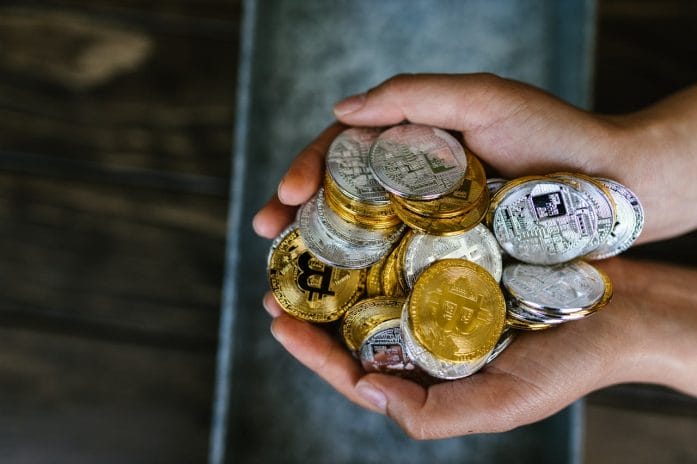
Here Are 7 Alternative Investments That Outperformed the S&P 500 in 2025

Image Source: Shutterstock.com

The stock market does not own every victory lap. While the S&P 500 delivered solid gains in 2025, a handful of alternative investments quietly ran faster, climbed higher, and reminded everyone that opportunity rarely sits in just one corner of the market. Investors who widened their lens beyond mega-cap U.S. equities discovered something powerful: diversification does more than reduce risk. It unlocks upside that traditional portfolios sometimes miss.

Here are seven alternative investments that outperformed the S&P 500 in 2025, along with the reasons behind their surge and what smart investors should take from each one.

1. Gold Reclaimed Its Crown

When inflation anxiety lingers and geopolitical tension rises, gold stops whispering and starts roaring. In 2025, gold prices climbed sharply, pushing past previous highs as central banks continued heavy buying and investors sought protection from currency volatility. Physical gold and gold-focused ETFs both delivered returns that exceeded the S&P 500’s performance.

Unlike growth stocks, gold does not rely on earnings reports or optimistic projections. It thrives on uncertainty. That dynamic fueled its run this year as interest rate cuts arrived slower than many expected and global debt levels continued to expand. Investors looking for ballast in a portfolio found that gold did more than stabilize—it generated meaningful gains. Anyone considering gold should think strategically. Physical bullion, ETFs, and mining stocks each carry different risks and rewards. A small allocation can provide balance without overwhelming growth potential.

2. Private Credit Stepped Into the Spotlight

Banks pulled back on certain types of lending over the past two years, and private credit funds stepped forward. In 2025, many private credit strategies delivered double-digit returns, fueled by higher interest rates and strong demand from mid-sized companies seeking flexible financing.

Unlike public bonds, private credit investments often feature floating rates and negotiated terms that protect lenders when rates remain elevated. That structure allowed private credit funds to generate attractive income while equity markets navigated periodic turbulence. Access remains limited to accredited investors in many cases, but interval funds and publicly traded vehicles have expanded opportunities. Anyone exploring this space should examine fee structures, default rates, and manager track records before committing capital.

3. Energy Infrastructure Quietly Generated Big Gains

Pipelines, storage facilities, and energy transport networks rarely make headlines, yet they generate reliable cash flow. In 2025, energy infrastructure investments benefited from stable demand, disciplined capital spending, and attractive dividend yields. Many master limited partnerships and infrastructure-focused funds outperformed the broader equity market.

Unlike exploration and production companies, infrastructure operators earn revenue based on volume and long-term contracts rather than commodity price swings alone. That stability supported both income and capital appreciation. Investors who want exposure should evaluate tax implications, especially with MLPs, and compare them with infrastructure ETFs that simplify reporting. The appeal lies in steady income paired with growth potential when energy demand remains resilient.

Here Are 7 Alternative Investments That Outperformed the S&P 500 in 2025

Image Source: Unsplash.com

4. Commodities Rode the Supply Tightrope

Industrial metals and agricultural commodities gained momentum in 2025 as supply constraints collided with steady global demand. Copper, often viewed as a barometer for economic activity, rallied on expectations of infrastructure investment and electrification trends. Broader commodity indexes delivered returns that surpassed the S&P 500.

Commodities respond quickly to real-world pressures. Weather disruptions, mining bottlenecks, and geopolitical developments can push prices sharply higher. That volatility cuts both ways, but disciplined exposure through diversified commodity ETFs helped investors capture gains while limiting single-asset risk. Investors should approach commodities as tactical tools rather than permanent core holdings. Allocations often work best when tied to macroeconomic views or inflation hedging strategies.

5. Emerging Market Equities Regained Momentum

After several years of underperformance relative to U.S. stocks, emerging market equities staged a comeback in 2025. Countries with improving fiscal discipline and favorable demographic trends attracted fresh capital. Currency stabilization in key regions also supported returns when translated back into U.S. dollars.

While the S&P 500 concentrates heavily in a handful of mega-cap technology companies, emerging markets offer broader exposure to manufacturing, natural resources, and consumer growth stories. That diversification paid off as valuations started from lower levels and earnings growth surprised to the upside. Investors should remain selective. Political risk and currency fluctuations can shift outcomes quickly. Broad ETFs reduce single-country exposure, while targeted funds allow more precise positioning for those who follow regional trends closely.

6. Real Estate Investment Trusts Found Their Footing

Rising interest rates pressured real estate in prior years, but 2025 brought stabilization and selective strength. Certain Real Estate Investment Trusts, particularly those focused on data centers, industrial logistics, and healthcare facilities, generated returns that beat the S&P 500. Lower rate volatility improved financing conditions and boosted investor confidence in income-producing properties. Meanwhile, demand for data storage and e-commerce infrastructure continued to expand, lifting occupancy rates and rental income.

Investors should focus on sector-specific REITs rather than broad exposure alone. Balance sheets matter. Debt maturity schedules and tenant quality can determine whether a REIT thrives or struggles when economic conditions shift.

7. Art and Collectibles Attracted Serious Capital

High-net-worth investors continued pouring money into fine art, rare watches, and collectible assets in 2025. Auction results for blue-chip artists and limited-edition pieces reached impressive levels, and fractional ownership platforms widened access to this once-exclusive market.

Unlike stocks, collectibles operate on scarcity and cultural relevance. When global wealth expands, demand for tangible status assets often rises alongside it. That dynamic pushed select segments of the art and collectibles market to outperform traditional equities. Liquidity remains limited, and pricing transparency varies. Investors interested in this space should treat it as a long-term allocation and verify authenticity, storage conditions, and insurance coverage before committing funds.

Infrastructure Funds Built Long-Term Wealth

Beyond energy pipelines, broader infrastructure investments gained traction in 2025. Funds focused on transportation networks, renewable energy projects, and utility assets delivered strong, stable returns. Governments and private investors continued financing large-scale projects tied to modernization and energy transition goals.

Infrastructure investments combine income generation with inflation-linked revenue streams in many cases. Toll roads, airports, and renewable facilities often operate under long-term agreements that adjust pricing over time. That structure provided resilience while equities faced valuation concerns.

Publicly traded infrastructure ETFs offer liquidity, while private funds provide access to specific projects. Investors should align choices with time horizons and income needs.

The Bigger Lesson Hiding in Plain Sight

The S&P 500 still commands attention, and it deserves respect as a long-term wealth engine. Yet 2025 delivered a clear message: opportunity expands when portfolios stretch beyond familiar territory. Gold thrived on uncertainty. Private credit monetized higher rates. Infrastructure and commodities responded to real-world demand.

No single asset class dominates every year. Markets rotate. Leadership shifts. Investors who stay flexible, diversify thoughtfully, and evaluate risk with clear eyes position themselves to capture those rotations rather than chase them late.

Which of these alternatives deserves a closer look in your next portfolio adjustment? Let’s talk investing in the comments below.

You May Also Like…

Can You Trust AI With Your Taxes and Investments? 8 Risks No One Explains

9 Investing Assumptions That Fail When Markets Stay Flat for Years

7 Questions Investors Wish They’d Asked Before Hiring an Advisor

5 Reasons Why You Should Invest in a New Garage Door

8 Bold Strategies for Investing During Periods of High Inflation

Brandon Marcus
Brandon Marcus

Brandon Marcus is a writer who has been sharing the written word since a very young age. His interests include sports, history, pop culture, and so much more. When he isn’t writing, he spends his time jogging, drinking coffee, or attempting to read a long book he may never complete.

Filed Under: Investing Tagged With: 2025 investing trends, alternative investments, bitcoin, commodities, Emerging markets, gold, Infrastructure, Planning, portfolio diversification, private credit, REITs, S&P 500

11 Cryptocurrencies Your Advisor Doesn’t Want You Researching Alone

December 5, 2025 by Brandon Marcus Leave a Comment

There Are Certain Cryptocurrencies Your Advisor Doesn't Want You Researching Alone

Image Source: Shutterstock.com

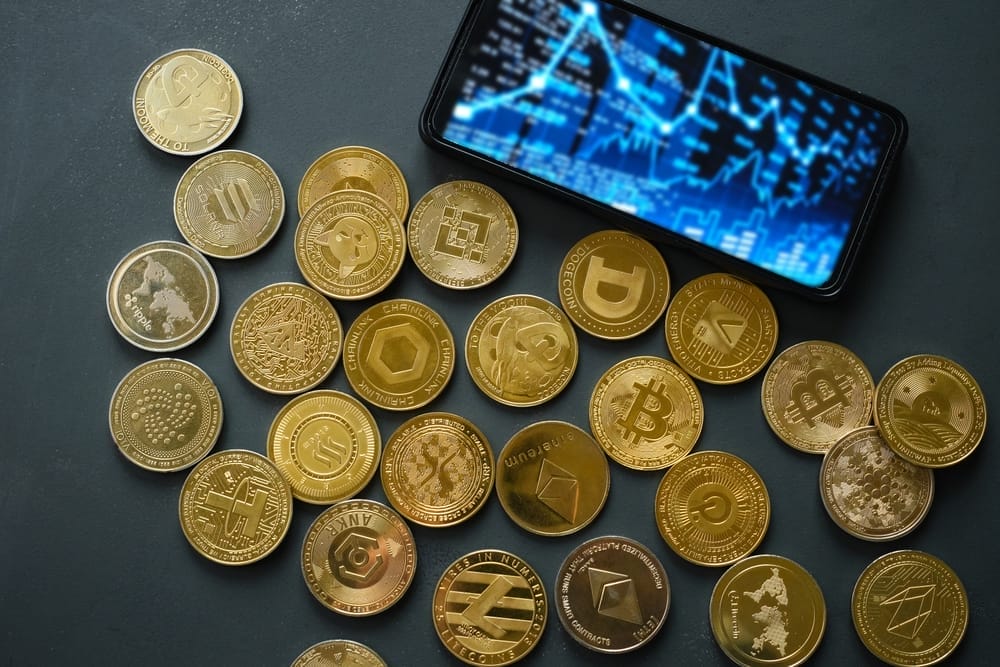
There’s no doubt that it’s thrilling to scroll through the world of cryptocurrencies—like you’ve stumbled into a digital Wild West filled with glittering promises, confusing jargon, and enough volatility to give even the bravest investor heart palpitations. Advisors often prefer you stick to the “safe and simple stuff,” but let’s be honest: the lesser-known corners of crypto are where the real intrigue lives. Some coins come with bold missions, wild communities, or technology that feels like it was smuggled out of the future. Other coins? Well, they’re the financial equivalent of petting a tiger because it “looks friendly.”

Whether you’re exploring out of curiosity or hunting for the next big story to tell at brunch, these are the cryptos you’ll want to handle with both fascination and caution.

1. Bitcoin Cash

Bitcoin Cash often sparks debates that sound more like family drama than finance because it was born from a major ideological split in the original Bitcoin community. Supporters swear it’s the truer version of what Bitcoin was meant to be, thanks to its faster transaction speeds. Critics argue it’s living perpetually in Bitcoin’s shadow, struggling to form its own identity. That tension alone makes it a fascinating coin to dig into, but it also means you need to understand the history behind the split to make sense of it. Advisors know this rabbit hole is deep, emotional, and fiercely opinionated.

There Are Certain Cryptocurrencies Your Advisor Doesn't Want You Researching Alone

Image Source: Shutterstock.com

2. Cardano

Cardano has a loyal fanbase that treats its roadmap like it belongs in a museum display, complete with phases named after famous poets and computer scientists. This coin prides itself on academic rigor, meaning upgrades take time, research, and more peer review than most college dissertations. Investors are drawn to its slow-and-steady vibe, which contrasts sharply with the “move fast and break things” energy of other cryptos. But that careful pace can frustrate newcomers who want flashier action or quicker news cycles. Your advisor probably knows you’ll lose a weekend watching Cardano explainer videos without coming up for air.

3. Solana

Solana is fast—so fast that people joke it’s trying to win a race no one else signed up for. Its ability to process an enormous number of transactions quickly made it a darling in the crypto world almost overnight. But its history also includes a handful of network outages that critics love to bring up at every opportunity. Fans argue that these hiccups are expected when building something this futuristic, while skeptics insist reliability trumps speed. One deep dive into its community arguments, and you’ll understand why your advisor stays neutral.

4. Polkadot

Polkadot isn’t just a cryptocurrency—it’s an entire concept about connecting blockchains into one big harmonious universe. The vision is ambitious enough to make even veteran developers squint with both admiration and caution. Its “parachain” system is complex, brilliant, and occasionally overwhelming to newcomers who simply wanted to know what the logo meant. But learning how Polkadot works is like learning how your favorite gadgets communicate behind the scenes—it’s mesmerizing if you’re patient. Advisors know the complexity can lead curious minds down a vortex of endless reading.

5. Avalanche

Avalanche bursts onto conversations whenever people talk about speed, scalability, or creative blockchain applications. It’s a chain that prides itself on doing everything efficiently, from running decentralized apps to enabling custom blockchains. Some enthusiasts view it as the infrastructure of the future, while others wonder if it’s trying to do too much at once. That blend of innovation and uncertainty attracts the boldest explorers. Your advisor knows it’s tempting to believe Avalanche is the future—and equally easy to get overwhelmed by its possibilities.

6. Chainlink

Chainlink isn’t flashy, but it is essential—it’s the quiet genius enabling blockchains to talk to the outside world through what’s known as oracles. Some people call it the plumbing of the crypto industry, but not in a boring way; it’s the kind of plumbing that makes skyscrapers possible. Because it solves such a specific problem, Chainlink has become a favorite among developers and early adopters. However, its usefulness is hard to grasp until you understand what smart contracts can’t do alone. Advisors know this coin inspires late-night Googling sessions that lead to more questions than answers.

7. VeChain

VeChain’s mission is all about supply chains, authenticity, and getting companies to track items in ways that prevent fraud. Heartwarming? Yes. Simple? Not even a little. The moment you dive into how it partners with businesses, tracks goods, and manages data, you realize it’s a lot bigger than it seems. Its long-term potential is interesting, but its real-world applications make the research surprisingly dense. Advisors know that once you start looking at VeChain use cases, you might start checking the legitimacy of your groceries for fun.

8. Algorand

Algorand’s entire identity revolves around elegant, eco-friendly solutions and fast, reliable transactions. It has a founder with serious academic credibility, which automatically raises the stakes for what the coin promises. The technology is genuinely impressive, and its commitment to efficiency has earned it a reputation as a “next-gen” blockchain. But because it tries to solve so many issues at once, understanding it requires more than casual curiosity. Advisors know that people researching Algorand often emerge more excited—but also mildly overwhelmed.

9. Tezos

Tezos is that coin with a cult following and a brainy spirit, built around the idea of self-upgrading technology. It’s designed to evolve without causing massive disruptions, which is a brilliant concept—but also a complicated one to grasp fully. Its governance model fascinates people who love the idea of community-driven innovation. But diving into its voting systems, upgrades, and proposals can feel like getting a backstage pass to blockchain politics. Advisors know that Tezos research tends to escalate quickly into passionate debates.

10. Stellar

Stellar’s focus on fast, inexpensive global transactions sounds simple on the surface, but the ecosystem is surprisingly layered. It aims to connect financial institutions, individuals, and cross-border partners in ways that feel almost futuristic. Some people see it as the bridge between old-school finance and blockchain tech. Others view it as a competitor to traditional remittance services. Advisors know you might go looking for basic info and end up researching international banking systems at midnight.

11. Filecoin

Filecoin’s mission sounds like science fiction: decentralized data storage where anyone can rent out space on their computer. It challenges the way we think about cloud services and digital information security. Because it’s built on incentives and a massive network, the technology behind it is both thrilling and complex. It’s the kind of crypto that sparks curiosity, especially among tech enthusiasts. Advisors know Filecoin inspires big ideas—but those ideas can turn into deep dives that last far longer than planned.

Research Carefully, Explore Boldly

Each of these cryptocurrencies carries its own mix of innovation, hype, complexity, and potential—but also risks that deserve careful attention. Your advisor may prefer you stick to familiar names, but curiosity is part of what makes crypto fascinating. The key is to explore with a clear head, plenty of patience, and a willingness to learn more than you planned.

If you’ve researched any of these or have stories, thoughts, or warnings from your crypto adventures, drop them in the comments below and share your journey. You never know who your insights might help.

You May Also Like…

Why Do Some Advisors Refuse to Talk About Cryptocurrency

7 Crypto ATM Tactics That Leave Seniors Vulnerable

Is a Crypto Crash Coming in 2025?

What Are the Top Cryptocurrencies in 2024, And Why

9 Money Questions People Are Embarrassed to Ask (But Should)


Brandon Marcus
Brandon Marcus

Brandon Marcus is a writer who has been sharing the written word since a very young age. His interests include sports, history, pop culture, and so much more. When he isn’t writing, he spends his time jogging, drinking coffee, or attempting to read a long book he may never complete.
Filed Under: Investing Tagged With: Algorand, Avalance, bad investments, bitcoin, Cardano, Chainlink, crypto, cryptocurrencies, cryptocurrency, cryptocurrency research, financial advice, financial advisor, investing, investing choices, Polkadot, Solana, Tezos, VeChain

Is a Crypto Crash Coming in 2025?

January 24, 2025 by Latrice Perez Leave a Comment

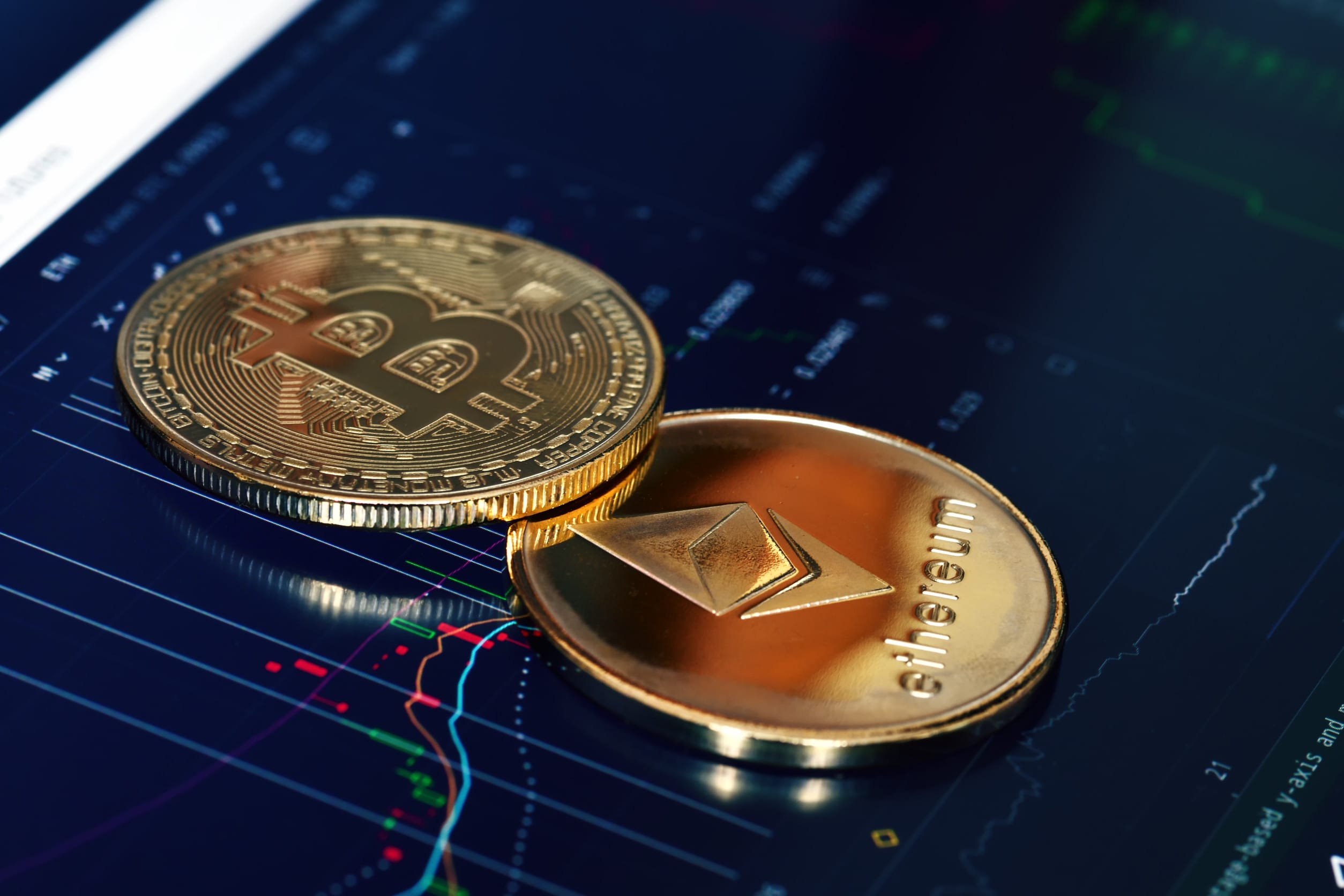
Bitcoin. Crypto currency Bitcoin, BTC, Bit Coin. Bitcoin and Ethereum golden coins on a chart. Blockchain technology, bitcoin mining concept

Image Source: 123rf.com

The cryptocurrency market is as unpredictable as ever, leaving investors wondering what lies ahead in 2025. With massive price swings and increasing regulation, crypto enthusiasts are on edge. While past market trends have taught us that volatility is part of the game, the possibility of a major crash can’t be ignored. Some experts believe the market may face a significant downturn, while others predict further adoption and growth. Let’s break down the factors that could lead to a crypto crash in 2025 and what it means for investors.

1. The Role of Regulation in Market Stability

One of the biggest factors influencing a potential crypto crash in 2025 is regulation. Governments around the world are ramping up efforts to control cryptocurrency markets, with some considering outright bans on certain activities like crypto mining or trading. Increased oversight may lead to panic selling, causing a sharp decline in prices. On the flip side, regulation could also stabilize the market, attracting more institutional investors. Whether regulation acts as a stabilizer or a disruptor largely depends on how governments approach the industry.

2. Macroeconomic Factors at Play

Global economic conditions could play a major role in triggering a crypto crash. High inflation, rising interest rates, and economic uncertainty often push investors away from riskier assets like cryptocurrencies. In times of financial instability, people may turn to traditional assets like gold or bonds. Additionally, a global recession could further strain crypto investments as retail investors tighten their budgets. Keeping an eye on economic trends can help investors prepare for potential market turbulence.

3. The End of the Hype Cycle?

Every market experiences a hype cycle, and cryptocurrencies are no exception. After the meteoric rise of Bitcoin and altcoins over the past few years, some analysts believe the hype may be wearing off. A decline in investor enthusiasm could lead to slower adoption and a drop in trading volumes. This reduced activity might trigger a price correction, especially for overvalued projects with little real-world use. To avoid losses, investors should focus on coins with strong fundamentals and long-term potential.

4. The Impact of Market Manipulation

Golden Bitcoins. New virtual money.

Image Source: 123rf.com

Cryptocurrency markets are still relatively young and lack the oversight seen in traditional financial markets, making them vulnerable to manipulation. Whales—investors holding large amounts of cryptocurrency—can significantly influence prices by dumping or pumping assets. Sudden price movements caused by manipulation could erode investor confidence, leading to a broader market crash. Understanding the risks of manipulation is crucial for anyone investing in crypto.

5. What Can Investors Do to Prepare?

While it’s impossible to predict a crypto crash with certainty, there are steps investors can take to minimize risks. Diversifying your portfolio across different asset classes can reduce the impact of a market downturn. It’s also wise to only invest what you can afford to lose, as crypto remains a highly speculative market. Staying informed about market trends and regulatory developments can help you make more strategic decisions. Finally, consider holding assets with strong use cases and long-term growth potential.

Do you think a crypto crash is looming in 2025, or will the market defy expectations once again? Share your thoughts in the comments below.

Read More:

  • What Are the Top Cryptocurrencies in 2024, And Why
  • Unlocking Financial Freedom: 5 Reasons to Choose Crypto Visa Cards
Latrice Perez

Latrice is a dedicated professional with a rich background in social work, complemented by an Associate Degree in the field. Her journey has been uniquely shaped by the rewarding experience of being a stay-at-home mom to her two children, aged 13 and 5. This role has not only been a testament to her commitment to family but has also provided her with invaluable life lessons and insights.

As a mother, Latrice has embraced the opportunity to educate her children on essential life skills, with a special focus on financial literacy, the nuances of life, and the importance of inner peace.

Filed Under: Investing Tagged With: 2025 crypto predictions, bitcoin, crypto crash, crypto investing, crypto regulation, cryptocurrency market, financial trends, market volatility

These 11 Things Were Once Thought of as Stupid, But Are Now Highly Respected

May 28, 2024 by Stephen Kanaval Leave a Comment

These 11 Things Were Once Thought of as Stupid, But Are Now Highly Respected

via 123rf.com

History is full of surprising turns, where ideas once dismissed as foolish later gained immense respect and recognition. Here are eleven such instances that have seen a remarkable transformation in public perception.

1. Electric Cars

Electric vehicle

via 123rf.com

Electric cars were initially mocked for their limited range and sluggish speed. Early adopters faced ridicule for their commitment to what many saw as an impractical technology. Fast forward to today, and electric vehicles (EVs) are at the forefront of the automotive industry.

Innovations by companies like Tesla have made EVs not only viable but also desirable, boasting impressive performance and range. Governments worldwide are now promoting EVs as a critical component in combating climate change. The shift in perception from impractical to essential is nothing short of remarkable.

2. Yoga and Meditation

Yoga woman

via 123rf.com

Once considered fringe practices associated with hippies and alternative lifestyles, yoga and meditation have now entered the mainstream. Initially met with skepticism and even derision, these practices are now widely recognized for their substantial health benefits. Medical studies have validated the positive impacts of yoga and meditation on mental and physical health. In fact, yoga is expected to grow into more than a $100 billion industry by 2030, according to Grandview Research.

Major corporations offer meditation sessions and yoga classes to employees as part of wellness programs. The acceptance and respect these practices have garnered underscore a significant cultural shift toward holistic health.

3. Organic Farming

Organic farming better

via 123rf.com

Organic farming was once viewed as an inefficient and nostalgic return to pre-industrial agriculture. Critics argued it could never meet the demands of modern society. However, as concerns about sustainability and food safety grew, organic farming gained newfound respect.

Consumers are now willing to pay a premium for organic produce, recognizing its benefits for health and the environment. Supermarkets have expanded their organic sections, and farmers’ markets have flourished, reflecting the broad acceptance and admiration for organic farming methods.

4. Video Gaming

Video games

via 123rf.com

Video gaming, often dismissed as a trivial pastime for kids, has evolved into a respected and profitable industry. Initially criticized for promoting laziness and antisocial behavior, video games are now recognized for their potential in education, social connection, and even professional careers.

Esports has grown into a multi-billion-dollar industry, with professional gamers earning substantial incomes and attracting massive audiences. Educational games are used in schools to enhance learning, demonstrating the medium’s versatility and value.

5. Cryptocurrency

Cryptocurrency

via 123rf.com

When Bitcoin was introduced, it was widely dismissed as a fad or a tool for illicit activities. Early investors were often labeled as reckless gamblers. Today, cryptocurrency has gained significant traction and legitimacy. Major financial institutions are investing in blockchain technology, and countries are exploring digital currencies.

Cryptocurrencies are now seen as a revolutionary development in the financial sector, offering new opportunities for investment and innovation. This is evident by both Bitcoin and Ethereum ETFs being approved in 2024. The journey from a niche interest to a respected financial instrument is a testament to the transformative power of technology.

6. Telecommuting

Remote work

via 123rf.com

The concept of working from home was once ridiculed as unproductive and unprofessional. Many employers believed that employees could not be trusted to work without direct supervision. The COVID-19 pandemic, however, forced a reevaluation of telecommuting.

Remote work has now become a standard practice, praised for its flexibility and potential to improve work-life balance. Companies have reported maintaining or even increasing productivity, leading to a permanent shift in workplace culture. Telecommuting is now regarded as a viable and often preferred work arrangement.

7. Mental Health Awareness

Mental health

via 123rf.com

Discussions around mental health were once taboo, and seeking help was often stigmatized. People suffering from mental health issues were frequently misunderstood and marginalized. Over the past few decades, there has been a significant shift in how mental health is perceived. Awareness campaigns and public figures speaking out have played crucial roles in normalizing these discussions.

Today, mental health is recognized as a critical aspect of overall well-being, with increased access to resources and support. The transformation in societal attitudes towards mental health is profound and ongoing.

8. Sustainable Fashion

No fast fashion

via 123rf.com

Eco-friendly fashion was once considered a niche market, with garments perceived as unattractive and expensive. Critics doubted its potential to influence mainstream fashion. However, as environmental concerns have taken center stage, sustainable fashion has gained immense respect.

Leading fashion brands are now adopting sustainable practices, and consumers are increasingly demanding ethical products. The industry has seen innovations in materials and production methods, making sustainable fashion not only viable but also fashionable. The shift from skepticism to admiration highlights the growing importance of sustainability.

9. Social Media Influencer

social media influencer

via 123rf.com

Initially dismissed as fame-seekers with no real talent, social media influencers have proven their worth in the digital age. Critics doubted their ability to impact traditional marketing and advertising. Today, influencers are highly sought after for their ability to connect with audiences and drive consumer behavior. Brands collaborate with influencers to reach target demographics in authentic and engaging ways. The respect garnered by influencers underscores the evolving landscape of marketing and the power of digital presence.

10. Plant-Based Diets

plant based diets

via 123rf.com

Not too long ago, vegetarian and vegan diets were ridiculed and considered extreme. Critics argued that these diets were nutritionally inadequate and socially inconvenient. With growing awareness of the environmental and health benefits, plant-based diets have gained widespread acceptance and respect.

Restaurants and food manufacturers have responded by offering a variety of plant-based options. Scientific research supports the health benefits of these diets, and many athletes and celebrities advocate for them. The transformation in the perception of plant-based diets reflects broader shifts in dietary trends and environmental consciousness.

11. Online Education

Online education

via 123rf.com

Online education was initially seen as inferior to traditional classroom learning. Skeptics questioned the effectiveness and credibility of online degrees. However, technological advancements and the COVID-19 pandemic have revolutionized online education. Virtual learning platforms now offer high-quality, accessible education to millions worldwide.

Prestigious universities provide online courses, and employers increasingly recognize online qualifications. The respect for online education has grown as it demonstrates its ability to adapt to changing educational needs and circumstances.

Embracing Change

Embracing Change

via 123rf.com

As you can see, what was once considered foolish or impractical can evolve into something highly respected and integral to our lives. Embracing change and being open to new ideas can lead to remarkable advancements and shifts in societal values. If you found this article insightful, share it with others and explore how these changes can impact your life. Stay curious, and don’t dismiss new ideas too quickly, they might just be the next big thing.

Stephen Kanaval
Stephen Kanaval

Stephen began his career as a Research Assistant at a reputable middle-market private equity firm, where he honed his skills in market research, financial analysis, and identifying investment opportunities. He then transitioned to full-time financial writing focusing on small-cap biotech innovation and digital payment solutions. Today, Stephen is a value-based retail investor and novice baseball statistician.

Filed Under: Trends Tagged With: bitcoin, Electric Vehicles, Internet, trends

The FED, The Dollar, and Opportunities

January 13, 2021 by Jacob Sensiba Leave a Comment

My post for today was supposed to be a personal reflection, but in lieu of that, I’m going to lay out my thoughts on the market and the economy. Which includes the FED, the dollar, and inflation. In addition to that, I want to explain where I see risks and opportunities right now.

The dollar

We can expect the Federal Reserve to continue an accommodative monetary policy. They will invest in the fixed income market and they’ll resume the low-interest-rate stance.

If they continue this response to the Covid crisis, the dollar should go down in value. There are some risks and opportunities that arise if that happens.

Gold and cryptocurrencies should increase in value. A devaluing in the dollar is, normally, the right landscape for “alternative currencies” to do well.

International securities, especially emerging markets, do well when the value is priced lower. A large majority of international transactions take place using the USD. The value of their home currency goes up in relation to the USD.

The technology sector also has a negative correlation to a falling dollar. When the dollar goes down, that sector tends to outperform.

If the dollar, indeed, goes down look at these areas for possible investment opportunities.

The FED

As I mentioned earlier, the FED will continue to create an accommodative environment for the economy…until they don’t.

At some point, the recovery will gain momentum. GDP will go up and the population will gain confidence in that recovery. At this juncture, inflation will pop onto people’s radars.

If inflation runs too hot, the FED could possibly stop, or reduce, QE. They could halt the bond-buying program and they could raise rates. If that happens, keep your eyes out for a pullback.

We saw this happen at the end of 2018. The FED started raising rates until they went too far, and we had a 20%-25% decline in Q4. Then they reversed course and began easing again. We had a run-up in the market until March of 2020 when Covid hit.

Long term

I believe tech and healthcare will be the two sectors to watch over the next decade or more. With technology getting more advanced every day, investment opportunities will present themselves in these two areas.

Green energy, especially with the incoming administration, is also an industry with big potential. Technology will play a large role in the advancement of renewable energy.

My biggest concern

And I’ll preface this by saying I’m concerned because I truly don’t know the implications of it. MMT looks as likely as ever at this point.

The favorable stance by the FED plus the democratic party holding the House, the Senate, and the Presidency leads me to believe printing money is going to pop off.

An aggressive agenda to provide relief for Americans struggling because of Covid, a push for expanded Medicare/Medicaid benefits, possible student debt relief, as well as other initiatives.

It appears that reducing the national debt is not a concern. To be fair, it wasn’t a concern for the Trump administration either.

The bill comes due for everyone, and if other countries (namely China) are no longer buying US Treasuries like they were, I do not know how we can fund policies, branches, or even service the existing debt. Only time will tell.

Conclusion

I will close by saying that these are my opinions. Granted, I do a lot of research to come to these conclusions, but what I said above are still my thoughts and not foregone conclusions. Do your own research.

Related reading:

How to Beat Inflation with Investment

What Makes Gold so Valuable


**Securities offered through Securities America, Inc., Member FINRA/SIPC. Advisory services offered through Securities America Advisors, Inc. Securities America and its representatives do not provide tax or legal advice; therefore, it is important to coordinate with your tax or legal advisor regarding your specific situation. Please see the website for full disclosures: www.crgfinancialservices.com

Jacob Sensiba
Jacob Sensiba

Jacob Sensible is a financial advisor with decades of experience in the financial planning industry.  His journey into finance began out of necessity, stepping up to support his grandfather during a health crisis. This period not only grounded him in the essentials of stock analysis, investment strategies, and the critical roles of insurance and trusts in asset preservation but also instilled a comprehensive understanding of financial markets and wealth management.  Jacob can be reached at: jake.sensiba@mygfpartner.com.

mygfpartner.com/jacob-sensiba-wisconsin-financial-advisor/

Filed Under: Investing, money management, Personal Finance, risk management, successful investing Tagged With: bitcoin, dollar, Emerging markets, FED, federal reserve, gold, Investment, investment opportunities, USD

FOLLOW US

Search this site:

Recent Posts

  • Can My Savings Account Affect My Financial Aid? by Tamila McDonald
  • 12 Ways Gen X’s Views Clash with Millennials… by Tamila McDonald
  • What Advantages and Disadvantages Are There To… by Jacob Sensiba
  • 10 Tactics for Building an Emergency Fund from Scratch by Vanessa Bermudez
  • Call 911: Go To the Emergency Room Immediately If… by Stephen Kanaval
  • 7 Weird Things You Can Sell Online by Tamila McDonald
  • 10 Scary Facts About DriveTime by Tamila McDonald

Copyright © 2026 · News Pro Theme on Genesis Framework