• Home
  • About Us
  • Toolkit
  • Getting Finances Done
    • Hiring Advisors
    • Debt Management
    • Spending Plan
  • Insurance
    • Life Insurance
    • Health Insurance
    • Disability Insurance
    • Homeowners/Renters Insurance
  • Contact Us
  • Privacy Policy
  • Risk Tolerance Quiz

The Free Financial Advisor

You are here: Home / Archives for Finance

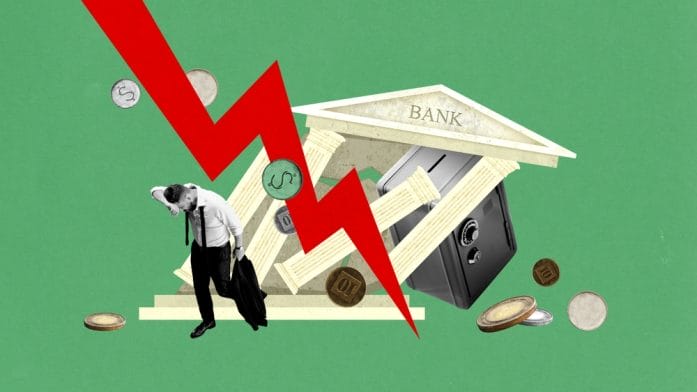
Why January 20th Is the ‘Red Line’ for Your 2026 Financial Stability

January 18, 2026 by Brandon Marcus Leave a Comment

Why January 20th Is the 'Red Line' for Your 2026 Financial Stability

Image source: shutterstock.com

If your bank account could talk, it would probably be whispering warnings about January 20th. This isn’t some arbitrary date plucked from the void—it’s a critical turning point for financial decision-making that can either set you up for a smooth year or trap you in a web of preventable setbacks.

Think of it as a checkpoint where procrastination and poor planning can turn into real consequences faster than you can say “credit freeze.” The stakes are higher than most realize, and the clock is ticking. Understanding why this date matters and acting accordingly might just be the smartest move you make all year.

The End Of Post-Holiday Cushioning

By January 20th, most people have exhausted the financial buffer built during the holiday season. Credit card bills from gifts, travel, and festive splurges start landing in mailboxes and inboxes, and many don’t realize how quickly these balances can compound with interest. The post-holiday financial lull can disguise looming trouble, especially for those who used short-term loans or credit cards as temporary relief.

Being proactive before this date means assessing what’s really owed versus what’s manageable, setting a plan to avoid carrying high-interest balances, and resisting the temptation to “catch up” with more debt. If left unchecked, January 20th can feel like stepping off a cliff, except the ground is made of interest rates, fees, and late charges. Preparing now gives you breathing room, instead of a scramble to make ends meet in late January.

Tax Deadlines And The Early-Year Crunch

January 20th also falls at a critical point in the tax cycle. Many taxpayers begin seeing forms like W-2s, 1099s, and preliminary interest statements arrive right around this time. Missing the opportunity to organize documents, check deductions, or even estimate tax liabilities can create a domino effect of stress and financial strain. For self-employed individuals, freelancers, or those with variable income, this date signals the moment when financial projections for 2026 become urgent.

Why January 20th Is the 'Red Line' for Your 2026 Financial Stability

Image source: shutterstock.com

The earlier you review your tax situation, the better positioned you are to adjust withholding, make quarterly payments, or capitalize on deductions that can ease the burden later. Ignoring this timing doesn’t make the numbers go away—it only makes January 20th the day you realize you could have avoided an unnecessary headache.

Investment Decisions Need An Early-Year Lens

Financial advisors often stress the importance of early-year planning for investments, and January 20th serves as a key benchmark for decision-making. Markets react to policy announcements, interest rate changes, and corporate earnings projections, all of which can shift rapidly in the first few weeks of the year. By this date, patterns start emerging that inform your investment strategy for the months ahead. Delaying action until February or March could mean missed opportunities or entering positions when market conditions are less favorable. Whether it’s rebalancing a portfolio, adjusting retirement contributions, or reconsidering risk tolerance, January 20th is when the first real course corrections should happen to avoid costly missteps.

Personal Budgets Face Their First Real Test

The start of the year brings optimism, resolutions, and ambitious budgeting plans—but by January 20th, reality often hits. Bills, subscriptions, mortgage payments, and everyday expenses begin to accumulate, revealing whether your budget was aspirational or actually achievable. This is the moment to confront overspending, revisit discretionary categories, and make adjustments before habits become entrenched. Those who procrastinate might find themselves dipping into emergency savings or falling behind on bills, turning a minor inconvenience into a long-term financial challenge.

Approaching January 20th with a clear, realistic view of your cash flow can prevent small missteps from snowballing into full-blown crises.

Debt Management Must Take Priority

If debt management isn’t already a focus, January 20th is a wake-up call. Credit cards, personal loans, and other financial obligations can accumulate silently, with interest quietly chipping away at your available funds. Ignoring this date can result in missed minimum payments, higher interest accrual, and even damage to your credit score. A proactive approach includes reviewing all outstanding debts, prioritizing high-interest accounts, and considering strategies like consolidation or refinancing if necessary. By taking action before the red line of January 20th, you can transform a reactive, stressful financial situation into a structured, controlled plan that sets the stage for a more stable year.

Emergency Funds Should Be Evaluated Now

Finally, January 20th is the perfect checkpoint for your emergency fund. Unexpected expenses—a car repair, medical bill, or home maintenance—can derail financial stability if you’re unprepared. Assessing your savings, ensuring accessibility, and replenishing any shortfalls should be non-negotiable tasks before this date passes. An underfunded emergency cushion can turn minor inconveniences into significant disruptions. Planning for emergencies ahead of the curve isn’t just wise—it’s essential for maintaining momentum in your broader financial goals.

Take Action Before The Red Line

January 20th is more than a date—it’s a marker for proactive financial behavior. It signals the point where post-holiday recovery, tax considerations, budget testing, debt management, and investment strategy all intersect. Ignoring this date can magnify small missteps into larger financial problems. Meanwhile, acting beforehand sets you up for a smoother, more controlled year. Use it as a milestone to assess your overall financial health, make adjustments, and ensure your 2026 goals stay on track.

Have a personal experience or strategy that helped you navigate this crucial day? Leave your thoughts and stories in the comments below, because your insights might help someone else steer clear of pitfalls.

You May Also Like…

10 Financial Wake-Up Calls People Experience After Age 55

Income Stability: 6 Retirement Income Moves That Aren’t as Safe as They Seem

Savings Base: 6 Foundational Moves That Keep Retirement Plans Stable

Why Does Financial Anxiety Show Up Even When Bills Are Paid

8 Budget Fixes That Instantly Turn Finances Around

Brandon Marcus
Brandon Marcus

Brandon Marcus is a writer who has been sharing the written word since a very young age. His interests include sports, history, pop culture, and so much more. When he isn’t writing, he spends his time jogging, drinking coffee, or attempting to read a long book he may never complete.


Filed Under: Finance Tagged With: bank account, banking, Budget, budgeting, Debt, Debt Management, eliminating debt, end of year spending, finance, finances, Financial Stability, general finances, investing choices, investing decisions, investments, January, overspending, Pay Off Debt, personal budget, savings account, Smart Spending, spending, tax deadlines

10 Financial Wake-Up Calls People Experience After Age 55

January 13, 2026 by Brandon Marcus Leave a Comment

These Are 10 Financial Wake-Up Calls People Experience After Age 55

Image Source: Shutterstock.com

Turning 55 can feel like stepping onto a financial rollercoaster you didn’t exactly buy a ticket for. One minute, you’re comfortably cruising through your career, and the next, a cascade of bills, taxes, and retirement worries hits like a surprise drop. Life doesn’t hand out a manual at this age, but it does offer a series of wake-up calls that can either jolt you into action or leave you scrambling.

From unexpected medical expenses to realizing your retirement savings aren’t quite what you thought, these financial alarms are loud, unavoidable, and—if you pay attention—highly motivating.

1. Retirement Savings Suddenly Look Smaller Than You Remembered

It’s a jolt when you finally sit down and do the math. All those years of socking away money in 401(k)s, IRAs, and other accounts suddenly don’t stretch as far as you imagined. Inflation has quietly chipped away at your purchasing power, and market dips may have erased gains you thought were untouchable. Many people realize they need to either work longer, invest smarter, or tighten spending.

This isn’t a panic button moment; it’s a wake-up call to take control. Reviewing your savings strategies and adjusting contributions—even at this stage—can make a huge difference. The key is to confront the numbers head-on instead of hiding from them.

2. Health Costs Start to Take a Bigger Bite

Health insurance premiums, prescription costs, and specialist visits tend to rise sharply after 55. Even people who’ve been careful with their budgets can be caught off guard by the sheer scale of medical expenses. Preventive care and early screenings become non-negotiable, but they add up. Without a solid plan, a few unexpected procedures can throw off months of financial stability. Long-term care insurance or a robust health savings account (HSA) can help, but realizing these costs is a serious wake-up call for planning. Suddenly, the question shifts from “Can I afford a vacation?” to “Can I handle an emergency hospital stay?”

3. Social Security Decisions Feel Overwhelming

At some point after 55, Social Security creeps into conversations and planning. The decisions—when to start taking benefits, how it will impact taxes, and how it interacts with retirement savings—can be more complicated than expected. Many people underestimate the long-term effects of claiming early or delaying benefits. It’s a critical moment to study options and potentially speak with a financial advisor. Understanding how Social Security works now can prevent regrets later. For many, the realization hits: timing really is everything, and small decisions now can create a huge impact in retirement.

4. Debt Suddenly Feels Heavier

Debt that seemed manageable in your 40s or early 50s can feel like a mountain as you approach retirement. Mortgage balances, credit card debt, and lingering personal loans suddenly become stress points. The closer you get to retirement, the more urgent it is to minimize these obligations. Interest payments that once seemed tolerable can consume a large portion of your budget. Many people feel a mix of guilt and motivation as they face the reality of carrying debt into the next chapter of life. Aggressive debt reduction plans or refinancing can offer a sense of relief and control.

5. Housing Plans Become Pressing

Whether you’re thinking about downsizing, relocating, or aging in place, housing becomes a financial and emotional focus after 55. The cost of maintenance, property taxes, and potential renovations can take a bigger chunk out of your budget than expected. Many realize their dream retirement home might require more saving—or compromise—than they imagined. This wake-up call forces a reckoning: your living situation affects not just comfort but financial stability. Planning early allows you to explore options like reverse mortgages or equity strategies without panic. Home is more than walls; it’s a financial cornerstone.

6. Taxes Get More Complicated

As income streams diversify through investments, side businesses, or retirement distributions, taxes become less predictable. People over 55 often discover that they may owe more than expected, especially with withdrawals from retirement accounts. Capital gains, RMDs (required minimum distributions), and changes in tax law can create surprises. Ignoring taxes until April is a risky strategy now. Smart planning—deductible contributions, tax-efficient withdrawals, or professional guidance—becomes critical. It’s a wake-up call to stop procrastinating and understand the intricacies of your financial footprint.

7. Long-Term Care Planning Isn’t Optional

The reality of needing long-term care—whether at home or in a facility—becomes real after 55. The costs are staggering, often exceeding savings for many. Without planning, a sudden health crisis can wipe out decades of careful financial preparation. Long-term care insurance or creating a dedicated fund can mitigate this risk, but most people realize too late that they should have started sooner. It’s one of the clearest wake-up calls: your health and independence may depend on proactive financial moves. Preparing for the unexpected transforms fear into strategy.

These Are 10 Financial Wake-Up Calls People Experience After Age 55

Image Source: Shutterstock.com

8. Lifestyle Inflation Becomes More Noticeable

At 55, you may have reached peak earnings, but lifestyle inflation can be stealthy. Vacations, hobbies, and daily comforts that once felt reasonable now compete with retirement savings. It’s a wake-up call to examine discretionary spending with a sharper eye. Many people realize they’ve adjusted their spending upward alongside income, leaving less room for true financial security. Conscious budgeting and thoughtful choices can help preserve the life you want without derailing your future. It’s a subtle but significant alarm that money habits matter at every age.

9. Inheritance And Estate Planning Become Real

Suddenly, questions about wills, trusts, and estate planning feel urgent. Even if you’ve never thought about these details, turning 55 often triggers a deep awareness of legacy. Without proper planning, assets may not pass on according to your wishes, and loved ones could face unnecessary stress or tax burdens. It’s a wake-up call to organize documents, designate beneficiaries, and consider estate strategies. Addressing these issues proactively is empowering. It ensures that your financial journey includes not just personal security but also care for the people you love.

10. The Urgency Of Financial Education Hits Hard

Many people realize that their knowledge of investments, taxes, and retirement planning was patchy at best. Suddenly, you’re faced with decisions that have real consequences for decades ahead. This wake-up call is about empowerment: learning how money works now can drastically improve outcomes. Seminars, books, advisors, and courses are no longer optional—they’re essential. The earlier you embrace financial literacy, the more options you preserve. After 55, understanding the rules of money isn’t just smart—it’s critical to freedom and peace of mind.

Your Thoughts And Experiences

Financial wake-up calls after 55 can feel intimidating, but they’re also a chance to take control and make intentional choices. Each challenge—whether it’s retirement planning, health costs, or estate preparation—is an opportunity to reassess, adjust, and act strategically.

Have you encountered one of these wake-up calls? How did it change the way you approach money? Your reflections and experiences can provide insight for others navigating this exciting but complex stage of life.

Drop your thoughts in the comments below and let’s spark a conversation about smart financial moves after 55.

You May Also Like…

8 Home Upgrades Seniors Are Choosing Over Moving Into Facilities

Funding Gap: 8 Ways Rising College Costs Are Changing Mid-Life Financial Planning

Why Does Retirement Feel More Expensive Than People Planned For

How a Solid Estate Plan Can Protect Your Finances

12 Capital-Gains Surprises When You Sell the Family Home After 55


Brandon Marcus
Brandon Marcus

Brandon Marcus is a writer who has been sharing the written word since a very young age. His interests include sports, history, pop culture, and so much more. When he isn’t writing, he spends his time jogging, drinking coffee, or attempting to read a long book he may never complete.

Filed Under: Finance Tagged With: bad financial habits, Debt, debt payoff, finance, finances, financial choices, financial decisions, financial wake-up calls, general finance, health costs, healthcare, healthcare costs, housing, paying off debt, Planning, retire, retiree, retirees, Retirement, retirement savings, Social Security, taxes

Why Does Financial Anxiety Show Up Even When Bills Are Paid

January 12, 2026 by Brandon Marcus Leave a Comment

Why Does Financial Anxiety Show Up Even When Bills Are Paid

Image Source: Shutterstock.com

Your rent is covered, the lights are on, the credit card balance is behaving, and yet your chest still tightens when you open your banking app. Your stomach does a tiny flip when someone mentions inflation. You catch yourself running numbers in your head while brushing your teeth, even though the math already works. This isn’t a personal failure or a secret sign that you’re “bad with money.” It’s a deeply human reaction rooted in psychology, memory, culture, and the way our brains interpret safety.

Financial anxiety can feel ridiculous when everything looks fine on paper, which somehow makes it even louder. Let’s pull back the curtain and talk about why this stress shows up anyway, and why it makes perfect sense.

Your Brain Is Wired To Fear Uncertainty

The human brain loves predictability and absolutely panics at open-ended questions. Money, even when stable today, represents tomorrow, next month, and ten years from now, which is more than enough to set off mental alarms. Paying bills handles the present, but anxiety lives in the future, where outcomes feel blurry and uncontrollable. Evolution didn’t design our minds for long-term spreadsheets; it designed them to spot potential threats and react fast.

A single news headline, offhand comment, or unexpected expense can activate that threat system instantly. Once it’s on, logic struggles to compete with emotion, even if your checking account is calm. That’s why reassurance from numbers alone often feels thin when your brain is asking bigger, scarier questions about stability and survival.

Past Money Experiences Leave Emotional Residue

Financial anxiety doesn’t reset just because your circumstances improved. If you’ve lived through job loss, debt, family stress, or periods of scarcity, your nervous system remembers that instability vividly. Those memories sit quietly until something reminds them it could happen again. You might not consciously think about those moments, yet your body reacts as if it’s preparing for a repeat performance. Even people who grew up watching adults argue about money can internalize tension without realizing it. Paying bills now doesn’t erase the emotional imprint of earlier experiences. Instead, anxiety becomes a protective reflex, trying to prevent a return to those uncomfortable chapters.

Control Feels Different From Safety

Having enough money and feeling secure are not the same experience. Control is about knowing what’s happening right now, while safety is about trusting that you can handle whatever comes next. Many people manage their finances responsibly yet still feel unsafe because their sense of control feels fragile. One surprise expense can make everything seem wobbly, even if the savings account exists for that exact reason.

Anxiety often shows up when people believe one wrong move could unravel everything. This belief doesn’t mean it’s true; it means the margin for emotional comfort feels narrow. When safety hasn’t been fully internalized, control becomes exhausting to maintain.

Social Comparison Fuels Invisible Pressure

Money anxiety loves a comparison trap, especially in a world where financial success is constantly displayed. Social media highlights vacations, renovations, side hustles, and milestone purchases without context. Even if you’re doing well, someone else always appears to be doing better, faster, or with less effort. This creates a subtle feeling of falling behind, even when your own goals are being met.

Cultural messages about success, productivity, and wealth quietly raise the bar higher than necessary. Anxiety grows in the gap between what you have and what you think you should have by now. The result is stress that feels personal but is actually socially engineered.

Why Calm Does Not Automatically Arrive

Many people expect financial peace to arrive the moment bills are paid consistently, but calm doesn’t work like a light switch. Emotional regulation takes practice, not just progress. Your nervous system needs repeated evidence that stability lasts, not just a single month of success. Anxiety lingers because it’s trying to protect you, even if it’s overdoing the job.

Learning to trust your own resilience is often harder than learning to budget. Without that trust, peace keeps getting postponed to some imaginary future milestone. Calm arrives slowly, built through experience, reassurance, and self-compassion rather than perfect numbers.

Why Does Financial Anxiety Show Up Even When Bills Are Paid

Image Source: Shutterstock.com

Making Peace With Money Feelings

Financial anxiety isn’t a contradiction; it’s a signal asking for understanding rather than judgment. Paying bills proves responsibility, but emotional security asks for patience and gentleness with yourself. When anxiety shows up, it doesn’t mean something is wrong; it means your brain is trying to keep you safe using outdated information. Awareness is the first step toward changing that relationship. Over time, recognizing patterns and reframing fear can soften its grip.

If any part of this felt familiar, the comments section below is a great place to add your voice and reflect on what money stress has looked like in your own life.

You May Also Like…

11 Anxiety Triggers Caused By Living Paycheck-to-Paycheck Still

7 Reasons You’re More Prone to Anxiety in Your 40s (And How to Fix It)

10 Common Budgeting Mistakes That Create Constant Money Stress

Risk Exposure: 9 Stress Tests Every Soon-to-Retire Investor Should Run

10 Things That Instantly Reduce Anxiety and Overthinking


Brandon Marcus
Brandon Marcus

Brandon Marcus is a writer who has been sharing the written word since a very young age. His interests include sports, history, pop culture, and so much more. When he isn’t writing, he spends his time jogging, drinking coffee, or attempting to read a long book he may never complete.

Filed Under: Finance Tagged With: anxiety, bills, comparison, finance, finances, financial anxiety, financial chocies, financial stress, general finance, Money, money issues, paying bills, prepaying bills, social anxiety, spending, stress, utility bills

8 Financial Decisions That Feel Small but Add Up Quickly

January 11, 2026 by Brandon Marcus Leave a Comment

Here Are 8 Financial Decisions That Feel Small but Add Up Quickly

Image Source: Shutterstock.com

Money is a wild ride. Sometimes it feels like your dollars evaporate before you even notice, slipping through cracks you didn’t even know existed. What if I told you that tiny, seemingly harmless choices can snowball into serious financial impact faster than you think? From your daily coffee habit to subscription services you forgot you had, these small decisions can shape your wallet more than a sudden windfall or a big bonus ever could.

Time to talk about eight everyday financial moves that are way more powerful than they appear—and how being mindful can transform your cash life without feeling like a grind.

1. Skipping The Coffee Shop Run

Grabbing a latte might seem like a negligible part of your day, but let’s do the math. A $5 coffee every weekday adds up to $25 a week. That’s $100 a month, $1,200 a year, and enough to fund a mini vacation or a hefty chunk of your emergency fund. Brewing your own cup at home doesn’t just save money; it also gives you full control over what goes in your mug—goodbye mystery calories and questionable milk choices!

Beyond the financial boost, skipping that daily café run encourages a sense of mindfulness in other spending areas. Soon, you’ll notice small wins piling up, and your bank account will thank you. Your coffee habit can transform from an invisible drain into a tangible tool for building wealth.

2. Cutting Back On Subscriptions

Streaming services, fitness apps, magazine subscriptions—how many do you actually use? If you’re like most people, there are at least two you barely touch. At $10 to $15 each, the cost may feel minor, but when multiplied across multiple services, the numbers get serious. Evaluating subscriptions forces you to prioritize what you really value and stop paying for digital clutter.

Canceling unnecessary services isn’t just about saving money; it’s about reclaiming mental space too. And with auto-renewal traps everywhere, a little vigilance now prevents a lot of regret later. Your future self will appreciate a leaner, smarter subscription strategy that keeps more money in your pocket.

3. Opting For Generic Brands

Choosing store brands over name brands can seem trivial, but it quickly becomes a financial powerhouse. Grocery aisles are filled with premium-priced options, often indistinguishable from their generic counterparts. Making the switch for everyday items—from cereal to cleaning supplies—can save hundreds annually without sacrificing quality. This habit cultivates a mindset of smart spending instead of mindless brand loyalty.

Over time, it can extend to other areas, like electronics or personal care, turning you into a budget-savvy shopper. What feels like a tiny, inconsequential swap can become a significant contributor to long-term savings.

4. Bringing Lunch To Work

Dining out during the workweek might feel convenient, but the numbers tell a different story. Spending $12 to $15 per meal, five days a week, racks up to over $600 a year. Preparing lunch at home not only saves money but also allows for healthier, customized meals. Meal prepping on Sundays can turn a daunting weekday into a smooth, stress-free routine. Plus, it encourages creativity in the kitchen, making cooking feel less like a chore and more like a hobby. The cumulative savings from this single decision can fund investments, hobbies, or even a weekend getaway without breaking a sweat.

Here Are 8 Financial Decisions That Feel Small but Add Up Quickly

Image Source: Shutterstock.com

5. Avoiding Impulse Online Purchases

Online shopping is seductive; a few clicks and you’ve got a new gadget or trendy clothing piece in your cart. The problem? Those tiny impulses often slip under your radar until your bank statement arrives. Practicing pause-and-reflect habits, like waiting 24 hours before buying, drastically reduces unnecessary spending. Small discipline here compounds quickly over months, giving you significant discretionary funds. This strategy also makes you more intentional with your money, teaching you to prioritize value over fleeting satisfaction. Over time, this habit fosters a mindset of financial control and clarity that’s priceless.

6. Refinancing High-Interest Debt

Paying only the minimum on credit cards or loans might feel like you’re managing okay, but interest can quietly spiral out of control. Refinancing debt—even small amounts—into lower interest options can save thousands over time. This move doesn’t just reduce financial stress; it accelerates your path to debt freedom. It may require a bit of paperwork and research, but the payoff is monumental. Small, proactive choices like this compound silently but powerfully, showing that strategic action beats waiting for luck. Watching your debt shrink faster than expected is a major confidence boost, and it opens doors to more ambitious financial goals.

7. Automating Savings

Setting up automatic transfers to savings might feel inconsequential, especially if it’s a modest sum. Yet even $50 a week grows into a substantial emergency cushion or investment fund. Automation removes friction and the temptation to spend what you could save, turning good intentions into real results.

Watching your savings steadily rise without thinking too much about it is oddly satisfying and motivating. This approach reinforces positive financial habits while keeping stress levels low. In essence, small automated contributions quietly build financial resilience and long-term security.

8. Using Cashback And Rewards Programs

Signing up for cashback, points, or loyalty programs might feel like minor perks, but they stack quickly. Even a modest 1-2% cashback on everyday purchases can translate into hundreds of dollars a year. These programs work best when paired with intentional spending—buy what you need anyway and earn rewards while doing it. Over time, savvy use of rewards programs creates extra funds for splurges, savings, or charitable giving. Small habits like scanning receipts or using cashback apps don’t just reward money spent—they teach you to spend smarter. Suddenly, your everyday purchases are subtly working in your favor.

Small Decisions, Big Impact

Every little choice you make around money—whether it’s skipping a coffee run, canceling subscriptions, or automating savings—adds up in ways you might not notice at first. These decisions build momentum, shaping your financial future silently but powerfully.

Which of these habits have you tried, or which ones do you think could change your financial game the most? Give us your thoughts, experiences, or discoveries in the comments section below, and let’s keep the conversation going.

You May Also Like…

10 Financial Decisions That Strip Heirs of Legal Protection

Risk Proaction: 5 Steps to Stress-Test Your Finances for Worst-Case Scenarios

Holiday Debt: 9 Warning Signs Your Spending Is Already Off Track

ADHD and Credit Cards: Why Impulse Spending Feels Inevitable

How a Solid Estate Plan Can Protect Your Finances


Brandon Marcus
Brandon Marcus

Brandon Marcus is a writer who has been sharing the written word since a very young age. His interests include sports, history, pop culture, and so much more. When he isn’t writing, he spends his time jogging, drinking coffee, or attempting to read a long book he may never complete.

Filed Under: Finance Tagged With: automating savings, buying food, coffee run, Debt, emotional purchases, finance, finances, financial choices, financial decisions, general finance, high-interest debt, impulse shopping, impulse spending, lunch, overspending, Smart Spending, spending, subscriptions

10 Financial Tradeoffs Families Are Making Quietly

January 10, 2026 by Brandon Marcus Leave a Comment

Here Are 10 Financial Tradeoffs Families Are Making Quietly

Image Source: Shutterstock.com

Money makes the world spin, but in family life, it often spins quietly beneath the surface. Every decision, from the latte in the morning to the weekend getaway, comes with a cost. And while parents might not announce it to the world, families are constantly juggling tradeoffs—some small, some monumental—trying to keep life moving without collapsing under financial pressure. Some choices are obvious, others are so subtle you wouldn’t notice unless you lived them.

The truth? Families everywhere are making clever, sometimes surprising compromises that shape everything from daily routines to long-term dreams. Here’s a peek behind the curtain at the financial balancing act happening in households today.

1. Trading Dining Out For Homemade Adventures

Restaurants are tempting, with sizzling dishes and zero cleanup, but families are increasingly turning off the takeout apps and rediscovering the kitchen. This choice doesn’t just save money—it sparks creativity, teamwork, and even the occasional culinary victory dance. Instead of grabbing burgers on the way home, parents are experimenting with homemade versions, sometimes adding secret healthy twists the kids don’t even notice. Dinner becomes an event, not just a task, and savings pile up almost invisibly.

Of course, it’s not always easy. There are nights when the pasta boils over or the sauce burns, but the tradeoff teaches patience, resourcefulness, and that a little chaos in the kitchen can still taste delicious.

2. Choosing Experiences Over Expensive Gadgets

For many families, the shiny electronics aisle is tempting, but there’s a quiet shift toward experiences over things. A new tablet or gaming console may light up a child’s eyes for a moment, but a family camping trip, museum visit, or simple backyard movie night creates memories that last decades. Experiences also offer unique social, educational, and emotional payoffs, teaching kids more than any gadget ever could. Parents are trading temporary thrills for long-term joy, proving that happiness can often come from a sunset, not a sale. It’s not just about money—this tradeoff encourages connection, laughter, and sometimes, spontaneous storytelling that no device can replicate.

3. Skipping Brand-Name Items To Stretch Budgets

Brand loyalty runs deep, but families quietly swap premium brands for store alternatives when budgets tighten. From cereal boxes to detergent, the cost difference can be dramatic without a noticeable drop in quality. It’s a subtle choice that often flies under the radar, yet the savings accumulate fast and can fund larger priorities like vacation or education funds. Families make these decisions not out of stinginess but practicality, showing that frugality doesn’t mean deprivation—it means making room for what truly matters. Over time, kids learn the value of money without feeling the pinch, and parents get a little breathing space in the monthly budget.

4. Forgoing Luxurious Vacations For Local Adventures

Plane tickets, hotel stays, and travel insurance add up faster than you can say “family getaway.” Many families now choose staycations or local adventures, trading exotic landscapes for neighborhood parks, hiking trails, and city exploration. These choices often turn into hidden treasures: local spots reveal secrets parents and kids never knew existed. Time off is still thrilling, but costs are cut dramatically. The tradeoff teaches families to enjoy what’s nearby, fostering creativity in planning activities and a deeper appreciation for their own backyard. Sometimes, the adventure is more about the journey than the destination, and families are learning to love both.

5. Cutting Cable But Boosting Streaming

Cable bills are notorious, often climbing unnoticed until the check arrives. Families are canceling traditional subscriptions, opting for streaming services or free content instead. This shift allows more customization, letting each family member pick their favorites without paying for a hundred channels they never watch. It’s also a subtle lifestyle change, encouraging time together in shared shows or movie nights. The tradeoff isn’t just financial—it’s behavioral. Screen time becomes intentional, and families discover that control over what they watch can be more valuable than endless options on demand.

Here Are 10 Financial Tradeoffs Families Are Making Quietly

Image Source: Shutterstock.com

6. Investing In Education Over Entertainment

Families are quietly prioritizing learning opportunities over flashy toys or amusement parks. Tutoring, online courses, and educational programs often take precedence because parents see the long-term payoff. Kids may miss out on one trendy item, but they gain skills, confidence, and knowledge that carry into adulthood. The investment doesn’t just stop at school—it often includes trips to museums, historical sites, or interactive workshops. Education-focused tradeoffs are forward-thinking, aiming to create opportunities rather than just instant gratification. It’s about shaping futures while managing today’s budget carefully.

7. Reducing Car Expenses By Consolidating Trips

Gas prices, insurance, and maintenance bills add up quickly, so families are consolidating errands, carpooling, or using public transportation to stretch budgets. This requires planning and flexibility, but the savings can be substantial. Beyond money, it teaches kids time management, resourcefulness, and an understanding of how small adjustments accumulate over months. Families also find opportunities for bonding during shared rides or walks, turning a financial necessity into a small, everyday adventure. The tradeoff emphasizes efficiency while subtly reinforcing the value of thoughtful planning.

8. Prioritizing Health Over Impulse Spending

Skipping the weekly fast food or sugary snacks isn’t just about money—it’s about long-term well-being. Families are quietly investing in groceries, fitness classes, or wellness programs instead of indulgences that fade quickly. Meal prepping, home workouts, or local fitness activities replace instant gratification with sustained benefits. Kids see parents making conscious choices, learning that value often comes from health and energy rather than immediate pleasure. Financial and physical tradeoffs merge here, creating a culture where wellness and money sense go hand in hand. It’s less flashy, but more rewarding in the long run.

9. Limiting Expensive Hobbies To Focus On Shared Interests

Individual hobbies can be costly, from music lessons to sports equipment. Some families are trading these for activities everyone can enjoy together—cycling, hiking, or game nights—reducing costs while boosting quality time. The change isn’t about depriving children but finding balance, teaching collaboration, and stretching creativity.

Group activities also create shared memories, making each experience richer than solo pursuits alone. Families discover that shared joy often outweighs personal splurges, and that sometimes the most valuable currency is attention, not cash.

10. Postponing Big Purchases To Build Security

Whether it’s a new car, home renovation, or luxury appliance, families are delaying large purchases to bolster savings and create a financial safety net. This patience may feel uncomfortable at first, but it teaches resilience and careful planning. Emergencies, opportunities, and unexpected costs are easier to manage when resources exist, reducing stress in everyday life. Children learn that waiting for the right moment can be a strategic move rather than a disappointment. These quiet tradeoffs create stability, showing that some sacrifices now lead to a calmer, more flexible future.

Your Thoughts On Financial Tradeoffs

Families are constantly making decisions that balance joy, stability, and long-term goals. These tradeoffs reflect creativity, adaptability, and love—each choice shaping a household in ways both visible and invisible.

Which of these strategies resonates with your family? Are there choices you’ve made quietly that have reshaped your daily life or financial habits? We’d love to hear your perspective in the comments section below.

You May Also Like…

Legacy Insider: 4 Estate Secrets Wealthy Families Use

7 Things That Must Be in Your Will to Prevent Vicious Family Fights

Legacy Harmony: 5 Financial Conversations Families Should Have Before Holidays

Blended Families Over 50: Challenges & Success Strategies

Why Do Families Pay More for Private Schools Than Retirement


Brandon Marcus
Brandon Marcus

Brandon Marcus is a writer who has been sharing the written word since a very young age. His interests include sports, history, pop culture, and so much more. When he isn’t writing, he spends his time jogging, drinking coffee, or attempting to read a long book he may never complete.

Filed Under: Finance Tagged With: dining out, Eating Out, families, family disputes, family dynamics, family money, family vacation, finance, finances, general finance, Home, homemade meals, household responsibilities, Money, money issues, vacation, vacation budget

8 Financial Habits That Quietly Drain Your Checking Account

January 8, 2026 by Brandon Marcus Leave a Comment

Here Are 8 Financial Habits That Quietly Drain Your Checking Account

Image Source: Shutterstock.com

Ever feel like your paycheck disappears faster than a magician’s rabbit? One minute you’re celebrating payday, the next you’re staring at your bank balance wondering where all the money went. It’s not always obvious. Sometimes, the real culprits aren’t massive purchases or lavish vacations—they’re tiny habits that chip away at your finances without setting off alarms.

From sneaky fees to daily indulgences, these habits can quietly transform your checking account into a ghost town. Here are eight financial traps that might be draining your account without you even noticing, and how you can fight back while keeping your sanity intact.

1. Ignoring Bank Fees And Charges

Fees are the silent assassins of your balance. Monthly maintenance fees, overdraft penalties, and ATM charges may seem small individually, but they stack up quickly. Many banks assume you won’t notice $5 here, $10 there, and some accounts quietly drain money just for being “inactive” or “below minimum balance.”

Even when you think you’re careful, using the wrong ATM or overdrawing by a single dollar can cost you more than a night out on the town. The key is to read your statements like they’re gripping novels—every line tells a story about your money. Switching to a fee-free account or setting up alerts for low balances can save hundreds over a year.

2. Falling For Subscription Overload

Subscriptions are great when you actually use them—but do you really need five streaming services, a meditation app, a premium news site, and a music plan all at once? Many of us sign up on impulse, forget to cancel, or underestimate how much they cost collectively. It’s easy to lose track because these payments quietly slip out of your checking account each month. Conduct a subscription audit: check every debit and question whether it’s worth it. Cutting down to essentials not only protects your balance but also declutters your digital life. Remember, every little recurring fee is like a tiny leak in your wallet—patch it before it floods.

3. Paying Bills Late

Late fees are the sneaky tax you pay for procrastination. Forgetting a due date or miscalculating auto-pay schedules can trigger penalties that range from $20 to $50 or more. If it becomes habitual, late fees can spiral into hundreds of dollars lost annually. The psychological effect is worse: stress over missed payments can make your money decisions even more chaotic. Setting up reminders or automating payments can prevent these costly slip-ups. Think of timely payments as a simple hack that protects both your credit and your checking account simultaneously.

Here Are 8 Financial Habits That Quietly Drain Your Checking Account

Image Source: Shutterstock.com

4. Impulse Purchases

Impulse buying is the thrill that quickly turns into regret. That fancy coffee, the weekend sale splurge, or the “just because” online purchase can seem harmless in isolation. But when combined, they quietly drain hundreds of dollars before the month is over. Retailers have mastered the art of triggering instant gratification, and our brains are designed to reward it. Combat this habit by enforcing a 24-hour rule: if you still want it after a day, it’s probably worth it. Tracking spending weekly also helps reveal patterns you might not even realize you have.

5. Overdrafting Without Awareness

Overdraft fees are notorious for annihilating balances. It’s tempting to think, “I’ll cover it next paycheck,” but every overdraft can cost $30 to $35—and multiple occurrences multiply the damage fast. Some people even accidentally trigger multiple overdrafts in a single day due to pending transactions. Enabling overdraft alerts or linking a backup savings account can prevent this financial heart attack. Awareness is your secret weapon: understanding your actual available balance, not just your account total, keeps you in control.

6. Ignoring Interest And Penalties

Interest isn’t just for credit cards—it affects loans, lines of credit, and even some banking products. Missing even one payment or only paying the minimum can cause interest to compound in ways that shock your future self. Penalties for late or partial payments often get overlooked until you see them reflected in your checking account. Taking a proactive approach, like setting up reminders or paying a bit extra when possible, saves money in the long run. Being strategic with debt isn’t boring—it’s like leveling up your personal finance game.

7. Frequent Small Cash Withdrawals

Small withdrawals feel harmless, but they have a surprisingly big impact. Every $5 or $10 from the ATM might not seem like much—but when multiplied over weeks, the total is staggering. Coupled with ATM fees, it’s like throwing cash into a bonfire. Using cashless payments for essentials and withdrawing larger sums less frequently can save money and time. Track your withdrawals to see how quickly they add up. You might be shocked to discover that your “tiny” withdrawals are actually major balance busters.

8. Not Monitoring Your Account Regularly

Avoiding your bank account might feel less stressful, but it’s a financial trap. Without monitoring, you can’t catch errors, unauthorized charges, or creeping habits that drain funds. Checking your account weekly or using alerts for unusual activity keeps you ahead of problems. It’s not just about preventing loss—it’s about gaining a sense of control and confidence over your finances. Think of your account like a garden: occasional attention ensures it thrives rather than wilts under neglect.

Take Charge Of Your Checking Account

Your checking account is like a personal financial dashboard—it reflects your habits, decisions, and priorities. By recognizing and adjusting these eight habits, you can reclaim lost money and feel empowered instead of stressed. Money management doesn’t have to be a chore; it can be dynamic, rewarding, and even a little fun.

If you’ve battled any of these money drains or discovered clever hacks to protect your balance, drop your thoughts and experiences in the comments below. Your insights might just inspire someone else to take control of their finances.

You May Also Like…

Expense Alert: 9 Holiday Habits That Inflate Budgets Quietly

6 Bad Money Habits Families Show During The Holidays

Risk Proaction: 5 Steps to Stress-Test Your Finances for Worst-Case Scenarios

Behavior Habit: 5 Daily Money Moves That Build Long-Term Wealth

8 “Harmless” Daily Habits That Are Secretly Wrecking Your Credit Score


Brandon Marcus
Brandon Marcus

Brandon Marcus is a writer who has been sharing the written word since a very young age. His interests include sports, history, pop culture, and so much more. When he isn’t writing, he spends his time jogging, drinking coffee, or attempting to read a long book he may never complete.

Filed Under: Finance Tagged With: advisor habits, bad financial habits, bank, bank account, bank fees, banking, bill, checking accounts, emotional purchases, finance, finances, financial habits, general finance, impulse shopping, missed payments, Money, money issues, overdraft fee, overdraft protection, paying bills, saving money, subscriptions

Regulation Impact: 6 Rules That Could Change How You Pay for Financial Advice

January 7, 2026 by Brandon Marcus Leave a Comment

Regulation Impact: 6 Rules That Could Change How You Pay for Financial Advice

Image Source: Shutterstock.com

The world of financial advice is buzzing like never before. Regulators are stepping in, shaking up old systems, and rewriting the rulebook on how advisors charge you. If you thought your retirement plan or investment strategy was safe behind traditional fee structures, think again. The new rules are designed to make fees more transparent, conflicts of interest easier to spot, and your wallet happier in the long run.

Strap in, because understanding these six pivotal regulations might just change the way you think about paying for advice—and maybe even how you invest.

1. Fee Disclosure Requirements That Make Hidden Costs Obvious

One of the biggest shake-ups hitting the industry is a push for crystal-clear fee disclosures. Advisors are now required to spell out every fee you’ll face in black and white. No more vague percentages or surprise charges sneaking onto your statements. This transparency ensures you know exactly what you’re paying for and can compare services without the guessing game. For investors, this means smarter decisions, easier budgeting, and fewer headaches when quarterly statements arrive. The hope is that with this level of clarity, you’ll be more confident in evaluating the value of the advice you receive.

2. Fiduciary Standards Expanding To More Advisors

Fiduciary standards aren’t new, but they’re getting a serious boost. Advisors must act in your best interest, putting your financial goals ahead of their own commissions. This rule applies to more advisors than ever, meaning fewer conflicts of interest and better alignment with your long-term plans. For consumers, this could be revolutionary, especially if you’ve been burned by advice that favored the advisor more than your portfolio. Advisors will now need to justify their recommendations with transparency and ethical reasoning. As a result, the financial advice landscape could become more trustworthy and professional.

3. Cap On Certain Commissions To Protect Investors

Some commissions that advisors earn from selling products are getting capped to prevent overcharging. This is particularly impactful for insurance products and mutual funds with high fees. Investors might see lower costs on products that were previously heavy on hidden commissions. The caps aim to eliminate incentives for advisors to push certain investments just for their personal gain. While it may initially feel restrictive for some advisors, it empowers clients by putting more money back in their pockets. Over time, this could reshape the way financial products are marketed and sold entirely.

4. Standardized Performance Reporting Rules

Ever wonder why it’s so hard to compare investment options? Standardized performance reporting is here to fix that. Advisors will have to present investment returns in a uniform way, making it easier to evaluate past performance and future potential. This new rule means no more confusing charts or cherry-picked statistics. Investors can quickly see which portfolios are genuinely delivering results versus those that are marketing fluff. It’s an industry-wide push for accountability, helping you make smarter, data-driven decisions. Transparency in performance metrics is the name of the game, and it could be a game-changer for your financial strategy.

Regulation Impact: 6 Rules That Could Change How You Pay for Financial Advice

Image Source: Shutterstock.com

5. Enhanced Technology And Robo-Advisor Oversight

With tech-driven advisors and robo-advisors on the rise, regulations are catching up fast. New rules require these digital platforms to follow stricter disclosure and performance standards. You’ll get clearer insights into algorithms, fees, and the rationale behind investment suggestions. The oversight ensures that even automated advice operates ethically and aligns with your goals. This change could make digital advice safer and more reliable, encouraging more people to explore tech-based solutions without fear of hidden pitfalls. Technology and regulation are teaming up to give you more control over your financial future.

6. Client Consent Rules For Advisory Changes

Advisors can no longer make changes to your account or switch strategies without your explicit consent. These consent rules protect investors from unexpected risks and unwanted fees. You’ll be asked to approve major decisions, giving you a seat at the table in your own financial planning. This regulation strengthens client autonomy and accountability, ensuring your portfolio truly reflects your intentions. For those wary of “silent” changes, this could offer peace of mind and a greater sense of partnership with your advisor. It’s a shift toward a more interactive and participatory approach to financial management.

Your Thoughts Matter

Regulations like these aren’t just abstract rules—they directly affect how you pay for and interact with financial advice. They’re designed to empower investors, reduce hidden costs, and promote ethical practices across the industry. Have you noticed any of these changes in action with your advisor? How have they impacted your approach to investing?

Drop your thoughts or experiences in the comments section below—we’d love to hear how these rules are shaping real-life financial decisions.

You May Also Like…

Regulation Ahead: 8 Trends in Financial Advice That Could Affect Returns

What Outdated Financial Advice Are Boomers Still Giving?

Regulation Spotlight: 8 New Advice Rules Clients Must Prepare For

9 Outdated Pieces of Financial Advice That Are Now Dangerous

Regulation Ahead: 8 Trends in Financial Advice That Could Affect Returns


Brandon Marcus
Brandon Marcus

Brandon Marcus is a writer who has been sharing the written word since a very young age. His interests include sports, history, pop culture, and so much more. When he isn’t writing, he spends his time jogging, drinking coffee, or attempting to read a long book he may never complete.

Filed Under: Finance Tagged With: advisor fees, finance, finances, financial advice, financial advisor, financial advisor costs, financial advisor fees, financial choices, financial decisions, financial rules, general finance, rules and regulation

12 Financial Moves Baby Boomers Are Making Right Now and So Should You

January 6, 2026 by Brandon Marcus Leave a Comment

12 Financial Moves Baby Boomers Are Making Right Now and So Should You

Image Source: Shutterstock.com

The money world is buzzing, and Baby Boomers are not sitting quietly on the sidelines. They are making bold, smart, and sometimes surprising financial moves to protect what they built and stretch it further than ever. This generation has lived through booms, busts, and breakthroughs, and that hard-earned wisdom is showing up in how they handle money today.

From rethinking retirement to getting creative with income, their strategies are practical, adaptable, and refreshingly realistic. If you want your finances to feel more future-proof and less fragile, it’s time to pay attention.

1. Rebalancing Portfolios For Today’s Markets

Baby Boomers are actively adjusting their investment mixes to reflect current economic realities. They are reducing overexposure to high-risk assets while still keeping growth opportunities alive. Diversification across sectors, asset classes, and geographies is a major priority right now. This move helps smooth out volatility without abandoning long-term goals. It is a calm, deliberate response to a fast-moving market.

2. Delaying Social Security Strategically

Many Boomers are choosing to wait before claiming Social Security benefits. By delaying, they can significantly increase their monthly payouts for life. This decision often pairs with part-time work or alternative income streams. It adds flexibility and creates a stronger safety net later on. Timing, not urgency, is driving this choice.

3. Paying Down High-Interest Debt Aggressively

Boomers are laser-focused on eliminating expensive debt. Credit cards and high-interest personal loans are getting paid off faster than ever. This reduces monthly stress and frees up cash flow for better uses. The emotional relief is just as valuable as the financial gain. Less debt means more control and confidence.

12 Financial Moves Baby Boomers Are Making Right Now and So Should You

Image Source: Shutterstock.com

4. Downsizing Homes With Intention

Selling larger homes and moving into smaller, more manageable spaces is a growing trend. This move often unlocks significant home equity. Lower maintenance and utility costs also make a noticeable difference. Many Boomers are choosing locations that support active, social lifestyles. The result is freedom without sacrificing comfort.

5. Building Cash Reserves For Flexibility

Cash is having a moment, and Boomers are embracing it. They are increasing emergency funds to handle surprises without panic. Having liquid savings provides peace of mind during uncertain times. It also creates opportunities to act quickly when good investments appear. Flexibility is the real return here.

6. Creating Multiple Income Streams

Relying on a single source of income feels outdated to many Boomers. They are combining pensions, investments, consulting work, and side businesses. This approach spreads risk and boosts monthly income. It also keeps skills sharp and minds engaged. Retirement is looking more dynamic than ever.

7. Updating Estate Plans And Beneficiaries

Estate planning is getting a serious refresh. Boomers are reviewing wills, trusts, and beneficiary designations regularly. Family dynamics, tax laws, and asset values change, and plans need to keep up. This prevents confusion and conflict down the road. Clarity now saves stress later.

8. Embracing Roth Conversions Thoughtfully

Roth conversions are gaining popularity among Boomers with foresight. Paying taxes now can reduce required minimum distributions later. This strategy can also leave heirs with more tax-efficient assets. Timing and tax brackets matter, so planning is essential. When done right, the payoff can be substantial.

9. Investing In Health And Long-Term Care Planning

Healthcare costs are a major focus, not an afterthought. Boomers are exploring long-term care insurance and health savings strategies. They understand that medical expenses can derail even solid plans. Preparing early offers more choices and better coverage. Financial health and physical health are deeply connected.

10. Working With Fee-Only Financial Advisors

There is a strong shift toward transparent, fee-only advice. Boomers want guidance without hidden commissions. This model aligns the advisor’s incentives with the client’s goals. Trust and clarity are driving the relationship. Better conversations lead to better decisions.

11. Simplifying Accounts And Financial Systems

Complexity is being replaced with simplicity. Boomers are consolidating accounts and streamlining finances. Fewer moving parts make monitoring easier and mistakes less likely. It also helps spouses and heirs understand the full picture. Simple systems support smarter choices.

12. Spending On Experiences With Purpose

Boomers are prioritizing meaningful experiences over excess stuff. Travel, learning, and family time are getting budget space. This spending aligns money with values and memories. It also encourages intentional saving elsewhere. Joy is becoming a line item, not an afterthought.

What Smart Money Moves Are You Making?

Baby Boomers are proving that smart financial moves do not stop at any age. Their actions show a blend of caution, confidence, and curiosity about what comes next. These strategies are not about fear but about freedom and flexibility.

Every financial journey is different, and there is no single right path. Tell us your thoughts or personal experiences in the comments section below and join the conversation.

You May Also Like…

6 Financial Moves You Didn’t Know You Could Make With Your 529 Plan

Regulation Ahead: 8 Trends in Financial Advice That Could Affect Returns

What Outdated Financial Advice Are Boomers Still Giving?

Behaviour Check: 8 Money Habits That Sabotage Boomers’ Financial Futures

8 Harsh Truths Why Boomers Can’t Change Their Retirement Plans Now

Brandon Marcus
Brandon Marcus

Brandon Marcus is a writer who has been sharing the written word since a very young age. His interests include sports, history, pop culture, and so much more. When he isn’t writing, he spends his time jogging, drinking coffee, or attempting to read a long book he may never complete.

Filed Under: Finance Tagged With: baby boomers, Boomers, Debt, downsizing, finance, finances, financial advice, financial choices, financial decisions, financial moves, general finance, interest rates, investment portfolio, portfolio rebalancing, rebalancing, rebalancing portfolio, Social Security

Regulation Ahead: 8 Trends in Financial Advice That Could Affect Returns

January 4, 2026 by Brandon Marcus Leave a Comment

Regulation Ahead: 8 Trends in Financial Advice That Could Affect Returns

Image Source: Shutterstock.com

The financial world is buzzing, buzzing loudly, and not just because markets enjoy a bit of drama now and then. New rules, smarter tech, and shifting expectations are reshaping how advice is given, who gives it, and how much it actually helps your bottom line. This isn’t a slow evolution—it’s a full-on remix of the financial advice industry, and investors who aren’t paying attention could find themselves dancing to the wrong beat.

If you care about where your money is going, how it’s managed, and who’s pulling the strings, buckle up. The next wave of regulation could quietly redefine what “good advice” even means.

1. Fiduciary Standards Are Expanding Their Reach

The push toward universal fiduciary responsibility continues to gain momentum, and that’s a big deal for everyday investors. Advisors may soon be required to put client interests first in far more situations, not just under select conditions. This could reduce conflicted advice, but it may also shrink the number of professionals willing to work with smaller accounts. Some firms may raise minimums or shift clients toward automated platforms. The upside is greater transparency, but the tradeoff could be fewer personalized options.

2. Fee Transparency Is Becoming Unavoidable

Regulators are shining brighter lights on how advisors get paid, and the shadows are shrinking fast. Hidden fees, layered expenses, and vague pricing structures are becoming harder to justify. As clarity increases, investors may realize they’ve been paying more than expected for less value. That awareness could push advisors to simplify pricing or prove their worth more clearly. In the long run, clearer fees could boost trust, but they may also pressure returns in the short term.

3. AI Oversight Is Entering The Conversation

Artificial intelligence is already shaping portfolios behind the scenes, but regulation is catching up quickly. Lawmakers and watchdogs are asking tough questions about accountability, bias, and transparency when algorithms make financial decisions. Advisors using AI tools may soon need to explain not just outcomes, but how those outcomes were generated. This could slow innovation slightly but also make automated advice safer and more reliable. For investors, it means fewer black boxes and more clarity around decision-making.

4. ESG Rules Are Getting Sharper Teeth

Environmental, social, and governance investing has moved from trend to terrain, and regulators are paying attention. New standards aim to prevent vague or misleading ESG claims that confuse or mislead investors. Advisors will need to clearly define what “sustainable” or “ethical” actually means in a portfolio. That could limit greenwashing but also reduce flexibility in how ESG strategies are constructed. Investors may benefit from cleaner data but fewer marketing-driven promises.

5. Digital Platforms Face Stricter Guardrails

Robo-advisors and app-based investing platforms have made money management more accessible than ever. Now regulators want to ensure that ease doesn’t come at the cost of investor protection. Expect more scrutiny around disclosures, suitability, and how algorithms respond during volatile markets. These changes could slow onboarding or limit certain features, but they may also prevent reckless automation. The result could be steadier performance when emotions and markets run hot.

Regulation Ahead: 8 Trends in Financial Advice That Could Affect Returns

Image Source: Shutterstock.com

6. Data Privacy Is Becoming A Financial Issue

Financial advice now runs on data, and lots of it. Regulators are increasingly focused on how firms collect, store, and monetize client information. Tighter rules could restrict data sharing or require explicit consent for certain uses. While this may reduce some personalization, it strengthens trust and reduces the risk of misuse. Investors may gain peace of mind knowing their financial lives aren’t being quietly monetized behind the scenes.

7. Cross-Border Advice Is Getting Complicated

As investing goes global, regulations are struggling to keep pace with cross-border financial advice. Different countries have different rules, and advisors operating digitally may find themselves tangled in compliance webs. This could limit access to certain global opportunities or increase costs for internationally focused portfolios. On the upside, clearer boundaries may reduce confusion and legal risk. For investors, it means asking smarter questions about where advice originates and which rules apply.

8. Education Standards Are Rising

Regulators are increasingly focused on who gets to call themselves a financial advisor and what training they must have. Continuing education requirements are expanding, and credentials are under closer review. This could thin out underqualified advisors while elevating professional standards across the industry. Investors may benefit from better-informed guidance, even if it comes at a slightly higher price. Over time, quality may finally start to outweigh charisma.

The Rules Are Changing, And So Is The Game

Regulation doesn’t always feel exciting, but it often reshapes outcomes in powerful ways. As financial advice evolves, investors who stay informed will be better positioned to adapt, question, and choose wisely. These trends won’t just influence advisors—they’ll shape how money grows, how risks are managed, and how trust is built. The smartest move now is awareness, because understanding the rules can be just as valuable as understanding the market.

Feel free to leave your thoughts, experiences, or insights in the comments section below and join the conversation.

You May Also Like…

Regulation Watch: 8 Compliance Changes That May Affect Advisory Fees

What Outdated Financial Advice Are Boomers Still Giving?

Why a Mortgage & Protection Network Matters in Today’s Advice Market

9 Outdated Pieces of Financial Advice That Are Now Dangerous

The Financial Advice That Works—But Almost No One Follows


Brandon Marcus
Brandon Marcus

Brandon Marcus is a writer who has been sharing the written word since a very young age. His interests include sports, history, pop culture, and so much more. When he isn’t writing, he spends his time jogging, drinking coffee, or attempting to read a long book he may never complete.

Filed Under: Finance Tagged With: advice, advice tips, AI, artificial intelligence, budgeting advice, debt advice, fee transparency, fees, fiduciary advice, fiduciary standards, financial advice, financial choices, financial decisions, Hidden Fees

Regulation Watch: 8 Compliance Changes That May Affect Advisory Fees

January 1, 2026 by Brandon Marcus Leave a Comment

Regulation Watch: 8 Compliance Changes That May Affect Advisory Fees

Image Source: Shutterstock.com

Financial regulation is moving faster than ever, and if you think advisory fees are safe from scrutiny, think again. New rules and compliance shifts are shaking up the way advisors operate, and that could impact your bottom line as a client or a firm. From disclosure updates to fee transparency requirements, the landscape is transforming into something more complex—and more exciting—than anyone expected.

Advisors, brace yourselves, because understanding these changes now could mean the difference between smooth sailing and regulatory headaches. Let’s dig into the eight compliance changes that could affect advisory fees in ways you might not have considered.

1. Enhanced Fee Disclosure Requirements

Regulators are now demanding far greater transparency in fee disclosures than ever before. Clients will have access to more detailed breakdowns of advisory costs, from flat fees to percentage-based charges. Firms will need to provide clear, easy-to-read statements that explain exactly what each fee covers. This level of transparency is designed to protect investors but could require firms to adjust pricing models. Advisors who get ahead of this change may turn disclosure into a competitive advantage.

2. Increased Scrutiny On Conflicts Of Interest

Conflicts of interest are under the microscope like never before. Advisors must now demonstrate that recommendations are truly in the client’s best interest, not swayed by hidden incentives. This could mean adjusting commissions, referral arrangements, or preferred product relationships. Firms failing to comply could face steep fines or reputational damage. The shift is designed to foster trust while pushing advisors to prioritize client outcomes over internal profits.

3. Performance-Based Fee Adjustments

Performance-linked fees are becoming more tightly regulated, especially for higher-net-worth accounts. Advisors must provide precise methodologies showing how returns correlate with fees charged. This prevents opaque calculations and ensures clients understand exactly what they are paying for. Some firms may need to restructure their performance fee models entirely. Investors could benefit from this change as it aligns fees more directly with actual investment success.

4. Mandatory Cybersecurity Reporting

With cyber threats escalating, regulators are requiring advisors to report on their cybersecurity protocols. Any breach, whether successful or attempted, must be documented, and clients must be informed. Firms may incur higher compliance costs as they implement more robust monitoring and reporting systems. Those costs could, in turn, influence advisory fees. The upside is increased security for client assets and sensitive financial information.

Regulation Watch: 8 Compliance Changes That May Affect Advisory Fees

Image Source: Shutterstock.com

5. Expanded Fiduciary Responsibility Standards

The definition of fiduciary responsibility is broadening, holding advisors to stricter standards of care. Advisors may now be required to document every recommendation and justify it based on client goals, risk tolerance, and investment objectives. This adds a layer of accountability that could impact operational workflows. Firms might need to invest in technology or staff training to maintain compliance. For clients, it promises more trustworthy guidance and fewer surprises in fee assessments.

6. Disclosure Of Third-Party Payments

Third-party payments, including referral fees and marketing incentives, are facing disclosure mandates. Clients will know exactly who is paying the advisor and for what purpose. Firms may need to renegotiate arrangements with third parties to maintain compliance. This level of clarity is likely to influence how advisory services are priced. Transparency in these payments strengthens client trust but could create new administrative challenges for advisors.

7. Streamlined Regulatory Filings

Regulators are pushing for streamlined, digital-first filings to make compliance easier to track and audit. Advisors must ensure all fee structures, disclosures, and client agreements are up-to-date and digitally accessible. This modernization could reduce paperwork but may require investment in software and training. Some firms might pass those costs along in advisory fees. In the long run, this change can speed up reporting and improve accuracy across the board.

8. Enhanced Client Education Requirements

Advisors are now expected to educate clients on fees, risks, and investment strategies more thoroughly. Written explanations, webinars, and interactive tools may become standard practice. This ensures clients understand exactly what they’re paying for and why. Firms might adjust fees slightly to account for the additional time and resources spent on education. In return, clients can make better-informed financial decisions with fewer surprises.

What These Changes Mean For You

The landscape of advisory fees is evolving rapidly, and staying informed is crucial for both clients and advisors. Transparency, accountability, and education are no longer optional—they’re the new standard. Understanding these eight compliance changes now can help you anticipate potential shifts in costs and services.

Whether you’re an investor or a financial professional, proactive adaptation is the key to thriving under these new rules. We’d love to hear your thoughts or experiences with these changes in the comments section below.

You May Also Like…

12 Practical Tips for Minimizing Brokerage Account Fees Effectively

The Truth About “0.0% APR” Balance Transfer Cards and Their Hidden Fees

5 Bank Fees That Are Secretly Draining Hundreds From Your Account Annually

Regulation Checklist: 9 Conversations Advisors Are Having With Clients Right Now

Regulation Echo: 10 Under-the-Radar Rules Affecting Future Wealth


Brandon Marcus
Brandon Marcus

Brandon Marcus is a writer who has been sharing the written word since a very young age. His interests include sports, history, pop culture, and so much more. When he isn’t writing, he spends his time jogging, drinking coffee, or attempting to read a long book he may never complete.

Filed Under: Finance Tagged With: advisory fees, cybersecurity, family finance, family finances, fees, fiduciary advice, fiduciary duty, fiduciary responsibility, financial advice, financial advisor, financial freedom, financial habits, financial literacy, financial regulations, Hidden Fees, rules and regulations

  • « Previous Page
  • 1
  • …
  • 4
  • 5
  • 6
  • 7
  • 8
  • …
  • 23
  • Next Page »

FOLLOW US

Search this site:

Recent Posts

  • Can My Savings Account Affect My Financial Aid? by Tamila McDonald
  • 12 Ways Gen X’s Views Clash with Millennials… by Tamila McDonald
  • What Advantages and Disadvantages Are There To… by Jacob Sensiba
  • 10 Tactics for Building an Emergency Fund from Scratch by Vanessa Bermudez
  • Call 911: Go To the Emergency Room Immediately If… by Stephen Kanaval
  • 7 Weird Things You Can Sell Online by Tamila McDonald
  • 10 Scary Facts About DriveTime by Tamila McDonald

Copyright © 2026 · News Pro Theme on Genesis Framework