• Home
  • About Us
  • Toolkit
  • Getting Finances Done
    • Hiring Advisors
    • Debt Management
    • Spending Plan
  • Insurance
    • Life Insurance
    • Health Insurance
    • Disability Insurance
    • Homeowners/Renters Insurance
  • Contact Us
  • Privacy Policy
  • Risk Tolerance Quiz

The Free Financial Advisor

You are here: Home / Archives for interest rates

The Federal Reserve Rate Cut That Did Nothing for Credit Card Holders

February 5, 2026 by Brandon Marcus Leave a Comment

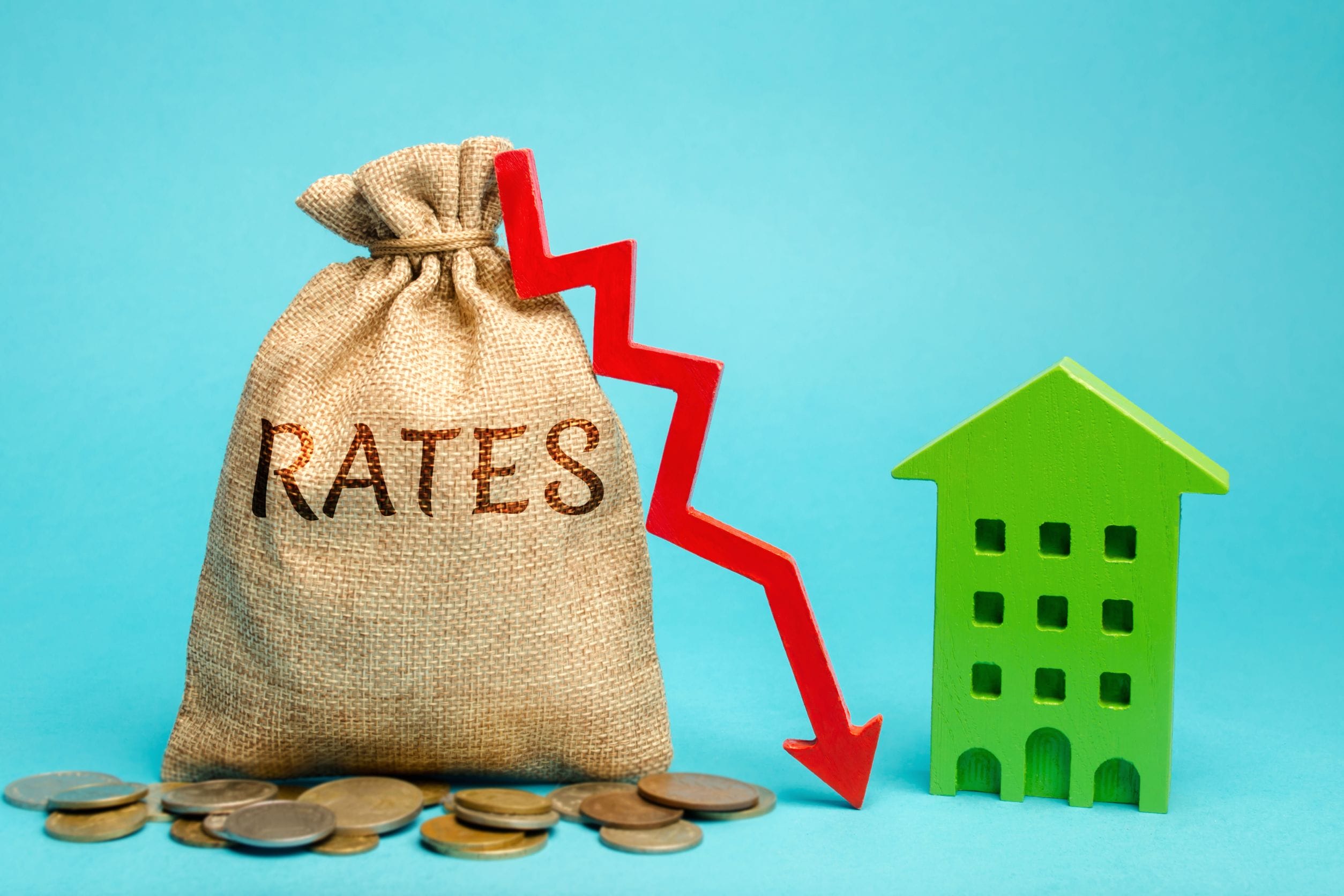
The Federal Reserve Rate Cut That Did Nothing for Credit Card Holders

Image source: shutterstock.com

The Federal Reserve made headlines with its long‑awaited rate cut, and for a brief, shining moment, millions of credit card holders dared to hope. Maybe—just maybe—their sky‑high APRs would finally ease up. Perhaps carrying a balance wouldn’t feel like dragging a boulder uphill. And maybe this was the break everyone had been waiting for.

And then… nothing happened. Credit card interest rates barely blinked, balances didn’t get cheaper, and consumers were left wondering why the Fed’s big move felt like a firework that fizzled before it left the ground. If you’ve been staring at your statement wondering why your APR still looks like a bad joke, you’re not imagining it. There’s a very real reason the Fed’s rate cut didn’t help—and understanding it can save you money in ways the Fed never will.

Why Credit Card APRs Don’t Drop Just Because the Fed Says So

When the Federal Reserve cuts rates, it affects a lot of things—mortgages, auto loans, personal loans, and even savings account yields. But credit cards live in their own universe, one where interest rates are tied to the prime rate and to whatever margin your card issuer decides to tack on.

Yes, your APR is technically variable, but that doesn’t mean it moves in lockstep with the Fed. Even when the prime rate drops, issuers can keep their margins high, which means your APR barely budges. And because credit card rates are already at historic highs, many issuers simply choose not to pass along the full benefit of a rate cut. It’s not illegal, it’s not hidden—it’s just how the system works.

The Credit Card Industry Has Zero Incentive to Lower Your Rate

Credit card companies make money from interest, and right now, they’re making a lot of it. With average APRs sitting well above 20%, issuers have little motivation to reduce rates unless they absolutely have to. A Fed rate cut gives them the option to lower rates, but not the requirement. And because consumer demand for credit remains strong, issuers know they can maintain high APRs without losing customers.

Even when the prime rate shifts, the margin they add on top can stay exactly the same. This is why your APR might drop by a fraction of a percent—just enough to technically reflect the Fed’s move—but not enough to make any meaningful difference on your monthly bill. It’s a system designed to benefit lenders first and borrowers last.

The Federal Reserve Rate Cut That Did Nothing for Credit Card Holders

Image source: shutterstock.com

Variable APRs Move Slowly—And Sometimes Not at All

Many credit cards come with variable APRs, which means they’re supposed to adjust when benchmark rates change. But “adjust” doesn’t mean “drop dramatically.” In reality, variable APRs often move in tiny increments, and issuers can delay adjustments depending on their internal policies.

Some cards only update APRs quarterly, while others adjust monthly. And even when they do adjust, the change is usually small—think tenths of a percentage point, not whole numbers. For someone carrying a balance, that tiny shift barely makes a dent. So while the Fed’s rate cut may technically ripple through the system, it’s more like a gentle ripple in a bathtub than a wave strong enough to lower your debt burden.

Record‑High Consumer Debt Keeps APRs Elevated

Another reason credit card rates remain stubbornly high is the sheer amount of consumer debt in circulation. Americans are carrying record levels of credit card balances, and delinquency rates have been rising. When lenders see increased risk, they raise margins to protect themselves. Even if the Fed lowers rates, issuers may keep APRs high to offset the risk of borrowers falling behind.

This means your interest rate is influenced not just by economic policy, but by the behavior of millions of other cardholders. It’s a collective effect that keeps APRs elevated even when the broader financial environment becomes more favorable.

Why Your Minimum Payment Didn’t Shrink Either

Even if your APR technically dropped a little, your minimum payment probably didn’t. That’s because minimum payments are calculated using formulas that prioritize fees, interest, and a small percentage of your principal. A tiny APR reduction doesn’t change the math enough to lower your minimum.

And if your balance has grown due to everyday spending, inflation, or unexpected expenses, your minimum payment may actually increase despite the Fed’s rate cut. It’s a frustrating reality, but it’s also a reminder that relying on minimum payments is one of the most expensive ways to manage credit card debt.

What You Can Do When the Fed Won’t Save You

The good news is that you’re not powerless. Even if the Fed’s rate cut didn’t help, there are strategies that can. One of the most effective is calling your credit card issuer and asking for a lower APR. Many companies will reduce your rate if you have a strong payment history or if you mention that you’re considering transferring your balance elsewhere.

Speaking of balance transfers, 0% APR offers can be a game‑changer if you qualify and can pay off the balance before the promotional period ends. You can also explore debt‑consolidation loans, which often have lower rates than credit cards, especially after a Fed rate cut. And if you’re feeling overwhelmed, nonprofit credit counseling agencies can help you create a plan that reduces interest and simplifies payments.

Rate Cuts Don’t Fix Credit Card Debt—You Do

The Federal Reserve can influence a lot of things, but it can’t force credit card companies to lower your APR in a meaningful way. That power still lies with you. Whether it’s negotiating your rate, switching to a better card, consolidating your debt, or adjusting your spending habits, the most effective changes come from your own actions. The Fed may set the stage, but you’re the one who gets to rewrite the script. And the more you understand how credit card interest really works, the easier it becomes to take control of your financial story.

What’s the most surprising thing you’ve learned about credit card interest rates lately? Give us your thoughts in the comments.

You May Also Like…

Retail Store Credit Cards Now Charging 30% APR on Average

Why Credit Card APRs Only Dropped 0.35% Even After Three Fed Rate Cuts in 2025

7 Ways Credit Card Debt Builds Faster Than Expected

The Quiet Credit Score Rule Change That’s Raising Borrowing Costs for Older Americans

10 Reasons Your Credit Card Fraud Claim Was Denied—and What You Can Do About It

Brandon Marcus
Brandon Marcus

Brandon Marcus is a writer who has been sharing the written word since a very young age. His interests include sports, history, pop culture, and so much more. When he isn’t writing, he spends his time jogging, drinking coffee, or attempting to read a long book he may never complete.


Filed Under: credit cards Tagged With: APR, banking, consumer debt, credit cards, credit credit card problems, Debt, Fed rate cut, federal reserve, financial literacy, interest rates, money tips, Personal Finance

The Single Late Payment That Raises APR to 29.99% Permanently at Discover

February 3, 2026 by Brandon Marcus Leave a Comment

The Single Late Payment That Raises APR to 29.99% Permanently at Discover

Image source: shutterstock.com

It happens in a blink. One forgotten due date, one autopay glitch, one chaotic week where life just steamrolls your calendar—and suddenly your credit card balance becomes a financial monster. If you have a Discover card, that single late payment can trigger a penalty APR of 29.99%, a number so high it practically deserves its own warning label.

The scariest part? Many people think it’s permanent. While that’s not technically true, the impact can feel permanent in your wallet if you don’t know how the system works.

The Moment Everything Changes: How One Late Payment Can Flip Your APR Switch

Discover, like most major credit card issuers, includes something called a penalty APR in its cardmember agreements. If your payment is late—typically 60 days past due—Discover can raise your interest rate to as high as 29.99%. No, that’s not a typo. This is nearly double the standard APR many people start with, and it applies to existing balances, not just future purchases.

Many cardholders believe that once the penalty APR hits, they’re stuck with it forever. Technically, Discover does allow for the penalty APR to be reviewed and potentially reduced after six consecutive on-time payments, but that’s not automatic, guaranteed, or fast. For many people, life doesn’t suddenly get calmer just because interest rates went nuclear, and missed payments can snowball.

Why 29.99% Is Financially Dangerous (and Not Just “High Interest”)

29.99% isn’t just “a little expensive.” It’s mathematically punishing. At that rate, interest compounds aggressively, meaning your balance grows faster than most people can realistically pay it down—especially if you’re only making minimum payments. It’s like trying to walk up a downward-moving escalator while carrying groceries and emotional baggage.

What makes this worse is psychological. When balances stop shrinking despite payments, people often get discouraged, avoid checking statements, and fall into financial avoidance mode. That’s how debt becomes sticky. The penalty APR isn’t just a financial hit—it’s a behavioral trap that makes recovery harder because progress feels invisible.

The Myth of “Permanent” vs. the Reality of Long-Term Damage

Discover’s penalty APR is not technically permanent. According to cardmember agreements, issuers may reduce it after consistent on-time payments (typically six months). But just because something isn’t permanent on paper doesn’t mean it isn’t long-lasting in real life. Many people never get the rate reduced because they miss another payment, carry high balances, or don’t even realize they need to request a review.

Even if the APR does eventually drop, the financial damage lingers. You’ve already paid extra interest. Your credit report may reflect late payments. So while the word “permanent” may not be legally accurate, the consequences absolutely can be long-term if you’re not proactive.

How to Protect Yourself From Ever Triggering a Penalty APR

The best strategy is boring, but powerful. Automation beats discipline every time. Set up autopay for at least the minimum payment. Put due date alerts on your phone. Sync your credit card due dates with your calendar. Use one financial app to track all bills in one place. These systems protect you from bad weeks, bad months, and bad mental health days.

If you’re already behind, act fast. Call Discover immediately. Sometimes, late fees can be negotiated and potentially waived, and while penalty APRs are harder to reverse, early communication helps.

The Single Late Payment That Raises APR to 29.99% Permanently at Discover

Image source: shutterstock.com

Why Credit Card Companies Use Penalty APRs in the First Place

Penalty APRs aren’t accidental. Credit card companies use them to manage risk and maximize revenue. From a business perspective, a late payment signals higher default risk. The response? Increase the interest rate to compensate for that risk and profit from it. It’s not personal—it’s math, data, and financial modeling.

But understanding this gives you power. When you realize that the system is designed to profit from mistakes, you stop blaming yourself and start building defenses. Systems beat willpower. Structure beats motivation. Financial safety isn’t about perfection—it’s about designing your life so one mistake doesn’t trigger a financial avalanche.

The Real Lesson Behind Discover’s 29.99% Penalty APR

One missed payment shouldn’t feel like financial doom—but with penalty APRs, it often does. The real lesson is that credit cards are powerful tools, but unforgiving ones. They reward consistency and punish chaos. They amplify habits, good or bad.

If you treat credit like a convenience tool instead of a long-term loan, automate your payments, and stay proactive, you’ll probably never see 29.99% on your statement. But if you rely on memory, stress, or luck to manage your bills, the system eventually catches you slipping. And when it does, it charges interest.

The One Mistake That Can Turn a Good Credit Card Into a Financial Nightmare

It only takes one late payment to turn a useful financial tool into a debt accelerator. Discover’s 29.99% penalty APR is a perfect example of how fast things can flip. One missed due date can reshape your entire financial trajectory for months—or longer. The difference between safety and struggle isn’t income level, intelligence, or even discipline. It’s systems, structure, and awareness.

What do you think? Should penalty APRs even exist, or are they just another way banks profit from everyday mistakes? Give us all of your thoughts in the comments.

You May Also Like…

Why Credit Card APRs Only Dropped 0.35% Even After Three Fed Rate Cuts in 2025

Credit Card Interest Rates Average 23.79% in January 2026 Despite Fed Rate Cuts

7 Ways Credit Card Debt Builds Faster Than Expected

The Truth About “0% APR” Balance Transfer Cards and Their Hidden Fees

10 Reasons Your Credit Card Fraud Claim Was Denied—and What You Can Do About It

Brandon Marcus
Brandon Marcus

Brandon Marcus is a writer who has been sharing the written word since a very young age. His interests include sports, history, pop culture, and so much more. When he isn’t writing, he spends his time jogging, drinking coffee, or attempting to read a long book he may never complete.
Filed Under: credit cards Tagged With: APR, Consumer Protection, credit cards, credit score, Debt, Discover Card, financial literacy, interest rates, Late payment, Penalty APR, Personal Finance

Retail Store Credit Cards Now Charging 30% APR on Average

February 3, 2026 by Brandon Marcus Leave a Comment

Retail Store Credit Cards Now Charging 30% APR on Average

Image source: shutterstock.com

Once upon a time, retail store credit cards felt like a harmless little perk. You’d get 10% off your purchase, maybe a birthday coupon, and the occasional “exclusive” sale invite. It felt friendly. Convenient. Almost cozy.

But today, that friendly plastic card in your wallet is starting to look more like a financial landmine. Across the U.S., store credit cards are now charging interest rates that hover around 30% APR on average, turning everyday shopping into one of the most expensive ways to borrow money. This isn’t just a finance nerd issue—it’s a real-life, everyday money problem that affects millions of shoppers who just wanted a discount at checkout and ended up paying triple-digit interest over time.

How Store Credit Cards Quietly Became Some of the Most Expensive Debt You Can Carry

Retail credit cards were originally designed as loyalty tools, not serious lending products. But over time, they’ve evolved into full-blown credit products with interest rates that rival—or even exceed—some of the most expensive consumer credit options available. Many major store cards now advertise APRs that land close to 30%, especially for customers who don’t qualify for top-tier credit pricing.

What makes this tricky is how these cards are marketed. The focus is always on the discount: “Save 15% today!” or “Get $40 off your first purchase!” Meanwhile, the APR is buried in fine print that nobody reads while standing in a checkout line with a cart full of clothes. Psychologically, it feels like a reward card, not a loan. Financially, though, it behaves like high-interest debt, and that disconnect is where people get hurt.

Why Interest Rates on Retail Cards Are So High Right Now

The rise in store card APRs didn’t happen in a vacuum. Over the last few years, overall interest rates in the U.S. have climbed as the Federal Reserve raised benchmark rates to fight inflation. When base rates go up, borrowing gets more expensive across the board—from mortgages to credit cards to auto loans. Retail credit cards feel this pressure more than most and have been rising steadily year after year.

There’s also the business model itself. Store cards are often issued by third-party banks that specialize in retail lending, and they assume a higher risk of default because many applicants have fair or average credit, not excellent credit. Higher risk equals higher interest rates. On top of that, store cards typically lack the competitive pressure that general-purpose credit cards face.

The result is a perfect storm: rising national interest rates, higher-risk borrowers, and a business model that doesn’t prioritize low APRs.

Smarter Ways to Use Store Cards Without Getting Burned

Store cards aren’t automatically evil—they’re just dangerous if used casually. If you’re going to use one, the smartest approach is to treat it like a debit card with a delay, not a credit line. That means only charging what you can pay off in full before interest hits. If you’re using a store card for a one-time discount, set up an immediate payoff plan so the balance doesn’t linger.

If you already carry balances on store cards, prioritizing them in your debt payoff strategy can make a huge difference. High-interest debt should usually be paid down faster than low-interest debt because it’s actively draining your money every month.

What This Says About Consumer Spending and Debt Culture

The rise of 30% APR store cards says something bigger about modern consumer culture. We’ve normalized borrowing for everyday life—clothes, home goods, electronics, even basic essentials. Credit has become frictionless, invisible, and easy, which makes it dangerously seductive. Store cards sit right at the intersection of convenience and temptation.

This isn’t about shame or blame. It’s about understanding the system. Retailers want loyalty. Banks want interest income. Consumers want affordability. The tension between those goals creates products that look helpful on the surface and expensive underneath.

Retail Store Credit Cards Now Charging 30% APR on Average

Image source: shutterstock.com

The Real Win Isn’t the Discount—It’s Control Over Your Money

The biggest takeaway isn’t “never use store cards.” It’s “don’t let store cards use you.” When you understand how these products work, you stop making emotional money decisions at checkout and start making strategic ones. You realize that a 10% discount doesn’t matter if you’re paying 30% interest later. You stop confusing convenience with value. And you start treating credit as a tool instead of a trap.

Have you ever opened a store credit card for a discount and regretted it later, or do you use them strategically without paying interest? Talk about your experiences in the comments section.

You May Also Like…

Why Credit Card APRs Only Dropped 0.35% Even After Three Fed Rate Cuts in 2025

8 Times Retailers Don’t Owe You A Refund

6 Sneaky Ways Retailers Make People Overspend

7 Ways Credit Card Debt Builds Faster Than Expected

10 Reasons Your Credit Card Fraud Claim Was Denied—and What You Can Do About It

Brandon Marcus
Brandon Marcus

Brandon Marcus is a writer who has been sharing the written word since a very young age. His interests include sports, history, pop culture, and so much more. When he isn’t writing, he spends his time jogging, drinking coffee, or attempting to read a long book he may never complete.

Filed Under: credit cards Tagged With: APR, budgeting, consumer finance, credit awareness, Debt Management, financial literacy, Inflation, interest rates, personal finance tips, retail credit cards, shopping habits, store cards

Why Credit Card APRs Only Dropped 0.35% Even After Three Fed Rate Cuts in 2025

February 2, 2026 by Brandon Marcus Leave a Comment

Why Credit Card APRs Only Dropped 0.35% Even After Three Fed Rate Cuts in 2025

Image source: shutterstock.com

If you watched the Federal Reserve cut rates three times in 2025 and thought, “Finally, some breathing room,” you weren’t alone. Millions of cardholders expected lower balances, cheaper interest, and at least a noticeable dip in those brutal APR numbers.

Instead, many people saw their credit card rates barely move, dropping by only a fraction of a percent, which felt less like relief and more like a financial prank. The frustration makes sense, but credit card APRs play by a very different set of rules, and those rules are not designed with everyday consumers in mind.

The Fed Doesn’t Control Credit Card APRs The Way People Think

The Federal Reserve controls the federal funds rate, not the rates lenders charge you directly. Credit card APRs are tied loosely to benchmarks like the prime rate, but banks layer their own margins, risk pricing, and profit targets on top of that base. Even when the Fed cuts rates, lenders decide how much of that benefit they actually pass on to customers.

For credit cards, which are considered high-risk, unsecured debt, banks protect their margins aggressively. That means small Fed cuts often translate into tiny APR changes, if any, especially compared to mortgages or auto loans. If you’re waiting for Fed policy alone to rescue your credit card balance, you’re waiting on the wrong lever of the financial system.

Banks Price Risk, Not Just Interest Rates

Credit card lending isn’t treated like home loans or business financing because there’s no collateral backing it. If someone stops paying a mortgage, the lender has a house; if someone defaults on a card, the bank has nothing but a loss. That risk gets baked into APRs through higher pricing, regardless of what the Fed does.

In uncertain economic conditions, lenders often tighten standards and keep rates elevated to offset potential defaults. Even small signs of economic instability make banks defensive, not generous. That’s why APRs stay stubbornly high even when broader rates move downward.

Profit Margins Matter More Than Consumer Relief

Credit cards are one of the most profitable products that banks offer. Interest revenue, late fees, balance transfer fees, and interchange fees create massive income streams that shareholders expect to keep growing. When the Fed cuts rates, banks don’t feel pressure to sacrifice profits unless competition forces them to. Because most major issuers move together, there’s little incentive to slash APRs aggressively.

The result is a slow, symbolic drop that looks good in headlines but barely helps cardholders. The system rewards stability and profits, not consumer relief.

Variable APRs Move Slowly By Design

Most credit cards use variable APR formulas tied to benchmark rates plus a fixed margin. When rates rise, increases hit fast; when rates fall, decreases move like molasses. That asymmetry isn’t accidental—it’s structural. Lenders update rates based on internal schedules, billing cycles, and risk assessments, not real-time Fed announcements.

Even multiple cuts can get absorbed into those systems gradually. So while headlines talk about rate changes, your statement tells a much slower story.

Inflation Still Shapes Lending Behavior

Even with rate cuts, inflation expectations continue influencing how lenders price credit. If banks believe costs will rise or economic pressure will persist, they protect their interest income. Lower rates don’t erase operational costs, fraud losses, or charge-offs from defaults.

Credit card APRs reflect long-term risk outlooks, not short-term monetary policy shifts. Until inflation feels truly under control at a structural level, lenders will keep pricing defensively. That caution shows up directly in your APR.

What You Can Actually Do Instead Of Waiting

Waiting for macroeconomic policy to fix personal finance problems rarely works. If high APRs and interest rates are hurting your budget, proactive moves matter more than headlines. Balance transfer offers with 0% introductory rates can create breathing room if used strategically. Credit unions often offer lower APRs than major banks and are worth exploring.

Negotiating directly with your card issuer sometimes works, especially if your payment history is strong. And paying more than the minimum, even in small extra amounts, dramatically reduces long-term interest costs.

Why The 0.35% Drop Feels Like An Insult

A tiny APR drop feels offensive because it highlights how disconnected consumer debt is from economic optimism. People hear “rate cuts” and expect relief, not symbolic gestures. That emotional disconnect fuels frustration and financial fatigue. But the system isn’t broken—it’s operating exactly as designed. Understanding that design gives you power instead of confusion.

Why Credit Card APRs Only Dropped 0.35% Even After Three Fed Rate Cuts in 2025

Image source: shutterstock.com

Why Financial Control Beats Financial Hope

Hope feels good, but control works better. Fed policy will always move more slowly than personal financial needs. Small APR drops won’t fix big balances. Real progress comes from strategy, not headlines. The people who win financially focus on leverage, not luck.

If credit card APRs barely budged after three Fed rate cuts, what does that say about how much control consumers actually have over their financial lives—and what’s the next move you’re willing to make to change yours?

You May Also Like…

8 Times “0% Interest” Credit Cards Turn Into Financial Traps

8 Hidden Risks People Overlook When Financing a Car at High APR

6 Foolish Mistakes That Can Lead to High APRs When Buying a Used Car

Why Closing an Old, Unused Credit Card Can Wreck Your Credit Score

Why Does Interest Rate Talk Suddenly Affect Everyday Spending

Brandon Marcus
Brandon Marcus

Brandon Marcus is a writer who has been sharing the written word since a very young age. His interests include sports, history, pop culture, and so much more. When he isn’t writing, he spends his time jogging, drinking coffee, or attempting to read a long book he may never complete.

Filed Under: credit cards Tagged With: APR, budgeting, consumer finance, credit cards, Debt Management, federal reserve, financial literacy, Inflation, interest rates, money tips, Personal Finance

Why Your Emergency Fund Isn’t Protecting You the Way It Did Five Years Ago

January 27, 2026 by Brandon Marcus Leave a Comment

This Is Why Your Emergency Fund Isn’t Protecting You the Way It Did Five Years Ago

Image source: shutterstock.com

Remember when tucking away a few months’ worth of expenses in a savings account felt like financial armor? That shield, once considered indestructible, now seems a little thinner around the edges. If your emergency fund hasn’t been adjusted in years, you might be in for a surprise: what once covered rent, groceries, and a few random emergencies may no longer stretch far enough to keep you truly safe.

The world changes fast, and your emergency plan can’t stay frozen in time. Between rising inflation, housing costs, and everyday expenses creeping higher, that old nest egg might only cover half of what it used to.

Inflation Is Quietly Eating Your Safety Net

Inflation is like that guest at a party who slowly eats all the snacks while you’re distracted. Over the past five years, the cost of groceries has skyrocketed by nearly 30%, while utilities and transportation have steadily climbed, often outpacing the interest your savings account earns.

If your emergency fund hasn’t grown at the same pace as your expenses, its real purchasing power has quietly eroded. This means you might think you’re financially protected, but when the real-world bills come knocking, you’ll notice the difference immediately. It’s not that your money disappeared—it’s that it doesn’t buy as much as it used to.

Interest Rates And Savings Accounts Are No Longer Your Allies

Five years ago, parking money in a high-yield savings account could earn you a respectable return. Those days are largely behind us. Interest rates have fluctuated dramatically, leaving many emergency funds stagnating while costs continue to rise. Meanwhile, prices on essential goods keep climbing, silently chipping away at your financial cushion.

This mismatch between what you earn on savings and what you spend on necessities can turn a seemingly comfortable fund into something worryingly thin. If you’re relying on the same account strategy you used in 2018, it’s time for a serious checkup. Your fund isn’t broken—it’s just outdated.

The Cost Of Housing Has Shifted Dramatically

Renters and homeowners alike have felt the squeeze. In cities across the country, the housing affordability crisis has caused costs to soar, while wages haven’t always kept pace.

For many, the cost of maintaining a home or apartment now takes up a larger slice of the monthly budget than it did five years ago. This shift doesn’t just affect renters—homeowners feel it too, thanks to rising property taxes, insurance, and utility costs. The reality is simple: your old emergency fund was calculated for a different world, and the world has changed.

Healthcare Costs Are A Silent Drain

Medical expenses often lurk in the background until an emergency hits. Over the last few years, healthcare costs, insurance premiums, and prescription prices have climbed steadily, while even minor medical events that once cost a few hundred dollars can now run into the thousands.

If your emergency fund hasn’t been adjusted for these increases, it may not provide enough coverage when a health situation arises. And with healthcare expenses unpredictable and sometimes unavoidable, this silent drain can turn a well-meaning fund into an inadequate safety net. Ignoring these rising costs is a recipe for financial stress the moment life throws a curveball.

This Is Why Your Emergency Fund Isn’t Protecting You the Way It Did Five Years Ago

Image source: shutterstock.com

Unexpected Expenses Are Growing In Scale

Emergencies themselves haven’t gotten smaller. Natural disasters, car repairs, home maintenance, and sudden job changes all tend to cost more than they did half a decade ago.

When people calculate their emergency savings based on old expense numbers, they underestimate the magnitude of today’s unpredictable costs. Life has a way of being more expensive than we imagine, and the gap between your fund and reality can be shockingly wide.

Rethinking Your Emergency Fund For Today’s Reality

The good news is that updating your emergency fund isn’t just necessary—it’s doable. Start by recalculating your essential monthly expenses, including rent, utilities, groceries, insurance, and potential healthcare costs. Factor in any new financial obligations that have popped up since your last review. Then, consider a buffer for unexpected events that could derail your budget, like car repairs, urgent home fixes, or temporary unemployment.

Adjusting your fund to match current realities ensures it can genuinely act as a protective cushion rather than a false sense of security.

Practical Tips To Keep Your Fund Effective

Keeping an emergency fund truly effective goes beyond just numbers. Consider diversifying where you keep your money: a combination of high-yield savings accounts, money market accounts, or short-term, low-risk investments can help your fund maintain its value against inflation.

Regularly reviewing and updating the total amount ensures your fund keeps pace with rising costs and lifestyle changes. Automating contributions can take the pressure off while maintaining steady growth. And don’t underestimate the psychological benefit of knowing your emergency fund is truly ready for today’s world—it can provide a sense of control and calm when financial surprises hit.

Make Your Emergency Fund Work As It Should

Your emergency fund is only as strong as the environment it exists in, and the world around it has changed significantly in the last five years. By accounting for rising costs, inflation, and unexpected emergencies, you can rebuild your financial confidence and avoid the stress of discovering your protection is thinner than you thought.

We’d love to hear about how you’ve adjusted—or plan to adjust—your emergency fund in today’s landscape, or any experiences that taught you the importance of keeping it current. Leave your thoughts and stories in the comments below.

You May Also Like…

Why Are Emergency Funds Harder to Rebuild Than People Expect

9 Budget Categories That Blow Up After One Emergency

Why So Many Retirees Are Being Forced to Spend Savings Faster Than Planned This Year

Savings Strategy: 9 Micro moves That Add Tens of Thousands Over Time

Savings Leap: 9 Mid-Life Moves That Boost Long-Term Retirement Odds

Brandon Marcus
Brandon Marcus

Brandon Marcus is a writer who has been sharing the written word since a very young age. His interests include sports, history, pop culture, and so much more. When he isn’t writing, he spends his time jogging, drinking coffee, or attempting to read a long book he may never complete.

Filed Under: saving money Tagged With: bank account, Cost of living, emergency expenses, emergency funds, emergency spending, finance, finances, general finance, healthcare, healthcare costs, Housing Costs, interest rates, medical expenses, Money, money issues, Personal Finance, saving accounts, saving money, savings, unexpected expenses

9 Financial Shifts That Catch People Off Guard

January 23, 2026 by Brandon Marcus Leave a Comment

These Are 9 Financial Shifts That Catch People Off Guard

Image source: shutterstock.com

Money has a peculiar way of moving faster than we expect. One day, you’re coasting along with a budget that seems solid, and the next, a sudden expense, market shift, or policy change makes you double-check your bank account just to make sure it’s real. Some financial changes are obvious—they’re planned, announced, or easy to predict—but others arrive like uninvited guests, throwing your routine off and demanding quick adjustments.

The challenge is not just surviving these shifts but understanding them well enough to turn them into opportunities instead of setbacks. Let’s dive into nine financial twists and turns that often catch people off guard—and explore how to respond without breaking a sweat.

1. Interest Rate Surges Can Sting More Than You Expect

When central banks raise interest rates, the news usually dominates headlines, but many people underestimate the direct effect on their wallets. Variable-rate loans, mortgages, and credit card balances become more expensive almost immediately, and monthly budgets can take a hit without warning.

Even small rate increases can add up to hundreds of dollars over a year if your debt is significant. Savvy savers, however, can take advantage of these periods by putting money into high-yield savings accounts, which also tend to rise when rates go up. The key is paying attention to how your debts and investments are structured. Awareness is the difference between a nasty surprise and an opportunity to make your money work a little harder.

2. Inflation Creeps Up Stealthily

Inflation is the silent force that gradually erodes purchasing power, often without people realizing it until a routine shopping trip or bill payment delivers a jolt. Prices for groceries, gas, and everyday services can increase faster than wages, meaning the same paycheck buys less than it did a year ago.

Historically, moderate inflation can even benefit borrowers, as the real value of debt diminishes over time, but it punishes those relying on fixed incomes.

Long-term investors may need to adjust portfolios to include assets that historically outpace inflation, such as stocks or real estate. The trick is to spot the trends early and avoid knee-jerk reactions that can worsen your financial picture.

3. Job Market Shifts Hit Harder Than Expected

Career stability is often assumed, but economic changes can make layoffs, restructuring, or automation hit without warning. Industries evolve rapidly, and what was in high demand yesterday may face contraction tomorrow.

Even highly skilled professionals can find themselves searching for new opportunities sooner than anticipated. Diversifying skills, networking consistently, and keeping a financial cushion in savings can transform what could be a stressful situation into a temporary hurdle. Understanding the broader employment landscape helps anticipate risks rather than react in panic mode.

4. Tax Code Tweaks Are More Impactful Than You Think

Governments adjust tax laws frequently, and subtle changes in deductions, credits, or brackets can significantly alter annual finances. Sometimes the impact is immediate, reducing your take-home pay or changing the effectiveness of retirement contributions.

Other times, it appears when filing next year’s returns, catching people off guard. Keeping informed about tax policy updates or working with a trusted accountant can prevent surprises and even uncover hidden advantages. Tax efficiency is a powerful, often overlooked tool for maintaining financial momentum.

5. Lifestyle Inflation Slips In Quietly

As incomes rise, spending habits often follow, sometimes unconsciously. Upgrading to a more expensive car, dining out more frequently, or moving into a pricier home can feel like a reward, but over time, lifestyle inflation can outpace income growth. People often realize too late that increased earnings aren’t creating more freedom—they’re just funding higher expenses. Combatting this requires mindfulness, disciplined budgeting, and occasional reflection on whether every extra dollar spent is actually adding value to your life. Small, deliberate choices in spending can make a huge difference over the years.

6. Unexpected Medical Costs Can Derail Plans

Even with insurance, medical emergencies can introduce significant financial strain. Procedures, prescriptions, and specialist visits often come with out-of-pocket costs that exceed expectations. Preventive care can reduce risk, but life is unpredictable, and sometimes bills arrive before you’re ready.

An emergency fund specifically for health-related costs can make these situations manageable without compromising other financial goals. Understanding insurance coverage, negotiating bills, and exploring payment plans are strategies many overlook until they’re in a pinch.

These Are 9 Financial Shifts That Catch People Off Guard

Image source: shutterstock.com

7. Retirement Needs May Be Higher Than Anticipated

Many people assume their retirement nest egg only needs to cover basic living expenses, but inflation, healthcare costs, and longer lifespans make financial planning more complex.

Underestimating the amount needed can lead to uncomfortable adjustments later in life. Early and consistent contributions to retirement accounts, along with strategic investment choices, can provide a cushion.

Periodic review of retirement goals ensures plans remain realistic and responsive to changes in life circumstances or economic conditions. Planning ahead is not just smart—it’s essential.

8. Sudden Changes in Credit Scores Affect More Than Loans

Credit scores influence more than just loan approvals—they affect insurance rates, rental applications, and even job opportunities in certain industries. Negative changes can occur from missed payments, high credit utilization, or errors in reporting, and the effects aren’t always immediate.

Monitoring credit reports regularly and correcting inaccuracies quickly can prevent small issues from snowballing. Maintaining a healthy credit score opens doors and protects financial flexibility when unexpected expenses appear.

9. Technology-Driven Financial Shifts Require Adaptation

Digital banking, cryptocurrency, AI-driven investment tools, and fintech apps have transformed how people manage money. While these tools offer convenience and efficiency, they also demand digital literacy and awareness of risks like cyber fraud or volatile markets.

People who resist adapting to new technologies may miss out on opportunities for optimization or secure management. Conversely, jumping in without understanding the tools can lead to costly mistakes. Staying informed, experimenting cautiously, and embracing change strategically ensures technology becomes a helper, not a hazard.

How Have You Navigated Financial Surprises?

Financial surprises are inevitable, but understanding the common shifts that can throw people off balance equips you to respond thoughtfully. From interest rate hikes to lifestyle inflation, these changes affect everyone differently, and planning is a key defense. Some surprises are unavoidable, but many can be managed or mitigated with awareness, preparation, and flexibility.

Your experiences and strategies are valuable, and we’d love to hear how you’ve handled financial curveballs in your own life in the comments section below.

You May Also Like…

What Does Financial Stress Do To Your Body?

How a Solid Estate Plan Can Protect Your Finances

Tax Horizon: 4 Year-End Moves That Could Shape Your Finances for a Decade

Risk Proaction: 5 Steps to Stress-Test Your Finances for Worst-Case Scenarios

Expense Trap: 7 Inflation Surprises That Sneak Up on Middle-Aged Investors

Brandon Marcus
Brandon Marcus

Brandon Marcus is a writer who has been sharing the written word since a very young age. His interests include sports, history, pop culture, and so much more. When he isn’t writing, he spends his time jogging, drinking coffee, or attempting to read a long book he may never complete.

Filed Under: Finance Tagged With: finance, finances, financial choices, financial decisions, financial shifts, general finance, Inflation, interest rates, job market, job search, jobs, Lifestyle Inflation, medical bills, medical expenses, tax code

Why Does Interest Rate Talk Suddenly Affect Everyday Spending

January 10, 2026 by Brandon Marcus Leave a Comment

Why Does Interest Rate Talk Suddenly Affect Everyday Spending

Image Source: Shutterstock.com

Money moves quietly until someone whispers the magic—or terrifying—words: “interest rates.” Suddenly, everyday spending decisions start feeling monumental. That morning latte feels like a major budget choice. The idea of buying a car seems like launching a rocket.

But why does talk about interest rates have this weird power over our daily lives? Let’s talk about the thrilling, surprising, and sometimes eyebrow-raising connection between central bank chatter and the way you spend, save, and think about money every single day.

How Interest Rates Shape Your Wallet Without You Noticing

Interest rates are essentially the price of borrowing money. When rates go up, loans cost more. Mortgages, car loans, and credit cards suddenly carry heftier price tags. Even a small rate hike can nudge people to pause before splurging. But the effect goes beyond obvious borrowing; it seeps into your subconscious spending habits. When rates rise, banks pay more to savers, which makes holding onto money slightly more attractive than spending it.

Conversely, lower rates make borrowing cheaper and encourage shopping sprees, bigger renovations, or even impulsive online purchases. It’s like a quiet tug-of-war between spending now and saving for later, and interest rates are the referee.

The Psychological Push Behind Interest Rate Announcements

Human brains love patterns, predictability, and stories. Interest rate announcements tell a story about the economy. If rates are climbing, people assume inflation is on the march, and prices may rise faster than usual. Even if you don’t have a mortgage or a loan, your brain starts factoring in future costs. On the flip side, a rate cut signals easier money and sometimes sparks confidence that spending won’t hurt as much. It’s remarkable how numbers on a chart or a short speech from a central bank can trigger a chain reaction in millions of wallets, grocery carts, and online checkouts. Psychology and economics collide, turning abstract percentages into very real decisions at the supermarket or car dealership.

Everyday Spending That Feels The Interest Rate Effect

You might not think buying a coffee, movie ticket, or new phone is linked to interest rates—but it often is. High rates can make you rethink that big vacation, postpone home renovations, or hesitate on dining out at pricier restaurants. On the other hand, lower rates may encourage a spontaneous upgrade to the latest gadget, an extra night out, or even taking out a small personal loan to consolidate debt. It’s a ripple effect that moves through households in ways economists and behavioral scientists study carefully. Even subtle habits—like choosing to refill a water bottle instead of buying bottled water—can be influenced by the invisible pressure of rising rates. Every little purchase is suddenly weighed against the backdrop of a larger economic climate you might not even consciously notice.

The Media Amplification Factor

News outlets love interest rate stories. Headlines scream, analysts speculate, and social media debates explode. This constant coverage amplifies the impact on everyday spending. People see graphs, charts, and bullet points, and suddenly, the numbers matter more than the items they were planning to buy. It’s one thing to hear “rates rose by a quarter percent,” and another to see it framed as “borrowing just got more expensive!”

The media doesn’t just report; it magnifies perceptions, shaping moods and mindsets. Suddenly, even casual conversations at the water cooler are colored by economic forecasts, making every purchase feel slightly weightier. The buzz surrounding rates often spreads faster than the actual change in the numbers themselves, feeding a cycle of caution—or optimism—depending on the news spin.

Why Does Interest Rate Talk Suddenly Affect Everyday Spending

Image Source: Shutterstock.com

The Domino Effect On Major Purchases

Interest rates aren’t just about small, everyday buys—they can derail or accelerate big-ticket decisions. Mortgages, car loans, and student loans all respond directly to rate changes. When rates rise, monthly payments grow, and people might delay moving, buying a new car, or refinancing debt. Companies notice this too, slowing expansions or holding off on new hires.

Conversely, low rates can create spending booms, housing surges, and even unexpected splurges on home improvements. The connection between rates and large purchases is straightforward, but it bleeds into smaller decisions. Even those latte runs or weekend splurges are subtly influenced by the backdrop of big financial moves, creating a ripple effect through the economy.

How Consumers Can Stay Calm Amid Rate Chatter

The secret to thriving in a world where interest rates dominate headlines is perspective. Educating yourself about what rates really mean—and how they actually affect your personal finances—can turn fear into strategy. For instance, understanding that a small rate hike might barely change your mortgage payment can prevent unnecessary panic. Budgeting with flexibility, keeping an emergency fund, and prioritizing goals over hype keeps spending decisions grounded in reality. Remember, the market reacts instantly, but your personal finances don’t need to. A little awareness transforms abstract financial news into practical, everyday wisdom. You regain control instead of letting the numbers dictate moods or purchases.

Your Take On The Rate Rollercoaster

Interest rate chatter might sound boring at first, but its impact is anything but. From tiny coffee decisions to massive purchases like cars or homes, rates influence how we think, feel, and act in ways we rarely notice. The next time you hesitate at the checkout, consider what role the financial headlines are playing in your choice. Have you noticed that your spending habits change when rates rise or fall? Your stories, insights, or even surprising observations could add a fascinating layer to this ongoing economic conversation.

Drop your experiences in the comments section below and see how other readers react to the rate rollercoaster.

You May Also Like…

Could Rising Interest Rates Force You To Delay Retirement Longer Than Planned?

Could Ignoring Rising Interest Rates Destroy Your Budget

8 Expenses That Quietly Rise Every Time Interest Rates Drop

Why Do Poorer Families Pay Higher Interest Rates Than Wealthy Ones

Tax Ahead: 4 Strategic Moves If You Think Congress Will Rewrite Tax Rules


Brandon Marcus
Brandon Marcus

Brandon Marcus is a writer who has been sharing the written word since a very young age. His interests include sports, history, pop culture, and so much more. When he isn’t writing, he spends his time jogging, drinking coffee, or attempting to read a long book he may never complete.

Filed Under: Lifestyle Tagged With: consumer spending, daily spending, digital spending, everyday items, impulse spending, interest rates, Life, Lifestyle, media, overspending, Smart Spending, spending

7 Ways Credit Card Debt Builds Faster Than Expected

January 10, 2026 by Brandon Marcus Leave a Comment

There Are 7 Ways Credit Card Debt Builds Faster Than Expected

Image Source: Shutterstock.com

Credit card debt can climb higher than a kite on a windy day, and it often does it before you even realize what’s happening. One swipe at the store or a quick “treat yourself” purchase online can feel harmless, but those numbers on your statement have a mind of their own. Suddenly, the balance grows, interest adds up, and you’re left wondering how you went from “I’ve got this” to “Wait, what just happened?”

Understanding how debt accelerates is like learning the secret rules of a game you didn’t even know you were playing.

High Interest Rates Can Multiply Your Balance

Interest rates on credit cards are notoriously high, often creeping over 20% annually. When you carry a balance, that interest isn’t just a tiny add-on; it compounds, meaning you’re paying interest on interest. The more you wait to pay off your balance, the more it balloons. Even small everyday purchases, if left unpaid, can become surprisingly hefty after a few billing cycles.

Credit cards often calculate interest daily, so a $50 coffee habit could snowball in ways you never imagined. This is why understanding your card’s APR (annual percentage rate) is more than just reading fine print—it’s your financial survival tool. Ignoring interest might feel harmless at first, but over time, it becomes one of the biggest drivers of debt growth.

Minimum Payments Give A False Sense Of Progress

Making the minimum payment seems responsible, right? Unfortunately, it’s often just a tiny dent in a huge mountain of debt. Minimum payments are calculated to keep you in the cycle longer, not to help you get out of it quickly. Paying only the minimum can stretch years of payments into decades, while most of your money goes straight to interest rather than reducing the principal. This slow-motion trap creates the illusion that you’re staying on top of your finances while the debt quietly swells. Many people are shocked when they finally add up all the minimum payments made over time—sometimes totaling far more than the original charges. Understanding the true impact of minimum payments is essential for anyone wanting to take control before the debt grows uncontrollably.

Hidden Fees Can Add Up Stealthily

Late fees, over-limit fees, and balance transfer charges all add to the already heavy load of your credit card. Missing just one payment can trigger a $25 to $40 fee, and some cards even hike up your interest rate after a single late payment. If you’re not actively checking your statements, these fees can quietly multiply, making your debt climb faster than expected. Foreign transaction fees or annual fees also add layers of cost that aren’t obvious day-to-day. Even small “invisible” fees, when combined with interest, can dramatically accelerate your debt. Staying aware of your card’s fee structure and payment schedule is crucial to avoiding these hidden accelerants.

Rewards And Perks Can Encourage Overspending

Credit cards often tempt us with points, cashback, and special perks, which can feel like free money—but they can also lead to overspending. If you buy things you don’t need just to earn rewards, your balance can rise quickly without you realizing it. The psychology of rewards encourages more spending, often on unnecessary items, because the “benefit” seems to justify the cost.

Over time, chasing points can turn a manageable balance into a substantial financial burden. Many people start with good intentions—earning miles for a vacation, or cashback for groceries—but before long, the debt grows faster than the rewards themselves. Being strategic about rewards, rather than letting them dictate spending, is key to staying in control.

There Are 7 Ways Credit Card Debt Builds Faster Than Expected

Image Source: Shutterstock.com

ol.


Balance Transfers Can Be Misleadingly Risky

Balance transfers sound like a clever solution to high-interest debt, but they can be a double-edged sword. Introductory rates may seem attractive, but once the promotional period ends, the standard interest rate can hit hard. If you continue to spend on the new card without paying down the transferred balance, debt grows unexpectedly fast. Many people underestimate how quickly the clock runs out on low-interest offers. It’s easy to fall into the trap of thinking you’re making progress, while in reality, the underlying debt isn’t shrinking much. Careful planning and discipline are necessary to truly benefit from a balance transfer instead of letting it accelerate your financial problem.

Emotional Spending Adds Hidden Momentum

Impulse buying isn’t just a minor indulgence—it can actively contribute to debt growth. Retail therapy, last-minute online splurges, or buying “just because” can add up, and it often happens when you’re not paying close attention. Emotional spending is unpredictable and tends to cluster during stressful periods, vacations, or holidays. The impact of these seemingly small decisions compounds when combined with high-interest rates and minimum payments. Understanding the emotional triggers that lead to overspending is an important part of controlling your financial trajectory. Without awareness, emotional spending can stealthily turn manageable debt into a pressing crisis.

Multiple Cards Can Multiply Complexity

Having more than one credit card may seem convenient, but juggling multiple balances can make it harder to track spending and payments. Each card has its own interest rate, due date, and fee schedule, creating a tangle of financial obligations. Missing one payment while keeping up with another can trigger fees and higher interest, amplifying overall debt. Multiple cards can also encourage larger total spending because the perceived limit feels higher. For many, the complexity of managing several cards leads to mistakes or procrastination, both of which allow debt to expand unchecked. Consolidating balances or keeping a clear plan for each card is often the simplest way to avoid an unexpected climb in debt.

Your Turn To Weigh In

Credit card debt isn’t inherently evil, but its growth can surprise even the most careful spender. From high interest rates to emotional impulses, there are many forces quietly fueling the rise of your balance. Awareness, strategic planning, and disciplined payment habits are your best defenses against runaway debt.

Have you noticed any surprising ways your own debt has grown—or learned clever strategies to fight back? Jump into the comments and tell us what’s worked for you, what hasn’t, or anything that caught you off guard.

You May Also Like…

6 Warning Signs That Your Credit Card Is A Problem

8 Times “0% Interest” Credit Cards Turn Into Financial Traps

The 6 Most Common Mistakes Young People Make About Credit

Holiday Debt: 9 Warning Signs Your Spending Is Already Off Track

Debt Overhang: 8 Ways Carrying Debt Into Retirement Can Undermine Your Progress


Brandon Marcus
Brandon Marcus

Brandon Marcus is a writer who has been sharing the written word since a very young age. His interests include sports, history, pop culture, and so much more. When he isn’t writing, he spends his time jogging, drinking coffee, or attempting to read a long book he may never complete.

Filed Under: credit cards Tagged With: bad credit, credit card, Credit card debt, credit card rewards, credit cards, credit repair, credit report, credit score, Debt, eliminating debt, fees, Hidden Fees, interest rates, minimum payments, payoff debt

12 Financial Moves Baby Boomers Are Making Right Now and So Should You

January 6, 2026 by Brandon Marcus Leave a Comment

12 Financial Moves Baby Boomers Are Making Right Now and So Should You

Image Source: Shutterstock.com

The money world is buzzing, and Baby Boomers are not sitting quietly on the sidelines. They are making bold, smart, and sometimes surprising financial moves to protect what they built and stretch it further than ever. This generation has lived through booms, busts, and breakthroughs, and that hard-earned wisdom is showing up in how they handle money today.

From rethinking retirement to getting creative with income, their strategies are practical, adaptable, and refreshingly realistic. If you want your finances to feel more future-proof and less fragile, it’s time to pay attention.

1. Rebalancing Portfolios For Today’s Markets

Baby Boomers are actively adjusting their investment mixes to reflect current economic realities. They are reducing overexposure to high-risk assets while still keeping growth opportunities alive. Diversification across sectors, asset classes, and geographies is a major priority right now. This move helps smooth out volatility without abandoning long-term goals. It is a calm, deliberate response to a fast-moving market.

2. Delaying Social Security Strategically

Many Boomers are choosing to wait before claiming Social Security benefits. By delaying, they can significantly increase their monthly payouts for life. This decision often pairs with part-time work or alternative income streams. It adds flexibility and creates a stronger safety net later on. Timing, not urgency, is driving this choice.

3. Paying Down High-Interest Debt Aggressively

Boomers are laser-focused on eliminating expensive debt. Credit cards and high-interest personal loans are getting paid off faster than ever. This reduces monthly stress and frees up cash flow for better uses. The emotional relief is just as valuable as the financial gain. Less debt means more control and confidence.

12 Financial Moves Baby Boomers Are Making Right Now and So Should You

Image Source: Shutterstock.com

4. Downsizing Homes With Intention

Selling larger homes and moving into smaller, more manageable spaces is a growing trend. This move often unlocks significant home equity. Lower maintenance and utility costs also make a noticeable difference. Many Boomers are choosing locations that support active, social lifestyles. The result is freedom without sacrificing comfort.

5. Building Cash Reserves For Flexibility

Cash is having a moment, and Boomers are embracing it. They are increasing emergency funds to handle surprises without panic. Having liquid savings provides peace of mind during uncertain times. It also creates opportunities to act quickly when good investments appear. Flexibility is the real return here.

6. Creating Multiple Income Streams

Relying on a single source of income feels outdated to many Boomers. They are combining pensions, investments, consulting work, and side businesses. This approach spreads risk and boosts monthly income. It also keeps skills sharp and minds engaged. Retirement is looking more dynamic than ever.

7. Updating Estate Plans And Beneficiaries

Estate planning is getting a serious refresh. Boomers are reviewing wills, trusts, and beneficiary designations regularly. Family dynamics, tax laws, and asset values change, and plans need to keep up. This prevents confusion and conflict down the road. Clarity now saves stress later.

8. Embracing Roth Conversions Thoughtfully

Roth conversions are gaining popularity among Boomers with foresight. Paying taxes now can reduce required minimum distributions later. This strategy can also leave heirs with more tax-efficient assets. Timing and tax brackets matter, so planning is essential. When done right, the payoff can be substantial.

9. Investing In Health And Long-Term Care Planning

Healthcare costs are a major focus, not an afterthought. Boomers are exploring long-term care insurance and health savings strategies. They understand that medical expenses can derail even solid plans. Preparing early offers more choices and better coverage. Financial health and physical health are deeply connected.

10. Working With Fee-Only Financial Advisors

There is a strong shift toward transparent, fee-only advice. Boomers want guidance without hidden commissions. This model aligns the advisor’s incentives with the client’s goals. Trust and clarity are driving the relationship. Better conversations lead to better decisions.

11. Simplifying Accounts And Financial Systems

Complexity is being replaced with simplicity. Boomers are consolidating accounts and streamlining finances. Fewer moving parts make monitoring easier and mistakes less likely. It also helps spouses and heirs understand the full picture. Simple systems support smarter choices.

12. Spending On Experiences With Purpose

Boomers are prioritizing meaningful experiences over excess stuff. Travel, learning, and family time are getting budget space. This spending aligns money with values and memories. It also encourages intentional saving elsewhere. Joy is becoming a line item, not an afterthought.

What Smart Money Moves Are You Making?

Baby Boomers are proving that smart financial moves do not stop at any age. Their actions show a blend of caution, confidence, and curiosity about what comes next. These strategies are not about fear but about freedom and flexibility.

Every financial journey is different, and there is no single right path. Tell us your thoughts or personal experiences in the comments section below and join the conversation.

You May Also Like…

6 Financial Moves You Didn’t Know You Could Make With Your 529 Plan

Regulation Ahead: 8 Trends in Financial Advice That Could Affect Returns

What Outdated Financial Advice Are Boomers Still Giving?

Behaviour Check: 8 Money Habits That Sabotage Boomers’ Financial Futures

8 Harsh Truths Why Boomers Can’t Change Their Retirement Plans Now

Brandon Marcus
Brandon Marcus

Brandon Marcus is a writer who has been sharing the written word since a very young age. His interests include sports, history, pop culture, and so much more. When he isn’t writing, he spends his time jogging, drinking coffee, or attempting to read a long book he may never complete.

Filed Under: Finance Tagged With: baby boomers, Boomers, Debt, downsizing, finance, finances, financial advice, financial choices, financial decisions, financial moves, general finance, interest rates, investment portfolio, portfolio rebalancing, rebalancing, rebalancing portfolio, Social Security

Could Rising Interest Rates Force You To Delay Retirement Longer Than Planned?

December 26, 2025 by Brandon Marcus Leave a Comment

Could Rising Interest Rates Force You To Delay Retirement Longer Than Planned?

Image Source: Shutterstock.com

The thrill of retirement often feels like standing at the edge of a diving board, ready to leap into years of freedom, adventure, and late-morning pancakes. But what if the water below has suddenly shifted? Rising interest rates might seem like an abstract economic term, reserved for financial headlines or talking heads in suits, but they can ripple directly into your retirement plans.

Suddenly, the cozy vision of early retirement, stress-free vacations, and endless hobbies can feel like it’s slipping further away. Understanding how interest rates interact with your finances could be the difference between retiring when you want and postponing your dreams for several more years.

How Rising Interest Rates Impact Your Investments

Interest rates are the invisible force that shapes the value of everything from savings accounts to stocks and bonds. When rates climb, the price of existing bonds generally falls, because new bonds are paying more, making older ones less attractive. Stock markets can also react, as higher borrowing costs for companies can slow growth and reduce profits. Retirees who rely on investment portfolios may find their nest egg growing more slowly, or even shrinking in real terms. The effect can be especially jarring for those counting on fixed-income investments to fund living expenses in retirement.

The Connection Between Mortgages And Retirement Timing

If you have a mortgage or are considering buying a home before retirement, rising interest rates can directly affect your monthly payments. Higher rates mean higher interest costs, leaving less disposable income to funnel into retirement accounts. Those planning to downsize or relocate may face increased financing costs, making the move less feasible. Even homeowners who are mortgage-free can feel the indirect effects, as property values may stagnate or fall with rate hikes. In short, your dream retirement home might not be as affordable as you initially calculated.

Inflation And Its Sneaky Role In Retirement

Interest rates often rise in response to inflation, and inflation can quietly erode the purchasing power of your savings. A dollar saved today may not buy as much in a few years, forcing retirees to withdraw more to maintain their lifestyle. This effect is compounded if your income sources, like pensions or social security, are fixed. Rising rates alone aren’t the culprit—it’s the combination of inflation and rates that can pressure your retirement timeline. Retirees may need to rethink their budgets, adjust expectations, or work a few extra years to protect their standard of living.

How Retirement Accounts Respond To Rate Changes

Different retirement accounts respond differently to interest rate fluctuations. Traditional 401(k)s and IRAs invested heavily in bonds can lose value when rates rise, while accounts tilted toward equities might see volatility without guaranteed losses. Fixed annuities or CDs may suddenly look more attractive because new contracts pay higher returns. Understanding the composition of your retirement portfolio is critical to avoid being caught off guard. Regular portfolio reviews can reveal opportunities to rebalance investments in a way that mitigates risk while taking advantage of higher interest rates.

The Psychological Effect Of Delayed Retirement

The idea of working longer than planned can be emotionally taxing. Many people plan retirement with a set age in mind, and adjusting to a later exit can feel like losing control. Stress and anxiety can creep in, affecting health and overall quality of life. Some retirees may rush into retirement prematurely, taking bigger financial risks to make up for lost time. Recognizing the mental and emotional aspects of a delayed retirement can help you make more rational decisions during uncertain financial periods.

Could Rising Interest Rates Force You To Delay Retirement Longer Than Planned?

Image Source: Shutterstock.com

Strategies To Stay On Track Despite Rising Rates

Even if interest rates are rising, there are proactive strategies to protect your retirement goals. Diversifying your investments across stocks, bonds, and alternative assets can cushion against rate-driven losses. Delaying withdrawals from retirement accounts or scaling back discretionary spending can help your savings last longer. Refinancing high-interest debt before rates spike is another practical move. Consulting with a financial advisor who understands the current economic landscape can provide tailored advice and prevent costly mistakes.

Considering Partial Retirement Or Flexible Work

Not every delay in retirement has to be a complete setback. Partial retirement, consulting, or part-time work can help bridge the income gap while maintaining lifestyle goals. Flexible work options reduce the stress of abrupt financial changes and provide a cushion against rate volatility. Many retirees discover that phased retirement offers personal fulfillment and additional savings simultaneously. This approach can also allow your investments to recover and grow more effectively during periods of uncertainty.

The Importance Of Emergency Funds And Safety Nets

Rising interest rates can test even the most disciplined savers, making robust emergency funds more essential than ever. Liquidity ensures you aren’t forced to tap retirement accounts prematurely, which can incur taxes and penalties. Keeping a cash cushion also provides peace of mind during periods of market volatility. Adequate reserves allow you to navigate unexpected expenses without derailing long-term retirement plans. A solid safety net is one of the few financial shields entirely within your control.

Preparing For The Unexpected

Economic environments are unpredictable, and interest rates are just one piece of the puzzle. Health issues, market crashes, or family responsibilities can all impact your retirement timeline. Being flexible and having contingency plans can turn potential setbacks into manageable adjustments. Monitoring both macroeconomic trends and personal finances is crucial to staying ahead. Ultimately, preparation and adaptability are your best allies in preserving the retirement you’ve envisioned.

Your Thoughts On Retirement Timing

Rising interest rates are more than a headline—they’re a tangible factor that can affect how and when you retire. By understanding the interplay between rates, investments, inflation, and lifestyle, you can make informed decisions to protect your future. Strategies such as diversification, flexible work, and robust emergency funds can mitigate the pressure to delay retirement. The key is to stay proactive and consider how small adjustments today can preserve your dreams for tomorrow.

Let us know your thoughts or experiences with interest rates affecting retirement in the comments section below.

You May Also Like…

Pension Shock: 9 Myths About Social Security That Could Derail Your Retirement

Savings Sprint: 9 Ways to Catch Up on Retirement Savings Before December Ends

Debt Overhang: 8 Ways Carrying Debt Into Retirement Can Undermine Your Progress

6 Vital Signs Your Advisor Isn’t Putting Your Interests First

Are There Undisclosed Conflicts of Interest Lurking In My Brokerage Firm?


Brandon Marcus
Brandon Marcus

Brandon Marcus is a writer who has been sharing the written word since a very young age. His interests include sports, history, pop culture, and so much more. When he isn’t writing, he spends his time jogging, drinking coffee, or attempting to read a long book he may never complete.

Filed Under: Retirement Tagged With: delayed retirement, economic challenges, economic changes, economy, government policy, Inflation, interest rates, mortgage, mortgages, retire, retiree, retirees, Retirement, retirement accounts, retirement savings, retirement timing

  • « Previous Page
  • 1
  • 2
  • 3
  • 4
  • 5
  • …
  • 7
  • Next Page »

FOLLOW US

Search this site:

Recent Posts

  • Can My Savings Account Affect My Financial Aid? by Tamila McDonald
  • 12 Ways Gen X’s Views Clash with Millennials… by Tamila McDonald
  • What Advantages and Disadvantages Are There To… by Jacob Sensiba
  • 10 Tactics for Building an Emergency Fund from Scratch by Vanessa Bermudez
  • Call 911: Go To the Emergency Room Immediately If… by Stephen Kanaval
  • 7 Weird Things You Can Sell Online by Tamila McDonald
  • 10 Scary Facts About DriveTime by Tamila McDonald

Copyright © 2026 · News Pro Theme on Genesis Framework