• Home
  • About Us
  • Toolkit
  • Getting Finances Done
    • Hiring Advisors
    • Debt Management
    • Spending Plan
  • Insurance
    • Life Insurance
    • Health Insurance
    • Disability Insurance
    • Homeowners/Renters Insurance
  • Contact Us
  • Privacy Policy
  • Risk Tolerance Quiz

The Free Financial Advisor

You are here: Home / Archives for credit awareness

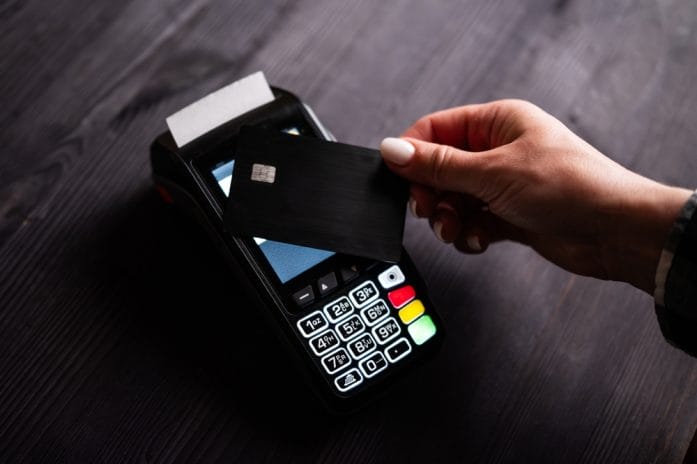
Retail Store Credit Cards Now Charging 30% APR on Average

February 3, 2026 by Brandon Marcus Leave a Comment

Retail Store Credit Cards Now Charging 30% APR on Average

Image source: shutterstock.com

Once upon a time, retail store credit cards felt like a harmless little perk. You’d get 10% off your purchase, maybe a birthday coupon, and the occasional “exclusive” sale invite. It felt friendly. Convenient. Almost cozy.

But today, that friendly plastic card in your wallet is starting to look more like a financial landmine. Across the U.S., store credit cards are now charging interest rates that hover around 30% APR on average, turning everyday shopping into one of the most expensive ways to borrow money. This isn’t just a finance nerd issue—it’s a real-life, everyday money problem that affects millions of shoppers who just wanted a discount at checkout and ended up paying triple-digit interest over time.

How Store Credit Cards Quietly Became Some of the Most Expensive Debt You Can Carry

Retail credit cards were originally designed as loyalty tools, not serious lending products. But over time, they’ve evolved into full-blown credit products with interest rates that rival—or even exceed—some of the most expensive consumer credit options available. Many major store cards now advertise APRs that land close to 30%, especially for customers who don’t qualify for top-tier credit pricing.

What makes this tricky is how these cards are marketed. The focus is always on the discount: “Save 15% today!” or “Get $40 off your first purchase!” Meanwhile, the APR is buried in fine print that nobody reads while standing in a checkout line with a cart full of clothes. Psychologically, it feels like a reward card, not a loan. Financially, though, it behaves like high-interest debt, and that disconnect is where people get hurt.

Why Interest Rates on Retail Cards Are So High Right Now

The rise in store card APRs didn’t happen in a vacuum. Over the last few years, overall interest rates in the U.S. have climbed as the Federal Reserve raised benchmark rates to fight inflation. When base rates go up, borrowing gets more expensive across the board—from mortgages to credit cards to auto loans. Retail credit cards feel this pressure more than most and have been rising steadily year after year.

There’s also the business model itself. Store cards are often issued by third-party banks that specialize in retail lending, and they assume a higher risk of default because many applicants have fair or average credit, not excellent credit. Higher risk equals higher interest rates. On top of that, store cards typically lack the competitive pressure that general-purpose credit cards face.

The result is a perfect storm: rising national interest rates, higher-risk borrowers, and a business model that doesn’t prioritize low APRs.

Smarter Ways to Use Store Cards Without Getting Burned

Store cards aren’t automatically evil—they’re just dangerous if used casually. If you’re going to use one, the smartest approach is to treat it like a debit card with a delay, not a credit line. That means only charging what you can pay off in full before interest hits. If you’re using a store card for a one-time discount, set up an immediate payoff plan so the balance doesn’t linger.

If you already carry balances on store cards, prioritizing them in your debt payoff strategy can make a huge difference. High-interest debt should usually be paid down faster than low-interest debt because it’s actively draining your money every month.

What This Says About Consumer Spending and Debt Culture

The rise of 30% APR store cards says something bigger about modern consumer culture. We’ve normalized borrowing for everyday life—clothes, home goods, electronics, even basic essentials. Credit has become frictionless, invisible, and easy, which makes it dangerously seductive. Store cards sit right at the intersection of convenience and temptation.

This isn’t about shame or blame. It’s about understanding the system. Retailers want loyalty. Banks want interest income. Consumers want affordability. The tension between those goals creates products that look helpful on the surface and expensive underneath.

Retail Store Credit Cards Now Charging 30% APR on Average

Image source: shutterstock.com

The Real Win Isn’t the Discount—It’s Control Over Your Money

The biggest takeaway isn’t “never use store cards.” It’s “don’t let store cards use you.” When you understand how these products work, you stop making emotional money decisions at checkout and start making strategic ones. You realize that a 10% discount doesn’t matter if you’re paying 30% interest later. You stop confusing convenience with value. And you start treating credit as a tool instead of a trap.

Have you ever opened a store credit card for a discount and regretted it later, or do you use them strategically without paying interest? Talk about your experiences in the comments section.

You May Also Like…

Why Credit Card APRs Only Dropped 0.35% Even After Three Fed Rate Cuts in 2025

8 Times Retailers Don’t Owe You A Refund

6 Sneaky Ways Retailers Make People Overspend

7 Ways Credit Card Debt Builds Faster Than Expected

10 Reasons Your Credit Card Fraud Claim Was Denied—and What You Can Do About It

Brandon Marcus
Brandon Marcus

Brandon Marcus is a writer who has been sharing the written word since a very young age. His interests include sports, history, pop culture, and so much more. When he isn’t writing, he spends his time jogging, drinking coffee, or attempting to read a long book he may never complete.

Filed Under: credit cards Tagged With: APR, budgeting, consumer finance, credit awareness, Debt Management, financial literacy, Inflation, interest rates, personal finance tips, retail credit cards, shopping habits, store cards

5 Financial Habits That Make You Look Struggling—Even When You’re Not

August 11, 2025 by Catherine Reed Leave a Comment

5 Financial Habits That Make You Look Struggling—Even When You’re Not

Image source: 123rf.com

You might have a solid emergency fund, a healthy credit score, and a retirement account in the works—but a few small financial habits can still give off the impression that you’re struggling. Whether it’s how you manage your bills or how you shop day-to-day, people notice the little behaviors, especially when they don’t seem to match your actual financial stability. In some cases, these habits can even impact how employers, landlords, or peers view your financial credibility. The truth is, perception matters more than we’d like to admit, and your daily money choices can say a lot about your situation—even if it’s not the whole story. Let’s break down five common financial habits that might be sending the wrong message, even when your bank account says otherwise.

1. Constantly Using Buy Now, Pay Later Apps

While “buy now, pay later” services like Afterpay or Klarna can seem like smart tools for budgeting, using them frequently can make others think you’re strapped for cash. If every other purchase gets broken into installments, it gives the impression that you can’t afford to pay upfront. These platforms were originally meant for occasional use, but over-relying on them can suggest financial instability or poor money management. Even if you’re using them strategically to keep cash flow steady, the outside perception is often negative. It’s a financial habit that looks convenient but can easily be misunderstood.

2. Always Choosing the Cheapest Option—Even When It Backfires

Being frugal is smart, but always opting for the cheapest product or service can sometimes signal desperation, not discipline. If your car keeps breaking down because you chose the lowest-cost mechanic, or if you’re constantly replacing cheap appliances, people may think you’re stuck in a financial rut. There’s a difference between smart saving and cutting corners so hard it ends up costing you more. The key is balancing cost and value, not just chasing the lowest price tag. When done right, spending a little more upfront often saves you money—and face—in the long run.

3. Ignoring Small Debts That Follow You Around

Many people with otherwise stable finances let small debts linger, thinking they’re no big deal. But unpaid parking tickets, missed utility bills, or forgotten subscriptions sent to collections can paint a picture of financial chaos. These little debts can show up on your credit report or rental history and make you look like someone who’s struggling to stay afloat. It’s not about the amount—it’s about the habit of letting small things slip. Paying attention to these minor obligations helps protect both your credit and your reputation.

4. Living on a Cash-Only Basis

Using cash can be a great budgeting technique, but refusing to use debit or credit cards altogether may raise eyebrows. People may assume you don’t qualify for credit, have had banking issues, or are trying to avoid account garnishments. Even if you’re just trying to keep things simple, this financial habit can come across as outdated or suspicious. It can also make it harder to build credit or qualify for larger purchases like a home or car loan. Finding a balance between cash use and building a digital financial footprint is often the better route.

5. Frequently Asking for Extensions or Payment Arrangements

If you’re regularly requesting extra time to pay bills or need to set up payment plans, others may assume you’re in financial trouble. While there’s nothing wrong with needing flexibility now and then, making it a habit signals poor planning—even if you’re just being cautious. This pattern can lead landlords, service providers, or lenders to view you as high-risk, even when your overall finances are in decent shape. Instead, aim to build a buffer in your budget to avoid needing extensions in the first place. When you pay on time and in full, it communicates confidence and control.

Smart Money Management Is About More Than Numbers

Financial habits don’t just affect your wallet—they shape how others see your stability, responsibility, and long-term reliability. Even if you’re doing fine financially, certain habits can send the wrong message and cost you opportunities down the road. Being mindful of how your actions are perceived is part of smart money management, especially when those perceptions impact housing, jobs, or loans. By staying intentional with your financial behavior and catching habits that may be misunderstood, you can project confidence and control that matches your actual financial picture. After all, financial wellness isn’t just about what you have—it’s also about how you handle it.

Have you ever caught yourself in one of these financial habits? Share your experience or tips in the comments—we’d love to hear from you!

Read More:

8 Signs You’re Losing Wealth Without Realizing It

Are These 8 Money-Saving Tricks Actually Keeping You Broke?

Catherine Reed
Catherine Reed

Catherine is a tech-savvy writer who has focused on the personal finance space for more than eight years. She has a Bachelor’s in Information Technology and enjoys showcasing how tech can simplify everyday personal finance tasks like budgeting, spending tracking, and planning for the future. Additionally, she’s explored the ins and outs of the world of side hustles and loves to share what she’s learned along the way. When she’s not working, you can find her relaxing at home in the Pacific Northwest with her two cats or enjoying a cup of coffee at her neighborhood cafe.

Filed Under: Personal Finance Tagged With: Budgeting Tips, credit awareness, financial habits, frugal living, money management, Personal Finance, Smart Spending

FOLLOW US

Search this site:

Recent Posts

  • Can My Savings Account Affect My Financial Aid? by Tamila McDonald
  • 12 Ways Gen X’s Views Clash with Millennials… by Tamila McDonald
  • What Advantages and Disadvantages Are There To… by Jacob Sensiba
  • Call 911: Go To the Emergency Room Immediately If… by Stephen Kanaval
  • 10 Tactics for Building an Emergency Fund from Scratch by Vanessa Bermudez
  • 7 Weird Things You Can Sell Online by Tamila McDonald
  • 10 Scary Facts About DriveTime by Tamila McDonald

Copyright © 2026 · News Pro Theme on Genesis Framework