• Home
  • About Us
  • Toolkit
  • Getting Finances Done
    • Hiring Advisors
    • Debt Management
    • Spending Plan
  • Insurance
    • Life Insurance
    • Health Insurance
    • Disability Insurance
    • Homeowners/Renters Insurance
  • Contact Us
  • Privacy Policy
  • Risk Tolerance Quiz

The Free Financial Advisor

You are here: Home / Archives for shopping habits

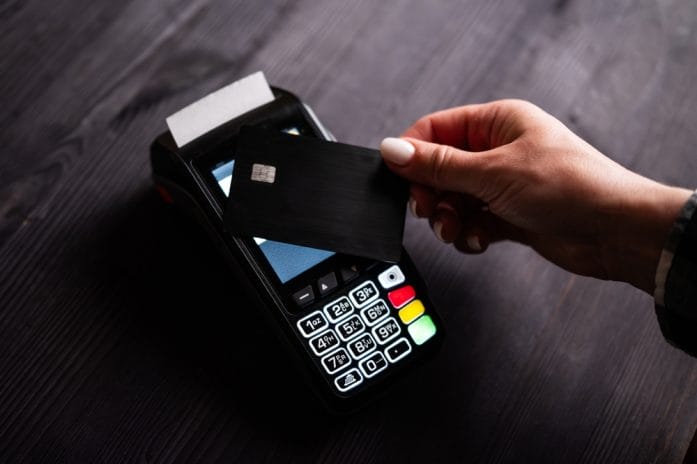
Retail Store Credit Cards Now Charging 30% APR on Average

February 3, 2026 by Brandon Marcus Leave a Comment

Retail Store Credit Cards Now Charging 30% APR on Average

Image source: shutterstock.com

Once upon a time, retail store credit cards felt like a harmless little perk. You’d get 10% off your purchase, maybe a birthday coupon, and the occasional “exclusive” sale invite. It felt friendly. Convenient. Almost cozy.

But today, that friendly plastic card in your wallet is starting to look more like a financial landmine. Across the U.S., store credit cards are now charging interest rates that hover around 30% APR on average, turning everyday shopping into one of the most expensive ways to borrow money. This isn’t just a finance nerd issue—it’s a real-life, everyday money problem that affects millions of shoppers who just wanted a discount at checkout and ended up paying triple-digit interest over time.

How Store Credit Cards Quietly Became Some of the Most Expensive Debt You Can Carry

Retail credit cards were originally designed as loyalty tools, not serious lending products. But over time, they’ve evolved into full-blown credit products with interest rates that rival—or even exceed—some of the most expensive consumer credit options available. Many major store cards now advertise APRs that land close to 30%, especially for customers who don’t qualify for top-tier credit pricing.

What makes this tricky is how these cards are marketed. The focus is always on the discount: “Save 15% today!” or “Get $40 off your first purchase!” Meanwhile, the APR is buried in fine print that nobody reads while standing in a checkout line with a cart full of clothes. Psychologically, it feels like a reward card, not a loan. Financially, though, it behaves like high-interest debt, and that disconnect is where people get hurt.

Why Interest Rates on Retail Cards Are So High Right Now

The rise in store card APRs didn’t happen in a vacuum. Over the last few years, overall interest rates in the U.S. have climbed as the Federal Reserve raised benchmark rates to fight inflation. When base rates go up, borrowing gets more expensive across the board—from mortgages to credit cards to auto loans. Retail credit cards feel this pressure more than most and have been rising steadily year after year.

There’s also the business model itself. Store cards are often issued by third-party banks that specialize in retail lending, and they assume a higher risk of default because many applicants have fair or average credit, not excellent credit. Higher risk equals higher interest rates. On top of that, store cards typically lack the competitive pressure that general-purpose credit cards face.

The result is a perfect storm: rising national interest rates, higher-risk borrowers, and a business model that doesn’t prioritize low APRs.

Smarter Ways to Use Store Cards Without Getting Burned

Store cards aren’t automatically evil—they’re just dangerous if used casually. If you’re going to use one, the smartest approach is to treat it like a debit card with a delay, not a credit line. That means only charging what you can pay off in full before interest hits. If you’re using a store card for a one-time discount, set up an immediate payoff plan so the balance doesn’t linger.

If you already carry balances on store cards, prioritizing them in your debt payoff strategy can make a huge difference. High-interest debt should usually be paid down faster than low-interest debt because it’s actively draining your money every month.

What This Says About Consumer Spending and Debt Culture

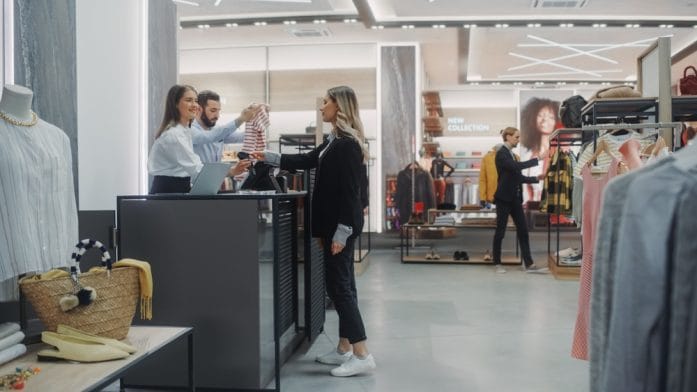
The rise of 30% APR store cards says something bigger about modern consumer culture. We’ve normalized borrowing for everyday life—clothes, home goods, electronics, even basic essentials. Credit has become frictionless, invisible, and easy, which makes it dangerously seductive. Store cards sit right at the intersection of convenience and temptation.

This isn’t about shame or blame. It’s about understanding the system. Retailers want loyalty. Banks want interest income. Consumers want affordability. The tension between those goals creates products that look helpful on the surface and expensive underneath.
Retail Store Credit Cards Now Charging 30% APR on Average

Image source: shutterstock.com

The Real Win Isn’t the Discount—It’s Control Over Your Money

The biggest takeaway isn’t “never use store cards.” It’s “don’t let store cards use you.” When you understand how these products work, you stop making emotional money decisions at checkout and start making strategic ones. You realize that a 10% discount doesn’t matter if you’re paying 30% interest later. You stop confusing convenience with value. And you start treating credit as a tool instead of a trap.

Have you ever opened a store credit card for a discount and regretted it later, or do you use them strategically without paying interest? Talk about your experiences in the comments section.

You May Also Like…

Why Credit Card APRs Only Dropped 0.35% Even After Three Fed Rate Cuts in 2025

8 Times Retailers Don’t Owe You A Refund

6 Sneaky Ways Retailers Make People Overspend

7 Ways Credit Card Debt Builds Faster Than Expected

10 Reasons Your Credit Card Fraud Claim Was Denied—and What You Can Do About It

Brandon Marcus
Brandon Marcus

Brandon Marcus is a writer who has been sharing the written word since a very young age. His interests include sports, history, pop culture, and so much more. When he isn’t writing, he spends his time jogging, drinking coffee, or attempting to read a long book he may never complete.

Filed Under: credit cards Tagged With: APR, budgeting, consumer finance, credit awareness, Debt Management, financial literacy, Inflation, interest rates, personal finance tips, retail credit cards, shopping habits, store cards

How Can Rich vs. Poor Shopping Habits Predict Local Economies

September 2, 2025 by Catherine Reed Leave a Comment

How Can Rich vs. Poor Shopping Habits Predict Local Economies

Image source: 123rf.com

When economists study communities, they often look at employment data, housing prices, and business growth. Yet, one of the most revealing indicators comes from something people do every day: shopping. The way individuals spend money, from luxury items to discount essentials, provides insight into the financial health of entire neighborhoods. Shopping habits don’t just reflect personal income levels; they also shape and predict the strength of local economies. By comparing how the rich and poor shop, we can better understand where communities are headed financially.

1. Where People Shop Tells a Bigger Story

One of the clearest signals comes from where people choose to shop. Affluent households often spend money at specialty stores, boutiques, and higher-end grocery chains, which attract further business investment. Lower-income households, on the other hand, tend to rely on discount retailers, dollar stores, and bulk shopping clubs. These patterns of shopping habits determine which businesses thrive in a given area. Over time, the mix of stores in a community becomes a direct reflection of its overall economic strength.

2. Spending on Experiences vs. Essentials

Another key difference in shopping habits is whether households spend more on experiences or essentials. Wealthier families are more likely to purchase dining, travel, and entertainment, injecting money into service-oriented businesses. Poorer families often allocate a greater share of income to necessities like food, clothing, and utilities. While both forms of spending support local economies, experience-based spending usually generates more tax revenue and job diversity. The balance between essentials and experiences reveals the financial flexibility of a community.

3. Credit Use and Debt Impact Local Economies

How people pay for their purchases is another economic clue. Wealthier shoppers are more likely to use credit strategically, paying balances in full to earn rewards. Lower-income shoppers often rely on credit out of necessity, which can lead to revolving debt and higher interest payments. These shopping habits influence the local economy by affecting consumer confidence and long-term spending power. Communities with high debt reliance often face slower economic growth compared to those with healthier financial practices.

4. The Role of Big-Box vs. Small Businesses

The choice between shopping at big-box retailers or supporting local businesses highlights broader economic patterns. Wealthier shoppers often split their spending, using large retailers for convenience but also supporting niche local stores. Lower-income households may lean heavily on big-box or chain stores for affordability. These shopping habits impact the survival of small businesses, which are often critical for local job creation and tax revenue. The strength of small businesses within a community is a powerful predictor of local economic resilience.

5. The Effect of Online Shopping Growth

The rise of e-commerce has widened the gap between rich and poor shopping habits. Affluent shoppers often use online platforms for both luxury goods and everyday purchases, supporting national and global brands. Lower-income shoppers may stick to in-store purchases for essentials, partly due to lack of access to credit or delivery services. This difference in habits shapes whether local economies lose money to outside corporations or keep it circulating within the community. The level of online vs. local spending offers a forecast of future economic development.

6. How Savings and Bulk Purchases Shape Spending

Wealthier families often buy in bulk, not just for savings but also for convenience. This strategy reduces per-unit costs and helps stretch long-term budgets. Lower-income households, however, frequently purchase smaller quantities, even though it costs more per unit, simply because cash flow is tighter. These shopping habits create a cycle where wealthier households save more while poorer households spend more on the same items. Over time, this imbalance contributes to widening economic divides within local communities.

7. Indicators from Luxury vs. Discount Growth

The presence and growth of luxury stores versus discount retailers can predict where an economy is headed. When luxury shops and upscale grocery chains open in a neighborhood, it signals rising incomes and investment potential. Conversely, a surge in discount retailers often points to economic stress in the community. These shifts in retail presence stem directly from consumer shopping habits. For policymakers and investors, they serve as an early warning system of local financial health.

8. Shopping Habits and Community Stability

Beyond economics, shopping patterns also influence community stability. Wealthier households, with more discretionary spending, often support arts, culture, and charitable donations tied to their shopping behaviors. Lower-income households, focused on survival spending, may not have the same opportunities to invest in community enrichment. This creates visible differences in how neighborhoods develop socially and economically. Shopping habits, therefore, act as both a reflection and a driver of community well-being.

The Economic Story Hidden in Every Purchase

Every purchase tells a story, not just about personal budgets but about the health of entire communities. The contrast between rich and poor shopping habits highlights which areas are growing, which are struggling, and where the future may be headed. By paying attention to where people shop, what they buy, and how they pay, we can better predict local economic shifts. These insights remind us that small daily choices can have large collective impacts on community prosperity.

Do you think shopping habits reveal more about a local economy than official statistics? Share your thoughts in the comments.

What to Read Next…

Can You Really Build a Future With Someone Who’s Terrible With Money?

10 Unusual Spending Habits That Reveal Someone Is Quietly Rich

What Happens When Inflation Creeps Into Everyday Purchases

8 Silent Wealth Killers That Hide in Everyday Expenses

20 Valuable Items In Your Home Hiding in Plain Sight

Catherine Reed
Catherine Reed

Catherine is a tech-savvy writer who has focused on the personal finance space for more than eight years. She has a Bachelor’s in Information Technology and enjoys showcasing how tech can simplify everyday personal finance tasks like budgeting, spending tracking, and planning for the future. Additionally, she’s explored the ins and outs of the world of side hustles and loves to share what she’s learned along the way. When she’s not working, you can find her relaxing at home in the Pacific Northwest with her two cats or enjoying a cup of coffee at her neighborhood cafe.

Filed Under: Spending Habits Tagged With: community development, consumer spending, economic trends, financial behavior, local economies, Personal Finance, shopping habits

What Retailers Know About You Based on Just One Receipt

July 8, 2025 by Travis Campbell Leave a Comment

retailers

Image Source: pexels.com

Every time you make a purchase, you leave behind a trail of retail data—sometimes without even realizing it. That little slip of paper or digital receipt you get at checkout is more than just a record of what you bought. It’s a goldmine of information for retailers, who use it to understand your habits, predict your future purchases, and even influence your decisions. In a world where privacy is increasingly difficult to protect, understanding what your receipt reveals can help you make more informed choices about your personal information. Let’s break down exactly what retailers can learn from just one receipt and what you can do about it.

1. Your Shopping Preferences

Retailers analyze every item on your receipt to build a profile of your shopping preferences. Whether you’re buying organic produce, tech gadgets, or budget-friendly brands, each purchase adds a layer to your consumer identity. This retail data helps stores tailor their marketing efforts, sending you coupons or ads for products similar to what you’ve already bought. Over time, these patterns become more accurate, making it easier for retailers to predict what you’ll want next. If you notice that your email inbox is suddenly full of offers for things you recently purchased, your receipt is likely the reason.

2. Your Spending Habits

A single receipt can reveal how much you’re willing to spend on certain products, how often you shop, and even whether you’re a bargain hunter or a splurger. Retailers use this retail data to segment customers into categories, such as “value shoppers” or “premium buyers.” This segmentation allows them to target you with specific promotions or loyalty programs designed to maximize your spending. For example, if your receipts show frequent use of coupons or sale items, you might receive more discount offers in the future. Understanding this can help you recognize when you’re being targeted and make more intentional spending decisions.

3. Your Location and Shopping Times

Receipts often include the store location and the exact time of your purchase. When combined with retail data from loyalty programs or credit card transactions, this information helps retailers map out your shopping routines. They can determine if you prefer shopping on weekends, late at night, or during lunch breaks. This data is valuable for planning store staffing, stocking shelves, and even sending you time-sensitive offers. For instance, if you always shop on Friday evenings, you might get a special deal sent to your phone just before your usual visit.

4. Your Payment Methods

The way you pay—credit card, debit card, mobile wallet, or cash—provides another layer of retail data. Payment methods can indicate your financial habits and even your preferred banks or credit card companies. Retailers may use this information to offer you financing options, exclusive cardholder deals, or to partner with financial institutions for joint promotions. If you consistently use a store-branded credit card, expect to see more targeted offers and rewards aimed at keeping you loyal to that retailer.

5. Your Contact Information

If you use a loyalty program, provide your email for a digital receipt, or enter your phone number at checkout, your contact information is linked directly to your purchase history. This connection allows retailers to build detailed customer profiles and send personalized marketing messages. It also means your retail data can be shared or sold to third parties, increasing your exposure to targeted advertising. To limit this, consider opting out of unnecessary programs or using a separate email address for shopping.

6. Your Return and Exchange Patterns

Receipts track not just what you buy, but also what you return or exchange. Frequent returns can flag you as a “high-risk” customer, which might affect your eligibility for certain promotions or even your ability to make future returns. Retailers use this retail data to identify potential fraud, but it can also impact your shopping experience in subtle ways. If you notice stricter return policies or fewer offers, your return history could be the reason.

7. Your Household Composition

Believe it or not, the items on your receipt can hint at your household size and makeup. Regular purchases of diapers, pet food, or school supplies suggest the presence of children, pets, or students in your home. Retailers use this retail data to send you relevant offers, such as back-to-school sales or pet care promotions. While this can be convenient, it’s also a reminder of how much personal information is inferred from your shopping habits.

Protecting Your Privacy in a Data-Driven World

Understanding how much retail data is collected from a single receipt is the first step toward protecting your privacy. You can take practical steps, like paying with cash, limiting the use of loyalty programs, or requesting paper receipts instead of digital ones. Be mindful of the information you share at checkout and regularly review your privacy settings with retailers. Staying informed empowers you to make choices that align with your comfort level and helps you maintain control over your personal information in an increasingly data-driven world.

What’s the most surprising thing you’ve learned about how your shopping data is used? Share your thoughts in the comments below!

Read More

How Surveillance Technology is Changing the Face of Finance

Consumerism on a Budget: Why Americans Proudly Use and Love Coupons

Travis Campbell
Travis Campbell

Travis Campbell is a digital marketer/developer with over 10 years of experience and a writer for over 6 years. He holds a degree in E-commerce and likes to share life advice he’s learned over the years. Travis loves spending time on the golf course or at the gym when he’s not working.

Filed Under: Business Tagged With: consumer privacy, data security, Personal Finance, receipts, retail analytics, retail data, shopping habits

Why These 6 Famous Stores Are Closing Down Their Flagships

May 28, 2025 by Travis Campbell Leave a Comment

Walgreens store

Image Source: pexels.com

Shoppers across the country are seeing a wave of iconic flagship store closures, and it’s raising real concerns about the future of retail. For many, these stores aren’t just places to shop—they’re landmarks, gathering spots, and symbols of bustling city life. When a flagship closes, it signals more than just a business decision; it can reshape entire neighborhoods, impact local jobs, and change how people experience their favorite brands.

Understanding why these famous stores are closing helps consumers make smarter choices about where to shop, how to budget, and what to expect from the evolving retail landscape. The reasons behind these closures are complex, but they offer valuable lessons for anyone who wants to stay ahead of the curve. Let’s break down the real-world factors driving these changes and what they mean for your wallet and community.

1. Macy’s Herald Square: The Struggle with Soaring Costs

Macy’s Herald Square in New York City has long been a retail icon, drawing millions of visitors each year. Yet, even this legendary location isn’t immune to brick-and-mortar stores’ pressures. In 2024, Macy’s announced plans to close several flagship locations, including Herald Square, citing unsustainable operating costs and shifting consumer habits.

Rising rent and property taxes in Manhattan have made it nearly impossible for even the biggest retailers to turn a profit. For example, commercial rents in Midtown have climbed in the past five years, squeezing margins for all but the most profitable stores. As more shoppers turn to online options, foot traffic has dropped by nearly 30% since 2019, making it harder for flagships to justify their massive overhead.

For readers, this means fewer in-person shopping experiences and potential job losses in local communities. If you rely on flagship stores for special events or unique products, now is the time to explore alternative shopping options or support smaller local businesses.

2. Nordstrom San Francisco: Urban Challenges and Changing Demographics

Nordstrom’s flagship in San Francisco’s Westfield Mall was once a destination for luxury shoppers. However, the store closed its doors in 2023, highlighting the growing challenges of operating in urban centers. Retail crime, declining downtown foot traffic, and a shift in local demographics all played a role.

San Francisco’s downtown has seen a drop in office occupancy since the pandemic, leading to fewer daily shoppers. Retail theft has also surged, with reported incidents up year over year, making it harder for stores to maintain profitability and safety. These issues aren’t unique to San Francisco—many urban flagships are facing similar pressures.

For consumers, this means fewer choices in city centers and a need to plan shopping trips carefully. Consider using online ordering with in-store pickup or supporting suburban locations that may be more stable.

3. Bed Bath & Beyond: The Impact of E-Commerce Giants

Bed Bath & Beyond’s flagship closures are a direct result of the relentless rise of e-commerce. The company filed for bankruptcy in 2023, shuttering its flagship stores and hundreds of other locations. Online competitors like Amazon and Walmart have captured a significant share of the home goods market, offering lower prices and faster delivery.

In 2022, e-commerce accounted for nearly 22% of all retail sales in the U.S., up from just 14% in 2018. This shift has left traditional retailers struggling to compete, especially those with large, expensive flagship stores.

Shoppers should take advantage of online deals but also be aware of the risks, such as counterfeit products or delayed shipping. Comparing prices and reading reviews can help you make smarter purchasing decisions in this new retail environment.

4. Saks Fifth Avenue: Luxury Retail Faces a New Reality

Saks Fifth Avenue plans to close some locations, surprising many loyal customers. The luxury sector isn’t immune to the pressures facing retail, especially as high-end shoppers increasingly prefer online or boutique experiences.

Changing consumer preferences, especially among younger shoppers, are driving this trend. Millennials and Gen Z are more likely to shop online or seek out unique, personalized experiences rather than traditional department stores. For readers, this means luxury shopping is shifting online, and exclusive in-store events may become rarer.

If you value in-person luxury shopping, look for pop-up events or smaller boutique locations that offer a more curated experience.

5. Walgreens Times Square: Safety and Security Concerns

Walgreens’ flagship in Times Square was once a 24/7 hub for tourists and locals alike. However, the store closed in 2023, citing rising theft and safety concerns. Retail crime in New York City has increased by 17% over the past two years, making it difficult for stores to operate profitably and safely.

For everyday shoppers, this means fewer late-night options and longer trips to find essential items. It’s a reminder to plan ahead, especially if you rely on flagship stores for convenience or unique services.

6. Disney Store New York: The Experience Economy Shifts

The New York Times Square Disney Store was famous for its immersive experiences and exclusive merchandise. Yet, even Disney couldn’t escape the changing tides of retail. The flagship closed in 2024 as the company shifted focus to online sales and theme park experiences.

The rise of the “experience economy” means consumers spend more on travel, dining, and entertainment than on traditional retail. Disney’s online store now offers many of the same products once found in its flagship, but the magic of in-person shopping is harder to replicate.

This means planning trips to theme parks or special events for families if you want that unique Disney experience. Online shopping can fill the gap, but it’s not quite the same as visiting a flagship store.

What These Closures Mean for Your Financial Future

The closure of flagship stores signals a major shift in how Americans shop, work, and connect with their communities. As retail continues to evolve, consumers need to adapt by exploring new shopping options, supporting local businesses, and staying informed about changes in their area.

These closures also highlight the importance of budgeting for online purchases, being vigilant about retail scams, and seeking out unique experiences in new ways. Understanding the forces behind these changes allows you to make smarter decisions that protect your wallet and support your community.

How have flagship store closures changed your shopping habits? Share your experiences and tips in the comments below.

Read More

6 Reasons You Should Always Get Your Taxes Done Early

DIY Financial Planning Software

Travis Campbell
Travis Campbell

Travis Campbell is a digital marketer/developer with over 10 years of experience and a writer for over 6 years. He holds a degree in E-commerce and likes to share life advice he’s learned over the years. Travis loves spending time on the golf course or at the gym when he’s not working.

Filed Under: Business Tagged With: consumer advice, flagship store closures, Planning, retail trends, shopping habits, store shutdowns

The 6 Surprising Way Your Weekly Target Run Is Sabotaging Your Retirement

May 8, 2025 by Travis Campbell Leave a Comment

target store

Image Source: pexels.com

That quick trip to Target for “just one thing” often turns into a cart full of items you never planned to buy. While these shopping habits might seem harmless in the moment, they could be silently undermining your retirement savings. The small, impulsive purchases we make during routine shopping trips create a cumulative effect that can significantly impact long-term financial goals. Understanding how these shopping patterns affect your retirement planning is the first step toward making more conscious spending decisions that align with your future financial needs.

1. The “Target Effect” Is Draining Your Investment Potential

The “Target Effect” – that phenomenon where you walk in for toothpaste and leave with $150 worth of items – isn’t just a funny meme; it’s a serious drain on your retirement savings. When you spend an extra $75-100 weekly on unplanned purchases, that’s potentially $5,200 annually not going toward your retirement. According to a study by the Employee Benefit Research Institute, even small increases in retirement contributions can significantly impact your nest egg due to compound interest. That cute seasonal decor item costing $24.99 could be worth over $100 in your retirement account after 20 years of market growth.

2. Impulse Buys Are Stealing Your Compound Interest

Every impulse purchase represents a lost compound interest opportunity. That $40 throw pillow you couldn’t resist might seem insignificant but invested in a retirement account earning a modest 7% annual return, it could grow to nearly $300 over 30 years. Target’s strategic store layout and merchandising are specifically designed to trigger impulse purchases. The store’s “treasure hunt” atmosphere encourages browsing and discovering items you never intended to buy. Each time you succumb to these marketing tactics, you’re effectively borrowing from your future self.

3. Store Credit Card Rewards Create False Economy

Target’s RedCard offers an appealing 5% discount on purchases, but this perceived saving often leads to increased spending. Research from the Federal Reserve Bank of Boston shows that credit card users typically spend 12-18% more than cash users. The psychology behind this is simple: the discount feels like “free money,” encouraging additional purchases. Meanwhile, any carried balance accrues interest that far exceeds the discount. This pattern creates a false economy where you believe you’re saving money while actually spending more and potentially accumulating debt that hampers retirement savings.

4. Subscription Services Add Up Silently

You might sign up for subscription deliveries of household essentials, beauty products, or pet supplies during your Target runs. While these subscriptions offer convenience and small discounts, they create recurring expenses that automatically drain your accounts month after month. A $15 monthly subscription equals $180 annually, which could be automatically invested instead. According to retirement experts, automating savings is one of the most effective strategies for building wealth. Every subscription service you maintain represents a missed opportunity for automated retirement contributions.

5. Home Organization Products Rarely Solve Spending Problems

The organization and storage section at Target offers solutions to manage the clutter in your home. Ironically, purchasing these items often compounds the problem they’re meant to solve. Buying storage bins, shelving units, and organizational systems to manage excess possessions treats the symptom rather than the cause of overconsumption. These purchases create a cycle where you spend money to manage things you’ve already spent money on. Breaking this cycle by reducing consumption altogether would free up significant funds for retirement investments while simplifying your life.

6. Seasonal Decor Creates Perpetual Spending Cycles

Target’s seasonal sections are masterfully designed to trigger emotional spending. From Valentine’s Day to Halloween to Christmas, there’s always a new holiday to decorate for. This creates a perpetual spending cycle where you constantly refresh decor items with limited use. A household spending just $200 per season on decorations could easily divert $800+ annually toward retirement. Over the decades, this pattern can significantly impact your retirement readiness. Consider creating a single, fixed “seasonal decor budget” annually rather than making impulsive purchases throughout the year.

Building Wealth Requires Mindful Shopping Habits

The path to retirement security isn’t paved with deprivation but with intentionality. Creating a pre-shopping list and sticking to it can dramatically reduce impulse purchases. Consider implementing a 24-hour rule for non-essential items over $30 – leave the store without them and return only if necessary, a day later. Another effective strategy is allocating a specific “fun money” budget for each Target trip, bringing that amount in cash, and leaving credit cards at home. These simple boundaries create mindfulness around spending while still allowing for occasional treats that don’t derail your retirement goals.

Have you noticed how your shopping habits at stores like Target affect your ability to save? What strategies have you implemented to curb impulse spending while still enjoying your shopping experience?

Read More

7 Ways Retirement Can Be Cheaper Than You Can Imagine

8 Reasons Your Kids Don’t Want to Be Your Retirement Plan

Travis Campbell
Travis Campbell

Travis Campbell is a digital marketer/developer with over 10 years of experience and a writer for over 6 years. He holds a degree in E-commerce and likes to share life advice he’s learned over the years. Travis loves spending time on the golf course or at the gym when he’s not working.

Filed Under: Retirement Tagged With: financial independence, impulse spending, retirement planning, saving strategies, shopping habits, Target Effect

FOLLOW US

Search this site:

Recent Posts

  • Can My Savings Account Affect My Financial Aid? by Tamila McDonald
  • 12 Ways Gen X’s Views Clash with Millennials… by Tamila McDonald
  • What Advantages and Disadvantages Are There To… by Jacob Sensiba
  • Call 911: Go To the Emergency Room Immediately If… by Stephen Kanaval
  • 10 Tactics for Building an Emergency Fund from Scratch by Vanessa Bermudez
  • 7 Weird Things You Can Sell Online by Tamila McDonald
  • 10 Scary Facts About DriveTime by Tamila McDonald

Copyright © 2026 · News Pro Theme on Genesis Framework