
• Home
  • About Us
  • Getting Finances Done
    • Hiring Advisors
    • Debt Management
    • Spending Plan
  • Insurance
    • Life Insurance
    • Health Insurance
    • Disability Insurance
    • Homeowners/Renters Insurance
  • Contact Us
  • Our Editorial Commitment

The Free Financial Advisor

You are here: Home / Archives for Planning

Maryland Seniors: Filing Errors on Local Tax Credits Are Causing Residents to Lose Key Savings

April 15, 2026 by Brandon Marcus Leave a Comment

Maryland Seniors: Filing Errors on Local Tax Credits Are Causing Residents to Lose Key Savings
Image Source: Shutterstock.com

There’s nothing more frustrating than leaving money on the table—especially when it’s money that was specifically designed to help. Across Maryland, thousands of older homeowners qualify for valuable local tax breaks, yet many never see the full benefit because of small, avoidable filing mistakes. These aren’t complicated loopholes or obscure technicalities either; they’re simple errors that quietly chip away at real savings. For retirees living on fixed incomes, even a few hundred dollars lost can make a noticeable difference in monthly budgeting. That’s exactly why understanding how Maryland senior tax credits work—and how they go wrong—matters more than ever.

Local governments in Maryland offer several property tax relief programs aimed at seniors, including credits based on income, age, and homeownership status. These programs can significantly reduce annual tax bills, sometimes by thousands of dollars depending on eligibility. However, the application process demands accuracy, attention to detail, and ongoing updates that many people overlook.

1. Missing Deadlines That Quietly Cancel Savings

Deadlines don’t usually come with flashing warning signs, and that’s exactly why they cause problems. Many Maryland senior tax credits require annual applications or renewals, and missing that window can mean losing the benefit for the entire year. Some counties set strict filing cutoffs, and they rarely make exceptions once that date passes.

Seniors who assume their credit automatically renews often find out too late that it doesn’t. Marking these deadlines on a calendar and setting reminders can prevent an easy mistake from turning into a costly one.

2. Income Reporting Errors That Trigger Denials

Income plays a major role in determining eligibility for Maryland senior tax credits, and even small reporting mistakes can cause big issues. Some applicants accidentally include the wrong figures, forget to list certain income sources, or misunderstand what counts toward the total. These errors can push someone over the eligibility threshold on paper, even if they actually qualify. Tax offices rely on the numbers provided, so accuracy matters at every step. Double-checking documents or working with a tax professional can help ensure everything lines up correctly.

3. Confusion Over Primary Residence Requirements

Many local tax credits apply only to a primary residence, but that detail often trips people up. Seniors who split time between multiple homes or recently moved may accidentally file under the wrong property. Counties require clear proof that the home receiving the credit serves as the main residence. Without proper documentation, applications can get denied or delayed. Keeping records like utility bills, voter registration, or driver’s license information aligned with the correct address helps avoid unnecessary complications.

4. Forgetting to Update Life Changes That Affect Eligibility

Life doesn’t stay static, and tax credits don’t automatically adjust when things change. A shift in income, marital status, or homeownership can all impact eligibility for Maryland senior tax credits. Many seniors forget to report these updates, which can lead to incorrect filings or even penalties later. Some changes may increase benefits, while others might reduce or eliminate them. Staying proactive and reporting updates quickly ensures the credit reflects the current situation accurately.

5. Overlooking Required Documentation That Slows Everything Down

Paperwork may not feel exciting, but it plays a huge role in getting approved. Many applications for Maryland senior tax credits require supporting documents like income statements, proof of age, or property records. Missing even one piece can delay processing or result in a denial. Some applicants assume prior submissions carry over, but many programs require fresh documentation each year. Keeping a checklist and organizing documents ahead of time can make the process smoother and faster.

Maryland Seniors: Filing Errors on Local Tax Credits Are Causing Residents to Lose Key Savings
Image Source: Shutterstock.com

6. Assuming the System Will Catch Mistakes Automatically

It’s easy to believe that if something looks off, the system will flag it and fix it—but that rarely happens. Tax offices process large volumes of applications, and they rely heavily on the information provided. Errors often go unnoticed until a denial letter arrives or a benefit disappears. Waiting for someone else to catch a mistake can cost valuable time and money. Taking a careful, hands-on approach during the application process makes a big difference in securing the full benefit.

Where Smart Filing Turns Into Real Savings

Getting the most out of Maryland senior tax credits doesn’t require expert-level tax knowledge, but it does demand attention and consistency. Small steps like tracking deadlines, verifying income details, and keeping documents organized can protect valuable savings year after year. Many seniors benefit from reaching out to local tax offices or community assistance programs for guidance, especially when rules change or situations evolve. Treating the application process as an annual financial check-in can help catch issues early and keep everything on track.

Have you or someone you know ever run into problems with Maryland senior tax credits or found a strategy that made the process easier? We want to hear your advice, insight, and stories in the comments below.

You May Also Like…

Is Your State a Skimmer Hub? The 9 Places Where Credit Card Fraud Is Skyrocketing

Pharmacies Are Moving Prescriptions to App-Only Refills — What Seniors Need to Know

Seniors Receiving ‘Utility Shutoff’ Calls With Exact Account Numbers — Here’s How Criminals Are Stealing Them

IRS Changes for Seniors: What’s Actually New on the 1040‑SR for 2026

Florida Condo Fees Continue Surging — Seniors Face Massive Assessments

Brandon Marcus
Brandon Marcus

Brandon Marcus is a writer who has been sharing the written word since a very young age. His interests include sports, history, pop culture, and so much more. When he isn’t writing, he spends his time jogging, drinking coffee, or attempting to read a long book he may never complete.

Filed Under: tax tips Tagged With: homeowner tips, local tax programs, Maryland senior tax credits, Planning, property tax relief, retirement finances, Senior Benefits, senior savings, tax credits Maryland, tax filing errors

Your 401(k) Could Create a Massive Tax Bill for Your Kids Under Today’s Inheritance Rules

April 14, 2026 by Brandon Marcus Leave a Comment

Your 401(k) Could Create a Massive Tax Bill for Your Kids Under Today’s Inheritance Rules
Image Source: Shutterstock.com

There’s a quiet storm brewing inside one of the most common retirement accounts in America, and it doesn’t show up on any statement or quarterly update. It sits there, invisible, growing alongside the balance, waiting for the moment when a family expects a financial gift but instead inherits a complicated tax problem. That storm comes from the way current inheritance rules treat 401(k) accounts, and it has the power to shrink what loved ones actually receive far more than most people expect. Many savers feel confident after building a strong retirement nest egg, yet they often overlook how those dollars behave after death. The result can feel like a financial plot twist that nobody planned for and nobody enjoys dealing with.

A 401(k) carries a reputation as a safe, responsible, and smart way to prepare for retirement, and that reputation holds up while the original owner stays alive. The rules shift dramatically, however, once that money passes to the next generation, and those changes can trigger a tax cascade that eats into the account quickly. Families sometimes assume they can stretch withdrawals over decades, giving the account time to keep growing, but today’s laws don’t allow that luxury in many cases.

The 10-Year Rule That Changed Everything

The biggest shake-up arrived with the SECURE Act, which rewrote how inherited retirement accounts work for many beneficiaries. Before that law took effect, non-spouse heirs often used a strategy known as the “stretch IRA,” which allowed them to withdraw funds slowly over their lifetime. That approach kept annual taxes lower and allowed the account to continue growing for years or even decades. The SECURE Act eliminated that option for most non-spouse beneficiaries and replaced it with a strict 10-year withdrawal rule. That rule requires heirs to empty the account within ten years of the original owner’s death, which dramatically accelerates the tax timeline.

That shift may sound simple on the surface, but it creates ripple effects that can hit hard. Heirs must now decide how to spread withdrawals over that 10-year window, and each withdrawal counts as ordinary income. That means large withdrawals can stack on top of existing income, pushing beneficiaries into higher tax brackets. Someone in their peak earning years could face a significantly larger tax bill than expected if they inherit a sizable 401(k). Instead of enjoying steady, long-term financial support, heirs often face pressure to manage withdrawals carefully while navigating complex tax implications. The rule doesn’t offer much flexibility, and it forces families to think strategically or risk losing a chunk of the inheritance to taxes.

Why Timing Can Make or Break Your Heirs

Timing plays a huge role in how painful that tax bill becomes, and unfortunately, beneficiaries don’t always have control over when they receive an inheritance. A person who inherits a 401(k) during high-earning years could face a much steeper tax burden than someone who inherits the same account later in life. That difference can turn identical account balances into very different outcomes, simply based on when the inheritance occurs. Many people don’t factor in this timing element when naming beneficiaries or planning their estate, even though it can make a massive financial difference.

The 10-year rule also creates strategic dilemmas about when to withdraw funds. Taking everything out early could lead to a huge tax hit in a single year, while waiting too long could create the same problem at the end of the 10-year window. Spreading withdrawals evenly may seem like the safest route, but even that approach can push income higher than expected. Heirs must weigh their current income, future earning potential, and tax brackets while making these decisions. Without a clear plan, beneficiaries can end up reacting instead of strategizing, which often leads to less favorable outcomes. That lack of preparation can turn a well-intentioned inheritance into a complicated juggling act.

Your 401(k) Could Create a Massive Tax Bill for Your Kids Under Today’s Inheritance Rules
Image Source: Shutterstock.com

The Hidden Tax Trap Inside Traditional 401(k)s

Traditional 401(k)s come with a built-in tax deferral, which works beautifully during the saving years but creates complications later. Contributions go in pre-tax, and the account grows tax-deferred, which means the government eventually expects its share. When the original account holder takes withdrawals in retirement, taxes apply at ordinary income rates. When heirs inherit the account, that same tax treatment continues, and it can create a heavy burden if the balance remains large. Many people focus on growing the account but don’t spend enough time thinking about how those taxes will play out for their heirs.

That tax structure can lead to an unpleasant surprise when beneficiaries start taking distributions. Unlike investments held in taxable brokerage accounts, inherited 401(k)s don’t receive a step-up in basis. That means heirs don’t get a tax break on the growth that occurred during the original owner’s lifetime. Every dollar withdrawn counts as taxable income, which can stack up quickly over the required withdrawal period. This dynamic often results in a higher effective tax rate on the inherited funds than many families anticipate. Without careful planning, the account that once represented financial security can transform into a tax-heavy asset that requires careful management.

Smart Moves That Can Soften the Blow

The good news is that several strategies can help reduce the impact of these rules, and proactive planning can make a significant difference. Converting part of a traditional 401(k) into a Roth IRA during retirement years can create a more tax-friendly inheritance. Roth accounts allow tax-free withdrawals for beneficiaries, which removes the burden of paying income tax on distributions. While the original account holder must pay taxes on the conversion, that move can shift the tax burden to a time when income—and tax rates—may be lower. This approach requires careful timing and consideration, but it can create a much smoother experience for heirs.

Another strategy involves thoughtful withdrawal planning during retirement. Instead of leaving the entire account untouched, retirees can take distributions gradually and manage their tax brackets over time. This approach reduces the size of the account that heirs inherit, which in turn lowers the potential tax burden. Charitable giving can also play a role, especially through qualified charitable distributions, which allow retirees to donate directly from their retirement accounts without increasing taxable income. Each of these strategies requires coordination and planning, but they offer a way to take control of the tax situation rather than leaving it to chance. A well-structured plan can turn a potential tax headache into a manageable process.

Don’t Let a Gift Turn Into a Burden

Estate planning doesn’t stop at naming beneficiaries, and that’s where many people fall short. A 401(k) may represent years of discipline and hard work, but without a clear plan, it can create stress for the very people it aims to help. Taking time to understand the current rules and exploring strategies can protect more of that wealth for the next generation. Small adjustments today can prevent large tax bills tomorrow, and that kind of foresight can make a meaningful difference. Financial planning often focuses on accumulation, but distribution deserves just as much attention.

What steps feel worth taking now to make sure a hard-earned retirement account truly benefits the next generation the way it should? Share thoughts, ideas, or strategies in the comments.

You May Also Like…

Using a 401(k) for a Down Payment: The Pros and Risks in 2026

How Seniors Jeopardize Their Social Security Right After Retirement

The Retirement Age Just Hit 67 — What That Means for Your Monthly Check

8 Things Rich Retirees Never Buy — And Poor Ones Always Do

5 Tax Mistakes Retirees Make and How To Fix Them Before It’s Too Late

Brandon Marcus
Brandon Marcus

Brandon Marcus is a writer who has been sharing the written word since a very young age. His interests include sports, history, pop culture, and so much more. When he isn’t writing, he spends his time jogging, drinking coffee, or attempting to read a long book he may never complete.

Filed Under: Retirement Tagged With: 401(k), beneficiaries, Estate planning, inheritance tax, IRS rules, Personal Finance, Planning, retirement planning, retirement savings, SECURE Act, taxes, wealth transfer

5 Hidden Triggers That Can Turn Your Tax Refund Into an IRS Audit

April 14, 2026 by Brandon Marcus Leave a Comment

5 Hidden Triggers That Can Turn Your Tax Refund Into an IRS Audit
Image Source: Shutterstock.com

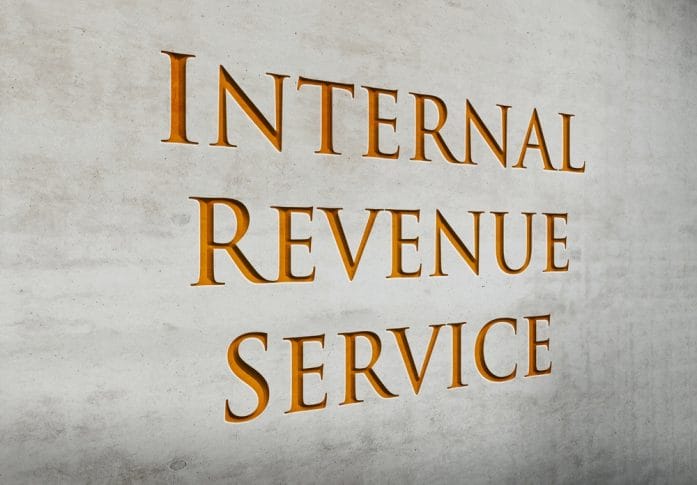
A big tax refund feels like a success, right? That number pops up on the screen and suddenly plans start forming—pay off debt, book a trip, maybe splurge just a little. But here’s the twist that doesn’t get enough attention: that same refund can quietly wave a red flag if certain details in a return don’t line up the way the IRS expects. The system doesn’t run on vibes or good intentions. It runs on patterns, comparisons, and numbers that need to match up cleanly.

A return that stands out doesn’t always mean someone did something wrong, but it absolutely means the IRS might take a closer look. That closer look can slow everything down, turn a refund into a waiting game, and in some cases, open the door to a full audit. That’s not exactly the kind of surprise anyone wants attached to their finances. So before celebrating that refund too hard, it helps to understand what might trigger extra attention in the first place—and how to stay far away from it.

1. The Income That Doesn’t Add Up Always Gets Noticed

Numbers tell a story, and the IRS reads that story line by line. When reported income doesn’t match what employers, clients, or financial institutions report, the system catches it quickly. Every W-2 and 1099 form gets filed with the IRS, so leaving out even a small freelance payment creates a mismatch that stands out immediately. That mismatch doesn’t just delay a refund—it can trigger a notice or even an audit request.

Gig work, side hustles, and online income streams have exploded in recent years, and many people underestimate how closely the IRS tracks those earnings. Payment platforms now report transactions more consistently, and even small amounts can show up in official records. Ignoring that income or assuming it flies under the radar creates a risk that simply isn’t worth it. Accuracy matters more than anything here, and every dollar needs to show up in the right place.

Keeping clean records makes a huge difference when dealing with multiple income streams. Tracking payments, saving documents, and double-checking totals before filing keeps everything aligned. Filing software helps, but it still relies on accurate input. A quick review before submitting a return can prevent a small oversight from turning into a major headache.

2. Deductions That Feel Too Good to Be True Usually Are

Big deductions can shrink taxable income fast, but they also grab attention when they look out of proportion. Claiming unusually high deductions compared to income raises eyebrows because the IRS compares returns across similar income levels. If a return shows expenses that don’t match typical patterns, it gets flagged for review. That doesn’t mean the deduction is invalid, but it does mean someone might want proof.

Home office deductions, business expenses, and charitable contributions often fall into this category. Claiming a home office requires a space used exclusively for business, not a kitchen table that doubles as a workspace. Business expenses need to connect directly to income generation, and vague or inflated claims won’t hold up under scrutiny. Charitable donations require proper documentation, especially for larger amounts.

Documentation acts as the safety net here. Receipts, logs, and clear records back up every claim and show that deductions follow the rules. Taking the time to organize those records before filing keeps everything solid if questions come up later. It also makes the filing process smoother and far less stressful.

3. Filing as Self-Employed Comes With Extra Attention

Self-employment offers flexibility, but it also comes with increased scrutiny from the IRS. Independent contractors and freelancers report income differently, and that opens more room for discrepancies. The IRS knows this and tends to examine these returns more closely. Large refunds paired with self-employment income can stand out even more because of how taxes get calculated.

Quarterly estimated tax payments often trip people up in this category. Skipping those payments or underpaying throughout the year can create inconsistencies when filing a return. Those inconsistencies might not trigger an audit on their own, but they add to the overall risk profile of the return. Combined with other factors, they can push a return into “take a closer look” territory.

Accurate bookkeeping keeps self-employment taxes under control. Tracking income, setting aside money for taxes, and making regular estimated payments create a smoother filing experience. Using accounting tools or working with a tax professional can help keep everything aligned and reduce the chances of drawing unwanted attention.

4. Claiming Credits Without Clear Qualification Raises Flags

Tax credits can boost a refund significantly, but they come with strict qualification rules. Claiming credits like the Earned Income Tax Credit or Child Tax Credit without meeting the requirements can trigger an audit quickly. The IRS pays close attention to these credits because they often involve complex eligibility criteria and have a history of misuse.

Dependents play a big role in this area, and incorrect claims can cause problems fast. Listing a dependent who doesn’t meet residency or support requirements creates inconsistencies that the IRS can spot. If two people claim the same dependent, that conflict almost guarantees a review. These situations don’t just delay refunds—they can lead to penalties if the claim doesn’t hold up.

Understanding the rules before claiming any credit makes a huge difference. Checking eligibility, reviewing guidelines, and making sure all information lines up prevents unnecessary issues. Taking a few extra minutes to confirm details can save weeks—or even months—of back-and-forth with the IRS.

5. Round Numbers and Guesswork Send the Wrong Message

Perfectly rounded numbers might look clean on paper, but they often signal estimation instead of accuracy. The IRS expects real figures based on actual records, not guesses that land neatly on even numbers. When a return shows multiple rounded entries, it can suggest that the filer didn’t rely on proper documentation. That perception alone can increase the chances of an audit.

Expenses, income, and deductions should reflect precise amounts whenever possible. Rounding occasionally doesn’t cause a problem, but consistent rounding across multiple categories raises suspicion. It creates a pattern that doesn’t match how real financial data typically looks. The IRS systems pick up on those patterns quickly.

Using detailed records eliminates the need for guesswork entirely. Bank statements, receipts, and accounting software provide exact figures that keep everything accurate. Taking the time to input those numbers correctly shows that the return relies on real data, not estimates. That attention to detail goes a long way in avoiding unnecessary scrutiny.

5 Hidden Triggers That Can Turn Your Tax Refund Into an IRS Audit
Image Source: Shutterstock.com

The Goal Isn’t the Refund—It’s Staying Off the Radar

A tax refund feels great in the moment, but peace of mind lasts a lot longer. Filing a return that passes through the system without a second glance delivers a different kind of reward—one that doesn’t come with stress, delays, or surprise letters in the mail. Every detail matters, from income reporting to deductions and credits, and small mistakes can snowball into bigger issues fast.

What steps feel worth tightening up to make sure everything stays clean and stress-free? Drop thoughts, strategies, or even lessons learned in the comments.

You May Also Like…​

Texas Has No Income Tax — But Property Taxes Can Get Close To 2% in Some Areas

Property Taxes Are Catching Homeowners Off Guard — Especially After Buying or Renovating

The IRS Doesn’t Warn You Twice — Tax Deadlines That Could Cost You Thousands

8 IRS Red Flags That Are Most Likely to Trigger a Full-Blown Audit

6 Government Benefit Checks That Could Be Delayed Under New Fraud Reviews

Brandon Marcus
Brandon Marcus

Brandon Marcus is a writer who has been sharing the written word since a very young age. His interests include sports, history, pop culture, and so much more. When he isn’t writing, he spends his time jogging, drinking coffee, or attempting to read a long book he may never complete.
Filed Under: tax tips Tagged With: audit triggers, deductions, freelance taxes, income reporting, IRS, money advice, Personal Finance, Planning, tax refund, tax season, tax tips, taxes

The Tiny $10 Oversight That Can Trigger Thousands in Costs Later

April 13, 2026 by Brandon Marcus Leave a Comment

The Tiny $10 Oversight That Can Trigger Thousands in Costs Later
Image Source: Shutterstock.com

A ten-dollar decision can quietly plant the seed for a thousand-dollar disaster, and most people never see it coming. That cheap shortcut, skipped inspection, or ignored replacement feels harmless in the moment because nothing immediately breaks, nothing flashes red, and nothing demands attention. The brain loves that feeling of saving money right now, and it celebrates the tiny win without checking the long-term scoreboard. Yet the real story unfolds later, when that overlooked detail grows into a full-blown problem that demands urgent, expensive action. A loose wire, a worn-out seal, or a neglected filter does not stay small for long. It builds pressure, collects damage, and waits for the worst possible moment to reveal itself.

Everyday life offers countless chances to make these tiny decisions, and they rarely feel dramatic. Skipping a basic oil change, buying the cheapest charger, or ignoring a slow leak does not feel like a big deal when everything still works. That illusion creates the perfect storm because it rewards short-term thinking while quietly punishing long-term neglect. Once the consequences show up, they rarely come alone, and they almost always cost more than expected.

When “Good Enough” Turns Into a Budget Wrecker

The phrase “good enough” often leads straight to unnecessary expenses, especially when it comes to maintenance and repairs. A cheap phone charger that overheats or frays quickly can damage the device’s battery or even create a safety risk, turning a small saving into a costly replacement. Low-quality extension cords, discount plumbing parts, or off-brand filters may look identical at first glance, yet they often fail faster and cause ripple effects. That pattern shows up everywhere, from electronics to home systems to vehicles. Once one weak component fails, it places stress on surrounding parts, which accelerates further damage. That chain reaction rarely stops until something expensive breaks.

Small shortcuts also invite bigger inefficiencies over time, and those inefficiencies quietly drain money. A clogged air filter forces a heating or cooling system to work harder, which drives up energy bills month after month. A worn-out car tire reduces fuel efficiency and increases the risk of a blowout, which can lead to repairs far beyond the cost of a simple replacement. Ignoring a tiny crack in a window seal lets moisture seep in, and that moisture can damage walls, flooring, and insulation. Each example shows how a minor oversight grows into a larger issue because it never stays isolated. Smart choices require stepping back and asking a simple question: does this small saving create a bigger risk later?

The Tiny $10 Oversight That Can Trigger Thousands in Costs Later
Image Source: Shutterstock.com

The Hidden Domino Effect of Neglect

Neglect rarely announces itself with loud warnings, yet it always leaves clues along the way. A dripping faucet, a faint burning smell, or a subtle vibration in a car engine signals that something needs attention. Those signals often feel easy to ignore because they do not interrupt daily routines right away. However, every ignored signal allows the problem to spread, and that spread increases both complexity and cost. Fixing a small leak might cost a few dollars and minutes, while repairing water damage can require professional help and significant expenses. That contrast highlights how early action keeps problems contained and manageable.

The domino effect becomes even more dangerous when multiple small issues stack up at the same time. A neglected roof, a blocked gutter, and a minor plumbing leak can combine to create serious structural damage during a heavy storm. Each issue alone might seem manageable, yet together they amplify each other’s impact. That combination often surprises people because no single problem looked urgent at first. Preventive action breaks that chain before it starts, and it keeps small fixes from turning into major repairs. Setting reminders for routine checks, inspections, and replacements helps maintain control and reduces the chance of costly surprises.

Cheap Today, Expensive Tomorrow: Real-Life Triggers

Real-world examples show how quickly a tiny oversight can spiral into a financial headache. Skipping a $10 air filter replacement in a car can lead to reduced engine performance, higher fuel consumption, and eventually more serious mechanical issues. Ignoring a simple roof inspection can allow minor damage to worsen, which may result in leaks, mold growth, and structural repairs that cost thousands. Choosing the cheapest paint for a home project might save money upfront, yet it often requires more frequent repainting and additional labor costs. Each scenario reveals how short-term savings can backfire when durability and quality take a back seat.

Electronics offer another common trap where small savings lead to bigger losses. A low-quality surge protector might fail to shield devices during a power spike, potentially damaging expensive equipment like computers or televisions. Replacing that equipment costs far more than investing in a reliable protector from the start. Even something as simple as ignoring software updates can expose devices to security risks, which may result in data loss or costly recovery efforts. These examples reinforce a clear pattern: cutting corners on essential items rarely pays off in the long run. Investing a little more upfront often protects both money and peace of mind.

Smart Habits That Save Serious Cash

Avoiding these costly mistakes does not require a massive lifestyle overhaul, yet it does demand consistency and attention. Regular maintenance stands as one of the most effective strategies for preventing expensive problems. Scheduling routine checks for vehicles, home systems, and appliances ensures that small issues get resolved before they grow. Keeping a simple checklist for monthly or seasonal tasks can make this process easier and more manageable. That habit transforms maintenance from a chore into a protective shield for finances.

Quality also plays a critical role in long-term savings, and it often justifies a slightly higher upfront cost. Choosing reliable brands, durable materials, and well-reviewed products reduces the likelihood of early failure. Researching purchases before committing to them helps identify options that offer better value over time. Another powerful habit involves setting aside a small maintenance fund, which covers minor repairs without disrupting a larger budget. That approach removes the temptation to delay fixes due to cost concerns. Consistent, thoughtful decisions build a strong foundation that keeps expenses predictable and under control.

Don’t Be Waiting Too Long

Waiting too long to address a small issue often creates a sense of urgency that leads to rushed and expensive decisions. Emergency repairs usually cost more because they require immediate attention, specialized services, or expedited parts. That urgency also limits the ability to shop around for better prices or explore alternative solutions. Acting early provides more flexibility and control, which often results in lower costs and better outcomes. Timing matters, and it often determines whether a problem stays affordable or becomes overwhelming.

Delays also introduce stress and inconvenience that extend beyond financial impact. A broken appliance, a malfunctioning vehicle, or a damaged home system disrupts daily routines and adds pressure to already busy schedules. That disruption can affect work, family life, and overall well-being. Addressing issues early keeps life running smoothly and reduces the risk of unexpected setbacks. Taking action at the first sign of trouble creates a sense of control and prevents minor inconveniences from turning into major disruptions. That proactive mindset pays off in both financial and practical ways.

The $10 Lesson That Changes Everything

A small decision today can shape financial outcomes for months or even years, and that reality deserves serious attention. Spending a little more on quality, addressing minor issues quickly, and staying consistent with maintenance creates a powerful advantage over time. Those habits protect against the hidden costs that often catch people off guard. Every choice carries weight, even when it seems insignificant at the moment. Recognizing that weight allows smarter decisions that keep money working in the right direction.

What small fix or upgrade has already paid off in a big way, or which one might be quietly waiting for attention right now? Share thoughts, strategies, or even cautionary tales in the comments and keep the conversation going.

You May Also Like…

Missed Deadlines, Missed Dollars, Government Dates You Can’t Afford To Ignore

Families Spending 20% of Income on Childcare — Budget Impacts

Is Your “Little Treat” Habit Costing You $2,500 a Year? The Real Spending Math

Why Does Interest Rate Talk Suddenly Affect Everyday Spending

12 Ways to Beat Back the Guilt of Spending on Yourself Finally

Brandon Marcus
Brandon Marcus

Brandon Marcus is a writer who has been sharing the written word since a very young age. His interests include sports, history, pop culture, and so much more. When he isn’t writing, he spends his time jogging, drinking coffee, or attempting to read a long book he may never complete.

Filed Under: Personal Finance Tagged With: Budgeting Tips, car care, costly mistakes, home maintenance, homeownership, life hacks, money mistakes, Personal Finance, Planning, preventive maintenance, saving money, Smart Spending

Staffing Cuts Are Slowing Benefit Processing — And Delays Are Growing

April 12, 2026 by Brandon Marcus Leave a Comment

Staffing Cuts Are Slowing Benefit Processing — And Delays Are Growing
Image Source: Shutterstock.com

A system designed to deliver help quickly starts to buckle the moment people disappear from behind the desks. That’s exactly what’s happening right now, and the effects don’t stay hidden for long. Applications stall, phone lines stretch into endless hold music, and decisions that once took weeks now crawl forward at a pace that feels almost frozen. This isn’t a minor hiccup or a one-off glitch. Staffing cuts have carved deep gaps into the very structure that keeps benefit programs running, and those gaps keep widening.

The impact hits harder than most expect because benefit systems rely on people at every step. Someone reviews documents, someone verifies information, someone signs off on decisions, and someone answers questions when things go sideways. Remove enough of those roles, and the entire process slows down like traffic after lanes suddenly close. The frustration builds fast, especially when the need for benefits doesn’t slow down at all.

Fewer Hands, Longer Lines: The Backlog Problem Gets Real

Staffing cuts don’t just trim a workforce—they stretch timelines in ways that ripple through the entire system. Every application that lands on a desk requires attention, and fewer employees mean each person handles a heavier load. That workload doesn’t shrink overnight, and it certainly doesn’t organize itself into neat, manageable piles. Instead, cases stack up, deadlines slide, and the backlog grows into something that feels almost impossible to catch up with. Agencies try to prioritize urgent cases, but that effort often pushes other applications even further back in line.

The backlog problem also feeds on itself, creating a cycle that becomes harder to break over time. Delays cause more follow-ups, more calls, and more confusion, which then demands even more staff time. That extra demand lands on an already stretched workforce, which slows everything down even further. It turns into a loop where every delay creates new delays, and the system struggles to regain its footing. Even well-organized agencies find it difficult to maintain speed when the volume of work simply outpaces the number of people available to handle it.

People waiting on benefits feel the impact immediately, especially when those benefits cover essential needs like housing, food, or medical care. A delay of a few weeks can throw an entire budget off balance, and longer delays can create serious financial strain. That pressure adds urgency to every application, yet the system can’t always respond at the same pace. Understanding this backlog helps explain why timelines stretch far beyond what anyone originally expected. It doesn’t make the wait easier, but it does shine a light on what’s happening behind the scenes.

The Domino Effect: One Delay Triggers Another

A slowdown in one part of the process rarely stays contained. Benefit systems operate like a chain, where each step depends on the one before it. When staffing cuts hit, that chain starts to wobble, and even a small delay at the beginning can throw off everything that follows. Document verification takes longer, eligibility reviews pile up, and final approvals get pushed further down the calendar. Each stage waits on the previous one, and that waiting game stretches timelines across the board.

This domino effect also creates confusion for anyone trying to track the status of an application. A file might sit in one stage longer than expected, then move quickly through another, only to stall again later. That inconsistency makes it difficult to predict when a decision will finally arrive. It also leads to repeated check-ins, which add more pressure to already busy staff. Every call, email, or in-person visit requires attention, and that attention pulls time away from processing applications.

The ripple effect doesn’t stop with individual cases. Entire departments can feel the strain when one area falls behind. For example, a delay in processing initial claims can overwhelm teams responsible for appeals or follow-ups. That spillover spreads the slowdown across multiple parts of the system, making it even harder to catch up. It becomes clear that staffing cuts don’t just reduce capacity—they reshape how the entire process functions, often in ways that create more friction than efficiency.

Why Hiring Isn’t a Quick Fix (Even When It Sounds Like One)

It sounds simple enough: hire more people and solve the problem. But benefit processing doesn’t work like flipping a switch. New employees need training, and that training takes time, especially when programs involve complex rules, detailed documentation, and strict compliance standards. Agencies can’t rush that process without risking errors, and errors can create even bigger delays down the line. Accuracy matters just as much as speed, and balancing the two requires careful planning.

Budget constraints also play a major role in staffing decisions. Agencies often face limits on how many people they can hire, even when the need clearly exists. Those limits can come from funding decisions, policy priorities, or broader economic pressures. As a result, hiring doesn’t always keep pace with demand, and staffing gaps can persist longer than expected. That reality keeps the pressure on existing employees, who continue to manage high workloads without immediate relief.

Retention adds another layer of complexity to the situation. High workloads and constant pressure can lead to burnout, and burnout can push experienced employees to leave. When that happens, agencies lose valuable knowledge and efficiency, which slows things down even more. New hires then step into roles that require time to master, and the cycle continues. Fixing staffing shortages requires more than just adding numbers—it requires stability, support, and a long-term approach that keeps the system running smoothly.

Staffing Cuts Are Slowing Benefit Processing — And Delays Are Growing
Image Source: Shutterstock.com

What Can Actually Help While Delays Keep Growing

While the system works through these challenges, a few smart moves can make a noticeable difference. Staying organized becomes a powerful advantage, especially when dealing with applications that involve multiple documents and deadlines. Keeping copies of everything, tracking submission dates, and noting any communication with agencies can help avoid unnecessary setbacks. That level of preparation can also make follow-ups more effective, since clear records allow for quicker responses.

Submitting complete and accurate information from the start can also reduce the risk of delays. Missing documents or errors often send applications back for corrections, which adds more time to an already slow process. Taking a few extra minutes to double-check everything before submission can prevent that detour. It might not speed up the entire system, but it can keep an application moving without avoidable interruptions.

Exploring alternative support options can also provide some breathing room during long waits. Community programs, local assistance organizations, and temporary resources can help bridge the gap while the benefits process. These options don’t replace official benefits, but they can ease some of the pressure in the meantime. Staying proactive, even in a slow system, can create a sense of control in a situation that often feels out of reach.

A System Under Pressure

Staffing cuts reveal something bigger than just delays—they highlight how much these systems depend on people to function effectively. Automation can help in certain areas, but human oversight remains essential for accuracy, fairness, and decision-making. When that human element shrinks, the system doesn’t just slow down—it struggles to keep up with its core mission. That pressure shows up in longer timelines, increased frustration, and a growing gap between demand and delivery.

At the same time, demand for benefits doesn’t stay static. Economic shifts, job changes, and unexpected events can all increase the number of people seeking assistance. When demand rises while staffing falls, the imbalance becomes impossible to ignore. Agencies work to adapt, but those adjustments take time, and the effects don’t disappear overnight. The situation becomes a balancing act between limited resources and growing needs.

Understanding this bigger picture helps explain why delays persist and why quick fixes rarely solve the problem. It also highlights the importance of long-term planning, investment in staffing, and support for the people who keep these systems running. Without that foundation, the cycle of delays can continue, creating ongoing challenges for everyone involved.

The Waiting Game Isn’t Going Anywhere—So What’s Next?

Benefit processing delays don’t just test patience—they demand strategy, awareness, and a willingness to stay engaged even when the system slows down. Staffing cuts have reshaped timelines in ways that won’t reverse overnight, and that reality calls for a different approach. Staying informed, organized, and proactive can make a meaningful difference, even when the bigger system feels stuck in place. Small actions can create momentum, and that momentum can help navigate a process that often feels frustratingly slow.

Will agencies find ways to rebuild staffing and streamline processes, or will delays continue to stretch even further? And more importantly, what strategies have made a difference in navigating these delays? Drop thoughts, experiences, or insights in the comments.

You May Also Like…

‘I’d Rather Work Until 80’ — Why So Many Los Angeles Employers Say Their Senior Staff Can No Longer Afford to Retire

Why Employers Should Stop Calling Their Staff a ‘Family’

Analyzing The Cares Act And Employee Retention Credit

5 Overlooked Tax Deductions That Could Save You Thousands

Get Peace of Mind: Benefits of Workers’ Compensation Insurance

Brandon Marcus
Brandon Marcus

Brandon Marcus is a writer who has been sharing the written word since a very young age. His interests include sports, history, pop culture, and so much more. When he isn’t writing, he spends his time jogging, drinking coffee, or attempting to read a long book he may never complete.

Filed Under: Lifestyle Tagged With: benefits processing, bureaucracy, claims processing, delays, disability benefits, government services, Planning, public assistance, Social Security, staffing shortages, unemployment benefits, workforce issues

8 Financial Mistakes That Quietly Cost Americans Thousands Every Year

April 12, 2026 by Brandon Marcus Leave a Comment

8 Financial Mistakes That Quietly Cost Americans Thousands Every Year
Image Source: Shutterstock.com

Money always slips away in tiny, almost forgettable moments—small decisions that stack up until they quietly reshape an entire financial life. No alarms go off, no flashing warning signs appear, and yet thousands of dollars vanish year after year. That reality stings a little more once it becomes clear that many of these losses don’t come from big risks or wild spending, but from everyday habits that seem harmless in the moment.

The real twist sits in how normal these mistakes feel. They blend into routines, hide inside convenience, and often get brushed off as “just how things work.” That mindset keeps them alive and thriving, draining money without ever demanding attention. Once these patterns come into focus, though, everything shifts. Small changes start to feel powerful, and the idea of keeping more money suddenly looks a lot more doable—and a lot more exciting.

1. The Subscription Trap That Never Stops Charging

Subscriptions love to feel invisible, and they do an excellent job of blending into monthly expenses without raising suspicion. Streaming services, fitness apps, premium memberships, cloud storage upgrades—all of them promise convenience, entertainment, or productivity. One subscription doesn’t seem like a big deal, and neither does the next one, or the one after that. Stack enough of them together, though, and suddenly a noticeable chunk of income disappears every single month.

Many people forget what they signed up for in the first place, especially when free trials quietly roll into paid plans. Companies design these systems to continue billing unless someone actively cancels, which means inertia works in their favor. A forgotten $9.99 charge might not raise concern, but multiply that across several services and an entire year, and the number starts to feel a lot less casual. That slow drain adds up faster than expected.

2. Credit Card Interest: The Silent Budget Wrecker

Credit cards offer flexibility and rewards, but they also carry one of the most expensive traps in personal finance: high interest rates. Carrying a balance from month to month turns everyday purchases into long-term financial commitments. A single unpaid balance doesn’t just sit there—it grows, often at rates that can exceed 20 percent annually. That growth works against progress, quietly inflating costs far beyond the original purchase price.

Minimum payments make the situation even trickier. They create the illusion of staying on track while interest continues to pile on behind the scenes. Paying only the minimum stretches repayment timelines dramatically, sometimes turning a manageable balance into years of payments. That cycle keeps money locked in interest instead of moving toward savings or investments.

Breaking free starts with a clear plan. Paying more than the minimum, focusing on high-interest balances first, and considering balance transfer options with lower rates can make a real difference. Some people benefit from setting up automatic payments to avoid missed due dates, while others find success in aggressive payoff strategies like the avalanche or snowball methods. Every extra dollar directed toward principal reduces future interest, and that momentum builds quickly.

3. Ignoring High-Yield Savings Opportunities

Letting money sit in a traditional savings account with a tiny interest rate feels safe, but it doesn’t do much heavy lifting. Many large banks still offer rates that barely move the needle, even as high-yield savings accounts provide significantly better returns. That difference might seem small at first glance, but over time, it creates a noticeable gap in growth.

High-yield savings accounts, often offered by online banks, typically provide higher interest rates because they operate with lower overhead costs. That means the same emergency fund or savings balance can earn more without taking on additional risk. Keeping money in a low-interest account essentially leaves free earnings on the table.

Making the switch doesn’t require complicated steps. Opening a high-yield account, transferring funds, and setting up automatic deposits can happen quickly. Checking rates periodically also helps ensure that savings continue to grow at a competitive pace. This simple adjustment can turn idle money into a more productive part of a financial plan.

4. Skipping Retirement Contributions (Even Temporarily)

Retirement accounts reward consistency, and every skipped contribution chips away at future growth. Time plays a powerful role in investing, especially with compound interest working in the background. Missing even a few years of contributions can reduce long-term gains more than expected, particularly for younger workers who have decades ahead of them.

Employer-sponsored plans often include matching contributions, which effectively act as free money. Skipping contributions means leaving that match untouched, and that missed opportunity adds up quickly. Even small contributions can grow significantly over time, especially when markets perform well and reinvested earnings compound.

Getting started or restarting contributions doesn’t require perfection. Setting a manageable percentage, increasing it gradually, and capturing any available employer match can create steady progress. Automated contributions also remove the need for constant decision-making, keeping the process simple and consistent. Building that habit early pays off in a big way later.

8 Financial Mistakes That Quietly Cost Americans Thousands Every Year
Image Source: Shutterstock.com

5. Overpaying for Insurance Without Realizing It

Insurance protects against major financial risks, but it doesn’t always stay competitively priced over time. Premiums can increase due to market changes, personal factors, or simply because policies renew automatically without comparison shopping. Many people stick with the same provider for years, assuming loyalty leads to better rates, but that assumption doesn’t always hold true.

Different insurers evaluate risk differently, which means quotes can vary widely for the same coverage. Sticking with an outdated policy can lead to overpaying without gaining any additional benefit. That extra cost quietly eats into monthly budgets without offering anything in return.

Reviewing policies annually can uncover better options. Comparing quotes, adjusting coverage levels, and bundling policies can reduce costs without sacrificing protection. Even small reductions in premiums can add up to meaningful savings over time. That effort pays off quickly and continues to deliver value year after year.

6. Letting Fees Chip Away at Investments

Investment accounts often come with fees, and those fees can quietly reduce returns over time. Expense ratios, management fees, and trading costs all play a role in shaping long-term performance. While each fee might seem small on its own, the cumulative effect over years or decades can significantly impact total gains.

Low-cost index funds and exchange-traded funds often provide a more efficient way to invest, with lower fees and broad market exposure. Paying high fees for actively managed funds doesn’t always lead to better performance, especially after accounting for costs. That mismatch can leave investors with lower returns than expected.

Reviewing investment accounts, understanding fee structures, and choosing cost-effective options can make a big difference. Even a small reduction in annual fees can translate into thousands of dollars over time. Keeping more of those returns instead of handing them over in fees strengthens any long-term financial strategy.

7. Not Tracking Spending Closely Enough

Money flows quickly, and without clear tracking, it becomes difficult to see where it all goes. Small purchases, impulse buys, and everyday expenses can blend together, making it easy to underestimate total spending. That lack of clarity creates gaps in budgeting and limits the ability to make informed decisions.

Tracking spending doesn’t require complicated systems. Simple apps, spreadsheets, or even regular bank statement reviews can provide valuable insight. Seeing the numbers in one place often reveals patterns that weren’t obvious before, from frequent takeout orders to recurring small purchases that add up over time.

Once those patterns come into view, adjustments become easier. Setting limits, prioritizing essential expenses, and redirecting money toward savings or debt repayment can happen with more confidence. That awareness transforms spending from a guessing game into a controlled, intentional process.

8. Delaying Necessary Home and Car Maintenance

Skipping maintenance might save money in the short term, but it often leads to higher costs later. Small issues in homes or vehicles can grow into expensive repairs when left unaddressed. A minor leak can turn into water damage, and neglected car maintenance can lead to breakdowns or costly fixes.

Regular maintenance helps prevent those larger problems and extends the life of major assets. Oil changes, inspections, and routine upkeep might feel like extra expenses, but they often cost far less than emergency repairs. That proactive approach protects both finances and peace of mind.

Scheduling maintenance and setting aside a small fund for repairs can keep these costs manageable. Staying ahead of issues reduces the risk of sudden, large expenses that disrupt budgets. That consistency keeps everything running smoothly and avoids unnecessary financial strain.

The Final Word: Stop the Leaks Before They Drain the Whole Tank

Money doesn’t need dramatic mistakes to disappear—it just needs a few overlooked habits and a little time. Each of these financial missteps might seem minor on its own, but together they create a steady drain that can add up to thousands of dollars every year. Fixing them doesn’t require perfection or extreme changes, just a willingness to notice what’s happening and take small, consistent action.

Every adjustment creates momentum. Canceling a subscription, increasing a payment, or switching accounts might feel small in the moment, but those moves stack up fast. Over time, they shift the entire financial picture in a better direction, turning lost money into saved or invested money. That shift feels powerful, and it puts control back where it belongs.

Which of these habits stands out the most right now, and what’s one change that could start putting more money back in your pocket today? Drop your thoughts, strategies, or even your biggest financial wake-up call in the comments.

You May Also Like…

How a Small Mistake on Your Tax Form Can Spiral Into Big Trouble

5 Tax Mistakes Retirees Make – and How To Fix Them Before It’sToo Late​

9 Mistakes to Avoid When Rolling a 401(k) Into an IRA

Keeping Finances Separate in Marriage — What Works and What Doesn’t

Avoid These Pitfalls: First-Time Homeownership Mistakes That Can Cost You

Brandon Marcus
Brandon Marcus

Brandon Marcus is a writer who has been sharing the written word since a very young age. His interests include sports, history, pop culture, and so much more. When he isn’t writing, he spends his time jogging, drinking coffee, or attempting to read a long book he may never complete.

Filed Under: Personal Finance Tagged With: budgeting, credit score, Debt Management, expenses, financial literacy, investing basics, money habits, money mistakes, Personal Finance, Planning, saving money, Wealth Building

The Retirement Age Just Hit 67 — What That Means for Your Monthly Check

April 12, 2026 by Brandon Marcus Leave a Comment

The Retirement Age Just Hit 67 — What That Means for Your Monthly Check
Image Source: Unsplash.com

Turning 67 just became a lot more important than it used to be. That number now carries serious financial weight, shaping how much money shows up each month in retirement and how long it takes to unlock the full benefit. The shift didn’t happen overnight, but it now stands fully in place, and it changes the way millions of people need to think about timing, strategy, and expectations. That monthly Social Security check doesn’t just appear out of thin air—it responds directly to when benefits start, and that decision carries long-term consequences. The difference between claiming early and waiting can add up to thousands of dollars over time, which makes this far more than just a technical detail.

This change also brings a reality check that feels impossible to ignore. Retirement planning no longer revolves around a single “magic age” that works for everyone, because the system now rewards patience in a very real way. Waiting longer can mean a bigger check, but it also means working longer or leaning on savings in the meantime.

Why 67 Became the New Magic Number

The idea of a “full retirement age” didn’t always point to 67, and that shift tells an important story about how Social Security evolved. Decades ago, 65 marked the moment when full benefits kicked in, and that number stuck in the public imagination for generations. Lawmakers later adjusted the system through legislation passed in 1983, gradually raising the full retirement age to account for longer life expectancies and financial pressure on the program. That change didn’t hit all at once, but it phased in over time, and it now fully applies to anyone born in 1960 or later.

Reaching 67 now unlocks 100 percent of the calculated Social Security benefit, which the Social Security Administration bases on lifetime earnings. Claiming before that age reduces the monthly payment, while waiting beyond it increases the benefit through delayed retirement credits. This structure encourages people to hold off if possible, because each additional year can boost the monthly check in a meaningful way. The system essentially rewards patience, but it doesn’t force it, which leaves room for personal strategy.

That flexibility sounds great in theory, but it introduces complexity in practice. Not everyone can wait until 67, especially if health issues or job loss enter the picture. Others might prefer to claim earlier and enjoy more years of benefits, even if the monthly amount shrinks. The key lies in understanding that 67 doesn’t represent a deadline—it represents a benchmark. Knowing how that benchmark fits into a broader financial plan makes all the difference.

Claim Early, Pay the Price: The Reality of Starting at 62

The earliest age to claim Social Security retirement benefits remains 62, and that option grabs attention quickly. Starting at 62 delivers income sooner, which can help cover expenses or reduce the need to draw from savings. That early access feels appealing, especially for anyone eager to step away from full-time work. But that decision comes with a permanent trade-off that deserves serious consideration.

Claiming at 62 reduces the monthly benefit by as much as 30 percent compared to waiting until 67. That reduction sticks for life, which means every single check arrives smaller than it otherwise would. Over a long retirement, that gap can add up to a significant amount of money left on the table. The system applies this reduction because it expects to pay benefits for a longer period, so it spreads the total value across more years.

This choice can still make sense in certain situations, but it requires a clear-eyed look at the numbers. Health concerns, shorter life expectancy, or an immediate need for income can justify an earlier claim. On the flip side, strong savings or continued employment can make waiting a smarter move. Anyone considering this option should run the math carefully and think about how that lower monthly payment will feel ten or twenty years down the road.

Wait It Out, Cash In: The Power of Delayed Retirement Credits

Patience pays off in a very literal way when it comes to Social Security. Waiting beyond full retirement age increases the monthly benefit through delayed retirement credits, which grow the payment by about 8 percent per year until age 70. That increase stacks up quickly, turning a decent benefit into a significantly larger one over time. For anyone who can afford to wait, this option offers one of the most reliable ways to boost guaranteed income in retirement.

Delaying benefits doesn’t just increase the monthly check—it also creates a stronger financial cushion later in life. Larger payments can help cover rising healthcare costs, inflation, and other expenses that tend to grow with age. This strategy essentially shifts more financial security into the later years, which can provide peace of mind when other resources start to thin out. That long-term perspective matters, especially as life expectancy continues to rise.

Of course, waiting until 70 doesn’t work for everyone. Some people prefer to enjoy their retirement years earlier, while others may not have the financial flexibility to delay income. The decision hinges on personal circumstances, including savings, health, and lifestyle goals. Still, the math behind delayed credits makes a compelling case for patience, and it deserves a spot in any serious retirement strategy.

The Factors That Shape Your Monthly Check

Social Security benefits don’t rely on age alone, and several other factors quietly influence the final number. Lifetime earnings play the biggest role, because the system calculates benefits based on the highest 35 years of income. Higher earnings generally lead to higher benefits, while gaps in employment or lower wages can bring the average down. That formula means every working year counts, especially those with stronger income.

Inflation adjustments, known as cost-of-living adjustments, also affect monthly payments over time. These increases aim to help benefits keep up with rising prices, although they don’t always match real-world expenses perfectly. Taxes can also enter the picture, depending on total income during retirement. Up to 85 percent of Social Security benefits can become taxable under certain conditions, which can reduce the net amount received.

Work decisions during early retirement can further complicate things. Earning income while collecting benefits before full retirement age can temporarily reduce payments due to the earnings test. Once full retirement age arrives, those reductions stop, and benefits adjust accordingly. Understanding these moving parts helps avoid surprises and allows for smarter planning.

Smart Moves to Make the Most of Your Benefits

A strong strategy can turn Social Security into a powerful financial tool instead of just a basic safety net. One of the most effective moves involves coordinating benefits with a spouse, because timing decisions can affect total household income. Spousal benefits and survivor benefits add layers of opportunity that can increase overall payouts when used strategically. Planning together often leads to better results than making isolated decisions.

Another smart approach involves bridging the gap between early retirement and delayed benefits. Savings, part-time work, or other income sources can help cover expenses while waiting for a larger Social Security check. This strategy allows for delayed claiming without sacrificing financial stability in the short term. It requires planning, but it can pay off significantly over time.

Staying informed also makes a big difference. Checking benefit estimates through the Social Security Administration website provides a clearer picture of what to expect at different ages. Adjusting plans based on updated information keeps the strategy flexible and aligned with real-world conditions. Retirement planning doesn’t need to feel rigid—it can evolve as circumstances change.

The Retirement Age Just Hit 67 — What That Means for Your Monthly Check
Image Source: Shutterstock.com

The Number Isn’t the Finish Line—It’s the Starting Strategy

Age 67 now stands as a milestone, not a finish line, and that distinction changes everything about retirement planning. That number marks the point where full benefits become available, but it doesn’t dictate the best choice for every situation. Each person brings a different mix of health, savings, goals, and priorities to the table, and those factors shape the ideal strategy. The smartest approach treats 67 as one piece of a much larger puzzle.

Does claiming early feel worth the smaller check, or does waiting for a bigger payout make more sense in the long run? We want to hear your thoughts, strategies, or even your biggest retirement questions in the comments.

You May Also Like…

How Seniors Jeopardize Their Social Security Right After Retirement

10 Retirement States That No Longer Cater to Retirees

Why Your Social Security Payment Was Delayed: Common Oversights and Fast Fixes

8 Mistakes That Can Trigger a Social Security Overpayment Notice

Social Security, 401(k)s, and Market Swings: Why Retirement Feels Riskier Than Ever

Brandon Marcus
Brandon Marcus

Brandon Marcus is a writer who has been sharing the written word since a very young age. His interests include sports, history, pop culture, and so much more. When he isn’t writing, he spends his time jogging, drinking coffee, or attempting to read a long book he may never complete.

Filed Under: Retirement Tagged With: aging workforce, Delayed Retirement Credits, early retirement, Full Retirement Age, money tips, monthly benefits, Personal Finance, Planning, Retirement, retirement income, Social Security, SSA

Some Banks Are Going Digital-Only — What That Means for Your Money

April 11, 2026 by Brandon Marcus Leave a Comment

Some Banks Are Going Digital-Only — What That Means for Your Money
Image Source: Shutterstock.com

A bank branch used to stand like a symbol—solid, physical, impossible to ignore. Now, that symbol keeps shrinking, disappearing, or transforming into something that fits inside a phone screen. The shift toward digital-only banking doesn’t whisper; it moves fast, reshaping how money gets stored, moved, and managed. Big names and newer fintech players push forward with sleek apps, fewer fees, and zero intention of opening more brick-and-mortar locations. That transformation sparks excitement, but it also raises a big, unavoidable question: what gets lost when the building disappears?

Money doesn’t feel the same when it lives entirely on a screen. Swiping, tapping, and checking balances in seconds creates a different kind of relationship with spending and saving. Digital-only banks promise speed, convenience, and lower costs, but they also remove the human layer that once defined banking. No teller windows, no face-to-face problem solving, no physical place to walk into when something feels off.

The Branch Is Gone… But The Fees Might Be Too

Digital-only banks love to lead with one powerful advantage: fewer fees. Without the cost of maintaining physical branches, these banks often cut or eliminate monthly maintenance fees, overdraft charges, and minimum balance requirements. That difference can feel refreshing, especially for anyone tired of watching small charges chip away at their balance. Traditional banks carry higher overhead, and those costs often show up in fee structures that feel outdated in a digital-first world. Digital banks step in and flip that model, offering simpler, cleaner pricing that feels more aligned with modern habits.

But the story doesn’t stop at “no fees.” Many digital-only banks also offer higher interest rates on savings accounts compared to traditional institutions. They pass along some of their cost savings, which means money sitting in those accounts can grow faster. That sounds like a clear win, and in many cases, it is. However, the details matter, because not every digital bank operates the same way, and not every account delivers the same benefits. Some accounts still include limits, conditions, or tiered rates that require attention.

Smart moves start with comparison. Check interest rates, fee structures, and account features before jumping in, because flashy marketing can hide fine print. Look for banks that offer FDIC insurance, since that protection ensures deposits remain safe up to legal limits. Digital banking can absolutely save money, but it rewards those who stay curious and read the details carefully. Convenience should feel empowering, not confusing.

Some Banks Are Going Digital-Only — What That Means for Your Money
Image Source: Unsplash.com

Customer Service Without a Counter: Smooth or Stressful?

Walking into a bank used to solve problems quickly. A conversation with a real person could clear up confusion, fix errors, or answer questions on the spot. Digital-only banks replace that experience with chat support, phone lines, and email systems that operate around the clock. That shift brings both speed and frustration, depending on the situation. Some platforms respond instantly with helpful solutions, while others send users through endless loops of automated responses.

Technology handles simple requests beautifully. Checking balances, transferring funds, or locking a card takes seconds and requires no human interaction. But more complex issues, like disputed transactions or account freezes, can feel harder to resolve without face-to-face support. Waiting for a response or navigating multiple layers of digital assistance can test patience quickly. That difference becomes especially noticeable during urgent situations.

Preparation makes a huge difference here. Choose a digital bank with strong customer service reviews and multiple support channels. Keep records of transactions and communications in case problems arise. Consider maintaining a secondary account with a traditional bank if access to in-person help feels important. Digital banking works best when it combines convenience with reliable backup options.

The Psychology of Spending Changes Fast

Money feels different when it exists as numbers on a screen instead of cash in hand. Digital-only banking speeds everything up, and that speed can influence spending habits in subtle but powerful ways. Quick transfers and instant payments remove friction, which makes spending feel effortless. That ease can help with efficiency, but it can also lead to less awareness of where money goes.

Budgeting tools built into many digital banking apps offer a major advantage. These features track spending, categorize purchases, and provide real-time insights that traditional banking rarely matches. That visibility can strengthen financial habits and help users stay on track. However, those tools only work if people actively engage with them instead of ignoring the data. Awareness requires attention, even in a digital world.

Strong habits keep everything balanced. Set spending alerts, review transactions regularly, and use budgeting features to stay grounded. Treat digital money with the same level of intention as physical cash. The format may change, but the responsibility stays the same. Digital-only banking can sharpen financial awareness, but it requires consistent effort to avoid slipping into autopilot spending.

Security: High-Tech Protection With Real Risks

Digital-only banks invest heavily in security technology. Encryption, biometric logins, and real-time fraud monitoring create layers of protection that rival or exceed traditional systems. These tools work constantly, scanning for unusual activity and blocking threats before they escalate. That level of protection offers reassurance, especially as cyber threats continue to evolve.

At the same time, digital banking introduces new risks that require attention. Phishing scams, hacked devices, and weak passwords can create vulnerabilities that no bank can fully control. Security doesn’t rest solely on the institution—it also depends on user behavior. A strong password, two-factor authentication, and cautious online habits make a significant difference.

Take control of security proactively. Enable every available protection feature, update apps regularly, and avoid using public Wi-Fi for sensitive transactions. Monitor accounts frequently to catch any unusual activity early. Digital banking can feel incredibly safe, but it works best when users actively participate in protecting their own information. Technology provides the tools, but awareness provides the edge.

Not Everyone Wins in a Fully Digital World

Digital-only banking offers speed and efficiency, but it doesn’t fit every lifestyle. Some people rely on cash transactions, prefer face-to-face interactions, or simply feel more comfortable with a physical location. Small businesses, older adults, and individuals in areas with limited internet access may find digital-only systems less practical. That reality highlights an important truth: convenience looks different for everyone.

Even tech-savvy users can hit limitations. Depositing cash, accessing certain financial services, or resolving complex issues may require workarounds that feel inconvenient. Digital banks continue to expand their features, but gaps still exist. Understanding those gaps helps avoid frustration and ensures the chosen banking setup matches real needs.

Flexibility creates the best outcome. Consider a hybrid approach that combines digital banking with access to traditional services when necessary. Evaluate personal habits, financial goals, and comfort levels before making a switch. Digital-only banking represents a powerful shift, but it works best as part of a strategy, not a one-size-fits-all solution.

The Real Shift Isn’t Technology—It’s Control

Digital-only banking doesn’t just change where money lives; it changes how control works. Apps put financial tools directly into users’ hands, offering speed, insight, and flexibility that traditional systems struggled to match. That shift can feel empowering, but it also demands more awareness, more responsibility, and more intentional decision-making. The absence of a physical branch removes a layer of support while opening the door to greater independence.

Does a fully app-based experience feel like freedom, or does it leave something important behind—and what mix of tools actually gives the most control over money? Let’s hear your thoughts, strategies, or experiences in the comments.

You May Also Like…

Direct Deposit Refunds Are Being Returned by Banks When Names Don’t Match the Account

5 Outrageous Fees Hidden in Everyday Banking Services

Biometric Banking and the Rise of Fraud Concerns in 2026

5 Budgeting Apps That Integrate With Biometric Banking

5 Red Flags That a Financial Alert Isn’t Actually From Your Bank

Brandon Marcus
Brandon Marcus

Brandon Marcus is a writer who has been sharing the written word since a very young age. His interests include sports, history, pop culture, and so much more. When he isn’t writing, he spends his time jogging, drinking coffee, or attempting to read a long book he may never complete.

Filed Under: Banking Tagged With: banking apps, banking trends, digital banking, financial technology, fintech, mobile banking, money management, neobanks, online banks, Personal Finance, Planning, savings accounts

Why Free Preventive Care Isn’t Always Free, Even With Medicare

April 11, 2026 by Brandon Marcus Leave a Comment

Why Free Preventive Care Isn’t Always Free, Even With Medicare
Image Source: Shutterstock.com

What could be better than free? No fine print, no surprises, no catch—that’s the dream, right? Medicare leans into that word when it promotes preventive care, and it does it confidently. Screenings, wellness visits, and certain tests come wrapped in the promise of zero out-of-pocket cost. That pitch feels reassuring, especially when healthcare expenses already carry enough weight. But that word—free—starts to lose its shine once the details come into focus and the billing codes start doing their thing behind the scenes.

Medicare does cover a long list of preventive services at no cost, but only under very specific conditions that don’t always match what actually happens during an appointment. A visit that begins as a simple check-up can quietly evolve into something else, and that shift can trigger charges that catch people off guard.

When “Preventive” Turns Into “Diagnostic” Real Fast

Medicare draws a sharp line between preventive care and diagnostic care, and that line matters more than it first appears. Preventive care includes routine screenings, annual wellness visits, and services designed to catch problems early before symptoms show up. Medicare Part B usually covers these services at 100 percent, as long as a provider accepts Medicare assignment. That sounds straightforward, but the moment a provider shifts focus from prevention to investigation, the billing category changes completely. That change can happen quickly, sometimes within the same appointment.

A simple example brings this into focus. A routine screening might start as a preventive service, but if a doctor finds something unusual and decides to take a closer look, that follow-up often counts as diagnostic care. Medicare treats that as a different service, which means deductibles and coinsurance can apply. The visit didn’t feel different, but the billing certainly does. That difference explains why a “free” visit can suddenly come with a price tag.

Understanding that distinction helps avoid confusion later. Asking the provider whether a service will stay preventive or shift into diagnostic territory can make a big difference. That question might feel small, but it can protect against surprise costs. Staying aware of how quickly a visit can change direction keeps expectations grounded and helps keep control over healthcare spending.

The Annual Wellness Visit Isn’t What It Sounds Like

The Annual Wellness Visit under Medicare sounds like a full head-to-toe checkup, but it doesn’t work that way. This visit focuses on prevention planning, health risk assessments, and creating a roadmap for future care. It includes reviewing medical history, checking vital signs, and discussing lifestyle factors, but it does not include a comprehensive physical exam. That distinction catches many people off guard because the name suggests something much more thorough.

When a provider adds extra services during that visit, such as addressing new symptoms or performing additional tests, those services may fall outside the “free” category. Medicare allows providers to bill separately for those additions, which means costs can show up even though the appointment started as a wellness visit. The visit itself remains covered, but the extras don’t necessarily follow that rule.

Setting clear expectations before the appointment can help avoid that scenario. Asking what the visit includes and what might count as an additional service creates clarity upfront. That small step can prevent confusion and help keep the visit aligned with its intended purpose. Knowing exactly what the Annual Wellness Visit covers—and what it doesn’t—turns it into a useful tool instead of a confusing experience.

Screenings Are Free… Until They’re Not

Medicare covers a wide range of screenings, from cancer checks to cardiovascular tests, and it often covers them fully when they meet specific criteria. Timing, frequency, and eligibility all play a role in determining whether a screening qualifies as preventive. For example, Medicare may cover a screening once every certain number of years or only for individuals who meet particular risk factors. Staying within those guidelines keeps the service in the “free” category.

The situation changes when a screening leads to additional testing. If a screening uncovers something that needs further evaluation, the follow-up tests typically fall under diagnostic care. That shift brings costs into the picture, even though the process started with a covered screening. The transition feels seamless during the visit, but the billing reflects a clear distinction.

Keeping track of eligibility and timing helps avoid unnecessary charges. Scheduling screenings within Medicare’s recommended intervals ensures coverage stays intact. Asking whether a test qualifies as preventive before agreeing to it can also help maintain control over costs. That extra layer of awareness makes a noticeable difference, especially when multiple tests come into play.

Why Free Preventive Care Isn’t Always Free, Even With Medicare
Image Source: Shutterstock.com

Providers, Billing Codes, and the Fine Print Game

Healthcare billing runs on codes, and those codes determine how Medicare processes a claim. Providers assign specific codes to each service, and those codes decide whether Medicare treats the service as preventive or diagnostic. Even small differences in coding can change how a claim gets handled. That system leaves little room for assumptions, which means clarity matters at every step.

Providers don’t always explain how they code each part of a visit, and that lack of transparency can lead to confusion. A service that feels preventive might get coded differently based on how the provider documents it. Once the claim goes through, the billing outcome follows the code, not the patient’s expectation. That reality highlights the importance of asking questions before services take place.

Taking an active role in understanding billing can make a big difference. Asking the provider how they plan to code a service helps set expectations early. Reviewing the Medicare Summary Notice after a visit also helps catch any discrepancies. Staying engaged in the process keeps surprises to a minimum and helps maintain control over healthcare expenses.

How to Stay Ahead of the Surprise Bill Curve

Avoiding unexpected costs doesn’t require a deep dive into medical billing, but it does require a bit of strategy. Asking clear, direct questions before appointments sets the tone for transparency. Confirming whether a service qualifies as preventive and whether it meets Medicare’s coverage guidelines creates a strong starting point. That approach puts control back in the hands of the patient instead of leaving everything to chance.

Keeping a simple record of past screenings and their timing can also help. That information makes it easier to schedule future services within covered intervals. Staying organized reduces the risk of repeating tests too soon or missing coverage windows. It also creates a clearer picture of overall healthcare planning.

Building a relationship with a provider who communicates clearly adds another layer of protection. Providers who take the time to explain services and billing practices help create a smoother experience. That connection turns healthcare into a collaborative process instead of a confusing one. A little preparation goes a long way in keeping costs predictable and manageable.

Why This Actually Matters

“Free” in healthcare often comes with conditions, and Medicare’s preventive care follows that pattern more than most people expect. The coverage offers real value, but it works best when expectations line up with how the system actually operates. Knowing where preventive care ends and diagnostic care begins makes all the difference in avoiding frustration and surprise bills. That awareness transforms a confusing process into something far more manageable.

Here’s the big question: what strategies have worked to keep healthcare costs predictable, and what lessons have come from those unexpected bills? Give us those thoughts, tips, or stories in the comments and keep the conversation going.

You May Also Like…

How Medicare’s Income-Related Surcharge Sneaks Up On Retirees

Medicare Mishaps: Costly Enrollment Errors Most People Don’t See Coming

The Hidden Medicare Rule Turning 3-Day Hospital Stays Into $10,000–$15,000 Surprise Bills

If You Get a ‘Replacement’ Medicare Card in the Mail, Do NOT Call the Number Printed on It

More Retirees Are Seeing Higher Medicare Costs—And It’s Tied to Income From Years Ago

Brandon Marcus
Brandon Marcus

Brandon Marcus is a writer who has been sharing the written word since a very young age. His interests include sports, history, pop culture, and so much more. When he isn’t writing, he spends his time jogging, drinking coffee, or attempting to read a long book he may never complete.

Filed Under: Health & Wellness Tagged With: annual wellness visit, doctor visits, healthcare costs, healthcare savings, insurance tips, medical billing, medical expenses, Medicare, Medicare Part B, Planning, preventive care, senior health

Texas Has No Income Tax — But Property Taxes Can Get Close To 2% in Some Areas

April 11, 2026 by Brandon Marcus Leave a Comment

Texas Has No Income Tax — But Property Taxes Can Get Close To 2% in Some Areas
Image Source: Shutterstock.com

No state income tax sounds like a financial victory lap. It grabs attention fast, sparks curiosity, and fuels big relocation dreams. Texas leans hard into that headline, and it works like magic on anyone looking to keep more of their paycheck. The promise feels simple and powerful: earn money, keep more of it, build a better life. That idea travels far and wide, pulling in new homeowners and fresh investments every single year. But the full story doesn’t fit on a billboard, and it definitely doesn’t stop at “no income tax.”

A deeper look reveals a twist that catches plenty of people off guard. Texas still needs to fund schools, roads, emergency services, and everything else that keeps communities running. Instead of leaning on income taxes, the state relies heavily on property taxes to fill the gap. That shift creates a very different financial landscape, especially for homeowners.

The Trade-Off That Changes Everything

Texas made a clear choice: skip income taxes and lean into property taxes. That decision shapes nearly every financial conversation around homeownership in the state. Without income tax revenue, local governments depend on property taxes to fund essential services like schools, police departments, and infrastructure projects. That reliance pushes rates higher than the national average, and those higher rates show up in monthly housing costs. A home that looks affordable at first glance can carry a much heavier long-term price tag once property taxes enter the picture.

That trade-off creates a unique dynamic that deserves careful thought. Someone moving from a state with income tax might celebrate the extra money in each paycheck, but that same person could face significantly higher annual property tax bills. Texas doesn’t hide this system, but it often surprises people who focus only on income tax savings. The balance between those two factors depends on income level, home value, and local tax rates. High earners might benefit more from skipping income tax, while homeowners in high-value properties might feel the weight of property taxes more intensely.

Smart planning makes all the difference here. Anyone considering a move or a home purchase in Texas should run the full numbers, not just the headline tax rate. Look at the property tax rate in the specific county, calculate the annual bill based on the home’s value, and compare that with potential income tax savings. That side-by-side comparison reveals the real financial impact. It turns a catchy slogan into a grounded decision.

When 2% Doesn’t Sound Like Much—Until It Does

A property tax rate close to 2% might not raise alarms right away, but the real impact shows up in dollars, not percentages. On a $300,000 home, that rate means about $6,000 per year in property taxes. That breaks down to roughly $500 per month added to housing costs, and that number demands attention. As home values climb, that tax bill climbs right along with them, often faster than expected. In fast-growing areas, rising property values can push tax bills higher even without a rate increase.

That reality shapes budgeting in a big way. Monthly mortgage payments often include property taxes through an escrow account, which means higher taxes translate directly into higher monthly payments. Buyers who focus only on the mortgage principal and interest can underestimate the true cost of ownership. That gap between expectation and reality can strain finances quickly, especially in competitive housing markets where prices already stretch budgets.

Preparation offers a strong advantage here. Before buying, dig into the effective property tax rate, not just the listed rate. Effective rates account for exemptions and local variations, giving a more accurate picture of what a homeowner will actually pay. Online property tax calculators and county appraisal district websites can provide detailed estimates. Taking that extra step helps avoid surprises and keeps the financial plan grounded in reality.

Why Property Values Hold the Power

Property taxes in Texas depend heavily on assessed home values, and those values don’t stay still. County appraisal districts reassess properties regularly, often once a year, to reflect current market conditions. When home values rise, property tax bills rise right along with them, even if the tax rate stays the same. That connection creates a direct link between the housing market and tax obligations, and it can feel intense in fast-growing regions.

Hot real estate markets can amplify this effect quickly. Areas with strong job growth and population increases often see rapid home value appreciation. That appreciation boosts equity, which sounds great, but it also increases the tax burden. Homeowners can celebrate rising property values and still feel frustrated when tax bills climb at the same time. That push and pull creates a unique financial tension.

Homeowners don’t have to sit back and accept every assessment without question. Texas allows property owners to protest their property valuations if they believe the assessed value exceeds market value. Filing a protest involves gathering evidence, such as comparable home sales or appraisal reports, and presenting that information to the appraisal district. Many homeowners successfully reduce their assessed values through this process. Taking an active role can lead to meaningful savings over time.

The Exemptions That Can Actually Help

Texas offers several property tax exemptions that can lower the taxable value of a home, and these exemptions can make a noticeable difference. The homestead exemption stands out as the most common and valuable option. It reduces the taxable value of a primary residence, which directly lowers the property tax bill. Homeowners must apply for this exemption, and once approved, it stays in place as long as the home remains the primary residence.

Additional exemptions exist for specific groups, including seniors, veterans, and people with disabilities. These exemptions can provide further reductions or even cap the amount of property tax increases each year. For example, some senior homeowners benefit from a tax ceiling that limits how much their school district taxes can increase over time. These programs don’t eliminate property taxes, but they can ease the burden significantly.

Taking advantage of these exemptions requires action. Homeowners should check eligibility requirements, gather necessary documentation, and submit applications through their local appraisal district. Missing out on an exemption means leaving money on the table. A few minutes of paperwork can lead to hundreds or even thousands of dollars in savings each year.

Texas Has No Income Tax — But Property Taxes Can Get Close To 2% in Some Areas
Image Source: Shutterstock.com

Renting Doesn’t Dodge the Issue Either

Renters might assume they sidestep property taxes entirely, but the reality tells a different story. Landlords factor property taxes into rental prices, which means higher taxes often translate into higher rent. That connection might not appear directly on a lease agreement, but it influences the overall cost of housing. In areas with high property tax rates, renters often feel the impact through rising monthly payments.

This indirect effect shapes the broader housing market. When property taxes increase, landlords adjust rental rates to maintain profitability. That adjustment can ripple through entire neighborhoods, pushing rents higher across the board. Renters might not write a check to the county tax office, but they still contribute to property tax revenue through their housing costs.

Understanding this dynamic helps renters make more informed decisions. Comparing rental prices across different areas can reveal how property taxes influence affordability. Some regions might offer lower rents due to lower property tax rates, even if other factors remain similar. Looking beyond surface-level pricing can uncover better long-term value.

Smart Strategy Beats Simple Headlines

Texas offers a compelling financial story, but that story requires context. Skipping income tax creates real benefits, especially for certain income levels and career paths. At the same time, higher property taxes introduce a cost that demands careful planning. The smartest approach involves looking at the full financial picture instead of focusing on a single headline. That mindset turns a catchy selling point into a well-informed decision.

Anyone considering a move or a home purchase in Texas should take a strategic approach. Calculate total housing costs, including property taxes, insurance, and maintenance. Explore different regions, since tax rates can vary significantly between counties and cities. Take advantage of exemptions, stay informed about property valuations, and remain proactive about financial planning. These steps create clarity and confidence.

Does the trade-off work in your favor, or does it shift the balance more than expected? Drop your thoughts, strategies, or experiences in the comments—what has the Texas tax setup looked like from your perspective?

You May Also Like…

Texas Grocery Warning: New Anti-Fraud Rules Mean More ID Checks at Checkout Starting in April

Texas vs. Florida: Which No-Income-Tax State Actually Leaves You With More Money?

The $140,000 Oversight: The Missing Texas Tax Paperwork That Is Costing Homeowners Thousands This Week

Nevada’s Low Median Property Tax — Weighing Investment Appeal

Why Nashville Property Tax Bills Keep Rising Even With Tennessee’s Rate Cap Proposal

Brandon Marcus
Brandon Marcus

Brandon Marcus is a writer who has been sharing the written word since a very young age. His interests include sports, history, pop culture, and so much more. When he isn’t writing, he spends his time jogging, drinking coffee, or attempting to read a long book he may never complete.

Filed Under: tax tips Tagged With: budgeting, Cost of living, homeowner costs, homeownership Texas, Housing Market, moving to Texas, no income tax states, Planning, property tax rates, real estate tips, tax strategy, Texas taxes

  • « Previous Page
  • 1
  • …
  • 8
  • 9
  • 10
  • 11
  • 12
  • …
  • 85
  • Next Page »

Follow Us

Search this site:

Recent Posts

  • Can My Savings Account Affect My Financial Aid? by Tamila McDonald
  • 12 Ways Gen X’s Views Clash with Millennials… by Tamila McDonald
  • What Advantages and Disadvantages Are There To… by Jacob Sensiba
  • 10 Tactics for Building an Emergency Fund from Scratch by Vanessa Bermudez
  • Call 911: Go To the Emergency Room Immediately If… by Stephen Kanaval
  • 7 Weird Things You Can Sell Online by Tamila McDonald
  • 10 Scary Facts About DriveTime by Tamila McDonald

Copyright © 2026 · News Pro Theme on Genesis Framework