• Home
  • About Us
  • Toolkit
  • Getting Finances Done
    • Hiring Advisors
    • Debt Management
    • Spending Plan
  • Insurance
    • Life Insurance
    • Health Insurance
    • Disability Insurance
    • Homeowners/Renters Insurance
  • Contact Us
  • Privacy Policy
  • Risk Tolerance Quiz

The Free Financial Advisor

You are here: Home / Archives for home maintenance

The 60-Day Window to Contest Homeowner Cancellation Based on Satellite Images

February 9, 2026 by Brandon Marcus Leave a Comment

The 60-Day Window to Contest Homeowner Cancellation Based on Satellite Images

Image source: shutterstock.com

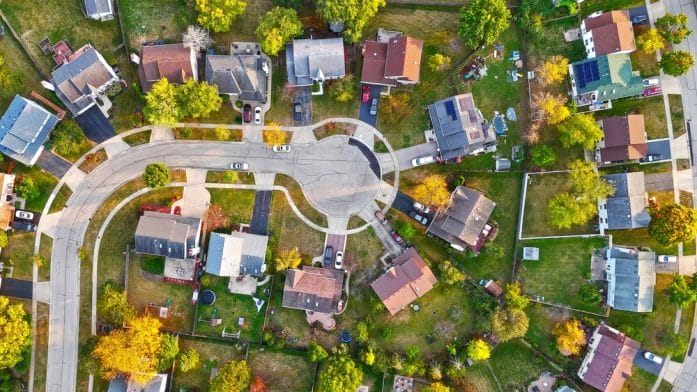
Homeowners insurance has always been a world of fine print, renewal notices, and the occasional surprise premium increase. But in recent years, a new twist has entered the picture — literally. Insurers are increasingly using satellite and aerial imagery to evaluate properties, sometimes without ever stepping foot on the ground.

These images can reveal roof wear, overgrown vegetation, debris, or structural concerns, and insurers are acting on them quickly. For many homeowners, the first sign of trouble is a cancellation or nonrenewal notice that seems to come out of nowhere. What most people don’t realize is that they have a powerful but time‑sensitive tool at their disposal: a 60‑day window to contest the decision. This is your tool, and weapon, to fight back.

When the Sky Becomes the Inspector

Satellite imagery has become one of the insurance industry’s favorite tools because it’s fast, inexpensive, and incredibly detailed. Instead of scheduling an in‑person inspection, insurers can review a property from above and flag anything that looks like a potential risk. This includes roof discoloration, missing shingles, moss growth, tree limbs hanging over the house, or even debris that suggests poor maintenance.

While the technology is impressive, it’s far from perfect. Shadows, seasonal changes, and image quality can all distort what’s actually happening on the ground. That’s why cancellation notices based on aerial photos often feel so shocking — homeowners may have no idea that something on their roof or property was flagged as a hazard. The good news is that insurers are required to give advance notice, and that notice triggers your opportunity to push back.

The 60-Day Countdown Starts With the Notice

There are many reasons why insurers may cancel a plan, but whenever they do so based on property condition, they must send a written notice explaining the reason. This notice typically arrives 30 to 60 days before the policy ends, depending on state regulations. The moment you receive it, the clock starts ticking.

Most states give homeowners a 60‑day window to contest the decision, provide evidence, or complete repairs that address the insurer’s concerns. This window is crucial because once it closes, the cancellation becomes final, and reinstating coverage becomes significantly harder. Acting quickly is essential. The sooner you gather information, schedule inspections, or document the true condition of your property, the stronger your case will be. Waiting until the last week rarely ends well, especially if repairs or professional evaluations are needed.

Understanding What the Insurer Saw

Before contesting a cancellation, you need to know exactly what triggered it. Insurers must provide a reason, but the explanation is often vague — something like “roof condition” or “vegetation hazard.”

You have the right to request the specific images or reports used to make the decision. This step is important because aerial photos can be misleading. Moss may look like structural damage, shadows may resemble missing shingles, and tree branches may appear closer to the roof than they actually are.

Once you have the images, compare them to the real‑world condition of your property. If the photos are outdated, unclear, or simply inaccurate, you have a strong basis for contesting the cancellation. Even if the issue is legitimate, understanding the insurer’s perspective helps you address it effectively.

The 60-Day Window to Contest Homeowner Cancellation Based on Satellite Images

Image source: shutterstock.com

How to Build a Strong Case Within the Window

Contesting a cancellation isn’t just about disagreeing with the insurer — it’s about presenting clear, credible evidence. Start by taking your own photos from multiple angles, including close‑ups of the areas in question. If the issue involves the roof, consider hiring a licensed roofer to perform an inspection and provide a written report. Professional documentation carries significant weight and can counteract assumptions made from aerial images.

If repairs are needed, schedule them immediately and keep receipts, invoices, and before‑and‑after photos. Many insurers will reinstate coverage if the homeowner demonstrates prompt action and provides proof that the issue has been resolved. The key is to communicate clearly, respond quickly, and provide organized documentation. Insurers are far more likely to reconsider when homeowners show initiative and evidence.

When the Insurer Won’t Budge

Even with strong evidence, some insurers may refuse to reverse a cancellation. In these cases, homeowners still have options. Many states allow consumers to file complaints with their insurance department, which can trigger a review of the insurer’s decision. Regulators may request additional information, evaluate whether the cancellation was justified, or require the insurer to reconsider if the decision violated state rules.

While this process doesn’t guarantee reinstatement, it can slow down the cancellation timeline and give homeowners more time to secure alternative coverage. If you must switch insurers, acting early gives you a better chance of finding a standard policy rather than relying on a last‑resort plan.

Staying Ahead of Future Aerial Reviews

The rise of satellite‑based inspections means homeowners need to think differently about property maintenance. Issues that once went unnoticed until an in‑person inspection may now be flagged months earlier from the sky. Regular roof cleaning, trimming overhanging branches, clearing debris, and documenting repairs can help you stay ahead of potential problems.

It’s also wise to keep records of any professional work done on your home, as this documentation can be invaluable if an insurer questions your property’s condition. While you can’t control when or how insurers use aerial imagery, you can control how prepared you are when they do.

Your Window of Opportunity Matters More Than Ever

The 60‑day window to contest a cancellation isn’t just a bureaucratic formality — it’s your chance to correct errors, provide evidence, and keep your insurance intact. As insurers rely more heavily on satellite images, misunderstandings and misinterpretations are becoming more common. Acting quickly, gathering documentation, and understanding your rights can make all the difference. Homeowners who respond promptly often succeed in reversing cancellations or securing better coverage. Those who wait risk losing their policy and facing higher costs or limited options.

What steps would you take if your insurer tried to cancel your policy based on aerial photos? Make sure that you share your tales and successes in the comments below.

You May Also Like…

Heritage Insurance Approved: 9.6% Premium Drop for Seminole County Homeowners

Top 3 Water Damage Claims Home Insurance Actually Covers

Florida Homeowners Are Seeing Insurance Rates Decreasing In 2026

The $2,000 Average National Homeowner Premium — Highest Share of Mortgage Payment Ever

Citizens Property Insurance Sees Sharp Drop in Policies — What It Means for Homeowners in 2026

Brandon Marcus
Brandon Marcus

Brandon Marcus is a writer who has been sharing the written word since a very young age. His interests include sports, history, pop culture, and so much more. When he isn’t writing, he spends his time jogging, drinking coffee, or attempting to read a long book he may never complete.


Filed Under: Insurance Tagged With: aerial imagery, Consumer Protection, home maintenance, homeowners insurance, insurance appeals, insurance cancellation, insurance rights, policy nonrenewal, property inspections, Real estate, satellite photos

8 Homeowner Insurance Denials Based on Aerial Photos

February 9, 2026 by Brandon Marcus Leave a Comment

These Are 8 Homeowner Insurance Denials Based on Aerial Photos

Image source: shutterstock.com

Homeowners have always known that insurance companies keep a close eye on risk, but the definition of “close” has changed dramatically in recent years. Instead of sending inspectors to climb ladders or walk roofs, many insurers now rely on aerial imagery to evaluate properties — sometimes without the homeowner ever knowing their house was being examined.

These high‑resolution photos can spot everything from missing shingles to overgrown trees, but they’ve also led to a wave of surprising coverage denials. One of the most common culprits? Moss. Yes, the green fuzz that grows on damp shingles has become a trigger for non‑renewals and policy cancellations across the country. But there are far more, and it’s becoming clear that aerial photos may be homeowners’ new worst enemy.

1. Moss Has Launched a Thousand Letters

Moss may look harmless, but insurers see it as a sign of moisture retention, shingle deterioration, and potential roof failure. Aerial photos can easily detect patches of moss, especially on north‑facing slopes where sunlight is limited. When insurers spot it, they often flag the roof as “poor condition,” even if the homeowner hasn’t noticed any issues.

This can lead to a warning letter, a demand for roof-cleaning, or a flat‑out non‑renewal. The frustrating part for homeowners is that moss doesn’t always indicate structural damage — sometimes it’s just cosmetic. But insurers aren’t taking chances, and aerial imagery gives them a fast, inexpensive way to identify anything that might increase risk. If you live in a damp or shaded area, regular roof cleaning can help you avoid being caught off guard by a photo you never knew was taken.

2. The “Dark Streaks” That Look Worse From Above

Many homeowners are surprised to learn that dark streaks on shingles — often caused by algae — can be mistaken for roof deterioration in aerial images. From the ground, these streaks may look minor, but from above, they can appear as large discolored patches that insurers interpret as aging or damaged roofing. This can trigger a demand for replacement even when the roof is structurally sound.

The challenge is that aerial photos don’t always capture texture or depth, so insurers rely on color patterns to make decisions. If your roof has algae streaks, a professional cleaning can make a big difference in how it appears in aerial assessments. It’s a small step that can prevent a big headache.

3. The Overhanging Tree Limbs That Signal Risk

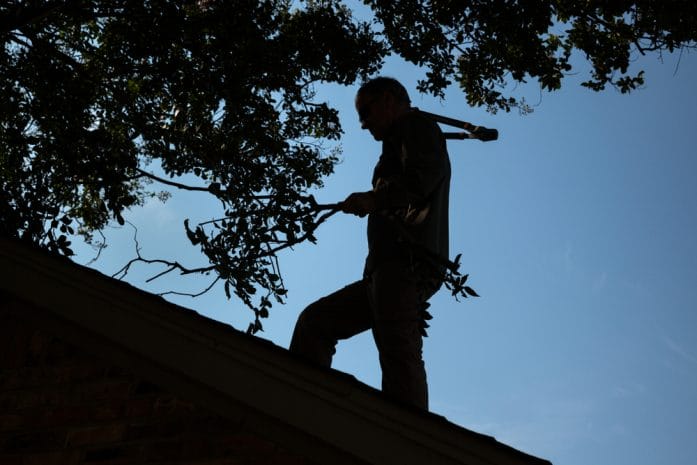
Aerial imagery makes it easy for insurers to spot tree limbs hanging over roofs, and this has become a major reason for coverage denials. Overhanging branches increase the risk of roof damage, clogged gutters, and debris buildup, all of which can lead to costly claims.

Even if the trees are healthy and well‑maintained, insurers may still classify them as hazards. Homeowners often don’t realize how dramatic these branches look from above, where shadows and angles can exaggerate their reach. Trimming trees regularly is one of the simplest ways to avoid being flagged by aerial inspections.

These Are 8 Homeowner Insurance Denials Based on Aerial Photos

Image source: shutterstock.com

4. The Patchwork Roof Repairs That Raise Red Flags

Aerial photos can reveal mismatched shingles or patchwork repairs that aren’t visible from the street. Insurers sometimes interpret these repairs as signs of underlying structural issues or past damage that wasn’t fully addressed.

It often doesn’t matter if the repairs were done professionally; the visual inconsistency can trigger concerns about the roof’s overall condition. This is especially common with older homes where repairs have been made over time. If you’ve had roof work done, keeping documentation and photos can help you dispute any inaccurate assumptions made by insurers.

5. The Debris That Suggests Neglect

Leaves, branches, and other debris may seem harmless, but insurers often view them as indicators of poor maintenance. Aerial images can capture debris accumulation on roofs, in gutters, or around chimneys, and insurers may interpret this as a sign that the homeowner isn’t keeping up with necessary upkeep.

This can lead to warnings or non‑renewals, even if the debris is seasonal or temporary. Regular cleaning — especially after storms — can help ensure your home looks well‑maintained from every angle, including the sky.

6. The Ponding Water That Signals Roof Trouble

Flat or low‑slope roofs are particularly vulnerable to ponding water, which aerial photos can detect with surprising accuracy. Standing water is a major red flag for insurers because it can lead to leaks, mold, and structural damage.

Even small puddles can trigger concerns if they appear consistently in aerial images. Homeowners with flat roofs should ensure proper drainage and consider periodic inspections to prevent water accumulation. Addressing ponding early can save you from both roof damage and insurance complications.

7. The Missing Shingles You Didn’t Know Were Missing

Aerial imagery can reveal missing or lifted shingles that homeowners may not notice from the ground. These small issues can be interpreted as signs of wind damage or aging, prompting insurers to demand repairs or deny coverage.

Sometimes the shingles aren’t actually missing — they may simply appear that way due to shadows or lighting in the photo. Still, insurers often err on the side of caution. Regular roof inspections can help you catch and document these issues before they become grounds for denial.

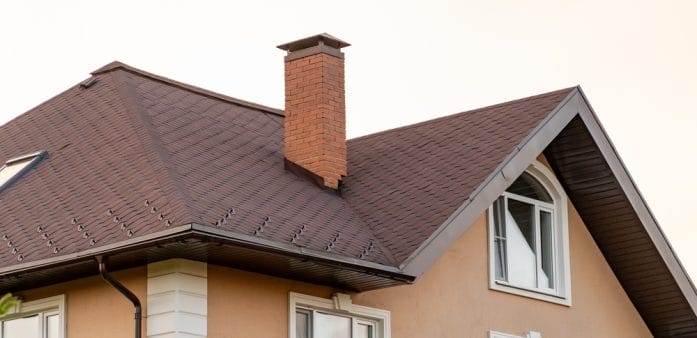
8. The Chimney and Flashing Issues That Stand Out From Above

Aerial photos can highlight gaps, cracks, or discoloration around chimneys and flashing, which insurers may interpret as potential leak points. Even minor wear can look significant from above, especially if the photo captures shadows or debris.

Insurers often flag these areas as high‑risk, leading to repair demands or non‑renewals. Having a professional inspect and maintain your chimney and flashing can help prevent misunderstandings and ensure your home passes aerial scrutiny.

The Sky Isn’t Falling — But Your Coverage Might Be

Aerial imagery has transformed the way insurers evaluate homes, and while it offers efficiency and accuracy, it also introduces new challenges for homeowners. Moss on shingles, overhanging branches, algae streaks, and other seemingly minor issues can now be detected instantly and used as grounds for denial. The key to staying protected is staying proactive. Regular maintenance, documentation, and awareness of how your home appears from above can help you avoid unpleasant surprises. Insurance companies may be watching from the sky, but with the right preparation, you can stay one step ahead.

What surprising issues have you encountered with homeowners’ insurance inspections? Have you seen drones flying around your home and reporting on you? Tell us everything you know about this new insurance phenomenon in the comments section.

You May Also Like…

The Drone Inspection Finding That’s Triggering Homeowner Policy Cancellations

The Roof Age That Automatically Disqualifies Florida Homes From Coverage

Crisis Proof: 10 Buffer Strategies Advisors Use to Protect Clients From Market Shock

The $2,000 Average National Homeowner Premium — Highest Share of Mortgage Payment Ever

Heritage Insurance Approved: 9.6% Premium Drop for Seminole County Homeowners

Brandon Marcus
Brandon Marcus

Brandon Marcus is a writer who has been sharing the written word since a very young age. His interests include sports, history, pop culture, and so much more. When he isn’t writing, he spends his time jogging, drinking coffee, or attempting to read a long book he may never complete.

Filed Under: Insurance Tagged With: aerial imagery, home maintenance, homeowners insurance, homeownership, insurance denials, insurance industry, moss on shingles, property insurance, Real estate, risk assessment, roof inspections

8 Budget Areas That Expand After Retirement

January 22, 2026 by Brandon Marcus Leave a Comment

These Are 8 Budget Areas That Expand After Retirement

Image source: shutterstock.com

Retirement doesn’t arrive quietly with a gentle shuffle of slippers. It bursts in waving a calendar full of open Tuesdays, longer mornings, and ideas that never fit into a lunch break before. When paychecks stop, life doesn’t shrink—it reshapes. Some expenses fade, sure, but others step into the spotlight and demand a bigger slice of the budget.

Understanding where money tends to flow after retirement can make the difference between stress and confidence, and it can help retirees enjoy the freedom they worked decades to earn.

1. Healthcare And Medical Costs

Healthcare almost always claims a larger role after retirement, even for people who felt healthy for most of their working years. Aging naturally brings more doctor visits, prescriptions, and follow-up care, and those costs add up steadily rather than dramatically.

Insurance premiums can rise as employer-sponsored plans disappear, shifting retirees to private plans or Medicare options with supplemental coverage. Dental, vision, and hearing care often become more frequent needs, and they are not always fully covered. Preventive care becomes a priority, which is great for health but still costs money. Over time, healthcare turns into one of the most predictable yet expanding categories in a retirement budget.

2. Travel And Getaways

Retirement unlocks time, and time has a funny habit of turning into plane tickets and hotel reservations. Without vacation limits or office schedules, retirees often travel more frequently, even if trips are shorter or closer to home.

Midweek travel and off-season deals help, but transportation, lodging, meals, and activities still stretch the budget. Many retirees finally visit places they postponed for decades, turning lifelong dreams into real itineraries.

Visiting family across the country also becomes more common when schedules are flexible. Travel spending grows not because of extravagance, but because experiences become more valuable than things.

3. Hobbies, Classes, And Personal Growth

Free time invites curiosity, and curiosity usually comes with a price tag. Retirement is when many people dive into hobbies they never had time for before, from woodworking and painting to gardening and photography.

Classes, workshops, and local clubs provide structure and social connection, often with membership fees or supply costs. Fitness programs like yoga, swimming, or golf become routine rather than occasional splurges. Even seemingly simple hobbies can require tools, materials, or ongoing instruction. This category grows because learning and creativity become daily joys instead of weekend treats.

These Are 8 Budget Areas That Expand After Retirement

Image source: shutterstock.com

4. Dining Out And Social Life

Work lunches disappear, but social meals often multiply. Retirement creates more opportunities to meet friends for coffee, brunch, or leisurely dinners that stretch into the evening. Celebrations, community events, and casual get-togethers become a regular rhythm of life.

Without the rush of a workday, dining becomes more experiential, not just fuel between meetings. Hosting friends at home also increases grocery and entertainment expenses. Spending rises here because relationships move to the center of daily life, and food is often the meeting point.

5. Home Maintenance And Improvements

Spending more time at home shines a bright light on everything that needs fixing. Small issues that were easy to ignore during busy work years suddenly demand attention. Retirees often invest in home improvements to make spaces safer, more comfortable, or easier to maintain long term.

Projects like updated bathrooms, better lighting, or improved insulation become practical priorities. Even routine maintenance can increase as homeowners aim to protect their biggest asset. Home spending grows because the house becomes both a sanctuary and a long-term plan.

6. Transportation Costs

Commuting may end, but transportation costs don’t vanish. Retirees still drive for errands, appointments, and social outings, often during peak daylight hours. Maintenance, insurance, and fuel remain ongoing expenses, even with fewer miles logged.

Some retirees upgrade vehicles for comfort or safety features, which can raise costs temporarily. Others rely more on ride services or public transportation, adding new monthly expenses. Transportation evolves rather than shrinks, adapting to a different lifestyle.

7. Gifts And Family Support

With more time and emotional bandwidth, many retirees increase spending on family. Gifts for grandchildren, milestone celebrations, and holiday gatherings often become more generous. Travel to attend weddings, graduations, or reunions adds another layer of cost.

Some retirees also provide occasional financial help to adult children or aging parents. These expenses are rarely planned line items, yet they appear consistently. Giving becomes a meaningful expression of freedom and connection, even as it expands the budget.

8. Insurance And Financial Services

Retirement changes financial risk, and insurance adjusts accordingly. Life insurance needs may shift, while long-term care insurance becomes a serious consideration for many households. Financial planning services, tax preparation, and estate planning often become more complex and more frequent.

Managing withdrawals, required distributions, and investment strategies can require professional guidance. These services offer peace of mind, but they are not free. This category grows as retirees prioritize stability and clarity over complexity.

Retirement Spending With Eyes Wide Open

Retirement isn’t about spending more or less—it’s about spending differently. When people understand which budget areas tend to expand, they can plan with intention instead of surprise. Every retirement story is unique, shaped by health, goals, family, and personality.

If retirement has shifted your spending in unexpected ways, the comments section below is a great place to reflect, compare notes, and learn from one another’s experiences.

You May Also Like…

The Sunshine State Squeeze: Why Florida Retirees are Seeing Smaller Social Security Checks This Week

The “Retirement Town” Myth: Why These 5 Dream Locations Are Currently Seeing a Mass Exodus

Why Are Utility Bills Becoming a Bigger Budget Problem

8 Budget Line Items That Keep Growing Without Notice

Income Stability: 6 Retirement Income Moves That Aren’t as Safe as They Seem

Brandon Marcus
Brandon Marcus

Brandon Marcus is a writer who has been sharing the written word since a very young age. His interests include sports, history, pop culture, and so much more. When he isn’t writing, he spends his time jogging, drinking coffee, or attempting to read a long book he may never complete.

Filed Under: Budgeting Tagged With: Budget, budget tips, budgeting, Budgeting Tips, dining out, healthcare, healthcare costs, hobbies, home maintenance, medical expenses, personal growth, Retirement, retirement plan, retirement planning, social life, transportation costs, travel, travel and holidays, vacations

7 Ways You’re Accidentally Destroying Your Home’s Value

November 24, 2025 by Travis Campbell Leave a Comment

house value

Image source: shutterstock.com

Homeowners tend to focus on major renovation work to protect their property value. Homeowners should understand that making small maintenance choices regularly has a major impact on their property upkeep. Property owners who fail to perform regular maintenance tasks and delay minor repairs will need to spend more money on major damage repairs that could have been prevented. Your home value will decrease when you ignore small problems because major changes without proper upkeep will result in reduced property value. Your property’s value depends on your ability to maintain both significant and minor home maintenance items.

1. Neglecting Routine Maintenance

Deferred maintenance sits at the top of problems that undermine a home’s value. Not because the issues appear dramatic at first, but because they spread. A tiny leak turns into a wall repair. A loose railing becomes a safety hazard. And once buyers see signs of neglect, they assume more problems lurk out of sight.

Maintenance is rarely convenient, but the cost of skipping it adds up. Even small fixes, done promptly, protect your home’s value in ways that expensive renovations never can. It’s the quiet discipline that keeps a property strong.

2. Overpersonalizing Renovations

Homeowners often remodel with personal taste as the only compass. Bold choices feel exciting. But they age fast. And when those choices require major work to reverse—tile patterns, custom built-ins, extreme color palettes—they narrow the pool of people who can picture themselves living there.

Buyers hesitate when a space feels too specific. They see time, money, and labor instead of potential. When that happens, your home’s value suffers before negotiations even start.

3. Ignoring Energy Efficiency

Energy efficiency once felt optional. Now it shapes how buyers evaluate a home’s long-term cost. Poor insulation, outdated windows, and inefficient appliances send a quiet but clear message: ongoing expenses.

People want to understand the strain a property puts on their utility bills. When a home lacks basic efficiency features, it signals age and future spending. That perception alone cuts into your home’s value, even before inspections confirm the details.

4. Overlooking Exterior Care

Curb appeal wins or loses trust fast. When the exterior feels ignored, buyers expect the interior to follow that pattern. Overgrown shrubs, fading paint, worn gutters—these elements register as signs of neglect even when the interior looks well-maintained.

And the exterior carries weight because it can’t be hidden. It’s the first lens through which your home’s value is judged. A strong exterior doesn’t require perfection, only consistent attention.

5. Making Layout Changes That Don’t Flow

Layout decisions leave lasting fingerprints. Removing a wall without considering structural flow. Closing off a room that once made a home feel open. Creating awkward transitions that complicate daily movement. These choices linger long after their novelty fades.

Homes need logical pathways. When the layout feels confusing, people sense it immediately. Confusion reduces comfort. And reduced comfort reduces your home’s value, even if the square footage remains the same.

6. Installing Poor-Quality DIY Work

DIY projects seem harmless until they aren’t. Crooked tile. Loose hardware. Floors installed with slight gaps. These details read as cheap, even when the materials aren’t. People notice inconsistencies quickly, and once they do, trust declines.

Buyers know that bad DIY work rarely ends with one project. They assume more flaws exist behind the walls. That suspicion influences how much they’re willing to pay and how aggressively they negotiate. Quality matters, even when the fix seems minor.

7. Ignoring Smells and Interior Air Quality

Smells create immediate reactions that are hard to shake. Pet odors, mildew, stale air—these conditions tell a story long before anyone analyzes the source. And they create the strongest emotional barrier to imagining a home as livable.

Air quality issues suggest deeper problems: moisture, ventilation failures, or insufficient cleaning. People remember bad odors more than they remember nice finishes. And once a smell settles into their perception, it drags down your home’s value long after they’ve walked out the door.

Protecting the Value You Already Have

The process of home value deterioration occurs through a gradual decline until it reaches a point of sudden loss. A minor mistake becomes a recurring problem. The way others view a property depends on established patterns, even though all required repairs remain simple to complete. Your home value protection requires you to track both minor elements that affect appearance and core structural components.

Home values increase when owners demonstrate their dedication to property maintenance. The first impression people get about a property becomes evident right away. The property’s value depends on the buyer’s confidence, which serves as the basis for all their subsequent choices.

Which concealed problem do you believe causes the most damage to residential properties?

What to Read Next…

  • The Subtle Home Smells That Real Estate Agents Say Ruin Sales
  • 7 Popular Cleaning Products That Can Destroy Your Plumbing
  • 10 Items That Could Void Your Homeowners Insurance Instantly
  • How Many of These 8 Retirement Mistakes Are You Already Making?
  • 5 Home Investment Plans That Legal Experts Say to Avoid
Travis Campbell
Travis Campbell

Travis Campbell is a digital marketer/developer with over 10 years of experience and a writer for over 6 years. He holds a degree in E-commerce and likes to share life advice he’s learned over the years. Travis loves spending time on the golf course or at the gym when he’s not working.

Filed Under: Home Improvement Tagged With: Home Improvement, home maintenance, housing, property value, Real estate

10 Outrageous Costs of Ignoring Small Home Repairs

September 30, 2025 by Travis Campbell Leave a Comment

home repair

Image source: pexels.com

It’s easy to put off fixing that leaky faucet or cracked tile when life gets busy. However, ignoring small home repairs can lead to much bigger problems—and unexpected costs—down the line. What seems like a minor nuisance today can quickly become a major headache tomorrow. The cost of ignoring small home repairs often far exceeds the price of addressing them right away. In some cases, neglecting these issues can even put your safety and the value of your home at risk. Let’s look at the top ten outrageous costs you might face if you keep putting off those little fixes around the house.

1. Water Damage From Leaky Faucets and Pipes

Dripping faucets and tiny pipe leaks may not seem urgent, but over time, they can cause serious water damage. The cost of ignoring small home repairs like this can run into thousands. Water seeping into cabinets, floors, or walls can lead to warped wood, ruined drywall, and even mold. Once mold sets in, remediation is expensive and time-consuming. Addressing a leak early often costs under $100, while major water damage repair can top $5,000—or more if mold spreads.

2. Skyrocketing Utility Bills

Drafty windows, doors that don’t seal, and gaps in insulation are common minor issues. But over time, these small repairs can dramatically increase your heating and cooling bills. Your HVAC system works harder, burning more energy and wearing out faster. The cost of ignoring small home repairs in this case isn’t just about wasted energy—it’s also about shortening the lifespan of expensive equipment. Replacing weatherstripping or caulking windows might cost less than $50, but waiting could mean hundreds more in utility costs each year.

3. Pest Infestations

Cracks in the foundation, holes in screens, or missing caulk around windows may not seem urgent, but these small home repairs keep critters out. Mice, ants, and even termites can use these tiny openings to enter your home. Once inside, pests can cause structural damage, chew wires, and contaminate food. Professional extermination and repair could cost thousands, while a tube of caulk or some mesh costs just a few bucks. The cost of ignoring small home repairs here can escalate faster than you think.

4. Damaged Roofs and Ceilings

A missing shingle or a minor ceiling stain might get overlooked. However, these are early warning signs of more significant roofing issues. Rain can seep in, leading to rotting wood, ceiling collapse, or dangerous electrical hazards. Roof leaks rarely fix themselves. What could have been a $200 repair can balloon into a $10,000 roof replacement if ignored. That’s a steep price for procrastination.

5. Unsafe Electrical Problems

Flickering lights, warm outlets, or tripped breakers are more than annoying—they can be signs of electrical issues. Ignoring these small home repairs can result in electrical fires, which are not only costly but also life-threatening. Simple fixes, like replacing a worn outlet, might cost $20. But fire damage repairs can exceed $20,000, not counting the emotional toll. Don’t gamble with safety to save a few bucks.

6. Cracked Driveways and Walkways

Small cracks in concrete or asphalt may seem harmless, but water can seep in and freeze, exacerbating the issue. Over time, this leads to uneven surfaces or even trip hazards. The cost of ignoring small home repairs like this might mean replacing the whole driveway, which can cost $5,000 or more. Early patching is much cheaper and keeps your home safer.

7. Deteriorating Paint and Caulk

Peeling paint or cracked caulk isn’t just an aesthetic issue. Paint and caulk protect your home’s exterior from the elements. Ignoring these small home repairs allows moisture to get in, leading to rot, rust, and expensive structural repairs. Repainting or re-caulking is affordable maintenance. Letting it slide for years can mean replacing siding or window frames—costs that add up quickly.

8. Malfunctioning Appliances

Strange noises or small leaks from appliances like dishwashers, washing machines, or refrigerators are easy to ignore. But these symptoms often signal bigger problems. The cost of ignoring small home repairs here can include water damage, ruined floors, or even fire hazards from electrical shorts. A quick service call might be $100, but replacing a water-damaged floor or a burned-out appliance could cost thousands.

9. Plumbing Blockages

Slow drains or minor clogs might seem like a nuisance, but they can signal bigger plumbing issues. Ignoring these small home repairs can lead to burst pipes or sewage backups, which are messy and expensive to fix. Regular maintenance—like using a drain snake or enzyme cleaner—costs little.

10. Lower Home Value

When you put off small repairs, they accumulate and give your home a neglected appearance. This can scare off potential buyers or lead to lowball offers when it’s time to sell. The cost of ignoring small home repairs isn’t just about what you pay for fixes—it’s about the money you lose on your biggest investment. A well-maintained home can fetch a much higher price and sell faster.

Protect Your Investment by Addressing Small Repairs

The cost of ignoring small home repairs is rarely just financial; it often extends to other areas as well. It can mean stress, wasted time, and even safety risks for your family. Addressing small issues promptly keeps your home comfortable, safe, and valuable. Whether it’s a leaky faucet or a cracked window, prompt attention can save you thousands in the long run. Make a habit of regular inspections and quick fixes—you’ll thank yourself later.

What’s the most expensive small repair you’ve ever ignored? Share your story in the comments below!

What to Read Next…

  • 5 Emergency Repairs That Could Force You Into Debt Overnight
  • Top 3 Water Damage Claims Home Insurance Actually Covers
  • 7 Popular Cleaning Products That Can Destroy Your Plumbing
  • 10 Items That Could Void Your Homeowners Insurance Instantly
  • How Homeowners Associations Are Targeting Retirees With Fines
Travis Campbell
Travis Campbell

Travis Campbell is a digital marketer/developer with over 10 years of experience and a writer for over 6 years. He holds a degree in E-commerce and likes to share life advice he’s learned over the years. Travis loves spending time on the golf course or at the gym when he’s not working.

Filed Under: Home Improvement Tagged With: DIY tips, home maintenance, homeownership, money mistakes, property value, repair costs

7 Silent Money Drains That Target People in Retirement

September 4, 2025 by Catherine Reed Leave a Comment

7 Silent Money Drains That Target People in Retirement

Image source: 123rf.com

Retirement is supposed to be a time of relaxation and enjoyment after years of hard work. Yet many retirees discover that their savings disappear faster than expected, often due to overlooked expenses. These hidden costs can eat away at fixed incomes, leaving less money for travel, hobbies, or even essentials. Understanding the silent money drains that target people in retirement helps protect financial stability and ensures your golden years remain stress-free.

1. Rising Healthcare Costs

Healthcare consistently tops the list of retirement expenses, and it rarely stays predictable. Premiums, prescription medications, and unexpected treatments can pile up quickly. Even with Medicare, supplemental insurance or out-of-pocket expenses can be substantial. Many retirees underestimate how much healthcare will consume from their monthly budget. This makes medical bills one of the most significant silent money drains that target people in retirement.

2. Home Maintenance and Repairs

Owning a home in retirement provides stability, but upkeep can drain funds over time. Roof replacements, plumbing problems, and appliance failures often happen when least expected. Unlike a monthly mortgage, these costs are unpredictable and can range from a few hundred to tens of thousands of dollars. Retirees on fixed incomes may struggle to cover them without dipping into savings. Home-related expenses are among the most common silent money drains that target people in retirement.

3. Inflation Eroding Purchasing Power

Even modest inflation gradually reduces what retirees can afford. A fixed pension or savings account balance may seem adequate at first, but over ten or twenty years, its buying power shrinks dramatically. Everyday necessities like groceries, utilities, and transportation quietly rise in cost. Without investments that outpace inflation, retirees may find themselves stretched thin. Inflation is one of the most underestimated silent money drains that target people in retirement.

4. Helping Adult Children Financially

Many retirees feel compelled to support adult children or even grandchildren. Whether it’s covering tuition, co-signing loans, or providing monthly financial help, these acts of generosity can add up. While it feels good to help family, it often leaves less money for the retiree’s own needs. Over time, this assistance can deplete savings faster than planned. Supporting family is another major silent money drain that targets people in retirement.

5. High Fees on Investments and Accounts

Not all retirement accounts are created equal, and hidden fees can erode balances without notice. Mutual funds, brokerage accounts, and even annuities often carry management or administrative charges. These percentages may seem small, but they compound over years of withdrawals. Retirees who don’t regularly review their accounts may end up paying far more than necessary. High fees are subtle but damaging silent money drains that target people in retirement.

6. Property Taxes That Keep Rising

Owning a home outright doesn’t mean living expense-free. Property taxes often increase steadily, especially in areas with growing home values. For retirees, this creates a rising cost that cannot be ignored. Failure to plan for higher taxes may force some to downsize or relocate. Rising property taxes are unavoidable silent money drains that target people in retirement.

7. Travel and Leisure Overindulgence

Retirement often comes with the desire to travel or enjoy hobbies more freely. While these experiences are rewarding, costs can spiral without careful budgeting. Frequent vacations, luxury cruises, or expensive hobbies add up quickly. When combined with other hidden expenses, they may strain long-term finances. Travel indulgence is one of the more subtle silent money drains that target people in retirement.

Guarding Your Retirement Nest Egg

Retirement security isn’t just about how much you save—it’s about how effectively you manage expenses. From healthcare and home maintenance to inflation and family support, silent money drains that target people in retirement can quietly chip away at financial comfort. By identifying these risks early and creating a budget that accounts for them, retirees can preserve their savings and enjoy peace of mind. Protecting your nest egg ensures your retirement years are filled with joy, not financial worry.

Which hidden expense has surprised you the most in retirement planning? Share your insights in the comments below.

What to Read Next…

10 Big Purchases That Quietly Wreck Retirement Plans

Why Do Some Retirees Keep Working Even When They Don’t Need To

9 Hidden Costs of Early Retirement Nobody Plans For

Why Do So Many Retirees Run Out of Money Even After Saving for Decades

Retirees Face $172,500 in Healthcare Costs—And Many Haven’t Saved for It

Catherine Reed
Catherine Reed

Catherine is a tech-savvy writer who has focused on the personal finance space for more than eight years. She has a Bachelor’s in Information Technology and enjoys showcasing how tech can simplify everyday personal finance tasks like budgeting, spending tracking, and planning for the future. Additionally, she’s explored the ins and outs of the world of side hustles and loves to share what she’s learned along the way. When she’s not working, you can find her relaxing at home in the Pacific Northwest with her two cats or enjoying a cup of coffee at her neighborhood cafe.

Filed Under: Retirement Tagged With: Financial Security, healthcare expenses, hidden costs, home maintenance, Inflation, Personal Finance, retirement planning, retirement savings

7 Homeowner Insurance Exclusions That Void Entire Policies

August 9, 2025 by Travis Campbell Leave a Comment

insurance

Image source: unsplash.com

Homeowner insurance is supposed to be your safety net. You pay your premiums, you expect protection. But what if you file a claim and find out your policy is useless? It happens more often than you think. Many people don’t realize that certain exclusions can void their entire homeowner insurance policy. These exclusions aren’t always hidden, but they’re easy to overlook. If you don’t know what’s not covered, you could end up paying out of pocket for major losses. Understanding these exclusions is the first step to making sure your home and finances are truly protected.

1. Neglect and Lack of Maintenance

Insurance is not a substitute for regular upkeep. If you ignore repairs or let your home fall into disrepair, your insurer can deny your claim. For example, if a leaky roof causes water damage and you never fixed it, your policy might not help you. Insurers expect you to take care of your property. If you don’t, they can say you contributed to the damage. This exclusion can void your entire policy if the neglect is severe. Always keep up with maintenance. Save receipts and document repairs. If you ever need to file a claim, you’ll have proof that you did your part.

2. Intentional Damage

If you or someone in your household intentionally damages your home, your insurance won’t cover it. This includes things like setting a fire on purpose or breaking windows during a fight. Insurance is designed to protect against accidents, not deliberate acts. If the insurer finds out the damage was intentional, they can void your entire policy. This exclusion is strict. Even if only one person in your home causes the damage, the whole policy can be canceled. Be aware of this risk, especially if you have roommates or tenants.

3. Fraud or Misrepresentation

Lying on your insurance application or during a claim can cost you everything. If you exaggerate the value of your belongings, hide information about past claims, or give false details about the damage, your insurer can void your policy. This isn’t just about denying a single claim. Fraud or misrepresentation can make your entire policy worthless, even for unrelated losses. Insurers take this seriously. They often investigate claims and check your application for accuracy. Always be honest. If you’re not sure about something, ask your agent before you submit your application or claim.

4. Certain Natural Disasters

Many homeowner insurance policies exclude specific natural disasters. Floods and earthquakes are the most common natural disasters. If a flood or earthquake damages your home and you don’t have separate coverage, your main policy won’t help. In some cases, living in a high-risk area without the right coverage can void your entire policy. For example, if you’re required to have flood insurance and you don’t, your insurer might cancel your homeowner policy altogether. Check your policy for these exclusions. If you live in a risky area, consider extra coverage.

5. Business Activities in the Home

Running a business from your home can create problems with your insurance. Most standard homeowner policies exclude coverage for business-related losses. If you operate a daycare, run a repair shop, or store inventory at home, your insurer might void your policy if you don’t disclose it. Even a small side hustle can be an issue. If a client gets hurt on your property or your business equipment is stolen, your claim could be denied. Worse, your entire policy could be canceled for non-disclosure. If you work from home, talk to your insurer about business coverage. Don’t assume your homeowner policy will protect you.

6. Vacant or Unoccupied Homes

Leaving your home empty for an extended period can void your insurance. Most policies define “vacant” as 30 to 60 days without anyone living there. If you go on a long trip, move out before selling, or leave for seasonal work, your home might be considered vacant. During this time, risks like vandalism, theft, and water damage go up. Insurers often exclude coverage for vacant homes or require special endorsements. If you don’t tell your insurer your home is empty, they can void your policy. Always notify your insurer if your home will be vacant. You may need to buy extra coverage.

7. Illegal Activities

If your home is used for illegal activities, your insurance is at risk. This includes things like growing illegal drugs, running an unlicensed business, or using your property for criminal purposes. If the insurer finds out, they can void your entire policy. Even if you didn’t know about the illegal activity, you could still lose coverage. For example, if a tenant or guest uses your home for something illegal, you’re still responsible. Insurers have zero tolerance for this exclusion. If you rent out your property, screen tenants carefully. If you suspect illegal activity, address it right away.

Protecting Your Policy: What You Can Do

Homeowner insurance exclusions can leave you exposed when you need help most. The best way to protect yourself is to read your policy carefully. Ask questions if you don’t understand something. Keep your home in good shape, be honest with your insurer, and update your policy when your situation changes. If you run a business from home, travel for long periods, or live in a disaster-prone area, get the right coverage. Don’t wait until you have a claim to find out you’re not protected. Knowing these exclusions can help you avoid costly surprises and keep your homeowner insurance policy intact.

Have you ever run into a homeowner insurance exclusion? Share your story or tips in the comments below.

Read More

Why Some Life Insurance Policies Stop Paying Just When You Need Them Most

6 Benefits That Were Pulled From Your Insurance Without Disclosure

Travis Campbell
Travis Campbell

Travis Campbell is a digital marketer/developer with over 10 years of experience and a writer for over 6 years. He holds a degree in E-commerce and likes to share life advice he’s learned over the years. Travis loves spending time on the golf course or at the gym when he’s not working.

Filed Under: Insurance Tagged With: home maintenance, home protection, homeowner insurance, insurance exclusions, insurance tips, Personal Finance, policy void

6 Household Services You Can Eliminate Without Losing Quality of Life

August 8, 2025 by Catherine Reed Leave a Comment

6 Household Services You Can Eliminate Without Losing Quality of Life

Image source: 123rf.com

If your monthly expenses feel like they’ve crept up quietly, there’s a good chance some of those costs are hiding in the form of services you don’t truly need. Many families pay for household services out of habit or convenience, but a surprising number of them can be cut without sacrificing comfort or cleanliness. In fact, simplifying these routines can save you hundreds—or even thousands—each year while giving you more control over your space. The truth is, there are household services you can eliminate that won’t negatively affect your quality of life at all. Here are six worth reconsidering.

1. Professional Lawn Care Services

It’s easy to hand off lawn care to a pro, especially when life is busy, but this service can be one of the most expensive recurring costs. Mowing your own lawn just once a week can save you over $100 per cut, depending on your yard size and local rates. With lightweight electric mowers and battery-powered tools now widely available, DIY lawn care has never been more convenient. Plus, it gives you a chance to get outside and enjoy some physical activity. You don’t need a landscaping crew to maintain a healthy, tidy yard.

2. House Cleaning Services

Hiring someone to clean your home feels like a major stress reliever, but it can come at a high price for families looking to save. By setting a simple weekly cleaning routine—like 20 minutes a day focused on one task—you can maintain a fresh home without the monthly bill. Focus on high-traffic areas like bathrooms and kitchens and involve your kids in age-appropriate chores to lighten the load. There are also plenty of natural, budget-friendly cleaning products you can make at home. If needed, save the deep cleans for special occasions or twice a year instead of monthly.

3. Subscription Pest Control

While no one wants bugs in the house, year-round pest control subscriptions are often more aggressive than necessary. Most common household pests can be handled with seasonal DIY prevention like sealing cracks, removing standing water, and using bait traps or natural deterrents. For occasional issues, a one-time treatment is far more cost-effective than a long-term contract. Psychologists even suggest that having more control over your space can reduce stress levels. You don’t need to be locked into monthly services to maintain a pest-free home.

4. Pool Maintenance

If you’re lucky enough to have a backyard pool, chances are you’ve considered hiring out the maintenance. But with the right tools and a few hours a month, pool care is absolutely doable on your own. Regular skimming, checking chemical levels, and cleaning filters can become part of a weekly routine that saves hundreds over a summer season. Many pool supply stores offer free water testing and guidance to keep things balanced. You don’t have to be a pro to keep your water sparkling and safe.

5. Window Washing Services

Having sparkling windows is nice, but paying someone else to clean them isn’t always necessary. With the right tools—a squeegee, microfiber cloths, and a safe ladder—you can do the job in less than an afternoon. Most homes only need window cleaning once or twice a year, not on a monthly or seasonal basis. If your house has hard-to-reach windows, you can rent a pole extender or recruit a handy friend for help. Eliminating this service and tackling it yourself can cut an easy cost with little effort.

6. Appliance Maintenance Plans

Stores often push maintenance plans when you purchase new appliances, but these are rarely worth the extra money. Most major appliances are covered under warranty for at least a year, and reputable brands typically last well beyond that. If a repair is needed, it’s often cheaper to pay out of pocket than to invest in years of monthly premiums. Regular cleaning and use of manufacturer-recommended parts can prevent many issues on your own. Unless your appliance is prone to frequent breakdowns, this is one of the household services you can eliminate confidently.

Keep the Comfort, Cut the Costs

Eliminating unnecessary services doesn’t mean downgrading your lifestyle—it means being intentional about where your money goes. Many household services you can eliminate are built around convenience, not necessity, and once you create simple habits, you’ll barely notice they’re gone. In fact, managing some of these tasks on your own can be empowering and even enjoyable when shared with the family. The savings add up quickly, and you may find your home runs just as smoothly with fewer outside costs. Reassessing these regular expenses is one of the smartest financial steps you can take this year.

Which household service have you eliminated without regret? Or is there one you just can’t let go of? Share your thoughts in the comments!

Read More:

Are These 8 Money-Saving Tricks Actually Keeping You Broke?

10 Tactics for Building an Emergency Fund from Scratch

Catherine Reed
Catherine Reed

Catherine is a tech-savvy writer who has focused on the personal finance space for more than eight years. She has a Bachelor’s in Information Technology and enjoys showcasing how tech can simplify everyday personal finance tasks like budgeting, spending tracking, and planning for the future. Additionally, she’s explored the ins and outs of the world of side hustles and loves to share what she’s learned along the way. When she’s not working, you can find her relaxing at home in the Pacific Northwest with her two cats or enjoying a cup of coffee at her neighborhood cafe.

Filed Under: Budgeting Tagged With: cost-saving tips, cutting household costs, DIY home care, family budgeting, Financial Wellness, frugal living, home expenses, home maintenance, simple living

5 Emergency Repairs That Could Force You Into Debt Overnight

July 28, 2025 by Travis Campbell Leave a Comment

roof

Image Source: pexels.com

Unexpected expenses can hit hard. One day, everything seems fine. The next time, you’re staring at a bill that could wipe out your savings. Emergency repairs don’t wait for a convenient time. They show up when you least expect them, and they don’t care about your budget. If you’re not prepared, these costs can push you into debt fast. That’s why it’s important to know which repairs are most likely to cause financial trouble and what you can do to protect yourself.

1. Major Car Repairs

Your car breaks down on the way to work. The mechanic says you need a new transmission. The cost? It could be $3,000 or more. Most people don’t have that kind of cash sitting around. If you rely on your car for work or family, you can’t just ignore the problem. You might have to put the repair on a credit card or take out a loan. That’s how debt starts. Regular maintenance helps, but some repairs are just bad luck. If your car is older, the risk is even higher. Consider setting aside money each month for car emergencies. Even a small fund can make a big difference when something goes wrong.

2. Home Plumbing Disasters

A burst pipe can flood your home in minutes. Water damage spreads fast. You need a plumber right away, and the bill can be shocking. Fixing the pipe is just the start. You might need to replace drywall, flooring, or even furniture. The total cost can reach thousands. If you don’t have emergency savings, you might turn to credit cards or payday loans. That’s a quick path to debt. Regularly check your pipes for leaks and know the location of your main water shutoff valve. Small steps can help you avoid a big mess. And if you rent, be sure to understand what your landlord covers and what you’re responsible for.

3. HVAC System Failure

It’s the hottest day of the year. Your air conditioner stops working. Or maybe it’s winter, and your furnace dies. Either way, you need a fix now. HVAC repairs are expensive. A new system can cost $5,000 or more. Even a simple repair can run several hundred dollars. If you live in a place with extreme weather, you can’t wait. Many people end up financing these repairs or using high-interest credit cards to cover the costs. That debt can stick around for years. To lower your risk, change filters regularly and schedule yearly maintenance. However, systems sometimes fail without warning. Having a home warranty or a dedicated emergency fund can help you avoid debt when the temperature drops or soars.

4. Emergency Medical Expenses

You slip and break your arm. Or your child gets sick in the middle of the night. Even with insurance, medical emergencies can cost a lot. High deductibles, copays, and uncovered treatments add up fast. A single trip to the ER can leave you with a bill for thousands. If you don’t have savings, you might have to borrow money or use credit cards. Medical debt is a leading cause of bankruptcy in the U.S. KFF Health News reports that millions struggle with these costs every year. To protect yourself, know what your insurance covers and try to keep some money set aside for health emergencies. If you get a big bill, ask about payment plans or financial aid.

5. Roof Damage

A storm rolls through, and you hear a loud crash. You look up and see water dripping from the ceiling. Roof repairs can’t wait. If you delay, the damage gets worse. A new roof can cost $10,000 or more. Even a small repair can be expensive. Most people don’t have that kind of money ready. If you have to borrow, the interest adds up. Check your roof regularly for missing shingles or leaks. Clean your gutters to prevent water damage. If you own your home, make sure your insurance covers storm damage. But remember, not all policies are the same. Read the fine print so you know what’s covered before you need it.

Protecting Your Finances from Sudden Repair Debt

Emergency repairs can happen to anyone. They don’t care about your plans or your budget. The best way to avoid debt is to prepare before something goes wrong. Build an emergency fund, even if it’s small. Know what your insurance covers. Keep up with regular maintenance on your car, home, and health. And if you do face a big bill, look for payment plans or community resources before turning to high-interest loans. Staying ready won’t stop every problem, but it can keep a bad day from turning into a financial disaster.

Have you ever faced an unexpected emergency repair that left you in debt? Share your story or advice in the comments below.

Read More

Home Repairs That Turn Into Financial Sinkholes

Never Pay For High Car Repairs: 10 Tips to Ensure Your Car Never Needs Major Repairs Again

Travis Campbell
Travis Campbell

Travis Campbell is a digital marketer/developer with over 10 years of experience and a writer for over 6 years. He holds a degree in E-commerce and likes to share life advice he’s learned over the years. Travis loves spending time on the golf course or at the gym when he’s not working.

Filed Under: Debt Management Tagged With: budgeting, car repairs, Debt, emergency repairs, home maintenance, medical expenses, Personal Finance, Planning

7 Popular Cleaning Products That Can Destroy Your Plumbing

July 28, 2025 by Travis Campbell Leave a Comment

cleaning

Image Source: pexels.com

Keeping your home clean feels good. But some cleaning products can do more harm than good, especially when it comes to your plumbing. Many people don’t realize that what goes down the drain can come back to haunt them. Pipes aren’t built to handle every chemical or cleaner you pour in. To avoid expensive repairs, it’s wise to know which cleaning products can damage your plumbing. Here’s what you need to watch out for and why it matters for your home and your wallet.

1. Bleach

Bleach is a go-to for many people. It kills germs and makes things look bright. But bleach is harsh on pipes, especially if you use it often. It can eat away at older metal pipes and even damage some types of plastic pipes. When bleach mixes with other cleaners, it can create toxic fumes or even cause a reaction that damages your plumbing. If you pour bleach down the drain to clear clogs, you’re not fixing the problem—you’re making it worse. Instead, use hot water or a drain snake for clogs. Save bleach for surfaces, not your pipes.

2. Chemical Drain Cleaners

Chemical drain cleaners promise quick results. They bubble, fizz, and seem to clear clogs fast. But these cleaning products that can destroy your plumbing are some of the worst offenders. The chemicals are strong enough to eat through hair and grease, but they can also eat through your pipes. Over time, repeated use can cause pipes to crack or corrode. This is especially true for older homes with metal plumbing. If you have a stubborn clog, try a plunger or a plumber’s snake first. If that doesn’t work, call a professional. Using chemical drain cleaners can turn a small clog into a big plumbing bill.

3. Antibacterial Cleaners

Antibacterial cleaners are everywhere. They promise to kill germs and keep your home safe. But when you rinse them down the drain, they can harm the good bacteria in your septic system. Septic systems rely on bacteria to break down waste. If you kill off those bacteria, your system can back up or fail. Even if you’re on city sewer, these cleaners can still cause problems. They can react with other chemicals in the pipes and create blockages or even toxic fumes. Use antibacterial cleaners sparingly and never pour large amounts down the drain.

4. Powdered Cleaners

Powdered cleaners seem harmless. You sprinkle, scrub, and rinse. But these cleaning products that can destroy your plumbing don’t always dissolve fully. The leftover powder can clump together in your pipes, especially if you have older plumbing or low water pressure. Over time, this buildup can cause blockages. If you use powdered cleaners, make sure to rinse with plenty of water. Better yet, switch to liquid cleaners that are less likely to cause clogs.

5. Toilet Tablets

Toilet cleaning tablets are easy. Drop one in the tank, and your toilet stays blue and fresh. But these tablets can break down slowly, leaving behind chunks that get stuck in your pipes. Some tablets contain bleach or other harsh chemicals that can wear out the rubber and plastic parts inside your toilet. This can lead to leaks or even a broken toilet. If you want to keep your toilet clean, use a brush and a gentle cleaner instead. Avoid anything that sits in the tank for weeks at a time.

6. Grease-Fighting Dish Soaps

Dish soaps that cut grease are great for your pans, but not for your pipes. These soaps break down grease in your sink, but the grease doesn’t just disappear. It can move further down the pipes and then solidify, causing a clog. Over time, this can lead to slow drains or even a complete blockage. Instead of pouring greasy water down the drain, wipe pans with a paper towel first. Throw the towel in the trash. This simple step can save your plumbing.

7. Vinegar and Baking Soda (in Large Amounts)

Vinegar and baking soda are popular for DIY cleaning. They fizz and bubble, and many people use them to clear drains. But using large amounts of these cleaning products that can destroy your plumbing can backfire. The reaction can loosen debris, but it can also push it deeper into your pipes, causing a bigger clog. If you use this method, stick to small amounts and follow with plenty of hot water. For tough clogs, mechanical methods work better.

Protecting Your Pipes Means Protecting Your Home

Your plumbing is easy to forget—until something goes wrong. Using the wrong cleaning products can destroy your plumbing and lead to expensive repairs. The best way to keep your pipes safe is to use gentle cleaners, avoid harsh chemicals, and never pour anything down the drain unless you’re sure it’s safe. Small changes in your cleaning routine can make a big difference. Take care of your pipes, and they’ll take care of you.

Have you ever had a plumbing problem caused by a cleaning product? Share your story or tips in the comments below.

Read More

10 Items That Could Void Your Homeowner’s Insurance Instantly

Signs Your Home Has Become a Financial Liability

Travis Campbell
Travis Campbell

Travis Campbell is a digital marketer/developer with over 10 years of experience and a writer for over 6 years. He holds a degree in E-commerce and likes to share life advice he’s learned over the years. Travis loves spending time on the golf course or at the gym when he’s not working.

Filed Under: safety Tagged With: cleaning products, DIY, drain safety, home maintenance, household tips, pipe care, plumbing

  • 1
  • 2
  • Next Page »

FOLLOW US

Search this site:

Recent Posts

  • Can My Savings Account Affect My Financial Aid? by Tamila McDonald
  • 12 Ways Gen X’s Views Clash with Millennials… by Tamila McDonald
  • What Advantages and Disadvantages Are There To… by Jacob Sensiba
  • Call 911: Go To the Emergency Room Immediately If… by Stephen Kanaval
  • 10 Tactics for Building an Emergency Fund from Scratch by Vanessa Bermudez
  • 7 Weird Things You Can Sell Online by Tamila McDonald
  • 10 Scary Facts About DriveTime by Tamila McDonald

Copyright © 2026 · News Pro Theme on Genesis Framework