• Home
  • About Us
  • Toolkit
  • Getting Finances Done
    • Hiring Advisors
    • Debt Management
    • Spending Plan
  • Insurance
    • Life Insurance
    • Health Insurance
    • Disability Insurance
    • Homeowners/Renters Insurance
  • Contact Us
  • Privacy Policy
  • Risk Tolerance Quiz

The Free Financial Advisor

You are here: Home / Archives for savings accounts

Some Banks Are Going Digital-Only — What That Means for Your Money

April 11, 2026 by Brandon Marcus Leave a Comment

Some Banks Are Going Digital-Only — What That Means for Your Money

Image Source: Shutterstock.com

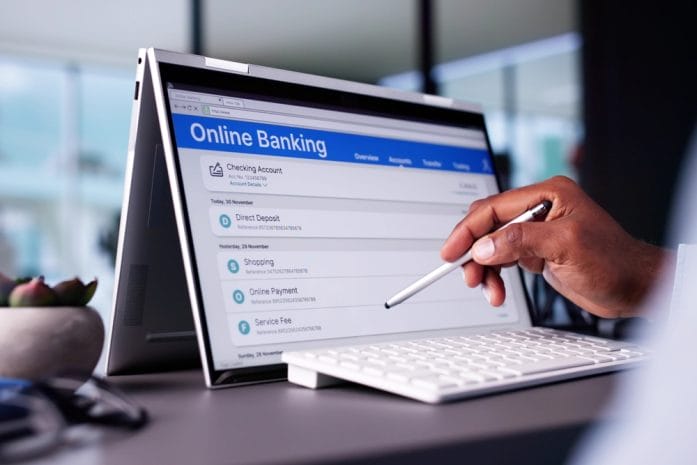
A bank branch used to stand like a symbol—solid, physical, impossible to ignore. Now, that symbol keeps shrinking, disappearing, or transforming into something that fits inside a phone screen. The shift toward digital-only banking doesn’t whisper; it moves fast, reshaping how money gets stored, moved, and managed. Big names and newer fintech players push forward with sleek apps, fewer fees, and zero intention of opening more brick-and-mortar locations. That transformation sparks excitement, but it also raises a big, unavoidable question: what gets lost when the building disappears?

Money doesn’t feel the same when it lives entirely on a screen. Swiping, tapping, and checking balances in seconds creates a different kind of relationship with spending and saving. Digital-only banks promise speed, convenience, and lower costs, but they also remove the human layer that once defined banking. No teller windows, no face-to-face problem solving, no physical place to walk into when something feels off.

The Branch Is Gone… But The Fees Might Be Too

Digital-only banks love to lead with one powerful advantage: fewer fees. Without the cost of maintaining physical branches, these banks often cut or eliminate monthly maintenance fees, overdraft charges, and minimum balance requirements. That difference can feel refreshing, especially for anyone tired of watching small charges chip away at their balance. Traditional banks carry higher overhead, and those costs often show up in fee structures that feel outdated in a digital-first world. Digital banks step in and flip that model, offering simpler, cleaner pricing that feels more aligned with modern habits.

But the story doesn’t stop at “no fees.” Many digital-only banks also offer higher interest rates on savings accounts compared to traditional institutions. They pass along some of their cost savings, which means money sitting in those accounts can grow faster. That sounds like a clear win, and in many cases, it is. However, the details matter, because not every digital bank operates the same way, and not every account delivers the same benefits. Some accounts still include limits, conditions, or tiered rates that require attention.

Smart moves start with comparison. Check interest rates, fee structures, and account features before jumping in, because flashy marketing can hide fine print. Look for banks that offer FDIC insurance, since that protection ensures deposits remain safe up to legal limits. Digital banking can absolutely save money, but it rewards those who stay curious and read the details carefully. Convenience should feel empowering, not confusing.

Some Banks Are Going Digital-Only — What That Means for Your Money

Image Source: Unsplash.com

Customer Service Without a Counter: Smooth or Stressful?

Walking into a bank used to solve problems quickly. A conversation with a real person could clear up confusion, fix errors, or answer questions on the spot. Digital-only banks replace that experience with chat support, phone lines, and email systems that operate around the clock. That shift brings both speed and frustration, depending on the situation. Some platforms respond instantly with helpful solutions, while others send users through endless loops of automated responses.

Technology handles simple requests beautifully. Checking balances, transferring funds, or locking a card takes seconds and requires no human interaction. But more complex issues, like disputed transactions or account freezes, can feel harder to resolve without face-to-face support. Waiting for a response or navigating multiple layers of digital assistance can test patience quickly. That difference becomes especially noticeable during urgent situations.

Preparation makes a huge difference here. Choose a digital bank with strong customer service reviews and multiple support channels. Keep records of transactions and communications in case problems arise. Consider maintaining a secondary account with a traditional bank if access to in-person help feels important. Digital banking works best when it combines convenience with reliable backup options.

The Psychology of Spending Changes Fast

Money feels different when it exists as numbers on a screen instead of cash in hand. Digital-only banking speeds everything up, and that speed can influence spending habits in subtle but powerful ways. Quick transfers and instant payments remove friction, which makes spending feel effortless. That ease can help with efficiency, but it can also lead to less awareness of where money goes.

Budgeting tools built into many digital banking apps offer a major advantage. These features track spending, categorize purchases, and provide real-time insights that traditional banking rarely matches. That visibility can strengthen financial habits and help users stay on track. However, those tools only work if people actively engage with them instead of ignoring the data. Awareness requires attention, even in a digital world.

Strong habits keep everything balanced. Set spending alerts, review transactions regularly, and use budgeting features to stay grounded. Treat digital money with the same level of intention as physical cash. The format may change, but the responsibility stays the same. Digital-only banking can sharpen financial awareness, but it requires consistent effort to avoid slipping into autopilot spending.

Security: High-Tech Protection With Real Risks

Digital-only banks invest heavily in security technology. Encryption, biometric logins, and real-time fraud monitoring create layers of protection that rival or exceed traditional systems. These tools work constantly, scanning for unusual activity and blocking threats before they escalate. That level of protection offers reassurance, especially as cyber threats continue to evolve.

At the same time, digital banking introduces new risks that require attention. Phishing scams, hacked devices, and weak passwords can create vulnerabilities that no bank can fully control. Security doesn’t rest solely on the institution—it also depends on user behavior. A strong password, two-factor authentication, and cautious online habits make a significant difference.

Take control of security proactively. Enable every available protection feature, update apps regularly, and avoid using public Wi-Fi for sensitive transactions. Monitor accounts frequently to catch any unusual activity early. Digital banking can feel incredibly safe, but it works best when users actively participate in protecting their own information. Technology provides the tools, but awareness provides the edge.

Not Everyone Wins in a Fully Digital World

Digital-only banking offers speed and efficiency, but it doesn’t fit every lifestyle. Some people rely on cash transactions, prefer face-to-face interactions, or simply feel more comfortable with a physical location. Small businesses, older adults, and individuals in areas with limited internet access may find digital-only systems less practical. That reality highlights an important truth: convenience looks different for everyone.

Even tech-savvy users can hit limitations. Depositing cash, accessing certain financial services, or resolving complex issues may require workarounds that feel inconvenient. Digital banks continue to expand their features, but gaps still exist. Understanding those gaps helps avoid frustration and ensures the chosen banking setup matches real needs.

Flexibility creates the best outcome. Consider a hybrid approach that combines digital banking with access to traditional services when necessary. Evaluate personal habits, financial goals, and comfort levels before making a switch. Digital-only banking represents a powerful shift, but it works best as part of a strategy, not a one-size-fits-all solution.

The Real Shift Isn’t Technology—It’s Control

Digital-only banking doesn’t just change where money lives; it changes how control works. Apps put financial tools directly into users’ hands, offering speed, insight, and flexibility that traditional systems struggled to match. That shift can feel empowering, but it also demands more awareness, more responsibility, and more intentional decision-making. The absence of a physical branch removes a layer of support while opening the door to greater independence.

Does a fully app-based experience feel like freedom, or does it leave something important behind—and what mix of tools actually gives the most control over money? Let’s hear your thoughts, strategies, or experiences in the comments.

You May Also Like…

Direct Deposit Refunds Are Being Returned by Banks When Names Don’t Match the Account

5 Outrageous Fees Hidden in Everyday Banking Services

Biometric Banking and the Rise of Fraud Concerns in 2026

5 Budgeting Apps That Integrate With Biometric Banking

5 Red Flags That a Financial Alert Isn’t Actually From Your Bank

Brandon Marcus
Brandon Marcus

Brandon Marcus is a writer who has been sharing the written word since a very young age. His interests include sports, history, pop culture, and so much more. When he isn’t writing, he spends his time jogging, drinking coffee, or attempting to read a long book he may never complete.

Filed Under: Banking Tagged With: banking apps, banking trends, digital banking, financial technology, fintech, mobile banking, money management, neobanks, online banks, Personal Finance, Planning, savings accounts

5 Tax-Advantaged Accounts Many Households Overlook

March 17, 2026 by Brandon Marcus Leave a Comment

5 Tax-Advantaged Accounts Many Households Overlook

Image Source: Shutterstock.com

Taxes can sneak up on a household like an unexpected plot twist. Yet, in the maze of forms, deductions, and filings, many families ignore tools designed specifically to give them an edge. Tax-advantaged accounts exist for a reason—they can cut tax bills, grow savings faster, and even give households a flexible safety net. Surprisingly, some of the most powerful accounts sit under the radar, gathering dust while money quietly slips away in standard checking and savings accounts.

These overlooked accounts can change how a household approaches both short-term and long-term financial goals. The trick lies in awareness, consistency, and understanding which tool fits which situation. For families willing to explore, the payoff can be significant, whether it’s a reduced annual tax bill, a more comfortable retirement, or a smoother college savings journey. Each account serves a specific purpose, but combined, they create a web of financial efficiency that most households don’t even know they could access.

1. Health Savings Accounts: More Than Just Medical Buffers

Health Savings Accounts, or HSAs, often fly under the radar for many households, yet they offer a triple tax advantage that makes them almost magical. Contributions are tax-deductible, earnings grow tax-free, and withdrawals for qualified medical expenses remain untaxed. In practice, that means the money works harder than most regular savings accounts.

An HSA does more than cover medical bills; it also doubles as a long-term investment vehicle. Funds can roll over year after year, and many providers allow investment in mutual funds or ETFs once the balance reaches a threshold. That potential for growth turns what many households consider a simple medical fund into a mini retirement engine. For families looking to maximize savings, consistently funding an HSA can create an asset that grows over decades while simultaneously reducing current taxable income.

HSAs also offer flexibility for lifestyle changes or unexpected costs. Qualified medical expenses range from routine doctor visits and prescriptions to specialized procedures. Even dental and vision expenses can qualify. This makes the account a practical tool that combines immediate utility with long-term growth potential. For households that want a multi-purpose financial tool, HSAs can check multiple boxes in one strategy.

5 Tax-Advantaged Accounts Many Households Overlook

Image Source: Shutterstock.com

2. 529 College Savings Plans: More Than Just Tuition

Education costs continue to climb at rates that make many families’ heads spin. That’s where 529 plans step in, providing a tax-advantaged way to save for college or other qualified educational expenses. Contributions grow tax-free, and withdrawals used for tuition, books, or room and board remain untaxed. Households can contribute thousands each year, taking advantage of compounding growth over time.

The real charm of 529 plans lies in their versatility. Some states even offer additional tax benefits for residents, and accounts can transfer between family members if plans change. Grandparents, aunts, and uncles can contribute, which adds a communal benefit to long-term education planning. Early contributions can significantly reduce future financial pressure and allow for better budgeting when college costs arrive.

Beyond tuition, 529 plans also allow some creative uses for career training, apprenticeships, and qualifying vocational programs. Families who understand the full breadth of 529 benefits can use the account to fund education in ways that extend beyond the traditional college path. Consistently funding a 529 can make higher education a more manageable, predictable expense while simultaneously reducing taxable income depending on state rules.

3. Flexible Spending Accounts: Short-Term Wins With Big Payoffs

Flexible Spending Accounts, or FSAs, often get overlooked because they require careful planning and annual enrollment. However, these accounts provide a clear tax advantage for many everyday expenses. Contributions reduce taxable income, which means households keep more money in hand right away. Withdrawals for qualified expenses, such as medical or dependent care costs, remain tax-free.

FSAs also offer a predictable way to budget for recurring or anticipated expenses. Families can plan for routine health costs, daycare fees, or other qualifying services, which allows better cash flow management throughout the year. Although FSAs have limits on contributions and often a “use it or lose it” clause, careful planning can maximize benefits and prevent wasted dollars.

Additionally, some employers provide dependent care FSAs that work for childcare, after-school programs, and summer camps. By allocating money to these accounts, households can reduce their overall tax liability while covering essential costs. FSAs reward attention to detail, requiring households to estimate costs accurately but offering tangible financial returns when managed well.

4. SEP IRAs and Solo 401(k)s: The Hidden Goldmine for Self-Employed

Self-employed households or small business owners can unlock powerful retirement benefits through SEP IRAs and Solo 401(k)s. These accounts allow higher contribution limits than traditional IRAs, offering a significant tax-advantaged growth opportunity. Contributions reduce taxable income in the current year, which can ease immediate tax burdens while setting aside money for the future.

SEP IRAs allow a business to contribute up to 25% of compensation, which often translates into tens of thousands of dollars of tax-deferred growth each year. Solo 401(k)s provide similar flexibility while allowing catch-up contributions for those over 50. Both accounts combine high contribution limits, tax advantages, and investment growth potential, making them ideal for entrepreneurial households seeking long-term wealth accumulation.

For households navigating irregular income streams, these accounts provide a predictable way to save aggressively while reducing taxes. Contributions can adjust annually, giving flexibility based on profit swings. Maximizing these accounts over several years can result in a substantial retirement nest egg while also taking advantage of current tax law.

5. Roth Conversions and Backdoor Roth IRAs: Playing the Tax Game Smart

High-income households often overlook Roth conversions or Backdoor Roth IRAs, yet these strategies allow for tax-free growth that traditional retirement accounts cannot match. A Roth conversion moves funds from a traditional IRA into a Roth IRA, paying taxes now but removing future growth from taxable income. For households who anticipate higher future taxes or want tax diversification, this move can be a strategic advantage.

Backdoor Roth IRAs allow high earners to circumvent contribution limits legally, funding a Roth account through a series of steps that comply with IRS rules. Once in place, these accounts grow tax-free and can be withdrawn without penalties after age 59½. For families seeking to maximize long-term savings while minimizing unexpected tax bills, Roth strategies provide a layer of flexibility that standard retirement accounts cannot offer.

These accounts reward households that plan several steps ahead, allowing money to compound in an environment free from future taxation. Smart timing, careful calculations, and a clear understanding of income limits can make Roth strategies a potent component of a diversified financial plan. Households that leverage these tools effectively can build wealth efficiently while minimizing future tax liabilities.

The Tax-Advantage Advantage That Most Households Miss

Using these five accounts effectively can dramatically change a household’s financial trajectory. Health Savings Accounts, 529 plans, FSAs, SEP IRAs, and Roth strategies all provide opportunities to grow money, reduce taxes, and build flexibility into the financial plan. While each account serves a different purpose, households that combine them thoughtfully can maximize both short-term cash flow and long-term growth.

Which of these accounts could make the biggest impact for your household this year? Are there hidden opportunities that might supercharge savings or reduce taxes in ways you haven’t considered? Share your thoughts in our comments section below.

You May Also Like…

Can You Trust AI With Your Taxes and Investments? 8 Risks No One Explains

The $19,000 Power Play: How to Shrink Your Taxable Estate Before the Government Takes Half

The $50k Dating Trap: 3 “First Date” Red Flags That Scream Financial Disaster

New Yorkers: Use This 2026 Tax Credit Before the Filing Window Slams Shut

6 Advanced Techniques to Lower Your Capital Gains Taxes Legally

Brandon Marcus
Brandon Marcus

Brandon Marcus is a writer who has been sharing the written word since a very young age. His interests include sports, history, pop culture, and so much more. When he isn’t writing, he spends his time jogging, drinking coffee, or attempting to read a long book he may never complete.

Filed Under: tax tips Tagged With: 529 plans, family finance, health savings, household budgeting, investment accounts, money management, Personal Finance, Planning, retirement planning, savings accounts, tax tips, Wealth Building

The Hidden Cost of Keeping Money in Savings at 2.4% Inflation

March 4, 2026 by Brandon Marcus Leave a Comment

The Hidden Cost of Keeping Money in Savings at 2.4% Inflation

Image Source: Shutterstock.com

Money sitting in a savings account feels safe, responsible, even wise. But when inflation runs at 2.4%, that calm sense of security starts to crack. The numbers may look steady on a bank statement, yet the true value of that cash slowly erodes in the background. What looks like stability often hides a quiet loss of purchasing power, and that loss deserves serious attention.

Inflation at 2.4% might not spark headlines like the surges seen in 2022, when U.S. inflation climbed above 9% at its peak, but even modest inflation steadily chips away at cash reserves. The math never takes a day off. If a savings account earns less than the inflation rate, the real return turns negative. That gap between interest earned and prices rising creates a hidden cost that many people underestimate.

The Math That Changes Everything

Start with a simple example. A savings account offers 1% annual interest, while inflation holds at 2.4%. On paper, that account grows by 1%. In reality, purchasing power falls by roughly 1.4% over the same period. After one year, $10,000 grows to $10,100, but goods, services, and everyday groceries that cost $10,000 now cost $10,240. That difference may look small in year one, yet it compounds over time. That hidden cost can make all the difference for a struggling household.

Extend that scenario over five years, and the impact grows more noticeable. Inflation compounds just like interest does. A steady 2.4% annual inflation rate reduces the real value of money by more than 11% over five years. Without higher returns, savings lose ground every single year. This dynamic often surprises people because nominal balances increase. Bank statements show higher numbers, which creates a sense of progress. But real wealth depends on what money can buy, not what the account displays. When returns trail inflation, savers move backward even while numbers climb upward.

The Hidden Cost of Keeping Money in Savings at 2.4% Inflation

Image Source: Shutterstock.com

Safety Feels Good, But It Comes at a Price

Savings accounts serve an important role. They provide liquidity, stability, and peace of mind. Federal deposit insurance protects balances up to legal limits, which removes the fear of losing principal due to bank failure. That security matters, especially for emergency funds. However, safety carries a trade-off. Banks typically invest deposits in loans or securities and pay savers a portion of what they earn. When central banks set lower interest rates, savings yields often fall as well. Even when rates rise, many traditional savings accounts lag behind.

High-yield savings accounts sometimes offer rates closer to prevailing market levels, and in certain periods they even exceed inflation. But not all savers take advantage of those options. Many leave money in legacy accounts earning fractions of a percent. At a 2.4% inflation rate, any account earning less than that threshold guarantees a loss in real terms.

Inflation Does Not Ask for Permission

Inflation reflects the broad increase in prices across the economy. The U.S. Bureau of Labor Statistics tracks this through the Consumer Price Index, which measures changes in the cost of goods and services such as housing, food, transportation, and medical care. When that index rises 2.4% year over year, it signals that everyday expenses cost more than they did twelve months earlier.

Even modest inflation affects long-term goals. Consider someone planning to spend $40,000 per year in retirement. At 2.4% inflation, that spending level rises to roughly $51,000 in ten years. Anyone who ignores inflation when planning risks underestimating future needs.

Cash loses value because it does not grow on its own. It requires interest or investment returns to maintain purchasing power. Inflation never pauses simply because money sits in a bank account. It continues reshaping the economy, pushing prices upward in housing markets, grocery stores, and service industries.

The Opportunity Cost That Hurts Even More

Beyond the direct impact of inflation, another cost emerges: opportunity cost. Money sitting in low-yield savings does not participate in potential growth elsewhere. Over long periods, diversified stock market investments have historically delivered average annual returns above inflation, although they fluctuate and carry risk. Bonds, certificates of deposit, and Treasury securities can also offer higher yields than standard savings accounts, depending on the rate environment.

That does not mean every dollar should move into the stock market. Risk tolerance, time horizon, and financial goals all matter. However, parking large sums in cash for years without a clear purpose can stunt wealth building. For example, someone who keeps $50,000 in a savings account earning 1% while inflation runs at 2.4% effectively loses purchasing power every year. If that person invests a portion in a diversified portfolio aligned with long-term goals, the potential for growth increases. Over decades, the difference between earning 1% and earning 6% or 7% compounds dramatically.

Inflation Awareness Creates Financial Power

Understanding inflation shifts financial decision-making from reactive to proactive. Instead of focusing solely on nominal returns, attention shifts toward real returns, which subtract inflation from interest or investment gains. That mindset change transforms how savings strategies evolve. Inflation does not always remain at 2.4%. It can rise higher or fall lower depending on economic conditions, supply chains, labor markets, and monetary policy. Staying informed about trends helps shape better choices. When inflation rises, protecting purchasing power becomes even more urgent.

Tracking expenses also matters. If personal costs rise faster than the official inflation rate, the pressure intensifies. Housing, insurance, and healthcare often increase at different rates than the overall index. A realistic financial plan accounts for those variations.

What Should Your Money Be Doing Right Now?

Money should serve a purpose. Some dollars guard against emergencies. Some dollars wait patiently for near-term goals. Others need to grow aggressively to support decades of future spending. Allowing large balances to sit in low-yield savings while inflation runs at 2.4% means accepting a guaranteed loss in purchasing power. That choice may feel comfortable, yet comfort does not build wealth. Thoughtful allocation, periodic review, and alignment with clear goals create a stronger foundation.

Inflation will continue to influence every financial plan, whether acknowledged or ignored. Taking control starts with a simple step: compare current savings rates to the inflation rate and calculate the real return. If the result falls below zero, it may signal time for a strategic shift.

Does every one of your dollars currently sit where it can truly keep up with the rising cost of living, or do some of them deserve a better assignment? Give us all of your financial thoughts in the comments below.

You May Also Like…

6 Reasons Middle-Class Budgets Are Breaking Under “Slow Inflation”

Insurance Premium Increases Continue Outpacing Inflation

Why Is Saving Money Harder Now Than It Was Ten Years Ago

Modern Taxation Explained: Filing, Records, and Savings

8 Bold Strategies for Investing During Periods of High Inflation

Brandon Marcus
Brandon Marcus

Brandon Marcus is a writer who has been sharing the written word since a very young age. His interests include sports, history, pop culture, and so much more. When he isn’t writing, he spends his time jogging, drinking coffee, or attempting to read a long book he may never complete.

Filed Under: saving money Tagged With: emergency fund, high-yield savings, Inflation, interest rates, investing basics, money management, Personal Finance, Planning, purchasing power, savings accounts, Wealth Building

5 Moves to Make Before the Federal Reserve Cuts Rates Again in 2026

March 2, 2026 by Brandon Marcus Leave a Comment

These Are 5 Moves to Make Before the Federal Reserve Cuts Rates Again in 2026

Image Source: Pexels.com

The next rate cut may not arrive quietly. When the Federal Reserve shifts direction, markets react fast, banks adjust even faster, and money starts flowing in new directions. Anyone who waits for the announcement before taking action will likely miss the best opportunities.

The Federal Reserve has already cut rates in past cycles when inflation cooled and growth slowed, and 2026 could bring another turning point if economic data supports it. That possibility alone demands preparation now, not later. Get ready, because the rest of 2026 could bring some serious changes to America’s economy.

1. Lock In High Yields While They Still Exist

High interest rates reward savers, but those rewards shrink quickly once the Federal Reserve lowers its benchmark rate. Banks tend to reduce yields on savings accounts, money market accounts, and certificates of deposit soon after a cut. Anyone holding large cash reserves should evaluate whether locking in today’s higher rates makes sense before that shift happens.

Certificates of deposit offer one straightforward way to preserve a strong yield. A CD with a one- or two-year term can secure a fixed rate that won’t fall if the Federal Reserve eases policy. Online banks often offer more competitive rates than traditional brick-and-mortar institutions, so comparing options pays off. High-yield savings accounts also deserve a close look, but those rates move quickly when policy changes.

Cash still plays an essential role in any financial plan, especially for emergency funds. However, letting large sums sit in low-yield accounts during a rate-cut cycle wastes earning potential. Locking in attractive yields now provides predictability and cushions against declining returns in 2026.

2. Refinance Strategically, Not Emotionally

Lower rates usually spark a refinancing frenzy, particularly in the mortgage market. When the Federal Reserve cuts its federal funds rate, longer-term rates such as mortgage rates do not always move in perfect sync, but they often trend downward when investors expect looser policy and slower growth. Anyone carrying high-interest debt should monitor those trends closely.

Homeowners with adjustable-rate mortgages may benefit significantly from refinancing into a fixed-rate loan if rates fall meaningfully. Those with fixed-rate mortgages locked in at historically low levels during 2020 and 2021 should not rush into a refinance without clear math supporting the move. Closing costs, loan terms, and long-term interest savings all deserve careful analysis.

Credit card balances and personal loans also demand attention. Variable-rate credit cards usually follow the direction of short-term rates. Paying down those balances before or during a rate-cut cycle can reduce overall interest costs and improve financial flexibility. A strategic refinance plan focuses on numbers and long-term benefit, not on headlines or hype.

3. Position Investments for a Shifting Cycle

Rate cuts often signal concern about economic growth. The Federal Reserve lowers rates to support borrowing, spending, and investment when inflation cools or growth slows. Markets tend to anticipate those moves, which means stock and bond prices can shift well before the official announcement.

Bond prices typically rise when rates fall because existing bonds with higher yields become more attractive. Investors who expect rate cuts may consider increasing exposure to high-quality bonds or bond funds before the cycle turns. U.S. Treasury securities often gain appeal during easing cycles, especially when investors seek safety.

Equities can also respond positively to rate cuts, particularly growth-oriented sectors that rely on borrowing and future earnings. However, not every stock benefits equally. Companies with strong balance sheets, consistent cash flow, and durable demand often hold up better if economic growth slows. Diversification remains critical. No single rate decision guarantees a smooth market rally, and volatility often increases around policy shifts.

4. Rethink Big Purchases and Timing

Lower interest rates reduce borrowing costs, which can make large purchases more attractive. Auto loans, home equity loans, and business financing often become more affordable when rates decline. However, timing matters. If a major purchase looms on the horizon, tracking interest rate trends could lead to meaningful savings.

For example, someone planning to buy a home in late 2026 might evaluate whether waiting for clearer signs of easing makes sense. On the other hand, housing prices sometimes rise when lower rates stimulate demand. A cheaper mortgage rate does not always offset a higher purchase price. Careful planning requires attention to both borrowing costs and market conditions.

Business owners should also prepare. Lower rates can create opportunities to expand, invest in equipment, or hire additional staff. Securing financing before demand surges can provide an edge. Anyone considering a large financial commitment should build flexibility into the plan, including room for unexpected economic shifts.

These Are 5 Moves to Make Before the Federal Reserve Cuts Rates Again in 2026

Image Source: Pexels.com

5. Strengthen the Foundation Before the Shift

Rate cuts often reflect broader economic pressures. The Federal Reserve does not lower rates simply to make borrowing cheaper; it responds to inflation trends, employment data, and overall economic momentum. Strengthening personal finances before a potential slowdown creates resilience no matter what 2026 brings.

Building a robust emergency fund stands at the top of that list. Three to six months of essential expenses in accessible accounts can protect against job disruptions or income changes. Reducing high-interest debt improves monthly cash flow and lowers financial stress. Reviewing insurance coverage, retirement contributions, and long-term goals also ensures that no blind spots remain.

Retirement savers should revisit asset allocation. A diversified portfolio aligned with risk tolerance and time horizon provides stability during policy changes. Automatic contributions to retirement accounts maintain discipline even when markets swing. Preparation beats reaction every time.

The Real Opportunity Lies in Preparation

The next move from the Federal Reserve will not exist in isolation. It will reflect inflation trends, employment data, and economic momentum leading into 2026. Those who prepare now can turn that policy shift into an advantage rather than a scramble.

Locking in strong yields, managing debt intelligently, positioning investments thoughtfully, timing major purchases carefully, and reinforcing financial fundamentals all create a powerful head start. Economic cycles never last forever, and each turn opens a new set of possibilities. Taking action before the headlines explode offers control in a moment when many people feel uncertain.

What step feels most urgent right now, and how will that decision shape financial goals heading into 2026? Share thoughts and strategies in the comments and start the conversation.

You May Also Like…

The Federal Reserve Rate Cut That Did Nothing for Credit Card Holders

The Interest Rate Cliff Explained: One Day You’re Fine, the Next Day You’re Broke

Why Smart Drivers Are Refinancing Their Auto Loans Before Rates Shift Again

9 Money Assumptions That No Longer Work in Today’s Economy

Boomers in Denial: What They Refuse to Accept About Today’s Economy

Brandon Marcus
Brandon Marcus

Brandon Marcus is a writer who has been sharing the written word since a very young age. His interests include sports, history, pop culture, and so much more. When he isn’t writing, he spends his time jogging, drinking coffee, or attempting to read a long book he may never complete.

Filed Under: Finance Tagged With: 2026 economy, bonds, federal reserve, Inflation, interest rates, investing strategy, Personal Finance, Planning, rate cuts, refinancing, savings accounts, stock market

5 Unnecessary Fees Your Bank Is Charging You Without Your Permission (Read The Fine Print)

February 17, 2026 by Brandon Marcus Leave a Comment

Here Are 5 Unnecessary Fees Your Bank Is Charging You Without Your Permission (Read The Fine Print)

Image source: shutterstock.com

Your bank does not need your money. It already has plenty. Yet every year, major financial institutions collect billions of dollars in fees from everyday account holders, often from people who assume their accounts cost nothing to maintain.

Those small deductions add up quickly, and most of them hide in plain sight inside dense account agreements that few people read. If you want to keep control of your money, you need to understand exactly how these charges work and how to stop them.

1. The Monthly Maintenance Fee That Punishes You for Having an Account

Many checking accounts advertise “free banking,” yet they quietly attach a monthly maintenance fee unless you meet specific requirements. Banks typically charge anywhere from $5 to $15 per month if your balance falls below a certain threshold or if you fail to set up direct deposit. That means you can lose $60 to $180 a year just for keeping your own money in the account.

Banks justify these charges as service costs, but you can avoid them with a little attention. Review your account’s fee schedule and confirm the minimum balance requirement. If that balance feels unrealistic for your budget, search for a truly no-fee checking account, which many online banks and credit unions offer without minimum deposit rules. You can also ask your current bank to move you into a different account tier; many institutions provide fee-free options that they rarely advertise unless you ask directly.

2. Overdraft Fees That Snowball Fast

Overdraft fees remain one of the most expensive penalties in consumer banking. When you spend more than your available balance, your bank may cover the transaction and charge you a fee that often ranges from $30 to $35 per item. A single weekend of miscalculated spending can trigger multiple charges, and those charges stack quickly.

Federal rules require banks to get your consent before they enroll you in overdraft coverage for debit card purchases and ATM withdrawals. If you opted in years ago and forgot about it, your bank can still charge you each time your account dips below zero. You can opt out at any time and force transactions to decline instead of generating a fee. While a declined purchase feels inconvenient, it costs far less than a $35 penalty.

Some banks now offer overdraft grace periods or lower-cost alternatives, but you must review the fine print carefully. Consider linking your checking account to a savings account for automatic transfers, which typically cost far less than a standard overdraft fee.

3. ATM Fees That Double-Dip

ATM fees irritate people because they often arrive in pairs. When you withdraw cash from an out-of-network machine, the ATM operator may charge a fee, and your own bank may add another out-of-network fee on top of it. One quick $40 withdrawal can cost you $4 to $6 in total fees, which translates into a painful percentage of the cash you actually receive.

Banks publish ATM policies clearly in their account disclosures, yet many customers ignore those details until they see the charge. You can avoid this fee entirely by sticking to your bank’s ATM network. Most banks offer mobile apps that help you locate in-network machines nearby. If you travel frequently, consider switching to a bank that reimburses ATM fees nationwide, which several online banks now do.

Here Are 5 Unnecessary Fees Your Bank Is Charging You Without Your Permission (Read The Fine Print)

Image source: shutterstock.com

4. Minimum Balance Fees That Quietly Drain Your Savings

Savings accounts often come with minimum balance requirements that seem modest at first glance. Some banks require you to maintain $300, $500, or even $1,000 to avoid a monthly fee. If your balance drops below that number for even a single statement cycle, the bank can deduct a maintenance fee from your savings.

That practice creates a frustrating cycle. You save money, face an emergency expense, withdraw funds, and then the bank penalizes you for dipping into your own savings. The fee reduces your balance further, which makes rebuilding harder.

If your bank imposes a minimum that no longer fits your financial reality, compare options. You should never pay a bank to hold your emergency fund when fee-free alternatives exist.

5. Paper Statement and “Service” Fees That Add No Real Value

Banks increasingly charge fees for paper statements, mailed checks, and certain in-branch services. While these fees often appear small, typically $2 to $5 per month for paper statements, they add up over time and rarely provide additional value.

Financial institutions encourage digital statements because they reduce printing and mailing costs. If you still receive paper copies, you likely pay for that choice. You can log into your account settings and switch to electronic delivery within minutes. Digital statements remain secure and accessible, and you can download and store them for your records.

Take Back Control Before the Fees Add Up

Banks operate as businesses, and they design fee structures to increase revenue. That reality does not mean you must accept every charge. You can review your monthly statements line by line, study your account’s fee disclosure, and ask direct questions about any unfamiliar deduction. If your bank refuses to offer a fair alternative, you can move your money elsewhere. Competition in the banking industry gives you leverage, especially with the rise of online institutions that cut fees aggressively to attract customers.

Money management requires attention, but it does not require perfection. You simply need awareness and a willingness to challenge charges that do not serve you. Your bank should work for you, not the other way around.

What fees have you spotted on your bank statement that made you stop and look twice? If you have some advice for fellow bank customers, make sure you share it in our comments.

You May Also Like…

5 Outrageous Fees Hidden in Everyday Banking Services

How Can Small Banking Errors Snowball Into Huge Losses

6 Data-Scraping Features in Online Banking

Banks Are Still Charging Daily Overdraft Fees After Accounts Go Negative

Hidden 401(k) Fees Are Still Shrinking Retirement Balances

Brandon Marcus
Brandon Marcus

Brandon Marcus is a writer who has been sharing the written word since a very young age. His interests include sports, history, pop culture, and so much more. When he isn’t writing, he spends his time jogging, drinking coffee, or attempting to read a long book he may never complete.

Filed Under: Banking Tagged With: ATM charges, banking fees, Budgeting Tips, Consumer Protection, credit cards, financial literacy, minimum balance fees, money management, monthly maintenance fees, overdraft fees, Personal Finance, savings accounts

What Financial Gifts Can You Give Your Kids For The Holidays?

December 13, 2025 by Brandon Marcus Leave a Comment

What Financial Gifts Can You Give Your Kids For The Holidays?

Image Source: Shutterstock.com

The holidays are approaching, and while toys and gadgets are always fun, there’s a gift that keeps giving long after the wrapping paper is gone: financial literacy. Teaching kids about money doesn’t have to be boring or preachy—it can be exciting, hands-on, and even a little competitive. Imagine them learning the value of saving, investing, or budgeting while laughing, playing, or reaching small milestones.

Financial gifts give kids practical skills, confidence, and a head start for adulthood, all wrapped up in one festive package. Let’s explore some creative ways to give your kids money smarts this holiday season.

Savings Accounts That Grow With Them

Opening a savings account in your child’s name can be surprisingly thrilling for them. It’s not just about putting money in a bank—it’s about teaching them patience and watching their balance grow over time. Kids love seeing their progress, and online banking apps make it easy to visualize interest and deposits. Parents can set small goals, like saving for a special toy or experience, which makes the process interactive. Over time, children develop a sense of pride and responsibility for their own money.

Investment Accounts For A Head Start

Introducing your kids to investing doesn’t have to be intimidating or full of jargon. Many apps and custodial accounts allow parents to invest small amounts in stocks or ETFs for their children. This hands-on experience teaches them about compound interest, market ups and downs, and long-term thinking. Kids can learn the difference between short-term wants and long-term growth in a way that games or simulations simply can’t replicate. It’s a fun and educational gift that could grow into a significant financial foundation by the time they reach adulthood.

Financial Literacy Books That Actually Engage

Books about money can be a surprisingly magical gift if chosen correctly. Titles aimed at children use stories, colorful illustrations, and relatable characters to explain complex financial ideas in a fun way. Topics like saving, budgeting, and entrepreneurship become accessible and even entertaining. Reading about financial lessons can spark conversations that last weeks, reinforcing real-life applications. Kids absorb knowledge best when it’s presented like a story rather than a lecture.

Piggy Banks That Make Saving Fun

Traditional piggy banks are no longer just ceramic boxes on a shelf—they’ve evolved into interactive tools for teaching money habits. Some modern versions track deposits digitally, assign goals, or even offer challenges for kids to meet. By visualizing how money grows as they save, children develop habits that stick far longer than the holiday season. Turning saving into a game encourages consistency and excitement. Simple, playful, and interactive, a piggy bank can be a surprisingly powerful teaching tool.

Gift Cards With Purpose

A gift card might seem ordinary, but it can become a financial lesson in disguise. Giving a gift card and pairing it with a budgeting challenge teaches kids to make decisions about how to spend wisely. They learn about priorities, delayed gratification, and managing limited resources. Parents can even create mini-experiments, like splitting the gift card into multiple uses or saving part for a future purchase. This method mixes immediate fun with practical financial lessons.

What Financial Gifts Can You Give Your Kids For The Holidays?

Image Source: Shutterstock.com

Start A Holiday Savings Challenge

Why not turn saving into a family event during the holidays? Encourage kids to save a portion of any gifts or allowances they receive into a special holiday fund. You can make it exciting by tracking progress visually on a chart or having small rewards for milestones achieved. This gives them a sense of accomplishment and reinforces that saving is an ongoing process, not just a one-time activity. Making saving social, competitive, or celebratory keeps kids engaged and motivated.

Experiences That Teach Money Management

Experiences can be as financially educational as tangible gifts. For example, tickets to a kid-friendly business workshop, entrepreneurship camp, or even a mini investing seminar teach money skills in a fun environment. Participating in real-world activities gives children context for abstract concepts like profit, loss, or budgeting. They also learn the value of investing time and effort alongside money. Experiences combine excitement, learning, and lasting memories that can inspire smarter financial habits.

Encourage Small Business Projects

One of the most empowering financial gifts is teaching kids how to earn their own money. Setting up a small holiday business, like a lemonade stand, handmade crafts, or baked goods, teaches planning, sales, and basic accounting. Parents can guide without taking over, giving kids ownership of their work and earnings. These projects are hands-on lessons in value creation, customer service, and managing profits. They also build confidence and resilience alongside money smarts.

Subscription Boxes With A Financial Twist

Some subscription boxes are specifically designed to teach financial literacy through interactive tools and challenges. Monthly kits can include games, activities, and lessons about money, entrepreneurship, and investing. Kids look forward to new surprises each month while learning practical skills. The continuity of a subscription box reinforces habit-building in a fun, engaging way. It’s a gift that grows with your child while keeping lessons dynamic and memorable.

Make Financial Gifts Fun And Memorable

Giving financial gifts doesn’t have to feel like a lecture or a chore. By combining creativity, interactivity, and real-world applications, you can make money lessons exciting, engaging, and impactful. From savings accounts to entrepreneurial projects, each gift teaches children skills that last far beyond the holiday season. Over time, these gifts help kids understand money, build confidence, and make smarter decisions as they grow.

Share your favorite ways to give financial gifts or the lessons your children have learned in the comments section below.

You May Also Like…

Why Do Families Pretend They Can Afford the Holidays

6 Sneaky Financial Risks Hiding in Holiday Spending

Why Do Families Overspend During the Holidays

Holiday Trap: 6 Gift-Spending Mistakes That Could Wreck Your Budget

How Can Cash Gifts Trigger Unexpected Tax Bills


Brandon Marcus
Brandon Marcus

Brandon Marcus is a writer who has been sharing the written word since a very young age. His interests include sports, history, pop culture, and so much more. When he isn’t writing, he spends his time jogging, drinking coffee, or attempting to read a long book he may never complete.

Filed Under: gift guide Tagged With: cash gifts, children., Family, financial gifts, financial literacy, Gift, gift cards, Gift guide, gift ideas, gift-giving, gifts, holiday gift giving, Holiday Savings, holiday spending, Holidays, investment accounts, kids, piggy banks, saving money, savings, savings accounts

Why a Payable-on-Death (POD) Account Is Better Than a Will for Your Cash

December 5, 2025 by Brandon Marcus 2 Comments

A Payable-on-Death (POD) Account Is Better Than a Will for Your Cash

Image Source: Shutterstock.com

Let’s talk about the ultimate financial magic trick. No, not turning pennies into gold—that’s for fairy tales. This is the real-world sorcery where, with a simple form at your bank, you can make your life savings instantly appear in your loved one’s hands the moment you’re gone, bypassing the dreaded dungeon of probate court. Forget the dusty, formal will as the only way to pass on your cash.

For the money you have sitting in checking, savings, or CDs, there’s a sleeker, faster, and often far superior option: the Payable-on-Death account.

The Great Probate Escape Act

Probate is the legal process that validates a will, and it’s notoriously slow, public, and often expensive. A will is your ticket into this system. A POD account, however, is a backstage pass that lets your beneficiary skip the line entirely. When you name a beneficiary on your account, that money is legally promised to them upon your death. The funds transfer directly to them by presenting a death certificate and ID to the bank, not by a judge’s order. This isn’t just a shortcut; it’s a completely different, streamlined highway designed solely for your cash assets.

Speed Is The Ultimate Gift

While a will can take months or even years to wind through probate, a POD transfer happens in a matter of days or weeks. Your loved one won’t be stuck waiting for the legal gears to turn while dealing with immediate expenses like funeral costs, mortgage payments, or utility bills. That immediate access is a practical and emotional lifeline during a difficult time. You’re not just giving them money; you’re giving them the gift of time and reduced stress. The efficiency of a POD account is perhaps its most humane and powerful feature.

Costs Less Than A Fancy Dinner

Creating a Will can cost hundreds or even thousands of dollars if you use an attorney. Probating that Will can cost thousands more, taking a percentage of your estate’s value. Setting up a POD account? It’s almost always completely free. You walk into your bank or credit union, ask for a “Payable-on-Death” or “Transfer-on-Death” form, fill in a name, and you’re done. You’ve just performed powerful estate planning for the price of a pen. Protecting your family’s financial future shouldn’t require a second mortgage to pay legal fees.

Simplicity Over Legalese

A will is a formal legal document, dense with “whereas” and “heretofore.” A POD designation is a straightforward form with one job. There’s no room for ambiguous language about which “nice china” you meant or who gets the “cash assets.” It says: “Bank Account #12345 goes to Jane Doe.” This beautiful simplicity drastically reduces the chance of confusion or family disputes. Your wishes are crystal clear and attached directly to the asset in question, leaving little room for the messy interpretations that can plague even well-written wills.

The Flexibility You Control

Here’s a crucial point: naming a POD beneficiary does NOT mean giving up control. While you are alive, that account is 100% yours. You can spend every dime, change the beneficiary, or close the account whenever you wish. Your beneficiary has zero rights to the money until after your death. This lets you keep your options open and adapt to life’s changes—a new grandchild, a change in relationship—without needing to revise a formal will. It’s estate planning that lives and breathes right along with you.

A Payable-on-Death (POD) Account Is Better Than a Will for Your Cash

Image Source: Shutterstock.com

But Remember, It’s Not A Total Replacement

Before you shred your will, understand the limits. A POD account only works for cash in bank accounts, CDs, and sometimes brokerage accounts or vehicles. It doesn’t handle your house, your jewelry, your vintage comic book collection, or the task of naming a guardian for your kids. A will or a living trust is still essential for those complex assets and directives. Think of your POD accounts as the speedy couriers for your liquid cash, working in perfect harmony with your will, which acts as the general contractor for your entire estate.

Have you used a POD account, or are you considering it? Maybe you have a story about how a simple beneficiary designation made a difficult time easier for your family. We’d love to hear your experiences, questions, or tips.

You May Also Like…

7 Excuses Millennials Use to Delay Estate Planning (and Why It’s Risky)

Is Estate Planning The Only Way To Preserve Your Legacy?

Review Your Estate Planning Documents and Update Beneficiaries Promptly

6 Blended-Family Will Mistakes That Can Tear Families Apart

11 Essential Components of a Bulletproof Estate Plan Document

Brandon Marcus
Brandon Marcus

Brandon Marcus is a writer who has been sharing the written word since a very young age. His interests include sports, history, pop culture, and so much more. When he isn’t writing, he spends his time jogging, drinking coffee, or attempting to read a long book he may never complete.

Filed Under: Estate Planning Tagged With: Estate planning, estate plans, inherit money, Inheritance, Money, money issues, payable on death, POD, POD account, savings accounts, Will, will and testament

Why Do Some People Keep Borrowing Even When They Have Savings

September 6, 2025 by Catherine Reed Leave a Comment

Why Do Some People Keep Borrowing Even When They Have Savings

Image source: 123rf.com

It might seem puzzling when someone with a healthy savings account still turns to credit cards, loans, or lines of credit. Many people assume savings should always be the first defense against financial needs, but reality often plays out differently. Understanding why some people keep borrowing even when they have savings reveals deeper psychological, financial, and strategic factors at play. Some borrowers want to protect their nest egg, while others may be trapped by habits or external pressures. By digging into the reasons behind this behavior, we can learn how to manage money more wisely and avoid unnecessary debt.

1. Fear of Draining Savings

A common reason why some people keep borrowing even when they have savings is the fear of running their account too low. For many, savings represent a safety net for emergencies like medical bills, job loss, or unexpected home repairs. Using up those funds feels riskier than taking on debt, even if interest charges are involved. This mindset often leads people to swipe their credit cards instead of tapping into their savings. While preserving savings provides peace of mind, relying too much on borrowing can create long-term financial strain.

2. Low Interest Loans vs. Higher Investment Returns

Some people borrow intentionally because it can make financial sense under certain conditions. Why do some people keep borrowing even when they have savings? In some cases, they may have money invested in accounts earning higher returns than the interest rate on their debt. For example, taking a car loan at a low rate might be preferable if their investments are earning more. While this strategy can work, it requires careful planning and discipline to avoid overextending debt. For most people, the risk of carrying unnecessary loans outweighs the potential gains.

3. Emotional Attachment to Savings

Savings accounts often symbolize more than just money—they represent security, progress, or future dreams. Why do some people keep borrowing even when they have savings? The answer can be as simple as emotional attachment. People may feel guilty or anxious when dipping into savings, even if borrowing ends up costing more in the long run. This psychological barrier keeps them from using their cash reserves, leading to reliance on credit. Recognizing these emotional patterns is the first step toward healthier financial decisions.

4. Lifestyle Pressures and Social Expectations

In today’s society, keeping up with appearances can drive people to borrow unnecessarily. Why do some people keep borrowing even when they have savings? Often, it’s because they want to maintain their lifestyle without appearing to cut back. Savings may be mentally reserved for future goals, while credit fills the gap for current wants. Peer pressure, social media, and family expectations can all play a role in this spending behavior. Unfortunately, this approach can lead to a cycle of debt that undermines both savings and financial security.

5. Lack of Financial Literacy or Planning

Not everyone fully understands the consequences of borrowing when savings are available. Why do some people keep borrowing even when they have savings? In many cases, it comes down to limited financial knowledge. Without clear budgeting or planning, people may view debt as harmless, especially if they make minimum payments on time. This lack of awareness prevents them from recognizing the high costs of interest and fees. Education and guidance are essential for breaking this cycle and using savings more effectively.

Learning to Balance Borrowing and Saving

The reasons why some people keep borrowing even when they have savings are complex, blending emotional, practical, and cultural influences. While it can sometimes make sense to borrow strategically, too much reliance on debt often backfires. The key lies in striking a balance between preserving savings and avoiding unnecessary interest charges. By building financial literacy, challenging emotional barriers, and setting clear priorities, people can make smarter choices. Protecting both savings and long-term financial health requires awareness, discipline, and the willingness to face hard truths.

Do you believe it’s smarter to dip into savings or to borrow when expenses arise? Share your perspective in the comments below!

What to Read Next…

Why Do Some Millionaires Borrow Money They Don’t Need

10 Financial Risks That Come From Ignoring Small Debts

5 Financial Moves That Sound Smart but Hurt Over Time

Why Do Some Believe Debt Is Freedom Instead of a Burden

5 Times Debt Was Used as a Tool Instead of a Burden

Catherine Reed
Catherine Reed

Catherine is a tech-savvy writer who has focused on the personal finance space for more than eight years. She has a Bachelor’s in Information Technology and enjoys showcasing how tech can simplify everyday personal finance tasks like budgeting, spending tracking, and planning for the future. Additionally, she’s explored the ins and outs of the world of side hustles and loves to share what she’s learned along the way. When she’s not working, you can find her relaxing at home in the Pacific Northwest with her two cats or enjoying a cup of coffee at her neighborhood cafe.

Filed Under: money management Tagged With: borrowing habits, Debt Management, financial literacy, money psychology, Personal Finance, savings accounts, spending behavior

7 Bank Options That Seem Risk-Free—But Are Not

August 16, 2025 by Travis Campbell Leave a Comment

bank

Image source: pexels.com

When it comes to managing your money, the phrase “risk-free” is comforting. Many bank options are marketed as safe havens for your savings. But not all are as secure as they seem. The truth is, some “risk-free” banking products carry hidden dangers that could catch you off guard. Understanding these potential pitfalls is essential to making informed financial decisions. Let’s look at seven bank options that seem risk-free—but are not.

1. Savings Accounts Above FDIC Limits

Savings accounts are often seen as the gold standard for safe banking. They’re simple, liquid, and insured by the Federal Deposit Insurance Corporation (FDIC) up to $250,000 per depositor, per bank. But if your balance exceeds that limit, anything above $250,000 is at risk if the bank fails. It’s easy to overlook this, especially when consolidating funds after a big event—like selling a house or receiving an inheritance. Be mindful of the FDIC coverage cap to keep your money truly safe. This is a classic case where a bank option may seem risk-free, but is not.

2. Certificates of Deposit (CDs) with Early Withdrawal Penalties

Certificates of Deposit promise guaranteed returns and FDIC insurance, making them seem like a no-brainer. However, CDs can lock up your money for months or years. If you need to access your cash early, you’ll face stiff penalties that can wipe out your interest—and sometimes even cut into your principal. Life is unpredictable, and emergencies happen. Before committing, make sure you’re comfortable with the term and aware of the real costs of early withdrawal.

3. Money Market Accounts with Hidden Fees

Money market accounts are often touted as a risk-free way to earn a bit more interest than a standard savings account. However, they can come with hidden fees—like minimum balance requirements or transaction limits. Dip below the minimum, and you might get hit with monthly charges that eat into your returns. And if you make too many withdrawals, you could face additional penalties. Always read the fine print before parking your cash in a money market account. This kind of bank option seems risk-free, but it is not always so.

4. Bank-Issued Prepaid Debit Cards

Prepaid debit cards issued by banks are marketed as a safe alternative to cash or credit cards. While they help with budgeting and limit overspending, they’re not always covered by FDIC insurance unless registered. If the issuing bank fails and your card wasn’t registered, your balance could disappear. Additionally, these cards often come with activation, maintenance, and ATM withdrawal fees. What looks like a safe bet may quietly drain your funds over time.

5. High-Yield Online Savings Accounts from Unfamiliar Banks

Online banks frequently offer higher interest rates than traditional brick-and-mortar banks. The lure of “high-yield” is strong, but not all online banks are created equal. Some are not FDIC-insured, or they partner with third parties that complicate the insurance process. If the bank is new or unfamiliar, it may also be more vulnerable to business failure. Before jumping in, verify FDIC coverage and research the bank’s reputation. Remember, a bank option that seems risk-free—but is not—can put your savings at unnecessary risk.

6. Joint Accounts with Unintended Consequences

Joint accounts are a popular way to manage shared finances, whether with a spouse, child, or business partner. They seem risk-free because both parties have equal access. But if a co-owner faces legal trouble, creditors can come after the funds—even if you contributed most of the money. Plus, joint accounts count toward each individual’s FDIC insurance limit, which could leave a portion of your balance uninsured. Always weigh the risks before opening a joint account.

7. Bank “Sweep” Programs

Some banks offer “sweep” programs that automatically move excess funds into higher-yield accounts or investment products. These can seem like a smart way to maximize returns while staying risk-free. However, some sweep accounts move your money into products that aren’t FDIC-insured, such as money market mutual funds. If those investments lose value or the financial institution fails, you could lose money. Read the terms carefully and understand exactly where your cash is being swept.

How to Protect Your Money from Hidden Risks

It’s easy to assume that every bank option is risk-free, especially when products are promoted as safe and insured. But as we’ve seen, even familiar options can have hidden traps. The key is to read the fine print, understand FDIC limits, and ask questions before depositing large sums. When considering an unfamiliar product or institution, check resources like the FDIC’s deposit insurance guide or use their BankFind tool to confirm coverage.

Ultimately, the best way to keep your savings secure is to stay informed. Not every bank option that seems risk-free is truly without risk. Take the time to review your accounts and ensure your money is protected from unexpected threats.

Have you ever run into a banking product that seemed safe but turned out to have hidden risks? Share your experience in the comments below!

Read More

7 Bank Terms That Let Institutions Freeze Funds Without Warning

Could a Bank Freeze Your Account Without Telling You?

Travis Campbell
Travis Campbell

Travis Campbell is a digital marketer/developer with over 10 years of experience and a writer for over 6 years. He holds a degree in E-commerce and likes to share life advice he’s learned over the years. Travis loves spending time on the golf course or at the gym when he’s not working.

Filed Under: Banking Tagged With: banking, certificates of deposit, FDIC insurance, financial safety, money market, online banks, savings accounts

6 Bank Services That Start Charging After Just 60 Days

August 9, 2025 by Travis Campbell Leave a Comment

banking

Image source: unsplash.com

Banking isn’t always as simple as it looks. You open an account, set up direct deposit, and think you’re set. But banks have rules that can cost you money if you’re not careful. Some services are free at first, but after 60 days, the fees start. These charges can sneak up on you, especially if you’re not reading the fine print. Knowing which bank services start charging after just 60 days can help you avoid surprise fees and keep more money in your pocket. Here’s what you need to watch out for.

1. Inactive Account Fees

If you open a bank account and don’t use it for a while, you might get hit with an inactive account fee. Many banks give you a grace period—often 60 days—before they start charging. After that, if you haven’t made a deposit, withdrawal, or transfer, the bank may consider your account inactive. The fee can be a flat monthly charge or a percentage of your balance. It’s easy to forget about an account you opened for a bonus or as a backup. But if you leave it alone for too long, you’ll start losing money. To avoid this, set a reminder to make a small transaction every month or two. Even a $1 transfer can keep your account active and fee-free.

2. Paper Statement Fees

Banks want you to go paperless. That’s why many offer free paper statements for the first 60 days. After that, they start charging a monthly fee if you still get statements by mail. The fee might seem small—usually $2 to $5 per month—but it adds up over time. If you’re not careful, you could pay $60 a year just for paper. Switching to electronic statements is usually free and easy. You’ll get your statements by email or through your bank’s app. If you prefer paper, check if your bank offers any exceptions, like for seniors or students. Otherwise, go digital to avoid this unnecessary charge.

3. Overdraft Protection Transfers

Overdraft protection sounds helpful. It lets you link your checking account to a savings account or credit card. If you spend more than you have, the bank covers the difference by moving money from your linked account. Some banks offer this service for free at first, but after 60 days, they start charging a fee for each transfer. The fee can be $10 or more per transfer. If you’re not watching your balance, these charges can pile up fast. To avoid them, keep an eye on your account and set up low-balance alerts. If you rarely overdraw, you might want to turn off overdraft protection altogether. That way, your card will just be declined if you don’t have enough money, and you won’t get hit with a fee.

4. Safe Deposit Box Rental

Safe deposit boxes are a secure way to store valuables, but they’re not always free. Some banks offer a free or discounted rental for the first 60 days when you open a new account. After that, the regular rental fee kicks in. The cost depends on the size of the box and the bank, but it’s usually billed annually. If you don’t need the box long-term, make sure to empty it and cancel before the 60 days are up. Otherwise, you’ll be on the hook for the full year’s fee. If you’re just looking for a place to store documents or jewelry for a short time, ask about the exact terms before signing up.

5. Account Maintenance Fees

Some banks waive monthly maintenance fees for the first 60 days as a welcome perk. After that, you need to meet certain requirements to keep the account free. These might include keeping a minimum balance, setting up direct deposit, or making a certain number of transactions each month. If you don’t meet the requirements, the bank starts charging a maintenance fee—often $10 to $15 per month. These fees can eat into your savings if you’re not careful. Review your account terms and set up alerts to make sure you’re meeting the requirements. If you can’t, consider switching to a no-fee account or a credit union.

6. ATM Fee Reimbursements

Many banks offer free ATM fee reimbursements for the first 60 days after you open an account. This means they’ll refund fees charged by other banks’ ATMs. After the initial period, the reimbursements may stop or be limited. You could end up paying $3 to $5 every time you use an out-of-network ATM. If you travel or live in an area with few of your bank’s ATMs, these fees can add up quickly. To avoid them, use your bank’s ATM locator app or get cash back at stores when you make a purchase. Some online banks and credit unions offer ongoing ATM fee reimbursements, so shop around if this is important to you.

Stay Ahead of Sneaky Bank Fees

Bank fees can feel like a moving target. What’s free today might cost you tomorrow. The key is to read the fine print and set reminders for when introductory offers end. Don’t assume a service will stay free forever. Check your statements regularly and ask your bank about any fees that might start after 60 days. A little attention now can save you a lot of money later. Staying informed about which bank services start charging after just 60 days helps you keep more of your hard-earned cash.

What’s your experience with surprise bank fees? Share your story or tips in the comments below.

Read More

6 Banking Terms That Invalidate Joint Ownership Intentions

Some U.S. Banks Are Now Charging a “Cash Handling” Fee—Even at ATMs

Travis Campbell
Travis Campbell

Travis Campbell is a digital marketer/developer with over 10 years of experience and a writer for over 6 years. He holds a degree in E-commerce and likes to share life advice he’s learned over the years. Travis loves spending time on the golf course or at the gym when he’s not working.

Filed Under: Banking Tagged With: account maintenance, ATM Fees, avoid fees, bank fees, banking tips, checking accounts, Personal Finance, savings accounts

  • 1
  • 2
  • Next Page »

FOLLOW US

Search this site:

Recent Posts

  • Can My Savings Account Affect My Financial Aid? by Tamila McDonald
  • 12 Ways Gen X’s Views Clash with Millennials… by Tamila McDonald
  • What Advantages and Disadvantages Are There To… by Jacob Sensiba
  • Call 911: Go To the Emergency Room Immediately If… by Stephen Kanaval
  • 10 Tactics for Building an Emergency Fund from Scratch by Vanessa Bermudez
  • 7 Weird Things You Can Sell Online by Tamila McDonald
  • 10 Scary Facts About DriveTime by Tamila McDonald

Copyright © 2026 · News Pro Theme on Genesis Framework