• Home
  • About Us
  • Getting Finances Done
    • Hiring Advisors
    • Debt Management
    • Spending Plan
  • Insurance
    • Life Insurance
    • Health Insurance
    • Disability Insurance
    • Homeowners/Renters Insurance
  • Contact Us
  • Our Editorial Commitment

The Free Financial Advisor

You are here: Home / Archives for mobile banking

Digital Payment Apps Could Soon Become Mandatory for Federal Benefits

May 11, 2026 by Brandon Marcus Leave a Comment

The United States capitol - Unsplash
The United States capitol – Unsplash

A trip to the mailbox once marked payday for millions of Americans, but smartphones now dominate almost every money conversation in the country. Federal agencies continue pushing faster digital systems because paper checks cost more, move slower, and create bigger fraud risks than electronic transfers. That shift could soon place digital payment apps at the center of programs like Social Security, veterans benefits, tax refunds, and Supplemental Security Income.

Banks already encourage customers to manage accounts through mobile apps, while retailers practically beg shoppers to tap phones instead of swiping cards. Washington now appears ready to accelerate that trend in a way that could reshape how Americans interact with government money forever.

Why Washington Wants To Move Away From Paper Checks

Federal officials constantly search for ways to cut waste, reduce fraud, and move taxpayer money more efficiently across massive programs. The Treasury Department spends millions every year printing, mailing, replacing, and tracking paper checks, while criminals continue targeting stolen mail and counterfeit payments. Digital payment systems slash processing times dramatically because agencies can send funds instantly instead of waiting for trucks, sorting facilities, and postal delivery routes.

Several government watchdog reports also highlight how electronic payments create stronger tracking systems that help investigators identify fraud much faster than traditional paper methods. Americans already use digital payment apps for restaurant bills, concert tickets, rent payments, and online shopping, so many lawmakers now view government benefits as the next logical step.

Which Payment Apps Could Play A Bigger Role

Popular platforms like Cash App, Venmo, and PayPal already process billions of dollars every year, and federal agencies continue exploring partnerships with private financial technology companies. Traditional banks also push hard into mobile banking because customers increasingly expect instant transfers, digital budgeting tools, and app-based account alerts instead of old-fashioned banking methods. Some experts believe future federal systems could rely on government-approved digital wallets that connect directly to Treasury payment networks for faster benefit distribution.

During emergencies like the pandemic, many Americans experienced frustrating delays while stimulus checks crawled through the mail, which strengthened arguments for faster electronic delivery systems. Financial technology companies smell a massive opportunity because federal benefit payments represent one of the largest and most consistent cash streams in the entire American economy.

The Biggest Concerns Americans Already Raise

Millions of older Americans still prefer paper checks because they trust physical documents more than phone apps, online passwords, or digital banking systems. Rural communities also face serious internet access problems, and many low-income households still lack reliable smartphones, secure Wi-Fi, or consistent mobile service. Consumer advocates warn that mandatory digital payments could leave vulnerable Americans exposed to hacking scams, phishing attacks, identity theft, and surprise account freezes from third-party payment platforms.

A senior couple going over their finances - Unsplash
A senior couple going over their finances – Unsplash

Some banking experts also worry about fees because certain apps charge transfer costs, overdraft penalties, or expedited withdrawal charges that slowly drain benefit payments over time. Americans who rely heavily on cash transactions fear another issue as well because a fully digital system could make everyday purchases much harder for people without strong banking relationships.

How Families Could Prepare Before Any Major Changes Arrive

Americans who currently receive federal benefits should start reviewing banking access, account security, and mobile payment options long before any official policy changes take effect. Financial advisors strongly recommend enabling two-factor authentication, creating unique passwords, and avoiding suspicious text links because scammers often target benefit recipients during major system transitions. Families can also help older relatives learn basic app features now instead of forcing stressful last-minute adjustments during a sudden government rollout.

Many community banks and credit unions already offer free digital banking workshops that teach customers how to transfer money safely, monitor transactions, and recognize fraud attempts before losses occur. Smart preparation matters because future benefit systems will likely reward Americans who already feel comfortable navigating digital financial tools and mobile payment platforms.

America’s Financial Future Could Look Very Different

Federal benefit programs stand at a crossroads where convenience, technology, security, and accessibility now collide in ways that could affect millions of households nationwide. Digital payment apps promise faster deposits, better fraud tracking, and lower government costs, but many Americans still worry about privacy, banking access, and the growing dependence on smartphones for everyday survival. Lawmakers will likely face enormous pressure to balance modernization with fairness because millions of seniors, veterans, and low-income families still rely heavily on traditional payment methods.

What do you think about the government moving federal benefits onto digital payment apps instead of traditional paper checks?

You May Also Like…

How the IRS’s New Digital Asset Form Could Affect Casual Crypto Users

Banks Are Moving Toward All-Digital Payments—What That Means for Your Money

5 Digital Banking Changes That May Be Adding New Fees Without Notice

Washington State Workers Are Paying Into a Long-Term Care Program With Limited Eligibility

6 Mistakes People Make When Appealing an IRS Identity Check

Brandon Marcus
Brandon Marcus

Brandon Marcus is a writer who has been sharing the written word since a very young age. His interests include sports, history, pop culture, and so much more. When he isn’t writing, he spends his time jogging, drinking coffee, or attempting to read a long book he may never complete.
Filed Under: Finance Tagged With: Cash App, digital payments, digital wallets, direct deposit, federal benefits, financial technology, fintech, government benefits, government policy, mobile banking, payment apps, Social Security, Venmo

Banks Are Moving Toward All-Digital Payments—What That Means for Your Money

May 9, 2026 by Brandon Marcus Leave a Comment

Banks Are Moving Toward All-Digital Payments—What That Means for Your Money
Someone initiating a digital payment on their smartphone – Shutterstock

The way money moves is changing fast, and it is not waiting for anyone to catch up. Banks across the financial world continue pushing toward all-digital payment systems, reshaping how people send, receive, and store money. Cash no longer sits at the center of daily transactions, and digital tools now handle everything from grocery purchases to rent payments. This shift does not just tweak banking habits—it rewires them completely.

People already feel the change through mobile banking apps, tap-to-pay cards, and instant transfers that land in seconds. Many banks now prioritize digital-first services, reducing reliance on physical branches and paper-based systems. That transformation brings convenience, but it also raises important questions about access, security, and control over personal finances. The financial landscape continues evolving, and everyday money decisions evolve right along with it.

The Shift to All-Digital Banking Is Speeding Up

Banks across the industry continue investing heavily in digital infrastructure because customers demand faster and easier transactions. Mobile apps now handle deposits, transfers, bill payments, and even loan approvals without requiring a branch visit. Financial institutions also reduce physical locations in many regions as digital usage grows year after year. This trend signals a major pivot toward a system where physical cash plays a smaller role. Experts describe this as a long-term structural shift rather than a temporary convenience upgrade.

Fintech companies also accelerate this movement by offering seamless digital wallets and instant payment services that traditional banks must match. Consumers now expect transactions to happen in real time without delays or paperwork. Governments and regulators in many countries also encourage safer digital systems to reduce fraud tied to physical cash handling. This growing ecosystem pushes banking deeper into a fully connected digital environment where speed defines value.

What Happens to Cash, Cards, and Traditional Banking?

Cash still exists, but its role continues shrinking as digital payments dominate everyday life. Many retailers now prefer contactless or card payments because they speed up checkout lines and reduce handling risks. Traditional debit and credit cards also evolve into digital versions stored in smartphones and wearable devices. Banks still support physical cash, but they design fewer services around it as demand slowly declines. This shift does not eliminate cash overnight, but it clearly pushes it into a secondary role.

Traditional banking branches also change as fewer people visit them for routine transactions. Many banks convert physical locations into advisory centers instead of full-service transaction hubs. Customers now complete most banking tasks through apps or online platforms that operate 24/7. This change reduces wait times but also removes the face-to-face experience many people once relied on for financial guidance. The entire system moves toward automation, speed, and self-service tools.

How Digital Payments Change Everyday Money Management

Digital payments transform how people track spending because every transaction leaves an instant record. Budgeting apps now connect directly to bank accounts and categorize purchases automatically. This visibility helps people spot spending patterns that often go unnoticed with cash usage. Many users also benefit from instant alerts that flag unusual activity or overspending in real time. This level of control gives consumers a sharper view of their financial habits than ever before.

Digital systems also make money more mobile, allowing instant transfers between accounts, friends, and businesses. People no longer need to visit a bank or wait days for cleared checks. Subscription services, online shopping, and bill payments all integrate into a single digital ecosystem that simplifies daily life. However, this convenience also demands stronger digital awareness because every transaction depends on secure access to accounts. Financial control now depends as much on technology literacy as it does on income management.

Banks Are Moving Toward All-Digital Payments—What That Means for Your Money
A person using their smartphone for a digital payment – Unsplash

Risks, Security Concerns, and What Consumers Need to Watch

Digital banking introduces strong protections, but it also creates new vulnerabilities that consumers must recognize. Cybersecurity threats continue evolving, and scammers constantly develop new ways to target digital accounts. Banks invest heavily in encryption, biometric logins, and fraud detection systems to reduce these risks. Still, users play a major role in protecting their financial information through strong passwords and safe browsing habits. Security now works as a shared responsibility between banks and customers.

Outages and technical failures also highlight the risks of a fully digital system. When apps or networks go down, access to money can temporarily disappear, even if funds remain safe. This dependence on technology creates pressure for banks to maintain reliable systems with minimal downtime. Consumers also need backup options, such as alternative payment methods, in case digital platforms become unavailable. Awareness of these risks helps people adapt without losing financial stability.

What This Digital Shift Really Means for Your Financial Future

The move toward all-digital payments reshapes financial life into something faster, more connected, and more data-driven. Banks continue reducing friction in transactions while increasing automation across services. Consumers gain convenience, but they also take on more responsibility for managing digital access and security. Financial habits evolve as real-time tools replace traditional banking routines. The entire system leans toward efficiency, but it also demands greater awareness from everyone who uses it.

What do you think about a future where most payments go fully digital and cash becomes rare in daily life?

You May Also Like…

API Banking Lock: Why Budget Apps May Lose Access Under New Security Standards

I Saved $5,000 in Change — Then Found Out Banks Might Not Take It

5 Digital Banking Changes That May Be Adding New Fees Without Notice

5 Outrageous Fees Hidden in Everyday Banking Services

Banks Are Holding Cash Transfers Over $2,000 for Verification—What Seniors Need to Know

Brandon Marcus
Brandon Marcus

Brandon Marcus is a writer who has been sharing the written word since a very young age. His interests include sports, history, pop culture, and so much more. When he isn’t writing, he spends his time jogging, drinking coffee, or attempting to read a long book he may never complete.

Filed Under: Banking Tagged With: bank accounts, banking future, banking technology, cashless society, digital banking, digital wallets, Financial Security, financial trends, fintech, mobile banking, money management, online payments, payment systems, Personal Finance

Some Banks Are Going Digital-Only — What That Means for Your Money

April 11, 2026 by Brandon Marcus Leave a Comment

Some Banks Are Going Digital-Only — What That Means for Your Money
Image Source: Shutterstock.com

A bank branch used to stand like a symbol—solid, physical, impossible to ignore. Now, that symbol keeps shrinking, disappearing, or transforming into something that fits inside a phone screen. The shift toward digital-only banking doesn’t whisper; it moves fast, reshaping how money gets stored, moved, and managed. Big names and newer fintech players push forward with sleek apps, fewer fees, and zero intention of opening more brick-and-mortar locations. That transformation sparks excitement, but it also raises a big, unavoidable question: what gets lost when the building disappears?

Money doesn’t feel the same when it lives entirely on a screen. Swiping, tapping, and checking balances in seconds creates a different kind of relationship with spending and saving. Digital-only banks promise speed, convenience, and lower costs, but they also remove the human layer that once defined banking. No teller windows, no face-to-face problem solving, no physical place to walk into when something feels off.

The Branch Is Gone… But The Fees Might Be Too

Digital-only banks love to lead with one powerful advantage: fewer fees. Without the cost of maintaining physical branches, these banks often cut or eliminate monthly maintenance fees, overdraft charges, and minimum balance requirements. That difference can feel refreshing, especially for anyone tired of watching small charges chip away at their balance. Traditional banks carry higher overhead, and those costs often show up in fee structures that feel outdated in a digital-first world. Digital banks step in and flip that model, offering simpler, cleaner pricing that feels more aligned with modern habits.

But the story doesn’t stop at “no fees.” Many digital-only banks also offer higher interest rates on savings accounts compared to traditional institutions. They pass along some of their cost savings, which means money sitting in those accounts can grow faster. That sounds like a clear win, and in many cases, it is. However, the details matter, because not every digital bank operates the same way, and not every account delivers the same benefits. Some accounts still include limits, conditions, or tiered rates that require attention.

Smart moves start with comparison. Check interest rates, fee structures, and account features before jumping in, because flashy marketing can hide fine print. Look for banks that offer FDIC insurance, since that protection ensures deposits remain safe up to legal limits. Digital banking can absolutely save money, but it rewards those who stay curious and read the details carefully. Convenience should feel empowering, not confusing.

Some Banks Are Going Digital-Only — What That Means for Your Money
Image Source: Unsplash.com

Customer Service Without a Counter: Smooth or Stressful?

Walking into a bank used to solve problems quickly. A conversation with a real person could clear up confusion, fix errors, or answer questions on the spot. Digital-only banks replace that experience with chat support, phone lines, and email systems that operate around the clock. That shift brings both speed and frustration, depending on the situation. Some platforms respond instantly with helpful solutions, while others send users through endless loops of automated responses.

Technology handles simple requests beautifully. Checking balances, transferring funds, or locking a card takes seconds and requires no human interaction. But more complex issues, like disputed transactions or account freezes, can feel harder to resolve without face-to-face support. Waiting for a response or navigating multiple layers of digital assistance can test patience quickly. That difference becomes especially noticeable during urgent situations.

Preparation makes a huge difference here. Choose a digital bank with strong customer service reviews and multiple support channels. Keep records of transactions and communications in case problems arise. Consider maintaining a secondary account with a traditional bank if access to in-person help feels important. Digital banking works best when it combines convenience with reliable backup options.

The Psychology of Spending Changes Fast

Money feels different when it exists as numbers on a screen instead of cash in hand. Digital-only banking speeds everything up, and that speed can influence spending habits in subtle but powerful ways. Quick transfers and instant payments remove friction, which makes spending feel effortless. That ease can help with efficiency, but it can also lead to less awareness of where money goes.

Budgeting tools built into many digital banking apps offer a major advantage. These features track spending, categorize purchases, and provide real-time insights that traditional banking rarely matches. That visibility can strengthen financial habits and help users stay on track. However, those tools only work if people actively engage with them instead of ignoring the data. Awareness requires attention, even in a digital world.

Strong habits keep everything balanced. Set spending alerts, review transactions regularly, and use budgeting features to stay grounded. Treat digital money with the same level of intention as physical cash. The format may change, but the responsibility stays the same. Digital-only banking can sharpen financial awareness, but it requires consistent effort to avoid slipping into autopilot spending.

Security: High-Tech Protection With Real Risks

Digital-only banks invest heavily in security technology. Encryption, biometric logins, and real-time fraud monitoring create layers of protection that rival or exceed traditional systems. These tools work constantly, scanning for unusual activity and blocking threats before they escalate. That level of protection offers reassurance, especially as cyber threats continue to evolve.

At the same time, digital banking introduces new risks that require attention. Phishing scams, hacked devices, and weak passwords can create vulnerabilities that no bank can fully control. Security doesn’t rest solely on the institution—it also depends on user behavior. A strong password, two-factor authentication, and cautious online habits make a significant difference.

Take control of security proactively. Enable every available protection feature, update apps regularly, and avoid using public Wi-Fi for sensitive transactions. Monitor accounts frequently to catch any unusual activity early. Digital banking can feel incredibly safe, but it works best when users actively participate in protecting their own information. Technology provides the tools, but awareness provides the edge.

Not Everyone Wins in a Fully Digital World

Digital-only banking offers speed and efficiency, but it doesn’t fit every lifestyle. Some people rely on cash transactions, prefer face-to-face interactions, or simply feel more comfortable with a physical location. Small businesses, older adults, and individuals in areas with limited internet access may find digital-only systems less practical. That reality highlights an important truth: convenience looks different for everyone.

Even tech-savvy users can hit limitations. Depositing cash, accessing certain financial services, or resolving complex issues may require workarounds that feel inconvenient. Digital banks continue to expand their features, but gaps still exist. Understanding those gaps helps avoid frustration and ensures the chosen banking setup matches real needs.

Flexibility creates the best outcome. Consider a hybrid approach that combines digital banking with access to traditional services when necessary. Evaluate personal habits, financial goals, and comfort levels before making a switch. Digital-only banking represents a powerful shift, but it works best as part of a strategy, not a one-size-fits-all solution.

The Real Shift Isn’t Technology—It’s Control

Digital-only banking doesn’t just change where money lives; it changes how control works. Apps put financial tools directly into users’ hands, offering speed, insight, and flexibility that traditional systems struggled to match. That shift can feel empowering, but it also demands more awareness, more responsibility, and more intentional decision-making. The absence of a physical branch removes a layer of support while opening the door to greater independence.

Does a fully app-based experience feel like freedom, or does it leave something important behind—and what mix of tools actually gives the most control over money? Let’s hear your thoughts, strategies, or experiences in the comments.

You May Also Like…

Direct Deposit Refunds Are Being Returned by Banks When Names Don’t Match the Account

5 Outrageous Fees Hidden in Everyday Banking Services

Biometric Banking and the Rise of Fraud Concerns in 2026

5 Budgeting Apps That Integrate With Biometric Banking

5 Red Flags That a Financial Alert Isn’t Actually From Your Bank

Brandon Marcus
Brandon Marcus

Brandon Marcus is a writer who has been sharing the written word since a very young age. His interests include sports, history, pop culture, and so much more. When he isn’t writing, he spends his time jogging, drinking coffee, or attempting to read a long book he may never complete.

Filed Under: Banking Tagged With: banking apps, banking trends, digital banking, financial technology, fintech, mobile banking, money management, neobanks, online banks, Personal Finance, Planning, savings accounts

Banks Are Moving Toward All-Digital Payments — What That Means for Your Money

March 28, 2026 by Brandon Marcus Leave a Comment

Banks Are Moving Toward All-Digital Payments — What That Means for Your Money
Image Source: Unsplash.com

Ever pulled out a crumpled dollar bill at the grocery store and wondered if paper money will even exist in ten years? The financial world is hurtling into a cashless future faster than most people realize, and banks are leading the charge. Across the country, institutions are investing heavily in digital payment systems, mobile apps, and online banking features that make physical money seem almost prehistoric. From tap-to-pay smartphones to instant peer-to-peer transfers, the days of waiting for checks to clear or fumbling for coins are slipping away. This shift isn’t just about convenience; it’s reshaping how money flows in everyday life, and it’s happening faster than many customers can keep up with.

As banks go fully digital, they aren’t just changing how people pay—they’re changing how people think about money itself. The rise of digital payments is influencing spending habits, saving patterns, and even the way we handle financial emergencies. That’s why understanding what’s happening now isn’t just smart—it’s essential.

The Digital Dollar Is Taking Over

The push toward digital payments isn’t a gimmick or a passing trend. Banks are increasingly phasing out paper checks and encouraging customers to adopt mobile wallets, contactless cards, and app-based transfers. Digital transactions have been growing at double-digit rates over the past few years, with mobile payments like Apple Pay, Google Wallet, and Venmo accounting for a substantial share of everyday transactions. The convenience of sending money with a tap or a swipe is undeniable, but there’s more than just speed at play here. Banks also see digital payments as a way to collect data, streamline operations, and reduce the costs associated with handling physical cash.

For consumers, this transition means reevaluating how they carry and use money. A digital-first approach can save time and make budgeting easier, as app notifications track spending in real time and allow users to categorize expenses automatically. However, it also comes with responsibilities. Digital wallets and banking apps are vulnerable to hacks, phishing scams, and identity theft if users aren’t careful. The key takeaway? Embracing digital payments doesn’t mean giving up control—it means staying vigilant and using the tools smartly. Learning to protect passwords, enabling two-factor authentication, and keeping software updated aren’t optional anymore—they’re essential.

Goodbye Cash, Hello Convenience

The appeal of a cashless lifestyle isn’t hard to see. Forget digging for coins or standing in line to deposit checks. Mobile and online payments let people pay bills, split tabs, and shop online faster than ever. But convenience doesn’t automatically translate to safety. While banks implement encryption and security protocols to protect transactions, individuals must also adopt safe practices to avoid cyber threats. Using verified apps, avoiding public Wi-Fi for financial activities, and monitoring accounts for unusual activity are critical steps.

Moreover, the rise of digital payments has sparked a cultural shift. Spending money has become instantaneous and often less tangible. People feel the financial impact in real time rather than counting physical cash, which can influence budgeting habits. For some, this is empowering; for others, it may require adopting new strategies to avoid overspending. Automated alerts, digital envelopes, and regular app-based reconciliations can help keep spending habits in check while embracing the speed and simplicity of modern banking.

The Banks’ Big Bet on Mobile

It isn’t just consumers driving the move to digital payments—banks are betting big on mobile-first experiences. Apps now allow users to deposit checks with a photo, transfer money instantly to friends and family, and even track credit scores all in one place. According to studies, many U.S. banks have upgraded their mobile platforms to support advanced features, signaling a clear commitment to a fully digital future. The competition isn’t just about convenience—it’s about survival in a world where nimble fintech companies are snapping at the heels of traditional institutions.

For customers, this means more options but also more decisions. Comparing app features, transaction fees, and security protocols can help ensure that choosing a digital bank aligns with personal financial goals. Experimenting with different tools—like budgeting integrations, AI-powered alerts, or investment tracking features—can turn mobile banking from a mundane task into a genuinely useful resource. Staying informed and proactive allows people to take full advantage of what banks are offering without being blindsided by fees or limitations.

Banks Are Moving Toward All-Digital Payments — What That Means for Your Money
Image Source: Unsplash.com

Protecting Your Money in a Digital World

As digital payments dominate, protecting financial data has never been more critical. Cybersecurity threats evolve alongside technology, and relying solely on a bank’s security measures isn’t enough. Consumers must take active steps, such as using strong, unique passwords, monitoring accounts daily, and setting up fraud alerts. Biometrics, like fingerprint or facial recognition, add another layer of protection, especially for mobile payments.

Beyond security, having a backup plan for emergencies remains essential. Even the most tech-savvy individuals can encounter outages, frozen accounts, or lost devices. Keeping a small reserve of cash for unavoidable situations and knowing alternative payment options can prevent panic if digital systems fail. The goal isn’t to fear the digital shift but to navigate it confidently and safely, ensuring that convenience never comes at the expense of security.

Embracing the Future Without Losing Control

The all-digital payment era promises speed, simplicity, and efficiency, but it also demands responsibility and awareness. Banks are accelerating this transition, and consumers who adapt quickly can reap the benefits while staying protected. Learning how to manage digital wallets, safeguard accounts, and track spending proactively transforms what might feel like a chaotic shift into a smooth, empowering experience.

The move toward cashless living isn’t just a technical evolution—it’s a lifestyle change. Embracing it offers remarkable opportunities for efficiency, financial insight, and convenience, as long as people stay attentive to the risks. Thinking strategically about security, budgeting, and emergency plans allows anyone to thrive in a fully digital banking environment. As banks continue to innovate, the question isn’t whether the shift will happen—it’s how well people will adapt and take control of their digital financial future.

What strategies or tools have worked best for navigating digital payments? Give us your ideas, experiences, and tips in the comments below and spark the conversation about mastering money in the digital age.

You May Also Like…

Biometric Banking and the Rise of Fraud Concerns in 2026

5 Budgeting Apps That Integrate With Biometric Banking

6 Data-Scraping Features in Online Banking

6 Banking Terms That Invalidate Joint Ownership Intentions

What Are the Hidden Dangers of Digital-Only Banking?


Brandon Marcus
Brandon Marcus

Brandon Marcus is a writer who has been sharing the written word since a very young age. His interests include sports, history, pop culture, and so much more. When he isn’t writing, he spends his time jogging, drinking coffee, or attempting to read a long book he may never complete.
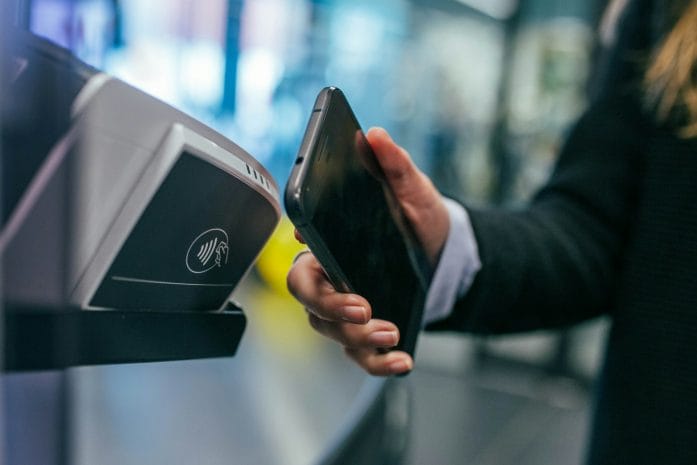
Filed Under: Banking Tagged With: banking trends, cashless society, consumer finance, digital payments, digital wallets, financial technology, fintech, future of banking, mobile banking, money management, Online banking

10 Warning Signs Your Banking App Was Compromised

August 19, 2025 by Travis Campbell Leave a Comment

banking app hacked
Image source: pexels.com

Banking apps have made managing your money easier than ever. But with convenience comes risk. If your banking app was compromised, your finances and personal information could be at stake. Hackers are always looking for new ways to break into accounts. Recognizing the signs early can help you avoid deeper trouble. This guide covers ten warning signs that your banking app was compromised, so you can act fast and protect your money.

1. Unfamiliar Transactions Appear

If you notice charges or transfers you didn’t make, it’s a major red flag that your banking app was compromised. Even small amounts can signal that someone is testing your account. Check your transaction history regularly, and don’t ignore unexplained activity. Fraudsters often start small to see if you notice before making larger withdrawals.

2. You’re Locked Out of Your Account

Suddenly being unable to log in, even with the correct password, could mean someone has changed your credentials. If your banking app denies access, and you didn’t request a password reset, take it seriously. Contact your bank right away to secure your account and investigate potential breaches.

3. Security Alerts or Messages You Didn’t Trigger

Did you get a notification about a password change, new device login, or suspicious activity that you didn’t initiate? These alerts are designed to warn you if your banking app was compromised. Always read security emails and app notifications carefully. If something looks off, don’t click on embedded links—contact your bank directly.

4. Personal Information Has Changed

If your profile details—like your email address, phone number, or mailing address—suddenly change without your action, it’s a sign someone may have accessed your account. Hackers update this information to lock you out and intercept communications from your bank. Double-check your personal info often to catch unauthorized changes early.

5. Unknown Devices or Locations Listed

Many banking apps let you view devices or locations that have accessed your account. If you spot an unfamiliar device or a login from a city you’ve never visited, your banking app may be compromised. Log out of all sessions and change your password immediately. Enable two-factor authentication if you haven’t already.

6. Missing Funds or Transfers

If your balance is lower than expected or money has been transferred out without your knowledge, act quickly. Missing funds are a clear sign of trouble. Sometimes, hackers set up recurring payments or redirect deposits. Check your scheduled transfers and linked accounts and notify your bank right away if you see anything suspicious.

7. App Settings Have Been Altered

Have your notification preferences, spending limits, or security settings changed? Cybercriminals may tweak app settings to block alerts or make it easier to drain your account. If something looks different, restore your settings and review your recent account activity for signs that your banking app was compromised.

8. Unexpected App Crashes or Glitches

Frequent crashes, slow performance, or unexplained errors in your banking app could point to malicious tampering. While technical issues can happen, sudden glitches—especially after a suspicious email or text—warrant extra caution. Update your app, run antivirus scans, and monitor your account closely.

9. Receiving Phishing Messages

If you’re suddenly bombarded with emails, calls, or texts asking for your login details, it could mean your contact info was stolen. Hackers often use phishing messages to trick you into giving up sensitive information. Don’t reply or click on links. Instead, report these messages to your bank and delete them.

10. Your Bank Contacts You About Suspicious Activity

Banks monitor for unusual behavior and may reach out if they spot something odd. If you get a call or message from your bank about activity you don’t recognize, take it seriously. Confirm the contact is legitimate by calling the official number on your bank’s website. Remember, your bank will never ask for your password over the phone or by email.

What to Do If Your Banking App Was Compromised

If you notice any of these warning signs that your banking app was compromised, act fast. Change your password and enable two-factor authentication immediately. Notify your bank and follow their instructions to secure your account. Review your recent transactions and dispute any unauthorized charges. Consider freezing your credit if sensitive information was exposed.

Stay vigilant with your digital security. Use strong, unique passwords and update them regularly. Install app and operating system updates as soon as they’re available. Being proactive can help you avoid lasting damage if your banking app is compromised.

Have you ever experienced suspicious activity on your banking app? What steps did you take to resolve it? Share your experience in the comments below.

Read More

Whos Watching Your Financial Apps Without You Knowing It

What Happens If Adult Children Control Your Online Banking Credentials

Travis Campbell
Travis Campbell

Travis Campbell is a digital marketer/developer with over 10 years of experience and a writer for over 6 years. He holds a degree in E-commerce and likes to share life advice he’s learned over the years. Travis loves spending time on the golf course or at the gym when he’s not working.

Filed Under: Banking Tagged With: banking security, fraud prevention, identity theft, mobile banking, Personal Finance

Privacy Settings You Should Never Ignore on Banking Apps

July 10, 2025 by Travis Campbell Leave a Comment

banking app
Image Source: pexels.com

Banking apps make life easier. You can check your balance, pay bills, and transfer money in seconds. But with this convenience comes risk. Hackers and scammers are always looking for ways to get into your accounts. If you don’t pay attention to your privacy settings, you could be leaving the door wide open. Protecting your money starts with a few simple steps. Here are the privacy settings you should never ignore on banking apps.

1. Two-Factor Authentication (2FA)

Two-factor authentication is one of the most important privacy settings on any banking app. It adds an extra layer of security. Even if someone gets your password, they can’t get in without the second step. Usually, this means a code sent to your phone or email. Some banks use authentication apps or even biometrics. Always turn on 2FA if your app offers it. It’s a small step that can stop big problems.

2. Biometric Login

Most banking apps now let you use your fingerprint or face to log in. This is called biometric login. It’s faster than typing a password and much harder for someone else to fake. If your phone supports it, enable this feature. It keeps your account safer, especially if you lose your phone. Just make sure your device’s biometric data is set up securely. Don’t skip this setting—it’s one of the easiest ways to protect your privacy.

3. App Notification Settings

Banking apps send notifications for all kinds of things—logins, transfers, payments, and more. These alerts can help you spot fraud fast. But if you turn off notifications, you might miss something important. Go into your app’s settings and make sure you get alerts for every transaction. If you see something you didn’t do, you can act right away. This simple setting can save you from a lot of trouble.

4. Account Access Permissions

When you install a banking app, it may ask for access to your contacts, location, or camera. Some of these permissions are needed, but many are not. Only allow what’s necessary. For example, your bank doesn’t need your contacts to process a payment. Check your app’s permissions in your phone’s settings. Remove anything that feels unnecessary. The less access your app has, the safer your data stays.

5. Session Timeout Settings

Session timeout is a feature that logs you out after a period of inactivity. This is important if you forget to close the app or lose your phone. Some apps let you set how long before you’re logged out. Choose the shortest time that works for you. If your app doesn’t have this option, ask your bank to add it. A short session timeout keeps your account from staying open when you’re not using it.

6. Device Management

Many banking apps let you see which devices are logged into your account. This is called device management. Check this list often. If you see a device you don’t recognize, remove it right away. This setting helps you spot if someone else is accessing your account. Some banks even let you log out of all devices at once. Use this feature if you think your account is at risk.

7. Privacy Settings for Data Sharing

Banks sometimes share your data with third parties for marketing or analytics. You can usually control this in your app’s privacy settings. Look for options to limit data sharing. Turn off anything you don’t need. Your financial data is valuable. Don’t let it be used without your permission.

8. Transaction History Visibility

Some apps let you hide or limit how much of your transaction history is shown on the main screen. This is useful if you share your device or use it in public. Adjust these settings so only you can see your full history. If your app doesn’t offer this, be careful about where you open it. Keeping your transaction history private helps protect your financial life from prying eyes.

9. In-App Security Alerts

Many banking apps offer security alerts for things like password changes, failed logins, or large transactions. Make sure these alerts are turned on. They can warn you if someone is trying to break into your account. Set alerts for anything that seems important. The more you know about what’s happening in your account, the better you can protect it. For more on security alerts, see this resource from the Consumer Financial Protection Bureau.

10. Regular Privacy Checkups

Settings change. Apps update. What was secure last year might not be secure now. Make it a habit to review your privacy settings every few months. Check for new features or options. Update your passwords and review your device list. Staying on top of your privacy settings is the best way to keep your banking app secure.

Protecting Your Money Starts with You

Banking apps are powerful tools, but they need your attention. The right privacy settings can stop hackers, protect your data, and give you peace of mind. Don’t wait for a problem to happen. Take a few minutes today to check your settings. Your money—and your privacy—are worth it.

What privacy settings do you always check on your banking apps? Share your tips or stories in the comments.

Read More

Tax Season is Here

Why Junior’s Education Might Be Less Expensive Than Expected

Travis Campbell
Travis Campbell

Travis Campbell is a digital marketer/developer with over 10 years of experience and a writer for over 6 years. He holds a degree in E-commerce and likes to share life advice he’s learned over the years. Travis loves spending time on the golf course or at the gym when he’s not working.

Filed Under: Banking Tagged With: banking apps, data protection, financial safety, mobile banking, privacy, security, two-factor authentication

8 Things You Didn’t Know About Digital-Only Banks (And Why They’re the Future)

February 7, 2025 by Latrice Perez Leave a Comment

Online Banking
Image Source: 123rf.com

In recent years, digital-only banks have been gaining traction, offering an alternative to traditional banking. These banks operate entirely online, with no physical branches, and provide a modern approach to managing your finances. With the increasing shift towards digital solutions, many people are wondering if digital-only banks could be the future of personal banking. But what makes these banks different, and why should you care? Let’s dive into 8 things you didn’t know about digital-only banks and why they’re quickly becoming the future of banking.

1. Lower Fees, Higher Savings

One of the most attractive features of digital-only banks is the significantly lower fees they charge. Traditional banks often come with maintenance fees, ATM fees, and other hidden costs that add up over time. In contrast, digital-only banks typically have fewer fees because they don’t have the overhead costs associated with maintaining physical branches. With fewer expenses, they can pass those savings onto customers in the form of higher interest rates on savings accounts and lower charges for basic banking services.

2. 24/7 Access to Your Account

Unlike traditional banks that may limit your access based on business hours, digital-only banks provide 24/7 access to your accounts. Whether you’re checking your balance at midnight or transferring money while on vacation, digital-only banks allow you to do so at any time, from anywhere. With a mobile app or website, managing your finances is just a few taps away. This flexibility is especially valuable for people with busy schedules or those who prefer managing their finances outside of traditional office hours.

3. Cutting-Edge Technology and Security

Digital-only banks are built from the ground up with technology in mind. They often offer the latest in banking innovation, from AI-powered budgeting tools to instant payment notifications. This means that these banks don’t just streamline your finances; they also provide enhanced security features. With built-in encryption, multi-factor authentication, and fraud detection systems, digital-only banks prioritize protecting your financial data. These modern security measures make your personal information safer than ever before.

4. Eco-Friendly and Sustainable

Eco Friendly
Image Source: 123rf.com

If you’re concerned about your environmental impact, digital-only banks are an excellent option. Since there are no physical branches to maintain or paper forms to process, these banks have a much lower carbon footprint than their traditional counterparts. Many digital-only banks also embrace sustainability by partnering with eco-friendly initiatives or offering customers the chance to offset their carbon footprint. By choosing a digital-only bank, you’re supporting a greener approach to banking.

5. Simple and User-Friendly Experience

Digital-only banks are designed to make managing money as simple and intuitive as possible. Their mobile apps and websites are often user-friendly and streamlined, focusing on offering just what you need without unnecessary features. Whether you’re setting up direct deposits, paying bills, or reviewing transactions, digital-only banks make it easy to navigate your finances without the confusion and complexity of a traditional bank. This simplicity appeals especially to younger generations who are tech-savvy and prefer quick, easy access to their accounts.

6. Instant Money Transfers and Payments

One of the biggest advantages of digital-only banks is their ability to process transactions instantly. Whether you’re sending money to a friend or paying for a service, digital-only banks often support instant money transfers, making it easy to handle transactions without the delays typically associated with traditional banks. This feature is especially helpful for those who need to send money quickly or want real-time updates on their financial activity. If you’re tired of waiting days for bank transfers to process, a digital-only bank can offer you a quicker solution.

7. Enhanced Customer Service

Digital-only banks might not have in-person branches, but they often provide exceptional customer service through chatbots, virtual assistants, and dedicated support teams. Many of these banks are available around the clock, so you can get help when you need it most. Chatbots powered by artificial intelligence can answer basic questions instantly, while live support is often available through messaging platforms or phone calls. With digital-only banks, you’ll find that customer service is just as efficient, if not more so, than traditional brick-and-mortar banks.

8. They’re Perfect for Digital Natives

If you’re part of the growing population of digital natives—those who have grown up with the internet—digital-only banks are a natural fit. These banks are built for people who are comfortable using apps and websites for everything from shopping to managing finances. Digital-only banks also tend to offer integrations with other services like budgeting apps, investment platforms, and even cryptocurrency exchanges. For tech-savvy individuals who want to simplify their financial lives, digital-only banks offer the flexibility and convenience that traditional banks can’t match.

The Future of Banking Is Digital

Digital-only banks are not just a trend; they’re a glimpse into the future of banking. With lower fees, more advanced technology, and enhanced accessibility, they provide a modern solution to financial management. As more people embrace online services for everything from shopping to entertainment, it’s only natural that banking will follow suit. Whether you’re looking for better security, 24/7 access, or more eco-friendly options, digital-only banks have something for everyone. If you haven’t made the switch yet, now is the perfect time to explore the future of banking.

Are you currently using a digital-only bank? What are the biggest benefits that you enjoy? Let us know about it in the comments below.

Read More:

Traditional Banking vs. Digital Solutions: What is the Future of Overseas Payments?

Automating Compliance: The Role of AML Software in Modern Banking

Latrice Perez

Latrice is a dedicated professional with a rich background in social work, complemented by an Associate Degree in the field. Her journey has been uniquely shaped by the rewarding experience of being a stay-at-home mom to her two children, aged 13 and 5. This role has not only been a testament to her commitment to family but has also provided her with invaluable life lessons and insights.

As a mother, Latrice has embraced the opportunity to educate her children on essential life skills, with a special focus on financial literacy, the nuances of life, and the importance of inner peace.

Filed Under: money management Tagged With: digital banking, digital finance, digital-only banks, eco-friendly banking, Financial Security, future of banking, mobile banking, Online banking, Personal Finance, tech-savvy banking

Follow Us

Search this site:

Recent Posts

  • Can My Savings Account Affect My Financial Aid? by Tamila McDonald
  • 12 Ways Gen X’s Views Clash with Millennials… by Tamila McDonald
  • What Advantages and Disadvantages Are There To… by Jacob Sensiba
  • 10 Tactics for Building an Emergency Fund from Scratch by Vanessa Bermudez
  • Call 911: Go To the Emergency Room Immediately If… by Stephen Kanaval
  • 7 Weird Things You Can Sell Online by Tamila McDonald
  • 10 Scary Facts About DriveTime by Tamila McDonald

Copyright © 2026 · News Pro Theme on Genesis Framework