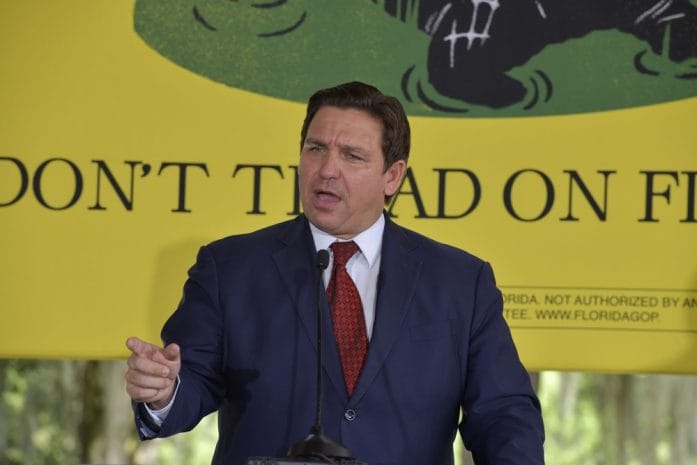
Florida politics rarely stays quiet for long, but the latest property tax debate could bring the state to a full boil before summer ends. Governor Ron DeSantis recently hinted that lawmakers may need a special legislative session to tackle one of the most explosive financial issues in the state: property taxes. That single suggestion immediately sent homeowners, real estate professionals, and local governments into speculation mode because the stakes look enormous. Florida residents already face rising insurance costs, soaring home prices, and growing concerns about affordability across major cities and suburban neighborhoods. Now, the idea of eliminating or drastically cutting property taxes has transformed from political chatter into something that suddenly sounds possible.
The timing makes this debate even more intense because many homeowners feel squeezed from every direction. In counties across Florida, property values jumped sharply during the past several years, and tax bills followed right behind them. Retirees living on fixed incomes, young families trying to stay in their homes, and small business owners all started voicing frustration over rising annual costs. DeSantis appears ready to lean directly into that frustration by framing property taxes as an issue that affects nearly every resident in the state.
Why DeSantis Keeps Talking About Property Taxes
Governor DeSantis has increasingly focused on affordability issues as Florida continues attracting new residents from around the country. Property taxes sit near the center of that conversation because homeowners often feel trapped between rising home equity and growing monthly expenses. Florida does not collect a state income tax, which already gives the state a reputation for lower taxes compared to places like New York or California. However, local governments rely heavily on property taxes to fund schools, police departments, fire services, roads, and public infrastructure. That reality makes any proposal to slash or eliminate property taxes incredibly complicated even if voters love the idea on paper.
DeSantis understands the political appeal of the issue because property taxes frustrate both longtime residents and recent arrivals. A homeowner may technically own a house outright yet still face thousands of dollars in annual taxes just to remain there. That frustration grows even louder when insurance premiums and utility bills also rise at the same time. During recent public comments, DeSantis signaled that lawmakers may need to revisit the issue sooner rather than later, especially if legislative momentum builds over the summer. Those comments instantly fueled speculation that Florida could witness a dramatic standoff between the governor’s office and legislators reluctant to rewrite the state’s financial structure.
Could Florida Actually Eliminate Property Taxes?
The idea sounds almost unbelievable at first glance, but several states have explored major property tax reductions before. Florida voters already enjoy homestead exemptions that reduce taxable home values for primary residences, and lawmakers frequently debate expanding those protections. Completely eliminating property taxes, though, would require a massive financial replacement plan because local governments depend heavily on that revenue stream. Counties and municipalities use those funds to operate schools, maintain parks, repair roads, and pay emergency responders. Without a replacement source, many local services could face severe budget shortfalls almost immediately.
Supporters of elimination argue that Florida’s booming tourism industry and strong sales tax collections could help offset some lost revenue. Critics fire back with concerns that the state would either cut services dramatically or raise other taxes to compensate. Some economists also warn that eliminating property taxes could unintentionally inflate housing prices even further because buyers would suddenly calculate lower long-term ownership costs. That scenario might help current homeowners while making it harder for future buyers to enter the market. The debate therefore reaches far beyond a simple tax cut because it touches nearly every aspect of Florida’s economy and daily life.
A Special Session Could Create Political Fireworks
Special legislative sessions often produce political drama, and this issue carries enough tension to dominate headlines for weeks. Lawmakers would need to move quickly through complicated financial proposals while balancing pressure from voters, local governments, and business groups. Florida’s counties and cities would likely push back aggressively against any plan that threatens stable funding for essential services. School districts could also enter the debate forcefully because education budgets rely heavily on property tax collections. That combination almost guarantees emotional hearings, intense negotiations, and nonstop political sparring.
The political risk for lawmakers looks enormous because property taxes affect nearly every voter directly. Supporting cuts could energize homeowners desperate for relief, but opponents may frame aggressive reductions as financially reckless. Legislators from fast-growing areas may also face unique pressure because infrastructure demands continue climbing as new residents move into Florida communities. Road expansion, emergency services, and school construction all require steady funding streams that local leaders do not want disrupted. A summer special session would therefore likely become one of the most closely watched political events in the state this year.
Homeowners Love the Idea but Worry About the Catch
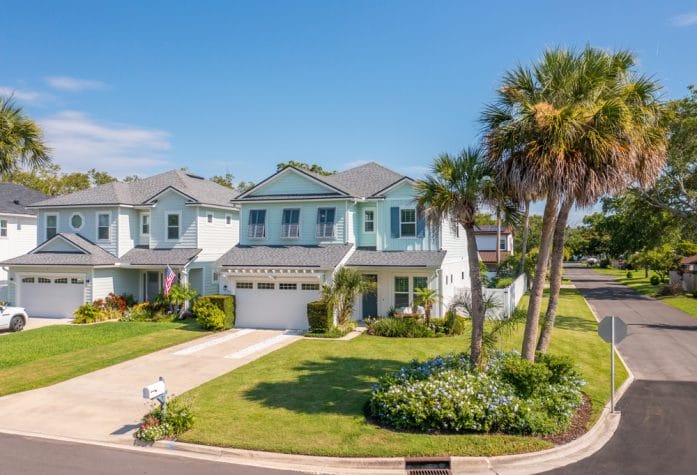
Many Florida homeowners immediately respond positively whenever politicians mention lower property taxes. A retired couple living in a rapidly appreciating neighborhood could save thousands annually if lawmakers passed major reductions. Families struggling with mortgage payments and insurance hikes also view property tax relief as a desperately needed financial break. Real estate agents often hear buyers complain about the long-term cost of taxes almost as much as home prices themselves. That widespread frustration explains why the issue generates such powerful emotional reactions across the state.
Still, homeowners also recognize that dramatic promises sometimes hide complicated tradeoffs. Residents may support lower taxes but hesitate when discussions shift toward potential cuts in schools, parks, or emergency services. Nobody wants slower police response times or overcrowded classrooms simply to lower an annual tax bill. Some Florida residents also fear lawmakers could replace property taxes with higher sales taxes that disproportionately affect lower-income households. Those concerns create a delicate balancing act for politicians trying to sell an ambitious proposal without triggering backlash over unintended consequences.
The Summer Showdown Could Shape Florida’s Future
Florida now stands at a fascinating crossroads where affordability concerns collide with ambitious political promises. Governor DeSantis clearly sees property taxes as an issue capable of energizing voters and reshaping economic debates across the state. Whether lawmakers actually move toward elimination or simply pursue major reductions remains unclear, but momentum around the issue continues building rapidly. A summer special session could turn into a defining political battle that influences homeowners, businesses, and local governments for years to come. One thing already feels certain: Florida’s property tax debate no longer looks like a passing political soundbite.
What do you think: should Florida seriously consider eliminating property taxes, or would the risks outweigh the rewards?
You May Also Like…
South Carolina Newcomers Are Paying Higher Property Taxes Until Homestead Eligibility Kicks In
California Heirs Are Facing Higher Property Taxes Under Prop 19 Transfer Rules
Florida’s Insurance Spike: Why Retirees Are Seeing “Rebuild Fees” on May Statements
Florida Has 0% Income Tax — But Seniors Still Spend Thousands a Year on Essentials
Virginia Residents Are Receiving Unexpected Personal Property Tax Bills Due to Local Rules

Brandon Marcus is a writer who has been sharing the written word since a very young age. His interests include sports, history, pop culture, and so much more. When he isn’t writing, he spends his time jogging, drinking coffee, or attempting to read a long book he may never complete.