• Home
  • About Us
  • Getting Finances Done
    • Hiring Advisors
    • Debt Management
    • Spending Plan
  • Insurance
    • Life Insurance
    • Health Insurance
    • Disability Insurance
    • Homeowners/Renters Insurance
  • Contact Us
  • Our Editorial Commitment

The Free Financial Advisor

You are here: Home / Archives for wealth transfer

How to Inherit an IRA Without Handing Half of It to the Government

May 13, 2026 by Brandon Marcus Leave a Comment

How to Inherit an IRA Without Handing Half of It to the Government
A woman holding up a notebook with “Inherited IRA” written on it, next to a drawing of a money tree- Shutterstock

Money from an inherited IRA can feel like a financial lifeline right up until the IRS shows up with its hand out. One wrong move can trigger a massive tax bill, force huge withdrawals, or wipe out years of careful retirement planning in a hurry. Families across America lose thousands simply because they rush decisions after inheriting retirement accounts during an emotional time.

The great news is that smart planning can protect a large chunk of that money legally and effectively. A little strategy can mean the difference between building wealth and accidentally funding the government’s next office coffee machine.

The IRS Changed the Rules and Millions Still Don’t Realize It

The SECURE Act completely changed inherited IRA rules in 2020, and plenty of beneficiaries still operate under outdated advice from relatives, coworkers, or random internet forums. Most non-spouse beneficiaries now must empty inherited IRAs within 10 years instead of stretching distributions over an entire lifetime. That shift dramatically increased potential tax exposure because larger withdrawals can push beneficiaries into higher tax brackets much faster. A person earning $90,000 annually could suddenly find inherited IRA withdrawals pushing total income into six-figure territory with painful federal tax consequences. The government basically accelerated its timetable for collecting taxes on retirement money, and many families still haven’t adjusted their strategy.

Traditional IRAs create the biggest headaches because every dollar withdrawn generally counts as taxable income at ordinary income tax rates. Roth IRAs work differently because qualified withdrawals remain tax-free, although beneficiaries still must follow distribution timelines. Many beneficiaries mistakenly cash out inherited accounts immediately, especially after hearing about market volatility or recession fears on cable news. That panic move often creates a giant tax bomb in a single year instead of spreading distributions strategically across an entire decade. Smart beneficiaries pause, assess income projections carefully, and build a withdrawal schedule that minimizes tax damage over time.

Spouses Get the Golden Ticket

Spouses enjoy far more flexibility with inherited IRAs than children, siblings, or other beneficiaries. A surviving spouse can roll the inherited IRA into a personal IRA account and continue treating the money as if it always belonged to them. That option allows continued tax-deferred growth and delays required minimum distributions until the spouse reaches the proper retirement age. Someone inheriting a $400,000 IRA at age 55 could potentially leave that money growing untouched for years instead of facing immediate withdrawal pressure. That flexibility creates enormous long-term financial advantages compared to the tighter rules facing non-spouse heirs.

Spouses also gain more control over timing and penalties, especially if they inherit retirement money before age 59½. In some situations, keeping the account classified as an inherited IRA temporarily can allow penalty-free withdrawals before retirement age. Financial planners often recommend comparing multiple scenarios because the best choice depends heavily on age, income, and future retirement plans. A widow still working full-time at a high salary may need a very different approach than a retired spouse living mostly on Social Security. The smartest moves usually come from carefully coordinating tax planning, retirement income, and long-term investment growth instead of rushing paperwork during a stressful period.

Timing Withdrawals Can Save a Small Fortune

The biggest mistake many beneficiaries make involves taking distributions without considering yearly income levels. Pulling $200,000 from an inherited IRA in one calendar year could create a tax nightmare that lingers long after the money arrives. Strategic withdrawals spread over several years often keep beneficiaries in lower tax brackets and preserve more wealth overall. Someone expecting a lower income during a career break, early retirement, or business slowdown may benefit from taking larger withdrawals during those lower-earning years. Smart timing transforms inherited IRA management from a tax disaster into a controlled financial strategy.

Beneficiaries also need to watch how IRA withdrawals affect other financial areas beyond ordinary income taxes. Larger distributions can increase Medicare premiums, trigger taxation on Social Security benefits, or reduce eligibility for certain tax credits. Those hidden consequences catch many people completely off guard because they focus only on federal income tax brackets. A retiree taking a large inherited IRA withdrawal could suddenly face higher healthcare costs two years later due to Medicare surcharge calculations. Coordinated planning with a CPA or fiduciary financial advisor often pays for itself quickly when substantial retirement accounts enter the picture.

Roth Conversions Can Become a Secret Weapon

Families with aging parents sometimes use Roth conversions before death to reduce future tax burdens on beneficiaries. Converting traditional IRA money into a Roth IRA means paying taxes upfront, but future qualified withdrawals become tax-free for heirs. That strategy can work especially well when the original account owner sits in a lower tax bracket than adult children who inherit the account later.

Roth conversions require careful timing because large conversions can trigger bigger tax bills in the conversion year. Many retirees convert portions gradually over several years instead of converting an entire account at once. Financial advisors often target years between retirement and required minimum distributions because taxable income may temporarily fall during that period. Market downturns can also create attractive conversion opportunities because lower account values reduce taxes owed on converted assets. Families who plan proactively instead of reactively usually keep much more inherited retirement wealth intact across generations.

How to Inherit an IRA Without Handing Half of It to the Government
A senior couple planning their Roth IRA conversion – Shutterstock

Beneficiary Mistakes Can Wreck Everything Fast

Incorrect paperwork creates some of the ugliest inherited IRA disasters in America every year. A beneficiary who deposits inherited IRA money into a regular bank account instead of using a direct trustee-to-trustee transfer can accidentally trigger full taxation immediately. Missing required deadlines or failing to retitle inherited accounts properly can also create penalties and confusion that become difficult to fix later. Some beneficiaries even forget to name updated beneficiaries on inherited accounts, creating additional estate complications for the next generation. Administrative mistakes sound boring until they suddenly cost a family $50,000 in avoidable taxes.

Families also underestimate how emotional decisions affect financial outcomes after a death. Grief often pushes beneficiaries toward fast cash-outs, risky investments, or advice from relatives who lack actual tax expertise. Financial institutions sometimes provide incomplete guidance because customer service representatives cannot legally offer personalized tax advice. Beneficiaries dealing with large retirement accounts should slow the process down and verify every major decision with qualified professionals. Careful planning protects inherited wealth far more effectively than emotional reactions or internet rumor mill advice.

The Real Goal Is Keeping More of the Money

Inherited IRAs can create incredible financial opportunities when beneficiaries handle them carefully and strategically. The difference between smart planning and careless withdrawals can easily reach six figures over a decade. Families who understand tax brackets, distribution rules, Roth strategies, and timing decisions usually preserve far more wealth for future goals like retirement, college funding, or paying off debt. The IRS will always claim a share of traditional IRA money eventually, but beneficiaries still control how much they lose along the way. A thoughtful strategy turns inherited retirement accounts from stressful tax traps into powerful wealth-building tools.

What strategy would feel hardest after inheriting an IRA: managing the taxes, resisting emotional decisions, or figuring out the confusing rules?

You May Also Like…

Inherited IRA Rules Now Require Full Withdrawal in 10 Years—Shrinking Family Wealth

12 Distinctive Advantages of Self-Directed Retirement Accounts

Retirement Accounts Are Triggering Unexpected Taxes — What Some Investors Overlook

5 Reasons Your 401(k) Could Trigger a Tax Surprise Next Year

How a Small Mistake on Your Tax Form Can Spiral Into Big Trouble

Brandon Marcus
Brandon Marcus

Brandon Marcus is a writer who has been sharing the written word since a very young age. His interests include sports, history, pop culture, and so much more. When he isn’t writing, he spends his time jogging, drinking coffee, or attempting to read a long book he may never complete.

Filed Under: Lifestyle Tagged With: beneficiaries, Estate planning, inherited IRA, IRA taxes, Personal Finance, Planning, retirement planning, retirement savings, Roth IRA, SECURE Act, tax strategies, Traditional IRA, wealth transfer

Estate Portability Warning: Why One IRS Form Protects a Surviving Spouse’s $15M Exemption

May 8, 2026 by Brandon Marcus Leave a Comment

Estate Portability Warning: Why One IRS Form Protects a Surviving Spouse’s $15M Exemption
A man filling out IRS forms for estate planning – Shutterstock

A single piece of paperwork can quietly determine whether a surviving spouse keeps or loses millions in tax protection. That sounds dramatic, but it’s exactly what’s at stake with estate portability. While many families assume estate taxes only affect the ultra-wealthy, rising asset values—especially real estate—push more households into the danger zone every year. And when the first spouse passes away, a clock starts ticking on a decision that could shape the family’s financial future for decades.

The twist? This critical move doesn’t involve a complicated investment strategy or a courtroom battle. It comes down to filing one IRS form—on time, with the right details. Miss it, and a surviving spouse could lose access to a massive unused tax exemption. File it correctly, and that same spouse could shield millions more from future estate taxes.

The IRS Portability Rule Sounds Simple—But It Hides a High-Stakes Deadline

The portability rule allows a surviving spouse to inherit any unused portion of their deceased partner’s federal estate tax exemption. That exemption currently sits in the multi-million-dollar range per person, meaning couples can potentially protect over $25 million combined. Portability essentially lets the surviving spouse stack exemptions instead of losing one forever. However, the IRS does not grant this benefit automatically, and that’s where many families stumble. The rule requires a formal election, and that election hinges entirely on filing IRS Form 706.

Form 706 must typically be filed within nine months of the spouse’s death, though a six-month extension may apply if requested. That timeline can feel tight during an already overwhelming period filled with grief, logistics, and legal matters. Many families assume estates below the taxable threshold don’t require filing anything, which creates a costly misunderstanding. Even if no estate tax is due, skipping the form can erase the unused exemption permanently. That oversight can translate into millions of dollars in unnecessary taxes later on.

IRS Form 706 Isn’t Just for the Wealthy—It’s a Strategic Safety Net

Many people hear “estate tax return” and immediately tune out, assuming it only applies to massive estates. That assumption creates one of the most expensive planning mistakes in modern finance. Form 706 serves as the gateway to portability, not just a tax calculation tool. Even estates well below the taxable limit benefit from filing because they lock in future protection for the surviving spouse.

Consider a realistic scenario: a couple owns a home, retirement accounts, and some investments totaling $8 million. At the time of the first spouse’s death, no estate tax applies, so the family skips filing Form 706. Years later, the surviving spouse’s assets grow to $14 million due to market gains and property appreciation. Without portability, that spouse only has access to a single exemption, potentially exposing millions to estate taxes. Filing the form earlier would have preserved the unused exemption and dramatically reduced that future tax bill.

Real-Life Timing Mistakes Can Turn Into Seven-Figure Tax Bills

Estate planning mistakes rarely show up immediately, which makes them especially dangerous. Families often discover the consequences years later, when asset values climb, and tax laws shift. A missed portability election doesn’t trigger penalties or warning letters—it simply disappears as an option. By the time the surviving spouse passes away, the lost exemption can result in a tax bill that could have been avoided entirely.

Financial advisors often point to cases where families lost over $5 million in tax savings because Form 706 never got filed. These situations don’t involve negligence so much as misinformation or outdated advice. In earlier decades, portability didn’t exist, so older estate plans may not reflect current rules. That gap between old assumptions and new laws creates a silent risk for many households. Staying current with estate strategies isn’t just helpful—it protects generational wealth in a very real way.

Filing the Form Requires Precision, Not Panic

Form 706 demands detailed information about the deceased spouse’s assets, including property values, investments, and liabilities at the time of death. That level of detail can feel intimidating, but it serves an important purpose: documenting the unused exemption accurately. Professional guidance from an estate attorney or tax specialist often makes this process smoother and more precise. Attempting to rush or guess through valuations can create errors that delay or complicate the election.

Despite the complexity, the process doesn’t need to feel overwhelming when handled methodically. Appraisals, account statements, and financial records provide the backbone of the filing. Many professionals recommend starting documentation early, even before it becomes urgent, to reduce stress later. Families who treat Form 706 as a strategic step—not just a bureaucratic task—tend to navigate the process more confidently. That mindset shift often makes the difference between missed opportunities and long-term financial protection.

Estate Tax Laws Change—But Missed Opportunities Don’t Reset

One of the most overlooked risks involves future changes to estate tax laws. Current exemption levels remain historically high, but lawmakers have already signaled potential reductions in coming years. If exemptions drop significantly, the value of portability becomes even more critical. Locking in today’s higher exemption through Form 706 could provide a major advantage down the road.

However, failing to file doesn’t come with a second chance under normal circumstances. While the IRS occasionally offers relief for late elections, those exceptions involve strict criteria and added complexity. Relying on future fixes creates unnecessary risk in an already high-stakes situation. Proactive filing ensures that the surviving spouse retains flexibility regardless of how tax laws evolve. That kind of preparation turns uncertainty into a manageable factor rather than a financial threat.

Estate Portability Warning: Why One IRS Form Protects a Surviving Spouse’s $15M Exemption
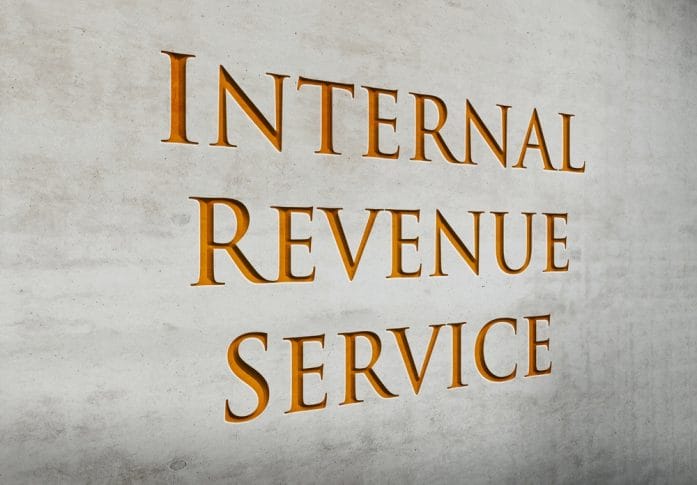
“Internal Revenue Service” engraved on the side of a building – Shutterstock

This One Form Can Quietly Protect Generational Wealth

Estate planning often focuses on wills, trusts, and beneficiary designations, but portability adds another powerful layer to the strategy. It acts as a backup plan that protects unused tax benefits instead of letting them expire. Families who prioritize this step often preserve significantly more wealth for heirs and future generations. That outcome doesn’t require extreme wealth—just informed decision-making at the right moment.

Ignoring Form 706 doesn’t just affect numbers on paper; it shapes real financial outcomes for children, grandchildren, and beneficiaries. The difference between filing and skipping can mean keeping family assets intact versus losing a portion to taxes unnecessarily. That reality makes portability less of a technical detail and more of a cornerstone in modern estate planning. When handled correctly, it becomes one of the simplest ways to maximize what a family passes on.

What Could Save You Millions Later

Estate portability doesn’t demand constant attention, but it does demand timely action. Filing IRS Form 706 may not feel urgent in the moment, especially when no tax bill looms, but its long-term impact tells a different story. One decision made within months of a spouse’s passing can influence financial outcomes decades later. That kind of leverage rarely comes from a single form.

Smart estate planning doesn’t rely on assumptions—it locks in options while they remain available. Portability gives surviving spouses a powerful advantage, but only if someone takes the step to claim it. Missing that window doesn’t just close a door; it can quietly erase millions in potential tax savings. That’s a steep price for a form that many families never realize they need to file.

What steps has your family taken to make sure important financial opportunities like this don’t slip through the cracks? Give us some good guidance and advice below in our comments.

You May Also Like…

Probate AI Reviews: Why Some Estates May Face 6-Month Delays Across Many States

Pennsylvania’s Inheritance Tax Applies to Most Estate Transfers

7 Excuses Millennials Use to Delay Estate Planning (and Why It’s Risky)

The Estate Planning Shortcut That Saves Time but Costs Families More in the Long Run

Federal Spending Crackdown: Why Several States Are Now at Risk of Losing Family Assistance Funds

Brandon Marcus
Brandon Marcus

Brandon Marcus is a writer who has been sharing the written word since a very young age. His interests include sports, history, pop culture, and so much more. When he isn’t writing, he spends his time jogging, drinking coffee, or attempting to read a long book he may never complete.

Filed Under: Estate Planning Tagged With: Estate planning, estate tax exemption, estate taxes, inheritance planning, IRS Form 706, Legacy Planning, Planning, portability rule, probate, surviving spouse, tax strategy, wealth transfer

Why Wills Need Updating Before the 2026 Tax Sunset

May 6, 2026 by Brandon Marcus Leave a Comment

Why Wills Need Updating Before the 2026 Tax Sunset
A last will and testament – Shutterstock

Big tax changes rarely arrive without noise, but plenty of people still ignore them until the deadline looms. The scheduled 2026 tax sunset promises to reshape estate planning in a big way, especially for families with growing assets, property, or retirement accounts. A will that worked perfectly five years ago could now leave money on the table—or worse, trigger unnecessary taxes and legal headaches.

Smart planners already review their documents with fresh eyes because timing matters just as much as strategy. The next couple of years offer a golden window to fine-tune wills before the rules shift.

The 2026 Tax Sunset Changes the Estate Game Entirely

The current federal estate tax exemption sits historically high, but lawmakers designed it to drop sharply in 2026. That shift could cut the exemption roughly in half, which means estates that once faced zero federal tax may suddenly owe significant amounts. Families who built wealth through real estate, investments, or business ownership could feel that impact most. A will that ignores this change risks leaving heirs with unexpected tax bills that eat into their inheritance. Strategic updates now can lock in advantages before the window closes.

Timing drives everything here, and proactive planning creates opportunities that disappear later. Many financial advisors already guide clients through gifting strategies that use today’s higher exemption levels. Without adjustments, older wills often fail to reflect these strategies or miss chances to reduce future estate value legally. Even modest estates can cross new thresholds once property values and retirement accounts get added up. Updating a will ensures it aligns with the tax environment that actually exists when it matters most.

Outdated Wills Create Expensive Surprises for Families

Old documents rarely age gracefully, especially when laws and personal circumstances change at the same time. A will drafted years ago might name beneficiaries who no longer fit current family dynamics or financial goals. Divorce, remarriage, new children, or business growth all demand fresh instructions to avoid confusion later. Without updates, courts may interpret vague or outdated language in ways that conflict with original intentions. That situation often leads to disputes, delays, and legal fees that drain estate value.

Financial surprises also pop up when asset values shift dramatically over time. A house purchased decades ago may now represent a large portion of an estate, yet the will might treat it casually. Retirement accounts, which many older wills barely addressed, now carry significant tax implications for heirs. Without careful coordination, beneficiaries could face higher income taxes when they withdraw inherited funds. Updating the will alongside beneficiary designations keeps everything working together instead of clashing at the worst possible moment.

Strategic Updates Can Shrink Future Tax Burdens

A well-updated will does more than distribute assets—it actively shapes how much tax the estate pays. Techniques like gifting, trust creation, and charitable contributions can reduce the taxable estate when used correctly. Many families already use annual gift exclusions to move money out of the estate while they still benefit from current tax rules. A revised will can support these moves by coordinating how remaining assets flow to heirs. That alignment prevents gaps that could trigger unnecessary taxes.

Trusts also play a starring role in modern estate planning strategies. Certain trusts can lock in today’s higher exemption levels while still allowing flexibility for future changes. Without updates, a will might fail to include these tools or reference outdated structures that no longer deliver maximum benefit. Financial professionals often highlight cases where simple adjustments saved families hundreds of thousands in taxes. Those outcomes rarely happen by accident—they result from deliberate planning tied to current law.

Families With Growing Wealth Face the Biggest Risks

Not every estate will owe federal taxes after 2026, but many more will land in the danger zone. Rising home values alone push plenty of households closer to the threshold, especially in competitive housing markets. Add retirement accounts, brokerage portfolios, and life insurance, and the total climbs quickly. A family that once felt comfortably below the limit might suddenly face exposure. That shift makes regular reviews essential rather than optional.

Business owners carry an even heavier burden because valuation changes can happen quickly. A small company today might grow into a major asset within a few years, and the will must reflect that reality. Without planning, heirs may need to sell parts of the business just to cover tax obligations. That outcome disrupts operations and undermines long-term goals. Updating the will alongside business growth protects both the company and the family legacy.

Waiting Too Long Limits Your Options Dramatically

Procrastination costs money in estate planning, plain and simple. Once the sunset arrives, many of today’s most powerful strategies lose effectiveness or disappear entirely. Families who wait may find themselves scrambling with fewer tools and tighter deadlines. Legal processes also take time, and rushed decisions often lead to mistakes that linger for years. Acting early allows thoughtful planning instead of last-minute fixes.

Advisors consistently emphasize that estate planning works best as an ongoing process, not a one-time event. Regular updates keep documents aligned with both personal goals and changing laws. Those who revisit their wills every few years often avoid the pitfalls that trap others. The difference shows up clearly in outcomes, with smoother transitions and lower tax bills. Waiting rarely delivers any advantage, but early action often creates measurable gains.

Why Wills Need Updating Before the 2026 Tax Sunset
A senior couple meeting with a financial advisor – Shutterstock

Locking In Peace of Mind Before the Rules Shift

Updating a will before the tax sunset offers more than financial benefits—it delivers clarity and confidence. Families gain reassurance when they know their plans reflect current laws and real-world conditions. That peace of mind becomes especially valuable during uncertain economic times. Clear instructions also reduce stress for heirs, who can focus on honoring wishes instead of navigating confusion. A well-prepared estate plan turns a potentially chaotic process into a smoother transition.

What changes would prompt a fresh look at your will? We want to hear your thoughts below in our comments section.

You May Also Like…

Here’s When Your May Social Security Check Will Arrive

5 Overlooked People Who Could Save Your Family Chaos if Added to Your Will

Why Estate Plans Written Before 2020 Are Failing Families Today

7 Excuses Millennials Use to Delay Estate Planning (and Why It’s Risky)

10 Financial Dangers of Ignoring Estate Planning

Brandon Marcus
Brandon Marcus

Brandon Marcus is a writer who has been sharing the written word since a very young age. His interests include sports, history, pop culture, and so much more. When he isn’t writing, he spends his time jogging, drinking coffee, or attempting to read a long book he may never complete.

Filed Under: Estate Planning Tagged With: 2026 tax sunset, Estate planning, estate taxes, family finances, Inheritance, legal planning, Planning, probate, retirement planning, tax changes, wealth transfer, wills

Pennsylvania’s Inheritance Tax Applies to Most Estate Transfers

April 20, 2026 by Brandon Marcus Leave a Comment

Pennsylvania’s Inheritance Tax Applies to Most Estate Transfers
Image Source: Shutterstock.com

Money doesn’t simply glide from one generation to the next in Pennsylvania—it passes through a tax system that can take a noticeable bite along the way. If you plan to leave assets to loved ones or expect to receive an inheritance, you need to understand how this tax works before it surprises you.

Pennsylvania stands out because it taxes inheritances based on who receives the assets, not just how much they’re worth. That twist makes planning both more important and more personal.

What Makes Pennsylvania’s Inheritance Tax Different

Pennsylvania doesn’t treat all heirs equally when it comes to inheritance taxes. The state sets tax rates based on the relationship between the deceased and the beneficiary, which creates a tiered system that feels very different from federal estate taxes. Spouses and charities enjoy a 0% tax rate, which means they inherit assets tax-free.

Children and grandchildren face a 4.5% rate, while siblings pay 12%, and other heirs—including friends—pay a steep 15%. That structure means your estate plan should reflect not just what you want to give, but who you plan to give it to. If you ignore these differences, your loved ones could lose a larger portion of their inheritance than you expected.

Which Assets Fall Under the Pennsylvania Inheritance Tax

Most transfers of wealth in Pennsylvania trigger the inheritance tax, and that surprises many families. The state includes real estate, bank accounts, investments, and even certain jointly owned property in the taxable estate. Life insurance proceeds often escape taxation, but only if structured correctly and paid directly to a named beneficiary.

Retirement accounts like IRAs may still count, depending on how the beneficiary receives the funds. Even gifts made shortly before death can fall under scrutiny if the state views them as attempts to avoid taxes. You need a clear inventory of assets to understand your potential tax exposure and avoid costly mistakes.

Timing Matters: Filing and Payment Deadlines

Pennsylvania expects timely action when it comes to inheritance tax filings. Executors must file the inheritance tax return within nine months of the decedent’s death. The state offers a small discount—currently 5%—if you pay the tax within three months, which can save meaningful money on larger estates. Missing deadlines can trigger penalties and interest, which only adds stress during an already difficult time.

Executors often juggle paperwork, valuations, and family communication, so staying organized becomes critical. A clear timeline and professional guidance can make this process far smoother and less overwhelming.

Smart Strategies to Reduce the Tax Burden

You don’t have to accept the full impact of Pennsylvania inheritance tax without a plan. Strategic gifting during your lifetime can reduce the size of your taxable estate, especially if you spread gifts over several years. Structuring assets so that they pass to exempt beneficiaries, like spouses or charities, can also minimize taxes. Some families use trusts to control how and when assets transfer, though you need to design them carefully to comply with state rules. Joint ownership arrangements can sometimes help, but they also come with risks if not set up correctly. A thoughtful estate plan can preserve more wealth for your intended beneficiaries while staying within legal boundaries.

Common Misconceptions That Can Cost You

Many people assume federal estate tax rules apply universally, but Pennsylvania operates under its own system. Others believe small estates automatically avoid taxation, which isn’t true since the tax depends on the beneficiary relationship, not just value. Some families think informal transfers or last-minute gifts will bypass taxes, but the state often catches those attempts.

Confusion around jointly owned property leads to unexpected tax bills when one owner passes away. Even well-meaning executors can make errors if they rely on outdated advice or guesswork. Clearing up these misconceptions early can prevent financial headaches and protect your family’s inheritance.

Why Professional Guidance Pays Off

Estate planning in Pennsylvania requires more than a basic will. Financial advisors and estate attorneys understand how state-specific rules affect your assets and can help you structure a plan that minimizes taxes. They can also guide executors through filing requirements, valuations, and deadlines to avoid costly errors.

While professional help comes with a fee, it often saves money by reducing tax liability and preventing penalties. Families dealing with complex assets—like businesses or multiple properties—benefit the most from expert advice. Investing in guidance now can make a significant difference in how much wealth your heirs actually receive.

Pennsylvania’s Inheritance Tax Applies to Most Estate Transfers
Image Source: Shutterstock.com

The Real Cost of Ignoring Pennsylvania Inheritance Tax

Skipping estate planning doesn’t make the tax disappear—it just shifts the burden onto your loved ones. Without a plan, beneficiaries may need to sell assets quickly to cover tax bills, sometimes at unfavorable prices. That pressure can turn an emotional time into a financial scramble.

Thoughtful preparation gives your family breathing room and preserves the value of what you’ve built. Pennsylvania inheritance tax doesn’t have to derail your legacy, but it demands attention and strategy. What steps have you taken to make sure your estate plan protects your loved ones?

You May Also Like…

Is Your State a Skimmer Hub? The 9 Places Where Credit Card Fraud Is Skyrocketing

Your 401(k) Could Create a Massive Tax Bill for Your Kids Under Today’s Inheritance Rules

How a Solid Estate Plan Can Protect Your Finances

5 Ways to Discuss Inheritance Plans With Adult Children

7 Excuses Millennials Use to Delay Estate Planning (and Why It’s Risky)

Brandon Marcus
Brandon Marcus

Brandon Marcus is a writer who has been sharing the written word since a very young age. His interests include sports, history, pop culture, and so much more. When he isn’t writing, he spends his time jogging, drinking coffee, or attempting to read a long book he may never complete.

Filed Under: tax tips Tagged With: Estate planning, estate taxes Pennsylvania, inheritance tax rules, Pennsylvania inheritance tax, Planning, wealth transfer

Inherited IRA Rules Now Require Full Withdrawal in 10 Years—Shrinking Family Wealth

April 16, 2026 by Brandon Marcus Leave a Comment

Inherited IRA Rules Now Require Full Withdrawal in 10 Years—Shrinking Family Wealth
Image Source: Shutterstock.com

The rules around inherited retirement accounts just changed in a way that quietly hits families where it hurts most: long-term wealth. For years, people relied on inherited IRAs as a powerful way to stretch tax advantages across decades, allowing beneficiaries to take small distributions while the rest continued to grow. That strategy helped preserve wealth, reduce annual tax burdens, and create a steady financial cushion for the next generation. Now, the updated timeline compresses all of that into just ten years, forcing faster withdrawals and potentially bigger tax bills. If that sounds like a small technical tweak, it’s not—it reshapes how families pass down money in a big way.

Without a clear plan, beneficiaries could lose a significant chunk of what they inherit to taxes alone. Let’s break down exactly what’s happening, why it matters, and how to protect as much wealth as possible under the new system.

What Changed With Inherited IRA Rules—and Why It Matters

The updated Inherited IRA rules now require most non-spouse beneficiaries to withdraw the entire account within ten years of the original owner’s death. Previously, many beneficiaries used the “stretch IRA” strategy, which allowed them to take required minimum distributions over their lifetime, significantly extending tax-deferred growth. This shift came from changes introduced under the SECURE Act, which aimed to accelerate tax revenue collection rather than allow decades of deferred taxation. While the rule sounds simple, it creates complex timing decisions around when to withdraw funds during that ten-year window. Those decisions directly impact how much of the inheritance stays in the family versus how much goes to taxes.

The Tax Hit: Why Faster Withdrawals Can Cost More

Compressing withdrawals into ten years often pushes beneficiaries into higher tax brackets, especially if they already earn a solid income. Instead of spreading distributions over decades, they now face the possibility of taking large chunks of taxable income in a shorter period. That increase can trigger higher federal taxes, reduce eligibility for certain credits, and even affect state tax obligations depending on where the beneficiary lives. For example, inheriting a $500,000 IRA could mean withdrawing $50,000 annually, which stacks on top of existing income and raises total tax liability significantly. The result is a smaller net inheritance, even though the account balance itself hasn’t changed.

Timing Is Everything: Strategic Withdrawals Matter More Than Ever

The ten-year rule doesn’t require equal withdrawals each year, which creates both opportunity and risk. Beneficiaries can wait until the final year to withdraw everything, but that often leads to a massive tax spike that wipes out a large portion of the account. On the flip side, spreading withdrawals evenly may not always be the most tax-efficient approach depending on income fluctuations.

Smart planning often involves coordinating withdrawals with lower-income years, retirement transitions, or periods with fewer financial obligations. This kind of timing strategy turns the rigid Inherited IRA rules into something more flexible and manageable, but it requires careful attention.

Exceptions Still Exist—But They’re Limited

Not everyone falls under the strict ten-year withdrawal requirement, and understanding exceptions can make a major difference. Spouses, for example, can still roll the inherited IRA into their own account and continue standard retirement distribution rules. Certain eligible beneficiaries, including minor children, disabled individuals, and those close in age to the original owner, may also qualify for different timelines. However, these exceptions come with their own conditions, and some shift back to the ten-year rule once specific criteria change, such as a child reaching adulthood. Assuming an exception applies without verifying the details can lead to costly mistakes and unexpected tax consequences.

Planning Ahead: How to Protect Family Wealth Under the New Rules

Adapting to the new Inherited IRA rules requires a more proactive approach to estate and tax planning. Some account owners now consider converting traditional IRAs to Roth IRAs, which can reduce the tax burden on beneficiaries since qualified Roth withdrawals remain tax-free. Others explore strategies like naming charitable beneficiaries for portions of the account to offset tax exposure. Financial advisors often recommend reviewing beneficiary designations regularly to ensure they align with current laws and family goals. Taking action early can help preserve more wealth and prevent loved ones from facing unnecessary financial strain later.

Inherited IRA Rules Now Require Full Withdrawal in 10 Years—Shrinking Family Wealth
Image Source: Shutterstock.com

The New Reality of Passing Down Retirement Wealth

The shift in Inherited IRA rules forces families to rethink how they pass down financial security across generations. What once served as a long-term wealth-building tool now operates under tighter constraints that demand smarter, more deliberate planning. Ignoring these changes can lead to avoidable tax losses and missed opportunities to protect inherited assets.

Staying informed, asking the right questions, and adjusting strategies can make a meaningful difference in how much wealth actually gets preserved. How are you planning to handle inherited retirement accounts under these new rules?

You May Also Like…

How a Small Mistake on Your Tax Form Can Spiral Into Big Trouble

Last Call for 2025 IRAs: Why Your April 15 Contribution Is Worth More

The Retirement Age Just Hit 67 — What That Means for Your Monthly Check

The Average Retiree Withdraws Far Below the 4% Rule

Retirement Redflag: 6 Withdrawal Moves That Could Drain Your Nest Egg Fast

Brandon Marcus
Brandon Marcus

Brandon Marcus is a writer who has been sharing the written word since a very young age. His interests include sports, history, pop culture, and so much more. When he isn’t writing, he spends his time jogging, drinking coffee, or attempting to read a long book he may never complete.

Filed Under: Finance Tagged With: Estate planning, Inheritance, inherited IRA rules, IRA withdrawal rules, Personal Finance, Planning, retirement planning, SECURE Act, tax strategy, taxes, wealth transfer

Your 401(k) Could Create a Massive Tax Bill for Your Kids Under Today’s Inheritance Rules

April 14, 2026 by Brandon Marcus Leave a Comment

Your 401(k) Could Create a Massive Tax Bill for Your Kids Under Today’s Inheritance Rules
Image Source: Shutterstock.com

There’s a quiet storm brewing inside one of the most common retirement accounts in America, and it doesn’t show up on any statement or quarterly update. It sits there, invisible, growing alongside the balance, waiting for the moment when a family expects a financial gift but instead inherits a complicated tax problem. That storm comes from the way current inheritance rules treat 401(k) accounts, and it has the power to shrink what loved ones actually receive far more than most people expect. Many savers feel confident after building a strong retirement nest egg, yet they often overlook how those dollars behave after death. The result can feel like a financial plot twist that nobody planned for and nobody enjoys dealing with.

A 401(k) carries a reputation as a safe, responsible, and smart way to prepare for retirement, and that reputation holds up while the original owner stays alive. The rules shift dramatically, however, once that money passes to the next generation, and those changes can trigger a tax cascade that eats into the account quickly. Families sometimes assume they can stretch withdrawals over decades, giving the account time to keep growing, but today’s laws don’t allow that luxury in many cases.

The 10-Year Rule That Changed Everything

The biggest shake-up arrived with the SECURE Act, which rewrote how inherited retirement accounts work for many beneficiaries. Before that law took effect, non-spouse heirs often used a strategy known as the “stretch IRA,” which allowed them to withdraw funds slowly over their lifetime. That approach kept annual taxes lower and allowed the account to continue growing for years or even decades. The SECURE Act eliminated that option for most non-spouse beneficiaries and replaced it with a strict 10-year withdrawal rule. That rule requires heirs to empty the account within ten years of the original owner’s death, which dramatically accelerates the tax timeline.

That shift may sound simple on the surface, but it creates ripple effects that can hit hard. Heirs must now decide how to spread withdrawals over that 10-year window, and each withdrawal counts as ordinary income. That means large withdrawals can stack on top of existing income, pushing beneficiaries into higher tax brackets. Someone in their peak earning years could face a significantly larger tax bill than expected if they inherit a sizable 401(k). Instead of enjoying steady, long-term financial support, heirs often face pressure to manage withdrawals carefully while navigating complex tax implications. The rule doesn’t offer much flexibility, and it forces families to think strategically or risk losing a chunk of the inheritance to taxes.

Why Timing Can Make or Break Your Heirs

Timing plays a huge role in how painful that tax bill becomes, and unfortunately, beneficiaries don’t always have control over when they receive an inheritance. A person who inherits a 401(k) during high-earning years could face a much steeper tax burden than someone who inherits the same account later in life. That difference can turn identical account balances into very different outcomes, simply based on when the inheritance occurs. Many people don’t factor in this timing element when naming beneficiaries or planning their estate, even though it can make a massive financial difference.

The 10-year rule also creates strategic dilemmas about when to withdraw funds. Taking everything out early could lead to a huge tax hit in a single year, while waiting too long could create the same problem at the end of the 10-year window. Spreading withdrawals evenly may seem like the safest route, but even that approach can push income higher than expected. Heirs must weigh their current income, future earning potential, and tax brackets while making these decisions. Without a clear plan, beneficiaries can end up reacting instead of strategizing, which often leads to less favorable outcomes. That lack of preparation can turn a well-intentioned inheritance into a complicated juggling act.

Your 401(k) Could Create a Massive Tax Bill for Your Kids Under Today’s Inheritance Rules
Image Source: Shutterstock.com

The Hidden Tax Trap Inside Traditional 401(k)s

Traditional 401(k)s come with a built-in tax deferral, which works beautifully during the saving years but creates complications later. Contributions go in pre-tax, and the account grows tax-deferred, which means the government eventually expects its share. When the original account holder takes withdrawals in retirement, taxes apply at ordinary income rates. When heirs inherit the account, that same tax treatment continues, and it can create a heavy burden if the balance remains large. Many people focus on growing the account but don’t spend enough time thinking about how those taxes will play out for their heirs.

That tax structure can lead to an unpleasant surprise when beneficiaries start taking distributions. Unlike investments held in taxable brokerage accounts, inherited 401(k)s don’t receive a step-up in basis. That means heirs don’t get a tax break on the growth that occurred during the original owner’s lifetime. Every dollar withdrawn counts as taxable income, which can stack up quickly over the required withdrawal period. This dynamic often results in a higher effective tax rate on the inherited funds than many families anticipate. Without careful planning, the account that once represented financial security can transform into a tax-heavy asset that requires careful management.

Smart Moves That Can Soften the Blow

The good news is that several strategies can help reduce the impact of these rules, and proactive planning can make a significant difference. Converting part of a traditional 401(k) into a Roth IRA during retirement years can create a more tax-friendly inheritance. Roth accounts allow tax-free withdrawals for beneficiaries, which removes the burden of paying income tax on distributions. While the original account holder must pay taxes on the conversion, that move can shift the tax burden to a time when income—and tax rates—may be lower. This approach requires careful timing and consideration, but it can create a much smoother experience for heirs.

Another strategy involves thoughtful withdrawal planning during retirement. Instead of leaving the entire account untouched, retirees can take distributions gradually and manage their tax brackets over time. This approach reduces the size of the account that heirs inherit, which in turn lowers the potential tax burden. Charitable giving can also play a role, especially through qualified charitable distributions, which allow retirees to donate directly from their retirement accounts without increasing taxable income. Each of these strategies requires coordination and planning, but they offer a way to take control of the tax situation rather than leaving it to chance. A well-structured plan can turn a potential tax headache into a manageable process.

Don’t Let a Gift Turn Into a Burden

Estate planning doesn’t stop at naming beneficiaries, and that’s where many people fall short. A 401(k) may represent years of discipline and hard work, but without a clear plan, it can create stress for the very people it aims to help. Taking time to understand the current rules and exploring strategies can protect more of that wealth for the next generation. Small adjustments today can prevent large tax bills tomorrow, and that kind of foresight can make a meaningful difference. Financial planning often focuses on accumulation, but distribution deserves just as much attention.

What steps feel worth taking now to make sure a hard-earned retirement account truly benefits the next generation the way it should? Share thoughts, ideas, or strategies in the comments.

You May Also Like…

Using a 401(k) for a Down Payment: The Pros and Risks in 2026

How Seniors Jeopardize Their Social Security Right After Retirement

The Retirement Age Just Hit 67 — What That Means for Your Monthly Check

8 Things Rich Retirees Never Buy — And Poor Ones Always Do

5 Tax Mistakes Retirees Make and How To Fix Them Before It’s Too Late

Brandon Marcus
Brandon Marcus

Brandon Marcus is a writer who has been sharing the written word since a very young age. His interests include sports, history, pop culture, and so much more. When he isn’t writing, he spends his time jogging, drinking coffee, or attempting to read a long book he may never complete.

Filed Under: Retirement Tagged With: 401(k), beneficiaries, Estate planning, inheritance tax, IRS rules, Personal Finance, Planning, retirement planning, retirement savings, SECURE Act, taxes, wealth transfer

5 Ways to Discuss Inheritance Plans With Adult Children

March 21, 2026 by Brandon Marcus Leave a Comment

5 Ways to Discuss Inheritance Plans With Adult Children
Image Source: Shutterstock.com

Money and family often mix like oil and water—especially when it comes to inheritance. The conversation rarely starts with a smile. Yet ignoring it doesn’t make it disappear; it just leaves confusion, hurt feelings, or even messy disputes for later. Having a clear plan and the courage to discuss it openly can transform a tense topic into a practical, respectful, and surprisingly empowering family conversation.

Inheritance planning isn’t just about distributing assets. It’s about values, priorities, and the legacy you want to leave behind. Bringing adult children into the discussion early creates a chance to teach, clarify, and even prevent disagreements. With the right approach, it’s possible to navigate this sensitive topic with grace, humor, and absolute honesty while keeping family bonds intact.

1. Break the Ice With Timing and Setting That Feels Natural

The first step in any inheritance discussion is choosing the right moment. This isn’t a conversation for a rushed dinner or during a stressful family holiday. Pick a calm, comfortable environment where attention is focused and emotions aren’t frayed. Timing matters as much as the message because it sets the tone for how seriously the topic is received and how openly everyone engages.

Starting with context helps. Explaining why the conversation matters—protecting family harmony, avoiding future confusion, or simply sharing your vision—frames it in a constructive light. Avoid diving straight into numbers or legal details; instead, open the door with values, goals, and intentions. Using stories or examples of how thoughtful planning benefits everyone can soften resistance and foster understanding.

Adults often respond better to a structured approach. Consider setting aside time for multiple, shorter conversations rather than a single marathon discussion. This method prevents overwhelm and allows everyone to process information gradually. A clear agenda, even an informal one, helps the conversation stay productive. Framing the dialogue as collaborative rather than dictatorial encourages participation and signals respect for adult children as decision partners.

2. Use Visuals and Concrete Plans to Keep Things Real

Numbers can confuse, overwhelm, or spark anxiety, so translating plans into visuals can make a massive difference. Charts, simplified diagrams, or even straightforward lists show how assets, accounts, and responsibilities are divided. Seeing the plan in action often clarifies intentions more effectively than a verbal description alone. Concrete examples also provide context. For instance, illustrating how a trust works, or showing the timeline of asset distribution, reduces uncertainty. Visuals help adult children grasp the big picture without getting lost in legal jargon. Transparency in presentation communicates trust, mitigates suspicion, and shows that planning is practical, not secretive.

Visual aids also invite questions. They allow adult children to engage critically, raising concerns or suggesting adjustments. These discussions can strengthen the final plan by highlighting gaps or clarifying misunderstandings before legal documents are finalized. A tangible approach also reduces the chance of surprises later, which is crucial for preserving relationships.

5 Ways to Discuss Inheritance Plans With Adult Children
Image Source: Shutterstock.com

3. Focus on Values, Not Just Assets

Inheritance conversations often become purely transactional—who gets what, when, and how. Shifting the discussion toward values changes the tone entirely. Sharing personal priorities, such as philanthropic intentions, family traditions, or long-term educational goals, frames inheritance as a reflection of your vision rather than just money distribution.

This perspective encourages adult children to consider responsibility and intention alongside entitlement. Explaining why certain assets are designated for specific purposes can spark meaningful dialogue rather than tension. Values-driven conversations also create an opportunity to instill financial literacy, showing how money can serve broader goals rather than being spent impulsively.

Emphasizing values doesn’t replace clarity about financial specifics; it complements it. Adult children understand both the “how” and the “why,” which fosters a more cooperative atmosphere. This approach also reduces jealousy or resentment by focusing on fairness and principles rather than just equal splits. It reminds everyone that inheritance is as much about legacy as it is about dollars.

4. Invite Professional Guidance Early

Family dynamics can complicate inheritance planning, making professional input invaluable. Financial advisors, estate attorneys, or trust officers provide neutral perspectives that keep discussions factual and grounded. They help clarify complicated rules, minimize tax implications, and ensure legal compliance, which protects both parents and adult children.

Introducing professionals also signals seriousness. It demonstrates that planning is thoughtful, structured, and not subject to last-minute whims. This reassurance can reduce skepticism or fear that decisions are arbitrary. Moreover, professionals can facilitate joint meetings where everyone receives the same information simultaneously, minimizing misunderstandings.

Scheduling consultations early, even before formal documents are drafted, ensures adult children can ask questions in a guided environment. It also encourages proactive dialogue, allowing potential disputes to surface and resolve before they escalate. Professional guidance doesn’t replace family conversations; it enhances them with authority, clarity, and neutrality.

5. Practice Open Communication and Check Back Regularly

Inheritance planning isn’t a one-time conversation. Families evolve, financial situations shift, and laws change. Maintaining open lines of communication allows adult children to stay informed and feel included. Regular check-ins prevent surprises and reinforce trust.

A proactive approach includes revisiting plans when major life events occur, such as marriages, births, or career changes. Explaining adjustments keeps the discussion dynamic rather than static, showing that planning adapts to real life rather than being set in stone. Encouraging questions, feedback, and dialogue at each stage builds confidence that decisions are fair and transparent.

Regular communication also reduces stress if unforeseen circumstances arise. Adult children feel prepared, informed, and less likely to second-guess intentions after the fact. This ongoing approach demonstrates that inheritance planning is part of a broader commitment to family stability and clarity, not a single, awkward conversation tucked away in a drawer.

Legacy Talks Done Right

Discussing inheritance with adult children can feel daunting, but it doesn’t have to be tense. When approached with thoughtful timing, tangible visuals, values-based focus, professional guidance, and ongoing communication, the conversation becomes empowering rather than divisive. Planning transforms from a legal chore into a meaningful exchange that reinforces family bonds.

The ultimate goal is clarity and trust. Preparing adult children for the future and sharing your intentions openly reduces confusion, prevents disputes, and ensures your legacy reflects both your assets and your principles. Every family has a different approach, but the key lies in engaging honestly and proactively.

Which of these strategies feels most realistic for your family, and how would you adapt them to fit your unique dynamics? Share your stories, insights, or inventive approaches in the comments section.

You May Also Like…

​How to Inherit an IRA Without Handing Half of It to the Government

Undiscovered Theft: What to Do When a Relative Secretly Redirects Your Inherited Income

How Inheriting $100K Can Disappear in Months — Lessons From Rapid Wealth Loss

The Inheritance Mistakes That Turn Siblings Into Legal Enemies After a Parent Dies

Legacy Trap: How Your Kids Might Inherit More Tax Than Wealth Without Realizing It

Brandon Marcus
Brandon Marcus

Brandon Marcus is a writer who has been sharing the written word since a very young age. His interests include sports, history, pop culture, and so much more. When he isn’t writing, he spends his time jogging, drinking coffee, or attempting to read a long book he may never complete.

Filed Under: Personal Finance Tagged With: adult children, Estate planning, family dynamics, family finance, financial advice, financial literacy, inheritance planning, money conversations, Personal Finance, trusts, wealth transfer, wills

The $124 Trillion Hand-Off: How the Great Wealth Transfer is Quietly Saving the Real Estate Market

March 10, 2026 by Brandon Marcus Leave a Comment

The $124 Trillion Hand-Off: How the Great Wealth Transfer is Quietly Saving the Real Estate Market
Image Source: Unsplash.com

The $124 trillion hand-off already started, and it will reshape the housing market more than interest rates, construction shortages, or economic forecasts ever could. Financial analysts estimate that roughly $124 trillion in wealth will move from older generations to younger ones over the next two decades, according to research from Cerulli Associates.

Homes represent one of the largest stores of wealth in modern economies, and when ownership changes hands, the entire property market feels the ripple. Younger households now step into opportunities that previous generations spent decades building. That new capital arrives at a moment when housing affordability, inventory shortages, and economic uncertainty dominate headlines. Yet the wealth transfer introduces a powerful counterforce that many analysts believe could stabilize demand in ways few expected.

A Generational Tidal Wave of Money

Demographics drive the engine behind this historic shift. Members of the Silent Generation and the Baby Boomer generation accumulated enormous wealth during decades of rising home values, expanding stock markets, and relatively affordable housing. Those assets now move gradually toward younger generations through inheritance, gifts, and estate transfers.

Analysts at Cerulli Associates estimate that trillions will flow directly to heirs, while billions more will reach charities and other institutions. Homes account for a major share of that wealth. Many families hold their largest asset inside the walls of a house purchased decades ago for a fraction of its current value.

Younger adults often struggle with down payments and rising home prices, but inherited wealth changes that equation dramatically. A financial boost from family assets can transform the path to homeownership overnight. Instead of saving for ten or fifteen years, some households suddenly hold the capital needed to enter the housing market immediately. That influx of funds creates a quiet but powerful stabilizer. Even when mortgage rates climb or economic uncertainty rattles confidence, inherited wealth often fuels home purchases that might otherwise stall. This can be the gift that keeps on giving for years to come.

Real Estate: The Crown Jewel of Family Wealth

Homes sit at the center of generational wealth for a simple reason: property values climbed steadily for decades across much of the developed world. Families who purchased homes in the 1970s, 80s, or 90s often watched their properties multiply in value several times over. Data from the Federal Reserve consistently shows that primary residences represent the largest asset for many households. Retirement accounts, investment portfolios, and savings accounts all matter, but a house often carries the greatest dollar value.

When ownership transfers, several outcomes usually follow. Some heirs keep the property and move in, which adds another homeowner to the market. Others sell the home and use the proceeds to purchase property somewhere else. Some convert inherited homes into rental properties, which expands housing supply for tenants.

Each path feeds activity into the real estate ecosystem. Title transfers create sales, renovations create construction jobs, and new owners stimulate local housing markets. Even a single inherited home can spark a chain reaction of transactions that stretches across several properties.

Millennials and Gen Z Finally Gain Leverage

For years, younger adults struggled with rising home prices, heavy student loan debt, and wage growth that lagged behind housing costs. Many economists predicted that those financial pressures might permanently delay homeownership for millions.

The wealth transfer changes that narrative in dramatic ways. Millennials already stand on the front line of the transfer simply because of age demographics. Many now enter their late 30s and early 40s, which historically marks the prime home-buying stage of life. When inherited assets enter the picture, those households suddenly gain the leverage needed to compete in tight housing markets.

Financial gifts from parents or grandparents also accelerate the process. Some families choose to provide down payments while they remain alive rather than wait for inheritance. That decision allows younger buyers to secure homes earlier, build equity sooner, and avoid years of renting.

The shift carries serious implications for the housing market. Younger buyers armed with family wealth often enter bidding wars with far stronger financial positions than traditional first-time buyers.

Why This Wealth Transfer Supports Housing Demand

Housing markets rely heavily on confidence and access to capital. When buyers hold cash, equity, or financial backing, they move faster and compete more aggressively for property. The wealth transfer injects both ingredients directly into the market. Inherited assets can eliminate or reduce mortgage borrowing, which lowers monthly housing costs. Buyers with larger down payments often qualify for better loan terms and lower interest rates. Some households skip mortgages entirely and purchase homes outright.

That financial flexibility stabilizes demand even during economic slowdowns. Families with inherited wealth rarely abandon housing plans simply because interest rates tick upward. Instead, they adjust strategies, expand search areas, or purchase smaller homes.

Real estate professionals already report a growing number of transactions fueled by inheritance money, trust funds, or family gifts. Each transaction reinforces demand and prevents the severe downturns that some analysts predicted.

The $124 Trillion Hand-Off: How the Great Wealth Transfer is Quietly Saving the Real Estate Market
Image Source: Unsplash.com

A Hidden Driver Behind Renovations and Upgrades

The wealth transfer does more than spark home purchases. It also fuels renovations, remodeling projects, and property upgrades across the housing market. Inherited homes rarely match the tastes or needs of the next generation perfectly. Many heirs update kitchens, replace aging roofs, install modern appliances, or redesign entire interiors. That renovation activity pumps money into local economies while improving the quality of the housing stock.

Contractors, designers, and construction companies often see a surge in projects after estate transfers occur. Some families even rebuild older homes entirely while keeping the property itself within the family. Those improvements carry long-term consequences for real estate values. Renovated homes raise neighborhood property standards and push nearby home prices higher over time.

Smart Moves in the Middle of the Transfer

Families who expect to receive inherited wealth can take several steps to maximize the opportunity. Early financial planning creates the biggest advantage. Conversations about estates, trusts, and property plans prevent confusion and help families prepare for future decisions. Clear planning also reduces the risk of rushed property sales during emotionally difficult times.

Prospective buyers can also use inheritance strategically. Large down payments lower mortgage costs dramatically and strengthen offers during competitive bidding situations. Some households choose multi-generational living arrangements, which allow families to share property expenses while keeping valuable real estate within the family.

Investment property offers another path. Some heirs convert inherited homes into rental units that generate steady income while property values continue to rise. Careful planning turns inherited assets into long-term financial stability rather than a short-term windfall.

The Quiet Force Reshaping the Housing Future

The housing market rarely moves for a single reason. Interest rates, construction supply, migration patterns, and economic growth all influence property demand. Yet the $124 trillion wealth transfer adds a powerful force that operates quietly behind the scenes.

That generational shift redistributes decades of accumulated wealth into younger hands, and real estate sits directly in the path of that money. Homes represent security, investment potential, and family legacy all at once. When wealth changes generations, property often becomes the first major financial decision.

What do you think? Will this historic wave of inherited wealth create a new generation of homeowners, or will it reshape the housing market in ways no one expects? Give us your insight in the comments section below.

You May Also Like…

13 Eye-Opening Truths About Real Estate Crowdfunding Ventures

Not Your Kids, Not Your Siblings: Who Millennials Are Naming as Beneficiaries Now

8 Real Reasons Millennials Can’t Save Money (and How to Fix It)

10 Amazing Opportunities in Global Real Estate Markets Now

6 Digital Account Transfers That Can’t Be Reversed Easily

Brandon Marcus
Brandon Marcus

Brandon Marcus is a writer who has been sharing the written word since a very young age. His interests include sports, history, pop culture, and so much more. When he isn’t writing, he spends his time jogging, drinking coffee, or attempting to read a long book he may never complete.

Filed Under: Real Estate Tagged With: generational wealth, homeownership trends, housing demand, housing economy, housing trends, Inheritance, Millennials, Planning, property investing, real estate market, wealth transfer

Not Your Kids, Not Your Siblings: Who Millennials Are Naming as Beneficiaries Now

February 22, 2026 by Brandon Marcus Leave a Comment

Not Your Kids, Not Your Siblings: Who Millennials Are Naming as Beneficiaries Now
Image Source: Unsplash.com

A quiet shift has started to reshape the future of inheritance, and it looks nothing like the traditional family tree. Millennials, now deep into their prime earning years, no longer treat beneficiary designations as automatic nods to children or siblings. They approach them as deliberate choices that reflect real relationships, shared values, and modern family structures.

That shift carries real legal and financial consequences, because beneficiary designations on life insurance policies, retirement accounts, and payable-on-death accounts override whatever a will says. Anyone who assumes that a simple will controls everything often discovers too late that beneficiary forms hold more power than expected.

Millennials understand that reality, and they act accordingly. They do not just fill in the blank with a relative’s name out of habit. They think carefully about who actually supports them, who shares their responsibilities, and who would face financial harm if something happened tomorrow.

Partners First, Marriage Optional

A growing number of millennials live with long-term partners without marrying, and that choice shapes beneficiary decisions in a big way. When someone names a beneficiary on a 401(k), IRA, or life insurance policy, the named person receives those assets directly, often without probate. For married individuals, federal law requires spousal consent before naming someone else as the beneficiary of many employer-sponsored retirement plans, but unmarried partners receive no such automatic protection.

Millennials who build lives with partners outside of marriage recognize that gap. They actively name their partners as beneficiaries on life insurance policies, retirement accounts, and transfer-on-death brokerage accounts to ensure financial stability. Without that step, a surviving partner might receive nothing, especially in states that do not recognize common-law marriage.

Not Your Kids, Not Your Siblings: Who Millennials Are Naming as Beneficiaries Now
Image Source: Unsplash.com

Friends Who Became Family

Some millennials look beyond romantic partners and blood relatives entirely. Close friends, often described as chosen family, increasingly appear on beneficiary forms. This choice surprises older generations, but it reflects the reality of social support networks today.

When someone names a friend as a beneficiary, that decision carries the same legal weight as naming a sibling or parent. Financial institutions distribute funds according to the beneficiary form, not according to who might seem more traditional. Millennials who lean on friends for emotional and even financial support often decide that those same friends deserve protection in return.

Charities With a Mission

Millennials consistently express strong commitments to social causes, and that passion shows up in estate planning. Many choose to name nonprofit organizations as full or partial beneficiaries of retirement accounts or life insurance policies. That approach offers a practical tax advantage as well.

Traditional IRAs and 401(k)s contain pre-tax dollars. When an individual leaves those accounts to a person, that person generally owes income tax on withdrawals. A qualified charity, however, does not pay income tax on inherited retirement funds. Financial planners often point out that leaving retirement assets to charity and other assets to individuals can maximize overall impact.

Millennials who want their money to reflect their values often carve out a percentage for organizations that focus on climate action, racial justice, education, or community health. They treat beneficiary forms as extensions of their beliefs, not just administrative chores. That decision transforms estate planning from a grim topic into a statement about legacy.

Siblings Are Not Automatic Anymore

Previous generations often defaulted to siblings when they lacked spouses or children. Millennials do not always follow that script. Many maintain loving relationships with siblings but still choose different beneficiaries based on financial need, shared assets, or caregiving roles.

For example, a millennial who co-owns property with a friend or partner might name that co-owner as beneficiary to ensure smooth financial continuity. Another might choose one sibling over another based on caregiving responsibilities for aging parents. Beneficiary designations allow for percentage splits, so someone can allocate 50 percent to a sibling and 50 percent to a partner or charity.

Trusts for Control and Protection

As millennial wealth grows, especially among those who own businesses or significant investment portfolios, many turn to trusts as beneficiaries. A trust can receive life insurance proceeds or retirement assets, then distribute them according to detailed instructions.

Parents with young children often name a trust rather than naming minors directly. Financial institutions cannot hand large sums directly to minors, and courts would otherwise appoint a guardian to manage the funds. A trust allows the parent to specify how and when children receive money, whether at certain ages or for specific purposes like education.

Even millennials without children sometimes use trusts to manage complex situations, such as blended families or special needs planning. A properly drafted trust requires guidance from an estate planning attorney, but it offers a level of control that a simple beneficiary designation alone cannot provide.

Digital Assets and Modern Wealth

Millennials hold wealth in forms that older generations never faced. Online businesses, cryptocurrency accounts, and monetized social media platforms all create assets that require clear planning. Beneficiary designations do not always apply directly to digital assets, but coordinated estate planning ensures access and transfer.

Some financial platforms allow transfer-on-death designations, similar to bank or brokerage accounts. Others require explicit instructions in estate planning documents. Anyone with significant digital holdings should maintain updated access information and legal authorization for a trusted person.

The Paperwork That Overrides Everything

Beneficiary designations carry enormous weight. When someone names a beneficiary on a life insurance policy, retirement account, or payable-on-death bank account, that designation typically bypasses probate and transfers directly to the named person. A will does not override that form.

This reality creates a common mistake: people update their wills after major life changes but forget to update beneficiary forms. Divorce, remarriage, the birth of a child, or the death of a previously named beneficiary all demand immediate review. Financial institutions distribute assets based on the most recent valid form on file, even if it contradicts later intentions expressed elsewhere.

Regular reviews matter. Financial planners often recommend checking beneficiary designations every few years and after any major life event. Millennials who approach finances with intention should treat those forms as living documents, not one-time tasks.

Rewrite the Script Before It Writes Itself

Millennials refuse to let outdated assumptions dictate who receives their assets, and that refusal signals maturity, not rebellion. They examine their actual lives, their actual relationships, and their actual values before filling out beneficiary forms. That careful approach protects partners without marriage licenses, honors friendships that function as family, and amplifies causes that matter deeply.

The real question does not center on tradition. It centers on alignment. Do beneficiary choices reflect the life that exists today, or do they cling to an outdated version of it?

What names appear on those forms right now, and do they still make sense? This is an important conversation, so let’s start it in our comments.

You May Also Like…

Why Estate Plans Written Before 2020 Are Failing Families Today

The Estate Planning Shortcut That Saves Time but Costs Families More in the Long Run

Am I the Only One Who Thinks Estate Planning Is Deeply Terrifying?

8 Real Reasons Millennials Can’t Save Money (and How to Fix It)

6 Skills Millennials Have Perfected That Boomers Secretly Admire

Brandon Marcus
Brandon Marcus

Brandon Marcus is a writer who has been sharing the written word since a very young age. His interests include sports, history, pop culture, and so much more. When he isn’t writing, he spends his time jogging, drinking coffee, or attempting to read a long book he may never complete.

Filed Under: Estate Planning Tagged With: beneficiaries, Estate planning, inheritance trends, life insurance, Millennials, Personal Finance, Planning, POD accounts, retirement accounts, TOD accounts, trust planning, wealth transfer

8 Thought-Provoking Insights Into Generational Wealth Transfer

October 8, 2025 by Travis Campbell Leave a Comment

wealth transfer
Image source: shutterstock.com

Generational wealth transfer is a topic that impacts families, communities, and even entire economies. With trillions of dollars expected to change hands over the coming decades, understanding the nuances of passing down assets is more important than ever. Whether you’re planning to leave a legacy or preparing to receive one, the process can be complex. Mistakes and missed opportunities abound, but so do chances for growth and security. Here are eight insights that shed light on what truly matters in generational wealth transfer—and how to navigate it wisely.

1. The Real Definition of Generational Wealth

Generational wealth transfer isn’t just about money. It includes property, investments, businesses, and even family values or traditions. People often focus solely on financial assets, but knowledge, work ethic, and networks also play a significant role in what gets passed down. When families recognize this broader definition, they build stronger foundations for future generations. The process goes beyond numbers and spreadsheets—it’s about preparing heirs for both assets and responsibilities.

2. Timing Is Everything

The timing of generational wealth transfer can drastically affect outcomes. Some families transfer wealth during their lifetime through gifts or trusts, while others wait until after death. Each approach has pros and cons. Lifetime transfers can help heirs learn to manage assets early, but they may also trigger tax consequences. Waiting until after death can lead to larger inheritances, but it might also create confusion or disputes. Planning ahead—and revisiting your plan regularly—can help avoid pitfalls and ensure a smooth transition.

3. Communication Prevents Conflict

One of the most overlooked aspects of generational wealth transfer is open communication. Too often, families avoid talking about money, leading to surprises and misunderstandings down the road. Setting clear expectations can prevent resentment and legal battles. It’s essential to discuss openly your intentions, the reasoning behind specific decisions, and the responsibilities that accompany inheriting wealth. Family meetings or facilitated discussions with advisors can make these conversations easier and more productive.

4. Taxes Can Take a Big Bite

Taxes are a major factor in generational wealth transfer. Estate taxes, capital gains, and inheritance taxes can quickly erode the value of what’s passed down. Many people underestimate the impact these costs can have. Working with a knowledgeable financial planner or estate attorney can help you use strategies like trusts, gifting, or charitable donations to minimize taxes. Staying informed about changing regulations is key, as tax laws often shift and can affect your planning.

5. Heir Preparedness Is Often Overlooked

Many families focus on building wealth but forget to prepare their heirs to manage it. Financial education is a crucial part of successful generational wealth transfer. Without it, sudden windfalls can lead to poor decisions or even financial ruin. Encourage younger family members to learn about budgeting, investing, and philanthropy. Hands-on experience, such as managing a small investment or participating in family business decisions, helps build confidence and competence.

6. Estate Planning Is Not Just for the Wealthy

Generational wealth transfer isn’t only for millionaires. Even modest estates benefit from careful planning. Wills, powers of attorney, and beneficiary designations are essential tools for anyone who wants to ensure their wishes are honored. Simple steps, like updating account beneficiaries or creating a living will, can save families stress and legal fees. For more complex situations, trusts can offer privacy and control. The key is to start early and adjust plans as life changes.

7. Family Businesses Add Complexity

Passing down a family business presents a unique challenge in the transfer of generational wealth. Business succession requires more than just naming a successor—it demands training, clear roles, and sometimes tough conversations. Family dynamics can complicate matters, especially if not everyone wants to be involved. A formal succession plan outlines how the business will be managed, who will own it, and what happens if disagreements arise. Consulting with outside advisors can help families navigate these sensitive issues and keep the business thriving for generations.

8. Charitable Giving Leaves a Lasting Legacy

Many people use generational wealth transfer as an opportunity to support causes they care about. Charitable giving can reduce taxes and teach heirs about social responsibility. Options include direct donations, donor-advised funds, or setting up a family foundation. Involving the next generation in charitable decisions connects them to family values and helps ensure giving continues.

Forward-Thinking Steps for Your Family’s Future

Generational wealth transfer is more than a financial transaction; it’s a chance to shape your family’s future and values. Whether your assets are large or small, thoughtful planning makes a difference. Start with open conversations, educate your heirs, and work with professionals who understand the nuances of estate planning. Remember, the goal isn’t just to preserve wealth—it’s to help the next generation use it wisely.

How are you preparing your family for generational wealth transfer? Share your thoughts or experiences in the comments below!

What to Read Next…

  • Why Even Wealthy Families Are Now Fighting Over Heirlooms
  • 9 Mistakes That Turned Wealth Transfers Into IRS Nightmares
  • How A Poorly Structured Inheritance Triggers Lifetime Resentment
  • 7 Inheritance Mistakes That Financial Advisors Warn Against
  • 6 Reasons Real Estate Wealth Disappears Within One Generation
Travis Campbell
Travis Campbell

Travis Campbell is a digital marketer/developer with over 10 years of experience and a writer for over 6 years. He holds a degree in E-commerce and likes to share life advice he’s learned over the years. Travis loves spending time on the golf course or at the gym when he’s not working.

Filed Under: Estate Planning Tagged With: Estate planning, family finance, financial education, Inheritance, tax strategies, wealth transfer

  • 1
  • 2
  • Next Page »

Follow Us

Search this site:

Recent Posts

  • Can My Savings Account Affect My Financial Aid? by Tamila McDonald
  • 12 Ways Gen X’s Views Clash with Millennials… by Tamila McDonald
  • What Advantages and Disadvantages Are There To… by Jacob Sensiba
  • 10 Tactics for Building an Emergency Fund from Scratch by Vanessa Bermudez
  • Call 911: Go To the Emergency Room Immediately If… by Stephen Kanaval
  • 7 Weird Things You Can Sell Online by Tamila McDonald
  • 10 Scary Facts About DriveTime by Tamila McDonald

Copyright © 2026 · News Pro Theme on Genesis Framework