
• Home
  • About Us
  • Toolkit
  • Getting Finances Done
    • Hiring Advisors
    • Debt Management
    • Spending Plan
  • Insurance
    • Life Insurance
    • Health Insurance
    • Disability Insurance
    • Homeowners/Renters Insurance
  • Contact Us
  • Risk Tolerance Quiz
  • Our Editorial Commitment

The Free Financial Advisor

You are here: Home / Archives for doctor visits

Why Free Preventive Care Isn’t Always Free, Even With Medicare

April 11, 2026 by Brandon Marcus Leave a Comment

Why Free Preventive Care Isn’t Always Free, Even With Medicare
Image Source: Shutterstock.com

What could be better than free? No fine print, no surprises, no catch—that’s the dream, right? Medicare leans into that word when it promotes preventive care, and it does it confidently. Screenings, wellness visits, and certain tests come wrapped in the promise of zero out-of-pocket cost. That pitch feels reassuring, especially when healthcare expenses already carry enough weight. But that word—free—starts to lose its shine once the details come into focus and the billing codes start doing their thing behind the scenes.

Medicare does cover a long list of preventive services at no cost, but only under very specific conditions that don’t always match what actually happens during an appointment. A visit that begins as a simple check-up can quietly evolve into something else, and that shift can trigger charges that catch people off guard.

When “Preventive” Turns Into “Diagnostic” Real Fast

Medicare draws a sharp line between preventive care and diagnostic care, and that line matters more than it first appears. Preventive care includes routine screenings, annual wellness visits, and services designed to catch problems early before symptoms show up. Medicare Part B usually covers these services at 100 percent, as long as a provider accepts Medicare assignment. That sounds straightforward, but the moment a provider shifts focus from prevention to investigation, the billing category changes completely. That change can happen quickly, sometimes within the same appointment.

A simple example brings this into focus. A routine screening might start as a preventive service, but if a doctor finds something unusual and decides to take a closer look, that follow-up often counts as diagnostic care. Medicare treats that as a different service, which means deductibles and coinsurance can apply. The visit didn’t feel different, but the billing certainly does. That difference explains why a “free” visit can suddenly come with a price tag.

Understanding that distinction helps avoid confusion later. Asking the provider whether a service will stay preventive or shift into diagnostic territory can make a big difference. That question might feel small, but it can protect against surprise costs. Staying aware of how quickly a visit can change direction keeps expectations grounded and helps keep control over healthcare spending.

The Annual Wellness Visit Isn’t What It Sounds Like

The Annual Wellness Visit under Medicare sounds like a full head-to-toe checkup, but it doesn’t work that way. This visit focuses on prevention planning, health risk assessments, and creating a roadmap for future care. It includes reviewing medical history, checking vital signs, and discussing lifestyle factors, but it does not include a comprehensive physical exam. That distinction catches many people off guard because the name suggests something much more thorough.

When a provider adds extra services during that visit, such as addressing new symptoms or performing additional tests, those services may fall outside the “free” category. Medicare allows providers to bill separately for those additions, which means costs can show up even though the appointment started as a wellness visit. The visit itself remains covered, but the extras don’t necessarily follow that rule.

Setting clear expectations before the appointment can help avoid that scenario. Asking what the visit includes and what might count as an additional service creates clarity upfront. That small step can prevent confusion and help keep the visit aligned with its intended purpose. Knowing exactly what the Annual Wellness Visit covers—and what it doesn’t—turns it into a useful tool instead of a confusing experience.

Screenings Are Free… Until They’re Not

Medicare covers a wide range of screenings, from cancer checks to cardiovascular tests, and it often covers them fully when they meet specific criteria. Timing, frequency, and eligibility all play a role in determining whether a screening qualifies as preventive. For example, Medicare may cover a screening once every certain number of years or only for individuals who meet particular risk factors. Staying within those guidelines keeps the service in the “free” category.

The situation changes when a screening leads to additional testing. If a screening uncovers something that needs further evaluation, the follow-up tests typically fall under diagnostic care. That shift brings costs into the picture, even though the process started with a covered screening. The transition feels seamless during the visit, but the billing reflects a clear distinction.

Keeping track of eligibility and timing helps avoid unnecessary charges. Scheduling screenings within Medicare’s recommended intervals ensures coverage stays intact. Asking whether a test qualifies as preventive before agreeing to it can also help maintain control over costs. That extra layer of awareness makes a noticeable difference, especially when multiple tests come into play.

Why Free Preventive Care Isn’t Always Free, Even With Medicare
Image Source: Shutterstock.com

Providers, Billing Codes, and the Fine Print Game

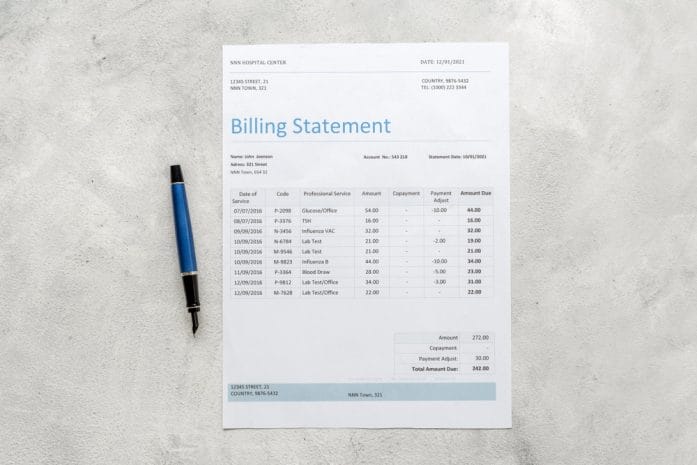
Healthcare billing runs on codes, and those codes determine how Medicare processes a claim. Providers assign specific codes to each service, and those codes decide whether Medicare treats the service as preventive or diagnostic. Even small differences in coding can change how a claim gets handled. That system leaves little room for assumptions, which means clarity matters at every step.

Providers don’t always explain how they code each part of a visit, and that lack of transparency can lead to confusion. A service that feels preventive might get coded differently based on how the provider documents it. Once the claim goes through, the billing outcome follows the code, not the patient’s expectation. That reality highlights the importance of asking questions before services take place.

Taking an active role in understanding billing can make a big difference. Asking the provider how they plan to code a service helps set expectations early. Reviewing the Medicare Summary Notice after a visit also helps catch any discrepancies. Staying engaged in the process keeps surprises to a minimum and helps maintain control over healthcare expenses.

How to Stay Ahead of the Surprise Bill Curve

Avoiding unexpected costs doesn’t require a deep dive into medical billing, but it does require a bit of strategy. Asking clear, direct questions before appointments sets the tone for transparency. Confirming whether a service qualifies as preventive and whether it meets Medicare’s coverage guidelines creates a strong starting point. That approach puts control back in the hands of the patient instead of leaving everything to chance.

Keeping a simple record of past screenings and their timing can also help. That information makes it easier to schedule future services within covered intervals. Staying organized reduces the risk of repeating tests too soon or missing coverage windows. It also creates a clearer picture of overall healthcare planning.

Building a relationship with a provider who communicates clearly adds another layer of protection. Providers who take the time to explain services and billing practices help create a smoother experience. That connection turns healthcare into a collaborative process instead of a confusing one. A little preparation goes a long way in keeping costs predictable and manageable.

Why This Actually Matters

“Free” in healthcare often comes with conditions, and Medicare’s preventive care follows that pattern more than most people expect. The coverage offers real value, but it works best when expectations line up with how the system actually operates. Knowing where preventive care ends and diagnostic care begins makes all the difference in avoiding frustration and surprise bills. That awareness transforms a confusing process into something far more manageable.

Here’s the big question: what strategies have worked to keep healthcare costs predictable, and what lessons have come from those unexpected bills? Give us those thoughts, tips, or stories in the comments and keep the conversation going.

You May Also Like…

How Medicare’s Income-Related Surcharge Sneaks Up On Retirees

Medicare Mishaps: Costly Enrollment Errors Most People Don’t See Coming

The Hidden Medicare Rule Turning 3-Day Hospital Stays Into $10,000–$15,000 Surprise Bills

If You Get a ‘Replacement’ Medicare Card in the Mail, Do NOT Call the Number Printed on It

More Retirees Are Seeing Higher Medicare Costs—And It’s Tied to Income From Years Ago

Brandon Marcus
Brandon Marcus

Brandon Marcus is a writer who has been sharing the written word since a very young age. His interests include sports, history, pop culture, and so much more. When he isn’t writing, he spends his time jogging, drinking coffee, or attempting to read a long book he may never complete.

Filed Under: Health & Wellness Tagged With: annual wellness visit, doctor visits, healthcare costs, healthcare savings, insurance tips, medical billing, medical expenses, Medicare, Medicare Part B, Planning, preventive care, senior health

Say These 5 Words to Your Doctor or Risk a Massive Surprise Medical Bill This Month

February 26, 2026 by Brandon Marcus Leave a Comment

Say These 5 Words to Your Doctor or Risk a Massive Surprise Medical Bill This Month
Image Source: Pixabay.com

A five-word sentence can protect a bank account faster than any budgeting app ever could. Medical care in the United States delivers world-class treatment, but it also delivers some of the most confusing bills on the planet. One test, one specialist, one out-of-network anesthesiologist, and suddenly a routine visit turns into a financial headache. The frustrating part is that many of those shocks could have been prevented with a simple question asked at the right moment.

Those five words matter more than most people realize: “Is this provider in network?” That sentence does not sound dramatic. It does not sound powerful. Yet it can mean the difference between a standard copay and a four-figure surprise.

Why Those Five Words Carry So Much Power

Health insurance companies create networks of doctors, hospitals, labs, and specialists that agree to set pricing contracts. When someone chooses an in-network provider, the insurance company covers care at the negotiated rate. When someone chooses an out-of-network provider, coverage often drops dramatically, and in some plans it disappears entirely.

According to the federal government, the No Surprises Act, which took effect in 2022, protects patients from certain unexpected out-of-network bills in emergency situations and at in-network facilities. That law blocks many forms of balance billing, especially when a patient cannot reasonably choose the provider. However, it does not eliminate all risk. Planned care, elective procedures, and certain ground ambulance services can still generate unexpected charges if someone fails to verify network status in advance.

Insurance plans vary widely. A Health Maintenance Organization plan usually requires patients to stay strictly in network and to get referrals for specialists. A Preferred Provider Organization plan offers more flexibility but often charges significantly higher coinsurance for out-of-network care. Without asking about network status, someone might assume coverage exists when it does not.

The Hidden Gaps That Trigger Big Bills

Many people believe that choosing an in-network hospital guarantees fully in-network care. That assumption causes trouble. Hospitals contract with independent physicians for anesthesiology, radiology, pathology, and emergency medicine. Those specialists may not participate in the same insurance networks as the hospital itself.

The No Surprises Act addresses many of these scenarios at in-network facilities, which limits what out-of-network providers can charge in certain situations. Still, that protection depends on specific conditions. For non-emergency care, providers must give notice and obtain consent before billing at higher out-of-network rates. Patients who do not understand this process may sign paperwork without realizing what they approve.

Scheduled surgeries create another common trap. A surgeon may sit comfortably in network, while the surgical assistant or anesthesiologist does not. Asking about network status ahead of time gives patients a chance to request in-network professionals or to adjust plans before the procedure.

Even diagnostic testing can spark problems. A doctor may order blood work and send it to a laboratory outside the insurance network. That single choice can produce a separate bill weeks later. Confirming network participation for labs and imaging centers reduces that risk significantly.

How to Ask the Question the Right Way

The five words themselves matter, but timing and follow-up matter just as much. Patients should ask about network status when scheduling appointments, not when sitting in a gown moments before treatment. Office staff can verify insurance participation and provide information about billing policies before the visit ever begins.

After hearing that a provider participates in network, patients should confirm details directly with their insurance company. Insurance websites typically include searchable directories. A quick call to the customer service number on the insurance card can confirm network participation and clarify expected copays or coinsurance. This step protects against outdated office information or misunderstandings.

Patients who plan a procedure should request a full list of providers involved in their care. That list may include surgeons, anesthesiologists, labs, imaging centers, and assistant surgeons. Calling the insurance company with those names helps ensure that every participant falls within the network.

Understanding What the Law Actually Covers

The No Surprises Act bans surprise billing for most emergency services, even when patients receive care from out-of-network providers. It also prohibits out-of-network charges for certain services at in-network hospitals and facilities unless providers follow strict notice and consent rules.

That law caps what patients owe in covered situations at their in-network cost-sharing amount. Providers cannot send bills for the remaining balance beyond that amount. Patients also gain access to a federal dispute resolution process if billing problems occur.

However, the law does not cover everything. It does not apply to ground ambulance services. It does not eliminate higher out-of-network costs when patients knowingly choose out-of-network providers for non-emergency care. It also does not replace the need to understand plan-specific deductibles and coinsurance. Relying solely on legal protections creates false confidence. Asking about network status and verifying coverage still serve as the first line of defense.

Smart Moves That Protect More Than Your Wallet

Healthcare decisions already carry emotional weight. Financial anxiety should not pile on top of medical stress. Proactive communication eases both. Patients should review their insurance Summary of Benefits and Coverage document each year. Employers and insurers must provide this standardized summary, which outlines deductibles, out-of-pocket maximums, and network rules. Understanding these basics helps patients interpret answers when offices confirm network participation.

When possible, scheduling non-urgent procedures after meeting a deductible can reduce overall costs. Coordinating care within the same network often simplifies billing and limits confusion. Patients with high-deductible health plans should consider opening or contributing to a Health Savings Account to prepare for out-of-pocket expenses.

If a surprise bill arrives anyway, patients should not panic and immediately pay. Reviewing the Explanation of Benefits from the insurance company clarifies what the plan covered and why. If charges appear incorrect, patients can contact both the provider and the insurer to request a review. The No Surprises Act provides a formal complaint process through federal agencies when protections apply.

Say These 5 Words to Your Doctor or Risk a Massive Surprise Medical Bill This Month
Image Source: Pixabay.com

Five Words That Shift the Balance of Power

Healthcare providers focus on treatment. Insurance companies focus on contracts and reimbursement. Patients must focus on protecting their own financial health. Asking “Is this provider in network?” does not signal distrust. It signals awareness. It communicates that someone intends to understand the financial side of care, not just the clinical side. That simple step often prompts staff to double-check details and to flag potential issues before they turn into expensive problems.

Medical bills will never feel exciting. Yet avoiding unnecessary ones feels empowering. A five-word question costs nothing, takes seconds to say, and can prevent months of frustration.

The next appointment already sits on the calendar. Before walking into that office or scheduling that procedure, will those five words come to mind? Let’s talk about this and more in our comments section.

You May Also Like…

7 Decisions Grandparents Must Put in Writing Before a Medical Emergency

Utility Billing Cycle Changes Causing Double Charges

The Medical Bill Mistake That Can Cripple Your Credit for a Decade

How Can Medical Bills Wipe Out Savings Faster Than a Market Crash

Doctor Office Visits Still Excluded From Key Surprise Billing Protections

Brandon Marcus
Brandon Marcus

Brandon Marcus is a writer who has been sharing the written word since a very young age. His interests include sports, history, pop culture, and so much more. When he isn’t writing, he spends his time jogging, drinking coffee, or attempting to read a long book he may never complete.

Filed Under: Health & Wellness Tagged With: doctor visits, Financial Health, health insurance, healthcare costs, healthcare savings, hospital billing, in-network doctors, insurance tips, medical bills, medical debt, patient advocacy, surprise billing

Doctor Office Visits Still Excluded From Key Surprise Billing Protections

February 13, 2026 by Brandon Marcus Leave a Comment

Doctor Office Visits Still Excluded From Key Surprise Billing Protections
Image source: shutterstock.com

Can a law designed to protect patients from financial shock still leave millions vulnerable? The answer is yes, and it’s happening in one of the most common places people go for care: the doctor’s office.

While landmark billing protections were meant to end the era of terrifying, unexpected medical charges, routine office visits quietly remain outside some of the strongest safeguards, creating a confusing and costly blind spot in everyday healthcare.

The Protection Everyone Heard About (But Not the Fine Print)

The No Surprises Act was a big deal when it went into effect in the United States in 2022. It promised to shield patients from massive, unexpected bills when they had no control over who treated them, especially in emergencies and hospital-based care. If you go to the ER or have surgery at an in-network hospital and an out-of-network doctor is involved, the law generally steps in to protect you from being balance billed. That was a long-overdue fix to a deeply broken system, and for millions of people, it truly changed the game.

But the law was never meant to cover everything. Routine doctor office visits, scheduled appointments, and many non-hospital settings fall into a gray area where protections weaken or disappear entirely. If a provider is out of network and you knowingly (or unknowingly) receive care, the same surprise billing rules often don’t apply.

Why Doctor Offices Sit Outside the Safety Net

The logic behind the law’s structure is rooted in control and consent. In emergencies, you can’t choose your provider, and in hospitals, patients often don’t know who is in-network or out-of-network behind the scenes. That’s why protections are strongest there. In a doctor’s office setting, the assumption is that patients have more choice and more information, even if that assumption doesn’t always match reality.

Doctor offices are also not required to follow the same disclosure rules as hospitals and emergency departments. That means fewer standardized notices, fewer protections, and more responsibility pushed onto patients to navigate a system that was never designed to be simple.

The Real-World Impact on Everyday Patients

This gap doesn’t just affect rare or extreme cases. It hits people going in for annual checkups, specialist consultations, mental health appointments, and diagnostic testing. These are normal, responsible healthcare behaviors, and yet they can still lead to unexpected financial stress when coverage assumptions fall apart.

Financial anxiety around healthcare doesn’t come from dramatic emergencies alone. It builds slowly, appointment by appointment, bill by bill. When people lose trust in predictability, they delay care, skip follow-ups, or avoid specialists altogether. That’s not just a financial issue; it’s a public health problem in disguise.

What makes this especially frustrating is that patients are doing what they’re supposed to do. They carry insurance and try to stay in-network and schedule appointments responsibly. And yet the system still leaves space for confusion, disputes, and surprise costs that feel fundamentally unfair.

What Patients Can Actually Do Right Now

While the system may be flawed, there are practical steps that can reduce risk. Before appointments, verify not just the clinic, but the specific provider’s network status with your insurance company directly, not just the provider’s office.

Request written cost estimates when possible, especially for procedures, testing, or specialist visits. It’s not always perfect, but it creates documentation and accountability. Keep records of who you spoke to, when, and what you were told. That paper trail matters if a dispute arises.

If you receive a bill that doesn’t make sense, don’t pay it blindly. Call your insurer, ask for and then carefully read an explanation of benefits, and request itemized billing from the provider. Many billing errors are corrected simply because someone asked questions instead of assuming the charge was final.

Doctor Office Visits Still Excluded From Key Surprise Billing Protections
Image source: shutterstock.com

Why This Policy Gap Still Exists

Healthcare reform in the U.S. moves slowly, and it moves in pieces. The No Surprises Act tackled the most extreme and visible forms of surprise billing first, especially those tied to emergencies and hospital care. Doctor office visits were left largely untouched because lawmakers prioritized scenarios where patients had the least control.

But policy doesn’t always align with lived experience. In reality, patients often lack meaningful control even in outpatient settings. Network systems are opaque, provider affiliations change, and billing structures are confusing by design. The idea that patients can navigate all of this flawlessly is more theory than reality.

The Blind Spot That Still Needs Fixing

Surprise billing protections were a huge step forward, but they weren’t the finish line. Doctor office visits remain one of the most overlooked weak points in patient financial protection, quietly exposing people to costs they never expected and couldn’t reasonably predict. If healthcare is supposed to be about access, trust, and stability, then leaving everyday care outside major protections is a contradiction that can’t last forever.

Until policy catches up, awareness is power. Knowing where protections stop is just as important as knowing where they exist. And the more patients understand this gap, the more pressure there is for a system that finally treats routine care with the same seriousness as emergencies.

Do you think surprise billing laws should cover routine doctor visits too, or do you believe the current system puts enough responsibility on patients already? Share your thoughts and opinions in our comments section below.

You May Also Like…

Why Do Medical Bills Feel So Hard to Plan Around

Expense Spike: 8 Healthcare Costs That Hit Harder in Later Life

How Life Disruptions and Medical Costs Push Americans Toward Bankruptcy

The Medical Bill Mistake That Can Cripple Your Credit for a Decade

Insurance Just Stopped Paying for These Routine Health Supplies — Check Your Plan Immediately

Brandon Marcus
Brandon Marcus

Brandon Marcus is a writer who has been sharing the written word since a very young age. His interests include sports, history, pop culture, and so much more. When he isn’t writing, he spends his time jogging, drinking coffee, or attempting to read a long book he may never complete.
Filed Under: Health & Wellness Tagged With: doctor visits, health insurance, healthcare costs, healthcare reform, medical billing, medical transparency, No Surprises Act, out-of-network billing, patient rights, surprise billing, US healthcare

FOLLOW US

Search this site:

Recent Posts

  • Can My Savings Account Affect My Financial Aid? by Tamila McDonald
  • 12 Ways Gen X’s Views Clash with Millennials… by Tamila McDonald
  • What Advantages and Disadvantages Are There To… by Jacob Sensiba
  • 10 Tactics for Building an Emergency Fund from Scratch by Vanessa Bermudez
  • Call 911: Go To the Emergency Room Immediately If… by Stephen Kanaval
  • 7 Weird Things You Can Sell Online by Tamila McDonald
  • 10 Scary Facts About DriveTime by Tamila McDonald

Copyright © 2026 · News Pro Theme on Genesis Framework