• Home
  • About Us
  • Getting Finances Done
    • Hiring Advisors
    • Debt Management
    • Spending Plan
  • Insurance
    • Life Insurance
    • Health Insurance
    • Disability Insurance
    • Homeowners/Renters Insurance
  • Contact Us
  • Our Editorial Commitment

The Free Financial Advisor

You are here: Home / Archives for data collection

HHS Seeks OMB Approval for Children and Families Program Monitoring Data Collection

July 22, 2026 by Amanda Blankenship Leave a Comment

HHS ACF program monitoring
An employee reviews program data at a computer as HHS seeks public comment on extending information collection used to monitor federally funded children and family services programs. Gil C/Shutterstock

The U.S. Department of Health and Human Services (HHS), through its Administration for Children and Families (ACF), is asking for public input on a proposal to extend an existing information collection used to monitor federally funded programs that support children, families, and communities.

The request, published in the Federal Register on July 22, 2026, seeks approval from the Office of Management and Budget (OMB) to continue a “generic clearance” that allows ACF to collect standardized information from grant recipients. According to the agency, no changes are being proposed to the existing clearance, although burden estimates have been updated. Public comments will be accepted through August 21, 2026.

What the Data Collection Supports

Program monitoring is a routine post-award process used to evaluate how organizations receiving federal funding are managing their programs and complying with grant requirements. ACF says the information helps program offices assess both program performance and business management practices while ensuring responsible stewardship of taxpayer dollars.

The agency also uses the information to identify areas where grantees may need technical assistance or additional support to meet program goals. Because the clearance is generic, it allows ACF to efficiently approve individual monitoring activities without seeking a separate OMB review each time.

Who May Be Affected

The proposal primarily affects organizations that receive funding from ACF, including nonprofits, state and local agencies, tribal organizations, and other entities that administer children and family services programs. While the notice does not create new reporting requirements, it extends ACF’s authority to continue collecting information needed for ongoing oversight activities. Anyone interested in the proposal may submit comments through the federal comment process before the August 21 deadline. Additional details and submission instructions are available through the Federal Register and RegInfo websites.

What to Read Next

Celsius Network Founders Ordered to Pay $16.5 Million to Resolve FTC Charges

SEC Proposes Rule on Electronic Delivery of Information Under Federal Securities Laws

SEC Approves ICE Clear Credit Rule Change on Operational Risk Management Framework

Amanda Blankenship

Amanda Blankenship is the Chief Editor for District Media.  With a BA in journalism from Wingate University, she frequently writes for a handful of websites and loves to share her own personal finance story with others. When she isn’t typing away at her desk, she enjoys spending time with her daughter, son, husband, and dog. During her free time, you’re likely to find her with her nose in a book, hiking, or playing RPG video games.

Filed Under: news Tagged With: ACF, Administration for Children and Families, children and families, data collection, federal grants, Federal Register, government oversight, HHS, nonprofit funding, Office of Management and Budget, OMB, Paperwork Reduction Act, program monitoring, public comments

5 Online Actions That Are Logged By Default and Most People Never Notice

April 4, 2026 by Brandon Marcus Leave a Comment

5 Online Actions That Are Logged By Default and Most People Never Notice
Image Source: Unsplash.com

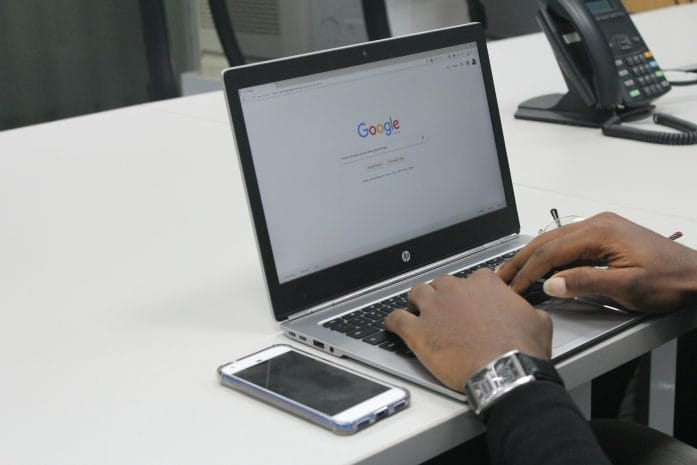
A single tap, swipe, or voice command can leave a digital footprint that lasts far longer than expected. The internet does not just react to actions—it remembers them, organizes them, and often builds detailed profiles from them. That reality feels invisible because nothing dramatic happens in the moment, yet those tiny interactions stack up into something surprisingly revealing over time. The average person moves through apps and websites quickly, focusing on convenience, speed, and entertainment, without pausing to consider what gets recorded behind the scenes.

Data logging does not always mean something shady or malicious, but it absolutely shapes what shows up next—ads, recommendations, search results, even pricing in some cases. Companies rely on this data to refine services, improve experiences, and target content more effectively. Still, that convenience comes with a tradeoff, and it deserves a closer look.

1. Every Click Leaves a Trail You Didn’t Know Existed

Clicks feel harmless because they happen constantly, often without a second thought. Tapping a product, opening a headline, or selecting a suggested video all count as signals that platforms eagerly collect. Websites and apps track these clicks to understand preferences, interests, and even emotional reactions based on what holds attention the longest. That data feeds algorithms that shape future recommendations, which explains why one random click can suddenly flood a feed with similar content. This system thrives on patterns, and each click strengthens those patterns whether it reflects genuine interest or just curiosity.

Tracking clicks does not stop at obvious actions either, because platforms often monitor hover time, scrolling behavior, and interaction speed. That level of detail helps companies determine not just what gets clicked, but how engaging something feels in real time. This approach creates a feedback loop that constantly refines what appears next. A single click on a niche topic can snowball into a highly personalized stream that feels oddly specific. That precision feels convenient, but it also limits exposure to new or diverse content over time.

Taking control starts with awareness, and small adjustments can make a big difference. Clearing browsing history regularly, using private browsing modes, or adjusting personalization settings can reduce how much influence past clicks carry. Clicking more intentionally also helps, especially when curiosity leads toward topics that do not reflect real interests. Platforms will still track activity, but mindful habits can shift what gets logged and how it gets used.

2. Your Search History Knows More Than You Think

Search bars feel like neutral tools, but they act more like diaries that record questions, curiosities, and concerns. Every search query gets logged by default on most platforms, especially when accounts stay signed in. That information helps improve search results, but it also builds a detailed picture of interests, habits, and even future plans. Over time, search history becomes a timeline that reveals patterns far beyond what any single query suggests.

Search engines often connect this data across devices, which means a search on a phone can influence results on a laptop later. That seamless experience feels convenient, yet it also expands the scope of what gets tracked. Personalized results rely heavily on past searches, which can create a filter bubble that reinforces existing viewpoints. This effect shapes what information appears first, often without any obvious indication that personalization plays a role.

Managing search history requires more than a one-time cleanup. Many platforms offer settings that allow auto-deletion after a set period, which helps limit long-term data buildup. Turning off personalized search features can also reduce how much past activity influences future results. Taking a few minutes to review account settings can reveal options that many people never realize exist, and those options offer more control than expected.

5 Online Actions That Are Logged By Default and Most People Never Notice
Image Source: Unsplash.com

3. Location Tracking Doesn’t Turn Off When You Think It Does

Location services feel straightforward, especially when apps ask for permission upfront. Many assume that turning off location access in one app solves the issue, but tracking often continues in less obvious ways. Devices can log location data through Wi-Fi networks, Bluetooth signals, and even IP addresses, creating a broader picture of movement patterns. That data helps with navigation, local recommendations, and weather updates, but it also builds a record of where time gets spent.

Some apps collect location data in the background even when they do not actively run on the screen. This feature supports functions like traffic updates or location-based reminders, yet it also increases how often data gets recorded. Over time, location history can reveal routines such as daily commutes, favorite hangouts, and travel habits. That level of detail holds value for services, but it also raises important questions about privacy and control.

Adjusting location settings can reduce unnecessary tracking without sacrificing useful features. Switching apps to “while using” access instead of “always” access limits background data collection. Reviewing which apps truly need location data can also cut down on excess logging. Regularly checking location history within account settings offers a clear view of what gets stored, which helps guide smarter choices moving forward.

4. Voice Assistants Remember More Than Commands

Voice assistants respond quickly and make everyday tasks easier, from setting reminders to answering quick questions. Each interaction, however, often gets recorded and stored to improve accuracy and performance. These recordings can include not just commands, but also snippets of background conversation if the device activates unintentionally. That possibility surprises many people because the process feels invisible and effortless.

Companies use voice data to train systems, refine speech recognition, and personalize responses. This approach improves functionality, but it also means that voice interactions contribute to a growing data profile. Some platforms allow users to review and delete voice recordings, yet many never explore those settings. Over time, those stored interactions can add up, creating a detailed log of spoken requests and habits.

Taking control of voice data starts with exploring privacy settings within the device or app. Disabling voice recording storage or enabling automatic deletion can limit how long data stays on file. Muting microphones when not in use adds another layer of control, especially in shared spaces. Voice assistants offer convenience, but a few simple adjustments can keep that convenience from turning into constant background tracking.

5. App Activity Tracking Goes Far Beyond What You Open

Apps track more than just usage time or frequency. Many collect data about how long screens stay open, which features get used most, and how interactions unfold within the app. This information helps developers improve design and functionality, but it also contributes to detailed user profiles. Even apps that seem simple, like games or note-taking tools, often gather more data than expected.

Cross-app tracking adds another layer, as some platforms share data across multiple apps or services. This connection allows for more targeted advertising and personalized experiences, but it also expands the scope of what gets logged. A single action in one app can influence what appears in another, creating a network of interconnected data points. That system operates quietly, without obvious signs, which makes it easy to overlook.

Reviewing app permissions and privacy settings can reveal how much data each app collects. Limiting permissions to only what feels necessary can reduce excessive tracking. Turning off ad personalization within device settings can also minimize how data gets shared across apps. Staying aware of app behavior helps maintain a better balance between convenience and privacy.

Awareness Changes Everything

Digital life runs on convenience, and that convenience depends on data flowing constantly behind the scenes. These five everyday actions—clicks, searches, location sharing, voice commands, and app activity—form the backbone of how platforms understand behavior. None of this happens by accident, and most of it gets enabled by default. That reality does not mean panic or complete disconnection, but it does call for a more intentional approach to everyday online habits.

Small changes can shift the balance in a meaningful way. Checking settings once a month, clearing histories, and adjusting permissions can reduce unnecessary data collection without sacrificing the benefits of modern technology. Awareness creates options, and those options put control back where it belongs. The internet will always track something, but it does not need to track everything.

Which of these surprised you the most, and what changes feel worth trying first? Drop thoughts, strategies, or even personal discoveries in the comments and keep the conversation going.

You May Also Like…

6 Online Habits That Quietly Expose Your Financial Information

Why IRS Payment Plans Still Default After Missed Online Notices

Why Free Online Checking Continues to Beat Traditional Banks

8 Personal Finance Debates That Are Dividing the Internet

14 Online Debates That Show How Social Media Divided the Nation

Brandon Marcus
Brandon Marcus

Brandon Marcus is a writer who has been sharing the written word since a very young age. His interests include sports, history, pop culture, and so much more. When he isn’t writing, he spends his time jogging, drinking coffee, or attempting to read a long book he may never complete.

Filed Under: Online Safety Tagged With: apps tracking, browsing habits, Cybersecurity Tips, data collection, data tracking, digital footprint, digital-life, internet habits, online privacy, Online Safety, privacy settings, tech awareness

Follow Us

Search this site:

Recent Posts

  • Can My Savings Account Affect My Financial Aid? by Tamila McDonald
  • 12 Ways Gen X’s Views Clash with Millennials… by Tamila McDonald
  • What Advantages and Disadvantages Are There To… by Jacob Sensiba
  • 10 Tactics for Building an Emergency Fund from Scratch by Vanessa Bermudez
  • Call 911: Go To the Emergency Room Immediately If… by Stephen Kanaval
  • 7 Weird Things You Can Sell Online by Tamila McDonald
  • 10 Scary Facts About DriveTime by Tamila McDonald

Copyright © 2026 · News Pro Theme on Genesis Framework