• Home
  • About Us
  • Toolkit
  • Getting Finances Done
    • Hiring Advisors
    • Debt Management
    • Spending Plan
  • Insurance
    • Life Insurance
    • Health Insurance
    • Disability Insurance
    • Homeowners/Renters Insurance
  • Contact Us
  • Risk Tolerance Quiz
  • Our Editorial Commitment

The Free Financial Advisor

You are here: Home / Archives for direct deposit errors

IRS Will Freeze Your Refund Without Correct Bank Info—And Won’t Send a Paper Check Until You Fix It

May 19, 2026 by Brandon Marcus Leave a Comment

IRS Will Freeze Your Refund Without Correct Bank Info—And Won’t Send a Paper Check Until You Fix It
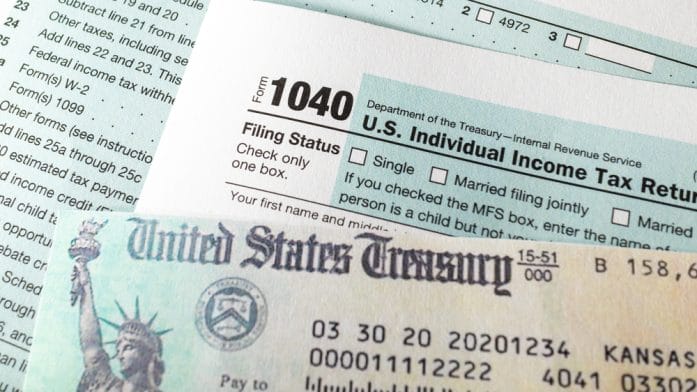
1040 tax forms can lead to heary refunds from the IRS – Shutterstock

Tax season already comes packed with enough stress to power an entire coffee chain, but one simple banking mistake can turn a smooth refund into a financial nightmare. Millions of Americans rely on direct deposit because refunds usually arrive faster than paper checks, often within 21 days when everything lines up correctly. The problem starts when taxpayers enter the wrong routing number, use a closed bank account, or accidentally swap digits while filing online late at night. The IRS does not simply shrug and mail out a backup check the moment something goes wrong with the deposit.

Instead, the agency often freezes the refund until taxpayers update or resolve the banking issue directly with the IRS or the receiving bank. That delay can stretch for weeks and sometimes much longer depending on the situation and how quickly the taxpayer notices the problem. Many filers expect the government to automatically correct the error, but the IRS generally pushes responsibility back onto the taxpayer. A simple typo can suddenly derail rent payments, vacation plans, emergency savings goals, or overdue bills that depended on that refund arriving on time.

Direct Deposit Errors Create Bigger Problems Than Most People Expect

Direct deposit sounds foolproof until someone accidentally enters account information for an old checking account from three apartments ago. Banks process millions of transactions electronically every day, and many institutions automatically reject deposits tied to closed or mismatched accounts. When that happens, the money bounces back to the IRS, but the process rarely moves quickly. Taxpayers often wait anxiously while their “Where’s My Refund?” status sits unchanged for days or even weeks.

Some situations get even messier because banks sometimes accept deposits into incorrect accounts if the routing and account numbers technically exist. That creates a nightmare scenario where the refund lands in another person’s account instead of returning to the IRS immediately. Federal law protects consumers in some banking disputes, but recovering tax refunds from incorrect accounts can take substantial time and paperwork. The IRS generally tells taxpayers to first contact the bank, which leaves many people stuck navigating customer service departments while their refund disappears into financial limbo.

The IRS Won’t Automatically Rescue the Situation

Many taxpayers assume the IRS will quickly switch gears and mail a paper check after a failed direct deposit attempt, but the agency does not move that fast. IRS procedures usually require verification and additional processing before issuing a replacement payment. During peak tax season, that delay grows even longer because the agency already struggles with massive workloads and staffing challenges. The IRS also prioritizes fraud prevention, which means suspicious banking issues often trigger extra scrutiny.

That extra scrutiny makes sense because criminals constantly target tax refunds through identity theft and fraudulent filings. The IRS flags unusual banking changes or repeated deposit failures to stop scammers from redirecting taxpayer money. Unfortunately, honest taxpayers often get tangled in the same security net. Someone who accidentally enters one wrong digit can suddenly face identity verification letters, delayed processing notices, or requests for additional documentation before the refund moves again.

Filing Software Does Not Guarantee Error-Free Refunds

Tax software companies advertise convenience, speed, and accuracy, but software cannot stop every human mistake. A filer rushing through forms on a smartphone after midnight can still enter incorrect numbers without noticing the error. Many people also copy banking information from old checks that belong to closed accounts or outdated banks after mergers. Even experienced taxpayers sometimes overlook mistakes because they focus heavily on income figures and deductions rather than payment details.

The danger increases when taxpayers split refunds between multiple accounts using IRS Form 8888. One incorrect account number among several deposit destinations can complicate the entire refund process. Some taxpayers also accidentally select savings accounts that block certain electronic deposits depending on the institution’s rules. Those small filing errors may look harmless on a tax return, but they can create weeks of frustrating delays once the IRS processes the refund payment.
IRS Will Freeze Your Refund Without Correct Bank Info—And Won’t Send a Paper Check Until You Fix It
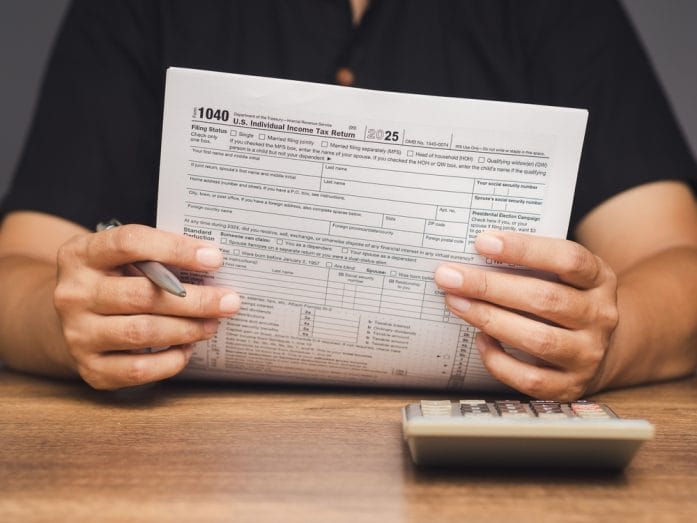
Tax filers can get their refunds stuck in limbo if they make a single, tiny mistake – Shutterstock

Fixing the Problem Requires Fast Action and Patience

Taxpayers who realize they entered incorrect banking information should move quickly because timing matters enormously. If the IRS has not yet sent the refund, filers may still have time to update information through their tax preparer or filing software. Once the IRS sends the payment, however, options become more limited and the process slows considerably. The agency generally cannot cancel a completed direct deposit after transmission begins.

Banks sometimes reject deposits within a few business days, which sends the refund back to the IRS automatically. After that return occurs, the IRS may issue a paper check to the address listed on the tax return, but processing often takes several additional weeks. Taxpayers should monitor the IRS “Where’s My Refund?” tool regularly and respond immediately to any mailed notices requesting identity verification or corrected information. Ignoring IRS letters almost always stretches the delay longer and increases frustration.

Scammers Love Refund Confusion Season

Refund delays create perfect conditions for scammers who prey on stressed taxpayers waiting for money. Fraudsters frequently send fake texts, emails, or phone calls claiming they can “release” frozen IRS refunds after taxpayers provide personal information. The IRS generally does not initiate contact through text messages or social media direct messages about refund problems. Criminals know worried taxpayers feel vulnerable when refunds disappear, so they ramp up scams heavily during tax season.

Some scammers even impersonate banks and claim they need account verification to process rejected deposits. Others send links to fake IRS portals designed to steal Social Security numbers and banking credentials. Taxpayers should only use official IRS websites and verified banking contacts when handling refund issues. A delayed refund already creates enough stress without adding identity theft or drained bank accounts into the mix.

The Refund Clock Keeps Ticking Even After Filing Ends

Many Americans treat tax filing like a finish line, but refund processing often turns into an entirely separate marathon. Filing accurately matters just as much as filing on time, especially when direct deposit details enter the picture. One tiny banking typo can freeze thousands of dollars right when families count on that money most. The IRS eventually resolves most refund issues, but the wait can test anyone’s patience and financial stability.

Taxpayers can reduce risk dramatically by double-checking routing numbers, confirming active accounts, and reviewing every deposit detail before submitting returns electronically. That extra two-minute review may save weeks of stress, endless phone calls, and painful delays later. Tax season already delivers enough surprises without adding a missing refund into the chaos.

What’s the longest delay you’ve ever faced waiting for a tax refund, and did you ever discover what caused it?

You May Also Like…

The IRS Is Cracking Down on Side Hustle Income Again in 2026

9 Everyday Money Mistakes That Quietly Lead to IRS Penalties

Stop Celebrating Your Tax Refund: You Just Gave the Government a Interest-Free Loan

Why Do Families Rely Too Much on Tax Refunds

Tennessee Residents Still Pay Federal Taxes on Investment Income Despite State Changes

Brandon Marcus
Brandon Marcus

Brandon Marcus is a writer who has been sharing the written word since a very young age. His interests include sports, history, pop culture, and so much more. When he isn’t writing, he spends his time jogging, drinking coffee, or attempting to read a long book he may never complete.


Filed Under: tax tips Tagged With: direct deposit errors, federal taxes, IRS bank information, IRS direct deposit, IRS refund, paper check delays, Personal Finance, refund freeze, saving money, tax filing mistakes, tax refund delays, tax refund tips, tax season

IRS Refund Delays Surge: Incorrect Bank Info Is Triggering Weeks-Long Payment Holds

April 3, 2026 by Brandon Marcus Leave a Comment

IRS Refund Delays Surge: Incorrect Bank Info Is Triggering Weeks-Long Payment Holds
Image Source: Shutterstock.com

The refund clock has started ticking—and for a growing number of taxpayers, it has suddenly slowed to a crawl. What should feel like a quick financial win has turned into a waiting game, with weeks stretching out far beyond the usual timeline. A simple string of numbers, entered just slightly wrong, has become the unlikely villain in thousands of delayed refunds. That tiny mistake now carries outsized consequences, quietly stalling payments that many households count on.

Frustration has started bubbling up across tax season conversations, and not without reason. Refund trackers show delays, bank accounts sit unchanged, and the expected timelines no longer line up with reality. While headlines often point to system backlogs or staffing issues, a much more personal—and preventable—problem has stepped into the spotlight. Incorrect bank information has triggered a wave of refund holds, and the ripple effect has turned what should be routine into something far more complicated.

When One Wrong Digit Derails Everything

Typing out bank details might feel like the easiest part of filing taxes, but that small step now carries serious weight. A single incorrect digit in an account or routing number can send a refund into limbo almost instantly. The IRS relies heavily on automated systems to process direct deposits, which means accuracy matters more than ever. Once those systems flag a mismatch, the refund process doesn’t just pause—it often reroutes into a manual review queue. That shift alone can stretch timelines from days into weeks, and sometimes even longer depending on volume.

Many taxpayers assume that a wrong number simply results in a failed deposit and a quick correction, but the reality looks far messier. If the incorrect account belongs to someone else and the deposit goes through, recovering that money becomes complicated and time-consuming. If the account doesn’t exist, the IRS must step in to reverse the transaction and issue a paper check instead. Both scenarios add layers of delay, and neither one moves quickly. That’s why even a tiny input error can snowball into a major inconvenience.

The surge in delays this season ties closely to the growing popularity of direct deposit. More people than ever choose this method for its speed, but that convenience depends entirely on precision. As electronic filing continues to dominate, fewer built-in safeguards exist to catch manual entry errors before submission. Tax software helps, but it doesn’t always catch mismatched or mistyped numbers. That leaves the responsibility squarely on the filer, turning a quick task into one that demands careful attention.

The IRS Isn’t Moving Slow—It’s Being Forced to Stop

It’s tempting to blame the IRS for dragging its feet, but the system often reacts exactly as designed. When incorrect banking information appears, automated processes halt to prevent fraud or misdirected funds. That pause protects both the taxpayer and the financial system, even though it creates delays that feel frustratingly avoidable. Once flagged, the refund typically enters a verification stage that requires human review, and that step takes time due to sheer volume.

Processing bottlenecks have increased because these errors don’t occur in isolation. Thousands of returns with incorrect details create a backlog that compounds daily, pushing newer cases further down the line. The IRS must verify identities, confirm account issues, and determine the safest way to reissue funds. That level of scrutiny helps prevent fraud, but it slows everything down significantly. Even a well-staffed system struggles to keep pace when error rates spike during peak filing weeks.

The shift toward digital-first tax filing has also changed expectations. Faster systems have conditioned people to expect near-instant results, so any delay feels unusually severe. However, once a return leaves the automated pipeline, it no longer benefits from that speed. It joins a slower, more deliberate process designed to double-check every detail. That transition explains why some refunds arrive in days while others take weeks with little visible progress.

Small Fixes That Save Big Headaches

Avoiding these delays doesn’t require expert-level tax knowledge—it requires attention to detail and a few smart habits. Double-checking bank information before submitting a return remains the simplest and most effective step. That includes verifying both the routing number and the account number directly from a reliable source, such as a bank statement or official app. Relying on memory or reusing old information without confirmation often leads to preventable mistakes.

Using tax preparation software with built-in validation tools can also reduce risk. Many platforms now prompt users to review critical fields multiple times before submission, which helps catch obvious errors. Still, no software replaces a careful manual check, especially when entering long strings of numbers. Taking an extra minute during filing can prevent weeks of waiting later. That tradeoff feels small in the moment but pays off significantly when refunds arrive on time.

For those who already submitted returns and suspect an error, acting quickly makes a difference. Monitoring refund status through official IRS tools provides early clues about potential issues. If a delay appears, contacting the IRS or a tax professional sooner rather than later can help clarify next steps. While fixes may still take time, early action prevents additional complications and keeps the situation from dragging on unnecessarily.

IRS Refund Delays Surge: Incorrect Bank Info Is Triggering Weeks-Long Payment Holds
Image Source: Shutterstock.com

Paper Checks, Reversals, and the Long Road Back

Once a direct deposit fails or misfires, the recovery process rarely moves quickly. The IRS may attempt to retrieve funds from the receiving bank, but that step depends on cooperation and timing. If the bank rejects the transaction, the IRS usually issues a paper check instead, which introduces additional mailing delays. That shift alone can add several weeks to the overall timeline, especially during peak processing periods.

Paper checks also carry their own set of challenges. Address accuracy becomes critical, and any mismatch can lead to further complications or returned mail. In some cases, taxpayers must update their information or request reissuance, which extends the wait even longer. While the system eventually resolves most cases, patience becomes unavoidable once the process shifts away from direct deposit.

The emotional impact of these delays often gets overlooked, but it matters. Many households plan around expected refunds, using them for bills, savings, or major purchases. When that money gets stuck in processing limbo, financial plans can unravel quickly. That’s why prevention carries so much weight this year, as avoiding the issue entirely remains far easier than fixing it after the fact.

Accuracy Beats Speed Every Time

Speed feels great when everything goes right, but accuracy wins every single time when it comes to tax refunds. A few extra seconds spent reviewing bank details can mean the difference between a smooth deposit and a frustrating delay. The IRS hasn’t suddenly slowed down—it has responded to a surge of preventable errors that force refunds off the fast track. That distinction matters because it puts control back where it belongs: in the hands of the filer.

Taking a careful, methodical approach to tax filing may not feel exciting, but it delivers real results. Verifying details, using reliable tools, and resisting the urge to rush through the process all help protect that refund timeline. Those habits don’t just apply this season—they build a smarter approach for every filing year ahead. With refund delays making headlines, attention to detail has never carried more value.

What strategies have helped keep your tax filing smooth and stress-free, and what lessons have come from past mistakes? Drop those insights and experiences in the comments.

You May Also Like…

Property Taxes Are Catching Homeowners Off Guard — Especially After Buying or Renovating

The IRS Is Sending More “Math Error” Notices — Why You Could Owe Without Realizing It

Refunds Are Being Delayed Over New IRS Identity Flags — Why More Returns Are Getting Pulled

Still Haven’t Received Your Refund? Why Some Filers Are Waiting Longer Than Ever

Why Do Families Rely Too Much on Tax Refunds

Brandon Marcus
Brandon Marcus

Brandon Marcus is a writer who has been sharing the written word since a very young age. His interests include sports, history, pop culture, and so much more. When he isn’t writing, he spends his time jogging, drinking coffee, or attempting to read a long book he may never complete.

Filed Under: tax tips Tagged With: banking info mistakes, direct deposit errors, IRS news, IRS processing, IRS refunds, Planning, refund holds, refund status, tax filing advice, tax refund delays, tax refunds 2026, tax season tips

FOLLOW US

Search this site:

Recent Posts

  • Can My Savings Account Affect My Financial Aid? by Tamila McDonald
  • 12 Ways Gen X’s Views Clash with Millennials… by Tamila McDonald
  • What Advantages and Disadvantages Are There To… by Jacob Sensiba
  • 10 Tactics for Building an Emergency Fund from Scratch by Vanessa Bermudez
  • Call 911: Go To the Emergency Room Immediately If… by Stephen Kanaval
  • 7 Weird Things You Can Sell Online by Tamila McDonald
  • 10 Scary Facts About DriveTime by Tamila McDonald

Copyright © 2026 · News Pro Theme on Genesis Framework