• Home
  • About Us
  • Toolkit
  • Getting Finances Done
    • Hiring Advisors
    • Debt Management
    • Spending Plan
  • Insurance
    • Life Insurance
    • Health Insurance
    • Disability Insurance
    • Homeowners/Renters Insurance
  • Contact Us
  • Risk Tolerance Quiz
  • Our Editorial Commitment

The Free Financial Advisor

You are here: Home / Archives for coin collecting

I Saved $5,000 in Change — Then Found Out Banks Might Not Take It

April 28, 2026 by Brandon Marcus Leave a Comment

I Saved $5,000 in Change — Then Found Out Banks Might Not Take It
Image Source: Unsplash.com

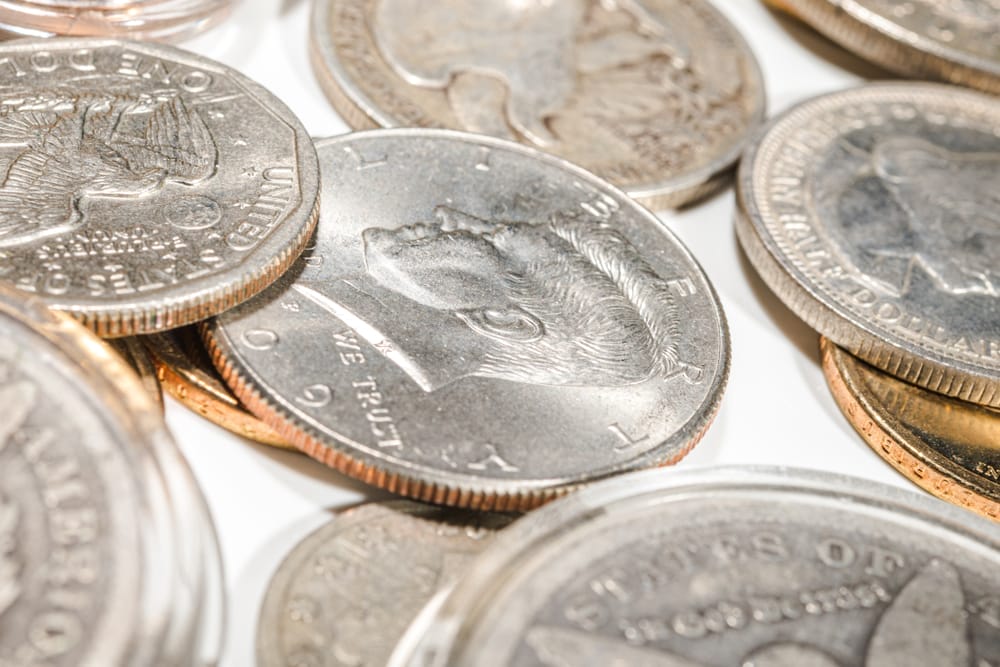
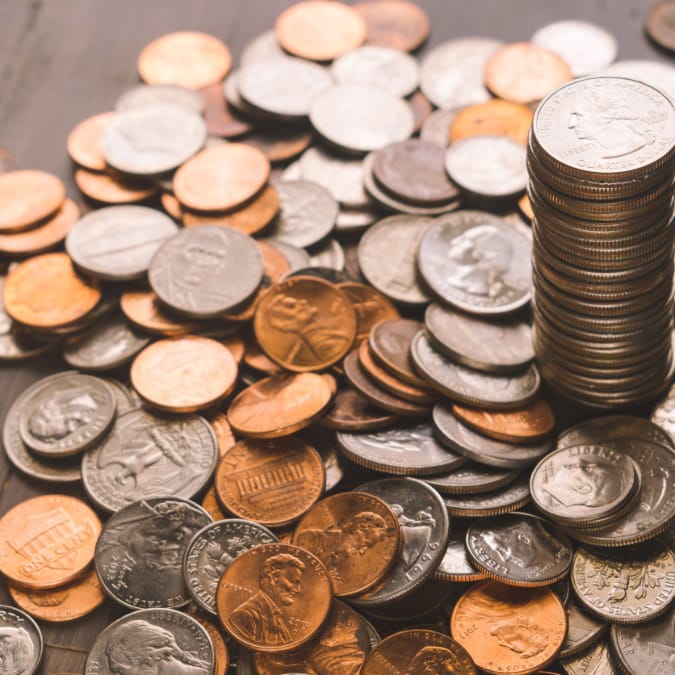
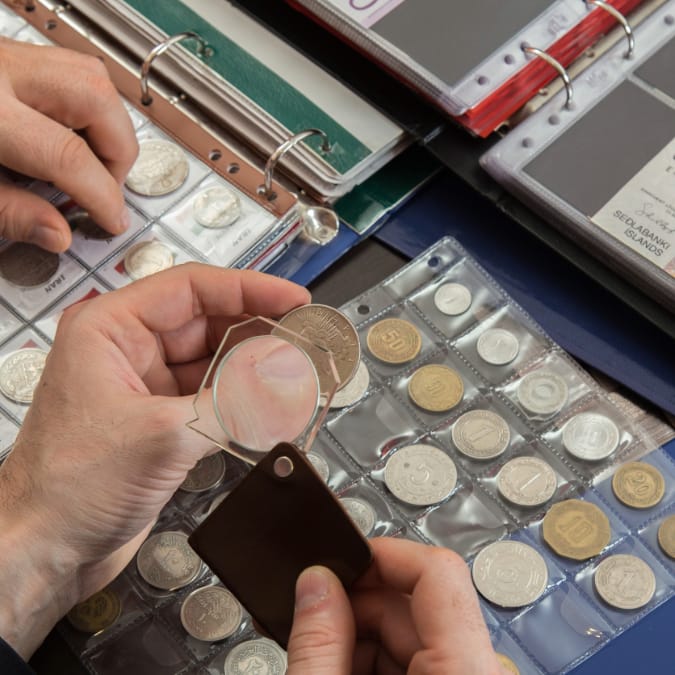
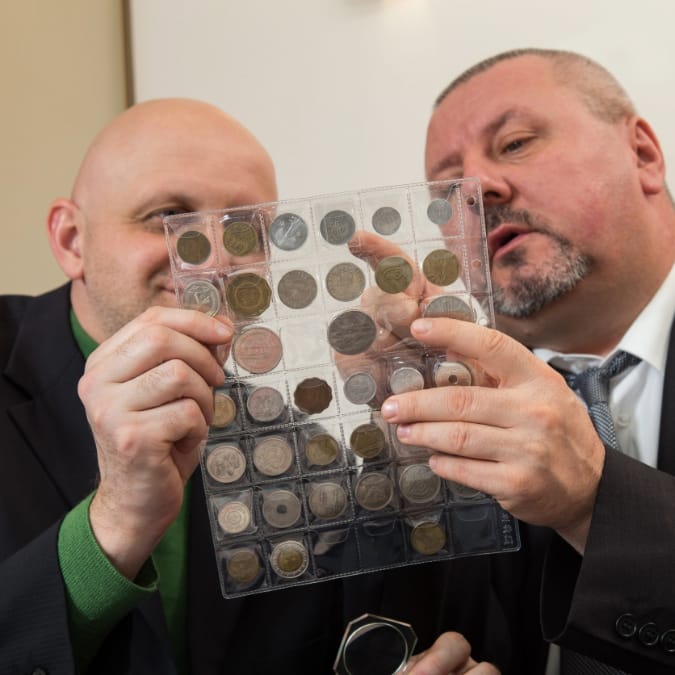
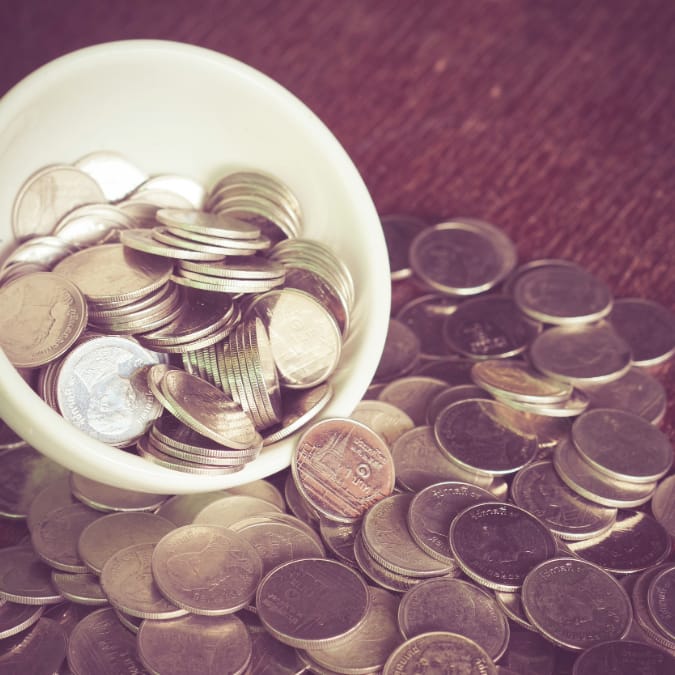
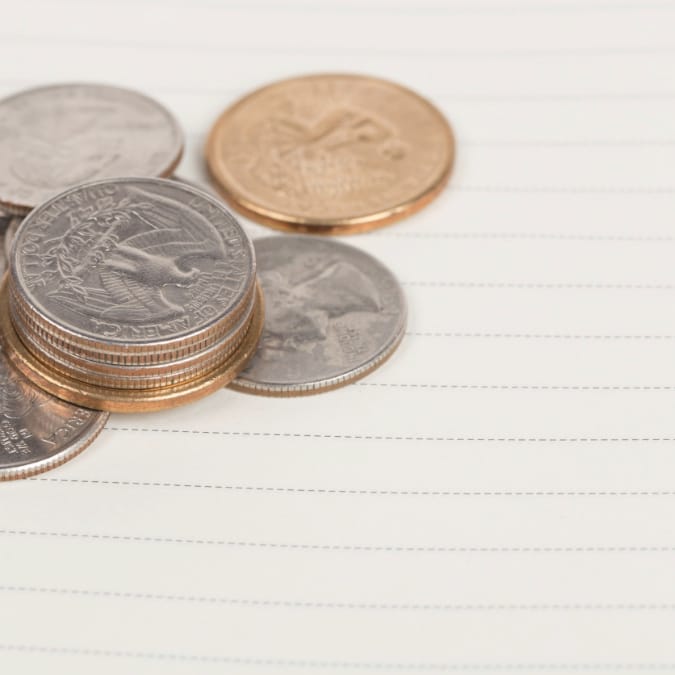
A jar of loose coins rarely gets much respect, but over time, it can quietly grow into something impressive. Many households toss spare quarters, dimes, and pennies into containers without thinking twice, only to discover years later that those coins add up to thousands of dollars. That kind of slow, steady accumulation feels almost effortless, which makes it one of the simplest saving habits around. The surprise doesn’t come from the saving itself—it comes at the moment someone tries to cash it in.

Banks, which seem like the obvious destination for turning coins into usable cash, don’t always welcome large quantities of change. Policies have shifted over the years, and not every branch handles coins the same way anymore. Some institutions have removed coin-counting machines entirely, while others charge fees or impose strict limits. That leaves savers stuck in an unexpected situation, holding onto a pile of money that suddenly feels harder to access than expected.

Why Some Banks Refuse Large Coin Deposits

Banks operate with efficiency in mind, and handling massive amounts of loose change disrupts that flow more than most people realize. Counting coins takes time, requires specialized machines, and demands extra labor from staff who already juggle multiple responsibilities. Many financial institutions decided the cost and hassle outweigh the benefits, especially as digital banking continues to dominate everyday transactions. As a result, some banks simply stopped offering coin-counting services altogether.

Even banks that still accept coins often impose conditions that frustrate customers. They may require coins to be rolled in specific denominations, limit how much can be deposited at once, or charge service fees that eat into savings. Credit unions sometimes offer better options, but policies vary widely depending on location and membership status. The end result feels ironic: someone can save diligently for years, only to face roadblocks when trying to use that money.

The Hidden Costs of Cashing In Coins

Turning coins into spendable cash doesn’t always come free, and those fees can add up quickly. Coin-counting machines found in grocery stores or retail locations often charge around 10% to 12% of the total amount. On a $5,000 stash, that means losing hundreds of dollars just to convert coins into bills or digital funds. That kind of loss stings, especially after years of careful saving.

Some services offer fee-free options, but they usually come with trade-offs. For example, certain machines provide store gift cards instead of cash, which limits how the money can be used. While that works for regular shoppers, it doesn’t help someone who needs flexibility. These hidden costs turn what seemed like a smart, painless saving method into a situation that requires strategy and planning.

I Saved $5,000 in Change — Then Found Out Banks Might Not Take It
Image Source: Pexels.com

Smart Ways to Convert Coins Without Losing Money

Avoiding unnecessary fees starts with exploring all available options before cashing in. Local banks and credit unions still offer free coin services in some cases, especially for account holders. Calling ahead can save time and prevent frustration, since policies vary widely between branches. Some institutions even provide coin-counting machines exclusively for members, making them a valuable resource for frequent savers.

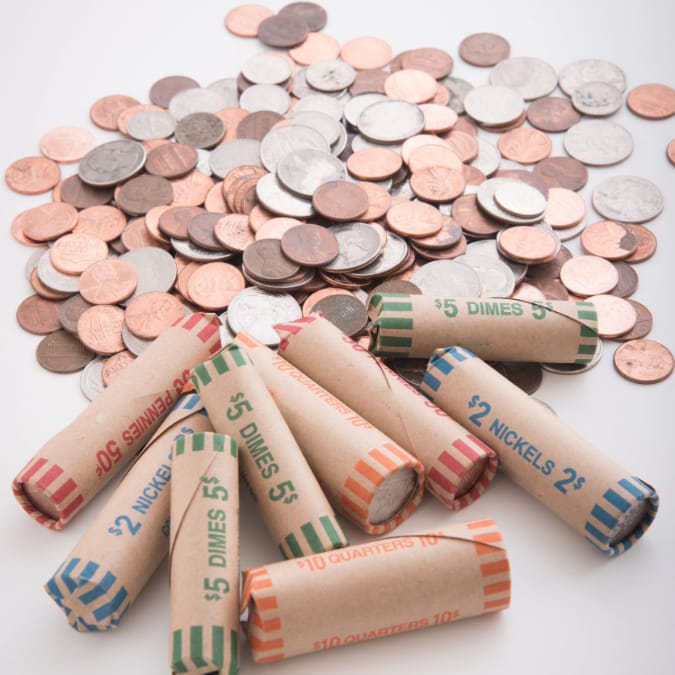
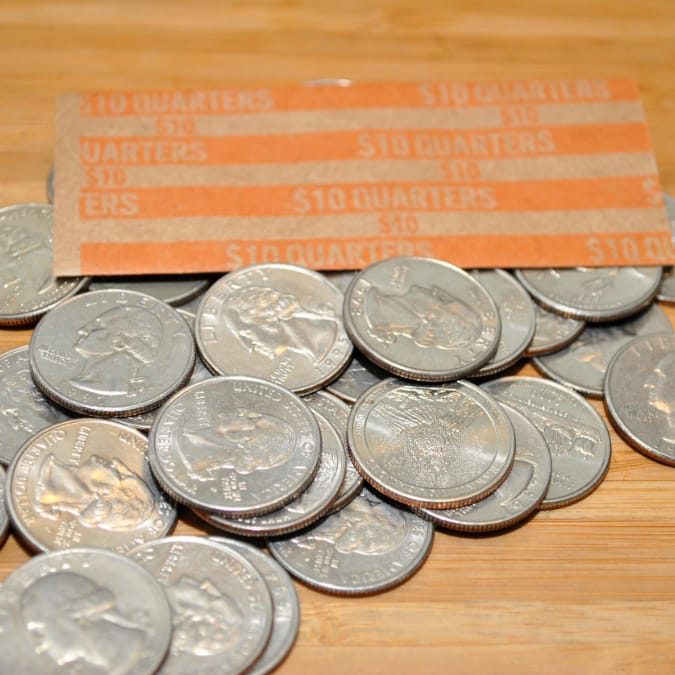
Another effective approach involves rolling coins manually, even though it takes effort. Banks that don’t offer counting services often accept rolled coins without charging fees, provided they meet standard packaging requirements. This method requires patience, but it preserves the full value of the savings. For those with large amounts, spreading deposits over multiple visits can also help avoid limits or scrutiny.

Why Saving Change Still Works in a Digital World

Despite the challenges of cashing in, saving loose change remains a surprisingly powerful habit. It creates a form of “invisible saving” where small amounts accumulate without impacting daily budgets. People rarely miss a handful of coins, but over time, those small contributions grow into meaningful sums. That psychological advantage makes coin saving accessible to almost anyone, regardless of income level.

Digital tools may dominate modern finance, but physical cash still plays a role in building financial discipline. Dropping coins into a jar creates a tangible reminder of progress, which motivates continued saving. Unlike automated transfers, this method feels hands-on and rewarding. Even with the inconvenience of cashing in, the long-term benefits often outweigh the drawbacks.

Common Mistakes That Can Cost You Money

Many savers make avoidable mistakes when handling large coin collections, and those missteps can reduce the total value. Waiting too long to check bank policies often leads to last-minute scrambling and unnecessary fees. Assuming all banks offer the same services also creates frustration, since policies differ significantly between institutions. A little research early on can prevent these headaches.

Another common error involves overlooking damaged or foreign coins mixed into the collection. Coin-counting machines may reject these, slowing down the process or causing discrepancies. Sorting coins beforehand ensures a smoother experience and avoids confusion at the deposit stage. Small details like this make a big difference when dealing with large amounts of change.

The Real Lesson Behind a $5,000 Coin Surprise

Saving money doesn’t always follow a straight path, and even the simplest habits come with unexpected twists. A pile of coins may seem straightforward, but turning it into usable funds requires awareness and planning. Financial institutions continue to evolve, and their policies don’t always align with traditional saving methods. Staying informed helps avoid surprises and keeps hard-earned money intact.

What would happen if a hidden jar in your home turned into thousands of dollars tomorrow—would you know the best way to cash it in? Let’s chat about it below in our comments.

You May Also Like…

A Big Change to Medicare Prior Authorization: 7‑Day Deadline Now Mandatory

9 Rare Coins Sitting in Your Change Worth a Small Fortune

4 Hidden Costs in Zero-Premium Medicare Plans

Pennies Are Disappearing — Here’s What You Should Do With Yours

Banks Are Moving Toward All-Digital Payments — What That Means for Your Money

Brandon Marcus
Brandon Marcus

Brandon Marcus is a writer who has been sharing the written word since a very young age. His interests include sports, history, pop culture, and so much more. When he isn’t writing, he spends his time jogging, drinking coffee, or attempting to read a long book he may never complete.

Filed Under: Banking Tagged With: banking rules, banks and fees, Budgeting Tips, cash savings, coin collecting, coin counting machines, financial habits, loose change, money tips, Personal Finance, saving money, saving strategies

Pennies Are Disappearing — Here’s What You Should Do With Yours

April 3, 2026 by Brandon Marcus Leave a Comment

Pennies Are Disappearing — Here’s What You Should Do With Yours
Image Source: Unsplash.com

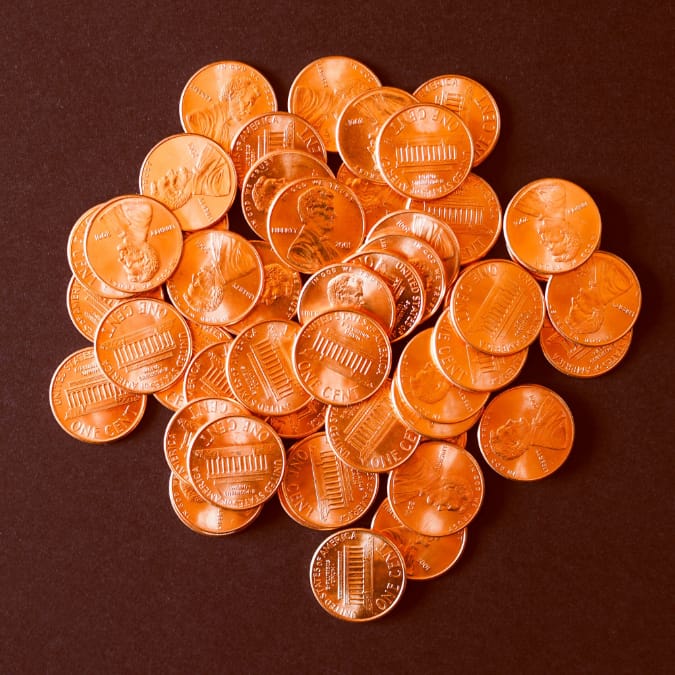
Pennies no longer sit quietly at the bottom of pockets and jars—they’ve become the center of a surprisingly big conversation. Governments and financial experts have debated their usefulness for years, and now the shift away from this tiny coin feels more real than ever. Production costs have climbed higher than the coin’s actual value, which turns every new penny into a money-losing decision. That reality forces a bigger question: why keep something that costs more to make than it’s worth? This moment signals a change in how everyday money works, and it brings a mix of curiosity, nostalgia, and practical concern.

The proposed disappearance of pennies wouldn’t just affect loose change; it would reshape daily habits, spending patterns, and even how prices appear on store shelves. This shift feels small at first glance, yet it carries ripple effects that reach into wallets, registers, and even long-term savings strategies. A coin that once symbolized thrift and patience now faces a quiet phase-out, and that transition opens the door to smarter decisions about what to do with every last one.

Why Pennies Are Falling Out of Favor

The story behind the penny’s decline starts with simple math, and the numbers don’t look pretty. Producing a single penny costs more than one cent, which means each coin creates a loss right out of the gate. Rising metal prices and manufacturing expenses have pushed that gap wider over time, turning the penny into a financial burden rather than a useful tool. Governments and mints have acknowledged this issue for years, and the pressure to rethink the coin keeps growing stronger. That pressure doesn’t come from one source—it builds from economists, businesses, and even everyday consumers who see the inefficiency.

Cashiers and retailers also feel the drag of pennies during transactions, where counting out exact change slows everything down. That delay may seem minor, yet it adds up across millions of purchases each day. Digital payments have stepped in as a faster, cleaner alternative, which reduces the need for physical coins altogether. Many countries have already eliminated their smallest denominations without major disruption, which adds fuel to the argument that pennies no longer serve a meaningful purpose. This shift doesn’t erase their history, but it highlights how quickly financial systems evolve when convenience and cost take center stage.

Cultural attachment still plays a role, though, and that keeps the conversation alive. Pennies carry sentimental value, from childhood piggy banks to lucky coin traditions. That emotional connection slows the push for change, even when the economics feel clear. Still, practicality continues to win ground, and the steady move toward a penny-free future seems less like a possibility and more like an inevitability.

The Hidden Value Sitting in Your Coin Jar

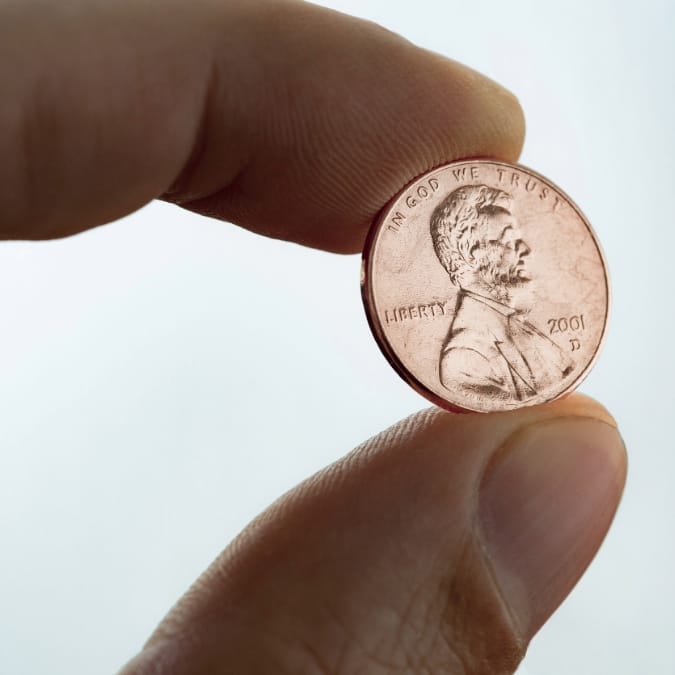
That dusty jar of pennies might look like spare change, but it holds more potential than it gets credit for. While most pennies remain worth exactly one cent, certain older coins can carry higher value depending on their year, condition, and rarity. Coins minted before 1982 contain more copper, which gives them a metal value that sometimes exceeds their face value. Collectors pay attention to those details, and that creates an opportunity to turn overlooked coins into something more meaningful. A quick sort through a pile of pennies could uncover a small but satisfying surprise.

Condition matters just as much as age, and even minor differences can impact a coin’s appeal to collectors. Clean, well-preserved pennies tend to attract more interest than worn-down ones, although cleaning coins improperly can actually reduce their value. That nuance makes it worth taking a careful, informed approach before trying to cash in. Online marketplaces and coin shops provide easy ways to check current demand, which helps turn curiosity into action. Even if most coins don’t fetch a premium, the process of sorting and learning adds a layer of engagement that transforms a simple task into something far more interesting.

Beyond collecting, pennies still hold practical value when handled strategically. Banks and coin-counting machines accept them, often converting them into usable cash or deposits. Some machines charge fees, but many banks offer free options for account holders, which makes it worth checking local policies. That pile of coins doesn’t need to stay stuck in a jar—it can become groceries, savings, or even a small treat without much effort.

Pennies Are Disappearing — Here’s What You Should Do With Yours
Image Source: Pexels.com

Smart Ways to Put Your Pennies to Work

Letting pennies gather dust wastes an easy opportunity to build better money habits. Rolling coins into paper wrappers and depositing them at a bank creates a simple, satisfying way to convert clutter into usable funds. This process might feel old-school, but it delivers a clear result: tangible money ready to spend or save. For anyone who prefers speed, coin-counting kiosks offer a quicker route, even if they skim a small fee for convenience. Either option beats letting coins pile up without purpose.

Creative uses can also bring new life to pennies beyond basic deposits. Some people use them for small savings challenges, setting aside a certain number each day or week to build momentum over time. Others turn pennies into craft projects, from decorative art to DIY home accents, which gives the coins a second life in a completely different form. These approaches don’t just clear out clutter—they add a sense of progress and creativity that makes the process more rewarding. Every coin becomes part of a bigger plan instead of a forgotten leftover.

Charitable giving offers another meaningful path, especially for coins that feel too small to matter on their own. Donation boxes and fundraising drives often welcome loose change, and those small contributions add up quickly when combined. This approach transforms something overlooked into something impactful, which adds a sense of purpose to every penny. That shift in mindset turns spare change into an easy way to contribute without stretching a budget.

The Price Tag Shake-Up You Might Notice

The disappearance of pennies doesn’t just affect coins—it changes how prices behave in everyday situations. Cash transactions may round totals to the nearest five cents, which simplifies exchanges but introduces small adjustments at checkout. A total ending in one or two cents might round down, while totals ending in three or four cents could round up. These changes sound minor, yet they create a noticeable shift in how people think about pricing and spending. Over time, those small differences can influence buying habits in subtle ways.

Digital payments sidestep this issue entirely, which reinforces the growing preference for cards and mobile transactions. This trend already dominates in many places, and the removal of pennies only accelerates that movement. Retailers benefit from faster transactions, while customers enjoy a smoother checkout experience without digging for exact change. That convenience continues to reshape expectations around money, pushing physical currency further into the background.

Despite these changes, transparency remains key, and businesses must clearly communicate rounding practices to maintain trust. Most systems apply rounding fairly across transactions, which keeps the impact balanced over time. The shift may take some getting used to, but it doesn’t create major financial disadvantages for most people. Instead, it streamlines a process that once relied on the smallest unit of currency, making everyday transactions feel just a bit more efficient.

A Tiny Coin, A Big Decision

Pennies may look small, but the decisions surrounding them carry surprising weight. This moment invites a closer look at how everyday habits shape financial outcomes, even at the smallest scale. Ignoring a jar of coins feels harmless, yet taking action turns that same jar into something useful, whether it becomes cash, savings, or a thoughtful donation. The shift away from pennies doesn’t erase their value—it simply redefines how that value gets used.

What strategy makes the most sense for those coins, and how could that choice shape everyday money habits moving forward? Share thoughts, ideas, or even unexpected penny stories in the comments.

You May Also Like…

Banks Are Moving Toward All-Digital Payments — What That Means for Your Money

9 Rare Coins Sitting in Your Change Worth a Small Fortune

The “Loud Budgeting” Trend and Transparent Money Conversations

Holiday Frugal: 5 Gift Hacks That Save Money Without Looking Cheap

Utility Companies Are Ending Paper Billing — How It Will Change Your Monthly Payments

Brandon Marcus
Brandon Marcus

Brandon Marcus is a writer who has been sharing the written word since a very young age. His interests include sports, history, pop culture, and so much more. When he isn’t writing, he spends his time jogging, drinking coffee, or attempting to read a long book he may never complete.

Filed Under: money management Tagged With: Budgeting Tips, cash management, coin collecting, coin values, currency changes, everyday money tips, financial habits, Inflation, pennies, Personal Finance, saving money, US coins

9 Rare Coins Sitting in Your Change Worth a Small Fortune

November 18, 2025 by Travis Campbell Leave a Comment

coins
Image source: shutterstock.com

People unknowingly carry large amounts of money in their wallets at all times. Rare coins that are valued between hundreds and thousands of dollars move through cash registers and vending machines and piggy banks throughout the United States every day. The coins that museums protect as ancient artifacts are often found in your everyday change. Your ability to identify rare coins determines the value difference between an ordinary dime and a dime worth $2000. People fail to inspect their coins properly, which results in valuable coins disappearing from their possession. Your understanding of pocket change will change significantly after learning about rare coins that can be found in circulation.

1. 1943 Copper Lincoln Penny

During World War II, the U.S. Mint switched to steel pennies to save copper for ammunition. However, a few copper planchets from 1942 were accidentally struck with 1943 dates. Only about 20 of these rare coins exist today. If you find a copper-colored 1943 penny, test it with a magnet first—steel pennies stick to it, while copper ones don’t. These error coins have sold for over $372,000 at auction, making them one of the most valuable pennies in existence.

2. 1955 Doubled Die Penny

The 1955 doubled die penny shows dramatic doubling on “LIBERTY” and “IN GOD WE TRUST” that’s visible without magnification. This rare coin error happened during an overnight shift at the Philadelphia Mint when a flawed die went unnoticed. Thousands entered circulation, many handed out as change in cigarette packs in the Northeast. The doubling is clean and rounded—not the flat, shelf-like appearance of mechanical doubling. In uncirculated condition, these rare coins can fetch between $10,000 and $125,000.

3. 1969-S Doubled Die Obverse Penny

Perhaps the rarest doubled die penny, the 1969-S, shows profound duplication on the motto and date. When first discovered in the early 1970s, the Secret Service seized some examples under suspicion of counterfeiting. Once the U.S. Mint authenticated them, their value skyrocketed. There are fewer than 100 examples, with only 40 ever certified. These rare coins have sold for over $126,500, cementing their place among the most valuable pennies in circulation.

4. 1972 Doubled Die Obverse Penny

The 1972 doubled die penny features visible doubling on the date and motto with rounded separation in the lettering. There are seven recognized doubled die varieties for 1972, but only one exhibits dramatic doubling worth serious money. This rare coin error shows a clockwise rotation doubling pattern that’s ideal for teaching collectors how to identify valuable pennies. Top specimens graded MS-65 Red have realized up to $14,400 at auction.

5. 1982 No Mint Mark Roosevelt Dime

These dimes were the first U.S. business strike coins that accidentally left the Mint without their designated mint mark. A Philadelphia Mint employee failed to add the “P” mintmark onto an obverse die, and the error went unnoticed during inspection. Approximately 8,000 to 10,000 rare coins were reportedly found in Sandusky, Ohio, handed out as change at Cedar Point Amusement Park. While some sources claim values of up to $2,000, experts say these dimes typically fetch between $100 to $300.

6. 1999-P Connecticut Broadstruck Quarter

State quarters revolutionized coin collecting when they launched in 1999. The Connecticut quarter occasionally shows broadstrike errors where the coin wasn’t properly contained in the collar during striking. This causes the coin to spread beyond its normal diameter. These rare coins can be worth significantly more than face value, especially in higher grades. Broadstruck errors are dramatic and easy to spot—the coin looks wider and thinner than normal quarters.

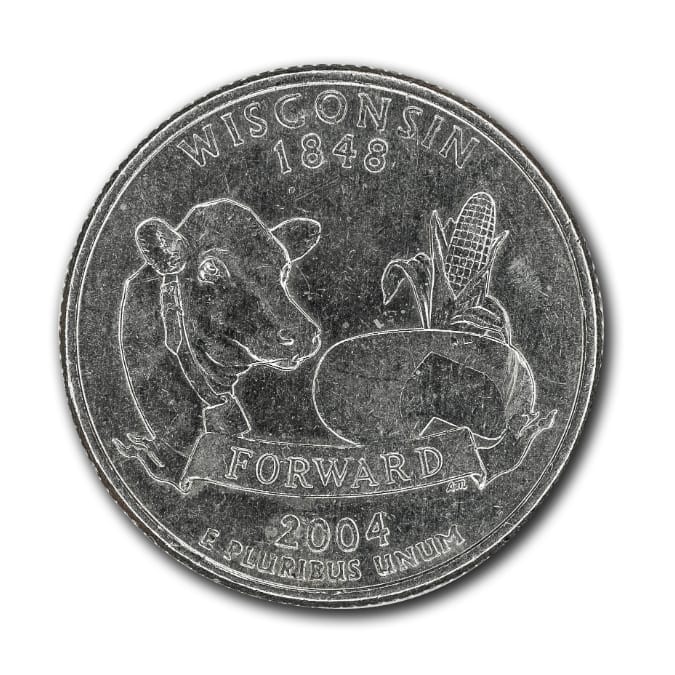
7. 2004 Wisconsin State Quarter with Extra Leaf

The 2004 Wisconsin quarter features an ear of corn on the reverse, but some show an extra leaf below the main ear. Two varieties exist: “Extra Leaf High” and “Extra Leaf Low,” referring to the leaf’s position. These rare coins caused a sensation when discovered, with collectors scrambling to find examples. The error likely resulted from die damage or intentional die alteration.

8. 2005 “In God We Rust” Kansas Quarter

A grease-filled die created this amusing error on some 2005 Kansas quarters. When dies become clogged with grease and debris, letters can appear incomplete or missing. On these rare coins, the “T” in “TRUST” didn’t strike properly, making it read “In God We Rust.” While not as valuable as some other errors, these quarters still command premiums of $50 to $100 from collectors who appreciate the humor.

9. 2000 Sacagawea “Cheerios” Dollar

In early 2000, General Mills placed 5,500 special Sacagawea dollars in Cheerios boxes as a promotion. These rare coins feature enhanced tail feathers on the eagle—significantly more detailed than regular strikes. The difference is subtle but important. Only a fraction of the original 5,500 have been recovered and authenticated. These rare coins have sold for $5,000 to $25,000, making them one of the most valuable modern dollar coins.

Your Change Could Change Everything

The coins in your pocket possess a value that exceeds their nominal worth. People often fail to inspect their coins properly, allowing valuable coins to remain in circulation undetected. Check your pennies for doubled dies and your dimes for missing mint marks and your quarters for extra leaves or broad strikes. Take a few seconds to inspect your change at the grocery store checkout. A typical coin collection contains hidden treasures that can be worth hundreds or thousands of dollars. Your ability to identify rare coins, combined with your keen observation skills, will enable you to locate hidden, valuable objects.

Have you ever found an unusual coin in your change? What was the most valuable coin you discovered, and where did you locate it?

What to Read Next…

  • Why Even Wealthy Families Are Now Fighting Over Heirlooms
  • Why Are So Many Boomers Dying Millionaires And Leaving No Will
  • 7 Siblings Who Lost Inheritance Over A 1 Title Error
  • 9 Estate Planning Moves That End Up In Heated Probate Cases
  • 10 Ways You’re Wasting Money Just Trying To Keep Up Appearances
Travis Campbell
Travis Campbell

Travis Campbell is a digital marketer/developer with over 10 years of experience and a writer for over 6 years. He holds a degree in E-commerce and likes to share life advice he’s learned over the years. Travis loves spending time on the golf course or at the gym when he’s not working.

Filed Under: Finance Tagged With: change hunting, coin collecting, money tips, Personal Finance, rare coins

17 Rare Coins That Could Be Hiding in Your Change

April 11, 2024 by Teri Monroe Leave a Comment

rare coins

Have you ever glanced at the loose change jangling in your pocket and wondered if there could be something more than just small denominations? Well, believe it or not, there could be rare coins nestled among the ordinary ones, waiting to be discovered.

While most people dismiss coins as mere pocket change, collectors know that some coins are worth far more than their face value due to their rarity, historical significance, or minting errors. Here, we unveil 17 rare coins that could potentially be hiding in your change.

1. 1943 Copper Penny

pennies

During World War II, due to a shortage of copper, the U.S. Mint produced pennies using zinc-coated steel. However, a small number of copper pennies were mistakenly minted that year, making them extremely rare and valuable. Approximately forty 1943 copper–alloy cents are known to remain in existence. Astonishingly, the highest amount paid for a 1943 copper cent was $82,500 in 1996.

2. 1955 Doubled Die Penny

penny

A small number of 1955 pennies were struck with a doubled die, resulting in a noticeable doubling of the lettering and date on the coin. These are highly sought after by collectors, but many fakes are on the market so it’s important to consult an expert.

3. 1969-S Lincoln Cent with Doubled Die Obverse

woman counting change

Similar to the 1955 Doubled Die Penny, the 1969-S Lincoln Cent exhibits doubling on the obverse side, particularly noticeable in the date and lettering. It is believed that less than 100 examples of the authentic 1969-S Doubled Die Obverse cents were produced. Again, there are many fakes of this coin in circulation, so it’s best to get the opinion of a coin expert.

4. 1970-S Small Date Lincoln Cent

inspecting coin collection

A rare variety of the 1970-S Lincoln Cent features a smaller date font, making it distinct from the more common large date variety. The 1970-S Small Date is a relatively scarce variety and one of the most collectible of all Lincoln Memorial Cents.

5. 1982-D Small Date Copper Penny

coin collectors

In 1982, the composition of the U.S. penny changed from copper to zinc, but a small number of pennies were mistakenly struck using copper planchets, making them valuable collector’s items. The 1982-D Small Date Copper Alloy Lincoln Cent sold at auction in 2016 for $18,800.

6. 2004-D Wisconsin State Quarter with Extra Leaf

Wisconsin Quarter

Some Wisconsin state quarters minted in 2004 exhibit an extra leaf on the ear of corn on the reverse side. Because of this, they are considered rare and are sought after by collectors.

There were two different varieties discovered for the Wisconsin Extra Leaf Quarters. One of them being the “Low Leaf” variety, which is the most common of the two. The second variety is the “High Leaf” variety, which is the scarcer of the two.

7. 2005-D Speared Bison Jefferson Nickel

Nickels

A small number of 2005 Jefferson Nickels depict a die gouge resembling a spear running through the bison’s body, adding to their uniqueness and value.

8. 2009-D District of Columbia Quarter with Extra Leaf

District of Columbia Quarter

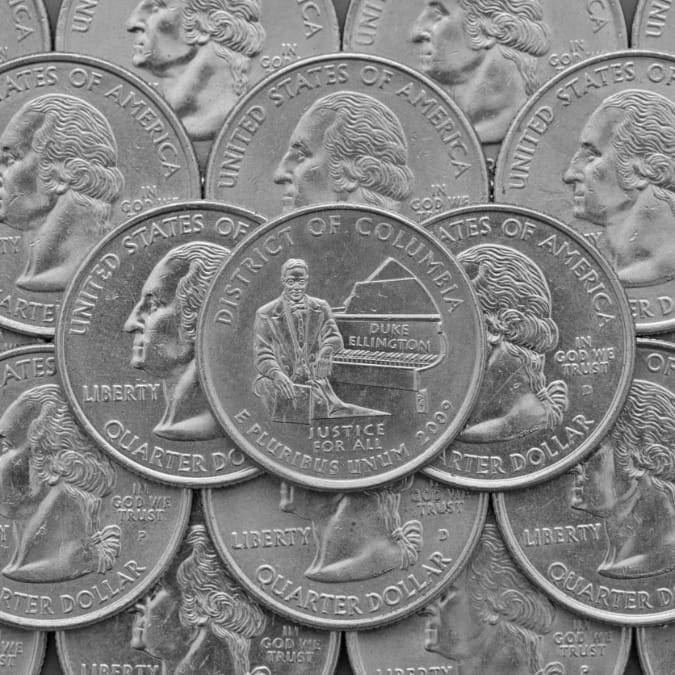
Similar to the 2004 Wisconsin Quarter, some 2009-D District of Columbia quarters feature an extra leaf on the left side of the barrel, making them rare and desirable among collectors. Today, these sell for around $75.

9. 2009-S Proof Lincoln Bicentennial Cent

rolls of coins

The 2009 series of Lincoln Bicentennial cents includes four different reverse designs honoring different aspects of Abraham Lincoln’s life. The proof versions of these coins are highly collectible.

10. 2015-P Homestead National Monument Quarter with Die Break

quarters

A die break error on some 2015-P Homestead National Monument quarters creates a distinctive break on the roof of the building, adding to their rarity and appeal.

11. 2015-P Blue Ridge Parkway Quarter with Die Break

wallet coins

Similar to the Homestead National Monument quarter, some 2015-P Blue Ridge Parkway quarters feature a die break error, increasing their value among collectors.

12. 2017-P Effigy Mounds Quarter with Die Chip

change

Die chip errors are common in coin minting, but some 2017-P Effigy Mounds quarters exhibit particularly noticeable chips near the mound on the reverse side, thus making them collectible.

13. 2019-W Lowell National Historical Park Quarter

coin production

In 2019, the U.S. Mint released quarters with the “W” mint mark for the first time, primarily for circulation in coin sets. For this reason, the Lowell National Historical Park quarter with the “W” mint mark is highly sought after.

14. 2019-W American Memorial Park Quarter

counting quarters

Just like the Lowell National Historical Park quarter, the 2019-W American Memorial Park quarter is rare due to its “W” mint mark and is prized by collectors.

15. 2020-W Salt River Bay Quarter

emptying pocket

Continuing the trend of “W” mint mark quarters, the 2020-W Salt River Bay quarter is another rare find that collectors eagerly seek out.

16. 2020-P Samoa National Park Quarter with Bat Coin Error

quarters

A fascinating error occurred on some 2020-P Samoa National Park quarters, where a fruit bat was inadvertently depicted with the rear end of a horse, therefore making these coins unique and valuable.

17. 2021 Tuskegee Airmen National Historic Site Quarter with Obverse Die Clash

quarters

Some 2021 Tuskegee Airmen National Historic Site quarters exhibit a die clash error on the obverse side, where elements from the reverse design are imprinted onto the obverse. As a result, this enhances their collectability.

Why You Should Check Your Pockets

spare change

Before you dismiss your spare change as insignificant, take a closer look. You might just stumble upon a rare and valuable coin hiding in plain sight. After all, these 17 examples demonstrate that treasure can indeed be found in the most unexpected places, even in the coins jingling in your pocket.

So, next time you receive change, don’t be too quick to spend it. Instead, examine it closely; you never know what hidden gems you will discover.

Read More

Can My Savings Account Affect My Financial Aid?

12 Ways Gen X’s Views Clash with Millennials and Boomers

Photograph of Teri Monroe
Teri Monroe
Teri Monroe started her career in communications working for local government and nonprofits. Today, she is a freelance finance and lifestyle writer and small business owner. Teri holds a B.A. From Elon University.  In her spare time, she loves golfing with her husband, taking her dog Milo on long walks, and playing pickleball with friends.

Filed Under: Banking, Personal Finance Tagged With: coin collecting, rare coins, spare change

FOLLOW US

Search this site:

Recent Posts

  • Can My Savings Account Affect My Financial Aid? by Tamila McDonald
  • 12 Ways Gen X’s Views Clash with Millennials… by Tamila McDonald
  • What Advantages and Disadvantages Are There To… by Jacob Sensiba
  • 10 Tactics for Building an Emergency Fund from Scratch by Vanessa Bermudez
  • Call 911: Go To the Emergency Room Immediately If… by Stephen Kanaval
  • 7 Weird Things You Can Sell Online by Tamila McDonald
  • 10 Scary Facts About DriveTime by Tamila McDonald

Copyright © 2026 · News Pro Theme on Genesis Framework