• Home
  • About Us
  • Toolkit
  • Getting Finances Done
    • Hiring Advisors
    • Debt Management
    • Spending Plan
  • Insurance
    • Life Insurance
    • Health Insurance
    • Disability Insurance
    • Homeowners/Renters Insurance
  • Contact Us
  • Risk Tolerance Quiz
  • Our Editorial Commitment

The Free Financial Advisor

You are here: Home / Archives for taxes 2026

The New Remittance Transfer Tax Begins January 1—Here’s How It Works

May 13, 2026 by Brandon Marcus Leave a Comment

The New Remittance Transfer Tax Begins January 1—Here’s How It Works
A money transfer on a smartphone, surrounded by cash – Pexels

Money moves fast these days. A few taps on a phone can send cash across borders in seconds, whether someone helps family overseas, pays international workers, or covers expenses abroad. Starting January 1, though, those transfers could come with a brand-new cost that many Americans never saw coming.

The new remittance transfer tax has sparked major conversation among financial experts, immigrant communities, banks, and everyday consumers who regularly send money internationally. Some people worry about higher fees eating into already-tight budgets, while others question how companies will track and collect the tax in real time. One thing already feels clear: millions of Americans who use money transfer apps, banks, and wire services need to know how this rule works before it officially kicks in.

What the New Remittance Transfer Tax Actually Does

The remittance transfer tax adds an extra charge to certain international money transfers sent from the United States beginning January 1. Lawmakers designed the tax to apply to cross-border remittance payments, which typically include wire transfers, app-based transfers, and some cash-to-cash services. Financial institutions and transfer companies will generally collect the tax during the transaction process instead of forcing taxpayers to handle it later during tax season. That means consumers may notice the added cost immediately when they hit the “send” button. The biggest impact will likely fall on households that send money abroad regularly to support relatives, pay tuition, or cover medical expenses.

Many Americans already pay transfer fees that range from a few dollars to much higher percentages depending on the service provider. The new tax stacks on top of those existing costs, which could make small transfers much more expensive than they appear at first glance. For example, someone sending $300 each month to family members overseas could suddenly face noticeably larger transaction totals throughout the year. Financial analysts expect some consumers to shop aggressively for cheaper transfer platforms once the rule begins. Banks and fintech companies also may roll out promotions or pricing changes as competition heats up.

Who Will Likely Pay the Most

Families who send money internationally every month may feel the biggest financial squeeze under the new system. Many workers in the United States routinely send portions of their income abroad to help parents, children, or relatives pay rent, buy groceries, or afford healthcare. Even a relatively small tax can pile up quickly when transfers happen every week or every month. Households already balancing inflation, housing costs, and rising utility bills could feel especially frustrated by the added expense. Some advocacy groups already warn that the tax may reduce the amount of money families receive overseas.

Small business owners could also run into complications if they rely on frequent international payments. Companies that pay contractors abroad or handle overseas supply costs may suddenly need to account for extra transaction expenses throughout the year. A business sending multiple international transfers each week could see operating costs rise fast, especially in industries with tight profit margins. Financial planners recommend reviewing payment structures now instead of waiting until January arrives. Businesses that prepare early may avoid nasty budgeting surprises during the first quarter of the year.

Banks and Payment Apps Face Big Changes Too

The companies handling international transfers will carry major responsibility once the new tax takes effect. Banks, wire services, and digital payment apps must build systems that calculate, collect, track, and report the tax accurately during each eligible transaction. That process sounds simple on paper, but technology experts say implementation could become messy during the first few months. Some smaller financial platforms may struggle to update systems quickly enough before the deadline arrives. Consumers may also notice delays, policy changes, or updated user agreements as companies adjust.

Major transfer services already compete fiercely on convenience, speed, and low fees. The new tax could intensify that battle because customers will likely compare total transfer costs more carefully than ever before. A difference of only a few dollars per transaction suddenly matters much more when taxes enter the picture. Some companies may absorb small portions of the cost temporarily to attract new users, while others may pass every penny directly onto consumers. Industry watchers expect a flood of marketing campaigns promising “lower-cost international transfers” once January hits.

The New Remittance Transfer Tax Begins January 1—Here’s How It Works
Someone initiating a money transfer online – Shutterstock

Could People Try to Avoid the Tax?

Whenever new taxes appear, people immediately start looking for loopholes. Financial experts expect some consumers to explore unofficial transfer methods, including peer-to-peer cash exchanges or cryptocurrency alternatives. That trend worries regulators because informal money movement systems can create fraud risks and reduce financial transparency. Consumers who attempt workarounds could expose themselves to scams, lost funds, or legal trouble if transactions violate financial reporting laws. Saving a few dollars rarely feels worth the headache of disappearing money or frozen accounts.

Cryptocurrency discussions have exploded alongside news of the remittance tax. Some digital currency advocates argue that blockchain-based transfers may provide faster and cheaper international payments outside traditional banking systems. Critics, however, point to crypto volatility, security risks, and inconsistent regulations that still make many consumers nervous. Sending money through unstable digital assets can become risky if values swing dramatically overnight. Most financial advisors still encourage consumers to prioritize secure, regulated transfer methods instead of chasing questionable shortcuts.

What Americans Should Do Before January 1

Consumers who regularly send money abroad should start reviewing transfer habits now instead of waiting for the deadline to arrive. Looking at monthly transfer totals can help households estimate how much additional cost the tax may create over a full year. Comparing banks, transfer apps, and wire services may also reveal cheaper options before pricing changes spread across the industry. Even small differences in fees can add up significantly after twelve months of repeated transactions. Preparation now could prevent financial stress later.

Financial experts also encourage consumers to watch for scams tied to the new tax rollout. Fraudsters often exploit confusion surrounding new laws, taxes, and government policies by creating fake payment requests or phishing schemes. Nobody should trust text messages, emails, or social media posts demanding immediate “tax verification” payments related to remittance transfers. Legitimate banks and transfer companies communicate policy updates directly through official channels and account notices. A little skepticism can save consumers from major financial damage.

The Bigger Money Story Behind the Tax

The remittance transfer tax represents more than just another banking fee because it highlights how deeply connected global money movement has become. Millions of households rely on international transfers as part of everyday life, not luxury spending. A policy change in Washington can instantly affect grocery budgets, school tuition payments, and family support systems thousands of miles away. That reality explains why the tax already generates heated debate across financial, political, and community circles. January 1 may arrive quickly, but the conversation surrounding this policy probably will not disappear anytime soon.

What do you think about the new remittance transfer tax: is it fair policy or another financial burden for working families? Let’s hear your opinions below in our comments.

You May Also Like…

Pennsylvania’s Inheritance Tax Applies to Most Estate Transfers

Banks Are Moving Toward All-Digital Payments—What That Means for Your Money

High-Tax States vs Low-Tax States — Where Retirees Keep More Money

The 2027 COLA May Radically Change American Households

8 Financial Mistakes That Quietly Cost Americans Thousands Every Year

Brandon Marcus
Brandon Marcus

Brandon Marcus is a writer who has been sharing the written word since a very young age. His interests include sports, history, pop culture, and so much more. When he isn’t writing, he spends his time jogging, drinking coffee, or attempting to read a long book he may never complete.


Filed Under: Finance Tagged With: America, banking, finance tips, financial news, international transfers, IRS, money transfers, Personal Finance, remittance rules, remittance tax, tax changes, taxes 2026, wire transfers

Waiting on a Refund? New IRS Identity Flags Are Pulling More Returns

May 10, 2026 by Brandon Marcus Leave a Comment

Waiting on a Refund? New IRS Identity Flags Are Pulling More Returns
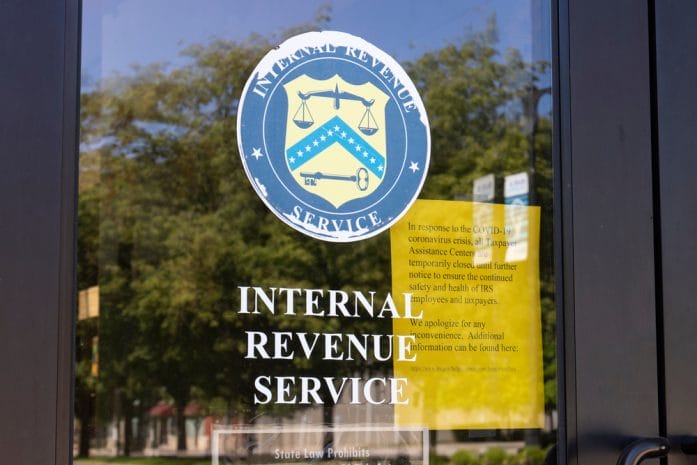
Front door to an IRS office – Shutterstock

Tax season already comes with enough stress to power an entire coffee industry, but this year many taxpayers hit an extra speed bump after filing their returns. Refunds that normally show up within a couple of weeks suddenly stalled out, and confusion spread fast when IRS notices started landing in mailboxes. Some people discovered the agency flagged their returns for identity verification, while others watched their refund status sit frozen with little explanation.

The delays left plenty of households frustrated, especially families counting on refunds to cover bills, pay down debt, or finally tackle that home repair hanging over their heads since last summer. The IRS says the tougher screening process helps stop tax fraud, but for honest taxpayers the experience often feels like getting stuck in airport security because someone else tried to sneak something suspicious onto the plane.

Why the IRS Suddenly Tightened Identity Checks

Tax scams exploded over the last several years, and criminals keep getting smarter about stealing personal information. Fraudsters use stolen Social Security numbers, fake W-2 forms, and even artificial intelligence-generated documents to file bogus returns before real taxpayers submit theirs. The IRS responded by adding stronger identity filters that automatically flag returns showing unusual activity or inconsistencies. A return might trigger extra review because it came from a new bank account, included a different address, or showed income patterns that sharply changed from previous years. Those filters catch millions of fraudulent attempts annually, but they also snag legitimate taxpayers who simply changed jobs, moved, or updated financial information.

The crackdown intensified after the IRS reported billions of dollars in attempted refund fraud in recent filing seasons. Identity thieves target refunds because direct deposits move fast, and stolen money often disappears before authorities can react. IRS systems now compare current filings against historical tax records, employer data, and fraud risk models in real time. That means even small discrepancies can send a return into manual review territory. While the agency insists the additional checks protect taxpayers overall, the growing number of flagged returns created a frustrating bottleneck during peak filing months.

The Most Common Reasons Refunds Get Flagged

One of the biggest triggers involves mismatched personal information. A typo in a Social Security number, a name that does not exactly match Social Security Administration records, or a birthdate entered incorrectly can stop processing cold. Taxpayers who recently married, divorced, or legally changed their names often encounter this issue because databases do not always update instantly. Even something as simple as switching from direct deposit to a paper check may raise a temporary red flag if the IRS notices a sudden pattern change. The system looks for anything that appears unusual compared to previous returns.

Gig workers and side hustlers also land under extra scrutiny more often now. Freelance income, online selling, and app-based work create complicated reporting situations because third-party forms sometimes arrive late or contain errors. The IRS increasingly cross-checks reported income against 1099 forms and employer submissions before releasing refunds. If information does not line up perfectly, the agency may pause the refund until someone verifies the details manually. Taxpayers claiming certain credits, including the Earned Income Tax Credit or Additional Child Tax Credit, may also face additional review because those programs historically attract fraud attempts.

What Happens After the IRS Flags a Return

Most taxpayers first notice trouble when the “Where’s My Refund?” tracker stops updating normally. Instead of showing a refund approval date, the tool may display a message saying the return requires further review. Shortly afterward, the IRS often sends a letter requesting identity verification through the agency’s online system or over the phone. Some taxpayers must confirm prior-year filing details, while others need photo identification and financial account information ready before proceeding. The process sounds simple on paper, but delays often pile up because millions of people receive similar notices during busy filing periods.

The timeline varies wildly depending on the issue involved. Some taxpayers complete verification and receive refunds within a couple of weeks, while others wait several months for processing to finish. IRS staffing shortages and outdated technology still create major slowdowns despite modernization efforts. Phone lines regularly back up during tax season, and many taxpayers struggle to reach a live representative for clarification. That communication gap fuels anxiety because people often worry the delay signals an audit or larger financial problem when the issue simply involves identity confirmation.

Waiting on a Refund? New IRS Identity Flags Are Pulling More Returns
The IRS website on a smartphone – Shutterstock

How Taxpayers Can Avoid Refund Delays

Accuracy matters more than ever when filing a return this year. Double-checking Social Security numbers, banking information, and employer data before hitting submit can dramatically reduce the chances of triggering a review. Filing electronically instead of mailing paper returns also helps because digital systems catch certain errors immediately. Tax professionals recommend gathering all tax forms before filing rather than rushing to submit early with incomplete information. An amended return often creates far bigger headaches than waiting an extra week for missing paperwork.

Taxpayers can also strengthen account security to reduce fraud risks tied to identity theft. Creating an IRS online account allows users to monitor filings and notices more closely throughout the year. The IRS Identity Protection PIN program adds another layer of security by requiring a unique six-digit code before a return can process. Criminals cannot easily file fake returns without that PIN, even if they steal someone’s Social Security number. Experts also encourage people to freeze credit reports and watch financial accounts carefully because tax fraud frequently overlaps with broader identity theft activity.

What’s Behind Longer Refund Waits?

The growing number of identity checks reflects a larger shift in how tax enforcement works in the digital age. Financial systems move faster than ever, but criminals exploit that speed just as aggressively as legitimate consumers do. The IRS faces enormous pressure to release refunds quickly while also stopping fraudulent claims before money disappears permanently. That balancing act creates tension because taxpayers understandably expect timely refunds after filing correctly. Nobody enjoys waiting weeks longer for money that already belongs to them.

What has your experience with IRS refund delays been this year, and do tougher identity checks feel worth the extra wait? Please give your advice and guidance below in our comments.

You May Also Like…

Tennessee Residents Still Pay Federal Taxes on Investment Income Despite State Changes

Why Wills Need Updating Before the 2026 Tax Sunset

Selling a Long-Term Home Can Lead to Capital Gains Taxes—Even for Retirees

Texas Has No Income Tax — But Property Taxes Can Get Close To 2% in Some Areas

Missing This IRS Filing Deadline Leads to Automatic Penalties—No Exceptions

Brandon Marcus
Brandon Marcus

Brandon Marcus is a writer who has been sharing the written word since a very young age. His interests include sports, history, pop culture, and so much more. When he isn’t writing, he spends his time jogging, drinking coffee, or attempting to read a long book he may never complete.
Filed Under: tax tips Tagged With: financial news, identity protection, identity theft, IRS, IRS verification, Personal Finance, refund processing, refund status, tax filing tips, tax fraud, tax refunds, tax return delays, taxes 2026

Don’t File Yet: The Biggest Tax Mistakes You Might Make In 2026

April 3, 2026 by Brandon Marcus Leave a Comment

Don't File Yet: The Biggest Tax Mistakes You Might Make In 2026
Image Source: Shutterstock.com

Taxes. They sneak up every year like an uninvited relative at the holiday table, and just when you think you’ve got a handle on it, a tiny misstep can cost hundreds or even thousands of dollars. 2026 promises to bring fresh changes to deductions, credits, and reporting requirements, and ignoring them can turn a straightforward filing into a full-blown nightmare. From misreporting income to missing out on deductions, there are plenty of ways to trip up, and the IRS doesn’t exactly send a reminder with a smiley face.

Even if you’re usually confident with numbers, this year is tricky. New rules around digital assets, retirement contributions, and gig work income are confusing a lot of people. Making the wrong claim, filing late, or simply forgetting a crucial piece of paperwork can trigger audits, delays, or penalties. But don’t panic. With the right approach and a little attention to detail, it’s possible to file smartly, legally, and even maximize refunds.

1. Forgetting About Digital Assets

Cryptocurrency has gone mainstream, and so has its impact on taxes. Many taxpayers assume that trading or holding digital currencies is somehow “off the radar,” but the IRS has made it clear that all transactions must be reported. Even small trades, like swapping Bitcoin for Ethereum, count as taxable events. Forgetting to report gains or losses can quickly escalate into fines and penalties. The rules cover sales, exchanges, and even using crypto for purchases. It’s crucial to track cost basis and transaction history carefully, because guesswork won’t fly if the IRS comes knocking.

Additionally, airdrops, staking rewards, and even certain NFTs have tax implications. Many people treat these as collectibles or gifts, but in reality, they often count as income the year they are received. Failing to include them can increase audit risk or reduce your ability to claim deductions later. Using crypto tax software or consulting a tax professional familiar with digital assets can save headaches. Recording every transaction and understanding the tax category—whether capital gains, ordinary income, or business income—is essential for keeping your filing clean and your wallet safe.

2. Miscalculating Retirement Contributions

Contributing to retirement accounts sounds simple: put money into a 401(k) or IRA and get tax benefits. But the limits for 2026 have shifted slightly, and exceeding them can cost serious penalties. For example, the IRS allows a $7,000 contribution for those 50 and older into a traditional or Roth IRA, but going over this cap leads to an excise tax. Overlooking catch-up contributions, employer matches, or combined limits can result in unintended tax hits.

Another common trap involves withdrawing funds too early or misreporting distributions. Early withdrawals from IRAs or 401(k)s usually trigger a 10% penalty on top of the owed income tax. Taxpayers also forget to report rollovers correctly; a direct rollover is fine, but an indirect rollover has a strict 60-day window. Mistakes here can turn what seems like a smart move into a costly misstep. Checking annual IRS notices, maintaining detailed contribution records, and verifying your plan’s limits are easy ways to avoid these pitfalls while maximizing tax benefits.

3. Ignoring Gig Economy Income

Freelancers, side hustlers, and gig workers have exploded in numbers, but tax compliance hasn’t gotten any simpler. Many fail to report all income, thinking small side gigs don’t count. That’s a trap. Every payment, even occasional tips or one-off jobs, counts as taxable income in 2026. Failing to report it can trigger penalties, interest, and audit attention.

Beyond just reporting income, gig workers need to track business expenses carefully. Misclassifying personal expenses as business deductions, or skipping eligible deductions altogether, can be costly. Deductible items include home office expenses, software subscriptions, mileage, and equipment. Staying organized with receipts, digital records, and monthly reconciliations helps prevent mistakes. Quarterly estimated tax payments are also crucial. Waiting until April could lead to a nasty surprise if your side income is significant. Planning ahead keeps your finances predictable and avoids unnecessary stress.

4. Overlooking Education-Related Deductions and Credits

Education credits and deductions get confusing fast. The American Opportunity Credit, Lifetime Learning Credit, and student loan interest deductions each have eligibility rules and income limits that change annually. Misunderstanding them can mean leaving money on the table or accidentally claiming a credit you can’t legally take. For instance, using the Lifetime Learning Credit for a student who already benefited from the American Opportunity Credit for the same year is a mistake many taxpayers make.

Taxpayers often forget about employer-provided educational assistance too. Some tuition reimbursements and training programs are non-taxable if correctly documented. Gathering official forms like 1098-Ts, keeping receipts for qualified expenses, and understanding phase-out thresholds can dramatically reduce errors. The IRS pays close attention to education-related claims, and small mistakes can trigger follow-up notices or audits. Staying organized and double-checking eligibility ensures that every education credit or deduction is claimed correctly, making tax filing less stressful and more rewarding.

Don't File Yet: The Biggest Tax Mistakes You Might Make In 2026
Image Source: Shutterstock.com

5. Neglecting Health Savings Accounts

Health Savings Accounts (HSAs) remain a powerful, underused tool. Contributions are tax-deductible, growth is tax-free, and qualified withdrawals aren’t taxed. Despite this, many filers either over-contribute or fail to report distributions properly. For 2026, HSA contribution limits are $4,150 for individual coverage and $8,300 for family coverage, with an extra $1,000 catch-up for those over 55. Overshooting these limits leads to excise taxes.

Misreporting medical expenses or failing to distinguish between qualified and non-qualified withdrawals can cause extra headaches. Tracking medical costs and HSA spending carefully helps prevent audits and reduces tax liabilities. Using an HSA calculator or consulting your plan provider ensures contributions stay within legal limits while maximizing benefits. Incorporating HSAs into your financial strategy isn’t just smart—it can provide significant savings while covering healthcare costs efficiently.

6. Filing Errors That Can Trigger Audits

Some mistakes are classic, but still deadly. Math errors, missing signatures, incorrect Social Security numbers, or mismatched employer information trigger automatic IRS notices. Even simple oversights like entering a W-2 figure incorrectly or failing to attach a required schedule can slow your refund or invite scrutiny. 2026 tax forms have slight changes, and assuming you can reuse last year’s filing template often backfires.

Software helps, but double-checking numbers manually is still a wise step. Confirm that all forms are attached, cross-verify totals, and keep backup copies of all submissions. Avoiding rushed filings and allowing extra time for review reduces stress. Filing carefully is not just about avoiding penalties—it’s about peace of mind, ensuring that your return is correct and defensible if the IRS asks questions.

Make 2026 Your Smartest Filing Year

Taxes don’t have to feel like a trapdoor into confusion, fines, and frustration. Paying attention to digital assets, retirement limits, gig income, education deductions, and HSAs makes a world of difference. Careful record-keeping, timely submissions, and staying aware of new IRS rules keep your filing clean and efficient. Avoiding the biggest mistakes isn’t just about following rules—it’s about turning tax season into an opportunity to save money and plan smartly for the year ahead.

What strategies have worked for you in staying on top of taxes? Have you discovered any clever ways to maximize deductions or simplify filing in 2026? Share your insights, stories, or tips in the comments. There’s always something new to learn, and your experience might just help someone else turn tax season from a headache into a victory.

You May Also Like…

Property Taxes Are Catching Homeowners Off Guard — Especially After Buying or Renovating

Refunds Are Being Delayed Over New IRS Identity Flags — Why More Returns Are Getting Pulled

7 Common Deductions That Are Getting More Scrutiny From the IRS

9 Georgia Counties Where Property Taxes Are Set to Rise the Fastest

5 Reasons To Talk To Your Kids About Taxes

Brandon Marcus
Brandon Marcus

Brandon Marcus is a writer who has been sharing the written word since a very young age. His interests include sports, history, pop culture, and so much more. When he isn’t writing, he spends his time jogging, drinking coffee, or attempting to read a long book he may never complete.

Filed Under: tax tips Tagged With: Financial Tips, IRS tips, money management, Personal Finance, tax credits, Tax Deductions, tax filing, tax mistakes, tax planning, tax season, taxes 2026

IRS 1099-K Rules in 2026: Who Must Report Payments This Year

February 11, 2026 by Brandon Marcus 1 Comment

IRS 1099-K Rules in 2026: Who Must Report Payments This Year
Image source: shutterstock.com

The IRS has been adjusting the 1099-K reporting rules for years, and 2026 was shaping up to be the moment when everything changed. After delays, phased rollouts, and more confusion than anyone asked for, this was the year when millions of Americans were going to make major tax changes. Whether you sell online occasionally, run a side hustle, or use payment apps for business, these rules were set to affect how your income was reported to the IRS.

The good news is that the 1099-K form is about business transactions, not personal ones. But knowing which payments fall into which category is where things get interesting.

The Threshold That Was Supposed To Take Effect

For years, the IRS planned to lower the 1099-K reporting threshold to $600 for business transactions processed through third‑party platforms. After multiple delays, the IRS announced a phased approach, and 2026 was the year the full $600 threshold was scheduled to apply.

However, recent legislation changed all of that. Instead of dropping down to $600, the threshold will now remain at $20,000 and 200 transactions. For many, that created a sigh of relief, but some confusion remains.

However, the fact remains: the IRS will issue a 1099-K to taxpayers who receive more than $20,000 in payments for goods and services and complete over 200 separate transactions on platforms such as eBay, PayPal, Venmo (business accounts), or other third‑party payment networks.

What Counts as a Reportable Payment

Remember, the 1099-K covers payments from online marketplaces, payment apps with business accounts, and platforms that handle transactions between buyers and sellers. So, if you sell handmade items, flip furniture, run a small online shop, or accept digital payments for freelance work, those payments fall under the 1099-K umbrella.

This does not apply to personal transfers between friends or family, like splitting a restaurant bill or sending a birthday gift. But for millions of Americans earning money through side gigs, online sales, or digital payment apps, understanding when a 1099-K is triggered can make tax season far less confusing.

If you use the same app for both personal and business transactions, it’s worth separating them into different accounts or categories. It keeps your records cleaner and reduces the chance of receiving a form that doesn’t reflect your actual taxable income.

Why Online Sellers Need to Pay Attention

Platforms like eBay, Etsy, Poshmark, and Mercari must issue a 1099-K when sellers exceed the reporting threshold for business transactions. If you sell items as a hobby or occasionally clear out your closet, the income may not be taxable if you sell items for less than you originally paid. But the platform may still issue a form if the transactions meet the reporting threshold.

This is where record‑keeping matters. The IRS taxes profit, not the original purchase price of personal items. If you sell a used laptop for $300 that you originally bought for $900, that’s not taxable income. But if the platform issues a 1099-K, you’ll want documentation showing the original cost to avoid confusion.

For people who run online shops or side businesses, the 1099-K simply reflects income that should already be reported. The form helps consolidate information, but it doesn’t change the underlying tax rules.

Gig Workers and Freelancers Aren’t Exempt

If you drive for a rideshare service, deliver food, walk dogs, or freelance through platforms that process payments, the 1099-K may apply. Some gig platforms issue 1099-NEC forms instead, depending on how payments are structured. The key is understanding that income from gig work is taxable regardless of which form you receive.

The 1099-K doesn’t replace your responsibility to track expenses. If you use your car for work, buy supplies, or pay platform fees, those costs may be deductible. Keeping receipts and mileage logs helps ensure you report net income, not gross payments.

IRS 1099-K Rules in 2026: Who Must Report Payments This Year
Image source: shutterstock.com

The Importance of Categorizing Payments Correctly

Many people use payment apps casually without thinking about how transactions are labeled. But in 2026, categorization matters more than ever. Marking payments as personal when they are personal helps prevent unnecessary forms. Marking business payments correctly ensures accurate reporting.

Most apps now include clear options for tagging transactions. Taking a few seconds to categorize payments can prevent headaches during tax season. If you run a business, consider using a dedicated business account to keep everything clean and separate.

How to Prepare for 2026 Without Stress

The best preparation is organization. Keep records of what you sell, what you earn, and what you spend. Separate personal and business payments. Save receipts for items you resell. Track expenses if you run a side hustle. And review your payment app settings to make sure transactions are categorized correctly.

Because the proposed threshold changes didn’t go through, you don’t need to overhaul your life. Stick to what you were doing, but always be alert and prepared when tax season rolls around.

The Year to Get Ahead of the Rules

With proposed changes, reversals, and constant talk of more updates, no one can blame you for being confused. Understanding the rules gives you control, clarity, and confidence as taxes approach. When you know what counts as income and what doesn’t, you can navigate the year without surprises.

Are you planning to track your digital payments differently this year? Have you met that IRS threshold? Talk about it in the comments below.

You May Also Like…

The IRS Reporting Threshold Change That Just Created a Tax Risk for Millions in 2026

The Gig Economy Tax Nightmare: Why So Many Freelancers End Up Owing the IRS

9 Side Hustles That Sound Great but Are a Complete Waste of Your Time

The Income-Driven Repayment Plans That End July 1, 2028 Under New Law

Income Threshold: 4 Hidden Taxes That Hit Once You Cross Certain Limits

Brandon Marcus
Brandon Marcus

Brandon Marcus is a writer who has been sharing the written word since a very young age. His interests include sports, history, pop culture, and so much more. When he isn’t writing, he spends his time jogging, drinking coffee, or attempting to read a long book he may never complete.

Filed Under: Tax Planning Tagged With: 1099-K, digital payments, gig income, income reporting, IRS rules, payment apps, Personal Finance, side hustles, tax forms, tax reporting, taxes 2026

FOLLOW US

Search this site:

Recent Posts

  • Can My Savings Account Affect My Financial Aid? by Tamila McDonald
  • 12 Ways Gen X’s Views Clash with Millennials… by Tamila McDonald
  • What Advantages and Disadvantages Are There To… by Jacob Sensiba
  • 10 Tactics for Building an Emergency Fund from Scratch by Vanessa Bermudez
  • Call 911: Go To the Emergency Room Immediately If… by Stephen Kanaval
  • 7 Weird Things You Can Sell Online by Tamila McDonald
  • 10 Scary Facts About DriveTime by Tamila McDonald

Copyright © 2026 · News Pro Theme on Genesis Framework