• Home
  • About Us
  • Toolkit
  • Getting Finances Done
    • Hiring Advisors
    • Debt Management
    • Spending Plan
  • Insurance
    • Life Insurance
    • Health Insurance
    • Disability Insurance
    • Homeowners/Renters Insurance
  • Contact Us
  • Risk Tolerance Quiz
  • Our Editorial Commitment

The Free Financial Advisor

You are here: Home / Archives for Retirement Tips

6 Insurance Changes That Can Increase Costs in Retirement

April 20, 2026 by Brandon Marcus Leave a Comment

6 Insurance Changes That Can Increase Costs in Retirement
Image Source: Shutterstock.com

Retirement should feel like a reward, not a financial puzzle filled with surprise expenses. Yet insurance costs often shift in ways that catch people off guard right when they expect stability the most. Small changes in coverage, timing, or provider choices can quietly drain a fixed income over time.

Many retirees assume their expenses will shrink across the board, but insurance tends to move in the opposite direction. Really knowing which insurance changes can increase costs in retirement gives you a serious advantage—and helps you keep more of your hard-earned money.

1. Switching to a New Health Insurance Plan Too Late

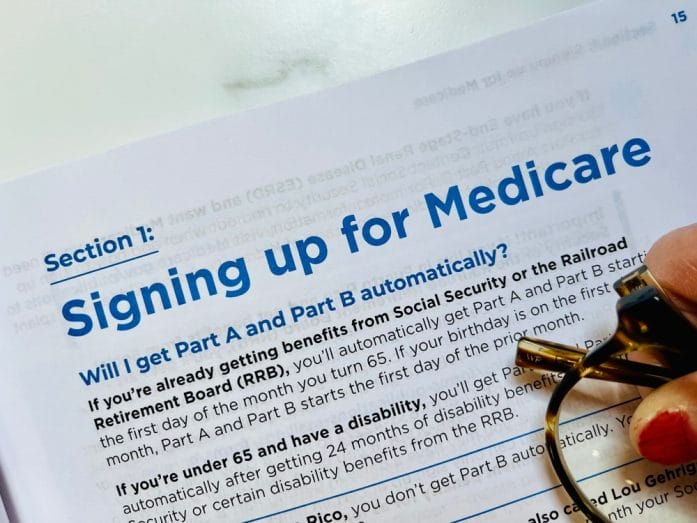
Timing plays a huge role when it comes to healthcare coverage, and delays can get expensive fast. Many retirees miss optimal enrollment windows, which leads to penalties or higher premiums that stick around for life. Medicare Part B, for example, increases your monthly cost by 10% for every year you delay without qualifying coverage.

That might not sound dramatic at first, but it compounds quickly over a long retirement. Smart planning and early enrollment keep your insurance costs in retirement predictable instead of painful.

2. Dropping Employer Coverage Without a Strategy

Leaving a job often means losing employer-sponsored insurance, and that transition can hit harder than expected. Some retirees underestimate how much employers subsidize premiums, which creates sticker shock when they enter the individual market. COBRA coverage offers a temporary bridge, but it often costs significantly more since you pay the full premium yourself. Without a clear plan, retirees may bounce between policies and rack up administrative fees or coverage gaps. A thoughtful transition strategy protects you from sudden spikes in insurance costs in retirement.

3. Underestimating Long-Term Care Insurance Needs

Long-term care remains one of the biggest financial blind spots for retirees. Many people skip this coverage to save money early, but that decision can backfire later. The average cost of a private nursing home room in the U.S. exceeds $100,000 per year, and those numbers continue to climb. Without insurance, retirees often drain their savings quickly or rely on family support. Adding long-term care coverage earlier—or at least planning for it—helps control insurance costs in retirement and protects your assets.

4. Increasing Home Insurance Coverage Without Shopping Around

As home values rise, many retirees increase their homeowners’ insurance coverage to match replacement costs. That decision makes sense, but sticking with the same insurer without comparing rates can quietly inflate premiums. Insurance companies adjust pricing models frequently, and loyalty does not always lead to savings.

Retirees who shop around every couple of years often find better deals with similar or even improved coverage. Taking time to compare options keeps your insurance costs in retirement from creeping up unnecessarily.

6 Insurance Changes That Can Increase Costs in Retirement
Image Source: Shutterstock.com

5. Letting Auto Insurance Policies Go Unchecked

Driving habits often change in retirement, but many people forget to update their auto insurance policies accordingly. Retirees typically drive fewer miles, which should lower premiums, but outdated policies fail to reflect that shift. On the flip side, some insurers raise rates based on age-related risk factors, even if your driving record stays spotless. Failing to review your policy annually can leave you overpaying for coverage that no longer fits your lifestyle. Regular adjustments ensure your insurance costs in retirement stay aligned with reality.

6. Ignoring Supplemental Insurance Options

Medicare covers a lot, but it does not cover everything, and gaps can lead to unexpected bills. Many retirees skip supplemental plans like Medigap or Medicare Advantage because they want to minimize monthly expenses. However, out-of-pocket costs for hospital stays, prescriptions, and specialist visits can add up quickly without additional coverage. A single health event can wipe out years of savings if you rely on basic coverage alone. Evaluating supplemental options carefully can stabilize your insurance costs in retirement and reduce financial stress.

Smart Insurance Moves Make Retirement Smoother

Insurance decisions shape your financial comfort more than most retirees expect. Each choice—from when you enroll to how often you review policies—creates ripple effects that last for years. You don’t need to chase the cheapest option every time, but you should always understand what you pay for and why. A proactive approach helps you avoid the most common traps that drive up insurance costs in retirement. When you stay informed and flexible, you turn insurance from a burden into a powerful financial tool.

What insurance change surprised you the most—or caught you off guard financially? Share your experience in the comments and help others avoid the same pitfalls.

You May Also Like…

Selling a Long-Term Home Can Lead to Capital Gains Taxes—Even for Retirees

New Retirees Are Waiting Weeks for Their First Social Security Check—Here’s Why

High-Tax States vs Low-Tax States — Where Retirees Keep More Money

How Seniors Jeopardize Their Social Security Right After Retirement

Retirement Healthcare Costs Are Climbing Again — What the Average Couple Now Needs

Brandon Marcus
Brandon Marcus

Brandon Marcus is a writer who has been sharing the written word since a very young age. His interests include sports, history, pop culture, and so much more. When he isn’t writing, he spends his time jogging, drinking coffee, or attempting to read a long book he may never complete.

Filed Under: Insurance Tagged With: insurance costs in retirement, Medicare, Personal Finance, Planning, retirement planning, Retirement Tips, saving money

New Retirees Are Waiting Weeks for Their First Social Security Check—Here’s Why

April 15, 2026 by Brandon Marcus Leave a Comment

New Retirees Are Waiting Weeks for Their First Social Security Check—Here’s Why
Image Source: Shutterstock.com

Retirement finally arrives, the paperwork gets filed, and the countdown begins for that first Social Security payment to hit the account. Then…nothing. Days stretch into weeks, and what should feel like a smooth financial transition suddenly feels uncertain and stressful. For many new retirees, this delay comes as a complete surprise, especially after years of paying into the system and expecting a predictable payout timeline.

The truth is, a Social Security check delay happens more often than most people realize, and it usually comes down to timing, processing rules, and a few overlooked details. Understanding why this happens can make a huge difference, especially when budgeting for those first critical months without a paycheck.

Timing Isn’t Instant—And It Was Never Designed to Be

Many retirees expect benefits to begin immediately after approval, but the system doesn’t actually work that way. Social Security operates on a payment schedule that starts one full month after eligibility begins, which automatically builds in a delay. For example, someone approved for benefits in June will typically receive their first payment in July. That gap alone creates what feels like a Social Security check delay, even though it follows standard procedure. Payments also get distributed based on birth dates, which can push deposits further into the month depending on timing.

This structure often catches retirees off guard because it doesn’t align with how most paychecks or pensions work. Instead of a predictable start date, the process follows a staggered calendar that spreads payments across multiple weeks. That design helps the system run smoothly, but it doesn’t help someone waiting on funds. Planning ahead for that built-in delay can prevent financial stress during the transition into retirement. Having at least one to two months of expenses set aside makes this waiting period far easier to handle.

Application Processing Can Slow Everything Down

Filing for Social Security benefits doesn’t always result in instant approval, especially if the application includes complexities. Missing documents, incorrect information, or verification issues can all slow the process. Even a small error, like a mismatched name or outdated banking detail, can trigger additional review steps. That extra review time often turns into a noticeable Social Security check delay, particularly during peak retirement seasons when applications surge. The Social Security Administration processes millions of claims, and even small backlogs can create significant wait times.

Online applications tend to move faster, but they still require careful attention to detail. Paper applications or in-person filings may take longer due to manual processing. Staying proactive during the application phase can make a big difference in avoiding delays. Double-checking every entry and submitting all required documents upfront reduces the chances of holdups. A little extra time spent on accuracy can shave weeks off the waiting period.

Verification Checks Add Another Layer of Waiting

Before sending out payments, the Social Security Administration verifies eligibility, identity, and work history. This process ensures accuracy, but it also introduces another potential slowdown. If anything needs clarification, the system pauses until the issue gets resolved. That pause can quickly turn into a frustrating Social Security check delay, especially if communication gaps occur. Some retirees don’t realize additional verification is happening behind the scenes until payments fail to arrive on time.

Direct deposit setup can also contribute to delays if banking information doesn’t match official records. Even minor discrepancies may require manual correction before funds get released. Keeping all personal and financial details updated with the Social Security Administration helps prevent these issues. Responding quickly to any requests for information keeps the process moving forward. Staying alert during this stage can mean the difference between a smooth start and weeks of waiting.

Benefit Start Dates Can Be Misunderstood

Choosing when to start benefits plays a bigger role than many people expect. Some retirees assume benefits begin the same month they apply, but that’s not always the case. The selected start date determines when payments begin, and confusion around that date often leads to a perceived Social Security check delay. For instance, selecting a future start date during the application process will push payments further out than expected. This misunderstanding creates unnecessary frustration when the first check doesn’t arrive on time.

The Social Security system also pays benefits in arrears, meaning each payment covers the previous month. That structure adds another layer to the timeline that many retirees don’t anticipate. Understanding how start dates and payment timing work together helps set realistic expectations. Reviewing benefit details carefully before submitting an application can prevent surprises. A clear understanding up front avoids confusion once retirement officially begins.

New Retirees Are Waiting Weeks for Their First Social Security Check—Here’s Why
Image Source: Shutterstock.com

High Demand Can Create System Backlogs

Certain times of the year see a surge in retirement applications, particularly at the start of the year or during economic shifts. When more people apply at once, processing times naturally increase. That surge can lead to a noticeable Social Security check delay as the system works through a larger volume of claims. Staffing levels and administrative resources also influence how quickly applications move through the pipeline. Even a well-prepared application may take longer during peak periods.

Economic uncertainty often drives more people to claim benefits earlier than planned, which adds pressure to the system. This increased demand doesn’t stop payments, but it can slow down approvals and disbursements. Filing early, ideally a few months before the intended retirement date, helps avoid getting caught in these bottlenecks. Planning ahead provides a buffer against unexpected slowdowns. Timing the application strategically can make a noticeable difference in how quickly benefits arrive.

The Waiting Game Doesn’t Have to Catch You Off Guard

A Social Security check delay may feel frustrating, but it rarely comes out of nowhere once the system’s timing and structure become clear. Most delays trace back to predictable factors like payment schedules, processing timelines, or application details. Preparing for these realities turns a stressful situation into a manageable one. Setting aside savings, filing early, and double-checking information all help smooth the transition into retirement. Small steps taken in advance can prevent big headaches later.

Have you or someone you know experienced a delay with Social Security payments, and how did you handle it? Let’s hear your experience in the comments.

You May Also Like…

Social Security Is Under Pressure — The Worker-to-Retiree Ratio Is Falling

How Seniors Jeopardize Their Social Security Right After Retirement

High-Tax States vs Low-Tax States — Where Retirees Keep More Money

7 Hidden Costs That Are Eating Away at Retirement Income

Social Security Checks Are Getting Smaller for Some Retirees — And It’s Not a Benefit Cut

Brandon Marcus
Brandon Marcus

Brandon Marcus is a writer who has been sharing the written word since a very young age. His interests include sports, history, pop culture, and so much more. When he isn’t writing, he spends his time jogging, drinking coffee, or attempting to read a long book he may never complete.

Filed Under: social security Tagged With: budgeting, delayed benefits, Personal Finance, Planning, retirement income, retirement planning, Retirement Tips, savings advice, Social Security, Social Security check delay, SSA benefits

The Average Retiree Withdraws Far Below the 4% Rule

April 13, 2026 by Brandon Marcus Leave a Comment

The Average Retiree Withdraws Far Below the 4% Rule
Image Source: Shutterstock.com

The number sounds simple enough to memorize and repeat at dinner parties: four percent. That tidy little figure has anchored retirement planning for decades, promising a balance between spending freely and avoiding the nightmare of running out of money. But it turns out most retirees don’t actually follow it. Not even close. They withdraw less, sometimes much less, and they do it for reasons that reveal a very human side of money decisions.

That gap between theory and reality tells a bigger story than any spreadsheet ever could. It hints at fear, discipline, uncertainty, and sometimes even missed opportunities. The average retiree doesn’t behave like a textbook model, and that’s not necessarily a bad thing. But it does raise a fascinating question: if the 4% rule has guided so much planning, why do so many people ignore it when it matters most? That’s where things get interesting, and where smarter strategies start to take shape.

The 4% Rule: A Simple Idea That Carries a Lot of Weight

The 4% rule came from historical market research that looked at how portfolios performed over long periods, especially during rough economic stretches. It suggested that withdrawing 4% of a retirement portfolio each year, adjusted for inflation, would likely allow savings to last about 30 years. That idea quickly turned into a cornerstone of retirement planning because it offered something rare: a clear, actionable guideline in a world full of uncertainty. People latched onto it because it felt manageable, predictable, and grounded in data rather than guesswork.

But no rule, no matter how well-researched, can capture every real-world variable. Markets don’t move in neat, predictable patterns, and personal spending doesn’t follow a straight line either. Some retirees face unexpected healthcare costs, while others find themselves spending far less than they expected simply because their lifestyle changes. The 4% rule assumes a kind of consistency that real life rarely delivers, which explains why many retirees hesitate to follow it strictly. They adjust, they hold back, and they often choose caution over optimization.

That caution has consequences, though. Withdrawing less than 4% can preserve wealth longer, but it can also mean underutilizing savings that took decades to build. Some retirees end up living more conservatively than necessary, even when their portfolios could support a higher standard of living. That tradeoff creates a tension between security and enjoyment, and it shapes how people experience retirement on a daily basis.

Why Retirees Pull Back on Withdrawals

Fear plays a powerful role in financial decisions, especially when there’s no paycheck waiting around the corner. Retirees face a unique challenge: they must make their money last without knowing exactly how long they’ll live or how markets will behave. That uncertainty pushes many people to withdraw less than the “safe” amount, even when their financial plan suggests they could spend more. They prioritize peace of mind over maximizing income, and that instinct makes sense on a deeply human level.

Longevity risk adds another layer of complexity. People live longer than ever, and that extended lifespan increases the pressure to stretch savings. A retirement that lasts 35 or 40 years demands a different mindset than one that lasts 20 years, and many retirees respond by tightening their withdrawal rates. They aim to protect their future selves, even if it means sacrificing some comfort in the present. That tradeoff doesn’t show up neatly in financial models, but it shows up everywhere in real life.

Spending habits also shift in ways that surprise people. Many retirees naturally spend less as they age, especially after the early “go-go” years of travel and activity. That decline in spending reduces the need for larger withdrawals, which makes the 4% rule feel less relevant over time. Instead of following a fixed percentage, retirees often adopt a flexible approach, adjusting withdrawals based on their needs, their portfolio performance, and their comfort level. That flexibility, while less predictable, often aligns better with how life actually unfolds.

The Average Retiree Withdraws Far Below the 4% Rule
Image Source: Shutterstock.com

The Hidden Upside of Withdrawing Less

At first glance, withdrawing less than 4% might seem overly cautious, but it comes with some undeniable advantages. A lower withdrawal rate can extend the life of a portfolio significantly, especially during periods of market volatility. When markets dip, smaller withdrawals reduce the pressure on investments to recover, which can help preserve long-term growth. That dynamic becomes especially important during the early years of retirement, when sequence-of-returns risk can have a lasting impact.

There’s also a psychological benefit that often gets overlooked. Knowing that money sits safely in the background can create a sense of security that enhances overall well-being. Retirees who feel financially secure tend to worry less about market fluctuations and unexpected expenses, which allows them to enjoy their time more fully. That peace of mind doesn’t show up in portfolio charts, but it plays a crucial role in shaping a fulfilling retirement experience.

At the same time, a lower withdrawal rate can open doors for legacy planning or late-life flexibility. Extra funds can support long-term care, help family members, or fund new opportunities that arise later in life. That financial cushion provides options, and options create freedom. But it’s important to strike a balance, because holding back too much can lead to missed experiences and unrealized goals during the years when energy and health remain high.

Smarter Strategies for a More Flexible Retirement

A rigid rule rarely fits a flexible life, and that’s why many financial experts now encourage dynamic withdrawal strategies. Instead of sticking to a fixed percentage, retirees can adjust their withdrawals based on market performance and personal needs. For example, increasing withdrawals slightly during strong market years and scaling back during downturns can help maintain balance without sacrificing long-term stability. That approach requires attention and discipline, but it offers a more responsive way to manage retirement income.

Another powerful strategy involves building multiple income streams. Social Security, pensions, dividends, and part-time work can all reduce reliance on portfolio withdrawals. When income flows from different sources, retirees gain more control over how and when they tap into their savings. That diversification not only improves financial resilience but also creates a sense of stability that a single income source can’t match.

Planning for different phases of retirement also makes a big difference. Spending tends to follow a pattern, with higher expenses in the early years, moderate spending in the middle years, and lower expenses later on. Aligning withdrawals with those phases allows retirees to enjoy their money when it matters most without jeopardizing long-term security. That kind of planning transforms retirement from a static equation into a dynamic, evolving experience.

The Lesson Behind the Numbers

The gap between the 4% rule and actual withdrawal behavior reveals something deeper than a simple mismatch. It shows that retirement planning doesn’t live in spreadsheets; it lives in real decisions, real emotions, and real tradeoffs. The average retiree doesn’t follow a formula because life doesn’t follow a formula, and that reality demands a more nuanced approach. Numbers matter, but they don’t tell the whole story, and they never will.

What kind of strategy feels right for your future, and how would you adjust it if life threw a curveball? Share your thoughts, ideas, or experiences in the comments and keep the conversation going.

You May Also Like…

Healthcare Spending Doesn’t Stop Rising — Why That Matters for Retirees

How Seniors Jeopardize Their Social Security Right After Retirement

Retirement Accounts Are Triggering Unexpected Taxes — What Some Investors Overlook

8 Things Rich Retirees Never Buy — And Poor Ones Always Do

Waiting on Social Security? Why Thousands of Retirees Are Stuck in Payment Limbo Right Now

Brandon Marcus
Brandon Marcus

Brandon Marcus is a writer who has been sharing the written word since a very young age. His interests include sports, history, pop culture, and so much more. When he isn’t writing, he spends his time jogging, drinking coffee, or attempting to read a long book he may never complete.

Filed Under: Retirement Tagged With: 4 percent rule, budgeting, financial independence, investing, longevity risk, Personal Finance, retirement income, retirement planning, Retirement Tips, safe withdrawal rate, savings strategy, Wealth management

Why Your Pension Check Could Shrink – Triggers and Solutions

April 9, 2026 by Brandon Marcus Leave a Comment

Why Your Pension Check Could Shrink - Triggers and Solutions
Image Source: Shutterstock.com

An unexpected drop in retirement income doesn’t just sting—it disrupts absolutely everything. That carefully planned budget suddenly looks shaky, grocery runs feel heavier, and long-term security starts to feel like a moving target. Pension checks carry a promise of stability, yet that promise can bend under pressure from factors many never see coming. This isn’t about fear—it’s about awareness, because knowing what causes those changes puts control back where it belongs.

Plenty of people assume pensions stay fixed once they start rolling in, like a steady metronome ticking through retirement years. That assumption misses a big truth: pensions live in a world that keeps changing, and those changes don’t always work in your favor. Economic shifts, policy updates, and even personal decisions can quietly chip away at that monthly number. The good news? Every trigger has a counter-move, and understanding both sides turns uncertainty into strategy.

The Inflation Squeeze That Doesn’t Let Go

Inflation barges in and eats away at purchasing power one dollar at a time. Even when pension payments stay technically the same, rising prices can make them feel smaller with every passing month. Groceries, utilities, and healthcare costs often climb faster than expected, and that imbalance creates a gap that keeps widening if no adjustments step in. Some pensions include cost-of-living adjustments, often called COLA, but not all plans offer them, and even when they do, they don’t always match real-world price increases.

That gap between income and expenses forces tough choices, especially when fixed incomes can’t stretch the way they used to. A pension that covered everything comfortably five years ago may now struggle to keep up with essentials. The key here lies in proactive planning, not reactive scrambling. Building a buffer through savings or diversified income streams can soften inflation’s impact before it hits hard.

Smart moves include reviewing spending regularly and identifying areas where costs can shrink without sacrificing quality of life. Some people lean into part-time work or passive income streams to offset the squeeze, while others shift investments toward assets that historically keep pace with inflation. No single strategy fits everyone, but doing nothing guarantees that inflation wins the tug-of-war.

Why Your Pension Check Could Shrink - Triggers and Solutions
Image Source: Shutterstock.com

Early Retirement Decisions That Come With Trade-Offs

Retiring early sounds like a dream, but that dream often comes with a financial trade-off that shows up in smaller pension checks. Many pension systems calculate benefits based on years worked and age at retirement, so leaving the workforce sooner typically reduces monthly payouts. That reduction doesn’t disappear over time—it sticks around for the long haul, which means less income year after year.

Those early years of freedom can feel incredible, but the long-term math demands attention. A smaller pension combined with a longer retirement period can stretch finances thin if no backup plan exists. This doesn’t mean early retirement always leads to trouble, but it does mean the decision deserves careful calculation and realistic expectations.

Balancing the desire for early retirement with financial stability often involves creative solutions. Some choose phased retirement, working part-time while beginning to draw partial benefits, which helps bridge the income gap. Others build larger savings cushions before stepping away from full-time work. The goal isn’t to avoid early retirement—it’s to step into it with eyes wide open and a plan that supports the lifestyle that follows.

Policy Changes That Rewrite the Rules

Pension systems don’t operate in a vacuum; governments and organizations adjust rules over time, and those changes can ripple directly into monthly payments. Legislative updates may alter benefit formulas, tax rates, or eligibility criteria, and those adjustments can increase or decrease the amount received. While not every change leads to a reduction, enough do that staying informed becomes essential.

Taxes deserve special attention because they often fly under the radar until they take a bite out of income. Depending on where someone lives and how their pension gets taxed, a change in tax policy can quietly reduce take-home pay. That reduction doesn’t show up as a smaller pension on paper, but it feels exactly the same in everyday life.

Staying ahead of policy changes requires a bit of vigilance, but it pays off. Regularly checking updates from pension providers or financial advisors can prevent unpleasant surprises. Adjusting financial plans in response to new rules helps maintain stability, even when the system shifts. Knowledge turns policy changes from a shock into something manageable.

Investment Performance That Shapes the Outcome

Not all pensions guarantee fixed payments; some depend on investment performance, and that introduces another layer of unpredictability. Market downturns can impact pension funds, especially those tied to defined contribution plans or hybrid structures. When investments underperform, future payouts may shrink or fail to grow as expected.

Even traditional pension funds feel the effects of broader economic conditions, since they rely on investment returns to sustain payouts over time. Poor performance can lead to funding gaps, and those gaps sometimes force adjustments to benefits. This doesn’t happen overnight, but the impact builds gradually, often becoming noticeable only after several years.

Diversification offers one of the strongest defenses against this risk. Spreading investments across different asset classes can reduce the impact of any single downturn. Keeping a close eye on pension statements and understanding how funds get managed also adds a layer of control. Awareness turns investment risk into something that can be navigated rather than feared.

Life Changes That Shift the Numbers

Personal circumstances can influence pension payments more than expected. Divorce, remarriage, or survivor benefit elections can all affect how much money flows each month. Some pensions reduce payments to provide ongoing benefits to a spouse, while others adjust based on changes in household structure.

Healthcare costs also play a major role, especially as retirement progresses. Rising medical expenses can eat into pension income quickly, even if the payment itself doesn’t change. Long-term care needs can amplify that pressure, creating a situation where income feels smaller simply because expenses climb so high.

Planning for these life changes involves more than just paperwork—it requires thoughtful decisions about the future. Choosing the right survivor benefit option, maintaining adequate insurance coverage, and setting aside funds for healthcare can help preserve financial stability. These decisions may feel complex, but they provide a safety net that keeps retirement on solid ground.

Protecting the Check Without Losing Sleep

No one wants to spend retirement worrying about shrinking income, and the good news is that several strategies can help keep things steady. Diversifying income sources stands out as one of the most effective approaches, since relying on a single stream creates vulnerability. Combining pensions with savings, investments, or even small side income streams can create a more resilient financial picture.

Budgeting plays a bigger role than many expect, especially when it comes to tracking spending patterns and adjusting before problems arise. Small tweaks, like reducing unnecessary subscriptions or optimizing utility usage, can free up cash without making life feel restricted. These adjustments may seem minor, but they add up quickly over time.

Regular financial check-ins can make a huge difference, too. Reviewing income, expenses, and long-term goals helps catch potential issues early, when solutions remain simple and effective. Retirement doesn’t have to feel uncertain or fragile—it can feel stable and even empowering with the right approach in place.

What Deserves Your Attention

Pension checks don’t shrink without a reason, and every reason comes with a chance to respond. Inflation, early retirement decisions, policy changes, investment performance, and personal life shifts all play a role in shaping retirement income. Ignoring those factors leaves too much up to chance, while understanding them opens the door to smarter decisions and a stronger financial footing.

What strategies have made the biggest difference in keeping your retirement income steady, or what concerns still feel unresolved? Give us your thoughts, ideas, or personal approaches in the comments.

You May Also Like…

How Seniors Jeopardize Their Social Security Right After Retirement

10 Retirement States That No Longer Cater to Retirees

5 Tax Mistakes Retirees Make and How To Fix Them Before It’s Too Late

Retirees Are Rethinking Second Homes — Why the “Snowbird Lifestyle” Is Getting Too Expensive

Retirees Are Rethinking Second Homes — Why the “Snowbird Lifestyle” Is Getting Too Expensive

Brandon Marcus
Brandon Marcus

Brandon Marcus is a writer who has been sharing the written word since a very young age. His interests include sports, history, pop culture, and so much more. When he isn’t writing, he spends his time jogging, drinking coffee, or attempting to read a long book he may never complete.

Filed Under: Retirement Tagged With: budgeting, COLA, Cost of living, income protection, Inflation, pension cuts, pensions, Planning, retirement income, Retirement Tips, seniors finance, Social Security

How to Enroll in Medicare Without Getting Hit With the IRMAA “Stealth Tax”

April 4, 2026 by Brandon Marcus Leave a Comment

How to Enroll in Medicare Without Getting Hit With the IRMAA “Stealth Tax”
Image Source: Shutterstock.com

A single decision can quietly reshape retirement finances for years. Medicare enrollment looks simple on the surface, yet one overlooked detail can trigger higher premiums that feel completely out of left field. IRMAA, officially called the Income-Related Monthly Adjustment Amount, doesn’t announce itself with flashing lights or bold warnings, but it absolutely shows up on the bill. Anyone approaching Medicare age needs to understand how this surcharge works before making a move that locks in higher costs.

Timing and income choices carry real weight here, and they deserve attention before paperwork ever gets filed. Medicare doesn’t just look at current income; it reaches back in time and judges based on earnings from two years earlier. That little twist creates a ripple effect that catches many people off guard. A well-planned enrollment strategy can avoid unnecessary costs, while a rushed or uninformed approach can lead to years of paying more than necessary.

The IRMAA Trap: Why Income From the Past Still Matters Today

Medicare calculates IRMAA using modified adjusted gross income from tax returns filed two years earlier, and that single detail drives almost every surprise people face. A high-income year caused by selling a home, cashing out investments, or taking a large distribution from a retirement account can push income above IRMAA thresholds. Once income crosses those limits, Medicare increases premiums for Part B and Part D, and those increases can feel substantial rather than minor. Many expect healthcare costs to stabilize in retirement, but IRMAA flips that expectation and ties costs directly to income decisions made well before enrollment.

That backward-looking system demands planning ahead, not reacting in the moment. Someone planning to retire at 65 needs to look closely at income at age 63, because that number determines Medicare costs at enrollment. Without that awareness, a one-time financial move can inflate premiums for an entire year. The thresholds also adjust annually, but they remain firm enough to catch anyone who drifts just slightly over the line. Strategic planning, including spreading out withdrawals or delaying certain income events, can keep income below those thresholds and prevent the surcharge from kicking in.

Ignoring IRMAA simply hands over control to timing and chance, and that rarely works in anyone’s favor. Careful income management before enrollment creates flexibility and protects long-term retirement budgets. A proactive approach turns IRMAA from a frustrating surprise into something manageable and predictable.

Enrollment Timing Isn’t Just a Date—It’s a Strategy

Medicare enrollment begins with a seven-month window surrounding the 65th birthday, but that timeline doesn’t exist in a vacuum. Every choice made during that period interacts with income history, Social Security decisions, and retirement account strategies. Jumping in without a plan might check the box for enrollment, but it can also lock in higher premiums if income from two years earlier sits above IRMAA thresholds.

Delaying enrollment sometimes makes sense, especially for those still working with employer-sponsored coverage. That delay can shift the timing of Medicare activation to a year when income falls lower, which can help avoid IRMAA. However, that strategy requires careful coordination to avoid late enrollment penalties, which create their own long-term costs. The key lies in aligning enrollment timing with income patterns, not just birthdays.

Some retirees benefit from intentionally lowering income in the years leading up to Medicare eligibility. That approach can include reducing taxable withdrawals, spreading out asset sales, or using tax-efficient income sources. The goal focuses on shaping the income snapshot Medicare will use later. A well-timed enrollment paired with thoughtful income planning can dramatically reduce the chances of triggering IRMAA. Treating enrollment as a strategic decision rather than a routine milestone makes all the difference. That mindset shifts the focus from simply signing up to actively shaping future healthcare costs.

How to Enroll in Medicare Without Getting Hit With the IRMAA “Stealth Tax”
Image Source: Shutterstock.com

Smart Income Moves That Keep IRMAA at Bay

Income planning doesn’t stop once retirement begins; it becomes even more important. Certain income sources carry more weight when calculating IRMAA, including traditional IRA withdrawals, capital gains, and Social Security benefits. Managing these sources with intention can help keep income below critical thresholds and avoid higher premiums.

Roth IRA withdrawals offer a powerful advantage because they don’t count toward modified adjusted gross income. Using Roth funds strategically during high-income years can prevent crossing into IRMAA territory. Converting traditional IRA funds into Roth accounts before reaching Medicare age can also reduce future taxable income, although that move requires careful timing to avoid triggering IRMAA during the conversion year.

Capital gains deserve special attention as well. Selling investments in one large transaction can spike income, while spreading those sales over multiple years can keep income levels more stable. Retirees often overlook how these decisions affect Medicare premiums, focusing only on taxes, but both factors work together. A balanced approach that considers both tax efficiency and IRMAA thresholds creates better outcomes overall.

Life Changes Can Save the Day—If You Act Quickly

Not every IRMAA surcharge needs to stick. Medicare allows appeals when certain life-changing events reduce income, and that option provides a valuable safety net. Events such as retirement, divorce, or the loss of a spouse can significantly lower income compared to the tax return Medicare uses for calculations.

Filing an appeal through Social Security can adjust premiums to reflect current income rather than outdated numbers. That process requires documentation and persistence, but it can result in meaningful savings. Waiting too long to act can delay relief, so timing matters just as much here as it does during enrollment.

Understanding which events qualify makes a big difference. A simple market downturn or investment loss won’t qualify, but a clear change in income due to major life events often will. Knowing that distinction prevents wasted effort and focuses attention on situations where an appeal has a strong chance of success.

Medicare Rewards Planning, Not Guesswork

Medicare doesn’t punish high income, but it does reward those who plan ahead with precision and awareness. IRMAA might feel like an unexpected tax, yet it follows clear rules that anyone can navigate with the right approach. Looking two years back, aligning enrollment timing with income patterns, and managing withdrawals strategically all work together to keep premiums under control.

What strategies seem most useful for keeping Medicare costs in check, and what plans are already in place to avoid IRMAA surprises? Share thoughts, ideas, or experiences in the comments.

You May Also Like…

The Hidden Medicare Rule Turning 3-Day Hospital Stays Into $10,000–$15,000 Surprise Bills

If You Get a ‘Replacement’ Medicare Card in the Mail, Do NOT Call the Number Printed on It

5 Warning Signs Someone Is Using Your Social Security Number

8 Mistakes That Can Trigger a Social Security Overpayment Notice

More Retirees Are Seeing Higher Medicare Costs—And It’s Tied to Income From Years Ago

Brandon Marcus
Brandon Marcus

Brandon Marcus is a writer who has been sharing the written word since a very young age. His interests include sports, history, pop culture, and so much more. When he isn’t writing, he spends his time jogging, drinking coffee, or attempting to read a long book he may never complete.

Filed Under: Retirement Tagged With: benefits, healthcare costs, income strategies, IRMAA, Medicare, Medicare enrollment, Planning, retirement planning, Retirement Tips, seniors, Social Security, taxes

11 Retirement Truths Your Financial Advisor Will Never Confess

November 3, 2025 by Travis Campbell Leave a Comment

Mature
Image source: shutterstock.com

People often experience conflicting emotions when contemplating their retirement years. Your dedication to work and financial savings throughout the decades aims to create a comfortable retirement experience. The truth remains unclear about what retirement will bring to your life. Financial advisors share different levels of transparency when it comes to retirement planning advice. Important details about retirement planning often receive minimal attention from financial advisors. The unspoken retirement facts that most people overlook can help you make better choices and avoid unexpected financial expenses.

The following article reveals authentic information about retirement planning processes. The following article provides an unbiased perspective on retirement planning that goes beyond standard marketing materials. The following article reveals 11 essential retirement planning facts that financial advisors often overlook or conceal from their clients.

1. Retirement Isn’t Always a Choice

Many people assume they’ll retire on their own terms. The reality? Health problems, layoffs, or family obligations can force you to stop working sooner than planned. Even the best-laid plans can’t guarantee you’ll work until 65 or beyond. Building flexibility into your retirement planning is crucial. It’s smart to start saving early and have a backup plan if your career ends unexpectedly.

2. Your Expenses May Not Decrease

One of the most common retirement myths is that you’ll spend less after you stop working. While you might save on commuting or work clothes, other costs—like healthcare or travel—often increase. In fact, some retirees find that their expenses stay the same or even rise. Don’t underestimate your retirement budget. Plan for the possibility that you’ll need just as much income as before.

3. Market Returns Are Never Guaranteed

Financial advisors may show you rosy projections based on average market returns. But real-world performance can fall short. Markets are unpredictable, and downturns can hit hard. Relying on optimistic numbers can leave you with less money than you expected. Be conservative with your estimates and consider what happens if returns are lower than planned.

4. Fees Can Eat Away Your Savings

Even small fees on your investments can accumulate over time. Many advisors fail to highlight the significant costs these fees can incur over time. A 1% annual fee might sound minor, but over 30 years, it could shrink your nest egg by tens of thousands of dollars. Always ask about every fee you’re paying. Consider low-cost index funds or simple portfolio strategies to keep more of your money working for you.

5. Social Security Isn’t a Complete Safety Net

Social Security helps, but it’s rarely enough to fund a comfortable retirement. The average benefit is modest, and future changes to the system are possible. Don’t count on Social Security alone. Make it one part of your retirement income, not the whole plan. Diversify with savings, investments, and—if possible—other income sources.

6. Inflation Can Erode Your Purchasing Power

Inflation is one of the most overlooked truths about retirement. Prices for essentials like food, housing, and healthcare tend to rise over time. If your income doesn’t keep up, your lifestyle could take a hit. Ensure your retirement planning accounts for inflation to avoid falling short in your later years.

7. You Might Live Longer Than You Think

Many people underestimate their life expectancy. Outliving your savings is a real risk. It’s wise to plan for a retirement that could last 30 years or more. Don’t just plan for the average—think about what happens if you beat the odds and live into your 90s.

8. Taxes Don’t Retire When You Do

Some advisors focus on growing your retirement accounts but spend less time discussing taxes. Withdrawals from traditional IRAs and 401(k)s are taxed as income. Required minimum distributions can also push you into a higher tax bracket. Consider the tax impact of each account you use for retirement planning. Roth accounts, HSAs, and other vehicles may help manage your tax bill.

9. Long-Term Care Is a Major Expense

Few advisors address the real costs of long-term care. Nursing homes, assisted living, or in-home care can drain your savings quickly. Medicare doesn’t cover most long-term care expenses. Research your options early. Consider long-term care insurance or other ways to protect your assets from these potentially huge costs.

10. Your Retirement Plan Needs Regular Updates

Retirement planning isn’t a one-and-done task. Life changes, markets shift, and your needs evolve. Yet, many people leave their plan untouched for years. Make it a habit to review your plan at least annually. Adjust your savings rate, investments, and goals as needed to stay on track.

11. Not Every Advisor Has Your Best Interests at Heart

While many financial advisors are trustworthy, not all are required to act as fiduciaries. Some may recommend products that pay them higher commissions, not what’s best for your retirement planning. Always ask whether your advisor is a fiduciary. Get a second opinion if you’re unsure. You can also look for a fee-only advisor who prioritizes your interests.

Facing Retirement Realities: Take Control Now

Understanding these retirement facts enables individuals to create a more secure retirement future. The process of retirement planning involves multiple complexities that require individualized solutions. Your ability to protect your future and make better decisions will increase when you understand what your financial advisor might keep hidden from you. Your retirement security depends on your personal efforts because you cannot rely on uncertain statements or random luck.

Which retirement facts surprised you the most? Share your thoughts or questions in the comments below!

What to Read Next…

  • 8 Signs Your Financial Advisor Is Not Acting in Your Best Interest
  • 6 Reasons Your Financial Advisor May Not Be Acting in Your Best Interest
  • 10 Financial Advisor Promises That Have Left Clients With No Safety Net
  • 10 Financial Questions That Could Undo Your Entire Retirement Plan
  • Is Your Retirement Plan Outdated By a Decade Without You Knowing
Travis Campbell
Travis Campbell

Travis Campbell is a digital marketer/developer with over 10 years of experience and a writer for over 6 years. He holds a degree in E-commerce and likes to share life advice he’s learned over the years. Travis loves spending time on the golf course or at the gym when he’s not working.

Filed Under: Personal Finance Tagged With: fees, financial advisor, investing, Personal Finance, retirement myths, retirement planning, Retirement Tips

Could Advisors Be Hiding the Real Risk of Early Retirement

August 27, 2025 by Catherine Reed Leave a Comment

Could Advisors Be Hiding the Real Risk of Early Retirement
Image source: 123rf.com

Early retirement sounds like a dream: more freedom, more time with family, and fewer hours spent at work. Yet behind the appealing image lies the potential for serious financial and lifestyle challenges that don’t always get the spotlight. Some experts warn that advisors may not fully emphasize the real risk of early retirement, leaving clients unprepared for the hidden downsides. While the idea of leaving the workforce early is tempting, understanding the trade-offs is critical. By looking at the risks clearly, families can make smarter, more balanced decisions about the future.

1. Outliving Your Savings

One of the biggest risk of early retirement is running out of money too soon. Retiring at 55 instead of 65 adds ten extra years of expenses without additional income. This longer time horizon requires careful planning and higher savings than many anticipate. Advisors may focus on investment growth projections but underestimate real-world spending patterns. Families need to account for rising costs and longer life expectancies when planning for early retirement.

2. Rising Healthcare Costs

Healthcare is another major risk of early retirement that advisors sometimes underplay. Leaving the workforce early often means losing employer-sponsored health insurance, which can lead to high premiums. Medicare does not begin until age 65, leaving a costly coverage gap for early retirees. Unexpected medical needs can quickly drain savings, especially for families managing chronic conditions. Building healthcare costs into retirement planning is essential to avoid financial stress.

3. Reduced Social Security Benefits

Claiming Social Security early locks in permanently reduced payments. This is a hidden risk of early retirement that many people overlook in their excitement to leave work. A lower monthly benefit can create long-term income shortfalls that are hard to replace later. Advisors may not always stress how significant the difference is between early and delayed benefits. Families should calculate the long-term trade-offs carefully before making the decision.

4. Inflation Eroding Value Over Time

Inflation is a subtle but powerful risk of early retirement. What seems like plenty of money today may not cover the same expenses in 20 or 30 years. Advisors may use average inflation rates in projections, but actual costs often rise faster for essentials like housing, food, and healthcare. Without investments that outpace inflation, retirees risk losing purchasing power. Planning for inflation protection is just as important as saving itself.

5. Lifestyle Expectations vs. Reality

Retirees often picture vacations, hobbies, and family time, but reality can be different. Lifestyle inflation is a hidden risk of early retirement because extra free time often leads to more spending. Without a plan, the first years of retirement may be more expensive than expected. Advisors may underestimate these lifestyle shifts, focusing instead on steady expense assumptions. Families need to realistically assess how they’ll spend their time and money once work ends.

6. Emotional and Social Challenges

Work provides more than income—it offers purpose, identity, and social connections. One risk of early retirement that gets less attention is the emotional toll of leaving too soon. Feelings of isolation, boredom, or lack of purpose can creep in once the novelty wears off. Advisors who focus strictly on the numbers may not prepare clients for this reality. Building meaningful activities and goals into retirement plans helps offset this challenge.

7. Market Volatility and Timing

Investing heavily to fund retirement carries exposure to market risks. If a downturn hits shortly after leaving work, retirees may be forced to withdraw from shrinking accounts. This “sequence of returns” problem is a hidden risk of early retirement that can devastate portfolios. Advisors sometimes highlight long-term averages but ignore how timing impacts individuals. Having a buffer fund or flexible spending plan helps weather market storms.

8. Unexpected Family Responsibilities

Another overlooked risk of early retirement is the possibility of supporting adult children or aging parents. These responsibilities can quickly change financial projections. Many retirees find themselves spending more on family than they had planned. Advisors may not always ask about these possibilities, focusing narrowly on personal expenses. Preparing for family obligations ensures retirement savings are more resilient.

Rethinking the Early Retirement Dream

The idea of retiring young will always be attractive, but the reality comes with hidden challenges. The real risk of early retirement includes financial, emotional, and lifestyle factors that advisors may not emphasize enough. Families who want to pursue early retirement should do so with eyes wide open, building plans that consider healthcare, inflation, and long-term purpose. Retirement should be about thriving, not just surviving, and that means preparing for the less glamorous details. By rethinking the dream, families can create a retirement that balances freedom with security.

Do you think the risk of early retirement is downplayed too often? Share your perspective and experiences in the comments below.

What to Read Next…

Is $8,000 a Year a Sound “Peace of Mind” Investment for Retirement

6 Retirement Planning Shifts to Expect by 2035

7 Retirement Income “Buckets” That Keep Taxes Predictable in Bear and Bull Markets

Are Retirement Income Calculators Overestimating Inflation Impact?

7 Financial Goals People Never Think to Update With Their Advisor

Catherine Reed
Catherine Reed

Catherine is a tech-savvy writer who has focused on the personal finance space for more than eight years. She has a Bachelor’s in Information Technology and enjoys showcasing how tech can simplify everyday personal finance tasks like budgeting, spending tracking, and planning for the future. Additionally, she’s explored the ins and outs of the world of side hustles and loves to share what she’s learned along the way. When she’s not working, you can find her relaxing at home in the Pacific Northwest with her two cats or enjoying a cup of coffee at her neighborhood cafe.

Filed Under: Retirement Tagged With: family finance, money management, Planning, retirement savings, Retirement Tips, risk of early retirement

10 Retirement-Day Mistakes People Don’t Prepare For Anymore

August 25, 2025 by Catherine Reed Leave a Comment

10 Retirement-Day Mistakes People Don’t Prepare For Anymore
Image source: 123rf.com

For many people, retirement is imagined as a smooth transition into a life of relaxation, travel, and time with loved ones. But when the big day finally arrives, the reality often feels more complicated. Financial details, lifestyle shifts, and emotional adjustments can catch retirees off guard. Too often, these surprises stem from retirement-day mistakes that could have been avoided with a little foresight. To help you or your loved ones avoid unnecessary stress, here are ten retirement-day mistakes that people don’t prepare for anymore—but should.

1. Forgetting About Tax Impacts

One of the most common retirement-day mistakes is assuming withdrawals from retirement accounts are tax-free. While Roth accounts may offer tax benefits, traditional IRAs and 401(k)s often trigger taxable income when accessed. Retirees who overlook this can face unpleasant surprises when filing returns. Planning ahead with tax strategies can reduce the burden significantly. Without this preparation, retirees may end up with less money than expected.

2. Claiming Social Security Too Early

Another frequent retirement-day mistake is claiming Social Security benefits at the earliest possible age. While it may feel reassuring to receive checks sooner, doing so permanently reduces monthly income. Many retirees later regret not waiting for higher benefits. Advisors often recommend delaying until at least full retirement age, or even longer, to maximize payouts. Failing to plan this decision carefully can leave retirees financially stretched later in life.

3. Ignoring Health Care Costs

Many people underestimate how much health care will cost after retirement. Medicare covers a lot but not everything, and supplemental insurance or out-of-pocket expenses can add up. This is one of the retirement-day mistakes that leads to budget strain very quickly. Prescription drugs, hospital stays, and long-term care are all significant financial considerations. Preparing for health-related expenses ensures stability during the later years.

4. Overestimating Lifestyle Savings

It’s common to think expenses will automatically drop in retirement. However, many retirees spend just as much, if not more, during the early years of retirement. Travel, hobbies, and home upgrades often drive up costs. Failing to anticipate this is a classic retirement-day mistake. A realistic spending plan helps avoid running out of funds too soon.

5. Overlooking the Emotional Adjustment

Finances aren’t the only area where retirement-day mistakes happen—emotions play a big role too. Going from decades of structure to unstructured days can feel overwhelming. Many retirees experience restlessness, boredom, or even a loss of identity. Planning for purpose, hobbies, or volunteer work is just as important as financial planning. Without preparation, the emotional transition can be surprisingly difficult.

6. Forgetting About Required Minimum Distributions (RMDs)

After a certain age, retirees must begin taking required minimum distributions from retirement accounts. Forgetting or delaying this is one of the most costly retirement-day mistakes because penalties are steep. RMDs can also push retirees into higher tax brackets if not planned for properly. Coordinating withdrawals strategically with an advisor can soften the tax impact. Ignoring RMDs is an avoidable error that too many people make.

7. Keeping Too Much Risk in Investments

Some retirees forget to rebalance their portfolios as they near retirement. Staying too aggressive with stocks can expose them to unnecessary volatility. A sudden market downturn can seriously affect retirement funds if not managed carefully. This retirement-day mistake can create anxiety and reduce financial security. A balanced approach helps protect against both inflation and market shocks.

8. Neglecting Estate Planning

Retirement-day mistakes often extend into estate planning, where many assume wills or beneficiaries are already in order. Outdated documents or unclear instructions can create challenges for loved ones later. Reviewing and updating estate plans ensures assets are passed on according to your wishes. Including powers of attorney and health directives adds further protection. Estate planning brings peace of mind for both retirees and their families.

9. Failing to Adjust Housing Plans

Many retirees underestimate the role housing plays in their financial future. Whether staying in a large home or moving to a new location, costs and upkeep can become overwhelming. Downsizing or planning for accessible housing is one way to avoid this retirement-day mistake. Families who plan ahead often reduce stress and expenses in the long run. Housing decisions directly impact both lifestyle and financial comfort.

10. Assuming Retirement Will Be Simple

The biggest retirement-day mistake is assuming everything will fall into place on its own. Retirement is a major life transition that requires careful thought and preparation. Those who enter without a plan often feel more stressed than free. Creating a roadmap that includes financial, emotional, and lifestyle adjustments is the best way to prepare. Retirement can be rewarding, but only when approached with realistic expectations.

Preparing Today Prevents Tomorrow’s Surprises

Retirement is a milestone worth celebrating, but it’s also a chapter that demands planning beyond just saving money. Avoiding common retirement-day mistakes—whether financial, emotional, or lifestyle-related—creates smoother transitions and more rewarding years. With careful foresight, retirees can enjoy the freedom they’ve worked for without unwelcome surprises. A little preparation today goes a long way in protecting tomorrow’s peace of mind.

Which retirement-day mistakes do you think most people still overlook? Share your insights and experiences in the comments!

Read More:

7 Retirement Income “Buckets” That Keep Taxes Predictable in Bear and Bull Markets

6 Places to Park Cash for Retirees in 2025: Yields, Risks, and Tax Treatment

Catherine Reed
Catherine Reed

Catherine is a tech-savvy writer who has focused on the personal finance space for more than eight years. She has a Bachelor’s in Information Technology and enjoys showcasing how tech can simplify everyday personal finance tasks like budgeting, spending tracking, and planning for the future. Additionally, she’s explored the ins and outs of the world of side hustles and loves to share what she’s learned along the way. When she’s not working, you can find her relaxing at home in the Pacific Northwest with her two cats or enjoying a cup of coffee at her neighborhood cafe.

Filed Under: Retirement Tagged With: family finances, Financial Security, life after work, retirement planning, Retirement Tips, retirement-day mistakes

10 Silent Pension Shifts That Lower Your First Distribution Check

August 13, 2025 by Catherine Reed Leave a Comment

10 Silent Pension Shifts That Lower Your First Distribution Check
Image source: 123rf.com

You’ve worked for decades, faithfully contributing to your pension, and the moment finally arrives for your first distribution check. But instead of the amount you expected, you find a smaller number staring back at you. What happened? Often, the answer lies in silent pension shifts that lower your first distribution check without much warning. These behind-the-scenes changes can happen gradually or suddenly, leaving retirees caught off guard unless they’ve been paying close attention.

1. Adjustments to Cost-of-Living Increases

Some pensions reduce their cost-of-living adjustments (COLAs) without clearly announcing it. This can mean your first distribution is based on outdated benefit calculations that don’t keep pace with inflation. A reduced COLA means the purchasing power of your money starts off lower than expected. Even a small percentage cut can result in hundreds of dollars lost annually. Understanding these adjustments is key to spotting silent pension shifts that lower your first distribution check.

2. Changes in Benefit Calculation Formulas

Pension payouts are determined by specific formulas based on salary history and years of service. If your employer alters the formula — for instance, averaging more years of earnings instead of your highest-earning years — the result can be a smaller check. These changes often occur during contract updates or policy revisions. They can be easy to miss if you don’t read every detail of plan notices. Staying informed is your best defense.

3. Early Retirement Penalties That Weren’t Clear

Some retirees choose to collect their pensions early without realizing the full impact of penalties. Even a few months before the standard retirement age can trigger significant reductions. This is one of the most common ways silent pension shifts that lower your first distribution check occur. Often, the language in pension documents is complex, making it difficult to see how steep the cut will be until it’s too late. Always run the numbers before committing.

4. Increased Employee Contribution Requirements

In certain cases, pension plans require employees to contribute more in their final working years to cover funding shortfalls. This can slightly reduce your final benefit if the plan structure offsets payouts by your contributions. The result is that the first check might be smaller than you thought because more money was diverted to cover plan obligations. If your employer announces contribution hikes, it’s worth checking how it affects your payout projection.

5. Revised Mortality Tables

Mortality tables, which estimate how long retirees are expected to live, play a big role in pension calculations. If these tables are updated to reflect longer life expectancies, your monthly benefit could be reduced. The logic is that the same total benefit is spread over a longer time. While it’s a positive sign for longevity, it’s another example of silent pension shifts that lower your first distribution check in a way few anticipate.

6. Switch from Lump Sum to Annuity-Only Options

Some plans eliminate lump sum payout options and only offer annuity distributions. This can mean lower monthly checks if the annuity rates are less favorable. Retirees who had planned on taking a large upfront sum for investments or debt repayment can be caught off guard. Reviewing plan option changes well before retirement is essential to avoid disappointment.

7. Reduction in Overtime or Bonus Inclusion

If your pension formula once included overtime or bonuses as part of pensionable earnings, removing them can drop your calculated benefit. This change often happens quietly in collective agreements or plan amendments. By the time you notice, it may already be affecting your first payment. For many, this is one of the more frustrating silent pension shifts that lower your first distribution check.

8. Delays in Processing Final Salary Data

Sometimes, administrative delays in confirming your final year’s salary mean your first check is based on incomplete data. This can result in a smaller initial payment, with adjustments coming later. While you might eventually receive back pay, the first impression of a reduced benefit can be discouraging. Monitoring your pension processing timeline can help catch errors early.

9. Withholding for Health Insurance Premiums

If your health insurance premiums are automatically deducted from your pension, your net payout can look far lower than anticipated. While not technically a change to the pension amount, it still affects how much you see in your account. This is a subtle but impactful example of silent pension shifts that lower your first distribution check in practice. Planning for these deductions ahead of time avoids sticker shock.

10. Changes to Survivor Benefit Elections

Choosing a survivor benefit for a spouse or dependent often reduces your monthly payment. Some plans have recently made joint-and-survivor benefits the default option, requiring retirees to opt out if they want a higher monthly check. This means some retirees unknowingly lock in a lower first payment. Always confirm your elections before your final retirement date.

Awareness is Your Strongest Protection

The reality is that many silent pension shifts that lower your first distribution check happen without loud announcements. Employers and pension administrators may comply with disclosure rules, but the details are often buried in fine print. By reviewing plan documents regularly, attending information sessions, and consulting with a financial advisor before retirement, you can spot potential reductions before they hit your wallet. Your retirement deserves careful planning to avoid costly surprises.

Have you ever been surprised by a smaller pension check than expected? Share your story in the comments to help others prepare for retirement.

Read More:

6 Retirement Accounts That Are No Longer Considered “Safe”

10 Retirement Funds That Can Be Frozen by Court Orders

Catherine Reed
Catherine Reed

Catherine is a tech-savvy writer who has focused on the personal finance space for more than eight years. She has a Bachelor’s in Information Technology and enjoys showcasing how tech can simplify everyday personal finance tasks like budgeting, spending tracking, and planning for the future. Additionally, she’s explored the ins and outs of the world of side hustles and loves to share what she’s learned along the way. When she’s not working, you can find her relaxing at home in the Pacific Northwest with her two cats or enjoying a cup of coffee at her neighborhood cafe.

Filed Under: Retirement Tagged With: cost-of-living adjustment, first pension check, pension changes, pension planning, retirement income, Retirement Tips, survivor benefits

9 Retirement Accounts That Freeze When a Name Is Misspelled

August 2, 2025 by Travis Campbell Leave a Comment

retirement
Image source: unsplash.com

When you think about retirement accounts, you probably picture steady growth, compound interest, and a future where your money is safe. But there’s a detail that can throw a wrench in your plans: a simple name misspelling. It sounds minor, but it can freeze your retirement accounts, block transactions, and delay your access to funds. This isn’t just a paperwork headache. It can mean missed investment opportunities, tax penalties, or even trouble when you need your money most. Many people are unaware of the strict requirements financial institutions have for matching names exactly. If you’re planning for retirement, or already managing your accounts, you need to know which accounts are most at risk and how to protect yourself.

Here are nine retirement accounts that can freeze up if your name is misspelled—and what you can do about it.

1. 401(k) Plans

A 401(k) is one of the most common retirement accounts. But if your name is misspelled on your employer’s records or with the plan administrator, your contributions might not post correctly. Sometimes, the account can be frozen until the error is fixed. This can delay rollovers, withdrawals, or even employer matches. Always check your pay stubs and account statements for accuracy. If you spot a mistake, contact your HR department and the plan provider right away. Fixing it early can save you a lot of trouble later.

2. Traditional IRAs

Traditional IRAs are popular for their tax benefits. But they’re also strict about identity verification. A misspelled name can trigger a freeze, especially if you try to transfer funds or take a distribution. The IRS requires exact matches between account records and your Social Security information. If there’s a mismatch, your transaction could be rejected or delayed. Review your IRA paperwork and online profile. Make sure your name matches your legal documents. If you’ve changed your name, update it with your provider as soon as possible.

3. Roth IRAs

Roth IRAs offer tax-free growth, but they’re not immune to administrative errors. A misspelled name can stop contributions, block rollovers, or even cause tax reporting issues. Financial institutions use automated systems to match names and Social Security numbers. If there’s a discrepancy, your account could be flagged or frozen. Double-check your account details every year, especially after life events like marriage or divorce. If you find a problem, call your provider and ask what documents they need to correct it.

4. 403(b) Plans

If you work for a school, hospital, or nonprofit, you might have a 403(b) plan. These retirement accounts are similar to 401(k)s but are managed by different types of employers. Name errors can happen during onboarding or when switching jobs. If your name is misspelled, your contributions might not be credited, or your account could be locked. This can be a big problem if you’re trying to consolidate accounts or take a loan. Keep copies of your account statements and check them for errors. If you see a mistake, report it to your HR department and the plan administrator.

5. SEP IRAs

Self-employed people and small business owners often use SEP IRAs. These accounts have fewer employees involved, but that doesn’t mean fewer mistakes. A misspelled name can freeze your account, especially during tax season or when making contributions. The IRS is strict about matching names and Social Security numbers for SEP IRAs. If you notice a problem, contact your provider and provide proof of your correct name. Keep your business and personal records up to date to avoid confusion.

6. SIMPLE IRAs

SIMPLE IRAs are designed for small businesses, but they come with their own paperwork. A name error can block contributions or distributions, and it can take weeks to fix. This is especially frustrating if you need to access your money quickly. Review your account setup documents and make sure your name is spelled correctly everywhere. If you change your name, notify your employer and the account provider as soon as possible.

7. Pension Plans

Traditional pension plans are less common now, but many people still rely on them. Large organizations manage these retirement accounts, and errors can happen when records are transferred or updated. A misspelled name can delay benefit payments or even cause your account to be suspended. If you’re nearing retirement, request a copy of your pension records and check every detail. If you find a mistake, contact the plan administrator and ask for written confirmation when it’s fixed.

8. Thrift Savings Plans (TSP)

Federal employees and military personnel use Thrift Savings Plans. The government manages these accounts, and they require exact name matches for all transactions. A misspelled name can freeze your account, block loans, or delay withdrawals. The TSP website has resources for correcting errors, but the process can be slow. Check your account regularly and update your information after any life changes.

9. Annuities

Annuities are insurance products that provide income in retirement. They’re often used alongside other retirement accounts. But insurance companies are strict about identity verification. A misspelled name can freeze your annuity, delay payments, or cause tax reporting problems. If you buy an annuity, review your contract and statements for errors. If you spot a mistake, contact your agent or the insurance company right away. For more on annuity rules, see FINRA’s annuity guide.

Why Details Matter for Your Retirement Accounts

A small mistake can have big consequences. Retirement accounts are designed to protect your money, but they rely on accurate information. A misspelled name can freeze your funds, delay payments, and create tax headaches. It’s easy to overlook, but checking your account details now can save you stress and money later. Take a few minutes to review your retirement accounts. Make sure your name matches your legal documents everywhere. If you find a problem, fix it before it becomes a bigger issue.

Have you ever had a retirement account freeze because of a name error? Share your story or tips in the comments below.

Read More

10 Financial Questions That Could Undo Your Entire Retirement Plan

How Many of These 8 Retirement Mistakes Are You Already Making?

Travis Campbell
Travis Campbell

Travis Campbell is a digital marketer/developer with over 10 years of experience and a writer for over 6 years. He holds a degree in E-commerce and likes to share life advice he’s learned over the years. Travis loves spending time on the golf course or at the gym when he’s not working.

Filed Under: Retirement Tagged With: account freeze, account security, money management, name misspelling, Personal Finance, Planning, retirement accounts, retirement savings, Retirement Tips

  • 1
  • 2
  • Next Page »

FOLLOW US

Search this site:

Recent Posts

  • Can My Savings Account Affect My Financial Aid? by Tamila McDonald
  • 12 Ways Gen X’s Views Clash with Millennials… by Tamila McDonald
  • What Advantages and Disadvantages Are There To… by Jacob Sensiba
  • 10 Tactics for Building an Emergency Fund from Scratch by Vanessa Bermudez
  • Call 911: Go To the Emergency Room Immediately If… by Stephen Kanaval
  • 7 Weird Things You Can Sell Online by Tamila McDonald
  • 10 Scary Facts About DriveTime by Tamila McDonald

Copyright © 2026 · News Pro Theme on Genesis Framework