• Home
  • About Us
  • Toolkit
  • Getting Finances Done
    • Hiring Advisors
    • Debt Management
    • Spending Plan
  • Insurance
    • Life Insurance
    • Health Insurance
    • Disability Insurance
    • Homeowners/Renters Insurance
  • Contact Us
  • Privacy Policy
  • Risk Tolerance Quiz

The Free Financial Advisor

You are here: Home / Archives for tax tips

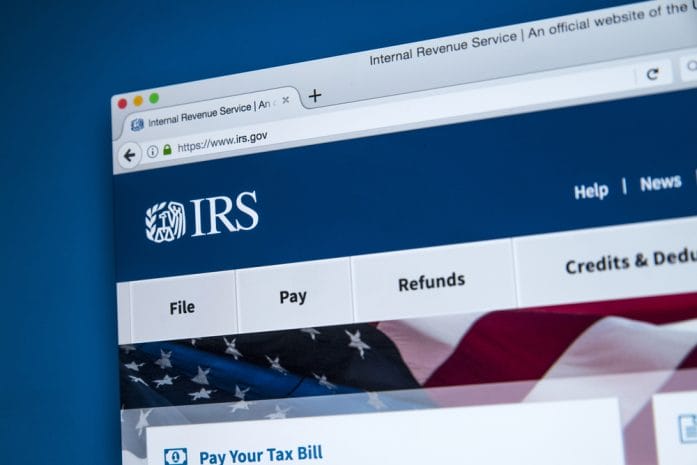
The IRS Reporting Threshold Change That Just Created a Tax Risk for Millions in 2026

January 26, 2026 by Brandon Marcus Leave a Comment

The IRS Reporting Threshold Change That Just Created a Tax Risk for Millions in 2026

Image source: shutterstock.com

If you’ve ever sold a vintage jacket on an app, picked up extra cash doing freelance work, or split dinner with friends via Venmo, you might have heard rumblings about a tax reporting change that could have snared millions of everyday Americans into unexpected IRS reporting paperwork in 2026.

The chatter about a strict new $600 rule had everyone from Etsy flippers to neighborhood babysitters biting their nails — but then Congress stepped in with a twist that changed the story entirely. And just like a tax-season plot twist, the IRS reporting threshold that once seemed so imminent has now shifted — in a big way.

The $600 Rule That Almost Was

For years, the IRS had been working toward lowering the reporting threshold for Form 1099-K, the tax document that payment processors like PayPal and Venmo send to both you and the IRS to report income received through their platforms. Under the American Rescue Plan Act of 2021, that threshold was slated to plummet to just $600, with no minimum transaction count attached — meaning that even a handful of casual transactions could have triggered a 1099-K form in 2026.

Tax professionals and everyday sellers alike were alarmed. Selling a couch, doing some freelance work, or even collecting contributions for a group gift suddenly looked like it could generate IRS paperwork. Millions of people stood on the brink of receiving tax forms for what they considered ordinary financial behavior — and that’s a recipe for confusion.

Enter The One Big Beautiful Bill Act

Then came a curveball: the One Big Beautiful Bill Act of 2025 — a massive tax and spending law signed July 4, 2025. Among its many provisions, it rewrote how 1099 reporting thresholds work. Instead of embracing the $600 threshold, Congress essentially hit rewind.

Under the new law, the 1099-K reporting threshold no longer drops to $600. Instead, it reverts to the old school standard that was in place before all this turmoil: you’ll receive a Form 1099-K only if you have more than $20,000 in gross payments and more than 200 transactions on a single payment platform in a calendar year.

That’s the rule that originally existed before the American Rescue Plan Act stirred the pot — and this reinstatement is retroactive for reporting years going back to 2022.

Why This Is Huge (But Not In The Way You Think)

Let’s be candid: for most folks, that old-school requirement of $20,000 and 200 transactions was already pretty high. Casual sellers, hobbyists, and part-time gigsters were rarely hitting both of those marks on a single platform in a year. So repeating that threshold makes a huge difference for day-to-day people.

Suddenly, that tiny Etsy shop selling handmade postcards — or that spinach quiche you flipped after thrift-shopping — probably won’t generate a 1099-K heading to your mailbox. But this doesn’t mean the IRS thinks the money isn’t taxable. It just means you won’t automatically get a tax form from PayPal or another processor for smaller totals.

It’s worth repeating: even if you don’t get a 1099-K, all income is still taxable. That’s tax law 101 — the presence (or absence) of a form doesn’t dictate your obligation to report income on your return.

The IRS Reporting Threshold Change That Just Created a Tax Risk for Millions in 2026

Image source: shutterstock.com

The New 1099 Thresholds For Businesses And Freelancers

But wait — the tax fun doesn’t stop with Form 1099-K. The same law made other changes to reporting forms that matter to small businesses and freelancers. Specifically, the reporting threshold for Form 1099-MISC and Form 1099-NEC — used to report payments to contractors, landlords, and miscellaneous income — has been increased. Starting in 2026, businesses generally won’t need to issue these forms unless the total payments reach at least $2,000 in a year, and this threshold will be adjusted for inflation in future years.

This is a big deal for small outfits and side hustlers. Under the old $600 rule, a small business that paid a freelancer $800 could have had to send out a 1099-NEC. Now? Not until payments hit that higher $2,000 mark. That’s less paperwork, fewer forms flying around, and fewer opportunities for innocent mistakes to turn into IRS penalties.


What Do You Think?

This change in tax reporting thresholds for 2026 is one of those rare moments when tax law manages to ease confusion rather than amplify it. Between reinstating the $20,000/$200 1099-K standard and raising the bar on other 1099 forms, the law reshapes how everyday earners interact with IRS reporting. We’ve covered the facts, the history, and the implications — now we want to hear from you.

Tell us what this change means to you, how it might affect your side hustle or business, or even the tax tales you’ve lived through — drop your thoughts or experiences in the comments below!

You May Also Like…

IRS Warning: That Venmo Payment for Your Garage Sale Just Triggered a Surprise Tax Bill

What Your First Budget Of The Year Should Include

8 Tax Moves That Save You When You Can’t Pay the IRS on Time

5 Reasons To Talk To Your Kids About Taxes

6 Advanced Techniques to Lower Your Capital Gains Taxes Legally

Brandon Marcus
Brandon Marcus

Brandon Marcus is a writer who has been sharing the written word since a very young age. His interests include sports, history, pop culture, and so much more. When he isn’t writing, he spends his time jogging, drinking coffee, or attempting to read a long book he may never complete.


Filed Under: tax tips Tagged With: 2026, 2026 laws, 2026 taxes, family finances, family money, finance, finances, general finance, Internal Revenue Service, IRS, IRS reporting, Money, money issues, tax planning, tax risk, tax risks, tax tips, taxes

Tax Foresight: 6 Planning Moves That Could Save You Money Soon

January 5, 2026 by Brandon Marcus Leave a Comment

Tax Foresight: 6 Planning Moves That Could Save You Money Soon

Image Source: Shutterstock.com

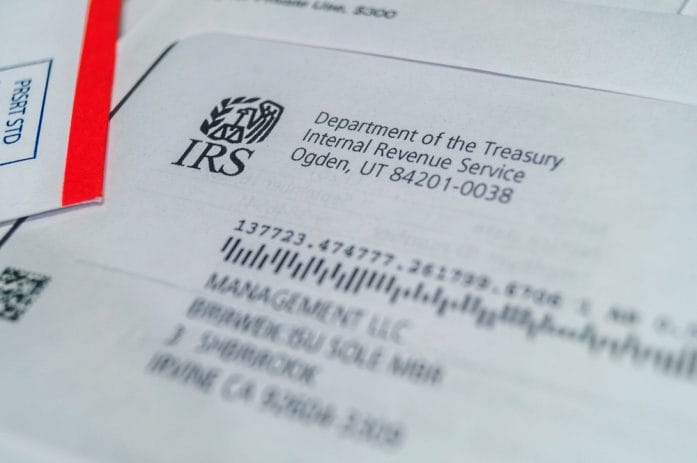
Fireworks don’t usually go off when someone mentions taxes, but this is where the story flips. Smart tax planning can feel like unlocking a secret level where the rewards are real cash, less stress, and way more control. Instead of scrambling at filing time, a little foresight lets you play offense, not defense, with your money.

These moves aren’t about loopholes or gimmicks; they’re about using existing rules wisely and confidently. Listen closely, because the right planning today can make future-you very glad you paid attention.

1. Maximize Retirement Contributions Early

Putting more into retirement accounts can reduce taxable income while building long-term wealth at the same time. Contributions to traditional 401(k)s and IRAs are often tax-deductible, which can lower what you owe this year. Starting early in the year spreads the impact across paychecks and feels less painful than a late rush. Many employers also match contributions, which is essentially free money with tax advantages. Over time, tax-deferred growth can turn consistent planning into serious savings.

2. Harvest Investment Losses Strategically

Tax-loss harvesting allows investors to sell underperforming assets to offset taxable gains elsewhere. This move can help reduce capital gains taxes without changing long-term investment strategy. Losses beyond gains may even offset a portion of ordinary income, within IRS limits. Timing matters, especially around year-end and wash sale rules. Done carefully, this strategy turns market dips into a planning advantage instead of a frustration.

3. Use Health Accounts As Stealth Tax Shields

Health Savings Accounts are one of the most tax-efficient tools available when paired with eligible health plans. Contributions are typically pre-tax, growth is tax-free, and qualified withdrawals avoid taxes entirely. Few accounts offer this triple benefit, which makes HSAs powerful long-term planning vehicles. Funds can roll over year after year, unlike flexible spending accounts. Treating an HSA as an investment account can quietly protect thousands from future taxes.

4. Time Income And Deductions With Intention

When income or expenses can be shifted, timing becomes a powerful planning lever. Deferring income to a later year may reduce exposure to higher tax brackets. Accelerating deductions, like charitable gifts or business expenses, can increase immediate tax benefits. This approach works especially well for freelancers, business owners, and retirees with flexible income streams. Thoughtful timing can smooth out tax bills and prevent unpleasant surprises.

Tax Foresight: 6 Planning Moves That Could Save You Money Soon

Image Source: Shutterstock.com

5. Take Credits Seriously, Not Casually

Tax credits directly reduce taxes owed, making them more valuable than deductions in many cases. Credits for education, childcare, energy efficiency, and dependent care can add up quickly. Eligibility rules matter, so awareness is key to claiming what’s allowed. Some credits are refundable, meaning they can boost refunds even if taxes owed are low. Missing credits often means leaving real money on the table.

6. Review Withholding And Estimated Payments Regularly

Withholding that’s too high gives the government an interest-free loan, while too low can trigger penalties. Regular reviews help align payments with actual tax obligations as life changes. Job shifts, side income, bonuses, and investments can all throw off estimates. Adjusting throughout the year keeps cash flow predictable and stress levels lower. This simple habit can prevent last-minute panic and unexpected bills.

Plan Ahead And Stay Curious

Tax planning doesn’t require obsession, but it does reward attention and curiosity. Each move builds on the idea that informed choices today can unlock savings sooner than expected. Everyone’s situation is different, which makes learning from others especially valuable.

If you’ve tried any of these strategies or learned something the hard way, the comments section below is waiting. Your experiences might spark someone else’s next smart move.

You May Also Like…

Income Threshold: 4 Hidden Taxes That Hit Once You Cross Certain Limits

9 Georgia Counties Where Property Taxes Are Set to Rise the Fastest

9 Financial Dangers of Ignoring Property Taxes

Tax Surge: 4 Income Types That Trigger Hidden Tax Bills

Income Stability: 6 Retirement Income Moves That Aren’t as Safe as They Seem

Brandon Marcus
Brandon Marcus

Brandon Marcus is a writer who has been sharing the written word since a very young age. His interests include sports, history, pop culture, and so much more. When he isn’t writing, he spends his time jogging, drinking coffee, or attempting to read a long book he may never complete.
Filed Under: Tax Planning Tagged With: 401(k), deductions, filing taxes, health accounts, Income, income taxes, retirement accounts, retirement contributions, retirement savings, tax planning, tax plans, tax tips, taxes

Tax Finale: 6 Year-End Moves to Complete Before New Rules Arrive

January 1, 2026 by Brandon Marcus Leave a Comment

Tax Finale: 6 Year-End Moves to Complete Before New Rules Arrive

Image Source: Shutterstock.com

The clock is ticking, the calendar is flipping, and tax season is creeping closer than you think. But before the champagne corks pop and the New Year kicks off, savvy taxpayers know there’s a final sprint to financial finesse that can save serious money.

This is not your average dull accounting lecture—this is a high-stakes, year-end tax finale where strategy meets opportunity. From clever deductions to timing income, every move you make now can be a game-changer. Today, we’re diving into six essential maneuvers that could protect your wallet before new rules shake everything up.

1. Max Out Retirement Contributions For Maximum Benefits

Contributing to retirement accounts isn’t just about securing your future—it’s an immediate tax shield. IRAs, 401(k)s, and other retirement vehicles allow you to potentially lower your taxable income before the year ends. If you haven’t maxed out your contributions, now is the perfect moment to catch up and claim those tax advantages. Even a few extra thousand dollars funneled into these accounts can significantly reduce your 2025 tax liability. Don’t wait until January; every dollar counted this year could make a real difference.

2. Harvest Tax Losses To Offset Gains

Investors, this one’s for you. Selling underperforming investments before year-end allows you to claim a tax loss, which can offset capital gains and even reduce ordinary income up to certain limits. Known as tax-loss harvesting, this tactic is a powerful way to lower your tax bill while keeping your portfolio aligned with long-term goals. Remember, you can carry over unused losses into future years, extending the benefit beyond 2025. Check your investment statements carefully, because strategic sales now could save you big in April.

3. Accelerate Or Delay Income Strategically

Timing is everything when it comes to taxable income. If you expect to be in a higher tax bracket next year, consider accelerating deductions and deferring income to reduce your current-year liability. Conversely, if your income might spike this year, delaying certain receipts until the next tax year can lower your immediate tax exposure. Even bonuses, freelance payments, or consulting fees can be shifted with careful planning. Consulting a tax professional ensures these maneuvers follow IRS rules without triggering unwanted penalties.

4. Review Charitable Contributions For Extra Deductions

Charitable giving isn’t just about goodwill; it can also be a smart tax strategy. Cash donations, appreciated stocks, and even certain expenses can qualify as itemized deductions, reducing your taxable income. Be sure to document everything carefully with receipts and acknowledgment letters from the charities. Consider bunching contributions into a single year to surpass the standard deduction and maximize savings. Doing a year-end charitable review could turn your generosity into a strategic financial win.

Tax Finale: 6 Year-End Moves to Complete Before New Rules Arrive

Image Source: Shutterstock.com

5. Check Flexible Spending And Health Savings Accounts

Your FSA and HSA balances aren’t just numbers—they’re potential tax savers. Use up remaining FSA funds on eligible medical or dependent care expenses before they vanish, as many accounts have a “use-it-or-lose-it” policy. Contributions to HSAs can be made until the tax filing deadline, offering both immediate tax deductions and long-term growth potential. Investing in healthcare expenses now not only benefits your health but also reduces taxable income. Review deadlines and eligible expenses carefully to avoid missing out on these hidden benefits.

6. Reevaluate Estate And Gift Planning Moves

Estate planning isn’t just for the ultra-wealthy—it’s a tool anyone can leverage for tax efficiency. Gifts up to the annual exclusion amount may be tax-free, helping reduce your taxable estate while benefiting loved ones. Consider strategies like 529 plan contributions for education or gifting appreciated assets instead of cash to maximize tax advantages. Reviewing trusts, wills, and beneficiary designations ensures everything aligns with your current goals. Year-end is the perfect checkpoint to make sure your estate strategy is both effective and compliant.

Last-Minute Tax Moves Can Make A Big Difference

Year-end tax planning may feel overwhelming, but taking action now can pay dividends in both savings and peace of mind. These six moves—maxing retirement contributions, harvesting losses, timing income, boosting charitable deductions, checking FSAs/HSAs, and reviewing estate strategies—are all tools in your financial toolkit. Waiting until the new rules take effect could mean missed opportunities and higher tax bills.

Take a proactive approach, assess your finances carefully, and consult a professional if needed. Let us know your thoughts or any experiences you’ve had with year-end tax planning in the comments section below.

You May Also Like…

Income Threshold: 4 Hidden Taxes That Hit Once You Cross Certain Limits

9 Georgia Counties Where Property Taxes Are Set to Rise the Fastest

Can Your Taxes Be Cut In Half By You Simply Incorporating Your Name?

What Happens When Small Business Owners Skip Taxes

Regulation Spotlight: 8 New Advice Rules Clients Must Prepare For


Brandon Marcus
Brandon Marcus

Brandon Marcus is a writer who has been sharing the written word since a very young age. His interests include sports, history, pop culture, and so much more. When he isn’t writing, he spends his time jogging, drinking coffee, or attempting to read a long book he may never complete.

Filed Under: tax tips Tagged With: charitable contributions, Estate plan, Estate planning, flexible spending, gift plan, gift planning, health savings account, Income, retirement accounts, retirement contributions, retirement plan, retirement planning, tax losses, tax plan, tax planning, tax regulations, tax rules, tax tips, taxes

Tax Surge: 4 Income Types That Trigger Hidden Tax Bills

December 28, 2025 by Brandon Marcus Leave a Comment

Tax Surge: 4 Income Types That Trigger Hidden Tax Bills

Image Source: Shutterstock.com

Money feels great when it lands in your account — until the tax bill shows up like an uninvited guest who knows exactly how much you made and wants a cut. One of the biggest financial surprises people face isn’t earning more money, but realizing that not all income is treated the same by the tax system. Some income types quietly trigger extra taxes, phaseouts, penalties, or reporting rules that most people never see coming.

These hidden tax traps don’t just affect the ultra-wealthy; they quietly snag freelancers, retirees, investors, and side hustlers every year.

1. Investment Income That Quietly Raises Your Tax Rate

Investment income often feels passive, but the tax system treats it like an active participant in your financial life. Capital gains, dividends, and interest can push your total income higher, sometimes triggering higher marginal tax brackets without you realizing it. Long-term capital gains are taxed differently than ordinary income, but they can still cause other benefits or credits to phase out. Investment income can also trigger the Net Investment Income Tax, an extra 3.8% levy many people don’t realize applies once certain income thresholds are crossed. Even reinvested dividends — money you never actually touched — can still generate a tax bill that sneaks up on you.

2. Side Hustle And Gig Income That Comes With Surprise Self-Employment Taxes

That side hustle money feels especially sweet because it’s often earned on your own terms, but it comes with tax strings attached. Unlike a traditional job, side income usually doesn’t have taxes withheld automatically, meaning the IRS expects you to pay both income tax and self-employment tax. Many people are shocked to learn they owe quarterly estimated payments instead of settling up once a year. What starts as a fun side project can quietly become a tax headache if planning doesn’t keep pace with profits.

3. Retirement Income That Isn’t As Tax-Free As It Sounds

Retirement income often carries the illusion of simplicity, but the tax reality can be surprisingly complex. Traditional 401(k) and IRA withdrawals are taxed as ordinary income, which can push retirees into higher tax brackets than expected. Social Security benefits can also become partially taxable depending on your total income, a twist that catches many retirees off guard. Required Minimum Distributions can force withdrawals even when the money isn’t needed, creating taxable income by mandate rather than choice. What feels like a stable retirement paycheck can quietly reshape your entire tax picture.

Tax Surge: 4 Income Types That Trigger Hidden Tax Bills

Image Source: Shutterstock.com

4. Windfalls And One-Time Payments That Trigger Unexpected Consequences

Bonuses, legal settlements, severance packages, and even forgiven debt often come with tax implications that aren’t obvious at first glance. These lump sums can push income temporarily into a higher tax bracket, increasing the rate applied to part of your earnings. Certain payments may also reduce deductions, credits, or healthcare subsidies tied to income thresholds. What feels like a financial win can become a tax maze without careful planning.

The Hidden Side Of “Extra” Money

Understanding how different income types interact with tax rules can help prevent unpleasant surprises and allow smarter financial decisions year-round. Whether it’s investments, side gigs, retirement funds, or one-time windfalls, knowledge turns confusion into control.

If you’ve ever been surprised by a tax bill or learned a lesson the hard way, we’d love to hear your thoughts or experiences in the comments below.

You May Also Like…

Income Stream: 5 Unexpected Income Sources Retirees Are Trying This Winter

Income Pivot: 8 Income Streams Retirees Are Adding Before Rates Change Again

13 Intriguing Ideas for Generating Passive Rental Income Streams

7 Income Streams You’d Laugh At—Until They Out-earned Your Salary

6 Income Sources People Don’t Try But Should


Brandon Marcus
Brandon Marcus

Brandon Marcus is a writer who has been sharing the written word since a very young age. His interests include sports, history, pop culture, and so much more. When he isn’t writing, he spends his time jogging, drinking coffee, or attempting to read a long book he may never complete.

Filed Under: tax tips Tagged With: gig economy, Income, income stream, income types, invest, investing, Investment, investments, multiple income stream, retire, Retirement, retirement account, side hustle, side hustles, Tax, tax tips, taxes, windfalls

Income Threshold: 4 Hidden Taxes That Hit Once You Cross Certain Limits

December 26, 2025 by Brandon Marcus Leave a Comment

Income Threshold: 4 Hidden Taxes That Hit Once You Cross Certain Limits

Image Source: Shutterstock.com

Earning more money is usually exciting—raises, promotions, side hustles finally paying off. But what if your bank account gains triggered sneaky traps that weren’t in the paycheck memo? These hidden taxes can strike the moment your income passes certain thresholds, quietly shrinking your take-home pay.

From disappearing deductions to stealthy surtaxes, they hit in ways that make your wallet flinch. Let’s dive into four surprising taxes that you might not know are lurking just above your financial comfort zone.

1. Social Security Tax Cap And Its Sneaky Effect

Social Security taxes feel straightforward at first glance. But once you cross a specific income cap, you stop paying Social Security taxes on additional earnings. Sounds like a break, right? Not entirely, because the sudden cessation affects long-term benefits, since your retirement check is calculated based on your lifetime earnings. High earners may find themselves paradoxically paying less in the short term but potentially receiving lower proportional benefits later.

2. Medicare Surtax That Hits The Top Bracket

Medicare usually takes 1.45% of your paycheck, and your employer contributes the same. Yet for individuals earning more than a certain amount, an additional Medicare surtax applies. This tax doesn’t end at a cap—it keeps taking from every extra dollar earned above that threshold. It’s an often-overlooked bite for high-income earners, especially those juggling bonuses or side income streams. Ignoring it can result in a shock when you file your taxes, turning extra earnings into unexpected deductions.

3. The Phaseout Of Itemized Deductions

Deductions are your best friends, trimming taxable income and lightening your tax bill. But once your income surpasses a certain limit, many itemized deductions begin to phase out. For example, higher-income taxpayers may lose deductions for state and local taxes, mortgage interest, or charitable contributions. This stealthy withdrawal increases taxable income without any overt notice in your paycheck. Essentially, the more you earn past a threshold, the fewer deductions you can claim, quietly inflating your effective tax rate.

4. Net Investment Income Tax: The Silent Siphon

The net investment income tax (NIIT) is like a secret toll booth on passive income. Individuals with modified adjusted gross income over a certain amount pay an additional tax on investment earnings. That includes interest, dividends, capital gains, rental income, and certain passive business income. For investors, this can drastically change the net return on a well-planned portfolio, especially if multiple income streams push you above the threshold. Many people don’t realize that this tax operates independently of ordinary income tax, so it’s easy to underestimate its bite.

Income Threshold: 4 Hidden Taxes That Hit Once You Cross Certain Limits

Image Source: Shutterstock.com

Why Timing And Planning Matter More Than Ever

Crossing these thresholds isn’t just a numbers game; it’s a timing and strategy issue. Earning a bonus or selling an investment at the wrong moment can push you over a critical line. Smart tax planning—like deferring income, bunching deductions, or leveraging tax-advantaged accounts—can mitigate these hidden hits. Professionals and self-employed earners especially benefit from proactive planning, as small moves can save thousands. Understanding when and how these thresholds apply keeps your hard-earned money from evaporating unnoticed.

Keep An Eye On Changes Every Year

Tax laws are rarely static—they shift, sometimes subtly, each year. The IRS annually updates income limits, caps, and thresholds, affecting Social Security, Medicare, deductions, and investment taxes. What applied last year may not hold true this year, so relying on outdated information can be costly. Staying informed ensures you’re prepared for each threshold, rather than surprised at filing time. Vigilance transforms these hidden taxes from stealthy penalties into manageable considerations in your financial plan.

What Do You Think About Hidden Taxes?

Hidden taxes often hit without warning, but knowledge is your best defense. Understanding income thresholds, surtaxes, phaseouts, and investment taxes can help you strategize and protect your earnings.

Have you ever encountered a surprise tax when you crossed an income line? Tell us your thoughts or stories in the comments section below. The more you know, the better you can plan—and maybe even keep more of what you earn.

You May Also Like…

Income Pivot: 8 Income Streams Retirees Are Adding Before Rates Change Again

13 Intriguing Ideas for Generating Passive Rental Income Streams

7 Income Streams You’d Laugh At—Until They Out-earned Your Salary

5 Income Goals That Professionals Wish They Hit by 35

12 Different Ways to Structure Your Portfolio for Income Generation

Brandon Marcus
Brandon Marcus

Brandon Marcus is a writer who has been sharing the written word since a very young age. His interests include sports, history, pop culture, and so much more. When he isn’t writing, he spends his time jogging, drinking coffee, or attempting to read a long book he may never complete.

Filed Under: tax tips Tagged With: deductions, extra income, fees, fixed income, Hidden Fees, hidden taxes, high income, income threshold, Medicare, net investment income tax, Social Security, Tax, tax limit, tax tips, taxes

Tax Horizon: 4 Year-End Moves That Could Shape Your Finances for a Decade

December 23, 2025 by Brandon Marcus Leave a Comment

Tax Horizon: 4 Year-End Moves That Could Shape Your Finances for a Decade

Image Source: Shutterstock.com

The final weeks of the year carry a secret superpower: the ability to transform your financial future. While most of us are distracted by holiday shopping, festive parties, and last-minute projects, your money is quietly waiting for some strategic maneuvers that could pay off for years to come.

Tax planning isn’t just about checking boxes; it’s about leveraging timing, rules, and a little clever thinking to gain a huge advantage. Imagine setting up moves now that will ripple positively across your investments, retirement, and lifestyle for the next ten years. The clock is ticking, but if you act wisely, you could enter the new year not just stress-free but financially empowered.

1. Max Out Retirement Accounts Before December 31

Retirement accounts are the classic playground for year-end financial power moves. Contributing the maximum allowed to your 401(k), IRA, or Roth IRA can lower your taxable income while turbocharging your long-term savings. The earlier you act, the more time compounding has to work its magic, turning today’s contributions into tomorrow’s financial freedom.

Don’t overlook catch-up contributions if you’re over 50; they can significantly accelerate growth. Even small, strategic contributions now can create a snowball effect that transforms your retirement landscape over the next decade.

2. Harvest Tax Losses Strategically

Capital gains can sneak up on you, but smartly harvesting losses can offset them and keep more money in your pocket. By selling investments that have underperformed, you can reduce your taxable gains and potentially carry losses forward into future years. Timing is crucial: losses realized before year-end can impact this year’s taxes, while gains left untouched might push you into a higher tax bracket. Keep an eye on wash-sale rules to ensure you don’t unintentionally nullify your efforts. Done right, tax-loss harvesting isn’t just about saving money this year—it’s about building a smoother, smarter investment trajectory for years to come.

3. Evaluate Charitable Giving And Donations

Year-end giving isn’t just heartwarming—it can be financially strategic. Donations to qualified charities can reduce your taxable income, especially if you itemize deductions. Consider bunching multiple years of giving into a single year to maximize the tax benefit, a tactic that can amplify your impact both on your finances and your favorite causes. Don’t forget non-cash donations; items like clothing, furniture, and appreciated securities can yield surprising deductions. Thoughtful giving now not only supports meaningful causes but can create lasting benefits for your tax situation in the coming decade.

Tax Horizon: 4 Year-End Moves That Could Shape Your Finances for a Decade

Image Source: Shutterstock.com

4. Reassess Your Tax Withholding And Estimated Payments

Nothing derails a financial plan faster than a surprise tax bill in April. Reviewing your withholding and estimated payments before the year closes can prevent unnecessary penalties and optimize cash flow. If you’ve experienced a raise, a bonus, or major life changes, adjusting your withholding ensures you’re not giving the government an interest-free loan. Similarly, prepaying certain deductible expenses or estimated taxes can strategically shift your taxable income. Taking a proactive approach now sets a smoother, more predictable path for your finances in the years ahead.

Start The Next Decade Strong

Year-end financial planning isn’t a mundane chore—it’s an opportunity to set up long-lasting advantages. Maxing out retirement accounts, harvesting tax losses, giving thoughtfully, and adjusting withholding aren’t just small tweaks; they’re foundational moves that influence your financial trajectory for a decade. These steps require timing, insight, and a bit of courage, but the payoff is compounded peace of mind and a strategic advantage over time. Everyone’s financial situation is unique, so tailoring these moves to your goals can multiply their impact.

What strategies have shaped your finances in the past, or which are you considering this year? Post your thoughts or experiences in the comments section below.

You May Also Like…

Tax Reset: 8 Moves to Consider If You’ve Had a Windfall in 2025

Can Your Taxes Be Cut In Half By You Simply Incorporating Your Name?

6 Advanced Techniques to Lower Your Capital Gains Taxes Legally

What Happens When Retirement Plans Ignore Rising Taxes

Why Do Middle-Class Families End Up Paying the Most Taxes


Brandon Marcus
Brandon Marcus

Brandon Marcus is a writer who has been sharing the written word since a very young age. His interests include sports, history, pop culture, and so much more. When he isn’t writing, he spends his time jogging, drinking coffee, or attempting to read a long book he may never complete.

Filed Under: tax tips Tagged With: charitable deductions, donations, end of year, end of year taxes, finance, finances, financial plans, general finance, retirement accounts, Tax, tax losses, tax tips, tax withholdings

Tax Freeze: 6 Immediate Actions to Lock In Lower Rates Before Reforms Hit

December 17, 2025 by Brandon Marcus Leave a Comment

Here Are Tax 6 Immediate Actions to Lock In Lower Tax Rates Before Reforms Hit

Image Source: Shutterstock.com

The tax clock is ticking, and it’s making that loud, dramatic sound you hear in action movies right before everything changes. Policy debates are heating up, brackets are under scrutiny, and the rules you rely on today may not look so friendly tomorrow. That doesn’t mean panic, but it does mean preparation, because the smartest moves often happen before the headlines become law.

This is your moment to play offense instead of defense and lock in advantages while they’re still available. Grab a cup of coffee, because we’re diving into fast, practical moves that could make future-you very thankful.

1. Accelerate Income While Rates Are Favorable

When lower rates are on the table today, pulling income forward can be a surprisingly powerful move. This might mean taking a bonus this year instead of next, billing clients earlier, or exercising certain compensation options now. Paying tax sooner is rarely exciting, but paying it at a lower rate often is. The key is coordination so you don’t accidentally push yourself into an unfavorable bracket. Done thoughtfully, income acceleration can freeze today’s rates before reforms raise the temperature.

2. Harvest Capital Gains With A Clear Strategy

Selling appreciated assets can feel counterintuitive, but today’s capital gains rates may look generous in hindsight. Locking in gains now resets your cost basis and reduces future exposure if rates climb. This approach works especially well when paired with smart reinvestment rather than sitting in cash. Timing matters, so the goal isn’t dumping everything at once but choosing assets intentionally. Capital gains harvesting is less about timing the market and more about timing the tax code.

3. Maximize Roth Conversions Before Brackets Shift

Roth conversions are like paying admission now to enjoy a tax-free show later. By converting traditional retirement funds while rates are lower, you lock in today’s known cost. Future withdrawals can then avoid higher ordinary income rates entirely. The trick is partial conversions that keep you in control of your bracket. Think of Roth conversions as a long-term hedge against political uncertainty.

4. Front-Load Deductions And Strategic Expenses

Deductions are most valuable when rates are higher, but front-loading them can still create flexibility. Paying deductible expenses now or bunching charitable contributions can optimize your tax profile across years. This is especially useful if future reforms limit or cap certain deductions. It also gives you more predictable planning instead of reactive scrambling later. Strategic timing turns deductions into a lever rather than a lucky break.

Here Are Tax 6 Immediate Actions to Lock In Lower Tax Rates Before Reforms Hit

Image Source: Shutterstock.com

5. Lock In Estate And Gift Planning Opportunities

Estate and gift tax thresholds are political magnets, and history suggests they rarely stay generous forever. Using exemptions now can permanently remove assets from your taxable estate. This doesn’t mean giving everything away, but it does mean considering structured gifts or trusts. Valuations and discounts available today may vanish under reform. Acting early can preserve family wealth with far less friction.

6. Revisit Business Structure And Entity Elections

Your business entity determines how income is taxed, and reforms often target these rules aggressively. Re-evaluating S-corps, partnerships, or pass-through structures now can reveal savings opportunities. Sometimes a small election change can dramatically alter future tax exposure. This is not a set-it-and-forget-it decision, especially during policy shifts. A proactive review today can prevent expensive regrets tomorrow.

Freeze The Moment Before The Rules Change

Tax reform doesn’t arrive quietly, and by the time it’s official, the best opportunities are usually gone. These six actions aren’t about clever tricks, but about thoughtful timing and intentional planning. The goal is to create certainty in an environment that thrives on change. Everyone’s situation is different, which is why these ideas work best when adapted, not copied.

If you’ve navigated tax changes before or are thinking through your own strategy, give your thoughts or stories in the comments section below.

You May Also Like…

9 Georgia Counties Where Property Taxes Are Set to Rise the Fastest

Estate Overhaul: 10 Document Updates to Make Before New Tax Rules Kick In

Should You Make A Roth Conversion Now Or Wait For January’s Tax Environment To Settle?

Why Do Middle-Class Families End Up Paying the Most Taxes

6 Advanced Techniques to Lower Your Capital Gains Taxes Legally


Brandon Marcus
Brandon Marcus

Brandon Marcus is a writer who has been sharing the written word since a very young age. His interests include sports, history, pop culture, and so much more. When he isn’t writing, he spends his time jogging, drinking coffee, or attempting to read a long book he may never complete.

Filed Under: tax tips Tagged With: 2025 taxes, capital gains, deductions, Estate planning, gift planning, gift-giving, Income, Income tax, interest rates, Roth IRA, tax freeze, tax reform, tax tips, taxes

Are You Prepared For The Tax-Law Changes Arriving Sooner Than Most Americans Expect?

December 11, 2025 by Brandon Marcus Leave a Comment

You Need To Be Prepared For The Tax-Law Changes Arriving Sooner Than Most Americans Expect

Image Source: Shutterstock.com

Tax season has always had a way of sneaking up on us, but this year, the game is changing faster than most Americans realize. New rules are rolling out that could reshape deductions, credits, and even how your paycheck is taxed—sometimes without any warning. It’s not just a matter of filing differently; these changes could impact everything from your retirement planning to your side hustle.

Staying ahead means understanding what’s coming, how it affects you, and what moves you can make now to avoid surprises. Let’s dig into the tax shifts that are making accountants and everyday taxpayers alike rethink their strategy.

1. Understanding The Key Deductions That Are Shifting

Tax deductions are no longer what they used to be, and some familiar write-offs are getting trimmed or redefined. For instance, certain business expenses, home office deductions, and education credits are facing updates that could limit eligibility. Many Americans rely on these deductions to reduce taxable income, so missing a change could mean paying more than necessary. Staying informed now gives you the chance to adjust spending, receipts, or timing before the law takes effect. Ignoring the shifts could turn a routine tax return into an unpleasant shock when you realize a deduction you counted on is no longer available.

2. How Credits Are Being Rewritten And Expanded

While some deductions are shrinking, certain tax credits are getting a boost—especially those aimed at energy-efficient home upgrades, childcare, and education. The government is incentivizing behaviors they want to see more of, which means you could qualify for credits you didn’t know existed. On the flip side, older credits are being phased out or adjusted for income thresholds. Missing out on a new credit could cost you hundreds or even thousands of dollars, so now is the time to review eligibility criteria. Proper planning and documentation can make the difference between claiming every available credit and leaving money on the table.

You Need To Be Prepared For The Tax-Law Changes Arriving Sooner Than Most Americans Expect

Image Source: Shutterstock.com

3. Retirement Accounts And Contributions Face New Limits

One of the sneakiest changes involves retirement contributions, which may affect 401(k), IRA, and other retirement accounts. Contribution limits are being updated, and the rules surrounding deductions for traditional IRAs are shifting based on income levels. These updates can have ripple effects, altering how much you can shelter from taxes each year. Regular taxpayers might find themselves unexpectedly over or under-contributing if they don’t pay attention. Staying proactive ensures your retirement planning stays on track without creating accidental penalties or missed opportunities.

4. The Side-Hustle Impact Is Bigger Than You Think

Side hustles and gig work are booming, and the tax code is adjusting to catch up. Many self-employed individuals may see changes in how expenses, income reporting, and deductions are calculated. What once felt like an easy home office deduction or vehicle write-off might now require extra documentation or meet new criteria. Ignoring these changes could mean underpaying taxes one year and facing a hefty bill later. The key is understanding how your extra income fits into the updated rules so that you stay compliant and avoid surprise penalties.

5. State And Local Taxes Are Joining The Shuffle

Federal changes aren’t the only thing shaking up tax season—state and local governments are also adjusting rules to align with new federal updates. These changes could affect itemized deductions, credits, and how local income or property taxes are reported. Some states are even creating new incentives for renewable energy or education spending, adding another layer of complexity. Taxpayers who only focus on federal law could miss key opportunities—or face unexpected liabilities. Keeping track of both federal and state changes ensures your tax plan is holistic, not just piecemeal.

6. Timing Could Make Or Break Your Savings

Many of the new rules have effective dates that arrive sooner than most Americans anticipate. Planning for these changes now can help you shift income, accelerate deductions, or restructure investments to maximize savings. Procrastinating, even by a few months, could mean missing deadlines for key deductions or credits. Tax planning isn’t just about filing correctly—it’s about using timing to your advantage. Understanding when rules take effect gives you a window to make strategic moves that could save significant money.

7. Digital Records And Documentation Are More Important Than Ever

With new rules comes increased scrutiny, and proper documentation has never been more critical. Receipts, invoices, and digital records can prove eligibility for deductions, credits, and business expenses. Losing or misfiling a document could mean losing the tax benefit entirely. The updated laws may also favor taxpayers who can provide clear, organized evidence of expenses and income. Staying meticulous now prevents headaches, audits, or denied deductions later.

8. Professional Advice Is Not Optional

Given the complexity and speed of these changes, relying solely on DIY tax software might not be enough. Professional accountants and tax advisors are adapting quickly and can provide guidance tailored to your specific financial situation. They can identify opportunities or pitfalls that you might overlook, saving you both money and stress. While self-education is important, expert insight ensures you’re not leaving money on the table or inadvertently violating new rules. Investing in professional advice now could pay off exponentially when tax season arrives.

Take Action Before The Clock Runs Out

The tax-law changes coming sooner than expected aren’t just bureaucratic reshuffles—they’re potential financial game-changers. Understanding deductions, credits, retirement rules, side-hustle implications, and state-level updates gives you a competitive edge. Planning now allows you to make informed decisions and adjust your financial habits before deadlines hit. Ignoring the updates could lead to missed opportunities, higher taxes, and unnecessary stress.

How are you preparing for the changes? Share your strategies, questions, or stories.

You May Also Like…

9 Georgia Counties Where Property Taxes Are Set to Rise the Fastest

Side Hustles That Look Legit—Until They Break Tax Laws

5 Tax Laws That Could Save You Thousands of Dollars Each Year If You Knew About Them

What Happens When Small Business Owners Skip Taxes

Why Do Middle-Class Families End Up Paying the Most Taxes


Brandon Marcus
Brandon Marcus

Brandon Marcus is a writer who has been sharing the written word since a very young age. His interests include sports, history, pop culture, and so much more. When he isn’t writing, he spends his time jogging, drinking coffee, or attempting to read a long book he may never complete.

Filed Under: tax tips Tagged With: 2025 tax changes, 2025 taxes, 2026 tax law, credits, deductions, local taxes, retirement accounts, savings account, side hustle, side hustles, state taxes, Tax, tax contributions, tax credits, tax laws, tax tips, taxes

Act Now to Maximize Your Tax Deductions Before the Annual Deadline

October 1, 2025 by Travis Campbell Leave a Comment

tax loss

Image source: pexels.com

As the end of the tax year approaches, it’s easy to let financial tasks slip to the bottom of your to-do list. But waiting until the last minute can mean missing out on valuable opportunities to maximize your tax deductions. Being proactive now can help lower your tax bill, boost your refund, and keep more of your hard-earned money. The annual deadline for claiming many deductions is firm, so acting before time runs out is crucial. Understanding which actions to take and when can make a real difference in your financial outcome. Let’s break down the essential steps you should consider to maximize your tax deductions before it’s too late.

1. Review Your Potential Deductions Early

Don’t wait until tax season is in full swing to start thinking about what you can deduct. Make a list of common tax deductions you might qualify for, such as mortgage interest, charitable donations, medical expenses, and certain business costs if you’re self-employed. Reviewing these items now gives you time to gather receipts and documentation, ensuring nothing slips through the cracks. This early review also helps you spot areas where you can still make deductible payments before the annual deadline.

Maximize your tax deductions by double-checking less obvious expenses, such as educator costs, job-hunting expenses, or state sales tax paid on large purchases. Many people leave money on the table simply because they forget what’s eligible.

2. Make Last-Minute Charitable Contributions

If you’ve been meaning to support a favorite cause, now is the time. Charitable donations made by the end of the year can count toward this year’s tax deductions. Keep in mind that to maximize your tax deductions, your donation must be made to a qualified organization, and you’ll need a receipt for gifts over $250.

Donating appreciated assets, such as stocks, can provide a double benefit: you may avoid capital gains taxes and get a deduction for the full market value. Even smaller contributions add up, so gather your records for cash, checks, or donated goods.

3. Max Out Retirement Contributions

Contributing to retirement accounts like a traditional IRA or 401(k) is one of the most effective ways to reduce taxable income. If you haven’t reached your contribution limits for the year, consider making an extra deposit before the cutoff. Not only do you save for your future, but you also lower your tax bill today.

Some retirement accounts allow you to make contributions until the tax filing deadline, but others, like 401(k)s, typically require contributions by December 31. Check your plan’s rules and act now to ensure your contributions count for this year.

4. Prepay Deductible Expenses

If you itemize deductions, prepaying certain expenses before the annual deadline can help you maximize your tax deductions. This might include property taxes, mortgage interest, or medical bills you plan to pay soon anyway. By paying before year-end, you can claim the deduction this tax year instead of waiting.

Be sure to check IRS rules about what’s eligible, and consider how prepaying might affect your cash flow. For self-employed individuals, paying business expenses or making estimated tax payments before the deadline can also boost deductions.

5. Harvest Investment Losses

Review your investment portfolio for stocks or funds that have lost value. Selling losing investments before the annual deadline lets you use those losses to offset capital gains and potentially reduce your taxable income. This strategy, called tax-loss harvesting, can be especially helpful if you had big gains earlier in the year.

Keep the IRS “wash sale” rule in mind: if you buy the same or a substantially identical investment within 30 days, your loss may be disallowed.

Take Action Now for Maximum Savings

The window to maximize your tax deductions closes soon, so don’t let procrastination cost you money. A little time spent now can pay off with significant tax savings and help you feel more confident when it’s time to file. Whether you’re making charitable donations, boosting retirement contributions, or organizing receipts, every step you take before the annual deadline can make a difference.

What’s your favorite last-minute move to maximize tax deductions before the deadline? Share your tips or questions in the comments below!

What to Read Next…

  • 7 Tax Breaks That Sound Generous But Cost You Later
  • 6 Tax Breaks That Vanished Before Anyone Noticed
  • 5 Ways Missing One Tax Form Can Cost Your Heirs Thousands
  • What Tax Preparers Aren’t Warning Pre Retirees About In 2025
  • 6 Tax Moves That Backfire After You Sell A Property
Travis Campbell
Travis Campbell

Travis Campbell is a digital marketer/developer with over 10 years of experience and a writer for over 6 years. He holds a degree in E-commerce and likes to share life advice he’s learned over the years. Travis loves spending time on the golf course or at the gym when he’s not working.

Filed Under: Tax Planning Tagged With: charitable giving, Personal Finance, retirement contributions, Tax Deductions, tax tips, year-end planning

8 Surprising Financial Traps in the Gig Economy

September 29, 2025 by Travis Campbell Leave a Comment

delivery

Image source: pexels.com

The gig economy has transformed how people earn a living. Flexibility, independence, and variety draw millions to freelance, drive, deliver, or contract. But working gigs isn’t always as simple as it looks. Hidden costs and unexpected hurdles can trip up even seasoned gig workers. Knowing these financial traps in the gig economy is key to keeping more of your hard-earned cash and planning for the future. Let’s break down the most common pitfalls and how to avoid them.

1. Underestimating Taxes

Many gig workers don’t realize they’re responsible for paying their own taxes. Unlike traditional jobs, there’s no employer withholding income tax, Social Security, or Medicare from your paycheck. You must track your income, estimate quarterly tax payments, and set money aside. Miss these steps, and you could face a big tax bill, penalties, or interest. The self-employment tax can be a shock, so make sure you understand your obligations and use tools or apps to help keep records straight.

2. Overlooking Business Expenses

Every dollar you earn isn’t profit. Gas, supplies, equipment, insurance, and even your phone bill can eat into your take-home pay. If you don’t track these business expenses, you might overstate your actual earnings and pay too much in taxes. Save receipts, log miles, and review what’s deductible for your gig. It’s smart to separate business and personal finances with a dedicated account. This way, you can easily see what’s really left after costs.

3. Lack of Health Insurance

Traditional jobs often come with employer-sponsored health insurance. In contrast, gig workers must find their own coverage, which can be expensive and confusing. Some skip health insurance because of the cost, but a single medical emergency could wipe out your savings or put you in debt. Shop around for plans on the marketplace and see if you qualify for subsidies.

4. No Retirement Savings Plan

One of the biggest financial traps in the gig economy is neglecting retirement savings. Without a company 401(k) or matching contributions, it’s easy to put off saving for later. But time is your best friend when it comes to compound growth. Explore IRAs, solo 401(k)s, or SEP IRAs. Even small, regular contributions can make a difference. Setting up automatic transfers to a retirement account helps you stay consistent, even when income varies.

5. Income Instability

The gig economy is unpredictable. One month can be busy; the next, slow. If you don’t plan for ups and downs, you might struggle to pay bills or save money. Build a buffer by setting aside cash in a separate savings account for lean times. Track your average monthly income so you know what you can safely spend. This cushion gives you breathing room and reduces stress when gigs dry up.

6. Misjudging True Hourly Earnings

Gig platforms often advertise high hourly rates, but the reality can be different. Time spent waiting for jobs, traveling, or doing admin work isn’t always paid. When you add up all the hours, your true hourly rate may be much lower than expected. Factor in all your time, expenses, and taxes to see what you’re really making. Understanding this helps you choose which gigs are worth your effort.

7. Ignoring Legal and Licensing Issues

Some gigs require permits, business licenses, or insurance. Driving for rideshare? Your city might require a special license. Freelancing? You may need a business registration. Failing to meet these requirements can result in fines or a ban from the platform. Research what’s needed in your area and keep your paperwork up to date. This protects your business and maintains your good standing.

8. Not Planning for Time Off

There’s no paid vacation or sick leave in the gig economy. If you need a break or get sick, you stop earning. Failing to plan for downtime is a common financial pitfall in the gig economy. Build time off into your budget by saving a little extra each month. This way, you can rest or recover without worrying about making ends meet. Planning ahead makes gig work more sustainable and less stressful.

Building a Safer Gig Economy Financial Strategy

The freedom of gig work comes with unique financial traps in the gig economy. But with some planning, you can sidestep most of them. Track your income and expenses, pay taxes on time, and protect yourself with insurance. Set up retirement and emergency savings and know your true hourly rate. Don’t skip the legal details, and plan for time off so you can enjoy the flexibility you wanted in the first place.

Have you faced any unexpected financial traps in the gig economy? Share your story or tips in the comments below!

What to Read Next…

  • The True Cost Of Using Doordash For Senior Care Errands
  • Are These 6 Trending Jobs Just A Rebranded Pyramid Scheme
  • Why ChatGPT May Be Generating Fake Financial Advice And Getting Away With It
  • What Are Banks Really Doing With Your Personal Spending Data
  • Are Financial Apps Sharing Your Spending Data More Than You Realize
Travis Campbell
Travis Campbell

Travis Campbell is a digital marketer/developer with over 10 years of experience and a writer for over 6 years. He holds a degree in E-commerce and likes to share life advice he’s learned over the years. Travis loves spending time on the golf course or at the gym when he’s not working.

Filed Under: Personal Finance Tagged With: budgeting, gig economy, Insurance, Personal Finance, retirement planning, Self-employment, side hustle, tax tips

  • « Previous Page
  • 1
  • 2
  • 3
  • 4
  • 5
  • 6
  • Next Page »

FOLLOW US

Search this site:

Recent Posts

  • Can My Savings Account Affect My Financial Aid? by Tamila McDonald
  • 12 Ways Gen X’s Views Clash with Millennials… by Tamila McDonald
  • What Advantages and Disadvantages Are There To… by Jacob Sensiba
  • 10 Tactics for Building an Emergency Fund from Scratch by Vanessa Bermudez
  • Call 911: Go To the Emergency Room Immediately If… by Stephen Kanaval
  • 7 Weird Things You Can Sell Online by Tamila McDonald
  • 10 Scary Facts About DriveTime by Tamila McDonald

Copyright © 2026 · News Pro Theme on Genesis Framework