• Home
  • About Us
  • Toolkit
  • Getting Finances Done
    • Hiring Advisors
    • Debt Management
    • Spending Plan
  • Insurance
    • Life Insurance
    • Health Insurance
    • Disability Insurance
    • Homeowners/Renters Insurance
  • Contact Us
  • Privacy Policy
  • Risk Tolerance Quiz

The Free Financial Advisor

You are here: Home / Archives for seniors

Payment Delay Alert: Why Your January Social Security Deposit May Not Hit Your Account Today

January 14, 2026 by Brandon Marcus 8 Comments

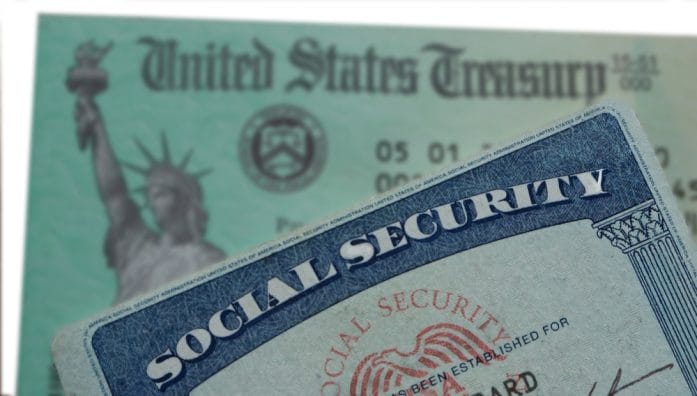
Here's Why Your January Social Security Deposit May Not Hit Your Account Today

Image Source: Shutterstock.com

The morning coffee is poured, the phone is unlocked, and there it is—the banking app—staring back with a balance that hasn’t budged. For millions of Social Security recipients, that moment can spark a mix of confusion, concern, and a dozen rapid-fire questions. January is supposed to feel like a clean slate, yet nothing rattles the calm quite like a missing deposit.

Before panic sets in or customer service numbers get dialed at lightning speed, it helps to understand what’s really going on behind the scenes. This isn’t a mystery novel twist or a financial cliffhanger—it’s a story with rules, timing quirks, and a few very human explanations.

How Social Security Payment Timing Really Works

Social Security payments don’t all land on the same day, and that alone explains a huge chunk of January confusion. The Social Security Administration uses a staggered schedule that depends on your birthday and the type of benefit you receive. Retirement and disability benefits typically arrive on a Wednesday, and which Wednesday depends on whether your birthday falls early, mid, or late in the month. Supplemental Security Income usually follows a different rhythm entirely, often arriving on the first of the month unless that date collides with a weekend or holiday.

January magnifies these differences because it opens with a federal holiday and a brand-new calendar. When expectations don’t match the actual schedule, it can feel like a delay even when everything is technically right on time.

January’s Calendar Quirks Can Shift Deposit Dates

January loves to play calendar tricks, and your Social Security payment sometimes feels the impact. New Year’s Day is a federal holiday, and banks close their doors, even if digital banking stays open. When a scheduled payment date lands on a weekend or holiday, the deposit doesn’t vanish—it simply moves. Sometimes it arrives earlier, sometimes the next business day, depending on the benefit type and banking processes.

That shift can make it seem like today was supposed to be the day, even when the official payment date quietly changed. Understanding that January’s layout isn’t business-as-usual can ease a lot of unnecessary worry.

Here's Why Your January Social Security Deposit May Not Hit Your Account Today

Image Source: Shutterstock.com

Banks And Processing Times Add Another Layer

Even when Social Security releases payments exactly as scheduled, banks still have a role to play. Financial institutions process deposits on their own timelines, and those timelines aren’t always identical. One bank might post funds the moment they’re received, while another may take several hours or even an extra business day. High-volume periods, such as the start of a new year, can slow things slightly as systems update and reconcile accounts. Online banking apps don’t always refresh instantly, which can add to the illusion of a missing payment. In many cases, patience of a single day is all it takes for the deposit to finally appear.

Cost-Of-Living Adjustments Can Cause Brief Confusion

January is also when cost-of-living adjustments take effect, and that change can add a layer of complexity. Updated benefit amounts require system-wide updates, recalculations, and verification checks. While these adjustments are designed to help recipients keep up with rising expenses, they can temporarily slow the flow of information between agencies and banks. Some people notice a different deposit amount and assume something went wrong, while others expect the increase and think a delay has occurred. The reality is that recalibration takes time, and January is when all of it happens at once. The payment is still coming, even if it arrives with a few extra steps behind the curtain.

When A Delay Is Normal And When It’s Not

Most January payment concerns fall squarely into the “normal” category, even if they don’t feel that way in the moment. A deposit that’s one business day late is rarely a sign of trouble, especially around holidays. However, a delay stretching beyond several days deserves attention. Incorrect banking information, a recently changed account, or a flagged issue can hold things up longer than expected. Keeping personal details up to date with Social Security is one of the simplest ways to avoid extended delays. Knowing the difference between a routine timing issue and a genuine problem helps you respond calmly and effectively.

Smart Steps To Take If Your Payment Hasn’t Arrived

The first and most powerful step is checking your official payment schedule to confirm the expected date. Next, take a look at your bank’s processing policies, especially around holidays and weekends. It’s also wise to monitor your account for pending deposits that may not be fully posted yet. If a few business days pass with no sign of your payment, reaching out to Social Security or your bank can provide clarity. Keeping notes of conversations and confirmation numbers can save time if follow-up is needed. Acting methodically beats reacting emotionally every time.

Stay Informed And Stay Calm

January payment delays can feel unsettling, but they’re often the result of timing, calendars, and behind-the-scenes processes rather than true problems. Understanding how Social Security schedules payments and how banks handle deposits puts the power back in your hands. If you’ve experienced a January delay before, or if today’s missing deposit sparked a few nerves, your perspective could help others feel less alone.

Drop your thoughts or personal experiences in the comments section below and join the conversation. Sometimes reassurance is just one story away.

You May Also Like…

Pension Shock: 9 Myths About Social Security That Could Derail Your Retirement

Could Your Social Security Plans Collapse If The Economy Shifts Again This Winter?

Did You Know Social Security Has a Hidden Bonus for Widowers?

11 Social Security Surprises That Hit You After Losing a Spouse

Is There Any Way to Get More Social Security Than You Qualify For?


Brandon Marcus
Brandon Marcus

Brandon Marcus is a writer who has been sharing the written word since a very young age. His interests include sports, history, pop culture, and so much more. When he isn’t writing, he spends his time jogging, drinking coffee, or attempting to read a long book he may never complete.

Filed Under: social security Tagged With: America, bank account, bank processing, banking, Banks, elderly, government policy, January, Money, money issues, senior citizen, seniors, Social Security, social security changes, Social Security deposit, social security payment, United States

Income Boost: 6 Ways Retirees Are Increasing Cash Flow

January 6, 2026 by Brandon Marcus Leave a Comment

Here Are 6 Ways Retirees Are Increasing Cash Flow

Image Source: shutterstock.com

Retirement isn’t the slow fade into financial quiet that it used to be. Today’s retirees are rewriting the script with energy, creativity, and a hunger for options that keep life exciting and wallets comfortably padded. From clever side hustles to smart asset moves, cash flow is becoming an active, flexible tool instead of a fixed number on a statement.

This new wave of income strategies blends freedom with fun, allowing retirees to earn on their own terms without punching a clock. These ideas are practical, surprisingly approachable, and already powering a more vibrant retirement for millions.

1. Turning Skills And Hobbies Into Income

Many retirees are transforming lifelong skills into steady income streams that feel more like play than work. Teaching music lessons, tutoring online, woodworking, photography, and writing are all popular options that can scale up or down easily. Digital platforms make it simple to find clients without heavy marketing or technical stress.

The best part is that experience often commands higher rates, giving retirees an edge younger workers lack. This approach keeps the mind sharp, the schedule flexible, and the bank account healthier.

2. Renting Out Space For Extra Monthly Cash

Unused space is becoming a quiet goldmine for retirees who think creatively about their homes. Spare bedrooms, basements, garages, and even driveways can be rented short-term or long-term depending on comfort level. Platforms have streamlined the process with tools for screening, pricing, and payment handling.

Many retirees enjoy the social interaction as much as the income, especially with short stays. This strategy turns a static asset into a recurring cash generator without major lifestyle changes.

3. Investing For Income Rather Than Growth

A growing number of retirees are shifting investment strategies toward reliable income instead of aggressive growth. Dividend-paying stocks, bonds, and income-focused funds can deliver regular payments that feel like a paycheck replacement. The key is diversification, which helps manage risk while keeping cash flow steady. Some retirees ladder investments so income arrives monthly rather than quarterly. This approach brings predictability and peace of mind to financial planning.

Here Are 6 Ways Retirees Are Increasing Cash Flow

Image Source: shutterstock.com

4. Taking On Flexible Part-Time Or Seasonal Work

Part-time work no longer means rigid schedules or exhausting commitments. Many retirees choose seasonal roles, consulting gigs, or short-term projects that fit their energy and interests. Employers increasingly value experience and reliability, making retirees attractive hires. These roles often come with social benefits, routine, and a sense of purpose beyond the paycheck. It’s income with boundaries, not obligations.

5. Monetizing Knowledge Through Digital Platforms

Decades of professional experience can translate beautifully into online income. Retirees are creating courses, writing e-books, hosting webinars, or offering coaching sessions from home. Once set up, many of these products generate income repeatedly with minimal upkeep. Technology has lowered the barrier to entry, even for beginners. This method allows retirees to build something lasting while controlling how much time they invest.

6. Downsizing Strategically To Free Up Cash Flow

Downsizing isn’t about giving up comfort, it’s about unlocking flexibility. Selling a larger home and moving to a smaller or more affordable space can release significant equity. That freed-up cash can be invested, saved, or used to reduce monthly expenses. Many retirees also enjoy lower maintenance and utility costs after downsizing. The result is more money available each month and fewer financial pressures.

A New Era Of Retirement Income

Retirement today is less about slowing down and more about choosing what comes next. These income-boosting strategies prove that cash flow can remain dynamic, empowering, and even fun well into later years. Whether through creativity, smart investing, or rethinking assets, retirees have more control than ever.

Every journey looks different, and that’s what makes this stage so interesting. We’d love to hear your thoughts, lessons learned, or experiences in the comments section below.

You May Also Like…

Risk Scenario: 8 What-Ifs Every Pre-Retiree Should Consider

Savings Leap: 9 Mid-Life Moves That Boost Long-Term Retirement Odds

Income Stream: 5 Unexpected Income Sources Retirees Are Trying This Winter

Income Pivot: 8 Income Streams Retirees Are Adding Before Rates Change Again

In Your 30s? Here Are 3 Simple Tips to Start Planning for Retirement


Brandon Marcus
Brandon Marcus

Brandon Marcus is a writer who has been sharing the written word since a very young age. His interests include sports, history, pop culture, and so much more. When he isn’t writing, he spends his time jogging, drinking coffee, or attempting to read a long book he may never complete.

Filed Under: Retirement Tagged With: boomer retirement, elderly, job hunt, job search, jobs, retire, retiree, retirees, Retirement, retirement jobs, senior citizens, seniors

Income Stability: 6 Retirement Income Moves That Aren’t as Safe as They Seem

January 2, 2026 by Brandon Marcus Leave a Comment

Income Stability: 6 Retirement Income Moves That Aren’t as Safe as They Seem

Image Source: Shutterstock.com

Retirement is often sold as the great exhale of life — the moment when the clock stops yelling, the calendar loosens its grip, and your money finally works for you instead of the other way around.

But beneath that glossy vision of beach chairs and morning coffee freedom sits a quieter reality: not all “safe” income strategies are actually safe. Some are built on assumptions that worked in yesterday’s economy, not today’s faster, stranger, and more expensive world. Others look stable on paper but wobble when inflation, taxes, or timing enter the room. And a few are downright comforting illusions dressed up as financial wisdom.

If your retirement plan leans on anything that “everyone says” is reliable, it might be time to take a closer look before confidence turns into costly surprise.

1. Relying Too Heavily On Social Security Alone

Social Security feels dependable because it’s familiar, predictable, and government-backed, but that doesn’t mean it’s sufficient. The average benefit replaces only a portion of pre-retirement income, often far less than people expect when real-world expenses show up. Cost-of-living adjustments help, but they rarely keep pace with healthcare, housing, and lifestyle inflation over decades. Claiming early can permanently shrink your benefit, while waiting too long may strain savings unnecessarily. Treating Social Security as a foundation is smart, but building your entire retirement house on it is risky.

Income Stability: 6 Retirement Income Moves That Aren’t as Safe as They Seem

Image Source: Shutterstock.com

2. Assuming Pensions Are Untouchable

Pensions used to be the gold standard of retirement security, yet today they’re far from bulletproof. Many private and even public pensions face underfunding, management issues, or benefit adjustments that retirees never saw coming. Some plans reduce payouts, freeze cost-of-living increases, or shift risks onto participants without much warning. Relying on a pension as if it’s immune to economic or political change can create a false sense of permanence. A pension can be powerful, but it should be one pillar, not the whole structure.

3. Treating Dividend Stocks Like Guaranteed Paychecks

Dividend stocks feel comforting because they produce regular income without selling shares. The problem is dividends are optional, not promises, and companies can reduce or eliminate them during downturns. Market volatility, industry disruption, or poor leadership can quickly turn “reliable income” into shrinking payments. Chasing high yields often means taking on hidden risk that only becomes obvious when it’s too late. Dividend investing works best when balanced with diversification and realistic expectations, not blind trust.

4. Believing Annuities Are Always Safe Havens

Annuities are often marketed as worry-free income machines, but the fine print can tell a different story. Fees, surrender charges, and complex terms can quietly erode returns over time. Some annuities lock money away so tightly that accessing it in an emergency becomes expensive or impossible. Others rely heavily on the financial health of the issuing company, which is not guaranteed forever. Annuities can play a role, but only when the structure truly fits the retiree’s needs.

5. Counting On Real Estate To Always Pay Off

Rental income sounds like the ultimate passive income dream, until repairs, vacancies, and market shifts show up uninvited. Property values don’t always rise, and selling at the wrong time can mean locking in losses instead of gains. Taxes, insurance, and maintenance often grow faster than rental income, especially in later years. Real estate can absolutely be a strong income source, but treating it as foolproof ignores its very real volatility. Owning property still requires active management, even in retirement.

6. Ignoring Inflation Because “It Hasn’t Been That Bad”

Inflation rarely feels dangerous until it suddenly is. Even modest inflation can quietly cut purchasing power in half over a long retirement. Fixed income streams that feel generous today may struggle to cover basics 15 or 20 years from now. Healthcare, food, and housing often inflate faster than official averages, hitting retirees especially hard. Planning without accounting for inflation is like sailing with a slow leak you don’t notice until the boat starts tilting.

Stability Comes From Awareness, Not Assumptions

Retirement income isn’t about finding one perfect solution; it’s about building flexibility into a long and unpredictable chapter of life. The most dangerous plans are the ones that feel “set it and forget it,” because they quietly ignore how fast the world changes. Real stability comes from understanding the risks, diversifying income sources, and revisiting decisions as life evolves. When you question what seems safe, you give yourself the power to adjust before problems grow teeth.

If you’ve had a retirement surprise — good or bad — or learned a lesson the hard way, drop your thoughts or experiences in the comments below and keep the conversation going.

You May Also Like…

Savings Leap: 9 Mid-Life Moves That Boost Long-Term Retirement Odds

8 Harsh Truths Why Boomers Can’t Change Their Retirement Plans Now

Expense Overflow: 4 Retirement Bills That Catch People Off Guard

At What Age Should You Seriously Start Thinking About Retirement?

Savings Base: 6 Foundational Moves That Keep Retirement Plans Stable


Brandon Marcus
Brandon Marcus

Brandon Marcus is a writer who has been sharing the written word since a very young age. His interests include sports, history, pop culture, and so much more. When he isn’t writing, he spends his time jogging, drinking coffee, or attempting to read a long book he may never complete.

Filed Under: Retirement Tagged With: annuities, Dividends, Income, income moves, pensions, retire, retiree, retirees, Retirement, retirement income, retirement planning, retirement plans, senior citizens, seniors, Social Security, stock market, stocks

Expense Overflow: 4 Retirement Bills That Catch People Off Guard

December 29, 2025 by Brandon Marcus Leave a Comment

Expense Overflow: 4 Retirement Bills That Catch People Off Guard

Image Source: Shutterstock.com

Retirement is supposed to feel like the victory lap — the long-awaited chapter where alarms disappear, calendars loosen up, and life finally moves at your pace. But just when the beach chair gets comfortable, reality taps you on the shoulder with a receipt. Not a small one, either. For many retirees, the shock isn’t that money runs out faster than expected — it’s where it goes.

The bills you never worried about during your working years suddenly step into the spotlight, louder, pricier, and far more persistent than anyone warned you about. These sneaky expenses have a way of turning “golden years” into “where did it all go?” years.

1. Healthcare Costs That Keep On Climbing

Healthcare is the heavyweight champion of surprise expenses in retirement, and it doesn’t pull any punches. Even with Medicare, many retirees discover that premiums, deductibles, copays, and uncovered services pile up faster than expected. Dental work, vision care, hearing aids, and long-term prescriptions often live completely outside standard coverage, forcing retirees to pay out of pocket. Health costs also tend to rise with age, meaning the longer you live, the more expensive staying healthy becomes. It’s not uncommon for retirees to spend hundreds of thousands of dollars on healthcare over the course of retirement, even with insurance in place.

2. Housing Costs That Refuse To Retire

Many people assume their biggest housing expense ends once the mortgage is paid off, but housing has a sneaky way of sticking around. Property taxes often rise over time, sometimes dramatically, even if your home value increases on paper rather than in cash. Maintenance costs also escalate as homes age, with roofs, plumbing, HVAC systems, and foundations all demanding attention at the worst possible times. Downsizing doesn’t always save money either, especially in hot markets where smaller homes come with higher price tags. Add in HOA fees, insurance increases, and utility costs, and suddenly housing becomes a long-term budget heavyweight.

3. Family Support That Grows Quietly

Retirement doesn’t mean financial responsibilities magically disappear — in many cases, they multiply through family connections. Adult children may need help with student loans, housing, or childcare, especially during economic downturns. Grandchildren can bring joy and unexpected expenses, from education help to emergency support. Aging parents or relatives may require financial assistance, caregiving, or medical support that wasn’t part of the original plan. These costs often arrive emotionally charged and unplanned, making them some of the hardest to say no to — and some of the most financially impactful.

Expense Overflow: 4 Retirement Bills That Catch People Off Guard

Image Source: Shutterstock.com

4. Lifestyle Inflation In Disguise

Retirement is often framed as a slower, cheaper lifestyle, but for many people it becomes the opposite. Travel becomes more frequent, hobbies get more elaborate, and leisure spending increases simply because there’s finally time to enjoy it. Dining out, entertainment, memberships, and experiences can quietly reshape monthly budgets. Even small lifestyle upgrades — nicer groceries, better wine, upgraded tech, or more frequent outings — compound over time. The result is a retirement lifestyle that costs far more than expected, even without extravagance.

When Planning Meets Reality

Retirement rarely fails because of one massive mistake; it usually unravels through a series of overlooked costs that quietly stack up. The most successful retirees aren’t the ones with the biggest savings, but the ones who understand where their money is likely to go and plan accordingly. Awareness creates flexibility, and flexibility creates peace of mind when life throws financial curveballs. Every retiree’s journey looks different, and those differences are where the best lessons live.

If you’ve encountered any of these expense surprises — or discovered others along the way — we’d love to hear your thoughts or experiences in the comments.

You May Also Like…

At What Age Should You Seriously Start Thinking About Retirement?

Could Rising Interest Rates Force You To Delay Retirement Longer Than Planned?

Savings Base: 6 Foundational Moves That Keep Retirement Plans Stable

Income Stream: 5 Unexpected Income Sources Retirees Are Trying This Winter

Savings Fallout: 4 Hidden Expenses That Quietly Drain Retirement Budgets


Brandon Marcus
Brandon Marcus

Brandon Marcus is a writer who has been sharing the written word since a very young age. His interests include sports, history, pop culture, and so much more. When he isn’t writing, he spends his time jogging, drinking coffee, or attempting to read a long book he may never complete.

Filed Under: Retirement Tagged With: family support, healthcare costs, Housing Costs, Life, Lifestyle, Lifestyle Inflation, retire, retiree, retirees, Retirement, retirement plan, retirement planning, senior, senior citizens, seniors

Expense Spike: 8 Healthcare Costs That Hit Harder in Later Life

December 21, 2025 by Brandon Marcus Leave a Comment

Expense Spike: 8 Healthcare Costs That Hit Harder in Later Life

Image Source: Shutterstock.com

Growing older doesn’t have to feel like stepping onto a rollercoaster without a seatbelt, but your wallet might disagree. Suddenly, routine checkups can feel like financial sprints, and medications start stacking up faster than your streaming subscriptions.

From unexpected surgeries to pricey preventive treatments, healthcare expenses can sneak up like ninjas in your bank account. The numbers might make you gasp, but knowing what’s coming can help you prepare without losing sleep—or sanity.

Today, we’re diving into the eight healthcare costs that tend to hit the hardest as we age, with a mix of facts, fun, and maybe a little financial therapy.

1. Prescription Medications That Add Up Fast

As the body ages, prescriptions often multiply. What was once a simple daily vitamin can turn into a cocktail of pills for blood pressure, cholesterol, joint health, and sleep. Each bottle might not feel like much, but over time, they stack into hundreds—even thousands—of dollars a year. Brand-name drugs tend to be the sneakiest wallet stealers, while generic alternatives can help trim the damage. Staying proactive, asking doctors for cost-effective options, and checking discount programs can make a huge difference.

2. Routine Checkups And Specialist Visits

Annual checkups can feel like a breeze when you’re young, but as age climbs, so does the frequency of medical visits. Cardiologists, dermatologists, ophthalmologists, and more start demanding their attention—and their bills. Each specialist adds a new line to your budget, often with copays and deductibles that aren’t exactly pocket change. Preventive visits might seem pricey, but catching issues early can save tens of thousands down the line. Strategically scheduling appointments and consolidating visits can help ease the financial burden.

3. Hospital Stays And Emergency Care

No one likes to think about it, but hospital stays are a major financial curveball. Accidents, surgeries, and sudden illnesses can turn a normal week into a costly ordeal. Even with insurance, copays, deductibles, and out-of-network charges can make bills soar. Long-term recovery or specialized care can keep you in the hospital—or the rehab center—longer than expected. Being prepared with a solid emergency fund and understanding insurance coverage can reduce stress when the unexpected hits.

4. Long-Term Care And Assisted Living

Eventually, many people need a helping hand at home or in a care facility. Assisted living, nursing homes, or in-home caregivers are expensive—and insurance rarely covers everything. The costs vary widely depending on location and level of care, but even modest options can run into thousands per month. Planning ahead with long-term care insurance or savings is key to avoiding financial strain. Knowing your options early allows you to make smarter, less stressful choices.

5. Dental Work That’s Not Just Cosmetic

Your teeth don’t come with a lifetime warranty, and dental costs often spike with age. Procedures like crowns, implants, or periodontal treatments can be shockingly expensive. Preventive care helps, but insurance coverage often has limits and caps. Missing regular dental checkups can lead to more invasive—and pricier—treatments later. A little attention now can prevent a huge financial bite down the road.

Expense Spike: 8 Healthcare Costs That Hit Harder in Later Life

Image Source: Shutterstock.com

6. Vision And Hearing Expenses

Glasses, contacts, hearing aids—these aren’t optional for many seniors. Vision exams, corrective lenses, and hearing devices add up quickly, especially since insurance often treats them separately from standard medical coverage. Hearing aids, in particular, can run into the thousands per ear. Keeping up with eye and ear health is essential, but it’s wise to budget for these ongoing costs. Smart shopping, insurance add-ons, and preventive care can minimize the financial sting.

7. Physical Therapy And Rehabilitation

After injuries, surgeries, or chronic conditions, physical therapy can become a regular necessity. Sessions are rarely cheap, and insurance coverage can be limited to a set number of visits. Ongoing therapy might require multiple appointments per week, multiplying the expense. While it can feel like a grind, consistent therapy is often crucial for maintaining mobility and independence. Investing in therapy now can prevent more expensive complications later.

8. Mental Health And Cognitive Care

Mental well-being is just as important as physical health, and therapy, counseling, and cognitive care can be surprisingly costly. As we age, anxiety, depression, and cognitive changes sometimes require professional support. Coverage varies, and out-of-pocket expenses can add up, especially for long-term therapy or specialized programs. Prioritizing mental health is essential for quality of life and overall wellness. Planning ahead for these costs ensures emotional resilience without financial panic.

Preparing For The Healthcare Rollercoaster

Aging doesn’t have to mean financial freefall when it comes to health. Awareness is your secret weapon—knowing the likely expenses allows you to budget, plan, and make informed decisions. Whether it’s prescription drugs, hospital stays, dental work, or therapy, being proactive can save money and stress in the long run. Some surprises are unavoidable, but preparation can turn fear into empowerment.

Leave your thoughts or experiences in the comments section below—how have you or your loved ones handled these healthcare spikes?

You May Also Like…

What Happens When Retirement Plans Ignore Healthcare Costs

7 Health Myths You’ve Been Believing Since Childhood — Busted by Science

8 Home Upgrades Seniors Are Choosing Over Moving Into Facilities

The Surprising Way Virtual Reality Is Bringing New Connections to Seniors in Their 60s

Retirees Face $172,500 in Healthcare Costs—And Many Haven’t Saved for It


Brandon Marcus
Brandon Marcus

Brandon Marcus is a writer who has been sharing the written word since a very young age. His interests include sports, history, pop culture, and so much more. When he isn’t writing, he spends his time jogging, drinking coffee, or attempting to read a long book he may never complete.

Filed Under: Health & Wellness Tagged With: doctor, doctors, elderly care, emergency care, ER, health, health and wellness, health issues, healthcare, healthcare costs, hospital stays, medical costs, medical expenses, medication, medicine, prescription costs, prescription medicine, routine checkups, senior citizen, seniors

Asset Migration: 5 Emerging Market Trends Retirees Should Know Before January

December 21, 2025 by Brandon Marcus Leave a Comment

Asset Migration: 5 Emerging Market Trends Retirees Should Know Before January

Image Source: Shutterstock.com

Retirement used to be all about quiet mornings with coffee, cozy routines, and careful spreadsheets. Now, it’s turning into a fast-moving game of strategy, opportunity, and timing, especially when it comes to managing your assets. If you think markets move slowly in your golden years, think again.

From shifts in global economies to innovative investment vehicles, retirees who stay ahead can unlock benefits that were previously unimaginable. The trends heading into January could change the way you think about your retirement portfolio forever.

1. Global Real Estate Demand Is Shifting Rapidly

Retirees are discovering that real estate is no longer just a local game. Countries with stable economies and appealing tax benefits are seeing a surge of interest from senior investors looking to protect and grow their wealth. This trend isn’t limited to the usual suspects like Florida or Spain—emerging markets in Southeast Asia and Latin America are suddenly on the radar. Savvy retirees are noticing that high-quality properties in these regions are still relatively affordable but promise strong future appreciation. The key takeaway: geographic flexibility could become one of the smartest moves for retirement planning.

2. Digital Assets Are Becoming Mainstream

Cryptocurrencies, NFTs, and tokenized assets are no longer playgrounds for tech whizzes—they’re entering the retirement conversation. Investors are exploring ways to include digital assets as part of a diversified portfolio without taking on reckless risk. Regulatory frameworks are beginning to provide more clarity, which gives cautious retirees room to experiment safely. The excitement is palpable, but education is crucial: understanding the mechanics of blockchain and market volatility is the only way to make informed decisions. Digital assets are not just trends—they may become essential pieces of the retirement puzzle.

3. Sustainable Investing Is Exploding In Popularity

Green bonds, ESG funds, and companies committed to sustainability are attracting more retirees than ever before. Beyond the feel-good factor, these investments often offer impressive resilience against economic fluctuations. Fund managers are increasingly prioritizing environmental, social, and governance factors, and the data suggests these portfolios can outperform traditional investments in the long term. Seniors who align their money with their values may find both financial and emotional satisfaction. If you’ve been hesitant to mix purpose with profit, the coming months are the perfect moment to reconsider.

Asset Migration: 5 Emerging Market Trends Retirees Should Know Before January

Image Source: Shutterstock.com

4. Interest Rate Dynamics Are Reshaping Fixed Income

After years of historically low interest rates, retirees are facing a landscape that demands a fresh approach to bonds, CDs, and other fixed-income vehicles. Rising rates can be intimidating, but they also create opportunities for higher yields and better returns on safer investments. Timing is everything: locking in rates now may secure income streams that were impossible a year ago. Financial advisors are emphasizing dynamic bond ladders and adjustable-rate strategies as essential tools for retirees. Understanding these shifts can make the difference between stagnant returns and a comfortably funded retirement.

5. Cross-Border Tax Planning Is Becoming Critical

As asset migration grows more complex, retirees are realizing that tax implications extend far beyond domestic borders. Investments in foreign real estate, digital assets, or international funds can trigger unexpected liabilities if not carefully managed. Cross-border planning isn’t just about avoiding penalties—it’s about optimizing wealth so your money works harder, wherever it resides. Experts are recommending a proactive approach: engage with international tax advisors before January to navigate the maze of rules efficiently. With smart planning, retirees can maximize benefits while minimizing surprises in their financial statements.

Your Retirement Moves Matter More Than Ever

The landscape of asset migration is evolving at lightning speed, and staying informed is no longer optional—it’s essential. Each trend offers unique opportunities, but the key lies in education, planning, and taking timely action. Retirees who understand global real estate shifts, digital asset potential, sustainable investing, changing interest rates, and cross-border tax strategies are positioned to make the most of the coming year.

What are your experiences with any of these emerging trends? We’d love to hear your thoughts, strategies, or insights in the comments section below.

You May Also Like…

How To Start Your 2026 Investing Journey With A Bang

Why Investing Apps Will Remain Popular in 2026

Savings Fallout: 4 Hidden Expenses That Quietly Drain Retirement Budgets

Retirement Redflag: 6 Withdrawal Moves That Could Drain Your Nest Egg Fast

Inflation Pulse: 5 Surprising Assets Performing Well While Everything Else Slows Down


Brandon Marcus
Brandon Marcus

Brandon Marcus is a writer who has been sharing the written word since a very young age. His interests include sports, history, pop culture, and so much more. When he isn’t writing, he spends his time jogging, drinking coffee, or attempting to read a long book he may never complete.

Filed Under: Retirement Tagged With: digital assets, interest rate, invest, investing, investors, market trends, Real estate, retire, retiree, retirees, Retirement, retirement account, retirement plan, retirement planning, senior citizens, seniors

Savings Fallout: 4 Hidden Expenses That Quietly Drain Retirement Budgets

December 17, 2025 by Brandon Marcus Leave a Comment

Here Are The Hidden Expenses That Quietly Drain Retirement Budgets

Image Source: Shutterstock.com

Retirement is often sold as the grand finale of working life: more freedom, fewer alarms, and finally the time to enjoy what you’ve built. The problem is that while most people plan for the big-ticket items, the quiet costs slip in like uninvited guests and start eating away at savings before anyone notices. These expenses don’t usually show up in glossy retirement calculators or celebratory send-off speeches.

They creep in slowly, feel harmless at first, and then snowball into something far more serious. If retirement is a marathon, these hidden drains are the tiny pebbles in your shoes that eventually make every step hurt.

1. The Silent Rise Of Healthcare “Extras”

Medicare feels like a financial safety net, but it rarely covers everything retirees actually use. Premiums, supplemental plans, deductibles, copays, dental work, vision care, and hearing aids quietly stack up year after year. Prescription costs alone can swing wildly depending on drug tiers and annual plan changes, catching retirees off guard. Many people underestimate how much out-of-pocket spending increases with age, especially for chronic conditions. Over time, these “extras” can rival or even exceed what some retirees once spent on housing.

2. Lifestyle Inflation Disguised As Freedom

Retirement often brings more time, and more time usually leads to more spending. Lunches out replace packed meals, casual trips turn into frequent getaways, and hobbies evolve from inexpensive interests into costly passions. What feels like well-earned enjoyment can slowly reset a retiree’s baseline lifestyle cost. Because these changes happen gradually, budgets don’t always get adjusted to match the new reality. The result is a spending pattern that looks reasonable month to month but quietly erodes long-term savings.

3. Homeownership Costs That Never Retire

Many retirees enter retirement with their mortgage paid off, expecting housing expenses to shrink dramatically. What they don’t expect is how maintenance, repairs, property taxes, insurance, and utilities can rise with both time and inflation. Aging homes often demand bigger fixes like roofs, HVAC systems, and plumbing upgrades at the worst possible moments. Downsizing isn’t always the immediate solution people think it is, since moving itself brings fees, taxes, and new ongoing costs. The home that once felt like a financial victory can become a persistent drain on cash flow.

Here Are The Hidden Expenses That Quietly Drain Retirement Budgets

Image Source: Shutterstock.com

4. Family Support And “Just This Once” Spending

Retirees are often the financial safety net for adult children, grandchildren, or other relatives. Helping with tuition, covering emergencies, or offering “temporary” assistance can quickly turn into ongoing obligations. These expenses are emotionally driven, which makes them harder to track and even harder to say no to. Small, repeated gestures add up faster than one-time gifts, especially when they aren’t planned for. Over time, generosity without boundaries can quietly undermine even the most carefully built retirement plan.

Spotting The Leaks Before They Sink The Ship

Retirement budgeting isn’t just about predicting the big expenses; it’s about recognizing the subtle ones that slip under the radar. Healthcare add-ons, lifestyle creep, home costs, and family support rarely feel dangerous in isolation, but together they can reshape a retirement faster than expected. Awareness is the first step toward control, because you can’t manage what you don’t notice. Thoughtful planning, regular budget check-ins, and honest conversations can make a real difference.

If any of these hidden expenses have surprised you or reshaped your plans, feel free to add your experiences or perspectives in the comments section below.

You May Also Like…

Is Your Retirement Timeline Still Safe If The Market Drops Again Before New Year’s Eve?

Retirement Redflag: 6 Withdrawal Moves That Could Drain Your Nest Egg Fast

Calculate Your True Retirement Number Using Our Exclusive Online Tool

8 Apps That Are Quietly Stealing Your Retirement Budget

Savings Game: 5 Ways to Boost Your Emergency Fund Before December Ends


Brandon Marcus
Brandon Marcus

Brandon Marcus is a writer who has been sharing the written word since a very young age. His interests include sports, history, pop culture, and so much more. When he isn’t writing, he spends his time jogging, drinking coffee, or attempting to read a long book he may never complete.

Filed Under: Retirement Tagged With: expenses, healthcare costs, homeowners, homeownership, Inflation, Life, Lifestyle, retire, retiree, retirees, Retirement, retirement accounts, retirement budget, retirement budgets, retirement spending, senior citizens, seniors, Smart Spending, spending

Retirement Redflag: 6 Withdrawal Moves That Could Drain Your Nest Egg Fast

December 10, 2025 by Brandon Marcus Leave a Comment

Here Are 6 Retirement Withdrawal Moves That Could Drain Your Nest Egg Fast

Image Source: Shutterstock.com

Retirement planning feels like climbing a mountain—years of slow, steady progress, all leading to the breathtaking moment you finally reach the summit. But one wrong step on the descent, especially when it comes to withdrawing your savings, can send you tumbling faster than you’d expect.

Many retirees assume that saving is the hard part and spending is the easy part, but the opposite is often true. Withdrawal mistakes can quietly sabotage decades of discipline, shrinking your nest egg in ways that feel almost invisible until it’s too late.

Before you take that first celebratory distribution, it’s worth understanding the sneaky withdrawal habits that can turn a comfortable retirement into a stressful scramble.

1. Taking Too Much, Too Soon

Withdrawing aggressively in the early years of retirement feels tempting, especially when you finally have the time to travel, relax, and enjoy life. But draining your accounts before they’ve had time to grow through your early retirement years can wreak havoc on long-term stability. Many retirees underestimate how quickly compounding can work in their favor if they keep withdrawals modest. What feels like harmless spending now can become a cascade of financial pressure later. The safest move is pacing yourself so your future self can still thrive twenty years down the line.

2. Ignoring Market Conditions While Withdrawing

Pulling money out during market downturns can compound losses faster than most retirees realize. When you withdraw in a down market, you’re selling more shares than you would during a stable or rising period, making it harder for your portfolio to recover. Many people assume withdrawals should stay consistent year after year, but flexibility is key to protecting your balance. Taking smaller withdrawals during downturns and larger ones during upswings can dramatically extend your nest egg’s lifespan. A little withdrawal strategy often outperforms blind consistency.

3. Forgetting About Required Minimum Distributions

Required Minimum Distributions, or RMDs, may sound like financial fine print, but ignoring them can cost you heavily. If you forget to take your RMDs, the penalties can be some of the harshest in the entire tax code. Many retirees mistakenly assume RMDs don’t matter until their late seventies, but planning for them early can save you headaches later. Taking strategic withdrawals before RMD age can reduce tax burdens and keep your retirement plan on track. A smart approach ensures your money works for you instead of triggering unnecessary fees.

4. Relying Entirely On One Account Type

Using a single retirement account as your primary withdrawal source may feel simple, but it’s rarely smart. Different accounts come with different tax consequences, and tapping just one can quickly push you into higher tax brackets. Retirees often overlook the power of mixing withdrawals from taxable, tax-deferred, and Roth accounts to maximize efficiency. With a little coordination, you can smooth out your tax bill and stretch your savings further. A diversified withdrawal plan is like a well-balanced meal—it keeps everything functioning smoothly.

Here Are 6 Retirement Withdrawal Moves That Could Drain Your Nest Egg Fast

Image Source: Shutterstock.com

5. Treating Your Retirement Like a Checking Account

Some retirees fall into the habit of pulling money whenever they want rather than following a structured withdrawal plan. This casual approach often leads to overspending and emotional decision-making, both of which can sink your financial stability. A retirement portfolio isn’t built for spontaneous, unplanned withdrawals—it needs rhythm, consistency, and strategy. Without those guardrails, retirees often discover too late that the money they assumed would last forever has quietly dwindled. Following a consistent plan helps keep both your budget and your confidence intact.

6. Forgetting How Inflation Eats Away At Your Money

Inflation may seem like a distant concept when your retirement portfolio feels large and healthy, but it can erode purchasing power faster than expected. Retirees who don’t adjust for inflation often withdraw too little at first and then too much later to compensate. This uneven pattern can destabilize even the most well-crafted financial plans. Understanding inflation-friendly investments and keeping withdrawals aligned with rising prices is crucial for long-term stability. Ignoring inflation doesn’t just reduce comfort—it can actively sabotage your financial future.

Protect Your Future By Planning Today

Retirement withdrawals aren’t just about pulling money from an account—they’re about maintaining a lifestyle that lasts as long as you do. With the right strategies, your nest egg can support you through years of adventure, rest, and personal fulfillment. Avoiding these withdrawal red flags helps ensure your savings stay strong instead of slowly slipping away.

If you’ve faced any surprising challenges with retirement withdrawals or learned lessons worth sharing, leave your thoughts or stories in the comments below.

You May Also Like…

Calculate Your True Retirement Number Using Our Exclusive Online Tool

How to Transition From Full-Time Work to ‘Semi-Retirement’ Smoothly

8 Home Upgrades Seniors Are Choosing Over Moving Into Facilities

5 Mistakes Young People Make About Their Financial Futures

7 Financial Surprises of Caring for Elderly Parents


Brandon Marcus
Brandon Marcus

Brandon Marcus is a writer who has been sharing the written word since a very young age. His interests include sports, history, pop culture, and so much more. When he isn’t writing, he spends his time jogging, drinking coffee, or attempting to read a long book he may never complete.

Filed Under: Retirement Tagged With: elderly workers, financial future, Money, money issues, nest egg, retire, retirees, Retirement, retirement plan, retirement planning, retirement red flags, saving money, senior citizens, seniors

The Great Unretirement: Why Thousands of Retirees Are Clocking Back In

November 21, 2025 by Travis Campbell Leave a Comment

old woman working

Image source: shutterstock.com

The Great Unretirement trend has evolved from its original, specific pattern into a broad societal movement that reshapes how people link their life stage to work activities and money management. The number of retirees who choose to work after retirement has shown a steady increase, with no signs of slowing. Some people decide to return to work, but others must do so because of circumstances. People transition between these two roles because their reasons extend beyond individual needs to show fundamental patterns.

1. Rising Costs Crush Fixed Incomes

Retirement budgets rarely account for runaway prices. The Great Unretirement gains momentum whenever basic expenses rise and savings remain static. A fixed income stretched thin by rent, medical bills, utilities, and groceries leaves retirees exposed.

Some had carefully planned withdrawals. Others relied solely on pensions or Social Security. But rising costs hit everyone. When the math stops working, returning to work becomes less a choice and more a shield against instability. Even part-time hours can steady a slipping foundation.

2. Healthcare Pressure Creates a Financial Squeeze

Medical costs tend to rise as people age. Predictable in theory. Crushing in practice. Premiums, deductibles, prescriptions, equipment, and recurring visits pile up in a way few anticipate. And one unexpected diagnosis can turn decades of planning into a scramble.

The Great Unretirement often starts with a single medical bill that forces a reassessment. Work offers income, but also structure. People use it to rebuild savings lost to treatment or to maintain employer-sponsored insurance coverage. In a system built around employment-based benefits, the return to work can feel like the only rational move.

3. Market Volatility Shakes Retirement Confidence

Market swings hit retirees harder than younger workers. There’s no long timeline left to wait out a recovery. A sharp downturn can erase a large portion of a nest egg that was supposed to last decades. And once that safety net frays, many retirees look back toward the workforce for stability.

The Great Unretirement reflects a broader truth: retirement depends heavily on conditions people can’t control. When portfolios dip, retirees lose not just money but confidence in their long-term security. Returning to work serves as a buffer against the unpredictability of investment-driven income.

4. Purpose and Structure Pull People Back

Some retirees return because they miss something fundamental—routine. Identity built over a lifetime at work doesn’t fade cleanly. Days that once seemed like a reward can start to feel unmoored.

The Great Unretirement isn’t only about financial pressure. It’s also emotional. People miss teamwork, problem-solving, or the quiet satisfaction of being needed. They want a challenge. They want community. They want rhythm. Work supplies all of it, sometimes in ways that retirement does not.

5. Family Obligations Reshape Retirement Plans

Retirees often step in as financial support systems for children or grandchildren. Tuition, rent, childcare, and emergencies fall on older family members when younger ones struggle. Each act of support chips away at savings meant to last through old age.

And when those savings shrink, retirees return to work out of necessity and loyalty. The Great Unretirement expands as families rely on retirees who never expected to become safety nets. Work becomes a way to protect both themselves and the people they care about.

6. Employers Actively Recruit Older Workers

Demographic shifts tighten labor markets. Employers short on staff look to retirees for experience, reliability, and institutional memory. Job postings now target older workers more openly. Flexible schedules make the transition back easier.

This demand pulls people out of retirement who hadn’t planned to return. The Great Unretirement grows as retirees respond to opportunities that feel more appealing than what they left behind. Some jobs offer meaningful work without the grind. Others provide part-time roles that fit around medical or personal needs.

7. Remote and Hybrid Work Reduce Barriers

New workplace norms create openings that didn’t exist before. Remote work eliminates commutes, which often deter retirees. Hybrid models soften the daily strain of full-time office life. Technology bridges gaps that once pushed older workers out.

The Great Unretirement benefits from this shift. Retirees can work from home, control their pace, and avoid physical demands. They can participate without sacrificing comfort or health. The reduced friction makes the return feel manageable rather than overwhelming.

What This Means for the Future

The Great Unretirement brings about a complete transformation in how society views aging and employment practices. People in contemporary society can choose their work hours and relaxation periods because the conventional retirement system has been abandoned.

People now choose to work rather than retire fully from their careers. People exit their jobs before returning to work while attempting to manage their dual responsibilities. The shifting workforce structure shows three main areas where employees need better financial stability, medical care, and long-term security.

How has this shift affected you or someone you know?

What to Read Next…

  • Is Your Retirement Plan Outdated By A Decade Without You Knowing?
  • 7 Retirement Perks That Come With Shocking Hidden Costs
  • What Happens To Retirement Payouts When The Market Drops Mid Inheritance
  • 6 Money Habits That Backfire After You Turn 60
  • 10 Things People Don’t Realize Will Be Taxed After They Die
Travis Campbell
Travis Campbell

Travis Campbell is a digital marketer/developer with over 10 years of experience and a writer for over 6 years. He holds a degree in E-commerce and likes to share life advice he’s learned over the years. Travis loves spending time on the golf course or at the gym when he’s not working.

Filed Under: Retirement Tagged With: economy, Personal Finance, Retirement, seniors, workforce

4 Common Car-Insurance Myths That Seniors Fall For

October 22, 2025 by Travis Campbell Leave a Comment

car insurance

Image source: shutterstock.com

Car insurance is an essential part of financial security, especially for seniors who may be on a fixed income. Yet, there’s a lot of confusion out there. Misinformation and outdated beliefs can lead seniors to pay more than necessary or miss out on important coverage. With car insurance rates often changing with age, it’s easy to fall for common myths. Understanding what’s true and what’s not can help seniors save money and avoid unnecessary stress. Let’s break down four widespread car-insurance myths that seniors should watch out for.

1. “Car Insurance Always Gets Cheaper as You Age”

This is one of the most persistent car-insurance myths that seniors encounter. Many people assume that, as you get older, your premiums will keep dropping. While car insurance rates often decrease after drivers turn 25 and maintain a clean record, that trend doesn’t last forever. In fact, once drivers hit their 70s, premiums may start to rise again.

Insurance companies consider seniors a higher risk due to slower reaction times and an increased likelihood of certain medical conditions. This doesn’t mean every senior will pay more, but it’s important to check rates regularly and shop around. Don’t just stick with the same insurer because you assume loyalty means lower prices. Comparing quotes can help you find the best deal for your changing needs.

2. “I Don’t Drive Much, So I Don’t Need Full Coverage”

It’s common for seniors who drive less—maybe only to the grocery store or doctor’s office—to think they can reduce their coverage without consequences. While it’s true that lower mileage can affect your rate, dropping important protections isn’t always wise. Accidents can happen close to home, and theft or weather damage can occur even when your car is parked.

Liability-only policies might save money upfront, but they leave you exposed to costly repairs or medical bills. Instead, look into usage-based insurance or low-mileage discounts. Many insurers offer programs that track your driving habits and reward safe, infrequent driving. Before slashing your coverage, ask about these options to keep your car insurance affordable and effective.

3. “My Retirement Means Automatic Discounts”

Retirement changes a lot about your daily routine, but it doesn’t guarantee a lower car insurance bill. Many seniors believe insurers will automatically lower rates simply because they retire. In reality, while some companies offer discounts for retirees or mature drivers, you usually have to ask for them.

Take time to review your policy and ask your insurer about available discounts for seniors. This might include savings for completing defensive driving courses, being a member of certain organizations, or bundling multiple policies. Don’t assume your insurer will apply these automatically. Being proactive can make a big difference in your car insurance costs.

4. “My Car Insurance Covers Everything”

This myth can lead to costly surprises. Many seniors believe their car insurance policy provides blanket protection for any incident. In reality, car insurance has limits and exclusions. For example, standard policies may not cover personal belongings stolen from your car, mechanical breakdowns, or damage from natural disasters unless you have specific coverage.

It’s crucial to read your policy and understand what’s included. If you have questions, talk to your agent or a trusted advisor. Consider whether you need extras like roadside assistance or comprehensive coverage. Taking the time to review your policy can help you avoid misunderstandings and unnecessary expenses down the road.

Smart Steps for Seniors to Get the Best Car Insurance

Falling for car-insurance myths can cost seniors real money and peace of mind. The good news is, you can take charge of your coverage. Start by reviewing your policy every year, especially if your driving habits or health change. Don’t be afraid to compare quotes from different companies or ask about senior discounts. A little research can go a long way in keeping your car insurance affordable and reliable.

Remember, car insurance is about protecting your finances and your independence. Staying informed helps you avoid common pitfalls and make choices that fit your needs. What car-insurance myths have you encountered, and how did you handle them? Share your experiences or questions in the comments below!

What to Read Next…

  • Top 3 Water Damage Claims Home Insurance Actually Covers
  • 7 Homeowner Insurance Exclusions That Void Entire Policies
  • What That New Car Smell Might Be Hiding Legally
  • Why Are So Many Seniors Being Sued Over Student Loans They Didn’t Take Out
  • 8 Everyday Scams Seniors Are Falling For Right Now
Travis Campbell
Travis Campbell

Travis Campbell is a digital marketer/developer with over 10 years of experience and a writer for over 6 years. He holds a degree in E-commerce and likes to share life advice he’s learned over the years. Travis loves spending time on the golf course or at the gym when he’s not working.

Filed Under: Car Tagged With: auto insurance, car insurance, insurance discounts, insurance myths, Personal Finance, Retirement, seniors

  • « Previous Page
  • 1
  • 2
  • 3
  • 4
  • Next Page »

FOLLOW US

Search this site:

Recent Posts

  • Can My Savings Account Affect My Financial Aid? by Tamila McDonald
  • 12 Ways Gen X’s Views Clash with Millennials… by Tamila McDonald
  • What Advantages and Disadvantages Are There To… by Jacob Sensiba
  • 10 Tactics for Building an Emergency Fund from Scratch by Vanessa Bermudez
  • Call 911: Go To the Emergency Room Immediately If… by Stephen Kanaval
  • 7 Weird Things You Can Sell Online by Tamila McDonald
  • 10 Scary Facts About DriveTime by Tamila McDonald

Copyright © 2026 · News Pro Theme on Genesis Framework