
• Home
  • About Us
  • Getting Finances Done
    • Hiring Advisors
    • Debt Management
    • Spending Plan
  • Insurance
    • Life Insurance
    • Health Insurance
    • Disability Insurance
    • Homeowners/Renters Insurance
  • Contact Us
  • Our Editorial Commitment

The Free Financial Advisor

You are here: Home / Archives for insurance myths

4 Common Car-Insurance Myths That Seniors Fall For

October 22, 2025 by Travis Campbell Leave a Comment

car insurance
Image source: shutterstock.com

Car insurance is an essential part of financial security, especially for seniors who may be on a fixed income. Yet, there’s a lot of confusion out there. Misinformation and outdated beliefs can lead seniors to pay more than necessary or miss out on important coverage. With car insurance rates often changing with age, it’s easy to fall for common myths. Understanding what’s true and what’s not can help seniors save money and avoid unnecessary stress. Let’s break down four widespread car-insurance myths that seniors should watch out for.

1. “Car Insurance Always Gets Cheaper as You Age”

This is one of the most persistent car-insurance myths that seniors encounter. Many people assume that, as you get older, your premiums will keep dropping. While car insurance rates often decrease after drivers turn 25 and maintain a clean record, that trend doesn’t last forever. In fact, once drivers hit their 70s, premiums may start to rise again.

Insurance companies consider seniors a higher risk due to slower reaction times and an increased likelihood of certain medical conditions. This doesn’t mean every senior will pay more, but it’s important to check rates regularly and shop around. Don’t just stick with the same insurer because you assume loyalty means lower prices. Comparing quotes can help you find the best deal for your changing needs.

2. “I Don’t Drive Much, So I Don’t Need Full Coverage”

It’s common for seniors who drive less—maybe only to the grocery store or doctor’s office—to think they can reduce their coverage without consequences. While it’s true that lower mileage can affect your rate, dropping important protections isn’t always wise. Accidents can happen close to home, and theft or weather damage can occur even when your car is parked.

Liability-only policies might save money upfront, but they leave you exposed to costly repairs or medical bills. Instead, look into usage-based insurance or low-mileage discounts. Many insurers offer programs that track your driving habits and reward safe, infrequent driving. Before slashing your coverage, ask about these options to keep your car insurance affordable and effective.

3. “My Retirement Means Automatic Discounts”

Retirement changes a lot about your daily routine, but it doesn’t guarantee a lower car insurance bill. Many seniors believe insurers will automatically lower rates simply because they retire. In reality, while some companies offer discounts for retirees or mature drivers, you usually have to ask for them.

Take time to review your policy and ask your insurer about available discounts for seniors. This might include savings for completing defensive driving courses, being a member of certain organizations, or bundling multiple policies. Don’t assume your insurer will apply these automatically. Being proactive can make a big difference in your car insurance costs.

4. “My Car Insurance Covers Everything”

This myth can lead to costly surprises. Many seniors believe their car insurance policy provides blanket protection for any incident. In reality, car insurance has limits and exclusions. For example, standard policies may not cover personal belongings stolen from your car, mechanical breakdowns, or damage from natural disasters unless you have specific coverage.

It’s crucial to read your policy and understand what’s included. If you have questions, talk to your agent or a trusted advisor. Consider whether you need extras like roadside assistance or comprehensive coverage. Taking the time to review your policy can help you avoid misunderstandings and unnecessary expenses down the road.

Smart Steps for Seniors to Get the Best Car Insurance

Falling for car-insurance myths can cost seniors real money and peace of mind. The good news is, you can take charge of your coverage. Start by reviewing your policy every year, especially if your driving habits or health change. Don’t be afraid to compare quotes from different companies or ask about senior discounts. A little research can go a long way in keeping your car insurance affordable and reliable.

Remember, car insurance is about protecting your finances and your independence. Staying informed helps you avoid common pitfalls and make choices that fit your needs. What car-insurance myths have you encountered, and how did you handle them? Share your experiences or questions in the comments below!

What to Read Next…

  • Top 3 Water Damage Claims Home Insurance Actually Covers
  • 7 Homeowner Insurance Exclusions That Void Entire Policies
  • What That New Car Smell Might Be Hiding Legally
  • Why Are So Many Seniors Being Sued Over Student Loans They Didn’t Take Out
  • 8 Everyday Scams Seniors Are Falling For Right Now
Travis Campbell
Travis Campbell

Travis Campbell is a digital marketer/developer with over 10 years of experience and a writer for over 6 years. He holds a degree in E-commerce and likes to share life advice he’s learned over the years. Travis loves spending time on the golf course or at the gym when he’s not working.

Filed Under: Car Tagged With: auto insurance, car insurance, insurance discounts, insurance myths, Personal Finance, Retirement, seniors

5 Dangerous Myths About Life Insurance

September 20, 2025 by Travis Campbell Leave a Comment

life insurance
Image source: pexels.com

Life insurance is one of those financial products that seems straightforward, but is often misunderstood. Many people avoid talking about it, thinking it’s only for certain situations or groups. The problem is, life insurance myths can lead to costly mistakes or leave families unprotected. Misconceptions about coverage, costs, and timing stop people from making informed decisions. If you want to safeguard your loved ones and your financial future, it’s time to separate fact from fiction. Let’s break down five dangerous myths about life insurance and set the record straight.

1. Life Insurance Is Only for the Elderly

One common myth about life insurance is that you only need it when you’re older. Many younger adults believe they can put off buying a policy until later in life. The truth? Life insurance is often cheaper and easier to qualify for when you’re young and healthy. Waiting until you’re older or have health issues can make premiums much more expensive—or even make you ineligible for coverage altogether.

Even if you don’t have dependents now, locking in a low rate while you’re young can be a smart move. If your situation changes—if you get married, have children, or buy a home—you’ll be glad you secured coverage at a lower cost. Life insurance isn’t just for seniors; it’s a key part of a solid financial plan at any age.

2. My Workplace Coverage Is Enough

Many people assume their employer-provided life insurance is all they need. While group policies are a nice benefit, they often provide only a basic level of coverage—usually one or two times your annual salary. That amount may not cover your family’s needs if something happens to you, especially when you consider debts, living expenses, and future goals like college tuition.

Relying solely on workplace coverage can also be risky because it usually ends if you leave your job. To make sure your loved ones are fully protected, it’s smart to supplement workplace coverage with an individual life insurance policy tailored to your needs. This way, you’re in control, not your employer.

3. Life Insurance Is Too Expensive

The belief that life insurance is unaffordable stops many people from even looking into it. In reality, there are many types of policies and coverage levels to fit a range of budgets. Term life insurance, in particular, can be surprisingly affordable for most people, especially when purchased earlier in life.

Shopping around and comparing options is key. Many reputable resources, like this life insurance comparison tool, can help you find policies within your budget. Skipping life insurance due to cost is a myth that could leave your family financially vulnerable. A small monthly premium can provide significant peace of mind.

4. Stay-at-Home Parents Don’t Need Life Insurance

It’s easy to overlook the value a stay-at-home parent brings to a household, but their contributions have real financial value. If something happened to a stay-at-home parent, the surviving partner might need to pay for childcare, transportation, or household help. These costs can add up quickly, causing unexpected financial strain.

Life insurance for stay-at-home parents can help cover these expenses and ensure the family’s routine isn’t disrupted. When considering how much coverage to get, think about the cost of replacing the services the parent provides, not just income replacement. Protecting every member of the family is important, not just the primary breadwinner.

5. If I’m Healthy, I Don’t Need Life Insurance

This myth about life insurance is particularly dangerous because it ignores life’s unpredictability. Being healthy today doesn’t mean you’re immune to accidents or sudden illnesses. In fact, buying life insurance while you’re healthy is the best way to secure low premiums and ensure you qualify for coverage.

If you wait until you face health issues, you might find premiums are much higher or that you can’t get insured at all. Life insurance is about planning for the unexpected. Health can change overnight, so it pays to lock in coverage while you’re in good shape.

Making Smart Choices About Life Insurance

Believing myths about life insurance can leave your loved ones at risk and your finances exposed. By understanding the facts, you’re better equipped to choose the right policy and coverage amount for your needs. Don’t let common misconceptions keep you from protecting your family’s future.

The right life insurance policy is more accessible—and important—than many people realize.

What myths about life insurance have you heard? Share your questions or experiences in the comments below!

What to Read Next…

  • The Fine Print That Made Life Insurance Payouts Smaller Than Expected
  • Why Some Life Insurance Policies Stop Paying Just When You Need Them Most
  • 8 Insurance Riders That Sound Helpful But Add No Value
  • The Insurance Clause That Could Nullify Your Entire Estate Plan
  • The Insurance You Bought For Legacy Planning Might Expire Before You Do
Travis Campbell
Travis Campbell

Travis Campbell is a digital marketer/developer with over 10 years of experience and a writer for over 6 years. He holds a degree in E-commerce and likes to share life advice he’s learned over the years. Travis loves spending time on the golf course or at the gym when he’s not working.

Filed Under: Insurance Tagged With: family protection, insurance myths, life insurance, Personal Finance, Planning, term life insurance

Why Do Some People Think Life Insurance Is a Scam Until It’s Too Late

August 31, 2025 by Travis Campbell Leave a Comment

life insurance
Image source: pexels.com

Life insurance should be a straightforward way to protect your loved ones, yet many people hesitate to buy it or even call it a scam. This isn’t just an internet rumor—skepticism about life insurance is common in everyday conversations. Some see it as a waste of money, while others don’t trust the companies behind it. Yet, when tragedy strikes, families often wish they’d made a different choice. Understanding why people doubt life insurance can help you make smarter decisions and avoid regret when it’s too late.

1. Misunderstanding How Life Insurance Works

Many people think life insurance is a scam because they don’t fully understand how it works. The industry is full of jargon—terms like “whole life,” “term,” “cash value,” and “riders” can be confusing. Some assume that if they don’t die within the policy’s term, the money is wasted. Others believe that all life insurance is an investment, expecting a payout no matter what.

This lack of clarity leads to unrealistic expectations. When people don’t get the results they thought they were promised, disappointment follows. The reality is that life insurance is designed to provide financial protection, not quick returns. Misinformation and misunderstanding fuel the perception that life insurance is a scam, especially for those who feel misled.

2. Bad Experiences with Agents or Companies

Personal stories carry weight. If someone has a negative experience with a pushy or dishonest insurance agent, it can sour their view of the entire industry. There are cases where agents oversell policies, push unnecessary add-ons, or don’t explain details clearly. These practices make people feel tricked or pressured into buying something they don’t need.

Additionally, dealing with claims can be frustrating. If beneficiaries have trouble getting a payout, or if there are hidden exclusions, families may feel betrayed. These stories spread quickly, reinforcing the idea that life insurance is a scam. While most companies operate ethically, a few bad actors can damage trust for everyone.

3. The Cost Feels Like a Gamble

For many, paying monthly premiums for years with no guaranteed return seems risky. Some see it as throwing money away, especially if they’re young and healthy. They may compare it to gambling—if they “win” by living a long life, they get nothing back. This mindset ignores the purpose of life insurance: protecting loved ones from financial hardship if the unexpected happens.

Unlike other financial products that build wealth, term life insurance is pure protection. People who expect a cash value or investment return may feel cheated, especially if they cancel before seeing any benefit. This disconnect between expectations and reality is a big reason why life insurance is sometimes called a scam.

4. Confusing Marketing and Policy Types

Life insurance marketing can be overwhelming. There are dozens of types, each with different features and costs. Some ads promise big returns, while others focus on low monthly rates. This makes it hard for consumers to know what’s real and what’s just sales fluff.

People may buy a policy that isn’t right for them, or feel misled by complicated illustrations and projections. The fine print can hide important details, like exclusions or premium increases. When reality doesn’t match the marketing message, it’s easy to see why someone might call life insurance a scam until it’s too late to change course.

5. Waiting Until It’s Too Late

Procrastination is common with life insurance. Many believe they have plenty of time to buy coverage, or they put it off because it’s uncomfortable to think about death. Unfortunately, waiting can lead to higher premiums or denial of coverage due to health changes.

When a sudden illness or accident happens, and there’s no policy in place, families face financial stress. It’s at this point—when protection is needed most—that people realize the importance of life insurance. The regret and frustration can make it feel like a scam, when in fact the real issue was waiting too long to take action.

Making Sense of Life Insurance Before It’s Too Late

Life insurance is not a scam, but it is misunderstood. The key is to educate yourself before making a decision. Understand the different types of policies, what they cover, and how much you really need. Ask questions until you’re comfortable, and don’t be afraid to shop around for reputable insurers.

If you’re unsure about the right policy, consider speaking with a fee-only financial advisor who doesn’t earn commissions from selling insurance. They can help you figure out what makes sense for your situation. The peace of mind that comes from having the right coverage is worth it.

Have you ever hesitated to buy life insurance or had a bad experience? What changed your mind—or kept you away? Share your thoughts in the comments.

What to Read Next…

  • The Fine Print That Made Life Insurance Payouts Smaller Than Expected
  • Why Some Life Insurance Policies Stop Paying Just When You Need Them Most
  • 8 Insurance Riders That Sound Helpful But Add No Value
  • 5 Premium Funeral Plans That Can Scam Families Out of Thousands of Dollars
  • 8 Everyday Scams Seniors Are Falling For Right Now
Travis Campbell
Travis Campbell

Travis Campbell is a digital marketer/developer with over 10 years of experience and a writer for over 6 years. He holds a degree in E-commerce and likes to share life advice he’s learned over the years. Travis loves spending time on the golf course or at the gym when he’s not working.
Filed Under: Insurance Tagged With: financial protection, insurance advice, insurance myths, life insurance, life insurance scams, Personal Finance

Think You’re Safe Without Flood Insurance? 7 Dangerous Lies Insurance Companies Tell

March 17, 2025 by Latrice Perez Leave a Comment

Flood
Image Source: 123rf.com

Insurance is supposed to provide peace of mind, but what if the company you trust to protect you is actually leaving you exposed? Many homeowners assume they are covered against natural disasters, accidents, and unexpected losses—only to find out the hard way that their policy has major gaps.

Insurance companies are in the business of making money, and sometimes that means downplaying risks, misleading policyholders, and using technical loopholes to avoid paying claims. One of the biggest lies they tell? That flood insurance isn’t necessary. But that’s just the beginning.

Here are seven dangerous lies insurance companies tell that could leave you financially devastated when disaster strikes.

You Don’t Need Flood Insurance If You’re Not in a Flood Zone

One of the most common and costly lies insurance companies tell homeowners is that flood insurance is only necessary for those living in designated flood zones. While it’s true that homes in high-risk areas are required to carry flood insurance by mortgage lenders, the reality is that flooding can happen anywhere.

According to FEMA, more than 20 percent of all flood claims come from properties outside of high-risk flood zones. Heavy rainfall, storm surges, and even poor drainage systems can lead to flooding, and most standard homeowners insurance policies do not cover it. Waiting until after a flood to realize you need coverage can be a financial disaster, as government assistance is often limited and slow to arrive.

Your Homeowners Insurance Covers All Natural Disasters

Many people believe that their standard homeowners insurance policy covers all natural disasters, but that’s far from the truth. Floods, earthquakes, mudslides, and certain types of storm damage often require separate policies.

For example, while your policy may cover damage from strong winds, it might exclude water damage from storm surge or flooding. If a hurricane strikes, you could be left paying out of pocket for thousands—or even hundreds of thousands—of dollars in repairs. Always read the fine print and ask specifically about coverage for major disasters in your area.

Water Damage and Flood Damage Are the Same Thing

Insurance companies often use confusing language to make policyholders think they are covered for certain types of water damage when they actually aren’t. Water damage from a burst pipe or a leaking roof may be covered under your homeowners policy, but flood damage—defined as rising water from an external source—is almost always excluded unless you have separate flood insurance.

This technical distinction means that if heavy rain causes a river to overflow into your home, your insurance company can deny your claim. Understanding the difference between water damage and flood damage can help you avoid costly surprises when filing a claim.

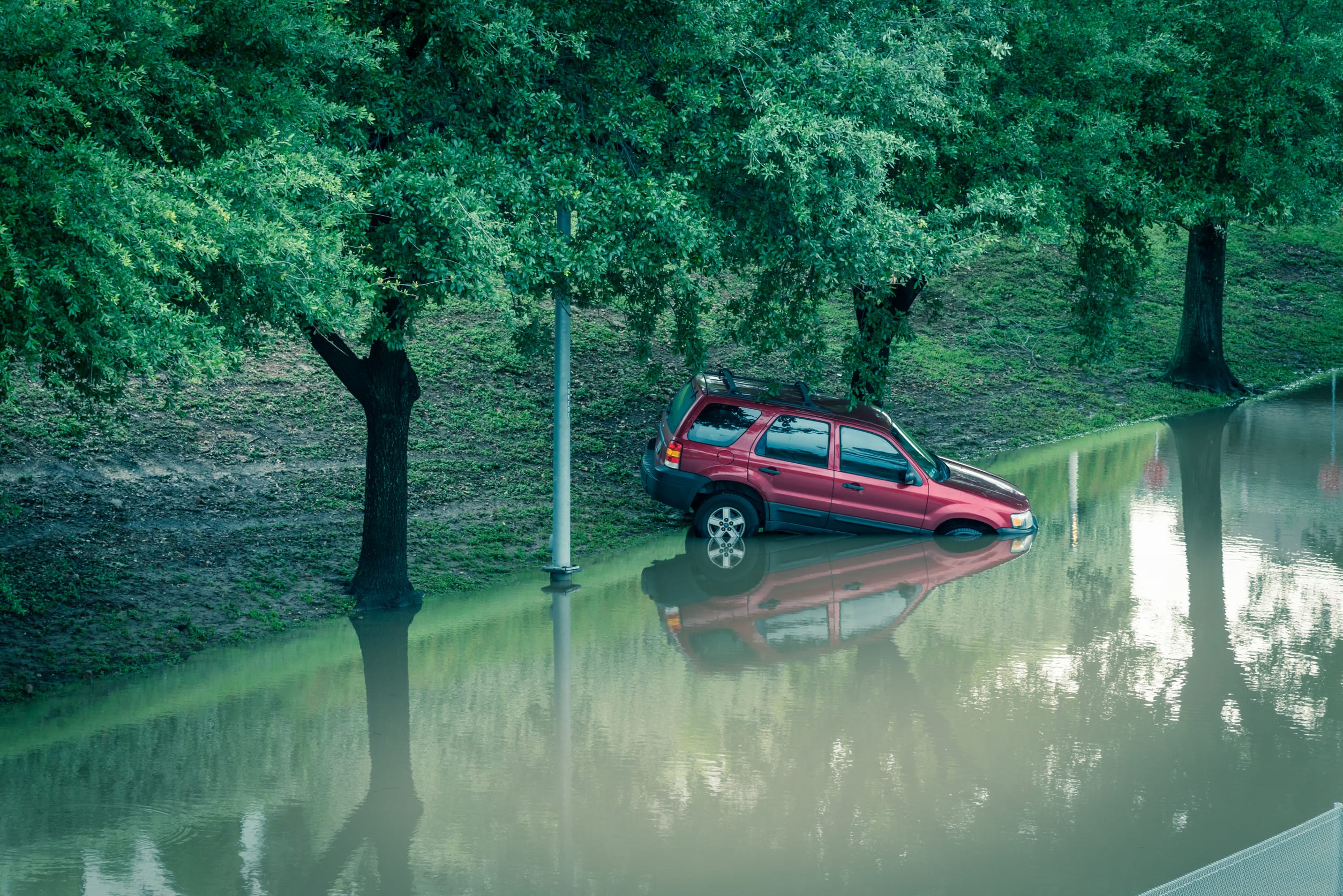
Your Car Insurance Will Cover Flood Damage to Your Vehicle

flooded vehicle
Image Source: 123rf.com

Many drivers assume that their auto insurance will protect them if their car is damaged by a flood. However, if you only have liability or collision coverage, flood damage will not be covered.

Comprehensive coverage is the only type of car insurance that protects against flooding, hurricanes, and other natural disasters. Without it, you could be left paying for repairs or replacing your vehicle entirely. If you live in an area prone to flooding, making sure your policy includes comprehensive coverage is a must.

Filing a Claim Will Only Affect Your Rates If You’re at Fault

Insurance companies often encourage policyholders to file claims when disasters strike, but they don’t always disclose the long-term consequences. Even if you file a claim for something that wasn’t your fault—like storm damage or theft—your rates could still go up.

Many insurers use a database called the Comprehensive Loss Underwriting Exchange (CLUE) to track claims. Even inquiries about damage that don’t result in a claim can sometimes be recorded, leading to higher premiums in the future. Before filing a claim, it’s important to weigh the long-term costs and benefits.

You Have Plenty of Time to Get Coverage Before Disaster Strikes

Many people assume they can wait until a storm is approaching before purchasing flood insurance or adding additional coverage. The reality is that most insurance policies have waiting periods that prevent last-minute sign-ups.

For example, flood insurance policies through the National Flood Insurance Program (NFIP) typically have a 30-day waiting period before coverage takes effect. Some private insurers may offer shorter waiting periods, but they still won’t provide immediate coverage when a storm is already on the horizon. If you wait too long, you could be left completely unprotected when disaster hits.

You’ll Get the Full Replacement Cost for Your Losses

One of the most misleading assumptions homeowners have is that their insurance will pay the full cost to rebuild their home or replace lost belongings. In reality, many policies only cover the actual cash value of items, which takes depreciation into account.

For example, if your five-year-old TV is destroyed in a flood and your policy only covers actual cash value, you’ll only be reimbursed for what it’s worth today—not what it costs to buy a new one. To avoid this, homeowners should look for policies that include replacement cost coverage rather than actual cash value. This ensures that you receive enough money to rebuild or replace your lost items at current market prices.

Don’t Let These Lies Cost You Everything

Insurance companies rely on policyholders assuming they are covered for all disasters, but as these seven lies show, that’s not always the case. Believing these myths could leave you financially devastated when the unexpected happens.

To protect yourself, review your policies carefully, ask direct questions about exclusions, and consider additional coverage where needed. The best time to prepare is before disaster strikes—not after it’s too late.

Have you ever had an insurance claim denied due to one of these myths? Share your experience in the comments below.

Read More:

7 Ridiculous Reasons Your Liability Insurance Isn’t Protecting You

The Top Benefits of Having Condo Insurance for Homeowners

Latrice Perez

Latrice is a dedicated professional with a rich background in social work, complemented by an Associate Degree in the field. Her journey has been uniquely shaped by the rewarding experience of being a stay-at-home mom to her two children, aged 13 and 5. This role has not only been a testament to her commitment to family but has also provided her with invaluable life lessons and insights.

As a mother, Latrice has embraced the opportunity to educate her children on essential life skills, with a special focus on financial literacy, the nuances of life, and the importance of inner peace.

Filed Under: Insurance Tagged With: car insurance, filing insurance claims, financial protection, flood insurance, homeowners insurance, insurance companies secrets, insurance loopholes, insurance myths, natural disaster coverage, protecting your home

Follow Us

Search this site:

Recent Posts

  • Can My Savings Account Affect My Financial Aid? by Tamila McDonald
  • 12 Ways Gen X’s Views Clash with Millennials… by Tamila McDonald
  • What Advantages and Disadvantages Are There To… by Jacob Sensiba
  • 10 Tactics for Building an Emergency Fund from Scratch by Vanessa Bermudez
  • Call 911: Go To the Emergency Room Immediately If… by Stephen Kanaval
  • 7 Weird Things You Can Sell Online by Tamila McDonald
  • 10 Scary Facts About DriveTime by Tamila McDonald

Copyright © 2026 · News Pro Theme on Genesis Framework