• Home
  • About Us
  • Toolkit
  • Getting Finances Done
    • Hiring Advisors
    • Debt Management
    • Spending Plan
  • Insurance
    • Life Insurance
    • Health Insurance
    • Disability Insurance
    • Homeowners/Renters Insurance
  • Contact Us
  • Privacy Policy
  • Risk Tolerance Quiz

The Free Financial Advisor

You are here: Home / Archives for auto insurance

8 Insurance Moves That Get Reported Even When You Don’t File a Claim

April 5, 2026 by Brandon Marcus Leave a Comment

8 Insurance Moves That Get Reported Even When You Don’t File a Claim

Image Source: Unsplash.com

Insurance feels like a world of fine print and complicated policies—but here’s a secret: it isn’t always about filing a claim. Even when your car barely scratches a mailbox or your home has a minor mishap you don’t report, insurance companies still notice your moves. Your actions ripple through databases in ways that can affect your premiums, your credit, and even your future insurability. Some people think skipping a claim keeps them invisible. That’s not how it works. The truth is, your insurance record has eyes everywhere, and understanding what triggers reports can save you headaches later.

Before panic sets in, know this: awareness is power. The eight insurance moves on this list don’t just affect policies—they offer a chance to strategize and protect yourself. From inquiries to minor claims that never get submitted, these reports influence how companies perceive risk. Some of these moves happen automatically, while others require nothing more than a signature.

1. When Just Shopping Counts: Rate Quotes and Inquiries

Getting a few insurance quotes might feel harmless, like browsing shoes online, but it leaves a trail. Insurers often log quote requests as “inquiries” through databases like CLUE or ISO. These entries don’t usually drop your coverage, but repeated or simultaneous inquiries can make carriers think you’re high-risk. They see it as potential instability or shopping for better rates after trouble, which may subtly nudge premiums upward.

To navigate this, group your rate quotes within a short window. Auto insurers typically treat multiple inquiries in a 14-30 day span as a single search. That small timing trick prevents your curiosity from turning into a negative signal. Another tip: use the same insurer or their approved partners to compare plans, which can reduce duplicate entries. Smart planning during the quote phase keeps your insurance record cleaner than you might expect. Remember, every little click counts in the eyes of your carrier.

2. Policy Changes That Trigger Attention

Switching deductibles, adding or removing coverage, or updating your address can seem mundane, but insurers report these changes. Adjusting your deductible upward may save money month-to-month but signals a change in risk appetite. Conversely, lowering coverage for cost reasons can indicate financial pressure or shifting priorities. Even adding a teenage driver to a car policy generates a record update that gets logged in industry databases.

Here’s the takeaway: treat policy adjustments strategically. Keep notes on timing, reasons, and effects, especially if you’re juggling multiple policies. It’s also wise to review annual statements carefully to confirm changes are reported accurately. Carriers are meticulous about records, so an error can misrepresent your risk profile if not corrected promptly. Being proactive ensures your actions reflect choice, not accident.

3. Claims You Avoid Still Leave Traces

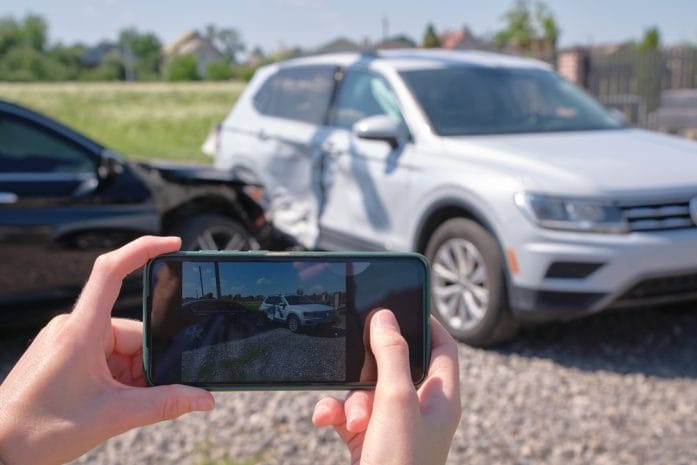
Skipping a minor fender-bender claim or a small water leak in your home doesn’t always erase the incident from the system. Public or shared databases like CLUE in the U.S. track reported damages, sometimes even if a claim isn’t formally filed. A neighbor’s report, a repair shop note, or police documentation can create an indirect entry. These notes don’t automatically impact your premium but can influence future underwriting decisions.

The smart move is documentation. Keep your own records with dates, photos, and repair estimates. If a claim ever surfaces later, having proof of self-handled repairs or non-reports helps clarify the situation. This strategy shows foresight and responsibility, turning potential negative impressions into evidence of careful management. Ignoring this step may seem easy now but complicates things if you shop for new coverage down the line.

4. Lapses and Gaps: Coverage Interruptions Matter

Letting a policy lapse for even a month is like waving a flag to insurers that you might be riskier than you seem. Companies often report lapses to databases used by other insurers, highlighting interruptions in coverage. This can affect your rates when seeking new insurance, as carriers prefer continuous coverage. Even if no claim occurs, a gap can suggest financial instability or increased risk tolerance.

To avoid penalties, synchronize renewals and consider automatic payments. If a lapse happens, notify your insurer promptly and request proof of reinstatement. Showing that coverage interruptions were accidental or temporary can reduce negative impressions. Planning ahead saves money and protects your reputation in industry reporting systems.

5. Traffic Violations and Accidents: Indirect Reporting

Even if you never file an insurance claim, traffic tickets and accidents show up in records that insurers monitor. Tickets for speeding or reckless driving feed into your risk profile, and accidents—even minor, claim-free ones—can leave traces in police reports or court systems. Insurance companies consult these records when assessing premiums, often seeing violations as risk multipliers.

One practical approach: maintain a clean driving record whenever possible. Defensive driving courses or DMV record monitoring can reduce long-term impacts. If a minor incident occurs, proactively alert your insurer with honest context. Transparency sometimes works better than silence in influencing future rates.

6. Home Improvements and Major Purchases

Large purchases or renovations can get noticed by insurers. Adding a swimming pool, solar panels, or expensive home upgrades might trigger notifications if a local inspection, permit, or appraisal occurs. These updates often get reflected in property insurance reports, even without a claim. The insurer wants to understand risk exposure, so such changes can alter policy pricing or coverage requirements.

Strategically, document everything. Keep receipts, permits, and professional evaluations. Notify your insurer only when necessary, and ask how changes impact risk scoring. Proper planning ensures upgrades don’t unintentionally inflate premiums or create reporting flags. This approach turns a seemingly invisible move into a positive negotiation tool for better coverage.

8 Insurance Moves That Get Reported Even When You Don’t File a Claim

Image Source: Pexels.com

7. Medical Claims That Touch Your Auto or Home Policies

It may sound strange, but medical events can sometimes ripple into property or auto insurance reports. If an injury involves a vehicle accident or an incident on your property, data might cross-reference databases, even if no property claim is filed. The reports usually stay factual, like noting a medical treatment tied to an accident, but insurers consider all relevant risk signals when adjusting policies.

To handle this wisely, coordinate documentation. Keep separate, clear records of personal medical care versus insurance claims. Confirm that property or auto insurers only report what is accurate and necessary. This protects your privacy while keeping reporting transparent. Mismanaged overlaps could complicate coverage decisions in unexpected ways.

8. The Power of Documentation

The most crucial takeaway from these eight moves is the value of keeping meticulous records. Invoices, photographs, permits, and notes aren’t just busywork—they protect against misunderstandings, misreporting, or inaccurate premium hikes. Being proactive gives you leverage when discussing policy adjustments or disputing entries in reporting databases.

By understanding which actions trigger reports and how to document them effectively, it’s possible to navigate the insurance world with confidence. Planning timing, grouping inquiries, and keeping detailed records can prevent small decisions from snowballing into big headaches. Awareness transforms these invisible reports from stressors into tools for smarter coverage management.

Making the System Work for You

Insurance doesn’t have to be a game of blind luck. Even moves that don’t involve claims can leave footprints in databases that affect your premiums, risk perception, and future coverage. Knowing which actions are reported and how to document them properly gives you control over your insurance story. You can be strategic, proactive, and prepared, turning what feels like invisible surveillance into a clear advantage.

Which of these insurance moves has surprised you, or do you have your own strategies for staying savvy? Share your ideas, experiences, and tips in the comments—we’d love to see how people are making the system work for them.

You May Also Like…

Insurance Costs Are Quietly Reshaping Where Americans Can Live — And Some Are Being Priced Out

7 Reasons Your Home Insurance Premium Just Went Up Again

Navigating Coverage: Can You Rely on the Guilty Party’s Insurance If You’re Uninsured?

Missed Insurance Payment? Your Auto Lender May Raise Your Costs Overnight

Why Home Insurance Claims Can Raise Premiums Without Payouts

Brandon Marcus
Brandon Marcus

Brandon Marcus is a writer who has been sharing the written word since a very young age. His interests include sports, history, pop culture, and so much more. When he isn’t writing, he spends his time jogging, drinking coffee, or attempting to read a long book he may never complete.


Filed Under: Insurance Tagged With: auto insurance, claims, coverage, credit, Financial Tips, Home insurance, Insurance, insurance advice, Personal Finance, policy tricks, reporting, Risk management

Missed Insurance Payment? Your Auto Lender May Raise Your Costs Overnight

February 22, 2026 by Brandon Marcus Leave a Comment

Missed Insurance Payment? Your Auto Lender May Raise Your Costs Overnight

Image Source: Unsplash.com

A single missed insurance payment can flip the script on a car loan faster than most people realize. One day everything looks routine, and the next, a lender adds a charge that inflates the monthly bill and refuses to budge. That jump does not come from a random penalty or a clerical error. It often comes from something called force-placed insurance, and it can cost far more than the policy it replaces.

Car lenders require borrowers to carry insurance for one simple reason: they want protection for the vehicle that secures the loan. When coverage lapses, the lender does not shrug and hope for the best. The lender acts, and that action can hit a budget hard.

The Moment Coverage Lapses, the Clock Starts Ticking

Auto loans almost always include a clause that requires full coverage insurance, including comprehensive and collision, for as long as the loan remains unpaid. Lenders insert that requirement because the vehicle serves as collateral. If a crash totals the car or a theft wipes it off the driveway, the lender still expects repayment.

When a borrower misses an insurance payment, the insurance company can cancel the policy after a grace period. That grace period varies by insurer and by state, but it does not last forever. Once the policy cancels, the insurer notifies the lender that coverage no longer exists.

At that point, the lender reviews the account and prepares to protect its financial interest. The lender does not wait around for a reminder call or a promise to fix the problem next week. If proof of new coverage does not arrive quickly, the lender purchases insurance on the borrower’s behalf. That policy does not come cheap, and it does not offer the same protection drivers usually expect.

Force-Placed Insurance: Expensive and Bare-Bones

Force-placed insurance, sometimes called collateral protection insurance, covers the lender’s interest in the vehicle, not the driver’s personal needs. It typically protects against physical damage to the car, such as theft or collision. It does not include liability coverage for injuries or damage to others, and it does not cover medical expenses or uninsured motorist claims for the borrower.

Because the lender buys the policy without shopping for competitive rates, the premium often runs higher than a standard auto policy. The lender then adds that premium to the loan balance or to the monthly payment. That addition can increase the payment significantly, and the borrower must pay it as part of the loan agreement.

Many borrowers feel shocked when they see the updated bill, but the lender usually acts within the rights spelled out in the loan contract. The contract often states clearly that if the borrower fails to maintain required insurance, the lender may obtain coverage and charge the borrower for it. No one enjoys reading loan documents line by line, but those details matter when money sits on the line.

The Ripple Effect on Monthly Payments and Loan Balance

Once force-placed insurance enters the picture, the financial impact can snowball. If the lender adds the premium to the existing loan balance, the borrower may pay interest on that amount over time. That structure means the true cost extends beyond the sticker price of the policy itself.

In other cases, the lender increases the monthly payment to cover the premium immediately. That sudden hike can strain a tight budget and lead to additional missed payments. When payments fall behind, late fees stack up, and credit scores can drop. A single missed insurance payment can therefore trigger a chain reaction that affects far more than just one bill.

Some lenders also charge administrative fees for placing the coverage. Those fees add yet another layer of cost. The combination of higher premiums, added interest, and possible fees can transform a manageable car loan into a source of ongoing stress.

Reinstating Your Own Policy Can Stop the Damage

The good news: borrowers do not have to live with force-placed insurance forever. If a driver secures a new qualifying auto policy and provides proof to the lender, the lender usually cancels the force-placed coverage. That action stops future charges tied to that policy.

Timing matters. The faster a borrower restores proper coverage and sends documentation, the lower the added cost. Waiting weeks or months allows the lender’s policy to remain active and continue generating charges.

Anyone facing a lapse should contact the insurance company first to ask about reinstatement. Many insurers allow reinstatement within a short window if the policyholder pays the overdue premium. If reinstatement no longer stands as an option, shopping for a new policy right away can limit the financial fallout. Drivers should confirm that the new policy meets the lender’s coverage requirements, including deductible limits and comprehensive and collision coverage.

Missed Insurance Payment? Your Auto Lender May Raise Your Costs Overnight

Image Source: Unsplash.com

Prevention Beats Damage Control Every Time

Avoiding a lapse in coverage protects more than just the lender’s collateral. It protects the driver from personal liability, vehicle repair costs, and the cascade of loan-related expenses that follow a cancellation.

Setting up automatic payments for insurance premiums can reduce the risk of forgetting a due date. Many insurers offer online portals and mobile apps that send reminders before cancellation occurs. Taking five minutes to enable alerts can save hundreds or even thousands of dollars down the road.

Reviewing the loan agreement also helps. Understanding exactly what the lender requires allows borrowers to choose a policy that satisfies those terms from the start. Some lenders require specific maximum deductibles, and a policy that falls short can trigger issues even if payments remain current.

The Real Cost of Ignoring That One Notice

Insurance companies and lenders send warnings before coverage disappears or force-placed insurance begins. Those notices often arrive by mail or email and may look routine at first glance. Ignoring them can carry a steep price.

A cancellation notice signals that the policy stands on the brink. Acting immediately can keep the policy active and avoid any lapse reporting. Once a policy cancels, insurers may classify the driver as higher risk, which can lead to higher premiums when seeking new coverage.

Lenders also send letters informing borrowers of missing insurance and the intent to purchase force-placed coverage. Responding quickly with proof of insurance can stop the process before extra charges appear. Delaying that response can lock in a costly policy that takes time and paperwork to unwind.

Staying organized with insurance documents, due dates, and lender communications may not feel exciting, but it delivers real financial protection. A few proactive steps can keep control firmly in the borrower’s hands rather than in the lender’s billing system.

One Missed Payment Should Not Rewrite the Entire Loan

A missed insurance payment does not have to spiral into months of higher costs and financial frustration. Understanding how lenders respond to a lapse puts drivers back in the driver’s seat. Quick action, clear communication, and consistent coverage can prevent force-placed insurance from inflating a loan overnight.

Car ownership already demands fuel, maintenance, and monthly payments. Allowing an avoidable insurance lapse to pile on extra charges makes that burden heavier than necessary. Checking the insurance status today could prevent a very expensive surprise tomorrow.

What steps have proven most helpful in keeping car insurance and loan obligations on track? If you have advice, please share it in our comments below.

You May Also Like…

The Top 3 Factors That Affect Your Auto Insurance Rates

Common Misconceptions About Insurance Costs

8 Homeowner Insurance Denials Based on Aerial Photos

California Insurance Crisis: 13% of Home Sales Failed Due to No Coverage Available

Insurance Premium Increases Continue Outpacing Inflation

Brandon Marcus
Brandon Marcus

Brandon Marcus is a writer who has been sharing the written word since a very young age. His interests include sports, history, pop culture, and so much more. When he isn’t writing, he spends his time jogging, drinking coffee, or attempting to read a long book he may never complete.

Filed Under: Insurance Tagged With: auto insurance, car loans, car ownership, credit impact, financial protection, force-placed insurance, insurance lapse, lender requirements, loan terms, missed payment, money management, Personal Finance

Insurance Premium Increases Continue Outpacing Inflation

February 16, 2026 by Brandon Marcus Leave a Comment

Insurance Premium Increases Continue Outpacing Inflation

Image source: shutterstock.com

The cost of protection now climbs faster than the cost of living, and that reality reshapes household budgets across the country. Inflation has cooled from its recent peak, yet insurance premiums keep marching upward with stubborn determination.

Auto policies jump by double digits in many states, home coverage grows more expensive even outside disaster zones, and health insurance deductibles rarely move in the direction anyone hopes for. This pattern raises a blunt question: why does coverage cost so much more than the overall inflation rate, and what can anyone realistically do about it?

Insurance Premiums and Inflation: A Widening Gap

Inflation measures broad price changes across the economy, but insurance responds to a specific set of pressures that often move faster and hit harder than the general consumer basket. One does not care about the other.

The Consumer Price Index tracks categories like food, energy, housing, and transportation, yet insurance companies calculate risk based on claims costs, litigation trends, repair expenses, and catastrophic losses. When those factors spike, premiums follow.

Auto insurance offers one of the clearest examples. Car prices climbed sharply during the supply chain crunch, and repair costs soared as vehicles added advanced technology, sensors, and cameras that demand specialized parts and labor. When a minor fender-bender requires recalibrating multiple systems, insurers face much larger claim payouts than they did a decade ago.

Home insurance tells a similar story. Severe weather events have grown more frequent and more expensive, especially in states prone to hurricanes, wildfires, and hailstorms. Insurers paid out record sums for natural disasters in recent years, and companies responded by raising rates, tightening underwriting standards, or pulling out of high-risk markets altogether. Inflation alone does not explain these increases; escalating risk and rebuilding costs drive them.

Health insurance operates under its own set of forces. Hospital services, prescription drugs, and specialist care continue to rise in cost, and insurers adjust premiums to keep up with those trends. Even when headline inflation slows, medical inflation often moves on a different track.

Why Insurers Keep Raising Rates

Insurance companies do not raise rates for sport. They answer to regulators, shareholders, and solvency requirements that demand adequate reserves to cover future claims. When claims severity rises, premiums must rise as well or companies risk financial instability.

Vehicle repair costs have grown steadily because modern cars function as rolling computers. Advanced driver-assistance systems improve safety, yet they increase repair complexity. A simple bumper replacement can require replacing embedded sensors and recalibrating systems that control lane-keeping or adaptive cruise control. Labor shortages in auto repair shops add another layer of expense, as skilled technicians command higher wages.

Property insurance faces even more dramatic cost pressures. Construction materials experienced significant price increases during and after the pandemic. Lumber, roofing materials, and skilled labor all became more expensive. When a hurricane damages thousands of homes at once, insurers confront enormous claims in a compressed timeframe, and reinsurance costs also increase.

At the same time, insurers must comply with state regulations that often limit how quickly they can adjust rates. When regulators delay approval for necessary increases, companies may accumulate losses for several quarters and then implement sharper adjustments once approval arrives. That pattern can make premium hikes feel sudden and severe.

How Different Types of Insurance Compare

Auto insurance often captures headlines because drivers see the monthly bill and feel the sting immediately. Some drivers face increases of 15 percent or more year over year, especially in states with high accident rates or costly repair markets.

Home insurance varies dramatically by region. Coastal states and wildfire-prone areas see the steepest jumps, and some insurers have restricted new policies in places like Florida and California. Even homeowners outside those high-risk zones have encountered higher premiums because national catastrophe losses affect the broader insurance market. Insurers spread risk across their portfolios, and large losses in one region can influence pricing in others.

Insurance Premium Increases Continue Outpacing Inflation

Image source: shutterstock.com

Health insurance premiums depend heavily on employer contributions and plan design, yet many employees have seen higher deductibles and out-of-pocket costs over time. Employers often shift more of the cost burden to workers in response to rising medical expenses.

Renters insurance and umbrella policies also experience upward pressure, although their absolute costs remain lower than auto or homeowners coverage. As underlying risks and claim costs rise, these smaller policies rarely remain untouched.

What You Can Actually Do About It

No one controls the weather, global supply chains, or medical inflation, yet individuals do control how they approach insurance decisions. Shopping around remains one of the most effective tools available. Different insurers evaluate risk differently, and a clean driving record or improved credit score can yield very different quotes across companies. Set a calendar reminder to compare rates at least once a year, especially before renewal.

Consider adjusting deductibles carefully. A higher deductible lowers the premium, but only choose that route if you can comfortably cover the out-of-pocket cost in an emergency. An emergency fund acts as a buffer and gives you flexibility to structure coverage in a cost-effective way.

Control What You Can

Insurance premiums continue to outpace inflation because claim costs, catastrophe losses, and repair expenses rise faster than the broader economy. That trend creates real pressure on household budgets, and it will not reverse overnight. Complaining about it will not change the math, but strategic action can soften the blow.

Review policies annually, compare quotes across multiple carriers, adjust deductibles thoughtfully, and pursue every legitimate discount available. Build an emergency fund so you can tolerate higher deductibles and avoid filing small claims. Treat insurance as an active financial decision, not a set-it-and-forget-it bill.

The cost of protection may keep climbing, but informed choices can keep it from climbing unchecked. How have rising insurance premiums changed the way you approach your budget and coverage decisions? Share your thoughts and advice in the comments section below.

You May Also Like…

Florida Escrow Payments Continue Rising as Insurance Costs Climb

Expense Trap: 7 Inflation Surprises That Sneak Up on Middle-Aged Investors

Florida’s 3.35% Non-Renewal Rate: Why Hundreds of Thousands Lost Home Insurance Last Year

8 Bold Strategies for Investing During Periods of High Inflation

8 Homeowner Insurance Denials Based on Aerial Photos

Brandon Marcus
Brandon Marcus

Brandon Marcus is a writer who has been sharing the written word since a very young age. His interests include sports, history, pop culture, and so much more. When he isn’t writing, he spends his time jogging, drinking coffee, or attempting to read a long book he may never complete.

Filed Under: Insurance Tagged With: auto insurance, consumer advice, Cost of living, economic trends, health insurance, Home insurance, household budgets, Inflation, Insurance, insurance premiums, Personal Finance, Risk management

The Rental Car Insurance Mistake That Can Cost You a Fortune

December 3, 2025 by Brandon Marcus Leave a Comment

There Is A Certain Rental Car Insurance Mistake That Can Cost You a Fortune

Image Source: Shutterstock.com

You’re standing at the rental car counter, your suitcase still half-zipped, your energy drained from the flight, and suddenly the agent hits you with the question that makes every traveler break into a mental sweat: “Would you like to add insurance today?” It feels like a pop quiz you didn’t study for, and the stakes are sky-high. Your brain scrambles—Does my credit card cover this? Does my personal auto policy apply? Am I about to gamble thousands of dollars on a three-day weekend trip?

Before you know it, you’re nodding awkwardly, unsure whether you just protected your wallet or threw money into a black hole. But here’s the truth: the biggest rental car insurance mistake isn’t what you think, and making it can genuinely cost you a fortune.

The Hidden Gap Between Your Personal Insurance And Rental Coverage

Many travelers assume their personal auto insurance automatically protects them in a rental car, but that’s only partially true. While liability and collision coverage often transfer, deductibles, exclusions, and limitations can still leave you dangerously exposed. Some policies don’t cover loss-of-use charges, which rental companies apply when the car is being repaired and can’t be rented out. Others don’t cover diminished value, a fee you might face if the car is worth less after an accident, even if it’s fully fixed. Without knowing these details upfront, you might think you’re covered—right up until a bill arrives that makes your stomach drop.

Credit Card Protections Aren’t The Safety Net You Think

Credit cards advertise “free rental car insurance,” but the fine print is where dreams of savings go to die. Many cards offer only secondary coverage, meaning they only step in after your personal insurance has paid out—and your premiums take the hit. Some cards only cover certain vehicle types, rental durations, or countries, creating a maze of exceptions that can easily trap the unprepared traveler. Worse yet, forgetting a single requirement—like declining the rental company’s collision damage waiver—can void the entire benefit. Relying solely on your credit card protection without reading the exact terms is one of the most common and costly rental car mistakes people make.

The Collision Damage Waiver Isn’t Technically Insurance

The rental agent’s script might make the Collision Damage Waiver (CDW) sound like standard insurance, but it’s actually a contractual agreement. Instead of covering you like a traditional insurance policy, the CDW simply waives the rental company’s right to charge you for damage. But this waiver often comes with conditions, such as prohibiting off-road driving, unauthorized drivers, or late-night street parking in certain areas.

If you violate any of the terms—even unintentionally—the waiver becomes useless, leaving you fully responsible for damages. Because of this gap, countless travelers think they’re protected until a technicality proves otherwise.

There Is A Certain Rental Car Insurance Mistake That Can Cost You a Fortune

Image Source: Shutterstock.com

Not Understanding “Loss Of Use” Can Drain Your Wallet

Rental car companies don’t just charge you for damage—they charge you for the money they could have earned while the car is being repaired. This fee, known as loss of use, is one of the biggest surprise expenses after an accident. Personal auto insurance and credit card coverage often exclude it, meaning you’re stuck paying out-of-pocket. Some rental companies even calculate loss of use at inflated daily rates, turning a minor fender-bender into a major financial setback. Without understanding this clause, you might walk away from the counter thinking you’re fully protected when you’re not even close.

Overlooking Supplemental Liability Coverage Can Be Risky

Liability claims can cost far more than damage to the rental car itself, yet many renters completely ignore supplemental liability coverage. Your personal auto policy might cover some liability. However, if you’re renting in a state with low mandatory minimums, you might be relying on dangerously thin protection. One accident could lead to costs that spiral far beyond what your policy covers. Supplemental liability feels optional until you’re in a situation where it suddenly becomes the most important coverage you could have purchased. Understanding how your liability limits apply is essential before driving off the lot.

Assuming The Rental Company Will Be “Reasonable”

Rental companies aren’t known for their generosity when it comes to damage assessments, and that can surprise even experienced travelers. They may charge you for repairs, lost revenue, administrative fees, and towing—sometimes before you even have a chance to respond. Some renters have reported being billed for damage they didn’t cause. Even minor scuffs or pre-existing scratches can turn into major disputes if there’s no proof of condition. Trusting that the company will be fair is a mistake that can cost thousands if you don’t take precautions.

Forgetting To Document The Vehicle Is A Classic Rookie Error

Five minutes taking photos can save you five thousand dollars later—and yet most people skip this step entirely. Documenting dents, scratches, paint issues, or even interior scuffs can prevent false or exaggerated claims. A full walk-around with photos and videos isn’t just smart—it’s essential. If you skip it, you’re leaving your wallet at the mercy of someone else’s memory.

Thinking You Don’t Need Full Coverage On A Vacation

Travelers often take more risks on vacation, whether that means unfamiliar roads, crowded city streets, or unpredictable weather. Add the fact that you’re in a new environment—possibly jet-lagged, distracted, or rushing—and the odds of a mishap increase significantly. Because of this, skipping full coverage while traveling is far riskier than skipping it at home. The financial consequences of an accident abroad or in a high-traffic tourist area can be enormous. What feels like a harmless shortcut at the rental counter can turn into a nightmare the moment something goes wrong.

Protect Your Trip Before You Hit The Road

Understanding what coverage you truly have is the key to stress-free travel. Before your next rental, take a moment to review your personal policy, your credit card benefits, and the rental company’s fine print. Doing so can save you from unexpected bills, exhausting disputes, and headaches you definitely didn’t pack for.

Have you ever had a rental car insurance surprise? Give us your thoughts, stories, or cautionary tales in the comments section for others to learn.

You May Also Like…

6 Reasons Your Car Insurance Company Can Legally Drop You After One Claim

7 Wild Facts About Electric Cars That’ll Shock You

Getting Around Without Going Broke: Smart Transit Options After Car Loss

7 Everyday Car Items Thieves Are Watching for Right Now

The “Act of God” Clause Insurance Companies Are Using to Reject Storm Damage Claims

Brandon Marcus
Brandon Marcus

Brandon Marcus is a writer who has been sharing the written word since a very young age. His interests include sports, history, pop culture, and so much more. When he isn’t writing, he spends his time jogging, drinking coffee, or attempting to read a long book he may never complete.

Filed Under: Car Tagged With: auto insurance, Automobile, automobiles, automotive care, best type of insurance, car, car insurance, cars, collision damage, credit card, credit card protections, credit cards, Insurance, insurance mistakes, liability insurance, mistakes, personal insurance, rental car, rental cars, Rentals, spending mistakes

6 Reasons Your Car Insurance Company Can Legally Drop You After One Claim

December 2, 2025 by Travis Campbell Leave a Comment

Insurance

Image source: shutterstock.com

Most drivers believe that filing one claim will not result in significant problems. The insurance company sends a letter to inform the policyholder that their coverage will expire. The policy termination occurred without warning, yet it followed a particular sequence of events. A car insurance company can initiate policy termination after one incident if its risk assessment becomes elevated. The insurance industry operates with comparable patterns, but state regulations establish particular rules for each state. Identifying these patterns enables drivers to predict upcoming policy changes and avoid unexpected events.

1. A Severe Loss That Signals High Future Risk

Some collisions reveal more than a simple mistake. A major crash involving extensive damage, injuries, or a totaled vehicle sends a clear message to a car insurance company. The incident tells underwriters the risk profile has changed, sometimes sharply. And when a claim costs far more than the insurer expected at the start of the policy term, it raises internal alarms.

One loss can expose patterns the insurer didn’t see before—behind-the-wheel habits, driving environments, or vehicle issues that increase the likelihood of another significant claim. Even when the driver feels the event was a one-off, the insurer may interpret the numbers differently. The claim becomes data, and that data shapes their decision.

2. Evidence of Misrepresentation on the Application

Insurers rely on accurate information to price risk. When a claim reveals that details on the application are wrong—mileage, garaging address, driving history—the insurer gains legal grounds to cancel or nonrenew. The logic is simple. If the policy’s foundation is flawed, the agreement itself becomes unstable.

Sometimes the discrepancy is unintentional. A car stored at a secondary residence, or a driver added informally but not listed, can shift the entire risk calculation. But once uncovered, the car insurance company may view the omission as a material change. And material changes can justify ending coverage.

3. A Claim Involving Reckless or Illegal Behavior

Certain violations create immediate friction between a driver and an insurer. A claim tied to reckless driving, street racing, or driving under the influence triggers a review that rarely ends well. These behaviors predict future harm with uncomfortable accuracy. Even in isolation, they shape how an insurer evaluates the applicant.

Legal issues tied to the incident magnify the problem. Court records, police statements, and documented violations become part of the claim file. And once the insurer sees clear evidence of high-risk conduct, it may decide the policy no longer fits within its risk tolerance. That decision can follow even if the driver resolves all legal consequences.

4. Multiple Prior Incidents That Weren’t Claims

One formal claim might not be the whole picture. Insurers track inquiries, roadside assistance requests, and small incidents logged by partner services. When a new claim arrives, these older notes can suddenly matter. The company sees not just the recent loss, but a pattern leading up to it.

Small events that seemed harmless—a cracked windshield, a tow, a damage inquiry—become context. And together, they paint a fuller story about risk exposure. If the combined record crosses an internal threshold, a car insurance company can choose not to continue the relationship, even if only one incident resulted in a paid claim.

5. A Claim Occurring During the Policy’s First Months

Early claims carry weight. They tell the insurer that its initial assessment may have been off. When a driver files a significant claim soon after coverage begins, the insurer may suspect hidden issues that didn’t surface during underwriting. Sometimes it worries about adverse selection—the idea that the driver sought coverage because trouble was already looming.

Many states allow insurers to cancel during an early evaluation period, provided they comply with notice requirements. That window gives them room to reassess, and a substantial early claim often triggers exactly that process. The message is blunt: the insurer no longer sees the policy as a good match.

6. Significant Risk Changes After the Claim

Life shifts, and insurers pay close attention to these shifts. A claim may reveal new commuting patterns, a change in vehicle use, or household drivers who weren’t listed initially. These details matter because they alter the risk landscape. And when risk rises beyond what the insurer is prepared to cover, cancellation or nonrenewal can follow.

Even changes unrelated to the fault can trigger a review. A new job with long highway miles, or a new driver with a history of violations, can reshape underwriting priorities. Once the insurer learns of these factors through a claim investigation, it has legal grounds to act.

How Drivers Can Protect Themselves

Car insurance companies that end policies after one claim create a complete loss of control for their drivers. The preparation you do in advance will determine the results of all your actions. The risk of unexpected policy termination decreases when you maintain correct application information, understand what causes policy risks, and monitor your driving behavior during claims. The information insurers use to make decisions starts accumulating when you first apply for coverage, so you should begin controlling it from the beginning.

The policyholder needs to understand the reasons for termination, as insurers send termination notices. The explanation provides a clear understanding, enabling you to determine your next steps regarding policy changes, driving behavior modifications, and data corrections. The single incident will not determine your future actions.

Have you ever experienced an insurance company cancel your policy after you submitted your first claim? What steps did you follow when this situation happened to you?

What to Read Next…

  • What That New Car Smell Might Be Hiding Legally
  • 9 Cities Where Car Theft Is Becoming a Daily Occurrence
  • Top 3 Water Damage Claims Home Insurance Actually Covers
  • 7 Homeowner Insurance Exclusions That Void Entire Policies
  • What Insurance Fine Print Could Void Your Entire Claim
Travis Campbell
Travis Campbell

Travis Campbell is a digital marketer/developer with over 10 years of experience and a writer for over 6 years. He holds a degree in E-commerce and likes to share life advice he’s learned over the years. Travis loves spending time on the golf course or at the gym when he’s not working.

Filed Under: Insurance Tagged With: auto insurance, claims, Insurance, policy cancellation, risk

4 Common Car-Insurance Myths That Seniors Fall For

October 22, 2025 by Travis Campbell Leave a Comment

car insurance

Image source: shutterstock.com

Car insurance is an essential part of financial security, especially for seniors who may be on a fixed income. Yet, there’s a lot of confusion out there. Misinformation and outdated beliefs can lead seniors to pay more than necessary or miss out on important coverage. With car insurance rates often changing with age, it’s easy to fall for common myths. Understanding what’s true and what’s not can help seniors save money and avoid unnecessary stress. Let’s break down four widespread car-insurance myths that seniors should watch out for.

1. “Car Insurance Always Gets Cheaper as You Age”

This is one of the most persistent car-insurance myths that seniors encounter. Many people assume that, as you get older, your premiums will keep dropping. While car insurance rates often decrease after drivers turn 25 and maintain a clean record, that trend doesn’t last forever. In fact, once drivers hit their 70s, premiums may start to rise again.

Insurance companies consider seniors a higher risk due to slower reaction times and an increased likelihood of certain medical conditions. This doesn’t mean every senior will pay more, but it’s important to check rates regularly and shop around. Don’t just stick with the same insurer because you assume loyalty means lower prices. Comparing quotes can help you find the best deal for your changing needs.

2. “I Don’t Drive Much, So I Don’t Need Full Coverage”

It’s common for seniors who drive less—maybe only to the grocery store or doctor’s office—to think they can reduce their coverage without consequences. While it’s true that lower mileage can affect your rate, dropping important protections isn’t always wise. Accidents can happen close to home, and theft or weather damage can occur even when your car is parked.

Liability-only policies might save money upfront, but they leave you exposed to costly repairs or medical bills. Instead, look into usage-based insurance or low-mileage discounts. Many insurers offer programs that track your driving habits and reward safe, infrequent driving. Before slashing your coverage, ask about these options to keep your car insurance affordable and effective.

3. “My Retirement Means Automatic Discounts”

Retirement changes a lot about your daily routine, but it doesn’t guarantee a lower car insurance bill. Many seniors believe insurers will automatically lower rates simply because they retire. In reality, while some companies offer discounts for retirees or mature drivers, you usually have to ask for them.

Take time to review your policy and ask your insurer about available discounts for seniors. This might include savings for completing defensive driving courses, being a member of certain organizations, or bundling multiple policies. Don’t assume your insurer will apply these automatically. Being proactive can make a big difference in your car insurance costs.

4. “My Car Insurance Covers Everything”

This myth can lead to costly surprises. Many seniors believe their car insurance policy provides blanket protection for any incident. In reality, car insurance has limits and exclusions. For example, standard policies may not cover personal belongings stolen from your car, mechanical breakdowns, or damage from natural disasters unless you have specific coverage.

It’s crucial to read your policy and understand what’s included. If you have questions, talk to your agent or a trusted advisor. Consider whether you need extras like roadside assistance or comprehensive coverage. Taking the time to review your policy can help you avoid misunderstandings and unnecessary expenses down the road.

Smart Steps for Seniors to Get the Best Car Insurance

Falling for car-insurance myths can cost seniors real money and peace of mind. The good news is, you can take charge of your coverage. Start by reviewing your policy every year, especially if your driving habits or health change. Don’t be afraid to compare quotes from different companies or ask about senior discounts. A little research can go a long way in keeping your car insurance affordable and reliable.

Remember, car insurance is about protecting your finances and your independence. Staying informed helps you avoid common pitfalls and make choices that fit your needs. What car-insurance myths have you encountered, and how did you handle them? Share your experiences or questions in the comments below!

What to Read Next…

  • Top 3 Water Damage Claims Home Insurance Actually Covers
  • 7 Homeowner Insurance Exclusions That Void Entire Policies
  • What That New Car Smell Might Be Hiding Legally
  • Why Are So Many Seniors Being Sued Over Student Loans They Didn’t Take Out
  • 8 Everyday Scams Seniors Are Falling For Right Now
Travis Campbell
Travis Campbell

Travis Campbell is a digital marketer/developer with over 10 years of experience and a writer for over 6 years. He holds a degree in E-commerce and likes to share life advice he’s learned over the years. Travis loves spending time on the golf course or at the gym when he’s not working.

Filed Under: Car Tagged With: auto insurance, car insurance, insurance discounts, insurance myths, Personal Finance, Retirement, seniors

6 Ways To Figure Out If You Can Afford A New Car and Insurance

October 5, 2025 by Travis Campbell Leave a Comment

insurance

Image source: pexels.com

Buying a new car is exciting, but before you take the plunge, it’s smart to figure out if you can afford a new car and insurance. Many people focus on the sticker price and forget about the ongoing costs that come with car ownership. Insurance, maintenance, taxes, and fees can add up quickly. If you misjudge your budget, that new car might become a source of stress instead of joy. Here are six practical ways to help you decide whether a new car and its insurance truly fit your financial life.

1. Calculate Your Total Monthly Car Budget

Start by figuring out how much room you really have in your monthly budget for a car payment and insurance. List all your current expenses, including rent or mortgage, utilities, groceries, debt payments, and entertainment. Subtract these from your take-home pay. What’s left is the maximum you can safely spend on a car and insurance each month.

Experts often recommend that your total car expenses (including insurance, gas, and maintenance) should not exceed 15% of your monthly income. This helps ensure you have enough left over for savings and unexpected bills. If you’re already close to your budget limit, a new car might not be the right move right now.

2. Research Realistic Insurance Quotes

Insurance costs vary widely depending on your age, driving record, location, and the type of car you want. Before you fall in love with a particular model, get real quotes from several insurers. Some cars are much more expensive to insure than others, even if their purchase prices are similar.

Use online comparison tools or call agents directly to get numbers specific to your situation. Factor these quotes into your calculations. Skipping this step can lead to a nasty surprise after you’ve already committed to the car.

3. Don’t Forget About Down Payments and Upfront Costs

Affording a new car and insurance isn’t just about the monthly payment. You’ll need to make a down payment, pay taxes, registration fees, and possibly deal with dealer add-ons. These upfront costs can easily add up to thousands of dollars.

Make sure you have enough cash saved to cover these expenses without draining your emergency fund. If paying the down payment would leave you financially vulnerable, consider waiting or looking for a less expensive car.

4. Estimate Ongoing Ownership Expenses

New cars require regular maintenance, even if they’re under warranty. Oil changes, tire rotations, and other routine services are still necessary. Some vehicles also have higher repair costs or require premium fuel.

Research the average annual costs for maintenance and repairs on the model you’re considering. Add in your estimated yearly spending on gas. All these numbers should be part of your calculation when deciding if you can afford a new car and insurance.

5. Consider the Impact on Your Other Financial Goals

Will buying a new car make it harder to save for retirement, pay off debt, or build an emergency fund? If so, you might want to reconsider. A car is a depreciating asset, so it’s important not to sacrifice your long-term financial stability for short-term satisfaction.

Think about your financial goals for the next few years. If a hefty car payment would slow your progress, consider ways to reduce the cost—such as buying used, making a larger down payment, or opting for a less expensive model. Being honest with yourself now can help you avoid regrets later.

6. Run the Numbers with a Loan Calculator

Once you know the price of the car, your down payment, estimated trade-in value, interest rate, and loan term, use an online auto loan calculator to see what your monthly payment would be. Don’t forget to add your insurance premium to this number.

Compare this total monthly cost to the budget you created in step one. If the numbers don’t fit comfortably, try adjusting your assumptions—maybe a longer loan term, a larger down payment, or a less expensive car. The goal is to make sure you can afford a new car and insurance without putting your finances at risk.

Making the Right Car and Insurance Decision

Deciding if you can afford a new car and insurance is about more than just the purchase price. It requires a clear look at your monthly budget, insurance costs, upfront expenses, ongoing maintenance, and how the purchase fits with your other financial goals. Taking the time to run the numbers and weigh your options can save you money and stress down the road.

How do you make sure you can comfortably afford a new car and insurance? Share your approach or any tips in the comments below!

What to Read Next…

  • What That New Car Smell Might Be Hiding Legally
  • The Benefits Of Taking Personal Loans And Their Impact On Credit Scores
  • 5 Things That Instantly Decrease Your Credit Score By 50 Points
  • Are These 7 Little Expenses Quietly Costing You Thousands A Year
  • 10 Signs You’re Living Above Your Means Without Realizing
Travis Campbell
Travis Campbell

Travis Campbell is a digital marketer/developer with over 10 years of experience and a writer for over 6 years. He holds a degree in E-commerce and likes to share life advice he’s learned over the years. Travis loves spending time on the golf course or at the gym when he’s not working.

Filed Under: Car Tagged With: auto insurance, budgeting, car buying, car ownership, Personal Finance

7 Financial Risks Tied to Ignoring Car Insurance

September 29, 2025 by Travis Campbell Leave a Comment

car accident

Image source: pexels.com

Car insurance isn’t just another bill to pay—it’s a financial safety net that most drivers can’t afford to skip. Ignoring car insurance might seem like a way to cut costs, but it opens the door to serious financial risks that can haunt you for years. Whether you’re tempted to let your coverage lapse or you’re driving without any at all, the consequences go far beyond an occasional fine. The risks tied to ignoring car insurance can impact your savings, your credit, and even your ability to drive legally. Taking a closer look at these risks can help you see why car insurance should be a non-negotiable part of your financial plan. Let’s break down the top financial dangers that come with skipping this essential protection.

1. Out-of-Pocket Accident Costs

The most immediate risk of ignoring car insurance is footing the bill if you’re involved in an accident. Without insurance, you’re responsible for all damages to your car, the other party’s vehicle, and any property involved. Even minor accidents can rack up thousands in repairs or replacement costs. If injuries are involved, medical bills can quickly spiral out of control. These out-of-pocket expenses can wipe out your savings and put you in debt for years, making the lack of car insurance a major financial risk.

2. Legal Penalties and Fines

Driving without car insurance is illegal in most states. Getting caught can result in hefty fines, court fees, and even jail time in some cases. These legal penalties add up fast, especially if you’re a repeat offender. Beyond the initial fine, you might face administrative fees to reinstate your license or registration. Failing to address financial risk by ignoring car insurance can be a persistent burden, affecting your budget long after the incident.

3. Loss of Driving Privileges

States take car insurance requirements seriously. If you’re caught driving uninsured, you could lose your license or have your vehicle registration suspended. Getting your driving privileges back isn’t cheap. You’ll likely need to pay reinstatement fees and provide proof of insurance for a set period. Some states require you to file an SR-22 form, which can spike your insurance premiums when you finally do get coverage again. All these costs add up, making the financial risks tied to ignoring car insurance even more severe.

4. Lawsuits and Liability

If you cause an accident and don’t have car insurance, you can be sued for damages. Courts can order you to pay for the other party’s medical bills, lost wages, and property damage. If you can’t pay, your assets—like your car, home, or even future wages—can be seized or garnished. Lawsuits are stressful and expensive, and the financial fallout can last for years. Ignoring car insurance puts everything you’ve worked for at risk if you’re found liable in an accident.

5. High Future Insurance Premiums

Letting your car insurance lapse or being caught driving without it makes you a higher risk in the eyes of insurers. When you eventually reapply for coverage, you’ll likely face much higher premiums. Some companies may even refuse to insure you. This long-term financial risk tied to ignoring car insurance can make driving unaffordable, forcing you to choose between expensive coverage and unreliable transportation options.

6. Denied Claims and No Coverage for Theft or Natural Disasters

Without car insurance, you’re left to deal with the financial consequences of theft, vandalism, or natural disasters on your own. If your car is stolen or damaged by hail, for example, you’ll have no way to recover your losses. Even if you have a lapse in coverage, insurers can deny claims for incidents that happen during that period. The risk of being left without help in these situations is a major reason why car insurance is so important for your financial security.

7. Impact on Credit and Financial Reputation

Unpaid accident bills, legal judgments, and fines can all end up in collections if you can’t pay them. This can significantly damage your credit score, making it more challenging to qualify for loans, credit cards, or even rental applications. A poor financial reputation can follow you for years, limiting your options and incurring additional interest and fees. Ignoring car insurance can trigger a chain reaction that negatively impacts your finances in ways you may not anticipate.

Protecting Your Finances with Car Insurance

The financial risks tied to ignoring car insurance are real and far-reaching. From immediate out-of-pocket expenses to long-term damage to your credit, the consequences can be harsh. Maintaining car insurance isn’t just about following the law—it’s about protecting your financial future and your peace of mind. Staying insured is far less expensive than facing the fallout of being uninsured.

Have you ever experienced or narrowly avoided any of these financial risks tied to ignoring car insurance? Share your story or ask a question in the comments below!

What to Read Next…

  • 9 Cities Where Car Theft Is Becoming a Daily Occurrence
  • What That New Car Smell Might Be Hiding Legally
  • 7 Homeowner Insurance Exclusions That Void Entire Policies
  • Top 3 Water Damage Claims Home Insurance Actually Covers
  • 10 Items That Could Void Your Homeowners Insurance Instantly
Travis Campbell
Travis Campbell

Travis Campbell is a digital marketer/developer with over 10 years of experience and a writer for over 6 years. He holds a degree in E-commerce and likes to share life advice he’s learned over the years. Travis loves spending time on the golf course or at the gym when he’s not working.

Filed Under: Insurance Tagged With: auto insurance, car insurance, financial risks, insurance coverage, legal consequences, Personal Finance

Could Ignoring Insurance Be the Fastest Road to Bankruptcy

September 16, 2025 by Catherine Reed Leave a Comment

Could Ignoring Insurance Be the Fastest Road to Bankruptcy

Image source: 123rf.com

Many people view insurance as just another bill, something that takes money out of their pocket without offering immediate value. It’s easy to think you can get by without it, especially if you’re young, healthy, or careful. But the truth is that ignoring insurance leaves you financially exposed in ways that can destroy your savings overnight. Medical emergencies, accidents, or disasters can strike without warning, leaving you on the hook for costs that easily climb into the tens or hundreds of thousands. For many families, ignoring insurance has been the fastest road to bankruptcy—and it’s a mistake you don’t want to make.

1. Medical Bills Are the Leading Cause of Bankruptcy

Healthcare costs in the United States are notoriously high, and without insurance, even a short hospital stay can ruin your finances. A broken arm, surgery, or extended illness can result in bills that exceed an average household’s yearly income. Health insurance shields you from paying the full price of treatments and medications. Ignoring insurance in this area is particularly risky because you can’t predict when you’ll need it. Many bankruptcies start with an unexpected medical bill that snowballs into financial disaster.

2. Car Accidents Can Cost More Than the Vehicle

Driving without proper auto coverage is a gamble that can backfire quickly. Accidents not only involve repairing or replacing your car but also covering damage to others’ property and medical expenses for injuries. If you’re uninsured, you’re personally responsible for those costs, which could reach tens of thousands of dollars. Ignoring insurance for your vehicle doesn’t just put your car at risk—it puts your financial stability on the line. In many states, it’s also illegal, adding fines and penalties to the mix.

3. Home Disasters Don’t Wait for Savings

Homeowners who skip insurance often assume they’ll deal with repairs as they come. But disasters like fires, floods, or storms can destroy property in a matter of hours. Rebuilding a home or replacing everything inside can cost more than most people have in savings. Ignoring insurance here can force you into debt or even foreclosure. Renters aren’t immune either, since renter’s insurance protects belongings and liability in similar situations.

4. Disability Can Cut Off Your Income Overnight

Most people think about insuring their homes or cars, but they forget to protect their income. If an illness or injury prevents you from working, disability insurance provides the cash flow you need to cover expenses. Without it, you’re relying entirely on savings, which often run out quickly. Ignoring insurance that protects income leaves you vulnerable to losing your financial footing. Many bankruptcies result not from medical bills alone but from the loss of steady income during recovery.

5. Liability Claims Can Be Devastating

Lawsuits are another overlooked financial threat. If someone is injured on your property or blames you for damages, you could face massive legal and settlement costs. Home, auto, and umbrella insurance policies protect you from these risks. Ignoring insurance coverage for liability exposes your assets, savings, and even future earnings. One serious claim can be all it takes to wipe out everything you’ve worked hard to build.

6. Life Insurance Protects Loved Ones from Debt

While life insurance doesn’t protect you directly, it shields your family from financial hardship if something happens to you. Funeral costs, unpaid debts, and ongoing living expenses can overwhelm loved ones without coverage. Ignoring insurance in this area leaves your family scrambling to make ends meet. Life insurance ensures your financial responsibilities don’t become someone else’s burden. It’s an important safeguard many people put off until it’s too late.

7. Small Businesses Face Bigger Risks

Entrepreneurs who forgo business insurance often underestimate the risks they face. Property damage, employee injuries, or lawsuits can all bring a small business to its knees. Ignoring insurance here doesn’t just affect the company—it affects the owner’s personal finances too. Many business owners put personal savings on the line when disaster strikes without coverage. The right policies act as a shield that allows a business to survive setbacks.

Why Insurance Is Worth Every Penny

Ignoring insurance may feel like saving money in the short term, but it’s one of the most dangerous financial decisions you can make. Health emergencies, accidents, and disasters are unpredictable and can cost far more than you could ever prepare for out of pocket. Insurance provides the protection that prevents these events from turning into bankruptcy. By viewing insurance as a safeguard rather than a burden, you set yourself up for long-term financial security.

Have you ever seen someone face financial ruin because they were ignoring insurance? Share your experiences in the comments below.

What to Read Next…

Could Canceling Insurance Be Worse Than Never Having It

Why Do Families Assume Life Insurance Covers Everything

5 Overlooked Costs of Long-Term Care That Shock Families

Could Hidden Medical Fees Be the Biggest Threat to Savings

Why Do So Many Workers Fail to Max Out Employer Benefits

Catherine Reed
Catherine Reed

Catherine is a tech-savvy writer who has focused on the personal finance space for more than eight years. She has a Bachelor’s in Information Technology and enjoys showcasing how tech can simplify everyday personal finance tasks like budgeting, spending tracking, and planning for the future. Additionally, she’s explored the ins and outs of the world of side hustles and loves to share what she’s learned along the way. When she’s not working, you can find her relaxing at home in the Pacific Northwest with her two cats or enjoying a cup of coffee at her neighborhood cafe.

Filed Under: Insurance Tagged With: auto insurance, bankruptcy risks, financial protection, health insurance, ignoring insurance, liability coverage, money mistakes, Personal Finance

6 Outrageous Costs Tied to Owning Luxury Cars

September 11, 2025 by Catherine Reed Leave a Comment

6 Outrageous Costs Tied to Owning Luxury Cars

Image source: 123rf.com

Owning a high-end vehicle comes with undeniable appeal. Sleek designs, cutting-edge technology, and unmatched performance make luxury cars a dream purchase for many drivers. But behind the shiny paint jobs and polished interiors are some surprising financial realities that extend far beyond the sticker price. From insurance to maintenance, the hidden expenses can easily overwhelm even well-prepared buyers. Here are six outrageous costs tied to owning luxury cars that every potential owner should understand before making the leap.

1. Skyrocketing Insurance Premiums

One of the first costs owners notice after purchasing luxury cars is the insurance. Coverage is significantly higher compared to standard vehicles due to the higher replacement values and specialized parts. Insurers also factor in the increased likelihood of theft, higher repair costs, and expensive liability claims. What looks like a manageable monthly payment can easily double or triple once insurance quotes arrive. For many drivers, this becomes one of the most shocking ongoing expenses of ownership.

2. Specialized Maintenance and Repairs

Routine maintenance for luxury cars costs far more than average vehicles because of their advanced engineering. Even something as simple as an oil change or brake replacement can require specialized parts and skilled technicians. Luxury manufacturers often require service at authorized dealerships, where hourly rates can be exorbitant. Additionally, repair times are often longer, which increases labor costs. Owners quickly discover that keeping these vehicles in top condition is an expensive commitment.

3. Premium Fuel Requirements

Another hidden cost tied to luxury cars is the fuel requirement. Many high-performance engines demand premium-grade gasoline to operate efficiently and avoid long-term damage. Over time, the extra cents per gallon add up to hundreds or even thousands of dollars annually. Drivers who ignore this requirement risk voiding warranties or damaging engines. For those who commute often, fuel expenses alone can become a financial burden.

4. Depreciation Hits Harder

While all vehicles lose value over time, luxury cars tend to depreciate at a much faster rate. Buyers may spend a fortune upfront, only to see their investment lose a significant percentage of value within a few years. The steep depreciation is often due to high leasing turnover, expensive maintenance, and the constant release of newer, flashier models. Selling or trading in later rarely recoups anywhere near the initial purchase price. This makes ownership especially costly for those not planning to keep the car long-term.

5. Expensive Tires and Wear Items

Luxury cars often come equipped with specialized tires designed for performance and speed. These tires wear out faster than standard ones and can cost two to three times as much to replace. Additional wear items, such as custom brake systems or suspension components, also carry premium price tags. Owners may find themselves replacing parts more frequently due to the demands of high-performance driving. These recurring expenses can easily rival a monthly car payment over time.

6. Higher Registration and Tax Fees

Even before the first drive, luxury cars come with steep registration and tax costs. States often base fees on vehicle value, meaning luxury owners pay far more than standard car buyers. Some regions also impose luxury taxes or additional charges for high-emission vehicles. These upfront expenses can add thousands to the cost of ownership each year. For many, this is an overlooked but unavoidable part of driving high-end models.

Luxury Comes with a Price Tag Beyond the Showroom

While luxury cars offer prestige and performance, they come with financial obligations that far exceed the purchase price. From insurance premiums and premium fuel to relentless depreciation and maintenance costs, the hidden expenses can surprise even seasoned drivers. For those considering ownership, understanding these realities helps avoid financial strain and disappointment. The allure of a luxury vehicle may still be worth it for some, but it’s important to weigh the perks against the price. Smart buyers think long-term before deciding if the dream ride is truly worth the investment.

Would you be willing to take on the extra expenses tied to luxury cars for the sake of performance and prestige? Share your thoughts in the comments below.

What to Read Next…

9 Luxuries That Quietly Drain Wealth Faster Than Bad Investments

10 Strange Investments That Wealthy People Keep Secret

9 Financial Dangers Hidden in Timeshares

10 Shocking Truths About How Wealth Is Really Built

10 Scary Facts About DriveTime

Catherine Reed
Catherine Reed

Catherine is a tech-savvy writer who has focused on the personal finance space for more than eight years. She has a Bachelor’s in Information Technology and enjoys showcasing how tech can simplify everyday personal finance tasks like budgeting, spending tracking, and planning for the future. Additionally, she’s explored the ins and outs of the world of side hustles and loves to share what she’s learned along the way. When she’s not working, you can find her relaxing at home in the Pacific Northwest with her two cats or enjoying a cup of coffee at her neighborhood cafe.

Filed Under: Car Tagged With: auto insurance, car ownership costs, depreciation, luxury cars, Personal Finance, Planning, vehicle maintenance

  • 1
  • 2
  • Next Page »

FOLLOW US

Search this site:

Recent Posts

  • Can My Savings Account Affect My Financial Aid? by Tamila McDonald
  • 12 Ways Gen X’s Views Clash with Millennials… by Tamila McDonald
  • What Advantages and Disadvantages Are There To… by Jacob Sensiba
  • 10 Tactics for Building an Emergency Fund from Scratch by Vanessa Bermudez
  • Call 911: Go To the Emergency Room Immediately If… by Stephen Kanaval
  • 7 Weird Things You Can Sell Online by Tamila McDonald
  • 10 Scary Facts About DriveTime by Tamila McDonald

Copyright © 2026 · News Pro Theme on Genesis Framework