• Home
  • About Us
  • Toolkit
  • Getting Finances Done
    • Hiring Advisors
    • Debt Management
    • Spending Plan
  • Insurance
    • Life Insurance
    • Health Insurance
    • Disability Insurance
    • Homeowners/Renters Insurance
  • Contact Us
  • Privacy Policy
  • Risk Tolerance Quiz

The Free Financial Advisor

You are here: Home / Archives for seniors

9 States Still Taxing Social Security in 2025—Where Does Yours Rank?

August 21, 2025 by Catherine Reed Leave a Comment

9 States Still Taxing Social Security in 2025—Where Does Yours Rank?

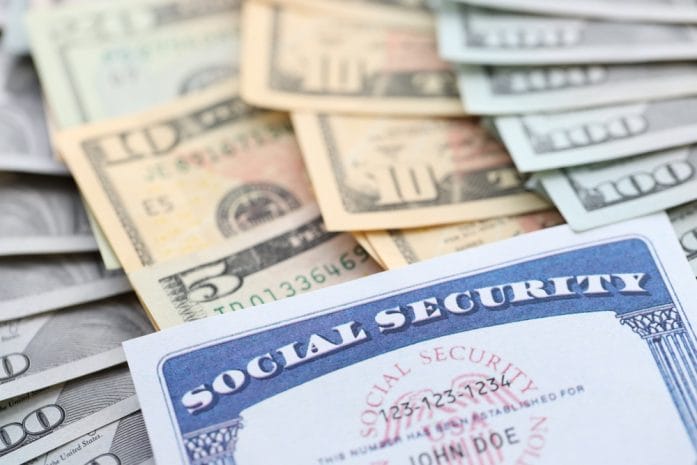
Image source: 123rf.com

For retirees, Social Security benefits are a lifeline, but in some parts of the country, they’re still subject to state taxation. While most states have eliminated these taxes to protect seniors, there remain a handful holding onto the policy. Knowing which places are included in the nine states still taxing Social Security in 2025 is critical for anyone planning where to live in retirement. These taxes can significantly impact your budget, especially if you rely heavily on fixed income. Understanding how each state handles Social Security helps you prepare financially and decide if relocation makes sense.

1. Colorado

Colorado continues to tax Social Security benefits, though it does offer deductions for certain income levels. The state allows exemptions for retirees over a certain age, but many still find themselves owing taxes. This makes it one of the nine states still taxing Social Security in 2025 despite efforts to soften the blow. Retirees need to carefully calculate their income to understand how much is taxable. For those with higher pensions or savings, Colorado’s tax laws may have a bigger impact.

2. Connecticut

Connecticut has been reducing its taxation of Social Security, but not everyone qualifies for the full exemption. Lower and middle-income retirees may see relief, while higher-income households still pay. As part of the nine states still taxing Social Security in 2025, Connecticut highlights how rules can vary depending on earnings. Seniors planning to stay here should monitor income thresholds closely. A small bump in income could mean paying taxes unexpectedly.

3. Minnesota

Minnesota is known for having some of the highest taxes in the country, and Social Security is no exception. Although the state provides some credits and deductions, many seniors still end up paying. Being one of the states still taxing Social Security in 2025 makes Minnesota less attractive for retirees seeking to stretch their income. While benefits like healthcare access may offset the cost, taxation remains a burden. Seniors here should factor taxes into their overall retirement budget.

4. Montana

Montana applies state income taxes to Social Security benefits for residents above certain income levels. Similar to federal rules, the state taxes a portion of benefits based on combined income. That places it among the states still taxing Social Security in 2025. Retirees considering Montana for its natural beauty should weigh these costs carefully. While property taxes are relatively low, Social Security taxation can reduce the savings.

5. New Mexico

New Mexico has been working to phase out Social Security taxation, but as of 2025, it hasn’t fully disappeared. Certain income thresholds still trigger taxes for retirees. That’s why it remains one of the nine states still taxing Social Security in 2025. Retirees in New Mexico should review whether they qualify for available exemptions. While progress is being made, the policy hasn’t completely gone away.

6. Rhode Island

Rhode Island exempts many lower-income retirees from Social Security taxes, but not all. Higher-income households still face taxation. As a result, it’s included in the nine states still taxing Social Security in 2025. Seniors need to watch their taxable income carefully to avoid surprises. With New England’s already high living costs, these taxes can add to the financial strain.

7. Utah

Utah taxes Social Security benefits but provides credits to reduce the impact for some households. The credits are based on income levels, meaning retirees with higher incomes may not benefit. This keeps Utah on the list of states still taxing Social Security in 2025. For retirees balancing savings and pensions, it’s important to calculate how much relief they actually qualify for. Without planning, the tax hit may be more than expected.

8. Vermont

Vermont applies state income taxes to Social Security for residents above a certain income level. The thresholds determine how much of the benefit is taxable, leaving some retirees unaffected while others pay significantly. Its presence among the states still taxing Social Security in 2025 shows the inconsistency across states. Vermont retirees need to keep close tabs on their income to predict tax obligations. The system rewards lower earners but penalizes those with added retirement savings.

9. West Virginia

West Virginia has gradually reduced its taxation on Social Security but not eliminated it. For 2025, retirees above specific income levels still pay taxes. That places it firmly among the nine states still taxing Social Security in 2025. The good news is the state continues to explore reforms, but for now, retirees must budget accordingly. Careful planning ensures Social Security income goes further even with taxes applied.

Choosing Where to Retire with Taxes in Mind

Deciding where to retire isn’t just about climate and lifestyle—it’s also about how much of your income you get to keep. The reality is that nine states still taxing Social Security in 2025 create challenges for retirees who depend on every dollar. While exemptions and credits soften the impact, taxes still add up over time. By staying informed and comparing options, retirees can make smarter choices about where to live. Ultimately, understanding the rules before retirement begins helps avoid financial surprises later.

Do you live in one of the states still taxing Social Security? Share how it impacts your retirement planning in the comments below!

Read More:

Could Delaying Social Security by 1 Year Mean a 76% Benefit Uplift at 70? More Do It Than You Think

Will the Upcoming Social Security Changes in 2026 Affect Your Spouse’s Benefits? Time Is Running Out

Catherine Reed
Catherine Reed

Catherine is a tech-savvy writer who has focused on the personal finance space for more than eight years. She has a Bachelor’s in Information Technology and enjoys showcasing how tech can simplify everyday personal finance tasks like budgeting, spending tracking, and planning for the future. Additionally, she’s explored the ins and outs of the world of side hustles and loves to share what she’s learned along the way. When she’s not working, you can find her relaxing at home in the Pacific Northwest with her two cats or enjoying a cup of coffee at her neighborhood cafe.

Filed Under: social security Tagged With: 2025 financial planning, retiree income, retirement planning, seniors, Social Security, state rankings, state taxes

Want to Delay Part D Prescriptions Over Time Instead of Paying Upfront? It Begins Jan 1

August 20, 2025 by Catherine Reed Leave a Comment

Want to Delay Part D Prescriptions Over Time Instead of Paying Upfront? It Begins Jan 1

Image source: 123rf.com

High prescription drug costs are one of the biggest burdens retirees face, but a new option is set to bring relief. If you want to delay Part D prescriptions and spread payments out over time instead of paying them all upfront, a change beginning Jan 1 makes it possible. This new program offers seniors the flexibility to better manage cash flow while still getting the medications they need. By breaking down costs into smaller, more predictable amounts, retirees can reduce financial stress. Understanding how this works and what it means for your wallet is key to preparing for the year ahead.

1. What the New Program Means for Seniors

For years, seniors on Medicare Part D had little choice but to pay their prescription drug costs as they came due. That often meant large bills at the start of the year, especially for those with high-cost medications. Now, if you want to delay Part D prescriptions, you can spread those payments out evenly. This change provides breathing room for seniors who struggle to budget around unpredictable drug expenses. It’s one of the most significant updates to Medicare in recent memory.

2. How the Installment Option Works

The new policy allows beneficiaries to enroll in a program that turns upfront costs into monthly installments. Instead of facing one large bill, payments are broken into equal parts across the year. This option is particularly helpful for retirees on fixed incomes. If you want to delay Part D prescriptions, this system ensures you’re not overwhelmed by sudden expenses. By making costs predictable, it makes planning monthly budgets far easier.

3. Who Qualifies for This Change

Most Medicare Part D beneficiaries will be eligible, though participation requires opting in. Those already enrolled in Part D can check with their plan providers for details. If you want to delay Part D prescriptions, you’ll need to actively sign up, as it won’t be automatic. Some restrictions may apply for those receiving certain subsidies. Overall, the change is designed to benefit the widest range of seniors possible.

4. Benefits of Spreading Out Payments

The biggest advantage is cash flow management. Seniors often face financial stress at the beginning of the year when deductibles and cost-sharing hit hard. If you want to delay Part D prescriptions, this change prevents big spikes in spending. Instead, smaller, regular payments help smooth out budgets. This stability can also reduce stress and improve peace of mind.

5. Potential Drawbacks to Consider

While the program offers clear advantages, it’s not without concerns. Some seniors may prefer paying upfront to get expenses out of the way. Others may worry about carrying monthly obligations, especially if financial situations change. If you want to delay Part D prescriptions, weigh whether smaller payments fit your lifestyle better than lump sums. Understanding both pros and cons ensures you make the best decision for your household.

6. How This Affects Out-of-Pocket Maximums

Medicare Part D has an annual out-of-pocket maximum that resets each year. Under the new plan, the cap still applies, but payments are spread over time. If you want to delay Part D prescriptions, you’ll still eventually reach the same maximum, just in a smoother way. This doesn’t reduce the total cost of drugs but makes it easier to handle financially. Seniors should be mindful of how their plan applies the rules.

7. Steps to Take Before Jan 1

Preparation is key to making the most of this option. First, review your current drug costs and determine whether spreading payments helps. Then, contact your plan provider to ask how to enroll. If you want to delay Part D prescriptions, don’t wait until after the year starts to gather information. Knowing your options now ensures you’re ready to act as soon as enrollment opens.

8. Why This Matters for the Future of Healthcare

This change reflects growing recognition of the financial challenges seniors face. By giving retirees more control, it sets the stage for further reforms to prescription drug affordability. If you want to delay Part D prescriptions, you’re part of a larger movement toward patient-centered flexibility. The policy could inspire similar payment programs in other areas of healthcare. It’s a sign that policymakers are listening to seniors’ concerns.

Making the Most of Your Medicare Options

If you want to delay Part D prescriptions, the upcoming change could be one of the most valuable tools in your retirement planning toolkit. By spreading costs evenly, you’ll have more predictable expenses and less financial strain throughout the year. However, making the most of it requires reviewing your plan, understanding the details, and opting in ahead of time. With the right preparation, you can turn this policy update into real financial relief. Start planning now so you’re ready when the new year begins.

Would you prefer spreading out prescription costs or paying upfront? Share your thoughts in the comments below!

Read More:

Retirees Face $172,500 in Healthcare Costs—And Many Haven’t Saved for It

The Hidden Clause That Could Let Your State Reclaim Medicaid Funds

Catherine Reed
Catherine Reed

Catherine is a tech-savvy writer who has focused on the personal finance space for more than eight years. She has a Bachelor’s in Information Technology and enjoys showcasing how tech can simplify everyday personal finance tasks like budgeting, spending tracking, and planning for the future. Additionally, she’s explored the ins and outs of the world of side hustles and loves to share what she’s learned along the way. When she’s not working, you can find her relaxing at home in the Pacific Northwest with her two cats or enjoying a cup of coffee at her neighborhood cafe.

Filed Under: Insurance Tagged With: budgeting for retirees, healthcare costs, Medicare changes, Medicare Part D, prescriptions, retirement planning, seniors

Why Some Seniors Are Being Dropped From Their Medicare Plans Silently

August 7, 2025 by Travis Campbell 1 Comment

medicare

Image source: unsplash.com

Medicare is supposed to be a safety net for seniors. It’s the health coverage many people count on after retirement. But lately, some seniors are finding out—often too late—that their Medicare plans have dropped them without warning. This isn’t just a paperwork problem. It can mean losing access to doctors, missing out on needed medicine, or facing big bills. If you or someone you care about relies on Medicare, you need to know why this is happening and what you can do about it. Here’s what’s really going on with silent Medicare plan drops, and how you can protect yourself.

1. Missed Premium Payments

One of the most common reasons for being dropped from a Medicare plan is missing premium payments. Medicare Advantage and Part D plans often require monthly payments. If you miss a payment, you might get a warning letter. But if you miss more than one, your plan can drop you. Sometimes, these letters get lost or look like junk mail. Some people don’t even realize they’ve missed a payment until they try to use their coverage and find out it’s gone. Always check your mail and email for notices from your plan. Set up automatic payments if you can. If you’re having trouble paying, call your plan right away. They may offer a grace period or help you set up a payment plan.

2. Address or Contact Information Errors

If your Medicare plan can’t reach you, it can drop you. This happens more often than you’d think. Maybe you moved and forgot to update your address. Maybe your phone number changed. If your plan sends you important information and it bounces back, they may assume you’re no longer eligible. This can lead to a silent drop. Always update your contact information with Medicare and your plan provider. Even small mistakes—like a missing apartment number—can cause problems. Double-check your details every year during open enrollment.

3. Changes in Plan Service Areas

Medicare Advantage and Part D plans are tied to specific service areas. If you move out of your plan’s area, you may lose coverage. Sometimes, plans themselves change their service areas. They might stop offering coverage in your county or state. If this happens, you should get a notice. But sometimes, the notice is easy to miss or doesn’t arrive. If you’re planning to move, check if your plan will still cover you. If your plan is leaving your area, you have a special enrollment period to pick a new one. Don’t wait—act as soon as you know.

4. Plan Termination or Non-Renewal

Every year, some Medicare plans decide not to renew their contracts with Medicare. When this happens, the plan ends, and everyone enrolled is dropped. You should get a letter about this, but not everyone does. Sometimes, the letter is confusing or arrives late. If your plan is ending, you have the right to choose a new one. Use the annual open enrollment period to review your options. You can also check the Medicare Plan Finder to see what’s available in your area.

5. Eligibility Changes

Medicare plans have rules about who can join and stay enrolled. If you lose eligibility—maybe because you no longer live in the plan’s area, or you get other coverage—you can be dropped. Sometimes, eligibility changes are triggered by mistakes in paperwork or misunderstandings. For example, if you enroll in a different type of health plan, your Medicare Advantage plan might drop you. Always check with your plan before making changes to your health coverage. If you get a notice about eligibility, respond right away.

6. Problems with Medicaid or Extra Help

Many seniors qualify for both Medicare and Medicaid or get Extra Help with drug costs. If your Medicaid or Extra Help status changes, your Medicare plan might drop you. This can happen if your income goes up, or if you miss a renewal deadline. Sometimes, the change is temporary, but your plan doesn’t know that. If you get help paying for Medicare, keep track of your renewal dates. If you lose Medicaid or Extra Help, contact your plan and your state Medicaid office to see if you can fix the problem.

7. Administrative Errors

Sometimes, seniors are dropped from their Medicare plans because of simple mistakes. Maybe a form was filled out wrong. Maybe a computer glitch caused your enrollment to disappear. These errors are frustrating and can be hard to fix. If you find out you’ve been dropped and you don’t know why, call your plan and Medicare right away. Keep records of every call and letter. If you can’t get help, contact your State Health Insurance Assistance Program (SHIP) for free advice.

8. Lack of Communication

Many seniors don’t realize how important it is to read every letter from their Medicare plan. Some notices look like spam or are hard to understand. But missing a single letter can mean missing a deadline to fix a problem. If you get a letter from your plan, open it right away. If you don’t understand it, call your plan or ask a trusted friend or family member for help. Staying informed is the best way to avoid being dropped from your Medicare plan.

Staying Covered Means Staying Alert

Medicare is supposed to be reliable, but silent drops are a real risk. The main reasons include missed payments, outdated contact information, moving out of your plan’s area, plan terminations, eligibility changes, Medicaid or Extra Help issues, administrative errors, and lack of communication. The best way to protect yourself is to stay organized, keep your information up to date, and respond quickly to any notices. If you ever find out you’ve been dropped, act fast to fix the problem. Staying alert can help you keep the Medicare coverage you need.

Have you or someone you know been dropped from a Medicare plan without warning? Share your story or advice in the comments.

Read More

7 Financial Medicare Mistakes to Avoid

The Cost of Medicare Plan G In 2022

Travis Campbell
Travis Campbell

Travis Campbell is a digital marketer/developer with over 10 years of experience and a writer for over 6 years. He holds a degree in E-commerce and likes to share life advice he’s learned over the years. Travis loves spending time on the golf course or at the gym when he’s not working.

Filed Under: Insurance Tagged With: health insurance, healthcare, insurance tips, Medicare, Medicare Advantage, open enrollment, Retirement, seniors

Why Are More Seniors Ditching Their Credit Cards Completely?

July 28, 2025 by Travis Campbell Leave a Comment

credit card

Image Source: pexels.com

Credit cards used to be a sign of financial freedom. For many seniors, they were a tool for emergencies, travel, or just making life easier. But now, more older adults are cutting up their cards and walking away from credit altogether. This shift isn’t just about avoiding debt. It’s about control, peace of mind, and a new way of thinking about money in retirement. If you’re wondering why this trend is growing, or if you should consider it yourself, here’s what’s really going on.

1. Debt Feels Heavier in Retirement

Carrying debt is stressful at any age, but it can feel even heavier when you’re retired. Many seniors live on a fixed income. That means every dollar counts. Credit card balances, with their high interest rates, can quickly eat into savings. When you’re not working, it’s harder to pay off what you owe. Some people find themselves using one card to pay off another, which only makes things worse. By ditching credit cards, seniors avoid the risk of falling into a debt trap that’s hard to escape.

2. Fraud and Scams Are a Real Threat

Scammers often target older adults. Credit card fraud is common, and it can be tough to spot until it’s too late. Seniors may not check their accounts as often, or they might miss warning signs. Recovering from fraud can be a long, stressful process. Some people lose money they never get back. By not using credit cards, seniors lower their risk of becoming a victim. Debit cards and cash are easier to track, and there’s less exposure if something goes wrong.

3. Simpler Finances Mean Less Stress

Managing multiple credit cards, tracking due dates, and remembering passwords can be overwhelming. As people age, they often want to simplify their lives. Fewer accounts mean fewer things to worry about. Without credit cards, there are no surprise bills or late fees to worry about. Seniors can focus on what they have, not what they owe. This simplicity brings peace of mind. It also makes it easier for family members or caregivers to help if needed.

4. Interest Rates Keep Climbing

Credit card interest rates have gone up in recent years. Even a small balance can lead to big interest charges. For seniors on a budget, these extra costs can be a real burden. Paying with cash or a debit card means you only spend what you have. There’s no risk of interest piling up. This approach helps seniors stick to their budgets and avoid financial surprises.

5. Rewards Aren’t Always Worth It

Credit card companies love to talk about points, miles, and cash back. But for many seniors, these rewards don’t add up to much. You often have to spend a lot to earn anything meaningful. Some rewards expire or come with restrictions. And if you carry a balance, the interest you pay can wipe out any benefits. Seniors are realizing that the promise of rewards isn’t a good reason to keep using credit cards. They’d rather have the certainty of knowing exactly where their money is going.

6. Budgeting Gets Easier Without Credit

It’s easy to lose track of spending when you use credit cards. Small purchases add up fast. Without a clear limit, it’s tempting to spend more than you planned. Seniors who ditch credit cards find it easier to stick to a budget. They see their bank balance in real time and know exactly what they can afford. This control helps prevent overspending and keeps finances on track.

7. Less Temptation to Overspend

Credit cards make it easy to buy things you don’t really need. The money doesn’t leave your account right away, so it doesn’t feel real. For seniors, this can be a problem, especially if they’re used to shopping as a way to pass the time or feel better. By switching to cash or debit, there’s a natural limit. When the money’s gone, it’s gone. This helps seniors make more thoughtful choices and avoid impulse buys.

8. Protecting Assets for the Future

Many seniors want to leave something behind for their families. Credit card debt can eat into savings and reduce what’s left for loved ones. By avoiding credit cards, seniors protect their assets. They can focus on building a legacy, not paying off bills. This mindset shift is a big reason why more older adults are saying goodbye to credit cards for good.

9. New Payment Options Are Safer and Easier

Technology has changed how we pay for things. Mobile wallets, contactless payments, and secure debit cards offer convenience without the risks of credit. Seniors are getting more comfortable with these tools. They like the security features and the ability to track spending instantly. These new options make it easier to live without credit cards.

10. Peace of Mind Matters Most

At the end of the day, peace of mind is priceless. Seniors who ditch their credit cards often say they feel more in control. There’s less worry about debt, fraud, or missed payments. Life feels simpler. And that’s worth more than any reward points or perks.

Rethinking Credit in Retirement

More seniors are ditching their credit cards because they want control, safety, and simplicity. Credit cards once promised freedom, but now, many see them as a source of stress. By choosing other ways to pay, seniors are protecting their finances and their peace of mind.

Have you or someone you know stopped using credit cards? What was your experience? Share your thoughts in the comments.

Read More

7 Times Generosity Has Legal Consequences for Seniors

How Corporate Downsizing Is Now Hitting Seniors in Assisted Living

Travis Campbell
Travis Campbell

Travis Campbell is a digital marketer/developer with over 10 years of experience and a writer for over 6 years. He holds a degree in E-commerce and likes to share life advice he’s learned over the years. Travis loves spending time on the golf course or at the gym when he’s not working.

Filed Under: credit cards Tagged With: budgeting, credit cards, Debt, Financial Security, Personal Finance, Retirement, seniors

Why Are So Many Seniors Being Sued Over Student Loans They Didn’t Take Out?

July 27, 2025 by Travis Campbell Leave a Comment

seniors

Image Source: pexels.com

Student loan debt is a problem that doesn’t just affect young people. More seniors are getting sued over student loans they never borrowed. This issue is growing, and it’s leaving many older adults confused, stressed, and sometimes even facing wage garnishment or losing part of their Social Security. If you’re a senior or have aging parents, you need to know why this is happening and what you can do about it. Understanding the reasons behind these lawsuits can help you protect yourself and your loved ones from unfair debt collection.

Here’s why so many seniors are being sued over student loans they didn’t take out, and what you can do if it happens to you.

1. Cosigning for Family Members

Many seniors cosign student loans for their children or grandchildren. Cosigning means you’re legally responsible for the debt if the primary borrower can’t pay. Years later, if the student defaults, lenders can—and often do—go after the cosigner. Seniors may not even remember cosigning, especially if it happened decades ago. But the law doesn’t forget. If you cosigned, you’re on the hook. This is one of the main reasons seniors are being sued over student loans they didn’t directly take out.

2. Parent PLUS Loans: Not Just for Parents

Parent PLUS loans are federal loans parents can take out to help pay for their child’s education. Many parents don’t realize these loans are in their name, not their child’s. Years later, if the loan isn’t paid, the government can sue the parent, garnish wages, or even take a portion of Social Security benefits. Some seniors don’t remember signing up for these loans, especially if paperwork was handled quickly or under stress. But the debt is real, and the consequences are serious.

3. Identity Theft and Fraud

Identity theft is a growing problem for seniors. Scammers sometimes use a senior’s information to take out student loans. The senior may not know about the loan until they get sued or their credit is damaged. If you’re a victim of identity theft, you need to act fast. File a police report, contact the loan servicer, and dispute the debt. The process can be long and stressful, but it’s important to clear your name.

4. Old Loans Coming Back to Haunt

Some seniors took out student loans decades ago, maybe for their own education or for a child. They may have forgotten about them, or thought they were paid off. But student loans rarely go away. Interest and fees can pile up, making a small loan turn into a big debt. Sometimes, loans are sold to collection agencies that aggressively pursue old debts. Seniors are often shocked to get sued over a loan they thought was long gone.

5. Confusing Loan Paperwork

Student loan paperwork is complicated. Over the years, loans can be sold, transferred, or bundled with other debts. Seniors may not recognize the name of the lender or the amount being claimed. This confusion can lead to missed payments or ignoring important notices. If you get a lawsuit or collection notice, don’t ignore it. Respond right away and ask for proof of the debt. You have the right to see documentation before paying anything.

6. Aggressive Debt Collectors

Debt collectors often target seniors because they believe older adults are more likely to pay up, even if the debt isn’t valid. Some collectors use threats or misleading statements to pressure payment. They may claim you owe a student loan you never took out, hoping you’ll pay just to make them go away. If you’re being harassed, know your rights.

7. Social Security Offsets

If you owe federal student loans, the government can take money directly from your Social Security check. This is called an offset. Many seniors are shocked to see their benefits reduced because of a student loan they didn’t realize they owed. This can make it hard to pay for basic needs. If this happens, you can request a hearing or try to set up a payment plan. Don’t ignore the problem—act quickly to protect your income.

8. Lack of Legal Help

Many seniors don’t know where to turn when they get sued over a student loan. Legal aid is available, but it can be hard to find or access. Without help, seniors may lose lawsuits by default, simply because they didn’t respond in time. If you get sued, look for free or low-cost legal services in your area. Respond to all court notices, even if you think the debt isn’t yours.

9. Medical or Cognitive Issues

Health problems can make it hard for seniors to keep up with bills and paperwork. Memory loss, confusion, or illness can lead to missed payments or ignored lawsuits. Family members should check in regularly and help manage finances if needed. Early intervention can prevent lawsuits and protect assets.

10. Lack of Awareness About Student Loan Laws

Many seniors don’t know that student loans are almost never discharged in bankruptcy. They may think the debt will go away or that they can’t be sued. But student loan laws are strict. The debt follows you, and the government has powerful tools to collect. Knowing your rights and options is key to avoiding legal trouble.

Protecting Yourself and Your Family from Student Loan Lawsuits

Seniors being sued over student loans they didn’t take out is a real and growing problem. The best defense is awareness. Know what you’ve signed, check your credit regularly, and respond to any legal notices right away. If you’re helping a family member with loans, keep records and understand your responsibilities. And if you’re facing a lawsuit, get legal help as soon as possible. Staying informed and proactive can help you avoid costly mistakes and protect your financial future.

Have you or someone you know faced a student loan lawsuit in retirement? Share your story or advice in the comments.

Read More

7 Times Generosity Has Legal Consequences for Seniors

The Real Reason Some Seniors Are Returning to Work

Travis Campbell
Travis Campbell

Travis Campbell is a digital marketer/developer with over 10 years of experience and a writer for over 6 years. He holds a degree in E-commerce and likes to share life advice he’s learned over the years. Travis loves spending time on the golf course or at the gym when he’s not working.

Filed Under: Retirement Tagged With: debt collection, identity theft, legal advice, Planning, Retirement, seniors, student loans

Seniors Are Being Denied Credit Over This One Forgotten Factor

July 21, 2025 by Travis Campbell Leave a Comment

credit card

Image Source: pexels.com

Getting denied for credit can feel like a slap in the face, especially when you’ve spent years building a solid financial reputation. Many seniors are running into this problem, and it’s not always because of debt or missed payments. There’s a hidden reason that’s catching people off guard. It’s not about how much you owe or your income. It’s something that can sneak up on anyone, especially after retirement. If you’re a senior or know someone who is, this issue could be the reason behind a sudden credit denial. Here’s what you need to know and how to protect yourself.

1. The Forgotten Factor: Inactive Credit Accounts

Most people think that paying off debt and closing old accounts is a good thing. But for seniors, closing credit cards or letting them sit unused can actually hurt your credit score. Lenders want to see active, healthy credit use. When you stop using your credit cards, the accounts can become inactive. Some banks even close them without warning if there’s no activity for a while. This reduces your available credit and can lower your credit score. If you apply for a loan or a new card, you might get denied—not because you’re risky, but because your credit history looks thin or inactive.

2. Why Inactivity Hurts Your Credit Score

Credit scores are built on several factors, and one of the biggest is your credit utilization ratio. This is the amount of credit you’re using compared to your total available credit. If you close old accounts or they get closed due to inactivity, your available credit drops. Even if you have no debt, your utilization ratio can spike, making you look like a risk to lenders. Another problem is that older accounts help your credit history look longer and more stable. When those accounts disappear, your average account age drops, and so does your score.

3. The Impact of Retirement on Credit Activity

Retirement changes your daily routine and your spending habits. You might not need to use credit cards as much. Maybe you pay cash for most things or just don’t shop as often. But if you stop using your credit cards, the accounts can go dormant. Some seniors even close accounts to “simplify” their finances. While this feels responsible, it can backfire. Lenders see less activity and may think you’re not managing credit anymore. This can lead to denials when you actually need credit, like for a car loan or a medical emergency.

4. How to Keep Your Credit Active Without Debt

You don’t have to rack up debt to keep your credit active. Small, regular purchases are enough. Use your credit card for a monthly bill, like your phone or streaming service, and pay it off right away. This keeps the account active and shows lenders you’re still managing credit. Set up automatic payments so you never miss a due date. Even a $10 purchase every month can make a difference. The key is to show ongoing, responsible use. This simple habit can help you avoid the “inactive account” trap that catches so many seniors.

5. The Role of Credit Monitoring

Many seniors don’t check their credit reports often. It’s easy to assume everything is fine if you’re not borrowing money. But inactive accounts, errors, or even fraud can slip by unnoticed. Regularly monitoring your credit report helps you spot problems early. You can get a free credit report every year from each of the three major bureaus at AnnualCreditReport.com. Look for closed accounts, unfamiliar activity, or sudden drops in your score. If you see something off, contact the credit bureau right away. Staying on top of your credit report is one of the best ways to protect your financial health.

6. What to Do If You’re Denied Credit

If you get denied for credit, don’t panic. First, ask the lender for the reason. They’re required to tell you. Check your credit report for any closed or inactive accounts. If you find accounts that were closed without your knowledge, contact the bank to see if they can be reopened. If not, focus on keeping your remaining accounts active. Consider applying for a secured credit card if you need to rebuild your credit history. And remember, every denial can temporarily lower your score, so avoid applying for multiple accounts at once.

7. The Importance of Credit for Seniors

You might think you don’t need credit in retirement, but life is unpredictable. Medical expenses, home repairs, or helping family can all require access to credit. Even if you don’t plan to borrow, a healthy credit score can help you get better insurance rates or qualify for a rental. Keeping your credit active and healthy gives you more options and peace of mind. It’s not just about borrowing money—it’s about keeping doors open for whatever life brings.

Staying Credit-Ready in Retirement

The main takeaway is simple: don’t let your credit go dormant. Inactive credit accounts are the forgotten factor that’s causing many seniors to be denied credit. By keeping your accounts active, monitoring your credit, and understanding how the system works, you can avoid surprises and stay financially secure. Credit isn’t just for the young or those in debt. It’s a tool that everyone, especially seniors, should keep in good shape.

Have you or someone you know been denied credit because of inactive accounts? Share your story or tips in the comments below.

Read More

Your Streaming Subscriptions May Soon Be Used to Determine Credit Risk

How Easy Is It To Get A Loan From a Credit Union v/s A Bank

Travis Campbell
Travis Campbell

Travis Campbell is a digital marketer/developer with over 10 years of experience and a writer for over 6 years. He holds a degree in E-commerce and likes to share life advice he’s learned over the years. Travis loves spending time on the golf course or at the gym when he’s not working.

Filed Under: Finance Tagged With: credit cards, credit denial, credit score, Financial Health, Personal Finance, Retirement, seniors

The Real Reason Some Seniors Are Returning to Work

July 13, 2025 by Travis Campbell Leave a Comment

work

Image Source: pexels.com

Retirement used to mean a permanent break from the working world. For many, it was the finish line after decades of effort. But now, more seniors are heading back to work. This shift isn’t just about boredom or wanting to stay busy. It’s about real needs and changing realities. If you’re nearing retirement or already there, you might be wondering why so many people your age are clocking in again. Here’s what’s really going on—and what it means for you.

1. Rising Cost of Living

Prices are up. Groceries, gas, and housing all cost more than they did a few years ago. Social Security checks and retirement savings don’t stretch as far as they used to. Many seniors find that their monthly expenses outpace their income. This isn’t just about luxury spending. It’s about paying for basics. Some people thought they had enough saved, but inflation changed the math. Working again, even part-time, helps cover the gap.

2. Health Care Costs Keep Climbing

Medical bills are a big worry. Even with Medicare, out-of-pocket costs can add up fast. Prescription drugs, doctor visits, and unexpected procedures can eat into savings. Some seniors return to work just to get health insurance. Others need extra cash to pay for treatments or medications. Health care isn’t getting cheaper, and many people want the security of a steady paycheck to help manage these costs.

3. Not Enough Saved for Retirement

A lot of people simply didn’t save enough. Maybe they started saving late. Maybe they had to dip into their retirement accounts for emergencies. Or maybe their investments didn’t grow as much as they hoped. Whatever the reason, the nest egg isn’t big enough. Going back to work is a way to rebuild savings or delay drawing down what’s left. This can make a big difference in how long your money lasts.

4. Debt Didn’t Disappear

Debt doesn’t always retire when you do. Some seniors still have mortgages, car loans, or credit card balances. Monthly payments can eat up a big chunk of fixed income. Working again helps pay down debt faster and reduces financial stress. It’s not just about making ends meet—it’s about getting out from under old bills.

5. Supporting Family Members

Family needs don’t stop at retirement. Some seniors help adult children or grandchildren with living expenses, tuition, or medical bills. Others care for aging spouses or relatives. These responsibilities can strain a budget. Extra income from a job can make it possible to help loved ones without sacrificing your own security.

6. Wanting Structure and Purpose

Work isn’t just about money. For some, it’s about having a reason to get up in the morning. Retirement can feel lonely or aimless, especially if friends and family are busy. A job brings routine, social interaction, and a sense of purpose. Even a few hours a week can make a big difference in how someone feels. This isn’t true for everyone, but it’s a real factor for many.

7. Longer, Healthier Lives

People are living longer and staying healthier. Retirement at 65 might mean 20 or 30 more years of life. That’s a long time to stretch savings. Some seniors work because they can and want to. They enjoy staying active and engaged. Plus, working longer can boost Social Security benefits, which helps down the road.

8. Changes in the Job Market

The job market has changed. There are more flexible, part-time, and remote jobs than ever before. Seniors can find work that fits their schedule and energy level. Some pick up seasonal jobs, consulting gigs, or remote customer service roles. The variety makes it easier to find something that works, even if you don’t want a full-time commitment.

9. Social Security Isn’t Enough

Social Security was never meant to be the only source of retirement income. For many, it covers just the basics. If you want a little extra—maybe to travel, eat out, or just have a cushion—working can help. Some people also work to delay claiming Social Security, which increases their monthly benefit later on. It’s a practical move that pays off in the long run.

10. Unplanned Life Events

Life throws curveballs. Divorce, illness, or the loss of a spouse can change your financial picture overnight. Some seniors return to work because they have to, not because they want to. It’s about survival, not choice. Having a job, even temporarily, can help you get back on your feet after a setback.

What This Means for the Future of Retirement

Retirement isn’t what it used to be. More seniors are working, not just for extra cash, but because life demands it. The reasons are practical and personal. If you’re thinking about your own retirement, it’s smart to plan for flexibility. You might want—or need—to work again. And that’s okay. The world is changing, and so are the rules about what retirement looks like.

Have you or someone you know returned to work after retiring? What was the biggest reason? Share your story in the comments.

Read More

Is Disability Insurance Optional? I Think Not – Our Boner of the Week

Why Junior’s Education Might Be Less Expensive Than Expected

Travis Campbell
Travis Campbell

Travis Campbell is a digital marketer/developer with over 10 years of experience and a writer for over 6 years. He holds a degree in E-commerce and likes to share life advice he’s learned over the years. Travis loves spending time on the golf course or at the gym when he’s not working.

Filed Under: Career Tagged With: Cost of living, Debt, family support, health care, Personal Finance, Retirement, seniors, Social Security, working after retirement

Warning: This Is Why Your Social Security Payment Just Dropped

June 12, 2025 by Travis Campbell 2 Comments

social security

Image Source: pexels.com

If you’ve recently checked your bank account and noticed your Social Security payment is lower than usual, you’re not alone. Many retirees and beneficiaries see unexpected changes in their monthly deposits, causing confusion and concern. Social Security payments are a lifeline for millions, so any drop can throw off your budget and peace of mind, no matter how small. Understanding why your Social Security payment dropped is crucial for protecting your finances and planning. Let’s discuss the most common reasons behind these changes and what you can do about them.

1. Medicare Premium Increases

One of the most common reasons your Social Security payment just dropped is an increase in Medicare premiums. The premium is typically deducted directly from your Social Security check if you’re enrolled in Medicare Part B. The Centers for Medicare & Medicaid Services (CMS) may adjust these premiums yearly based on healthcare costs and inflation. For 2025, the standard Part B premium rose, which means less money lands in your account each month. Those premiums can further reduce your payment if you’ve also opted for Part D (prescription drug coverage) or a Medicare Advantage plan.

2. Higher Income-Related Monthly Adjustment Amount (IRMAA)

If your income has increased, you might be subject to the Income-Related Monthly Adjustment Amount, or IRMAA. This extra charge is added to your Medicare Part B and Part D premiums if your income exceeds certain thresholds. The Social Security Administration reviews your tax returns from two years prior to determine if you owe IRMAA. Even a one-time spike in income—like a large capital gain or retirement account withdrawal—can trigger this adjustment. If you think your income will drop, you can file an appeal to recalculate your IRMAA.

3. Tax Withholding Changes

Did you recently update your tax withholding preferences? Social Security recipients can choose to have federal taxes withheld from their payments. If you or your tax preparer changed your withholding amount, your monthly benefit will decrease accordingly. Sometimes, the IRS may also require a higher withholding if you owe back taxes. Reviewing your withholding choices annually is a good idea, especially if your financial situation changes. Adjusting your withholding can help you avoid a surprise tax bill, but it will reduce your monthly cash flow.

4. Overpayment Recovery

If the Social Security Administration determines that you were overpaid in the past, they will recoup the excess by reducing your future payments. Overpayments can happen for various reasons, such as changes in your income, marital status, or eligibility for other benefits. The SSA typically notifies you before making any deductions, but the process can still catch people off guard. If you believe the overpayment was a mistake, you have the right to appeal or request a waiver. Acting quickly is key to minimizing the impact on your finances.

5. State or Local Benefit Offsets

Some states and local governments offer additional benefits to retirees, such as supplemental income or property tax relief. However, if you start receiving these benefits, your Social Security payment may be reduced to offset the extra income. This is especially common for those who qualify for Supplemental Security Income (SSI) or other need-based programs. If you’re unsure whether a new benefit will affect your Social Security, contact your local Social Security office for guidance.

6. Garnishments for Debts

Social Security payments are generally protected from most creditors, but there are exceptions. The government can garnish a portion of your Social Security payment if you owe federal debts, like student loans, unpaid taxes, or child support. The Treasury Offset Program allows federal agencies to collect what you owe by reducing your monthly benefit. If you’re facing garnishment, it’s important to address the debt directly with the agency involved. Ignoring the issue can lead to ongoing reductions and financial stress.

7. Cost-of-Living Adjustment (COLA) Didn’t Keep Up

Every year, Social Security payments are adjusted for inflation through the Cost-of-Living Adjustment (COLA). However, if your Medicare premiums or other deductions rise faster than the COLA increase, your net payment can actually drop. This can be frustrating, especially when everyday expenses are climbing. While you can’t control the COLA, you can review your budget and look for ways to cut costs or boost income to offset the difference.

8. Changes in Family Status

Life changes such as marriage, divorce, or the death of a spouse can affect your Social Security payment. For example, if you were receiving spousal or survivor benefits and your circumstances change, your payment may be recalculated. It’s important to report any major life events to the Social Security Administration promptly to ensure your benefits are accurate and up to date.

Protecting Your Social Security Payment: What You Can Do Next

A drop in your Social Security payment can be unsettling, but you’re not powerless. Review your most recent Social Security statement and any notices you’ve received. Compare your current payment to previous months and look for changes in deductions or withholdings. Contact the Social Security Administration for clarification if something doesn’t add up. Staying proactive and informed is the best way to protect your benefits and avoid surprises. Remember, your Social Security payment is a vital part of your retirement income, and understanding the reasons behind any changes helps you stay in control.

Have you noticed a change in your Social Security payment recently? Share your experience or tips in the comments below!

Read More

11 Key Changes to Your Social Security Benefits After Losing a Spouse

9 States Where Social Security Benefits May Be at Risk

Travis Campbell
Travis Campbell

Travis Campbell is a digital marketer/developer with over 10 years of experience and a writer for over 6 years. He holds a degree in E-commerce and likes to share life advice he’s learned over the years. Travis loves spending time on the golf course or at the gym when he’s not working.

Filed Under: Retirement Tagged With: benefits, income planning, Medicare, Personal Finance, Retirement, seniors, Social Security

The Cruel Reality About Senior Discounts That No One Talks About

May 18, 2025 by Travis Campbell Leave a Comment

Grandparents in pharmacy buying prescription drugs for grandchild

Image Source: 123rf.com

If you’ve ever watched a commercial or read a flyer promising “senior discounts,” you might imagine a golden age of savings awaiting you after 55 or 60. It’s a comforting thought: after decades of hard work, you finally get a break on everything from coffee to cruises. But here’s the cruel reality about senior discounts that no one talks about—they’re not always the financial windfall they seem. In fact, these discounts can be misleading, limited, or even a distraction from bigger financial issues. If you or a loved one is banking on senior discounts to make retirement more affordable, it’s time for a closer look at what’s really going on.

Senior discounts are everywhere, from restaurants to retail stores, and they’re often touted as a way to help older adults stretch their budgets. But are they really as helpful as they appear? Let’s break down the truth behind these offers, so you can make smarter financial decisions and avoid falling for the hype.

1. The Illusion of Big Savings

Many people assume that senior discounts will lead to significant savings, but the reality is often underwhelming. Most discounts range from 5% to 10%, which might sound nice, but on a $10 meal, that’s just a dollar. When you consider the rising cost of living and inflation, these small savings barely make a dent in your monthly expenses. According to the Bureau of Labor Statistics, the cost of essentials like groceries and healthcare has outpaced the value of most senior discounts. So, while it feels good to save a little, don’t expect these deals to transform your retirement finances.

2. Not All Seniors Qualify

It’s easy to assume that you’ll automatically qualify for every senior discount out there once you hit a certain age. Unfortunately, eligibility rules vary widely. Some businesses set the bar at 50, others at 55, 60, or even 65. And some require you to join a membership program like AARP, which comes with its own annual fee. This patchwork of requirements can be confusing and frustrating, especially if you’re counting on these discounts to help with your budget. Always check the fine print before assuming you’ll get a deal.

3. Discounts Can Be a Marketing Gimmick

Let’s be honest: businesses aren’t offering senior discounts out of pure generosity. Often, these deals are a marketing tactic designed to attract older customers. Sometimes, the “discounted” price is actually the regular price, just dressed up to look like a special offer. In other cases, the discount is only available on certain days or for specific products, limiting its usefulness. According to Consumer Reports, some companies even raise their base prices before applying a discount, so you’re not really saving at all. It pays to compare prices and shop around, rather than assuming the senior discount is always the best deal.

4. You Might Miss Out on Better Deals

Here’s a little-known fact: sometimes, the senior discount isn’t the best deal available. Many stores and restaurants offer promotions, coupons, or loyalty programs that can save you more than the standard senior rate. For example, a weekly sale or a digital coupon might offer 20% off, while the senior discount is only 10%. If you automatically ask for the senior rate, you could be missing out on bigger savings. Always ask about all available discounts and compare your options before making a purchase.

5. Senior Discounts Don’t Address the Real Financial Challenges

While saving a few dollars here and there is nice, senior discounts don’t address the bigger financial challenges facing retirees. Healthcare costs, housing, and long-term care are the real budget busters, and a 10% discount on a cup of coffee won’t help much with those. According to the Kaiser Family Foundation, the average Medicare beneficiary spends thousands of dollars out-of-pocket each year on healthcare alone. Instead of focusing on small discounts, it’s more important to plan for these major expenses and look for ways to reduce them, such as shopping for better insurance or downsizing your home.

6. The Stigma of Asking for a Discount

Some seniors feel uncomfortable or even embarrassed about asking for a senior discount. There’s a social stigma attached to admitting you’re “old enough” for the deal, and some people worry about being treated differently by staff or other customers. This discomfort can lead to missed savings or awkward interactions. If you’re hesitant, remember that you’ve earned every year and every penny saved, but also know you’re not alone in feeling this way.

7. Senior Discounts Can Distract from Smarter Financial Moves

Focusing too much on senior discounts can actually distract you from more impactful financial strategies. Instead of chasing small savings, consider ways to boost your income, reduce debt, or invest wisely. For example, part-time work, consulting, or even renting out a spare room can add far more to your bottom line than a handful of discounts. Financial planning, budgeting, and smart investing are the real keys to a secure retirement, not just shaving a few dollars off your next meal.

Rethinking the Value of Senior Discounts

The cruel reality about senior discounts is that they’re often more about marketing than meaningful savings. While it’s always smart to take advantage of any deal you qualify for, don’t let the promise of a small discount distract you from the bigger picture. Focus on the financial moves that will truly make a difference in your retirement, and use senior discounts as a bonus, not a lifeline.

Have you ever been disappointed by a senior discount or found a better deal elsewhere? Share your experiences and tips in the comments below!

Read More

5 Ways to Prepare Your Finances for Divorce Proceedings

Should I Tap My Retirement Funds for Medical Expenses?

Travis Campbell
Travis Campbell

Travis Campbell is a digital marketer/developer with over 10 years of experience and a writer for over 6 years. He holds a degree in E-commerce and likes to share life advice he’s learned over the years. Travis loves spending time on the golf course or at the gym when he’s not working.

Filed Under: Finance Tagged With: budgeting, Personal Finance, Planning, Retirement, Retirement Tips, saving money, senior discounts, seniors

  • « Previous Page
  • 1
  • 2
  • 3
  • 4

FOLLOW US

Search this site:

Recent Posts

  • Can My Savings Account Affect My Financial Aid? by Tamila McDonald
  • 12 Ways Gen X’s Views Clash with Millennials… by Tamila McDonald
  • What Advantages and Disadvantages Are There To… by Jacob Sensiba
  • 10 Tactics for Building an Emergency Fund from Scratch by Vanessa Bermudez
  • Call 911: Go To the Emergency Room Immediately If… by Stephen Kanaval
  • 7 Weird Things You Can Sell Online by Tamila McDonald
  • 10 Scary Facts About DriveTime by Tamila McDonald

Copyright © 2026 · News Pro Theme on Genesis Framework