• Home
  • About Us
  • Toolkit
  • Getting Finances Done
    • Hiring Advisors
    • Debt Management
    • Spending Plan
  • Insurance
    • Life Insurance
    • Health Insurance
    • Disability Insurance
    • Homeowners/Renters Insurance
  • Contact Us
  • Privacy Policy
  • Risk Tolerance Quiz

The Free Financial Advisor

You are here: Home / Archives for tax policy

Tennessee’s Sales Tax Structure — Understanding the Trade-Off

March 18, 2026 by Brandon Marcus Leave a Comment

Tennessee’s Sales Tax Structure — Understanding the Trade-Off

Image Source: Shutterstock.com

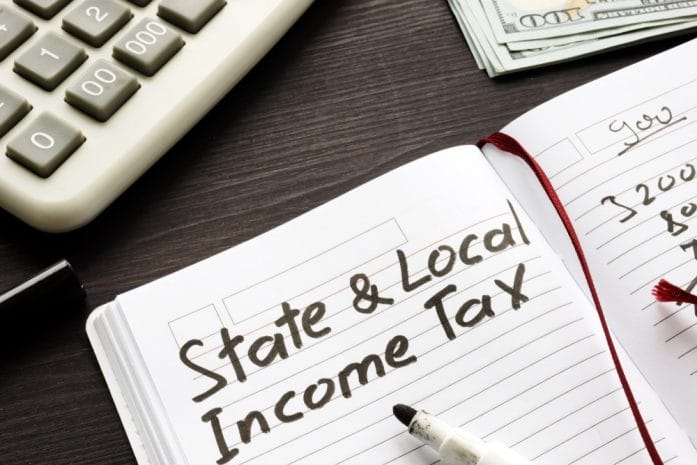
No income tax sounds like a dream, right? That headline grabs attention fast, but the real story lives in the fine print where every purchase quietly tells the truth. Tennessee built a tax system that flips the usual script, and that choice creates a trade-off that shapes everyday life in ways that don’t always show up on a paycheck.

That trade-off hits hardest in the moments that feel routine, like grabbing groceries, buying clothes, or upgrading a phone. Tennessee leans heavily on sales tax to fund public services, and that approach shifts the burden in a way that rewards some people while squeezing others.

No Income Tax, No Problem? Not So Fast

Tennessee proudly stands among the few states that do not tax earned income, and that fact often steals the spotlight. Workers keep more of their paychecks compared to many other states, which can feel like a financial win right out of the gate. That benefit attracts new residents, retirees, and remote workers who want to stretch their income further. On the surface, the system looks simple and appealing, especially for people who want fewer deductions eating away at their earnings.

That simplicity comes with a twist that deserves attention. Tennessee used to tax certain investment income through what was called the Hall Income Tax, but the state fully phased it out by 2021. That move cemented Tennessee’s reputation as a no-income-tax state, but it also increased reliance on other revenue sources. The government still needs funding for schools, roads, and public safety, and it collects that money through different channels. Sales tax fills that gap, and it does so in a big way.

That shift creates a unique financial landscape that rewards high earners in a noticeable way. People who make more money often spend a smaller percentage of their income on taxable goods, which means they feel less impact from sales tax overall. Meanwhile, households with tighter budgets spend more of their income on everyday purchases, and those purchases come with tax attached. The result creates a system that feels lighter for some and heavier for others, even though everyone shops in the same stores.

The Sales Tax That Packs a Punch

Tennessee holds one of the highest combined state and local sales tax rates in the country, and that fact drives the entire trade-off conversation. The state base rate sits at 7 percent, and local jurisdictions can add their own rates, often pushing the total above 9 percent depending on the area. That means nearly every purchase carries a noticeable extra cost, and those costs stack up quickly over time. Small purchases don’t feel dramatic in isolation, but they build into a steady drain on a monthly budget.

Groceries receive a slightly different treatment, but they still carry a tax that surprises people who come from states that exempt food entirely. Tennessee applies a reduced rate on groceries rather than removing the tax altogether, which still adds pressure to essential spending. Clothing, electronics, and household items all fall under the general sales tax umbrella, so everyday living comes with a built-in premium. That structure makes budgeting a little trickier, especially for people who focus on keeping expenses predictable.

Smart planning can ease some of that pressure. Timing purchases around sales tax holidays can cut costs on specific items like school supplies or clothing, and those windows offer real savings when used strategically. Bulk buying during promotions or using cashback tools can also soften the impact, even though they won’t erase it entirely. Awareness becomes the most powerful tool, because knowing how often tax shows up helps people plan more effectively instead of reacting after the fact.

Who Really Wins in This Setup?

Tennessee’s tax system doesn’t treat every household the same, and that reality sits at the center of the debate. Higher-income individuals often come out ahead because they avoid income tax and spend a smaller share of their earnings on taxed goods. That combination creates a lighter overall tax burden, especially for people who invest or save a large portion of their income. The system rewards earning power and spending flexibility, which explains why it attracts certain groups so strongly.

Lower-income households face a different experience, and that difference matters. A larger share of their income goes toward essentials like food, clothing, and basic household needs, all of which include sales tax. That structure creates what economists call a regressive tax system, where the burden falls more heavily on those with less financial flexibility. The system doesn’t target anyone intentionally, but its design creates unequal effects that show up in everyday spending patterns.

Understanding that dynamic can help people make more informed decisions. Choosing where to live, how to budget, and when to make major purchases all connect back to how taxes apply. Some people may still prefer Tennessee’s approach because of its simplicity and lack of income tax, while others may weigh the ongoing cost of sales tax more heavily. The key lies in recognizing how the system aligns with individual financial habits and long-term goals.

Everyday Life Under a Sales Tax Spotlight

Daily life in Tennessee reflects its tax structure in subtle but constant ways. Every trip to the store includes a mental calculation, even if it happens quickly, because the final price always exceeds the sticker. That reality encourages more mindful spending, since frequent purchases carry visible consequences over time. People often adjust their habits by cutting back on non-essential items or seeking out better deals, which can lead to more intentional financial behavior.

Big-ticket purchases feel the impact even more. Buying furniture, appliances, or electronics comes with a noticeable tax addition that can shift decisions or delay plans. Some shoppers look for deals in neighboring areas or wait for promotional events to reduce the overall cost. That behavior shows how tax policy can shape consumer choices in real time, not just on paper. The structure influences when, where, and how people spend their money, which adds another layer to everyday financial decisions.

Tennessee’s Sales Tax Structure — Understanding the Trade-Off

Image Source: Shutterstock.com

Planning ahead makes a significant difference in this environment. Setting aside extra funds for tax when budgeting for larger purchases can prevent surprises at checkout. Tracking spending patterns can also reveal how much goes toward sales tax over time, which can motivate adjustments that improve financial stability. Small changes, like consolidating shopping trips or focusing on essentials, can reduce the cumulative impact without sacrificing quality of life.

The Trade-Off That Sparks Debate

Tennessee’s tax structure sparks strong opinions, and both sides bring valid points to the table. Supporters highlight the simplicity and appeal of no income tax, which can make the state more attractive for business and personal relocation. That advantage can stimulate economic activity and draw in new residents who contribute to the local economy. The system offers a clear, straightforward approach that avoids the complexity of income tax filings.

Critics focus on fairness and long-term impact, especially for households that feel the weight of sales tax more heavily. The regressive nature of the system raises concerns about equity and access, particularly when essential goods still carry tax. That perspective emphasizes the importance of balancing revenue generation with financial fairness across different income levels. The debate doesn’t land on a simple answer, because each side reflects real experiences shaped by the same system.

For anyone navigating this environment, knowledge becomes the ultimate advantage. Understanding how the trade-off works allows for smarter choices that align with personal priorities. Some people may prioritize keeping more of their income, while others may focus on minimizing everyday costs. The system doesn’t change quickly, but individual strategies can adapt in ways that create a more balanced financial outcome.

Behind the Bargain

Tennessee’s tax structure offers a clear trade: no income tax in exchange for higher sales tax, and that trade plays out in every financial decision from small purchases to major investments. The system rewards certain spending habits while challenging others, and it asks for awareness in return for its simplicity. That balance shapes the way money moves through daily life, influencing everything from budgeting to long-term planning.

Anyone living in or considering a move to Tennessee benefits from taking a closer look at how this system fits into their financial picture. Smart strategies, thoughtful spending, and a clear understanding of the trade-off can turn a potentially confusing setup into something manageable and even advantageous.

So where does that balance land for you? Does skipping income tax feel worth the higher price at the checkout counter, or does that trade-off raise more questions than answers? Give us your take in the comments and see how others navigate the same financial landscape.

You May Also Like…

Why Nashville Property Tax Bills Keep Rising Even With Tennessee’s Rate Cap Proposal

Can You Trust AI With Your Taxes and Investments? 8 Risks No One Explains

Income Threshold: 4 Hidden Taxes That Hit Once You Cross Certain Limits

Massachusetts Salaries Average Just Over $67,700— But How Heavy Is the Tax Load?

5 Reasons To Talk To Your Kids About Taxes

Brandon Marcus
Brandon Marcus

Brandon Marcus is a writer who has been sharing the written word since a very young age. His interests include sports, history, pop culture, and so much more. When he isn’t writing, he spends his time jogging, drinking coffee, or attempting to read a long book he may never complete.


Filed Under: tax tips Tagged With: budgeting, Cost of living, economics, Income tax, Lifestyle, money tips, Personal Finance, Planning, sales tax, state taxes, tax policy, Tennessee taxes

How “No Tax on Tips” Can Save Service Workers Thousands

March 6, 2026 by Brandon Marcus Leave a Comment

How “No Tax on Tips” Can Save Service Workers Thousands

Image Source: Unsplash.com

Talk about taxes, and people often picture long forms, complicated math, and paperwork headaches that arrive every spring like clockwork. New law includes a provision known as “no tax on tips,” which brings a promise that catches attention quickly because it focuses on everyday workers who rely on gratuities for income. Service workers across the United States sometimes earn a large portion of their earnings from customer tips rather than hourly wages. Supporters of this new “no tax on tips” provision argue that keeping tip income untaxed helps workers keep more of the money they personally earn during busy shifts.

As the new law takes hold and service workers adjust to a new reality, it is important to know that no taxes on tips can save you a great deal of money, but it isn’t without its own set of rules and regulations.

How Much Money Workers May Actually Keep in Their Hands

Service workers sometimes earn hundreds or even thousands of dollars from tips each month, depending on location, customer volume, and job type. When taxes apply to tip income, the amount deducted depends on total yearly earnings and filing status. Removing tax liability from tips means workers keep every dollar customers leave on tables, cards, or digital payment systems. Some calculations suggest that high-performing service professionals may save several thousand dollars annually if tip income remains untaxed.

The law passed last summer allows for $25,000 in tipped income to be free from federal income tax if certain qualifications are met. You have to work in an eligible occupation and receive voluntary tips, meaning that they are not automatically added to the bill.

Supporters say people who earn money directly from customers deserve to keep more of it. Critics argue that untaxed tip income may create inequality between tipped and non-tipped workers. With the debate still raging after the bill has been signed, this is surely a topic that will stay heated.

The Restaurant Floor Reality: Who Feels the Change First

Restaurant employees usually stand closest to the effects of any tip tax reform. Bartenders, servers, delivery drivers, and salon professionals depend heavily on customer generosity. When customers leave larger tips, workers immediately feel the financial improvement in weekly earnings. Removing tax deductions from tips may encourage more energetic service because workers see a stronger connection between effort and reward.

Small business owners also pay attention because labor satisfaction often influences employee retention. Training new staff members costs money and time. When experienced workers stay longer because income feels fair, businesses save hiring and onboarding expenses. Restaurants sometimes report smoother operations when staff turnover drops and service quality rises.

Customers might notice subtle changes if workers feel financially secure. Happier service employees sometimes show more patience during busy dining hours. While customer behavior does not change overnight, workplace morale often shapes service culture. Supporting service workers financially creates positive feedback between customers and employees.

People interested in personal finance should consider building stronger savings habits now that some tip income is untaxed. Spending all additional earnings quickly removes the long-term advantage of tax relief. Setting aside part of every busy shift’s earnings helps create financial safety. Experts often suggest saving at least a small percentage of unexpected income increases.

The Economic Ripple Effect Across Cities and Communities

Tax policy changes rarely stay inside one industry. When service workers keep more tip income, local spending sometimes rises because workers use extra money for groceries, transportation, and housing. Community businesses may see higher sales when service workers carry stronger purchasing power. The government collects less tax revenue when tip income is untaxed. Some economists argue that keeping money in workers’ hands stimulates local economies faster than government redistribution programs. Others believe public programs funded by taxes provide long-term social stability.

Cities with strong tourism and dining sectors may feel policy effects more quickly. Hotels, entertainment venues, and nightlife districts employ large numbers of tipped workers. Economic changes inside those industries spread outward to suppliers, transportation services, and retail stores. Watching regional economic performance helps analysts measure real policy outcomes.

Service workers should keep learning about financial literacy because policy shifts do not guarantee financial security by themselves. Understanding savings, investment basics, and emergency funds gives workers more control over their futures. Government policy can support income growth, but personal financial strategy keeps that growth working long term.

How “No Tax on Tips” Can Save Service Workers Thousands

Image Source: Unsplash.com

Keep More of What Customers Leave Behind

The discussion around no tax on tips centers on fairness, economic growth, and worker dignity. Service workers who depend on customer generosity often welcome policies that strengthen their earnings power. Governments must balance worker benefits with national budget needs while maintaining economic stability.

People watching this policy debate should track legislative developments, study how local businesses respond, and think about personal financial goals. Although the bill has already been passed, the conversation about it continues. Anyone not paying attention runs the risk of missing out on thousands if policies change.

What about you? Do you get tipped at your job? If so, do you welcome this new rule change or think it won’t help you? Let’s discuss in the comments.

You May Also Like…

Handling Your First Car Accident Like a Pro: Tips Every Adult Needs

Kids Eat Free At These 14 Restaurants: A Guide for Family Dining on a Budget

How Much Cash You Really Need to Survive a 48-Hour Digital Blackout

IRS 1099-K Rules in 2026: Who Must Report Payments This Year

The Student Loan Servicer Transfer That “Lost” Payments and Triggered Defaults

Brandon Marcus
Brandon Marcus

Brandon Marcus is a writer who has been sharing the written word since a very young age. His interests include sports, history, pop culture, and so much more. When he isn’t writing, he spends his time jogging, drinking coffee, or attempting to read a long book he may never complete.

Filed Under: tax tips Tagged With: financial news, Income tax, IRS rules, labor policy, no tax on tips, service workers, tax policy, tip earnings, US tax proposal, wage reform

Is Your State About to Tax Your Social Security Benefits?

July 18, 2025 by Travis Campbell Leave a Comment

tax

Image Source: pexels.com

Social Security benefits are a lifeline for millions of retirees. But what if your state decides to tax those benefits? For many, this is a real concern. You might think your Social Security is safe from state taxes, but that’s not always true. Some states are changing their rules, and others are considering new taxes. If you rely on Social Security, you need to know what’s happening in your state. Here’s what you should watch for and how it could affect your wallet.

1. States That Already Tax Social Security Benefits

Not every state taxes Social Security, but some do. As of now, 10 states tax Social Security benefits in some way. These states include Colorado, Connecticut, Kansas, Minnesota, Missouri, Montana, Nebraska, New Mexico, Rhode Island, and Vermont. Each state has its own rules. Some tax all benefits, while others only tax higher-income retirees. For example, in Minnesota, you might pay taxes if your income is above a certain level. In Missouri, the rules are different, and some people get a full exemption. If you live in one of these states, check your state’s tax website for details.

2. States Considering New Social Security Taxes

Some states are looking at new ways to raise revenue. That means Social Security taxes could be on the table. Lawmakers in a few states have proposed bills to start taxing benefits or to change the way they’re taxed. These proposals don’t always pass, but they can pop up when state budgets are tight. If you hear about a new tax bill in your state, pay attention. It could affect your retirement income. Stay informed by following local news or checking your state legislature’s website. If you see a proposal, you can contact your representatives to share your opinion.

3. How State Social Security Taxes Work

State Social Security taxes aren’t always straightforward. Some states use the same income thresholds as the federal government. Others set their own rules. For example, you might pay state tax only if your income is above a certain amount. Or, you might get a partial exemption based on your age or filing status. In some places, the tax is a flat rate. In others, it’s based on your total income. This can get confusing fast. If you’re not sure how your state handles Social Security taxes, talk to a tax professional or use your state’s online tax resources.

4. Why States Tax Social Security Benefits

States tax Social Security for one main reason: money. State budgets depend on tax revenue. When budgets are tight, lawmakers look for new sources of income. Social Security benefits are a big target because so many people receive them. Some states argue that taxing benefits helps fund important programs. Others say it’s unfair to tax retirees twice—once at the federal level and again at the state level. The debate is ongoing, and it often comes up during budget talks. If you care about this issue, let your state officials know.

5. How to Find Out If Your State Is Planning Changes

It’s not always easy to know if your state is planning to tax Social Security. Sometimes, changes happen quietly. Other times, they make headlines. The best way to stay informed is to check your state’s Department of Revenue website. You can also sign up for updates from local news outlets or advocacy groups. If you’re part of a retirement association, they may send alerts about tax changes. Don’t wait until tax season to find out. Staying informed helps you plan ahead.

6. What to Do If Your State Taxes Social Security

If your state taxes Social Security, you have options. First, check if you qualify for any exemptions or credits. Some states offer tax breaks for seniors or low-income retirees. You might be able to reduce your tax bill by adjusting your income or deductions. If you’re thinking about moving, consider the tax rules in other states. Some people relocate to avoid state taxes on Social Security. But moving isn’t always practical. If you stay, make sure you understand your tax situation and plan for it in your budget.

7. How State Taxes Affect Your Retirement Planning

State taxes on Social Security can change your retirement plans. If you’re counting on a certain amount of income, a new tax can throw off your budget. It’s important to factor in state taxes when you plan for retirement. This includes looking at your total income, not just Social Security. If you have a pension or other retirement income, that might be taxed too. Use online calculators or talk to a financial advisor to see how state taxes could affect you. Planning ahead can help you avoid surprises.

8. States That Don’t Tax Social Security

Most states don’t tax Social Security at all. In fact, 40 states and Washington, D.C., leave their benefits alone. This can make a big difference in your retirement income. If you’re thinking about moving, states like Florida, Texas, and Nevada are popular choices because they have no state income tax. But taxes aren’t the only thing to consider. Cost of living, healthcare, and family all matter too. Still, knowing where your benefits are safe from state taxes can help you make better decisions.

9. How to Advocate for Change

If you don’t like your state’s tax policy, you can speak up. Contact your state lawmakers and share your views. Join local advocacy groups that focus on retirement issues. Attend public meetings or write letters to the editor. Lawmakers pay attention when enough people speak out. Change doesn’t happen overnight, but your voice matters. If you want to protect your Social Security benefits, get involved.

What This Means for Your Social Security Benefits

State taxes on Social Security benefits can have a real impact on your retirement. The rules are always changing, and new proposals can come up at any time. If you rely on Social Security, stay informed and plan ahead. Knowing your state’s tax policy helps you make better choices for your future.

Have you seen changes in your state’s Social Security tax rules? Share your experience or thoughts in the comments.

Read More

Social Security Offices Are Facing Backlogs—What It Means for You

5 Measures You Can Take If You’re Barely Getting By on Your Social Security

Travis Campbell
Travis Campbell

Travis Campbell is a digital marketer/developer with over 10 years of experience and a writer for over 6 years. He holds a degree in E-commerce and likes to share life advice he’s learned over the years. Travis loves spending time on the golf course or at the gym when he’s not working.

Filed Under: Retirement Tagged With: benefits, Income tax, Personal Finance, retirees, retirement planning, Social Security, state taxes, tax policy

Why Nevada’s Tax Laws Are Great for Retirees—but Terrible for Young Families

April 25, 2025 by Travis Campbell Leave a Comment

las vegas

Image Source: pixabay.com

Nevada’s reputation as a tax haven draws thousands of new residents annually, but the Silver State’s tax structure affects different demographic groups in dramatically different ways. Nevada represents a financial paradise for retirees with no state income tax and generous property tax protections. However, young families often discover a different reality: underfunded schools, limited public services, and a tax burden that falls disproportionately on working-class residents. Understanding these contrasting impacts is crucial whether you’re planning retirement, raising children, or simply weighing a move to this desert state, where tax policy creates clear winners and losers.

1. No State Income Tax: A Retiree’s Dream, A Family’s Mixed Blessing

Nevada is one of seven states with no state income tax, making it immediately attractive to retirees living on fixed incomes and investment returns. Social Security benefits, pension distributions, and 401(k) withdrawals remain untouched by state taxation, potentially saving retirees thousands annually compared to high-tax states like California or New York.

For young families, however, this benefit comes with significant tradeoffs. The absence of income tax means Nevada must generate revenue through other means—primarily sales, property, and gaming taxes. This creates a regressive tax structure where lower and middle-income families typically pay a higher percentage of their income in taxes than wealthy residents.

According to the Institute on Taxation and Economic Policy, Nevada’s tax system ranks among the ten most regressive in the nation. The lowest 20% of earners pay approximately 10.2% of their income in state and local taxes, while the top 1% pay just 1.9%.

2. Property Tax Structure Favors Long-Term Homeowners

Nevada’s property tax system includes caps that limit annual increases to 3% for primary residences and 8% for other properties. For retirees who purchased homes years ago, this creates substantial protection against rising property values and tax bills.

Young families face a different scenario. New homebuyers enter at current market rates and property tax assessments, often paying significantly more than long-term residents in identical neighboring homes. This disparity particularly impacts first-time homebuyers already struggling with Nevada’s increasingly expensive housing market.

Additionally, Nevada’s property tax abatements for seniors provide further benefits for retirees. Homeowners aged 62 and older may qualify for property tax rebates through the Senior Citizens’ Property Tax Assistance Program, offering additional savings unavailable to younger residents.

3. Education Funding Shortfalls Impact Family Futures

Nevada consistently ranks near the bottom nationally in per-pupil education spending, a direct consequence of its limited tax base. The state’s public education system received a D in the most recent Quality Counts report card, with particularly low marks for school finance.

This deficiency has minimal direct impact on retirees without school-age children. However, young families must either accept potentially substandard public education or budget for private school tuition—an additional financial burden averaging $9,500 annually per child in Nevada.

The education funding gap represents perhaps the starkest contrast in how Nevada’s tax laws affect different demographics. Families often find themselves supplementing classroom supplies, participating in constant fundraisers, and facing overcrowded classrooms, while the state’s tax structure continues to prioritize attracting retirees and wealthy individuals.

4. Sales Tax Dependency Creates a Regressive Burden

With no income tax, Nevada relies heavily on sales tax revenue, currently at 6.85% statewide, with additional local options pushing rates above 8% in some areas like Las Vegas. This consumption tax disproportionately impacts lower and middle-income families who spend a larger percentage of their income on taxable goods.

Retirees, often living on accumulated wealth rather than current income, typically spend less of their total financial resources on taxable purchases. Additionally, many retiree expenses—including healthcare, prescription medications, and certain services—remain exempt from sales tax.

Young families, meanwhile, face sales tax on essential purchases from diapers to school supplies. The Tax Foundation estimates that Nevada’s sales tax structure places a higher effective tax rate on middle-income families than any other income group.

5. Limited Public Services Affect Quality of Life

Nevada’s lean tax structure results in correspondingly thin public services. The state ranks below average in public transportation, community resources, and social services, infrastructure elements particularly important to families with children.

Retirees, especially those with financial resources, can often compensate through private alternatives or by choosing retirement communities with built-in amenities. Young families, however, depend more heavily on public parks, libraries, community centers, and affordable childcare options—all areas where Nevada’s funding lags behind states with more robust tax structures.

The Silver State’s Golden Rule: Tax Policy Follows the Money

Nevada’s tax system wasn’t designed by accident. It deliberately caters to retirees, high-net-worth individuals, and tourists, groups that bring money into the state without demanding extensive services. This strategy has fueled Nevada’s growth but created a two-tier reality where those with accumulated wealth benefit while working families shoulder a disproportionate burden.

Understanding this dynamic is essential for families considering a move to Nevada. The apparent tax savings must be weighed against potential additional costs in education, childcare, and other services that families typically require but the state inadequately funds.

Have you experienced Nevada’s tax system as a retiree or a family with children? How has it affected your financial situation compared to other states where you’ve lived?

Read More

6 Reasons You Should Always Get Your Taxes Done Early

Taxes and Penalties for 401k Withdrawals

Travis Campbell
Travis Campbell

Travis Campbell is a digital marketer/developer with over 10 years of experience and a writer for over 6 years. He holds a degree in E-commerce and likes to share life advice he’s learned over the years. Travis loves spending time on the golf course or at the gym when he’s not working.

Filed Under: Tax Planning Tagged With: education funding, family finances, Nevada taxes, property tax caps, retirement planning, state income tax, tax policy

Should Boomers Be Taxed More to Offset Generational Wealth Gaps?

April 17, 2025 by Travis Campbell Leave a Comment

irs tax forms

Image Source: unsplash.com

The debate around generational wealth inequality has intensified in recent years, with millennials and Gen Z often pointing to Baby Boomers as beneficiaries of economic conditions that no longer exist. Housing affordability, education costs, and retirement security differ dramatically across generations. As wealth continues to concentrate among older Americans, some economists and policy experts have proposed targeted taxation of Boomer wealth to address these disparities. But would such policies create more fairness or simply punish one generation for their financial success?

1. The Growing Wealth Divide Between Generations

Baby Boomers currently control approximately 53% of the nation’s wealth, while millennials hold just 4.6%, despite being similar in population size. This wealth concentration isn’t merely the result of age differences and natural wealth accumulation over time. Boomers benefited from affordable housing markets, accessible education, strong pension systems, and economic policies that favored asset growth. Many younger Americans face stagnant wages relative to living costs, crushing student debt, and housing markets where prices have far outpaced income growth. The wealth gap between generations at comparable life stages has widened significantly compared to previous generational transitions. Economic mobility has declined sharply, with fewer young adults achieving the financial milestones their parents reached at similar ages. These disparities create economic challenges and social tensions that threaten to undermine intergenerational cooperation.

2. Arguments For Targeted Boomer Taxation

Proponents of higher taxes on Boomer wealth point to this generation’s unprecedented advantages through government programs and economic policies. Many Boomers purchased homes when prices were 2-3 times annual income, compared to today’s ratios of 5-10 times income in many metropolitan areas. The generation benefited from heavily subsidized public education, with many state universities charging minimal tuition compared to today’s costs. The Social Security and Medicare benefits that Boomers receive will significantly exceed their lifetime contributions, creating fiscal burdens for younger taxpayers. Targeted taxation could help fund programs specifically designed to address challenges facing younger generations, such as student debt relief or first-time homebuyer assistance. Advocates argue this approach represents not punishment but a rebalancing of opportunities across generations.

3. The Case Against Generation-Specific Tax Policies

Critics argue that generation-based taxation creates problematic divisions and ignores significant diversity within generational groups. Many Boomers struggled financially throughout their lives and faced retirement with inadequate savings and limited options. Wealth concentration is more accurately described as a problem of the top 1% across all age groups rather than a generational phenomenon. Implementing generation-specific taxes presents practical challenges in defining who qualifies and how such policies would be administered without creating perverse incentives. Such policies might discourage intergenerational wealth transfers that many families rely on for economic mobility. Focusing on generational divisions could distract from more fundamental tax reforms needed to address wealth inequality broadly.

4. Alternative Approaches to Addressing Generational Inequality

Policy experts suggest wealth inequality could be better addressed through broader tax reforms targeting concentrated wealth regardless of age. Estate tax reforms could capture more inherited wealth while protecting middle-class families through reasonable exemptions. Progressive property taxes could help address housing inequality without specifically targeting age groups. Expanded educational subsidies and student loan reforms would address one of the primary drivers of generational wealth gaps. Investment in affordable housing development could help younger generations build equity similar to the Boomers’ opportunities. These approaches focus on systemic issues rather than creating potentially divisive generational tax policies.

5. The Economic Impact of Generational Wealth Transfers

The largest wealth transfer in history is already underway as Boomers begin passing assets to younger generations. According to the National Philanthropic Trust, approximately $68 trillion will transfer from Boomers to younger generations over the next 25 years. This natural transfer may help address some generational imbalances without government intervention. However, this wealth will flow unevenly, potentially exacerbating inequality within younger generations. Tax policies could be designed to encourage more equitable distribution of this transferred wealth. Economists debate whether natural wealth transfers will occur quickly enough to address younger Americans’ current economic challenges. The timing of these transfers matters significantly for generations facing immediate housing and education affordability crises.

The Path Forward: Balancing Generational Equity

The question of targeted Boomer taxation ultimately reflects deeper concerns about fairness across generations. Rather than pitting generations against each other, the most productive approach may involve comprehensive tax reforms that address wealth concentration broadly while creating targeted support for challenges unique to younger Americans. Policies should acknowledge the legitimate economic hurdles facing younger generations without unfairly characterizing all Boomers as privileged. Finding common ground between generations could lead to more sustainable solutions than divisive tax policies. The goal should be to create systems that provide opportunities across all age groups while recognizing each generation’s unique challenges.

What do you think about generational wealth taxes? Have you experienced financial challenges that seem unique to your generation? Share your perspective in the comments below.

Read More

What Are the Levels of Wealth?

Taxes and Penalties: 401k Withdrawals

Travis Campbell
Travis Campbell

Travis Campbell is a digital marketer/developer with over 10 years of experience and a writer for over 6 years. He holds a degree in E-commerce and likes to share life advice he’s learned over the years. Travis loves spending time on the golf course or at the gym when he’s not working.

Filed Under: Personal Finance Tagged With: baby boomers, generational wealth, housing affordability, millennial finances, tax policy, wealth inequality, wealth transfer

FOLLOW US

Search this site:

Recent Posts

  • Can My Savings Account Affect My Financial Aid? by Tamila McDonald
  • 12 Ways Gen X’s Views Clash with Millennials… by Tamila McDonald
  • What Advantages and Disadvantages Are There To… by Jacob Sensiba
  • Call 911: Go To the Emergency Room Immediately If… by Stephen Kanaval
  • 10 Tactics for Building an Emergency Fund from Scratch by Vanessa Bermudez
  • 7 Weird Things You Can Sell Online by Tamila McDonald
  • 10 Scary Facts About DriveTime by Tamila McDonald

Copyright © 2026 · News Pro Theme on Genesis Framework