• Home
  • About Us
  • Toolkit
  • Getting Finances Done
    • Hiring Advisors
    • Debt Management
    • Spending Plan
  • Insurance
    • Life Insurance
    • Health Insurance
    • Disability Insurance
    • Homeowners/Renters Insurance
  • Contact Us
  • Privacy Policy
  • Risk Tolerance Quiz

The Free Financial Advisor

You are here: Home / Archives for Medicare premiums

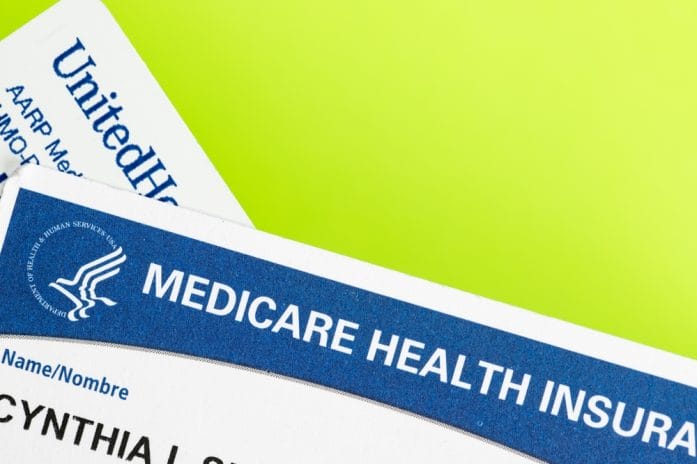
More Retirees Are Seeing Higher Medicare Costs—And It’s Tied to Income From Years Ago

March 23, 2026 by Brandon Marcus Leave a Comment

More Retirees Are Seeing Higher Medicare Costs—And It’s Tied to Income From Years Ago

Image Source: Shutterstock.com

A retirement budget can look solid on paper and still take a hit from a number that feels completely out of place. That number shows up in the form of a higher Medicare premium, and it does not care what income looks like today. It looks backward, sometimes years back, and makes a decision that can feel wildly out of sync with reality.

That disconnect catches more retirees off guard every year, and it sparks a lot of confusion. Why does income from years ago suddenly matter now, and why does it change what comes out of a monthly check? The answer sits in a rule that feels simple once it clicks, but frustrating until it does.

The Two-Year Time Machine That Sets Your Medicare Bill

Medicare does not base premiums on current income, and that single detail drives most of the confusion. Instead, it uses a “lookback” period that pulls income data from two years prior to determine what someone pays today. That means a strong financial year in the past can still influence healthcare costs long after that income disappears. This system connects directly to something called Income-Related Monthly Adjustment Amount, better known as IRMAA. When income crosses certain thresholds, Medicare adds a surcharge to Part B and Part D premiums. Those surcharges increase in tiers, so higher income leads to higher costs in a structured way.

A retiree who sold a home, withdrew a large amount from a retirement account, or converted funds to a Roth IRA could easily trigger a higher bracket. That bump does not fade quickly either. It can affect premiums for an entire year, even if income drops significantly afterward.

The structure feels rigid because it relies on tax return data, not real-time financial situations. Medicare looks at modified adjusted gross income, which includes wages, investment income, and certain other sources. Once that number crosses a threshold, the system moves automatically into a higher premium tier. Those thresholds adjust periodically, but they still capture more people over time as income grows or one-time events push totals higher. That creates a situation where retirees feel like they pay for decisions long after making them. Understanding that timeline changes the way retirement planning works. It turns income decisions into something that stretches beyond the current year and into future healthcare costs.

When a “Good Year” Comes Back to Cost You

A strong financial year often feels like a win, especially after decades of saving and planning. Selling assets, taking distributions, or making strategic tax moves can create flexibility and open new doors. That same success, however, can quietly raise Medicare premiums down the road Large withdrawals from traditional retirement accounts count as taxable income, which feeds directly into the IRMAA calculation. A retiree might pull extra funds for travel, home upgrades, or helping family, only to see higher premiums show up later. That connection rarely feels obvious in the moment.

Roth conversions create another common trigger. Many financial plans encourage converting traditional IRA funds into Roth accounts to reduce future tax burdens. That strategy makes sense in the long run, but it increases taxable income in the year of conversion, which can push someone into a higher Medicare premium bracket.

Capital gains from selling investments can have the same effect. A well-timed sale might lock in profits, but it also increases reported income for that year. When that income crosses a threshold, the result shows up later in the form of higher monthly costs.

Even something like selling a second property can create a ripple effect. The transaction may feel like a one-time event, but Medicare treats that income just like any other. That creates a delayed consequence that surprises many retirees. Recognizing these triggers does not mean avoiding smart financial moves. It means understanding how timing and scale can influence not just taxes, but healthcare costs as well.

The Income Thresholds That Change Everything

IRMAA works on a tiered system, and each tier represents a jump in Medicare premiums. These thresholds depend on filing status, with different levels for individuals and married couples filing jointly. Crossing even one dollar into a higher tier can increase monthly costs. For Medicare Part B, the standard premium applies to most people, but higher-income retirees pay significantly more. The same concept applies to Part D, where surcharges add to the base cost of prescription drug coverage. Together, these increases can add up quickly over a full year.

The thresholds adjust over time, but they still catch many retirees who sit near the cutoff points. A small increase in income can push someone into a higher bracket, which makes careful planning even more important. That edge effect creates a strong incentive to monitor income levels closely.

Modified adjusted gross income plays a central role in this calculation. It includes adjusted gross income plus tax-exempt interest, which means even certain “non-taxable” income still counts for Medicare purposes. That detail surprises many people and complicates planning.

Married couples face an added layer of complexity. A combined income can push both individuals into higher premium tiers, even if one spouse earns significantly more than the other. That dynamic makes joint planning essential. Knowing where those thresholds sit allows retirees to make more informed decisions. It turns income planning into a strategic exercise rather than a guessing game.

Smart Moves to Keep Medicare Costs in Check

Planning ahead offers the best defense against unexpected premium increases. Spreading out large withdrawals over multiple years can help keep income below key thresholds. That approach reduces the chance of triggering higher IRMAA tiers. Timing matters just as much as the amount. Coordinating asset sales, Roth conversions, and other taxable events can smooth out income spikes. A well-timed strategy can maintain flexibility without creating unnecessary cost increases later.

Tax diversification also plays a powerful role. Having a mix of taxable, tax-deferred, and tax-free accounts allows retirees to draw income from different sources without pushing total income too high. That flexibility creates options when managing annual income levels.

Appealing an IRMAA determination provides another important tool. Medicare allows appeals in cases where income drops due to specific life events, such as retirement, divorce, or the death of a spouse. Filing an appeal can lead to lower premiums when circumstances change significantly.

Working with a financial advisor or tax professional can help tie everything together. These decisions involve timing, tax rules, and healthcare costs, which makes coordination essential. A clear plan can prevent surprises and keep long-term costs under control. Staying proactive makes all the difference. A little planning today can prevent a frustrating bill from showing up down the road.

More Retirees Are Seeing Higher Medicare Costs—And It’s Tied to Income From Years Ago

Image Source: Shutterstock.com

The Hidden Lever in Retirement Planning

Medicare premiums do not just reflect healthcare costs; they reflect past financial decisions in a very real way. That connection turns income planning into a long-term strategy that reaches beyond taxes and into everyday expenses. Understanding how the two-year lookback works gives retirees a powerful advantage. It allows them to anticipate changes, adjust strategies, and avoid unnecessary surprises. That kind of awareness transforms a confusing system into something manageable.

Every decision around income, withdrawals, and asset sales carries weight, and that weight does not disappear quickly. It follows along for at least a couple of years, shaping what Medicare costs along the way.

What strategies have worked for you when managing retirement income and avoiding surprise costs like this, and what questions still feel unclear about Medicare premiums? Share those thoughts and ideas in the comments and keep the conversation going.

You May Also Like…

Is it Too Late at 45? How to Use the Mega Backdoor Roth to Dump Tens of Thousands into Retirement in One Year

‘I’d Rather Work Until 80’ — Why So Many Los Angeles Employers Say Their Senior Staff Can No Longer Afford to Retire

5 Ways to Review Your Retirement Plan 5 Years Before Leaving Work

Starting Retirement Savings at 30 With $0 — Is Catching Up Still Possible?

Why Some Seniors Are Being Dropped From Their Medicare Plans Silently

Brandon Marcus
Brandon Marcus

Brandon Marcus is a writer who has been sharing the written word since a very young age. His interests include sports, history, pop culture, and so much more. When he isn’t writing, he spends his time jogging, drinking coffee, or attempting to read a long book he may never complete.


Filed Under: Retirement Tagged With: healthcare costs, healthcare expenses, IRMAA, Medicare, Medicare Part B, Medicare Part D, Medicare premiums, Planning, retirees, retirement income, retirement planning, Social Security, taxes

IRS Changes for Seniors: What’s Actually New on the 1040‑SR for 2026

February 28, 2026 by Brandon Marcus Leave a Comment

IRS Changes for Seniors: What’s Actually New on the 1040‑SR for 2026

Image Source: Unsplash.com

The IRS has not added new lines to Form 1040‑SR, but seniors do have something genuinely new to work with this year: a significantly larger deduction created by recent legislation.

The form itself remains a senior‑friendly version of the standard 1040, with larger print and a clear standard‑deduction chart, but the tax rules behind it have shifted in ways that matter for older filers. Understanding those changes can help retirees keep more of their income and avoid missing deductions they qualify for.

A Bigger Deduction for Seniors Under the New Law

The most important update for the 2026 filing season is the enhanced deduction for seniors, created by the One Big Beautiful Bill Act. This deduction applies to anyone who is 65 or older by the end of the tax year, and it stacks on top of the existing additional standard deduction seniors already receive.

For tax years 2025 through 2028, eligible taxpayers can claim an extra $6,000 deduction per person, or $12,000 for married couples filing jointly when both spouses are 65 or older. This deduction is available whether someone takes the standard deduction or itemizes, and it phases out at higher income levels.

Form 1040‑SR highlights the standard deduction amounts more clearly than the regular 1040, which helps seniors confirm they’re receiving the correct total. But the new senior deduction itself is not a form change—it’s a tax‑law change that applies regardless of which version of the form someone uses.

What Form 1040‑SR Still Does Well

Form 1040‑SR continues to offer the same advantages it has since its introduction. The layout is easier to read, the standard deduction chart is printed directly on the form, and the income sections are organized with retirees in mind. Social Security benefits, pensions, annuities, and IRA distributions appear in familiar places, reducing the chance of misreporting income.

These features matter because accuracy affects more than the final tax bill. Reporting retirement income correctly determines how much of a person’s Social Security becomes taxable. Up to 85 percent of benefits can be taxed when income crosses certain thresholds, so clarity on the form helps seniors avoid mistakes that could trigger IRS notices later.

Deductions and Credits Seniors Often Overlook

Even though the form itself hasn’t added new lines, several deductions and credits remain especially important for older taxpayers. Medical expenses continue to be deductible when they exceed 7.5 percent of adjusted gross income, and Medicare premiums count toward that total. In years with major dental work, surgeries, or long‑term care costs, itemizing can produce a larger deduction than the standard option.

Charitable contributions still require itemizing to be deductible now that the temporary pandemic‑era above‑the‑line deduction has expired. Seniors who give regularly to religious or charitable organizations should compare both filing methods each year rather than assuming the standard deduction always wins.

Credits also deserve attention. The Credit for the Elderly or Disabled still exists, though income limits restrict eligibility. The Saver’s Credit can apply to older workers who continue contributing to retirement accounts, especially those with part‑time income. Form 1040‑SR does not change how these credits work, but its clearer layout makes it easier to follow the references to the schedules where they are claimed.

IRS Changes for Seniors: What’s Actually New on the 1040‑SR for 2026

Image Source: Unsplash.com

Turning the New Rules Into Real Savings

The biggest opportunity for seniors this year comes from combining the enhanced senior deduction with careful tracking of medical expenses, charitable giving, and retirement‑account withdrawals. Seniors who assume the standard deduction is always best may miss out in years with unusually high medical costs. Others may benefit from reducing adjusted gross income through IRA contributions or self‑employed health‑insurance deductions, which can lower the taxable portion of Social Security.

Form 1040‑SR makes these comparisons easier, but the strategy still depends on reviewing records throughout the year. Organized receipts, donation letters, and medical statements help seniors decide whether itemizing or taking the standard deduction produces the better result.

Filing With Confidence

Form 1040‑SR remains a senior‑friendly version of the standard tax return, but the real change this year comes from the law, not the form. The new $6,000 senior deduction can meaningfully reduce taxable income, and the form’s clear layout helps ensure that older taxpayers don’t overlook the benefits they already qualify for.

A thoughtful review of income, deductions, and credits—combined with the updated rules—can make this tax season more rewarding and less stressful.

How do you want to approach your filing strategy this year to make sure the new senior deduction works to your advantage? Any and all seniors with advice should share it below in our comments.

You May Also Like…

7 Sun Belt Retirement Towns Seeing Significant Price Corrections

Why Retirees Are Running Out of Money Faster Than Expected

Why Fixed Income Doesn’t Feel Fixed Anymore for Retirees in 2026

The Medicare Part B Increase That’s Reducing Social Security Checks By About $185/Month in 2026

Why More Seniors Are Getting Surprise Social Security Overpayment Notices


Brandon Marcus
Brandon Marcus

Brandon Marcus is a writer who has been sharing the written word since a very young age. His interests include sports, history, pop culture, and so much more. When he isn’t writing, he spends his time jogging, drinking coffee, or attempting to read a long book he may never complete.

Filed Under: tax tips Tagged With: 1040-SR, federal income tax, IRS, Medicare premiums, older taxpayers, retirement income, retirement planning, senior taxes, Social Security, tax credits, Tax Deductions, tax savings

Social Security 2026 COLA: Why Your 2.8% Raise Disappeared After Medicare Deductions

February 9, 2026 by Brandon Marcus Leave a Comment

Social Security 2026 COLA: Why Your 2.8% Raise Disappeared After Medicare Deductions

Image source: shutterstock.com

Every fall, millions of retirees wait for the Social Security Administration to announce the next year’s cost‑of‑living adjustment, hoping the increase will help them keep pace with rising prices. For 2026, the COLA came in at 2.8 percent — a modest but meaningful bump meant to reflect cooling inflation and a stabilizing economy.

On paper, it should have offered a little breathing room. But for many retirees, that raise seemed to evaporate before it ever reached their bank account. The reason wasn’t a miscalculation or a glitch. It was Medicare. More specifically, the annual increase in Medicare Part B premiums, which quietly siphons away a portion of every Social Security check.

The Raise That Looked Bigger Than It Felt

A 2.8 percent COLA may not sound dramatic, but it’s still a meaningful adjustment for retirees who rely heavily on Social Security. The COLA is designed to help benefits keep pace with inflation, using the Consumer Price Index for Urban Wage Earners and Clerical Workers as its benchmark.

In 2026, inflation had cooled compared to the spikes earlier in the decade, which is why the COLA landed in the high‑2 percent range. For many retirees, that number initially felt encouraging — a sign that their benefits would stretch a little further. But the reality is that Social Security benefits don’t operate independently. They’re directly tied to Medicare premiums, and when those premiums rise faster than the COLA, retirees feel the impact immediately. That’s exactly what happened this year, turning what looked like a helpful raise into a disappointing surprise.

Medicare Part B: The Quiet Culprit Behind Shrinking Checks

Medicare Part B premiums are automatically deducted from Social Security payments for most beneficiaries, which means any increase in those premiums reduces the net amount retirees receive. In 2026, Part B premiums rose again, continuing a long‑running trend driven by higher healthcare costs, increased utilization, and the expansion of medical services covered by Medicare.

Even a moderate premium increase can offset a significant portion of a COLA, especially for retirees with smaller monthly benefits. For some, the entire 2.8 percent raise was absorbed before it ever reached their pocket. This dynamic often catches people off guard because the COLA announcement tends to dominate headlines, while Medicare premium changes receive far less attention. Yet the two are inseparable, and understanding their relationship is key to understanding why your raise didn’t feel like a raise at all.

Social Security 2026 COLA: Why Your 2.8% Raise Disappeared After Medicare Deductions

Image source: shutterstock.com

The Hold Harmless Rule: Helpful, But Not Always Comforting

One of the most misunderstood aspects of Social Security and Medicare is the “hold harmless” provision. This rule protects most beneficiaries from seeing their net Social Security payment decrease due to rising Medicare Part B premiums. In other words, your check won’t go down — but it also might not go up.

When the COLA is modest and Medicare premiums rise, the hold harmless rule ensures that the premium increase is capped at the amount of the COLA. That sounds reassuring, and in many ways it is, but it also means that your entire COLA can be consumed by Medicare. In years with modest COLAs, like 2026, this rule becomes especially relevant. Many retirees technically received a raise, but because the raise was used to cover higher premiums, their take‑home amount stayed exactly the same.

Why Healthcare Costs Keep Outpacing Social Security Increases

The tension between Social Security increases and Medicare premiums isn’t new, and it isn’t going away. Healthcare costs have been rising faster than general inflation for decades, driven by factors such as medical technology, prescription drug prices, and the growing demand for services as the population ages.

Even when overall inflation cools, healthcare inflation often remains stubbornly high. This creates a mismatch between the COLA and Medicare premiums, which reflect the specific costs of healthcare. Retirees will continue to face the same challenge year after year: COLAs that look helpful on paper but feel underwhelming in practice. The 2026 COLA is simply the latest example of this long‑running trend.

What Retirees Can Do to Protect Their Income

While retirees can’t control the COLA or Medicare premiums, they can take steps to better manage the impact. One option is to review Medicare Advantage and Part D plans annually during open enrollment. Switching plans can sometimes reduce out‑of‑pocket costs.

Another strategy is to explore programs that help lower‑income beneficiaries pay for Medicare premiums. Retirees can also benefit from budgeting with the assumption that COLAs will be modest and that healthcare costs will continue rising.

For those still approaching retirement, delaying Social Security can increase monthly benefits and provide a larger buffer against future premium increases. None of these strategies eliminate the challenge entirely. But they can help retirees maintain more control over their financial picture.

Your Vanishing Raise

The 2026 COLA wasn’t a disappointment because it was too small — it was a disappointment because Medicare premiums rose faster. This pattern has played out many times before. It will likely continue as long as healthcare costs outpace general inflation. Social Security is designed to keep pace with inflation, but Medicare is tied to a different set of economic forces, and the two don’t always move in harmony. When they collide, retirees feel the impact immediately. The key is staying informed, planning ahead, and recognizing that the COLA is only one piece of a much larger financial puzzle.

What impact did the 2026 COLA have on your Social Security check after Medicare deductions? Share your stories, tips, and insights in our comments section.

You May Also Like…

The COLA Theft: Why Half of Your Social Security Raise Just Vanished into Medicare This Morning

Could Your 2025 COLA Push You Into a Higher Tax Bracket—Without a Pay Raise?

The Medicare Part B Increase That’s Reducing Social Security Checks By About $185/Month in 2026

Are You Overpaying Medicare? How One Small Withdrawal Can Trigger a Two-Year Surcharge

The Sunshine State Squeeze: Why Florida Retirees are Seeing Smaller Social Security Checks This Week

Brandon Marcus
Brandon Marcus

Brandon Marcus is a writer who has been sharing the written word since a very young age. His interests include sports, history, pop culture, and so much more. When he isn’t writing, he spends his time jogging, drinking coffee, or attempting to read a long book he may never complete.

Filed Under: Lifestyle Tagged With: COLA 2026, cost-of-living adjustment, fixed income, Inflation, Medicare Part B, Medicare premiums, Personal Finance, retirees, retirement income, senior finances, Social Security

The Medicare Part B Increase That’s Reducing Social Security Checks By About $185/Month in 2026

February 1, 2026 by Brandon Marcus Leave a Comment

The Medicare Part B Increase That's Reducing Social Security Checks by $185/Month in 2026

Image source: shutterstock.com

If you’re retired, planning to retire, or even just watching your future finances with one wary eye, here’s a headline that deserves your attention. A potential Medicare Part B premium increase in 2026 could translate into Social Security checks shrinking by as much as $185 per month for some Americans, and that kind of hit isn’t just a budgeting inconvenience, it’s a lifestyle shift.

This isn’t about fearmongering or flashy numbers; it’s about understanding how Medicare and Social Security are financially intertwined in ways most people never learn until it hurts.

How Medicare Part B Quietly Eats Into Your Social Security

Medicare Part B premiums are automatically deducted from Social Security checks for most beneficiaries, which means you don’t “feel” the bill, you just feel the smaller deposit. That setup makes increases feel sneaky, because there’s no invoice, no warning email, and no dramatic moment when you swipe a card. When premiums rise, your Social Security income effectively falls, even if your benefit technically stayed the same.

Eventually, that creates a psychological disconnect where people think Social Security is shrinking, when in reality Medicare is just taking a bigger bite. This is especially painful for retirees on fixed incomes who already budget down to the dollar. The system is convenient, but convenience comes at the cost of transparency, and that’s where a lot of the frustration begins.

Why Some People Could See a $185 Monthly Hit in 2026

The $185 figure is approximate and varies, and it’s important to note that it doesn’t come from a universal premium hike for everyone but from how Medicare Part B interacts with income-based surcharges known as IRMAA (Income-Related Monthly Adjustment Amount).

Higher-income retirees already pay more for Part B, and if premiums rise while IRMAA brackets also adjust, the combined increase can be massive. That’s how some beneficiaries could realistically see their Social Security checks reduced by around $185 per month. It’s not because of one single change, but because of stacked increases.

For people near income thresholds, even small financial shifts can push them into higher premium tiers. Add rising healthcare costs and inflation pressures, and the math starts working against you fast.

The “Hold Harmless” Rule—and Why It Won’t Save Everyone

There’s a rule called the “hold harmless” provision that protects many beneficiaries from seeing their Social Security checks drop due to Medicare premium increases.

Sounds comforting, right? The problem is that not everyone qualifies for this protection, especially higher-income retirees and people subject to IRMAA surcharges. For example, new enrollees, people who don’t have premiums deducted from Social Security, and higher earners often fall outside this safety net. That creates a two-tier reality where some people are shielded while others absorb the full financial impact.

What This Means for Retirement Planning Right Now

The financial decisions you make now shape how vulnerable you’ll be when these increases land. Income planning suddenly matters more than just investment returns, because your reported income can directly change your healthcare costs. Smart retirees are starting to think in terms of income thresholds, tax strategies, and timing withdrawals to avoid jumping into higher Medicare brackets. It’s a lot to keep in mind, but it all adds up.

Remember, this isn’t about gaming the system. Instead, it’s about understanding it well enough to avoid accidental penalties. Talking to a financial advisor who understands Medicare is becoming just as important as having one who understands investing.

The Medicare Part B Increase That's Reducing Social Security Checks by $185/Month in 2026

Image source: shutterstock.com

The Real Story Behind That $185 Number

The most important thing to understand is that not everyone will see a steep reduction, but some absolutely could, and that distinction matters. This isn’t a universal policy change or a flat-rate increase hitting every retiree equally. It’s the result of how Medicare pricing, income-based adjustments, and Social Security deductions overlap.

For higher-income retirees or those near IRMAA thresholds, the financial impact can feel sudden and brutal. For others, the change might be modest or barely noticeable. The real issue isn’t the exact number. It’s how unpredictable and opaque the system feels to the people living inside it.

The Wake-Up Call No One Wants, But Everyone Needs

This potential Medicare Part B increase is about how fragile fixed-income security can really be. A system designed to provide stability can still deliver financial shocks if you’re not prepared for how its many complex parts connect.

Social Security and Medicare don’t operate in isolation. They’re financially intertwined in ways that directly affect real lives and real budgets.

Are you already factoring Medicare premium increases into your retirement planning, or would a surprise $185 hit completely derail your monthly budget?

You May Also Like…

The Sunshine State Squeeze: Why Florida Retirees are Seeing Smaller Social Security Checks This Week

The COLA Theft: Why Half of Your Social Security Raise Just Vanished into Medicare This Morning

11 Roth Conversion “Cliffs” in 2025 That Accidentally Hike Your Medicare IRMAA

Medicare Now Covers Mental Health Sessions Without Cost-Sharing—Are You Using It Yet?

Why Some Seniors Are Being Dropped From Their Medicare Plans Silently

Brandon Marcus
Brandon Marcus

Brandon Marcus is a writer who has been sharing the written word since a very young age. His interests include sports, history, pop culture, and so much more. When he isn’t writing, he spends his time jogging, drinking coffee, or attempting to read a long book he may never complete.

Filed Under: social security Tagged With: financial planning for retirees, government policy, healthcare costs, IRMAA, Medicare Part B, Medicare premiums, retirement income, retirement planning, senior finances, Social Security, Social Security benefits

The COLA Theft: Why Half of Your Social Security Raise Just Vanished into Medicare This Morning

January 14, 2026 by Brandon Marcus 2 Comments

The COLA Theft: Why Half of Your Social Security Raise Just Vanished into Medicare This Morning

Image Source: Shutterstock.com

Your morning coffee hits differently when you check your Social Security statement and realize half of your cost-of-living adjustment (COLA) has evaporated into thin air. That number you were dreaming about for extra groceries, a mini-vacation, or that shiny new gadget? Gone. Vanished. Not because of a bank error or mysterious financial conspiracy, but because Medicare decided to gatecrash your raise.

This is a financial reality served with a twist, and it’s time we unpack why half of your new money just disappeared into the healthcare black hole you didn’t ask for.

How Social Security COLA Actually Works

Social Security COLA is supposed to be a beacon of relief for retirees. It’s calculated every year based on inflation, specifically the Consumer Price Index for Urban Wage Earners and Clerical Workers (CPI-W). When prices rise, Social Security steps in to adjust your benefits so you don’t feel like your wallet is shrinking while your bills balloon. Sounds great, right? Well, the twist comes with Medicare premiums.

The COLA is calculated first, but before you even get to dream about splurging, the Centers for Medicare & Medicaid Services (CMS) takes its cut. That means a chunk of your raise is immediately swallowed by Medicare Part B premiums, leaving you with significantly less than you expected. Many retirees are blindsided because the headline COLA number feels like money you can actually spend, but the reality is more like a “gross income” versus “net income” scenario.

Why Medicare Premiums Keep Rising

Medicare Part B premiums aren’t static. They rise every year, often in step with healthcare costs, which historically climb faster than inflation. Think of it like a rent increase, but for your health insurance. For 2026, premiums rose enough that nearly half of the average Social Security COLA was absorbed before recipients even saw their checks. That’s right—those months of careful budgeting and mental math to account for your COLA bump? The spreadsheet just got a rude awakening. Why do premiums go up? It’s a combination of increasing costs of medical services, more expensive drugs, and an aging population that requires more care. And unfortunately, Social Security beneficiaries foot the bill through deductions that feel automatic, invisible, and sometimes unfair. It’s one of those realities of modern retirement that feels like an adult version of trick-or-treating—except you’re left holding the empty bag.

The Psychological Sting Of The COLA Theft

There’s a real psychological effect when you see your raise disappear instantly. It’s a mix of betrayal and disbelief, like finding a surprise pop quiz in your mailbox. Retirees count on COLA to help keep up with the rising cost of groceries, utilities, and other essentials. When half of it vanishes, it’s not just numbers on paper—it’s the snack you wanted to buy at the store, the coffee you hoped to enjoy, or the little indulgence you were planning. Experts call this “benefit erosion,” and it’s real, measurable, and emotionally impactful. It feels personal, even though it’s purely systemic. That sting of disappointment can make financial planning seem more like a guessing game, leading many retirees to rethink budgets and lifestyle choices mid-year.

How To Calculate What You Actually Receive

Understanding exactly what hits your bank account requires a little math, but it’s not complicated. Start with your announced COLA percentage and multiply it by your current benefit. That gives you your expected increase. Then, subtract your new Medicare Part B premium increase. The result is your “real” raise—the amount you can actually spend or save. For example, if your COLA is 3% on a $2,000 monthly benefit, that’s $60. But if Medicare premiums rise $30 for the month, suddenly your effective gain is only $30. That’s not small potatoes for retirees living on fixed incomes. Being proactive about this calculation helps avoid surprise disappointment and makes budgeting a little less painful. Awareness is power, even if the system sometimes feels like it’s rigged against you.

Strategies To Make The Most Of Your COLA

While you can’t stop Medicare from taking its slice, you can still be strategic about how you use your COLA. Some retirees focus on paying down debt first—credit cards, car loans, or other high-interest obligations—before spending any extra. Others treat the real COLA as a “bonus” and redirect it to small indulgences or emergency funds. Timing purchases and being intentional about monthly budgets can prevent that half-gain from feeling like a loss.

Some retirees even explore income-driven strategies, like adjusting tax withholding or reviewing supplemental insurance options, to ensure they’re maximizing the dollars that remain. In short, while you can’t avoid the COLA theft entirely, you can make your remaining money work smarter.

The COLA Theft: Why Half of Your Social Security Raise Just Vanished into Medicare This Morning

Image Source: Shutterstock.com

Why Understanding This Matters

Being aware of the interaction between COLA and Medicare premiums is crucial for realistic retirement planning. It prevents nasty surprises and gives retirees the tools to adapt their financial strategies. More importantly, understanding these mechanics fosters financial literacy and empowers individuals to make choices about healthcare, savings, and lifestyle. Social Security is not a perfect system, and Medicare premiums can feel like a stealthy deduction, but awareness allows retirees to plan ahead instead of reacting. Knowledge doesn’t just save money—it saves stress, and for many, that’s priceless.

Let’s Talk About Your Experience

The COLA theft is more than a numbers game—it’s a shared experience for millions of retirees. If you’ve felt that sting of watching your hard-earned raise disappear, you’re not alone. We want to hear about your reactions, adjustments, and strategies.

How did you handle the surprise? Did it change your monthly planning? Post your thoughts and stories in the comments section below, and let’s get a conversation started.

Retirement planning is complex enough, but discussing real experiences can make it feel a little less lonely—and a lot more empowering.

You May Also Like…

Pension Shock: 9 Myths About Social Security That Could Derail Your Retirement

Could Your Social Security Plans Collapse If The Economy Shifts Again This Winter?

11 Social Security Surprises That Hit You After Losing a Spouse

Is There Any Way to Get More Social Security Than You Qualify For?

Why Do People Underestimate the True Cost of Living Longer


Brandon Marcus
Brandon Marcus

Brandon Marcus is a writer who has been sharing the written word since a very young age. His interests include sports, history, pop culture, and so much more. When he isn’t writing, he spends his time jogging, drinking coffee, or attempting to read a long book he may never complete.

Filed Under: social security Tagged With: America, COLA, Cost of living, government policy, Medicare, Medicare premiums, senior citizens, seniors, Social Security, Social Security benefits, social security changes, Social Security COLA, social security plans, social security reform, United States

Could Your 2025 COLA Push You Into a Higher Tax Bracket—Without a Pay Raise?

August 21, 2025 by Catherine Reed Leave a Comment

Could Your 2025 COLA Push You Into a Higher Tax Bracket—Without a Pay Raise?

Image source: 123rf.com

For retirees and those living on Social Security, annual cost-of-living adjustments (COLA) are supposed to help offset inflation. But while a bigger check sounds like a win, it can sometimes come with an unwelcome surprise: higher taxes. Many seniors are asking, could your 2025 COLA push you into a higher tax bracket even if your real income hasn’t increased? The answer, unfortunately, is yes. Understanding how this works can help you prepare, avoid unnecessary tax burdens, and keep more of your hard-earned money.

1. How COLA Adjustments Work

Each year, the Social Security Administration calculates a COLA based on inflation. In 2025, beneficiaries will once again see their payments rise to help offset rising prices. But could your 2025 COLA push you into a higher tax bracket simply because of this adjustment? The risk comes from the fact that COLA increases are counted as taxable income. While they help cover living costs, they may also push retirees into a higher bracket without truly raising their buying power.

2. The Problem with Tax Bracket Creep

When inflation raises your Social Security benefits, but tax brackets don’t adjust in the same way, you end up with what’s known as “bracket creep.” This means your taxable income edges into a higher bracket even if you’re not actually wealthier. Could your 2025 COLA push you into a higher tax bracket under these circumstances? Absolutely, especially if your other sources of retirement income are already near a bracket threshold. The result can be higher tax bills even though your spending power hasn’t improved.

3. Social Security Taxation Rules

Unlike wages, Social Security benefits aren’t fully taxable for everyone. Instead, taxation depends on something called “combined income,” which adds together half of your benefits plus other sources of income. Could your 2025 COLA push you into a higher tax bracket if your combined income crosses the thresholds? Yes, and since those thresholds have not been adjusted for inflation in decades, more seniors face taxes each year. Even a modest COLA can trigger higher taxation.

4. The Impact on Medicare Premiums

The consequences don’t stop with taxes. If your COLA increase pushes your income high enough, you may also face higher Medicare Part B or Part D premiums. Could your 2025 COLA push you into a higher tax bracket and also raise your healthcare costs? Unfortunately, yes. Known as IRMAA surcharges, these income-based adjustments make healthcare more expensive for seniors with higher reported income. What should feel like a raise can quickly be eaten up by extra costs.

5. Why This Feels Like a “Phantom Raise”

Retirees often joke that COLA raises are “phantom raises” because they don’t truly boost buying power. With inflation, higher taxes, and Medicare surcharges, the increase may leave you no better off. Could your 2025 COLA push you into a higher tax bracket without providing real benefit? That’s the frustrating reality for many households. The adjustment is designed to help, but hidden costs often cancel out the gain. This is why planning is so important.

6. Strategies to Manage the Impact

There are ways to reduce the bite of higher taxes triggered by COLA. Strategies include withdrawing from Roth accounts, managing required minimum distributions, and spreading taxable income across years. Could your 2025 COLA push you into a higher tax bracket if you don’t plan ahead? Quite possibly, but smart tax planning can make a difference. Working with a financial advisor or tax professional can help you find strategies tailored to your income situation. Proactive steps ensure you keep more of your benefits.

7. State Taxes Add Another Layer

It’s not just federal taxes retirees need to worry about. Some states also tax Social Security, which means COLA increases can have a double impact. Could your 2025 COLA push you into a higher tax bracket in both federal and state systems? Yes, depending on where you live. States like Minnesota, Vermont, and others still tax benefits, adding to the challenge. Relocating to a tax-friendly state can sometimes reduce the burden.

8. Why Staying Informed Is Key

The complexity of Social Security taxation and COLA adjustments means retirees can’t afford to be passive. Regularly reviewing your income, tax bracket, and Medicare thresholds helps avoid surprises. Could your 2025 COLA push you into a higher tax bracket if you ignore these details? Definitely. Staying informed and reviewing your plan annually is one of the best ways to protect your retirement income. Knowledge truly is power in this situation.

Preparing for 2025 and Beyond

While COLA increases are meant to help, they can sometimes do more harm than good by pushing seniors into higher tax brackets and raising healthcare costs. The question of could your 2025 COLA push you into a higher tax bracket is one every retiree should consider seriously. With careful planning, it’s possible to reduce the impact and protect your buying power. Retirement security comes from not just saving money but also managing taxes effectively. By preparing now, you can make the most of your Social Security benefits without letting taxes eat them away.

Do you think COLA increases actually help retirees, or do the tax consequences cancel them out? Share your perspective in the comments below!

Read More:

Will the Upcoming Social Security Changes in 2026 Affect Your Spouse’s Benefits? Time Is Running Out

10 Silent Pension Shifts That Lower Your First Distribution Check

Catherine Reed
Catherine Reed

Catherine is a tech-savvy writer who has focused on the personal finance space for more than eight years. She has a Bachelor’s in Information Technology and enjoys showcasing how tech can simplify everyday personal finance tasks like budgeting, spending tracking, and planning for the future. Additionally, she’s explored the ins and outs of the world of side hustles and loves to share what she’s learned along the way. When she’s not working, you can find her relaxing at home in the Pacific Northwest with her two cats or enjoying a cup of coffee at her neighborhood cafe.

Filed Under: Tax Planning Tagged With: COLA 2025, Inflation, Medicare premiums, retirement planning, senior finances, Social Security, tax brackets

Could IRMAA Be the Reason Your Part B Bill Crosses $600 a Month?

August 12, 2025 by Travis Campbell Leave a Comment

medicare

Image source: pexels.com

Medicare is supposed to make healthcare more affordable in retirement. But for some, the monthly bill for Part B can be a shock—especially when it jumps past $600. If you’re staring at a higher-than-expected premium, IRMAA might be the reason. IRMAA stands for Income-Related Monthly Adjustment Amount. It’s a surcharge added to your Medicare Part B (and Part D) premiums if your income is above certain limits. Many people don’t see it coming until it’s too late. Here’s what you need to know about IRMAA, why it matters, and how you can keep your Medicare costs in check.

1. What Is IRMAA and Why Does It Exist?

IRMAA is a monthly charge added to your standard Medicare Part B premium if your income is above a set threshold. The government uses your tax return from two years ago to decide if you owe IRMAA. For example, your 2025 Medicare premiums are based on your 2023 tax return. The idea is simple: people with higher incomes pay more for Medicare. This extra charge can push your Part B bill well over $600 a month if your income is high enough. The standard Part B premium in 2025 is about $180, but with IRMAA, it can climb much higher.

2. How Does IRMAA Push Your Part B Bill Over $600?

The standard Part B premium is only the starting point. IRMAA adds a surcharge based on your modified adjusted gross income (MAGI). If your MAGI is above $103,000 (single) or $206,000 (married filing jointly) in 2023, you’ll pay more in 2025. The higher your income, the higher your IRMAA charge. At the top tier, your Part B premium can reach over $600 a month. This isn’t a rare situation for people who sell a business, cash out retirement accounts, or have a big one-time income event. Even a single year of high income can trigger IRMAA for two years. That’s why it’s important to know where you stand.

3. What Counts as Income for IRMAA?

Not all income is treated the same. IRMAA is based on your modified adjusted gross income, which includes wages, Social Security, pensions, withdrawals from traditional IRAs and 401(k)s, capital gains, rental income, and even tax-exempt interest. Roth IRA withdrawals don’t count, but most other sources do. If you sell a house, take a large distribution, or have a big investment gain, it can push you into IRMAA territory. Many retirees are surprised to learn that even one-time events can affect their Medicare costs for two years.

4. Can You Avoid or Reduce IRMAA?

You can’t always avoid IRMAA, but you can plan for it. Spreading out large withdrawals over several years, converting traditional IRAs to Roth IRAs before you turn 65, or managing capital gains can help. If you have a one-time event like selling a home or business, consider the timing. Sometimes, you can delay or split the income across tax years. If your income drops due to retirement, divorce, death of a spouse, or other life-changing events, you can ask Social Security to lower your IRMAA. This is called a “life-changing event” appeal. You’ll need to provide proof, but it can make a big difference in your premiums.

5. What If You Think Your IRMAA Is Wrong?

Mistakes happen. If you think Social Security used the wrong tax year or made an error, you can appeal. You’ll need to fill out a form and provide documentation. If your income has dropped due to a life-changing event, you can also request a new determination. Don’t ignore the notice—act quickly. The process isn’t complicated, but it does require paperwork. If you win your appeal, your premiums can be adjusted, and you may get a refund for overpayments.

6. How to Plan Ahead for IRMAA

The best way to avoid IRMAA surprises is to plan ahead. Know your income sources and how they affect your MAGI. Work with a tax advisor or financial planner who understands IRMAA. Review your income each year, especially before you start Medicare. If you’re close to the IRMAA threshold, small changes can make a big difference. For example, taking a little less from your IRA or managing capital gains can keep you below the line. Planning ahead can save you hundreds—or even thousands—of dollars a year.

7. Why IRMAA Matters for Your Retirement Budget

IRMAA isn’t just a line item. It can have a real impact on your retirement budget. If you’re not expecting it, a $600+ monthly bill can throw off your plans. That’s money you could use for travel, hobbies, or other expenses. And because IRMAA is based on your income from two years ago, it can catch you off guard. Understanding how it works helps you make better decisions about withdrawals, investments, and even when to claim Social Security. It’s not just about paying more—it’s about keeping more of your money for what matters to you.

IRMAA: The Hidden Cost You Can’t Ignore

IRMAA can sneak up on anyone with a higher income or a big one-time event. It’s not just for the wealthy. Even middle-income retirees can get hit if they’re not careful. The key is to know how IRMAA works, watch your income, and plan ahead. If you’re already paying IRMAA, look for ways to reduce it in the future. If you’re not, take steps now to avoid it. A little planning can go a long way in keeping your Medicare costs under control.

Have you ever been surprised by an IRMAA charge? Share your story or tips in the comments below.

Read More

6 Overlooked Retirement Age Triggers That Can Spike Your Tax Bill

7 Financial Medicare Mistakes to Avoid

Travis Campbell
Travis Campbell

Travis Campbell is a digital marketer/developer with over 10 years of experience and a writer for over 6 years. He holds a degree in E-commerce and likes to share life advice he’s learned over the years. Travis loves spending time on the golf course or at the gym when he’s not working.

Filed Under: Retirement Tagged With: healthcare costs, income planning, IRMAA, Medicare, Medicare premiums, Part B, Retirement, Social Security

The Tax Classification That Quietly Changed After Retirement

August 6, 2025 by Catherine Reed Leave a Comment

The Tax Classification That Quietly Changed After Retirement

Image source: 123rf.com

For many retirees, the biggest financial surprise isn’t healthcare costs or inflation—it’s the silent shift in how they’re taxed. Without warning, the tax classification you’ve lived under for decades can change once you stop working, affecting everything from Social Security benefits to how your savings are taxed. And if you don’t understand these new rules, you might end up paying more than necessary or making avoidable money moves. It’s a hidden trap that can catch even the most organized savers off guard. Here’s what really happens when your tax classification quietly changes after retirement and how to stay ahead of it.

1. You May Move Into a Lower Income Bracket, But Still Pay More

After retirement, many people assume they’ll be in a lower tax bracket and owe less overall. While that’s often true on paper, taxable income can be misleading. Withdrawals from traditional IRAs and 401(k)s count as income, and so do parts of your Social Security benefits depending on how much you earn. The result is that even a small withdrawal or unexpected windfall can push you into a higher bracket or trigger taxes on benefits. Just because your job income is gone doesn’t mean your tax classification won’t cause problems.

2. Social Security Benefits Can Become Taxable

One of the biggest eye-openers is that Social Security benefits are not always tax-free. If your “combined income” (which includes half your Social Security benefits, plus other income) exceeds certain thresholds, you could pay taxes on up to 85% of your benefits. This is especially tricky for those who withdraw from retirement accounts without realizing how those withdrawals affect their tax classification. Many retirees unintentionally trigger taxes on benefits they thought were protected. It’s a perfect example of how your tax classification can quietly shift after retirement.

3. Required Minimum Distributions Force Taxable Income

Starting at age 73 (for most current retirees), required minimum distributions (RMDs) kick in for traditional IRAs and 401(k)s. These mandatory withdrawals count as taxable income whether you need the money or not. Some retirees delay withdrawals for years only to find they’re forced into a higher tax classification later. The larger your nest egg, the bigger your RMD—and the bigger your potential tax bill. Planning around these distributions is crucial if you want to minimize long-term tax consequences.

4. Capital Gains Are Handled Differently Without a Paycheck

In retirement, you might rely on investment sales to supplement income. But how those gains are taxed depends on your overall tax classification, and it can be confusing. Long-term capital gains may be taxed at 0%, 15%, or even 20%, depending on your income from all sources. Sell too much in one year, and you might lose access to the lowest tax rates. It’s easy to trip up when you’re not actively earning but still making moves that increase your taxable income.

5. Medicare Premiums Rise with Income Levels

Here’s a twist that surprises many retirees: higher income means higher Medicare premiums. These surcharges, known as IRMAA (Income-Related Monthly Adjustment Amount), are tied directly to your tax classification. If your income crosses certain thresholds—even from one-time events like property sales—you could pay hundreds more per month for healthcare. It’s not just about taxes anymore. Now your tax classification influences what you pay for essential medical coverage, too.

6. State Taxes Might Kick In When You Least Expect It

Even if federal taxes are manageable, state taxes can sneak up depending on where you retire. Some states tax pension income, IRA withdrawals, or even Social Security benefits. Others have strict rules about residency that affect whether you owe taxes at all. If your tax classification changes and you don’t update your withholding or planning accordingly, you could face an unexpected bill at tax time. It’s easy to overlook this when moving between states in retirement.

7. Tax-Smart Withdrawals Matter More Than Ever

In retirement, how you withdraw money can be just as important as how much. Pulling funds from a Roth account doesn’t affect your tax classification the same way a traditional IRA does. A blend of withdrawal sources allows you to manage your tax exposure more carefully year to year. Unfortunately, many retirees just pull from one bucket at a time, triggering higher taxes and even Medicare surcharges. A tax classification change is only a problem if you don’t plan around it.

Know Your Classification Before It Costs You

Retirement doesn’t just change your lifestyle—it changes how the IRS views your money. From surprise taxes on Social Security to Medicare premium hikes and investment pitfalls, a shift in tax classification can quietly erode your hard-earned savings. But these problems are avoidable with a little awareness and some proactive planning. By understanding the rules and revisiting your withdrawal strategies regularly, you can make your money last longer and keep more of it where it belongs—with your family.

Have you been caught off guard by a tax surprise in retirement? Share your experience or tips with others in the comments below!

Read More:

Tax Advice That No Longer Applies in 2025

8 Minor Asset Transfers That Can Cause Major Tax Trouble

Catherine Reed
Catherine Reed

Catherine is a tech-savvy writer who has focused on the personal finance space for more than eight years. She has a Bachelor’s in Information Technology and enjoys showcasing how tech can simplify everyday personal finance tasks like budgeting, spending tracking, and planning for the future. Additionally, she’s explored the ins and outs of the world of side hustles and loves to share what she’s learned along the way. When she’s not working, you can find her relaxing at home in the Pacific Northwest with her two cats or enjoying a cup of coffee at her neighborhood cafe.

Filed Under: Tax Planning Tagged With: Medicare premiums, Planning, retirement income strategies, retirement planning, retirement taxes, Social Security, tax classification

FOLLOW US

Search this site:

Recent Posts

  • Can My Savings Account Affect My Financial Aid? by Tamila McDonald
  • 12 Ways Gen X’s Views Clash with Millennials… by Tamila McDonald
  • What Advantages and Disadvantages Are There To… by Jacob Sensiba
  • 10 Tactics for Building an Emergency Fund from Scratch by Vanessa Bermudez
  • Call 911: Go To the Emergency Room Immediately If… by Stephen Kanaval
  • 7 Weird Things You Can Sell Online by Tamila McDonald
  • 10 Scary Facts About DriveTime by Tamila McDonald

Copyright © 2026 · News Pro Theme on Genesis Framework